🌌
A black hole’s jets have a halo effect
De jets van een zwart gat hebben een halo-effect
Les jets d’un trou noir produisent un effet de halo
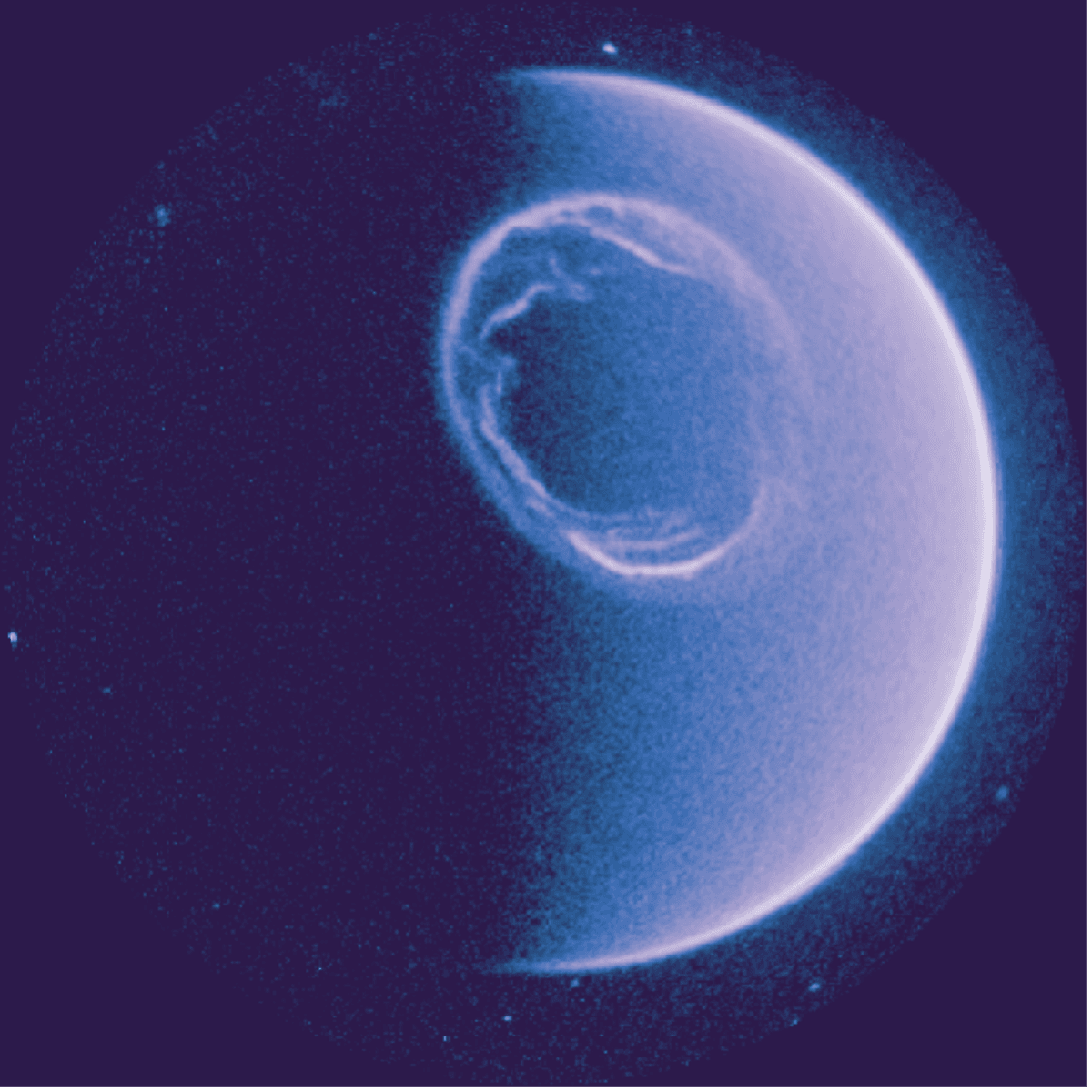
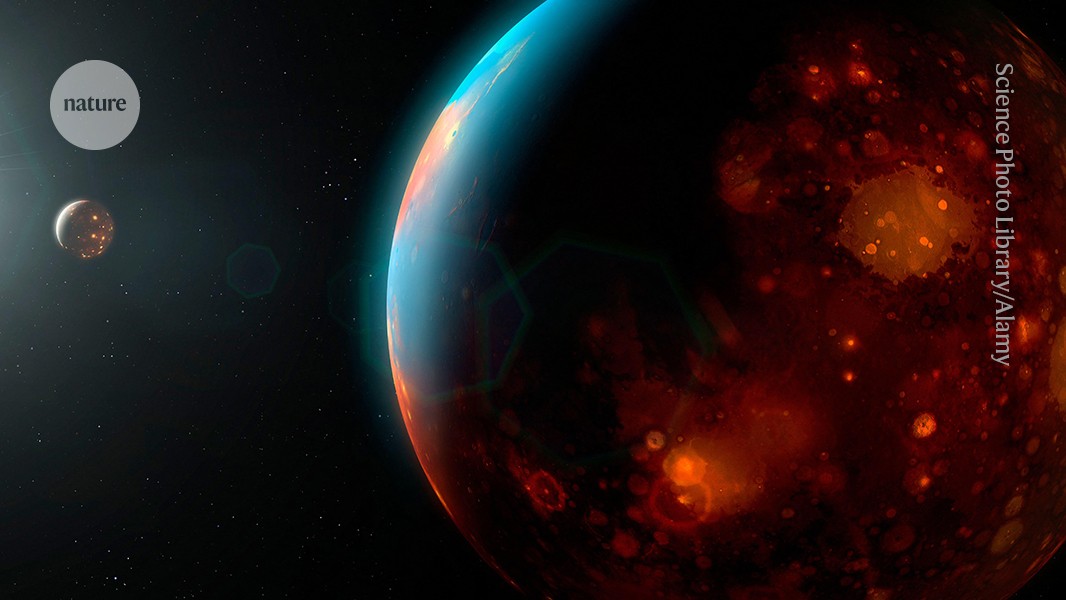
So, observations offer evidence that supermassive black holes help regulate star formation in their host galaxies. Their jets of plasma affect the gas cloud surrounding a galaxy, just as researchers expected. This influence can help slow the formation of new stars. It’s a fascinating glimpse of how activity at a galaxy’s centre can shape its wider surroundings.
Waarnemingen leveren bewijs dat superzware zwarte gaten de stervorming in hun sterrenstelsels helpen reguleren. Hun plasmastromen beïnvloeden de gaswolk rond een sterrenstelsel, precies zoals onderzoekers verwachtten. Die invloed kan de vorming van nieuwe sterren afremmen. Zo zien we hoe activiteit in het hart van een sterrenstelsel ook de wijde omgeving kan vormgeven.
Les observations apportent des indices montrant que les trous noirs supermassifs contribuent à réguler la formation d’étoiles dans leurs galaxies. Leurs jets de plasma influencent le nuage de gaz qui entoure une galaxie, comme les chercheurs s’y attendaient. Cette influence peut freiner la naissance de nouvelles étoiles. Voilà un aperçu fascinant de la façon dont l’activité au cœur d’une galaxie peut façonner son environnement.
🏺
A major early Christian monastery emerges in Scotland
Een belangrijk vroegchristelijk klooster ontdekt in Schotland
Un important monastère chrétien ancien découvert en Écosse
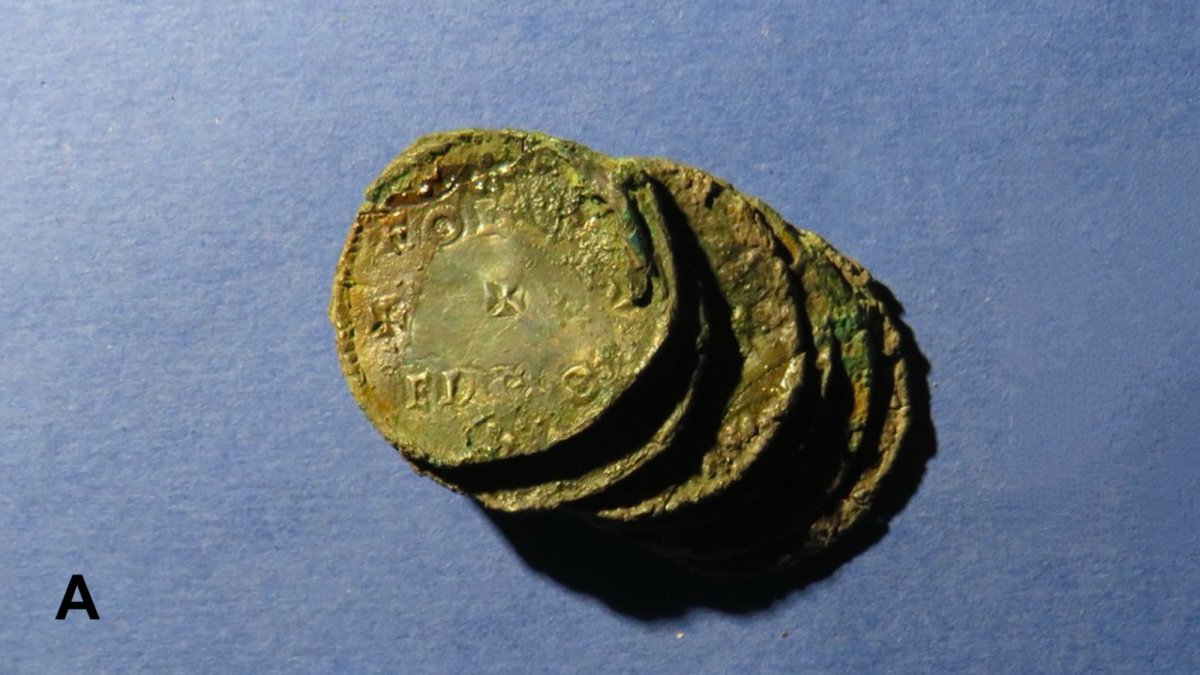
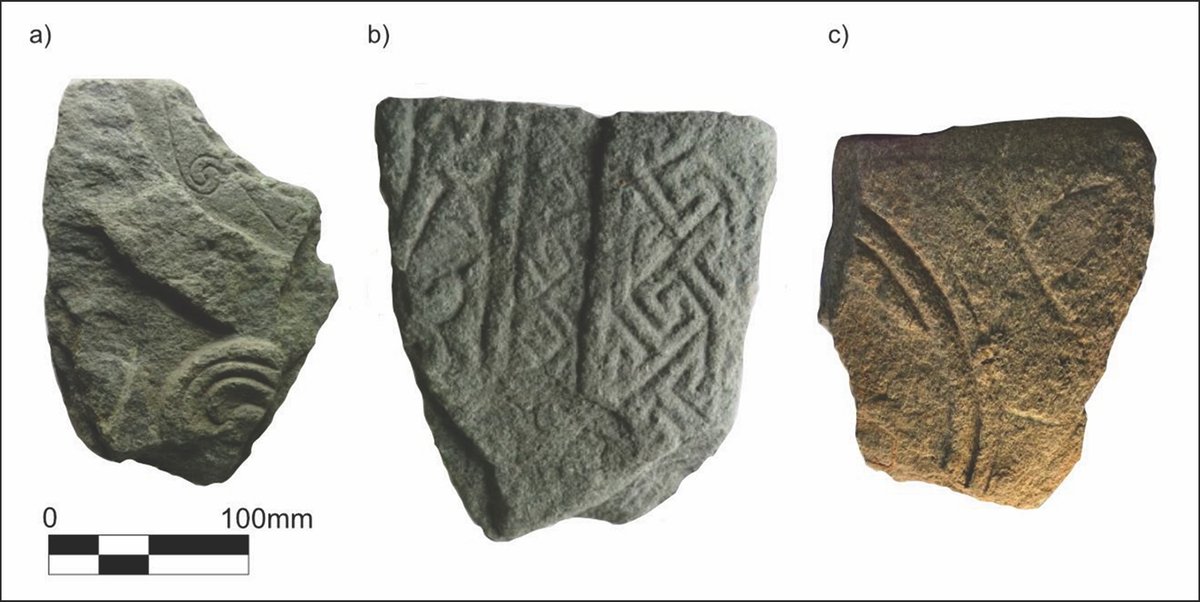
So, archaeologists have uncovered a large early Christian monastery on Scotland’s island of Lismore, a site long linked to Saint Mo Luóc in the sixth century. Excavations revealed ancient graves, buildings, sculpture fragments and signs of workshops. Hundreds of molds and crucibles for working precious metals make the finds especially striking, and suggest the monastery was an important craft center. Researchers say Lismore may have played a bigger role in early Christianity than previously thought, and plan to keep exploring the site.
Op het Schotse eiland Lismore hebben archeologen een groot vroegchristelijk klooster blootgelegd, op een plek die al lang in verband wordt gebracht met Sint Mo Luóc uit de zesde eeuw. De opgravingen brachten oude graven, gebouwen, beeldhouwwerkfragmenten en sporen van werkplaatsen aan het licht. Honderden mallen en smeltkroezen voor het bewerken van edelmetalen maken de vondsten extra bijzonder en wijzen erop dat het klooster ook een belangrijk ambachtscentrum was. Volgens de onderzoekers speelde Lismore mogelijk een grotere rol in het vroege christendom dan eerder werd gedacht, en ze willen de plek verder onderzoeken.
Sur l’île écossaise de Lismore, des archéologues ont mis au jour un vaste monastère chrétien ancien, sur un site longtemps associé à saint Mo Luóc, au VIe siècle. Les fouilles ont révélé des sépultures anciennes, des bâtiments, des fragments de sculpture et des traces d’ateliers. La découverte de centaines de moules et de creusets destinés au travail des métaux précieux est particulièrement remarquable et laisse penser que le monastère était aussi un important centre artisanal. Selon les chercheurs, Lismore a peut-être joué un rôle plus important dans les débuts du christianisme qu’on ne le pensait, et les recherches sur le site vont se poursuivre.

⚡
Forecasting space weather risks on power grids
Ruimteweer risico's voorspellen voor elektriciteitsnetten
Prévoir les risques du climat spatial sur les réseaux électriques
I find it fascinating how Microsoft Research developed a machine learning system that forecasts space weather risks for nearly 67,000 substations across the US. So: it uses solar wind data combined with local geology and grid details to predict where geomagnetic storms might cause trouble. The system can warn operators 30 to 60 minutes ahead, which is a real game-changer for protecting our power grids. And here's the thing - it detected almost 80% of major space weather events during tests, showing impressive accuracy and promise.
Ik vind het geweldig hoe Microsoft Research een machine learning-systeem heeft ontwikkeld dat ruimteweer risico's voorspelt voor bijna 67.000 transformatorstations in de VS. Dus: het gebruikt gegevens over zonnewind gecombineerd met lokale geologie en netwerkinformatie om te voorspellen waar geomagnetische stormen problemen kunnen veroorzaken. Het systeem kan netbeheerders 30 tot 60 minuten van tevoren waarschuwen, wat echt een doorbraak is voor het beschermen van onze elektriciteitsnetten. En het mooie is dat het bijna 80% van de grote ruimteweerevenementen tijdens tests detecteerde, wat indrukwekkende nauwkeurigheid laat zien.
Je trouve fascinant que Microsoft Research ait développé un système d'apprentissage automatique qui prévoit les risques du climat spatial pour près de 67 000 postes électriques aux États-Unis. Donc : il combine les données du vent solaire avec la géologie locale et les caractéristiques du réseau pour prédire où les tempêtes géomagnétiques pourraient poser problème. Le système peut avertir les opérateurs 30 à 60 minutes à l'avance, ce qui change la donne pour protéger nos réseaux électriques. Et voici le truc - il a détecté près de 80 % des grands événements spatiaux lors des tests, montrant une précision impressionnante.
🦋
Butterfly wing patterns give predators the old razzle-dazzle
Vlindervleugelpatronen geven roofdieren de oude razzle-dazzle
Les motifs des ailes de papillon donnent aux prédateurs le vieux razzle-dazzle
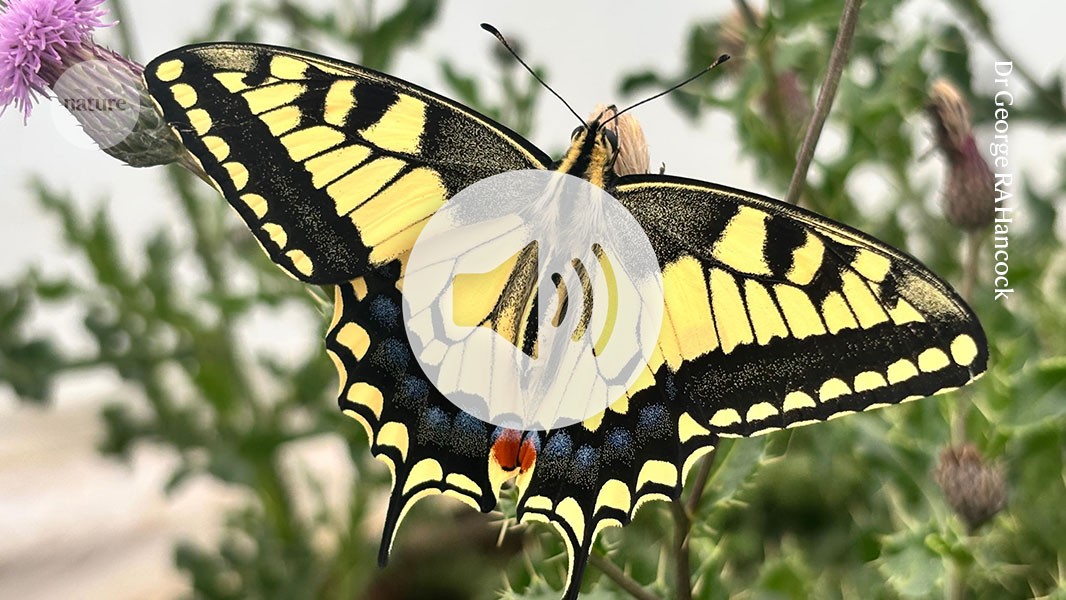
I love how nature keeps surprising us! Butterfly wings aren’t just pretty—they’re like a clever trick to confuse predators. These dazzling patterns create a kind of optical illusion that makes it harder for predators to focus or predict their moves. So: it’s not just beauty, but a smart survival strategy. And here’s the thing, this old razzle-dazzle is a fascinating example of evolution’s creativity in action.
Ik vind het geweldig hoe de natuur ons blijft verrassen! Vlindervleugels zijn niet alleen mooi - ze zijn als een slimme truc om roofdieren te verwarren. Deze schitterende patronen creëren een soort optische illusie die het voor roofdieren moeilijker maakt om te focussen of hun bewegingen te voorspellen. Dus: het is niet alleen schoonheid, maar ook een slimme overlevingsstrategie. En hier komt het op neer, deze oude razzle-dazzle is een fascinerend voorbeeld van de creativiteit van evolutie.
J’adore voir comment la nature nous étonne sans cesse ! Les ailes des papillons ne sont pas seulement jolies - elles jouent un rôle malin pour embrouiller les prédateurs. Ces motifs éblouissants créent une illusion d’optique qui rend plus difficile pour les prédateurs de se concentrer ou de prévoir leurs mouvements. Donc : ce n’est pas juste une question de beauté, mais une stratégie de survie intelligente. Et voilà le truc, ce vieux razzle-dazzle est un exemple fascinant de la créativité de l’évolution en action.

🏺
Palestinian archaeologists race against time to save Gaza’s heritage
Palestijnse archeologen racen tegen de klok om Gaza’s erfgoed te redden
Des archéologues palestiniens luttent contre la montre pour sauver le patrimoine de Gaza
I find it incredible how Palestinian archaeologists are racing against time to save Gaza’s rich heritage amid devastating conflict. Since Israeli military operations began, over 160 cultural sites have been damaged, including ancient landmarks like the Great Omari Mosque. The Guardians of Heritage team has rescued more than 1,700 historical pieces despite facing huge challenges like military restrictions and dangerous conditions near the ‘Yellow Line’. Their dedication to preserving Gaza’s 5,000-year-old history is truly inspiring, showing how culture and human life remain deeply intertwined even in the darkest times.
Wat mij echt raakt, is hoe Palestijnse archeologen tegen de klok racen om het rijke erfgoed van Gaza te redden te midden van verwoestend conflict. Sinds het begin van de Israëlische militaire operaties zijn meer dan 160 culturele locaties beschadigd, waaronder oude monumenten zoals de Grote Omari-moskee. Het Guardians of Heritage-team heeft meer dan 1.700 historische stukken gered, ondanks enorme uitdagingen zoals militaire beperkingen en gevaarlijke omstandigheden nabij de ‘Yellow Line’. Hun toewijding aan het behoud van de 5.000 jaar oude geschiedenis van Gaza is echt inspirerend en laat zien hoe cultuur en mensenleven nauw verbonden blijven, zelfs in de donkerste tijden.
Je trouve incroyable que des archéologues palestiniens se battent contre la montre pour sauver le riche patrimoine de Gaza en pleine guerre dévastatrice. Depuis le début des opérations militaires israéliennes, plus de 160 sites culturels ont été endommagés, dont des monuments anciens comme la grande mosquée Omari. L’équipe des Gardiens du patrimoine a déjà sauvé plus de 1 700 pièces historiques malgré les énormes défis, notamment les restrictions militaires et les zones dangereuses près de la « ligne jaune ». Leur engagement à préserver les 5 000 ans d’histoire de Gaza est vraiment inspirant, montrant que la culture et la vie humaine restent profondément liées même dans les moments les plus sombres.
🕊️
The Iranian lawyer and activist who never gives up: Nasrin Sotoudeh wins human rights award
De Iraanse advocaat en activist die nooit opgeeft: Nasrin Sotoudeh wint mensenrechtenprijs
L’avocate et militante iranienne qui n’abandonne jamais : Nasrin Sotoudeh reçoit un prix des droits humains
Nasrin Sotoudeh is a remarkable Iranian lawyer and activist who has shown incredible courage in defending human rights despite immense challenges. She has been repeatedly imprisoned for her fearless work, yet she never loses hope or stops fighting. So: her recent win of a prestigious human rights award is a powerful recognition of her dedication and resilience. And here’s the thing - her story inspires many around the world to stand up for justice no matter the odds.
Nasrin Sotoudeh is een bijzondere Iraanse advocaat en activist die met enorme moed mensenrechten verdedigt, ondanks zware tegenslagen. Ze is herhaaldelijk gevangen gezet vanwege haar onvermoeibare inzet, maar ze verliest nooit de hoop of stopt met vechten. Dus: haar recente winst van een prestigieuze mensenrechtenprijs is een sterke erkenning van haar doorzettingsvermogen en toewijding. En hier komt het op neer - haar verhaal inspireert velen wereldwijd om op te komen voor gerechtigheid, ongeacht de moeilijkheden.
Nasrin Sotoudeh est une avocate et militante iranienne remarquable qui fait preuve d’un courage incroyable pour défendre les droits humains malgré d’énormes défis. Elle a été emprisonnée à plusieurs reprises pour son travail sans peur, mais elle ne perd jamais espoir ni ne cesse de se battre. Donc : son récent prix des droits humains est une reconnaissance puissante de sa détermination et de sa résilience. Et voici la chose - son histoire inspire beaucoup de gens dans le monde à défendre la justice, quoi qu’il arrive.
🐊
CT scans reveal how prehistoric crocodiles might have crossed the Atlantic Ocean
CT-scans tonen hoe prehistorische krokodillen mogelijk over Atlantische Oceaan trokken
Les scans CT montrent comment les crocodiles préhistoriques ont peut-être traversé l'océan Atlantique
I find it fascinating that CT scans are helping us understand how prehistoric crocodiles could have made the incredible journey across the Atlantic Ocean. These scans reveal details about their anatomy that suggest they were capable of long-distance travel, which is quite surprising! So: this challenges what we thought about their mobility and opens new doors for studying ancient animal behavior. And here's the thing - it makes me wonder what other secrets are hidden in fossils waiting to be uncovered.
Ik vind het geweldig dat CT-scans ons nu laten zien hoe prehistorische krokodillen mogelijk de enorme oversteek van de Atlantische Oceaan maakten. Die scans onthullen details over hun lichaam die erop wijzen dat ze lange afstanden konden afleggen, wat best verrassend is! Dus: dit zet onze ideeën over hun beweeglijkheid op zijn kop en opent nieuwe mogelijkheden om het gedrag van oude dieren te bestuderen. En het maakt me nieuwsgierig naar welke andere geheimen fossielen nog voor ons bewaren.
Je trouve passionnant que les scans CT nous aident à comprendre comment les crocodiles préhistoriques ont pu traverser l'océan Atlantique. Ces images révèlent des détails anatomiques suggérant qu'ils étaient capables de longs voyages, ce qui est assez étonnant ! Donc : cela remet en question nos idées sur leur mobilité et ouvre de nouvelles perspectives pour étudier le comportement animal ancien. Et voilà ce qui est fascinant - je me demande quels autres secrets les fossiles cachent encore.

🐻
Gentle giant Backpack wins Alaska’s Fat Bear Week
Zachte reus Backpack wint Fat Bear Week in Alaska
Le doux géant Backpack remporte la Fat Bear Week en Alaska
So: Backpack, the gentle giant of Alaska’s Katmai National Park, has won the 12th annual Fat Bear Week! This contest celebrates the incredible brown bears that bulk up on salmon to survive winter, and Backpack took the crown with over 100,000 votes. What’s really cool is that he’s known for his calm nature, not aggression, which makes his win even more special. And here's the thing - he’s the son of a former champion, carrying on a proud family tradition in the wild.
Dus: Backpack, de zachte reus van Katmai National Park in Alaska, heeft de 12e editie van Fat Bear Week gewonnen! Deze wedstrijd viert de indrukwekkende bruine beren die zich volvreten met zalm om de winter te overleven, en Backpack kreeg meer dan 100.000 stemmen. Wat echt leuk is, is dat hij bekend staat om zijn rustige aard, niet agressief, wat zijn overwinning extra bijzonder maakt. En hier komt het: hij is de zoon van een voormalige kampioen en zet zo een trotse familietraditie voort in het wild.
Alors: Backpack, le doux géant du parc national de Katmai en Alaska, a remporté la 12e édition de la Fat Bear Week ! Ce concours célèbre les incroyables ours bruns qui s’engraissent de saumon pour survivre à l’hiver, et Backpack a gagné avec plus de 100 000 votes. Ce qui est vraiment chouette, c’est qu’il est connu pour son calme, pas pour son agressivité, ce qui rend sa victoire encore plus spéciale. Et voici la chose – c’est le fils d’un ancien champion, perpétuant une belle tradition familiale dans la nature.

🌳
A twig becomes a toothbrush, seeds become oil: the many uses of neem
Een takje wordt een tandenborstel, zaden worden olie: de vele toepassingen van neem
Un brindille devient une brosse à dents, les graines deviennent de l'huile : les multiples usages du neem
I love how the neem tree is truly a one-plant wonder with over 100 uses! From twigs that serve as natural toothbrushes to seeds pressed for oil used in soaps and pest control, neem is woven into daily life across India. Its leaves protect stored grains from insects, and even the leftover neem cake enriches the soil. And here's the thing - every part of the tree, including bark and flowers, has a special role, making neem a remarkable gift from nature.
Ik vind het geweldig hoe de neemboom echt een wonder is met meer dan 100 toepassingen! Van takjes die als natuurlijke tandenborstel dienen tot zaden die worden geperst voor olie gebruikt in zeep en ongediertebestrijding, neem is verweven met het dagelijks leven in India. De bladeren beschermen opgeslagen graan tegen insecten en zelfs het overgebleven neemkoekje verrijkt de bodem. En het bijzondere is dat elk deel van de boom, inclusief de schors en bloemen, een speciale rol speelt, wat neem tot een opmerkelijk geschenk van de natuur maakt.
J’adore comment l’arbre de neem est une véritable merveille avec plus de 100 usages ! Des brindilles qui servent de brosses à dents naturelles aux graines pressées pour produire de l’huile utilisée dans les savons et la lutte antiparasitaire, le neem fait partie intégrante de la vie quotidienne en Inde. Ses feuilles protègent les grains stockés des insectes, et même le résidu appelé « neem cake » enrichit le sol. Et voici le truc - chaque partie de l’arbre, y compris l’écorce et les fleurs, joue un rôle spécial, faisant du neem un cadeau remarquable de la nature.
🐋
Norway’s newest marine protected area shelters rich marine habitat, whales, and seabirds
Noorwegens nieuwste mariene beschermd gebied beschermt rijke mariene habitat, walvissen en zeevogels
La nouvelle zone marine protégée de Norvège abrite un habitat marin riche, des baleines et des oiseaux marins
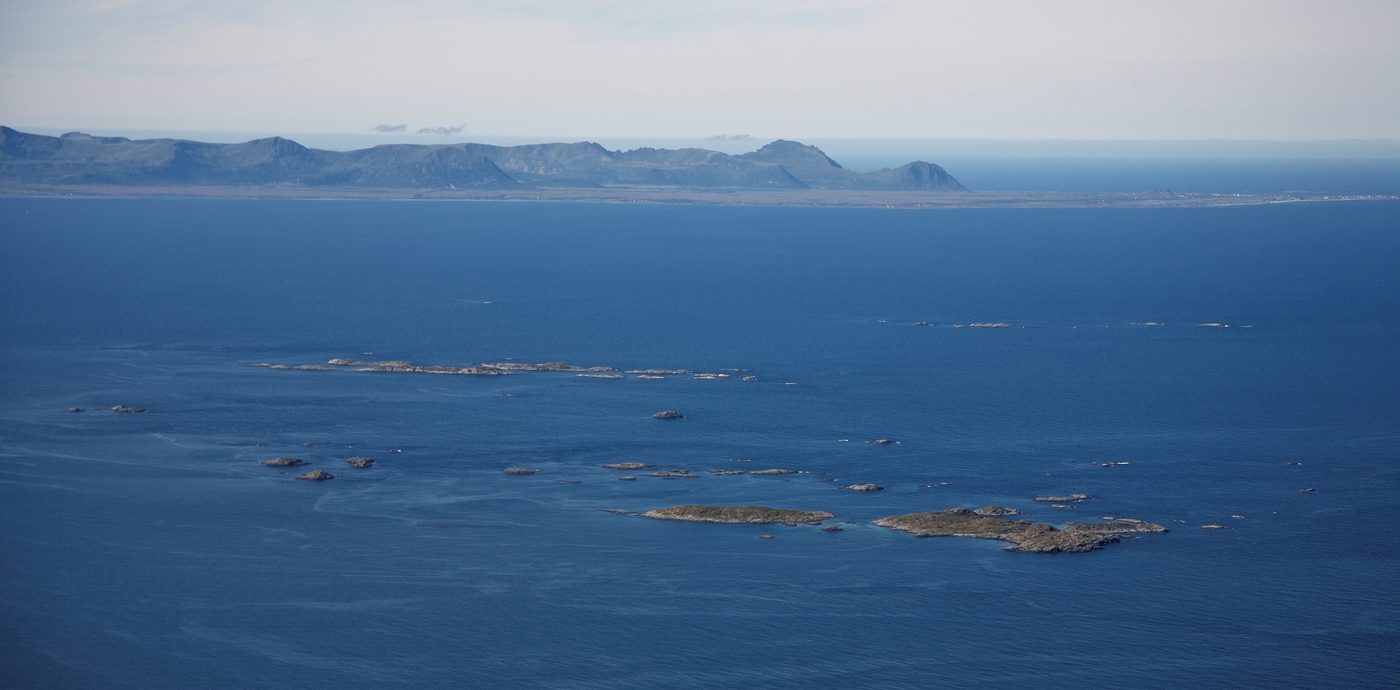
So: Norway has just created a huge new marine protected area called Andfjorden, covering nearly 260,000 football pitches! This spot is bursting with life, from coral reefs to kelp forests, and is home to many fish, whales, and seabirds. The government is serious about protecting this treasure while balancing fishing and other activities, thanks to great cooperation with local communities. And here's the thing - this new area boosts Norway’s marine protection from 4.8% to 6%, securing nature’s wonders for future generations.
Dus: Noorwegen heeft net een enorm nieuw marien beschermd gebied opgericht, Andfjorden, dat bijna 260.000 voetbalvelden beslaat! Deze plek zit vol leven, van koraalriffen tot kelpwouden, en herbergt veel vissen, walvissen en zeevogels. De overheid neemt de bescherming serieus en zorgt voor een goede balans tussen natuur en visserij, dankzij de fijne samenwerking met lokale gemeenschappen. En hier komt het op neer - dit nieuwe gebied verhoogt de mariene bescherming van Noorwegen van 4,8% naar 6%, zodat toekomstige generaties van deze natuur kunnen genieten.
Alors voilà: la Norvège vient de créer une vaste nouvelle zone marine protégée appelée Andfjorden, couvrant presque 260 000 terrains de football ! Cet endroit regorge de vie, des récifs coralliens aux forêts de varech, abritant de nombreux poissons, baleines et oiseaux marins. Le gouvernement protège sérieusement ce trésor tout en équilibrant la pêche et d'autres activités, grâce à une excellente coopération avec les communautés locales. Et voici le truc - cette nouvelle zone augmente la protection marine de la Norvège de 4,8 % à 6 %, garantissant ces merveilles naturelles pour les générations futures.
❄️
The ice blasting from Saturn's moon Enceladus is stranger than scientists realized
Het ijs dat van Saturnusmaan Enceladus wordt geblazen is vreemder dan wetenschappers dachten
Les jets de glace de la lune Encelade de Saturne sont plus étranges que prévu
So: Saturn's moon Enceladus is full of surprises beneath its icy shell. Scientists found that the tiny ice grains blasted into space vary wildly in their salt content, which was unexpected. Now, lab experiments show that this diversity comes from how ocean droplets freeze slowly inside the moon’s icy vents before breaking apart. And here's the thing - this slow freezing and breaking process creates the strange mix of ice grains Cassini detected, revealing new secrets about Enceladus' hidden ocean.
Dus: de maan Enceladus van Saturnus zit vol verrassingen onder zijn ijzige laag. Wetenschappers ontdekten dat de kleine ijsdeeltjes die de ruimte in worden geblazen sterk verschillen in zoutgehalte, wat onverwacht was. Nu laten laboratoriumexperimenten zien dat deze diversiteit ontstaat doordat oceaandruppels langzaam bevriezen in de ijzige kanalen van de maan voordat ze uiteenvallen. En hier komt het op neer - dit langzame vries- en breekproces creëert de vreemde mix van ijsdeeltjes die Cassini heeft waargenomen, en onthult nieuwe geheimen over de verborgen oceaan van Enceladus.
Alors: la lune Encelade de Saturne cache bien des surprises sous sa couche de glace. Les scientifiques ont découvert que les petits grains de glace projetés dans l’espace varient énormément en composition saline, ce qui était inattendu. Des expériences en laboratoire montrent maintenant que cette diversité provient du gel lent des gouttelettes océaniques dans les conduits glacés avant qu’elles ne se brisent. Et voici le truc - ce processus lent de congélation et de fragmentation crée le mélange étrange de grains de glace détecté par Cassini, révélant de nouveaux secrets sur l’océan caché d’Encelade.
🌳
‘The forest is life’: how Indigenous communities in Peru are preventing wildfires
‘Het bos is leven’: hoe inheemse gemeenschappen in Peru bosbranden voorkomen
« La forêt, c’est la vie » : comment les communautés autochtones du Pérou préviennent les incendies de forêt
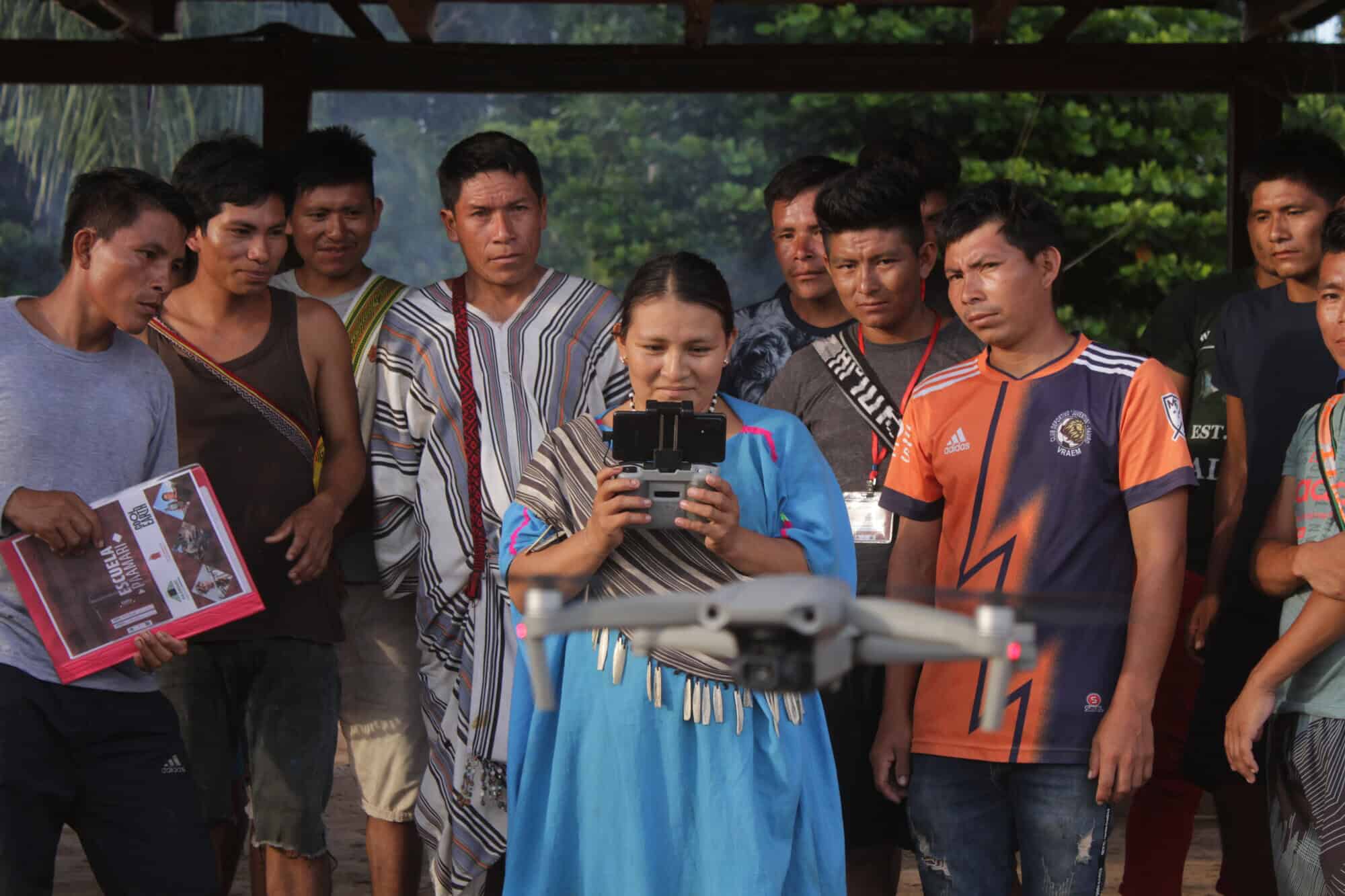
I find it fascinating how Indigenous communities in Peru are turning the tide on wildfires despite worsening climate conditions. Through the Paamari programme, they combine traditional knowledge with modern tech like drones and satellite imagery to spot and stop fires early. The results are impressive: an 81% reduction in burned areas and even zero wildfires in 2025. It’s a powerful reminder that respecting nature and culture can lead to real climate solutions.
Ik vind het geweldig hoe inheemse gemeenschappen in Peru de strijd tegen bosbranden winnen, ondanks de steeds zwaardere klimaatuitdagingen. Met het Paamari-programma combineren ze traditionele kennis met moderne technologieën zoals drones en satellietbeelden om branden vroegtijdig te ontdekken en te blussen. Het resultaat is indrukwekkend: een vermindering van 81% in verbrande gebieden en zelfs geen bosbranden in 2025. Het laat zien dat respect voor natuur en cultuur echte klimaatoplossingen kan brengen.
Je trouve fascinant que les communautés autochtones du Pérou renversent la tendance des incendies malgré le climat qui se dégrade. Grâce au programme Paamari, ils allient savoirs ancestraux et technologies modernes comme les drones et images satellites pour détecter et éteindre rapidement les feux. Les résultats sont impressionnants : une réduction de 81 % des zones brûlées et zéro incendie en 2025. C’est une belle preuve que le respect de la nature et des cultures offre de vraies solutions climatiques.

🦟
Rwanda sees a promising drop in malaria cases
Rwanda ziet een veelbelovende daling in malaria-gevallen
Le Rwanda observe une baisse prometteuse des cas de paludisme
I was just reading about the great news coming out of Rwanda, where they have managed to bring down malaria rates quite effectively. It is really fascinating to see how they are using data-driven strategies to target specific high-burden areas rather than just applying a blanket approach. By rotating treatments and using precise interventions like indoor spraying where it is needed most, they are making every resource count. And here is the thing - even with funding challenges, this smart, targeted work is clearly paying off. It is such an encouraging example of how focused public health efforts can really change the game.
Ik las net het geweldige nieuws uit Rwanda, waar ze erin geslaagd zijn om het aantal malaria-gevallen effectief terug te dringen. Het is echt fascinerend om te zien hoe ze datagestuurde strategieën gebruiken om specifieke zwaar getroffen gebieden aan te pakken in plaats van een algemene aanpak te hanteren. Door behandelingen af te wisselen en gerichte interventies zoals binnenhuisbesproeiing in te zetten waar dat het meest nodig is, laten ze elke hulpbron tellen. En hier komt het mooie - zelfs met uitdagingen op het gebied van financiering werpt dit slimme, gerichte werk duidelijk zijn vruchten af. Het is zo'n bemoedigend voorbeeld van hoe gerichte inspanningen voor de volksgezondheid echt het verschil kunnen maken.
Je viens de lire une excellente nouvelle en provenance du Rwanda, où ils ont réussi à réduire efficacement les taux de paludisme. C'est vraiment fascinant de voir comment ils utilisent des stratégies basées sur les données pour cibler des zones spécifiques fortement touchées plutôt que d'appliquer une approche globale. En alternant les traitements et en utilisant des interventions précises comme la pulvérisation intérieure là où c'est le plus nécessaire, ils optimisent chaque ressource. Et voici le point important - même avec des défis de financement, ce travail intelligent et ciblé porte clairement ses fruits. C'est un exemple tellement encourageant de la façon dont des efforts de santé publique bien ciblés peuvent vraiment changer la donne.

♟️
British chess prodigy, 11, becomes youngest woman grandmaster
Brits schaakwonder van 11 wordt jongste vrouwelijke grootmeester
Une prodige britannique des échecs de 11 ans devient la plus jeune grand maître féminine
I am absolutely blown away by this story about Bodhana Sivanandan, an 11-year-old from London who just became the youngest woman grandmaster in history. It is truly incredible to see such a young talent making waves at the Chess Olympiad in Uzbekistan. She taught herself to play during the lockdown, and now she is breaking records left and right - honestly, it makes me smile just thinking about her potential. And here's the thing: she is not stopping here, as she is already eyeing even higher titles. What a brilliant example of dedication and pure joy for the game.
Ik ben echt onder de indruk van dit verhaal over Bodhana Sivanandan, een 11-jarig meisje uit Londen dat zojuist de jongste vrouwelijke grootmeester in de geschiedenis is geworden. Het is werkelijk ongelooflijk om zo'n jong talent te zien schitteren tijdens de Schaakolympiade in Oezbekistan. Ze heeft zichzelf leren schaken tijdens de lockdown, en nu verbreekt ze record na record - eerlijk gezegd krijg ik een glimlach op mijn gezicht als ik denk aan haar potentieel. En weet je wat het mooie is: ze stopt hier niet, want ze heeft haar zinnen al gezet op nog hogere titels. Wat een schitterend voorbeeld van toewijding en puur plezier in het spel.
Je suis absolument époustouflé par cette histoire concernant Bodhana Sivanandan, une Londonienne de 11 ans qui vient de devenir la plus jeune grand maître féminine de l'histoire. C'est vraiment incroyable de voir un si jeune talent faire sensation lors de l'Olympiade d'échecs en Ouzbékistan. Elle a appris à jouer toute seule pendant le confinement, et maintenant elle bat des records à tour de bras - honnêtement, cela me fait sourire rien que d'imaginer son potentiel. Et voici le plus beau : elle ne compte pas s'arrêter là, car elle vise déjà des titres encore plus élevés. Quel brillant exemple de dévouement et de joie pure pour le jeu.
🌿
Antwerp's urban emissions are 38 percent lower than in 2005
Stedelijke uitstoot van antwerpen ligt 38 procent lager dan in 2005
Les émissions urbaines d'anvers sont inférieures de 38 pour cent à celles de 2005
I just read some fantastic news about Antwerp, and it really made me smile. It turns out that the city's urban emissions have dropped by an impressive 38 percent compared to 2005 levels. So: this is a huge step forward for our environment and shows that local efforts are truly paying off. Which brings me to the idea that change is possible when we really commit to it. And here's the thing - seeing these numbers makes me quite optimistic about our future.
Ik las net fantastisch nieuws over Antwerpen, en ik moet zeggen dat ik er echt vrolijk van word. Het blijkt dat de stedelijke uitstoot van de stad met maar liefst 38 procent is gedaald ten opzichte van 2005. Dus: dit is een enorme stap vooruit voor ons milieu en het bewijst dat lokale inspanningen echt hun vruchten afwerpen. Dat brengt me bij de gedachte dat verandering mogelijk is als we ons er echt voor inzetten. En hier is het punt - het zien van deze cijfers maakt me behoorlijk optimistisch over onze toekomst.
Je viens de lire une nouvelle fantastique concernant Anvers, et cela m'a vraiment fait sourire. Il s'avère que les émissions urbaines de la ville ont chuté de 38 pour cent par rapport aux niveaux de 2005. Donc: c'est un pas de géant pour notre environnement et cela montre que les efforts locaux portent vraiment leurs fruits. Ce qui m'amène à penser que le changement est possible lorsque nous nous y engageons vraiment. Et voici le point important - voir ces chiffres me rend assez optimiste pour notre avenir.
🧬
1.7-billion-year-old fossils reveal a crucial clue to the rise of complex life
1,7 miljard jaar oude fossielen onthullen een cruciale aanwijzing voor het ontstaan van complex leven
Des fossiles vieux de 1,7 milliard d'années révèlent un indice crucial sur l'émergence de la vie complexe
So, I was reading about these incredible fossils found in Australia, and it is just fascinating how they were hiding in plain sight within old drill cores. These tiny, ancient organisms date back 1.7 billion years, making them the oldest eukaryote fossils we have ever discovered. It is truly amazing to think that by studying these microscopic remnants, we are getting a clearer picture of how complex life first evolved on our planet. And here is the thing - the research suggests that these early life forms might have thrived in environments without much oxygen, which really challenges what we thought we knew. Which brings me to the point that our history is still full of these wonderful, hidden surprises waiting to be found.
Ik las laatst over deze ongelooflijke fossielen die in Australië zijn gevonden, en het is fascinerend hoe ze al die tijd verborgen zaten in oude boorkernen. Deze piepkleine, oeroude organismen zijn 1,7 miljard jaar oud, wat ze de oudste eukaryote fossielen maakt die we ooit hebben ontdekt. Het is echt geweldig om te bedenken dat we door het bestuderen van deze microscopische resten een duidelijker beeld krijgen van hoe complex leven op onze planeet is ontstaan. En hier komt het - het onderzoek suggereert dat deze vroege levensvormen misschien wel gedijden in omgevingen zonder veel zuurstof, wat echt uitdaagt wat we dachten te weten. Dat brengt me bij het punt dat onze geschiedenis nog steeds vol zit met deze prachtige, verborgen verrassingen die wachten om gevonden te worden.
Alors, je lisais des choses sur ces incroyables fossiles découverts en Australie, et c'est fascinant de voir comment ils étaient cachés à la vue de tous dans d'anciennes carottes de forage. Ces minuscules organismes anciens datent de 1,7 milliard d'années, ce qui en fait les plus vieux fossiles d'eucaryotes que nous ayons jamais découverts. C'est vraiment incroyable de penser qu'en étudiant ces restes microscopiques, nous obtenons une image plus claire de la façon dont la vie complexe est apparue sur notre planète. Et voici le point important - la recherche suggère que ces premières formes de vie auraient pu prospérer dans des environnements pauvres en oxygène, ce qui remet vraiment en question ce que nous pensions savoir. Ce qui m'amène à dire que notre histoire est encore pleine de ces merveilleuses surprises cachées qui attendent d'être trouvées.
🧬
Medieval graves reveal surprising family secrets
Middeleeuwse graven onthullen verrassende familiegeheimen
Les tombes médiévales révèlent des secrets de famille surprenants
So, I was just reading about this fascinating new study from Stockholm University, and it really changes how we look at history. It turns out that when archaeologists find adults and children buried together in medieval graves, they aren't always related by blood. DNA analysis shows that social or religious factors were often the real reason for these shared resting places. And here's the thing - it also reveals that children were treated with the same gender-based burial customs as adults, which is just incredible to think about. It really shows how science can open up a whole new window into the lives of people from the past.
Ik zat net te lezen over dit fascinerende nieuwe onderzoek van de Universiteit van Stockholm, en het verandert echt hoe we naar de geschiedenis kijken. Het blijkt dat wanneer archeologen volwassenen en kinderen samen in middeleeuwse graven vinden, ze niet altijd bloedverwanten zijn. DNA-analyse toont aan dat sociale of religieuze factoren vaak de echte reden waren voor deze gedeelde rustplaatsen. En hier komt het - het onthult ook dat kinderen volgens dezelfde gender-gebaseerde begrafenisgebruiken werden behandeld als volwassenen, wat echt ongelooflijk is om over na te denken. Het laat zien hoe wetenschap een compleet nieuw venster kan openen naar de levens van mensen uit het verleden.
Je viens de lire cette étude fascinante de l'Université de Stockholm, et cela change vraiment notre regard sur l'histoire. Il s'avère que lorsque les archéologues trouvent des adultes et des enfants enterrés ensemble dans des tombes médiévales, ils ne sont pas toujours liés par le sang. L'analyse ADN montre que des facteurs sociaux ou religieux étaient souvent la véritable raison de ces lieux de sépulture partagés. Et voici le point clé - cela révèle aussi que les enfants étaient traités selon les mêmes coutumes funéraires basées sur le genre que les adultes, ce qui est tout simplement incroyable à imaginer. Cela montre vraiment comment la science peut ouvrir une toute nouvelle fenêtre sur la vie des gens du passé.

🌱
A century-long experiment with buried seeds
Een eeuwenoud experiment met begraven zaden
Une expérience séculaire avec des graines enterrées
I find it absolutely fascinating that a botanist named William James Beal started an experiment back in 1879 that is still running today. He buried bottles of seeds to see how long they could stay viable, and scientists are still digging them up every twenty years to test them. It is such a brilliant way to learn about nature, and it actually helps us understand how to protect our future food supply. And here is the thing - they even do the digging in the middle of the night to keep the seeds safe from sunlight. It really shows how much patience and dedication can teach us about the world.
Ik vind het werkelijk fascinerend dat een botanicus genaamd William James Beal in 1879 een experiment begon dat vandaag de dag nog steeds loopt. Hij begroef flessen met zaden om te zien hoe lang ze levensvatbaar zouden blijven, en wetenschappers graven ze nog steeds elke twintig jaar op om ze te testen. Het is zo een briljante manier om over de natuur te leren, en het helpt ons eigenlijk begrijpen hoe we onze toekomstige voedselvoorziening kunnen beschermen. En hier komt het mooie - ze graven ze zelfs midden in de nacht op om de zaden te beschermen tegen zonlicht. Het laat echt zien hoeveel geduld en toewijding ons over de wereld kunnen leren.
Je trouve absolument fascinant qu'un botaniste nommé William James Beal ait commencé une expérience en 1879 qui se poursuit encore aujourd'hui. Il a enterré des bouteilles de graines pour voir combien de temps elles pouvaient rester viables, et les scientifiques continuent de les déterrer tous les vingt ans pour les tester. C'est une façon tellement brillante d'en apprendre sur la nature, et cela nous aide en fait à comprendre comment protéger notre future chaîne alimentaire. Et voici le point important - ils effectuent même le déterrage en pleine nuit pour protéger les graines de la lumière du soleil. Cela montre vraiment à quel point la patience et le dévouement peuvent nous apprendre sur le monde.
🥕
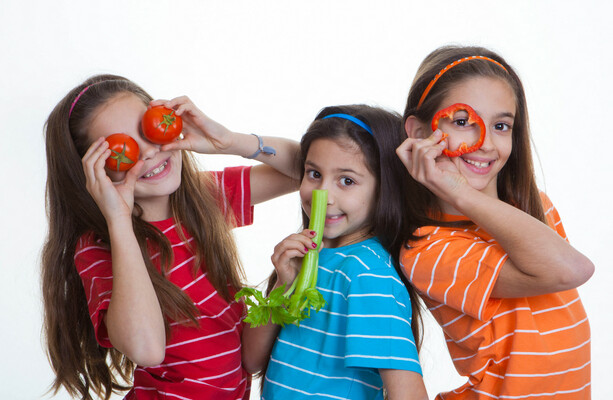
Hot school lunches need a rethink. Could including cold options be the answer?
Warme schoolmaaltijden moeten worden herzien. Kunnen koude opties de oplossing zijn?
Les repas chauds à l'école doivent être repensés. Les options froides pourraient-elles être la solution ?
So: Ireland’s hot school meals scheme is under review because many kids aren’t finishing their meals and there are concerns about quality. Now, the idea of adding cold lunch options every day is gaining traction, which could boost fruit and vegetable intake among children. This change might also support local farmers by creating a steady demand for fresh produce. And here’s the thing: parents overwhelmingly want this choice, showing a real appetite for healthier, more varied school lunches.
Dus: het warme schoolmaaltijdprogramma in Ierland wordt herzien omdat veel kinderen hun maaltijden niet opeten en er zorgen zijn over de kwaliteit. Nu wint het idee om elke dag koude lunchopties aan te bieden aan populariteit, wat de consumptie van fruit en groenten bij kinderen kan verhogen. Deze verandering kan ook lokale boeren ondersteunen door een stabiele vraag naar verse producten te creëren. En hier komt het op neer: ouders willen deze keuze massaal, wat wijst op een echte behoefte aan gezondere en gevarieerdere schoolmaaltijden.
Alors: le programme de repas chauds à l’école en Irlande est en cours de révision car beaucoup d’enfants ne terminent pas leurs repas et la qualité est remise en question. Maintenant, l’idée d’inclure des options froides chaque jour gagne du terrain, ce qui pourrait augmenter la consommation de fruits et légumes chez les enfants. Ce changement pourrait aussi soutenir les agriculteurs locaux en créant une demande stable pour les produits frais. Et voici le truc : les parents veulent massivement ce choix, montrant un réel désir pour des repas scolaires plus sains et variés.

⚖️
Lawyer wins case against multinational firm behind day school settlement
Advocaat wint zaak tegen multinational achter regeling dagonderwijs
Avocate gagne son procès contre la firme multinationale derrière le règlement des écoles de jour
So: a First Nations lawyer, Joan Jack, finally won her legal battle against a big law firm that handled a historic $1.5 billion settlement for day school survivors. She originally launched the case in 2009, but Gowling WLG took over in 2016 and earned millions without paying her. Now, a Manitoba judge ruled Gowling had a duty to present her fees for approval and breached that duty. Joan feels vindicated after six tough years, highlighting the importance of recognizing Indigenous contributions. And here's the thing - the fight for justice continues, but this is a big win for fairness.
Dus: een First Nations-advocaat, Joan Jack, heeft eindelijk haar juridische strijd gewonnen tegen een groot advocatenkantoor dat een historische schikking van 1,5 miljard dollar voor overlevenden van dagonderwijs regelde. Zij startte de zaak in 2009, maar Gowling WLG nam het in 2016 over en verdiende miljoenen zonder haar te betalen. Nu heeft een rechter in Manitoba geoordeeld dat Gowling haar vergoeding had moeten voorleggen en dat ze hierin tekort zijn geschoten. Joan voelt zich gerechtvaardigd na zes zware jaren, wat het belang benadrukt van het erkennen van inheemse bijdragen. En hier komt het op neer - de strijd voor rechtvaardigheid gaat door, maar dit is een grote overwinning voor eerlijkheid.
Alors: une avocate des Premières Nations, Joan Jack, a enfin remporté son combat juridique contre un grand cabinet d’avocats qui a géré un règlement historique de 1,5 milliard de dollars pour les survivants des écoles de jour. Elle avait lancé l’affaire en 2009, mais Gowling WLG a pris le dossier en 2016 et a encaissé des millions sans la payer. Maintenant, un juge du Manitoba a statué que Gowling avait l’obligation de présenter ses honoraires pour approbation et a manqué à ce devoir. Joan se sent vindiquée après six années difficiles, soulignant l’importance de reconnaître les contributions autochtones. Et voici le truc - la lutte pour la justice continue, mais c’est une grande victoire pour l’équité.
🩺
Young talent: Cato van Schyndel (27) wants to give citizens control over their health data
Jong talent: Cato van Schyndel (27) wil burgers zeggenschap geven over hun gezondheidsdata
Jeune talent : Cato van Schyndel (27 ans) veut donner aux citoyens le contrôle de leurs données de santé
I find it fascinating that Cato van Schyndel, at just 27, is pushing for citizens to have more say over their health data. So: she’s all about empowering people to control what happens with their personal information. Now, this is crucial because health data is sensitive and should be handled with care and respect. Which brings me to the bigger picture - giving people ownership can boost trust and innovation in healthcare. And here’s the thing, it’s not just about data, it’s about dignity and transparency.
Ik vind het geweldig dat Cato van Schyndel, pas 27 jaar, zich inzet om burgers meer zeggenschap te geven over hun gezondheidsdata. Dus: ze wil mensen de macht geven om te bepalen wat er met hun persoonlijke informatie gebeurt. Dit is zo belangrijk omdat gezondheidsdata gevoelig is en met respect behandeld moet worden. Wat mij betreft gaat het hier niet alleen om data, maar ook om waardigheid en transparantie. En dat kan het vertrouwen en de innovatie in de gezondheidszorg een flinke boost geven.
Je trouve passionnant que Cato van Schyndel, à seulement 27 ans, milite pour que les citoyens aient plus de contrôle sur leurs données de santé. Donc : elle veut donner aux gens le pouvoir de décider ce qu’il advient de leurs informations personnelles. C’est essentiel car les données de santé sont sensibles et doivent être traitées avec soin et respect. Ce qui m’amène à un point important - donner la propriété aux individus peut renforcer la confiance et l’innovation dans le secteur de la santé. Et voici le truc, ce n’est pas qu’une question de données, c’est aussi une question de dignité et de transparence.

❤️
He walks every day. She eats healthy. What else should you know about your parents’ hearts?
Hij wandelt elke dag. Zij eet gezond. Wat moet je nog meer weten over het hart van je ouders?
Il marche tous les jours. Elle mange sainement. Que faut-il savoir d’autre sur le cœur de vos parents ?
So: many of us think a parent’s heart is fine if they walk regularly and eat well, but cardiologists say that’s only part of the story. Now, heart problems often show subtle signs like fatigue or breathlessness, not just chest pain, especially in older adults and women. Which brings me to this — heart issues are appearing earlier than before, so regular check-ups from age 30 or 40 are key, even if your parents seem healthy. And here’s the thing: staying active and eating well is great, but it doesn’t replace screening tests that catch hidden risks before symptoms appear.
Dus: veel mensen denken dat het hart van hun ouders in orde is als ze regelmatig wandelen en gezond eten, maar cardiologen zeggen dat dit slechts een deel van het verhaal is. Nu verschijnen hartproblemen vaak met subtiele signalen zoals vermoeidheid of kortademigheid, niet alleen met pijn op de borst, vooral bij ouderen en vrouwen. Wat ik daarmee wil zeggen: hartproblemen komen tegenwoordig eerder voor, dus regelmatige controles vanaf 30 of 40 jaar zijn belangrijk, ook als je ouders gezond lijken. En hier komt het: actief blijven en gezond eten is geweldig, maar het vervangt geen screenings die verborgen risico’s opsporen voordat er symptomen zijn.
Alors: beaucoup pensent que le cœur de leurs parents va bien s’ils marchent régulièrement et mangent sainement, mais les cardiologues expliquent que ce n’est qu’une partie de l’histoire. Aujourd’hui, les problèmes cardiaques se manifestent souvent par des signes subtils comme la fatigue ou l’essoufflement, pas seulement par des douleurs thoraciques, surtout chez les personnes âgées et les femmes. Ce qui m’amène à dire que les soucis cardiaques apparaissent plus tôt qu’avant, donc des bilans réguliers dès 30 ou 40 ans sont essentiels, même si vos parents semblent en forme. Et voici le truc: rester actif et bien manger c’est super, mais ça ne remplace pas les dépistages qui détectent les risques cachés avant les symptômes.
🌿
These 10 plants survive the hot summer and wet Flemish winter: “Plant them now and save yourself a lot of watering”
Deze 10 planten overleven de hete zomer én de natte Vlaamse winter: “Plant ze nu en bespaar jezelf veel gietwerk”
Ces 10 plantes survivent à l'été chaud et à l'hiver humide flamand : « Plantez-les maintenant et économisez beaucoup d'arrosage »
So: gardening can be tricky with our unpredictable Flemish weather, right? Now, here’s the thing - these 10 plants are real champs, thriving through both scorching summers and soggy winters. Planting them now means you’ll spend way less time dragging the watering can around, which is a huge win. I love how this makes gardening easier and more enjoyable, especially for busy folks who want a beautiful garden without the hassle.
Dus: tuinieren kan best lastig zijn met ons onvoorspelbare Vlaamse weer, nietwaar? Nu, hier is het punt - deze 10 planten zijn echte kanjers, ze gedijen zowel in hete zomers als in natte winters. Ze nu planten betekent dat je veel minder tijd kwijt bent aan water geven, en dat is echt een pluspunt. Ik vind het geweldig hoe dit tuinieren makkelijker en leuker maakt, vooral voor drukke mensen die een mooie tuin willen zonder gedoe.
Alors: jardiner peut être compliqué avec notre météo flamande imprévisible, n’est-ce pas? Maintenant, voilà le truc - ces 10 plantes sont de vrais champions, elles survivent aussi bien aux étés brûlants qu’aux hivers humides. Les planter maintenant signifie que vous passerez beaucoup moins de temps à arroser, ce qui est un vrai avantage. J’adore comment cela rend le jardinage plus simple et plus agréable, surtout pour ceux qui veulent un beau jardin sans trop d’efforts.
🗽
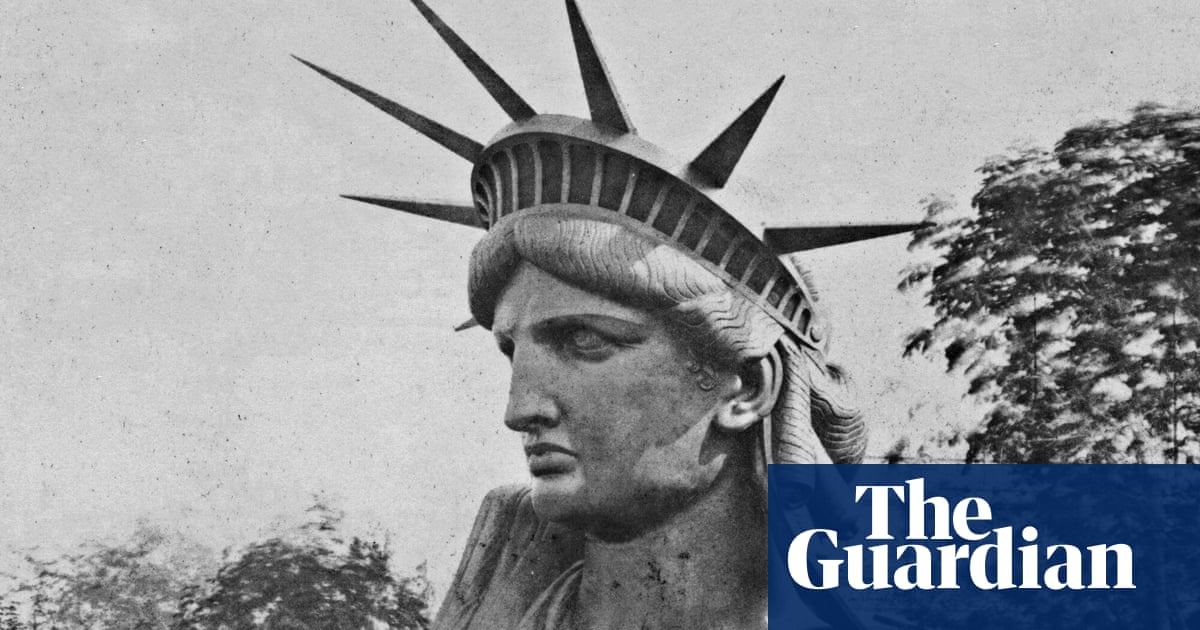
France gave the Statue of Liberty. China sends pandas. What do diplomatic gifts mean – and how do you choose one?
Frankrijk gaf het Vrijheidsbeeld. China stuurt panda’s. Wat betekenen diplomatieke geschenken – en hoe kies je er een?
La France a offert la statue de la liberté. La Chine envoie des pandas. Que signifient les cadeaux diplomatiques – et comment en choisir un ?
I find it fascinating how diplomatic gifts carry so much meaning beyond just the object itself. Take the Statue of Liberty, a grand gesture from France to the US symbolizing friendship and freedom, but also political hopes back home. Then there’s China’s famous panda diplomacy, which charmed the American public and softened relations. These gifts are carefully chosen to reflect culture, politics, and international ties – a mix of art, strategy, and goodwill that really makes you think about the power of giving.
Ik vind het fascinerend hoe diplomatieke geschenken zoveel meer betekenen dan alleen het voorwerp zelf. Neem het Vrijheidsbeeld, een groot gebaar van Frankrijk aan de VS dat vriendschap en vrijheid symboliseert, maar ook politieke hoop in eigen land. En dan is er China’s beroemde panda-diplomatie, die het Amerikaanse publiek betoverde en de relaties verzachtte. Deze geschenken worden zorgvuldig gekozen om cultuur, politiek en internationale banden te weerspiegelen – een mix van kunst, strategie en goede wil die je echt aan het denken zet over de kracht van geven.
Je trouve fascinant que les cadeaux diplomatiques portent bien plus de sens que l’objet lui-même. Prenez la statue de la liberté, un geste grandiose de la France aux États-Unis symbolisant l’amitié et la liberté, mais aussi des espoirs politiques internes. Puis il y a la célèbre diplomatie des pandas de la Chine, qui a charmé le public américain et adouci les relations. Ces cadeaux sont soigneusement choisis pour refléter la culture, la politique et les liens internationaux – un mélange d’art, de stratégie et de bonne volonté qui fait vraiment réfléchir au pouvoir du don.
🐒
Blind chimp in Louisiana regains sight after cataract surgery
Blinde chimpansee in Louisiana krijgt zicht terug na staaroperatie
Un chimpanzé aveugle en Louisiane retrouve la vue après une chirurgie de la cataracte
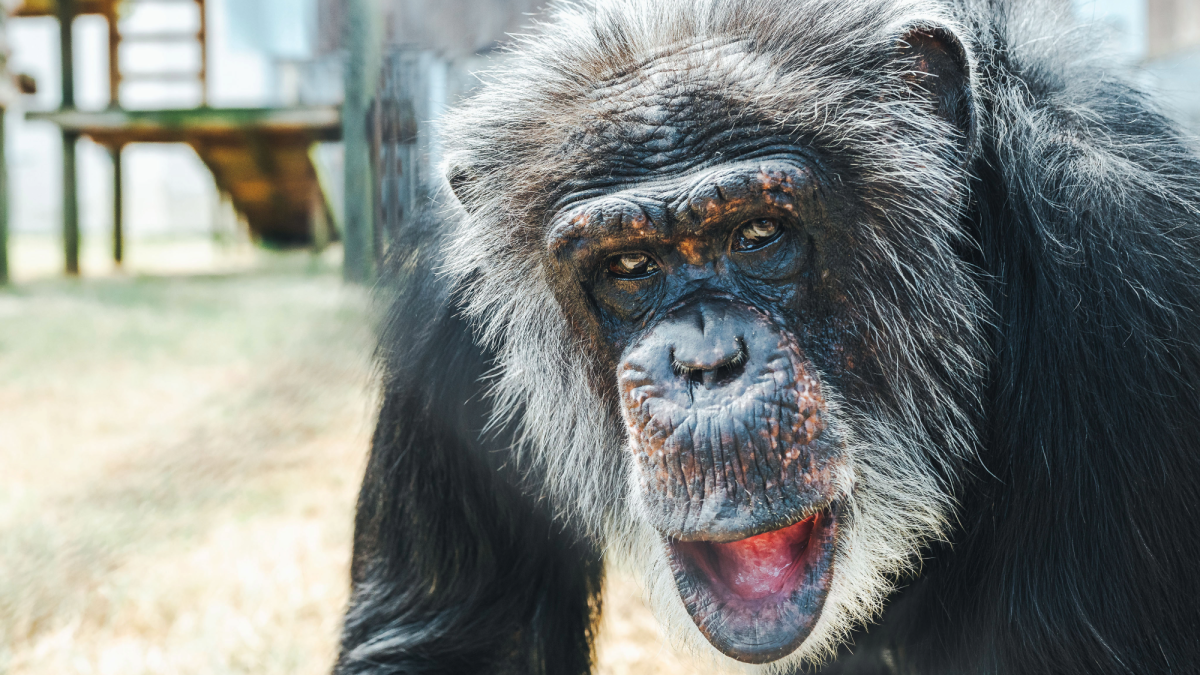
Pierre, a 54-year-old chimpanzee living at Chimp Haven in Louisiana, has regained his sight after a successful cataract surgery. The procedure took about an hour, but the preparation and recovery involved months of training to help Pierre accept eye care. His newfound vision has allowed him to move more confidently, enjoy activities, and reconnect with his chimpanzee friends sooner than expected. It’s heartwarming to see how this surgery has improved Pierre’s quality of life and social interactions.
Pierre, een 54-jarige chimpansee in Chimp Haven in Louisiana, heeft zijn gezichtsvermogen teruggekregen na een geslaagde staaroperatie. Hoewel de operatie zelf ongeveer een uur duurde, kostte de voorbereiding en het herstel maanden training om Pierre te laten wennen aan oogverzorging. Zijn herwonnen zicht stelt hem in staat om zelfverzekerder te bewegen, van activiteiten te genieten en sneller contact te maken met zijn chimpanseevrienden. Het is hartverwarmend om te zien hoe deze operatie Pierres levenskwaliteit en sociale interacties heeft verbeterd.
Pierre, un chimpanzé de 54 ans vivant à Chimp Haven en Louisiane, a retrouvé la vue après une opération réussie de la cataracte. L’intervention a duré environ une heure, mais la préparation et la récupération ont nécessité des mois d’entraînement pour habituer Pierre aux soins oculaires. Sa nouvelle vision lui permet de se déplacer avec plus d’assurance, de profiter des activités et de retrouver ses amis chimpanzés plus tôt que prévu. C’est vraiment touchant de voir comment cette chirurgie a amélioré la qualité de vie et les interactions sociales de Pierre.
🐴
How a horse flu crisis fueled animals rights advocacy in the U.S.
Hoe een paardengriepcrisis dierenrechten in de VS aanwakkerde
Comment une crise de grippe équine a stimulé la défense des droits des animaux aux États-Unis
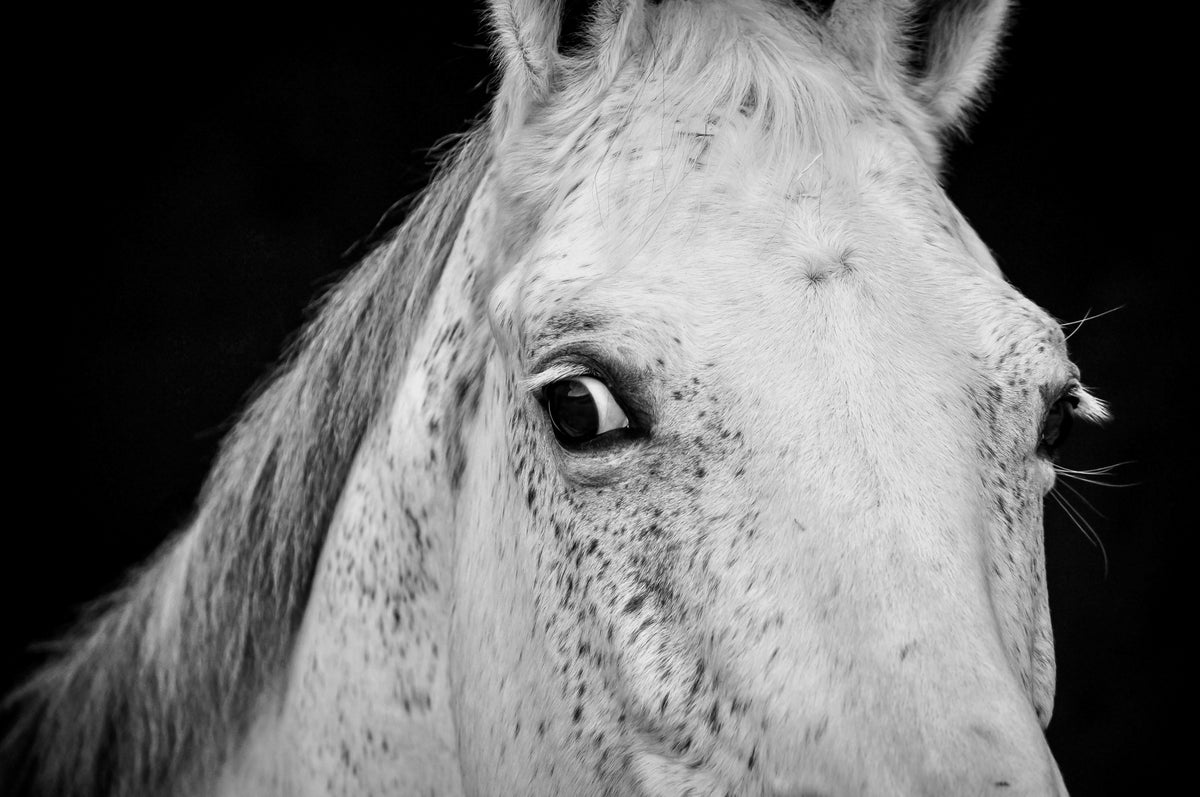
So: back in 1872, New York City faced a massive horse flu outbreak that left thousands of horses sick and struggling to work. This crisis spotlighted the harsh realities animals faced and stirred public concern about their treatment. Henry Bergh, founder of the ASPCA, stepped up big time to protect these vulnerable horses, inspired by his experiences abroad and a growing passion for animal welfare. And here's the thing - this outbreak helped fuel the early animal rights movement in America, showing how a health crisis can spark compassion and change.
Dus: in 1872 werd New York City getroffen door een grote uitbraak van paardengriep waarbij duizenden paarden ziek werden en moeite hadden om te werken. Deze crisis bracht de harde realiteit voor dieren onder de aandacht en zorgde voor publieke bezorgdheid over hun behandeling. Henry Bergh, oprichter van de ASPCA, kwam sterk in actie om deze kwetsbare paarden te beschermen, geïnspireerd door zijn ervaringen in het buitenland en zijn groeiende passie voor dierenwelzijn. En hier is het punt - deze uitbraak gaf een impuls aan de vroege dierenrechtenbeweging in Amerika, en liet zien hoe een gezondheidscrisis compassie en verandering kan aanwakkeren.
Alors: en 1872, New York a été frappée par une importante épidémie de grippe équine qui a rendu des milliers de chevaux malades et incapables de travailler. Cette crise a mis en lumière la dure réalité à laquelle les animaux étaient confrontés et a suscité une prise de conscience publique sur leur traitement. Henry Bergh, fondateur de l'ASPCA, est intervenu avec détermination pour protéger ces chevaux vulnérables, inspiré par ses expériences à l'étranger et sa passion grandissante pour le bien-être animal. Et voilà le truc - cette épidémie a contribué à dynamiser le mouvement des droits des animaux aux États-Unis, montrant comment une crise sanitaire peut déclencher compassion et changement.
🚀
Two astronauts who flew farther than anyone before are taking new NASA roles
Twee astronauten die verder vlogen dan ooit tevoren nemen nieuwe NASA-rollen op zich
Deux astronautes ayant volé plus loin que jamais prennent de nouveaux rôles à la NASA
NASA astronauts Victor Glover and Reid Wiseman are moving into emeritus roles after their historic Artemis II mission around the Moon. This new status lets them volunteer their expertise to train and mentor current NASA teams while pursuing other opportunities. Both bring invaluable experience from their spaceflights to help prepare for Artemis III and future missions. I find it inspiring that their journey with NASA continues, sharing knowledge and pushing boundaries in human spaceflight.
NASA-astronauten Victor Glover en Reid Wiseman stappen na hun historische Artemis II-missie rond de maan over naar emeritusrollen. Deze nieuwe status stelt hen in staat hun expertise vrijwillig in te zetten om huidige NASA-teams te trainen en te begeleiden, terwijl ze ook andere kansen nastreven. Beiden brengen waardevolle ervaring mee van hun ruimtevluchten om te helpen bij de voorbereidingen voor Artemis III en toekomstige missies. Ik vind het inspirerend dat hun reis bij NASA doorgaat, met het delen van kennis en het verleggen van grenzen in de bemande ruimtevaart.
Les astronautes de la NASA Victor Glover et Reid Wiseman passent à des rôles émérites après leur mission historique Artemis II autour de la Lune. Ce nouveau statut leur permet de partager bénévolement leur expertise pour former et encadrer les équipes actuelles de la NASA tout en explorant d'autres opportunités. Ils apportent une expérience précieuse de leurs vols spatiaux pour préparer Artemis III et les missions futures. Je trouve inspirant que leur aventure avec la NASA continue, en partageant leurs connaissances et en repoussant les limites du vol spatial habité.
🌊
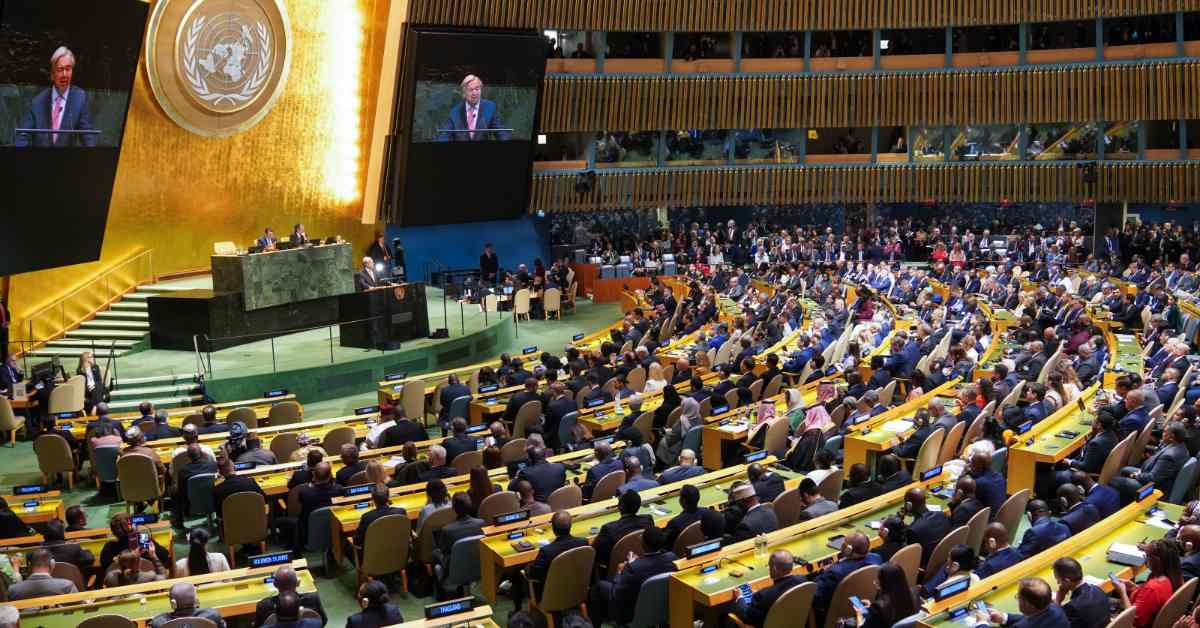
The UN just passed the first declaration on sea level rise, protecting island nations' sovereignty
De VN heeft zojuist de eerste verklaring over zeespiegelstijging aangenomen, die de soevereiniteit van eilandnaties beschermt
L'ONU vient d'adopter la première déclaration sur la montée du niveau de la mer, protégeant la souveraineté des nations insulaires
So: the United Nations just made a huge step by passing the first-ever declaration on sea level rise, and it’s a big win for island nations. These countries, like the Bahamas and Tuvalu, face losing their land to the ocean, but now they’ll keep their sovereignty and control over maritime zones even if their islands disappear. And here's the thing - the US didn’t block this resolution, which is rare these days! This agreement could really boost global efforts to support vulnerable island states and protect their rights in a warming world.
Dus: de Verenigde Naties hebben zojuist een enorme stap gezet door de allereerste verklaring over zeespiegelstijging aan te nemen, en dat is een grote overwinning voor eilandnaties. Landen zoals de Bahama’s en Tuvalu dreigen hun land aan de zee te verliezen, maar ze behouden nu hun soevereiniteit en controle over maritieme zones, zelfs als hun eilanden verdwijnen. En hier komt het: de VS hebben deze resolutie niet geblokkeerd, wat tegenwoordig zeldzaam is! Deze overeenkomst kan echt de wereldwijde inspanningen versterken om kwetsbare eilandstaten te ondersteunen en hun rechten te beschermen in een opwarmende wereld.
Alors: les Nations Unies viennent de franchir une étape majeure en adoptant la toute première déclaration sur la montée du niveau de la mer, une grande victoire pour les nations insulaires. Des pays comme les Bahamas et Tuvalu risquent de perdre leurs terres sous l’eau, mais ils conserveront leur souveraineté et le contrôle de leurs zones maritimes même si leurs îles disparaissent. Et voici le truc - les États-Unis n’ont pas bloqué cette résolution, ce qui est rare ces temps-ci ! Cet accord pourrait vraiment dynamiser les efforts mondiaux pour soutenir les États insulaires vulnérables et protéger leurs droits dans un monde qui se réchauffe.
🏢
Africa will soon have a new tallest building – but probably not where you’d imagine
Afrika krijgt binnenkort het hoogste gebouw – maar waarschijnlijk niet waar je het verwacht
L'Afrique aura bientôt le plus haut bâtiment – mais probablement pas là où vous l'imaginez
So: Africa is about to welcome a new tallest building, and here’s the twist – it’s not going up in one of the usual big cities you’d expect. Instead, this architectural marvel is set to rise in a place that might surprise you, showing how development is spreading in exciting new directions. It’s a sign of growth and ambition that’s really energizing to see. And here’s the thing – this building isn’t just about height, it’s about putting a spotlight on emerging hubs across the continent.
Dus: Afrika krijgt binnenkort een nieuw hoogste gebouw, en hier komt de verrassing – het wordt niet gebouwd in een van de gebruikelijke grote steden die je zou verwachten. In plaats daarvan zal dit architectonische wonder verrijzen op een plek die je misschien zal verbazen, wat laat zien hoe de ontwikkeling zich op spannende nieuwe plekken verspreidt. Het is een teken van groei en ambitie dat echt energie geeft. En hier komt het: dit gebouw draait niet alleen om hoogte, maar ook om het in de schijnwerpers zetten van opkomende centra op het continent.
Alors: l'Afrique va bientôt accueillir le plus haut bâtiment, et voici la surprise – il ne sera pas construit dans l'une des grandes villes habituelles auxquelles on pourrait penser. Ce chef-d'œuvre architectural va s'élever dans un endroit qui pourrait vous étonner, montrant comment le développement s'étend vers de nouvelles directions passionnantes. C’est un signe de croissance et d’ambition qui donne vraiment de l’énergie. Et voici le truc – ce bâtiment ne se résume pas à sa hauteur, il met aussi en lumière des pôles émergents à travers le continent.
🧬
CRISPR could help doctors attack blood cancer without destroying healthy cells
CRISPR kan artsen helpen bloedkanker aan te pakken zonder gezonde cellen te vernietigen
CRISPR pourrait aider les médecins à attaquer le cancer du sang sans détruire les cellules saines
So: researchers at Washington University have found a clever way to improve blood cancer treatment using CRISPR. By removing a protein called CD33 from donor stem cells, they make these cells invisible to targeted therapies, which can then attack cancer cells without harming healthy ones. This approach could overcome a big hurdle in CAR-T therapy for aggressive blood cancers like AML and MDS. And here's the thing: early trials show promising results, including a patient who went into complete remission after receiving this innovative treatment.
Dus: onderzoekers van de Washington University hebben een slimme manier gevonden om de behandeling van bloedkanker te verbeteren met CRISPR. Door het eiwit CD33 uit donor stamcellen te verwijderen, worden deze cellen onzichtbaar voor gerichte therapieën, die zo alleen de kankercellen aanvallen zonder gezonde cellen te beschadigen. Deze aanpak kan een grote uitdaging in CAR-T therapie voor agressieve bloedkankers zoals AML en MDS overwinnen. En het mooie is: vroege proeven laten veelbelovende resultaten zien, inclusief een patiënt die volledig in remissie ging na deze innovatieve behandeling.
Alors: des chercheurs de l'Université de Washington ont trouvé une méthode astucieuse pour améliorer le traitement du cancer du sang grâce à CRISPR. En supprimant une protéine appelée CD33 des cellules souches donneuses, ils rendent ces cellules invisibles aux thérapies ciblées, qui peuvent ainsi attaquer uniquement les cellules cancéreuses sans abîmer les saines. Cette approche pourrait surmonter un obstacle majeur dans la thérapie CAR-T pour les cancers du sang agressifs comme la LMA et le SMD. Et voici la chose: les premiers essais montrent des résultats prometteurs, y compris un patient en rémission complète après ce traitement innovant.
🌋
Rocks from Pompeii suburb tells a story of destruction—that could help us today
Stenen uit Pompeii-suburb vertellen een verhaal van vernietiging—dat ons vandaag kan helpen
Des roches d’une banlieue de Pompéi racontent une histoire de destruction—qui pourrait nous aider aujourd’hui
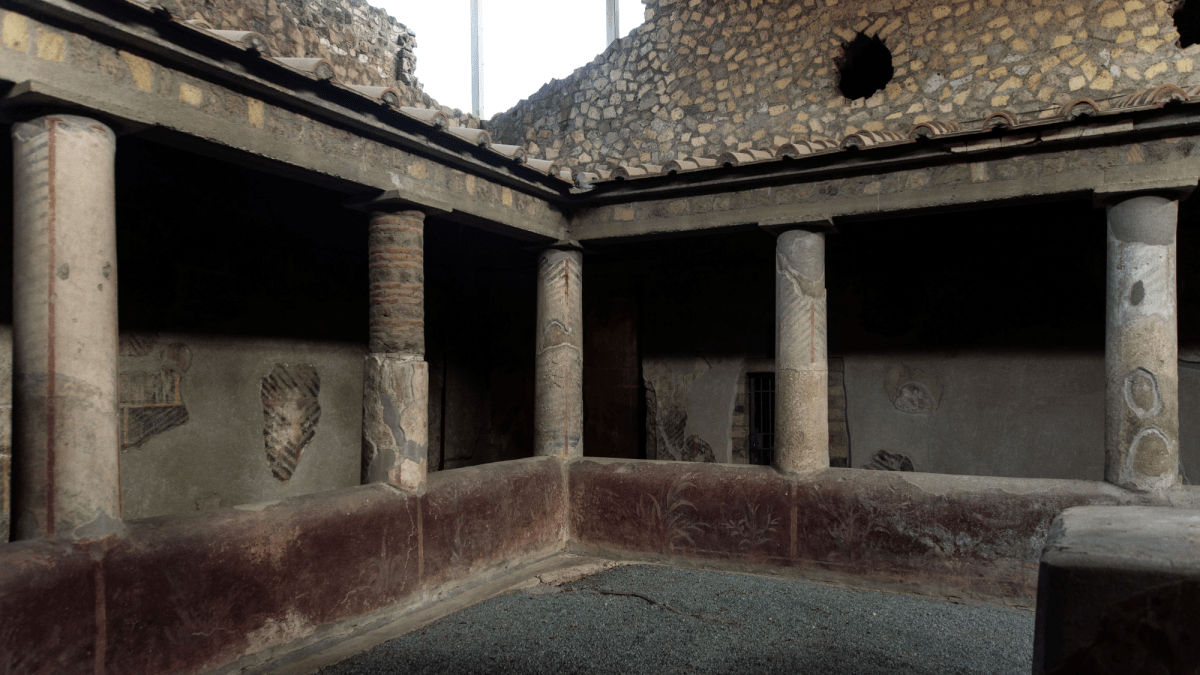
I find it fascinating how rocks from a Pompeii suburb are giving us fresh insights into the eruption of Mount Vesuvius in 79 CE. Thanks to improved argon-argon dating techniques, scientists can now date volcanic events with incredible precision and accuracy. This breakthrough not only refines our understanding of history but also helps us better predict future eruptions in dangerous volcanic areas. And here's the thing—these ancient pumice samples, collected decades ago, are finally revealing their secrets, connecting Pliny the Younger's writings with modern science.
Ik vind het geweldig hoe stenen uit een voorstad van Pompeii ons nieuwe inzichten geven over de uitbarsting van de Vesuvius in 79 na Christus. Dankzij verbeterde argon-argon dateringsmethoden kunnen wetenschappers vulkanische gebeurtenissen nu met enorme precisie en nauwkeurigheid dateren. Deze doorbraak verfijnt niet alleen ons begrip van de geschiedenis, maar helpt ons ook toekomstige uitbarstingen in gevaarlijke vulkanische gebieden beter te voorspellen. En hier komt het: die oude puimsteenmonsters, tientallen jaren geleden verzameld, onthullen eindelijk hun geheimen en verbinden de geschriften van Plinius de Jongere met de moderne wetenschap.
Je trouve fascinant que des roches d’une banlieue de Pompéi nous apportent de nouvelles informations sur l’éruption du Vésuve en 79 après J.-C. Grâce à des techniques améliorées de datation argon-argon, les scientifiques peuvent désormais dater les événements volcaniques avec une précision et une exactitude remarquables. Cette avancée affine non seulement notre compréhension de l’histoire, mais elle nous aide aussi à mieux prévoir les futures éruptions dans les zones volcaniques dangereuses. Et voici le truc—ces anciens échantillons de pierre ponce, collectés il y a des décennies, révèlent enfin leurs secrets, reliant les écrits de Pline le Jeune à la science moderne.

🌬️
‘We wanted to prove we didn’t need air conditioning’: the airport cooled by natural ventilation
‘We wilden bewijzen dat we geen airconditioning nodig hadden’: het vliegveld gekoeld door natuurlijke ventilatie
« Nous voulions prouver que nous n’avions pas besoin de climatisation » : l’aéroport rafraîchi par ventilation naturelle
At Roland Garros airport on Réunion island, the arrivals terminal is cooled entirely by natural ventilation, defying tropical heat without air conditioning. This innovative design uses a unique roof structure and large ceiling fans to create a refreshing breeze that lowers the perceived temperature by several degrees. The project began in 2016 with the goal of reducing carbon emissions and has since saved the airport €150,000 annually in energy costs. It’s a brilliant example of blending traditional local knowledge with modern architecture to create sustainable comfort.
Op het vliegveld Roland Garros op het eiland Réunion wordt de aankomsthal volledig gekoeld door natuurlijke ventilatie, ondanks de tropische hitte zonder airconditioning. Het innovatieve ontwerp gebruikt een unieke dakconstructie en grote plafondventilatoren om een verfrissende bries te creëren die de waargenomen temperatuur met enkele graden verlaagt. Het project begon in 2016 met als doel de CO2-uitstoot te verminderen en bespaart het vliegveld inmiddels jaarlijks €150.000 aan energiekosten. Het is een prachtig voorbeeld van het combineren van traditionele lokale kennis met moderne architectuur voor duurzame comfort.
À l’aéroport Roland Garros sur l’île de La Réunion, le terminal des arrivées est entièrement rafraîchi par ventilation naturelle, défiant la chaleur tropicale sans climatisation. Ce design innovant utilise une structure de toit unique et de grands ventilateurs de plafond pour créer une brise rafraîchissante qui réduit la température perçue de plusieurs degrés. Le projet, lancé en 2016 pour réduire les émissions de carbone, a permis à l’aéroport d’économiser 150 000 € par an en coûts énergétiques. C’est un bel exemple d’alliance entre savoir-faire local traditionnel et architecture moderne pour un confort durable.
⛏️
Underground world dates back 7,300 years as archaeologists uncover 300 meters of tunnels
Ondergrondse wereld gaat 7.300 jaar terug: archeologen ontdekken 300 meter tunnels
Un monde souterrain vieux de 7 300 ans : des archéologues découvrent 300 mètres de tunnels
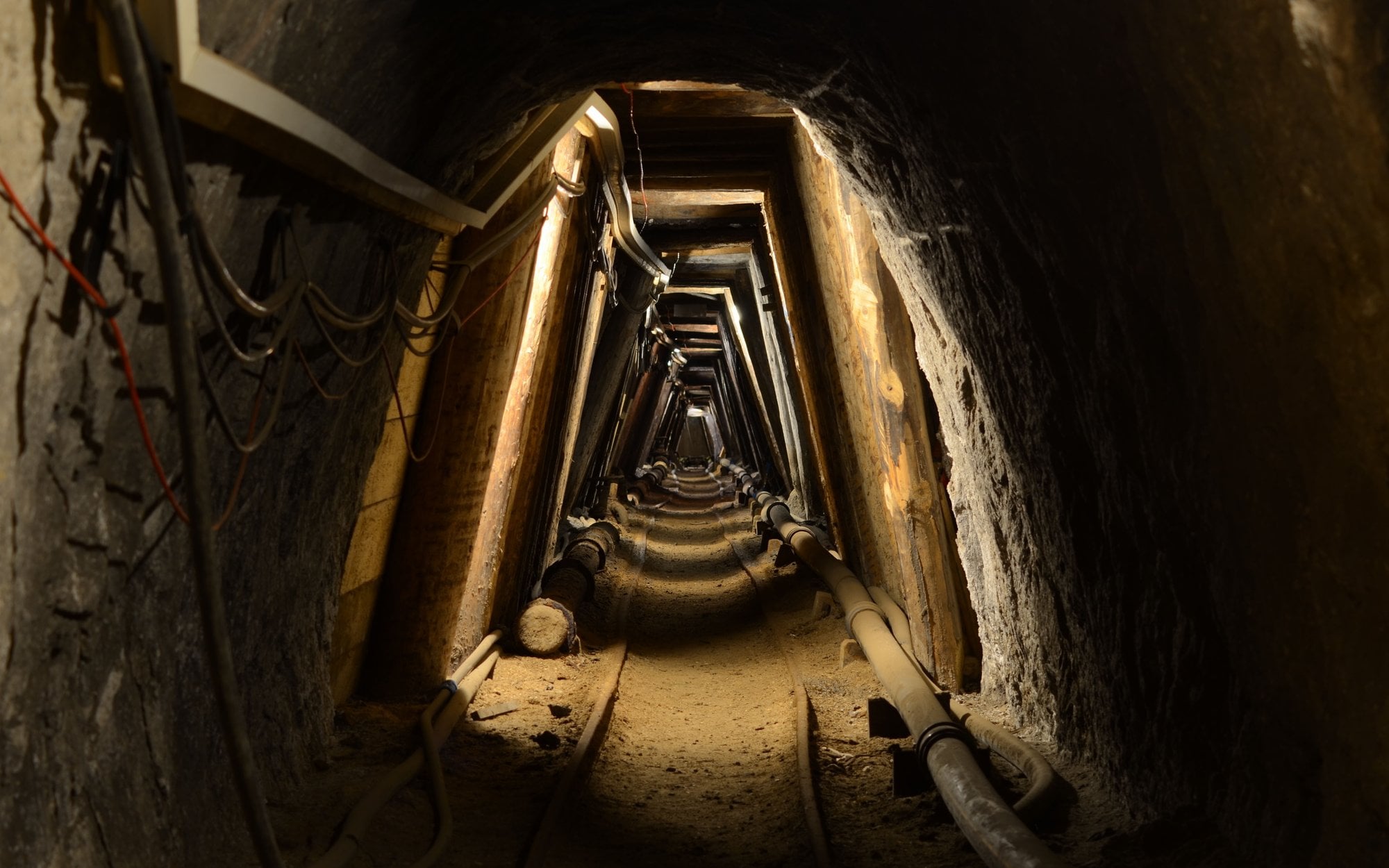
I just love how history surprises us! Near Hallstatt in Austria, archaeologists found a vast system of tunnels and chambers dating back 7,300 years. These ancient miners followed salt deposits deep underground, creating huge spaces up to 24 meters wide and 20 meters high. What’s fascinating is that even after landslides destroyed parts of the mine, the community quickly resumed salt extraction. And here’s the thing: they even found ancient tools and preserved artifacts thanks to the salt’s unique properties, giving us a vivid glimpse into prehistoric mining life.
Ik vind het geweldig hoe de geschiedenis ons blijft verrassen! In de buurt van Hallstatt in Oostenrijk ontdekten archeologen een uitgebreid systeem van tunnels en kamers die 7.300 jaar oud zijn. Deze oude mijnwerkers volgden zoutafzettingen diep onder de grond en creëerden enorme ruimtes tot wel 24 meter breed en 20 meter hoog. Wat bijzonder is, is dat de gemeenschap na aardverschuivingen snel het zout delven hervatte. En hier komt het: ze vonden ook oude gereedschappen en goed bewaarde voorwerpen dankzij de unieke eigenschappen van het zout, wat ons een levendig beeld geeft van het prehistorische mijnleven.
J’adore la façon dont l’histoire nous réserve des surprises ! Près de Hallstatt en Autriche, des archéologues ont découvert un vaste réseau de tunnels et de chambres datant de 7 300 ans. Ces anciens mineurs suivaient les gisements de sel profondément sous terre, créant des espaces immenses allant jusqu’à 24 mètres de large et 20 mètres de haut. Ce qui est fascinant, c’est que malgré des glissements de terrain, la communauté a rapidement repris l’extraction du sel. Et voici le truc : ils ont aussi trouvé des outils anciens et des artefacts bien conservés grâce aux propriétés du sel, nous offrant un aperçu vivant de la vie minière préhistorique.

🌊
These 5 rivers were nearly dead. Communities brought them back to life
Deze 5 rivieren waren bijna dood. Gemeenschappen brachten ze weer tot leven
Ces 5 rivières étaient presque mortes. Les communautés les ont ramenées à la vie
I find it fascinating how five rivers across India, once considered dead or dying, have been revived through community efforts. From Rajasthan to Kerala, locals used different methods like rainwater harvesting, sewage removal, and clearing silt to bring these rivers back. The Arvari river’s revival began with restoring groundwater, while the Kham river in Maharashtra needed a holistic approach tackling pollution and waste. It’s inspiring to see how collective action can restore nature’s flow and benefit entire communities.
Ik vind het geweldig hoe vijf rivieren in India, die bijna dood waren, weer tot leven zijn gebracht dankzij de inzet van gemeenschappen. Van Rajasthan tot Kerala gebruikten mensen verschillende methoden zoals regenwateropvang, het verwijderen van rioolwater en het schoonmaken van slib. De Arvari-rivier kwam weer tot leven door eerst het grondwater te herstellen, terwijl de Kham-rivier in Maharashtra een brede aanpak tegen vervuiling en afval nodig had. Het is inspirerend om te zien hoe gezamenlijke actie de natuur kan herstellen en hele gemeenschappen ten goede komt.
Je trouve fascinant que cinq rivières en Inde, autrefois considérées comme mortes ou mourantes, aient été revitalisées grâce aux efforts des communautés. Du Rajasthan au Kerala, les habitants ont utilisé différentes méthodes comme la collecte des eaux de pluie, l’élimination des eaux usées et le nettoyage des sédiments pour redonner vie à ces rivières. La rivière Arvari a été restaurée en commençant par la recharge des nappes phréatiques, tandis que la rivière Kham dans le Maharashtra a nécessité une approche globale contre la pollution et les déchets. C’est inspirant de voir comment l’action collective peut redonner vie à la nature et profiter à toute une communauté.

🚛
Nearly a decade later, the electric Tesla Semi is here
Bijna een decennium later is de elektrische Tesla Semi er
Près d'une décennie plus tard, le Tesla Semi électrique est là
So: after nearly ten years of anticipation, Tesla has officially launched the electric Semi truck, targeting large fleet managers who care about cost and performance. The long-range model offers about 500 miles per charge, which is impressive compared to competitors. And here's the thing - despite challenges like high upfront costs and limited charging infrastructure, Tesla is pushing hard with plans for more megawatt chargers and big orders from major companies like Microsoft and PepsiCo. It’s exciting to see electric trucks gaining real momentum, especially as diesel prices soar and climate concerns grow.
Dus: na bijna tien jaar wachten heeft Tesla eindelijk de elektrische Semi-truck gelanceerd, gericht op grote wagenparkbeheerders die letten op kosten en prestaties. Het model met lange afstand kan zo’n 500 mijl per lading rijden, wat indrukwekkend is vergeleken met concurrenten. En hier komt het: ondanks uitdagingen zoals hoge aanschafkosten en beperkte laadinfrastructuur, zet Tesla stevig door met plannen voor meer megawattladers en grote bestellingen van bedrijven als Microsoft en PepsiCo. Het is geweldig om te zien dat elektrische vrachtwagens echt aan kracht winnen, vooral nu dieselprijzen stijgen en klimaatvragen belangrijker worden.
Alors: après presque dix ans d’attente, Tesla a officiellement lancé son camion électrique Semi, ciblant les grands gestionnaires de flottes soucieux des coûts et des performances. Le modèle longue portée offre environ 500 miles par charge, ce qui est impressionnant face à la concurrence. Et voici le truc - malgré des défis comme le coût initial élevé et une infrastructure de recharge limitée, Tesla avance fort avec des projets d’extension des bornes de recharge et des commandes importantes de grandes entreprises comme Microsoft et PepsiCo. C’est enthousiasmant de voir les camions électriques gagner en popularité, surtout avec la hausse des prix du diesel et les préoccupations climatiques.

🚗
16 products from women designers you need to know
16 producten van vrouwelijke ontwerpers die je moet kennen
16 produits de créatrices à découvrir absolument
I love how this article shines a spotlight on women designers who are truly shaping the future with their innovative products. From Tisha Johnson’s award-winning electric pickup truck that’s both affordable and thoughtfully designed, to Jen Rubio and Steph Korey’s stylish and practical Away luggage, these creations are made to be loved. And here’s the thing: these products aren’t just about function, they’re about connection, sustainability, and performance tailored specifically for women. It’s inspiring to see how female perspectives are changing industries like automotive, sports, and tech in such meaningful ways.
Ik vind het geweldig hoe dit artikel vrouwelijke ontwerpers in de schijnwerpers zet die de toekomst vormgeven met hun innovatieve producten. Van Tisha Johnson’s bekroonde elektrische pickup die betaalbaar en doordacht is, tot de stijlvolle en praktische koffers van Jen Rubio en Steph Korey van Away, deze creaties zijn echt gemaakt om van te houden. En hier komt het: deze producten gaan niet alleen over functionaliteit, maar ook over verbinding, duurzaamheid en prestaties die speciaal op vrouwen zijn afgestemd. Het is inspirerend om te zien hoe vrouwelijke perspectieven industrieën zoals auto’s, sport en technologie zo betekenisvol veranderen.
J’adore la façon dont cet article met en lumière des créatrices qui façonnent l’avenir avec leurs produits innovants. De la camionnette électrique primée de Tisha Johnson, à la fois abordable et bien pensée, aux valises élégantes et pratiques de Jen Rubio et Steph Korey d’Away, ces créations sont faites pour être aimées. Et voici le truc : ces produits ne sont pas seulement fonctionnels, ils créent un lien, sont durables et offrent des performances adaptées aux femmes. C’est inspirant de voir comment les perspectives féminines transforment des secteurs comme l’automobile, le sport et la technologie de manière si significative.
🐋
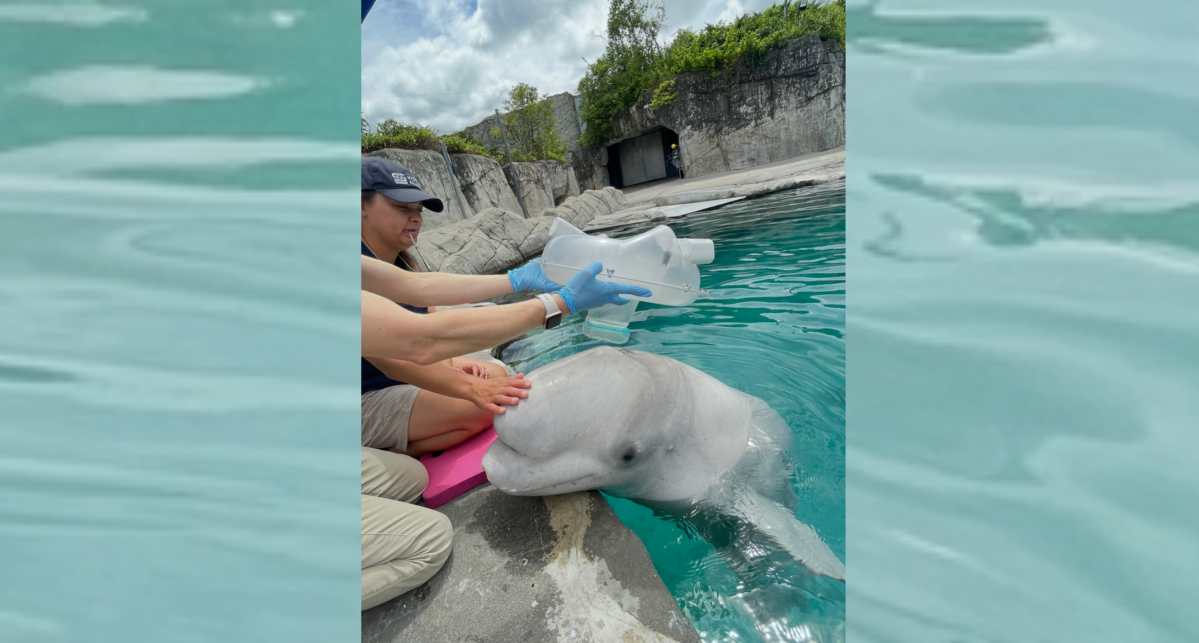
Blowhole nebulizer helps cure beluga whale’s pneumonia
Blowhole-nevelaar helpt bij genezing van longontsteking bij witte dolfijn
Nébuliseur pour évent aide à guérir la pneumonie d’une béluga
So: Jetta, an 11-year-old beluga whale, had a tough bout with pneumonia caused by drug-resistant bacteria. The vets at Mystic Aquarium and the University of Florida teamed up to try something new—bacteriophage therapy delivered through a specially designed blowhole nebulizer. Jetta was trained to breathe deeply through it, making the treatment both effective and stress-free. The best part? Since then, she’s been free of infection and side effects, showing great promise for similar treatments in humans too.
Dus: Jetta, een witte dolfijn van 11 jaar, had last van een hardnekkige longontsteking door medicijnresistente bacteriën. De dierenartsen van Mystic Aquarium en de Universiteit van Florida werkten samen aan een nieuwe aanpak: bacteriofaagtherapie via een speciaal gemaakte blowhole-nevelaar. Jetta werd getraind om diep te ademen door het apparaat, wat de behandeling effectief en stressvrij maakte. Het mooiste is dat ze sindsdien vrij is van infecties en bijwerkingen, wat veelbelovend is voor vergelijkbare behandelingen bij mensen.
Alors voilà: Jetta, une béluga de 11 ans, souffrait d’une pneumonie causée par des bactéries résistantes aux médicaments. Les vétérinaires de l’Aquarium Mystic et de l’Université de Floride ont collaboré pour utiliser une thérapie par bactériophages, administrée via un nébuliseur spécialement conçu pour son évent. Jetta a été entraînée à respirer profondément, rendant le traitement efficace et sans stress. Depuis, elle est guérie sans effets secondaires, ce qui ouvre des perspectives enthousiasmantes pour la médecine humaine aussi.
🧬
Little-known arm of immune system could be key to better vaccines, cancer therapies
Weinig bekend deel van het immuunsysteem kan sleutel zijn tot betere vaccins en kankertherapieën
Une branche méconnue du système immunitaire pourrait être la clé de meilleurs vaccins et thérapies contre le cancer
So: scientists are uncovering a lesser-known part of the immune system that might revolutionize how we approach vaccines and cancer treatments. This discovery could lead to more effective ways to train our bodies to fight diseases. Now, the exciting part is how this arm of immunity works differently from what we’ve focused on before. Which brings me to the potential for new therapies that are more targeted and powerful. And here’s the thing - this could change the game in medicine!
Dus: wetenschappers ontdekken een minder bekend deel van het immuunsysteem dat onze aanpak van vaccins en kankerbehandelingen kan veranderen. Deze ontdekking kan leiden tot effectievere manieren om ons lichaam te trainen om ziekten te bestrijden. Nu is het spannende dat dit deel van het immuunsysteem anders werkt dan wat we eerder onderzochten. Wat me brengt bij de mogelijkheid van nieuwe therapieën die gerichter en krachtiger zijn. En hier komt het op neer - dit kan de medische wereld echt veranderen!
Alors: les scientifiques découvrent une branche méconnue du système immunitaire qui pourrait révolutionner notre approche des vaccins et des traitements contre le cancer. Cette découverte pourrait permettre de mieux entraîner notre corps à combattre les maladies. Maintenant, ce qui est passionnant, c’est que cette partie du système immunitaire fonctionne différemment de ce que nous connaissions jusqu’à présent. Ce qui ouvre la voie à des thérapies nouvelles, plus ciblées et efficaces. Et voilà le truc - cela pourrait changer la donne en médecine !
🐘
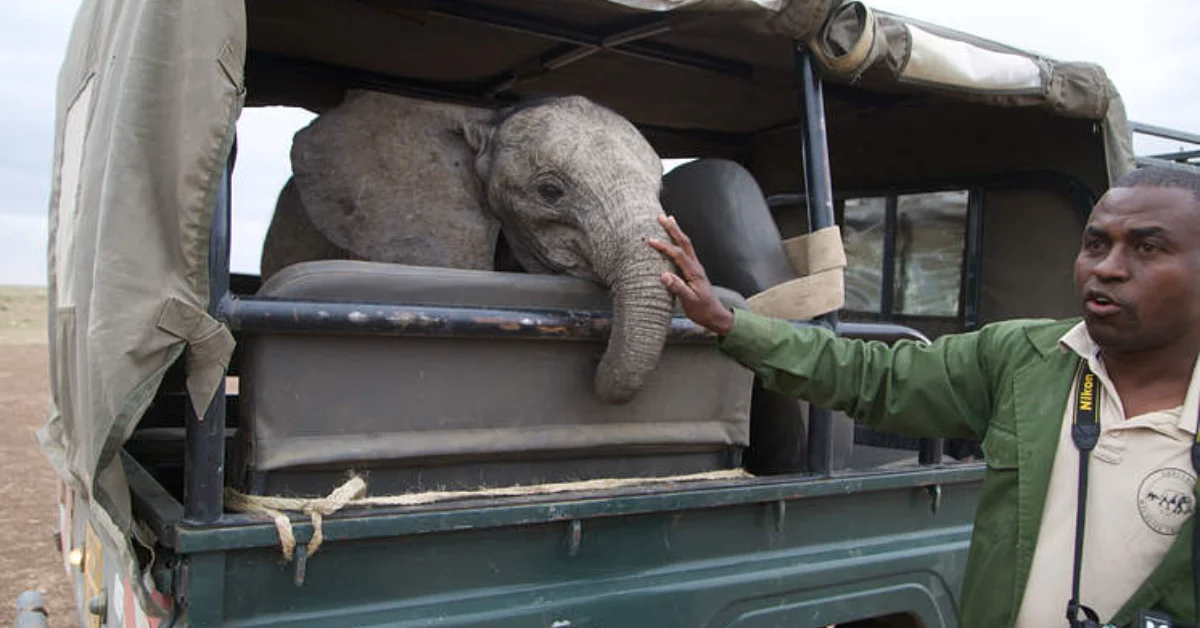
After an elephant was killed, Kenyan rangers searched for its baby for three weeks straight: 'He will never be alone again'
Na de dood van een olifant zochten Keniaanse boswachters drie weken lang naar haar baby: 'Hij zal nooit meer alleen zijn'
Après la mort d'une éléphante, les gardes kenyans ont cherché son bébé pendant trois semaines : « Il ne sera plus jamais seul »
So: a baby elephant was left alone after his mother was tragically killed in Kenya, and the rangers didn’t stop searching for him for three whole weeks. They finally found him trying to enter local farmers’ enclosures, weak but uninjured, and rushed him to a wildlife nursery where he quickly bonded with other orphaned elephants. What’s really heartwarming is how one female elephant, Ahmed, adopted him as her special baby, showing maternal love for the first time. Now, Pardamat is thriving and never has to face the world alone again.
Dus: een babyolifant bleef alleen achter nadat zijn moeder tragisch werd gedood in Kenia, en de boswachters stopten niet met zoeken gedurende drie volle weken. Ze vonden hem uiteindelijk terwijl hij probeerde de omheining van lokale boeren binnen te komen, zwak maar ongedeerd, en brachten hem snel naar een dierenopvang waar hij snel een band opbouwde met andere weesolifanten. Wat echt hartverwarmend is, is hoe een vrouwelijke olifant, Ahmed, hem adopteerde als haar speciale baby en voor het eerst moederlijke liefde toonde. Nu gedijt Pardamat en hoeft hij de wereld nooit meer alleen te trotseren.
Alors : un bébé éléphant s’est retrouvé seul après la mort tragique de sa mère au Kenya, et les gardes n’ont pas cessé de le chercher pendant trois semaines entières. Ils l’ont finalement trouvé essayant d’entrer dans les enclos des fermiers locaux, faible mais indemne, et l’ont rapidement emmené dans une nurserie où il s’est lié d’amitié avec d’autres éléphants orphelins. Ce qui est vraiment touchant, c’est qu’une éléphante nommée Ahmed l’a adopté comme son bébé spécial, montrant pour la première fois des instincts maternels. Maintenant, Pardamat s’épanouit et ne sera plus jamais seul.

🧠
Brain tumour diagnosis cut from weeks to hours with rapid new test
Hersentumor diagnose verkort van weken naar uren met nieuwe snelle test
Diagnostic des tumeurs cérébrales réduit de semaines à heures grâce à un nouveau test rapide
So: the NHS has started using a brilliant new test that cuts brain tumour diagnosis time from up to eight weeks down to just two hours. This means patients like Steve Palmer can get their results while still in surgery, which is amazing because it removes weeks of anxiety and speeds up treatment decisions. The test works by analyzing the tumour’s genetic code quickly using a small sequencing machine, making it almost magical according to the surgeons. And here's the thing, faster diagnosis means patients can start the right treatment sooner and surgeons can tailor their approach during operations.
Dus: de NHS gebruikt nu een fantastische nieuwe test die de diagnose van hersentumoren verkort van maximaal acht weken naar slechts twee uur. Dit betekent dat patiënten zoals Steve Palmer hun uitslag al tijdens de operatie kunnen krijgen, wat geweldig is omdat het weken van onzekerheid wegneemt en de behandeling versnelt. De test analyseert snel de genetische code van de tumor met een klein sequentie-apparaat, bijna magisch volgens de chirurgen. En hier komt het op neer: een snellere diagnose betekent dat patiënten sneller de juiste behandeling kunnen starten en chirurgen hun aanpak tijdens de operatie kunnen aanpassen.
Alors: le NHS utilise un nouveau test incroyable qui réduit le diagnostic des tumeurs cérébrales de jusqu’à huit semaines à seulement deux heures. Cela permet à des patients comme Steve Palmer d’obtenir leurs résultats pendant l’opération, ce qui est fantastique car cela supprime des semaines d’angoisse et accélère les décisions de traitement. Le test analyse rapidement le code génétique de la tumeur grâce à une petite machine de séquençage, ce que les chirurgiens trouvent presque magique. Et voilà le truc: un diagnostic plus rapide signifie que les patients peuvent commencer le bon traitement plus tôt et que les chirurgiens peuvent adapter leur intervention en temps réel.

💪
‘I’m 100% natural’: how Japan’s 90-year-old bodybuilder is still winning titles
‘Ik ben 100% natuurlijk’: hoe Japan’s 90-jarige bodybuilder nog steeds titels wint
« Je suis 100 % naturel » : comment le bodybuilder japonais de 90 ans remporte encore des titres
Toshisuke Kanazawa, a 90-year-old Japanese bodybuilder, continues to defy age by winning national titles with his impressive natural physique. He trains six days a week, adapts his workouts to suit his body, and follows a strict, clean diet that excludes meat and alcohol. Kanazawa’s dedication started in his youth, overcoming family doubts and setbacks to become a multiple-time champion. His story is a powerful reminder that age is just a number when passion and discipline lead the way.
Toshisuke Kanazawa, een 90-jarige Japanse bodybuilder, trotseert de leeftijd door nog steeds nationale titels te winnen met zijn indrukwekkende natuurlijke lichaam. Hij traint zes dagen per week, past zijn oefeningen aan zijn lichaam aan en volgt een strikt, gezond dieet zonder vlees en alcohol. Kanazawa’s toewijding begon al op jonge leeftijd, waarbij hij twijfels van zijn familie en tegenslagen overwon om meerdere keren kampioen te worden. Zijn verhaal laat zien dat leeftijd slechts een getal is wanneer passie en discipline de boventoon voeren.
Toshisuke Kanazawa, bodybuilder japonais de 90 ans, défie le temps en remportant toujours des titres nationaux grâce à sa silhouette naturelle impressionnante. Il s’entraîne six jours par semaine, adapte ses exercices à son corps et suit un régime strict sans viande ni alcool. Sa détermination a commencé dès sa jeunesse, surmontant les doutes familiaux et les obstacles pour devenir multiple champion. Son histoire prouve que l’âge n’est qu’un chiffre quand la passion et la discipline sont au rendez-vous.

🦫
This Canadian national park is home to the world's largest beaver dam: 'The size of 1600 hockey rinks'
Dit Canadese nationale park herbergt de grootste beverdam ter wereld: 'De grootte van 1600 hockeyvelden'
Ce parc national canadien abrite le plus grand barrage de castors au monde : « La taille de 1600 patinoires de hockey »
Wood Buffalo National Park in Canada is not only vast but also home to the world’s largest beaver dam, which is so huge it can be seen from space! The dam stretches nearly half a mile and holds back water to protect the land from flooding. What really fascinates me is how beavers are such natural engineers, creating habitats that improve water quality and help the environment. It’s incredible that despite its size, almost no one has visited it on foot, making it a hidden marvel in this wild landscape.
Wood Buffalo National Park in Canada is niet alleen enorm, maar herbergt ook de grootste beverdam ter wereld, zo groot dat hij vanuit de ruimte zichtbaar is! De dam strekt zich bijna een halve mijl uit en houdt water tegen om het land te beschermen tegen overstromingen. Wat ik echt fascinerend vind, is hoe bevers zulke natuurlijke ingenieurs zijn die leefgebieden creëren die de waterkwaliteit verbeteren en het milieu helpen. Het is ongelooflijk dat ondanks de grootte bijna niemand de dam te voet heeft bezocht, waardoor het een verborgen wonder in dit wilde landschap is.
Le parc national Wood Buffalo au Canada est non seulement immense, mais il abrite aussi le plus grand barrage de castors au monde, visible depuis l’espace ! Le barrage s’étend sur près d’un demi-mile et retient l’eau pour protéger les terres des inondations. Ce qui m’émerveille, c’est la capacité des castors à être de véritables ingénieurs naturels, créant des habitats qui améliorent la qualité de l’eau et aident l’environnement. C’est incroyable que, malgré sa taille, presque personne ne l’ait visité à pied, ce qui en fait une merveille cachée dans ce paysage sauvage.

🐼
Two pandas heading to Atlanta zoo, Xi Jinping announces
Twee panda's gaan naar de dierentuin van Atlanta, kondigt Xi Jinping aan
Deux pandas en route vers le zoo d'Atlanta, annonce Xi Jinping
So: Chinese leader Xi Jinping just announced that two giant pandas will be sent to the Atlanta zoo very soon. This is a lovely gesture of goodwill between China and the United States, especially during a high-stakes summit with President Donald Trump. The Atlanta zoo has a history with pandas, having hosted them from 1999 to 2025, so this feels like a warm homecoming. And here's the thing - these furry ambassadors always bring a smile and a bit of magic wherever they go!
Dus: de Chinese leider Xi Jinping heeft zojuist aangekondigd dat er binnenkort twee reuzenpanda's naar de dierentuin van Atlanta komen. Dit is een mooie blijk van goede wil tussen China en de Verenigde Staten, vooral tijdens een belangrijke top met president Donald Trump. De dierentuin van Atlanta heeft al ervaring met panda's, want ze waren er van 1999 tot 2025 te zien, dus dit voelt als een warm welkom. En het leuke is: deze harige ambassadeurs zorgen altijd voor een glimlach en een beetje magie waar ze ook zijn!
Alors voilà: le dirigeant chinois Xi Jinping vient d'annoncer que deux pandas géants seront bientôt envoyés au zoo d'Atlanta. C'est un beau geste de bonne volonté entre la Chine et les États-Unis, surtout lors d'un sommet important avec le président Donald Trump. Le zoo d'Atlanta connaît bien les pandas, puisqu'il les a accueillis de 1999 à 2025, donc c'est un peu comme un retour chaleureux à la maison. Et le truc, c'est que ces ambassadeurs poilus apportent toujours un sourire et un peu de magie partout où ils vont!

💧
Millions channeled to irrigation improvements, leak repairs along Colorado River by corporate coalition
Miljoenen geïnvesteerd in irrigatieverbeteringen en lekreparaties langs de Colorado-rivier door bedrijfscoalitie
Des millions investis dans l'amélioration de l'irrigation et la réparation des fuites le long du fleuve Colorado par une coalition d'entreprises
So: Amazon is leading a $20 million investment to help conserve water in the stressed Colorado River Basin, which supports millions of people and farmland. The new Colorado River Basin Collaborative aims to boost water conservation through projects like leak detection, irrigation efficiency, and canal lining. Amazon is already backing two projects, including leak repairs in Orange County and smart irrigation on tribal farmland using real-time sensors. And here's the thing - this corporate coalition has already raised over $33 million and hopes to reach $100 million to protect this vital water source.
Dus: Amazon leidt een investering van 20 miljoen dollar om water te besparen in het zwaar belaste stroomgebied van de Colorado-rivier, dat miljoenen mensen en landbouwgrond ondersteunt. De nieuwe Colorado River Basin Collaborative wil waterbesparing stimuleren via projecten zoals lekdetectie, irrigatie-efficiëntie en het bekleden van kanalen. Amazon ondersteunt al twee projecten, waaronder lekreparaties in Orange County en slimme irrigatie op tribale landbouwgrond met realtime sensoren. En hier komt het op neer - deze bedrijfscoalitie heeft al meer dan 33 miljoen dollar opgehaald en hoopt 100 miljoen te bereiken om deze vitale watervoorraad te beschermen.
Alors: Amazon mène un investissement de 20 millions de dollars pour conserver l'eau dans le bassin du fleuve Colorado, qui est sous pression et soutient des millions de personnes et des terres agricoles. La nouvelle Colorado River Basin Collaborative vise à renforcer la conservation de l'eau grâce à des projets comme la détection des fuites, l'efficacité de l'irrigation et le revêtement des canaux. Amazon soutient déjà deux projets, dont la réparation des fuites à Orange County et l'irrigation intelligente sur des terres tribales avec des capteurs en temps réel. Et voici la chose - cette coalition d'entreprises a déjà réuni plus de 33 millions de dollars et espère atteindre 100 millions pour protéger cette ressource vitale.

🚗
Waymo’s driverless cars continue to crash less often than people
Waymo’s zelfrijdende auto's botsen nog minder dan mensen
Les voitures sans conducteur de Waymo continuent de moins avoir d'accidents que les humains
Waymo’s latest data shows its driverless cars crash far less often than human drivers, with significant reductions in injury-causing incidents across five cities. The company has logged 271 million driverless miles, which is like over 300 human lifetimes behind the wheel. Now, while this is impressive, it’s still just a tiny fraction compared to the trillions of miles humans drive annually. And here’s the thing: some experts caution that the data might not capture all traffic disruptions or edge cases, but overall, Waymo’s numbers are a strong argument for safer roads.
Waymo’s nieuwste gegevens tonen aan dat hun zelfrijdende auto's veel minder vaak betrokken zijn bij ongevallen dan menselijke bestuurders, met grote verminderingen van letselongevallen in vijf steden. Het bedrijf heeft 271 miljoen zelfrijdende mijlen afgelegd, wat overeenkomt met meer dan 300 menselijke levens achter het stuur. Nu, hoewel dit indrukwekkend is, is het nog steeds een klein deel vergeleken met de biljoenen mijlen die mensen jaarlijks rijden. En hier komt het op neer: sommige experts waarschuwen dat de data niet alle verkeersverstoring of uitzonderlijke situaties vangt, maar over het algemeen zijn Waymo’s cijfers een sterk argument voor veiligere wegen.
Les dernières données de Waymo montrent que ses voitures sans conducteur ont beaucoup moins d’accidents que les conducteurs humains, avec une forte réduction des accidents causant des blessures dans cinq villes. La société a parcouru 271 millions de miles sans conducteur, ce qui équivaut à plus de 300 vies humaines au volant. Maintenant, même si c’est impressionnant, cela reste une infime partie des milliards de miles parcourus chaque année par les humains. Et voici le truc : certains experts soulignent que les données ne capturent pas toutes les perturbations du trafic ou les cas limites, mais dans l’ensemble, les chiffres de Waymo plaident clairement pour des routes plus sûres.

📚
Reading advocate Marlen Eskander: 'Children are smarter than us'
Leesbevorderaar Marlen Eskander: 'Kinderen zijn slimmer dan wij'
Promotrice de la lecture Marlen Eskander : « Les enfants sont plus intelligents que nous »
Marlen Eskander, founder of the Reading Promotion Institute, shares her passion for making literature accessible to children and young people. She believes children are smarter than adults but need practice and support to develop reading skills. Eskander’s approach includes interactive storytelling that invites children to shape the narrative, helping them interpret texts deeply. She highlights reading as a vital democratic skill and hopes future discussions will focus on the magic of storytelling, not just its utility.
Marlen Eskander, oprichter van het Leesbevorderingsinstituut, deelt haar passie om literatuur toegankelijk te maken voor kinderen en jongeren. Ze gelooft dat kinderen slimmer zijn dan volwassenen, maar oefening en ondersteuning nodig hebben om leesvaardigheden te ontwikkelen. Haar methode omvat interactief vertellen waarbij kinderen het verhaal mee vormgeven, wat hen helpt teksten beter te begrijpen. Ze benadrukt lezen als een belangrijke democratische vaardigheid en hoopt dat toekomstige gesprekken meer over de magie van verhalen gaan dan alleen over het nut ervan.
Marlen Eskander, fondatrice de l’Institut de promotion de la lecture, partage sa passion pour rendre la littérature accessible aux enfants et aux jeunes. Elle pense que les enfants sont plus intelligents que les adultes, mais qu’ils ont besoin de pratique et de soutien pour développer leurs compétences en lecture. Sa méthode inclut le récit interactif où les enfants peuvent influencer l’histoire, ce qui les aide à mieux interpréter les textes. Elle souligne la lecture comme une compétence démocratique essentielle et espère que les futurs débats porteront davantage sur la magie du récit que sur son utilité.
🧠
ADHD and autism diagnoses have surged. a massive study may help explain why
ADHD- en autisme-diagnoses zijn sterk gestegen. een grootschalige studie kan helpen verklaren waarom
Les diagnostics de TDAH et d'autisme ont explosé. une vaste étude pourrait expliquer pourquoi
So: ADHD and autism diagnoses have shot up in recent years, but this huge study from Denmark gives us a fresh perspective. It shows that kids diagnosed today look more like the general population than those diagnosed a decade ago. Which brings me to the idea that rising diagnosis numbers might partly reflect who is being identified, not just more cases. And here's the thing - this helps us understand the trend without jumping to conclusions about overdiagnosis or severity.
Dus: de diagnoses van ADHD en autisme zijn de laatste jaren flink gestegen, maar deze grote Deense studie geeft ons een nieuw inzicht. Het laat zien dat kinderen die nu gediagnosticeerd worden meer lijken op de algemene bevolking dan tien jaar geleden. Dit betekent dat de stijging deels te maken kan hebben met wie er wordt herkend, en niet alleen met meer gevallen. En het mooie is dat dit ons helpt de trend beter te begrijpen zonder meteen te denken aan overdiagnose of minder ernst.
Alors: les diagnostics de TDAH et d'autisme ont beaucoup augmenté ces dernières années, mais cette vaste étude danoise nous offre une nouvelle perspective. Elle montre que les enfants diagnostiqués aujourd'hui ressemblent davantage à la population générale qu'il y a dix ans. Ce qui suggère que cette hausse reflète en partie qui est identifié, pas seulement une augmentation des cas. Et voilà le truc - cela nous aide à comprendre cette tendance sans conclure trop vite à une surdiagnose ou à une moindre gravité.
🧬
Scientists thought they knew how this 70-year-old leukemia drug worked
Wetenschappers dachten te weten hoe dit 70 jaar oude leukemiemedicijn werkt
Les scientifiques pensaient comprendre le fonctionnement de ce médicament contre la leucémie vieux de 70 ans
For over 70 years, the leukemia drug 6-thioguanine (6-TG) has been used effectively, but scientists have now uncovered a surprising factor influencing its action: the protein NUDT5. Unlike what was expected, it’s not NUDT5’s enzymatic activity that matters, but the presence of the protein itself that affects how cells respond to the drug. Researchers developed new chemical degraders to remove NUDT5, revealing that cells without it resist 6-TG’s toxic effects. This discovery opens fresh perspectives on how leukemia treatments work and could lead to improved therapies.
Al meer dan 70 jaar wordt het leukemiemedicijn 6-thioguanine (6-TG) effectief gebruikt, maar wetenschappers hebben nu een verrassende factor ontdekt die de werking beïnvloedt: het eiwit NUDT5. In tegenstelling tot wat werd verwacht, is het niet de enzymatische activiteit van NUDT5 die telt, maar de aanwezigheid van het eiwit zelf die bepaalt hoe cellen reageren op het medicijn. Onderzoekers ontwikkelden nieuwe chemische afbrekers om NUDT5 te verwijderen, wat aantoonde dat cellen zonder dit eiwit beter bestand zijn tegen de toxische effecten van 6-TG. Deze ontdekking biedt nieuwe inzichten in de werking van leukemiebehandelingen en kan leiden tot verbeterde therapieën.
Depuis plus de 70 ans, le médicament contre la leucémie 6-thioguanine (6-TG) est utilisé avec succès, mais les scientifiques ont découvert un facteur surprenant qui influence son action : la protéine NUDT5. Contrairement aux attentes, ce n’est pas l’activité enzymatique de NUDT5 qui importe, mais la présence même de la protéine qui affecte la réponse des cellules au médicament. Les chercheurs ont développé de nouveaux dégradeurs chimiques pour éliminer NUDT5, révélant que les cellules sans cette protéine résistent mieux aux effets toxiques du 6-TG. Cette découverte ouvre de nouvelles perspectives pour améliorer les traitements de la leucémie.

🎶
How the architecture of sound is transforming cities
Hoe de architectuur van geluid steden transformeert
Comment l'architecture du son transforme les villes
I find it fascinating how sound can shape our experience of cities in ways we rarely notice. Chris Downey, who became blind, discovered that sounds like wind chimes can help define spaces just as much as physical structures. He’s now pioneering designs that use sound to make cities more accessible and enjoyable for everyone. And here’s the thing - this approach is opening new doors for inclusive design, blending architecture and sound to create richer urban experiences.
Ik vind het geweldig hoe geluid onze beleving van steden kan vormen op manieren die we vaak niet opmerken. Chris Downey, die blind werd, ontdekte dat geluiden zoals windgongen ruimtes net zo goed kunnen definiëren als fysieke structuren. Hij is nu bezig met ontwerpen die geluid gebruiken om steden toegankelijker en aangenamer te maken voor iedereen. En hier komt het op neer - deze aanpak opent nieuwe mogelijkheden voor inclusief ontwerp, waarbij architectuur en geluid samenkomen voor rijkere stedelijke ervaringen.
Je trouve fascinant que le son puisse façonner notre expérience des villes de manière souvent invisible. Chris Downey, devenu aveugle, a découvert que des sons comme les carillons peuvent définir les espaces autant que les structures physiques. Il innove aujourd’hui en créant des designs qui utilisent le son pour rendre les villes plus accessibles et agréables pour tous. Et voilà le truc - cette approche ouvre de nouvelles voies pour un design inclusif, mêlant architecture et son pour enrichir l’expérience urbaine.
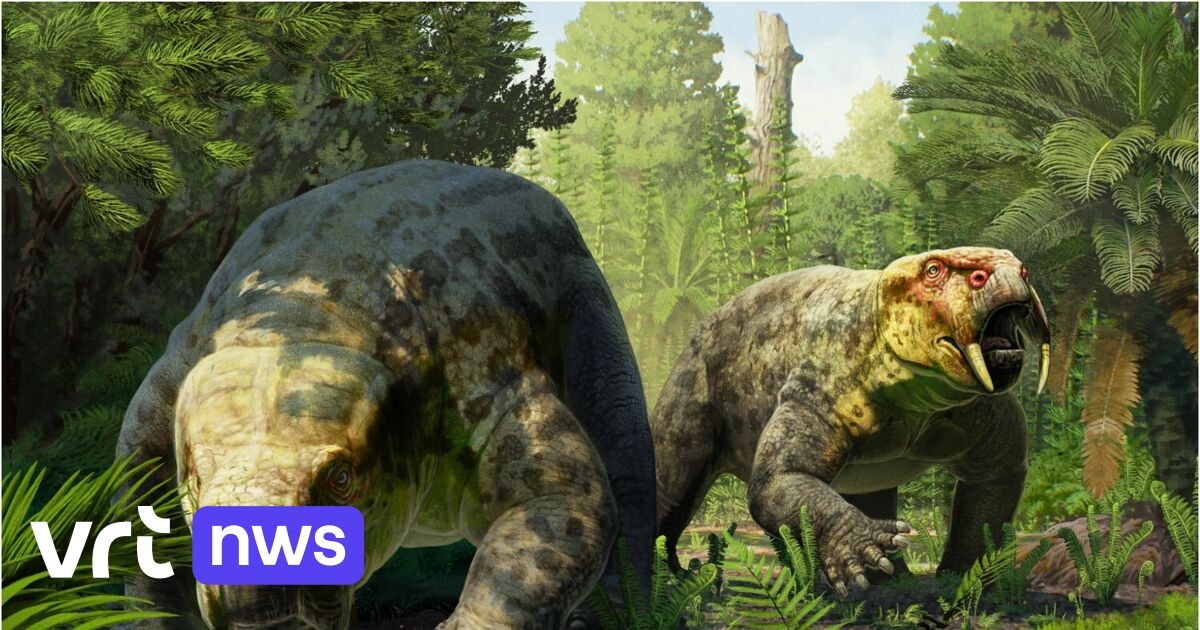
🦕
Fossil in Tanzania reveals new prehistoric species from 240 million years ago
Fossiel in Tanzania onthult nieuwe prehistorische diersoort van 240 miljoen jaar oud
Fossile en Tanzanie révèle une nouvelle espèce préhistorique vieille de 240 millions d'années
So: researchers have uncovered a fascinating new prehistoric species in Tanzania, a plant-eating creature with a beak, tusks, and claws that roamed about 240 million years ago. This animal, named Dinodontosaurus isiyavamanda, wasn’t a dinosaur but belonged to a group closer to mammals. The fossils were actually dug up in 1963 and only recently studied in detail, which is pretty amazing. And here's the thing: this discovery might even change how we understand the timeline of dinosaurs, linking African and South American fossil layers in a surprising way.
Dus: onderzoekers hebben in Tanzania een fascinerende nieuwe prehistorische diersoort ontdekt, een plantenetend dier met een snavel, slagtanden en klauwen dat ongeveer 240 miljoen jaar geleden leefde. Dit dier, Dinodontosaurus isiyavamanda genoemd, was geen dinosaurus maar behoorde tot een groep die nauwer verwant is aan zoogdieren. De fossielen werden al in 1963 opgegraven en pas recent grondig bestudeerd, wat best bijzonder is. En hier komt het: deze vondst kan onze kijk op de tijdlijn van dinosaurussen veranderen door Afrikaanse en Zuid-Amerikaanse fossielen op een verrassende manier te verbinden.
Alors: des chercheurs ont découvert en Tanzanie une nouvelle espèce préhistorique fascinante, un herbivore avec un bec, des défenses et des griffes qui vivait il y a environ 240 millions d'années. Cet animal, nommé Dinodontosaurus isiyavamanda, n'était pas un dinosaure mais appartenait à un groupe plus proche des mammifères. Les fossiles ont été découverts en 1963 et seulement récemment étudiés en détail, ce qui est assez incroyable. Et voilà le truc: cette découverte pourrait modifier notre compréhension de la chronologie des dinosaures en reliant de manière surprenante des couches fossiles africaines et sud-américaines.

🧬
The ovary is surprisingly active after menopause. scientists are trying to figure out why
De eierstok is verrassend actief na de menopauze. wetenschappers proberen te begrijpen waarom
L’ovaire reste étonnamment actif après la ménopause. les scientifiques tentent de comprendre pourquoi
I was really surprised to learn that ovaries don’t just shut down after menopause like we often think. Francesca Duncan’s research shows these organs keep changing at the molecular level well into older age. Now, scientists are excited to explore what this ongoing activity means for women’s health beyond fertility. It could reshape how we think about aging and hormone production long after the reproductive years have passed.
Ik was echt verrast om te ontdekken dat de eierstokken niet gewoon stoppen na de menopauze, zoals we vaak denken. Het onderzoek van Francesca Duncan laat zien dat deze organen op moleculair niveau blijven veranderen, zelfs op oudere leeftijd. Nu zijn wetenschappers enthousiast om te onderzoeken wat deze voortdurende activiteit betekent voor de gezondheid van vrouwen buiten de vruchtbaarheid. Dit kan onze kijk op veroudering en hormoonproductie lang na de vruchtbare jaren veranderen.
J’ai été vraiment surpris d’apprendre que les ovaires ne s’arrêtent pas simplement après la ménopause, comme on le croit souvent. Les recherches de Francesca Duncan montrent que ces organes continuent d’évoluer au niveau moléculaire même à un âge avancé. Maintenant, les scientifiques sont enthousiastes à l’idée d’explorer ce que cette activité continue signifie pour la santé des femmes au-delà de la fertilité. Cela pourrait changer notre façon de penser le vieillissement et la production hormonale bien après les années reproductives.

🏘️
10 reasons why housing plans work best when they're big
10 redenen waarom woningplannen beter groot zijn
10 raisons pour lesquelles les plans de logement fonctionnent mieux en grand
I find it fascinating how big housing plans can actually create beautiful, cohesive neighbourhoods rather than just scattered units. When developers think on a large scale, they can invest in nicer public spaces and better layouts, which lifts the whole community’s spirit. It’s like the best parts of Dublin, built by single landowners, show us that planning big really pays off. And here’s the thing - big plans help tackle the housing crisis by making homes more attractive and affordable, which benefits everyone.
Ik vind het fascinerend hoe grote woningplannen mooie, samenhangende buurten kunnen creëren in plaats van verspreide eenheden. Wanneer ontwikkelaars op grote schaal denken, kunnen ze investeren in betere openbare ruimtes en een betere indeling, wat de hele gemeenschap ten goede komt. De beste delen van Dublin, gebouwd door enkele landeigenaren, laten zien dat groot plannen echt loont. En hier komt het op neer - grote plannen helpen de woningcrisis aan te pakken door woningen aantrekkelijker en betaalbaarder te maken, wat iedereen ten goede komt.
Je trouve passionnant que les grands projets de logement puissent créer des quartiers beaux et cohérents plutôt que des unités dispersées. Quand les promoteurs pensent à grande échelle, ils peuvent investir dans de beaux espaces publics et de meilleures configurations, ce qui élève l’esprit de toute la communauté. Les plus beaux quartiers de Dublin, construits par des propriétaires fonciers uniques, montrent que planifier en grand rapporte vraiment. Et voici le truc - les grands projets aident à résoudre la crise du logement en rendant les maisons plus attrayantes et abordables, ce qui profite à tous.
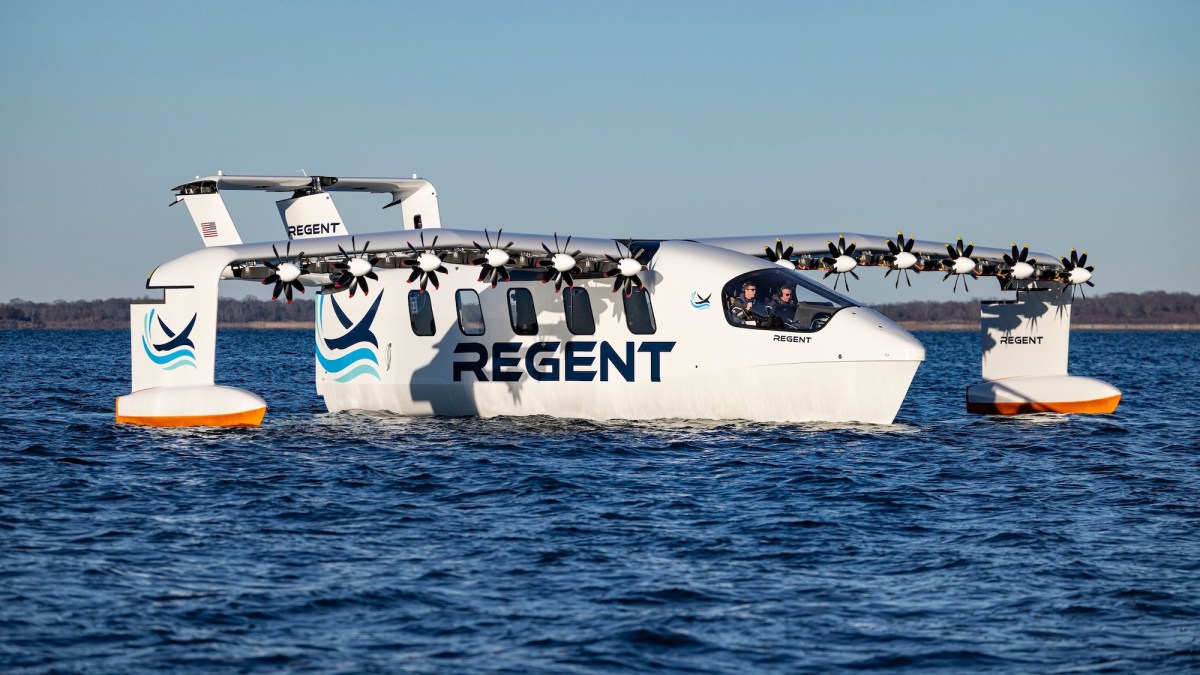
🛩️
Soviet ‘sea monster’ inspired this futuristic ‘flying boat’
Sovjet ‘zeemonster’ inspireerde deze futuristische ‘vliegende boot’
Le « monstre de la mer » soviétique a inspiré ce « bateau volant » futuriste
So: a strange boat with wings and a whale-like tail recently took flight over Rhode Island’s Narragansett Bay, marking the first crewed flight of the Viceroy Seaglider. This part-plane, part-boat craft by REGENT promises to combine boat convenience with aircraft speed, carrying 12 passengers at 180 mph or heavy cargo. Now, here’s the thing - it’s inspired by Soviet-era ekranoplans, those massive ground-effect vehicles nicknamed the “Sea Monster of the Caspian.” REGENT’s clever use of hydrofoils aims to fix past handling issues, making takeoffs smoother and faster, while the US military is already interested in its stealth and resupply potential.
Dus: een vreemde boot met vleugels en een walvisachtige staart vloog onlangs over de Narragansett Bay in Rhode Island, wat de eerste bemande vlucht markeerde van de Viceroy Seaglider. Dit deel-vliegtuig, deel-boot vaartuig van REGENT belooft het gemak van een boot te combineren met de snelheid van een vliegtuig, met plaats voor 12 passagiers aan 180 mph of zware lading. En hier is het mooie - het is geïnspireerd op Sovjet-era ekranoplans, die enorme grond-effect voertuigen die de bijnaam ‘Zeemonster van de Kaspische Zee’ kregen. REGENT gebruikt slimme hydrofoils om eerdere problemen met het besturen op te lossen, waardoor het opstijgen soepeler en sneller gaat, en het Amerikaanse leger toont al interesse voor stealth en bevoorrading.
Alors: un étrange bateau avec des ailes et une queue ressemblant à une baleine a récemment volé au-dessus de la baie de Narragansett à Rhode Island, marquant le premier vol habité du Viceroy Seaglider. Ce véhicule mi-avion, mi-bateau de REGENT promet de combiner la commodité d’un bateau avec la vitesse d’un avion, pouvant transporter 12 passagers à 180 mph ou une lourde cargaison. Et voici la chose - il est inspiré des ekranoplans soviétiques, ces énormes engins à effet de sol surnommés le « monstre de la mer Caspienne ». REGENT utilise des hydrofoils pour résoudre les problèmes de maniabilité passés, rendant les décollages plus doux et rapides, tandis que l’armée américaine s’intéresse déjà à son potentiel furtif et de ravitaillement.
🌿
These tropical trees breathe at night to survive drought
Deze tropische bomen ademen 's nachts om droogte te overleven
Ces arbres tropicaux respirent la nuit pour survivre à la sécheresse
So: tropical trees from the genus Clusia have a fascinating trick to survive drought by breathing at night. Researchers discovered that ancient genome duplications and reshuffling helped these trees evolve a special type of photosynthesis called CAM, which lets them absorb CO2 at night instead of during the day. Each species uses CAM differently, showing a remarkable diversity in how they manage water and carbon. And here's the thing - this discovery not only solves a 200-year-old mystery but also highlights the incredible adaptability of plants in tough environments.
Dus: tropische bomen uit het geslacht Clusia hebben een fascinerende truc om droogte te overleven door 's nachts te ademen. Onderzoekers ontdekten dat oude genoomduplicaties en herschikkingen deze bomen hielpen een speciale vorm van fotosynthese te ontwikkelen, genaamd CAM, waarmee ze CO2 's nachts opnemen in plaats van overdag. Elke soort gebruikt CAM op een andere manier, wat een opmerkelijke diversiteit laat zien in hoe ze water en koolstof beheren. En hier komt het op aan - deze ontdekking lost niet alleen een 200 jaar oud mysterie op, maar benadrukt ook de ongelooflijke aanpassingsvermogen van planten in moeilijke omstandigheden.
Alors: les arbres tropicaux du genre Clusia ont une astuce fascinante pour survivre à la sécheresse en respirant la nuit. Les chercheurs ont découvert que des duplications et réorganisations anciennes du génome ont aidé ces arbres à évoluer vers une photosynthèse spéciale appelée CAM, qui leur permet d’absorber le CO2 la nuit plutôt que le jour. Chaque espèce utilise le CAM différemment, montrant une diversité remarquable dans leur gestion de l’eau et du carbone. Et voici le truc - cette découverte résout un mystère vieux de 200 ans et met en lumière l’incroyable adaptabilité des plantes dans des environnements difficiles.
🛌
More REM sleep linked to lower risk of 83 diseases
Meer REM-slaap gekoppeld aan lager risico op 83 ziekten
Plus de sommeil paradoxal lié à un risque réduit de 83 maladies
I find it fascinating that more REM sleep is connected to a lower risk of 83 diseases, including heart failure and dementia. The study tracked nearly 96,000 people over almost nine years using wrist devices to measure sleep stages, which is pretty cool technology. They also found that sleeping less than five hours ramps up disease risk significantly, while 6-8 hours seems to be the sweet spot. And here's the thing - deep sleep also protects against conditions like diabetes and depression, showing how important quality sleep really is.
Ik vind het geweldig dat meer REM-slaap gekoppeld is aan een lager risico op 83 ziekten, waaronder hartfalen en dementie. De studie volgde bijna 96.000 mensen bijna negen jaar lang met polsapparaten die slaappatronen meten - best indrukwekkend! Ze ontdekten ook dat minder dan vijf uur slaap het risico op ziekten flink verhoogt, terwijl 6-8 uur de ideale duur lijkt. En het mooie is dat diepe slaap ook beschermt tegen aandoeningen zoals diabetes en depressie, wat het belang van goede slaap benadrukt.
Je trouve fascinant que plus de sommeil paradoxal soit lié à un risque réduit de 83 maladies, y compris l’insuffisance cardiaque et la démence. L’étude a suivi près de 96 000 personnes pendant presque neuf ans grâce à des dispositifs portés au poignet pour mesurer les phases de sommeil, c’est vraiment impressionnant. Ils ont aussi découvert que dormir moins de cinq heures augmente fortement le risque de maladies, tandis que 6 à 8 heures semble être la durée idéale. Et voici le truc - le sommeil profond protège aussi contre des maladies comme le diabète et la dépression, soulignant l’importance d’un sommeil de qualité.

🚲
Bikes outnumbered cars on Scottish rush hour route for the first time ever
Fietsen overtroffen auto's tijdens spitsuur in Schotland voor het eerst ooit
Les vélos ont dépassé les voitures sur un trajet aux heures de pointe en Écosse pour la première fois
I find it fascinating that in Edinburgh, bikes have finally outnumbered cars during the morning rush hour on Leith Walk, a historic first! This surge is largely thanks to the popularity of e-bike rentals and new segregated bike lanes making cycling safer and more appealing. Glasgow is also seeing a big boost in bike journeys, with some roads recording record numbers. And here's the thing - people like Kirsty, a health visitor, are saving time and enjoying the calm of cycling instead of driving. It’s clear that Scotland’s investment in cycling infrastructure is really paying off.
Ik vind het geweldig dat er in Edinburgh voor het eerst tijdens het ochtendspitsuur meer fietsen dan auto’s waren op Leith Walk! Deze groei komt vooral door de populariteit van e-bike verhuur en nieuwe gescheiden fietspaden die fietsen veiliger en aantrekkelijker maken. Ook in Glasgow neemt het aantal fietstochten flink toe, met sommige wegen die recordaantallen laten zien. En weet je, mensen zoals Kirsty, een gezondheidsbezoeker, besparen tijd en genieten van de rust van fietsen in plaats van autorijden. Het is duidelijk dat de investeringen in fietsinfrastructuur in Schotland echt hun vruchten afwerpen.
Je trouve fascinant qu’à Édimbourg, les vélos aient enfin dépassé les voitures pendant l’heure de pointe du matin sur Leith Walk, une première historique ! Cette hausse est largement due à la popularité des vélos électriques en location et aux nouvelles pistes cyclables séparées qui rendent le vélo plus sûr et plus attrayant. Glasgow connaît aussi une forte augmentation des trajets à vélo, avec certaines routes enregistrant des chiffres record. Et voici le truc - des personnes comme Kirsty, visiteuse en santé, gagnent du temps et apprécient le calme du vélo plutôt que la voiture. Il est clair que les investissements de l’Écosse dans les infrastructures cyclables portent vraiment leurs fruits.

👮♀️
Syria's first women graduate from new police academy
De eerste Syrische vrouwen studeren af aan nieuwe politieacademie
Les premières femmes syriennes diplômées de la nouvelle académie de police
So: around 150 women have just graduated from Syria's brand-new police academy after six months of intense training. This is a big step for Syria as it rebuilds its security forces and boosts women's roles in policing. The graduates learned everything from military skills to law and fieldwork, which is pretty impressive. And here's the thing, one of them, May Aklajneh, has dreamed of this since she was a kid. Now, these women are set to join police units all over the country, which feels like a fresh, hopeful start.
Dus: ongeveer 150 vrouwen zijn net afgestudeerd aan Syrië's gloednieuwe politieacademie na zes maanden intensieve training. Dit is een grote stap voor Syrië terwijl het zijn veiligheidsdiensten heropbouwt en de rol van vrouwen in de politie versterkt. De afgestudeerden leerden alles van militaire vaardigheden tot wetgeving en veldwerk, wat behoorlijk indrukwekkend is. En hier komt het: een van hen, May Aklajneh, droomde hier al van sinds ze klein was. Nu gaan deze vrouwen zich aansluiten bij politieteams door het hele land, wat voelt als een frisse, hoopvolle start.
Alors: environ 150 femmes viennent de terminer leur formation à la toute nouvelle académie de police syrienne après six mois d'entraînement intensif. C'est un grand pas pour la Syrie qui reconstruit ses forces de sécurité et augmente la place des femmes dans la police. Les diplômées ont appris des compétences militaires, des procédures policières, le droit et le travail de terrain, ce qui est vraiment impressionnant. Et voici le truc, l'une d'elles, May Aklajneh, rêvait de cela depuis son enfance. Maintenant, ces femmes vont rejoindre les unités de police à travers le pays, ce qui donne un nouvel élan plein d'espoir.

🌠
See the Taurids light up the fall sky with brilliant shooting stars
Bekijk de Tauriden die de herfsthemel verlichten met schitterende vallende sterren
Admirez les Taurides illuminer le ciel d'automne avec des étoiles filantes brillantes
I love this time of year because the Taurid meteor showers put on a spectacular show that lasts for months! Starting in mid-September and going until mid-December, these shooting stars come from debris left by Comet 2P/Encke. The Southern Taurids peak around November 4 to 5, just after Halloween, with a great chance to see bright fireballs lighting up the night. And here's the thing - you don’t need any fancy gear, just a dark spot and patience to enjoy this celestial party.
Ik vind deze tijd van het jaar fantastisch omdat de Tauriden een spectaculaire show geven die maanden duurt! Vanaf half september tot half december zie je vallende sterren afkomstig van het stof van komeet 2P/Encke. De zuidelijke Tauriden bereiken hun hoogtepunt rond 4 tot 5 november, net na Halloween, met een mooie kans om heldere vuurballen te zien. En het mooie is - je hebt geen speciale apparatuur nodig, alleen een donkere plek en wat geduld om van dit hemelse feest te genieten.
J’adore cette période de l’année car les pluies de météores Taurides offrent un spectacle spectaculaire qui dure plusieurs mois ! De la mi-septembre à la mi-décembre, ces étoiles filantes proviennent des débris de la comète 2P/Encke. Les Taurides du Sud culminent autour du 4 au 5 novembre, juste après Halloween, avec une belle chance d’apercevoir des boules de feu brillantes illuminer la nuit. Et voici le truc - pas besoin de matériel sophistiqué, juste un endroit sombre et un peu de patience pour profiter de cette fête céleste.

🧫
In the fight against water pollution, IIT Guwahati turns to an unlikely solution to treat toxic textile waste: bacteria
In de strijd tegen watervervuiling zet IIT Guwahati in op een onverwachte oplossing voor het behandelen van giftig textielafval: bacteriën
Dans la lutte contre la pollution de l'eau, l'IIT Guwahati adopte une solution inattendue pour traiter les déchets textiles toxiques : les bactéries
IIT Guwahati researchers have discovered a bacterium, Brevundimonas sp. AJZ05, that can break down a stubborn synthetic dye used in textiles, called Direct Blue-6, by producing an enzyme named azoreductase. So: this tiny bacterium can degrade 98.5% of the dye under optimized conditions, turning harmful pollutants into non-toxic compounds. And here's the thing - they didn’t just stop at removing the color; they checked that the byproducts are safe for the environment. Now, the team is working on scaling this promising biological method to treat real industrial wastewater, which often contains a mix of contaminants.
Onderzoekers van IIT Guwahati hebben een bacterie ontdekt, Brevundimonas sp. AJZ05, die een hardnekkige synthetische kleurstof in textiel, Direct Blue-6, kan afbreken door een enzym genaamd azoreductase te produceren. Dus: deze kleine bacterie kan onder geoptimaliseerde omstandigheden 98,5% van de kleurstof afbreken en zo schadelijke stoffen omzetten in niet-toxische verbindingen. En hier komt het: ze stopten niet alleen bij het verwijderen van de kleur, maar controleerden ook of de afbraakproducten veilig zijn voor het milieu. Nu werkt het team aan het opschalen van deze veelbelovende biologische methode om echt industrieel afvalwater te behandelen, dat vaak uit een mix van verontreinigingen bestaat.
Les chercheurs de l'IIT Guwahati ont découvert une bactérie, Brevundimonas sp. AJZ05, capable de décomposer un colorant synthétique tenace utilisé dans le textile, le Direct Blue-6, grâce à une enzyme appelée azoréductase. Donc : cette petite bactérie peut dégrader 98,5 % du colorant dans des conditions optimisées, transformant ainsi des polluants nocifs en composés non toxiques. Et voilà le truc - ils ne se sont pas contentés d’éliminer la couleur, ils ont aussi vérifié que les sous-produits sont sûrs pour l’environnement. Maintenant, l’équipe travaille à l’adaptation de cette méthode biologique prometteuse pour traiter les eaux usées industrielles réelles, souvent composées d’un mélange de contaminants.

🌍
Germany commits for first time to phasing out fossil fuels by 2045
Duitsland belooft voor het eerst fossiele brandstoffen uit te faseren tegen 2045
L'Allemagne s'engage pour la première fois à éliminer les combustibles fossiles d'ici 2045
Germany has made a bold new commitment to phase out fossil fuels by 2045, marking a clear shift from previous promises of just carbon neutrality. The government plans to boost renewable energy to 80% of electricity by 2030, with major expansions in wind and solar power. There’s also a renewed focus on cutting methane emissions and potentially ending coal use even earlier than planned. Now, the challenge is to accelerate electrification in transport and heating to truly make this roadmap a reality.
Duitsland heeft voor het eerst een duidelijke toezegging gedaan om fossiele brandstoffen tegen 2045 uit te faseren, wat een flinke stap is ten opzichte van eerdere beloftes over alleen koolstofneutraliteit. De overheid wil het aandeel hernieuwbare energie tegen 2030 verhogen tot 80%, met grote uitbreidingen in wind- en zonne-energie. Ook is er extra aandacht voor het verminderen van methaanuitstoot en mogelijk een eerdere stopzetting van kolen. Nu is de uitdaging om de elektrificatie van vervoer en verwarming flink te versnellen om dit plan echt waar te maken.
L'Allemagne s'engage pour la première fois à éliminer les combustibles fossiles d'ici 2045, marquant un tournant clair par rapport aux promesses précédentes de neutralité carbone. Le gouvernement prévoit d'augmenter la part des énergies renouvelables à 80 % de l'électricité d'ici 2030, avec un développement important de l'éolien et du solaire. La réduction des émissions de méthane et une sortie anticipée du charbon sont également au programme. Maintenant, il faut accélérer l'électrification des transports et du chauffage pour concrétiser cette feuille de route.
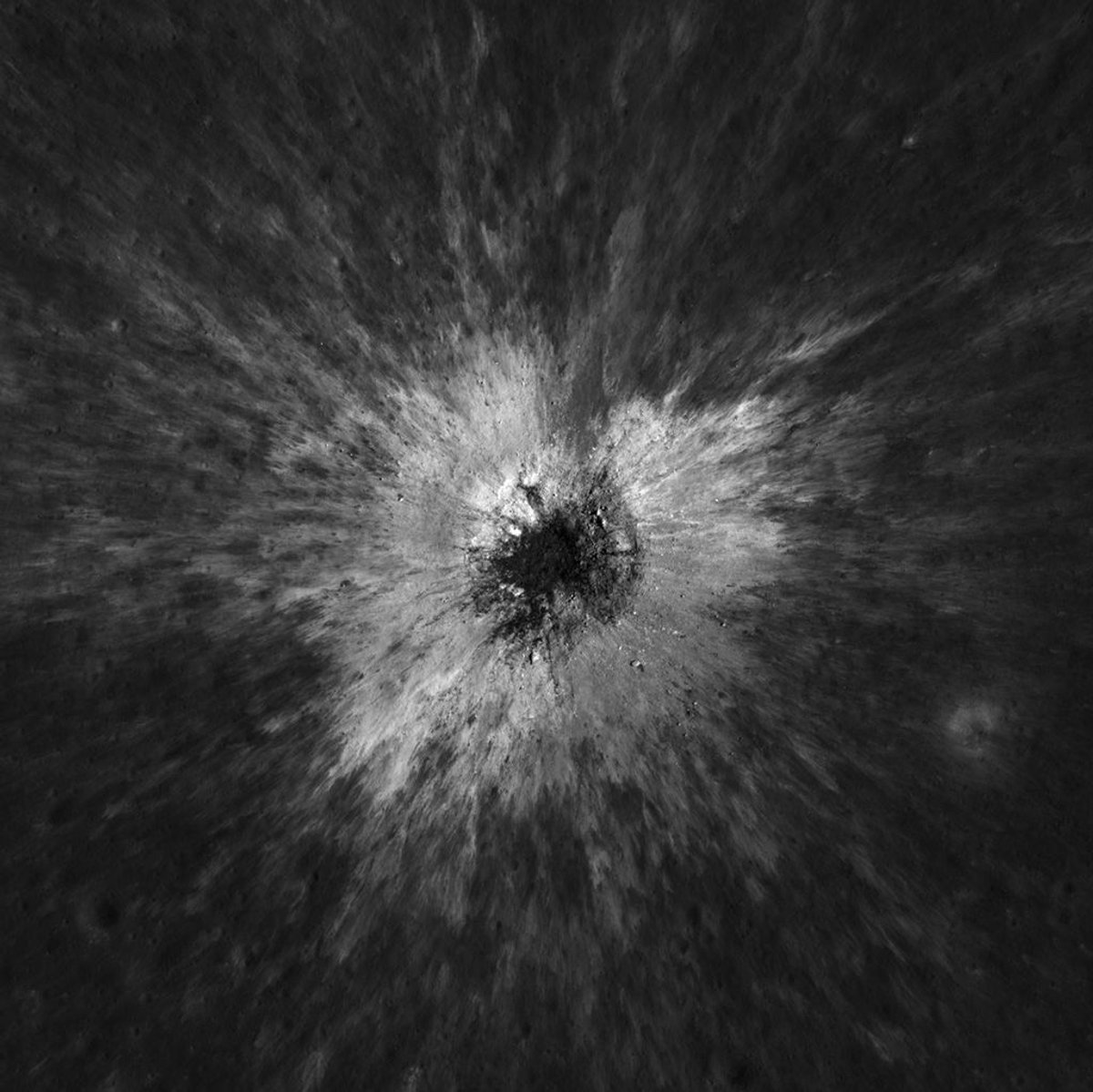
🌕
Scientists discover largest new impact crater in the solar system ever—on our moon
Wetenschappers ontdekken grootste nieuwe inslagkrater in het zonnestelsel ooit—op onze maan
Des scientifiques découvrent le plus grand nouveau cratère d'impact du système solaire—sur notre lune
So, I was absolutely thrilled to read about this massive new crater discovered on the moon by NASA's Lunar Reconnaissance Orbiter. It is quite rare to spot something like this, as an impact of this size only happens about once every 132 years. Which brings me to the fascinating part: this crater, named McGetchin, is actually the largest newly formed one we have ever found in our solar system. And here's the thing, studying these impacts helps us understand the lunar surface much better as we plan for future human missions. It is just incredible to see how our cosmic neighbor keeps changing right before our eyes.
Ik was echt ontzettend enthousiast toen ik las over deze enorme nieuwe krater die door de Lunar Reconnaissance Orbiter van NASA op de maan is ontdekt. Het is vrij zeldzaam om zoiets te zien, want een inslag van deze omvang gebeurt maar eens in de 132 jaar. Dat brengt me bij het fascinerende deel: deze krater, genaamd McGetchin, is eigenlijk de grootste nieuw gevormde krater die we ooit in ons zonnestelsel hebben gevonden. En weet je, het bestuderen van deze inslagen helpt ons het maanoppervlak veel beter te begrijpen terwijl we plannen maken voor toekomstige menselijke missies. Het is gewoon ongelooflijk om te zien hoe onze kosmische buurman voor onze ogen blijft veranderen.
J'ai été absolument ravi de lire cette nouvelle concernant cet immense cratère découvert sur la lune par l'orbiteur de reconnaissance lunaire de la NASA. C'est assez rare de repérer quelque chose comme ça, car un impact de cette taille ne se produit qu'environ une fois tous les 132 ans. Ce qui m'amène à la partie fascinante : ce cratère, nommé McGetchin, est en fait le plus grand cratère nouvellement formé que nous ayons jamais trouvé dans notre système solaire. Et voici le point important, l'étude de ces impacts nous aide à bien mieux comprendre la surface lunaire alors que nous planifions de futures missions humaines. C'est tout simplement incroyable de voir comment notre voisin cosmique continue de changer sous nos yeux.

🤝
Belgium and rwanda restore diplomatic ties
België en rwanda herstellen diplomatieke banden
La belgique et le rwanda rétablissent leurs relations diplomatiques
I am genuinely thrilled to see some positive movement on the international stage today. It looks like Belgium and Rwanda have officially decided to restore their diplomatic relations, which is just fantastic news for everyone involved. Our foreign minister, Mr. Prévot, mentioned that this is the result of some very honest and respectful discussions with his counterpart. And here is the thing - even though they still have some differences to work through, they have agreed to keep talking systematically. It really shows that open dialogue is the best way forward for us all.
Ik ben oprecht enthousiast om vandaag wat positieve vooruitgang op het internationale toneel te zien. Het lijkt erop dat België en Rwanda officieel hebben besloten hun diplomatieke betrekkingen te herstellen, wat gewoon fantastisch nieuws is voor alle betrokkenen. Onze minister van Buitenlandse Zaken, de heer Prévot, vertelde dat dit het resultaat is van zeer eerlijke en respectvolle gesprekken met zijn ambtgenoot. En hier komt het - ook al hebben ze nog wat meningsverschillen om uit te praten, ze hebben afgesproken om systematisch in gesprek te blijven. Het laat echt zien dat een open dialoog de beste weg vooruit is voor ons allemaal.
Je suis vraiment ravi de voir une telle avancée positive sur la scène internationale aujourd'hui. Il semble que la Belgique et le Rwanda aient officiellement décidé de rétablir leurs relations diplomatiques, ce qui est une excellente nouvelle pour tout le monde. Notre ministre des Affaires étrangères, M. Prévot, a expliqué que c'est l'aboutissement de discussions très franches et respectueuses avec son homologue. Et voici le point important - même s'ils ont encore des divergences à surmonter, ils ont convenu de continuer à dialoguer systématiquement. Cela prouve vraiment qu'un dialogue ouvert est la meilleure voie à suivre pour nous tous.
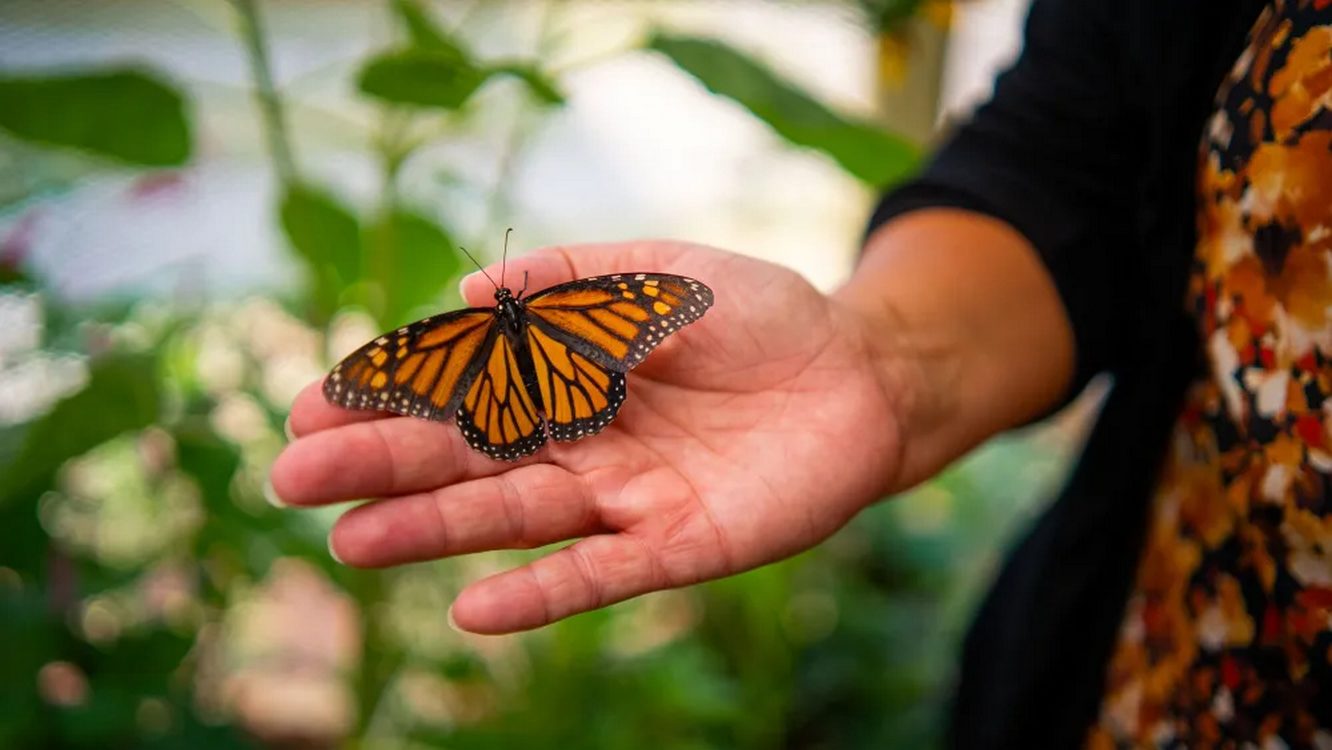
🦋
Prisoners prove unlikely heroes to monarch butterflies thanks to wisconsin correctional program
Gedetineerden blijken onverwachte helden voor monarchvlinders dankzij wisconsin gevangenisprogramma
Des prisonniers deviennent des héros inattendus pour les papillons monarques grâce à un programme correctionnel du wisconsin
I find it absolutely fascinating how inmates at the Redgranite Correctional Institute are finding a new sense of purpose by raising monarch butterflies. It is such a heartwarming story - they are nurturing these delicate creatures from caterpillars all the way to their migration journey. So, instead of just serving time, these men are actively contributing to conservation efforts by tagging butterflies and maintaining habitats. And here's the thing, the program has grown significantly in just its second year, showing how much the participants truly care. It is just wonderful to see such a positive impact coming from behind prison walls.
Ik vind het werkelijk fascinerend hoe gedetineerden in het Redgranite Correctional Institute een nieuw doel vinden door monarchvlinders te kweken. Het is zo'n hartverwarmend verhaal - ze verzorgen deze tere wezentjes van rups tot aan hun migratiereis. Dus, in plaats van alleen hun tijd uit te zitten, dragen deze mannen actief bij aan natuurbehoud door vlinders te labelen en habitats te onderhouden. En hier komt het mooie, het programma is in het tweede jaar al aanzienlijk gegroeid, wat laat zien hoeveel de deelnemers er echt om geven. Het is gewoon prachtig om zo'n positieve impact te zien vanuit de gevangenismuren.
Je trouve absolument fascinant la façon dont les détenus du Redgranite Correctional Institute trouvent un nouveau sens à leur vie en élevant des papillons monarques. C'est une histoire tellement réconfortante - ils prennent soin de ces créatures délicates, de l'état de chenille jusqu'à leur voyage migratoire. Donc, au lieu de simplement purger leur peine, ces hommes contribuent activement aux efforts de conservation en marquant les papillons et en entretenant les habitats. Et voici le point important, le programme a considérablement grandi dès sa deuxième année, montrant à quel point les participants s'investissent vraiment. C'est tout simplement merveilleux de voir un tel impact positif venir de derrière les murs de la prison.

🧮
Mathematicians use ai to find mysterious symmetries, solving decades-old problem
Wiskundigen gebruiken ai om mysterieuze symmetrieën te vinden en lossen decenniaoud probleem op
Des mathématiciens utilisent l'ia pour découvrir des symétries mystérieuses et résoudre un problème vieux de plusieurs décennies
So: I was reading about this incredible breakthrough where mathematicians teamed up with AI to tackle the inverse Galois problem. It turns out they were stuck on one specific, stubborn group called M23 for decades, and nobody could figure out if a polynomial even existed for it. By combining human intuition with the raw processing power of AI, this dream team finally cracked the code. And here's the thing - it really shows how technology can help us push past the limits of what we thought was possible in pure mathematics. Which brings me to the realization that we are entering a truly exciting era for scientific discovery.
Dus: ik las over deze ongelooflijke doorbraak waarbij wiskundigen samenwerkten met AI om het inverse Galois-probleem aan te pakken. Het bleek dat ze al decennia vastzaten aan één specifieke, hardnekkige groep genaamd M23, en niemand kon achterhalen of er überhaupt een polynoom voor bestond. Door menselijke intuïtie te combineren met de pure rekenkracht van AI, heeft dit droomteam eindelijk de code gekraakt. En hier komt het mooie - het laat echt zien hoe technologie ons kan helpen de grenzen te verleggen van wat we voor mogelijk hielden in de zuivere wiskunde. Dat brengt me bij het besef dat we een werkelijk opwindend tijdperk voor wetenschappelijke ontdekkingen ingaan.
Alors : je lisais des choses sur cette incroyable percée où des mathématiciens ont fait équipe avec l'IA pour s'attaquer au problème inverse de Galois. Il s'avère qu'ils étaient bloqués depuis des décennies sur un groupe spécifique et têtu appelé M23, et personne ne savait si un polynôme existait pour lui. En combinant l'intuition humaine avec la puissance de traitement brute de l'IA, cette équipe de rêve a finalement réussi à déchiffrer le code. Et voici le point important - cela montre vraiment comment la technologie peut nous aider à dépasser les limites de ce que nous pensions possible en mathématiques pures. Ce qui m'amène à réaliser que nous entrons dans une ère vraiment passionnante pour la découverte scientifique.

♻️
A walloon solution to recycle asbestos instead of burying it
Een waalse oplossing om asbest te recyclen in plaats van te begraven
Une solution wallonne pour valoriser l’amiante plutôt que de l’enfouir
I am absolutely thrilled to share some fantastic news coming out of Ghlin today. A local company called SBMI has developed a brilliant process that neutralizes the dangers of asbestos while turning it into a useful raw material for cement production. So: instead of just burying this hazardous waste, we are now looking at a circular economy solution that actually helps the environment. It is truly inspiring to see such innovation right here in our own backyard. And here's the thing - this kind of breakthrough gives me so much hope for a cleaner future.
Ik ben ontzettend enthousiast om dit geweldige nieuws uit Ghlin met jullie te delen. Een lokaal bedrijf genaamd SBMI heeft een briljant proces ontwikkeld dat de gevaren van asbest neutraliseert en het tegelijkertijd omzet in een nuttige grondstof voor de cementproductie. Dus: in plaats van dit gevaarlijke afval simpelweg te begraven, kijken we nu naar een circulaire economische oplossing die het milieu echt helpt. Het is werkelijk inspirerend om zulke innovatie hier in onze eigen achtertuin te zien gebeuren. En weet je - dit soort doorbraken geeft me zoveel hoop voor een schonere toekomst.
Je suis absolument ravi de partager cette nouvelle fantastique qui nous vient de Ghlin aujourd'hui. Une entreprise locale appelée SBMI a mis au point un procédé brillant qui neutralise les dangers de l'amiante tout en le transformant en une matière première utile pour la production de ciment. Donc: au lieu de simplement enterrer ces déchets dangereux, nous envisageons maintenant une solution d'économie circulaire qui aide réellement l'environnement. C'est vraiment inspirant de voir une telle innovation ici même, dans notre propre région. Et voici le point important - ce genre de percée me donne tellement d'espoir pour un avenir plus propre.
🏗️
This new concrete is stronger and pulls co2 from the air
Dit nieuwe beton is sterker en haalt co2 uit de lucht
Ce nouveau béton est plus résistant et absorbe le co2 de l'air
I just came across this fascinating development where engineers have created a new type of concrete that actually helps the planet. By mixing in zeolite and bamboo biochar, they have managed to make the material stronger than standard concrete while also capturing carbon dioxide from the air. It is such a brilliant dual-benefit approach, turning something as mundane as building materials into an active tool for environmental cleanup. And here is the thing, this could really change how we think about urban infrastructure in the future. I am genuinely excited to see where this proof of concept leads us next.
Ik stuitte zojuist op deze fascinerende ontwikkeling waarbij ingenieurs een nieuw soort beton hebben gecreëerd dat de planeet echt helpt. Door zeoliet en bamboe-biochar toe te voegen, zijn ze erin geslaagd het materiaal sterker te maken dan standaardbeton, terwijl het tegelijkertijd koolstofdioxide uit de lucht opneemt. Het is zo'n briljante aanpak met dubbel voordeel, waarbij alledaagse bouwmaterialen worden omgezet in een actief hulpmiddel voor milieusanering. En hier komt het mooie: dit zou de manier waarop we in de toekomst over stedelijke infrastructuur denken echt kunnen veranderen. Ik ben oprecht enthousiast om te zien waar dit concept ons naartoe leidt.
Je viens de tomber sur cette découverte fascinante où des ingénieurs ont créé un nouveau type de béton qui aide réellement la planète. En y ajoutant de la zéolithe et du biochar de bambou, ils ont réussi à rendre le matériau plus résistant que le béton standard tout en capturant le dioxyde de carbone de l'air. C'est une approche vraiment brillante à double avantage, transformant des matériaux de construction banals en un outil actif pour le nettoyage environnemental. Et voici le point clé, cela pourrait vraiment changer notre façon de concevoir les infrastructures urbaines à l'avenir. Je suis sincèrement enthousiaste à l'idée de voir où ce concept nous mènera.
⛵
This giant cargo ship, with space for 400 cars, lets the wind do the work: “80 percent less fuel needed”
Dit gigantische vrachtschip, met plaats voor 400 auto’s, laat de wind het werk doen: “80 procent minder brandstof nodig”
Ce cargo géant, pouvant transporter 400 voitures, laisse le vent faire le travail : « 80 pour cent de carburant en moins nécessaire »
I am absolutely thrilled to see innovation like this hitting the seas! This massive cargo ship is essentially bringing back the power of wind, but with a modern, high-tech twist. It has space for 400 cars, which is impressive enough, but the real kicker is that it cuts fuel consumption by a staggering 80 percent. So: we are looking at a future where shipping could be significantly greener just by using nature's own energy. And here's the thing - it really makes you wonder why we didn't start doing this on a larger scale much sooner.
Ik ben echt ontzettend enthousiast om te zien hoe innovaties zoals deze de zeeën veroveren! Dit gigantische vrachtschip brengt in feite de kracht van de wind terug, maar dan met een moderne, technologische twist. Er is ruimte voor 400 auto's, wat al indrukwekkend is, maar het echte nieuws is dat het brandstofverbruik met maar liefst 80 procent daalt. Dus: we kijken naar een toekomst waarin de scheepvaart een stuk groener kan worden door simpelweg de energie van de natuur te gebruiken. En hier komt het - het doet je echt afvragen waarom we hier niet veel eerder op grote schaal mee zijn begonnen.
Je suis absolument ravi de voir des innovations comme celle-ci arriver sur nos mers ! Ce cargo massif remet essentiellement au goût du jour la force du vent, mais avec une touche moderne et technologique. Il a de la place pour 400 voitures, ce qui est déjà impressionnant, mais le plus important est qu'il réduit la consommation de carburant de 80 pour cent. Alors : nous envisageons un avenir où le transport maritime pourrait être nettement plus écologique simplement en utilisant l'énergie de la nature. Et voici le point clé - cela nous fait vraiment nous demander pourquoi nous n'avons pas commencé à faire cela à plus grande échelle beaucoup plus tôt.
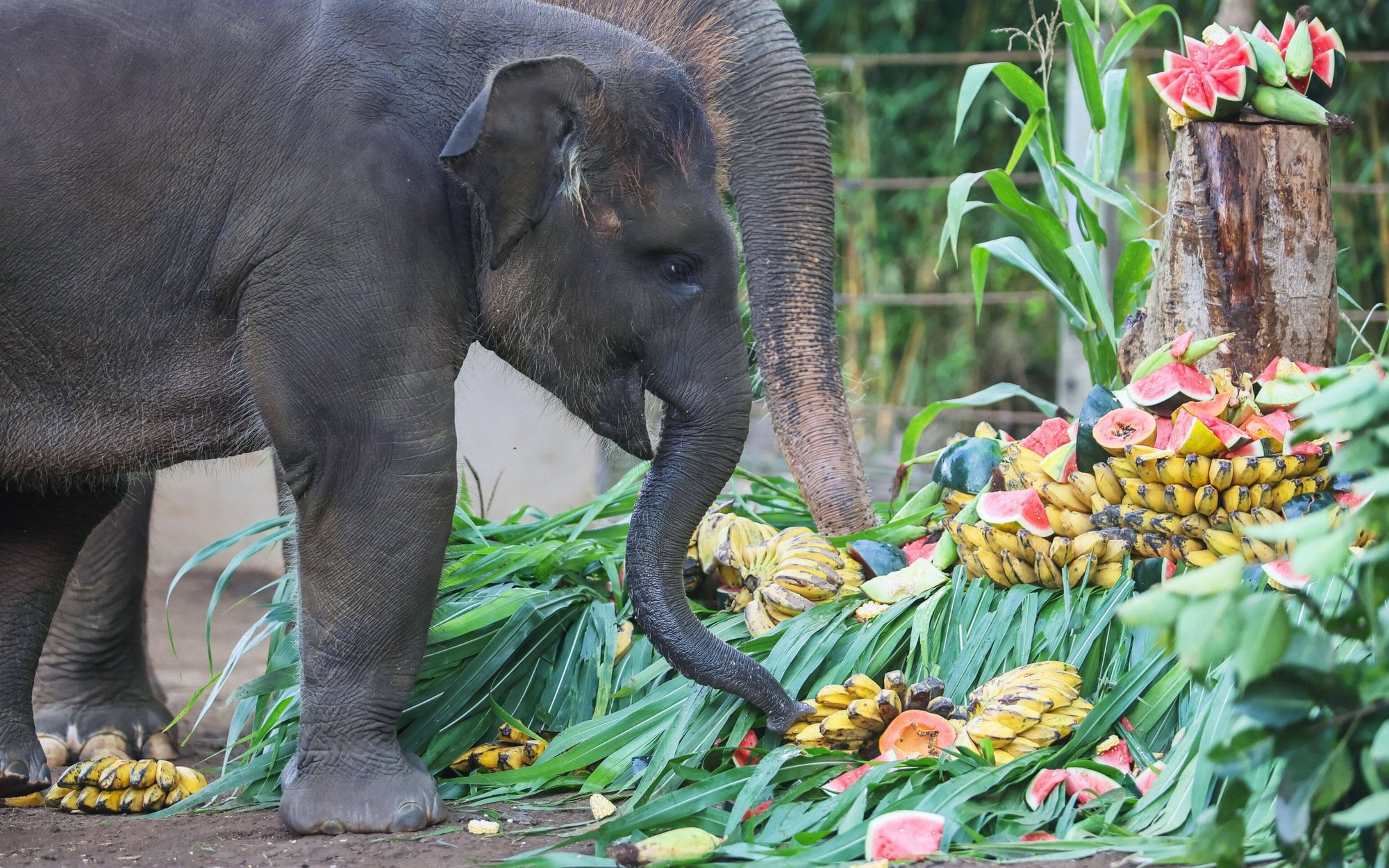
🐘
A big step for elephant welfare in indonesia
Een grote stap voor het welzijn van olifanten in indonesië
Un grand pas pour le bien-être des éléphants en indonésie
So, I have some truly wonderful news coming out of Indonesia today. The government has officially decided to end elephant rides across the country, which is just such a massive win for animal welfare. It is really heartening to see these majestic creatures finally being allowed to just be themselves, socialize, and roam freely instead of carrying tourists. And here's the thing, this shift towards responsible tourism is exactly what we need more of in our travels. I am honestly so thrilled to see the industry moving towards observation rather than exploitation.
Ik heb echt fantastisch nieuws uit Indonesië voor jullie. De overheid heeft officieel besloten om olifantenritten in het hele land te verbieden, en dat is een enorme overwinning voor het welzijn van deze dieren. Het is zo fijn om te zien dat deze prachtige wezens eindelijk de ruimte krijgen om gewoon olifant te zijn, te socialiseren en vrij rond te lopen in plaats van toeristen te dragen. En weet je, deze verschuiving naar verantwoord toerisme is precies wat we nodig hebben tijdens onze reizen. Ik ben echt ontzettend enthousiast om te zien dat de sector kiest voor observatie in plaats van uitbuiting.
J'ai vraiment de très bonnes nouvelles à partager avec vous en provenance d'Indonésie. Le gouvernement a officiellement décidé de mettre fin aux promenades à dos d'éléphant dans tout le pays, ce qui est une victoire immense pour le bien-être animal. C'est tellement réconfortant de voir ces créatures majestueuses enfin autorisées à être elles-mêmes, à socialiser et à se déplacer librement au lieu de porter des touristes. Et voilà le point important, ce virage vers un tourisme responsable est exactement ce dont nous avons besoin lors de nos voyages. Je suis sincèrement ravi de voir l'industrie s'orienter vers l'observation plutôt que vers l'exploitation.
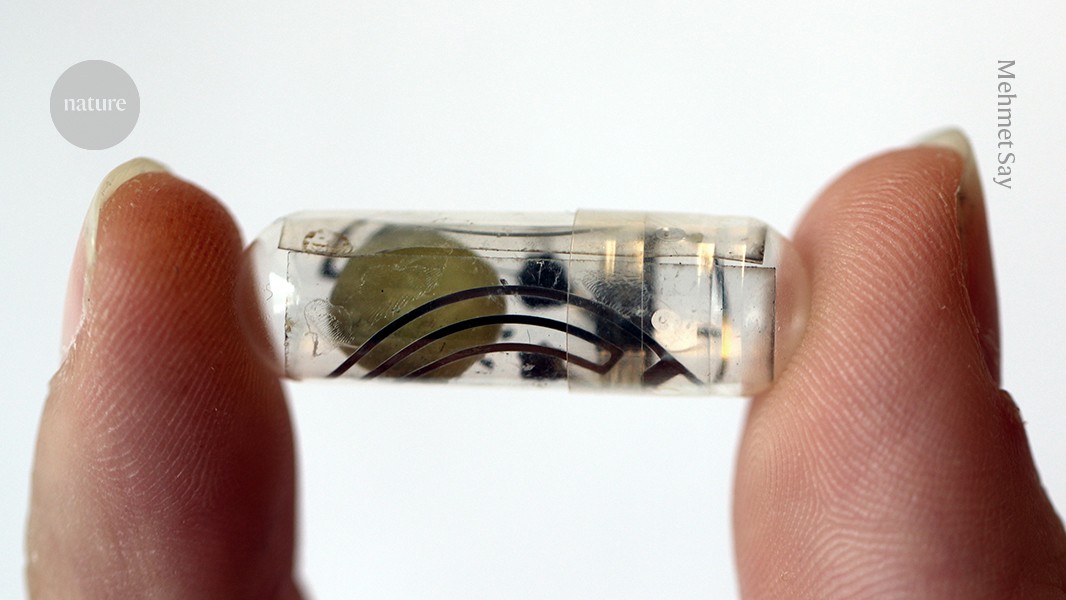
🔋
Edible batteries inspired by rice paper power medical devices in the body
Eetbare batterijen geïnspireerd door rijstpapier voeden medische apparaten in het lichaam
Des batteries comestibles inspirées du papier de riz alimentent des dispositifs médicaux dans le corps
So, I just read about this fascinating breakthrough where researchers have created batteries made from edible materials like rice paper. It is honestly brilliant because these tiny power sources can safely dissolve inside the body after powering ingestible medical devices. They tested this in pigs, using the battery to run an RFID tag and even stimulate hunger hormones, which is just incredible. And here is the thing - by using micronutrients like magnesium, they avoid all the toxic risks of conventional batteries. Which brings me to the future of medicine, where we might soon have non-invasive, swallowable tech to treat all sorts of conditions.
Ik las net over een fascinerende doorbraak waarbij onderzoekers batterijen hebben gemaakt van eetbare materialen zoals rijstpapier. Het is werkelijk briljant, want deze kleine energiebronnen kunnen veilig oplossen in het lichaam nadat ze medische apparaten hebben aangedreven. Ze hebben dit getest bij varkens, waarbij de batterij een RFID-tag voedde en zelfs hongerhormonen stimuleerde, wat echt ongelooflijk is. En hier komt het punt - door gebruik te maken van micronutriënten zoals magnesium, vermijden ze alle giftige risico's van conventionele batterijen. Dat brengt me bij de toekomst van de geneeskunde, waarin we misschien binnenkort niet-invasieve, inslikbare technologie hebben om allerlei aandoeningen te behandelen.
Je viens de lire une avancée fascinante où des chercheurs ont créé des batteries à partir de matériaux comestibles comme le papier de riz. C'est honnêtement brillant car ces minuscules sources d'énergie peuvent se dissoudre en toute sécurité dans le corps après avoir alimenté des dispositifs médicaux ingérables. Ils ont testé cela sur des porcs, en utilisant la batterie pour faire fonctionner une étiquette RFID et même stimuler les hormones de la faim, ce qui est tout simplement incroyable. Et voici le point clé - en utilisant des micronutriments comme le magnésium, ils évitent tous les risques toxiques des batteries conventionnelles. Ce qui m'amène à l'avenir de la médecine, où nous pourrions bientôt disposer de technologies non invasives et avalables pour traiter toutes sortes d'affections.

🧬
How virus-like jumping genes became our partners in evolution
Hoe virusachtige springende genen onze partners in evolutie werden
Comment les gènes sauteurs semblables à des virus sont devenus nos partenaires dans l'évolution
I find it absolutely fascinating that nearly half of our genome is made up of these wild, mobile DNA sequences called transposons. For a long time, we thought they were just junk or parasites, but it turns out they are actually key players in our evolutionary toolkit. Barbara McClintock first discovered these jumping genes decades ago, and now we know they help drive everything from new adaptations to complex biological processes. It is a brilliant example of coevolution, where these little genetic acrobats have become essential partners in our own biology. So: our genome is far more dynamic and collaborative than we ever imagined.
Ik vind het werkelijk fascinerend dat bijna de helft van ons genoom bestaat uit deze wilde, mobiele DNA-sequenties die transposons worden genoemd. Lange tijd dachten we dat het slechts rommel of parasieten waren, maar het blijkt dat ze eigenlijk een sleutelrol spelen in onze evolutionaire gereedschapskist. Barbara McClintock ontdekte deze springende genen tientallen jaren geleden, en nu weten we dat ze helpen bij het aansturen van alles, van nieuwe aanpassingen tot complexe biologische processen. Het is een briljant voorbeeld van co-evolutie, waarbij deze kleine genetische acrobaten essentiële partners in onze eigen biologie zijn geworden. Dus: ons genoom is veel dynamischer en collaboratiever dan we ooit hadden gedacht.
Je trouve absolument fascinant que près de la moitié de notre génome soit constituée de ces séquences d'ADN sauvages et mobiles appelées transposons. Pendant longtemps, nous avons pensé qu'il s'agissait simplement de déchets ou de parasites, mais il s'avère qu'ils sont en réalité des acteurs clés de notre boîte à outils évolutive. Barbara McClintock a découvert ces gènes sauteurs il y a des décennies, et nous savons maintenant qu'ils contribuent à tout, des nouvelles adaptations aux processus biologiques complexes. C'est un brillant exemple de coévolution, où ces petits acrobates génétiques sont devenus des partenaires essentiels de notre propre biologie. Donc : notre génome est bien plus dynamique et collaboratif que nous ne l'avions jamais imaginé.
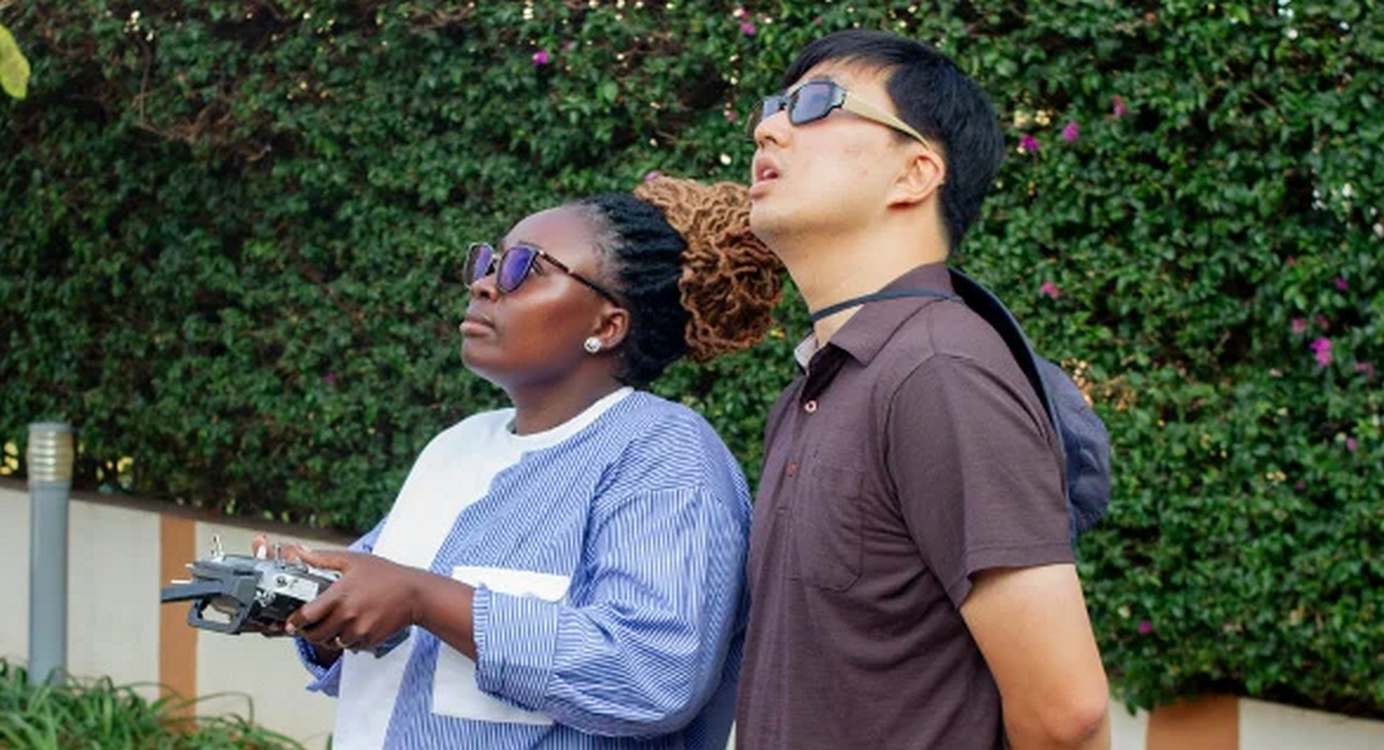
🚁
Korean drone rescue program helps mozambique achieve zero fatalities during worst flood in decades
Koreaans drone-reddingsprogramma helpt mozambique bij het bereiken van nul slachtoffers tijdens ergste overstroming in decennia
Un programme de sauvetage par drone coréen aide le mozambique à atteindre zéro décès lors de la pire inondation depuis des décennies
So, I just read this incredible story about how technology is literally saving lives in Mozambique. When the Incomáti River burst its banks, a group of newly trained drone pilots stepped up to help with rescue efforts. They used their new skills to map flooded areas and guide rescue teams through dangerous waters in real time. And here's the thing - because of their quick thinking and these drones, not a single life was lost during the worst flood in decades. It is just so inspiring to see how training and innovation can make such a massive difference on the ground.
Ik las net dit ongelooflijke verhaal over hoe technologie letterlijk levens redt in Mozambique. Toen de Incomáti-rivier buiten haar oevers trad, sprong een groep pas opgeleide dronepiloten bij om te helpen met de reddingsoperaties. Ze gebruikten hun nieuwe vaardigheden om overstroomde gebieden in kaart te brengen en reddingsteams in real-time door gevaarlijk water te loodsen. En weet je wat het mooie is? Dankzij hun snelle handelen en deze drones is er tijdens de ergste overstroming in decennia geen enkel leven verloren gegaan. Het is zo inspirerend om te zien hoe training en innovatie zo'n enorm verschil kunnen maken in de praktijk.
Je viens de lire cette histoire incroyable sur la façon dont la technologie sauve littéralement des vies au Mozambique. Lorsque la rivière Incomáti est sortie de son lit, un groupe de pilotes de drones fraîchement formés est intervenu pour aider aux efforts de sauvetage. Ils ont utilisé leurs nouvelles compétences pour cartographier les zones inondées et guider les équipes de secours à travers des eaux dangereuses en temps réel. Et voici le plus beau : grâce à leur rapidité d'esprit et à ces drones, pas une seule vie n'a été perdue lors de la pire inondation depuis des décennies. C'est tellement inspirant de voir comment la formation et l'innovation peuvent faire une telle différence sur le terrain.
🧠
Stanford scientists discover the human brain may actually be two separate organs
Stanford wetenschappers ontdekken dat het menselijk brein eigenlijk uit twee aparte organen kan bestaan
Des scientifiques de stanford découvrent que le cerveau humain pourrait être composé de deux organes distincts
I find this absolutely fascinating - researchers at Stanford have just challenged everything we thought we knew about brain development. It turns out that the brain might not be a single organ, but rather two distinct systems that evolved separately over millions of years. One system handles our basic survival functions like breathing, while the other manages complex tasks like language and abstract thought. And here's the thing - this discovery could finally help scientists grow specific brain cells in the lab to better understand diseases like ALS. It is such a promising step forward for medical research.
Ik vind dit echt fascinerend - onderzoekers van Stanford hebben zojuist alles wat we dachten te weten over de ontwikkeling van de hersenen op zijn kop gezet. Het blijkt dat het brein misschien geen enkel orgaan is, maar eerder twee afzonderlijke systemen die zich miljoenen jaren lang apart hebben ontwikkeld. Het ene systeem regelt onze basisfuncties zoals ademhaling, terwijl het andere complexe taken zoals taal en abstract denken beheert. En hier komt het mooie - deze ontdekking zou wetenschappers eindelijk kunnen helpen om specifieke hersencellen in het lab te kweken om ziektes zoals ALS beter te begrijpen. Het is echt een veelbelovende stap vooruit voor medisch onderzoek.
Je trouve cela absolument fascinant - des chercheurs de Stanford viennent de remettre en question tout ce que nous pensions savoir sur le développement du cerveau. Il s'avère que le cerveau n'est peut-être pas un organe unique, mais plutôt deux systèmes distincts qui ont évolué séparément au fil des millions d'années. L'un gère nos fonctions de survie de base comme la respiration, tandis que l'autre s'occupe des tâches complexes comme le langage et la pensée abstraite. Et voici le point clé - cette découverte pourrait enfin aider les scientifiques à cultiver des cellules cérébrales spécifiques en laboratoire pour mieux comprendre des maladies comme la SLA. C'est un pas en avant tellement prometteur pour la recherche médicale.
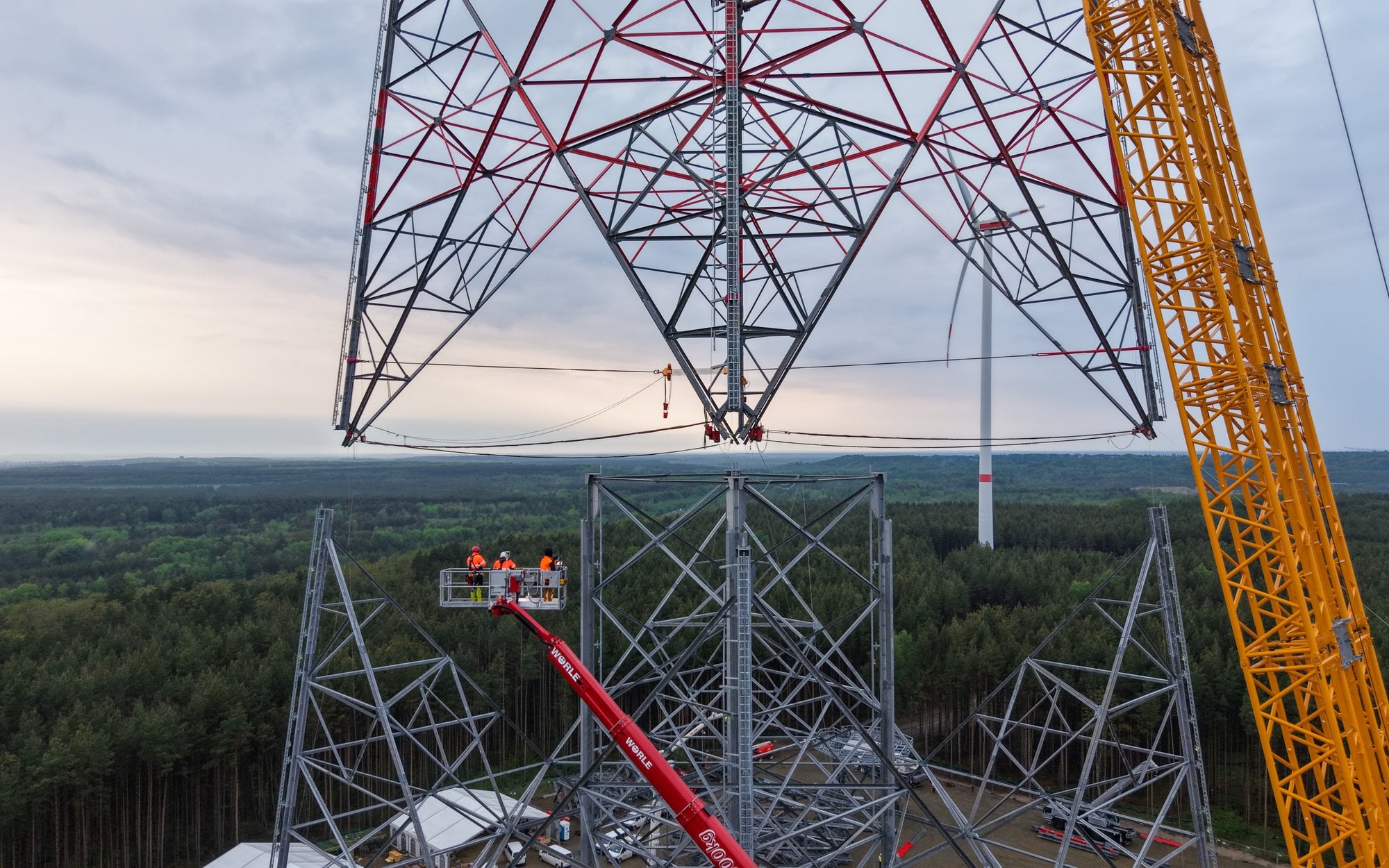
🌬️
A record-breaking wind tower in germany
Een recordbrekende windturbine in duitsland
Une tour éolienne record en allemagne
I am absolutely thrilled to see this new development in Schipkau, Germany, where a record-breaking wind tower is currently under construction. It is a telescopic lattice tower that reaches incredible heights, allowing it to capture much stronger and more stable winds than ever before. And here's the thing - this design is a total game changer because it can deliver more than double the energy of a conventional turbine. It is so exciting to see a former coal region transforming into a hub for such cutting-edge renewable technology. Which brings me to the best part: this project is part of a hybrid system that will help stabilize our energy supply for the future.
Ik ben echt enthousiast over deze nieuwe ontwikkeling in Schipkau, Duitsland, waar momenteel een recordbrekende windturbine wordt gebouwd. Het is een telescopische vakwerktoren die ongelooflijke hoogtes bereikt, waardoor deze veel sterkere en stabielere winden kan vangen dan ooit tevoren. En hier komt het mooie - dit ontwerp is een echte doorbraak omdat het meer dan twee keer zoveel energie kan leveren als een conventionele turbine. Het is zo inspirerend om te zien hoe een voormalige kolenregio verandert in een knooppunt voor zulke geavanceerde duurzame technologie. Wat me bij het beste deel brengt: dit project maakt deel uit van een hybride systeem dat onze energievoorziening voor de toekomst zal helpen stabiliseren.
Je suis absolument ravi de voir ce nouveau développement à Schipkau, en Allemagne, où une tour éolienne record est actuellement en construction. Il s'agit d'une tour en treillis télescopique qui atteint des hauteurs incroyables, lui permettant de capter des vents beaucoup plus forts et plus stables qu'auparavant. Et voici le point important - cette conception change totalement la donne car elle peut fournir plus du double de l'énergie d'une turbine conventionnelle. C'est tellement enthousiasmant de voir une ancienne région charbonnière se transformer en un centre pour une technologie renouvelable aussi innovante. Ce qui m'amène au meilleur aspect : ce projet fait partie d'un système hybride qui aidera à stabiliser notre approvisionnement énergétique pour l'avenir.

🚜
Farmers building their own machines
Boeren bouwen hun eigen machines
Des agriculteurs fabriquent leurs propres machines
I am always so inspired when I see people taking matters into their own hands! In India, when faced with high costs and labour shortages, some clever farmers decided to stop waiting for solutions and started building their own machinery. It is truly brilliant to see how they turned everyday farming struggles into practical, low-cost innovations like custom reapers. Which brings me to the core of the story: these folks are proving that necessity really is the mother of invention. And here is the thing, their ingenuity is not just saving them money, but also changing the way farming works in their communities.
Ik word altijd zo enthousiast als ik zie hoe mensen het heft in eigen handen nemen! In India besloten enkele slimme boeren, geconfronteerd met hoge kosten en een tekort aan arbeidskrachten, om niet langer op oplossingen te wachten en zelf hun machines te bouwen. Het is werkelijk briljant om te zien hoe ze alledaagse landbouwproblemen omzetten in praktische, goedkope innovaties zoals op maat gemaakte maaimachines. Dat brengt me bij de kern van het verhaal: deze mensen bewijzen dat noodzaak echt de moeder van de uitvinding is. En het mooie is dat hun vindingrijkheid hen niet alleen geld bespaart, maar ook de manier van boeren in hun gemeenschappen verandert.
Je suis toujours tellement inspiré quand je vois des gens prendre les choses en main ! En Inde, confrontés à des coûts élevés et à une pénurie de main-d'œuvre, des agriculteurs ingénieux ont décidé d'arrêter d'attendre des solutions et ont commencé à construire leurs propres machines. C'est vraiment brillant de voir comment ils ont transformé les problèmes agricoles quotidiens en innovations pratiques et peu coûteuses, comme des moissonneuses personnalisées. Ce qui m'amène au cœur de l'histoire : ces personnes prouvent que la nécessité est vraiment la mère de l'invention. Et voici le point important, leur ingéniosité ne leur permet pas seulement d'économiser de l'argent, mais elle change aussi la façon dont l'agriculture fonctionne dans leurs communautés.

🤝
How to win against Trump while letting him save face
Hoe tegen Trump winnen zonder hem zijn gezicht te laten verliezen
Comment vaincre Trump sans le laisser perdre
The United States and Denmark have struck a deal on Greenland after Donald Trump threatened to seize control of the strategic Arctic island. Washington now has an expanded role in Arctic security while Danish and Greenlandic sovereignty remains intact - a diplomatic solution that gives both sides something to claim as a win. The agreement comes just days after Trump's ultimatum, following his aggressive moves in Venezuela, which had alarmed Europe about the stability of transatlantic alliances. So here's the thing - this deal shows how careful diplomacy can defuse even the most provocative territorial threats without completely backing down either party.
De Verenigde Staten en Denemarken hebben een akkoord bereikt over Groenland na de dreiging van Donald Trump om controle over het strategische arctische eiland over te nemen. Washington krijgt een uitgebreide rol in de arctische veiligheid terwijl de Deense en Groenlandse soevereiniteit intact blijft - een diplomatieke oplossing die beide partijen iets geeft om als overwinning op te eisen. Het akkoord komt slechts dagen na Trumps ultimatum, na zijn agressieve bewegingen in Venezuela, wat Europa alarmeerde over de stabiliteit van transatlantische allianties. En hier is het punt - deze deal toont aan hoe voorzichtige diplomatie zelfs de meest provocatieve territoriale dreigingen kan deescaleren zonder dat een van beide partijen volledig hoeft in te binden.
Les États-Unis et le Danemark ont conclu un accord sur le Groenland après la menace de Donald Trump de prendre le contrôle de l'île stratégique arctique. Washington obtient un rôle renforcé dans la sécurité arctique tandis que la souveraineté danoise et groenlandaise reste intacte - une solution diplomatique qui donne aux deux parties quelque chose à revendiquer comme une victoire. L'accord intervient quelques jours seulement après l'ultimatum de Trump, suite à ses mouvements agressifs au Venezuela, qui avaient alarmé l'Europe sur la stabilité des alliances transatlantiques. Et voilà le truc - cet accord montre comment une diplomatie prudente peut désamorcer même les menaces territoriales les plus provocatrices sans que l'une ou l'autre partie doive complètement reculer.

🧹
In Odisha's Babojola village, residents sweep streets three times daily and fine anyone who litters
In het dorp Babojola in Odisha vegen bewoners drie keer per dag de straten schoon en beboeten iedereen die afval achterlaat
Dans le village de Babojola en Odisha, les habitants balaient les rues trois fois par jour et amendent quiconque jette des déchets
In Babojola, a tribal village in Odisha's Mayurbhanj district, cleanliness isn't something that happens once a year - it's woven into daily life. For over 15 years, residents have swept the streets three times daily, banned plastic, and enforced rules against littering for both locals and visitors alike. The whole movement started with one dedicated school teacher, Madhusudan Marandi, who inspired the community to take ownership of their surroundings and formalize their efforts through a village club. What's remarkable is how these practices have transformed from a campaign into an everyday norm, showing that real change happens when infrastructure meets genuine community commitment.
In Babojola, een tribal dorp in het district Mayurbhanj in Odisha, is schoonheid niet iets dat eenmaal per jaar gebeurt - het is verweven in het dagelijks leven. Meer dan 15 jaar lang vegen de inwoners drie keer per dag de straten schoon, hebben plastic verboden en handhaven regels tegen zwerfvuil voor zowel lokale bewoners als bezoekers. De hele beweging begon met één toegewijde schoolleraar, Madhusudan Marandi, die de gemeenschap inspireerde om verantwoordelijkheid voor hun omgeving te nemen. Wat opmerkelijk is, is hoe deze praktijken zijn getransformeerd van een campagne naar een alledaagse norm, wat aantoont dat echte verandering gebeurt wanneer infrastructuur samenkomt met echt maatschappelijk engagement.
À Babojola, un village tribal du district de Mayurbhanj en Odisha, la propreté n'est pas quelque chose qui se produit une fois par an - elle est tissée dans la vie quotidienne. Depuis plus de 15 ans, les résidents balaient les rues trois fois par jour, ont interdit le plastique et appliquent des règles contre les déchets jetés pour les habitants et les visiteurs. Le mouvement entier a commencé avec un seul professeur d'école dévoué, Madhusudan Marandi, qui a inspiré la communauté à prendre la responsabilité de son environnement. Ce qui est remarquable, c'est comment ces pratiques se sont transformées d'une campagne en une norme quotidienne, montrant que le vrai changement se produit quand l'infrastructure rencontre l'engagement communautaire authentique.
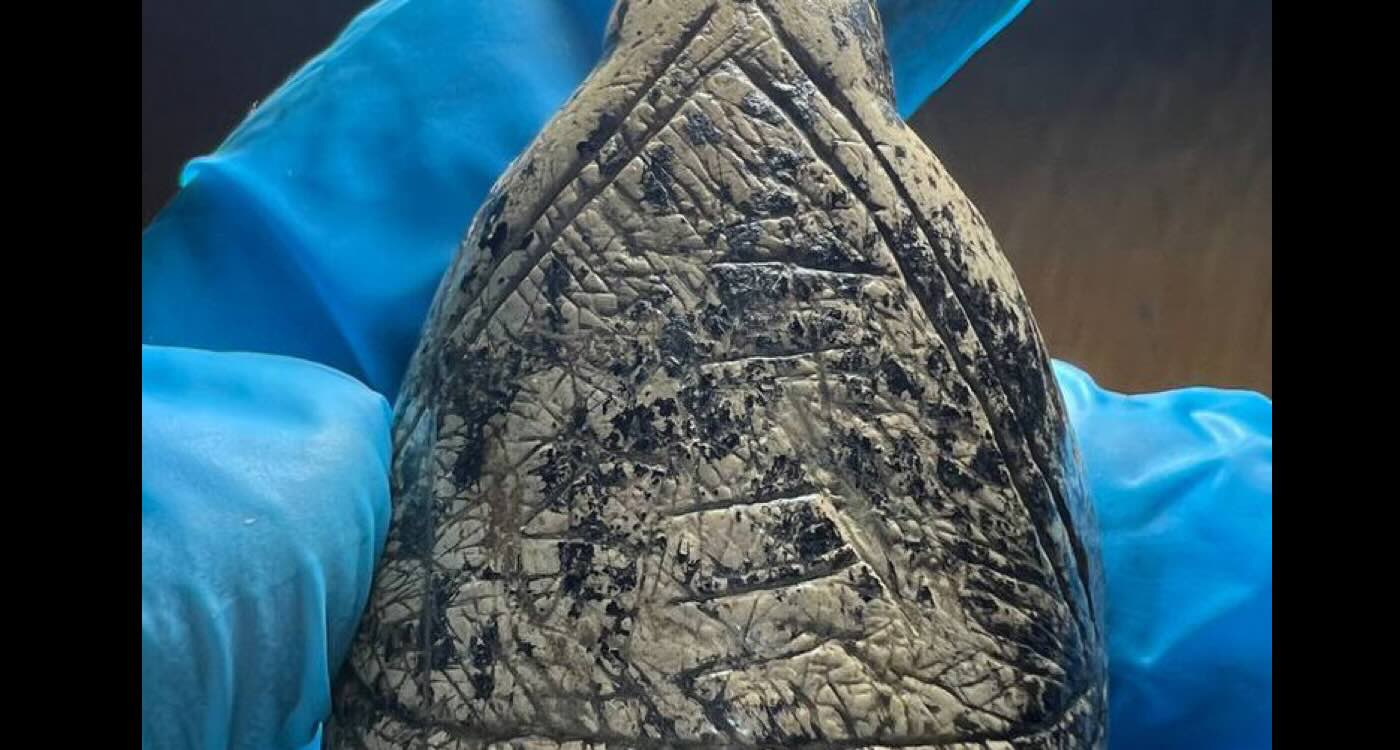
🦣
Ice Age artists deliberately incorporated mammoth tusk patterns into their figurines
Kunstenaars uit het ijstijdperk integreerden opzettelijk mammoettuskpatronen in hun beeldjes
Les artistes de l'âge de glace ont délibérément intégré les motifs des défenses de mammouths dans leurs figurines
So here's what's fascinating - researchers analyzing 18,000-year-old Venus figurines from Ukraine have discovered that Ice Age craftspeople were far more sophisticated than we thought. Using advanced microscopic analysis and 3D digital modeling, scientists found that these ancient artists deliberately incorporated the natural growth rings found in mammoth tusks - called Schreger and Owen lines - directly into their artistic designs. And here's the thing: this level of intentionality completely changes how we understand prehistoric art, showing that Eastern European artists weren't just copying trends but creating their own distinct artistic traditions. The findings were made possible partly through digital preservation efforts, which became essential due to the ongoing war in Ukraine threatening these irreplaceable artifacts.
Hier is wat echt fascinerend is - onderzoekers die 18.000 jaar oude Venusbeeldjes uit Oekraïne analyseerden, hebben ontdekt dat ambachtslieden uit het ijstijdperk veel geavanceerder waren dan we dachten. Met geavanceerde microscopische analyse en 3D-digitale modellering vonden wetenschappers dat deze oude kunstenaars opzettelijk de natuurlijke groeringen van mammoettanden - Schreger- en Owen-lijnen genoemd - rechtstreeks in hun kunstontwerpen verwerkten. En hier is het belangrijkste: dit niveau van bewuste keuze verandert volledig hoe we prehistorische kunst begrijpen, en toont dat kunstenaars in Oost-Europa hun eigen distinctieve artistieke tradities creëerden. De ontdekkingen werden mogelijk gemaakt door digitale conserveringsinspanningen, die essentieel werden vanwege de lopende oorlog in Oekraïne die deze onvervangbare artefacten bedreigt.
Voici ce qui est vraiment fascinant - les chercheurs qui ont analysé des figurines Vénus vieilles de 18 000 ans en Ukraine ont découvert que les artisans de l'âge de glace étaient beaucoup plus sophistiqués que nous ne le pensions. En utilisant l'analyse microscopique avancée et la modélisation numérique 3D, les scientifiques ont trouvé que ces anciens artistes ont délibérément incorporé les anneaux de croissance naturels trouvés dans les défenses de mammouths - appelées lignes de Schreger et Owen - directement dans leurs conceptions artistiques. Et voici le point important : ce niveau d'intentionnalité change complètement notre compréhension de l'art préhistorique, montrant que les artistes d'Europe de l'Est n'imitaient pas simplement les tendances mais créaient leurs propres traditions artistiques distinctes. Ces découvertes ont été rendues possibles en partie par des efforts de préservation numérique, devenus essentiels face à la menace que la guerre en cours en Ukraine pose à ces artefacts irremplaçables.

🌱
How a mobile sustainability exhibition sparked lasting change in 2,000+ students
Hoe een mobiele duurzaamheidstentoonstelling blijvende verandering teweegbracht bij meer dan 2.000 studenten
Comment une exposition itinérante sur la durabilité a suscité un changement durable chez plus de 2 000 étudiants
When 'Shashwat Bharat Setu', a mobile sustainability initiative by The Eco Factory Foundation, visited EuroSchool Kharadi in Pune, something remarkable happened - over 2,000 students and parents experienced environmental concepts firsthand through interactive demonstrations and displays. The real magic, though, wasn't what happened during the exhibition itself, but what came after: students went home with burning questions, started composting projects, pushed for plastic reduction, and continued thinking deeply about sustainability long after the exhibits were packed away. Principal Afreen Kazi Sheikh realized that the key difference was moving beyond classroom lectures - children needed to see experts, ask direct questions, and feel the concepts with their own hands to truly grasp how these big ideas fit into their everyday lives. What started as a single Saturday event became a catalyst for genuine behavioral change, proving that experiential learning can transform how young people engage with the world around them.
Toen 'Shashwat Bharat Setu', een mobiel duurzaamheidsinitiatiefvan The Eco Factory Foundation, EuroSchool Kharadi in Pune bezocht, gebeurde er iets opmerkelijks - meer dan 2.000 studenten en ouders ervoeren milieuconcepaten rechtstreeks door interactieve demonstraties en tentoonstellingen. De echte magie speelde zich echter af na afloop: studenten gingen naar huis met brandende vragen, startten compostagprojecten, drongen aan op plasticreductie en bleven lang nadenken over duurzaamheid nadat de tentoonstellingen waren opgeruimd. Directeur Afreen Kazi Sheikh realiseerde zich dat het cruciale verschil was dat je voorbij klassikale lessen moet gaan - kinderen moeten experts ontmoeten, rechtstreekse vragen stellen en concepten zelf voelen om echt te begrijpen hoe deze grote ideeën in hun dagelijks leven passen. Wat begon als een enkel zaterdag-evenement werd een katalysator voor werkelijke gedragsverandering en toont aan dat ervaringsleren kan transformeren hoe jonge mensen zich verhouden tot de wereld om hen heen.
Quand 'Shashwat Bharat Setu', une initiative itinérante sur la durabilité de The Eco Factory Foundation, a visité l'école EuroSchool Kharadi à Pune, quelque chose de remarquable s'est produit - plus de 2 000 étudiants et parents ont découvert les concepts environnementaux directement grâce à des démonstrations et des expositions interactives. La véritable magie s'est cependant déroulée après l'événement : les étudiants sont rentrés chez eux avec des questions pressantes, ont lancé des projets de compostage, ont poussé à la réduction du plastique et ont continué à réfléchir profondément à la durabilité longtemps après le démontage des expositions. La directrice Afreen Kazi Sheikh s'est rendu compte que la différence cruciale était d'aller au-delà des cours en classe - les enfants avaient besoin de rencontrer des experts, de poser des questions directes et de ressentir les concepts eux-mêmes pour vraiment comprendre comment ces grandes idées s'intègrent dans leur vie quotidienne. Ce qui a commencé comme un seul événement du samedi est devenu un catalyseur de véritable changement de comportement, prouvant que l'apprentissage expérientiel peut transformer la façon dont les jeunes s'engagent envers le monde qui les entoure.
🌀
Hurricane hunters discover 4 warning signs that reveal when storms are about to intensify
Orkaan-jagers ontdekken 4 waarschuwingstekenen die tonen wanneer stormen gaan intensiveren
Les chasseurs d'ouragan découvrent 4 signes d'alerte qui révèlent quand les tempêtes vont s'intensifier
So here's something really interesting - researchers at the University of Miami have analyzed nearly three decades of hurricane data and figured out four key signs that show when a tropical cyclone is about to get much stronger. The big insight is that storms need to become vertically organized - meaning their rotating centers at different atmospheric levels need to line up - before they can really intensify. They found that a compact surface circulation, favorable wind shear positioning, vigorous thunderstorms near the lower center, and warm ocean conditions all work together to help storms straighten up. And here's the thing - if forecasters can spot these warning signs earlier, coastal communities might get precious extra time to prepare for evacuations and other emergency responses.
Onderzoekers van de Universiteit van Miami hebben bijna drie decennia aan orkaan-data geanalyseerd en hebben vier belangrijke tekenen gevonden die aangeven wanneer een tropische cycloon veel sterker gaat worden. Het belangrijkste inzicht is dat stormen verticaal georganiseerd moeten worden - dus hun rotatiecentra op verschillende atmospherische niveaus moeten op één lijn liggen - voordat ze echt kunnen intensiveren. Ze ontdekten dat een compacte oppervlaktecirculatie, gunstige positie van windafschuiving, krachtige onweders nabij het laagste centrum en warme oceaanomstandigheden allemaal samenwerken om stormen recht te zetten. En hier is het interessante - als weersvoorspellers deze waarschuwingstekenen eerder kunnen herkennen, krijgen kustgemeenten kostbare extra tijd om zich voor te bereiden op evacuaties en andere noodmaatregelen.
Des chercheurs de l'Université de Miami ont analysé près de trois décennies de données sur les ouragan et ont identifié quatre signes clés qui montrent quand un cyclone tropical va devenir beaucoup plus puissant. L'insight majeur est que les tempêtes doivent d'abord être organisées verticalement - ce qui signifie que leurs centres de rotation aux différents niveaux atmosphériques doivent s'aligner - avant de pouvoir vraiment s'intensifier. Ils ont découvert qu'une circulation de surface compacte, un positionnement favorable du cisaillement des vents, des orages vigoureux près du centre inférieur et des conditions océaniques chaudes travaillent tous ensemble pour aider les tempêtes à se redresser. Et voici le point intéressant - si les prévisionnistes peuvent repérer ces signes d'alerte plus tôt, les communautés côtières pourraient bénéficier d'un temps précieux supplémentaire pour se préparer aux évacuations et autres interventions d'urgence.
🩸
Scientists solve a 50-year mystery and discover a new human blood group
Wetenschappers lossen een mysterie van 50 jaar op en ontdekken een nieuw menselijk bloedgroepsysteem
Les scientifiques résolvent une énigme vieille de 50 ans et découvrent un nouveau groupe sanguin humain
Researchers at NHS Blood and Transplant in Bristol have finally solved a puzzle that's been hanging around since 1972 - they've traced the mysterious AnWj antigen marker on red blood cells back to its genetic source. What they found was that the MAL gene produces a protein called Mal that's responsible for the AnWj antigen, and they proved it by testing in laboratory conditions. This breakthrough means MAL is now officially recognized as a human blood group system, making it ISBT 047. So here's the thing - while over 99.9% of people have this antigen, the tiny minority who don't can face serious transfusion reactions if they receive AnWj positive blood, and now doctors have a clear way to identify and protect these exceptionally rare patients.
Onderzoekers van NHS Blood and Transplant in Bristol hebben eindelijk een raadsel opgelost dat sinds 1972 speelde - zij hebben de mysterieuze AnWj antigenmarkering op rode bloedcellen teruggevoerd tot zijn genetische bron. Wat zij ontdekten was dat het MAL-gen een eiwit genaamd Mal produceert dat verantwoordelijk is voor het AnWj-antigeen, en zij hebben dit bewezen door laboratoriumtesten. Deze doorbraak betekent dat MAL nu officieel erkend wordt als een menselijk bloedgroepsysteem, dus ISBT 047. En hier is het interessante - hoewel meer dan 99,9% van de mensen dit antigeen hebben, kan de kleine minderheid die het niet heeft ernstige transfusiereacties ondervinden wanneer zij AnWj positief bloed ontvangen, en nu kunnen artsen deze extreem zeldzame patiënten duidelijk identificeren en beschermen.
Les chercheurs du NHS Blood and Transplant à Bristol ont enfin résolu une énigme qui traîne depuis 1972 - ils ont retracé le marqueur d'antigène AnWj mystérieux sur les globules rouges jusqu'à sa source génétique. Ce qu'ils ont découvert, c'est que le gène MAL produit une protéine appelée Mal responsable de l'antigène AnWj, et ils l'ont prouvé par des tests en laboratoire. Cette percée signifie que MAL est maintenant officiellement reconnu comme un système de groupe sanguin humain, ce qui en fait ISBT 047. Et voilà la chose intéressante - bien que plus de 99,9% des gens aient cet antigène, la minuscule minorité qui ne l'a pas peut subir des réactions transfusionnelles graves s'ils reçoivent du sang AnWj positif, et maintenant les médecins ont un moyen clair d'identifier et protéger ces patients extrêmement rares.
🛰️
Satellite reveals a world of 'weird rivers' shaped by humans
Satelliet onthult een wereld van 'vreemde rivieren' gevormd door mensen
Le satellite révèle un monde de « rivières étranges » façonnées par l'homme
So, satellites are showing us something pretty fascinating - rivers across the planet aren't quite what they used to be, shaped in unexpected ways by human activity. Which brings me to this - what these 'weird rivers' reveal is how much our presence has altered natural water systems, from dams and diversions to agricultural runoff changing the very flow of these vital arteries. Now, this isn't just environmental drama - it's a window into understanding how landscapes evolve when humans are part of the equation. And here's the thing: these satellite observations give us powerful tools to monitor and maybe even rethink how we manage our relationship with these crucial waterways.
Dus, satellieten laten ons iets behoorlijk fascinerends zien - rivieren over de hele planeet zijn niet meer wat ze eens waren, gevormd op onverwachte manieren door menselijke activiteit. Dit brengt me tot het volgende - wat deze 'vreemde rivieren' onthullen is hoeveel onze aanwezigheid natuurlijke watersystemen heeft veranderd, van dammen en afleidingen tot landbouwafval dat de stroom van deze vitale aders verandert. Nu, dit is niet alleen milieudrama - het is een venster om te begrijpen hoe landschappen evolueren wanneer mensen deel uitmaken van de vergelijking. En hier is het belangrijkste: deze satellietwaarnemingen geven ons krachtige gereedschappen om onze relatie met deze cruciale wateraderen te monitoren en misschien zelfs opnieuw te overdenken.
Alors, les satellites nous montrent quelque chose de vraiment fascinant - les fleuves de la planète ne sont plus ce qu'ils étaient autrefois, transformés de façons inattendues par l'activité humaine. Voici ce qui m'intéresse - ce que ces « rivières étranges » nous révèlent, c'est combien notre présence a modifié les systèmes hydriques naturels, des barrages et détournements au ruissellement agricole qui change le flux même de ces artères vitales. Maintenant, ce n'est pas seulement un drame environnemental - c'est une fenêtre pour comprendre comment les paysages évoluent quand les humains font partie de l'équation. Et voici l'essentiel : ces observations par satellite nous donnent des outils puissants pour surveiller et peut-être même repenser notre relation avec ces cours d'eau cruciaux.

🏳️🌈
Hungary loosens Orbán's anti-LGBTQ laws under new leadership
Hongarije verzwakt Orbáns anti-hbtq-wetten onder nieuw leiderschap
La Hongrie assouplit les lois anti-LGBTQ d'Orbán sous la nouvelle direction
Hungary's new Prime Minister Péter Magyar is dismantling Viktor Orbán's strict anti-LGBTQ legislation as part of his sweeping "Operation cleansing fire" to undo the former leader's authoritarian policies. The government has introduced a bill to repeal several discriminatory provisions that Orbán implemented, including restrictions on same-sex adoption - a move that reflects what most Hungarians actually want, with polls showing over half support repealing these laws. While Human Rights Watch welcomes these changes, the organization emphasizes that much more work remains, including removing discriminatory clauses from the constitution itself. So far, the reforms have allowed a record number of people to participate in Budapest's Pride parade and given hope to couples like Bence Lakatos and Jozsef Vanyovszki, who finally succeeded in their adoption application after years of bureaucratic barriers.
Hongarije's nieuwe premier Péter Magyar ontmantelt de strikte anti-hbtq-wetgeving van Viktor Orbán als onderdeel van zijn omvangrijke "Operatie zuiverend vuur" om het beleid van de voormalige leider ongedaan te maken. De regering heeft een wetsvoorstel ingediend om verschillende discriminatoire bepalingen op te heffen die Orbán invoerde, onder meer beperkingen op adoptie door samengesloten paren - een stap die aansluit bij wat de meeste Hongaren willen, aangezien peilingen aantonen dat meer dan de helft deze wetten wil intrekken. Hoewel Human Rights Watch deze veranderingen welkom heet, benadrukt de organisatie dat er nog veel meer werk overblijft, inclusief het verwijderen van discriminatoire bepalingen uit de grondwet zelf. Tot nu toe hebben de hervormingen ervoor gezorgd dat recordaantallen mensen deelnamen aan de Prideparade in Boedapest en hebben paren zoals Bence Lakatos en Jozsef Vanyovszki hoop gegeven, die eindelijk slaagden in hun adoptieaanvraag na jaren van bureaucratische obstakels.
La Hongrie désactive la législation stricte anti-LGBTQ de Viktor Orbán sous la nouvelle direction du premier ministre Péter Magyar, dans le cadre de son vaste "Opération feu purificateur" visant à annuler les politiques autoritaires de l'ancien leader. Le gouvernement a présenté un projet de loi pour abroger plusieurs dispositions discriminatoires qu'Orbán a mises en place, notamment les restrictions sur l'adoption par des couples du même sexe - une mesure qui reflète ce que la plupart des Hongrois souhaitent réellement, puisque les sondages montrent que plus de la moitié soutient l'abrogation de ces lois. Bien que Human Rights Watch accueille favorablement ces changements, l'organisation souligne qu'il reste encore beaucoup à faire, notamment l'élimination des clauses discriminatoires de la constitution elle-même. Jusqu'à présent, les réformes ont permis à un nombre record de personnes de participer à la marche des fiertés de Budapest et ont redonné espoir aux couples comme Bence Lakatos et Jozsef Vanyovszki, qui ont enfin réussi leur demande d'adoption après des années d'obstacles bureaucratiques.
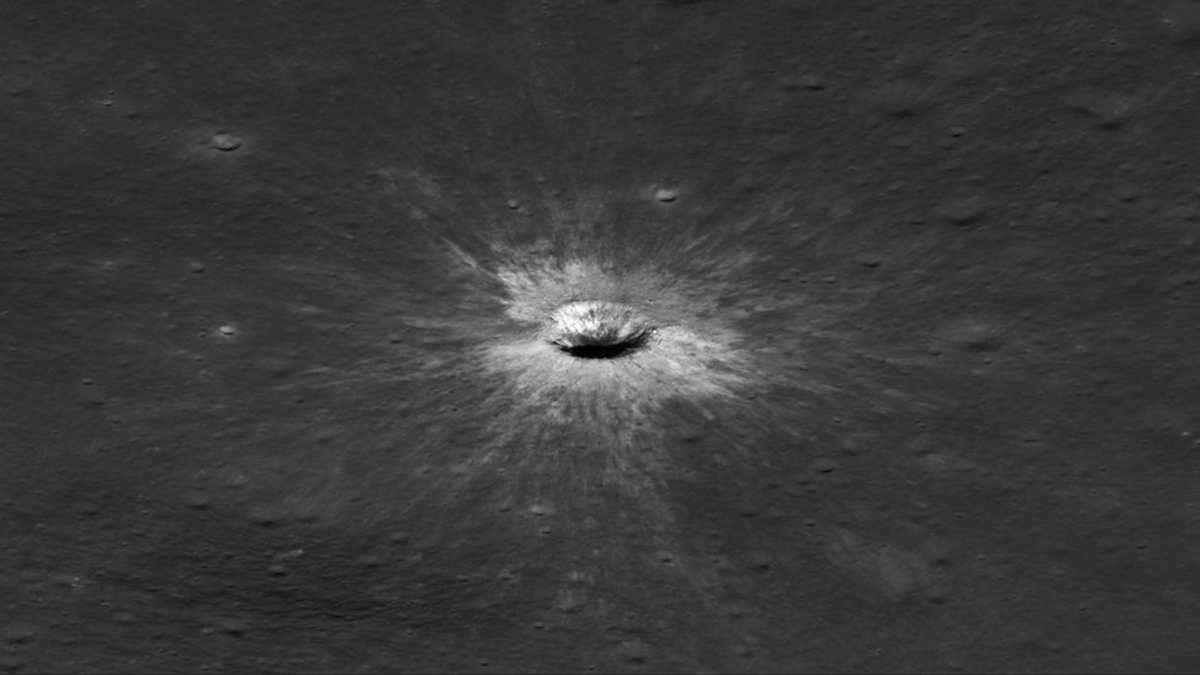
🌙
The moon just got a massive new crater, and scientists are thrilled
De maan heeft zojuist een enorme nieuwe krater gekregen, en wetenschappers zijn enthousiast
La lune vient de recevoir un énorme nouveau cratère, et les scientifiques sont ravis
So, here's the thing - NASA's Lunar Reconnaissance Orbiter spotted something extraordinary on the moon's eastern edge back in October 2025: a brand-new crater 728 feet wide and 141 feet deep. An image-processing specialist named Robert Wagner was reviewing routine data when he noticed this massive bright circle surrounded by a darker halo - and immediately knew it was unlike anything he'd seen before. The crater, named McGetchin after a renowned lunar scientist, was created by an asteroid or comet roughly the size of a three-story building, making it the largest newly formed crater ever spotted in our solar system. What makes this discovery so special is that it gives astronomers a genuine once-in-a-century opportunity to study the immediate aftermath of such a massive impact and understand how space rocks shape our moon.
Dus hier gebeurde iets bijzonders - NASA's Lunar Reconnaissance Orbiter ontdekte in oktober 2025 iets uitzonderlijks aan de oostkant van de maan: een gloednieuwe krater van 728 voet breed en 141 voet diep. Een beeldverwerkingsspecialist genaamd Robert Wagner keek routinematig naar gegevens toen hij deze enorme heldere cirkel opmerkte omgeven door een donkerder halo - en wist onmiddellijk dat het iets was wat hij nog nooit eerder had gezien. De krater, genoemd McGetchin naar een beroemde maanwetenschapper, werd veroorzaakt door een asteroïde of komeet ongeveer zo groot als een gebouw van drie verdiepingen, waardoor het de grootste pas gevormde krater in ons zonnestelsel is. Wat deze ontdekking zo bijzonder maakt, is dat het astronomers een zeldzame kans in een eeuw geeft om de onmiddellijke gevolgen van zo'n massieve botsing te bestuderen en beter te begrijpen hoe ruimtestenen onze maan vormgeven.
Voilà quelque chose d'extraordinaire - l'Orbiteur de reconnaissance lunaire de la NASA a repéré un phénomène remarquable sur le bord est de la lune en octobre 2025 : un tout nouveau cratère de 728 pieds de large et 141 pieds de profondeur. Un spécialiste du traitement d'images nommé Robert Wagner examinait des données de routine lorsqu'il a remarqué ce cercle énorme et lumineux entouré d'une auréole plus sombre - et a immédiatement su que c'était sans précédent. Le cratère, baptisé McGetchin d'après un célèbre scientifique lunaire, a été créé par un astéroïde ou une comète de la taille d'un bâtiment de trois étages, ce qui en fait le plus grand cratère nouvellement formé jamais observé dans notre système solaire. Ce qui rend cette découverte si spéciale, c'est qu'elle offre aux astronomes une occasion extraordinaire, survenant une fois par siècle, d'étudier les conséquences immédiates d'un si massif impact et de mieux comprendre comment les roches spatiales façonnent notre lune.

🏠
These 3D-printed homes are built using 'ink' made of sawmill waste
Deze 3D-geprinte huizen worden gebouwd met 'inkt' gemaakt van zaagmeulenafval
Ces maisons imprimées en 3D sont construites avec de l'« encre » fabriquée à partir de déchets de scierie
Researchers at the University of Maine are scaling up their groundbreaking BioHome3D technology - homes that are completely 3D-printed using bio-based materials made from sawmill waste. Now they're partnering with a housing nonprofit to build nine of these homes across the Greater Bangor area, with a $4 million investment to test how to manufacture them faster and more efficiently. So here's what's exciting: the original prototype has already survived three Maine winters and was built and installed in just half a day, and their new printer can now deposit material at 500 to 1,000 pounds per hour - five to ten times faster than before. The team is working toward what they call a "Ford factory of homes," where the entire building process becomes automated and scalable, tackling housing shortages, labor problems, and supply chain issues all at once.
Onderzoekers van de University of Maine schalen hun baanbrekende BioHome3D-technologie op - huizen die volledig in 3D worden geprint met biologische materialen gemaakt van zaagmeulenafval. Nu werken ze samen met een woningbouworganisatie om negen van deze huizen in de regio Greater Bangor te bouwen, met een investering van $4 miljoen om te testen hoe ze sneller en efficiënter kunnen worden geproduceerd. En dat is nou precies wat fascinerend is: het originele prototype heeft al drie Maine-winters doorstaan en werd in slechts een halve dag gebouwd en geplaatst, en hun nieuwe printer kan nu 500 tot 1.000 pond per uur afzetten - vijf tot tien keer sneller dan voorheen. Het team werkt naar wat zij een "Ford-fabriek van huizen" noemen, waar het volledige bouwproces wordt geautomatiseerd en opschaalbaar, wat woningtekorten, arbeidsproblemen en toeleveringskettenproblemen allemaal tegelijk aanpakt.
Les chercheurs de l'Université du Maine intensifient leur technologie révolutionnaire BioHome3D - des maisons entièrement imprimées en 3D à partir de matériaux biologiques fabriqués à partir de déchets de scierie. Ils s'associent maintenant à un organisme d'aide au logement pour construire neuf de ces maisons dans la région de Greater Bangor, avec un investissement de 4 millions de dollars pour tester comment les fabriquer plus rapidement et plus efficacement. Et voilà ce qui est vraiment passionnant : le prototype original a déjà résisté à trois hivers du Maine et a été construit et installé en seulement une demi-journée, et leur nouvelle imprimante peut désormais déposer du matériau à 500 à 1 000 livres par heure - cinq à dix fois plus vite qu'avant. L'équipe travaille vers ce qu'ils appellent une "usine Ford de maisons", où l'ensemble du processus de construction devient automatisé et évolutif, s'attaquant à la fois aux pénuries de logements, aux problèmes de main-d'œuvre et aux problèmes de chaîne d'approvisionnement.

💚
Life-extending breast cancer drug now available on NHS in England
Levensverlengend borstkankermedikament nu beschikbaar via NHS in Engeland
Un médicament anticancéreux qui prolonge la vie est maintenant disponible sur le NHS en Angleterre
Patients in England with HER2-low metastatic breast cancer can now access Enhertu on the NHS, a drug that can extend life by almost seven months on average. Scotland has had access since 2023, and the medication is already available in 26 other European countries. Kate Wills, 51, who has stage four cancer that has spread to her bones and lungs, was moved to tears when she learned the news - it gives her renewed hope during a difficult journey. Wales is expected to follow England's lead shortly, though Northern Ireland hasn't automatically received the same guidance yet.
Patiënten in Engeland met HER2-laag metastatisch borstkanker kunnen nu Enhertu via de NHS krijgen, een medicijn dat het leven gemiddeld met bijna zeven maanden kan verlengen. Schotland heeft hier sinds 2023 toegang toe, en het middel is al in 26 andere Europese landen beschikbaar. Kate Wills, 51 jaar oud, met stadium vier kanker dat is uitgezaaid naar haar botten en longen, barstte in tranen uit toen ze het nieuws hoorde - het geeft haar hernieuwde hoop tijdens een moeilijke periode. Wales zal waarschijnlijk snel volgen, hoewel Noord-Ierland niet automatisch dezelfde richtlijnen heeft ontvangen.
Les patients en Angleterre atteints d'un cancer du sein métastatique HER2-faible peuvent désormais accéder à Enhertu sur le NHS, un médicament qui peut prolonger la vie en moyenne de près de sept mois. L'Écosse y a accès depuis 2023, et le médicament est déjà disponible dans 26 autres pays européens. Kate Wills, 51 ans, atteinte d'un cancer de stade quatre qui s'est propagé à ses os et ses poumons, a fondu en larmes en apprenant la nouvelle - cela lui donne un nouvel espoir pendant un parcours difficile. Le Pays de Galles devrait suivre rapidement, bien que l'Irlande du Nord n'ait pas automatiquement reçu les mêmes directives.
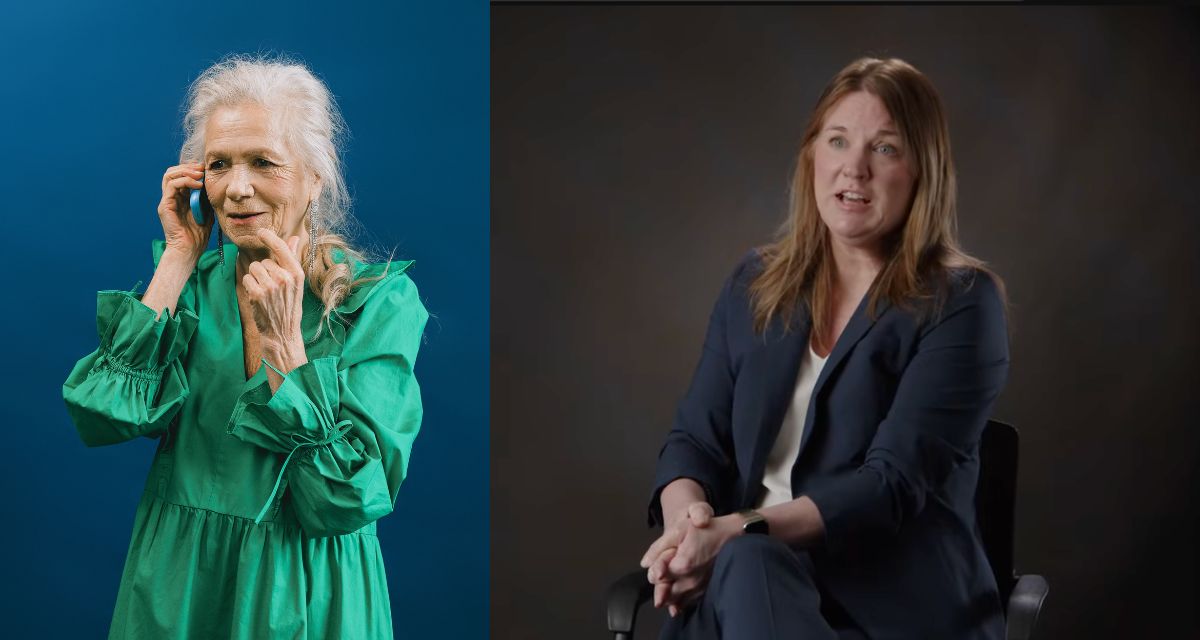
🚨
FBI agent reveals 3 red flags that protect you from modern scams
FBI-agent onthult 3 waarschuwingstekens die je beschermen tegen moderne oplichting
Un agent du FBI révèle 3 signaux d'alerte qui te protègent contre les escroqueries modernes
So here's what fascinates me - scammers have become way more sophisticated than those obvious phishing emails we all laugh about. Rebecca Keithley from the FBI's Financial Crimes Section explains that modern fraud relies on three psychological tricks: fear that hijacks your brain, manufactured urgency that forces snap decisions, and demands for secrecy that cut you off from help. The good news is that once you recognize these red flags - like threats of arrest, pressure to act immediately, or requests to use gift cards and crypto - you can stop the scam in its tracks. And this matters because in 2025 alone, over one million people reported suspected online scams, losing more than $20 billion combined.
Wat me fascineert is hoe oplichters veel sluwer zijn geworden dan die voor de hand liggende phishing-e-mails waar we allemaal om lachen. Rebecca Keithley van de FBI's Financial Crimes Section legt uit dat moderne fraude op drie psychologische trucs berust: angst die je hersenen kapot maakt, kunstmatige urgentie die snelle beslissingen forceert, en eisen tot geheimhouding die je van hulp afsnijden. Het goede nieuws is dat je de oplichting kunt stoppen zodra je deze waarschuwingstekens herkent - zoals dreigingen met arrestatie, druk om onmiddellijk te handelen, of verzoeken om cadeaubonnen en crypto te gebruiken. Dit is belangrijk omdat in 2025 alleen al meer dan een miljoen mensen verdachte online oplichting rapporteerden, met een gezamenlijk verlies van meer dan $20 miljard.
Ce qui me fascine, c'est que les arnaqueurs sont devenus beaucoup plus sophistiqués que ces e-mails d'hameçonnage évidents dont nous rions tous. Rebecca Keithley de la section des crimes financiers du FBI explique que la fraude moderne repose sur trois astuces psychologiques : la peur qui détourne ton cerveau, l'urgence artificielle qui force des décisions rapides, et les demandes de secret qui te coupent de l'aide. La bonne nouvelle, c'est qu'une fois que tu reconnaîs ces signaux d'alerte - comme les menaces d'arrestation, la pression pour agir immédiatement, ou les demandes d'utiliser des cartes-cadeaux et des cryptomonnaies - tu peux arrêter l'arnaque net. Et c'est important car en 2025 seul, plus d'un million de personnes ont signalé des arnaques en ligne suspectes, pour une perte combinée de plus de $20 milliards.
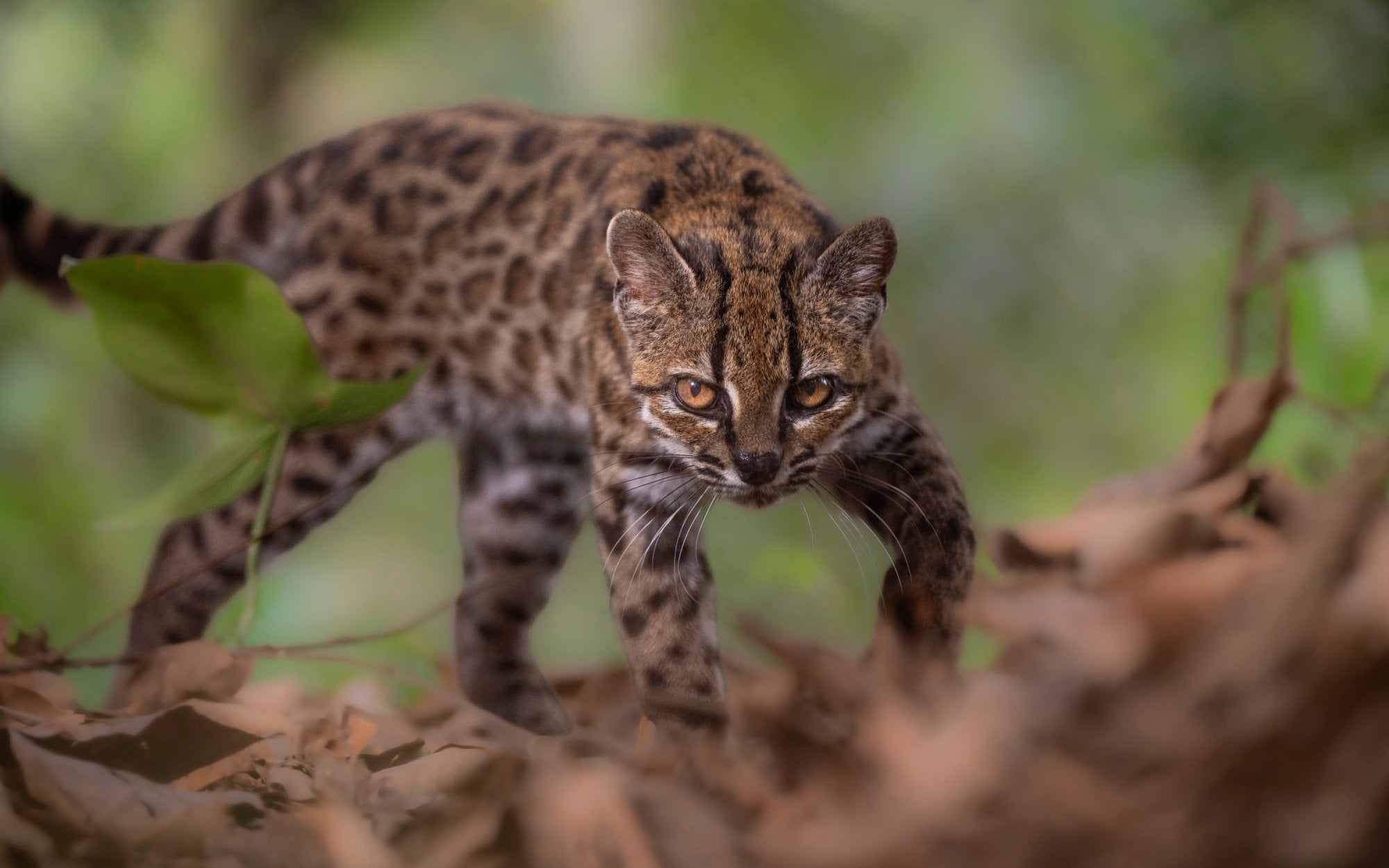
🐱
A brand new cat species discovered in Bolivia - first time in over a century
Nieuw kattensoort ontdekt in Bolivia - eerste keer in meer dan een eeuw
Une toute nouvelle espèce de chat découverte en Bolivie - première fois en plus d'un siècle
Scientists have confirmed the discovery of an entirely new cat species in Bolivia's misty Yungas region, calling it Tilcayo - the first such discovery in over 100 years. The tiny wildcat, weighing just 1.4 kg, was identified through genetic analysis after researchers studied DNA from 38 cats across South America and realized what were thought to be one unified species actually comprise five distinct species. What's fascinating is that this evolutionary line separated from its closest relatives about 1.4 million years ago, yet the animal had gone completely unrecognized by science until now. The discovery matters because these cats are threatened by deforestation and mining in their habitat, so understanding them as separate species helps conservationists protect them more effectively.
Wetenschappers hebben de ontdekking van een geheel nieuw kattensoort in Bolivia's mistige Yungas-regio bevestigd, genaamd Tilcayo - de eerste ontdekking in meer dan 100 jaar. Het kleine wilde katje, wegende slechts 1,4 kg, werd geïdentificeerd door genetische analyse nadat onderzoekers DNA van 38 katten uit Zuid-Amerika bestudeerden en ontdekten dat wat men dacht één soort te zijn, eigenlijk vijf verschillende soorten zijn. Wat fascinerend is, is dat deze evolutionaire lijn zich ongeveer 1,4 miljoen jaar geleden van verwante soorten afscheidde, maar het dier was tot nu toe volledig onbekend bij de wetenschap. De ontdekking is belangrijk omdat deze katten worden bedreigd door ontbossing en mijnbouw in hun habitat, dus het begrijpen van ze als aparte soorten helpt natuurbeschermers ze effectiever te beschermen.
Les scientifiques ont confirmé la découverte d'une toute nouvelle espèce de chat dans la région brumense des Yungas en Bolivie, appelée Tilcayo - la première découverte en plus de 100 ans. Le petit félin sauvage, pesant seulement 1,4 kg, a été identifié par analyse génétique après que des chercheurs aient étudié l'ADN de 38 chats à travers l'Amérique du Sud et réalisé que ce qu'on croyait être une seule espèce comprend en réalité cinq espèces distinctes. Ce qui est fascinant, c'est que cette lignée évolutive s'est séparée de ses plus proches parents il y a environ 1,4 million d'années, mais l'animal était resté complètement inconnu de la science jusqu'à présent. La découverte est importante car ces chats sont menacés par la déforestation et l'exploitation minière dans leur habitat, donc les comprendre comme des espèces distinctes aide les conservationnistes à les protéger plus efficacement.
♻️
Electric car batteries: a goldmine for recyclers
Batterijen van elektrische wagens: een goudmijn voor slopers
Les batteries de voitures électriques: une mine d'or pour les recycleurs
So here's the thing - as electric vehicles become more common, the recycling industry is waking up to a massive opportunity hidden inside those batteries. The valuable materials locked away in EV batteries, from lithium to cobalt to nickel, represent genuine economic potential for scrapping companies willing to invest in the right technology. And this isn't just about profit - recovering these materials means we need fewer new mining operations and can reduce the environmental footprint of the entire EV supply chain. It's a win-win situation where business interests and sustainability goals actually align for once.
Dus: nu elektrische voertuigen steeds vaker voorkomen, ontdekt de recyclingindustrie een enorme kans in die batterijen. De waardevolle materialen in EV-batterijen - lithium, kobalt, nikkel - bieden echte economische potentie voor slopers die in de juiste technologie investeren. En dit gaat niet alleen om winst - door deze materialen terug te winnen hebben we minder nieuwe mijnbouw nodig en verminderen we de ecologische voetafdruk van de hele EV-toeleveringsketen. Het is een win-win-situatie waarbij zakelijke belangen en duurzaamheidsdoelen voor eens echt samenvallen.
Voilà le truc - au fur et à mesure que les véhicules électriques deviennent plus courants, l'industrie du recyclage découvre une occasion énorme cachée dans ces batteries. Les matériaux précieux enfermés dans les batteries VE - lithium, cobalt, nickel - représentent un potentiel économique réel pour les entreprises de démontage disposées à investir dans la bonne technologie. Et ce n'est pas seulement une question de profit - récupérer ces matériaux signifie que nous avons besoin de moins de nouvelles opérations minières et que nous pouvons réduire l'empreinte environnementale de toute la chaîne d'approvisionnement VE. C'est une situation gagnant-gagnant où les intérêts commerciaux et les objectifs de durabilité s'alignent enfin.

✊
People are fed up and fighting back for the right to own what they buy
Mensen zijn het beu en vechten voor het recht om te bezitten wat ze kopen
Les gens en ont assez et se battent pour le droit de posséder ce qu'ils achètent
Louis Rossmann and his nonprofit Fulu are touring the US with the "Own Your Shit" movement, rallying people against digital locks and subscription services that companies use to control devices after purchase. The campaign targets Section 1201 of the Digital Millennium Copyright Act, legislation that prevents people from bypassing manufacturer restrictions - even on products they own outright. Speakers highlighted how companies like Amazon, Apple, and Sony are removing features, deleting digital libraries, and charging subscriptions for access to devices people already paid for. So here's the thing - this grassroots energy reflects a real frustration as consumers grow tired of expensive products that they can't repair, control, or even keep long-term. With right-to-repair legislation gaining traction in the EU and growing support worldwide, this movement shows people are finally pushing back against corporate control.
Louis Rossmann en zijn organisatie Fulu organiseren een landelijke tour met de "Own Your Shit" beweging om mensen op te roepen tegen digitale sloten en abonnementsdiensten die bedrijven gebruiken om apparaten na aankoop te controleren. De campagne richt zich op paragraaf 1201 van de Digital Millennium Copyright Act, wetgeving die mensen belemmert om fabrikantsbeperkingen op te heffen - zelfs op producten die ze volledig bezitten. Sprekers wezen erop hoe bedrijven als Amazon, Apple en Sony functies verwijderen, digitale bibliotheken wissen en abonnementen aanrekenen voor toegang tot apparaten waarvoor mensen al hebben betaald. En hier is het belangrijkste - deze grassroots-energie weerspiegelt echte frustratie omdat consumenten het beu zijn van dure producten die ze niet kunnen repareren, controleren of zelfs op lange termijn behouden. Met recht-op-herstelling-wetgeving die terrein wint in de EU en groeiende steun wereldwijd, laat deze beweging zien dat mensen eindelijk terugvechten tegen bedrijfscontrole.
Louis Rossmann et son organisation Fulu organisent une tournée nationale avec le mouvement "Own Your Shit" pour rallier les gens contre les verrous numériques et les services par abonnement que les entreprises utilisent pour contrôler les appareils après l'achat. La campagne cible la section 1201 de la Digital Millennium Copyright Act, une législation qui empêche les gens de contourner les restrictions des fabricants - même sur les produits qu'ils possèdent complètement. Les orateurs ont souligné comment des entreprises comme Amazon, Apple et Sony suppriment des fonctionnalités, effacent les bibliothèques numériques et facturent des abonnements pour accéder aux appareils pour lesquels les gens ont déjà payé. Et voilà le truc - cette énergie populaire reflète une véritable frustration alors que les consommateurs en ont assez des produits coûteux qu'ils ne peuvent ni réparer, ni contrôler, ni même conserver à long terme. Avec la législation sur le droit à la réparation qui gagne du terrain dans l'UE et un soutien croissant dans le monde, ce mouvement montre que les gens rippliquent enfin contre le contrôle des entreprises.

🏡
Built using a 200-year-old technique, Shimla homestay stays safe in Himachal's earthquakes
Gebouwd met een 200 jaar oude techniek, Shimla-pension blijft veilig bij aardbevingen in Himachal
Construit avec une technique vieille de 200 ans, le gîte de Shimla reste sûr lors des tremblements de terre de l'Himachal
In earthquake-prone Himachal Pradesh, a Delhi-born woman named Madhavi Bhatia has revived an ancient building technique called dhajji dewari at her ancestral home turned homestay, Sunnymead. This 200-year-old architectural style, which uses a quilt-like patchwork of wood and stone, allows buildings to tilt safely during earthquakes rather than collapse like modern structures often do. After inheriting the neglected property in 2010, Madhavi left her corporate job to restore it as a sustainable venture while honoring her family heritage and childhood memories. The result is a beautiful, earthquake-resistant homestay that proves ancient wisdom sometimes outperforms modern construction methods when it comes to surviving nature's most violent forces.
In aardbevingsgevaarlijke Himachal Pradesh heeft een Delhiase vrouw genaamd Madhavi Bhatia een oude bouwtechniek genaamd dhajji dewari nieuw leven ingeblazen in haar voorouderlijk huis, nu een pension genaamd Sunnymead. Deze 200 jaar oude bouwstijl, die gebruikmaakt van een lappendekenachtig patroon van hout en steen, stelt gebouwen in staat om veilig te kanelen tijdens aardbevingen in plaats van in te storten zoals moderne constructies vaak doen. Nadat Madhavi het verwaarloosde pand in 2010 erfde, gaf zij haar kantoorbaan op om het als duurzaam onderneming te restaureren en tegelijk haar familieerfenis en kinderherinneringen te eren. Het resultaat is een mooi, aardbevingsbestendig pension dat bewijst dat oude wijsheid soms beter werkt dan moderne bouwmethoden wanneer het gaat om het overleven van de meest gewelddadige natuurkrachten.
Dans le Himachal Pradesh exposé aux tremblements de terre, une femme originaire de Delhi nommée Madhavi Bhatia a ressuscité une ancienne technique de construction appelée dhajji dewari dans sa demeure ancestrale transformée en gîte, Sunnymead. Ce style architectural vieux de 200 ans, qui utilise un motif de patchwork de bois et de pierre, permet aux bâtiments de s'incliner en toute sécurité pendant les tremblements de terre plutôt que de s'effondrer comme le font souvent les structures modernes. Après avoir hérité de la propriété négligée en 2010, Madhavi a quitté son emploi de bureau pour la restaurer comme entreprise durable tout en honorant son héritage familial et ses souvenirs d'enfance. Le résultat est un beau gîte parasismique qui prouve que la sagesse ancienne surpasse parfois les méthodes de construction modernes lorsqu'il s'agit de survivre aux forces naturelles les plus violentes.

📚
Young people skip school more when parents are harsh or routines are missing
Jongeren spijbelen vaker wanneer ouders streng zijn of routines ontbreken
Les jeunes sèchent plus souvent l'école quand les parents sont sévères ou que les routines manquent
An ESRI report working with Tusla Education Support Service has found that young people are significantly more likely to miss school when their parents use harsh discipline or when there's a lack of routine around bedtimes and breakfast. The research, which tracked children from age 9 to 13, shows that maternal characteristics play a much stronger role than paternal factors in predicting school absence. Beyond parenting style, the study reveals that major life events like bereavement, illness and addiction drive absence, as do negative attitudes toward school itself - which interestingly has become a stronger predictor of absence than it was a decade ago. The report also found higher absence rates in disadvantaged communities, among children with disabilities, and in families experiencing financial strain or living in rented accommodation.
Een ESRI-rapport in samenwerking met Tusla Education Support Service toont aan dat jongeren aanzienlijk vaker school missen wanneer hun ouders strenge discipline hanteren of wanneer er geen routine bestaat rond bedtijden en ontbijt. Het onderzoek, dat kinderen van 9 tot 13 jaar volgde, laat zien dat eigenschappen van de moeder een veel sterkere rol spelen dan vaderfactoren bij het voorspellen van schoolverzuim. Naast opvoedingsstijl laat de studie zien dat grote levensgebeurtenissen zoals rouw, ziekte en verslaving verzuim veroorzaken, evenals negatieve attitudes tegenover school zelf - wat opvallend genoeg een sterkere voorspeller van verzuim is geworden dan tien jaar geleden. Het rapport toont ook hogere verzuimpercentages in achtergestelde gemeenschappen, onder kinderen met een beperking, en in gezinnen die financiële problemen hebben of in huurwoningen wonen.
Un rapport de l'ESRI en partenariat avec le Tusla Education Support Service montre que les jeunes manquent beaucoup plus souvent l'école quand leurs parents utilisent la discipline sévère ou quand il n'y a pas de routine autour des heures de coucher et du petit-déjeuner. L'étude, qui a suivi des enfants de 9 à 13 ans, révèle que les caractéristiques maternelles jouent un rôle bien plus important que les facteurs paternels pour prédire l'absentéisme scolaire. Au-delà du style parental, l'étude montre que les grands événements de la vie comme le deuil, la maladie et la dépendance provoquent l'absentéisme, tout comme les attitudes négatives envers l'école elle-même - ce qui est remarquablement devenu un prédicteur plus fort de l'absentéisme qu'il y a une décennie. Le rapport montre également des taux d'absentéisme plus élevés dans les communautés défavorisées, parmi les enfants handicapés, et dans les familles confrontées à des difficultés financières ou vivant dans des logements locatifs.
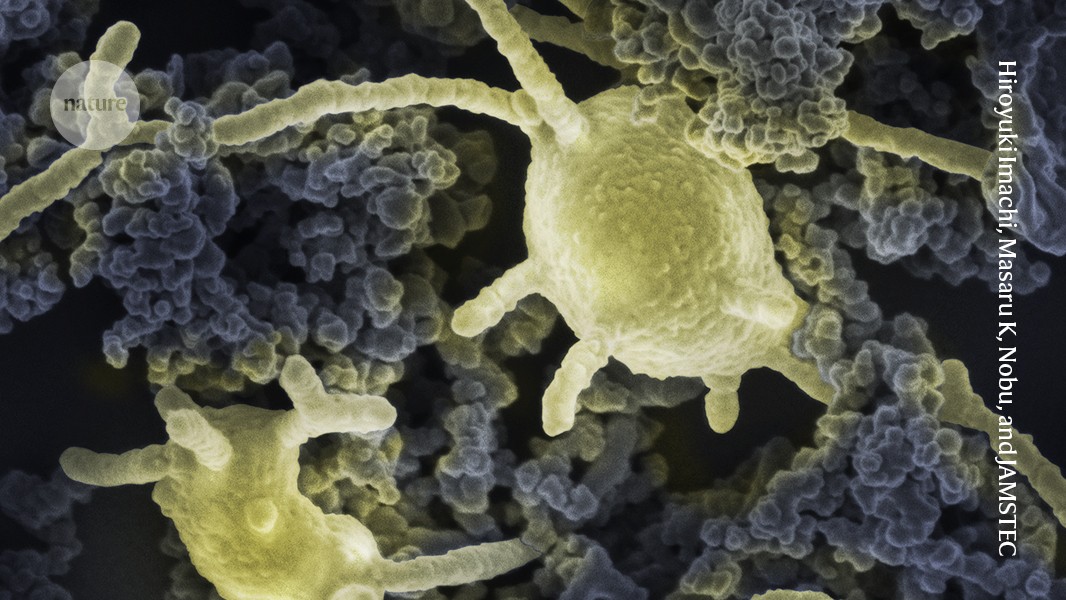
🦠
These bizarre microbes are revealing the origins of complex life
Deze bizarre microben onthullen de oorsprong van complex leven
Ces microbes bizarres révèlent les origines de la vie complexe
Scientists are getting their hands on Asgard archaea - these mysterious single-celled organisms that were discovered in 2015 and completely changed how we think about evolution. So here's the thing: these microbes appear to be the ancestral ancestors of all eukaryotes, meaning complex life like plants, animals, and fungi actually branch off from archaea, not the other way around. Researchers have spent years coaxing these finicky, slow-growing cells into stable cultures - a task so painstaking that one scientist drove 2,500 kilometres across America with a precious sample in her mother's SUV. Now that they can finally study Asgard archaea directly under microscopes, they're discovering surprising shapes and behaviours that are revealing what made the leap to complex life possible.
Wetenschappers krijgen eindelijk Asgard archaea in handen - deze mysterieuze eencellige organismen die in 2015 werden ontdekt en onze kijk op evolutie volledig veranderden. En hier is het interessante: deze microben blijken de voorouders van alle eukaryoten te zijn, wat betekent dat complex leven zoals planten, dieren en schimmels eigenlijk afstammen van archaea. Onderzoekers hebben jaren besteed aan het kweken van deze lastige, langzaam groeiende cellen in stabiele culturen - een taak zo arbeidsintensief dat één wetenschapper 2.500 kilometer door Amerika reed met een kostbaar monster in de auto van haar moeder. Nu ze Asgard archaea eindelijk rechtstreeks onder microscopen kunnen bestuderen, ontdekken ze verrassende vormen en gedragingen die onthullen wat de sprong naar complex leven mogelijk maakte.
Les scientifiques mettent enfin la main sur les archées Asgard - ces organismes unicellulaires mystérieux découverts en 2015 qui ont complètement changé notre vision de l'évolution. Voilà la chose remarquable: ces microbes semblent être les ancêtres de tous les eucaryotes, ce qui signifie que la vie complexe comme les plantes, les animaux et les champignons descend en fait des archées. Les chercheurs ont passé des années à cultiver ces cellules capricieuses et à croissance lente dans des cultures stables - une tâche tellement laborieuse qu'une scientifique a parcouru 2.500 kilomètres à travers l'Amérique avec un précieux échantillon dans le SUV de sa mère. Maintenant qu'ils peuvent enfin étudier directement les archées Asgard sous les microscopes, ils découvrent des formes et des comportements surprenants qui révèlent ce qui a rendu possible le saut vers la vie complexe.
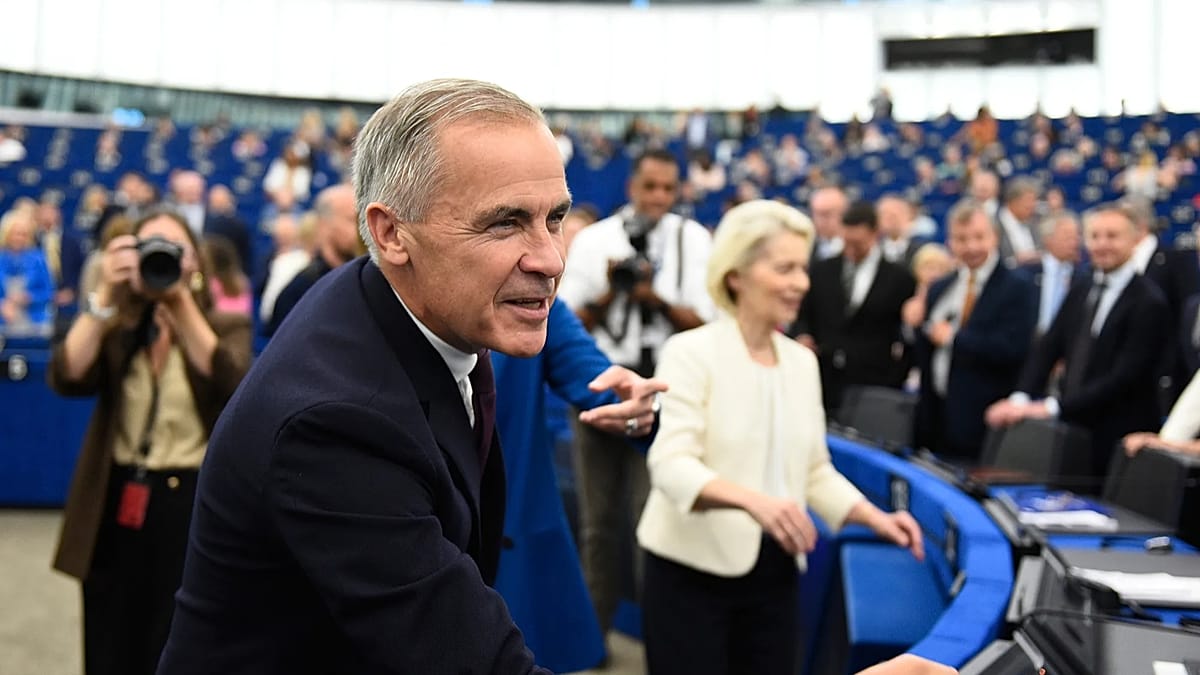
🤝
Canada becomes first EU associate member in historic new alliance
Canada wordt eerste EU-lid met nieuwe associatieve status
Le Canada devient le premier membre associé de l'UE dans une nouvelle alliance historique
So here's the thing - Ursula von der Leyen just announced something pretty remarkable: Canada is invited to become the EU's first-ever "associate member". The Canadian Prime Minister Mark Carney was right there in Strasbourg when she made the announcement, and honestly, it signals a real shift in how Europe is thinking about alliances in uncertain times. This new status sits somewhere between full membership and the kind of deals Norway and Switzerland have - it's still being worked out, but Canada could gain access to EU programmes like Erasmus+ and Horizon Europe while both sides deepen cooperation on defence, tech, and energy. And here's what's fascinating - this could reshape the entire EU's approach to partnerships beyond Europe's borders.
Dus dit is interessant - Ursula von der Leyen kondigde zojuist iets bijzonders aan: Canada is uitgenodigd om het eerste "associatief lid" van de EU te worden. De Canadese premier Mark Carney zat recht daar in Straatsburg toen ze de aankondiging deed, en eerlijk gezegd signaleert dit een echte verschuiving in hoe Europa over allianties nadenkt in onzekere tijden. Deze nieuwe status zit ergens tussen volwaardig lidmaatschap en het soort akkoorden dat Noorwegen en Zwitserland hebben - het wordt nog uitgewerkt, maar Canada zou toegang kunnen krijgen tot EU-programma's zoals Erasmus+ en Horizon Europe terwijl beide partijen de samenwerking op defensie, technologie en energie verdiepen. En hier is wat fascinerend - dit zou de hele benadering van de EU van partnerschappen buiten Europese grenzen kunnen hervormen.
Voilà qui est intéressant - Ursula von der Leyen vient d'annoncer quelque chose de remarquable : le Canada est invité à devenir le premier "membre associé" de l'UE. Le premier ministre canadien Mark Carney était présent à Strasbourg lors de cette annonce, et honnêtement, cela signale un vrai changement dans la manière dont l'Europe envisage les alliances en ces temps incertains. Ce nouveau statut se situe quelque part entre l'adhésion complète et le type d'accords que la Norvège et la Suisse ont - les détails se mettent encore en place, mais le Canada pourrait accéder à des programmes de l'UE comme Erasmus+ et Horizon Europe tandis que les deux parties approfondissent leur coopération sur la défense, la technologie et l'énergie. Et voici ce qui est fascinant - cela pourrait transformer l'approche globale de l'UE concernant les partenariats au-delà des frontières européennes.

🛣️
A Bengaluru engineer turned potholes into purpose - and built an app in just one day
Een ingenieur uit Bengaluru maakte van gaten in de weg een missie - en bouwde in één dag een app
Un ingénieur de Bengaluru a transformé les nids-de-poule en mission - et a construit une application en un jour
When his pregnant wife had to navigate Bengaluru's notoriously damaged roads for doctor visits, engineer Gaurav Sen decided to turn frustration into action. He built Pothole Reporter, a clever app that doesn't just spot potholes using a phone's camera and GPS - it actually identifies which contractor is responsible for fixing that specific stretch of road. Built in just one day without funding and at only 4 MB in size, this bootstrapped innovation transforms a decades-old problem into something accountable and actionable. The app is now heading for a Google Play launch, and the Bengaluru Development Authority is already interested in integrating it into their systems.
Toen zijn zwangere vrouw voor doktersbezoeken de beruchte beschadigde wegen van Bengaluru moest navigeren, besloot ingenieur Gaurav Sen frustratie in actie om te zetten. Hij bouwde Pothole Reporter, een slimme app die niet alleen gaten in de weg opsporen met de camera en GPS van je telefoon - hij identificeert ook welke aannemer verantwoordelijk is voor dat specifieke weggedeelte. Gebouwd in slechts één dag zonder financiering en slechts 4 MB groot, transformeert deze zelf gefinancierde innovatie een probleem van decennia oud in iets aanspreekbaars en actiebaar. De app staat op het punt om op Google Play gelanceerd te worden, en de Bengaluru Development Authority toont al interesse in integratie met hun systemen.
Quand sa femme enceinte a dû naviguer sur les routes notoires endommagées de Bengaluru pour des visites médicales, l'ingénieur Gaurav Sen a décidé de transformer la frustration en action. Il a créé Pothole Reporter, une application intelligente qui non seulement détecte les nids-de-poule en utilisant la caméra et le GPS d'un téléphone - elle identifie également quel entrepreneur est responsable de la réparation de ce tronçon routier spécifique. Construite en un seul jour sans financement et ne pesant que 4 MB, cette innovation autofinancée transforme un problème vieux de décennies en quelque chose de responsable et actif. L'application est sur le point d'être lancée sur Google Play, et l'Autorité de développement de Bengaluru montre déjà de l'intérêt pour l'intégrer à ses systèmes.
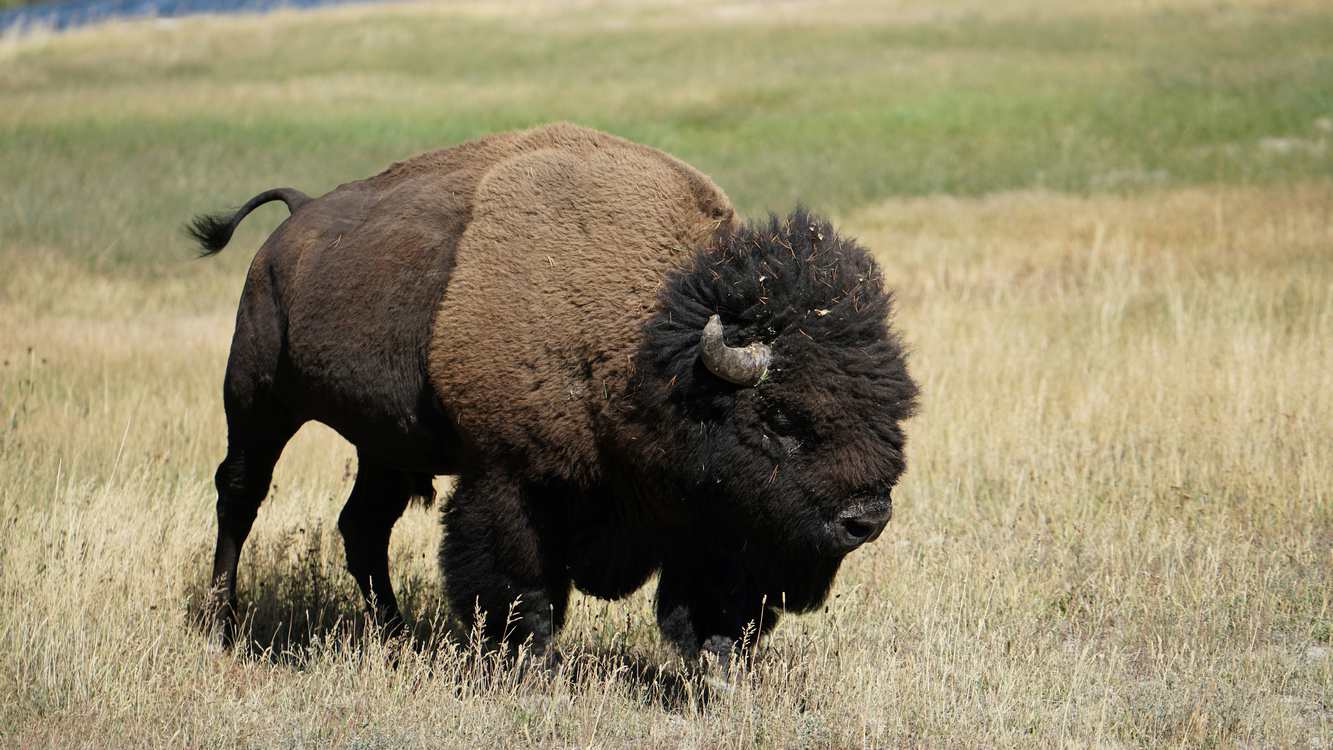
🦬
Mexico brings bison back to desert ecosystem after 200 years
Mexico brengt bizons terug naar woestijnecosysteem na 200 jaar
Le Mexique réintroduit les bisons dans son écosystème désertique après 200 ans
After two centuries away, bison have returned to Mexico's Chihuahua Desert - and it's a game-changer for the landscape. Forty-eight of these magnificent animals were brought to El Santuario Wildlife Reserve in Cuatrociénegas last year, where they're already working their ecological magic on the sensitive arid grasslands. So here's the thing: bison are basically nature's landscape managers - their hooves break up soil, their coats spread seeds, their dung fertilizes, and they shape the terrain just by being themselves. This reintroduction isn't just about bringing back an iconic species; it's about restoring balance and memory to an ecosystem that's been without them for far too long, giving real hope for sustainable land management.
Na twee eeuwen afwezigheid zijn bizons teruggekeerd naar de woestijn van Chihuahua in Mexico - en dat is een gamechanger voor het landschap. Afgelopen jaar werden achtenveertig van deze prachtige dieren naar het El Santuario Wildlife Reserve in Cuatrociénegas gebracht, waar ze al hun ecologische magie uitoefenen op de gevoelige aride graslanden. En hier is het belangrijk: bizons zijn eigenlijk natuurlijke landschapsbeheerders - hun hoeven breken de grond op, hun vacht verspreidt zaden, hun mest vruchtbaart de grond, en ze vormen het terrein gewoon door er te zijn. Deze herintroductie gaat niet alleen over het terugbrengen van een iconisch dier; het gaat om het herstellen van balans en geheugen in een ecosysteem dat er twee eeuwen lang zonder was.
Après deux siècles d'absence, les bisons sont revenus au désert de Chihuahua au Mexique - et c'est un véritable tournant pour le paysage. L'année dernière, quarante-huit de ces magnifiques animaux ont été amenés à la réserve faunique El Santuario à Cuatrociénegas, où ils exercent déjà leur magie écologique sur les prairies arides sensibles. Et voilà l'essentiel: les bisons sont essentiellement des gestionnaires naturels du paysage - leurs sabots ameublissent le sol, leur pelage propage les graines, leur fumier fertilise, et ils façonnent simplement le terrain par leur présence. Cette réintroduction ne consiste pas seulement à ramener une espèce emblématique; il s'agit de restaurer l'équilibre et la mémoire dans un écosystème qui en a été privé pendant bien trop longtemps.

🧠
Meet a mouse whose brain cortex is made up of human cells
Kennismaking met een muis waarvan de hersenschors uit menselijke cellen bestaat
Rencontre avec une souris dont le cortex cérébral est composé de cellules humaines
Neuroscientist Sergiu Pașca at Stanford has done something remarkable - he's created mice with human brain cells where their own cortex would normally be. By genetically engineering mice to lack most of their cortex and hippocampus, he created space for human neural tissue to grow and integrate with the rodent nervous system. The really fascinating part? These mice with human brain cells actually performed better on memory tests than mice with missing brain tissue alone, suggesting the human cells were genuinely contributing to their cognition. Now Pașca and his team are exploring how this xenocortical mouse could help us understand brain injuries and test treatments, while also being very careful about the ethical implications - he's drawing a clear line against trying this on primates.
Neurowetenschapper Sergiu Pașca van Stanford heeft iets opmerkelijks bereikt - hij heeft muizen gecreëerd met menselijke hersencellen op de plek waar normaal gesproken hun eigen hersenschors zou zitten. Door muizen genetisch zodanig aan te passen dat zij het grootste deel van hun hersenschors en hippocampus missen, creëerde hij ruimte voor menselijk zenuwweefsel om te groeien en zich te integreren met het zenuwstelsel van het knaagdier. Het echt fascinerende gedeelte? Deze muizen met menselijke hersencellen presteerden eigenlijk beter op geheugenproeven dan muizen met ontbrekend hersenweefsel alleen, wat suggereert dat het menselijke weefsel echt bijdroeg aan hun cognitie. Nu onderzoeken Pașca en zijn team hoe deze xenocorticale muis ons kan helpen hersenletsels begrijpen en behandelingen testen, terwijl zij zeer voorzichtig zijn met de ethische implicaties - hij trekt een duidelijke grens tegen pogingen dit bij primaten toe te passen.
Le neuroscientifique Sergiu Pașca de Stanford a réalisé quelque chose de remarquable - il a créé des souris avec des cellules cérébrales humaines à la place de leur cortex normal. En modifiant génétiquement des souris pour qu'elles manquent de la plupart de leur cortex et hippocampe, il a créé de l'espace pour que le tissu neural humain se développe et s'intègre avec le système nerveux du rongeur. La partie vraiment fascinante? Ces souris avec des cellules cérébrales humaines ont en fait obtenu de meilleurs résultats aux tests de mémoire que les souris ayant un tissu cérébral manquant, ce qui suggère que le tissu humain contribuait réellement à leur cognition. Maintenant, Pașca et son équipe explorent comment cette souris xénocorticale pourrait nous aider à comprendre les lésions cérébrales et tester les traitements, tout en étant très prudents quant aux implications éthiques - il trace une ligne claire contre toute tentative chez les primates.
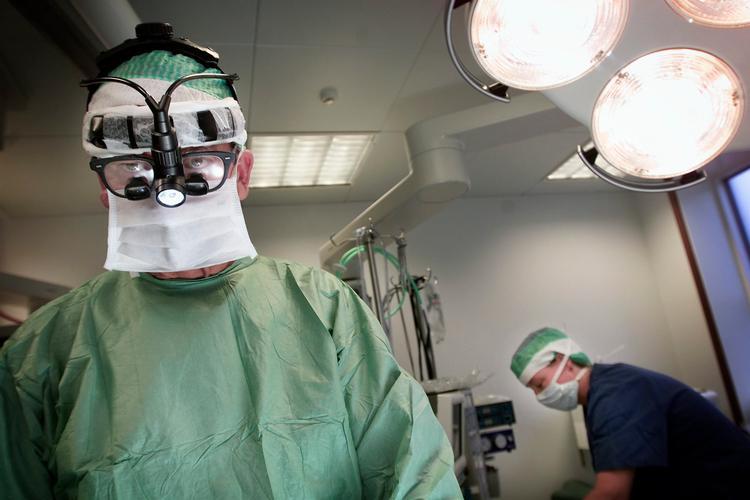
🤖
Surgeon in Denmark operates on patient 1000 kilometers away using robot
Chirurg in Denemarken opereert patiënt 1000 kilometer verderop met behulp van robot
Un chirurgien au Danemark opère un patient à 1000 kilomètres de distance grâce à un robot
A surgeon in Aabenraa has just pulled off something truly remarkable - sitting at his desk, he operated on a patient in the Faroe Islands using remote robot-assisted surgery, marking the first time this technology has been used for an actual operation in Denmark. The hernia surgery went exceptionally well, and the whole thing was carefully set up with a full surgical team standing by in Tórshavn, ready to step in if anything went wrong. So what's really exciting here is that this opens up new possibilities for patients living far away from major medical centers - they might finally get access to top-tier surgical expertise without having to travel. This is just the beginning of an ambitious project exploring how remote surgery can transform healthcare across the Nordic region.
Een chirurg in Aabenraa heeft net iets werkelijk opmerkelijks voor elkaar gekregen - zittend aan zijn bureau opereerde hij een patiënt op de Faeröer met behulp van robotgestuurde chirurgie op afstand, wat voor het eerst in Denemarken gebeurde voor een echte operatie. De breukcorrectie verliep uitzonderlijk goed, en het hele proces was zorgvuldig voorbereid met een volledig chirurgisch team ter plaatse in Tórshavn, klaar om in te grijpen als iets fout zou gaan. Wat echt opwindend is, is dat dit nieuwe mogelijkheden opent voor patiënten die ver weg van grote medische centra wonen - zij kunnen nu eindelijk toegang krijgen tot topklinische expertise zonder ver te hoeven reizen. Dit is slechts het begin van een ambitieus project dat onderzoekt hoe chirurgie op afstand de gezondheidszorg in de Noordse regio kan transformeren.
Un chirurgien à Aabenraa vient de réaliser quelque chose de vraiment remarquable - assis à son bureau, il a opéré un patient aux îles Féroé en utilisant la chirurgie robotique à distance, marquant la première fois que cette technologie est utilisée pour une opération réelle au Danemark. La chirurgie de hernie s'est déroulée exceptionnellement bien, et l'ensemble du processus a été soigneusement mis en place avec une équipe chirurgicale complète sur place à Tórshavn, prête à intervenir si quelque chose s'était mal passé. Ce qui est vraiment passionnant, c'est que cela ouvre de nouvelles possibilités pour les patients vivant loin des grands centres médicaux - ils pourraient enfin accéder à une expertise chirurgicale de haut niveau sans avoir à voyager. Ce n'est que le début d'un projet ambitieux explorant comment la chirurgie à distance peut transformer les soins de santé dans la région nordique.
💧
Scientists turn seawater into fresh water without harmful brine
Wetenschappers zetten zeewater om in zoetwater zonder schadelijk zoutwater
Les scientifiques transforment l'eau de mer en eau douce sans saumure nocive
Here's something that genuinely excites me - researchers at the University of Rochester have cracked a major problem with desalination. They've developed a solar-powered system that turns seawater into fresh water without producing that nasty concentrated brine that harms marine life when it's dumped back into the ocean. The key is laser-treated black metal panels that absorb sunlight incredibly well and have special properties that let water spread across them rapidly, while cleverly directing salt buildup away from the active zones. What I find brilliant is that this approach works with real seawater - not the simplified lab versions - because it handles all those tricky minerals like magnesium and calcium that usually clog up other systems.
Dit is echt iets waar ik enthousiast over word - onderzoekers van de Universiteit van Rochester hebben een groot probleem met ontzilting opgelost. Ze hebben een zonnegestuwde systeem ontwikkeld dat zeewater in zoetwater omzet zonder dat schadelijk geconcentreerd zoutwater ontstaat dat de zeeleven beschadigt. Het geheim zit in laserbewerkelde zwartmetalen panelen die zonlicht ongelooflijk goed absorberen en speciale eigenschappen hebben waardoor water snel over het oppervlak verspreidt. Wat ik briljant vind is dat dit systeem echt zeewater aankan - niet de vereenvoudigde laboratoriumversies - omdat het al die lastige mineralen zoals magnesium en calcium aanpakt die andere systemen normaal verstopten.
Voilà quelque chose qui m'enthousiasme vraiment - des chercheurs de l'Université de Rochester ont résolu un problème majeur du dessalement. Ils ont développé un système alimenté par l'énergie solaire qui transforme l'eau de mer en eau douce sans produire cette saumure concentrée dommageable qui nuit à la vie marine. Le secret réside dans des panneaux de métal noir traités au laser qui absorbent incroyablement bien la lumière solaire et possèdent des propriétés spéciales qui permettent à l'eau de s'étendre rapidement sur la surface. Ce que je trouve brillant, c'est que ce système fonctionne avec la véritable eau de mer - pas les versions simplifiées de laboratoire - parce qu'il gère tous ces minéraux délicats comme le magnésium et le calcium qui obstruent normalement les autres systèmes.
🌾
Irrigation's climate benefit could equal 363 years of its own emissions
Het klimaatvoordeel van irrigatie zou gelijk kunnen staan aan 363 jaar eigen emissies
L'avantage climatique de l'irrigation pourrait égaler 363 ans de ses propres émissions
New research from Colorado State University reveals something really encouraging - irrigating U.S. crops actually delivers a surprising climate win by letting farmers grow more food without clearing additional natural land. The key insight is that if we suddenly stopped irrigating, we'd need to convert vast new areas into farmland to replace lost production, and those emissions would be massive - 363 times larger than what irrigation currently produces. So when you do the math, the greenhouse gases we avoid by not converting that extra land amounts to 363 years' worth of today's irrigation emissions. And here's the thing - we can make this even better by switching irrigation pumps from fossil fuels to electric power as our energy grid gets cleaner.
Nieuw onderzoek van Colorado State University onthult iets heel bemoedigends - irrigatie van Amerikaanse gewassen levert eigenlijk een verrassend klimaatvoordeel op door boeren meer voedsel te laten produceren zonder extra natuurlijk land vrij te maken. Het cruciale inzicht is dat we, als we irrigatie plotseling zouden stopzetten, enorm veel nieuw land moeten omzetten in landbouw om de verloren productie te compenseren, en die emissies zouden veel groter zijn - 363 keer groter dan wat irrigatie momenteel produceert. Als je de wiskunde uitwerkt, betekent dit dat de broeikasgassen die we besparen door die extra grond niet om te zetten gelijk staat aan 363 jaar huidige irrigatie-emissies. En hier is het interessante - we kunnen dit nog beter maken door irrigatiepompen van fossiele brandstoffen naar elektrische energie over te schakelen naarmate ons energienet schoner wordt.
De nouvelles recherches de l'Université d'État du Colorado révèlent quelque chose de vraiment encourageant - l'irrigation des cultures américaines offre en réalité un avantage climatique surprenant en permettant aux agriculteurs de produire plus de nourriture sans défricher de nouvelles terres naturelles. L'idée clé est que si nous arrêtions soudainement l'irrigation, nous devrions convertir d'énormes nouvelles zones en terres agricoles pour compenser la production perdue, et ces émissions seraient massives - 363 fois plus grandes que ce que l'irrigation produit actuellement. Donc quand on fait les calculs, les gaz à effet de serre que nous évitions en ne convertissant pas cette terre supplémentaire équivalent à 363 ans des émissions d'irrigation actuelles. Et voici l'intéressant - nous pouvons faire encore mieux en passant les pompes d'irrigation des combustibles fossiles à l'énergie électrique à mesure que notre réseau énergétique devient plus propre.
🎨
Artists spark imagination in people with dementia: 'Touch is where every dance begins'
Kunstenaars wekken verbeelding op bij mensen met dementie: 'Aanraking is het begin van elke dans'
Les artistes stimulent l'imagination chez les personnes atteintes de démence: 'Le toucher est le début de chaque danse'
So here's the thing - artists are discovering something really beautiful about connecting with people living with dementia through creative practice. Touch, movement, and imagination become a language that transcends the communication challenges these individuals face, creating moments of genuine connection and joy. The approach shows that even when memory fades, the capacity to engage with art, music, and physical expression remains remarkably alive. It's a reminder that creativity isn't just about making something - it's about reaching people in the most human ways possible.
Kunstenaars ontdekken iets werkelijk moois: creatieve praktijken kunnen mensen met dementie op diepgaande manieren bereiken. Aanraking, beweging en verbeelding worden een taal die communicatieve barrières overbrugt, wat momenten van echte verbinding en vreugde creëert. Het blijkt dat zelfs wanneer het geheugen vervaagt, het vermogen om met kunst, muziek en fysieke expressie in contact te treden opmerkelijk intact blijft. Dit herinnert ons eraan dat creativiteit niet alleen gaat over iets maken - het gaat erom mensen op de meest menselijke manier te bereiken.
Les artistes découvrent quelque chose de vraiment beau: les pratiques créatives peuvent toucher les personnes atteintes de démence de manière profonde. Le toucher, le mouvement et l'imagination deviennent un langage qui dépasse les obstacles communicationnels, créant des moments de connexion authentique et de joie. Il s'avère que même lorsque la mémoire s'estompe, la capacité à s'engager avec l'art, la musique et l'expression physique reste remarquablement intacte. Cela nous rappelle que la créativité ne consiste pas seulement à créer quelque chose - c'est une question de toucher les gens de la manière la plus humaine possible.
/s3/static.nrc.nl/wp-content/uploads/2026/09/04201228/190926WET_2035351820_4.jpg)
🤖
How AI agents reveal the mechanics of radicalization
Hoe AI-agents het proces van radicalisering blootleggen
Comment les agents d'IA révèlent les mécanismes de la radicalisation
Inspired by the devastating Sri Lanka Easter bombings of 2019, Dutch police researcher Mijke van den Hurk set out to understand how ordinary people become radicalized - not by looking at single factors like poverty, but by examining how multiple mechanisms interact within their environment. She developed an innovative agent-based AI simulation model, similar to the video game The Sims, where hundreds of virtual agents react to each other on individual, social, and ideological levels. The agents in her model seek recognition, belonging, and group identity, showing how radicalization can emerge from the complex interplay of needs and social dynamics. This groundbreaking research approach offers new insights into extremism without relying on tired stereotypes about what a terrorist looks like.
Geïnspireerd door de verwoestende aanslag op Paaszondag 2019 in Sri Lanka, begon Nederlandse politieonderzoeker Mijke van den Hurk te onderzoeken hoe gewone mensen radicaliseren - niet door naar één factor te kijken, maar door te analyseren hoe meerdere mechanismen in hun omgeving met elkaar samenwerken. Ze ontwikkelde een innovatief simulatiemodel op basis van AI-agents, vergelijkbaar met het computerspel The Sims, waarin honderden virtuele agenten op elkaar reageren op persoonlijk, sociaal en ideologisch niveau. De agents in haar model zoeken erkenning, willen ergens bij horen en vormen groepsidentiteiten, wat laat zien hoe radicalisering kan ontstaan uit de complexe wisselwerking van behoeften en sociale dynamica. Dit baanbrekende onderzoek biedt nieuwe inzichten in extremisme zonder te vertrouwen op versleten stereotypen over hoe een terrorist eruitziet.
Inspirée par les attaques dévasttrices du dimanche de Pâques 2019 au Sri Lanka, la chercheuse de la police néerlandaise Mijke van den Hurk a voulu comprendre comment les gens ordinaires se radicalisent - non pas en examinant un seul facteur, mais en analysant comment plusieurs mécanismes interagissent dans leur environnement. Elle a développé un modèle de simulation innovant basé sur des agents d'IA, similaire au jeu vidéo The Sims, où des centaines d'agents virtuels réagissent les uns aux autres à des niveaux individuels, sociaux et idéologiques. Les agents de son modèle recherchent la reconnaissance, veulent appartenir à un groupe et forment des identités collectives, montrant comment la radicalisation peut émerger de l'interaction complexe des besoins et des dynamiques sociales. Cette recherche novatrice offre de nouvelles perspectives sur l'extrémisme sans s'appuyer sur des stéréotypes usés concernant l'apparence d'un terroriste.

✈️
A father's dream becomes a gift for hundreds of seniors discovering the joy of travel
Een vaders droom wordt een cadeau voor honderden ouderen die de vreugde van reizen ontdekken
Le rêve d'un père devient un cadeau pour des centaines de personnes âgées découvrant la joie du voyage
Saakshi Maheshwari lost her father in 2023 and realized that waiting for the right time to travel and chase dreams is a luxury we don't always have. Inspired by his passion for both helping others and exploring the world, she launched The Original Travel Company with her husband Rajat to take senior citizens on journeys across India and beyond. Since June 2023, they've travelled with approximately 350 seniors on over 40 domestic and international trips, proving that retirement is the perfect time to start living those postponed adventures. Her father's unfulfilled dreams have transformed into a beautiful mission - turning what could have been her greatest loss into a gift that's changing how hundreds of older people see their own futures.
Saakshi Maheshwari verloor haar vader in 2023 en realiseerde zich dat wachten op het juiste moment om te reizen en dromen na te streven een luxe is die we niet altijd hebben. Geïnspireerd door zijn passie voor zowel het helpen van anderen als het verkennen van de wereld, lanceerde ze samen met haar man Rajat The Original Travel Company om senioren op reizen door India en daarbuiten mee te nemen. Sinds juni 2023 hebben ze met ongeveer 350 ouderen meer dan 40 binnenlandse en internationale reizen gemaakt, wat bewijst dat pensioen het perfecte moment is om die uitgestelde avonturen te beginnen. De onvervulde dromen van haar vader zijn omgezet in een mooie missie - wat haar grootste verlies had kunnen zijn, is nu een cadeau dat honderden ouderen helpt hun eigen toekomst anders te zien.
Saakshi Maheshwari a perdu son père en 2023 et a réalisé qu'attendre le bon moment pour voyager et réaliser ses rêves est un luxe que nous n'avons pas toujours. Inspirée par sa passion pour aider les autres et explorer le monde, elle a lancé The Original Travel Company avec son mari Rajat pour emmener les personnes âgées en voyages à travers l'Inde et au-delà. Depuis juin 2023, ils ont voyagé avec environ 350 seniors lors de plus de 40 voyages nationaux et internationaux, prouvant que la retraite est le moment idéal pour vivre ces aventures si longtemps repoussées. Les rêves inachevés de son père se sont transformés en une belle mission - ce qui aurait pu être sa plus grande perte est devenu un cadeau qui change la façon dont des centaines de personnes âgées voient leur propre avenir.
/s3/static.nrc.nl/wp-content/uploads/2026/09/15122841/150926BIN_2036702199_gordelroos.jpg)
💉
Shingles vaccination campaign offers older adults better protection and potentially guards against dementia
Inhaalcampagne gordelroosvaccinatie biedt ouderen betere bescherming en mogelijk preventie tegen dementie
La campagne de rattrapage du vaccin contre le zona offre aux personnes âgées une meilleure protection et une prévention potentielle de la démence
The Dutch government is launching a catch-up campaign to vaccinate people aged 61-69 against shingles, with an additional 400 million euros budgeted to protect all sixty-year-olds starting in 2027. So this is a significant shift - for years the vaccine was considered too expensive at around 400 euros per person, but now it's being offered for free nationwide, bringing the Netherlands in line with countries like Germany. The shingles vaccine is highly effective, preventing nine out of ten cases, and protects for at least twenty years after vaccination. And here's the thing - this move also addresses long-term complications like nerve pain that affects about a third of the 95,000 people who develop shingles each year.
De Nederlandse regering voert een inhaalcampagne uit om mensen van 61 tot 69 jaar gratis tegen gordelroos in te enten, met een extra budget van 400 miljoen euro ook voor alle zestigers vanaf 2027. Dit is een belangrijk beleidsshift - jarenlang werd het vaccin te duur geacht tegen ongeveer 400 euro per persoon, maar nu wordt het landelijk gratis aangeboden, net als in landen zoals Duitsland. Het gordelroosvaccin is zeer doeltreffend en voorkomt negen van de tien gevallen, met bescherming die minstens twintig jaar aanhoudt. En het belangrijkste is dat deze stap ook langdurige complicaties zoals zenuwpijn aanpakt, waarvan ongeveer een derde van de jaarlijks 95.000 gordelroospatiënten last heeft.
Le gouvernement néerlandais lance une campagne de rattrapage pour vacciner gratuitement les personnes de 61 à 69 ans contre le zona, avec un budget supplémentaire de 400 millions d'euros pour protéger également tous les soixantenaires à partir de 2027. C'est un changement politique significatif - pendant des années, le vaccin était considéré comme trop cher à environ 400 euros par personne, mais il est désormais offert gratuitement à l'échelle nationale, alignant les Pays-Bas sur des pays comme l'Allemagne. Le vaccin contre le zona est très efficace et prévient neuf cas sur dix, avec une protection qui dure au moins vingt ans après la vaccination. Et voici l'essentiel - cette mesure aborde aussi les complications à long terme comme la douleur nerveuse, dont environ un tiers des 95 000 patients atteints du zona chaque année souffrent.
🌋
Volcano's giant cloud unexpectedly destroys methane pollution
Reuzeachtige vulkaanwolk vernietigt onverwacht methaan
Le nuage géant du volcan détruit inopinément la pollution au méthane
So here's what amazed scientists - when Hunga Tonga erupted beneath the South Pacific in January 2022, its enormous volcanic plume didn't just cause destruction, it actually helped clean up methane pollution in the atmosphere. Researchers detected unusually high levels of formaldehyde in the cloud, which acts as a chemical fingerprint showing that methane was being destroyed continuously for over a week - removing about 900 megagrams per day, equivalent to emissions from two million cows. The mechanism involves volcanic ash mixing with seawater and sunlight, creating iron salt aerosols that release reactive chlorine atoms capable of breaking apart methane molecules. This discovery could have major implications for climate science, potentially helping researchers develop new strategies to reduce methane faster and slow near-term warming in ways nature itself is already demonstrating.
Wetenschappers waren verbaasd toen de reuzeachtige pluim van de Hunga Tonga-uitbarsting niet alleen vernietiging veroorzaakte, maar ook methaan uit de atmosfeer verwijderde. Ze detecteerden ongewoon hoge concentraties formaldehyde in de wolk, wat aantoonde dat methaan gedurende meer dan een week continu werd afgebroken - ongeveer 900 megagram per dag, wat overeenkomt met de emissies van twee miljoen koeien. Het mechanisme betreft vulkanische as die zich met zeewater en zonlicht mengt, waardoor ijzerzoutaggregaten ontstaan die reactieve chlooratomen vrijstellen die methaan kunnen afbreken. Deze ontdekking zou belangrijke gevolgen kunnen hebben voor klimaatwetenschap en helpt onderzoekers misschien wel nieuwe strategieën ontwikkelen om methaan sneller af te breken.
Les scientifiques ont été surpris de découvrir que l'énorme panache du volcan Hunga Tonga n'a pas seulement causé de la destruction, mais a aussi aidé à éliminer la pollution au méthane de l'atmosphère. Ils ont détecté des niveaux inhabituellement élevés de formaldéhyde dans le nuage, ce qui indiquait que le méthane était détruit continuellement pendant plus d'une semaine - environ 900 mégagrammes par jour, équivalent aux émissions de deux millions de vaches. Le mécanisme implique les cendres volcaniques se mélangeant à l'eau de mer et à la lumière du soleil, créant des aérosols de sel de fer qui libèrent des atomes de chlore réactifs capables de décomposer les molécules de méthane. Cette découverte pourrait avoir des implications majeures pour la science climatique et aider les chercheurs à développer de nouvelles stratégies pour réduire le méthane plus rapidement.
🎉
Japan reaches historic milestone with over 100,000 centenarians
Japan bereikt historisch mijlpaal met meer dan 100.000 honderdjarigen
Le Japon atteint un cap historique avec plus de 100.000 centenaires
Japan has just crossed a remarkable threshold - for the first time ever, more than 100,000 Japanese citizens have reached the age of 100 or beyond. This incredible milestone speaks volumes about the country's healthcare system, lifestyle, and general quality of life. So what's driving this? Well, it's a combination of excellent medical care, cultural emphasis on staying active, and strong family and community bonds that keep people engaged throughout their lives. It's genuinely fascinating to see how a society can age so gracefully and healthily.
Japan heeft zojuist een opmerkelijke grens overschreden - voor het eerst ooit hebben meer dan 100.000 Japanners de leeftijd van 100 jaar of ouder bereikt. Deze ongelooflijke mijlpaal zegt veel over het gezondheidssysteem van het land, de levensstijl en de algemene kwaliteit van leven. Wat veroorzaakt dit? Nou, het is een combinatie van uitstekende medische zorg, culturele nadruk op actief blijven, en sterke familie- en gemeenschapsbanden die mensen hun hele leven betrokken houden. Het is werkelijk fascinerend om te zien hoe een samenleving zo gracieus en gezond kan verouderen.
Le Japon vient de franchir un cap remarquable - pour la première fois de son histoire, plus de 100.000 Japonais ont atteint l'âge de 100 ans ou plus. Ce jalon extraordinaire en dit long sur le système de santé du pays, le mode de vie et la qualité de vie générale. Qu'est-ce qui provoque cela? Eh bien, c'est une combinaison de soins médicaux excellents, d'une emphase culturelle sur le maintien d'une vie active, et de liens familiaux et communautaires forts qui gardent les gens engagés tout au long de leur vie. C'est vraiment fascinant de voir comment une société peut vieillir de manière aussi gracieuse et saine.

🚗
How a 53-hour traffic jam in Los Angeles made Waze a global phenomenon
Hoe een 53-urige file in Los Angeles Waze wereldwijd deed doorbreken
Comment un embouteillage de 53 heures à Los Angeles a propulsé Waze dans le monde entier
Waze has become the go-to navigation app for millions of drivers worldwide, but its story starts with an Israeli entrepreneur named Uri Levine who got the idea in 2006 - inspired by comparing travel times with friends during a holiday celebration. The app really took off when Apple launched the App Store in 2008, suddenly making it possible to download and continuously update applications. Early adoption was slow and disappointing, with most users trying the app and abandoning it, except in a few markets like Ecuador and Slovakia. But everything changed in 2011 when the I-405 highway in Los Angeles was closed for construction - this massive traffic jam became the turning point that introduced Waze to American drivers and ultimately to the rest of the world.
Waze is inmiddels de favoriete navigatie-app van miljoenen automobilisten over de hele wereld, maar het verhaal begint bij de Israëlische ondernemer Uri Levine, die in 2006 op het idee kwam - geïnspireerd door de reistijden van vrienden during een vakantieviering te vergelijken. De app maakte echt een doorbraak toen Apple in 2008 de App Store lanceerde, wat het plotseling mogelijk maakte om applicaties te downloaden en voortdurend bij te werken. De vroege adoptie verliep traag en teleurstellend, met de meeste gebruikers die de app probeerden en vervolgens stopten - behalve in enkele markten zoals Ecuador en Slowakije. Maar alles veranderde in 2011 toen snelweg I-405 in Los Angeles werd gesloten voor werkzaamheden - deze massale file werd het omslagpunt dat Waze introduceerde aan Amerikaanse chauffeurs en uiteindelijk aan de rest van de wereld.
Waze est devenue l'application de navigation préférée de millions d'automobilistes dans le monde entier, mais son histoire commence avec l'entrepreneur israélien Uri Levine qui a eu l'idée en 2006 - inspiré par la comparaison des temps de trajet avec ses amis lors d'une célébration des vacances. L'application a vraiment décollé lorsqu'Apple a lancé l'App Store en 2008, rendant soudainement possible le téléchargement et la mise à jour continue des applications. L'adoption précoce a été lente et décevante, la plupart des utilisateurs essayant l'application avant l'abandonner, sauf sur quelques marchés comme l'Équateur et la Slovaquie. Mais tout a changé en 2011 lorsque l'autoroute I-405 à Los Angeles a été fermée pour des travaux de construction - cet énorme embouteillage est devenu le moment charnière qui a présenté Waze aux automobilistes américains et finalement au reste du monde.
🕊️
The Netherlands removes locks from dementia wards: 'Freedom is for everyone, no nonsense'
Nederland haalt slot van dementie-afdelingen: 'Vrijheid is voor iedereen, geen flauwekul'
Les Pays-Bas enlèvent les verrous des unités de démence: 'La liberté est pour tout le monde, pas de blagues'
So here's something really encouraging - the Netherlands is taking a bold step by removing locks from dementia wards, treating residents with dignity rather than restriction. This shift reflects a growing understanding that people living with dementia deserve autonomy and respect, not confinement. The approach prioritizes freedom and personal agency even when cognitive abilities are changing, which is quite a powerful statement about how we should care for our most vulnerable. It's not about being reckless - it's about recognizing that freedom matters for everyone, and that includes people dealing with dementia.
Hier is iets echt bemoedigends - Nederland zet een grote stap door sloten van dementie-afdelingen te verwijderen, waarbij bewoners met waardigheid worden behandeld in plaats van opsluiting. Deze verschuiving weerspiegelt een groeiend inzicht dat mensen met dementie recht hebben op autonomie en respect, niet op opsluiting. De aanpak geeft voorrang aan vrijheid en persoonlijke keuze, zelfs wanneer cognitieve vaardigheden veranderen, wat een krachtig statement is over hoe we voor onze meest kwetsbaren moeten zorgen. Het gaat niet om roekeloos gedrag - het gaat om het erkennen dat vrijheid voor iedereen belangrijk is, inclusief mensen met dementie.
Voilà quelque chose de vraiment encourageant - les Pays-Bas font un pas audacieux en supprimant les verrous des unités de démence, traitant les résidents avec dignité plutôt que restriction. Ce changement reflète une compréhension croissante que les personnes atteintes de démence méritent l'autonomie et le respect, pas l'enfermement. L'approche privilégie la liberté et l'autonomie personnelle même lorsque les capacités cognitives changent, ce qui est une déclaration très puissante sur la façon dont nous devrions prendre soin de nos plus vulnérables. Ce n'est pas une question de témérité - c'est reconnaître que la liberté compte pour tout le monde, y compris les personnes atteintes de démence.

🔬
Private funding is reshaping Brazil's science landscape
Particuliere financiering verandert het wetenschapslandschap van Brazilië
Le financement privé redéfinit le paysage scientifique du Brésil
So, here's what's fascinating - Brazil is experiencing a real shift in how science gets funded, with wealthy philanthropies stepping up in ways they never really did before. Organizations like the Serrapilheira Institute have distributed over US$25 million to early-career researchers, offering the kind of flexibility that government funding often can't provide - like one researcher using it to connect a crucial growth chamber to the electrical grid when his public grant didn't cover that. This movement matters especially now, with political uncertainty ahead and a history of funding cuts that showed how vulnerable science can be when it relies on government support alone. And here's the thing - while Brazil has traditionally looked down on private science funding, a new generation of philanthropists is proving that this model can work even within the country's regulatory challenges, potentially providing a crucial safety net for research.
Dit is echt fasinerend - Brazilië meemaakt een echte verschuiving in hoe wetenschappen wordt gefinancierd, met rijke filantropen die op manieren stappen die ze nooit eerder deden. Organisaties zoals het Serrapilheira Instituut hebben meer dan 25 miljoen dollar uitgedeeld aan onderzoekers in het begin van hun carrière, wat flexibiliteit biedt die overheidsfinanciering vaak niet kan geven - zoals één onderzoeker die het gebruikte om een cruciaal groeikamernetwerk op het stroomnet aan te sluiten toen zijn publieke subsidie dat niet dekte. Deze beweging is nu extra belangrijk, gezien de politieke onzekerheid die eraan komt en een geschiedenis van bezuinigingen die aantoonden hoe kwetsbaar wetenschappen kan zijn als het alleen op overheidsondersteuning vertrouwt. En hier is het interessante - hoewel Brazilië traditioneel kritisch was op privéwetenschapsfinanciering, bewijst een nieuwe generatie filantropen dat dit model kan werken zelfs binnen de regelgeving van het land, en biedt mogelijk een cruciaal vangnet voor onderzoek.
Voilà qui est vraiment fascinant - le Brésil connaît un vrai changement dans la façon dont la science est financée, avec des philanthropes fortunés s'impliquant d'une manière qu'ils n'ont jamais vraiment fait auparavant. Des organisations comme l'Institut Serrapilheira ont distribué plus de 25 millions de dollars à des chercheurs en début de carrière, offrant une flexibilité que le financement gouvernemental ne peut souvent pas fournir - comme un chercheur qui l'a utilisé pour connecter une chambre de croissance essentielle au réseau électrique alors que sa subvention publique ne couvrait pas cela. Ce mouvement est particulièrement important maintenant, avec l'incertitude politique qui approche et un historique de réductions de budget qui ont montré combien la science peut être vulnérable lorsqu'elle dépend du soutien gouvernemental seul. Et voici la chose intéressante - bien que le Brésil ait traditionnellement froncé les sourcils sur le financement privé de la science, une nouvelle génération de philanthropes prouve que ce modèle peut fonctionner même dans le contexte réglementaire du pays, offrant potentiellement un filet de sécurité crucial pour la recherche.

⛪
Desperate times call for desperate measures: Bishop Johan Bonny pushes Rome on ordaining married men
Wanhoop drijft tot maatregelen: bisschop Johan Bonny zet Rome onder druk voor wijding van gehuwde mannen
Le désespoir pousse aux mesures extrêmes : l'évêque Johan Bonny fait pression sur Rome pour ordonner des hommes mariés
The Diocese of Antwerp is facing a critical priest shortage that's reshaping Catholic pastoral life across Flanders - with only 70 priests under 70 years old remaining, many traveling between parishes and no clergy left in hospitals, schools, or most prisons. Bishop Johan Bonny has decided to take an unprecedented step: he's pushing Rome to allow him to ordain married men in his diocese, framing it as a practical necessity rather than an ideological stance. He's already met with two cardinals in Rome to present the situation with hard numbers, making clear that relying on foreign priests who don't speak Dutch simply isn't sustainable. Now the Vatican holds the key - Pope Francis and his advisors will decide whether this historic shift for the Belgian Church can move forward, with Bonny banking on pragmatism winning the day.
Het bisdom Antwerpen kampt met een kritiek priestertekort dat het pastorale leven van de Kerk in Vlaanderen fundamenteel verandert - slechts 70 priesters onder de 70 jaar zijn nog over, velen reizen tussen parochies heen en weer, en in ziekenhuizen, scholen en meeste gevangenissen ontbreekt het geestelijk leiderschap volledig. Bisschop Johan Bonny heeft een ongekende stap genomen: hij duwt Rome om hem toe te staan gehuwde mannen in zijn diocees in te wijden, stellende dat dit een praktische noodzaak is in plaats van ideologisch gekleurd. Hij heeft al twee kardinalen in Rome ontmoet om de situatie met harde cijfers uit te leggen, duidelijk makend dat afhankelijkheid van buitenlandse priesters die geen Nederlands spreken gewoon niet volhoudbaar is. Nu ligt de bal bij het Vaticaan - paus Franciscus en zijn adviseurs zullen bepalen of deze historische verschuiving voor de Belgische Kerk werkelijkheid kan worden, met Bonny hopend dat pragmatisme de dag wint.
Le diocèse d'Anvers fait face à une pénurie critique de prêtres qui redéfinit la vie pastorale de l'Église en Flandre - seuls 70 prêtres de moins de 70 ans subsistent, beaucoup voyageant entre les paroisses, et aucun clergé ne reste dans les hôpitaux, les écoles ou la plupart des prisons. L'évêque Johan Bonny a pris une mesure sans précédent : il pousse Rome à lui permettre d'ordonner des hommes mariés dans son diocèse, présentant cela comme une nécessité pratique plutôt qu'une prise de position idéologique. Il a déjà rencontré deux cardinaux à Rome pour présenter la situation avec des chiffres concrets, montrant clairement que dépendre de prêtres étrangers ne parlant pas le néerlandais n'est tout simplement pas viable. Maintenant, le Vatican détient la clé - le pape François et ses conseillers décideront si ce changement historique pour l'Église belge peut avancer, Bonny comptant sur le pragmatisme pour emporter le jour.
🛡️
EU pushes to severely limit social media access for children under 15, targeting online games and AI chatbots too
EU wil toegang tot sociale media voor kinderen onder 15 jaar sterk beperken: ook onlinegames en AI-chatbots geviseerd
L'UE veut restreindre sévèrement l'accès aux réseaux sociaux pour les enfants de moins de 15 ans, visant aussi les jeux en ligne et les chatbots IA
So the EU is taking a serious stance on protecting younger kids from the digital world - and I find this genuinely important. They're not just talking about social media platforms anymore, but also looking at online games and AI chatbots that could be problematic for children under 15. This move shows how regulators are finally catching up to what parents have been worried about for years. And here's the thing - it's a comprehensive approach that recognises how interconnected these digital services really are.
De EU neemt een serieus standpunt in over de bescherming van jongere kinderen in de digitale wereld - en ik vind dit echt belangrijk. Ze praten niet alleen over sociale mediaplatformen, maar kijken ook naar onlinegames en AI-chatbots die problematisch kunnen zijn voor kinderen onder de 15 jaar. Deze stap laat zien hoe regelgevers eindelijk inspelen op wat ouders al jaren zorgen maken. En hier is het ding - het is een omvattende aanpak die erkent hoe onderling verbonden deze digitale diensten echt zijn.
Donc l'UE adopte une position sérieuse pour protéger les plus jeunes enfants du monde numérique - et je trouve cela vraiment important. Ils ne parlent pas seulement des plateformes de réseaux sociaux, mais regardent aussi les jeux en ligne et les chatbots IA qui pourraient être problématiques pour les enfants de moins de 15 ans. Cette démarche montre comment les régulateurs rattrapent enfin ce dont les parents se préoccupent depuis des années. Et voilà le truc - c'est une approche complète qui reconnaît à quel point ces services numériques sont vraiment interconnectés.
🤝
As A.I. fears rise, experts suggest focusing on the humans in charge
Terwijl angst voor A.I. toeneemt, experts raden aan om de mens in control centraal te stellen
Alors que la peur de l'I.A. augmente, les experts conseillent de se concentrer sur les humains aux commandes
So here's what's interesting - as A.I. continues to develop at breakneck speed, a lot of the anxiety seems to center on the technology itself, but experts are pushing back on that perspective. They're saying we should really be focusing on the people making decisions about how A.I. gets built and deployed - because ultimately, that's where the real responsibility lies. And here's the thing: the humans in charge have far more agency in shaping outcomes than we often give them credit for. Which brings me to the broader point - understanding who controls these systems and holding them accountable might just be more productive than fearing the A.I. itself.
Wat interessant is - terwijl A.I. zich in razendsnel tempo ontwikkelt, lijkt veel van de angst gericht op de technologie zelf, maar experts stellen daar kritische vragen bij. Zij zeggen dat we echt moeten focussen op de mensen die besluiten nemen over hoe A.I. wordt gebouwd en ingezet - want uiteindelijk ligt daar de echte verantwoordelijkheid. En hier is het belangrijk: de mensen die de touwtjes in handen hebben, hebben veel meer invloed op de uitkomsten dan we meestal denken. Dit leidt tot een breder inzicht - het begrijpen wie deze systemen controleert en hen verantwoordelijk houden, kan uiteindelijk veel productiever zijn dan bang zijn voor de A.I. zelf.
Voilà ce qui est intéressant - alors que l'I.A. se développe à une vitesse vertigineuse, une grande partie de l'anxiété semble concentrée sur la technologie elle-même, mais les experts remettent cette perspective en question. Ils disent que nous devrions vraiment nous concentrer sur les personnes qui prennent des décisions sur la façon dont l'I.A. est construite et déployée - car finalement, c'est là que se situe la véritable responsabilité. Et voici l'essentiel: les humains aux commandes ont beaucoup plus d'influence sur les résultats qu'on ne le pense généralement. Cela m'amène à un point plus large - comprendre qui contrôle ces systèmes et les tenir responsables pourrait s'avérer bien plus productif que de craindre l'I.A. elle-même.

🚗
The legal gray zone when driverless cars break the law
De juridische grijze zone wanneer zelfrijdende auto's de wet overtreden
La zone grise juridique quand les voitures autonomes enfreignent la loi
Driverless cars are becoming more common on city streets, but they're also racking up traffic violations - and nobody quite knows how to handle it. From Waymo robotaxis hitting fireworks in San Francisco to blocking emergency crews in Austin, these autonomous vehicles are getting tickets, but enforcement remains surprisingly inconsistent across the country. The problem is that most cities and states still lack clear legal mechanisms for holding driverless vehicles accountable when they break the rules, which is different from citing a human driver. Even legal experts studying this issue admit the path forward remains unclear, even as companies accumulate thousands in fines with minimal consequences.
Zelfrijdende auto's worden steeds vaker op stadsstraten gezien, maar zij stapelen ook verkeersboetes op - en niemand weet goed hoe daar mee om te gaan. Van Waymo-robotaxi's die vuurwerk raken in San Francisco tot het blokkeren van noodhulpdiensten in Austin, deze autonome voertuigen krijgen bekeuringen, maar de handhaving blijft opmerkelijk inconsistent in het hele land. Het probleem is dat de meeste steden en staten nog steeds geen duidelijke juridische mechanismen hebben om zelfrijdende voertuigen aansprakelijk te stellen wanneer zij de regels overtreden, wat anders is dan het bekeuren van een menselijke chauffeur. Zelfs juridische deskundigen die zich bezighouden met dit onderwerp geven toe dat de weg vooruit onduidelijk blijft, terwijl bedrijven duizenden aan boetes verzamelen met minimale gevolgen.
Les voitures autonomes deviennent plus courantes dans les rues des villes, mais elles accumulent aussi les contraventions - et personne ne sait vraiment comment les gérer. Des robotaxis Waymo qui heurtent des feux d'artifice à San Francisco au blocage des services d'urgence à Austin, ces véhicules autonomes reçoivent des amendes, mais l'application reste remarquablement incohérente dans tout le pays. Le problème est que la plupart des villes et des États n'ont toujours pas de mécanismes juridiques clairs pour tenir les véhicules autonomes responsables lorsqu'ils enfreignent les règles, ce qui est différent de la contravention d'un conducteur humain. Même les experts juridiques qui étudient cette question admettent que le chemin à suivre reste flou, tandis que les entreprises accumulent des milliers d'amendes avec des conséquences minimes.
🧠
Hidden brain wiring may help keep the mind sharp as gray matter shrinks
Verborgen hersenverbindingen kunnen helpen om het brein scherp te houden als grijze stof krimpt
Le câblage cérébral caché pourrait aider à maintenir l'esprit vif malgré la contraction de la matière grise
Scientists at USC have discovered that two types of brain tissue work together to protect our thinking abilities as we age - which is genuinely fascinating stuff. They studied nearly 460 older adults in India using advanced brain imaging, finding that the quality of white matter connections beneath the brain's outer layer may cushion the effects of gray matter loss. So here's the thing: while gray matter shrinkage is still the strongest predictor of cognitive decline, healthy local brain wiring seems to act like a safety net, explaining why some people with similar brain changes experience very different levels of mental sharpness. The strongest connection appeared in language abilities, suggesting that the brain's local communication pathways play a crucial role in maintaining our cognitive resilience.
Wetenschappers van de USC hebben ontdekt dat twee soorten hersenweefsel samenwerken om onze denkvermogens beschermd te houden naarmate we ouder worden - dit is echt fascinerend. Ze bestudeerden bijna 460 oudere volwassenen in India met geavanceerde hersenbeeldvorming en vonden dat de kwaliteit van witte stofverbindingen onder de buitenlaag van de hersenen het verlies van grijze stof kan dempen. Dus hier is het interessante: hoewel krimp van grijze stof nog steeds de sterkste voorspeller van cognitieve achteruitgang is, lijken gezonde lokale hersenverbindingen als een veiligheidsnet te werken, wat verklaart waarom sommige mensen met vergelijkbare hersenveranderingen heel verschillende niveaus van mentale scherpte ervaren. De sterkste verbinding verscheen in taalvermogen, wat suggereert dat de lokale communicatiepaden van het brein een cruciale rol spelen bij het behoud van onze cognitieve veerkracht.
Des scientifiques de l'USC ont découvert que deux types de tissus cérébraux travaillent ensemble pour protéger nos capacités de réflexion en vieillissant - c'est vraiment fascinant. Ils ont étudié près de 460 adultes âgés en Inde en utilisant l'imagerie cérébrale avancée et ont découvert que la qualité des connexions de matière blanche sous la couche externe du cerveau pourrait amortir les effets de la perte de matière grise. Voici l'essentiel : bien que la contraction de la matière grise reste le prédicteur le plus fort du déclin cognitif, les connexions locales saines du cerveau semblent agir comme un filet de sécurité, expliquant pourquoi certaines personnes ayant des changements cérébraux similaires connaissent des niveaux très différents d'acuité mentale. La connexion la plus forte est apparue dans les capacités linguistiques, suggérant que les voies de communication locales du cerveau jouent un rôle crucial dans le maintien de notre résilience cognitive.
🧬
Cancer in younger adults may be linked to faster biological aging
Kanker bij jongere volwassenen kan worden gelinkt aan sneller biologisch verouderen
Le cancer chez les jeunes adultes pourrait être lié à un vieillissement biologique plus rapide
Researchers at Washington University have discovered something intriguing - younger generations appear to be aging faster on a biological level than older generations did at the same age, and this accelerated aging seems connected to rising cancer rates in young adults. The study, which examined data from over 154,000 people in the UK Biobank, found that cancer risk increased when there was a larger gap between someone's biological age and their actual chronological age. What's particularly interesting is that faster aging in different parts of the body was linked to specific cancers - for example, an older-appearing immune system connected to early-onset lung cancer, while older-looking fat tissue linked to early-onset colorectal cancer. These findings suggest that modern environmental factors may be embedding themselves into our biology in ways that drive cancer risk earlier in life, opening the door to personalized prevention strategies tailored to individual biology.
Onderzoekers van Washington University hebben iets fascinerends ontdekt - jongere generaties lijken biologisch sneller te verouderen dan oudere generaties op dezelfde leeftijd deden, en deze versnelde veroudering lijkt verbonden te zijn met stijgende kankerpercentages bij jonge volwassenen. De studie, waarbij gegevens van meer dan 154.000 mensen uit de UK Biobank werden onderzocht, toonde aan dat het kankerrisico toenam wanneer het verschil tussen iemands biologische leeftijd en werkelijke leeftijd groter was. Wat bijzonder interessant is, dat sneller verouderen in verschillende delen van het lichaam was gelinkt aan specifieke kankersoorten - bijvoorbeeld een ouder lijkend immuunsysteem verbonden aan longkanker bij jonge volwassenen, terwijl ouder ogende vetweefsel gelinkt was aan dikkedarmkanker bij jonge volwassenen. Deze bevindingen suggereren dat moderne milieuomstandigheden zich in onze biologie inbedden op manieren die kankerrisico eerder in het leven aansturen, wat de deur opent voor gepersonaliseerde preventiestrategie ën afgestemd op individuele biologie.
Des chercheurs de l'Université Washington ont découvert quelque chose de fascinant - les générations plus jeunes semblent vieillir biologiquement plus rapidement que les générations plus anciennes ne l'ont fait au même âge, et ce vieillissement accéléré semble être lié à l'augmentation des taux de cancer chez les jeunes adultes. L'étude, qui a examiné les données de plus de 154 000 personnes de la UK Biobank, a révélé que le risque de cancer augmentait lorsque l'écart entre l'âge biologique et l'âge chronologique réel était plus important. Ce qui est particulièrement intéressant, c'est qu'un vieillissement plus rapide dans différentes parties du corps était lié à des cancers spécifiques - par exemple, un système immunitaire qui paraît plus vieux était lié au cancer du poumon d'apparition précoce, tandis que le tissu adipeux qui paraît plus vieux était lié au cancer colorectal d'apparition précoce. Ces résultats suggèrent que les facteurs environnementaux modernes s'inscrivent dans notre biologie d'une manière qui augmente le risque de cancer plus tôt dans la vie, ouvrant la porte à des stratégies de prévention personnalisées adaptées à la biologie individuelle.
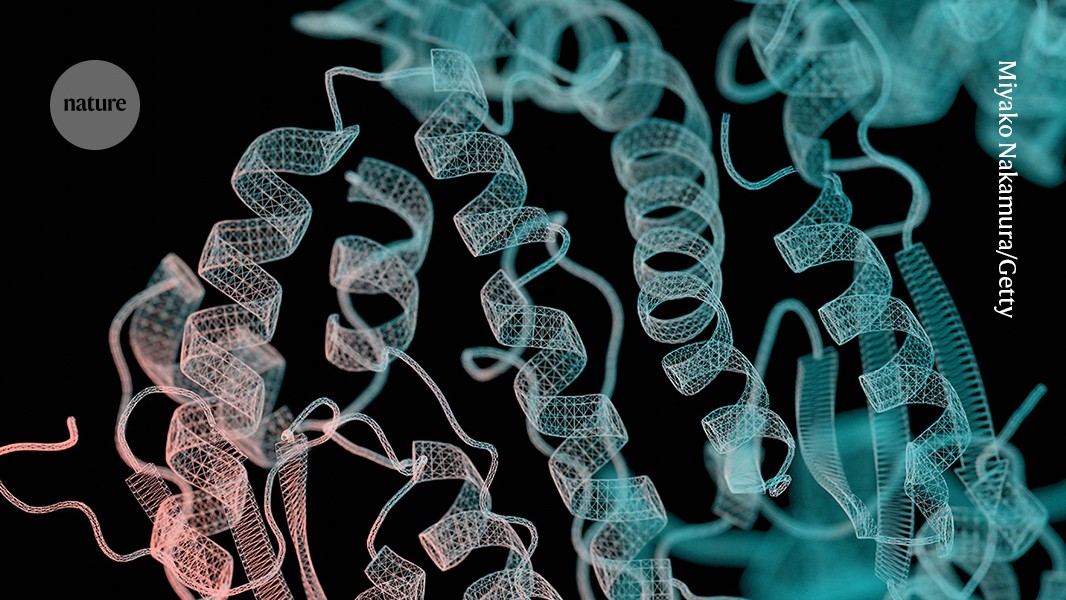
🧬
Drug firms' secret data supercharge AI protein models
Geheime data van farmabedrijven versterken AI-eiwitmodellen
Les données secrètes des laboratoires pharmaceutiques dopent les modèles d'IA pour les protéines
Here's something really exciting - pharmaceutical companies are sitting on thousands of protein structures that could transform AI tools like AlphaFold. A consortium of drug firms just trained an improved model on over 20,000 proprietary protein structures, and the results are genuinely impressive compared to models trained only on public data. The thing is, these companies keep this data locked away because it's connected to their drug-development efforts, but now they're realizing that sharing it could help everyone build better AI tools. And that's opening the door to a whole new approach - generating publicly available datasets, like the OpenBind project, that could supercharge protein-folding AI for the entire research community.
Dit is echt spannend - farmaceutische bedrijven hebben duizenden eiwitstructuren in hun kluizen die AI-tools zoals AlphaFold kunnen transformeren. Een consortium van geneesmiddelenbedrijven heeft zojuist een verbeterd model getraind met meer dan 20.000 eigendomsgegevens van eiwitstructuren, en de resultaten zijn werkelijk indrukwekkend in vergelijking met modellen die alleen op openbare data zijn getraind. Het probleem is dat deze bedrijven deze gegevens graag voor zich houden omdat ze gerelateerd zijn aan hun medicijnonderzoeksinspanningen, maar nu beseffen ze dat delen ervan iedereen kan helpen betere AI-tools te bouwen. En dat opent de deur naar een heel nieuwe aanpak - het genereren van openbaar beschikbare datasets, zoals het OpenBind-project, die protein-folding-AI voor de hele onderzoeksgemeenschap kunnen versterken.
C'est vraiment passionnant - les entreprises pharmaceutiques ont des milliers de structures protéiques enfermées dans leurs coffres qui pourraient transformer les outils d'IA comme AlphaFold. Un consortium de fabricants de médicaments vient d'entraîner un modèle amélioré sur plus de 20 000 structures protéiques propriétaires, et les résultats sont vraiment impressionnants par rapport aux modèles formés uniquement sur des données publiques. Le problème est que ces entreprises gardent généralement ces données secrètes parce qu'elles sont liées à leurs efforts de développement de médicaments, mais maintenant elles réalisent que les partager pourrait aider tout le monde à construire de meilleurs outils d'IA. Et cela ouvre la porte à une approche entièrement nouvelle - générer des ensembles de données accessibles au public, comme le projet OpenBind, qui pourraient surcharger l'IA du repliement des protéines pour toute la communauté scientifique.
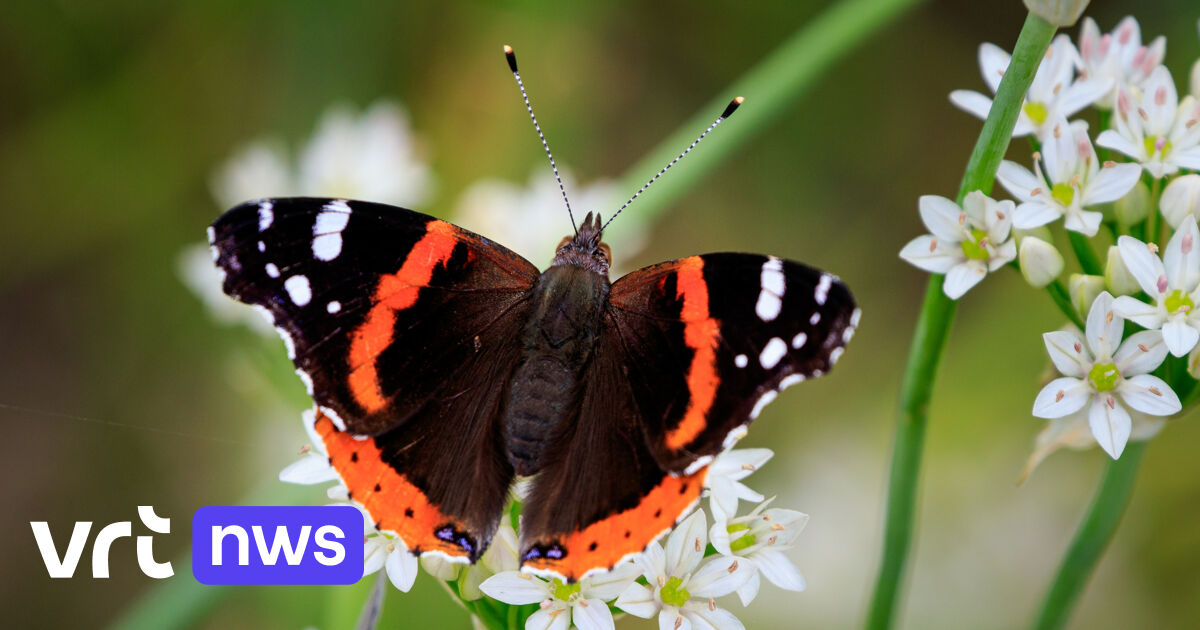
🦋
Dry summer brings good news for migrant butterflies (and bad news for Asian hornets)
Droge zomer goed nieuws voor trekvlinders (en slecht nieuws voor Aziatische hoornaars)
Un été sec apporte de bonnes nouvelles pour les papillons migrateurs (et de mauvaises nouvelles pour les frelons asiatiques)
This summer's exceptionally dry and hot weather shook up Belgium's insect rankings in a big way - and I find it really fascinating how nature responds to these shifts. The Insect Summer Challenge tracked some 40,000 observations between July and August, revealing that migrant butterflies from southern Europe thrived, with the red admiral (atalanta) claiming the top spot for the first time. The bad news? The Asian hornet, which dominated last year's rankings, plummeted to 18th place - though that's actually positive for our region since this invasive species is spreading more slowly than expected. Meanwhile, wasps, ladybugs, and hoverflies all struggled with the unusual conditions, highlighting how sensitive many native insects are to changes in temperature and rainfall patterns.
De uitzonderlijk droge en hete zomer van dit jaar heeft de ranglijst van Belgische insecten behoorlijk door elkaar geschud - en ik vind het echt boeiend hoe de natuur op zulke veranderingen reageert. De Insectenzomerchallenge registreerde ruim 40.000 waarnemingen tussen juli en augustus, waaruit bleek dat trekvlinders uit Zuid-Europa floreerden, met de atalanta of admiraalvlinder voor het eerst op de eerste plaats. Het goede nieuws is dat de Aziatische hoornaar, vorig jaar nog onbetwist kampioen, naar plaats 18 is gezakt - wat eigenlijk positief is omdat deze invasieve soort traag verspreidt. Tegelijkertijd hadden wespen, lieveheersbeestjes en zweefvliegen het zwaar met de uitzonderlijke omstandigheden, wat aantoont hoe gevoelig veel inheemse insecten zijn voor temperatuur- en neerslag veranderingen.
L'été exceptionnellement sec et chaud a considérablement bouleversé le classement des insectes en Belgique - et je trouve vraiment fascinant la façon dont la nature réagit à ces changements. Le Défi de l'été des insectes a enregistré plus de 40.000 observations entre juillet et août, révélant que les papillons migrateurs d'Europe du Sud ont prospéré, avec la Vanesse des chardons arrivant pour la première fois à la première place. La bonne nouvelle est que le frelon asiatique, champion incontesté l'année dernière, a dégringolé à la 18e place - ce qui est en fait positif puisque cette espèce invasive se propage lentement. Pendant ce temps, les guêpes, les coccinelles et les syrphes ont eu du mal avec les conditions exceptionnelles, ce qui montre à quel point de nombreux insectes indigènes sont sensibles aux variations de température et de précipitations.
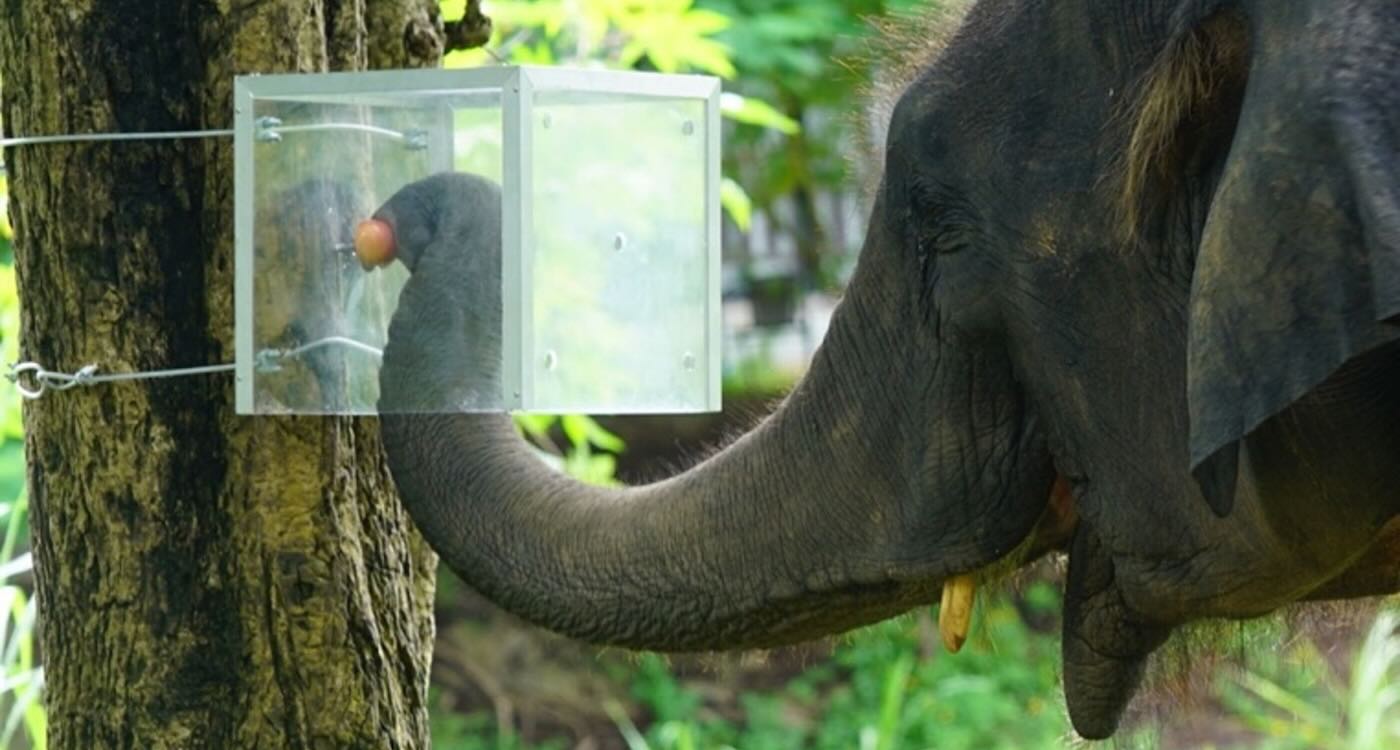
🧠
Elephants can think before they act and resist impulsive behavior, shows study
Olifanten kunnen nadenken voordat ze handelen en impulsief gedrag weerstaan, toont onderzoek
Les éléphants peuvent réfléchir avant d'agir et résister aux comportements impulsifs, selon une étude
So here's what fascinates me - researchers at the National Elephant Institute in Thailand have discovered that Asian elephants can actually think before they act and resist their impulses to solve problems. They tested this using transparent boxes with food inside, and the elephants consistently chose the correct opening rather than attempting the obvious but ineffective path. Now, what's really interesting is that when the box was rotated, the elephants initially went for the old position but quickly corrected themselves - though older elephants took a bit longer to adjust. This inhibitory control, as scientists call it, appears to be a key part of elephants' remarkable problem-solving abilities and could help us design better strategies for human-elephant coexistence.
Wat me echt fascineert - onderzoekers aan het National Elephant Institute in Thailand hebben ontdekt dat Aziatische olifanten echt kunnen nadenken voordat ze handelen en hun impulsen kunnen weerstaan om problemen op te lossen. Ze testten dit met doorzichtige dozen vol voedsel, en de olifanten kozen consequent de juiste opening in plaats van de voor de hand liggende maar ineffectieve route. Nu is het echt interessant - toen de doos werd gedraaid, grepen de olifanten eerst naar de oude positie maar corrigeerden zichzelf snel, hoewel oudere olifanten daar wat langer over deden. Deze remming - zoals wetenschappers het noemen - blijkt een belangrijk onderdeel van de opmerkelijke probleemoplossende vaardigheden van olifanten en kan ons helpen betere strategieën voor menselijke-olifantsamenliving te ontwerpen.
Ce qui me fascine vraiment - des chercheurs de l'Institut national des éléphants en Thaïlande ont découvert que les éléphants asiatiques peuvent vraiment réfléchir avant d'agir et résister à leurs impulsions pour résoudre des problèmes. Ils ont testé cela avec des boîtes transparentes remplies de nourriture, et les éléphants ont systématiquement choisi la bonne ouverture plutôt que le chemin évident mais inefficace. Maintenant, ce qui est vraiment intéressant - quand la boîte a été tournée, les éléphants ont d'abord visé l'ancienne position mais se sont rapidement corrigés, bien que les éléphants plus âgés aient mis un peu plus de temps à s'adapter. Ce contrôle inhibiteur - comme l'appellent les scientifiques - semble être une partie clé des remarquables capacités de résolution de problèmes des éléphants et pourrait nous aider à concevoir de meilleures stratégies pour la coexistence homme-éléphant.

📚
From nail cutters to notebooks: how one teacher transformed a tribal hamlet with Saturday school
Van nagels knippen tot notitieboeken: hoe één lerares een tribal dorp transformeerde met zaterdag school
Des coupe-ongles aux cahiers: comment une enseignante a transformé un hameau tribal avec l'école du samedi
An 82-year-old educator named Padmini brought something revolutionary to a remote tribal settlement in Tamil Nadu - not fancy textbooks, but a belief that every child deserves quality education. What started as a Saturday school in the Kombai-Perungadu hamlet has grown into a thriving learning community where over 50 first-generation tribal children now attend school regularly, discovering joy in learning instead of being pulled toward farm work. Padmini's integrated approach weaves geography, history, and science into every lesson, making education feel alive and connected to real life. Today, children like 5-year-old Karnika dream of becoming police officers and can't wait to see their teacher - a stark transformation from years of dropping in and out of uninspiring classrooms.
Een 82-jarige onderwijzeres genaamd Padmini bracht iets revolutionairs naar een afgelegen tribal nederzetting in Tamil Nadu - niet ingewikkelde schoolboeken, maar het geloof dat elk kind recht heeft op kwaliteitsonderwijs. Wat begon als zaterdagschool in het dorp Kombai-Perungadu is gegroeid tot een bloeiende leerlingencommunity waar meer dan 50 kinderen van de eerste generatie nu regelmatig naar school gaan en plezier ontdekken in leren in plaats van naar het land te worden getrokken. Padmini's geïntegreerde aanpak weeft aardrijkskunde, geschiedenis en wetenschap in elk lesje, waardoor onderwijs levendig en met het echte leven verbonden voelt. Vandaag dromen kinderen als de 5-jarige Karnika ervan politieagent te worden en kunnen niet wachten om hun juf te zien - een enorme verandering ten opzichte van jaren waarin ze in- en uitvallen.
Une éducatrice de 82 ans nommée Padmini a apporté quelque chose de révolutionnaire dans un petit hameau tribal du Tamil Nadu - non pas des manuels sophistiqués, mais la conviction que chaque enfant mérite une éducation de qualité. Ce qui a commencé comme une école du samedi dans le hameau de Kombai-Perungadu s'est transformé en une communauté d'apprentissage florissante où plus de 50 enfants de première génération assistent régulièrement à l'école et découvrent la joie d'apprendre au lieu d'être attirés vers les champs. L'approche intégrée de Padmini tisse la géographie, l'histoire et les sciences dans chaque leçon, rendant l'éducation vivante et connectée à la vie réelle. Aujourd'hui, des enfants comme la petite Karnika, 5 ans, rêvent de devenir officier de police et ne peuvent pas attendre de voir leur maîtresse - une transformation radicale par rapport à des années d'abandon scolaire.
🌟
Scientists find Ozempic may slow aging itself
Wetenschappers ontdekken dat Ozempic mogelijk het verouderingsproces vertraagt
Des scientifiques découvrent qu'Ozempic pourrait ralentir le vieillissement lui-même
A fascinating study has revealed that semaglutide, found in Ozempic, may do more than just help with weight loss and blood sugar. Researchers discovered it could actually reduce aging effects and extend lifespan in older mice. This opens up the exciting possibility that GLP-1 drugs might influence the aging process itself, which could lead to a range of health benefits. However, more research is needed to see if these effects translate to humans, but the potential is certainly thrilling!
Een fascinerende studie heeft aangetoond dat semaglutide, dat in Ozempic zit, misschien meer doet dan alleen helpen bij gewichtsverlies en bloedsuiker. Onderzoekers ontdekten dat het daadwerkelijk de verouderingseffecten kan verminderen en de levensduur van oudere muizen kan verlengen. Dit opent de spannende mogelijkheid dat GLP-1-geneesmiddelen het verouderingsproces zelf kunnen beïnvloeden, wat kan leiden tot een reeks gezondheidsvoordelen. Er is echter meer onderzoek nodig om te zien of deze effecten ook bij mensen optreden, maar het potentieel is zeker opwindend!
Une étude fascinante a révélé que le sémaglutide, présent dans l'Ozempic, pourrait faire plus que simplement aider à la perte de poids et à la régulation de la glycémie. Les chercheurs ont découvert qu'il pourrait en fait réduire les effets du vieillissement et prolonger la durée de vie des souris âgées. Cela ouvre la possibilité passionnante que les médicaments GLP-1 pourraient influencer le processus de vieillissement lui-même, ce qui pourrait entraîner une gamme de bénéfices pour la santé. Cependant, des recherches supplémentaires sont nécessaires pour voir si ces effets se traduisent chez les humains, mais le potentiel est certainement enthousiasmant !
🔊
Tiny sound waves could help solve a major quantum computing problem
Kleine geluidsgolven kunnen helpen een groot probleem in de quantumcomputing op te lossen
De minuscules ondes sonores pourraient aider à résoudre un grand problème de l'informatique quantique
Researchers at Harvard have found a fascinating way to protect delicate quantum information using tiny sound waves, or mechanical vibrations. This breakthrough could pave the way for compact quantum networks on chips and hybrid systems that combine different types of qubits. By using phonons, they’ve developed a method to enhance coherence time, which is crucial for storing and processing information. It's exciting to think about how this dual role of phonons could revolutionize quantum technology!
Onderzoekers aan Harvard hebben een fascinerende manier gevonden om delicate quantuminformatie te beschermen met behulp van kleine geluidsgolven, of mechanische trillingen. Deze doorbraak zou de weg kunnen vrijmaken voor compacte quantumnetwerken op chips en hybride systemen die verschillende soorten qubits combineren. Door phonons te gebruiken, hebben ze een methode ontwikkeld om de coherentie tijd te verlengen, wat cruciaal is voor het opslaan en verwerken van informatie. Het is opwindend om te bedenken hoe deze dubbele rol van phonons de quantumtechnologie zou kunnen revolutioneren!
Des chercheurs de Harvard ont découvert une manière fascinante de protéger des informations quantiques délicates à l'aide de minuscules ondes sonores, ou vibrations mécaniques. Cette avancée pourrait ouvrir la voie à des réseaux quantiques compacts sur des puces et à des systèmes hybrides combinant différents types de qubits. En utilisant des phonons, ils ont développé une méthode pour améliorer le temps de cohérence, essentiel pour le stockage et le traitement des informations. C'est excitant de penser à la façon dont ce double rôle des phonons pourrait révolutionner la technologie quantique !
🌟
Scientists discover a hidden switch that shuts down inflammation
Wetenschappers ontdekken een verborgen schakelaar die ontsteking uitschakelt
Des scientifiques découvrent un interrupteur caché qui stoppe l'inflammation
Researchers at University College London have uncovered a biological mechanism that helps the body end inflammation, which could pave the way for new treatments for chronic inflammatory diseases. Inflammation is crucial for fighting infections, but when it lingers, it can harm healthy tissue. The study highlights small fat-derived molecules called epoxy-oxylipins that act like natural brakes on the immune system. By blocking an enzyme, scientists found that these molecules can help resolve pain more quickly and reduce harmful immune cells, offering hope for safer treatments.
Onderzoekers van University College London hebben een biologisch mechanisme ontdekt dat het lichaam helpt om ontsteking te beëindigen, wat nieuwe behandelingen voor chronische ontstekingsziekten zou kunnen mogelijk maken. Ontsteking is cruciaal voor het bestrijden van infecties, maar als het aanhoudt, kan het gezonde weefsels beschadigen. De studie benadrukt kleine vetafgeleide moleculen genaamd epoxy-oxylipinen die fungeren als natuurlijke remmen op het immuunsysteem. Door een enzym te blokkeren, ontdekten wetenschappers dat deze moleculen pijn sneller kunnen verlichten en schadelijke immuuncellen kunnen verminderen, wat hoop biedt voor veiligere behandelingen.
Des chercheurs de l'University College London ont découvert un mécanisme biologique qui aide le corps à mettre fin à l'inflammation, ce qui pourrait ouvrir la voie à de nouveaux traitements pour les maladies inflammatoires chroniques. L'inflammation est essentielle pour lutter contre les infections, mais lorsqu'elle persiste, elle peut endommager les tissus sains. L'étude met en lumière de petites molécules dérivées des graisses appelées epoxy-oxylipines qui agissent comme des freins naturels sur le système immunitaire. En bloquant une enzyme, les scientifiques ont constaté que ces molécules peuvent aider à résoudre la douleur plus rapidement et à réduire les cellules immunitaires nuisibles, offrant ainsi de l'espoir pour des traitements plus sûrs.
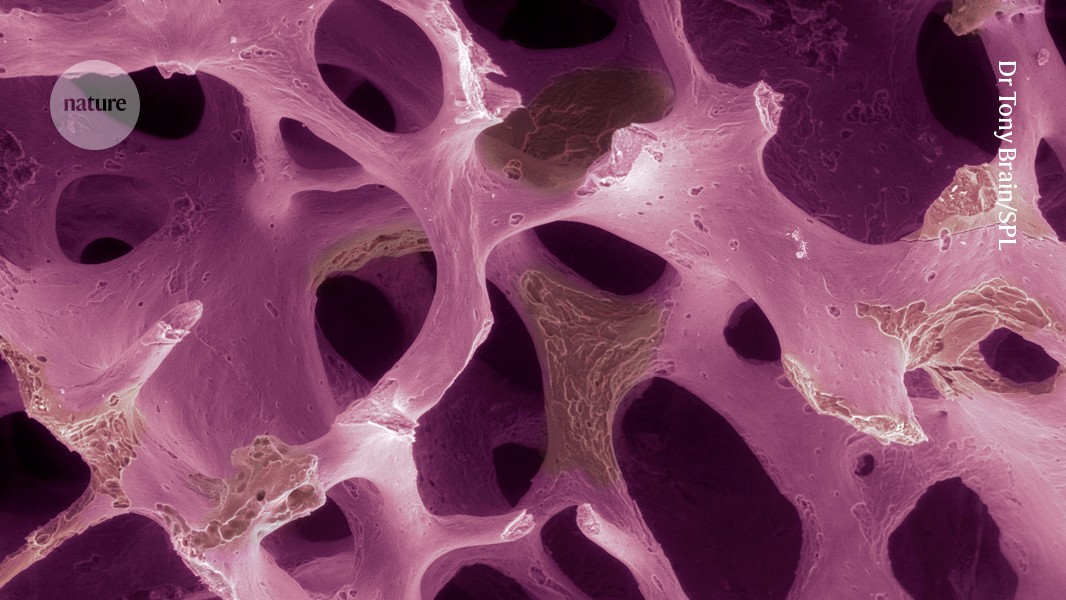
🌟
Osteoporosis affects millions: could modified cells rebuild their bones?
Osteoporose treft miljoenen: kunnen gemodificeerde cellen hun botten herbouwen?
L'ostéoporose touche des millions : des cellules modifiées pourraient-elles reconstruire leurs os ?
Osteoporosis is a serious condition that leads to fragile bones, but a new study offers hope with a cell therapy that might rebuild them. In a small trial, older women who received their own modified bone-marrow cells saw a dramatic decrease in fractures. This one-time treatment could potentially change the lives of millions suffering from osteoporosis. While the results are promising, more research is needed to fully understand the therapy's effects and track the cells in the body.
Osteoporose is een ernstige aandoening die leidt tot broze botten, maar een nieuwe studie biedt hoop met een celtherapie die ze mogelijk kan herbouwen. In een kleine proef zagen oudere vrouwen die hun eigen gemodificeerde beenmergcellen ontvingen een dramatische afname van botbreuken. Deze eenmalige behandeling zou het leven van miljoenen die aan osteoporose lijden, kunnen veranderen. Hoewel de resultaten veelbelovend zijn, is meer onderzoek nodig om de effecten van de therapie volledig te begrijpen en de cellen in het lichaam te volgen.
L'ostéoporose est une condition grave qui entraîne des os fragiles, mais une nouvelle étude offre de l'espoir avec une thérapie cellulaire qui pourrait les reconstruire. Dans un petit essai, des femmes âgées ayant reçu leurs propres cellules de moelle osseuse modifiées ont constaté une diminution spectaculaire des fractures. Ce traitement unique pourrait potentiellement changer la vie de millions de personnes souffrant d'ostéoporose. Bien que les résultats soient prometteurs, des recherches supplémentaires sont nécessaires pour comprendre pleinement les effets de la thérapie et suivre les cellules dans le corps.
💊
Your next prescription could be treating a side effect from the last one
Je volgende recept kan een bijwerking van het vorige behandelen
Votre prochaine prescription pourrait traiter un effet secondaire de la précédente
A fascinating study from Ontario reveals how common medications can sometimes lead to a cascade of additional prescriptions for older adults. This happens when a side effect from one drug is misinterpreted as a new health issue, resulting in unnecessary treatments. Dr. Paula Rochon and her team identified 24 potentially inappropriate prescribing cascades that highlight the importance of communication between healthcare providers and patients. It's a reminder to stay informed about our medications and their effects!
Een fascinerende studie uit Ontario onthult hoe veelgebruikte medicijnen soms leiden tot een keten van extra recepten voor oudere volwassenen. Dit gebeurt wanneer een bijwerking van een medicijn verkeerd wordt geïnterpreteerd als een nieuw gezondheidsprobleem, wat resulteert in onnodige behandelingen. Dr. Paula Rochon en haar team identificeerden 24 potentieel ongeschikte voorschrijf cascades die het belang van communicatie tussen zorgverleners en patiënten benadrukken. Het is een herinnering om goed geïnformeerd te blijven over onze medicijnen en hun effecten!
Une étude fascinante de l'Ontario révèle comment des médicaments courants peuvent parfois entraîner une cascade de prescriptions supplémentaires pour les personnes âgées. Cela se produit lorsqu'un effet secondaire d'un médicament est mal interprété comme un nouveau problème de santé, entraînant des traitements inutiles. Le Dr Paula Rochon et son équipe ont identifié 24 cascades de prescriptions potentiellement inappropriées qui soulignent l'importance de la communication entre les prestataires de soins de santé et les patients. C'est un rappel de rester informé sur nos médicaments et leurs effets !

🌱
Farmers pivot to planting crops under solar panels: 'It's growing well for the first time'
Boeren schakelen over op het planten van gewassen onder zonnepanelen: 'Het groeit voor het eerst goed'
Les agriculteurs passent à la culture de plantes sous des panneaux solaires : 'Ça pousse bien pour la première fois'
It's fascinating to see how Egyptian farmers are adapting to climate challenges by using solar panels to create shade for their crops. This innovative technique, known as agrivoltaics, not only generates clean energy but also helps reduce water loss and heat stress on plants. Early results from pilot projects are promising, with crops like watermelon thriving under the panels. It's a wonderful example of how ancient agricultural wisdom is being combined with modern technology to create a more resilient future.
Het is fascinerend om te zien hoe Egyptische boeren zich aanpassen aan klimaatuitdagingen door zonnepanelen te gebruiken om schaduw voor hun gewassen te creëren. Deze innovatieve techniek, bekend als agrivoltaics, genereert niet alleen schone energie, maar helpt ook om waterverlies en hitte-stress op planten te verminderen. Vroege resultaten van proefprojecten zijn veelbelovend, met gewassen zoals watermeloen die gedijen onder de panelen. Het is een prachtig voorbeeld van hoe oude landbouwwijsheid wordt gecombineerd met moderne technologie voor een veerkrachtigere toekomst.
Il est fascinant de voir comment les agriculteurs égyptiens s'adaptent aux défis climatiques en utilisant des panneaux solaires pour créer de l'ombre pour leurs cultures. Cette technique innovante, connue sous le nom d'agrivoltaïsme, génère non seulement de l'énergie propre, mais aide également à réduire la perte d'eau et le stress thermique sur les plantes. Les premiers résultats des projets pilotes sont prometteurs, avec des cultures comme la pastèque prospérant sous les panneaux. C'est un bel exemple de la façon dont la sagesse agricole ancienne est combinée avec la technologie moderne pour créer un avenir plus résilient.

🧠
Why doing nothing is good for your brain
Waarom nietsdoen goed is voor je brein
Pourquoi ne rien faire est bon pour votre cerveau
So, it turns out that doing nothing can actually be beneficial for your brain! When we learn something new, our memories need time to solidify, and quiet rest helps with that process. Research shows that taking a break after learning, instead of jumping into another task, can lead to better memory retention. It's fascinating how our brains work, and finding those moments of stillness can really pay off in the long run.
Dus, het blijkt dat nietsdoen eigenlijk voordelig kan zijn voor je brein! Wanneer we iets nieuws leren, heeft ons geheugen tijd nodig om te consolideren, en rustige rust helpt daarbij. Onderzoek toont aan dat een pauze na het leren, in plaats van meteen met een andere taak te beginnen, kan leiden tot betere geheugenretentie. Het is fascinerend hoe onze hersenen werken, en die momenten van stilte vinden kan echt lonend zijn op de lange termijn.
Alors, il s'avère que ne rien faire peut en fait être bénéfique pour votre cerveau ! Lorsque nous apprenons quelque chose de nouveau, nos souvenirs ont besoin de temps pour se solidifier, et le repos calme aide dans ce processus. La recherche montre qu'une pause après l'apprentissage, au lieu de se lancer dans une autre tâche, peut conduire à une meilleure rétention de la mémoire. C'est fascinant de voir comment notre cerveau fonctionne, et trouver ces moments de calme peut vraiment porter ses fruits à long terme.

🌟
Engineer builds wearable that helps people with Parkinson’s walk when their feet freeze
Ingenieur bouwt draagbare technologie die mensen met Parkinson helpt lopen wanneer hun voeten bevriezen
Un ingénieur construit un dispositif portable qui aide les personnes atteintes de Parkinson à marcher lorsque leurs pieds se figent
Amey Desai, an electrical engineer, has created a wearable device called 'WALK' to assist people with Parkinson’s disease who experience freezing of gait. His journey began with a fascination for neuroscience and human movement, which deepened when he witnessed his grandfather's struggles with mobility. Through Lifespark Technologies, Amey aims to enhance everyday movement for those with neurological conditions. This innovative device not only addresses physical movement but also restores independence and confidence to its users.
Amey Desai, een elektrotechnisch ingenieur, heeft een draagbaar apparaat genaamd 'WALK' ontwikkeld om mensen met de ziekte van Parkinson te helpen die last hebben van bevroren gang. Zijn reis begon met een fascinatie voor neurowetenschappen en menselijke beweging, die dieper werd toen hij de worstelingen van zijn grootvader met mobiliteit zag. Via Lifespark Technologies wil Amey de dagelijkse beweging voor mensen met neurologische aandoeningen verbeteren. Dit innovatieve apparaat pakt niet alleen fysieke beweging aan, maar herstelt ook de onafhankelijkheid en het vertrouwen van de gebruikers.
Amey Desai, un ingénieur en électrotechnique, a créé un dispositif portable appelé 'WALK' pour aider les personnes atteintes de la maladie de Parkinson qui souffrent de gel de la marche. Son parcours a commencé par une fascination pour les neurosciences et le mouvement humain, qui s'est approfondie lorsqu'il a été témoin des difficultés de son grand-père en matière de mobilité. Grâce à Lifespark Technologies, Amey vise à améliorer le mouvement quotidien des personnes atteintes de troubles neurologiques. Cet appareil innovant aborde non seulement le mouvement physique, mais restaure également l'indépendance et la confiance de ses utilisateurs.

🐋
Iceland to submit bill that could ban whaling in its waters
IJsland dient wetsvoorstel in dat commerciële walvisjacht kan verbieden
L'Islande soumettra un projet de loi qui pourrait interdire la chasse à la baleine dans ses eaux
Iceland is gearing up to submit a bill in February 2027 that could put a permanent end to whaling in its waters, which is fantastic news! This comes after a report highlighted the suffering of harpooned whales, leading to a temporary suspension of the hunt. With strong public and political support, this bill is seen as a significant step towards animal welfare and conservation. It’s exciting to think that if this passes, Iceland could join the ranks of countries that prioritize marine life over outdated practices.
IJsland is van plan om in februari 2027 een wetsvoorstel in te dienen dat een permanent einde kan maken aan de walvisjacht in zijn wateren, wat fantastisch nieuws is! Dit komt nadat een rapport de lijdensweg van gevangen walvissen benadrukte, wat leidde tot een tijdelijke opschorting van de jacht. Met sterke publieke en politieke steun wordt dit wetsvoorstel gezien als een belangrijke stap richting dierenwelzijn en behoud. Het is opwindend om te denken dat als dit wordt aangenomen, IJsland zich kan aansluiten bij landen die het zeeleven boven verouderde praktijken stellen.
L'Islande se prépare à soumettre un projet de loi en février 2027 qui pourrait mettre fin à la chasse à la baleine dans ses eaux, ce qui est une excellente nouvelle ! Cela fait suite à un rapport soulignant la souffrance des baleines harponnées, ce qui a conduit à une suspension temporaire de la chasse. Avec un fort soutien public et politique, ce projet de loi est considéré comme une étape significative vers le bien-être animal et la conservation. C'est excitant de penser que si cela passe, l'Islande pourrait rejoindre les pays qui privilégient la vie marine plutôt que des pratiques obsolètes.

🌟
Shampoo, pyjamas, loot: 10 everyday English words with fascinating Hindi origins
Shampoo, pyjama's, buit: 10 alledaagse Engelse woorden met fascinerende Hindi-oorsprong
Shampooing, pyjamas, butin : 10 mots anglais courants d'origine hindi fascinante
Isn't it amazing how many words we use every day come from Hindi? Take 'shampoo' for instance, which traces back to 'champi' meaning head massage. As we celebrate Hindi Diwas, it's a great reminder of the rich linguistic exchange between India and the English-speaking world. From 'bungalow' to 'loot', these words tell stories of culture, trade, and history that connect us all.
Is het niet verbazingwekkend hoeveel woorden we elke dag gebruiken die uit het Hindi komen? Neem 'shampoo' bijvoorbeeld, dat terug te voeren is op 'champi', wat hoofdmassage betekent. Terwijl we Hindi Diwas vieren, is het een geweldige herinnering aan de rijke taalkundige uitwisseling tussen India en de Engelstalige wereld. Van 'bungalow' tot 'buit', deze woorden vertellen verhalen van cultuur, handel en geschiedenis die ons allemaal met elkaar verbinden.
N'est-ce pas incroyable combien de mots que nous utilisons chaque jour viennent de l'hindi ? Prenez 'shampooing' par exemple, qui remonte à 'champi' signifiant massage de la tête. Alors que nous célébrons Hindi Diwas, c'est un excellent rappel de l'échange linguistique riche entre l'Inde et le monde anglophone. De 'bungalow' à 'butin', ces mots racontent des histoires de culture, de commerce et d'histoire qui nous relient tous.

✍️
When zero is the lie
Wanneer nul de leugen is
Quand zéro est le mensonge
I recently explored how some charts can mislead by cutting off the bottom of the axis, which can distort the truth. The PISA article in De Standaard caught my attention, especially its alarming portrayal of Flanders' educational performance. It turns out that while some charts were accurate, others manipulated perceptions by not starting at zero. This raises important questions about how we interpret data and the responsibility of media to present it honestly.
Onlangs heb ik onderzocht hoe sommige grafieken kunnen misleiden door de onderkant van de as af te snijden, wat de waarheid kan verdraaien. Het PISA-artikel in De Standaard trok mijn aandacht, vooral de alarmerende weergave van de onderwijsprestaties in Vlaanderen. Het blijkt dat hoewel sommige grafieken nauwkeurig waren, andere de perceptie manipuleerden door niet bij nul te beginnen. Dit roept belangrijke vragen op over hoe we gegevens interpreteren en de verantwoordelijkheid van de media om deze eerlijk te presenteren.
Récemment, j'ai exploré comment certains graphiques peuvent induire en erreur en coupant le bas de l'axe, ce qui peut déformer la vérité. L'article PISA dans De Standaard a attiré mon attention, notamment sa représentation alarmante des performances éducatives en Flandre. Il s'avère que, bien que certains graphiques soient précis, d'autres manipulent les perceptions en ne commençant pas à zéro. Cela soulève des questions importantes sur la façon dont nous interprétons les données et la responsabilité des médias de les présenter honnêtement.
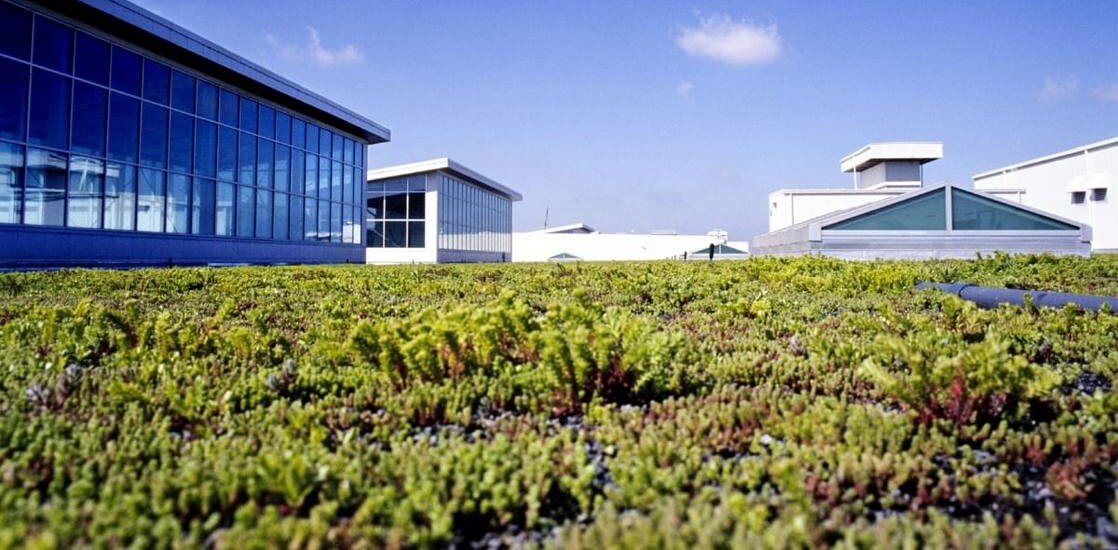
🌿
A ‘living roof’ is growing atop Ford’s largest factory–saving energy and boosting birds
Een ‘levend dak’ groeit boven de grootste fabriek van Ford–bespaart energie en bevordert vogels
Un ‘toit vivant’ pousse au-dessus de la plus grande usine de Ford–économisant de l'énergie et favorisant les oiseaux
How cool is this? Ford has installed a massive 454,000-square-foot living roof on its Rogue Factory in Michigan, which not only saves energy but also boosts local biodiversity. This green space is home to wild plants and even 20,000 honeybees, making it a haven for birds and insects alike. It keeps the building comfortable year-round and helps manage rainwater, solving past flooding issues. It’s a fantastic example of how industry can harmonize with nature!
Hoe gaaf is dit? Ford heeft een enorme 454.000 vierkante voet groot levend dak geïnstalleerd op zijn Rogue-fabriek in Michigan, dat niet alleen energie bespaart, maar ook de lokale biodiversiteit bevordert. Deze groene ruimte herbergt wilde planten en zelfs 20.000 honingbijen, waardoor het een toevluchtsoord is voor vogels en insecten. Het houdt het gebouw het hele jaar door comfortabel en helpt bij het beheren van regenwater, waardoor eerdere overstromingsproblemen worden opgelost. Het is een fantastisch voorbeeld van hoe de industrie in harmonie met de natuur kan zijn!
C'est génial, non ? Ford a installé un immense toit vivant de 454 000 pieds carrés sur sa fabrique de Rogue dans le Michigan, qui non seulement économise de l'énergie mais favorise également la biodiversité locale. Cet espace vert abrite des plantes sauvages et même 20 000 abeilles, en faisant un refuge pour les oiseaux et les insectes. Il maintient le bâtiment confortable toute l'année et aide à gérer les eaux pluviales, résolvant ainsi les problèmes d'inondation passés. C'est un exemple fantastique de la façon dont l'industrie peut s'harmoniser avec la nature !
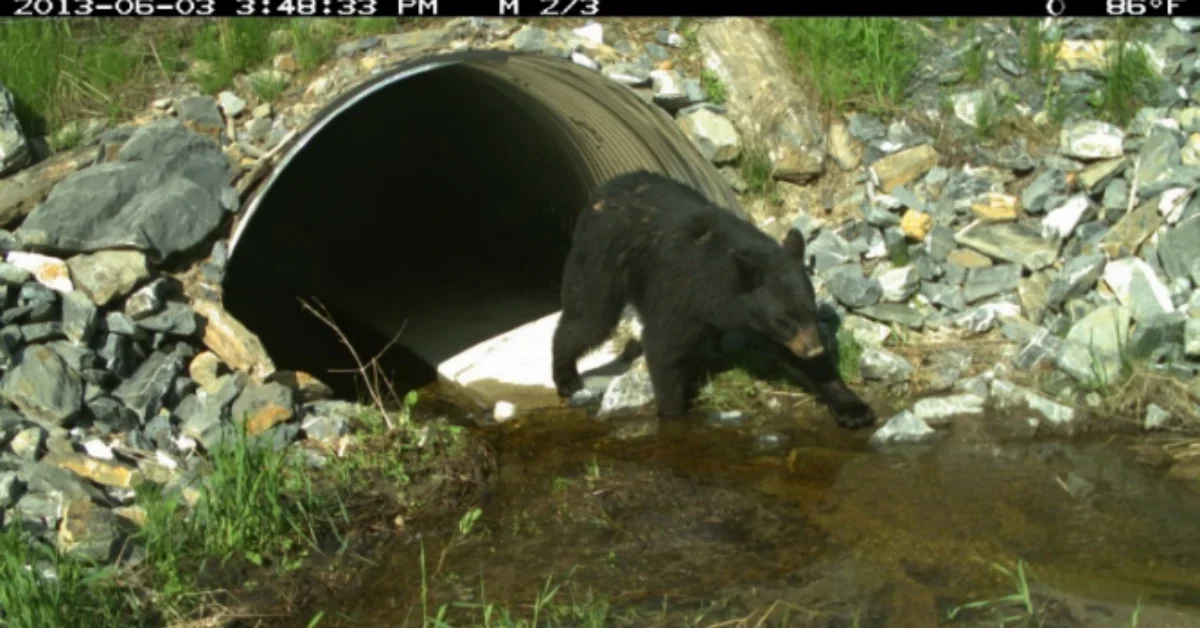
🐻
Secret tunnels in Maine help wildlife cross the road safely. Now, they're expanding for bears and moose to fit, too
Geheime tunnels in Maine helpen wilde dieren veilig de weg over te steken. Nu worden ze ook uitgebreid voor beren en elanden.
Des tunnels secrets dans le Maine aident la faune à traverser la route en toute sécurité. Maintenant, ils s'agrandissent aussi pour les ours et les élan.
In Maine, over 500 moose and 3,000 deer meet unfortunate fates on the roads each year, which is why wildlife tunnels are getting a much-needed upgrade. The state is expanding existing culverts to accommodate larger animals like moose and bears, thanks to a $9.3 million grant. This project not only aims to reduce collisions but also reconnects aquatic habitats for fish. Local leaders are excited about the positive changes, as these tunnels will help keep wildlife safe and make life easier for residents.
In Maine komen elk jaar meer dan 500 elanden en 3.000 herten om bij verkeersongelukken, waardoor de wildtunnels een broodnodige upgrade krijgen. De staat breidt bestaande culverts uit om grotere dieren zoals elanden en beren te huisvesten, dankzij een subsidie van 9,3 miljoen dollar. Dit project heeft niet alleen als doel het verminderen van aanrijdingen, maar herstelt ook aquatische habitats voor vissen. Lokale leiders zijn enthousiast over de positieve veranderingen, omdat deze tunnels zullen helpen om de dieren veilig te houden en het leven voor de inwoners gemakkelijker te maken.
Dans le Maine, plus de 500 élans et 3 000 cerfs perdent la vie sur les routes chaque année, ce qui explique pourquoi les tunnels pour la faune reçoivent une mise à niveau tant attendue. L'État élargit les tunnels existants pour accueillir des animaux plus grands comme les élans et les ours, grâce à une subvention de 9,3 millions de dollars. Ce projet vise non seulement à réduire les collisions, mais aussi à reconnecter les habitats aquatiques pour les poissons. Les dirigeants locaux sont ravis des changements positifs, car ces tunnels aideront à garder la faune en sécurité et à faciliter la vie des résidents.
/s3/static.nrc.nl/wp-content/uploads/2026/09/04135018/110926WET_2034999584_zaden.jpg)
🌱
The restoration of Dutch ecosystems starts at a seed nursery in Friesland
Het herstel van de Nederlandse ecosystemen begint bij een natuurzadenkwekerij in Friesland
La restauration des écosystèmes néerlandais commence dans une pépinière de semences en Frise
So, there's this amazing seed nursery in Friesland called Cruydt-Hoeck that's on a mission to restore Dutch biodiversity. They grow native plants and produce flower seeds, which are essential for local ecosystems. Jasper Helmantel, one of the owners, emphasizes the importance of sharing knowledge and experiences to boost biodiversity together. It's really inspiring to see how they connect with various partners to make a positive impact on nature.
Er is een geweldige natuurzadenkwekerij in Friesland, genaamd Cruydt-Hoeck, die zich inzet voor het herstel van de Nederlandse biodiversiteit. Ze kweken inheemse planten en produceren bloemenzaden, die essentieel zijn voor lokale ecosystemen. Jasper Helmantel, een van de eigenaren, benadrukt het belang van het delen van kennis en ervaringen om samen de biodiversiteit een boost te geven. Het is echt inspirerend om te zien hoe ze samenwerken met verschillende partners om een positieve impact op de natuur te maken.
Il y a une incroyable pépinière de semences en Frise, appelée Cruydt-Hoeck, qui s'engage à restaurer la biodiversité néerlandaise. Ils cultivent des plantes indigènes et produisent des semences de fleurs, essentielles pour les écosystèmes locaux. Jasper Helmantel, l'un des propriétaires, souligne l'importance de partager des connaissances et des expériences pour donner un coup de pouce à la biodiversité ensemble. C'est vraiment inspirant de voir comment ils se connectent avec divers partenaires pour avoir un impact positif sur la nature.

🌍
Advancing conflict research and response through satellite-derived data
Vooruitgang in conflictonderzoek en -respons door satellietgegevens
Avancer la recherche et la réponse aux conflits grâce aux données dérivées des satellites
We're at a crucial point in understanding armed conflicts, especially with the rise in civilian attacks. This article highlights the need to integrate satellite-derived data with traditional conflict event datasets to get a fuller picture of violence. By combining these data sources, researchers can uncover insights that go beyond just fatalities, revealing the complex dynamics of conflict. It's an exciting time for conflict research, as this integration could lead to more effective strategies for reducing violence.
We staan op een cruciaal punt in het begrijpen van gewapende conflicten, vooral met de stijging van aanvallen op burgers. Dit artikel benadrukt de noodzaak om satellietgegevens te integreren met traditionele datasets over conflicten om een vollediger beeld van geweld te krijgen. Door deze gegevensbronnen te combineren, kunnen onderzoekers inzichten onthullen die verder gaan dan alleen sterfgevallen, en de complexe dynamiek van conflicten blootleggen. Het is een spannende tijd voor conflictonderzoek, aangezien deze integratie kan leiden tot effectievere strategieën voor het verminderen van geweld.
Nous sommes à un moment crucial pour comprendre les conflits armés, surtout avec l'augmentation des attaques contre les civils. Cet article souligne la nécessité d'intégrer les données dérivées des satellites avec les ensembles de données traditionnels sur les conflits pour obtenir une image plus complète de la violence. En combinant ces sources de données, les chercheurs peuvent découvrir des insights qui vont au-delà des seuls décès, révélant les dynamiques complexes des conflits. C'est un moment passionnant pour la recherche sur les conflits, car cette intégration pourrait conduire à des stratégies plus efficaces pour réduire la violence.

🌟
A stealth startup thinks it just hacked the memory shortage
Een stealth startup denkt dat het de geheugen tekort heeft gekraakt
Une startup discrète pense avoir résolu la pénurie de mémoire
Kepler Computing, a startup based in San Jose, has emerged from stealth mode with an innovative approach to tackle the global memory chip shortage. They've developed a new architecture for high-bandwidth memory that avoids the costly extreme ultraviolet lithography process. With significant backing from major investors, including Bill Gates, Kepler is poised to make a real impact in the semiconductor industry. Their technology could not have come at a better time, as the demand for memory continues to surge in our AI-driven world.
Kepler Computing, een startup uit San Jose, is uit de stealth-modus gekomen met een innovatieve aanpak om het wereldwijde geheugen tekort aan te pakken. Ze hebben een nieuwe architectuur voor high-bandwidth geheugen ontwikkeld die het dure extreme ultraviolet lithografieproces vermijdt. Met aanzienlijke steun van grote investeerders, waaronder Bill Gates, staat Kepler op het punt een echte impact te maken in de halfgeleiderindustrie. Hun technologie kon niet op een beter moment komen, aangezien de vraag naar geheugen blijft stijgen in onze door AI aangedreven wereld.
Kepler Computing, une startup basée à San Jose, est sortie de sa période de discrétion avec une approche innovante pour lutter contre la pénurie mondiale de puces mémoire. Ils ont développé une nouvelle architecture pour la mémoire à large bande qui évite le coûteux processus de lithographie ultraviolette extrême. Avec un soutien significatif de grands investisseurs, dont Bill Gates, Kepler est prêt à avoir un impact réel dans l'industrie des semi-conducteurs. Leur technologie ne pouvait pas arriver à un meilleur moment, alors que la demande de mémoire continue d'exploser dans notre monde axé sur l'IA.
🔍
Chinese scientists find a hidden atomic structure that unlocks methane
Chinese wetenschappers ontdekken een verborgen atomair structuur die methaan ontgrendelt
Des scientifiques chinois découvrent une structure atomique cachée qui déverrouille le méthane
So, researchers from China have made a fascinating discovery about methane conversion! They found that a hidden atomic structure forms during the partial oxidation of methane, which is crucial for producing syngas. This new insight challenges the long-held belief that metallic nickel is the main player in this reaction. Instead, it turns out that a specific atomic arrangement is what really drives the catalytic activity, making this a game-changer for industrial applications.
Dus, onderzoekers uit China hebben een fascinerende ontdekking gedaan over de conversie van methaan! Ze ontdekten dat er een verborgen atomair structuur ontstaat tijdens de partiële oxidatie van methaan, wat cruciaal is voor de productie van syngas. Deze nieuwe inzichten dagen de lang gekoesterde overtuiging uit dat metalen nikkel de belangrijkste speler is in deze reactie. In plaats daarvan blijkt dat een specifieke atomaire rangschikking echt de katalytische activiteit aandrijft, wat dit tot een game-changer maakt voor industriële toepassingen.
Alors, des chercheurs chinois ont fait une découverte fascinante sur la conversion du méthane ! Ils ont découvert qu'une structure atomique cachée se forme lors de l'oxydation partielle du méthane, ce qui est crucial pour produire du syngas. Cette nouvelle compréhension remet en question la croyance bien établie selon laquelle le nickel métallique est le principal acteur de cette réaction. Au lieu de cela, il s'avère qu'un agencement atomique spécifique est ce qui stimule réellement l'activité catalytique, ce qui en fait un changement de donne pour les applications industrielles.
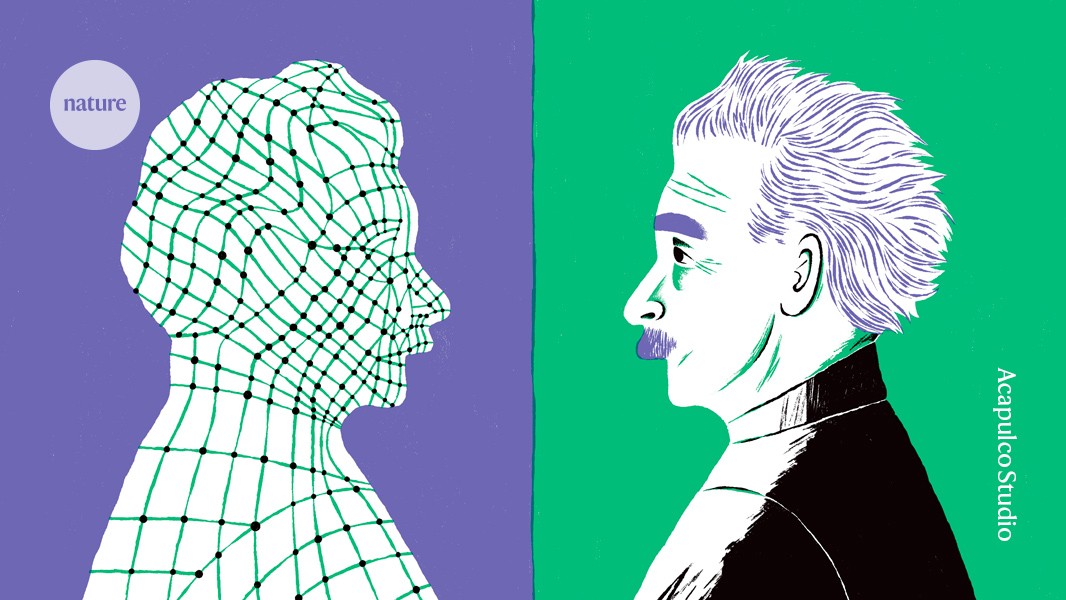
🌟
The Einstein test: what happens when AI tries to rediscover relativity?
De Einstein-test: wat gebeurt er als AI probeert relativiteit te herontdekken?
Le test d'Einstein : que se passe-t-il lorsque l'IA essaie de redécouvrir la relativité ?
Imagine this: AI trying to replicate Einstein's groundbreaking theory of relativity! At a recent summit, experts discussed training language models on historical data to see if they could make such a monumental discovery. While the idea is thrilling, current AI models seem to struggle with the creative leaps needed for such breakthroughs. It's a fascinating challenge that could reshape our understanding of both AI and physics.
Stel je voor: AI die probeert de baanbrekende relativiteitstheorie van Einstein te repliceren! Tijdens een recente top bespraken experts het trainen van taalmodellen op historische gegevens om te zien of ze zo'n monumentale ontdekking konden doen. Hoewel het idee opwindend is, lijken huidige AI-modellen moeite te hebben met de creatieve sprongen die nodig zijn voor dergelijke doorbraken. Het is een fascinerende uitdaging die ons begrip van zowel AI als de natuurkunde zou kunnen hervormen.
Imaginez ceci : l'IA essayant de reproduire la théorie révolutionnaire de la relativité d'Einstein ! Lors d'un récent sommet, des experts ont discuté de la formation de modèles linguistiques sur des données historiques pour voir s'ils pouvaient faire une telle découverte monumentale. Bien que l'idée soit passionnante, les modèles d'IA actuels semblent avoir du mal avec les sauts créatifs nécessaires à de telles percées. C'est un défi fascinant qui pourrait redéfinir notre compréhension de l'IA et de la physique.

✍️
The axis that lies
De as die liegt
L'axe qui ment
Last week, I stumbled upon a PISA article that highlighted the reading skills of Flemish 15-year-olds, and I noticed something curious about the charts. The vertical axis didn't start at zero, which made the data look far worse than it actually is. This trick of manipulating the axis is everywhere, and it’s time we shed light on it. It’s fascinating how a simple change can skew our perception of the truth.
Vorige week stuitte ik op een PISA-artikel dat de leesvaardigheid van Vlaamse 15-jarigen belichtte, en ik merkte iets curios op aan de grafieken. De verticale as begon niet bij nul, waardoor de gegevens veel erger leken dan ze in werkelijkheid zijn. Deze truc van het manipuleren van de as is overal, en het is tijd om hier licht op te werpen. Het is fascinerend hoe een simpele verandering onze perceptie van de waarheid kan vertekenen.
La semaine dernière, je suis tombé sur un article PISA qui mettait en avant les compétences en lecture des jeunes Flamands de 15 ans, et j'ai remarqué quelque chose de curieux dans les graphiques. L'axe vertical ne commençait pas à zéro, ce qui rendait les données beaucoup plus négatives qu'elles ne le sont réellement. Cette astuce de manipulation de l'axe est partout, et il est temps d'en parler. C'est fascinant de voir comment un simple changement peut fausser notre perception de la vérité.

🌳
Reclaiming the streets: the architects clawing back Europe’s car-centric spaces
De straten terugwinnen: de architecten die Europa's autogerichte ruimtes heroveren
Reprendre les rues : les architectes qui récupèrent les espaces centrés sur la voiture en Europe
It's exciting to see how architects are transforming car-centric spaces into vibrant public areas! The European Prize for Urban Public Space showcases innovative projects that tackle the climate crisis by turning parking lots into gardens and roundabouts into splash pools. One standout is Leopold Banchini’s Round About Baths in Logroño, which cleverly repurposed a neglected space. These initiatives highlight the potential for cities to evolve beyond their automotive past and embrace greener, more accessible environments.
Het is opwindend om te zien hoe architecten autogerichte ruimtes transformeren in levendige openbare gebieden! De Europese Prijs voor Stedelijke Openbare Ruimte toont innovatieve projecten die de klimaatcrisis aanpakken door parkeerplaatsen om te toveren tot tuinen en rotondes in spetterbaden. Een opvallend project is Leopold Banchini's Round About Baths in Logroño, dat slim een verwaarloosde ruimte hergebruikte. Deze initiatieven benadrukken het potentieel voor steden om verder te evolueren dan hun autoverleden en groenere, toegankelijkere omgevingen te omarmen.
C'est passionnant de voir comment les architectes transforment les espaces centrés sur la voiture en zones publiques vibrantes ! Le Prix Européen de l'Espace Public Urbain met en avant des projets innovants qui s'attaquent à la crise climatique en transformant des parkings en jardins et des ronds-points en bassins de baignade. Un projet remarquable est les Round About Baths de Leopold Banchini à Logroño, qui a habilement réutilisé un espace négligé. Ces initiatives soulignent le potentiel des villes à évoluer au-delà de leur passé automobile et à adopter des environnements plus verts et accessibles.
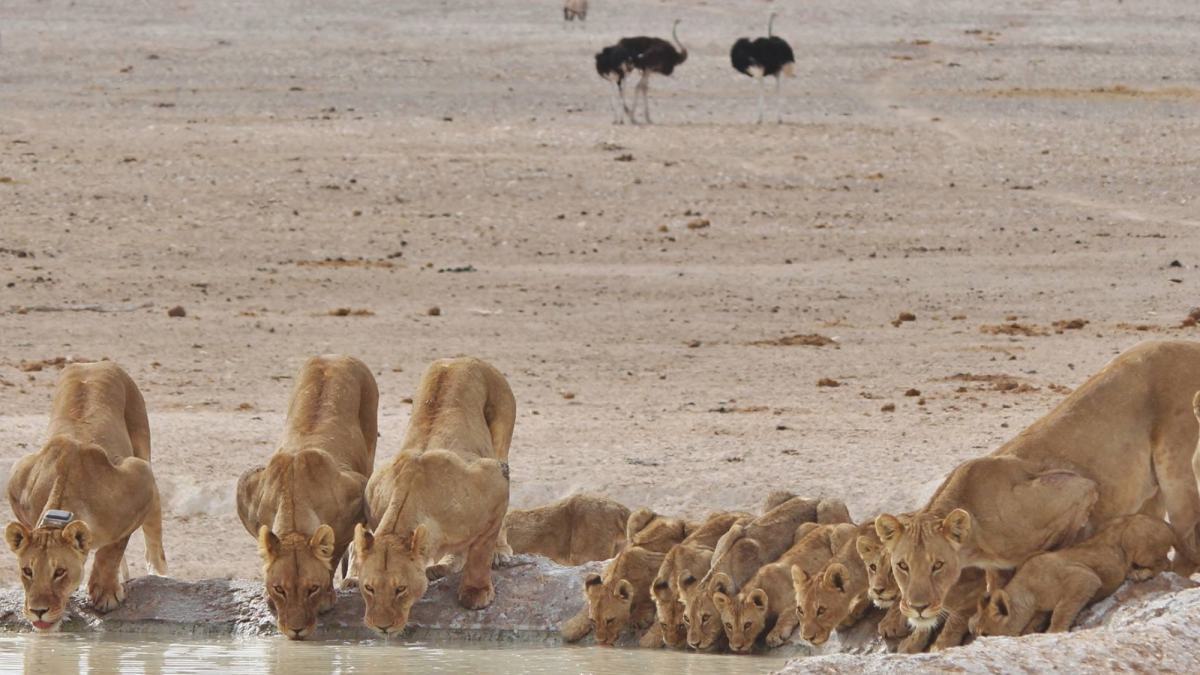
🦁
New data flips the narrative on how lions and hyenas interact in the wild
Nieuwe gegevens veranderen het verhaal over hoe leeuwen en hyena's in het wild interactie hebben
De nouvelles données renversent le récit sur la façon dont les lions et les hyènes interagissent dans la nature
So, it turns out that the relationship between lions and hyenas is a bit more complex than we thought! A recent study shows that male lions are actually the ones tracking hyenas, not the other way around. This flips the long-held belief that hyenas follow lions for food scraps. With GPS collars and extensive observations, researchers like Dr. Nancy Barker have uncovered fascinating movement patterns that reveal how these two species interact in the wild.
Dus, het blijkt dat de relatie tussen leeuwen en hyena's iets complexer is dan we dachten! Een recente studie toont aan dat mannelijke leeuwen eigenlijk de hyena's volgen, en niet andersom. Dit verandert het lang gekoesterde geloof dat hyena's leeuwen volgen voor voedselresten. Met GPS-halsbanden en uitgebreide observaties hebben onderzoekers zoals Dr. Nancy Barker fascinerende bewegingspatronen ontdekt die onthullen hoe deze twee soorten in het wild met elkaar omgaan.
Alors, il s'avère que la relation entre les lions et les hyènes est un peu plus complexe que nous le pensions ! Une étude récente montre que les lions mâles traquent en fait les hyènes, et non l'inverse. Cela renverse la croyance bien établie selon laquelle les hyènes suivent les lions pour des restes de nourriture. Grâce à des colliers GPS et à des observations approfondies, des chercheurs comme Dr. Nancy Barker ont découvert des motifs de mouvement fascinants qui révèlent comment ces deux espèces interagissent dans la nature.

💪
In the 1910s, laws were enacted to ‘protect’ women from working night shifts. Then women spoke up.
In de jaren 1910 werden wetten aangenomen om vrouwen te ‘beschermen’ tegen nachtdiensten. Toen spraken vrouwen zich uit.
Dans les années 1910, des lois ont été adoptées pour ‘protéger’ les femmes du travail de nuit. Puis les femmes se sont exprimées.
In the early 1900s, laws aimed at 'protecting' women from night shifts ended up costing them their jobs. Women like Ella M. Sherwin and Mary A. Murray found themselves out of work due to these regulations, which were based on outdated notions of what women needed. They banded together to form the Women’s Equal Opportunity League, advocating for industrial equality and the right to work night shifts if the conditions were safe. Their efforts eventually led to the repeal of these restrictive laws, highlighting that progress is an ongoing conversation shaped by those directly affected.
In het begin van de 1900s kostten wetten die bedoeld waren om vrouwen te ‘beschermen’ tegen nachtdiensten hen uiteindelijk hun banen. Vrouwen zoals Ella M. Sherwin en Mary A. Murray kwamen door deze regels zonder werk te zitten, die gebaseerd waren op verouderde opvattingen over wat vrouwen nodig hadden. Ze verenigden zich om de Women's Equal Opportunity League op te richten, die pleitte voor industriële gelijkheid en het recht om nachtdiensten te werken als de omstandigheden veilig waren. Hun inspanningen leidden uiteindelijk tot de intrekking van deze beperkende wetten, wat benadrukt dat vooruitgang een voortdurende conversatie is die wordt gevormd door degenen die er direct door worden beïnvloed.
Au début des années 1900, des lois visant à ‘protéger’ les femmes des horaires de nuit leur ont finalement coûté leur emploi. Des femmes comme Ella M. Sherwin et Mary A. Murray se sont retrouvées sans travail à cause de ces réglementations, basées sur des notions dépassées de ce dont les femmes avaient besoin. Elles se sont unies pour former la Women's Equal Opportunity League, plaidant pour l'égalité industrielle et le droit de travailler de nuit si les conditions étaient sûres. Leurs efforts ont finalement conduit à l'abrogation de ces lois restrictives, soulignant que le progrès est une conversation continue façonnée par ceux qui en sont directement affectés.

🌟
OpenAI claims to have solved a crucial math problem in just days
OpenAI zegt een cruciaal wiskundeprobleem in slechts enkele dagen te hebben opgelost
OpenAI affirme avoir résolu un problème mathématique crucial en quelques jours seulement
OpenAI has made a remarkable announcement, stating that its AI model has solved a century-old math problem known as the Navier-Stokes equation. This equation is vital for predicting fluid dynamics and has real-world applications like weather modeling and aircraft design. The solution was achieved in just 88 hours using over 10,000 AI agents, generating a staggering 130 billion tokens. This breakthrough not only showcases the power of AI but also opens doors to tackling other complex questions in the future.
OpenAI heeft een opmerkelijke aankondiging gedaan, waarin wordt gesteld dat zijn AI-model een eeuwenoud wiskundeprobleem, bekend als de Navier-Stokes-vergelijking, heeft opgelost. Deze vergelijking is van vitaal belang voor het voorspellen van de dynamiek van vloeistoffen en heeft toepassingen in de echte wereld, zoals weersmodellen en vliegtuigontwerp. De oplossing werd in slechts 88 uur bereikt met behulp van meer dan 10.000 AI-agenten, die samen maar liefst 130 miljard tokens genereerden. Deze doorbraak toont niet alleen de kracht van AI aan, maar opent ook de deur naar het aanpakken van andere complexe vragen in de toekomst.
OpenAI a fait une annonce remarquable, affirmant que son modèle d'IA a résolu un problème mathématique vieux d'un siècle connu sous le nom d'équation de Navier-Stokes. Cette équation est essentielle pour prédire la dynamique des fluides et a des applications concrètes comme la modélisation météorologique et la conception d'avions. La solution a été trouvée en seulement 88 heures grâce à plus de 10 000 agents IA, générant un impressionnant 130 milliards de tokens. Cette avancée met en lumière la puissance de l'IA et ouvre la voie à la résolution d'autres questions complexes à l'avenir.
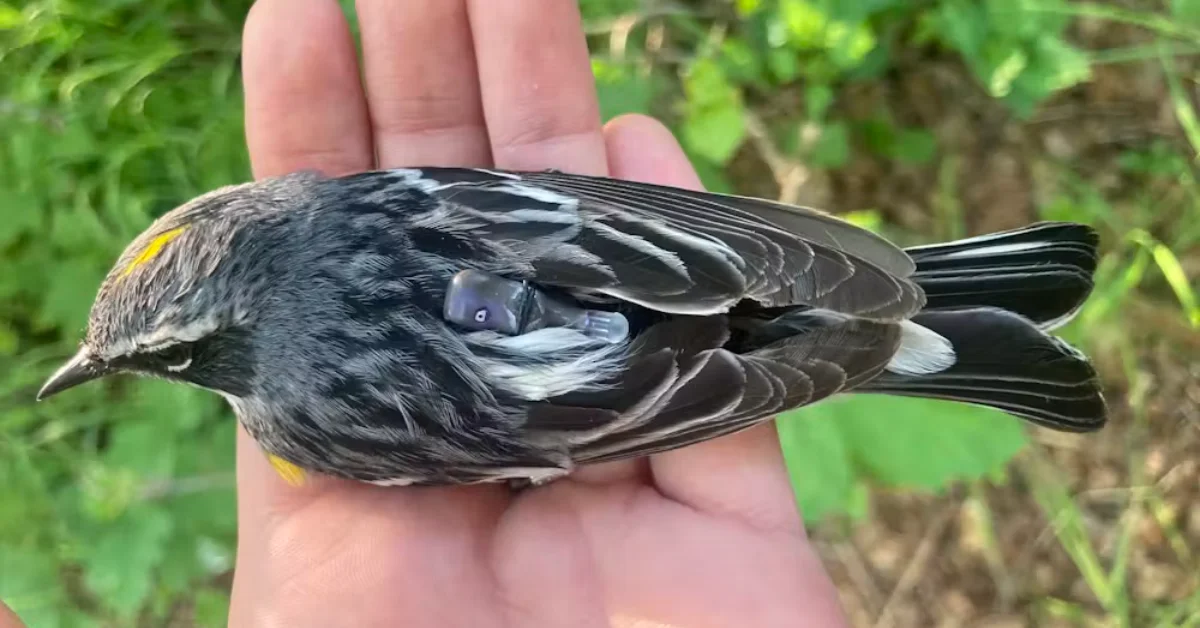
🐦
Researchers give warblers tiny backpacks to learn more about bird migration
Onderzoekers geven warblers kleine rugzakken om meer te leren over vogelmigratie
Les chercheurs donnent des petits sacs à dos aux parulines pour en savoir plus sur la migration des oiseaux
So, researchers have come up with a brilliant way to study bird migration by giving yellow-rumped warblers tiny geolocator backpacks! These little devices help track their long journeys from Alaska to their winter homes, gathering valuable data along the way. I find it fascinating how technology can help us understand the natural world in such innovative ways. Plus, it’s amazing to think about the adventures these tiny birds embark on every year!
Dus, onderzoekers hebben een briljante manier gevonden om vogelmigratie te bestuderen door gele-rug warblers kleine geolocator rugzakken te geven! Deze kleine apparaten helpen om hun lange reizen van Alaska naar hun winterhuizen te volgen en verzamelen onderweg waardevolle gegevens. Ik vind het fascinerend hoe technologie ons kan helpen om de natuurlijke wereld op zulke innovatieve manieren te begrijpen. Bovendien is het geweldig om te denken aan de avonturen die deze kleine vogels elk jaar ondernemen!
Alors, les chercheurs ont trouvé une manière brillante d'étudier la migration des oiseaux en donnant aux parulines à croupion jaune de petits sacs à dos géolocateurs ! Ces petits dispositifs aident à suivre leurs longs voyages de l'Alaska vers leurs foyers d'hiver, recueillant des données précieuses en cours de route. Je trouve fascinant de voir comment la technologie peut nous aider à comprendre le monde naturel de manière si innovante. De plus, c'est incroyable de penser aux aventures que ces petits oiseaux entreprennent chaque année !
🤰
Why are human births so difficult? Male babies—not just upright walking—may be to blame
Waarom zijn menselijke geboorten zo moeilijk? Mannelijke baby's - niet alleen rechtop lopen - kunnen de schuld zijn
Pourquoi les naissances humaines sont-elles si difficiles ? Les bébés mâles - pas seulement la marche debout - pourraient en être la cause
So, have you ever wondered why human births are such a challenge? It turns out that male babies might be a significant factor, and it’s not just about our upright walking. Researchers are diving into the complexities of human evolution and how it affects childbirth. This exploration reveals fascinating insights into our biology and the unique challenges that come with bringing new life into the world.
Dus, heb je je ooit afgevraagd waarom menselijke geboorten zo'n uitdaging zijn? Het blijkt dat mannelijke baby's een belangrijke factor kunnen zijn, en het gaat niet alleen om ons rechtop lopen. Onderzoekers duiken in de complexiteit van de menselijke evolutie en hoe dit de bevalling beïnvloedt. Deze verkenning onthult fascinerende inzichten in onze biologie en de unieke uitdagingen die komen kijken bij het nieuw leven in de wereld brengen.
Alors, vous êtes-vous déjà demandé pourquoi les naissances humaines sont si difficiles ? Il s'avère que les bébés mâles pourraient être un facteur significatif, et ce n'est pas seulement à cause de notre marche debout. Les chercheurs plongent dans les complexités de l'évolution humaine et comment cela affecte l'accouchement. Cette exploration révèle des aperçus fascinants sur notre biologie et les défis uniques liés à la naissance de nouvelles vies.

🌟
This cosmic particle was never meant to reach Earth
Dit kosmische deeltje was nooit bedoeld om de aarde te bereiken
Cette particule cosmique n'était jamais censée atteindre la Terre
So, researchers have stumbled upon a cosmic mystery that’s as intriguing as it is mind-boggling! A photon from a gamma-ray burst, which originated two billion light-years away, somehow made it to Earth despite the odds. This photon, dubbed 'BOAT', carried an astonishing amount of energy, and scientists are now proposing that it might have dodged destruction thanks to some hypothetical particles. If this theory holds up, it could open up new avenues for understanding quantum gravity in ways we’ve never imagined!
Dus, onderzoekers hebben een kosmisch mysterie ontdekt dat net zo intrigerend als verbijsterend is! Een foton van een gammaflits, dat twee miljard lichtjaar van de aarde vandaan kwam, heeft op de een of andere manier de aarde bereikt ondanks de kansen. Dit foton, 'BOAT' genoemd, droeg een verbazingwekkende hoeveelheid energie, en wetenschappers stellen nu voor dat het mogelijk vernietiging heeft ontweken dankzij enkele hypothetische deeltjes. Als deze theorie standhoudt, kan dit nieuwe wegen openen voor het begrijpen van kwantumzwaartekracht op manieren die we ons nooit hadden kunnen voorstellen!
Alors, les chercheurs ont découvert un mystère cosmique qui est aussi intrigant que déroutant ! Un photon provenant d'une explosion gamma, qui a son origine à deux milliards d'années-lumière de la Terre, a réussi à atteindre notre planète malgré les probabilités. Ce photon, surnommé 'BOAT', transportait une quantité d'énergie incroyable, et les scientifiques proposent maintenant qu'il ait pu échapper à la destruction grâce à des particules hypothétiques. Si cette théorie se confirme, cela pourrait ouvrir de nouvelles voies pour comprendre la gravité quantique de manière que nous n'avons jamais imaginée !
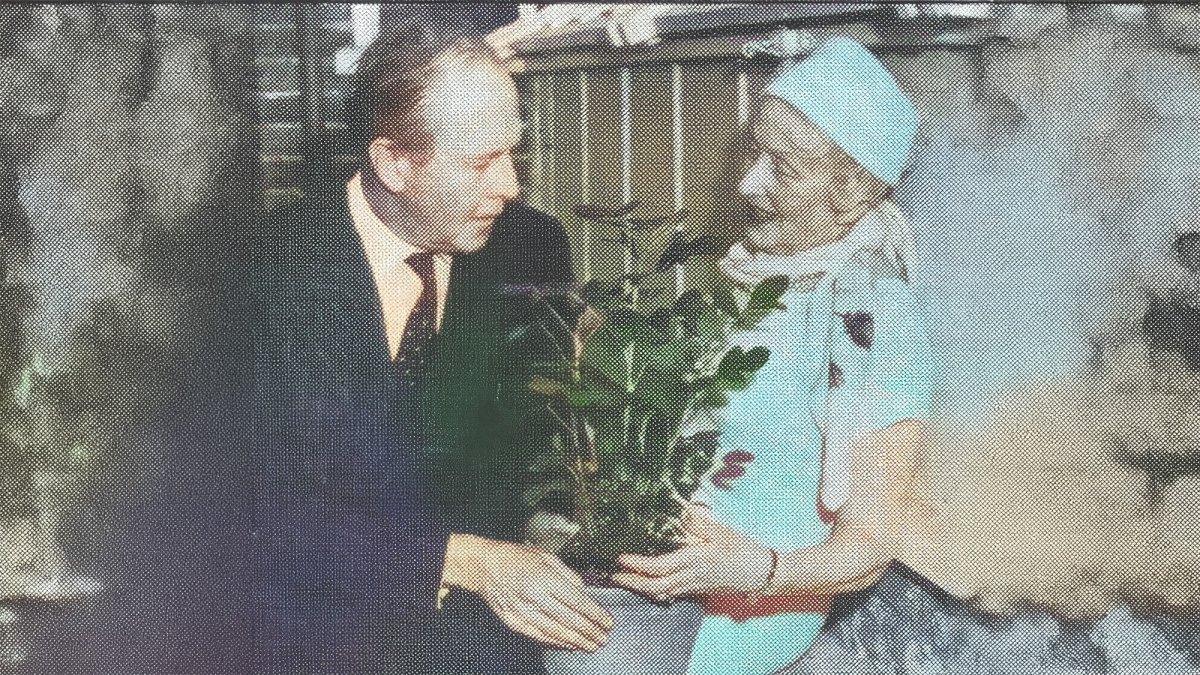
🌱
The British author who harvested mutant, jumbo peanuts from her atomic garden
De Britse auteur die gemuteerde, jumbo pinda's uit haar atoomtuin oogstte
L'auteure britannique qui a récolté des cacahuètes géantes et mutantes dans son jardin atomique
Muriel Howorth's journey began with a letter in 1948 that led her to become an advocate for atomic science. She passionately promoted the friendly side of nuclear energy, even writing children's books featuring atomic characters. One of her most fascinating contributions was founding the Atomic Gardening Association, where she encouraged people to grow irradiated plants. This innovative approach aimed to create higher-yielding crops and combat food scarcity, leading to the cultivation of mutant jumbo peanuts and other unique plants.
Muriel Howorth's reis begon met een brief in 1948 die haar leidde om een pleitbezorger voor atoomwetenschap te worden. Ze promootte gepassioneerd de vriendelijke kant van nucleaire energie en schreef zelfs kinderboeken met atoomfiguren. Een van haar meest fascinerende bijdragen was het oprichten van de Atomic Gardening Association, waar ze mensen aanmoedigde om bestraalde planten te kweken. Deze innovatieve aanpak was bedoeld om hogere opbrengsten te creëren en voedseltekorten te bestrijden, wat leidde tot de teelt van gemuteerde jumbo pinda's en andere unieke planten.
Le parcours de Muriel Howorth a commencé par une lettre en 1948 qui l'a amenée à devenir une défenseure de la science atomique. Elle a passionnément promu le côté amical de l'énergie nucléaire, écrivant même des livres pour enfants mettant en scène des personnages atomiques. L'une de ses contributions les plus fascinantes a été la création de l'Atomic Gardening Association, où elle a encouragé les gens à cultiver des plantes irradiées. Cette approche innovante visait à créer des cultures à plus haut rendement et à lutter contre la pénurie alimentaire, menant à la culture de cacahuètes géantes et mutantes et d'autres plantes uniques.

🥚
How the lowly egg could help protect future spacecraft
Hoe het bescheiden ei toekomstige ruimtevaartuigen kan beschermen
Comment l'œuf modeste pourrait aider à protéger les futurs vaisseaux spatiaux
Isn't it fascinating how something as simple as an egg can inspire advanced technology? Researchers are exploring egg-shaped designs filled with water to create effective shields against space debris. These innovative structures can absorb impacts better than traditional materials, potentially keeping astronauts safe. With the growing threat of space junk, this egg-inspired solution could be a game changer for future space missions.
Is het niet fascinerend hoe iets zo eenvoudigs als een ei geavanceerde technologie kan inspireren? Onderzoekers verkennen ei-vormige ontwerpen gevuld met water om effectieve schilden tegen ruimteafval te creëren. Deze innovatieve structuren kunnen impact beter absorberen dan traditionele materialen, wat astronauten veilig kan houden. Met de groeiende dreiging van ruimtepuin zou deze ei-geïnspireerde oplossing wel eens een doorbraak kunnen zijn voor toekomstige ruimtemissies.
N'est-ce pas fascinant de voir comment quelque chose d'aussi simple qu'un œuf peut inspirer une technologie avancée ? Des chercheurs explorent des conceptions en forme d'œuf remplies d'eau pour créer des boucliers efficaces contre les débris spatiaux. Ces structures innovantes peuvent absorber les impacts mieux que les matériaux traditionnels, ce qui pourrait garder les astronautes en sécurité. Avec la menace croissante des déchets spatiaux, cette solution inspirée de l'œuf pourrait être une révolution pour les futures missions spatiales.
🧬
Scientists discover a powerful new antivenom hidden in rattlesnake blood
Wetenschappers ontdekken een krachtige nieuwe antivenijn verborgen in de bloed van ratelslangen
Des scientifiques découvrent un puissant nouvel antivenin caché dans le sang des serpents à sonnette
Researchers at the University of Maryland have made an exciting breakthrough in treating snakebites by utilizing the natural defenses of rattlesnakes. They've identified specific proteins in rattlesnake blood that can effectively block venom from various snake species. This innovative approach could lead to the development of more effective antivenoms, addressing a major health issue worldwide. It's fascinating how nature has already provided a solution to a problem we've struggled with for so long!
Onderzoekers van de Universiteit van Maryland hebben een spannende doorbraak bereikt in de behandeling van slangenbeten door gebruik te maken van de natuurlijke verdedigingen van ratelslangen. Ze hebben specifieke eiwitten in het bloed van ratelslangen geïdentificeerd die effectief gif van verschillende slangensoorten kunnen blokkeren. Deze innovatieve benadering zou kunnen leiden tot de ontwikkeling van effectievere antivenijnen, wat een groot gezondheidsprobleem wereldwijd aanpakt. Het is fascinerend hoe de natuur al een oplossing heeft geboden voor een probleem waar we zo lang mee hebben geworsteld!
Des chercheurs de l'Université du Maryland ont réalisé une avancée passionnante dans le traitement des morsures de serpent en utilisant les défenses naturelles des serpents à sonnette. Ils ont identifié des protéines spécifiques dans le sang des serpents à sonnette qui peuvent bloquer efficacement le venin de diverses espèces de serpents. Cette approche innovante pourrait conduire au développement d'antivenins plus efficaces, répondant à un problème de santé majeur dans le monde entier. C'est fascinant de voir comment la nature a déjà fourni une solution à un problème que nous avons tant de mal à résoudre !

🌱
They’re resilient, low-effort and beautiful: how to plant a rubble garden
Ze zijn veerkrachtig, weinig inspanning en mooi: hoe een puin tuin te planten
Ils sont résilients, peu exigeants et beaux : comment planter un jardin de gravats
So, did you know you can create a garden without traditional soil? Innovative gardeners are turning to leftover building materials like concrete and gravel to cultivate stunning, drought-resistant gardens. This approach not only beautifies spaces but also supports biodiversity, which is crucial as our climate changes. It’s exciting to see how this trend is gaining traction, with experts like Errol Reuben Fernandes leading the way at places like the Horniman Museum.
Dus, wist je dat je een tuin kunt creëren zonder traditionele aarde? Innovatieve tuiniers gebruiken restmaterialen zoals beton en grind om prachtige, droogtebestendige tuinen te kweken. Deze aanpak verfraait niet alleen ruimtes, maar ondersteunt ook de biodiversiteit, wat cruciaal is nu ons klimaat verandert. Het is opwindend om te zien hoe deze trend aan populariteit wint, met experts zoals Errol Reuben Fernandes die de weg leiden op plaatsen zoals het Horniman Museum.
Alors, saviez-vous que vous pouvez créer un jardin sans sol traditionnel ? Des jardiniers innovants se tournent vers des matériaux de construction restants comme le béton et le gravier pour cultiver de magnifiques jardins résistants à la sécheresse. Cette approche embellit non seulement les espaces, mais soutient également la biodiversité, ce qui est crucial alors que notre climat change. C'est passionnant de voir comment cette tendance prend de l'ampleur, avec des experts comme Errol Reuben Fernandes à la tête de projets comme celui du musée Horniman.
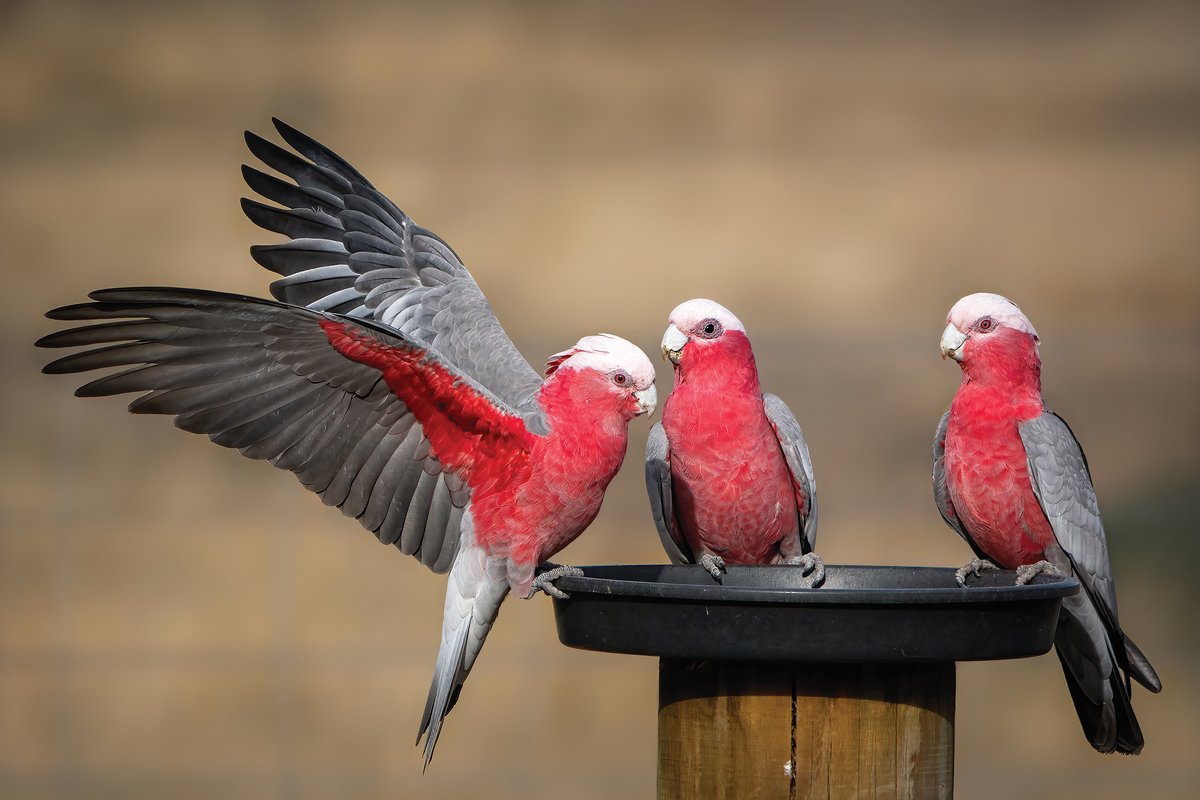
🕊️
Do birds enjoy flying? Scientists asked cockatoos
Genieten vogels van vliegen? Wetenschappers vroegen kaketoes
Les oiseaux aiment-ils voler ? Des scientifiques ont interrogé des cacatoès
So, a fascinating study by Jorg Massen and his team has shown that Galah Cockatoos seem to really enjoy flying! They had the freedom to choose whether to fly or stay put, and guess what? Most of them chose to soar through the sky! This suggests that flight might be rewarding for them, and their behavior after flying showed signs of excitement. It’s a delightful glimpse into the minds of these birds and how they express their natural instincts.
Dus, een fascinerende studie van Jorg Massen en zijn team heeft aangetoond dat Galah-kaketoes echt lijken te genieten van vliegen! Ze hadden de vrijheid om te kiezen of ze wilden vliegen of blijven zitten, en raad eens? De meeste kozen ervoor om door de lucht te zweven! Dit suggereert dat vliegen voor hen belonend kan zijn, en hun gedrag na het vliegen toonde tekenen van opwinding. Het is een heerlijke blik in de geest van deze vogels en hoe ze hun natuurlijke instincten uiten.
Alors, une étude fascinante menée par Jorg Massen et son équipe a montré que les cacatoès Galah semblent vraiment apprécier le vol ! Ils avaient la liberté de choisir entre voler ou rester sur place, et devinez quoi ? La plupart d'entre eux ont choisi de s'envoler dans le ciel ! Cela suggère que le vol pourrait être gratifiant pour eux, et leur comportement après le vol montrait des signes d'excitation. C'est un aperçu délicieux des esprits de ces oiseaux et de la façon dont ils expriment leurs instincts naturels.
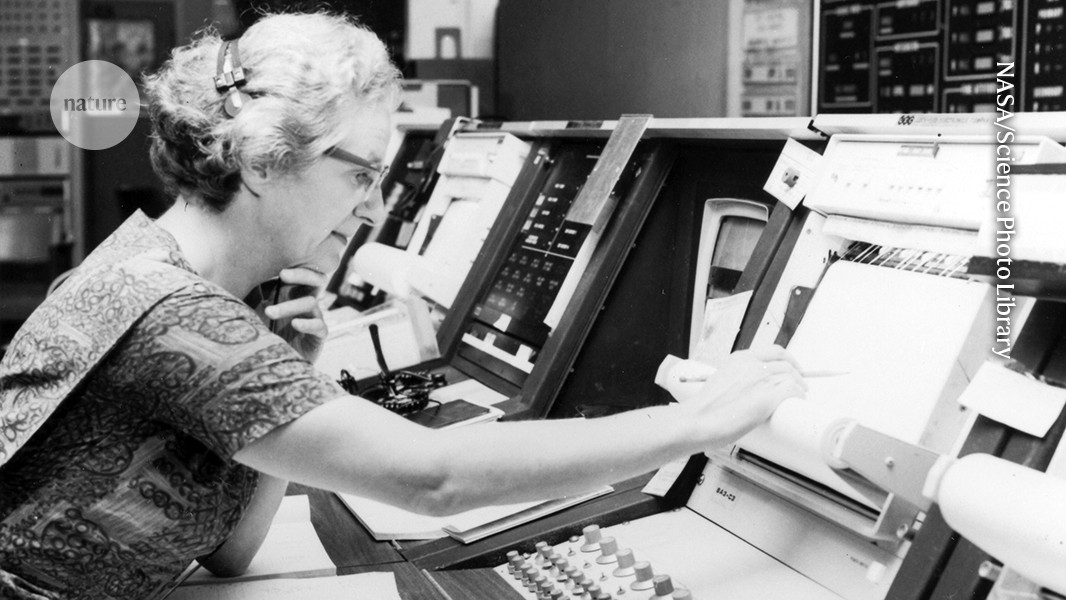
🌌
Mother of Hubble: how Nancy Grace Roman ushered in a new era of astronomy
Moeder van Hubble: hoe Nancy Grace Roman een nieuw tijdperk in de astronomie inluidde
Mère de Hubble : comment Nancy Grace Roman a ouvert une nouvelle ère de l'astronomie
Nancy Grace Roman, known as the mother of the Hubble Space Telescope, has made a remarkable impact on astronomy. The newly launched Nancy Grace Roman Space Telescope is the first space telescope named after a woman and aims to explore dark matter, dark energy, and exoplanets. Despite facing budget cuts, Roman's legacy ensures that this groundbreaking project continues. Her efforts in promoting space astronomy have paved the way for future discoveries and inspired countless scientists.
Nancy Grace Roman, bekend als de moeder van de Hubble Ruimtetelescoop, heeft een opmerkelijke impact op de astronomie gehad. De onlangs gelanceerde Nancy Grace Roman Ruimtetelescoop is de eerste ruimtetelescoop die naar een vrouw is vernoemd en heeft als doel donkere materie, donkere energie en exoplaneten te verkennen. Ondanks begrotingssnijdingen zorgt Romans nalatenschap ervoor dat dit baanbrekende project doorgaat. Haar inspanningen om ruimte-astronomie te bevorderen hebben de weg vrijgemaakt voor toekomstige ontdekkingen en talloze wetenschappers geïnspireerd.
Nancy Grace Roman, connue comme la mère du télescope spatial Hubble, a eu un impact remarquable sur l'astronomie. Le nouveau télescope spatial Nancy Grace Roman, lancé récemment, est le premier télescope spatial nommé d'après une femme et vise à explorer la matière noire, l'énergie noire et les exoplanètes. Malgré des coupes budgétaires, l'héritage de Roman garantit que ce projet révolutionnaire se poursuit. Ses efforts pour promouvoir l'astronomie spatiale ont ouvert la voie à de futures découvertes et inspiré d'innombrables scientifiques.
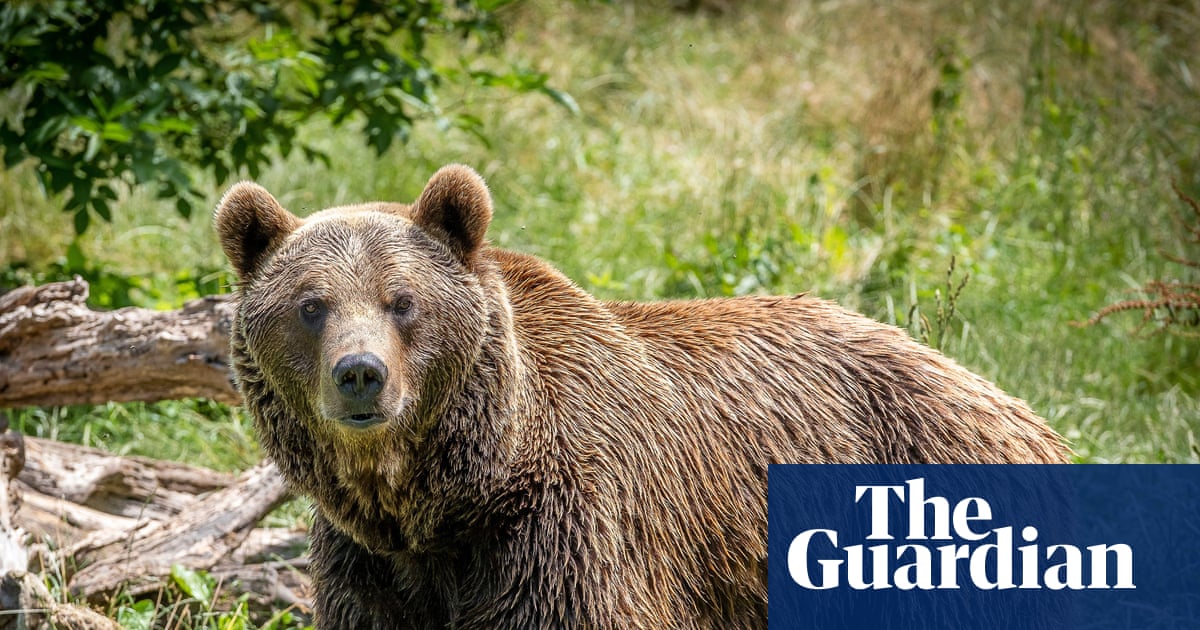
🐻
So big and so close: going on a bear hunt in northern Spain
Zo groot en zo dichtbij: op berenjacht in Noord-Spanje
Si grand et si proche : à la recherche d'ours dans le nord de l'Espagne
In the stunning Somiedo natural park, the Cantabrian brown bears are making a remarkable comeback from the brink of extinction. Once dwindling to just 60 bears, their population has now surged to around 500, thanks to dedicated conservation efforts. Nature guide Luis Frechilla shares the thrill of spotting these magnificent creatures, even if it’s just a distant glimpse. As the sun sets over the mountains, the experience is enriched by the local cuisine, making it a perfect blend of nature and culture.
In het prachtige Somiedo natuurpark maken de Cantabrische bruine beren een opmerkelijke comeback van de rand van uitsterven. Waar ze ooit tot slechts 60 beren waren teruggebracht, is hun populatie nu gestegen naar ongeveer 500, dankzij toegewijde inspanningen voor behoud. Natuurgids Luis Frechilla deelt de opwinding van het spotten van deze majestueuze wezens, ook al is het maar een verre glimp. Terwijl de zon ondergaat achter de bergen, wordt de ervaring verrijkt door de lokale keuken, wat het een perfecte mix van natuur en cultuur maakt.
Dans le magnifique parc naturel de Somiedo, les ours bruns cantabriques font un retour remarquable de l brink de l'extinction. Autrefois réduite à seulement 60 ours, leur population a maintenant augmenté à environ 500, grâce à des efforts de conservation dédiés. Le guide nature Luis Frechilla partage l'excitation d'apercevoir ces créatures majestueuses, même si ce n'est qu'un aperçu lointain. Alors que le soleil se couche sur les montagnes, l'expérience est enrichie par la cuisine locale, faisant de cela un mélange parfait de nature et de culture.
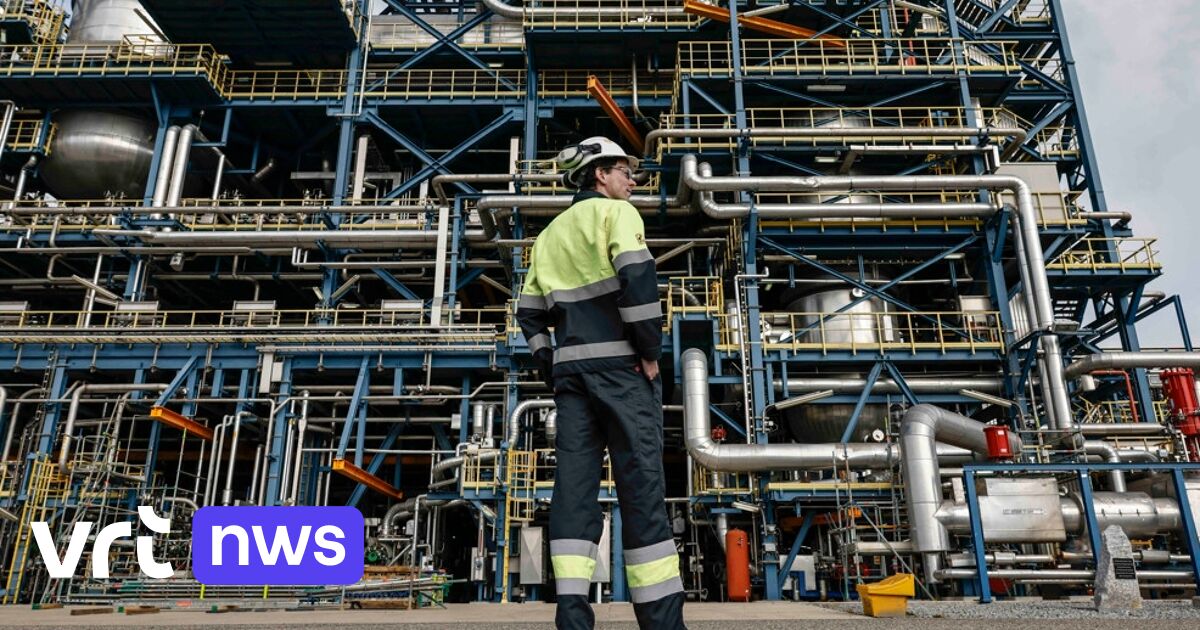
🌍
Largest European installation to capture CO2 inaugurated in the Netherlands
Grootste Europese installatie om CO2 uit de lucht te halen ingehuldigd in Nederland
La plus grande installation européenne pour capturer le CO2 inaugurée aux Pays-Bas
So, in Sluiskil, the largest CO2 capture installation in Europe has just been inaugurated by the Norwegian company Yara. This facility is set to capture about 800,000 tons of CO2 annually, which is roughly 0.5 percent of the Netherlands' total emissions. The captured CO2 will be transported by boat to Norway for storage, marking a significant step in carbon capture and storage technology. It's exciting to see how innovation and cross-border collaboration can lead to real climate solutions!
In Sluiskil is de grootste CO2-afvanginstallatie van Europa ingehuldigd door het Noorse bedrijf Yara. Deze installatie zal jaarlijks ongeveer 800.000 ton CO2 opvangen, wat ongeveer 0,5 procent van de totale uitstoot van Nederland is. De opgevangen CO2 zal per boot naar Noorwegen worden vervoerd voor opslag, wat een belangrijke stap is in de technologie voor koolstofafvang en -opslag. Het is spannend om te zien hoe innovatie en grensoverschrijdende samenwerking kunnen leiden tot echte klimaatoplossingen!
À Sluiskil, la plus grande installation de capture de CO2 d'Europe a été inaugurée par l'entreprise norvégienne Yara. Cette installation devrait capturer environ 800 000 tonnes de CO2 par an, ce qui représente environ 0,5 % des émissions totales des Pays-Bas. Le CO2 capturé sera transporté par bateau vers la Norvège pour stockage, marquant une étape importante dans la technologie de capture et de stockage du carbone. C'est passionnant de voir comment l'innovation et la coopération transfrontalière peuvent mener à de réelles solutions climatiques !
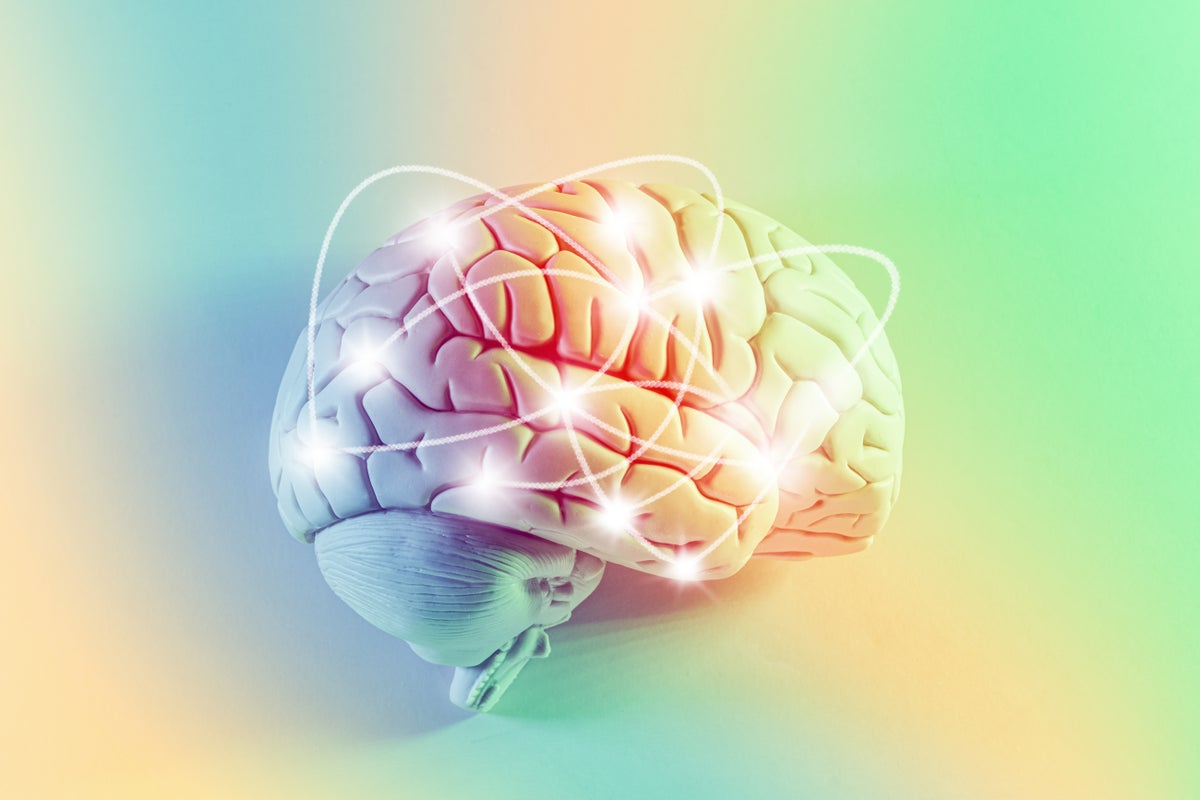
🎶
Why music is a powerful tool to quiet stress in the brain
Waarom muziek een krachtig hulpmiddel is om stress in de hersenen te verminderen
Pourquoi la musique est un outil puissant pour apaiser le stress dans le cerveau
Music has an incredible ability to alleviate stress, and recent research shows it goes beyond just lifting our spirits. It actively changes our brain's neural pathways and helps regulate our physiological responses to stress. Unlike nature sounds, music takes us on a structured emotional journey, building tension and eventually resolving it. This study highlights how music can effectively calm our heart rates and lower cortisol levels, making it a unique tool for stress relief.
Muziek heeft een ongelooflijk vermogen om stress te verlichten, en recent onderzoek toont aan dat het verder gaat dan alleen onze gemoedstoestand verbeteren. Het verandert actief de neurale paden in onze hersenen en helpt onze fysiologische reacties op stress te reguleren. In tegenstelling tot natuurgeluiden neemt muziek ons mee op een gestructureerde emotionele reis, waarbij spanning wordt opgebouwd en uiteindelijk wordt opgelost. Deze studie benadrukt hoe muziek effectief onze hartslag kan kalmeren en cortisolniveaus kan verlagen, waardoor het een uniek hulpmiddel voor stressverlichting is.
La musique a un incroyable pouvoir pour soulager le stress, et des recherches récentes montrent qu'elle va au-delà de l'amélioration de notre humeur. Elle modifie activement les voies neuronales de notre cerveau et aide à réguler nos réponses physiologiques au stress. Contrairement aux sons de la nature, la musique nous emmène dans un voyage émotionnel structuré, construisant la tension et la résolvant finalement. Cette étude souligne comment la musique peut efficacement calmer notre rythme cardiaque et abaisser les niveaux de cortisol, en faisant un outil unique pour le soulagement du stress.
🌟
Anthropic AI ‘formalizes’ proof of Fermat’s last theorem in just 11 days
Anthropic AI 'formaliseert' bewijs van Fermat's laatste stelling in slechts 11 dagen
L'IA anthropique 'formalise' la preuve du dernier théorème de Fermat en seulement 11 jours
Can you believe it? Anthropic AI has managed to formalize the proof of Fermat's last theorem in just 11 days, a task that was expected to take humans a decade! This breakthrough shows how AI is becoming an essential tool in mathematics, turning complex proofs into computer-verifiable code. Mathematicians are absolutely amazed by this progress, and it opens the door to scrutinizing even more mathematical concepts. Who knows what other mysteries AI might unravel in the future!
Kun je het geloven? Anthropic AI is erin geslaagd om het bewijs van Fermat's laatste stelling in slechts 11 dagen te formaliseren, een taak die mensen een decennium zou kosten! Deze doorbraak toont aan hoe AI een essentiële tool wordt in de wiskunde, door complexe bewijzen om te zetten in computer-verifieerbare code. Wiskundigen zijn absoluut verbaasd over deze vooruitgang, en het opent de deur naar het onderzoeken van nog meer wiskundige concepten. Wie weet welke andere mysteries AI in de toekomst kan ontrafelen!
Peux-tu le croire ? L'IA anthropique a réussi à formaliser la preuve du dernier théorème de Fermat en seulement 11 jours, une tâche qui devait prendre une décennie aux humains ! Cette avancée montre comment l'IA devient un outil essentiel en mathématiques, transformant des preuves complexes en code vérifiable par ordinateur. Les mathématiciens sont absolument émerveillés par ce progrès, et cela ouvre la voie à l'examen d'autres concepts mathématiques. Qui sait quels autres mystères l'IA pourrait résoudre à l'avenir !
🌱
Limburg farmer expands quinoa cultivation to 30 hectares: 'Climate resilient plant'
Limburgse landbouwer breidt quinoateelt uit naar 30 hectare: 'Klimaatrobuuste plant'
Agriculteur limbourgeois étend la culture de quinoa à 30 hectares : 'Plante résiliente au climat'
Luc Lavrijsen, a farmer from Herk-de-Stad, is expanding his quinoa cultivation from 10 to 30 hectares this year, and he's thrilled about it! Despite the ongoing drought, his quinoa harvest is thriving, showcasing its resilience to extreme weather. This plant, originally from South America, has been adapted through research to grow well in Flanders and the Netherlands without pesticides. Lavrijsen is even sharing his knowledge with other farmers, sparking interest in quinoa cultivation across the region.
Luc Lavrijsen, een landbouwer uit Herk-de-Stad, breidt dit jaar zijn quinoateelt uit van 10 naar 30 hectare, en hij is er enthousiast over! Ondanks de aanhoudende droogte gedijt zijn quinoa-oogst, wat de veerkracht van de plant bij extreem weer aantoont. Deze plant, oorspronkelijk uit Zuid-Amerika, is door onderzoek aangepast om goed te groeien in Vlaanderen en Nederland zonder pesticiden. Lavrijsen deelt zelfs zijn kennis met andere boeren, wat interesse in quinoateelt in de regio opwekt.
Luc Lavrijsen, un agriculteur de Herk-de-Stad, étend cette année sa culture de quinoa de 10 à 30 hectares, et il en est ravi ! Malgré la sécheresse persistante, sa récolte de quinoa prospère, montrant la résilience de cette plante face aux conditions climatiques extrêmes. Cette plante, originaire d'Amérique du Sud, a été adaptée grâce à la recherche pour bien pousser en Flandre et aux Pays-Bas sans pesticides. Lavrijsen partage même ses connaissances avec d'autres agriculteurs, suscitant un intérêt pour la culture du quinoa dans la région.

🌟
From cardboard to purifier: Bihar PhD student’s innovation cuts indoor air pollution by 85% in 20 mins
Van karton naar luchtzuiveraar: innovatie van PhD-student uit Bihar vermindert binnenluchtvervuiling met 85% in 20 minuten
Du carton à purificateur : l'innovation d'un doctorant du Bihar réduit la pollution de l'air intérieur de 85 % en 20 minutes
Rohan Kumar, a PhD student from Bihar, has developed an innovative air purifier that significantly reduces indoor air pollution. After experiencing poor air quality across various Indian cities, he was inspired to create a solution that could provide clean air for everyone. His journey involved experimenting with different materials and designs, leading to a final product that can purify air in just 20 minutes. This remarkable invention not only addresses a critical health issue but also showcases the power of creativity and determination.
Rohan Kumar, een PhD-student uit Bihar, heeft een innovatieve luchtzuiveraar ontwikkeld die de binnenluchtvervuiling aanzienlijk vermindert. Na het ervaren van slechte luchtkwaliteit in verschillende Indiase steden, werd hij geïnspireerd om een oplossing te creëren die iedereen schone lucht kan bieden. Zijn reis omvatte experimenteren met verschillende materialen en ontwerpen, wat leidde tot een eindproduct dat de lucht in slechts 20 minuten kan zuiveren. Deze opmerkelijke uitvinding pakt niet alleen een kritisch gezondheidsprobleem aan, maar toont ook de kracht van creativiteit en vastberadenheid aan.
Rohan Kumar, un doctorant du Bihar, a développé un purificateur d'air innovant qui réduit considérablement la pollution de l'air intérieur. Après avoir ressenti une mauvaise qualité de l'air dans diverses villes indiennes, il a été inspiré à créer une solution qui pourrait fournir de l'air pur à tous. Son parcours a impliqué des expérimentations avec différents matériaux et conceptions, aboutissant à un produit final capable de purifier l'air en seulement 20 minutes. Cette invention remarquable aborde non seulement un problème de santé critique, mais démontre également le pouvoir de la créativité et de la détermination.
🐠
Nearly 500 animals rescued from trafficking arrive at a California aquarium
Bijna 500 dieren gered van stroperij komen aan in een Californisch aquarium
Près de 500 animaux sauvés du trafic arrivent dans un aquarium californien
On June 19, the Aquarium of the Pacific welcomed nearly 500 animals rescued from trafficking, including fish, invertebrates, and sharks. This wasn't a shopping spree, but a crucial rescue mission for animals in dire need of care. The dedicated staff worked tirelessly to stabilize these creatures, ensuring they receive the same high standard of care as all other arrivals. It's a reminder of the importance of responsible wildlife consumption and the ongoing fight against animal trafficking.
Op 19 juni verwelkomde het Aquarium of the Pacific bijna 500 dieren die gered waren van stroperij, waaronder vissen, ongewervelden en haaien. Dit was geen winkeluitje, maar een cruciale reddingsmissie voor dieren die dringend zorg nodig hadden. Het toegewijde personeel werkte onvermoeibaar om deze wezens te stabiliseren en ervoor te zorgen dat ze dezelfde hoge standaard van zorg krijgen als alle andere aankomsten. Het herinnert ons aan het belang van verantwoord consumentengedrag en de voortdurende strijd tegen dierenhandel.
Le 19 juin, l'Aquarium du Pacifique a accueilli près de 500 animaux sauvés du trafic, y compris des poissons, des invertébrés et des requins. Ce n'était pas une virée shopping, mais une mission de sauvetage cruciale pour des animaux ayant un besoin urgent de soins. Le personnel dévoué a travaillé sans relâche pour stabiliser ces créatures, veillant à ce qu'elles reçoivent le même niveau de soins élevé que toutes les autres arrivées. C'est un rappel de l'importance d'une consommation responsable de la faune et de la lutte continue contre le trafic d'animaux.
💪
This group has given domestic violence survivors cash with no strings attached for 10 years. It's working
Deze groep heeft slachtoffers van huiselijk geweld 10 jaar lang geld gegeven zonder voorwaarden. Het werkt.
Ce groupe a donné de l'argent sans conditions aux survivants de la violence domestique pendant 10 ans. Ça fonctionne.
FreeFrom, founded by Sonya Passi, has been transforming the lives of domestic violence survivors through direct cash transfers for a decade. With a mission to end gender-based violence, they provide up to $1,500 to help survivors regain their economic freedom. The results are impressive, with 94% of participants reporting improved social well-being and over half making progress in various life areas. This innovative approach proves that when you trust survivors, they can truly thrive.
FreeFrom, opgericht door Sonya Passi, transformeert al tien jaar het leven van slachtoffers van huiselijk geweld door directe geldtransfers. Met de missie om gendergerelateerd geweld te beëindigen, bieden ze tot $1.500 aan om slachtoffers hun economische vrijheid terug te geven. De resultaten zijn indrukwekkend, met 94% van de deelnemers die een verbeterd sociaal welzijn rapporteren en meer dan de helft die vooruitgang boekt in verschillende levensgebieden. Deze innovatieve aanpak bewijst dat wanneer je slachtoffers vertrouwt, ze echt kunnen bloeien.
FreeFrom, fondé par Sonya Passi, transforme la vie des survivants de la violence domestique grâce à des transferts d'argent directs depuis une décennie. Avec pour mission de mettre fin à la violence basée sur le genre, ils offrent jusqu'à 1 500 $ pour aider les survivants à retrouver leur liberté économique. Les résultats sont impressionnants, avec 94 % des participants signalant une amélioration de leur bien-être social et plus de la moitié faisant des progrès dans divers domaines de la vie. Cette approche innovante prouve que lorsque vous faites confiance aux survivants, ils peuvent vraiment prospérer.
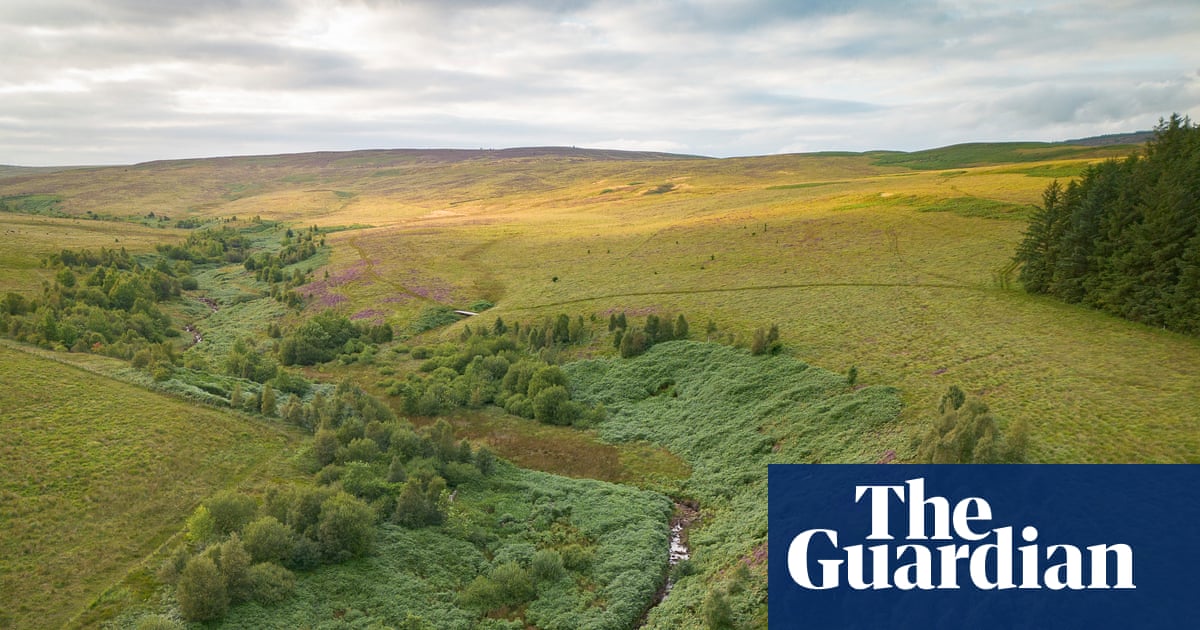
🌳
Britain’s yellowstone: restoration project aims to take the greed out of land acquisition
Brits Yellowstone: restauratieproject heeft als doel hebzucht uit grondverwerving te halen
Le Yellowstone britannique : un projet de restauration vise à éliminer la cupidité dans l'acquisition des terres
I find it fascinating that the largest rewilding site in England is taking shape in Northumberland! The Restore company has acquired the 7,500-acre Emblehope Moor with a vision to revive its natural beauty and biodiversity. They’re not just focused on profits; after paying back investors, they plan to hand the land over to the local community. This project could set a new standard for land management, blending capitalist and community interests in a way that really excites me.
Ik vind het fascinerend dat de grootste herwildingssite in Engeland zich aan het vormen is in Northumberland! Het Restore-bedrijf heeft de 7.500 acre grote Emblehope Moor verworven met de visie om de natuurlijke schoonheid en biodiversiteit te herstellen. Ze richten zich niet alleen op winst; nadat ze de investeerders hebben terugbetaald, willen ze het land overdragen aan de lokale gemeenschap. Dit project zou een nieuwe standaard voor landbeheer kunnen zetten, waarbij kapitalistische en gemeenschapsbelangen op een manier worden gecombineerd die me echt enthousiast maakt.
Je trouve fascinant que le plus grand site de réensauvagement d'Angleterre prenne forme dans le Northumberland ! La société Restore a acquis la tourbière d'Emblehope de 7 500 acres avec la vision de raviver sa beauté naturelle et sa biodiversité. Ils ne se concentrent pas seulement sur les profits ; après avoir remboursé les investisseurs, ils prévoient de remettre la terre à la communauté locale. Ce projet pourrait établir une nouvelle norme pour la gestion des terres, alliant intérêts capitalistes et communautaires d'une manière qui m'enthousiasme vraiment.
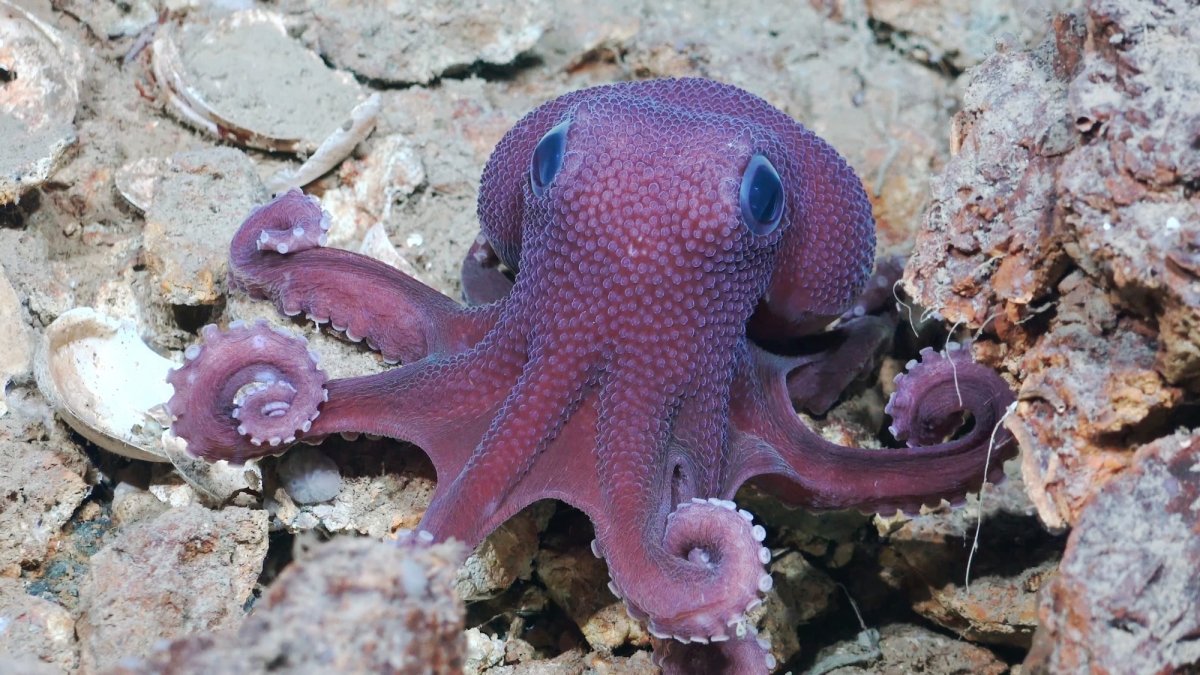
🌊
11 vibrant deep-sea creatures shine in new Caribbean expedition
11 levendige diepzeedieren schitteren in nieuwe Caribische expeditie
11 créatures marines vibrantes brillent lors d'une nouvelle expédition dans les Caraïbes
Wow, what an exciting discovery! A recent deep-sea expedition off Trinidad and Tobago revealed a Graneledone octopus and at least 20 suspected new species. This month-long survey, led by local marine biologists, documented 13 percent of the nation's marine territory, which is just incredible. With over 700 specimens collected, the University of the West Indies will see its deep ocean collection grow significantly, enhancing our understanding of these mysterious ecosystems.
Wauw, wat een spannende ontdekking! Een recente diepzee-expeditie voor de kust van Trinidad en Tobago onthulde een Graneledone-octopus en minstens 20 vermoedelijke nieuwe soorten. Deze maandlange enquête, geleid door lokale mariene biologen, documenteerde 13 procent van het mariene gebied van het land, wat gewoon ongelooflijk is. Met meer dan 700 verzamelde specimens zal de Universiteit van de West-Indies haar diepzeecollectie aanzienlijk uitbreiden, wat ons begrip van deze mysterieuze ecosystemen zal verbeteren.
Wow, quelle découverte passionnante ! Une récente expédition en haute mer au large de Trinidad et Tobago a révélé un octopus Graneledone et au moins 20 espèces nouvelles suspectées. Ce projet d'un mois, dirigé par des biologistes marins locaux, a documenté 13 % du territoire marin de la nation, ce qui est tout simplement incroyable. Avec plus de 700 spécimens collectés, l'Université des West Indies verra sa collection d'océan profond croître considérablement, enrichissant notre compréhension de ces écosystèmes mystérieux.

🐞
These cyborg cockroaches could save your life
Deze cyborg kakkerlakken kunnen je leven redden
Ces cafards cyborgs pourraient vous sauver la vie
Imagine this: cockroaches, yes, those little critters, could actually help save lives in disaster zones! Researchers from the University of Queensland and UNSW have developed cyborg cockroaches that can navigate through rubble and even administer first aid. Equipped with cameras and injection mechanisms, these bugs are designed to assist human rescuers by providing crucial information and medical support. It's a fascinating leap in bio-robotics that could change how we respond to emergencies!
Stel je voor: kakkerlakken, ja, die kleine beestjes, kunnen daadwerkelijk levens redden in rampgebieden! Onderzoekers van de Universiteit van Queensland en UNSW hebben cyborg kakkerlakken ontwikkeld die door puin kunnen navigeren en zelfs eerste hulp kunnen bieden. Uitgerust met camera's en injectiemechanismen zijn deze beestjes ontworpen om menselijke redders te helpen door cruciale informatie en medische ondersteuning te bieden. Het is een fascinerende sprong in de bio-robotica die de manier waarop we op noodsituaties reageren kan veranderen!
Imaginez ceci : des cafards, oui, ces petites créatures, pourraient en fait sauver des vies dans des zones de catastrophe ! Des chercheurs de l'Université du Queensland et de l'UNSW ont développé des cafards cyborgs capables de naviguer à travers les décombres et même d'administrer les premiers secours. Équipés de caméras et de mécanismes d'injection, ces insectes sont conçus pour aider les sauveteurs humains en fournissant des informations cruciales et un soutien médical. C'est un saut fascinant dans la bio-robotique qui pourrait changer notre façon de répondre aux urgences !
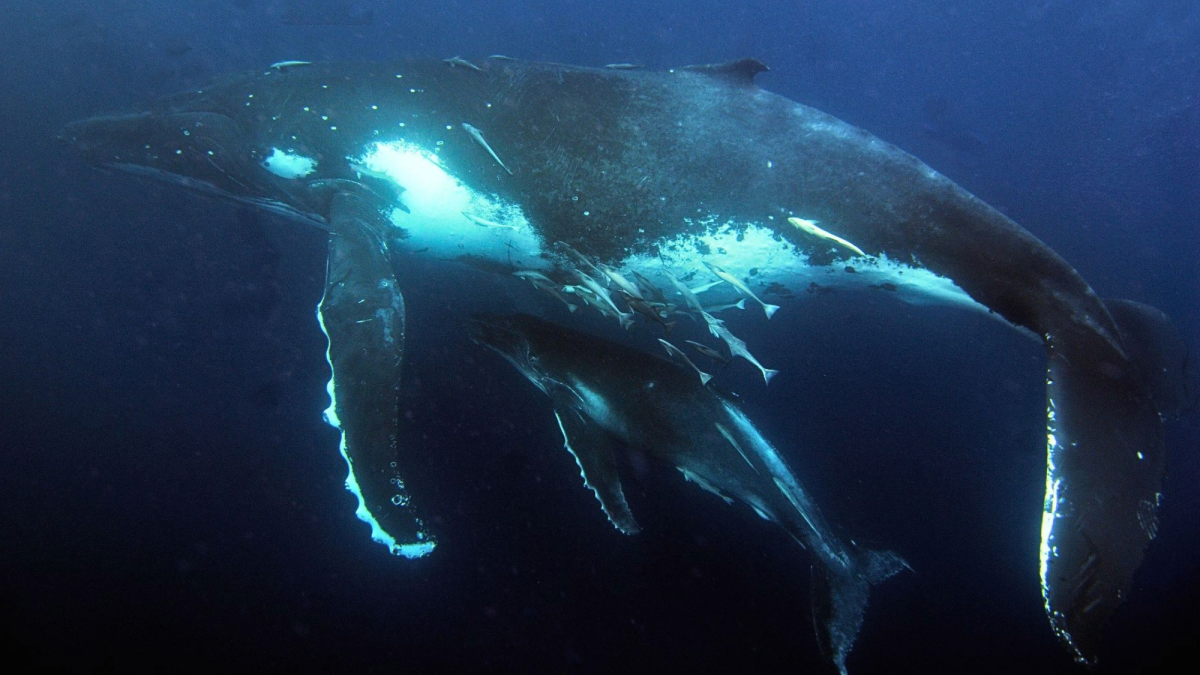
🐋
Australia’s humpback whales were acting weird. What happened next surprised scientists.
De bultruggen van Australië gedroegen zich vreemd. Wat er daarna gebeurde verraste wetenschappers.
Les baleines à bosse d'Australie agissaient bizarrement. Ce qui s'est passé ensuite a surpris les scientifiques.
So, in 2009, tourism operators in Australia noticed humpback whales behaving unusually by 'fluking'—floating upside down with their tails in the air. This sparked a fascinating research effort that revealed the Whitsundays as a crucial calving ground for these majestic creatures. The collaboration between citizen scientists and researchers uncovered that this fluking was actually a breeding behavior. It's amazing how a little curiosity led to the discovery of a whale maternity ward in the Great Barrier Reef!
In 2009 merkten toerisme-operators in Australië dat bultruggen zich ongewoon gedroegen door te 'fluken' - met hun staarten in de lucht ondersteboven te drijven. Dit leidde tot een fascinerende onderzoeksinspanning die de Whitsundays onthulde als een cruciaal geboortegebied voor deze majestueuze wezens. De samenwerking tussen burgerwetenschappers en onderzoekers ontdekte dat deze fluking eigenlijk een voortplantingsgedrag was. Het is geweldig hoe een beetje nieuwsgierigheid leidde tot de ontdekking van een kraamkamer voor walvissen in het Groot Barrièrerif!
En 2009, des opérateurs touristiques en Australie ont remarqué que les baleines à bosse se comportaient de manière inhabituelle en 'flukant' - flottant à l'envers avec leurs queues en l'air. Cela a déclenché un effort de recherche fascinant qui a révélé que les Whitsundays étaient une zone de mise bas cruciale pour ces créatures majestueuses. La collaboration entre les citoyens scientifiques et les chercheurs a découvert que ce fluking était en réalité un comportement de reproduction. C'est incroyable de voir comment un peu de curiosité a conduit à la découverte d'une maternité de baleines dans la Grande Barrière de Corail!

🚀
Europe has its first commercial orbital rocket
Europa heeft zijn eerste commerciële orbital rocket
L'Europe a son premier fusée orbitale commerciale
Isar Aerospace has just made a huge leap for Europe by successfully launching its first fully commercial orbital rocket, the Spectrum. After a previous attempt ended in disaster, this launch from a Norwegian spaceport marks a new era for European space access. CEO Daniel Metzler emphasized that this achievement provides a true alternative for customers, allowing Europe to have its own sovereign access to space. This is particularly significant given the current global political climate, making 'buy European' more relevant than ever.
Isar Aerospace heeft net een enorme sprong voor Europa gemaakt door zijn eerste volledig commerciële orbital rocket, de Spectrum, succesvol te lanceren. Na een eerdere poging die eindigde in een ramp, markeert deze lancering vanuit een Noorse ruimtehaven een nieuw tijdperk voor de toegang tot de ruimte in Europa. CEO Daniel Metzler benadrukte dat deze prestatie een echte alternatieve biedt voor klanten, waardoor Europa zijn eigen soevereine toegang tot de ruimte heeft. Dit is bijzonder belangrijk gezien het huidige wereldpolitieke klimaat, waardoor 'koop Europees' relevanter is dan ooit.
Isar Aerospace vient de réaliser un grand bond pour l'Europe en lançant avec succès sa première fusée orbitale commerciale, le Spectrum. Après une tentative précédente qui s'est soldée par un désastre, ce lancement depuis un site spatial norvégien marque une nouvelle ère pour l'accès à l'espace en Europe. Le PDG Daniel Metzler a souligné que cette réalisation offre une véritable alternative pour les clients, permettant à l'Europe d'avoir son propre accès souverain à l'espace. Cela est particulièrement significatif compte tenu du climat politique mondial actuel, rendant 'acheter européen' plus pertinent que jamais.
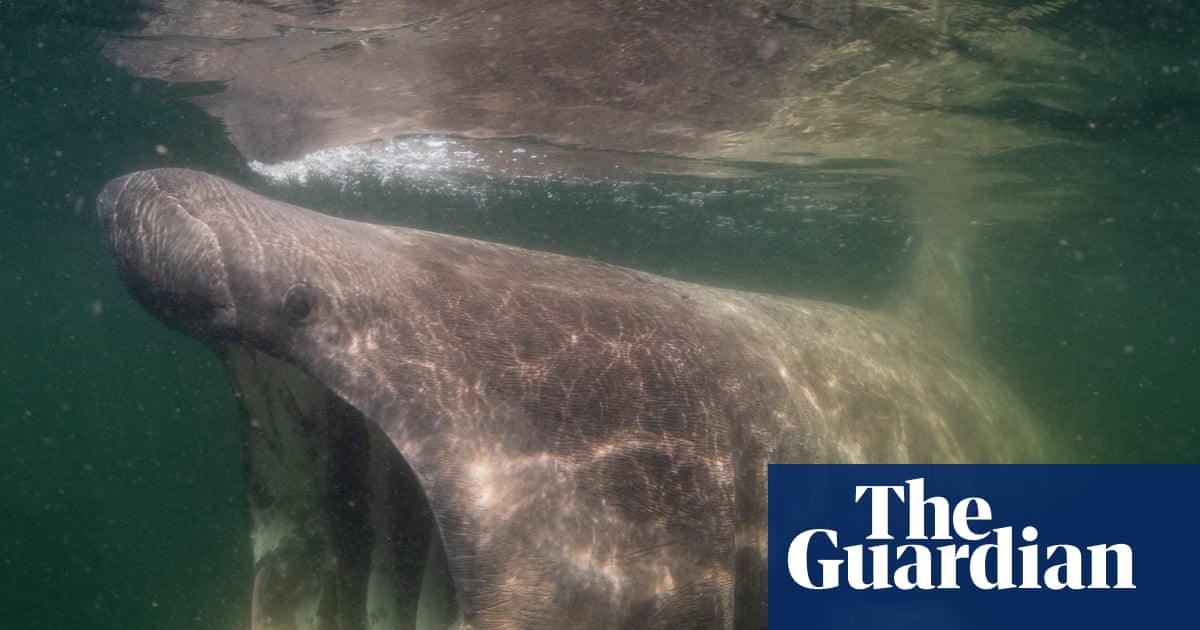
🐋
Sharks are my film stars: how the Jacques Cousteau of the North Sea finally unlocked its beauty
Haaien zijn mijn filmsterren: hoe de Jacques Cousteau van de Noordzee eindelijk de schoonheid onthulde
Les requins sont mes stars de cinéma : comment le Jacques Cousteau de la mer du Nord a enfin révélé sa beauté
The North Sea might look grey and dull, but Peter van Rodijnen's dedication to diving has uncovered its vibrant marine life. Inspired by Jacques Cousteau, he and director Mark Verkerk have created a documentary that showcases the hidden wonders of this often-misunderstood ecosystem. Despite challenges like poor visibility and rough seas, their film reveals a world teeming with colorful creatures and complex interactions. It's a celebration of the North Sea's beauty and the importance of sustainable practices in preserving it.
De Noordzee lijkt misschien grijs en saai, maar Peter van Rodijnen's toewijding aan duiken heeft de levendige onderwaterwereld onthuld. Geïnspireerd door Jacques Cousteau hebben hij en regisseur Mark Verkerk een documentaire gemaakt die de verborgen wonderen van dit vaak verkeerd begrepen ecosysteem laat zien. Ondanks uitdagingen zoals slechte zichtbaarheid en ruwe zeeën, onthult hun film een wereld vol kleurrijke wezens en complexe interacties. Het is een viering van de schoonheid van de Noordzee en het belang van duurzame praktijken voor het behoud ervan.
La mer du Nord peut sembler grise et ennuyeuse, mais la passion de Peter van Rodijnen pour la plongée a révélé sa vie marine vibrante. Inspirés par Jacques Cousteau, lui et le réalisateur Mark Verkerk ont créé un documentaire qui met en lumière les merveilles cachées de cet écosystème souvent mal compris. Malgré des défis tels que la mauvaise visibilité et les mers agitées, leur film révèle un monde grouillant de créatures colorées et d'interactions complexes. C'est une célébration de la beauté de la mer du Nord et de l'importance des pratiques durables pour sa préservation.

☀️
Why are solar panels always tilted? The simple science behind the angle
Waarom zijn zonnepanelen altijd gekanteld? De eenvoudige wetenschap achter de hoek
Pourquoi les panneaux solaires sont-ils toujours inclinés ? La science simple derrière l'angle
So, have you ever noticed how solar panels are tilted? That little angle is actually super important for capturing sunlight effectively! It turns out that the position of the Sun changes throughout the day and year, and tilting the panels helps them catch more of that precious solar energy. Engineers take into account various factors like location and seasons to find the best tilt angle, making solar energy even more efficient.
Heb je ooit opgemerkt hoe zonnepanelen zijn gekanteld? Die kleine hoek is eigenlijk heel belangrijk voor het effectief opvangen van zonlicht! Het blijkt dat de positie van de zon gedurende de dag en het jaar verandert, en het kantelen van de panelen helpt hen meer van die kostbare zonne-energie te vangen. Ingenieurs houden rekening met verschillende factoren zoals locatie en seizoenen om de beste kantelhoek te vinden, waardoor zonne-energie nog efficiënter wordt.
Avez-vous déjà remarqué comment les panneaux solaires sont inclinés ? Cet angle est en fait très important pour capter efficacement la lumière du soleil ! Il s'avère que la position du soleil change tout au long de la journée et de l'année, et incliner les panneaux les aide à capter plus de cette précieuse énergie solaire. Les ingénieurs prennent en compte divers facteurs tels que l'emplacement et les saisons pour trouver le meilleur angle d'inclinaison, rendant l'énergie solaire encore plus efficace.

🌌
Astronomers have completed the largest map of space. Yes, you can play with it.
Astronomen hebben de grootste kaart van de ruimte voltooid. Ja, je kunt ermee spelen.
Les astronomes ont terminé la plus grande carte de l'espace. Oui, vous pouvez y jouer.
So, here's the exciting news! Astronomers have just completed the largest three-dimensional map of the universe, thanks to the Dark Energy Spectroscopic Instrument in Arizona. This incredible map features a staggering 5.6 trillion pixels and showcases around 4 billion celestial objects. And the best part? You can explore this cosmic treasure trove online and dive into the mysteries of dark energy yourself!
Dus, hier is het spannende nieuws! Astronomen hebben net de grootste driedimensionale kaart van het universum voltooid, dankzij het Dark Energy Spectroscopic Instrument in Arizona. Deze ongelooflijke kaart bevat maar liefst 5,6 biljoen pixels en toont ongeveer 4 miljard hemellichamen. En het beste van alles? Je kunt deze kosmische schat online verkennen en zelf de mysteries van donkere energie ontdekken!
Alors, voici la nouvelle excitante ! Les astronomes viennent de terminer la plus grande carte tridimensionnelle de l'univers, grâce à l'instrument de spectroscopie de l'énergie noire en Arizona. Cette carte incroyable contient un impressionnant 5,6 trillions de pixels et présente environ 4 milliards d'objets célestes. Et le meilleur dans tout ça ? Vous pouvez explorer ce trésor cosmique en ligne et plonger vous-même dans les mystères de l'énergie noire !
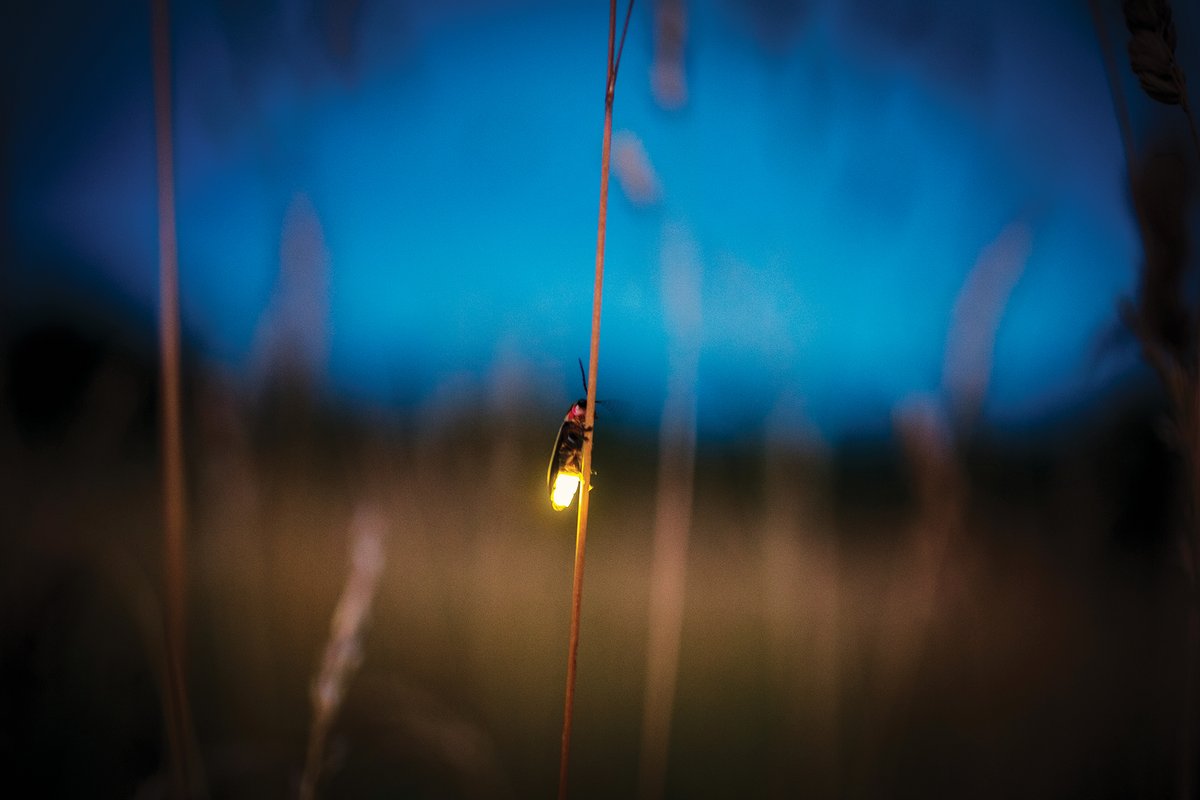
🌟
Nature may have a preferred tempo
De natuur heeft misschien een voorkeurs-tempo
La nature pourrait avoir un tempo préféré
While studying fireflies in Thailand, researchers discovered that crickets seemed to chirp in sync with the fireflies' flashing. This fascinating observation led to the realization that both species produced signals at a similar tempo of about 2.4 hertz. Interestingly, a broader survey revealed that many animals, from fish to birds, also communicate within a similar tempo range. This raises intriguing questions about why certain tempos are preferred across such diverse species.
Tijdens het bestuderen van vuurvliegjes in Thailand ontdekten onderzoekers dat krekels leken te tjirpen in sync met het flitsen van de vuurvliegjes. Deze fascinerende observatie leidde tot de ontdekking dat beide soorten signalen produceerden met een vergelijkbaar tempo van ongeveer 2,4 hertz. Interessant is dat een bredere enquête onthulde dat veel dieren, van vissen tot vogels, ook binnen een vergelijkbaar tempo bereik communiceren. Dit roept intrigerende vragen op over waarom bepaalde tempo's worden geprefereerd over zulke diverse soorten.
En étudiant des lucioles en Thaïlande, des chercheurs ont découvert que des grillons semblaient chanter en synchronisation avec les clignotements des lucioles. Cette observation fascinante a conduit à la réalisation que les deux espèces produisaient des signaux à un tempo similaire d'environ 2,4 hertz. Fait intéressant, une enquête plus large a révélé que de nombreux animaux, des poissons aux oiseaux, communiquent également dans une plage de tempo similaire. Cela soulève des questions intrigantes sur les raisons pour lesquelles certains tempos sont préférés à travers des espèces si diverses.

🌍
Ladakh’s geothermal energy: 5 ways India could put underground heat to work
Geothermische energie in Ladakh: 5 manieren waarop India ondergrondse warmte kan benutten
L'énergie géothermique du Ladakh : 5 façons dont l'Inde pourrait exploiter la chaleur souterraine
At an impressive altitude, Puga Valley in Ladakh is setting the stage for India's first geothermal power project. This initiative, featuring two deep wells, aims to harness the earth's heat for sustainable energy solutions. Beyond just generating electricity, geothermal energy could revolutionize heating homes and greenhouses, especially in cold regions. It’s exciting to think about how this natural resource can also help reduce food waste and support local industries.
Op een indrukwekkende hoogte is de Puga-vallei in Ladakh het toneel voor India's eerste geothermische energieproject. Dit initiatief, met twee diepe putten, heeft als doel de warmte van de aarde te benutten voor duurzame energieoplossingen. Naast het opwekken van elektriciteit kan geothermische energie de verwarming van huizen en kassen revolutioneren, vooral in koude gebieden. Het is spannend om te bedenken hoe deze natuurlijke hulpbron ook kan helpen voedselverspilling te verminderen en lokale industrieën te ondersteunen.
À une altitude impressionnante, la vallée de Puga au Ladakh prépare le terrain pour le premier projet de géothermie de l'Inde. Cette initiative, comprenant deux puits profonds, vise à exploiter la chaleur de la terre pour des solutions énergétiques durables. Au-delà de la production d'électricité, l'énergie géothermique pourrait révolutionner le chauffage des maisons et des serres, surtout dans les régions froides. C'est passionnant de penser à la façon dont cette ressource naturelle peut également aider à réduire le gaspillage alimentaire et soutenir les industries locales.
📏
BMI can be misleading. Doctors point to a simple measurement that says much more
BMI kan misleidend zijn. Artsen wijzen op een eenvoudige meting die veel meer zegt
L'IMC peut être trompeur. Les médecins soulignent une mesure simple qui en dit beaucoup plus
So, it turns out that BMI might not be the best way to assess obesity. Researchers found that a simple waist measurement can provide more accurate information about body fat and health risks. In fact, relying solely on BMI detected only about half of those with excess fat. This suggests that measuring waist circumference could be a much more effective tool for identifying obesity and its associated health risks.
Het blijkt dat BMI misschien niet de beste manier is om obesitas te beoordelen. Onderzoekers ontdekten dat een eenvoudige taillemeting nauwkeurigere informatie kan geven over lichaamsvet en gezondheidsrisico's. Het vertrouwen op alleen BMI detecteerde slechts ongeveer de helft van de mensen met overtollig vet. Dit suggereert dat het meten van de tailleomtrek een veel effectievere tool kan zijn voor het identificeren van obesitas en de bijbehorende gezondheidsrisico's.
Il s'avère que l'IMC n'est peut-être pas la meilleure façon d'évaluer l'obésité. Les chercheurs ont découvert qu'une simple mesure de la taille peut fournir des informations plus précises sur la graisse corporelle et les risques pour la santé. En fait, se fier uniquement à l'IMC n'a détecté qu'environ la moitié des personnes ayant un excès de graisse. Cela suggère que mesurer la circonférence de la taille pourrait être un outil beaucoup plus efficace pour identifier l'obésité et ses risques pour la santé associés.
🫐
Compound in blueberries may help muscle cells burn excess fat
Verbinding in blauwe bessen kan spiercellen helpen overtollig vet te verbranden
Un composé dans les myrtilles pourrait aider les cellules musculaires à brûler l'excès de graisse
So, researchers have discovered that pterostilbene, a compound found in blueberries, can help muscle cells burn excess fat. This is exciting because excess fat in muscle can lead to metabolic issues and insulin resistance. The study showed that pterostilbene stabilizes a key protein called PPARδ, which plays a crucial role in fat metabolism. By increasing the levels of this protein, pterostilbene encourages muscle cells to break down stored fats for energy, potentially paving the way for new dietary interventions.
Onderzoekers hebben ontdekt dat pterostilbeen, een verbinding die in blauwe bessen voorkomt, spiercellen kan helpen overtollig vet te verbranden. Dit is spannend omdat overtollig vet in spieren kan leiden tot metabolische problemen en insulineresistentie. De studie toonde aan dat pterostilbeen een belangrijk eiwit genaamd PPARδ stabiliseert, dat een cruciale rol speelt in vetmetabolisme. Door de niveaus van dit eiwit te verhogen, moedigt pterostilbeen spiercellen aan om opgeslagen vetten af te breken voor energie, wat mogelijk de weg vrijmaakt voor nieuwe dieetinterventies.
Les chercheurs ont découvert que le pterostilbène, un composé présent dans les myrtilles, peut aider les cellules musculaires à brûler l'excès de graisse. C'est passionnant car l'excès de graisse dans les muscles peut entraîner des problèmes métaboliques et une résistance à l'insuline. L'étude a montré que le pterostilbène stabilise une protéine clé appelée PPARδ, qui joue un rôle crucial dans le métabolisme des graisses. En augmentant les niveaux de cette protéine, le pterostilbène encourage les cellules musculaires à décomposer les graisses stockées pour produire de l'énergie, ouvrant ainsi la voie à de nouvelles interventions diététiques.

🗺️
The centuries-old problem of mapping the world
Het eeuwenoude probleem van het in kaart brengen van de wereld
Le problème séculaire de la cartographie du monde
So, the Mercator map, created in 1569 by Gerardus Mercator, has been a game changer for navigation. It brilliantly allows sailors to follow a straight compass bearing, but here's the catch - it distorts the size of countries, making those near the poles look much larger than they are. This has significant implications, especially for how we perceive Africa's resources and opportunities. Critics argue that maps do more than guide us; they shape our understanding of political and economic importance.
Dus, de Mercator-kaart, gemaakt in 1569 door Gerardus Mercator, is een belangrijke verandering geweest voor de navigatie. Het stelt zeilers in staat om een rechte kompasrichting te volgen, maar hier is het probleem - het vervormt de grootte van landen, waardoor die nabij de polen veel groter lijken dan ze zijn. Dit heeft belangrijke gevolgen, vooral voor hoe we de middelen en kansen van Afrika waarnemen. Critici beweren dat kaarten meer doen dan ons begeleiden; ze vormen ons begrip van politieke en economische belangrijkheid.
Alors, la carte de Mercator, créée en 1569 par Gerardus Mercator, a été un changement majeur pour la navigation. Elle permet brillamment aux marins de suivre une direction de compas droite, mais voici le problème - elle déforme la taille des pays, rendant ceux proches des pôles beaucoup plus grands qu'ils ne le sont. Cela a des implications significatives, notamment pour notre perception des ressources et des opportunités de l'Afrique. Les critiques soutiennent que les cartes font plus que nous guider ; elles façonnent notre compréhension de l'importance politique et économique.

🌳
Mobilizing walloon forest owners against climate change
Walloon bosbezitters mobiliseren tegen klimaatverandering
Mobiliser les propriétaires forestiers wallons contre le changement climatique
So, the article emphasizes the crucial role of nearly 80,000 private forest owners in Wallonia as we face the growing threat of climate change. These dedicated individuals actively manage over half of the region's forests, making them key players in fire prevention and resilience. Now, the author argues for better support and simplified regulations to empower these owners in their efforts. It's all about balancing forest management with the need for protection, ensuring that our natural spaces can thrive despite the challenges ahead.
Het artikel benadrukt de cruciale rol van bijna 80.000 particuliere bosbezitters in Wallonië nu we de groeiende dreiging van klimaatverandering onder ogen zien. Deze toegewijde individuen beheren actief meer dan de helft van de bossen in de regio, waardoor ze belangrijke spelers zijn in brandpreventie en veerkracht. Nu pleit de auteur voor betere ondersteuning en vereenvoudigde regelgeving om deze eigenaren te versterken in hun inspanningen. Het draait allemaal om het in balans brengen van bosbeheer met de noodzaak van bescherming, zodat onze natuurlijke ruimtes kunnen gedijen ondanks de uitdagingen die voor ons liggen.
L'article souligne le rôle crucial de près de 80 000 propriétaires forestiers privés en Wallonie face à la menace croissante du changement climatique. Ces individus dévoués gèrent activement plus de la moitié des forêts de la région, ce qui en fait des acteurs clés dans la prévention des incendies et la résilience. Maintenant, l'auteur plaide pour un meilleur soutien et une réglementation simplifiée afin d'autonomiser ces propriétaires dans leurs efforts. Il s'agit de trouver un équilibre entre la gestion forestière et la nécessité de protection, garantissant que nos espaces naturels puissent prospérer malgré les défis à venir.

📚
Humanities, elitist and useless? They are, however, a formidable asset in facing the world
Humanities, elitair en nutteloos? Ze zijn echter een formidabele troef in de wereld
Humanités, élitistes et inutiles? Elles sont pourtant un formidable atout face au monde
So, the article dives into the importance of humanities in education, arguing that they are far from elitist or useless. Instead, they cultivate critical thinking and creativity, preparing students to be free citizens. The author emphasizes that the value of humanities lies in their ability to teach what is truly important, rather than just what is useful. In a world that often prioritizes practicality, the humanities remain a vital asset for future generations.
Dus, het artikel duikt in het belang van de humaniora in het onderwijs en stelt dat ze verre van elitair of nutteloos zijn. In plaats daarvan cultiveren ze kritisch denken en creativiteit, waardoor studenten worden voorbereid om vrije burgers te zijn. De auteur benadrukt dat de waarde van de humaniora ligt in hun vermogen om te onderwijzen wat echt belangrijk is, in plaats van alleen wat nuttig is. In een wereld die vaak praktisch nut prioriteert, blijven de humaniora een vitale troef voor toekomstige generaties.
Alors, l'article plonge dans l'importance des humanités dans l'éducation, soutenant qu'elles ne sont pas du tout élitistes ou inutiles. Au contraire, elles cultivent la pensée critique et la créativité, préparant les étudiants à être des citoyens libres. L'auteur souligne que la valeur des humanités réside dans leur capacité à enseigner ce qui est vraiment important, plutôt que simplement ce qui est utile. Dans un monde qui privilégie souvent le pragmatisme, les humanités demeurent un atout vital pour les générations futures.

🌟
Alzheimer’s trial to test drug on people without symptoms to see if it can be prevented
Proef met Alzheimer om medicijn te testen bij mensen zonder symptomen om te zien of het kan worden voorkomen
Essai sur Alzheimer pour tester un médicament sur des personnes sans symptômes afin de voir s'il peut être prévenu
This exciting new trial is set to explore whether an experimental Alzheimer’s drug can prevent the onset of dementia in people who currently show no symptoms. Healthy middle-aged individuals at higher risk will be screened, and those with a specific biomarker will have the chance to participate. The PrevenTRON study aims to shift the focus from treating Alzheimer’s to preventing it altogether, which is a game changer! With the potential to help millions, this research could redefine how we approach this condition.
Deze spannende nieuwe proef gaat onderzoeken of een experimenteel medicijn voor Alzheimer de ontwikkeling van dementie kan voorkomen bij mensen die momenteel geen symptomen vertonen. Gezonde middelbare leeftijdsgenoten met een hoger risico worden gescreend, en degenen met een specifieke biomarker krijgen de kans om deel te nemen. De PrevenTRON-studie heeft als doel de focus te verschuiven van het behandelen van Alzheimer naar het voorkomen ervan, wat een grote verandering is! Met het potentieel om miljoenen te helpen, zou dit onderzoek onze benadering van deze aandoening kunnen herdefiniëren.
Cet essai passionnant vise à explorer si un médicament expérimental contre Alzheimer peut prévenir l'apparition de la démence chez des personnes qui ne présentent actuellement aucun symptôme. Des individus en bonne santé d'âge moyen à risque plus élevé seront dépistés, et ceux ayant un biomarqueur spécifique auront la chance de participer. L'étude PrevenTRON vise à déplacer l'accent du traitement d'Alzheimer vers sa prévention, ce qui est révolutionnaire ! Avec le potentiel d'aider des millions de personnes, cette recherche pourrait redéfinir notre approche de cette maladie.
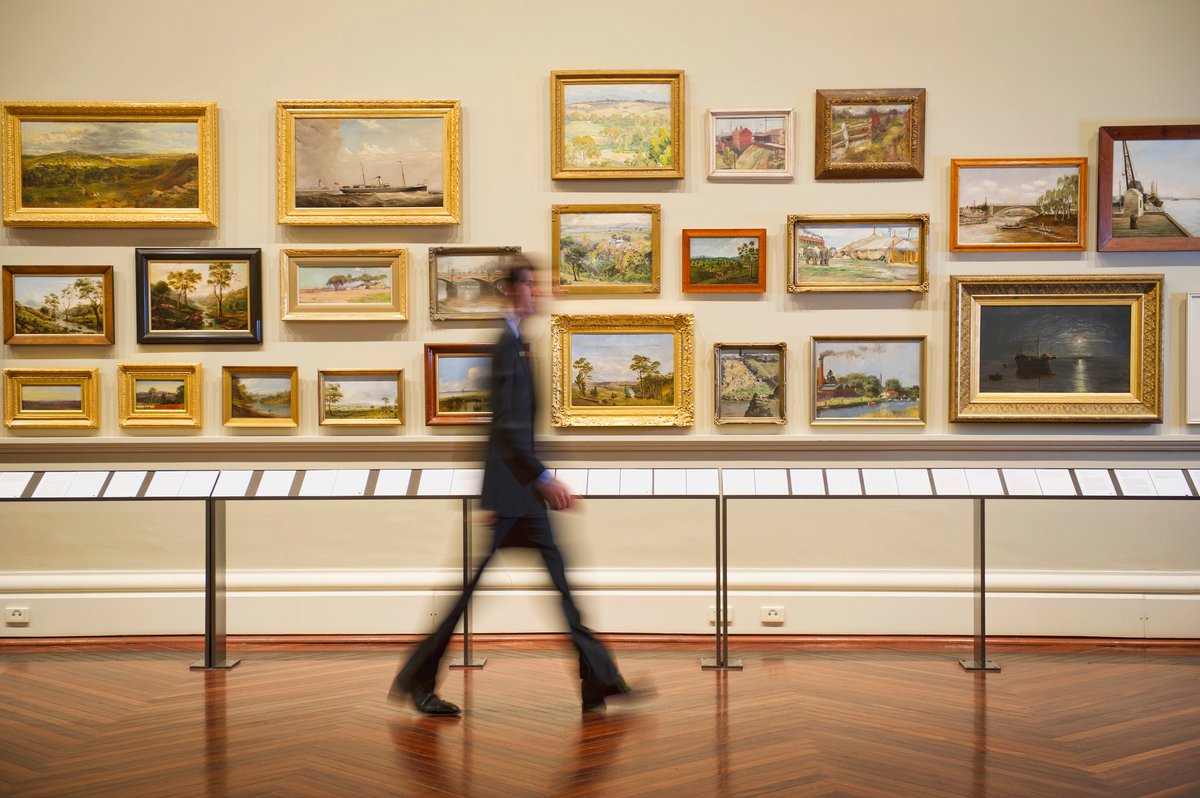
🎨
Mathematicians discover the worst way to hang a painting
Wiskundigen ontdekken de slechtste manier om een schilderij op te hangen
Des mathématiciens découvrent la pire façon de suspendre un tableau
So, it turns out there's a really fascinating math problem about hanging paintings! Mathematicians have figured out how to hang a painting in such a way that removing any nail will make it fall. This quirky challenge has led to some surprising discoveries in group theory and knot theory. And here's the thing: even though it sounds silly, it’s all about learning through play and exploring complex ideas.
Dus, het blijkt dat er een fascinerend wiskundeprobleem is over het ophangen van schilderijen! Wiskundigen hebben ontdekt hoe je een schilderij zo kunt ophangen dat het valt als je een spijker verwijdert. Deze eigenaardige uitdaging heeft geleid tot verrassende ontdekkingen in de groepstheorie en knooptheorie. En hier is het punt: hoewel het belachelijk klinkt, draait het allemaal om leren door te spelen en complexe ideeën te verkennen.
Alors, il s'avère qu'il existe un problème mathématique vraiment fascinant sur la façon de suspendre des tableaux ! Des mathématiciens ont découvert comment accrocher un tableau de telle sorte que retirer un clou le fasse tomber. Ce défi original a conduit à des découvertes surprenantes en théorie des groupes et en théorie des nœuds. Et voici le truc : même si cela semble absurde, il s'agit avant tout d'apprendre en jouant et d'explorer des idées complexes.
/s3/static.nrc.nl/wp-content/uploads/2026/09/04141539/040926BUI_2036448388_thuis-2015.jpg)
🌟
As a symbol of feminism, Gloria Steinem changed America
Als boegbeeld van het feminisme veranderde Gloria Steinem Amerika
En tant que symbole du féminisme, Gloria Steinem a changé l'Amérique
Gloria Steinem, a pivotal figure in the feminist movement, dedicated her life to fighting for women's rights until her passing at 92. Despite her significant contributions, recent events in the U.S. have cast a shadow on her legacy, with many hard-won rights now under threat. Steinem's journey from a challenging childhood to becoming a leading voice for equality is truly inspiring. Her undercover work at the Playboy Mansion and her fierce advocacy for women's issues have left an indelible mark on American culture.
Gloria Steinem, een belangrijke figuur in de feministische beweging, wijdde haar leven aan de strijd voor vrouwenrechten tot haar overlijden op 92-jarige leeftijd. Ondanks haar aanzienlijke bijdragen werpen recente gebeurtenissen in de VS een schaduw over haar nalatenschap, met veel verworven rechten die nu onder druk staan. Steinem's reis van een moeilijke kindertijd naar een leidende stem voor gelijkheid is werkelijk inspirerend. Haar undercoverwerk in de Playboy Mansion en haar felle pleidooi voor vrouwenkwesties hebben een onuitwisbare indruk achtergelaten op de Amerikaanse cultuur.
Gloria Steinem, figure emblématique du mouvement féministe, a consacré sa vie à la lutte pour les droits des femmes jusqu'à son décès à 92 ans. Malgré ses contributions significatives, les événements récents aux États-Unis jettent une ombre sur son héritage, avec de nombreux droits acquis désormais menacés. Le parcours de Steinem, d'une enfance difficile à une voix de premier plan pour l'égalité, est véritablement inspirant. Son travail d'infiltration au Playboy Mansion et son plaidoyer ardent pour les questions féminines ont laissé une empreinte indélébile sur la culture américaine.
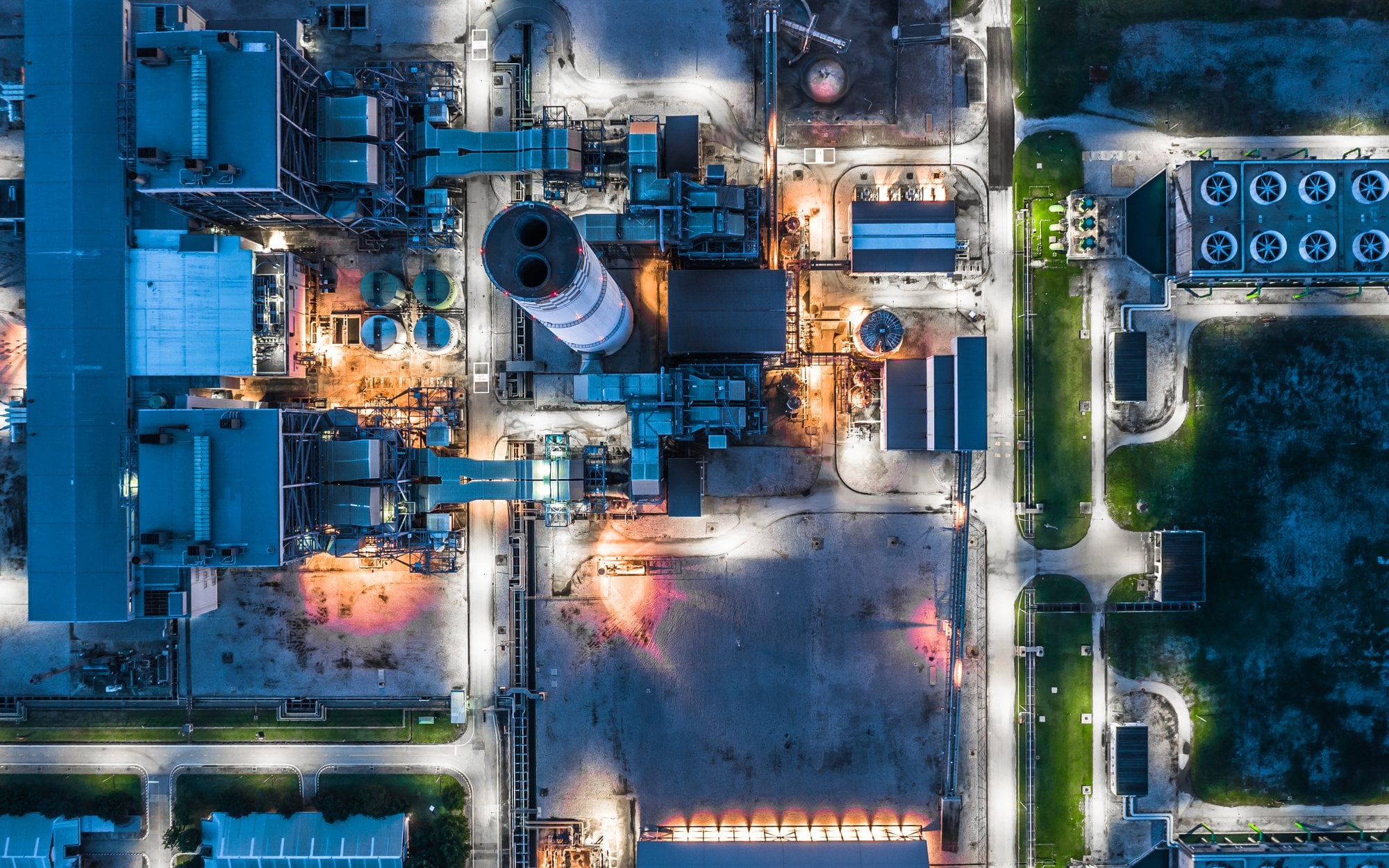
⚡
7 billion zł for a groundbreaking project. Poland will gain a huge 'water battery'
7 miljard zł voor een baanbrekend project. Polen krijgt een enorme 'waterbatterij'
7 milliards de zł pour un projet révolutionnaire. La Pologne va gagner une énorme 'batterie d'eau'
Poland is set to build its largest pumped-storage power plant near Lake Rożnowskie, with a staggering budget of around 7 billion zł. This facility, expected to be operational by 2033, will feature a massive upper reservoir that can hold at least 7.7 million cubic meters of water. It will act like a giant battery, storing excess energy and providing power during peak demand. This project not only promises to stabilize the national energy system but also aims to create hundreds of jobs and enhance flood protection in the region.
Polen staat op het punt zijn grootste pompen-accumulatiecentrale te bouwen nabij het Rożnowskie-meer, met een verbazingwekkend budget van ongeveer 7 miljard zł. Deze faciliteit, die naar verwachting in 2033 operationeel zal zijn, zal een enorme bovenreservoir bevatten dat minstens 7,7 miljoen kubieke meter water kan bevatten. Het zal fungeren als een enorme batterij, die overtollige energie opslaat en stroom levert tijdens piekverbruik. Dit project belooft niet alleen het nationale energiesysteem te stabiliseren, maar ook honderden banen te creëren en de overstromingsbescherming in de regio te verbeteren.
La Pologne s'apprête à construire sa plus grande centrale de pompage-turbinage près du lac Rożnowskie, avec un budget impressionnant d'environ 7 milliards de zł. Cette installation, qui devrait être opérationnelle d'ici 2033, disposera d'un immense réservoir supérieur pouvant contenir au moins 7,7 millions de mètres cubes d'eau. Elle agira comme une gigantesque batterie, stockant l'énergie excédentaire et fournissant de l'électricité en période de forte demande. Ce projet promet non seulement de stabiliser le système énergétique national, mais aussi de créer des centaines d'emplois et d'améliorer la protection contre les inondations dans la région.

🌍
UN votes for a fairer world map that accurately represents Africa
VN stemt voor een eerlijker wereldkaart dat Afrika nauwkeurig weergeeft
L'ONU vote pour une carte du monde plus juste qui représente fidèlement l'Afrique
So, the United Nations has just made a significant move by voting for a new world map that aims to represent countries more accurately. This new Equal Earth map, which was introduced in 2018, shows Africa in its true size, unlike the traditional Mercator projection that makes it look much smaller. A whopping 164 countries supported this resolution, highlighting a growing recognition of the importance of accurate representations. While the resolution isn't binding, experts believe that many institutions will quickly adopt this new approach, which is a fantastic step towards fairness in cartography.
Dus, de Verenigde Naties hebben net een belangrijke stap gezet door te stemmen voor een nieuwe wereldkaart die landen nauwkeuriger weergeeft. Deze nieuwe Equal Earth-kaart, die in 2018 werd geïntroduceerd, toont Afrika in zijn ware grootte, in tegenstelling tot de traditionele Mercatorprojectie die het veel kleiner laat lijken. Maar liefst 164 landen steunden deze resolutie, wat de groeiende erkenning van het belang van nauwkeurige weergaven benadrukt. Hoewel de resolutie niet bindend is, geloven experts dat veel instellingen snel deze nieuwe aanpak zullen overnemen, wat een fantastische stap is naar eerlijkheid in de cartografie.
Alors, les Nations Unies viennent de faire un pas significatif en votant pour une nouvelle carte du monde qui vise à représenter les pays de manière plus précise. Cette nouvelle carte Equal Earth, introduite en 2018, montre l'Afrique dans sa véritable taille, contrairement à la projection Mercator traditionnelle qui la fait paraître beaucoup plus petite. Pas moins de 164 pays ont soutenu cette résolution, soulignant une reconnaissance croissante de l'importance des représentations précises. Bien que la résolution ne soit pas contraignante, les experts estiment que de nombreuses institutions adopteront rapidement cette nouvelle approche, ce qui est une étape fantastique vers l'équité en cartographie.
🌱
Space-loving botanist wondered if Martian soil is fertile, so he recreated it and planted seeds
Ruimte-liefhebbende botanicus vroeg zich af of Marsgrond vruchtbaar is, dus hij recreëerde het en plantte zaden
Un botaniste passionné par l'espace s'est demandé si le sol martien était fertile, alors il l'a recréé et a planté des graines
How exciting is this? A botanist named Wieger Wamelink decided to see if Martian soil could actually support plant life, so he created his own version in a lab! He planted over 4,200 seeds and was thrilled to find that most of them germinated. While the plants struggled to thrive due to the soil's harsh conditions, Wamelink's experiments led to some surprising successes, including growing kale better than on Earth. This journey into astroagriculture is a fascinating step towards understanding life beyond our planet!
Hoe spannend is dit? Een botanicus genaamd Wieger Wamelink besloot te onderzoeken of Marsgrond daadwerkelijk plantengroei kon ondersteunen, dus creëerde hij zijn eigen versie in een lab! Hij plantte meer dan 4.200 zaden en was verheugd te ontdekken dat de meeste ontkiemden. Hoewel de planten moeite hadden om te gedijen door de barre omstandigheden van de grond, leidde Wamelinks experimenten tot enkele verrassende successen, waaronder het beter laten groeien van boerenkool dan op aarde. Deze reis naar astro-agricultuur is een fascinerende stap in de richting van het begrijpen van leven buiten onze planeet!
À quel point c'est excitant ? Un botaniste nommé Wieger Wamelink a décidé de voir si le sol martien pouvait réellement soutenir la vie végétale, alors il a créé sa propre version dans un laboratoire ! Il a planté plus de 4 200 graines et a été ravi de constater que la plupart d'entre elles ont germé. Bien que les plantes aient eu du mal à prospérer en raison des conditions difficiles du sol, les expériences de Wamelink ont conduit à des succès surprenants, y compris la culture de chou frisé mieux que sur Terre. Ce voyage dans l'astro-agriculture est une étape fascinante vers la compréhension de la vie au-delà de notre planète !
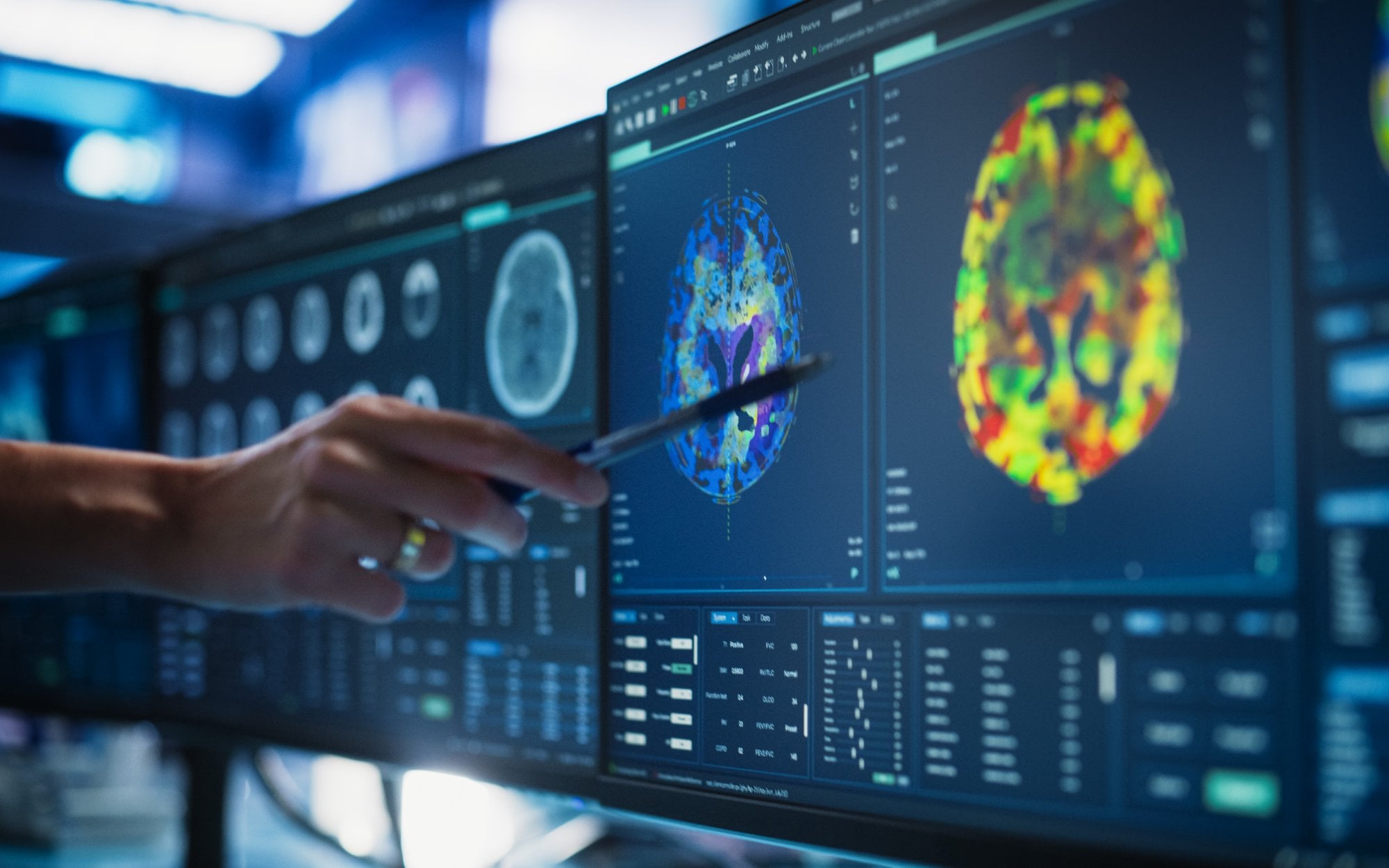
🧠
Scientists on the brink of creating a digital twin of the human brain
Wetenschappers op de rand van het creëren van een digitale tweeling van de menselijke hersenen
Des scientifiques au bord de la création d'un jumeau numérique du cerveau humain
Researchers from the University of Warwick are exploring the creation of a synthetic copy of the human brain, which could offer tremendous benefits across various fields. This digital twin could facilitate ethical neuroscience experiments and help in personalizing medical treatments for patients. Additionally, it could enhance AI systems by improving their perception and adaptability. However, the challenge lies in accurately mapping the complex connections of the human brain, which far exceeds simpler models like that of the C. elegans worm.
Onderzoekers van de Universiteit van Warwick verkennen de creatie van een synthetische kopie van de menselijke hersenen, wat enorme voordelen kan bieden in verschillende gebieden. Deze digitale tweeling zou ethische neurowetenschappelijke experimenten kunnen vergemakkelijken en helpen bij het personaliseren van medische behandelingen voor patiënten. Bovendien zou het AI-systemen kunnen verbeteren door hun waarneming en aanpassingsvermogen te vergroten. De uitdaging ligt echter in het nauwkeurig in kaart brengen van de complexe verbindingen van de menselijke hersenen, wat ver boven eenvoudigere modellen zoals dat van de C. elegans-worm uitstijgt.
Des chercheurs de l'Université de Warwick explorent la création d'une copie synthétique du cerveau humain, qui pourrait offrir d'énormes avantages dans divers domaines. Ce jumeau numérique pourrait faciliter des expériences en neurosciences éthiques et aider à personnaliser les traitements médicaux pour les patients. De plus, il pourrait améliorer les systèmes d'IA en renforçant leur perception et leur capacité d'adaptation. Cependant, le défi réside dans la cartographie précise des connexions complexes du cerveau humain, qui dépasse de loin des modèles plus simples comme celui du ver C. elegans.

🐷
From 6 to 194: How Assam Is Bringing the World’s Smallest Pig Back to the Wild
Van 6 naar 194: Hoe Assam de kleinste varkens ter wereld terugbrengt naar de natuur
De 6 à 194 : Comment l'Assam ramène le plus petit cochon du monde dans la nature
It's incredible to see how conservation efforts have transformed the fate of the pygmy hog in Assam! Nearly 30 years after six of these tiny creatures were taken from their grassland home to prevent extinction, their descendants are finally being released back into the wild. This June, fifteen captive-bred pygmy hogs were set free in the Kuribeel grasslands, marking a significant milestone in the Pygmy Hog Conservation Programme. With 194 pygmy hogs now reintroduced across Assam, there's a real hope for the survival of this unique species and the fragile ecosystems they inhabit.
Het is ongelooflijk om te zien hoe de inspanningen voor natuurbehoud het lot van het pygmee-varken in Assam hebben veranderd! Bijna 30 jaar nadat zes van deze kleine wezens uit hun graslandhuis zijn gehaald om uitsterven te voorkomen, worden hun nakomelingen eindelijk weer in het wild vrijgelaten. In juni werden vijftien in gevangenschap gefokte pygmee-varkens vrijgelaten in de Kuribeel-graslanden, wat een belangrijke mijlpaal markeert in het Pygmee-varken Conservatieprogramma. Met 194 pygmee-varkens die nu opnieuw zijn geïntroduceerd in Assam, is er echte hoop voor het voortbestaan van deze unieke soort en de kwetsbare ecosystemen waarin ze leven.
C'est incroyable de voir comment les efforts de conservation ont transformé le destin du cochon pygmée en Assam ! Près de 30 ans après que six de ces petites créatures ont été retirées de leur habitat de prairie pour éviter l'extinction, leurs descendants sont enfin relâchés dans la nature. En juin, quinze cochons pygmées élevés en captivité ont été libérés dans les prairies de Kuribeel, marquant une étape importante dans le Programme de conservation du cochon pygmée. Avec 194 cochons pygmées maintenant réintroduits à travers l'Assam, il y a un véritable espoir pour la survie de cette espèce unique et des écosystèmes fragiles qu'ils habitent.

🌳
How a wondrous forest has survived in the heart of Latin America’s largest city
Hoe een wonderlijk bos heeft overleefd in het hart van de grootste stad van Latijns-Amerika
Comment une forêt merveilleuse a survécu au cœur de la plus grande ville d'Amérique latine
Isn't it fascinating how a forest has managed to thrive right in the middle of a bustling city? The Guarani people, with a rich history dating back to the 1500s, have faced numerous challenges in their fight for recognition and territory. Recently, the Lula administration has taken steps to revive their ancestral rights, but political hurdles still loom large. It's a story of resilience and hope, showing that nature and culture can endure even in the most unexpected places.
Is het niet fascinerend hoe een bos midden in een bruisende stad heeft weten te overleven? Het Guarani-volk, met een rijke geschiedenis die teruggaat tot de 16e eeuw, heeft talloze uitdagingen ondervonden in hun strijd voor erkenning en grondgebied. Onlangs heeft de regering van Lula stappen ondernomen om hun voorouderlijke rechten nieuw leven in te blazen, maar politieke obstakels blijven groot. Het is een verhaal van veerkracht en hoop, dat laat zien dat natuur en cultuur zelfs op de meest onverwachte plaatsen kunnen voortbestaan.
N'est-ce pas fascinant de voir comment une forêt a réussi à prospérer au cœur d'une ville animée ? Le peuple Guarani, avec une histoire riche remontant aux années 1500, a rencontré de nombreux défis dans sa lutte pour la reconnaissance et le territoire. Récemment, l'administration Lula a pris des mesures pour raviver leurs droits ancestraux, mais des obstacles politiques demeurent. C'est une histoire de résilience et d'espoir, montrant que la nature et la culture peuvent perdurer même dans les endroits les plus inattendus.

🦧
How a secret orangutan breeding program is creating a baby boom
Hoe een geheim orang-oetan fokprogramma een babyboom creëert
Comment un programme de reproduction secret d'orangs-outans crée un baby-boom
It's amazing to hear about the recent baby boom of orangutans in US zoos, with eight adorable babies born since early 2025! This success comes from a carefully planned breeding program that has been in place for decades, aiming to ensure a healthy population of these critically endangered primates. The dedication of the staff, who even use human prenatal care techniques, really highlights the bond between humans and orangutans. Each birth is a remarkable achievement, showcasing the hard work and commitment to conservation efforts.
Het is geweldig om te horen over de recente babyboom van orang-oetans in Amerikaanse dierenparken, met acht schattige baby's die sinds begin 2025 zijn geboren! Dit succes komt voort uit een zorgvuldig gepland fokprogramma dat al tientallen jaren bestaat, met als doel een gezonde populatie van deze kritiek bedreigde primaten te waarborgen. De toewijding van het personeel, dat zelfs menselijke prenatale zorgtechnieken gebruikt, benadrukt echt de band tussen mensen en orang-oetans. Elke geboorte is een opmerkelijke prestatie en toont de harde werk en inzet voor conserveringsinspanningen.
C'est incroyable d'entendre parler de la récente vague de naissances d'orangs-outans dans les zoos américains, avec huit adorables bébés nés depuis début 2025 ! Ce succès découle d'un programme de reproduction soigneusement planifié qui existe depuis des décennies, visant à garantir une population saine de ces primates en danger critique. Le dévouement du personnel, qui utilise même des techniques de soins prénatals humaines, met vraiment en lumière le lien entre les humains et les orangs-outans. Chaque naissance est une réalisation remarquable, témoignant du travail acharné et de l'engagement envers les efforts de conservation.

🌌
What the heck? Another perfect geometric shape has been detected on Saturn
Wat is dit? Weer een perfecte geometrische vorm ontdekt op Saturnus
Que se passe-t-il ? Une autre forme géométrique parfaite détectée sur Saturne
So, astronomers have spotted a fascinating new decagon shape on Saturn, right near its south pole! This 10-sided figure joins the already famous hexagon at the north pole, which has intrigued scientists for decades. The images captured by the Hubble Space Telescope reveal a dynamic atmosphere where clouds form these unusual patterns. It's amazing to think that each side of this decagon is longer than Earth's diameter, and yet the pattern shifts at a snail's pace compared to the roaring jet streams nearby.
Dus, astronomen hebben een fascinerende nieuwe decagon-vorm ontdekt op Saturnus, vlakbij de zuidpool! Deze 10-zijdige figuur voegt zich bij de al beroemde hexagon op de noordpool, die wetenschappers al tientallen jaren intrigeert. De beelden die zijn vastgelegd door de Hubble Space Telescope onthullen een dynamische atmosfeer waarin wolken deze ongebruikelijke patronen vormen. Het is verbazingwekkend om te bedenken dat elke zijde van deze decagon langer is dan de diameter van de aarde, en toch verschuift het patroon met een slakkengang in vergelijking met de razende straalstromen in de buurt.
Alors, des astronomes ont repéré une fascinante nouvelle forme de décagone sur Saturne, juste près de son pôle sud ! Cette figure à 10 côtés rejoint l'hexagone déjà célèbre au pôle nord, qui intrigue les scientifiques depuis des décennies. Les images capturées par le télescope spatial Hubble révèlent une atmosphère dynamique où les nuages forment ces motifs inhabituels. C'est incroyable de penser que chaque côté de ce décagone est plus long que le diamètre de la Terre, et pourtant le motif se déplace à une vitesse d'escargot par rapport aux courants-jets rugissants à proximité.

🐶
Why dogs tilt their heads, according to science
Waarom honden hun hoofd kantelen, volgens de wetenschap
Pourquoi les chiens penchent la tête, selon la science
So, have you ever noticed how dogs tilt their heads when you talk to them? It's not just for cuteness—there's some intriguing science behind it! Researchers suggest that this adorable behavior might help dogs hear and process our words better. Some dogs even tilt their heads more when they recognize certain words, which is just fascinating. This episode of Ask Us Anything dives into all these theories and more!
Heb je ooit opgemerkt hoe honden hun hoofd kantelen als je met ze praat? Het is niet alleen schattig—er zit interessante wetenschap achter! Onderzoekers suggereren dat dit schattige gedrag honden helpt om onze woorden beter te horen en te verwerken. Sommige honden kantelen hun hoofd zelfs meer wanneer ze bepaalde woorden herkennen, wat gewoon fascinerend is. Deze aflevering van Ask Us Anything duikt in al deze theorieën en meer!
Avez-vous déjà remarqué comment les chiens penchent la tête quand vous leur parlez ? Ce n'est pas seulement pour être mignon—il y a une science fascinante derrière cela ! Les chercheurs suggèrent que ce comportement adorable pourrait aider les chiens à mieux entendre et traiter nos mots. Certains chiens penchent même la tête davantage lorsqu'ils reconnaissent certains mots, ce qui est tout simplement fascinant. Cet épisode de Ask Us Anything explore toutes ces théories et plus encore !
😂
2026 Ig Nobels honor cockroach milk, interspecies kissing, taunting venomous snakes and more
2026 Ig Nobels eren kakkerlakkenmelk, interspecies kussen, het tarten van giftige slangen en meer
Les Ig Nobels 2026 honorent le lait de cafard, les baisers interespèces, les serpents venimeux taquins et plus encore
The 2026 Ig Nobel Prizes have been awarded, celebrating the quirkiest and most amusing research out there! One standout winner studied cockroach milk, revealing it's over three times as energy-dense as regular dairy. Other fun awards went to scientists defining 'kissing' and a team that bravely provoked venomous snakes to understand their behavior. It's a reminder that even the silliest science can lead to meaningful insights, making us laugh and think at the same time.
De Ig Nobelprijzen van 2026 zijn uitgereikt en vieren het meest eigenaardige en vermakelijke onderzoek! Een opvallende winnaar bestudeerde kakkerlakkenmelk en ontdekte dat het meer dan drie keer zo energierijk is als gewone zuivel. Andere leuke prijzen gingen naar wetenschappers die 'kussen' definieerden en een team dat dapper giftige slangen uitdaagde om hun gedrag te begrijpen. Het herinnert ons eraan dat zelfs het meest absurde onderzoek kan leiden tot betekenisvolle inzichten, waardoor we lachen en nadenken tegelijk.
Les Ig Nobels 2026 ont été décernés, célébrant les recherches les plus étranges et amusantes ! Un lauréat a étudié le lait de cafard, révélant qu'il est plus de trois fois plus riche en énergie que le lait ordinaire. D'autres prix amusants ont été attribués à des scientifiques qui ont défini le 'baiser' et à une équipe qui a bravement provoqué des serpents venimeux pour comprendre leur comportement. Cela nous rappelle que même la science la plus absurde peut mener à des idées significatives, nous faisant rire et réfléchir en même temps.
🌬️
A longer exhale may push your brain toward bolder decisions
Een langere uitademing kan je brein naar dapperdere beslissingen duwen
Une expiration plus longue peut pousser votre cerveau vers des décisions plus audacieuses
So, a fascinating new study reveals that changing your breathing rhythm can actually influence your decision-making! Researchers found that longer exhalations increased heart rate variability and made the brain more responsive to rewards, leading to bolder choices. This is quite a shift from the traditional view that decision-making is solely a brain process. It turns out our bodily state plays a crucial role, and by simply breathing differently, we can enhance our ability to take risks.
Een fascinerende nieuwe studie onthult dat het veranderen van je ademhalingsritme daadwerkelijk invloed kan hebben op je besluitvorming! Onderzoekers ontdekten dat langere uitademingen de hartslagvariabiliteit verhoogden en het brein gevoeliger maakten voor beloningen, wat leidde tot dapperdere keuzes. Dit is een behoorlijke verschuiving van de traditionele opvatting dat besluitvorming uitsluitend een hersenproces is. Het blijkt dat onze lichamelijke toestand een cruciale rol speelt, en door simpelweg anders te ademen, kunnen we ons vermogen om risico's te nemen verbeteren.
Une nouvelle étude fascinante révèle que changer le rythme de votre respiration peut en fait influencer votre prise de décision ! Les chercheurs ont découvert que des expirations plus longues augmentaient la variabilité de la fréquence cardiaque et rendaient le cerveau plus réceptif aux récompenses, ce qui conduisait à des choix plus audacieux. C'est un changement considérable par rapport à la vision traditionnelle selon laquelle la prise de décision est uniquement un processus cérébral. Il s'avère que notre état corporel joue un rôle crucial, et en respirant simplement différemment, nous pouvons améliorer notre capacité à prendre des risques.
🌟
Stanford scientists discover a seafood that can reverse signs of aging
Stanford wetenschappers ontdekken een zeevrucht die tekenen van veroudering kan omkeren
Des scientifiques de Stanford découvrent un fruit de mer qui peut inverser les signes du vieillissement
Aging is something we all experience, but what if we could actually reverse some of its signs? A fascinating study involving sea squirts has shown that dietary supplements containing plasmalogens can improve memory and even restore hair color in aged mice. Researchers found that these compounds not only helped the mice learn better but also enhanced their brain connections. This groundbreaking work opens up exciting possibilities for combating cognitive decline as we age.
Veroudering is iets wat we allemaal ervaren, maar wat als we sommige tekenen ervan daadwerkelijk konden omkeren? Een fascinerende studie met zakpijpen heeft aangetoond dat voedingssupplementen met plasmalogenen het geheugen kunnen verbeteren en zelfs de haarkleur van oudere muizen kunnen herstellen. Onderzoekers ontdekten dat deze verbindingen de muizen niet alleen hielpen beter te leren, maar ook hun hersenverbindingen verbeterden. Dit baanbrekende werk opent spannende mogelijkheden voor het bestrijden van cognitieve achteruitgang naarmate we ouder worden.
Le vieillissement est quelque chose que nous vivons tous, mais que se passerait-il si nous pouvions réellement inverser certains de ses signes ? Une étude fascinante impliquant des ascidies a montré que des suppléments alimentaires contenant des plasmalogènes peuvent améliorer la mémoire et même restaurer la couleur des cheveux chez des souris âgées. Les chercheurs ont découvert que ces composés aidaient non seulement les souris à mieux apprendre, mais amélioraient également leurs connexions cérébrales. Ce travail révolutionnaire ouvre des possibilités passionnantes pour lutter contre le déclin cognitif à mesure que nous vieillissons.
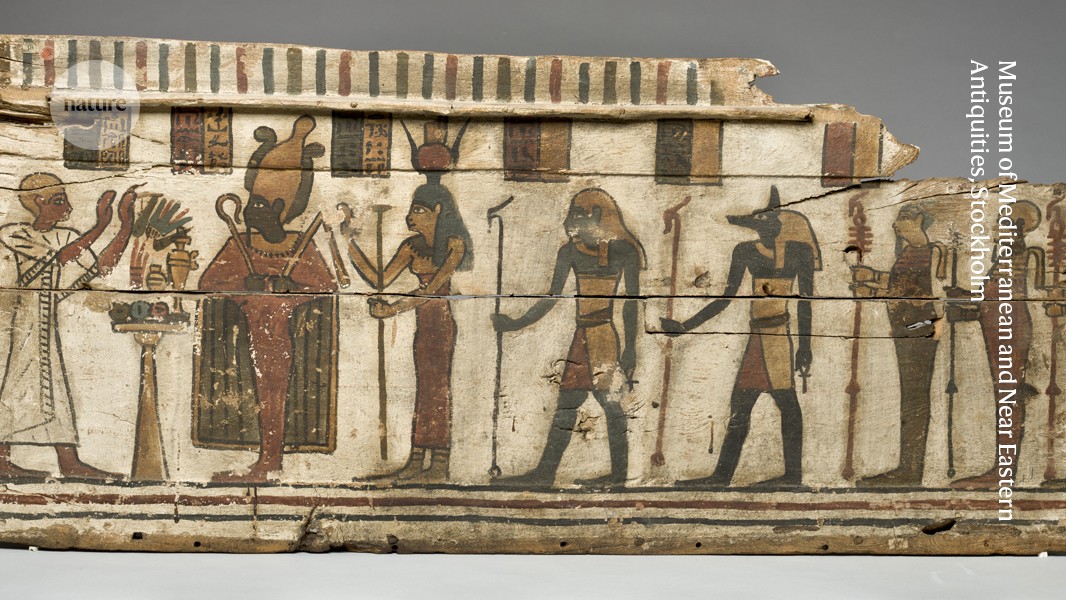
🎨
Body parts used for ancient Egyptian artworks traced to surprising source
Lichaamsdelen gebruikt voor oude Egyptische kunstwerken teruggevonden bij verrassende bron
Des parties du corps utilisées pour des œuvres d'art égyptiennes anciennes retracées à une source surprenante
So, it turns out that ancient Egyptians were quite resourceful when it came to creating their artworks! They used body parts from a variety of animals, including donkeys and antelopes, along with plant materials. This research highlights that the ingredients for their art came from a broader range of species than we ever imagined. It's fascinating to think about the creativity and resourcefulness of these ancient artists!
Het blijkt dat oude Egyptenaren behoorlijk vindingrijk waren als het ging om het maken van hun kunstwerken! Ze gebruikten lichaamsdelen van verschillende dieren, waaronder ezels en antilopen, samen met plantaardig materiaal. Dit onderzoek benadrukt dat de ingrediënten voor hun kunst afkomstig waren van een breder scala aan soorten dan we ooit hadden gedacht. Het is fascinerend om na te denken over de creativiteit en vindingrijkheid van deze oude kunstenaars!
Il s'avère que les anciens Égyptiens étaient très ingénieux lorsqu'il s'agissait de créer leurs œuvres d'art ! Ils utilisaient des parties du corps d'une variété d'animaux, y compris des ânes et des antilopes, ainsi que des matériaux végétaux. Cette recherche met en lumière que les ingrédients de leur art provenaient d'un éventail plus large d'espèces que nous ne l'avions jamais imaginé. C'est fascinant de penser à la créativité et à l'ingéniosité de ces anciens artistes !

🌍
UN to vote on adopting new world map that shows Africa’s true scale
VN stemt over het aannemen van een nieuwe wereldkaart die de ware omvang van Afrika toont
L'ONU votera sur l'adoption d'une nouvelle carte du monde montrant la véritable taille de l'Afrique
The UN is gearing up for a significant vote on a resolution that could replace the traditional Mercator map with one that accurately represents Africa's size. Togo's foreign affairs minister highlighted the scientific basis for this change, supported by the African Union and other nations. This shift could reshape educational materials and technology, challenging long-held biases in global perceptions. If successful, it would mark a step towards decolonizing how we view the world, especially Africa's vital role.
De VN staat op het punt om te stemmen over een belangrijke resolutie die de traditionele Mercator-kaart zou vervangen door een kaart die de ware omvang van Afrika nauwkeurig weergeeft. De minister van Buitenlandse Zaken van Togo benadrukte de wetenschappelijke basis voor deze verandering, gesteund door de Afrikaanse Unie en andere landen. Deze verschuiving zou educatieve materialen en technologie kunnen hervormen en lang gekoesterde vooroordelen in wereldpercepties uitdagen. Bij succes zou dit een stap zijn naar het dekoloniseren van hoe we de wereld bekijken, vooral de vitale rol van Afrika.
L'ONU se prépare à un vote significatif sur une résolution qui pourrait remplacer la carte traditionnelle de Mercator par une carte qui représente fidèlement la taille de l'Afrique. Le ministre des Affaires étrangères du Togo a souligné la base scientifique de ce changement, soutenu par l'Union africaine et d'autres nations. Ce changement pourrait remodeler les matériaux éducatifs et la technologie, remettant en question des préjugés longtemps ancrés dans les perceptions mondiales. En cas de succès, cela marquerait une étape vers la décolonisation de notre vision du monde, en particulier le rôle vital de l'Afrique.

🌟
What makes a city safe for women? 6 lessons from India’s safest cities
Wat maakt een stad veilig voor vrouwen? 6 lessen uit de veiligste steden van India
Qu'est-ce qui rend une ville sûre pour les femmes ? 6 leçons des villes les plus sûres d'Inde
So, what really makes a city safe for women? The NARI 2025 index reveals that community trust and active policing can create a safer environment, as seen in cities like Kohima and Aizawl. It's fascinating how social connections often outperform physical infrastructure in ensuring safety. Plus, the Northeast showcases a model worth emulating, where women's voices are integral to local governance. This is a hopeful reminder that safety is not just about laws but about people looking out for each other.
Dus, wat maakt een stad echt veilig voor vrouwen? De NARI 2025-index onthult dat gemeenschapsvertrouwen en actieve politie een veiligere omgeving kunnen creëren, zoals te zien is in steden als Kohima en Aizawl. Het is fascinerend hoe sociale verbindingen vaak beter presteren dan fysieke infrastructuur als het gaat om veiligheid. Bovendien toont het noordoosten een model dat het waard is om na te volgen, waar de stemmen van vrouwen een integraal onderdeel zijn van het lokaal bestuur. Dit is een hoopvolle herinnering dat veiligheid niet alleen om wetten gaat, maar om mensen die voor elkaar zorgen.
Alors, qu'est-ce qui rend vraiment une ville sûre pour les femmes ? L'indice NARI 2025 révèle que la confiance communautaire et une police active peuvent créer un environnement plus sûr, comme on le voit dans des villes comme Kohima et Aizawl. C'est fascinant de constater que les connexions sociales surpassent souvent l'infrastructure physique en matière de sécurité. De plus, le Nord-Est présente un modèle à imiter, où les voix des femmes sont intégrées à la gouvernance locale. C'est un rappel encourageant que la sécurité ne concerne pas seulement les lois, mais aussi les gens qui veillent les uns sur les autres.
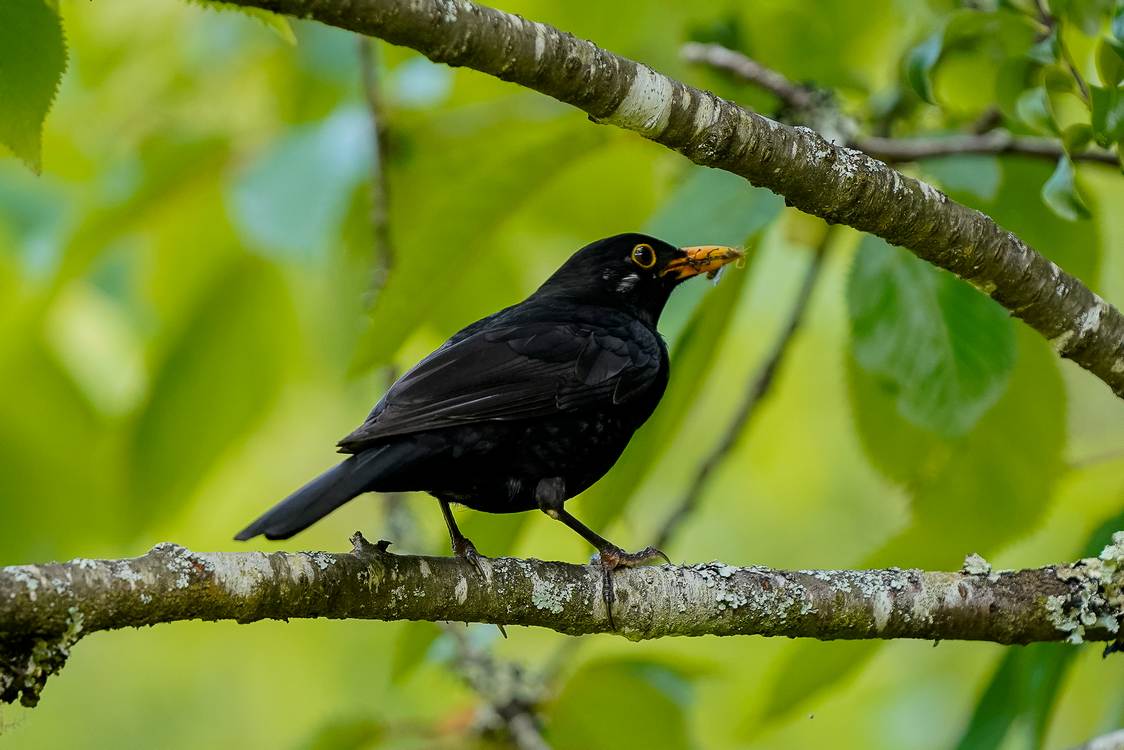
🎶
Survey finds blackbirds to have the most beautiful songs in the avian world–science explains why
Enquête vindt dat merels de mooiste liedjes in de vogelwereld hebben - wetenschap legt uit waarom
Une enquête révèle que les merles ont les plus belles chansons du monde aviaire - la science explique pourquoi
Isn't it fascinating that blackbirds have been crowned the champions of beautiful songs? A recent study from the University of Tübingen found that these birds scored an impressive 4.52 out of 5 in pleasantness, surpassing others like the willow warbler. Researchers discovered that varied, higher-pitched, and moderate-volume songs are what make these melodies so delightful. It's amazing how something as simple as a bird's song can enhance our connection to nature and contribute to our well-being.
Het is toch fascinerend dat merels zijn gekroond tot de kampioenen van mooie liedjes? Een recente studie van de Universiteit van Tübingen ontdekte dat deze vogels een indrukwekkende 4,52 op 5 scoorden in aangenaamheid, hoger dan andere zoals de wilgenuil. Onderzoekers ontdekten dat gevarieerde, hogere en gematigde volume liedjes maken deze melodieën zo heerlijk. Het is verbazingwekkend hoe iets zo eenvoudigs als het gezang van een vogel onze verbinding met de natuur kan versterken en bijdraagt aan ons welzijn.
N'est-ce pas fascinant que les merles aient été couronnés champions des belles chansons? Une étude récente de l'Université de Tübingen a révélé que ces oiseaux ont obtenu un impressionnant 4,52 sur 5 en agréabilité, surpassant d'autres comme le pouillot fitis. Les chercheurs ont découvert que des chants variés, aigus et à volume modéré sont ce qui rend ces mélodies si délicieuses. C'est incroyable de voir comment quelque chose d'aussi simple qu'un chant d'oiseau peut renforcer notre connexion à la nature et contribuer à notre bien-être.
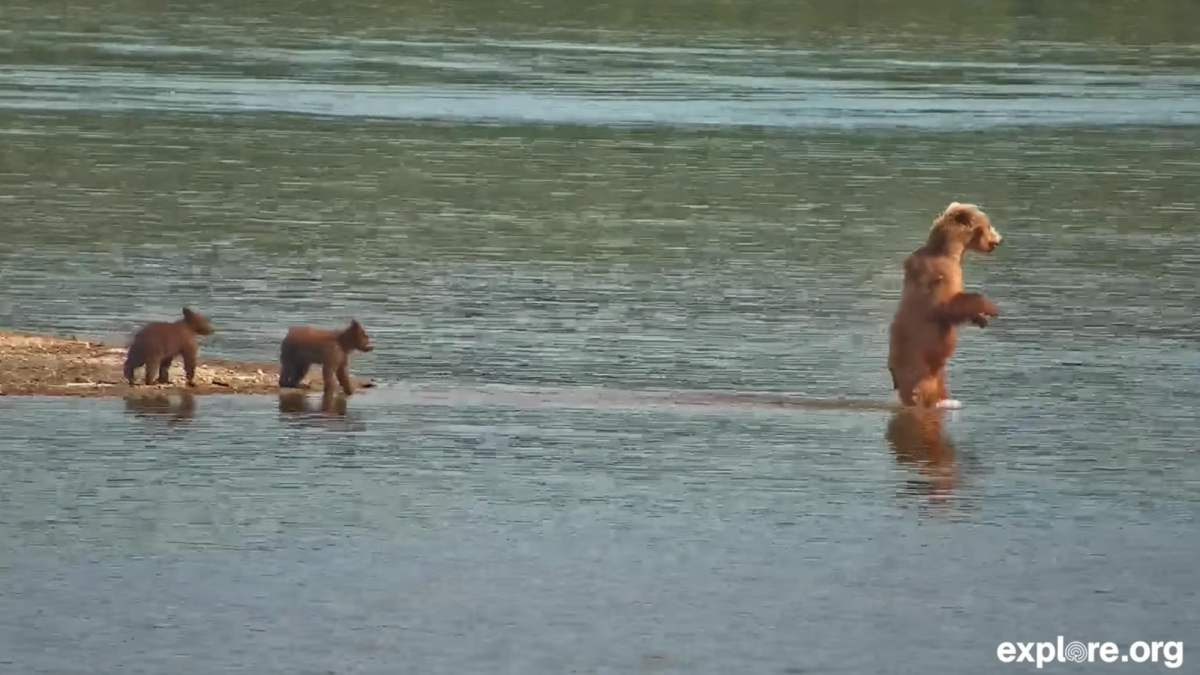
🐻
Katmai brown bear cubs learning how to ‘walk on water’ to nab salmon
Katmai bruine berenwelpen leren ‘op water te lopen’ om zalm te vangen
Des oursons bruns de Katmai apprennent à ‘marcher sur l'eau’ pour attraper du saumon
In the stunning Katmai National Park, brown bear #284, known as Electra, is teaching her adorable cubs how to fish for salmon. This unique skill is part of a bear culture where knowledge is passed down from mother to cub, much like in human families. Electra learned her fishing techniques from her own mother, showcasing the importance of tradition in the bear community. With Fat Bear Week around the corner, these cubs are getting ready to show off their newfound skills!
In het prachtige Katmai National Park leert bruine beer #284, bekend als Electra, haar schattige welpen hoe ze zalm kunnen vangen. Deze unieke vaardigheid maakt deel uit van een beren cultuur waarin kennis van moeder op jong wordt doorgegeven, net als in menselijke families. Electra heeft haar vistechnieken van haar eigen moeder geleerd, wat het belang van traditie in de beren gemeenschap laat zien. Met de naderende Fat Bear Week zijn deze welpen klaar om hun nieuwe vaardigheden te tonen!
Dans le magnifique parc national de Katmai, l'ours brun #284, connu sous le nom d'Electra, apprend à ses adorables oursons comment pêcher le saumon. Cette compétence unique fait partie d'une culture d'ours où le savoir est transmis de mère à petit, tout comme dans les familles humaines. Electra a appris ses techniques de pêche de sa propre mère, montrant ainsi l'importance de la tradition dans la communauté des ours. Avec la Fat Bear Week qui approche, ces oursons se préparent à montrer leurs nouvelles compétences !

🧠
Brain can heal itself. Polymer nano-gel reverses dementia symptoms
De hersenen kunnen zichzelf genezen. Polymeer nano-gel keert symptomen van dementie om
Le cerveau peut se guérir. Un nano-gel polymère inverse les symptômes de la démence
This exciting research from the University of South Carolina reveals a groundbreaking polymer nano-gel called Nano-ERASER that stimulates the brain to regenerate itself. Instead of focusing on removing harmful protein deposits, this method encourages astrocytes to transform into functional neurons, which is a game changer for treating Alzheimer's. The results in lab mice were astonishing, showing improved learning and memory after just a couple of injections. It's a hopeful step forward in neurobiology that could lead to safer and more effective treatments for dementia.
Dit spannende onderzoek van de Universiteit van South Carolina onthult een baanbrekende polymeer nano-gel genaamd Nano-ERASER die de hersenen stimuleert om zichzelf te regenereren. In plaats van zich te concentreren op het verwijderen van schadelijke eiwitafzettingen, moedigt deze methode astrocyten aan om zich om te vormen tot functionele neuronen, wat een game changer is voor de behandeling van Alzheimer. De resultaten bij laboratoriummuizen waren verbazingwekkend, met verbeterd leren en geheugen na slechts een paar injecties. Het is een hoopvolle stap voorwaarts in de neurobiologie die kan leiden tot veiligere en effectievere behandelingen voor dementie.
Cette recherche passionnante de l'Université de Caroline du Sud révèle un nano-gel polymère révolutionnaire appelé Nano-ERASER qui stimule la régénération du cerveau. Au lieu de se concentrer sur l'élimination des dépôts protéiques nuisibles, cette méthode encourage les astrocytes à se transformer en neurones fonctionnels, ce qui change la donne pour le traitement de la maladie d'Alzheimer. Les résultats chez les souris de laboratoire ont été étonnants, montrant une amélioration de l'apprentissage et de la mémoire après seulement quelques injections. C'est une étape prometteuse en neurobiologie qui pourrait conduire à des traitements plus sûrs et plus efficaces pour la démence.
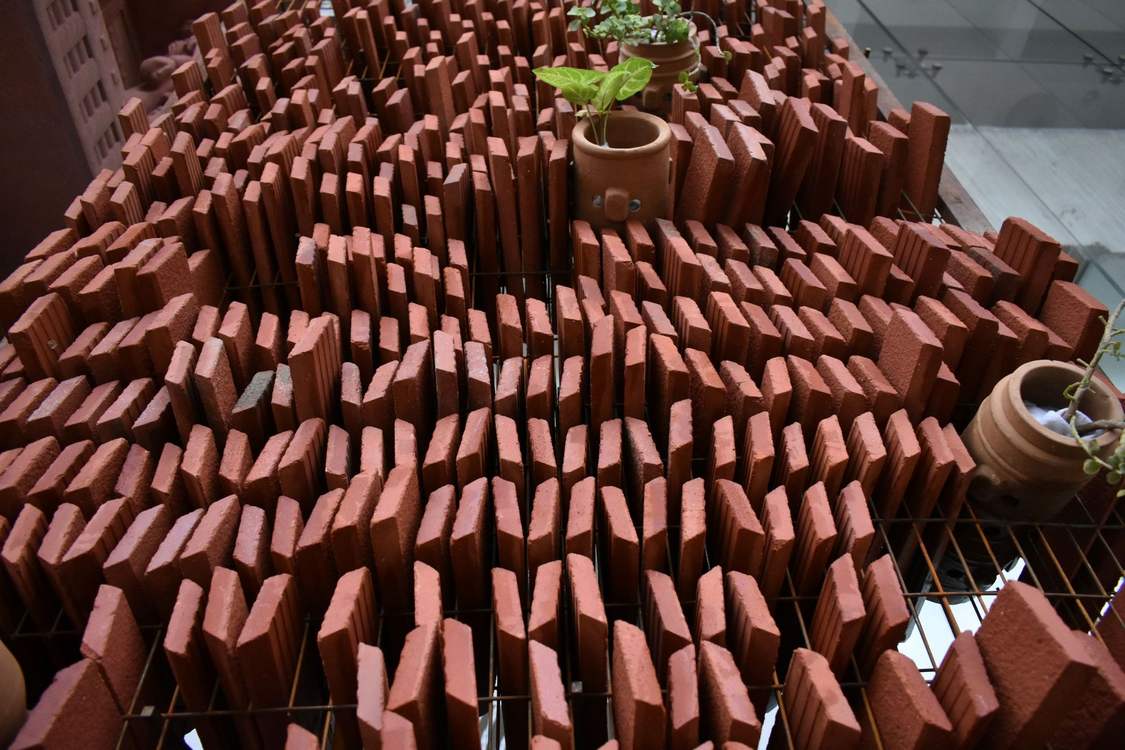
🏡
Indian home stays cool without A/C through clever clay architecture
Indiaans huis blijft koel zonder A/C door slimme klei-architectuur
Une maison indienne reste fraîche sans climatisation grâce à une architecture en argile astucieuse
In the sweltering heat of Kerala, Elemental Architects have designed a family home that stays cool without air conditioning. Using clever features like terracotta roofs and perforated walls, the house harnesses natural airflow to create a comfortable living space. The unique materials, including local laterite, help regulate temperature and moisture, making it an eco-friendly solution. It's amazing to see how traditional techniques are being revived to tackle modern challenges!
In de verzengende hitte van Kerala heeft Elemental Architects een gezinswoning ontworpen die koel blijft zonder airconditioning. Met slimme elementen zoals terracotta daken en geperforeerde muren maakt het huis gebruik van natuurlijke luchtstromen om een comfortabele leefruimte te creëren. De unieke materialen, waaronder lokale lateriet, helpen de temperatuur en vochtigheid te reguleren, wat het een milieuvriendelijke oplossing maakt. Het is geweldig om te zien hoe traditionele technieken worden herleefd om moderne uitdagingen aan te pakken!
Dans la chaleur écrasante du Kerala, Elemental Architects a conçu une maison familiale qui reste fraîche sans climatisation. Avec des caractéristiques astucieuses comme des toits en terre cuite et des murs perforés, la maison exploite le flux d'air naturel pour créer un espace de vie confortable. Les matériaux uniques, y compris le latérite local, aident à réguler la température et l'humidité, en faisant une solution écologique. C'est incroyable de voir comment des techniques traditionnelles sont ravivées pour relever des défis modernes !
🤖
Can AI help solve the peer-review crisis? Here are its promises and pitfalls
Kan AI helpen de peer-reviewcrisis op te lossen? Hier zijn de beloften en valkuilen
L'IA peut-elle aider à résoudre la crise de l'évaluation par les pairs ? Voici ses promesses et ses pièges
So, the article dives into the fascinating world of AI and its potential to tackle the peer-review crisis in academia. It highlights both the exciting promises AI brings, like speeding up the review process and improving accuracy, and the pitfalls we need to be cautious about, such as bias and transparency issues. Now, it's really intriguing to think about how technology could reshape such a fundamental part of research. Which brings me to the idea that while AI can be a powerful tool, we must carefully consider how we implement it.
Dus, het artikel duikt in de fascinerende wereld van AI en het potentieel om de peer-reviewcrisis in de academische wereld aan te pakken. Het benadrukt zowel de spannende beloften die AI met zich meebrengt, zoals het versnellen van het beoordelingsproces en het verbeteren van de nauwkeurigheid, als de valkuilen waar we voorzichtig mee moeten zijn, zoals vooringenomenheid en transparantieproblemen. Nu is het echt intrigerend om na te denken over hoe technologie zo'n fundamenteel onderdeel van onderzoek kan hervormen. Wat me brengt bij het idee dat, hoewel AI een krachtig hulpmiddel kan zijn, we zorgvuldig moeten overwegen hoe we het implementeren.
Donc, l'article plonge dans le monde fascinant de l'IA et son potentiel pour résoudre la crise de l'évaluation par les pairs dans le milieu académique. Il met en lumière à la fois les promesses passionnantes que l'IA offre, comme l'accélération du processus d'évaluation et l'amélioration de la précision, ainsi que les pièges dont nous devons être prudents, tels que les biais et les problèmes de transparence. Maintenant, il est vraiment intrigant de penser à la façon dont la technologie pourrait redéfinir une partie si fondamentale de la recherche. Ce qui m'amène à l'idée que, bien que l'IA puisse être un outil puissant, nous devons réfléchir attentivement à la manière de l'implémenter.

🌟
Study finds psilocybin protects against nerve damage from chemotherapy
Studie vindt dat psilocybine beschermt tegen zenuwschade door chemotherapie
Une étude révèle que la psilocybine protège contre les lésions nerveuses causées par la chimiothérapie
So, this groundbreaking study has found that psilocybin, the active compound in magic mushrooms, may actually protect against nerve damage caused by chemotherapy. Researchers tested this on mice and discovered that those given psilocybin experienced significantly less nerve pain after treatment. This is a huge deal because nerve damage is a common and painful side effect of chemotherapy that often lasts long after treatment ends. The team is now excited to explore how this could translate to human patients, which could change the game for many undergoing cancer treatment.
Dus, deze baanbrekende studie heeft aangetoond dat psilocybine, de actieve stof in paddo's, mogelijk beschermt tegen zenuwschade veroorzaakt door chemotherapie. Onderzoekers testten dit op muizen en ontdekten dat degenen die psilocybine kregen aanzienlijk minder zenuwpijn ervoeren na de behandeling. Dit is een grote stap, omdat zenuwschade een veelvoorkomende en pijnlijke bijwerking van chemotherapie is die vaak lang na de behandeling aanhoudt. Het team is nu enthousiast om te onderzoeken hoe dit kan worden toegepast op menselijke patiënten, wat een grote verandering kan betekenen voor velen die kankerbehandeling ondergaan.
Alors, cette étude révolutionnaire a découvert que la psilocybine, le composé actif des champignons magiques, pourrait en fait protéger contre les lésions nerveuses causées par la chimiothérapie. Les chercheurs ont testé cela sur des souris et ont découvert que celles ayant reçu de la psilocybine ressentaient beaucoup moins de douleur nerveuse après le traitement. C'est un gros problème car les lésions nerveuses sont un effet secondaire courant et douloureux de la chimiothérapie qui dure souvent longtemps après la fin du traitement. L'équipe est maintenant impatiente d'explorer comment cela pourrait se traduire chez les patients humains, ce qui pourrait changer la donne pour de nombreux patients en cours de traitement contre le cancer.
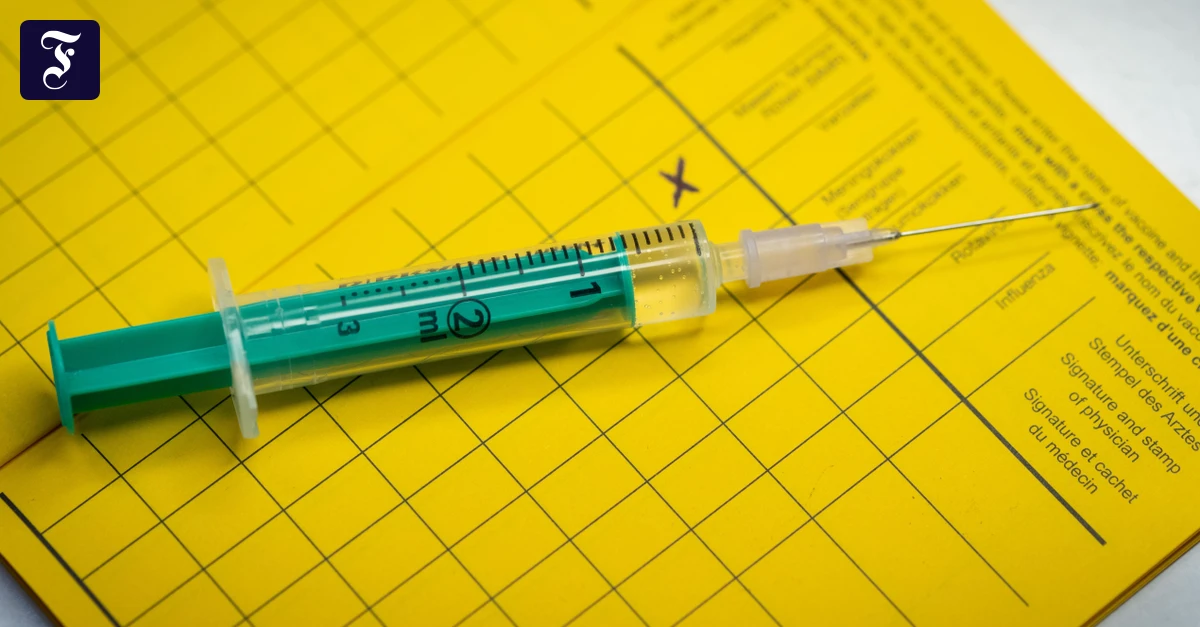
💉
Shingles vaccine protects against heart failure and dementia
Gordelroosvaccin beschermt tegen hartfalen en dementie
Le vaccin contre le zona protège contre l'insuffisance cardiaque et la démence
So, it turns out that the shingles vaccine, Shingrix, does more than just prevent shingles! Research shows it can significantly lower the risk of developing dementia and heart diseases. This is especially exciting because vaccinated individuals have a 20% lower chance of dementia and a 25% reduced risk of cardiovascular issues compared to those who are unvaccinated. It's fascinating to think about how a vaccine can have such far-reaching benefits for our overall health.
Het blijkt dat het gordelroosvaccin, Shingrix, meer doet dan alleen gordelroos voorkomen! Onderzoek toont aan dat het de kans op het ontwikkelen van dementie en hartziekten aanzienlijk kan verlagen. Dit is vooral spannend omdat gevaccineerde personen 20% minder kans hebben op dementie en 25% minder risico op hart- en vaatproblemen in vergelijking met ongevaccineerden. Het is fascinerend om te bedenken hoe een vaccin zulke vergaande voordelen voor onze algehele gezondheid kan hebben.
Il s'avère que le vaccin contre le zona, Shingrix, fait plus que simplement prévenir le zona ! Des recherches montrent qu'il peut réduire considérablement le risque de développer une démence et des maladies cardiaques. C'est particulièrement excitant car les personnes vaccinées ont 20 % de chances en moins de développer une démence et 25 % de risque réduit de problèmes cardiovasculaires par rapport à celles qui ne sont pas vaccinées. C'est fascinant de penser qu'un vaccin puisse avoir de tels avantages pour notre santé globale.

🌉
Italians to build a bridge the world has never seen. It will break the global length record
Italianen bouwen een brug zoals de wereld nog nooit heeft gezien. Het zal het wereldrecord lengte breken
Les Italiens vont construire un pont que le monde n'a jamais vu. Il battra le record mondial de longueur
So, the Italians are gearing up for an incredible infrastructure project that will connect Sicily to mainland Italy with a record-breaking bridge! This massive hanging bridge will stretch an astonishing 3,666 meters and is set to cost around 13.43 billion euros. Now, it’s not just about the length; this bridge will also handle thousands of vehicles and trains daily. And here's the thing - it’s designed to withstand significant seismic activity, making it a marvel of engineering!
Dus, de Italianen bereiden zich voor op een ongelooflijk infrastructuurproject dat Sicilië met het vasteland van Italië zal verbinden met een recordbrekende brug! Deze enorme hangbrug zal een verbazingwekkende lengte van 3.666 meter hebben en kost ongeveer 13,43 miljard euro. Nu, het gaat niet alleen om de lengte; deze brug zal ook duizenden voertuigen en treinen per dag kunnen verwerken. En hier is het ding - het is ontworpen om aanzienlijke seismische activiteit te weerstaan, wat het een wonder van techniek maakt!
Alors, les Italiens se préparent à un projet d'infrastructure incroyable qui reliera la Sicile au continent italien avec un pont record ! Ce gigantesque pont suspendu s'étendra sur une longueur impressionnante de 3 666 mètres et coûtera environ 13,43 milliards d'euros. Maintenant, ce n'est pas seulement une question de longueur ; ce pont pourra également gérer des milliers de véhicules et de trains chaque jour. Et voici le truc - il est conçu pour résister à une activité sismique importante, ce qui en fait une merveille d'ingénierie !

🌟
How a hiking trail in Germany became a place to speak Sanskrit
Hoe een wandelpad in Duitsland een plek werd om Sanskriet te spreken
Comment un sentier de randonnée en Allemagne est devenu un lieu pour parler le sanskrit
A group of international Sanskrit learners took to the Elbe Sandstone Mountains in Germany, transforming their hike into a lively conversation in Sanskrit. As they navigated the trails, they described the scenery and shared experiences, making the ancient language come alive in a modern context. This informal setting allowed them to practice vocabulary in real-time, turning the hike into a unique language-learning opportunity. It’s a beautiful reminder that languages thrive when used in everyday life, not just in classrooms.
Een groep internationale Sanskriet-leerlingen trok de Elbe Sandsteenbergen in Duitsland in en transformeerde hun wandeling in een levendig gesprek in het Sanskriet. Terwijl ze de paden navigeerden, beschreven ze het landschap en deelden ze ervaringen, waardoor de oude taal tot leven kwam in een moderne context. Deze informele setting stelde hen in staat om vocabulaire in real-time te oefenen, waardoor de wandeling een unieke kans voor taalleren werd. Het is een mooie herinnering dat talen gedijen wanneer ze in het dagelijks leven worden gebruikt, niet alleen in klaslokalen.
Un groupe d'apprenants internationaux du sanskrit a parcouru les montagnes de grès d'Elbe en Allemagne, transformant leur randonnée en une conversation vivante en sanskrit. En naviguant sur les sentiers, ils ont décrit le paysage et partagé des expériences, faisant ainsi revivre cette langue ancienne dans un contexte moderne. Ce cadre informel leur a permis de pratiquer le vocabulaire en temps réel, transformant la randonnée en une opportunité unique d'apprentissage linguistique. C'est un beau rappel que les langues prospèrent lorsqu'elles sont utilisées dans la vie quotidienne, et pas seulement dans les salles de classe.
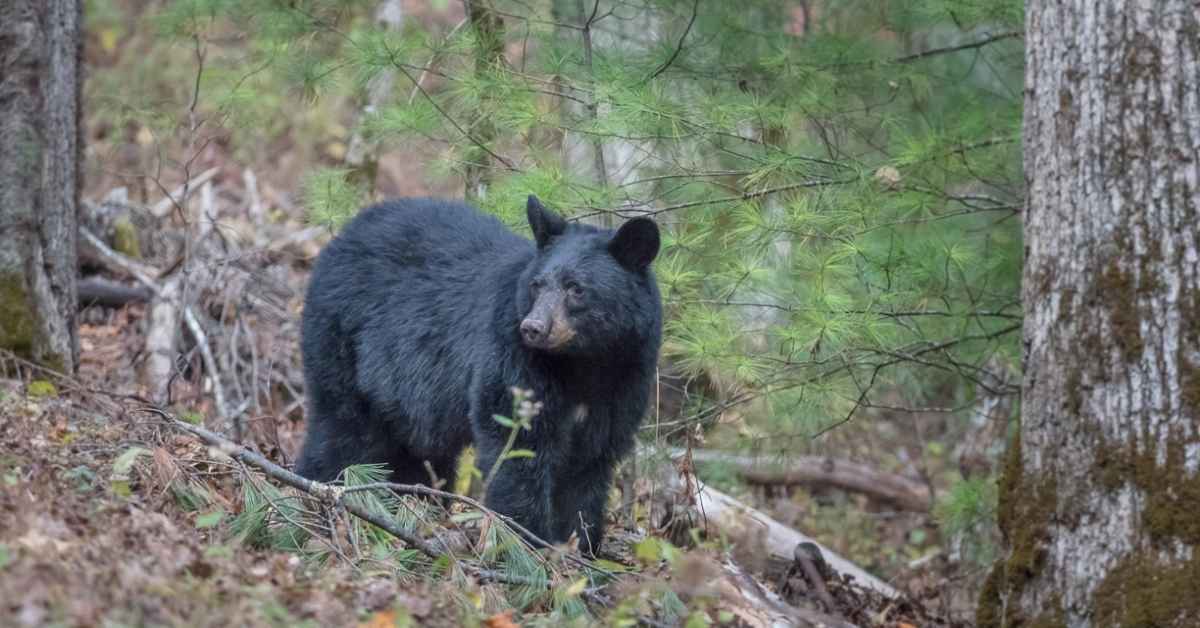
🐻
Black bears were nearly hunted to extinction in the US South. Decades later, they're finally rebounding
Zwarte beren waren bijna uitgestorven in het zuiden van de VS. Decennia later komen ze eindelijk terug
Les ours noirs ont failli être chassés à l'extinction dans le sud des États-Unis. Des décennies plus tard, ils sont enfin en train de revenir
It's amazing to see black bears making a comeback in the US South after being nearly wiped out! Recently, there have been numerous sightings in unexpected places like West Tennessee, which has wildlife experts buzzing with excitement. Dan Gibbs from the Tennessee Wildlife Resources Agency believes these bears are reclaiming their historical range, and it's just the beginning. With the right habitats, these resilient creatures are proving they can thrive in various ecosystems, and that's something to celebrate!
Het is geweldig om te zien dat zwarte beren een comeback maken in het zuiden van de VS, nadat ze bijna waren uitgeroeid! Recent zijn er talloze waarnemingen geweest op onverwachte plaatsen zoals West-Tennessee, wat de wildexperts enthousiast maakt. Dan Gibbs van de Tennessee Wildlife Resources Agency gelooft dat deze beren hun historische bereik terugwinnen, en dit is nog maar het begin. Met de juiste habitats bewijzen deze veerkrachtige wezens dat ze in verschillende ecosystemen kunnen gedijen, en dat is iets om te vieren!
C'est incroyable de voir les ours noirs revenir dans le sud des États-Unis après avoir failli disparaître ! Récemment, il y a eu de nombreuses observations dans des endroits inattendus comme l'ouest du Tennessee, ce qui excite les experts en faune. Dan Gibbs de l'Agence des ressources fauniques du Tennessee pense que ces ours reprennent leur territoire historique, et ce n'est que le début. Avec les bons habitats, ces créatures résilientes prouvent qu'elles peuvent prospérer dans divers écosystèmes, et c'est quelque chose à célébrer !
🌊
Better than soap and chamois: sea sponges can clean polluted harbors
Beter dan zeep en zeemvel: zeesponzen kunnen vervuilde havens opkuisen
Mieux que du savon et du chamois : les éponges marines peuvent nettoyer les ports pollués
Isn't it fascinating how nature has its own solutions? Sea sponges are stepping up as eco-friendly heroes, proving to be more effective than traditional cleaning methods for polluted harbors. They filter water and absorb harmful substances, making them a natural choice for environmental cleanup. This innovative approach not only helps restore marine ecosystems but also showcases the incredible potential of our oceans.
Is het niet fascinerend hoe de natuur haar eigen oplossingen heeft? Zeesponzen treden op als milieuvriendelijke helden en blijken effectiever te zijn dan traditionele schoonmaakmethoden voor vervuilde havens. Ze filteren water en absorberen schadelijke stoffen, waardoor ze een natuurlijke keuze zijn voor milieureiniging. Deze innovatieve aanpak helpt niet alleen om mariene ecosystemen te herstellen, maar toont ook de ongelooflijke potentie van onze oceanen aan.
N'est-ce pas fascinant de voir comment la nature a ses propres solutions ? Les éponges marines se présentent comme des héroïnes écologiques, prouvant qu'elles sont plus efficaces que les méthodes de nettoyage traditionnelles pour les ports pollués. Elles filtrent l'eau et absorbent les substances nocives, ce qui en fait un choix naturel pour le nettoyage de l'environnement. Cette approche innovante aide non seulement à restaurer les écosystèmes marins, mais met également en valeur le potentiel incroyable de nos océans.

🌟
How AI plotted an interstellar journey to Alpha Centauri
Hoe AI een interstellaire reis naar Alpha Centauri heeft gepland
Comment l'IA a planifié un voyage interstellaire vers Alpha Centauri
A nonprofit called the Fermi Explorer Mission is gearing up to launch a spacecraft to Alpha Centauri by 2029, which is super exciting! This mission is unique because it will use a trajectory discovered by an AI system, making it a groundbreaking approach. The spacecraft aims to carry a kilogram of cargo, including messages and a copy of the Golden Record, just like the Voyager probes did. It's a massive challenge, but the team is determined to make it happen, even if it takes 80,000 years to reach our nearest star!
Een non-profitorganisatie genaamd de Fermi Explorer Mission is van plan om tegen 2029 een ruimtevaartuig naar Alpha Centauri te lanceren, wat super spannend is! Deze missie is uniek omdat het een traject zal gebruiken dat door een AI-systeem is ontdekt, wat het een baanbrekende aanpak maakt. Het ruimtevaartuig is van plan om een kilogram vracht te vervoeren, waaronder berichten en een kopie van de Golden Record, net als de Voyager-probes. Het is een enorme uitdaging, maar het team is vastbesloten om het te laten slagen, zelfs als het 80.000 jaar duurt om onze dichtstbijzijnde ster te bereiken!
Une organisation à but non lucratif appelée Fermi Explorer Mission prévoit de lancer un vaisseau spatial vers Alpha Centauri d'ici 2029, ce qui est très excitant ! Cette mission est unique car elle utilisera une trajectoire découverte par un système d'IA, ce qui en fait une approche révolutionnaire. Le vaisseau spatial vise à transporter un kilogramme de cargaison, y compris des messages et une copie du Golden Record, tout comme les sondes Voyager. C'est un énorme défi, mais l'équipe est déterminée à y parvenir, même si cela prend 80 000 ans pour atteindre notre étoile la plus proche !

🧪
Urine test can spot more than nine in 10 bladder cancers
Urinetest kan meer dan negen op de tien blaaskankers opsporen
Un test d'urine peut détecter plus de neuf cancers de la vessie sur dix
So, there's some exciting news in the world of bladder cancer detection! A new urine test, developed by the University of Birmingham, can identify 92% of bladder cancer cases, which is a huge leap forward. While it won't replace cystoscopies, it helps prioritize patients who need urgent attention. This could really change the game for early detection and treatment, saving lives in the process!
Dus, er is spannend nieuws in de wereld van de blaaskankerdetectie! Een nieuwe urinetest, ontwikkeld door de Universiteit van Birmingham, kan 92% van de blaaskankergevallen identificeren, wat een enorme stap voorwaarts is. Hoewel het cystoscopieën niet zal vervangen, helpt het om patiënten te prioriteren die dringende aandacht nodig hebben. Dit kan echt het spel veranderen voor vroege detectie en behandeling, wat levens kan redden!
Alors, il y a des nouvelles passionnantes dans le domaine de la détection du cancer de la vessie ! Un nouveau test d'urine, développé par l'Université de Birmingham, peut identifier 92 % des cas de cancer de la vessie, ce qui représente un énorme progrès. Bien qu'il ne remplace pas les cystoscopies, il aide à prioriser les patients qui ont besoin d'une attention urgente. Cela pourrait vraiment changer la donne pour la détection précoce et le traitement, sauvant des vies au passage !

🦅
Vultures are ecological sanitizers: why India is building ‘restaurants’ for a vanishing bird
Valken zijn ecologische sanitizers: waarom India 'restaurants' bouwt voor een verdwijnende vogel
Les vautours sont des désinfectants écologiques : pourquoi l'Inde construit des 'restaurants' pour un oiseau en voie de disparition
In Assam, India is launching its first 'vulture restaurant' to help critically endangered vultures find safe food. These feeding stations are crucial as natural food sources diminish due to various threats like poisoning and habitat loss. Dr. Sachin P Ranade explains that while diclofenac was banned, vultures still face many challenges today. This initiative aims to support their recovery and ensure these vital scavengers can thrive once more.
In Assam, India wordt het eerste 'vulture restaurant' geopend om ernstig bedreigde gieren te helpen veilig voedsel te vinden. Deze voederstations zijn cruciaal omdat natuurlijke voedselbronnen afnemen door verschillende bedreigingen zoals vergiftiging en verlies van habitat. Dr. Sachin P Ranade legt uit dat hoewel diclofenac is verboden, gieren vandaag de dag nog steeds met veel uitdagingen worden geconfronteerd. Dit initiatief is bedoeld om hun herstel te ondersteunen en ervoor te zorgen dat deze vitale aaseters weer kunnen gedijen.
En Assam, l'Inde lance son premier 'restaurant à vautours' pour aider les vautours en danger critique à trouver de la nourriture sûre. Ces stations d'alimentation sont cruciales alors que les sources de nourriture naturelles diminuent en raison de diverses menaces telles que le empoisonnement et la perte d'habitat. Le Dr Sachin P Ranade explique que bien que le diclofénac ait été interdit, les vautours font encore face à de nombreux défis aujourd'hui. Cette initiative vise à soutenir leur rétablissement et à garantir que ces nécrophages vitaux puissent à nouveau prospérer.
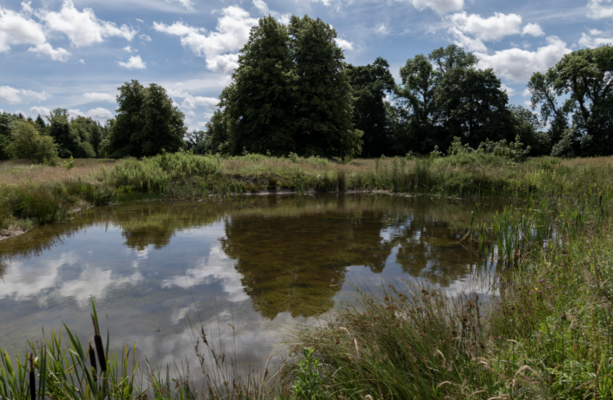
🌱
Ireland's nature heroes: Meet the farmers turning corners of their land into wildlife havens
Ierlands natuurhelden: Maak kennis met de boeren die hoeken van hun land in wilde natuurparken veranderen
Les héros de la nature en Irlande : Rencontrez les agriculteurs transformant des coins de leurs terres en refuges pour la faune
I’ve been really inspired by the farmers in Ireland who are stepping up to create wildlife havens on their land. The ReFarm project in Wicklow is a fantastic example, helping farmers implement biodiversity actions without the hassle of paperwork. With a focus on creating wildlife ponds, they’re not just enhancing the landscape but also supporting local ecosystems. It’s amazing to see how quickly and effectively these initiatives can take shape, proving that farmers are indeed key players in restoring our natural environment.
Ik ben echt geïnspireerd door de boeren in Ierland die zich inzetten om wilde natuurparken op hun land te creëren. Het ReFarm-project in Wicklow is een fantastisch voorbeeld, dat boeren helpt bij het uitvoeren van biodiversiteitsacties zonder de rompslomp van papierwerk. Met de focus op het creëren van vijvers voor de natuur verbeteren ze niet alleen het landschap, maar ondersteunen ze ook lokale ecosystemen. Het is geweldig om te zien hoe snel en effectief deze initiatieven kunnen vorm krijgen, wat bewijst dat boeren inderdaad sleutelspelers zijn in het herstellen van onze natuurlijke omgeving.
Je suis vraiment inspiré par les agriculteurs en Irlande qui s'engagent à créer des refuges pour la faune sur leurs terres. Le projet ReFarm à Wicklow est un exemple fantastique, aidant les agriculteurs à mettre en œuvre des actions de biodiversité sans les tracas de la paperasse. En se concentrant sur la création d'étangs pour la faune, ils améliorent non seulement le paysage, mais soutiennent également les écosystèmes locaux. C'est incroyable de voir à quelle vitesse et efficacité ces initiatives peuvent se mettre en place, prouvant que les agriculteurs sont en effet des acteurs clés dans la restauration de notre environnement naturel.

🌟
Farmers were losing 30% to middlemen; these 2 friends help them sell directly to customers
Boeren verloren 30% aan tussenpersonen; deze 2 vrienden helpen hen rechtstreeks aan klanten te verkopen
Les agriculteurs perdaient 30 % à cause des intermédiaires ; ces 2 amis les aident à vendre directement aux clients
So, here's a fantastic story about two friends, Aniket and Jay, who are changing the game for farmers! They launched IFE Store to help farmers sell directly to consumers, cutting out those pesky middlemen who took a huge 30% commission. This initiative not only boosts farmers' profits but also empowers them with better information on where to sell their organic products. It's a win-win situation that brings hope and sustainability to the farming community!
Dus, hier is een fantastisch verhaal over twee vrienden, Aniket en Jay, die het spel voor boeren veranderen! Ze lanceerden IFE Store om boeren rechtstreeks aan consumenten te laten verkopen, waardoor die vervelende tussenpersonen die maar liefst 30% commissie vroegen, worden uitgesloten. Deze initiatief verhoogt niet alleen de winst van boeren, maar geeft hen ook betere informatie over waar ze hun biologische producten kunnen verkopen. Het is een win-winsituatie die hoop en duurzaamheid brengt voor de landbouwgemeenschap!
Alors, voici une histoire fantastique sur deux amis, Aniket et Jay, qui changent la donne pour les agriculteurs ! Ils ont lancé IFE Store pour aider les agriculteurs à vendre directement aux consommateurs, éliminant ces intermédiaires ennuyeux qui prenaient une énorme commission de 30 %. Cette initiative non seulement augmente les profits des agriculteurs, mais leur donne également de meilleures informations sur où vendre leurs produits biologiques. C'est une situation gagnant-gagnant qui apporte espoir et durabilité à la communauté agricole !
🌟
Scientists identify early signal of dangerous pregnancy complications
Wetenschappers identificeren vroeg signaal van gevaarlijke zwangerschapscomplicaties
Des scientifiques identifient un signal précoce de complications dangereuses pendant la grossesse
This exciting research reveals a potential early warning sign for serious pregnancy complications, which could help save lives. By identifying these signals early, healthcare providers can take proactive measures to ensure the safety of both mother and child. It's fascinating to think about how this discovery could change prenatal care for the better. This could be a game-changer in maternal health, and I can't wait to see how it unfolds!
Dit spannende onderzoek onthult een mogelijk vroeg waarschuwingssignaal voor ernstige zwangerschapscomplicaties, wat levens kan redden. Door deze signalen vroeg te identificeren, kunnen zorgverleners proactieve maatregelen nemen om de veiligheid van zowel moeder als kind te waarborgen. Het is fascinerend om te bedenken hoe deze ontdekking de prenatale zorg kan verbeteren. Dit zou wel eens een keerpunt kunnen zijn in de maternale gezondheid, en ik kan niet wachten om te zien hoe het zich ontwikkelt!
Cette recherche passionnante révèle un potentiel signal d'alerte précoce pour des complications graves de la grossesse, ce qui pourrait sauver des vies. En identifiant ces signaux tôt, les prestataires de soins de santé peuvent prendre des mesures proactives pour assurer la sécurité de la mère et de l'enfant. C'est fascinant de penser à la façon dont cette découverte pourrait améliorer les soins prénatals. Cela pourrait être un tournant dans la santé maternelle, et j'ai hâte de voir comment cela évolue !
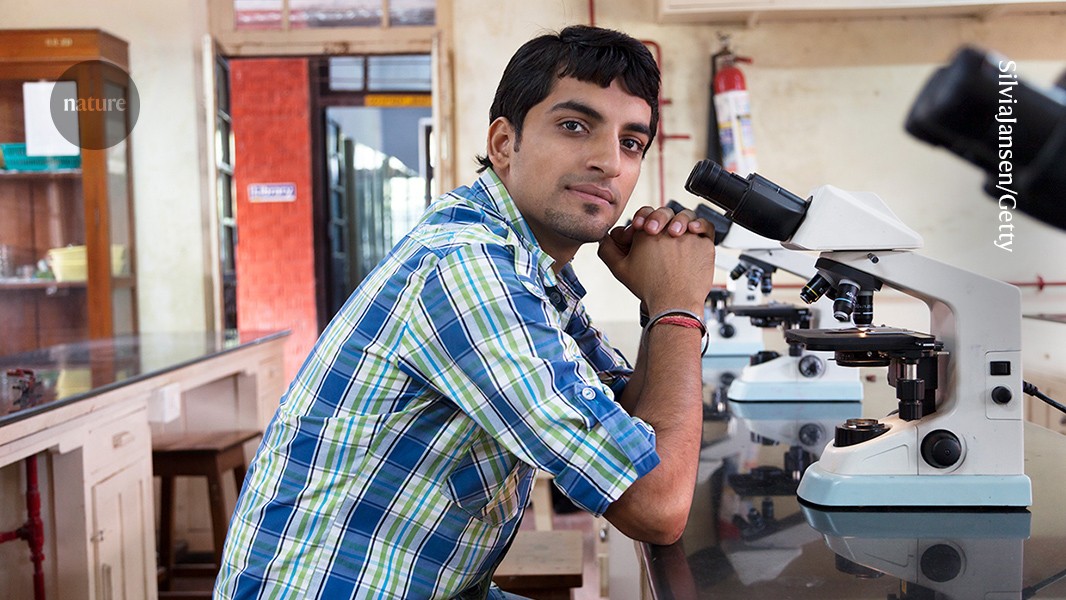
🌟
India has an ambitious plan to lure scientists back — will its plan work?
India heeft een ambitieus plan om wetenschappers terug te lokken — zal het plan werken?
L'Inde a un plan ambitieux pour attirer les scientifiques — son plan fonctionnera-t-il?
India is making a bold move to bring back researchers who have settled abroad, aiming to reverse the brain drain. With generous fellowships and funding, the Prime Minister Research Chair Scheme is set to support 120 overseas researchers in strategic fields. However, some experts worry that these initiatives might not tackle the root causes of migration, like insufficient research infrastructure. Interestingly, as opportunities in India grow and US immigration becomes trickier, more researchers are considering returning home.
India doet een gedurfde poging om onderzoekers die in het buitenland zijn gaan wonen, terug te halen om de brain drain om te keren. Met genereuze beurzen en financiering ondersteunt het Prime Minister Research Chair Scheme 120 buitenlandse onderzoekers in strategische vakgebieden. Sommige experts maken zich echter zorgen dat deze initiatieven mogelijk niet de oorzaken van migratie aanpakken, zoals onvoldoende onderzoeksinfrastructuur. Interessant is dat, naarmate de kansen in India toenemen en de immigratie naar de VS moeilijker wordt, meer onderzoekers overwegen om terug te keren.
L'Inde fait un pas audacieux pour ramener les chercheurs qui se sont installés à l'étranger, dans le but d'inverser l'exode des cerveaux. Avec des bourses et un financement généreux, le programme Prime Minister Research Chair soutiendra 120 chercheurs étrangers dans des domaines stratégiques. Cependant, certains experts craignent que ces initiatives ne s'attaquent pas aux causes profondes de la migration, comme l'insuffisance de l'infrastructure de recherche. Fait intéressant, alors que les opportunités en Inde augmentent et que l'immigration aux États-Unis devient plus difficile, de plus en plus de chercheurs envisagent de rentrer chez eux.
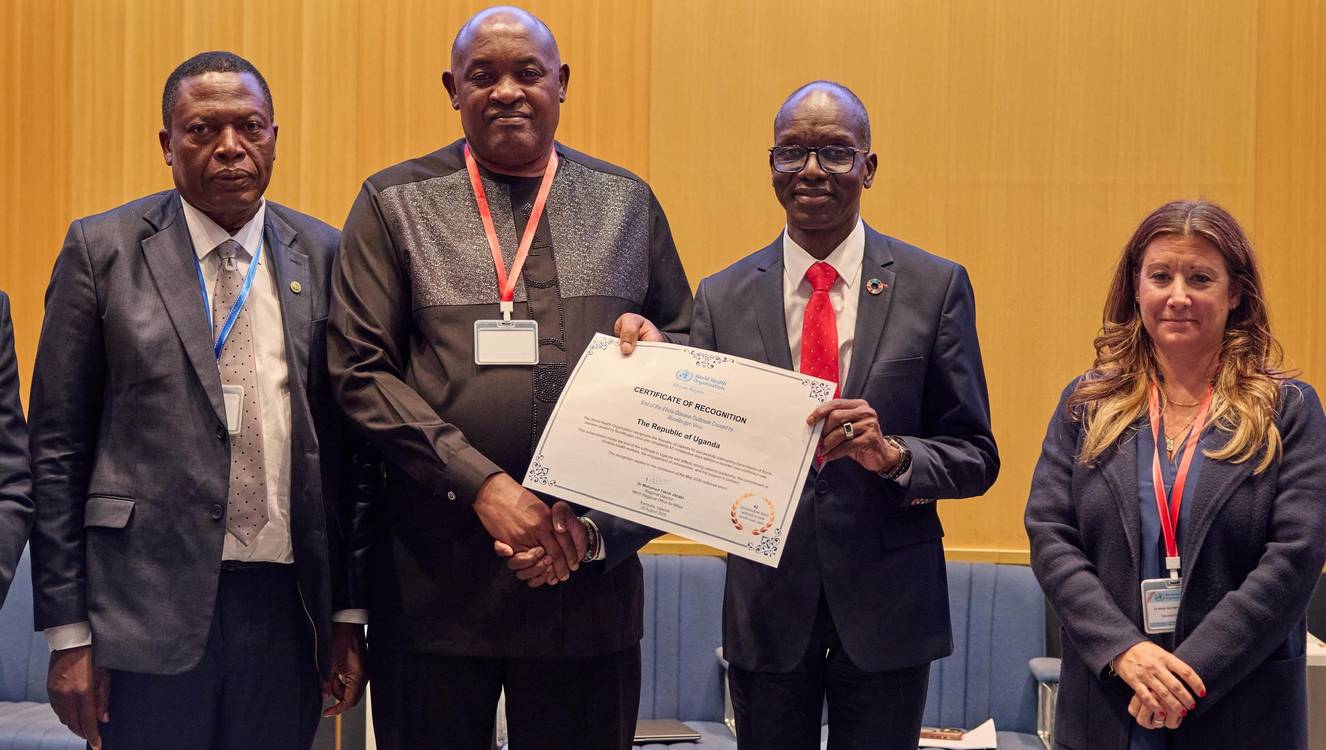
🌟
WHO declares Uganda Ebola-free after 42 days without new cases
WHO verklaart Oeganda ebolavrij na 42 dagen zonder nieuwe gevallen
L'OMS déclare l'Ouganda libre d'Ebola après 42 jours sans nouveaux cas
What fantastic news from Uganda! The World Health Organization has officially declared the country Ebola-free after an impressive 42 days without any new cases. This achievement highlights the hard work of Ugandan authorities, health workers, and communities who came together to combat the outbreak. It's a reminder of the importance of vigilance, especially as neighboring regions still face challenges with the virus. Let's celebrate this triumph and the collaborative spirit that helped make it possible!
Wat fantastisch nieuws uit Oeganda! De Wereldgezondheidsorganisatie heeft het land officieel ebolavrij verklaard na maar liefst 42 dagen zonder nieuwe gevallen. Deze prestatie benadrukt de inspanningen van de Oegandese autoriteiten, zorgverleners en gemeenschappen die samenkwamen om de uitbraak te bestrijden. Het herinnert ons aan het belang van waakzaamheid, vooral omdat buurlanden nog steeds met het virus te maken hebben. Laten we deze triomf en de samenwerkingsgeest die het mogelijk maakte vieren!
Quelle nouvelle fantastique en provenance d'Ouganda ! L'Organisation mondiale de la santé a officiellement déclaré le pays libre d'Ebola après 42 jours impressionnants sans nouveaux cas. Cette réalisation met en lumière le travail acharné des autorités ougandaises, des travailleurs de la santé et des communautés qui se sont unies pour lutter contre l'épidémie. C'est un rappel de l'importance de la vigilance, surtout alors que les régions voisines font encore face à des défis avec le virus. Célébrons ce triomphe et l'esprit de collaboration qui a permis de le réaliser !
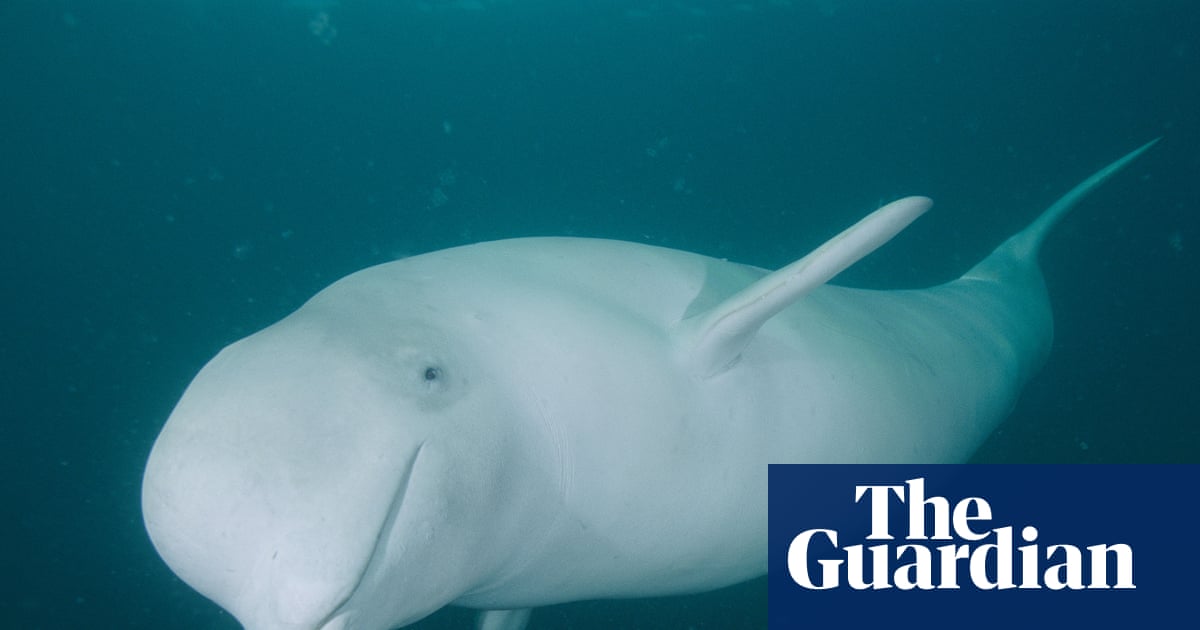
🐋
Could humans ever communicate with whales?
Kunnen mensen ooit communiceren met walvissen?
Les humains peuvent-ils un jour communiquer avec les baleines?
So, researchers have been fascinated by whale communication since the first recordings of their songs back in 1949. With advancements in technology, scientists are now starting to decode the unique sounds made by different whale species. Emma Bryce, a journalist, shares her insights on how understanding these vocalizations can help us protect whales from human threats. It's an exciting journey into the world of marine communication that could change how we interact with these magnificent creatures.
Dus, onderzoekers zijn gefascineerd door de communicatie van walvissen sinds de eerste opnames van hun liederen in 1949. Met de vooruitgang in technologie beginnen wetenschappers nu de unieke geluiden van verschillende walvissoorten te ontcijferen. Emma Bryce, een journaliste, deelt haar inzichten over hoe het begrijpen van deze vocalisaties ons kan helpen walvissen te beschermen tegen menselijke bedreigingen. Het is een spannende reis in de wereld van mariene communicatie die onze interactie met deze prachtige wezens kan veranderen.
Alors, les chercheurs sont fascinés par la communication des baleines depuis les premières enregistrements de leurs chants en 1949. Avec les avancées technologiques, les scientifiques commencent maintenant à décoder les sons uniques produits par différentes espèces de baleines. Emma Bryce, une journaliste, partage ses réflexions sur la façon dont comprendre ces vocalisations peut nous aider à protéger les baleines des menaces humaines. C'est un voyage passionnant dans le monde de la communication marine qui pourrait changer notre interaction avec ces créatures magnifiques.
💖
Mindfulness may lower blood pressure in just 8 weeks
Mindfulness kan de bloeddruk binnen 8 weken verlagen
La pleine conscience peut réduire la pression artérielle en seulement 8 semaines
So, it turns out that simple practices like mindfulness can really make a difference in our cardiovascular health! A recent study showed that engaging in positive psychology interventions for just eight weeks can lower blood pressure and inflammation. Participants who practiced mindfulness also adopted healthier habits, which is fantastic news for heart health. This research highlights how incorporating these techniques into our daily lives can lead to lasting benefits.
Het blijkt dat eenvoudige praktijken zoals mindfulness echt een verschil kunnen maken voor onze cardiovasculaire gezondheid! Een recente studie toonde aan dat deelname aan interventies in de positieve psychologie gedurende slechts acht weken de bloeddruk en ontstekingen kan verlagen. Deelnemers die mindfulness beoefenden, namen ook gezondere gewoonten aan, wat fantastisch nieuws is voor de hartgezondheid. Dit onderzoek benadrukt hoe het opnemen van deze technieken in ons dagelijks leven kan leiden tot blijvende voordelen.
Il s'avère que des pratiques simples comme la pleine conscience peuvent vraiment faire une différence pour notre santé cardiovasculaire ! Une étude récente a montré que participer à des interventions de psychologie positive pendant seulement huit semaines peut réduire la pression artérielle et l'inflammation. Les participants qui pratiquaient la pleine conscience adoptaient également des habitudes plus saines, ce qui est une excellente nouvelle pour la santé cardiaque. Cette recherche souligne comment l'intégration de ces techniques dans notre vie quotidienne peut conduire à des avantages durables.
🌟
Goodbye CPAP? New sleep apnea pill cuts breathing events by 44%
Vaarwel CPAP? Nieuwe slaapapneu-pil vermindert ademhalingsproblemen met 44%
Au revoir CPAP? Une nouvelle pilule contre l'apnée du sommeil réduit les événements respiratoires de 44%
A new oral medication called AD109 has shown promising results in treating obstructive sleep apnea, reducing breathing interruptions by 44% in a recent clinical trial. This once-nightly pill targets the neuromuscular issues that cause airway collapse during sleep, offering hope for those who struggle with CPAP. With over 40% of participants moving to a less severe category, it’s clear this could be a game changer. The FDA is already reviewing AD109, which could soon provide a much-needed alternative for patients.
Een nieuwe orale medicatie genaamd AD109 heeft veelbelovende resultaten laten zien bij de behandeling van obstructieve slaapapneu, met een vermindering van ademhalingsonderbrekingen met 44% in een recente klinische proef. Deze eenmaal daags in te nemen pil richt zich op de neuromusculaire problemen die de luchtweg tijdens de slaap doen instorten, wat hoop biedt voor degenen die moeite hebben met CPAP. Met meer dan 40% van de deelnemers die naar een minder ernstige categorie zijn overgestapt, is het duidelijk dat dit een game changer kan zijn. De FDA beoordeelt AD109 al, wat binnenkort een broodnodige alternatieve behandeling voor patiënten kan bieden.
Un nouveau médicament oral appelé AD109 a montré des résultats prometteurs dans le traitement de l'apnée obstructive du sommeil, réduisant les interruptions respiratoires de 44 % lors d'un récent essai clinique. Cette pilule à prendre une fois par nuit cible les problèmes neuromusculaires qui provoquent l'effondrement des voies respiratoires pendant le sommeil, offrant de l'espoir à ceux qui ont des difficultés avec le CPAP. Avec plus de 40 % des participants passant à une catégorie moins sévère, il est clair que cela pourrait changer la donne. La FDA examine déjà AD109, qui pourrait bientôt fournir une alternative très nécessaire pour les patients.
🧠
Scientists find a human-only gene that may help explain our brainpower
Wetenschappers vinden een mens-specifiek gen dat onze hersenkracht kan verklaren
Des scientifiques découvrent un gène spécifique à l'homme qui pourrait expliquer notre puissance cérébrale
Researchers have discovered that human microglia mature much more slowly than those in other animals, which could be key to our cognitive abilities. This slow development is linked to a human-specific gene called SRGAP2, which is more abundant in microglia than in neurons. Microglia play a crucial role in shaping brain circuits during development, influencing which synapses are kept or eliminated. The findings suggest that this gene helps coordinate the slow maturation of brain cells, contributing to what makes human cognition unique.
Onderzoekers hebben ontdekt dat menselijke microglia veel langzamer rijpen dan die in andere dieren, wat cruciaal kan zijn voor onze cognitieve vermogens. Deze langzame ontwikkeling is gekoppeld aan een mens-specifiek gen genaamd SRGAP2, dat overvloediger is in microglia dan in neuronen. Microglia spelen een cruciale rol in het vormgeven van hersencircuits tijdens de ontwikkeling, waarbij ze beïnvloeden welke synapsen behouden of geëlimineerd worden. De bevindingen suggereren dat dit gen helpt bij het coördineren van de langzame rijping van hersencellen, wat bijdraagt aan wat menselijke cognitie uniek maakt.
Les chercheurs ont découvert que les microglies humaines mûrissent beaucoup plus lentement que celles d'autres animaux, ce qui pourrait être essentiel pour nos capacités cognitives. Ce développement lent est lié à un gène spécifique à l'homme appelé SRGAP2, qui est plus abondant dans les microglies que dans les neurones. Les microglies jouent un rôle crucial dans la formation des circuits cérébraux pendant le développement, influençant quelles synapses sont conservées ou éliminées. Les résultats suggèrent que ce gène aide à coordonner la maturation lente des cellules cérébrales, contribuant à ce qui rend la cognition humaine unique.

🌱
The drylands dividend - the smart investment for powering a water-scarce world
De droogte-dividend - de slimme investering voor het aandrijven van een waterschaarste wereld
Le dividende des terres arides - l'investissement intelligent pour alimenter un monde en pénurie d'eau
Drylands, covering 44% of the planet, are often overlooked but hold immense potential for sustainable practices and investments. With the world facing increasing drought, we can learn valuable lessons from dryland communities that have thrived under scarcity for generations. Their knowledge of diverse cropping and livestock management can guide us in adapting to changing climates. By investing in these regions, we can unlock their hidden value and create a more resilient future.
Droogtegebieden, die 44% van de planeet beslaan, worden vaak over het hoofd gezien, maar houden immense potentieel voor duurzame praktijken en investeringen. Nu de wereld steeds meer te maken krijgt met droogte, kunnen we waardevolle lessen leren van droogtegemeenschappen die al generaties lang gedijen onder schaarste. Hun kennis van diverse teelt en veehouderij kan ons helpen ons aan te passen aan de veranderende klimaten. Door te investeren in deze regio's kunnen we hun verborgen waarde ontsluiten en een veerkrachtigere toekomst creëren.
Les terres arides, qui couvrent 44 % de la planète, sont souvent négligées mais recèlent un immense potentiel pour des pratiques et des investissements durables. Alors que le monde fait face à une sécheresse croissante, nous pouvons tirer des leçons précieuses des communautés des terres arides qui ont prospéré sous la rareté pendant des générations. Leur connaissance de la culture diversifiée et de la gestion du bétail peut nous guider dans notre adaptation aux climats changeants. En investissant dans ces régions, nous pouvons débloquer leur valeur cachée et créer un avenir plus résilient.
🔋
Research shows: EV batteries wear out less quickly than feared
Onderzoek wijst uit: EV-batterijen slijten minder snel dan gevreesd
Une étude montre : les batteries EV s'usent moins vite que prévu
So, here's some great news for electric vehicle enthusiasts! A recent study reveals that EV batteries actually degrade at a slower rate than many had anticipated. This is such a relief, as it means longer-lasting performance and less frequent replacements. It really highlights the advancements in battery technology, making electric cars even more appealing.
Dus, hier is geweldig nieuws voor liefhebbers van elektrische voertuigen! Een recent onderzoek toont aan dat EV-batterijen daadwerkelijk langzamer slijten dan velen hadden verwacht. Dit is een enorme opluchting, want het betekent een langere levensduur en minder vaak vervangingen. Het benadrukt echt de vooruitgang in batterijtechnologie, waardoor elektrische auto's nog aantrekkelijker worden.
Alors, voici une excellente nouvelle pour les passionnés de véhicules électriques ! Une étude récente révèle que les batteries EV se dégradent en fait à un rythme plus lent que prévu. C'est un grand soulagement, car cela signifie des performances durables et moins de remplacements fréquents. Cela met vraiment en avant les avancées de la technologie des batteries, rendant les voitures électriques encore plus attrayantes.
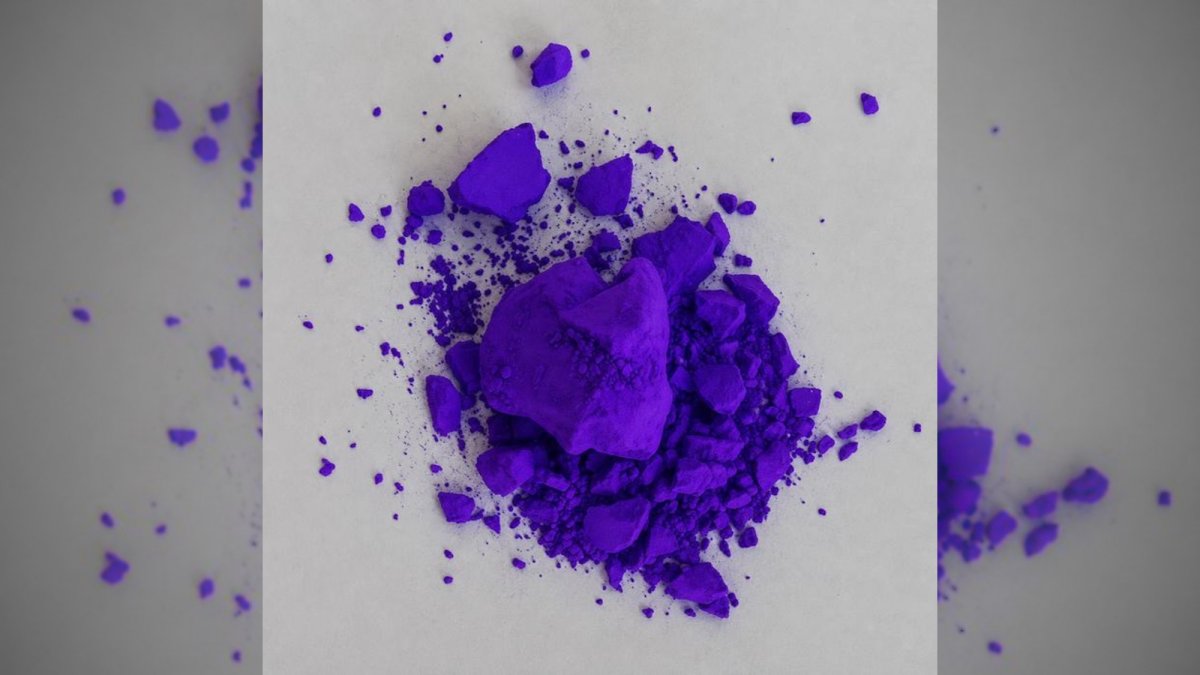
💜
New fabric stays cooler than white cotton—and it’s purple
Nieuwe stof blijft koeler dan witte katoen - en het is paars
Nouveau tissu reste plus frais que le coton blanc - et il est violet
I’m really excited about this new purple fabric that stays cooler than white cotton! Researchers from China and Australia have developed a material that not only looks great but also reflects nearly 88 percent of sunlight. This means it can keep you up to 11 degrees Fahrenheit cooler than regular purple cotton. It’s a fantastic breakthrough for those hot summer days, especially for outdoor workers who need relief from the heat.
Ik ben echt enthousiast over deze nieuwe paarse stof die koeler blijft dan witte katoen! Onderzoekers uit China en Australië hebben een materiaal ontwikkeld dat er niet alleen geweldig uitziet, maar ook bijna 88 procent van het zonlicht reflecteert. Dit betekent dat het je tot 11 graden Fahrenheit koeler kan houden dan gewone paarse katoen. Het is een fantastische doorbraak voor die hete zomerdagen, vooral voor buitenshuis werkende mensen die verlichting van de hitte nodig hebben.
Je suis vraiment enthousiaste à propos de ce nouveau tissu violet qui reste plus frais que le coton blanc ! Des chercheurs de Chine et d'Australie ont développé un matériau qui non seulement a fière allure, mais qui reflète également près de 88 % de la lumière du soleil. Cela signifie qu'il peut vous garder jusqu'à 11 degrés Fahrenheit plus frais que le coton violet ordinaire. C'est une fantastique avancée pour ces chaudes journées d'été, surtout pour les travailleurs en extérieur qui ont besoin de soulagement face à la chaleur.
🌱
Europe on record course for building new wind turbines
Europa op recordkoers voor bouw nieuwe windmolens
Europe sur une trajectoire record pour la construction de nouvelles éoliennes
It's exciting to see Europe making such significant strides in renewable energy! The construction of new wind turbines is reaching record levels, which is fantastic news for sustainability efforts. This surge not only helps combat climate change but also boosts local economies and creates jobs. It's a win-win situation that showcases Europe's commitment to a greener future.
Het is opwindend om te zien hoe Europa zulke belangrijke stappen zet in hernieuwbare energie! De bouw van nieuwe windmolens bereikt recordhoogtes, wat fantastisch nieuws is voor de duurzaamheidsinspanningen. Deze toename helpt niet alleen de klimaatverandering te bestrijden, maar stimuleert ook de lokale economieën en creëert banen. Het is een win-winsituatie die de toewijding van Europa aan een groenere toekomst laat zien.
C'est excitant de voir l'Europe faire des progrès significatifs dans les énergies renouvelables ! La construction de nouvelles éoliennes atteint des niveaux record, ce qui est une excellente nouvelle pour les efforts de durabilité. Cette augmentation aide non seulement à lutter contre le changement climatique, mais stimule également les économies locales et crée des emplois. C'est une situation gagnant-gagnant qui montre l'engagement de l'Europe envers un avenir plus vert.

💧
Water hero of India shares practical tips for Bengaluru homes to harvest rainwater
Waterheld van India deelt praktische tips voor Bengaluru-huizen om regenwater te oogsten
Héros de l'eau en Inde partage des conseils pratiques pour récolter l'eau de pluie dans les maisons de Bengaluru
Bengaluru, known for its beautiful monsoons, faces a water crisis due to poor rainwater management. Subhajit Mukherjee, the Water Hero of India, emphasizes the importance of harvesting rainwater at home. By channeling rainwater into storage tanks or recharge pits, households can significantly reduce their reliance on treated water. His initiative, 'Mera Chhat, Mera Pani,' encourages everyone to make their rooftops a source of water, helping to replenish the city's groundwater and combat urbanization challenges.
Bengaluru, bekend om zijn prachtige moessons, kampt met een watercrisis door slecht beheer van regenwater. Subhajit Mukherjee, de Waterheld van India, benadrukt het belang van het oogsten van regenwater thuis. Door regenwater naar opslagtanks of infiltratieputten te leiden, kunnen huishoudens hun afhankelijkheid van behandeld water aanzienlijk verminderen. Zijn initiatief 'Mera Chhat, Mera Pani' moedigt iedereen aan om hun daken tot een waterbron te maken, wat helpt om het grondwater van de stad aan te vullen en de uitdagingen van verstedelijking aan te pakken.
Bengaluru, connu pour ses magnifiques moussons, fait face à une crise de l'eau en raison d'une mauvaise gestion des eaux de pluie. Subhajit Mukherjee, le héros de l'eau en Inde, souligne l'importance de récolter l'eau de pluie à domicile. En canalisant l'eau de pluie vers des réservoirs ou des puits de recharge, les ménages peuvent réduire considérablement leur dépendance à l'eau traitée. Son initiative 'Mera Chhat, Mera Pani' encourage chacun à faire de leurs toits une source d'eau, contribuant ainsi à recharger les nappes phréatiques de la ville et à lutter contre les défis de l'urbanisation.
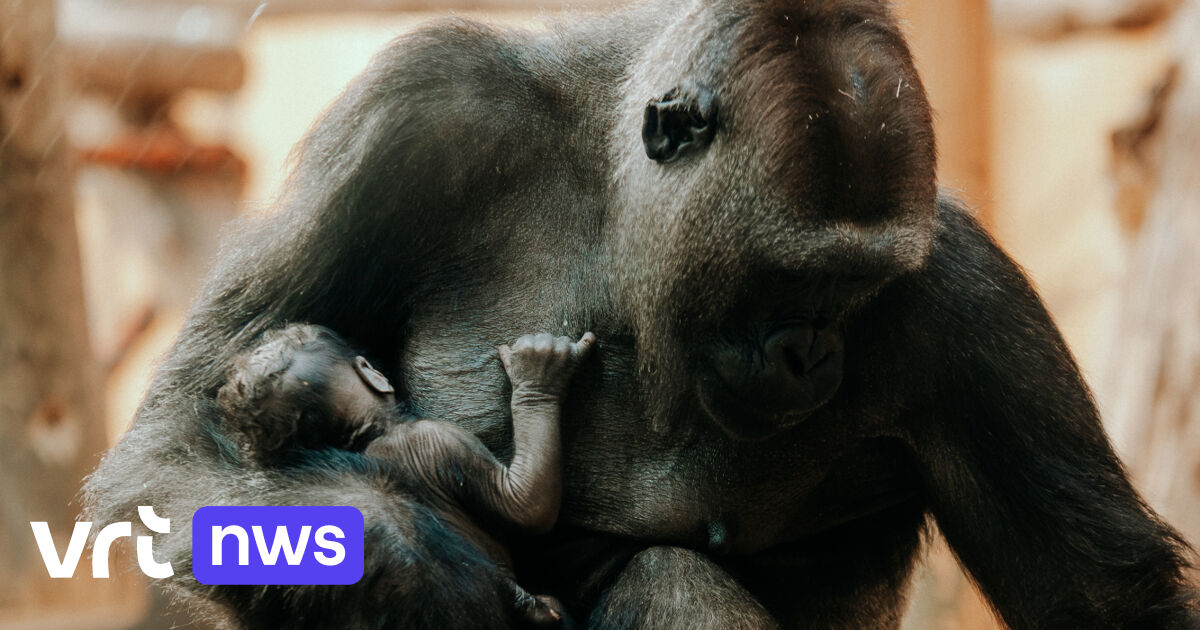
🐒
Gorilla baby born in Antwerp zoo: hope for a critically endangered species
Gorillababy geboren in Antwerpse dierentuin: hoop voor een kritiek bedreigde soort
Bébé gorille né au zoo d'Anvers : espoir pour une espèce en danger critique
A baby gorilla has been born at the Antwerp Zoo, and it’s a significant moment for the critically endangered western lowland gorilla. This little one represents hope for a species that is under severe threat in the wild due to deforestation and poaching. The mother, Mayani, is doing well with her second baby, while the silverback Ayo welcomes his first offspring. The zoo is inviting the public to help name the baby, making September a special month for gorilla enthusiasts.
Er is een gorillababy geboren in de Antwerpse Zoo, en het is een belangrijk moment voor de kritiek bedreigde westelijke laaglandgorilla. Dit kleintje vertegenwoordigt hoop voor een soort die in het wild zwaar onder druk staat door ontbossing en stroperij. Moeder Mayani doet het goed met haar tweede jong, terwijl zilverrug Ayo zijn eerste nakomeling verwelkomt. De dierentuin nodigt het publiek uit om te helpen bij het kiezen van een naam voor de baby, waardoor september een speciale maand wordt voor gorillaliefhebbers.
Un bébé gorille est né au zoo d'Anvers, et c'est un moment significatif pour le gorille des plaines de l'ouest, une espèce en danger critique. Ce petit représente l'espoir pour une espèce qui est sous une grave menace dans la nature en raison de la déforestation et du braconnage. La mère, Mayani, se porte bien avec son deuxième bébé, tandis que le dos argenté Ayo accueille sa première progéniture. Le zoo invite le public à aider à nommer le bébé, faisant de septembre un mois spécial pour les passionnés de gorilles.
🌟
Mathematical thinking shouldn't be exclusive to a minority
Wiskundig denken mag niet exclusief zijn voor een minderheid
La pensée mathématique ne devrait pas être réservée à une minorité
It's fascinating to think about how mathematical thinking is often seen as something only a select few can grasp. This perspective can lead to the dangerous idea that math is irrelevant for the majority of people. But here's the thing: math is everywhere in our daily lives, and it can empower us all. We need to embrace it as a universal tool, not just a niche skill for the elite.
Het is fascinerend om na te denken over hoe wiskundig denken vaak wordt gezien als iets dat alleen een selecte groep kan begrijpen. Dit perspectief kan leiden tot het gevaarlijke idee dat wiskunde irrelevant is voor de meerderheid van de mensen. Maar dat is het punt: wiskunde is overal in ons dagelijks leven en kan ons allemaal versterken. We moeten het omarmen als een universeel hulpmiddel, niet alleen als een nichevaardigheid voor de elite.
Il est fascinant de penser à la manière dont la pensée mathématique est souvent perçue comme quelque chose que seule une minorité peut comprendre. Cette perspective peut conduire à l'idée dangereuse que les mathématiques sont sans intérêt pour la majorité des gens. Mais voici le truc : les mathématiques sont partout dans notre vie quotidienne et peuvent nous donner du pouvoir à tous. Nous devons les considérer comme un outil universel, et non comme une compétence réservée à une élite.
🌟
Kids in Portugal make money from plastic waste
Kinderen in Portugal verdienen geld met plastic afval
Des enfants au Portugal gagnent de l'argent avec les déchets plastiques
So, there's this amazing story about two sisters in Portugal who are turning their neighbors' plastic waste into cash! Since the launch of the Volta scheme, they've been collecting empty bottles and making plans for exciting trips abroad. Their mom helps them with the logistics, and together they're aiming to collect a whopping 120,000 bottles by next June. It's not just about the money, though; they're also promoting recycling and getting their community involved!
Dus, er is dit geweldige verhaal over twee zussen in Portugal die het plastic afval van hun buren omzetten in contant geld! Sinds de lancering van het Volta-systeem verzamelen ze lege flessen en maken ze plannen voor spannende reizen naar het buitenland. Hun moeder helpt hen met de logistiek, en samen zijn ze van plan om tegen juni volgend jaar maar liefst 120.000 flessen te verzamelen. Het gaat niet alleen om het geld; ze bevorderen ook recycling en betrekken hun gemeenschap!
Alors, il y a cette histoire incroyable de deux sœurs au Portugal qui transforment les déchets plastiques de leurs voisins en argent ! Depuis le lancement du système Volta, elles collectent des bouteilles vides et prévoient des voyages passionnants à l'étranger. Leur mère les aide avec la logistique, et ensemble, elles visent à collecter un impressionnant 120 000 bouteilles d'ici juin prochain. Ce n'est pas seulement une question d'argent, elles promeuvent également le recyclage et impliquent leur communauté !

🐋
Diving into the life of sperm whales with François Sarano
In het leven van potvissen duiken met François Sarano
Plonger dans la vie des cachalots avec François Sarano
François Sarano, a passionate oceanographer, has dedicated his life to understanding sperm whales, those gentle giants of the sea. He believes that to truly know them, one must dive into their world, which he does regularly. His recent observations reveal surprising hunting behaviors among male sperm whales, challenging previous assumptions about their solitary nature. With each dive, he uncovers more about these magnificent creatures and advocates for their protection.
François Sarano, een gepassioneerde oceanograaf, heeft zijn leven gewijd aan het begrijpen van potvissen, die vriendelijke reuzen van de zee. Hij gelooft dat je ze pas echt kunt leren kennen als je in hun wereld duikt, wat hij regelmatig doet. Zijn recente observaties onthullen verrassende jachtgedragingen onder mannelijke potvissen, wat eerdere aannames over hun solitair gedrag uitdaagt. Met elke duik ontdekt hij meer over deze magnifieke wezens en pleit hij voor hun bescherming.
François Sarano, un océanographe passionné, a consacré sa vie à comprendre les cachalots, ces géants doux de la mer. Il croit que pour vraiment les connaître, il faut plonger dans leur monde, ce qu'il fait régulièrement. Ses récentes observations révèlent des comportements de chasse surprenants chez les mâles cachalots, remettant en question les idées reçues sur leur nature solitaire. À chaque plongée, il découvre davantage sur ces créatures magnifiques et plaide pour leur protection.
🌊
The lake is our life - protecting a shared lifeline in Uganda
Het meer is ons leven - het beschermen van een gedeelde levenslijn in Oeganda
Le lac est notre vie - protéger une ligne de vie partagée en Ouganda
On the shores of Lake Albert, local fishers are sounding the alarm about pollution threatening their livelihoods. Plastic waste and agricultural runoff are endangering fish breeding grounds, which could jeopardize food security for future generations. Community leaders are urging everyone to take action and stop dumping waste into the lake. It's a call for collective responsibility to protect this vital resource that sustains so many lives.
Aan de oevers van het Albertmeer luiden lokale vissers de alarmbel over vervuiling die hun levensonderhoud bedreigt. Plastic afval en landbouwafval bedreigen de broedplaatsen van vissen, wat de voedselzekerheid voor toekomstige generaties in gevaar kan brengen. Gemeenschapsleiders dringen er bij iedereen op aan om actie te ondernemen en geen afval meer in het meer te dumppen. Het is een oproep tot collectieve verantwoordelijkheid om deze vitale bron te beschermen die zoveel levens ondersteunt.
Sur les rives du lac Albert, les pêcheurs locaux tirent la sonnette d'alarme sur la pollution qui menace leurs moyens de subsistance. Les déchets plastiques et les eaux usées agricoles mettent en danger les zones de reproduction des poissons, ce qui pourrait compromettre la sécurité alimentaire des générations futures. Les dirigeants communautaires exhortent tout le monde à agir et à cesser de jeter des déchets dans le lac. C'est un appel à la responsabilité collective pour protéger cette ressource vitale qui soutient tant de vies.
🌱
Researchers unveil sustainable spirulina solution to vitamin B12 deficiency
Onderzoekers onthullen duurzame spirulina-oplossing voor vitamine B12-tekort
Des chercheurs dévoilent une solution durable à la carence en vitamine B12 grâce à la spiruline
I find it absolutely fascinating that scientists have developed a way to grow Spirulina that produces active vitamin B12, comparable to beef! This breakthrough could really help tackle the global vitamin B12 deficiency affecting over a billion people. By using advanced biotechnology and controlled light conditions, they've created a carbon-neutral, nutrient-rich Spirulina. It’s exciting to think about how this could provide a sustainable alternative to traditional animal sources of vitamin B12.
Ik vind het absoluut fascinerend dat wetenschappers een manier hebben ontwikkeld om Spirulina te kweken die actieve vitamine B12 produceert, vergelijkbaar met rundvlees! Deze doorbraak kan echt helpen bij het aanpakken van het wereldwijde tekort aan vitamine B12 dat meer dan een miljard mensen treft. Door gebruik te maken van geavanceerde biotechnologie en gecontroleerde lichtomstandigheden, hebben ze een koolstofneutrale, voedingsrijke Spirulina gecreëerd. Het is spannend om te bedenken hoe dit een duurzame alternatieve bron van vitamine B12 kan bieden.
Je trouve absolument fascinant que des scientifiques aient développé un moyen de cultiver de la spiruline qui produit de la vitamine B12 active, comparable à celle du boeuf ! Cette avancée pourrait vraiment aider à lutter contre la carence mondiale en vitamine B12 qui touche plus d'un milliard de personnes. En utilisant une biotechnologie avancée et des conditions lumineuses contrôlées, ils ont créé une spiruline riche en nutriments et neutre en carbone. C'est excitant de penser à la façon dont cela pourrait fournir une alternative durable aux sources animales traditionnelles de vitamine B12.
👣
1.4-million-year-old footprints reveal a surprisingly large human relative
1,4 miljoen jaar oude voetafdrukken onthullen een verrassend grote menselijke verwant
Des empreintes vieilles de 1,4 million d'années révèlent un parent humain étonnamment grand
A fascinating discovery in northern Kenya has unveiled fossil footprints that date back 1.4 million years, providing insight into the movement of Paranthropus boisei. This remarkable find shows eight individuals likely traveling together, hinting at complex social structures among these ancient relatives. Surprisingly, the footprints indicate they were much larger than previously thought, with heights reaching up to 1.8 meters. This challenges earlier beliefs about their size compared to other hominins like Homo erectus.
Een fascinerende ontdekking in het noorden van Kenia heeft fossiele voetafdrukken onthuld die dateren van 1,4 miljoen jaar geleden, wat inzicht biedt in de beweging van Paranthropus boisei. Deze opmerkelijke vondst toont aan dat acht individuen waarschijnlijk samen reisden, wat wijst op complexe sociale structuren onder deze oude verwanten. Verrassend genoeg geven de voetafdrukken aan dat ze veel groter waren dan eerder gedacht, met hoogtes tot 1,8 meter. Dit daagt eerdere opvattingen over hun grootte in vergelijking met andere homininen zoals Homo erectus uit.
Une découverte fascinante dans le nord du Kenya a révélé des empreintes fossiles datant de 1,4 million d'années, offrant un aperçu des mouvements de Paranthropus boisei. Cette découverte remarquable montre que huit individus voyageaient probablement ensemble, suggérant des structures sociales complexes parmi ces anciens parents. Étonnamment, les empreintes indiquent qu'ils étaient beaucoup plus grands que ce que l'on pensait auparavant, atteignant jusqu'à 1,8 mètre de hauteur. Cela remet en question les croyances antérieures sur leur taille par rapport à d'autres hominidés comme Homo erectus.

🌱
A walloon institute to shape our food of tomorrow
Een Waals instituut om ons voedsel van morgen te vormen
Un institut wallon pour dessiner notre alimentation de demain
So, there's some exciting news from Wallonia! The Wallonia Institute of Food Science and Technology has just been launched, bringing together researchers to innovate our food systems. With a focus on sustainability and health, this new virtual institute unites 60 senior researchers from five Belgian universities and several research centers. It's all about creating a greener and healthier plate for the future, which is just fantastic!
Er is spannend nieuws uit Wallonië! Het Wallonia Institute of Food Science and Technology is net gelanceerd en brengt onderzoekers samen om onze voedselsystemen te innoveren. Met een focus op duurzaamheid en gezondheid verenigt dit nieuwe virtuele instituut 60 senior onderzoekers van vijf Belgische universiteiten en verschillende onderzoekscentra. Het draait allemaal om het creëren van een groenere en gezondere maaltijd voor de toekomst, wat gewoon fantastisch is!
Il y a des nouvelles passionnantes de Wallonie ! Le Wallonia Institute of Food Science and Technology vient d'être lancé, réunissant des chercheurs pour innover nos systèmes alimentaires. Avec un accent sur la durabilité et la santé, ce nouvel institut virtuel regroupe 60 chercheurs seniors de cinq universités belges et plusieurs centres de recherche. Tout cela vise à créer une assiette plus verte et plus saine pour l'avenir, ce qui est tout simplement fantastique !

🧠
Deep sleep brain waves offer protection against Alzheimer’s, shows new research
Diepe slaap hersengolven bieden bescherming tegen Alzheimer, toont nieuw onderzoek aan
Les ondes cérébrales du sommeil profond offrent une protection contre Alzheimer, selon une nouvelle recherche
So, here's the exciting part! A new study reveals that specific brain waves during deep sleep can actually protect against the harmful effects of a brain chemical linked to Alzheimer’s disease. Researchers found that stronger sleep spindles and oscillations during non-REM sleep are associated with less cognitive decline over time. This means that improving sleep quality could be a key factor in slowing down Alzheimer’s progression. It's a fascinating step forward in understanding how sleep can impact brain health!
Dus, hier is het spannende deel! Een nieuwe studie onthult dat specifieke hersengolven tijdens de diepe slaap daadwerkelijk bescherming kunnen bieden tegen de schadelijke effecten van een hersenchemisch stof die aan Alzheimer is gekoppeld. Onderzoekers ontdekten dat sterkere slaapspindels en oscillaties tijdens non-REM-slaap geassocieerd zijn met minder cognitieve achteruitgang in de loop van de tijd. Dit betekent dat het verbeteren van de slaapkwaliteit een belangrijke factor kan zijn in het vertragen van de progressie van Alzheimer. Het is een fascinerende stap vooruit in het begrijpen van hoe slaap de gezondheid van de hersenen kan beïnvloeden!
Alors, voici la partie excitante ! Une nouvelle étude révèle que des ondes cérébrales spécifiques pendant le sommeil profond peuvent en fait protéger contre les effets nocifs d'une substance chimique cérébrale liée à la maladie d'Alzheimer. Les chercheurs ont découvert que des spindles de sommeil et des oscillations plus fortes pendant le sommeil non-REM sont associées à une moindre déclin cognitif au fil du temps. Cela signifie que l'amélioration de la qualité du sommeil pourrait être un facteur clé pour ralentir la progression de la maladie d'Alzheimer. C'est une étape fascinante vers la compréhension de l'impact du sommeil sur la santé cérébrale !
🌱
I wanted to find the slowest fashion imaginable: the woman growing her own dress
Ik wilde de traagste mode bedenken: de vrouw die haar eigen jurk kweekt
Je voulais trouver la mode la plus lente imaginable : la femme qui fait pousser sa propre robe
Eve Ogden Schaub is on a fascinating journey to create a dress from flax she’s growing in her backyard. This project, which she documents on Instagram, challenges the fast fashion trend by embracing a slower, more meaningful approach to clothing. Schaub’s process involves everything from sowing seeds to spinning yarn, and she’s learning along the way, often with the help of friends and family. It’s not just about making a dress; it’s about questioning our consumption habits and exploring the value of creativity in a world dominated by convenience.
Eve Ogden Schaub is op een fascinerende reis om een jurk te maken van vlas dat ze in haar achtertuin kweekt. Dit project, dat ze op Instagram documenteert, daagt de fast fashion-trend uit door een langzamere, betekenisvollere benadering van kleding te omarmen. Schaub's proces omvat alles, van zaden zaaien tot garen spinnen, en ze leert onderweg vaak met de hulp van vrienden en familie. Het gaat niet alleen om het maken van een jurk; het gaat om het in vraag stellen van onze consumptiegewoonten en het verkennen van de waarde van creativiteit in een wereld die gedomineerd wordt door gemak.
Eve Ogden Schaub est en train de réaliser un projet fascinant pour créer une robe à partir de lin qu'elle cultive dans son jardin. Ce projet, qu'elle documente sur Instagram, remet en question la tendance de la fast fashion en adoptant une approche plus lente et significative de l'habillement. Le processus de Schaub comprend tout, de la semence à la filature, et elle apprend en cours de route, souvent avec l'aide d'amis et de la famille. Il ne s'agit pas seulement de faire une robe ; il s'agit de remettre en question nos habitudes de consommation et d'explorer la valeur de la créativité dans un monde dominé par la commodité.
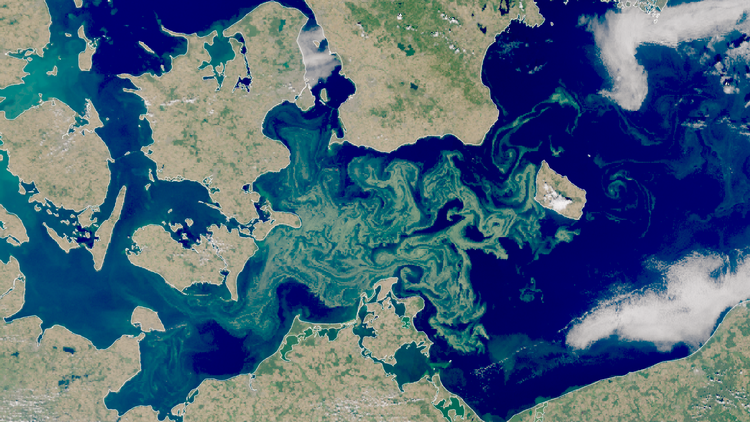
🌊
Algae blooms are surfacing in the Baltic Sea
Algenbloei komt naar boven in de Oostzee
Les blooms d'algues émergent dans la mer Baltique
So, it turns out that the recent algae blooms in the Baltic Sea are not just an environmental issue, but also a stunning sight from space! These normally invisible blue-green algae have spread across the surface, creating a vibrant carpet that satellites can capture from 786 kilometers above. It's fascinating how the high temperatures have allowed these algae to thrive, even as green grasslands typically wither in the summer heat. However, this dramatic bloom, caused by years of phosphorus runoff, has raised significant concerns about water quality.
Het blijkt dat de recente algenbloei in de Oostzee niet alleen een milieuprobleem is, maar ook een prachtig gezicht vanuit de ruimte! Deze normaal onzichtbare blauwgroene algen hebben zich verspreid over het oppervlak en creëren een levendig tapijt dat satellieten kunnen vastleggen vanuit 786 kilometer hoogte. Het is fascinerend hoe de hoge temperaturen deze algen hebben laten gedijen, terwijl groene grasvelden normaal gesproken verwelken in de zomerse hitte. Deze dramatische bloei, veroorzaakt door jarenlange fosforafvoer, heeft echter aanzienlijke zorgen over de waterkwaliteit opgewekt.
Il s'avère que les récentes blooms d'algues dans la mer Baltique ne sont pas seulement un problème environnemental, mais aussi un spectacle magnifique vu de l'espace ! Ces algues bleu-vert, normalement invisibles, se sont répandues à la surface, créant un tapis vibrant que les satellites peuvent capturer à 786 kilomètres au-dessus. C'est fascinant de voir comment les températures élevées ont permis à ces algues de prospérer, alors que les prairies vertes se flétrissent généralement sous la chaleur estivale. Cependant, cette floraison dramatique, causée par des années de ruissellement de phosphore, suscite d'importantes inquiétudes concernant la qualité de l'eau.
🐶
Dogs may hold surprising clues to human longevity
Honden kunnen verrassende aanwijzingen geven over de menselijke levensduur
Les chiens pourraient détenir des indices surprenants sur la longévité humaine
Isn't it fascinating that dogs might actually help us understand human longevity? New research from the Dog Aging Project shows that certain biological patterns in dogs are strikingly similar to those in humans. By analyzing metabolites in dogs' blood, scientists found connections between these patterns and lifespan, which could change how we study aging. This discovery not only highlights the importance of our furry friends but also opens up new avenues for exploring health and longevity in both species.
Is het niet fascinerend dat honden ons misschien kunnen helpen de menselijke levensduur te begrijpen? Nieuw onderzoek van het Dog Aging Project toont aan dat bepaalde biologische patronen bij honden opvallend vergelijkbaar zijn met die bij mensen. Door metabolieten in het bloed van honden te analyseren, ontdekten wetenschappers verbindingen tussen deze patronen en de levensduur, wat de manier waarop we veroudering bestuderen zou kunnen veranderen. Deze ontdekking benadrukt niet alleen het belang van onze harige vrienden, maar opent ook nieuwe wegen voor het verkennen van gezondheid en levensduur in beide soorten.
N'est-ce pas fascinant que les chiens pourraient en fait nous aider à comprendre la longévité humaine ? De nouvelles recherches du Dog Aging Project montrent que certains schémas biologiques chez les chiens sont étonnamment similaires à ceux chez les humains. En analysant les métabolites dans le sang des chiens, les scientifiques ont trouvé des liens entre ces schémas et la durée de vie, ce qui pourrait changer notre façon d'étudier le vieillissement. Cette découverte souligne non seulement l'importance de nos amis à fourrure, mais ouvre également de nouvelles avenues pour explorer la santé et la longévité chez les deux espèces.
♻️
Scientists turn one of the hardest plastics to recycle into high-performance engine lubricant
Wetenschappers maken van een van de moeilijkste kunststoffen om te recyclen een hoogwaardige motorolie
Les scientifiques transforment l'un des plastiques les plus difficiles à recycler en lubrifiant moteur haute performance
So, a team at Virginia Tech has found a brilliant way to turn PVC, one of the toughest plastics to recycle, into a valuable engine lubricant! This innovative method could tackle two big environmental issues: reducing plastic waste and creating sustainable lubricants. By breaking down PVC, which is often discarded, they’ve developed a process that produces a thick oil perfect for engines. It’s exciting to see how science can help us recycle better and meet the growing demand for eco-friendly products.
Dus, een team van Virginia Tech heeft een briljante manier gevonden om PVC, een van de moeilijkste kunststoffen om te recyclen, om te zetten in een waardevolle motorolie! Deze innovatieve methode kan twee grote milieuproblemen aanpakken: het verminderen van plasticafval en het creëren van duurzame smeermiddelen. Door PVC af te breken, dat vaak wordt weggegooid, hebben ze een proces ontwikkeld dat een dikke olie produceert die perfect is voor motoren. Het is opwindend om te zien hoe de wetenschap ons kan helpen beter te recyclen en te voldoen aan de groeiende vraag naar milieuvriendelijke producten.
Alors, une équipe de Virginia Tech a trouvé un moyen brillant de transformer le PVC, l'un des plastiques les plus difficiles à recycler, en un lubrifiant moteur précieux ! Cette méthode innovante pourrait résoudre deux grands problèmes environnementaux : réduire les déchets plastiques et créer des lubrifiants durables. En décomposant le PVC, souvent jeté, ils ont développé un processus qui produit une huile épaisse parfaite pour les moteurs. C'est excitant de voir comment la science peut nous aider à mieux recycler et à répondre à la demande croissante de produits écologiques.
🌟
Young people are more than doomscrolling zombies on social platforms
Jongeren zijn meer dan doomscrollende zombies op sociale platforms
Les jeunes sont plus que des zombies défilant sur les réseaux sociaux
So, there's this fascinating story about Kristoffer Aaskoven Sørensen, a 24-year-old who's dedicated his online life to building a healthy community. He’s part of a digital group with 740 other young people, mostly in their twenties, challenging the stereotypes of 'screen generation.' Now, while he spends a lot of time in front of his screen, he has a complicated relationship with social media and has even cut back on gaming. Which brings me to the idea that young people are actively creating positive spaces online rather than just mindlessly scrolling.
Er is een fascinerend verhaal over Kristoffer Aaskoven Sørensen, een 24-jarige die zijn online leven heeft gewijd aan het opbouwen van een gezond gemeenschapsgevoel. Hij maakt deel uit van een digitale groep met 740 andere jongeren, voornamelijk in hun twintig, die de stereotypen van de 'schermgeneratie' uitdagen. Terwijl hij veel tijd voor zijn scherm doorbrengt, heeft hij een gecompliceerde relatie met sociale media en heeft hij zelfs minder tijd aan gamen besteed. Dit laat zien dat jongeren actief positieve ruimtes online creëren in plaats van alleen maar doelloos te scrollen.
Il y a une histoire fascinante sur Kristoffer Aaskoven Sørensen, un jeune de 24 ans qui a dédié sa vie en ligne à la création d'une communauté saine. Il fait partie d'un groupe numérique avec 740 autres jeunes, principalement dans la vingtaine, qui défient les stéréotypes de la 'génération écran'. Bien qu'il passe beaucoup de temps devant son écran, il a une relation compliquée avec les réseaux sociaux et a même réduit son temps de jeu. Cela montre que les jeunes créent activement des espaces positifs en ligne plutôt que de simplement faire défiler sans but.

📚
How the brain learns to read is an evolutionary mystery—a new study offers clues
Hoe de hersenen leren lezen is een evolutionair mysterie - een nieuwe studie biedt aanwijzingen
Comment le cerveau apprend à lire est un mystère évolutif - une nouvelle étude offre des indices
Isn't it fascinating how our brains learn to read? Despite reading being a relatively new skill, our brains adapt existing systems to make sense of written words. A recent study sheds light on the brain structures involved in reading and how they differ among individuals, including those with dyslexia. It turns out that our auditory abilities play a crucial role in this process, and genetic factors might influence how easily we learn to read. This research opens up exciting possibilities for understanding literacy across diverse populations.
Is het niet fascinerend hoe onze hersenen leren lezen? Ondanks dat lezen een relatief nieuwe vaardigheid is, passen onze hersenen bestaande systemen aan om geschreven woorden te begrijpen. Een recente studie werpt licht op de hersenstructuren die betrokken zijn bij lezen en hoe deze verschillen tussen individuen, waaronder mensen met dyslexie. Het blijkt dat onze auditieve vaardigheden een cruciale rol spelen in dit proces, en genetische factoren kunnen beïnvloeden hoe gemakkelijk we leren lezen. Dit onderzoek opent spannende mogelijkheden voor het begrijpen van geletterdheid in diverse populaties.
N'est-ce pas fascinant de voir comment notre cerveau apprend à lire ? Bien que la lecture soit une compétence relativement nouvelle, notre cerveau adapte des systèmes existants pour comprendre les mots écrits. Une étude récente éclaire les structures cérébrales impliquées dans la lecture et comment elles diffèrent entre les individus, y compris ceux atteints de dyslexie. Il s'avère que nos capacités auditives jouent un rôle crucial dans ce processus, et des facteurs génétiques pourraient influencer la facilité avec laquelle nous apprenons à lire. Cette recherche ouvre des possibilités passionnantes pour comprendre la littératie à travers des populations diverses.
🌱
Why scientists asked 1,000 people to bury their underwear
Waarom wetenschappers 1.000 mensen vroegen om hun ondergoed te begraven
Pourquoi les scientifiques ont demandé à 1 000 personnes d'enterrer leur sous-vêtements
Soil is a vital part of our ecosystem, and researchers are keen to understand its hidden biodiversity. In a fascinating project called Proof by Underpants, 1,000 volunteers buried cotton underwear to study soil activity across Switzerland. The results showed that the speed of decomposition varied significantly based on land use, revealing insights into soil health. This innovative approach not only raises awareness but also provides valuable data for improving soil management practices.
De bodem is een essentieel onderdeel van ons ecosysteem en onderzoekers willen de verborgen biodiversiteit ervan begrijpen. In een fascinerend project genaamd Bewijsstuk Onderbroek hebben 1.000 vrijwilligers katoenen ondergoed begraven om de bodemactiviteit in Zwitserland te bestuderen. De resultaten toonden aan dat de snelheid van afbraak aanzienlijk varieerde op basis van het landgebruik, wat inzichten gaf in de bodemgezondheid. Deze innovatieve aanpak verhoogt niet alleen het bewustzijn, maar biedt ook waardevolle gegevens voor het verbeteren van bodembeheerpraktijken.
Le sol est une partie vitale de notre écosystème et les chercheurs souhaitent comprendre sa biodiversité cachée. Dans un projet fascinant appelé Preuve par Sous-vêtements, 1 000 bénévoles ont enterré des sous-vêtements en coton pour étudier l'activité du sol à travers la Suisse. Les résultats ont montré que la vitesse de décomposition variait considérablement en fonction de l'utilisation des terres, révélant des informations sur la santé du sol. Cette approche innovante non seulement sensibilise, mais fournit également des données précieuses pour améliorer les pratiques de gestion des sols.

☔
let your child enjoy the rain: paediatrician busts 4 common fears about kids falling sick
laat je kind genieten van de regen: kinderarts ontkracht 4 veelvoorkomende angsten over zieke kinderen
laissez votre enfant profiter de la pluie : un pédiatre démystifie 4 peurs courantes sur les enfants malades
It's fascinating how the first drops of rain can spark such different reactions in families! While kids are eager to splash around, parents often worry about them getting sick. But Dr. Shravan Krishna Reddy, a paediatrician, clarifies that rain itself doesn't cause colds or weaken immunity. He encourages parents to let their children enjoy safe, supervised play in the rain, emphasizing that the real benefits come from movement and joyful experiences.
Het is fascinerend hoe de eerste regendruppels zulke verschillende reacties in gezinnen kunnen oproepen! Terwijl kinderen enthousiast zijn om te spetteren, maken ouders zich vaak zorgen dat ze ziek worden. Maar Dr. Shravan Krishna Reddy, een kinderarts, verduidelijkt dat regen zelf geen verkoudheid veroorzaakt of de immuniteit verzwakt. Hij moedigt ouders aan om hun kinderen veilig en onder toezicht in de regen te laten spelen, en benadrukt dat de echte voordelen komen van beweging en blije ervaringen.
C'est fascinant de voir comment les premières gouttes de pluie peuvent susciter des réactions si différentes dans les familles ! Alors que les enfants sont impatients de sauter dans les flaques, les parents s'inquiètent souvent de les voir tomber malades. Mais le Dr Shravan Krishna Reddy, pédiatre, clarifie que la pluie elle-même ne cause pas de rhumes ni ne diminue l'immunité. Il encourage les parents à laisser leurs enfants jouer en toute sécurité sous surveillance dans la pluie, en soulignant que les véritables bénéfices viennent du mouvement et des expériences joyeuses.

🐄
The goat-cow is Spain’s wildfire-fighting secret weapon
De geit-koe is Spanje's geheime wapen tegen bosbranden
La chèvre-vache est l'arme secrète de l'Espagne contre les incendies de forêt
In Galicia, wildfires have become a serious threat, but a community in Vincios is turning to an unexpected ally: the Cachena, or 'goat-cow.' These hardy animals are being reintroduced to graze on flammable vegetation, helping to reduce the risk of fires. Since their introduction in 2023, the community has seen no serious fires, which is quite promising! This innovative approach is gaining traction in Spain as a sustainable way to manage wildfire risks.
In Galicië zijn bosbranden een serieuze bedreiging geworden, maar een gemeenschap in Vincios wendt zich tot een onverwachte bondgenoot: de Cachena, of 'geit-koe.' Deze robuuste dieren worden opnieuw geïntroduceerd om op brandbare vegetatie te grazen, wat helpt het risico op branden te verminderen. Sinds hun introductie in 2023 heeft de gemeenschap geen ernstige branden meer gezien, wat veelbelovend is! Deze innovatieve aanpak wint aan populariteit in Spanje als een duurzame manier om de risico's van bosbranden te beheersen.
En Galice, les incendies de forêt sont devenus une menace sérieuse, mais une communauté à Vincios se tourne vers un allié inattendu : la Cachena, ou 'chèvre-vache.' Ces animaux robustes sont réintroduits pour paître sur la végétation inflammable, aidant ainsi à réduire le risque d'incendies. Depuis leur introduction en 2023, la communauté n'a pas connu d'incendies graves, ce qui est très prometteur ! Cette approche innovante gagne du terrain en Espagne comme moyen durable de gérer les risques d'incendies de forêt.
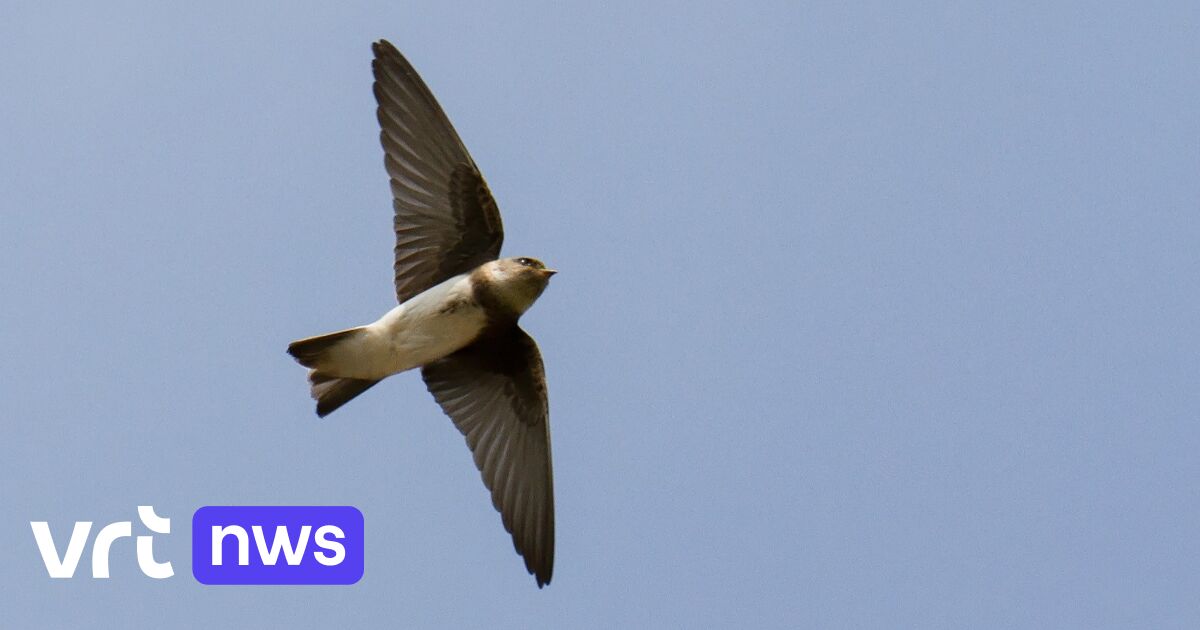
🐦
Athletes in national park Bosland invest in breeding site for vulnerable sand martin in Lommelse Sahara
Sporters in Nationaal Park Bosland investeren mee in broedplaats voor kwetsbare oeverzwaluw in Lommelse Sahara
Les athlètes du parc national de Bosland investissent dans un site de reproduction pour le martinet de sable vulnérable dans le Sahara de Lommelse
So, this winter, a new artificial breeding wall for sand martins is being built along the Lommelse Sahara. Athletes participating in paid events at national park Bosland are helping to fund this fantastic project. The wall aims to provide a safe nesting place for these birds, whose natural habitats are dwindling. It's a great initiative that not only supports wildlife but also raises awareness among visitors about their impact on nature.
Deze winter wordt er een nieuwe kunstmatige broedwand voor oeverzwaluwen gebouwd langs de Lommelse Sahara. Sporters die deelnemen aan betalende evenementen in Nationaal Park Bosland helpen mee om dit geweldige project te financieren. De wand moet een veilige nestplaats bieden voor deze vogels, wiens natuurlijke habitats steeds schaarser worden. Het is een fantastisch initiatief dat niet alleen de dieren ondersteunt, maar ook bezoekers bewust maakt van hun impact op de natuur.
Cet hiver, un nouveau mur de reproduction artificiel pour les hirondelles de rivage est en cours de construction le long du Sahara de Lommelse. Les athlètes participant à des événements payants dans le parc national de Bosland contribuent au financement de ce projet fantastique. Le mur vise à fournir un endroit sûr pour nicher à ces oiseaux, dont les habitats naturels se raréfient. C'est une excellente initiative qui soutient non seulement la faune, mais sensibilise également les visiteurs à leur impact sur la nature.
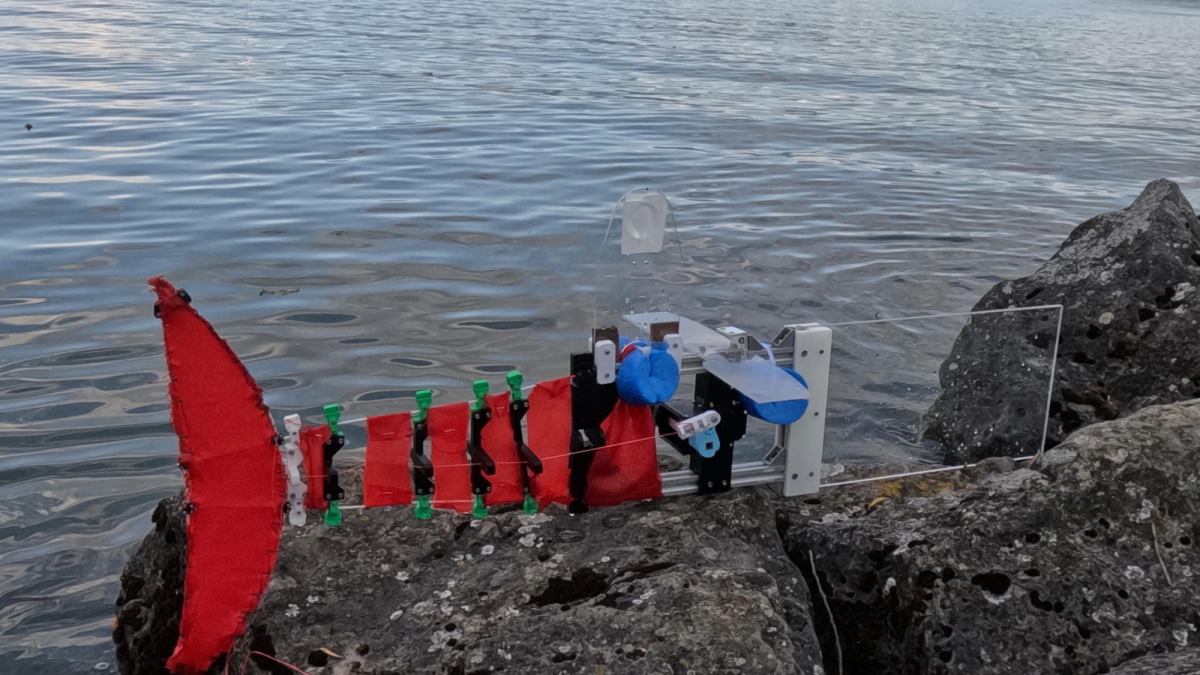
🐟
Scalable robot fish can easily swim in a creek or lake
Schaalbare robotvis kan gemakkelijk in een beek of meer zwemmen
Poisson robot évolutif peut nager facilement dans un ruisseau ou un lac
I find it fascinating that robot fish have evolved so much since the days of Big Mouth Billy Bass! The new ScaFi can be built in three sizes from the same blueprint, making it super versatile for researchers. This means they can monitor different aquatic environments without needing multiple robots. Plus, the design mimics the swimming patterns of real fish, which is just brilliant!
Ik vind het fascinerend dat robotvissen zo zijn geëvolueerd sinds de dagen van Big Mouth Billy Bass! De nieuwe ScaFi kan in drie maten worden gebouwd vanuit hetzelfde ontwerp, waardoor het super veelzijdig is voor onderzoekers. Dit betekent dat ze verschillende aquatische omgevingen kunnen monitoren zonder meerdere robots nodig te hebben. Bovendien imiteert het ontwerp de zwempatronen van echte vissen, wat gewoon briljant is!
Je trouve fascinant que les poissons robots aient évolué depuis l'époque de Big Mouth Billy Bass ! Le nouveau ScaFi peut être construit en trois tailles à partir du même plan, ce qui le rend super polyvalent pour les chercheurs. Cela signifie qu'ils peuvent surveiller différents environnements aquatiques sans avoir besoin de plusieurs robots. De plus, le design imite les mouvements de nage des vrais poissons, ce qui est tout simplement brillant !
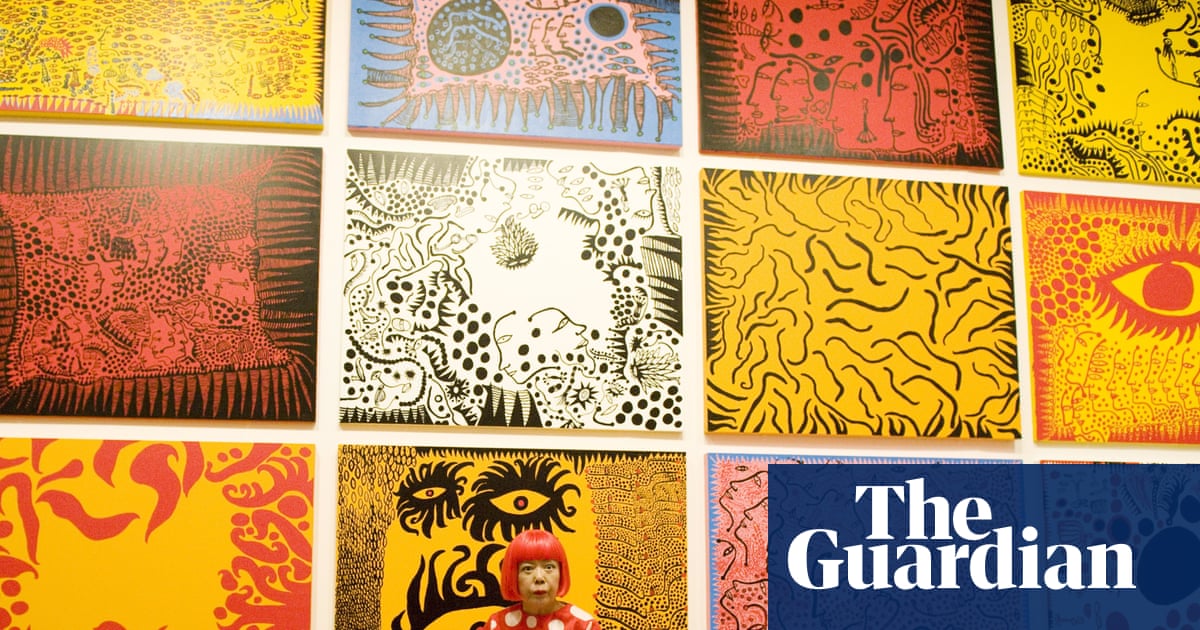
🎨
I fight pain and fear with art: how Yayoi Kusama blazed a trail for neurodivergent artists
Ik vecht tegen pijn en angst met kunst: hoe Yayoi Kusama een pad baande voor neurodivergente kunstenaars
Je combats la douleur et la peur par l'art : comment Yayoi Kusama a ouvert la voie aux artistes neurodivergents
Yayoi Kusama, who recently passed away at 97, transformed her vivid hallucinations into a powerful artistic expression. She described her experiences with anxiety and fear as a driving force behind her creativity, stating that art was her means of survival. Kusama's unique perspective has paved the way for neurodivergent artists, showing that diverse experiences enrich the art world. Her legacy continues to inspire, as society becomes more aware and accepting of mental health and neurodiversity.
Yayoi Kusama, die onlangs op 97-jarige leeftijd is overleden, transformeerde haar levendige hallucinaties in een krachtige artistieke expressie. Ze beschreef haar ervaringen met angst en pijn als een drijfveer achter haar creativiteit en verklaarde dat kunst haar middel tot overleven was. Kusama's unieke perspectief heeft de weg vrijgemaakt voor neurodivergente kunstenaars, en laat zien dat diverse ervaringen de kunstwereld verrijken. Haar nalatenschap blijft inspireren, terwijl de samenleving zich steeds meer bewust en accepterend toont van mentale gezondheid en neurodiversiteit.
Yayoi Kusama, qui est récemment décédée à 97 ans, a transformé ses hallucinations vives en une puissante expression artistique. Elle a décrit ses expériences d'anxiété et de peur comme une force motrice derrière sa créativité, affirmant que l'art était son moyen de survie. La perspective unique de Kusama a ouvert la voie aux artistes neurodivergents, montrant que des expériences diverses enrichissent le monde de l'art. Son héritage continue d'inspirer, alors que la société devient plus consciente et acceptante de la santé mentale et de la neurodiversité.
🚀
AI searched 100 million possibilities and found a cheaper way to 3D-print a NASA rocket alloy
AI zocht 100 miljoen mogelijkheden en vond een goedkopere manier om een NASA-raketlegering 3D te printen
L'IA a exploré 100 millions de possibilités et a trouvé un moyen moins cher d'imprimer en 3D un alliage de fusée de la NASA
Researchers at Washington State University have made a groundbreaking leap by using AI to find a faster and cheaper method to 3D print a high-performance metal alloy. This alloy, known as GRCop-42, is crucial for aerospace applications but has been challenging to print due to its high energy requirements. By analyzing data from previous failed attempts, the AI efficiently narrowed down over 100 million configurations to find feasible printing settings. This innovation not only democratizes access to this alloy but could also revolutionize other scientific fields, like drug discovery.
Onderzoekers van de Washington State University hebben een baanbrekende sprong gemaakt door AI te gebruiken om een snellere en goedkopere methode te vinden om een hoogwaardig metaallegering in 3D te printen. Deze legering, bekend als GRCop-42, is cruciaal voor luchtvaarttoepassingen, maar het is een uitdaging om te printen vanwege de hoge energievereisten. Door gegevens van eerdere mislukte pogingen te analyseren, heeft de AI meer dan 100 miljoen configuraties efficiënt verkleind om haalbare printinstellingen te vinden. Deze innovatie democratiseert niet alleen de toegang tot deze legering, maar kan ook andere wetenschappelijke gebieden, zoals geneesmiddelenonderzoek, revolutioneren.
Des chercheurs de l'Université de l'État de Washington ont réalisé un bond révolutionnaire en utilisant l'IA pour trouver une méthode plus rapide et moins coûteuse d'imprimer en 3D un alliage métallique haute performance. Cet alliage, connu sous le nom de GRCop-42, est crucial pour les applications aérospatiales mais a été difficile à imprimer en raison de ses exigences énergétiques élevées. En analysant les données des tentatives précédentes échouées, l'IA a efficacement réduit plus de 100 millions de configurations pour trouver des paramètres d'impression réalisables. Cette innovation non seulement démocratise l'accès à cet alliage, mais pourrait également révolutionner d'autres domaines scientifiques, comme la découverte de médicaments.

🌟
Key brain circuit regulating hibernation found at last
Belangrijk hersencircuit dat de winterslaap reguleert, eindelijk gevonden
Circuit cérébral clé régulant l'hibernation enfin trouvé
So, researchers have finally uncovered a key brain circuit that helps animals enter hibernation, and it's fascinating! By studying Syrian hamsters, they've pinpointed specific neurons in the hypothalamus that play a crucial role in this process. This discovery not only sheds light on the mysteries of hibernation but could also pave the way for synthetic hibernation in humans, which is just mind-blowing! Imagine the possibilities for long-distance space travel and medical applications—it's an exciting time for science!
Dus, onderzoekers hebben eindelijk een belangrijk hersencircuit ontdekt dat helpt bij het ingaan van de winterslaap, en het is fascinerend! Door Syrische hamsters te bestuderen, hebben ze specifieke neuronen in de hypothalamus geïdentificeerd die een cruciale rol in dit proces spelen. Deze ontdekking werpt niet alleen licht op de mysteries van de winterslaap, maar kan ook de weg vrijmaken voor synthetische winterslaap bij mensen, wat gewoon verbazingwekkend is! Stel je de mogelijkheden voor van langeafstandreizen in de ruimte en medische toepassingen - het is een opwindende tijd voor de wetenschap!
Alors, les chercheurs ont enfin découvert un circuit cérébral clé qui aide les animaux à entrer en hibernation, et c'est fascinant ! En étudiant des hamsters syriens, ils ont identifié des neurones spécifiques dans l'hypothalamus qui jouent un rôle crucial dans ce processus. Cette découverte non seulement éclaire les mystères de l'hibernation, mais pourrait également ouvrir la voie à l'hibernation synthétique chez les humains, ce qui est tout simplement incroyable ! Imaginez les possibilités pour les voyages spatiaux de longue distance et les applications médicales - c'est une période passionnante pour la science !
/s3/static.nrc.nl/wp-content/uploads/2026/08/27121314/270826WET_2036241367_3.jpg)
🌩️
New satellite allows meteorologists to see thunderstorms forming from above
Dankzij deze nieuwe satelliet zien meteorologen onweer van boven ontstaan
Cette nouvelle satellite permet aux météorologues de voir les orages se former d'en haut
It's exciting to hear that meteorologists will soon have a better way to monitor extreme weather! The new Eumetsat satellite, launching soon, will provide more frequent and detailed images of the atmosphere, allowing for quicker updates on severe weather developments. With its advanced lightning sensor, it promises to detect storms earlier than ever before. This could lead to more accurate weather forecasts and localized warnings, which is fantastic news for everyone in Europe.
Het is spannend om te horen dat meteorologen binnenkort een betere manier hebben om extreem weer te monitoren! De nieuwe Eumetsat-satelliet, die binnenkort wordt gelanceerd, zal frequentere en gedetailleerdere beelden van de atmosfeer leveren, waardoor snellere updates over ernstige weersontwikkelingen mogelijk zijn. Met de geavanceerde bliksemsensor belooft het onweer eerder dan ooit te detecteren. Dit kan leiden tot nauwkeurigere weersvoorspellingen en gelokaliseerde waarschuwingen, wat geweldig nieuws is voor iedereen in Europa.
C'est excitant d'apprendre que les météorologues auront bientôt un meilleur moyen de surveiller les intempéries ! Le nouveau satellite Eumetsat, qui sera bientôt lancé, fournira des images plus fréquentes et détaillées de l'atmosphère, permettant des mises à jour plus rapides sur les développements météorologiques extrêmes. Avec son capteur de foudre avancé, il promet de détecter les tempêtes plus tôt que jamais. Cela pourrait conduire à des prévisions météorologiques plus précises et à des alertes localisées, ce qui est une excellente nouvelle pour tout le monde en Europe.
🌱
Digital Hive uit Lummen toont hoe technologie landbouw kan helpen
Digital Hive uit Lummen toont hoe technologie landbouw kan helpen
Digital Hive de Lummen montre comment la technologie peut aider l'agriculture
I find it fascinating how technology is transforming agriculture, and Digital Hive in Lummen is a perfect example of this. They are showcasing innovative solutions that can enhance farming practices and boost productivity. It's all about using tech to make farming more efficient and sustainable, which is something we all can get behind. This initiative not only supports farmers but also contributes to a healthier environment, which is a win-win situation!
Ik vind het fascinerend hoe technologie de landbouw transformeert, en Digital Hive in Lummen is daar een perfect voorbeeld van. Ze tonen innovatieve oplossingen die de landbouwpraktijken kunnen verbeteren en de productiviteit kunnen verhogen. Het draait allemaal om het gebruik van technologie om de landbouw efficiënter en duurzamer te maken, iets waar we allemaal achter kunnen staan. Dit initiatief ondersteunt niet alleen boeren, maar draagt ook bij aan een gezondere omgeving, wat een win-winsituatie is!
Je trouve fascinant comment la technologie transforme l'agriculture, et Digital Hive à Lummen en est un parfait exemple. Ils présentent des solutions innovantes qui peuvent améliorer les pratiques agricoles et augmenter la productivité. Il s'agit d'utiliser la technologie pour rendre l'agriculture plus efficace et durable, ce qui est quelque chose que nous pouvons tous soutenir. Cette initiative soutient non seulement les agriculteurs, mais contribue également à un environnement plus sain, ce qui est une situation gagnant-gagnant !
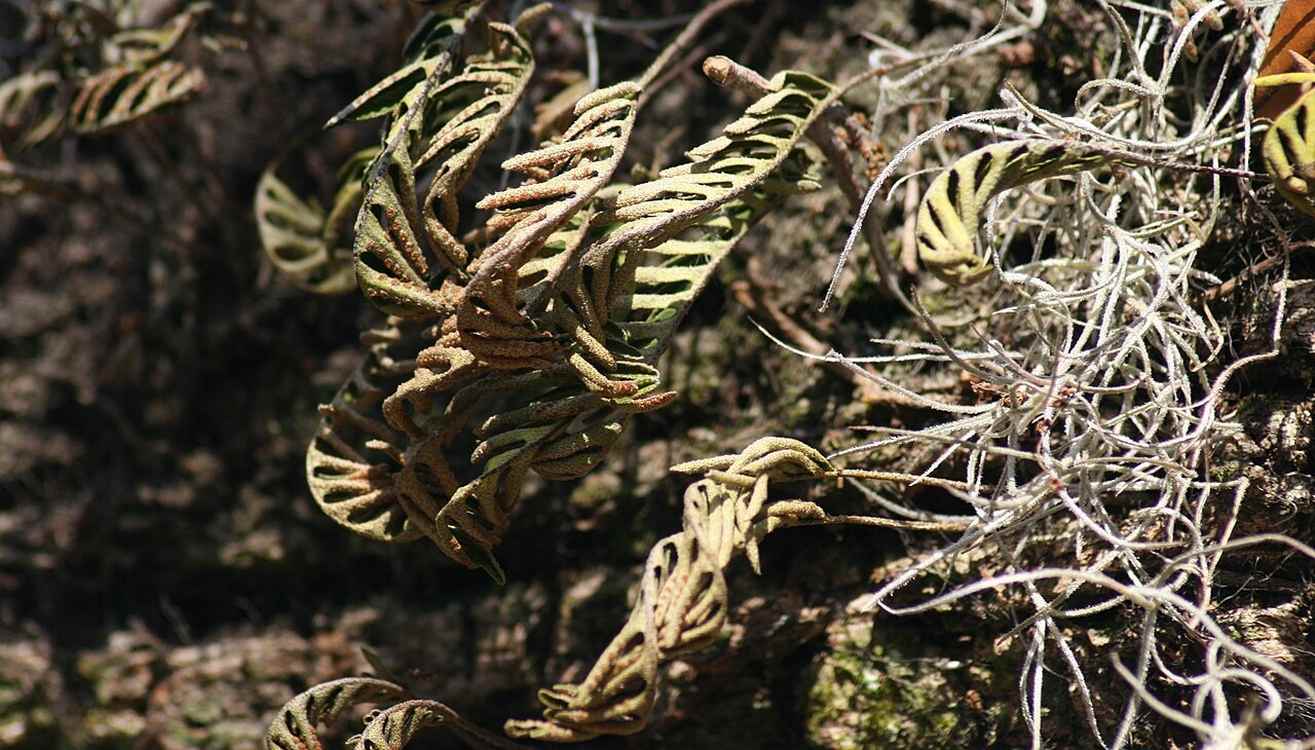
🌱
Resurrecting plant inspires ‘fridge free’ vaccines that could save the millions of doses wasted annually
Herlevende plant inspireert 'koelkastvrije' vaccins die miljoenen verspilde doses kunnen redden
Une plante ressuscitante inspire des vaccins 'sans réfrigérateur' qui pourraient sauver des millions de doses gaspillées chaque année
I find it fascinating that a plant known as the resurrection fern has inspired a groundbreaking ‘fridge free’ vaccine! This new method could significantly reduce waste and improve vaccine access in low and middle-income countries. The powder-based vaccine remains stable at room temperature and can even endure extreme temperature changes. It’s amazing to think that this innovation could save lives by making immunizations more reliable and accessible.
Ik vind het fascinerend dat een plant die bekend staat als de herlevende varen een baanbrekend 'koelkastvrij' vaccin heeft geïnspireerd! Deze nieuwe methode kan de verspilling aanzienlijk verminderen en de toegang tot vaccins in lage- en middeninkomenslanden verbeteren. Het poedergebaseerde vaccin blijft stabiel bij kamertemperatuur en kan zelfs extreme temperatuurveranderingen doorstaan. Het is geweldig om te bedenken dat deze innovatie levens kan redden door vaccinaties betrouwbaarder en toegankelijker te maken.
Je trouve fascinant qu'une plante connue sous le nom de fougère ressuscitante ait inspiré un vaccin révolutionnaire 'sans réfrigérateur' ! Cette nouvelle méthode pourrait réduire considérablement le gaspillage et améliorer l'accès aux vaccins dans les pays à revenu faible et intermédiaire. Le vaccin sous forme de poudre reste stable à température ambiante et peut même supporter des changements de température extrêmes. C'est incroyable de penser que cette innovation pourrait sauver des vies en rendant les vaccinations plus fiables et accessibles.
🚀
Using nuclear waste to power space missions
Nucleair afval gebruiken om ruimte-missies van stroom te voorzien
Utiliser les déchets nucléaires pour alimenter les missions spatiales
Researchers are exploring the fascinating idea of using radioactive isotopes to power systems on future Mars rovers. This innovative approach could revolutionize how we conduct long-term space missions, making them more efficient and sustainable. Imagine harnessing nuclear waste to fuel exploration beyond our planet! It's a thrilling prospect that could change the way we think about energy in space.
Onderzoekers verkennen het fascinerende idee om radioactieve isotopen te gebruiken om systemen op toekomstige Mars-rovers van stroom te voorzien. Deze innovatieve aanpak zou de manier waarop we langdurige ruimtemissies uitvoeren, kunnen revolutioneren, waardoor ze efficiënter en duurzamer worden. Stel je voor dat we nucleair afval gebruiken om de verkenning buiten onze planeet van energie te voorzien! Het is een opwindend vooruitzicht dat de manier waarop we over energie in de ruimte denken, kan veranderen.
Les chercheurs explorent l'idée fascinante d'utiliser des isotopes radioactifs pour alimenter les systèmes des futurs rovers martiens. Cette approche innovante pourrait révolutionner la manière dont nous menons des missions spatiales à long terme, les rendant plus efficaces et durables. Imaginez exploiter les déchets nucléaires pour alimenter l'exploration au-delà de notre planète ! C'est une perspective passionnante qui pourrait changer notre façon de penser l'énergie dans l'espace.
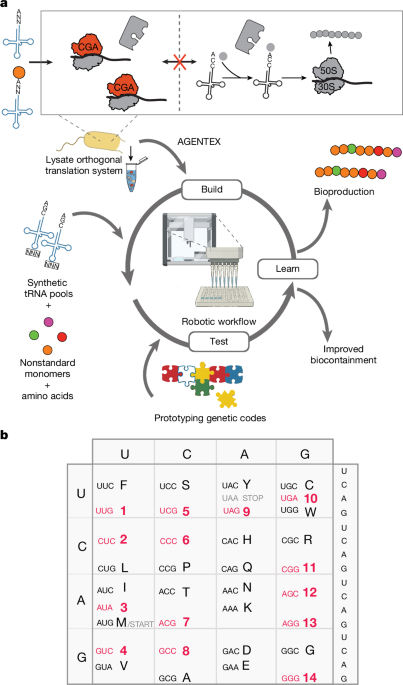
🔬
Automated prototyping of genetic codes
Geautomatiseerde prototyping van genetische codes
Prototypage automatisé des codes génétiques
This exciting research dives into the world of synthetic genetic codes, which can lead to organisms with amazing new traits! By automating the design and testing of these codes, scientists can push the boundaries of what we thought was possible in genome engineering. Imagine being able to create proteins with non-standard amino acids at an unprecedented scale! This innovative approach not only enhances our understanding of biology but also opens doors for new therapeutic and biotechnological applications.
Dit spannende onderzoek duikt in de wereld van synthetische genetische codes, die kunnen leiden tot organismen met geweldige nieuwe eigenschappen! Door het ontwerp en de test van deze codes te automatiseren, kunnen wetenschappers de grenzen van wat mogelijk is in genoomengineering verleggen. Stel je voor dat je op ongekende schaal eiwitten kunt maken met niet-standaard aminozuren! Deze innovatieve aanpak vergroot niet alleen ons begrip van biologie, maar opent ook deuren voor nieuwe therapeutische en biotechnologische toepassingen.
Cette recherche passionnante plonge dans le monde des codes génétiques synthétiques, qui peuvent conduire à des organismes avec des caractéristiques nouvelles incroyables ! En automatisant la conception et les tests de ces codes, les scientifiques peuvent repousser les limites de ce que nous pensions possible en ingénierie génomique. Imaginez pouvoir créer des protéines avec des acides aminés non standards à une échelle sans précédent ! Cette approche innovante non seulement améliore notre compréhension de la biologie, mais ouvre également des portes à de nouvelles applications thérapeutiques et biotechnologiques.

🦗
The first insects had way more than six legs
De eerste insecten hadden veel meer dan zes poten
Les premiers insectes avaient bien plus que six pattes
So, it turns out that the first insects were way more diverse than we thought! A team of paleontologists discovered that some ancient critters had way more than six legs, suggesting they were missing links between modern insects and their ancestors. This exciting find, based on fossils from places like Texas and Scotland, changes our understanding of insect evolution. It’s fascinating to think about how these creatures adapted to life on land while still holding onto some aquatic traits.
Dus, het blijkt dat de eerste insecten veel diverser waren dan we dachten! Een team van paleontologen ontdekte dat sommige oude beestjes veel meer dan zes poten hadden, wat suggereert dat ze ontbrekende schakels waren tussen moderne insecten en hun voorouders. Deze opwindende ontdekking, gebaseerd op fossielen uit onder andere Texas en Schotland, verandert ons begrip van de evolutie van insecten. Het is fascinerend om na te denken over hoe deze wezens zich aanpasten aan het leven op het land terwijl ze nog steeds enkele aquatische eigenschappen behielden.
Alors, il s'avère que les premiers insectes étaient beaucoup plus divers que nous le pensions ! Une équipe de paléontologues a découvert que certaines créatures anciennes avaient bien plus que six pattes, suggérant qu'elles étaient des maillons manquants entre les insectes modernes et leurs ancêtres. Cette découverte passionnante, basée sur des fossiles provenant de lieux comme le Texas et l'Écosse, change notre compréhension de l'évolution des insectes. C'est fascinant de penser à la façon dont ces créatures se sont adaptées à la vie sur terre tout en conservant certaines caractéristiques aquatiques.

🌟
Controversial Alzheimer’s surgery is said to reverse symptoms
Controversiële Alzheimeroperatie zou symptomen omkeren
Une chirurgie controversée de l'Alzheimer serait censée inverser les symptômes
So, there's this fascinating story about a groundbreaking surgery for Alzheimer's that seems to show remarkable results! A man in his 80s underwent a procedure called deep cervical lymphatic-venous anastomosis, and the transformation is simply astonishing. After just a few months, he went from being unresponsive to reciting songs and walking briskly. Now, while the excitement is palpable, scientists are still debating whether the surgery truly alters the disease's course, highlighting both hope and caution in the medical community.
Er is een fascinerend verhaal over een baanbrekende operatie voor Alzheimer die opmerkelijke resultaten lijkt te tonen! Een man van in de 80 onderging een procedure genaamd diepe cervicale lymfatische-veneuze anastomose, en de transformatie is gewoon verbazingwekkend. Na slechts een paar maanden ging hij van ongevoelig zijn naar het reciteren van liedjes en snel lopen. Nu, terwijl de opwinding voelbaar is, debatteren wetenschappers nog steeds of de operatie de loop van de ziekte echt verandert, wat zowel hoop als voorzichtigheid in de medische gemeenschap benadrukt.
Il y a une histoire fascinante sur une chirurgie révolutionnaire pour l'Alzheimer qui semble montrer des résultats remarquables ! Un homme dans la huitantaine a subi une procédure appelée anastomose lymphatique veineuse cervicale profonde, et la transformation est tout simplement étonnante. Après seulement quelques mois, il est passé d'un état d'inactivité à réciter des chansons et à marcher rapidement. Maintenant, bien que l'excitation soit palpable, les scientifiques débattent encore de la question de savoir si la chirurgie modifie réellement le cours de la maladie, mettant en évidence à la fois l'espoir et la prudence dans la communauté médicale.
🍭
What you eat before age 2 may affect your health 70 years later
Wat je eet voor je tweede verjaardag kan je gezondheid 70 jaar later beïnvloeden
Ce que vous mangez avant l'âge de 2 ans peut affecter votre santé 70 ans plus tard
So, it turns out that what you eat before you turn two can have a lasting impact on your health decades later! A fascinating study found that children who had less sugar exposure in their early years were less likely to develop various cancers and showed signs of slower biological aging. This is all linked to the unique sugar rationing in postwar Britain, which created different sugar experiences for kids born just months apart. It's incredible to think that our early food environment can shape our diets and health for a lifetime!
Dus, het blijkt dat wat je eet voordat je twee jaar oud bent een blijvende impact kan hebben op je gezondheid decennia later! Een fascinerende studie ontdekte dat kinderen die minder suiker blootstelling hadden in hun vroege jaren, minder kans hadden om verschillende kankers te ontwikkelen en tekenen vertoonden van langzamere biologische veroudering. Dit is allemaal verbonden met de unieke suikerbeperking in het naoorlogse Groot-Brittannië, die verschillende suikerervaringen creëerde voor kinderen die slechts maanden uit elkaar geboren zijn. Het is ongelooflijk om te bedenken dat onze vroege voedselomgeving onze diëten en gezondheid een leven lang kan vormen!
Alors, il s'avère que ce que vous mangez avant d'avoir deux ans peut avoir un impact durable sur votre santé des décennies plus tard ! Une étude fascinante a révélé que les enfants ayant eu moins d'exposition au sucre dans leurs premières années étaient moins susceptibles de développer divers cancers et montraient des signes de vieillissement biologique plus lent. Tout cela est lié à la rationnement du sucre unique dans la Grande-Bretagne d'après-guerre, qui a créé des expériences sucrées différentes pour les enfants nés à quelques mois d'intervalle. C'est incroyable de penser que notre environnement alimentaire précoce peut façonner nos régimes et notre santé toute notre vie !
🌌
NASA’s Roman telescope readies a sweeping view of the universe
NASA's Roman-telescoop bereidt zich voor op een uitgebreid uitzicht op het universum
Le télescope Roman de la NASA se prépare à offrir une vue panoramique de l'univers
I'm really excited about NASA's Roman telescope, which is gearing up to provide an incredible view of the universe! This ambitious project aims to explore the cosmos in ways we've never seen before, revealing new insights into distant galaxies and cosmic phenomena. It's fascinating to think about how this telescope will enhance our understanding of dark energy and the expansion of the universe. The anticipation is building, and I can't wait to see what discoveries await us!
Ik ben echt enthousiast over de Roman-telescoop van NASA, die zich voorbereidt om een ongelooflijk uitzicht op het universum te bieden! Dit ambitieuze project heeft als doel om het heelal op manieren te verkennen die we nog nooit eerder hebben gezien, en nieuwe inzichten te onthullen in verre sterrenstelsels en kosmische fenomenen. Het is fascinerend om te bedenken hoe deze telescoop ons begrip van donkere energie en de expansie van het universum zal verbeteren. De spanning groeit, en ik kan niet wachten om te zien welke ontdekkingen ons te wachten staan!
Je suis vraiment enthousiaste à propos du télescope Roman de la NASA, qui se prépare à offrir une vue incroyable de l'univers ! Ce projet ambitieux vise à explorer le cosmos de manière inédite, révélant de nouvelles perspectives sur des galaxies lointaines et des phénomènes cosmiques. C'est fascinant de penser à la façon dont ce télescope améliorera notre compréhension de l'énergie noire et de l'expansion de l'univers. L'anticipation monte, et j'ai hâte de voir quelles découvertes nous attendent !
🌱
West Africa: From hunger to harvests - how land restoration is transforming the Sahel
West-Afrika: Van honger naar oogsten - hoe landherstel de Sahel transformeert
Afrique de l'Ouest : De la faim aux récoltes - comment la restauration des terres transforme le Sahel
It's amazing to see how land restoration is turning the tide in the Sahel! Communities like Doungoulou in Chad are now capturing seasonal rains with dikes, which helps regenerate the land and boost food security. Since 2018, over 4 million people have benefited from these initiatives, showcasing the power of collaboration. With ongoing efforts, WFP aims to restore even more land, proving that we can tackle hunger and rebuild livelihoods together.
Het is geweldig om te zien hoe landherstel de situatie in de Sahel verandert! Gemeenschappen zoals Doungoulou in Tsjaad vangen nu seizoensgebonden regen met dijken, wat helpt om het land te regenereren en de voedselzekerheid te vergroten. Sinds 2018 hebben meer dan 4 miljoen mensen van deze initiatieven geprofiteerd, wat de kracht van samenwerking aantoont. Met voortdurende inspanningen streeft WFP ernaar nog meer land te herstellen, wat bewijst dat we samen honger kunnen bestrijden en levensonderhoud kunnen herbouwen.
C'est incroyable de voir comment la restauration des terres change la donne dans le Sahel ! Des communautés comme Doungoulou au Tchad capturent maintenant les pluies saisonnières avec des digues, ce qui aide à régénérer les terres et à renforcer la sécurité alimentaire. Depuis 2018, plus de 4 millions de personnes ont bénéficié de ces initiatives, montrant ainsi le pouvoir de la collaboration. Avec des efforts continus, le PAM vise à restaurer encore plus de terres, prouvant que nous pouvons lutter contre la faim et reconstruire des moyens de subsistance ensemble.

🌳
The flat-pack skyscraper: how wood can shape the cities of the future
De flat-pack wolkenkrabber: hoe hout de steden van de toekomst kan vormen
Le gratte-ciel en kit : comment le bois peut façonner les villes de demain
I recently discovered Mjøstårnet, the tallest wooden skyscraper in the world, and it felt like stepping into a dream! This stunning 18-storey tower in Norway showcases how wood can redefine urban architecture. With its warm, natural materials and breathtaking views, it’s like living in a giant treehouse. The developer, Arthur Buchardt, envisioned this structure as a beacon of possibility, and it’s certainly inspiring a new wave of sustainable design.
Onlangs ontdekte ik Mjøstårnet, de hoogste houten wolkenkrabber ter wereld, en het voelde als het betreden van een droom! Deze prachtige 18-verdiepingen tellende toren in Noorwegen laat zien hoe hout de stedelijke architectuur kan herdefiniëren. Met zijn warme, natuurlijke materialen en adembenemende uitzichten is het alsof je in een reusachtige boomhut woont. De ontwikkelaar, Arthur Buchardt, zag deze structuur als een baken van mogelijkheden, en het inspireert zeker een nieuwe golf van duurzaam ontwerp.
J'ai récemment découvert Mjøstårnet, le plus haut gratte-ciel en bois du monde, et c'était comme entrer dans un rêve ! Cette magnifique tour de 18 étages en Norvège montre comment le bois peut redéfinir l'architecture urbaine. Avec ses matériaux naturels et chaleureux et ses vues à couper le souffle, on dirait qu'on vit dans une immense cabane dans les arbres. Le promoteur, Arthur Buchardt, a imaginé cette structure comme un phare de possibilités, et elle inspire certainement une nouvelle vague de design durable.
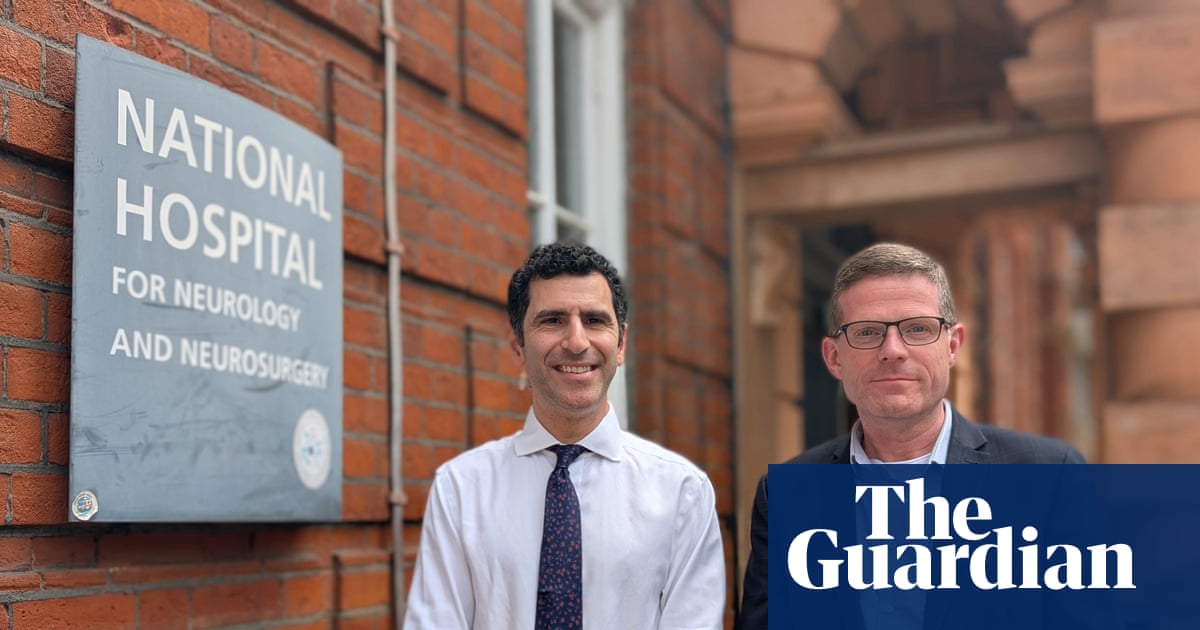
🌟
London neurosurgeons perform first successful AI-assisted operation to remove brain tumour
Londense neurochirurgen voeren eerste succesvolle AI-ondersteunde operatie uit om hersentumor te verwijderen
Des neurochirurgiens londoniens réalisent la première opération assistée par IA pour retirer une tumeur au cerveau
How exciting is this? Neurosurgeons in London have just performed the world’s first successful AI-assisted operation to remove a brain tumour, saving a man's sight! The surgery, which took place at the National Hospital for Neurology and Neurosurgery, used AI to help identify critical structures in real time. The patient, Rhys Hibbert, was able to see clearly right after waking up and even returned to work within a week. This groundbreaking procedure showcases the incredible potential of AI in enhancing surgical outcomes.
Hoe spannend is dit? Neurochirurgen in Londen hebben net de eerste succesvolle AI-ondersteunde operatie uitgevoerd om een hersentumor te verwijderen, waardoor het zicht van een man werd gered! De operatie, die plaatsvond in het National Hospital for Neurology and Neurosurgery, gebruikte AI om in real time kritieke structuren te identificeren. De patiënt, Rhys Hibbert, kon meteen na het wakker worden duidelijk zien en ging binnen een week weer aan het werk. Deze baanbrekende procedure toont het ongelooflijke potentieel van AI aan om chirurgische resultaten te verbeteren.
Comme c'est excitant ! Des neurochirurgiens londoniens ont réalisé la première opération assistée par IA pour retirer une tumeur au cerveau, sauvant ainsi la vue d'un homme ! L'opération, qui a eu lieu à l'Hôpital national de neurologie et de neurochirurgie, a utilisé l'IA pour aider à identifier des structures critiques en temps réel. Le patient, Rhys Hibbert, a pu voir clairement dès son réveil et est même retourné au travail en une semaine. Cette procédure révolutionnaire met en avant le potentiel incroyable de l'IA pour améliorer les résultats chirurgicaux.
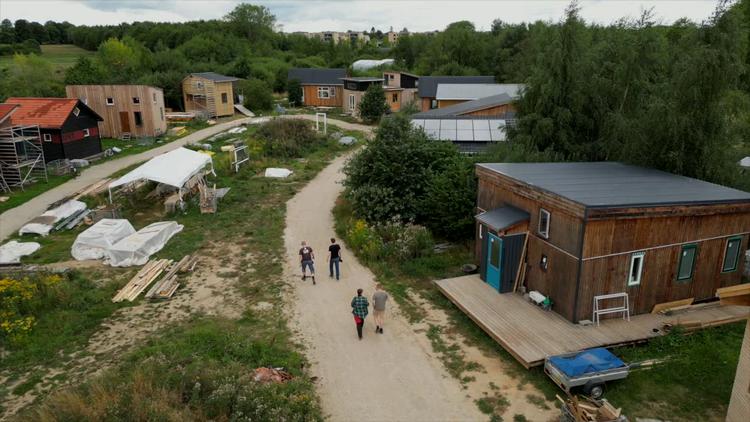
🌱
Dreaming of a simple life with low expenses, an affordable and climate-friendly house, and community? Here is the dream come true
Droom je van een eenvoudig leven met lage kosten, een goedkoop en klimaatvriendelijk huis en gemeenschap? Hier is de droom uitgekomen
Rêvez-vous d'une vie simple avec de faibles dépenses, une maison abordable et écologique, et une communauté ? Voici le rêve devenu réalité
Tiny houses are making their way into several municipalities, offering a climate-friendly and affordable lifestyle. Helga König-Jacobsen, the chairperson of Tiny Varigheden, showcases a new village with 16 tiny houses that promote simplicity. They feature a shared vegetable garden, outdoor kitchen, and even a pizza oven! It's a fantastic way to live in harmony with nature and foster community spirit.
Tiny houses komen in verschillende gemeenten, en bieden een klimaatvriendelijke en betaalbare levensstijl. Helga König-Jacobsen, de voorzitter van Tiny Varigheden, laat een nieuw dorp zien met 16 tiny houses die eenvoud bevorderen. Ze hebben een gezamenlijke groentetuin, een buitenkeuken en zelfs een pizzaoven! Het is een geweldige manier om in harmonie met de natuur te leven en de gemeenschapsgeest te bevorderen.
Les tiny houses font leur apparition dans plusieurs municipalités, offrant un mode de vie écologique et abordable. Helga König-Jacobsen, la présidente de Tiny Varigheden, présente un nouveau village avec 16 tiny houses qui favorisent la simplicité. Ils disposent d'un jardin potager partagé, d'une cuisine extérieure et même d'un four à pizza ! C'est une façon fantastique de vivre en harmonie avec la nature et de favoriser l'esprit communautaire.
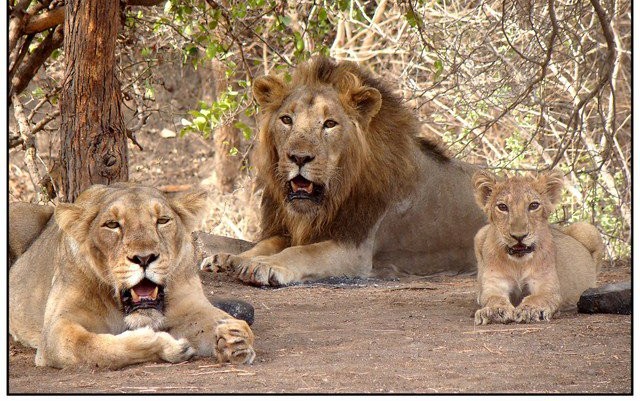
🦁
India’s lion populations increase 70%, total habitat by 15% over the last decade
De leeuwenpopulaties in India stijgen met 70%, totaal leefgebied met 15% in het afgelopen decennium
Les populations de lions en Inde augmentent de 70%, l'habitat total de 15% au cours de la dernière décennie
Wow, have you heard the fantastic news about the Asiatic lions in India? Their population has skyrocketed by 70% over the last decade, now totaling 891 lions in the Greater Gir Landscape! This growth is a testament to the incredible conservation efforts that have also expanded their habitat by 15%. It's amazing to think that just a few decades ago, there were only about 60-80 lions in Gir. This is such a heartwarming story of nature's resilience and the power of dedicated conservation work!
Wauw, heb je het geweldige nieuws gehoord over de Asiatische leeuwen in India? Hun populatie is in het afgelopen decennium met 70% gestegen en telt nu 891 leeuwen in het Greater Gir-landschap! Deze groei is een bewijs van de ongelooflijke inspanningen voor natuurbehoud die ook hun leefgebied met 15% hebben vergroot. Het is verbazingwekkend om te bedenken dat er enkele decennia geleden slechts 60-80 leeuwen in Gir waren. Dit is zo'n hartverwarmend verhaal over de veerkracht van de natuur en de kracht van toegewijd natuurbehoud!
Wow, as-tu entendu les nouvelles fantastiques concernant les lions asiatiques en Inde ? Leur population a explosé de 70 % au cours de la dernière décennie, atteignant maintenant 891 lions dans le paysage du Grand Gir ! Cette croissance témoigne des incroyables efforts de conservation qui ont également élargi leur habitat de 15 %. C'est incroyable de penser qu'il y a quelques décennies, il n'y avait que 60 à 80 lions à Gir. C'est une histoire si réconfortante sur la résilience de la nature et le pouvoir d'un travail de conservation dédié !

❤️
Shingles vaccine linked to reduced heart risks
Zoster-vaccin gekoppeld aan verminderde hartrisico's
Vaccin contre le zona lié à une réduction des risques cardiaques
Getting vaccinated against shingles is not just about avoiding that painful rash—new research suggests it might also lower your heart disease risk! The study found that those who received the Shingrix vaccine had fewer heart problems compared to those who got an older vaccine. While the exact reasons are still a bit of a mystery, it seems Shingrix could boost your immune system in a way that protects your heart. This could mean significant health benefits for many people, especially as we age.
Vaccinatie tegen zoster is niet alleen bedoeld om die pijnlijke uitslag te vermijden—nieuwe onderzoeken suggereren dat het ook je risico op hartziekten kan verlagen! De studie toonde aan dat degenen die het Shingrix-vaccin kregen, minder hartproblemen hadden in vergelijking met degenen die een ouder vaccin kregen. Hoewel de exacte redenen nog een beetje een mysterie zijn, lijkt het erop dat Shingrix je immuunsysteem op een manier kan versterken die je hart beschermt. Dit kan aanzienlijke gezondheidsvoordelen betekenen voor veel mensen, vooral naarmate we ouder worden.
Se faire vacciner contre le zona ne consiste pas seulement à éviter cette éruption cutanée douloureuse—de nouvelles recherches suggèrent que cela pourrait également réduire votre risque de maladie cardiaque ! L'étude a révélé que ceux qui ont reçu le vaccin Shingrix avaient moins de problèmes cardiaques par rapport à ceux qui ont reçu un ancien vaccin. Bien que les raisons exactes restent encore un peu mystérieuses, il semble que Shingrix puisse renforcer votre système immunitaire d'une manière qui protège votre cœur. Cela pourrait signifier des avantages significatifs pour la santé de nombreuses personnes, surtout en vieillissant.

🌱
Putting slugs on the map: farmers pioneer precision crop protection
Slakken in kaart brengen: boeren pionieren met precisie gewasbescherming
Mettre les limaces sur la carte : des agriculteurs pionniers de la protection des cultures de précision
So, slugs have been a real headache for farmers, but a new mapping tool is changing the game! This innovative tool helps pinpoint where these pesky molluscs are likely to strike, allowing farmers to use pesticides more efficiently. Thanks to a network of 'slug sleuth' farmers, the project has already led to a 50% reduction in slug pellet usage in pilot tests. It's exciting to see how this could save farmers millions while also respecting their invaluable knowledge of the land.
Slakken zijn een echte hoofdpijn voor boeren, maar een nieuw kaarttool verandert de situatie! Dit innovatieve hulpmiddel helpt te bepalen waar deze vervelende weekdieren waarschijnlijk zullen toeslaan, waardoor boeren pesticiden efficiënter kunnen gebruiken. Dankzij een netwerk van 'slakken speurders' heeft het project al geleid tot een vermindering van 50% in het gebruik van slakkenkorrels in pilotprojecten. Het is spannend om te zien hoe dit boeren miljoenen kan besparen en tegelijkertijd hun onschatbare kennis van het land respecteert.
Les limaces sont un véritable casse-tête pour les agriculteurs, mais un nouvel outil de cartographie change la donne ! Cet outil innovant aide à identifier les zones où ces mollusques ennuyeux sont susceptibles d'attaquer, permettant aux agriculteurs d'utiliser les pesticides de manière plus efficace. Grâce à un réseau d'agriculteurs 'détectives des limaces', le projet a déjà conduit à une réduction de 50 % de l'utilisation des granulés anti-limaces lors des tests pilotes. C'est excitant de voir comment cela pourrait faire économiser des millions aux agriculteurs tout en respectant leur précieuse connaissance des terres.
🌟
She got Lebanon to abolish the death penalty: 'A light in the darkness'
Zij kreeg Libanon om de doodstraf af te schaffen: 'Een licht in de duisternis'
Elle a fait abolir la peine de mort au Liban : 'Une lumière dans l'obscurité'
This remarkable story highlights the efforts of a determined individual who successfully advocated for the abolition of the death penalty in Lebanon. It’s a significant step towards human rights and justice in a region often overshadowed by darkness. The change brings hope and serves as an inspiration for others fighting similar battles worldwide. It’s truly uplifting to see such positive progress emerge from challenging circumstances.
Dit opmerkelijke verhaal benadrukt de inspanningen van een vastberaden persoon die met succes pleitte voor de afschaffing van de doodstraf in Libanon. Het is een belangrijke stap richting mensenrechten en gerechtigheid in een regio die vaak overschaduwd wordt door duisternis. De verandering brengt hoop en dient als inspiratie voor anderen die soortgelijke strijd voeren over de hele wereld. Het is echt opbeurend om zo'n positieve vooruitgang te zien ontstaan uit uitdagende omstandigheden.
Cette histoire remarquable met en lumière les efforts d'une personne déterminée qui a réussi à plaider pour l'abolition de la peine de mort au Liban. C'est un pas significatif vers les droits de l'homme et la justice dans une région souvent assombrie par l'obscurité. Ce changement apporte de l'espoir et sert d'inspiration pour d'autres qui mènent des combats similaires à travers le monde. C'est vraiment encourageant de voir un tel progrès positif émerger de circonstances difficiles.
/https://content.production.cdn.art19.com/images/f0/5f/58/8c/f05f588c-6e95-4e7a-81da-cc5698e9d718/011afdd4dc0a97f8849c26d25a5476a2ecf942afd104be5ddd7e33e730440adf80bda745b14486e5e9d80550950c86e2a74d7499d27c49cee7b865b18ac64364.jpeg)
🌋
Hidden beneath the Wadden Sea lies a volcano
Diep onder de Waddenzee ligt een vulkaan verstopt
Caché sous la mer des Wadden se trouve un volcan
So, it turns out that beneath the flat landscape of the Netherlands, there's a hidden gem - the Zuidwal volcano! This fascinating volcano was active millions of years ago but has since gone dormant. Felix Voogt dives into the history of this geological wonder and raises an intriguing question: are there more volcanoes waiting to be discovered? It's amazing to think about what lies beneath our feet, isn't it?
Dus, het blijkt dat er onder het vlakke landschap van Nederland een verborgen parel ligt - de Zuidwalvulkaan! Deze fascinerende vulkaan was miljoenen jaren geleden actief, maar is inmiddels inactief. Felix Voogt duikt in de geschiedenis van dit geologische wonder en stelt een intrigerende vraag: zijn er meer vulkanen die wachten om ontdekt te worden? Het is geweldig om te bedenken wat er onder onze voeten ligt, nietwaar?
Alors, il s'avère qu'il y a sous le paysage plat des Pays-Bas un joyau caché - le volcan Zuidwal ! Ce fascinant volcan était actif il y a des millions d'années, mais est depuis devenu inactif. Felix Voogt explore l'histoire de cette merveille géologique et soulève une question intrigante : y a-t-il d'autres volcans qui attendent d'être découverts ? C'est incroyable de penser à ce qui se cache sous nos pieds, n'est-ce pas ?

💉
Amping up T cells to target cancer
T-cellen versterken om kanker te bestrijden
Renforcer les T cellules pour cibler le cancer
So, researchers at MIT have found a fascinating way to amplify T-cell responses to mRNA vaccines, which could revolutionize cancer treatment! By using a new type of vaccine adjuvant that activates immune cells, they’ve seen impressive results in mice, slowing tumor growth and even eradicating some cancers. This approach not only enhances the immune response to cancer but also boosts responses to vaccines against viral infections like COVID and the flu. It’s an exciting step forward that could lead to more effective vaccines and better protection against diseases.
Onderzoekers aan het MIT hebben een fascinerende manier gevonden om de T-celrespons op mRNA-vaccins te versterken, wat de behandeling van kanker zou kunnen revolutioneren! Door een nieuw type vaccin-adjuvans te gebruiken dat immuuncellen activeert, hebben ze indrukwekkende resultaten gezien bij muizen, waarbij de tumorgroei werd vertraagd en sommige kankers zelfs werden uitgeroeid. Deze aanpak versterkt niet alleen de immuunrespons op kanker, maar ook de reacties op vaccins tegen virale infecties zoals COVID en de griep. Het is een spannende stap voorwaarts die kan leiden tot effectievere vaccins en betere bescherming tegen ziekten.
Des chercheurs du MIT ont trouvé une manière fascinante d'amplifier les réponses des T cellules aux vaccins à ARNm, ce qui pourrait révolutionner le traitement du cancer ! En utilisant un nouveau type d'adjuvant vaccinal qui active les cellules immunitaires, ils ont observé des résultats impressionnants chez des souris, ralentissant la croissance des tumeurs et même éradiquant certains cancers. Cette approche renforce non seulement la réponse immunitaire contre le cancer, mais améliore également les réponses aux vaccins contre des infections virales comme la COVID et la grippe. C'est une avancée passionnante qui pourrait conduire à des vaccins plus efficaces et à une meilleure protection contre les maladies.

🌊
Seeing through murky waters
Zien door troebel water
Voir à travers des eaux troubles
So, researchers at the Woods Hole Oceanographic Institution have developed a fantastic new system to help underwater vehicles see better in murky waters. By using sonar to map their surroundings before getting closer, these vehicles can avoid kicking up too much sediment. This means cameras can capture clearer images of objects on the seafloor. It’s a game changer for underwater exploration and could even help with construction and mine handling!
Dus, onderzoekers van het Woods Hole Oceanographic Institution hebben een fantastisch nieuw systeem ontwikkeld om onderwatervoertuigen beter te laten zien in troebel water. Door sonar te gebruiken om hun omgeving in kaart te brengen voordat ze dichterbij komen, kunnen deze voertuigen voorkomen dat ze te veel sediment opwerpen. Dit betekent dat camera's duidelijkere beelden van objecten op de zeebodem kunnen vastleggen. Het is een echte doorbraak voor onderwaterverkenning en kan zelfs helpen bij constructie en het omgaan met mijnen!
Alors, des chercheurs de l'Institut océanographique de Woods Hole ont développé un nouveau système fantastique pour aider les véhicules sous-marins à mieux voir dans les eaux troubles. En utilisant le sonar pour cartographier leur environnement avant de s'approcher, ces véhicules peuvent éviter de soulever trop de sédiments. Cela signifie que les caméras peuvent capturer des images plus claires des objets sur le fond marin. C'est une véritable révolution pour l'exploration sous-marine et cela pourrait même aider à la construction et à la gestion des mines!

🐘
To stop crop raids, this assam village grew 66 acres of food for wild elephants
Om oogstrampen te stoppen, verbouwde dit Assam-dorp 66 hectare voedsel voor wilde olifanten
Pour arrêter les raids de cultures, ce village d'Assam a cultivé 66 acres de nourriture pour les éléphants sauvages
In the village of Hatikhuli Ronghang in Assam, farmers faced a daunting challenge with wild elephants raiding their crops. Instead of viewing these magnificent creatures as enemies, the community decided to embrace a new approach. They began growing fruits and Napier grass specifically for the elephants, transforming fear into friendship. This innovative idea, known as Hati Bondhu, has not only protected crops but also fostered a harmonious relationship between humans and elephants.
In het dorp Hatikhuli Ronghang in Assam stonden boeren voor een ontmoedigende uitdaging met wilde olifanten die hun gewassen plunderden. In plaats van deze prachtige wezens als vijanden te beschouwen, besloot de gemeenschap een nieuwe aanpak te omarmen. Ze begonnen fruit en Napiergras te verbouwen, speciaal voor de olifanten, en transformeerden angst in vriendschap. Dit innovatieve idee, bekend als Hati Bondhu, heeft niet alleen de gewassen beschermd, maar ook een harmonieuze relatie tussen mensen en olifanten bevorderd.
Dans le village de Hatikhuli Ronghang en Assam, les agriculteurs faisaient face à un défi redoutable avec des éléphants sauvages qui pillaient leurs cultures. Au lieu de considérer ces magnifiques créatures comme des ennemis, la communauté a décidé d'adopter une nouvelle approche. Ils ont commencé à cultiver des fruits et de l'herbe Napier spécialement pour les éléphants, transformant la peur en amitié. Cette idée innovante, connue sous le nom de Hati Bondhu, a non seulement protégé les cultures, mais a également favorisé une relation harmonieuse entre les humains et les éléphants.

✍️
The lazy brain and the bad news
De luie hersenen en het slechte nieuws
Le cerveau paresseux et les mauvaises nouvelles
It's fascinating how we seem to crave negative news despite our natural inclination for comfort. Studies show that we react more strongly to bad news, which actually boosts engagement. This negativity bias is a reflex, not a choice, making it easier for us to consume doom and gloom. Yet, embracing a bit of discomfort can lead to personal growth and better understanding of the world around us. Positivity isn't naive; it's a conscious effort that strengthens us.
Het is fascinerend hoe we schijnbaar hunkeren naar slecht nieuws, ondanks onze natuurlijke neiging naar comfort. Studies tonen aan dat we sterker reageren op slecht nieuws, wat de betrokkenheid vergroot. Deze negativiteitsbias is een reflex, geen keuze, waardoor het gemakkelijker is om in doem en somberheid te blijven hangen. Toch kan het omarmen van een beetje ongemak leiden tot persoonlijke groei en een beter begrip van de wereld om ons heen. Positiviteit is niet naïef; het is een bewuste inspanning die ons versterkt.
C'est fascinant de voir comment nous semblons désirer les mauvaises nouvelles malgré notre inclination naturelle pour le confort. Des études montrent que nous réagissons plus fortement aux mauvaises nouvelles, ce qui augmente l'engagement. Ce biais de négativité est un réflexe, pas un choix, ce qui rend plus facile la consommation de catastrophes. Pourtant, embrasser un peu d'inconfort peut mener à une croissance personnelle et à une meilleure compréhension du monde qui nous entoure. La positivité n'est pas naïve ; c'est un effort conscient qui nous renforce.
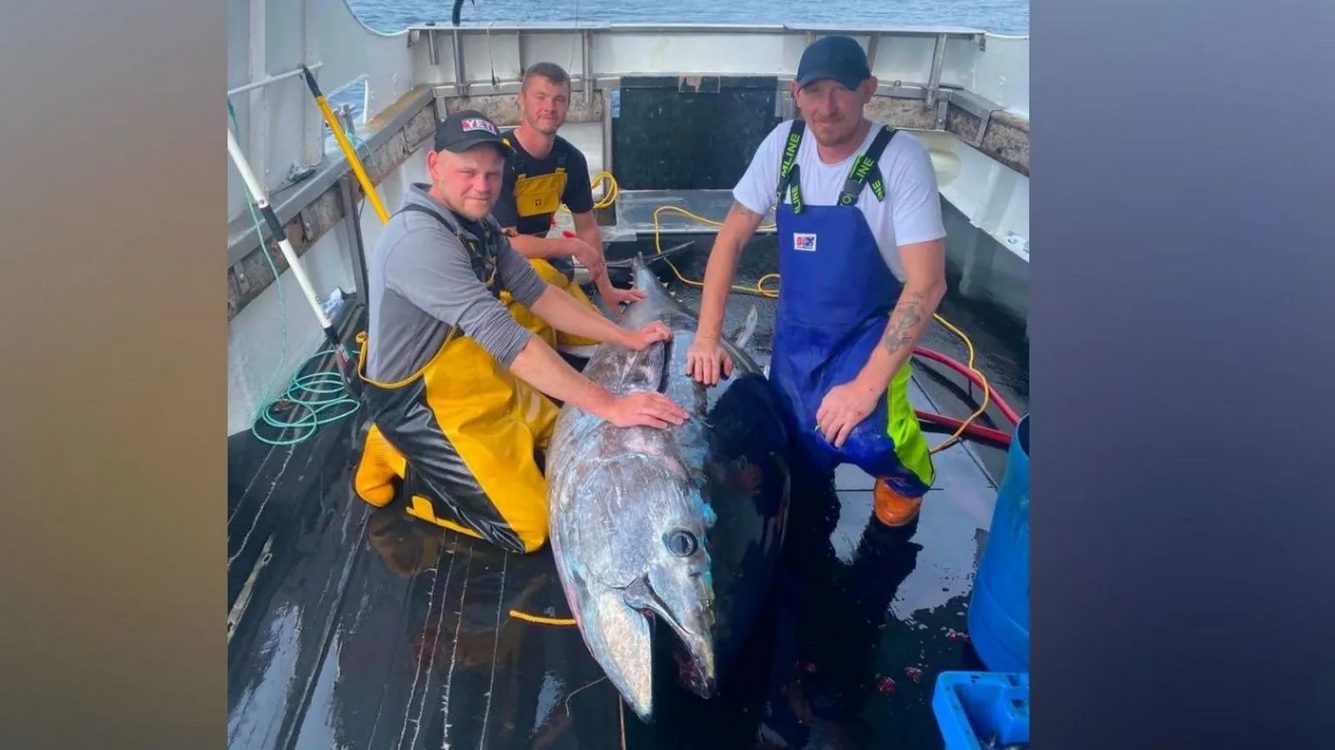
🐟
First bluefin tuna caught in North Sea in 60 years is sign of healthy ecosystem
Eerste blauwe vin tonijn gevangen in de Noordzee in 60 jaar is teken van een gezond ecosysteem
Le premier thon rouge pêché en mer du Nord depuis 60 ans est un signe d'un écosystème sain
Wow, can you believe it? A fisherman named Jack Gardner just caught the first bluefin tuna in the North Sea in 60 years! This incredible catch not only brought joy to his crew but also signals that careful management has helped revive this important fish stock. Experts say that the size of the tuna indicates a thriving ecosystem beneath the waves, which is fantastic news for our oceans. It’s a real testament to the positive impact of sustainable fishing practices!
Wauw, kun je het geloven? Een visser genaamd Jack Gardner heeft de eerste blauwe vin tonijn in de Noordzee in 60 jaar gevangen! Deze ongelooflijke vangst bracht niet alleen vreugde voor zijn bemanning, maar geeft ook aan dat zorgvuldig beheer heeft geholpen deze belangrijke visstand te herstellen. Experts zeggen dat de grootte van de tonijn wijst op een bloeiend ecosysteem onder de golven, wat fantastisch nieuws is voor onze oceanen. Het is een echt bewijs van de positieve impact van duurzame vispraktijken!
Waouh, pouvez-vous le croire ? Un pêcheur nommé Jack Gardner vient de pêcher le premier thon rouge en mer du Nord depuis 60 ans ! Cette incroyable prise a non seulement apporté de la joie à son équipage, mais indique également que la gestion prudente a aidé à revitaliser ce stock de poissons important. Les experts affirment que la taille du thon indique un écosystème florissant sous les vagues, ce qui est une excellente nouvelle pour nos océans. C'est un véritable témoignage de l'impact positif des pratiques de pêche durables !
🤖
The future of peer review requires AI support, not AI bans
De toekomst van peer review vereist AI-ondersteuning, geen AI-verboden
L'avenir de l'évaluation par les pairs nécessite un soutien de l'IA, pas d'interdictions de l'IA
So, scientific publishing is really at a crossroads right now. With more submissions and complex manuscripts, getting timely reviews is becoming quite the challenge. Interestingly, while AI tools could help reviewers, many journals still ban their use. This blanket approach might not be the best solution, as it raises concerns that are tough to monitor.
Dus, de wetenschappelijke publicatie staat momenteel echt op een kruispunt. Met meer inzendingen en complexe manuscripten wordt het steeds moeilijker om tijdige beoordelingen te krijgen. Interessant is dat, hoewel AI-tools reviewers zouden kunnen helpen, veel tijdschriften het gebruik ervan nog steeds verbieden. Deze algemene aanpak is misschien niet de beste oplossing, omdat het zorgen oproept die moeilijk te controleren zijn.
Alors, l'édition scientifique est vraiment à un carrefour en ce moment. Avec un nombre croissant de soumissions et des manuscrits complexes, obtenir des évaluations en temps voulu devient un véritable défi. Il est intéressant de noter que, bien que les outils d'IA pourraient aider les évaluateurs, de nombreuses revues interdisent encore leur utilisation. Cette approche générale pourrait ne pas être la meilleure solution, car elle soulève des préoccupations difficiles à surveiller.

🏡
More than 70,000 social and affordable homes to be built across England
Meer dan 70.000 sociale en betaalbare woningen worden gebouwd in Engeland
Plus de 70 000 logements sociaux et abordables seront construits en Angleterre
It's fantastic news that over 70,000 social and affordable homes are set to be built across England in the next decade! With nearly £10 billion allocated, this initiative aims to tackle the pressing housing crisis. Most of these new homes will be for social rent, making them much more accessible for families in need. This is just the beginning of a larger plan to create 300,000 homes, and I can't wait to see how this unfolds!
Het is fantastisch nieuws dat er in het komende decennium meer dan 70.000 sociale en betaalbare woningen in Engeland zullen worden gebouwd! Met bijna £10 miljard toegewezen, is dit initiatief bedoeld om de dringende woningcrisis aan te pakken. Het grootste deel van deze nieuwe woningen zal voor sociale huur zijn, waardoor ze veel toegankelijker worden voor gezinnen in nood. Dit is pas het begin van een groter plan om 300.000 woningen te creëren, en ik kan niet wachten om te zien hoe dit zich ontwikkelt!
C'est une excellente nouvelle que plus de 70 000 logements sociaux et abordables soient prévus en Angleterre au cours de la prochaine décennie ! Avec près de 10 milliards de livres alloués, cette initiative vise à résoudre la crise du logement pressante. La plupart de ces nouveaux logements seront destinés à la location sociale, les rendant beaucoup plus accessibles aux familles dans le besoin. Ce n'est que le début d'un plan plus large pour créer 300 000 logements, et j'ai hâte de voir comment cela va se dérouler !
💪
Economist Victoria Bateman: Societies that restrict women stagnate economically more often
Econome Victoria Bateman: Samenlevingen die vrouwen beknotten, stagneren economisch vaker
Économiste Victoria Bateman : Les sociétés qui restreignent les femmes stagnent économiquement plus souvent
Victoria Bateman makes a compelling case about the economic impact of gender equality. She argues that societies that limit women's roles often face economic stagnation. It's fascinating to think about how empowering women can lead to broader economic growth. This perspective really highlights the importance of inclusivity in our economies.
Victoria Bateman maakt een overtuigend punt over de economische impact van gendergelijkheid. Ze stelt dat samenlevingen die de rol van vrouwen beperken vaak economische stagnatie ervaren. Het is fascinerend om te bedenken hoe het versterken van vrouwen kan leiden tot bredere economische groei. Dit perspectief benadrukt echt het belang van inclusiviteit in onze economieën.
Victoria Bateman avance un argument convaincant sur l'impact économique de l'égalité des sexes. Elle soutient que les sociétés qui limitent le rôle des femmes connaissent souvent une stagnation économique. Il est fascinant de penser que l'autonomisation des femmes peut conduire à une croissance économique plus large. Cette perspective souligne vraiment l'importance de l'inclusivité dans nos économies.

🤘
Heavy metal fans may handle pain better than others
Heavy metal fans kunnen mogelijk beter omgaan met pijn dan anderen
Les fans de heavy metal pourraient mieux supporter la douleur que les autres
So, it turns out that heavy metal fans might have a unique advantage when it comes to pain tolerance! Researchers studied concertgoers at the famous Wacken Open Air festival and found that those who rocked out could endure cold-induced pain longer than others. This is fascinating because it suggests that the aggressive sounds of heavy metal music might actually help people withstand discomfort. Who knew headbanging could have such a positive effect on pain management?
Het blijkt dat heavy metal fans misschien een unieke voorsprong hebben als het gaat om pijnverdraagzaamheid! Onderzoekers bestudeerden concertgangers op het beroemde Wacken Open Air festival en ontdekten dat degenen die meedeed langer konden omgaan met koudegemaakte pijn dan anderen. Dit is fascinerend omdat het suggereert dat de agressieve klanken van heavy metal muziek mensen kunnen helpen om ongemak te weerstaan. Wie had gedacht dat headbangen zo'n positief effect op pijnbeheer kon hebben?
Il s'avère que les fans de heavy metal pourraient avoir un avantage unique en matière de tolérance à la douleur ! Des chercheurs ont étudié les festivaliers du célèbre Wacken Open Air et ont découvert que ceux qui s'éclataient pouvaient supporter la douleur induite par le froid plus longtemps que les autres. C'est fascinant car cela suggère que les sons agressifs de la musique heavy metal pourraient en fait aider les gens à supporter l'inconfort. Qui aurait cru que le headbanging pouvait avoir un effet si positif sur la gestion de la douleur ?
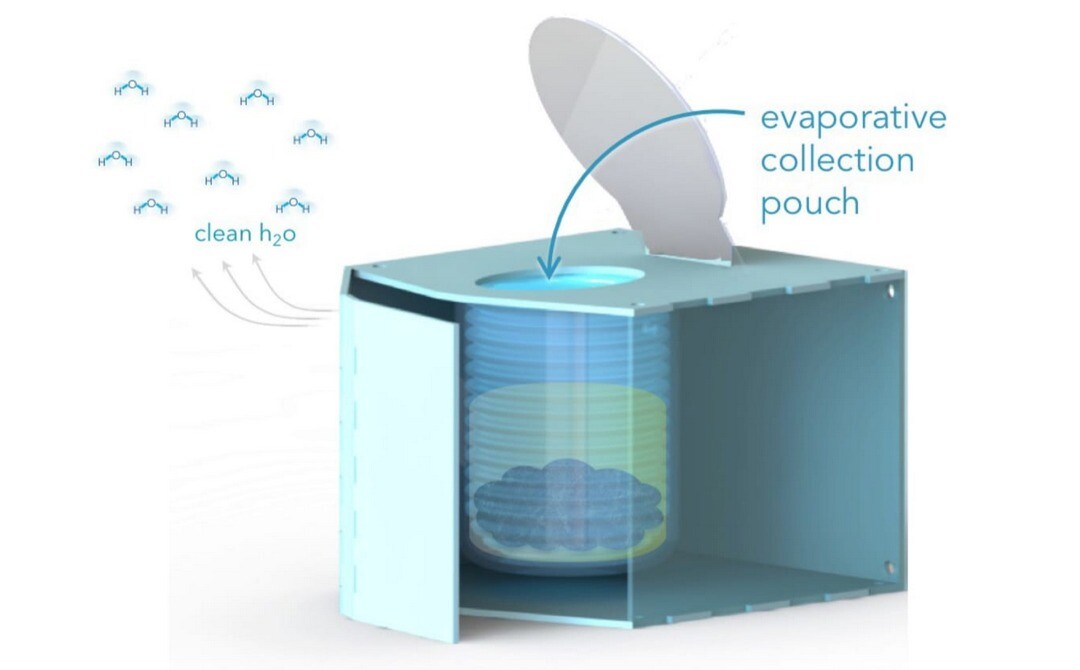
🚽
Inventor envisioned a waterless toilet for astronauts, realized it could solve a global sanitation crisis instead
Uitvinder stelde een waterloze toilet voor astronauten voor, realiseerde zich dat het een wereldwijde sanitaire crisis kon oplossen
L'inventeur a imaginé des toilettes sans eau pour les astronautes, réalisant qu'elles pouvaient résoudre une crise sanitaire mondiale
So, there's this amazing inventor, Diana Yousef, who created a waterless toilet called the iThrone, and it's already helping 20,000 households! While working at NASA, she realized that the needs of astronauts and those without plumbing on Earth are surprisingly similar. This innovative toilet evaporates 95% of waste, making sanitation safer in low-income areas. Plus, she just won a $100,000 award to expand this incredible technology to even more communities!
Er is deze geweldige uitvinder, Diana Yousef, die een waterloos toilet heeft gemaakt, de iThrone, en het helpt al 20.000 huishoudens! Terwijl ze bij NASA werkte, realiseerde ze zich dat de behoeften van astronauten en die van mensen zonder riolering op aarde verrassend vergelijkbaar zijn. Dit innovatieve toilet verdampt 95% van de afvalstoffen, waardoor sanitaire voorzieningen veiliger worden in arme gebieden. Bovendien heeft ze net een prijs van $100.000 gewonnen om deze ongelooflijke technologie naar nog meer gemeenschappen uit te breiden!
Il y a cette incroyable inventrice, Diana Yousef, qui a créé des toilettes sans eau appelées iThrone, et elles aident déjà 20 000 foyers ! En travaillant à la NASA, elle a réalisé que les besoins des astronautes et ceux des personnes sans plomberie sur Terre sont étonnamment similaires. Ces toilettes innovantes évaporent 95 % des déchets, rendant l'assainissement plus sûr dans les zones à faible revenu. De plus, elle vient de remporter un prix de 100 000 $ pour étendre cette technologie incroyable à encore plus de communautés !
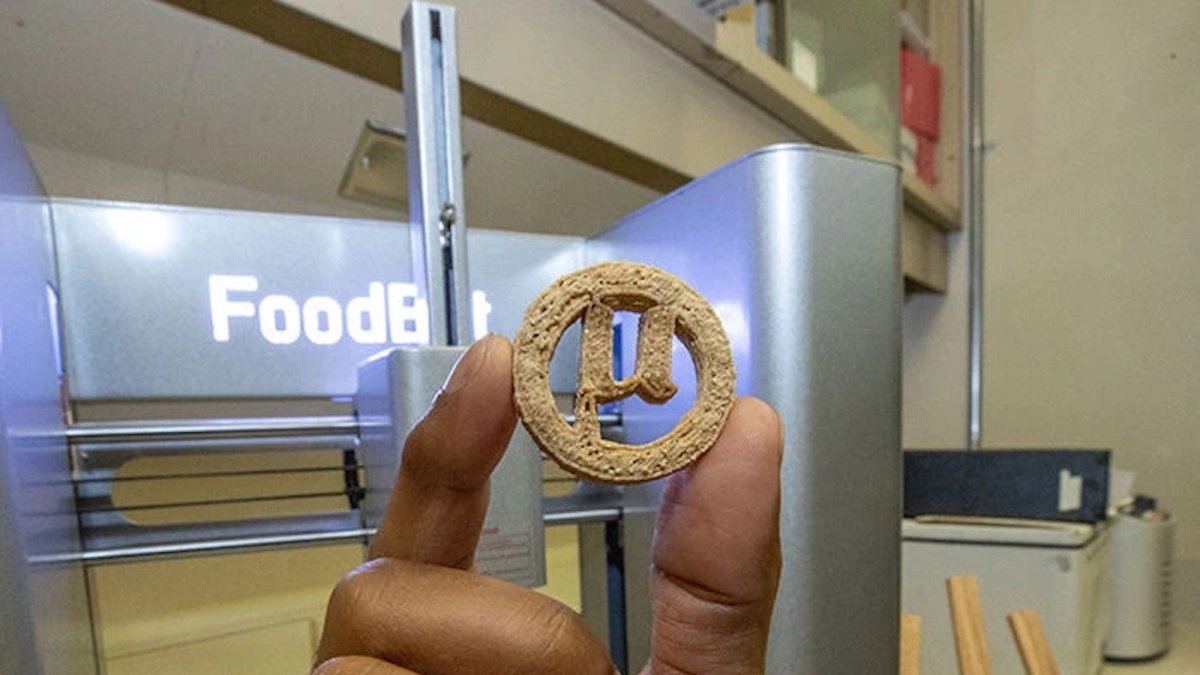
🍪
Engineers 3D-printed edible cookies from plastic
Ingenieurs hebben eetbare koekjes van plastic 3D-geprint
Des ingénieurs ont imprimé en 3D des biscuits comestibles à partir de plastique
So, engineers at Southern Illinois University have come up with a fascinating way to turn waste plastic into edible cookies! They’ve reprogrammed yeasts to break down plastic and agricultural waste into tasty proteins and flavoring molecules. This innovative process could lead to high-protein cookies called µBites, perfect for resource-limited environments like submarines or even space missions. While they await taste test approvals, the potential for upcycled foods is truly exciting!
Dus, ingenieurs aan de Southern Illinois University hebben een fascinerende manier bedacht om afvalplastic om te zetten in eetbare koekjes! Ze hebben gisten opnieuw geprogrammeerd om plastic en landbouwafval af te breken tot smakelijke eiwitten en smaakstoffen. Dit innovatieve proces kan leiden tot eiwitrijke koekjes genaamd µBites, perfect voor omgevingen met beperkte middelen zoals onderzeeërs of zelfs ruimtevaartmissies. Terwijl ze wachten op goedkeuring voor smaaktesten, is het potentieel voor upcycled voedsel echt spannend!
Alors, des ingénieurs de l'Université du Sud de l'Illinois ont trouvé un moyen fascinant de transformer les plastiques usagés en biscuits comestibles ! Ils ont reprogrammé des levures pour décomposer les plastiques et les déchets agricoles en protéines savoureuses et en molécules aromatiques. Ce processus innovant pourrait donner naissance à des biscuits riches en protéines appelés µBites, parfaits pour des environnements à ressources limitées comme les sous-marins ou même les missions spatiales. En attendant l'approbation des tests de goût, le potentiel des aliments recyclés est vraiment excitant !

🧠
A new framework for how the brain compresses our noisy world
Een nieuw kader voor hoe de hersenen onze rumoerige wereld comprimeren
Un nouveau cadre pour comprendre comment le cerveau compresse notre monde bruyant
Every day, our brains are busy compressing the flood of sensory information we encounter. This new framework suggests that categorization isn't just a final step but happens continuously, adapting to our body's needs. It’s fascinating to think that our perceptions are shaped by survival instincts rather than just sensory data. This fresh perspective could change how we understand brain function and categorization.
Elke dag zijn onze hersenen druk bezig met het comprimeren van de overvloed aan sensorische informatie die we tegenkomen. Dit nieuwe kader suggereert dat categorisatie niet slechts een laatste stap is, maar continu plaatsvindt en zich aanpast aan de behoeften van ons lichaam. Het is fascinerend om te bedenken dat onze waarnemingen worden gevormd door overlevingsinstincten in plaats van alleen door sensorische gegevens. Dit frisse perspectief zou onze kijk op hersenfunctie en categorisatie kunnen veranderen.
Chaque jour, nos cerveaux sont occupés à compresser le flot d'informations sensorielles que nous rencontrons. Ce nouveau cadre suggère que la catégorisation n'est pas seulement une étape finale, mais se produit en continu, s'adaptant aux besoins de notre corps. Il est fascinant de penser que nos perceptions sont façonnées par des instincts de survie plutôt que par des données sensorielles. Cette nouvelle perspective pourrait changer notre compréhension de la fonction cérébrale et de la catégorisation.
🌟
First stellar stream found beyond the Milky Way
Eerste sterrenstroom gevonden buiten de Melkweg
Première chaîne d'étoiles trouvée au-delà de la Voie lactée
Astronomers have made an exciting discovery of a faint stellar stream outside the Milky Way, shedding light on dark matter. This ancient cluster of stars has been gradually breaking apart, creating a delicate ribbon across space. By analyzing this stream, researchers can better understand the gravitational effects of dark matter on galaxies. This breakthrough could help unravel the mysteries of dark matter distribution throughout the universe.
Astronomen hebben een opwindende ontdekking gedaan van een zwakke sterrenstroom buiten de Melkweg, die inzicht geeft in donkere materie. Deze oude sterrencluster is geleidelijk aan uit elkaar gevallen en heeft een delicate lint over de ruimte gecreëerd. Door deze stroom te analyseren, kunnen onderzoekers beter begrijpen welke invloed donkere materie heeft op sterrenstelsels. Deze doorbraak kan helpen de mysteries van de verdeling van donkere materie in het universum te ontrafelen.
Les astronomes ont fait une découverte passionnante d'un faible flux stellaire en dehors de la Voie lactée, éclairant ainsi la matière noire. Cet ancien amas d'étoiles s'est progressivement désintégré, créant un délicat ruban à travers l'espace. En analysant ce flux, les chercheurs peuvent mieux comprendre les effets gravitationnels de la matière noire sur les galaxies. Cette avancée pourrait aider à percer les mystères de la distribution de la matière noire dans l'univers.
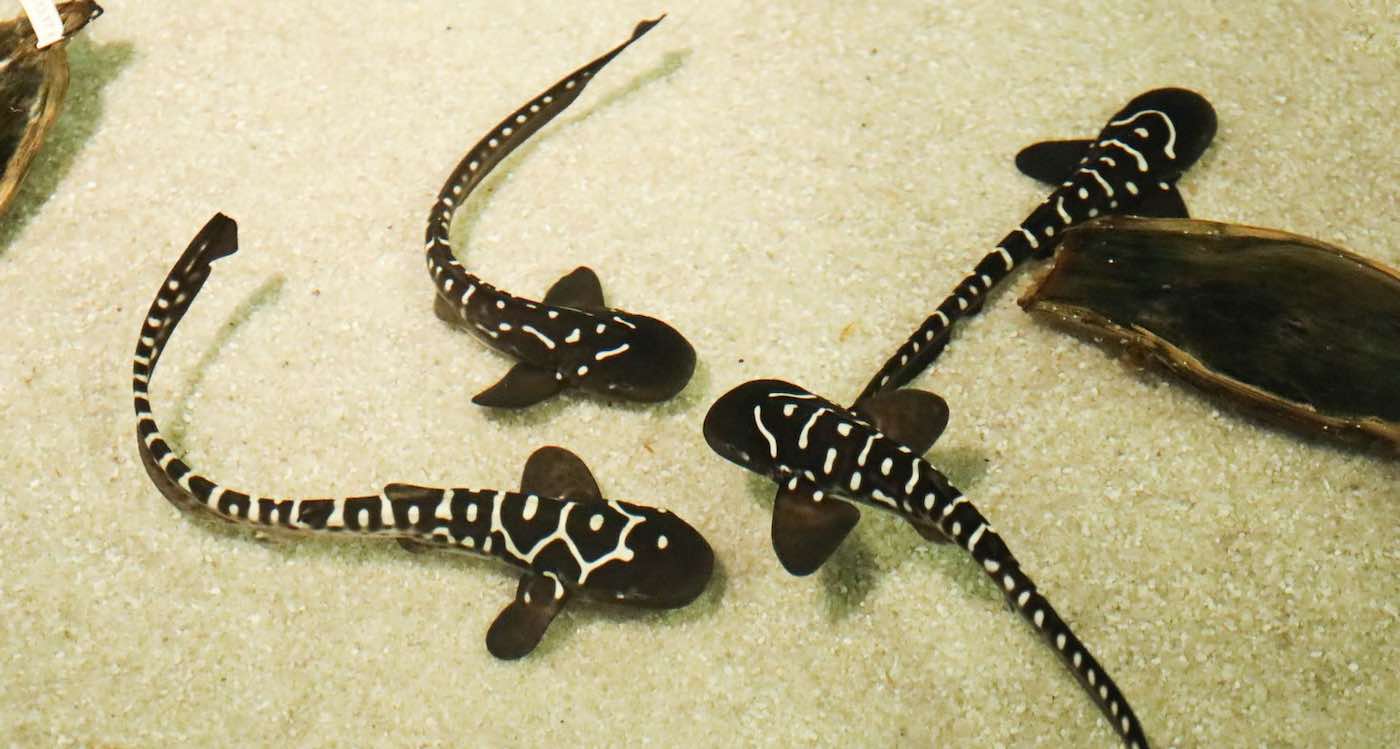
🦈
Zebra sharks the first ever to be rewilded after 82 pups released by dedicated ‘shark nannies’
Zebrahaaien als eerste ooit weer in het wild gebracht na 82 pups vrijgelaten door toegewijde 'haai-nannies'
Les requins-zèbres les premiers à être réintroduits dans la nature après la libération de 82 petits par des 'nounous de requins' dévouées
How exciting is this? Zebra sharks, once on the brink of extinction, are being rewilded for the first time ever! Thanks to a collaborative effort involving 60 aquariums across 15 countries, 82 shark pups have been released into a massive sanctuary in Indonesia. These little guys are doing great, foraging and staying safe from illegal fishing. This innovative approach could pave the way for future shark conservation efforts around the globe!
Hoe spannend is dit? Zebrahaaien, ooit op de rand van uitsterven, worden voor het eerst weer in het wild gebracht! Dankzij een samenwerkingsverband van 60 aquaria in 15 landen zijn 82 haai-pups vrijgelaten in een enorme sanctuarium in Indonesië. Deze kleintjes doen het geweldig, ze zoeken voedsel en blijven veilig voor illegale visserij. Deze innovatieve aanpak zou de weg kunnen vrijmaken voor toekomstige inspanningen voor haai-conservatie over de hele wereld!
Quelle excitation ! Les requins-zèbres, autrefois au bord de l'extinction, sont réintroduits dans la nature pour la première fois ! Grâce à un effort collaboratif impliquant 60 aquariums dans 15 pays, 82 petits requins ont été libérés dans un immense sanctuaire en Indonésie. Ces petits se débrouillent bien, cherchant de la nourriture et restant à l'abri de la pêche illégale. Cette approche innovante pourrait ouvrir la voie à de futurs efforts de conservation des requins à travers le monde !

🌟
NASA’s new space telescope is poised to discover hidden facets of the universe
NASA's nieuwe ruimtetelescoop staat op het punt verborgen facetten van het universum te ontdekken
Le nouveau télescope spatial de la NASA est prêt à découvrir des facettes cachées de l'univers
I’m really excited about NASA’s upcoming Nancy Grace Roman Space Telescope, launching soon! This incredible telescope will help us understand dark matter and dark energy, which make up most of the universe but remain a mystery. With its wide field of view, it’s expected to discover around 200,000 new planets and provide insights into how galaxies evolve over time. It’s like having a new pair of glasses to see the cosmos more clearly, and who knows what surprising discoveries await us!
Ik ben echt enthousiast over de aankomende Nancy Grace Roman Ruimtetelescoop van NASA, die binnenkort wordt gelanceerd! Deze ongelooflijke telescoop zal ons helpen om donkere materie en donkere energie te begrijpen, die het grootste deel van het universum uitmaken maar nog steeds een mysterie zijn. Met zijn brede gezichtsveld wordt verwacht dat hij ongeveer 200.000 nieuwe planeten zal ontdekken en inzicht zal geven in hoe sterrenstelsels in de loop van de tijd evolueren. Het is alsof we een nieuwe bril krijgen om het heelal duidelijker te zien, en wie weet welke verrassende ontdekkingen ons te wachten staan!
Je suis vraiment enthousiaste à propos du prochain télescope spatial Nancy Grace Roman de la NASA, qui sera lancé bientôt ! Ce télescope incroyable nous aidera à comprendre la matière noire et l'énergie noire, qui constituent la majeure partie de l'univers mais restent un mystère. Avec son large champ de vision, il devrait découvrir environ 200 000 nouvelles planètes et fournir des informations sur l'évolution des galaxies au fil du temps. C'est comme avoir une nouvelle paire de lunettes pour voir le cosmos plus clairement, et qui sait quelles découvertes surprenantes nous attendent !

🌼
Garden with scrap: Srinagar’s old cars, bottles & tractors are now blooming
Tuin met schroot: Srinagar's oude auto's, flessen en tractoren bloeien nu
Jardin avec des déchets : les vieilles voitures, bouteilles et tracteurs de Srinagar fleurissent maintenant
In Srinagar, a unique flower garden has transformed old cars, scooters, and plastic bottles into stunning displays of creativity. Opened on August 21, the Waste to Wonder Flower Garden showcases how discarded items can be repurposed alongside vibrant plants. An old jeep and even a bumper car have found new life as planters, making the garden a true feast for the eyes. It's a fantastic example of turning trash into treasure, attracting both locals and tourists alike.
In Srinagar is een unieke bloementuin ontstaan die oude auto's, scooters en plastic flessen heeft omgevormd tot prachtige creaties. Geopend op 21 augustus, toont de Waste to Wonder Flower Garden aan hoe weggegooide items opnieuw kunnen worden gebruikt naast levendige planten. Een oude jeep en zelfs een bumperauto hebben een nieuw leven gevonden als bloempotten, waardoor de tuin een waar feest voor het oog is. Het is een fantastisch voorbeeld van het omzetten van afval in schatten, dat zowel lokale bewoners als toeristen aantrekt.
À Srinagar, un jardin de fleurs unique a transformé de vieilles voitures, scooters et bouteilles en plastique en magnifiques créations. Ouvert le 21 août, le jardin Waste to Wonder montre comment les objets jetés peuvent être réutilisés aux côtés de plantes vibrantes. Une vieille jeep et même une voiture tamponneuse ont trouvé une nouvelle vie en tant que jardinières, faisant de ce jardin un véritable régal pour les yeux. C'est un exemple fantastique de transformation des déchets en trésors, attirant à la fois les habitants et les touristes.
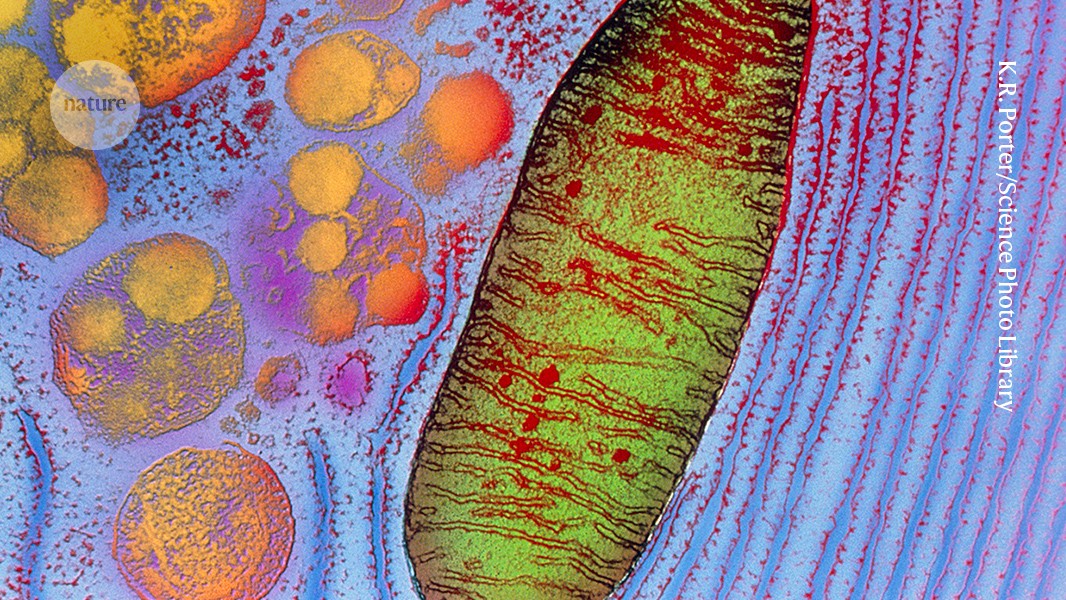
👁️
Patient’s own mitochondria injected into eyes in attempt to restore vision
Eigen mitochondriën van patiënt in ogen geïnjecteerd in poging om zicht te herstellen
Mitochondries du patient injectées dans les yeux pour tenter de restaurer la vision
So, scientists have taken mitochondria from a woman's leg muscles and injected them into her eyes to tackle severe blindness. Interestingly, while the procedure didn't cause any inflammation, it only had a temporary effect on her light responses. The goal was to see if this could help restore function in her damaged retinal cells. Although the results were mixed, it's a fascinating step forward in exploring mitochondrial transplants for vision restoration.
Wetenschappers hebben mitochondriën uit de beenspieren van een vrouw gehaald en in haar ogen geïnjecteerd om ernstige blindheid aan te pakken. Interessant is dat de procedure geen ontsteking veroorzaakte, maar slechts een tijdelijke invloed had op haar lichtreacties. Het doel was om te onderzoeken of dit de functie van haar beschadigde netvliescellen kon herstellen. Hoewel de resultaten gemengd waren, is het een fascinerende stap vooruit in het verkennen van mitochondriale transplantaties voor het herstel van het gezichtsvermogen.
Des scientifiques ont extrait des mitochondries des muscles de la jambe d'une femme et les ont injectées dans ses yeux pour traiter une cécité sévère. Il est intéressant de noter que la procédure n'a provoqué aucune inflammation, mais n'a eu qu'un effet temporaire sur ses réponses à la lumière. L'objectif était de voir si cela pouvait aider à restaurer la fonction de ses cellules rétiniennes endommagées. Bien que les résultats aient été mitigés, c'est une étape fascinante dans l'exploration des transplantations de mitochondries pour la restauration de la vision.
♻️
In Ireland, you now have a right to repair your used products
In Ierland heb je nu recht op reparatie van je gebruikte producten
En Irlande, vous avez maintenant le droit de réparer vos produits usagés
A new law is taking effect today that gives you the right to repair your used products! This EU regulation, now part of Irish law, aims to reduce waste by encouraging repairs instead of replacements. It also supports the growth of Ireland’s repair sector and circular economy, which is super exciting. Environment Minister Darragh O’Brien emphasizes that these changes are vital for meeting our climate goals, and I couldn't agree more!
Een nieuwe wet gaat vandaag in werking die je het recht geeft om je gebruikte producten te repareren! Deze EU-regel, die nu deel uitmaakt van de Ierse wet, heeft als doel om afval te verminderen door reparaties aan te moedigen in plaats van vervangingen. Het ondersteunt ook de groei van de Ierse reparatiesector en circulaire economie, wat super spannend is. Minister van Milieu Darragh O’Brien benadrukt dat deze veranderingen essentieel zijn voor het behalen van onze klimaatdoelen, en daar ben ik het helemaal mee eens!
Une nouvelle loi entre en vigueur aujourd'hui qui vous donne le droit de réparer vos produits usagés ! Ce règlement de l'UE, désormais intégré dans la loi irlandaise, vise à réduire les déchets en encourageant les réparations plutôt que les remplacements. Il soutient également la croissance du secteur de la réparation en Irlande et de l'économie circulaire, ce qui est vraiment excitant. Le ministre de l'Environnement, Darragh O’Brien, souligne que ces changements sont essentiels pour atteindre nos objectifs climatiques, et je ne peux qu'être d'accord !
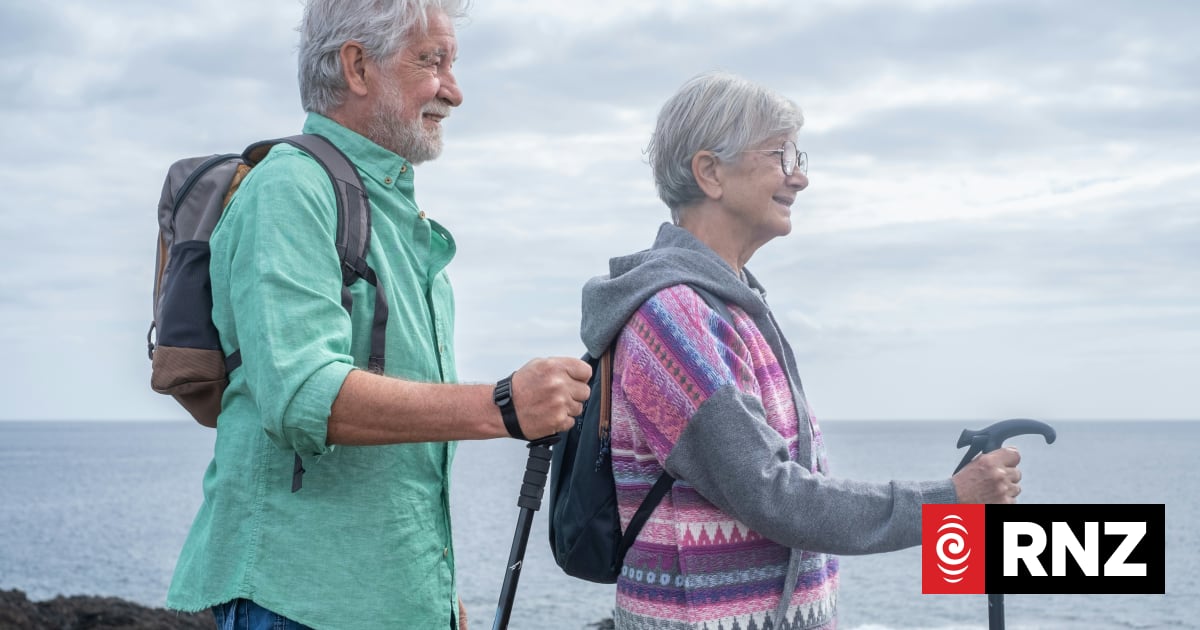
💪
What happens to strength, balance, stamina and reflexes as you age, and what you can do
Wat gebeurt er met kracht, balans, uithoudingsvermogen en reflexen naarmate je ouder wordt, en wat je eraan kunt doen
Que se passe-t-il avec la force, l'équilibre, l'endurance et les réflexes en vieillissant, et que pouvez-vous y faire
Aging brings some surprising changes to our bodies, especially when it comes to strength and stamina. Research shows that even if you maintain muscle mass, you can still lose strength, particularly in your legs. It's fascinating to learn that while your maximum heart rate declines with age, the level you start from can make a huge difference in your physical abilities later on. The good news is that resistance training can help improve strength and function, even for those in their 70s and beyond.
Veroudering brengt enkele verrassende veranderingen met zich mee voor ons lichaam, vooral als het gaat om kracht en uithoudingsvermogen. Onderzoek toont aan dat zelfs als je spiermassa behoudt, je toch kracht kunt verliezen, vooral in je benen. Het is fascinerend om te leren dat hoewel je maximale hartslag met de leeftijd afneemt, het niveau waar je mee begint een groot verschil kan maken in je fysieke mogelijkheden later. Het goede nieuws is dat weerstandstraining kan helpen om kracht en functie te verbeteren, zelfs voor mensen in hun 70s en ouder.
Le vieillissement entraîne des changements surprenants dans nos corps, notamment en ce qui concerne la force et l'endurance. Des recherches montrent que même si vous maintenez votre masse musculaire, vous pouvez toujours perdre de la force, en particulier dans vos jambes. Il est fascinant d'apprendre que, bien que votre fréquence cardiaque maximale diminue avec l'âge, le niveau de départ peut faire une énorme différence dans vos capacités physiques par la suite. La bonne nouvelle est que l'entraînement en résistance peut aider à améliorer la force et la fonction, même pour ceux dans la soixantaine et au-delà.
🌞
Ethiopian farmers save thousands by switching to solar irrigation
Ethiopische boeren besparen duizenden door over te schakelen op zonne-irrigatie
Les agriculteurs éthiopiens économisent des milliers en passant à l'irrigation solaire
Farmers in Ethiopia are making a remarkable shift to solar-powered irrigation, which is slashing their costs and boosting food production. With abundant sunshine and water resources, this change is a game-changer for small farmers who previously relied on costly diesel pumps. Now, they can save thousands of dollars and reduce their environmental impact at the same time. This innovative approach not only enhances agricultural productivity but also supports a healthier planet for future generations.
Boeren in Ethiopië maken een opmerkelijke overstap naar zonne-irrigatie, wat hun kosten verlaagd en de voedselproductie verhoogt. Met overvloedige zonneschijn en watervoorraden is deze verandering een grote stap voor kleine boeren die voorheen afhankelijk waren van dure dieselpompen. Nu kunnen ze duizenden dollars besparen en tegelijkertijd hun ecologische impact verminderen. Deze innovatieve aanpak verbetert niet alleen de landbouwproductiviteit, maar ondersteunt ook een gezondere planeet voor toekomstige generaties.
Les agriculteurs en Éthiopie effectuent un changement remarquable vers l'irrigation solaire, ce qui réduit leurs coûts et augmente la production alimentaire. Avec une abondance de soleil et de ressources en eau, ce changement est une véritable révolution pour les petits agriculteurs qui dépendaient auparavant de pompes à diesel coûteuses. Maintenant, ils peuvent économiser des milliers de dollars tout en réduisant leur impact environnemental. Cette approche innovante améliore non seulement la productivité agricole, mais soutient également une planète plus saine pour les générations futures.
🦈
This shark can live 400 years. Its eyes barely seem to age
Deze haai kan 400 jaar leven. Zijn ogen lijken nauwelijks te verouderen
Ce requin peut vivre 400 ans. Ses yeux semblent à peine vieillir
Isn't it incredible that the Greenland shark can live for up to 400 years? Researchers have discovered that these fascinating creatures have a unique DNA repair mechanism that helps them maintain their eyesight without showing signs of aging. This study challenges previous assumptions about their vision, suggesting they are well-adapted to their dark Arctic habitat. It's amazing to think about how much we can learn from these ancient sharks about longevity and the mysteries of aging.
Is het niet ongelooflijk dat de Groenlandse haai tot wel 400 jaar kan leven? Onderzoekers hebben ontdekt dat deze fascinerende wezens een uniek DNA-reparatiemechanisme hebben dat hen helpt om hun gezichtsvermogen te behouden zonder tekenen van veroudering te vertonen. Deze studie daagt eerdere aannames over hun visie uit en suggereert dat ze goed zijn aangepast aan hun donkere Arctische habitat. Het is verbazingwekkend om te bedenken hoeveel we van deze oude haaien kunnen leren over levensduur en de mysteries van veroudering.
N'est-il pas incroyable que le requin du Groenland puisse vivre jusqu'à 400 ans ? Les chercheurs ont découvert que ces créatures fascinantes possèdent un mécanisme de réparation de l'ADN unique qui les aide à maintenir leur vision sans montrer de signes de vieillissement. Cette étude remet en question les hypothèses précédentes sur leur vision, suggérant qu'elles sont bien adaptées à leur habitat arctique sombre. C'est incroyable de penser à tout ce que nous pouvons apprendre de ces requins anciens sur la longévité et les mystères du vieillissement.

🔌
Transistors changed everything. Here’s how they work
Transistors hebben alles veranderd. Zo werken ze
Les transistors ont tout changé. Voici comment ils fonctionnent
Transistors are truly one of the most groundbreaking inventions of the 20th century, and life as we know it would be unrecognizable without them. Imagine a world without personal computers or smartphones—no social media or streaming services! The article dives into the history of transistors, tracing their roots back to electric relays and vacuum tubes. It's fascinating to see how these tiny components have revolutionized technology and are now embedded in nearly every device we use today.
Transistors zijn echt een van de meest baanbrekende uitvindingen van de 20e eeuw, en het leven zoals we het kennen zou onherkenbaar zijn zonder hen. Stel je een wereld voor zonder persoonlijke computers of smartphones—geen sociale media of streamingdiensten! Het artikel duikt in de geschiedenis van transistors en volgt hun oorsprong terug naar elektrische relais en vacuümbuizen. Het is fascinerend om te zien hoe deze kleine componenten de technologie hebben revolutionair en nu in bijna elk apparaat dat we vandaag gebruiken zijn ingebed.
Les transistors sont vraiment l'une des inventions les plus révolutionnaires du 20e siècle, et la vie telle que nous la connaissons serait méconnaissable sans eux. Imaginez un monde sans ordinateurs personnels ou smartphones—pas de réseaux sociaux ni de services de streaming ! L'article explore l'histoire des transistors, retraçant leurs racines jusqu'aux relais électriques et aux tubes à vide. C'est fascinant de voir comment ces minuscules composants ont révolutionné la technologie et sont maintenant intégrés dans presque tous les appareils que nous utilisons aujourd'hui.
🏠
Finland tried to end homelessness. What can we learn from its runaway success – and recent failures?
Finland probeerde dakloosheid te beëindigen. Wat kunnen we leren van het enorme succes - en recente mislukkingen?
La Finlande a essayé de mettre fin à l'itinérance. Que pouvons-nous apprendre de son succès fulgurant - et de ses échecs récents ?
Finland's innovative 'Housing First' approach to homelessness is a fascinating model that prioritizes housing as a human right. Vello Senkel, a resident of a supportive housing unit, shares how having a stable home has transformed his life, allowing him to reconnect with his passions like cooking and music. The program emphasizes continuous support and community involvement, making it a holistic solution rather than just a temporary fix. It's a powerful reminder that addressing homelessness requires understanding and long-term commitment.
Het innovatieve 'Housing First'-model van Finland voor dakloosheid is een fascinerend voorbeeld dat huisvesting als een mensenrecht prioriteert. Vello Senkel, een bewoner van een ondersteunende huisvesting, deelt hoe het hebben van een stabiel huis zijn leven heeft veranderd, waardoor hij weer in contact kan komen met zijn passies zoals koken en muziek. Het programma benadrukt voortdurende ondersteuning en gemeenschapsbetrokkenheid, waardoor het een holistische oplossing is in plaats van slechts een tijdelijke oplossing. Het is een krachtige herinnering dat het aanpakken van dakloosheid begrip en een langdurige inzet vereist.
L'approche innovante de la Finlande 'Housing First' pour l'itinérance est un modèle fascinant qui priorise le logement comme un droit humain. Vello Senkel, un résident d'une unité de logement de soutien, partage comment avoir un foyer stable a transformé sa vie, lui permettant de renouer avec ses passions comme la cuisine et la musique. Le programme met l'accent sur un soutien continu et l'implication communautaire, en faisant une solution holistique plutôt qu'un simple recours temporaire. C'est un puissant rappel que s'attaquer à l'itinérance nécessite compréhension et engagement à long terme.
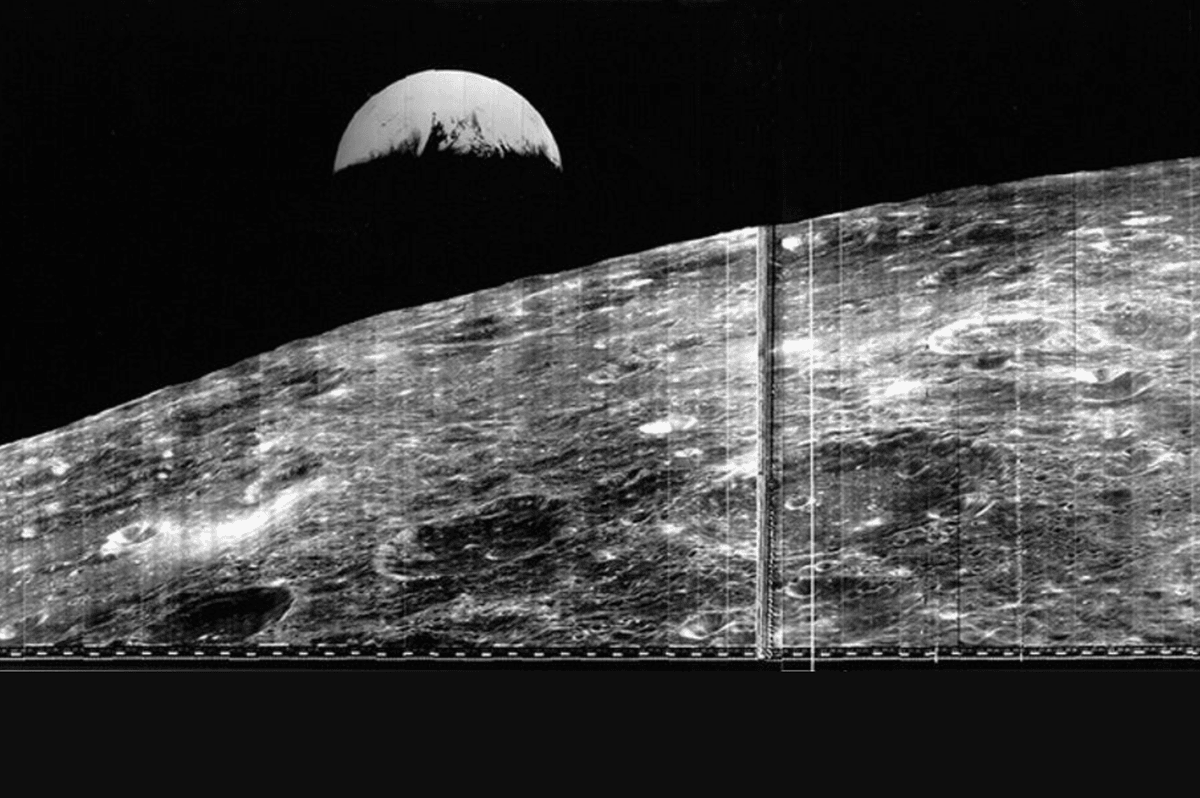
🌍
60 years ago NASA took the first ever photo of Earth from the moon
60 jaar geleden nam NASA de eerste foto van de aarde vanaf de maan
Il y a 60 ans, la NASA a pris la première photo de la Terre depuis la Lune
Can you believe it? Sixty years ago, NASA's Lunar Orbiter 1 captured the first-ever photo of Earth from the moon! This historic moment paved the way for iconic images like 'Earthrise' taken during the Apollo 8 mission. Recently, astronaut Christina Koch added to this legacy by snapping a stunning 'Earthset' during the Artemis II mission. It's amazing to see how our view of Earth from space continues to inspire wonder and curiosity!
Kun je het geloven? Zestig jaar geleden maakte NASA's Lunar Orbiter 1 de allereerste foto van de aarde vanaf de maan! Dit historische moment legde de basis voor iconische beelden zoals 'Earthrise' die tijdens de Apollo 8-missie werden genomen. Onlangs voegde astronaut Christina Koch hieraan toe door een prachtige 'Earthset' te maken tijdens de Artemis II-missie. Het is geweldig om te zien hoe ons uitzicht op de aarde vanuit de ruimte blijft inspireren en nieuwsgierigheid oproept!
Peux-tu le croire ? Il y a soixante ans, le Lunar Orbiter 1 de la NASA a capturé la toute première photo de la Terre depuis la Lune ! Ce moment historique a ouvert la voie à des images iconiques comme 'Earthrise' prises lors de la mission Apollo 8. Récemment, l'astronaute Christina Koch a ajouté à cet héritage en prenant une magnifique 'Earthset' lors de la mission Artemis II. C'est incroyable de voir comment notre vision de la Terre depuis l'espace continue d'inspirer l'émerveillement et la curiosité !
🔥
Experimental compound helps burn fat without muscle loss
Experimentele verbinding helpt vet te verbranden zonder spierverlies
Un composé expérimental aide à brûler les graisses sans perte musculaire
Researchers at UC Berkeley have discovered a new compound called TOFA that helps burn fat without losing muscle mass. Unlike GLP-1 medications that reduce appetite, TOFA increases energy expenditure by activating genes that promote fat usage for fuel. In experiments with mice, TOFA improved insulin sensitivity and reduced triglyceride levels while preserving lean muscle. This innovative approach could revolutionize treatments for obesity and diabetes, making it an exciting development in metabolic health.
Onderzoekers aan de UC Berkeley hebben een nieuwe verbinding ontdekt, TOFA, die helpt vet te verbranden zonder spiermassa te verliezen. In tegenstelling tot GLP-1-medicijnen die de eetlust verminderen, verhoogt TOFA de energieverbruik door genen te activeren die vet gebruiken als brandstof. In experimenten met muizen verbeterde TOFA de insulinegevoeligheid en verlaagde het triglyceridenwaarden terwijl de magere spiermassa behouden bleef. Deze innovatieve benadering zou behandelingen voor obesitas en diabetes kunnen revolutioneren, wat het een spannende ontwikkeling in de metabolische gezondheid maakt.
Des chercheurs de l'UC Berkeley ont découvert un nouveau composé appelé TOFA qui aide à brûler les graisses sans perdre de masse musculaire. Contrairement aux médicaments GLP-1 qui réduisent l'appétit, TOFA augmente la dépense énergétique en activant des gènes qui favorisent l'utilisation des graisses comme carburant. Dans des expériences sur des souris, TOFA a amélioré la sensibilité à l'insuline et réduit les niveaux de triglycérides tout en préservant la masse musculaire maigre. Cette approche innovante pourrait révolutionner les traitements de l'obésité et du diabète, ce qui en fait un développement passionnant dans la santé métabolique.
🧬
A hidden “on switch” in human DNA has finally been decoded
Een verborgen 'aan' schakelaar in menselijk DNA is eindelijk ontcijferd
Un interrupteur 'on' caché dans l'ADN humain a enfin été décodé
So, researchers have made a fascinating breakthrough by decoding a hidden 'on switch' in human DNA! This discovery focuses on a crucial DNA element called the 'initiator' that helps control gene activation. By using advanced AI and high-throughput DNA sequencing, they found that about 60% of human genes contain this initiator sequence. This could lead to better predictions of how DNA mutations affect gene activity, which is super exciting for understanding various diseases.
Dus, onderzoekers hebben een fascinerende doorbraak bereikt door een verborgen 'aan' schakelaar in menselijk DNA te ontcijferen! Deze ontdekking richt zich op een cruciaal DNA-element genaamd de 'initiator' dat helpt bij het reguleren van genactivatie. Door gebruik te maken van geavanceerde AI en hoogdoorvoers DNA-sequencing, ontdekten ze dat ongeveer 60% van de menselijke genen deze initiator-sequentie bevat. Dit kan leiden tot betere voorspellingen van hoe DNA-mutaties de genactiviteit beïnvloeden, wat super spannend is voor het begrijpen van verschillende ziekten.
Alors, les chercheurs ont réalisé une découverte fascinante en décodant un interrupteur 'on' caché dans l'ADN humain ! Cette découverte se concentre sur un élément d'ADN crucial appelé 'initiateur' qui aide à contrôler l'activation des gènes. En utilisant une IA avancée et un séquençage ADN à haut débit, ils ont découvert qu'environ 60 % des gènes humains contiennent cette séquence d'initiateur. Cela pourrait conduire à de meilleures prédictions sur la façon dont les mutations de l'ADN affectent l'activité des gènes, ce qui est super excitant pour comprendre diverses maladies.
🌟
This common vitamin was linked to 13% better cognitive scores
Deze veelvoorkomende vitamine is gekoppeld aan 13% betere cognitieve scores
Cette vitamine courante a été liée à des scores cognitifs meilleurs de 13 %
So, here's the exciting news! New research from Emory University suggests that taking higher doses of vitamin D could lead to better cognitive performance, especially for adults at risk of dementia. Participants who took at least 5,000 IU of vitamin D daily scored over 13% higher on cognitive tests compared to those who didn't. This study highlights a crucial window for intervention in older adults experiencing mild cognitive impairment and sleep disturbances, showing that vitamin D could play a vital role in supporting brain health.
Dus, hier is het spannende nieuws! Nieuw onderzoek van de Emory Universiteit suggereert dat het innemen van hogere doses vitamine D kan leiden tot betere cognitieve prestaties, vooral voor volwassenen die risico lopen op dementie. Deelnemers die dagelijks minstens 5.000 IU vitamine D innamen, scoorden meer dan 13% hoger op cognitieve tests in vergelijking met degenen die dat niet deden. Deze studie benadrukt een cruciaal moment voor interventie bij oudere volwassenen met milde cognitieve achteruitgang en slaapproblemen, en toont aan dat vitamine D een belangrijke rol kan spelen in het ondersteunen van de hersengezondheid.
Alors, voici la nouvelle excitante ! De nouvelles recherches de l'Université Emory suggèrent que la prise de doses plus élevées de vitamine D pourrait conduire à de meilleures performances cognitives, en particulier pour les adultes à risque de démence. Les participants ayant pris au moins 5 000 IU de vitamine D par jour ont obtenu des scores supérieurs de plus de 13 % lors des tests cognitifs par rapport à ceux qui n'en prenaient pas. Cette étude met en évidence une fenêtre cruciale pour l'intervention chez les personnes âgées souffrant de troubles cognitifs légers et de troubles du sommeil, montrant que la vitamine D pourrait jouer un rôle vital dans le soutien de la santé cérébrale.

🦴
Why do women and men walk differently? The trail leads to Neanderthals
Waarom lopen vrouwen en mannen anders? Het spoor leidt naar de Neanderthalers
Pourquoi les femmes et les hommes marchent-ils différemment ? La piste mène aux Néandertaliens
Isn't it fascinating how our bodies have evolved? Scientists have discovered that the pelvis structure of Neanderthals can shed light on why modern men and women walk differently. By comparing ancient pelvises with those of contemporary humans, they've found significant differences that affect our gait. This research not only helps us understand our past but could also inform modern biomechanics and injury prevention. Who knew that our walking style could be traced back to our ancient relatives?
Is het niet fascinerend hoe onze lichamen zijn geëvolueerd? Wetenschappers hebben ontdekt dat de bekkenstructuur van Neanderthalers kan helpen verklaren waarom moderne mannen en vrouwen anders lopen. Door oude bekken met die van hedendaagse mensen te vergelijken, hebben ze aanzienlijke verschillen gevonden die onze gang beïnvloeden. Dit onderzoek helpt ons niet alleen onze geschiedenis te begrijpen, maar kan ook moderne biomechanica en blessurepreventie informeren. Wie had gedacht dat onze loopstijl terug te voeren is op onze oude voorouders?
N'est-ce pas fascinant de voir comment nos corps ont évolué ? Des scientifiques ont découvert que la structure du bassin des Néandertaliens peut éclairer pourquoi les hommes et les femmes modernes marchent différemment. En comparant les bassins anciens avec ceux des humains contemporains, ils ont trouvé des différences significatives qui affectent notre démarche. Cette recherche nous aide non seulement à comprendre notre passé, mais pourrait également informer la biomécanique moderne et la prévention des blessures. Qui aurait cru que notre style de marche pouvait être retracé jusqu'à nos ancêtres anciens ?
💪
Exercise may work better for keeping weight off than losing it
Oefening werkt misschien beter om gewicht te behouden dan om het te verliezen
L'exercice peut être plus efficace pour maintenir un poids que pour en perdre
So, here's the scoop: while exercise might not be the magic bullet for losing weight, it plays a crucial role in keeping those pounds off once you've shed them. Research shows that even though physical activity has a modest impact on initial weight loss, higher levels of exercise are strongly linked to maintaining that loss. Plus, the health benefits of working out are fantastic, from better cholesterol to improved insulin sensitivity. So, don't give up on your workouts – they’re essential for long-term health and weight management!
Dus, hier is het verhaal: hoewel lichaamsbeweging misschien niet de toverformule is voor gewichtsverlies, speelt het een cruciale rol bij het behouden van die verloren kilo's. Onderzoek toont aan dat hoewel fysieke activiteit een bescheiden impact heeft op het initiële gewichtsverlies, hogere niveaus van lichaamsbeweging sterk verbonden zijn met het behouden van dat verlies. Bovendien zijn de gezondheidsvoordelen van sporten fantastisch, van een beter cholesterol tot verbeterde insulinegevoeligheid. Dus, geef je trainingen niet op – ze zijn essentieel voor langdurige gezondheid en gewichtsbeheer!
Alors, voici le scoop : bien que l'exercice ne soit peut-être pas la solution miracle pour perdre du poids, il joue un rôle crucial dans le maintien de ces kilos perdus. La recherche montre que même si l'activité physique a un impact modeste sur la perte de poids initiale, des niveaux d'exercice plus élevés sont fortement liés au maintien de cette perte. De plus, les bienfaits pour la santé de l'exercice sont fantastiques, allant d'un meilleur cholestérol à une sensibilité à l'insuline améliorée. Alors, ne renoncez pas à vos entraînements – ils sont essentiels pour une santé à long terme et la gestion du poids !
🧠
Multilingual people may have brains up to 13 years younger
Meertalige mensen hebben mogelijk hersenen die tot 13 jaar jonger zijn
Les personnes multilingues peuvent avoir un cerveau jusqu'à 13 ans plus jeune
So, it turns out that speaking multiple languages might actually keep our brains looking younger! Research presented at the FENS Forum 2026 shows that multilingual individuals can have brains that appear up to 13 years younger than expected. The study found that the earlier you learn a language and the more proficient you become, the greater the benefits for brain aging. This exciting discovery opens up new avenues for understanding how language learning can support brain health as we age.
Dus, het blijkt dat het spreken van meerdere talen onze hersenen jonger kan laten lijken! Onderzoek gepresenteerd op het FENS Forum 2026 toont aan dat meertalige individuen hersenen kunnen hebben die tot 13 jaar jonger lijken dan verwacht. De studie ontdekte dat hoe eerder je een taal leert en hoe vaardiger je wordt, hoe groter de voordelen voor de veroudering van de hersenen. Deze spannende ontdekking opent nieuwe mogelijkheden om te begrijpen hoe taalverwerving de hersengezondheid kan ondersteunen naarmate we ouder worden.
Alors, il s'avère que parler plusieurs langues pourrait en fait garder notre cerveau plus jeune ! Des recherches présentées au Forum FENS 2026 montrent que les personnes multilingues peuvent avoir un cerveau qui semble jusqu'à 13 ans plus jeune que prévu. L'étude a révélé que plus vous apprenez une langue tôt et plus vous devenez compétent, plus les avantages pour le vieillissement cérébral sont importants. Cette découverte passionnante ouvre de nouvelles voies pour comprendre comment l'apprentissage des langues peut soutenir la santé cérébrale à mesure que nous vieillissons.
📜
How was the Enigma broken? Letters describing the details of capturing its prototype have survived
Hoe werd de Enigma gebroken? Brieven die de details van het vangen van het prototype beschrijven zijn bewaard gebleven
Comment l'Enigma a-t-elle été brisée ? Des lettres décrivant les détails de la capture de son prototype ont survécu
This article dives into the fascinating history of how the Enigma was cracked, focusing on the previously unknown correspondence of mathematician Marian Rejewski. It all started with a chance encounter at a customs office in Warsaw that sparked a major decryption operation. Rejewski's letters reveal his efforts to document Poland's crucial role in breaking German codes, which had been overlooked in British publications. It's a captivating glimpse into the past that highlights the importance of preserving such historical documents.
Dit artikel duikt in de fascinerende geschiedenis van hoe de Enigma werd gekraakt, met de focus op de voorheen onbekende correspondentie van wiskundige Marian Rejewski. Het begon allemaal met een toevallige ontmoeting op een douanekantoor in Warschau die een belangrijke decryptie-operatie op gang bracht. Rejewski's brieven onthullen zijn inspanningen om de cruciale rol van Polen bij het kraken van Duitse codes te documenteren, die in Britse publicaties over het hoofd waren gezien. Het is een boeiende blik op het verleden die het belang van het bewaren van dergelijke historische documenten benadrukt.
Cet article plonge dans l'histoire fascinante de la façon dont l'Enigma a été brisée, en se concentrant sur la correspondance auparavant inconnue du mathématicien Marian Rejewski. Tout a commencé par une rencontre fortuite dans un bureau de douane à Varsovie qui a déclenché une opération de décryptage majeure. Les lettres de Rejewski révèlent ses efforts pour documenter le rôle crucial de la Pologne dans la rupture des codes allemands, qui avait été négligé dans les publications britanniques. C'est un aperçu captivant du passé qui souligne l'importance de préserver de tels documents historiques.

🎶
The health benefits of singing: 97 percent of people can sing
De gezondheidsvoordelen van zingen: 97 procent van de mensen kan zingen
Les bienfaits du chant sur la santé : 97 % des gens peuvent chanter
Singing is not just a joyful activity; it has incredible health benefits too! According to neuroscientist Eckart Altenmüller, 97 percent of people can sing, yet many feel embarrassed to do so. This article explores how singing connects us, boosts our mood, and even has healing properties. So, let’s embrace our voices and sing more often, because it truly makes a difference in our lives.
Zingen is niet alleen een vreugdevolle activiteit; het heeft ook ongelooflijke gezondheidsvoordelen! Volgens neurowetenschapper Eckart Altenmüller kan 97 procent van de mensen zingen, maar velen voelen zich beschaamd om het te doen. Dit artikel verkent hoe zingen ons verbindt, onze stemming verbetert en zelfs genezende eigenschappen heeft. Laten we dus onze stemmen omarmen en vaker zingen, want het maakt echt een verschil in ons leven.
Chanter n'est pas seulement une activité joyeuse ; cela a aussi d'incroyables bienfaits pour la santé ! Selon le neuroscientifique Eckart Altenmüller, 97 % des gens peuvent chanter, mais beaucoup se sentent gênés de le faire. Cet article explore comment le chant nous connecte, améliore notre humeur et a même des propriétés curatives. Alors, embrassons nos voix et chantons plus souvent, car cela fait vraiment une différence dans nos vies.

🌿
23-YO Delhi boy builds a 500-plant terrace garden that birds & butterflies love
23-JARIGE jongen uit Delhi bouwt een terras tuin met 500 planten waar vogels en vlinders van houden
Un garçon de 23 ans à Delhi construit un jardin terrasse de 500 plantes que les oiseaux et les papillons adorent
Aman Sharma, a 23-year-old from Delhi, has transformed his barren terrace into a vibrant garden with 500 native plants, attracting birds and butterflies. His passion for nature began at 13 when he started birdwatching from his balcony. During the COVID-19 lockdown, he seized the opportunity to create a green oasis in the city. This initiative not only beautifies his surroundings but also raises awareness about urban wildlife and the importance of native plants.
Aman Sharma, een 23-jarige uit Delhi, heeft zijn kale terras omgetoverd tot een levendige tuin met 500 inheemse planten, die vogels en vlinders aantrekken. Zijn passie voor de natuur begon op 13-jarige leeftijd toen hij vogels begon te observeren vanaf zijn balkon. Tijdens de COVID-19 lockdown greep hij de kans om een groene oase in de stad te creëren. Dit initiatief verfraait niet alleen zijn omgeving, maar verhoogt ook het bewustzijn over stedelijke wilde dieren en het belang van inheemse planten.
Aman Sharma, un jeune de 23 ans à Delhi, a transformé son toit désert en un jardin vibrant avec 500 plantes indigènes, attirant oiseaux et papillons. Sa passion pour la nature a commencé à 13 ans lorsqu'il a commencé à observer les oiseaux depuis son balcon. Pendant le confinement dû à la COVID-19, il a saisi l'occasion de créer une oasis verte dans la ville. Cette initiative embellit non seulement son environnement, mais sensibilise également à la faune urbaine et à l'importance des plantes indigènes.

🎶
A forest that sings: how Sikkim’s bamboo & wood become traditional Lepcha instruments
Een bos dat zingt: hoe bamboe en hout in Sikkim traditionele Lepcha-instrumenten worden
Une forêt qui chante : comment le bambou et le bois du Sikkim deviennent des instruments traditionnels Lepcha
In Sikkim, bamboo and wood transform into beautiful musical instruments like the Tungbuk and Pumtong Pulit, which have just received Geographical Indication recognition. This is a fantastic acknowledgment of the deep connection between the Lepcha community and their natural surroundings. These instruments not only produce music but also embody the cultural and spiritual essence of the region. It's exciting to see how this recognition will inspire future generations to appreciate and preserve their musical heritage.
In Sikkim transformeren bamboe en hout in prachtige muziekinstrumenten zoals de Tungbuk en Pumtong Pulit, die net Geografische Indicatie-erkenning hebben gekregen. Dit is een fantastische erkenning van de diepe verbinding tussen de Lepcha-gemeenschap en hun natuurlijke omgeving. Deze instrumenten produceren niet alleen muziek, maar belichamen ook de culturele en spirituele essentie van de regio. Het is opwindend om te zien hoe deze erkenning toekomstige generaties zal inspireren om hun muzikale erfgoed te waarderen en te behouden.
Au Sikkim, le bambou et le bois se transforment en magnifiques instruments de musique comme le Tungbuk et le Pumtong Pulit, qui viennent de recevoir la reconnaissance de l'Indication Géographique. C'est une fantastique reconnaissance de la profonde connexion entre la communauté Lepcha et son environnement naturel. Ces instruments produisent non seulement de la musique, mais incarnent également l'essence culturelle et spirituelle de la région. C'est excitant de voir comment cette reconnaissance inspirera les générations futures à apprécier et préserver leur patrimoine musical.
👶
Some say parents shouldn’t use ‘baby talk’ with infants. Science says otherwise.
Sommigen zeggen dat ouders geen 'babytaal' met zuigelingen moeten gebruiken. De wetenschap zegt anders.
Certains disent que les parents ne devraient pas utiliser le 'langage bébé' avec les nourrissons. La science dit le contraire.
So, baby talk has been a hot topic among parents, but guess what? Science has come to the rescue! Research shows that using baby talk, or 'infant-directed speech,' is not only natural but also beneficial for language development. It turns out that this high-pitched, sing-song way of speaking helps babies grasp language patterns and even enhances their vocabulary. Isn't it fascinating how something so instinctive can have such a positive impact?
Dus, babytaal is een heet onderwerp onder ouders, maar raad eens? De wetenschap is te hulp geschoten! Onderzoek toont aan dat het gebruik van babytaal, of 'infant-directed speech', niet alleen natuurlijk is, maar ook gunstig voor de taalontwikkeling. Het blijkt dat deze hoge, zingende manier van spreken baby's helpt om taalpatronen te begrijpen en zelfs hun vocabulaire te verbeteren. Is het niet fascinerend hoe iets zo instinctiefs zo'n positieve impact kan hebben?
Alors, le langage bébé est un sujet brûlant parmi les parents, mais devinez quoi ? La science est venue à la rescousse ! Des recherches montrent que l'utilisation du langage bébé, ou 'langage dirigé vers les nourrissons', est non seulement naturelle mais aussi bénéfique pour le développement du langage. Il s'avère que cette façon de parler aiguë et chantante aide les bébés à saisir les schémas linguistiques et améliore même leur vocabulaire. N'est-ce pas fascinant de voir à quel point quelque chose d'aussi instinctif peut avoir un impact si positif ?

🐋
Whale sanctuary project secures 20-year Nova Scotia lease despite ongoing opposition
Walvissenopvangproject krijgt 20-jarige huur in Nova Scotia ondanks voortdurende tegenstand
Le projet de sanctuaire pour baleines obtient un bail de 20 ans en Nouvelle-Écosse malgré l'opposition persistante
What an exciting development for marine life! The Whale Sanctuary Project has just secured a 20-year lease for a stunning site in Nova Scotia, aiming to create a refuge for retired whales from marine parks. This sanctuary will be a game-changer, offering a natural ocean environment that's over 100 times larger than typical tanks. While there’s some local opposition, the project leaders are committed to engaging with the community and ensuring a peaceful coexistence.
Wat een spannende ontwikkeling voor het zeeleven! Het Whale Sanctuary Project heeft zojuist een 20-jarige huur voor een prachtige locatie in Nova Scotia veiliggesteld, met als doel een toevluchtsoord te creëren voor gepensioneerde walvissen uit zeeparken. Dit sanctuarium zal een verandering teweegbrengen, met een natuurlijke oceaanomgeving die meer dan 100 keer groter is dan typische tanks. Hoewel er enige lokale tegenstand is, zijn de projectleiders vastbesloten om met de gemeenschap in gesprek te gaan en een vreedzaam samenleven te waarborgen.
Quelle évolution passionnante pour la vie marine ! Le Whale Sanctuary Project vient d'obtenir un bail de 20 ans pour un site magnifique en Nouvelle-Écosse, visant à créer un refuge pour les baleines retraitées des parcs marins. Ce sanctuaire sera un véritable changement de donne, offrant un environnement océanique naturel plus de 100 fois plus grand que les réservoirs typiques. Bien qu'il y ait une certaine opposition locale, les responsables du projet s'engagent à dialoguer avec la communauté et à garantir une coexistence pacifique.

🚀
First in space: American company prints nerve implants with Ghent bio-ink
Primeur in de ruimte: Amerikaans bedrijf print zenuwimplantaten met Gentse bio-inkt
Première dans l'espace : une entreprise américaine imprime des implants nerveux avec de l'encre biologique de Gand
So, here's the exciting news! An American company has successfully printed nerve implants using bio-ink from a Ghent-based firm aboard the International Space Station. This groundbreaking achievement allows cells to grow together, marking a significant step for medicine in space. With the weightlessness of space making 3D printing easier, these implants could pave the way for future medical applications in upcoming space missions. It's like something out of science fiction, but the potential benefits are very real!
Dus, hier is het spannende nieuws! Een Amerikaans bedrijf heeft met succes zenuwimplantaten geprint met bio-inkt van een Gentse firma aan boord van het internationale ruimtestation. Deze baanbrekende prestatie maakt het mogelijk dat cellen aan elkaar groeien, wat een belangrijke stap voor de geneeskunde in de ruimte betekent. Dankzij de gewichtloosheid wordt 3D-printen gemakkelijker, en deze implantaten kunnen de weg vrijmaken voor toekomstige medische toepassingen in aankomende ruimtemissies.
Alors, voici la nouvelle passionnante ! Une entreprise américaine a réussi à imprimer des implants nerveux en utilisant de l'encre biologique d'une entreprise de Gand à bord de la Station spatiale internationale. Cette réalisation révolutionnaire permet aux cellules de se développer ensemble, marquant une étape importante pour la médecine dans l'espace. Avec l'apesanteur facilitant l'impression 3D, ces implants pourraient ouvrir la voie à de futures applications médicales lors des prochaines missions spatiales.
🐸
In an Olympic pool, this technique detects one tadpole: DNA research arms Kempen against American bullfrog
In een olympisch zwembad detecteert deze techniek één kikkervisje: DNA-onderzoek wapent Kempen tegen Amerikaanse stierkikker
Dans une piscine olympique, cette technique détecte un têtard : la recherche ADN arme la Kempen contre le grenouille taureau américaine
It's fascinating to see how cutting-edge DNA research is being used to tackle ecological challenges! In Kempen, scientists have developed a method that can detect even a single tadpole in an Olympic-sized pool. This innovative approach is aimed at combating the invasive American bullfrog, which poses a threat to local ecosystems. It's a great example of how technology can help us protect our environment and maintain biodiversity.
Het is fascinerend om te zien hoe geavanceerd DNA-onderzoek wordt gebruikt om ecologische uitdagingen aan te pakken! In de Kempen hebben wetenschappers een methode ontwikkeld die zelfs één kikkervisje in een olympisch zwembad kan detecteren. Deze innovatieve aanpak is gericht op het bestrijden van de invasieve Amerikaanse stierkikker, die een bedreiging vormt voor lokale ecosystemen. Het is een geweldig voorbeeld van hoe technologie ons kan helpen om het milieu te beschermen en de biodiversiteit te behouden.
C'est fascinant de voir comment la recherche ADN de pointe est utilisée pour relever des défis écologiques ! À Kempen, des scientifiques ont développé une méthode capable de détecter même un seul têtard dans une piscine olympique. Cette approche innovante vise à lutter contre la grenouille taureau américaine, qui menace les écosystèmes locaux. C'est un excellent exemple de la façon dont la technologie peut nous aider à protéger notre environnement et à maintenir la biodiversité.
🍄
What happened when people with anorexia tried magic mushrooms
Wat gebeurde er toen mensen met anorexia magische paddenstoelen probeerden
Que s'est-il passé lorsque des personnes atteintes d'anorexie ont essayé des champignons magiques
So, this article dives into the fascinating world of using magic mushrooms, or psilocybin, as a potential treatment for anorexia. It's quite shocking to learn that traditional treatments often fall short, leaving many without effective options. Researchers are now exploring psychedelics, and some early results are showing promising improvements in patients. This could be a game changer in how we approach eating disorders, and I'm really excited to see where this research leads us!
Dus, dit artikel duikt in de fascinerende wereld van het gebruik van magische paddenstoelen, of psilocybine, als mogelijke behandeling voor anorexia. Het is behoorlijk schokkend om te leren dat traditionele behandelingen vaak tekortschieten, waardoor velen zonder effectieve opties blijven. Onderzoekers verkennen nu psychedelica, en enkele vroege resultaten tonen veelbelovende verbeteringen bij patiënten. Dit zou een keerpunt kunnen zijn in hoe we eetstoornissen benaderen, en ik ben echt enthousiast om te zien waar dit onderzoek ons brengt!
Alors, cet article explore le monde fascinant de l'utilisation des champignons magiques, ou psilocybine, comme traitement potentiel pour l'anorexie. Il est assez choquant d'apprendre que les traitements traditionnels échouent souvent, laissant beaucoup sans options efficaces. Les chercheurs explorent maintenant les psychédéliques, et certains résultats préliminaires montrent des améliorations prometteuses chez les patients. Cela pourrait changer la donne dans notre approche des troubles alimentaires, et je suis vraiment enthousiaste de voir où cette recherche nous mènera !
🌟
This weight-loss hormone may protect the liver even without weight loss
Dit hormoon voor gewichtsverlies kan de lever beschermen, zelfs zonder gewichtsverlies
Cette hormone de perte de poids peut protéger le foie même sans perte de poids
Researchers at McMaster University have discovered that the hormone GDF15 does more than just curb appetite; it also protects the liver from inflammation. This finding opens up new possibilities for treating advanced fatty liver disease, which affects millions globally. Interestingly, GDF15 can reduce liver inflammation and scarring without any weight loss occurring. This shifts our understanding of the hormone's role in the body and suggests it could be a key player in defending against chronic liver injury.
Onderzoekers aan de McMaster Universiteit hebben ontdekt dat het hormoon GDF15 meer doet dan alleen de eetlust onderdrukken; het beschermt ook de lever tegen ontsteking. Deze ontdekking opent nieuwe mogelijkheden voor de behandeling van gevorderde leververvetting, die wereldwijd miljoenen mensen treft. Interessant is dat GDF15 leverontsteking en littekenvorming kan verminderen zonder dat er gewichtsverlies optreedt. Dit verandert onze kijk op de rol van het hormoon in het lichaam en suggereert dat het een belangrijke speler kan zijn in de verdediging tegen chronische leverbeschadiging.
Des chercheurs de l'Université McMaster ont découvert que l'hormone GDF15 fait plus que simplement réduire l'appétit ; elle protège également le foie contre l'inflammation. Cette découverte ouvre de nouvelles possibilités pour traiter la stéatose hépatique avancée, qui touche des millions de personnes dans le monde. Fait intéressant, GDF15 peut réduire l'inflammation et la fibrose du foie sans qu'aucune perte de poids ne se produise. Cela change notre compréhension du rôle de l'hormone dans le corps et suggère qu'elle pourrait être un acteur clé dans la défense contre les lésions hépatiques chroniques.

🌍
Transforming Britain’s old coalfields into clean energy sources
Het transformeren van Groot-Brittannië's oude steenkoolvelden in schone energiebronnen
Transformer les anciennes mines de charbon de Grande-Bretagne en sources d'énergie propre
In Gateshead, a town with a rich coal mining history, a new initiative is turning old mine workings into a source of clean energy. A mine water heat network, launched in March 2023, draws warmth from flooded mines to heat homes and buildings across the area. This innovative project not only reduces carbon emissions but also revives the town's connection to its mining heritage. It's a beautiful example of how we can repurpose the past for a sustainable future.
In Gateshead, een stad met een rijke geschiedenis van steenkoolwinning, transformeert een nieuw initiatief oude mijnwerkzaamheden in een bron van schone energie. Een mijnwaterwarmtenet, gelanceerd in maart 2023, haalt warmte uit overstroomde mijnen om huizen en gebouwen in de omgeving te verwarmen. Dit innovatieve project vermindert niet alleen de CO2-uitstoot, maar herstelt ook de verbinding van de stad met zijn mijnbouwverleden. Het is een prachtig voorbeeld van hoe we het verleden kunnen herbestemmen voor een duurzame toekomst.
À Gateshead, une ville avec une riche histoire minière, une nouvelle initiative transforme les anciennes mines en une source d'énergie propre. Un réseau de chaleur à partir des eaux minières, lancé en mars 2023, extrait la chaleur des mines inondées pour chauffer des maisons et des bâtiments dans la région. Ce projet innovant réduit non seulement les émissions de carbone, mais ravive également le lien de la ville avec son héritage minier. C'est un bel exemple de la façon dont nous pouvons réutiliser le passé pour un avenir durable.
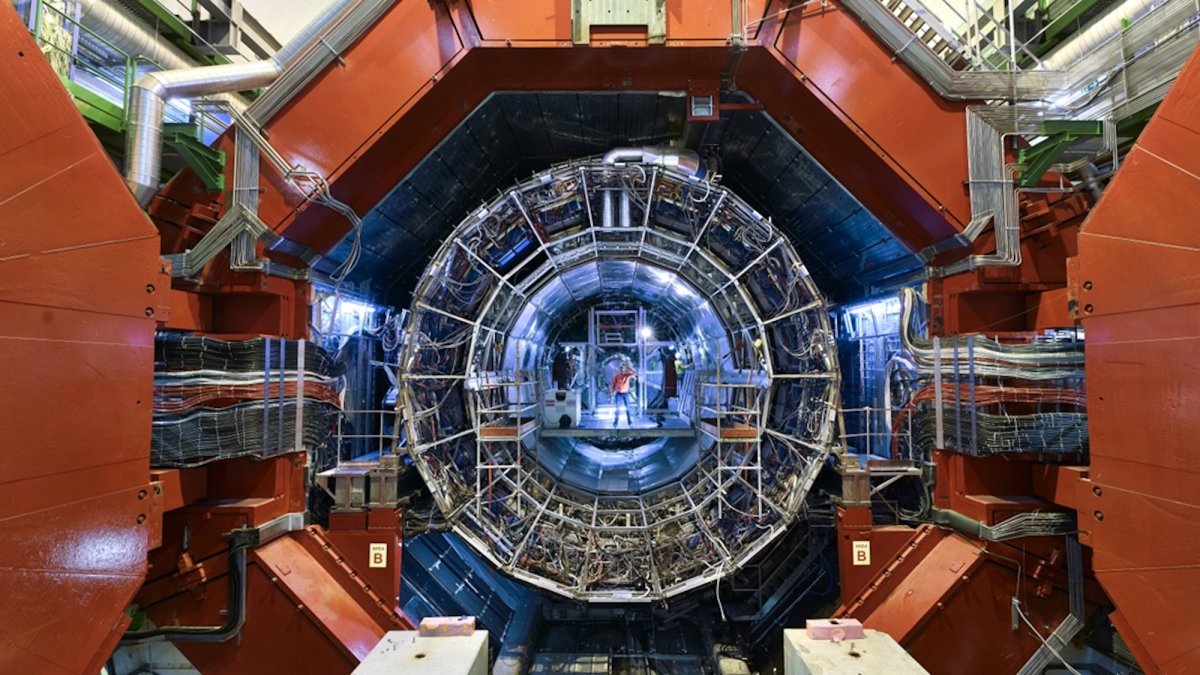
🌌
Scientists smash atoms together to create ‘little’ big bangs
Wetenschappers botsen atomen samen om 'kleine' big bangs te creëren
Des scientifiques s'affrontent pour créer de 'petits' big bangs
It's fascinating to think that scientists are recreating moments from the universe's infancy by smashing atoms together! This research shows that quark-gluon plasma can actually form from lighter elements like oxygen and neon, challenging previous beliefs. The team at CERN is uncovering the shapes of atomic nuclei through these high-energy collisions, revealing patterns that are reminiscent of cosmic events. Each experiment brings us closer to understanding the very fabric of our universe and its earliest moments.
Het is fascinerend om te bedenken dat wetenschappers momenten uit de kindertijd van het universum recreëren door atomen samen te botsen! Dit onderzoek toont aan dat quark-gluon plasma daadwerkelijk kan ontstaan uit lichtere elementen zoals zuurstof en neon, wat eerdere overtuigingen uitdaagt. Het team van CERN onthult de vormen van atoomkernen door deze botsingen met hoge energie, en onthult patronen die doen denken aan kosmische gebeurtenissen. Elk experiment brengt ons dichter bij het begrijpen van de essentie van ons universum en zijn vroegste momenten.
C'est fascinant de penser que les scientifiques recréent des moments de l'enfance de l'univers en faisant s'affronter des atomes ! Cette recherche montre que le plasma quark-gluon peut en fait se former à partir d'éléments plus légers comme l'oxygène et le néon, remettant en question des croyances antérieures. L'équipe du CERN découvre les formes des noyaux atomiques grâce à ces collisions à haute énergie, révélant des motifs rappelant des événements cosmiques. Chaque expérience nous rapproche de la compréhension de la structure même de notre univers et de ses premiers moments.
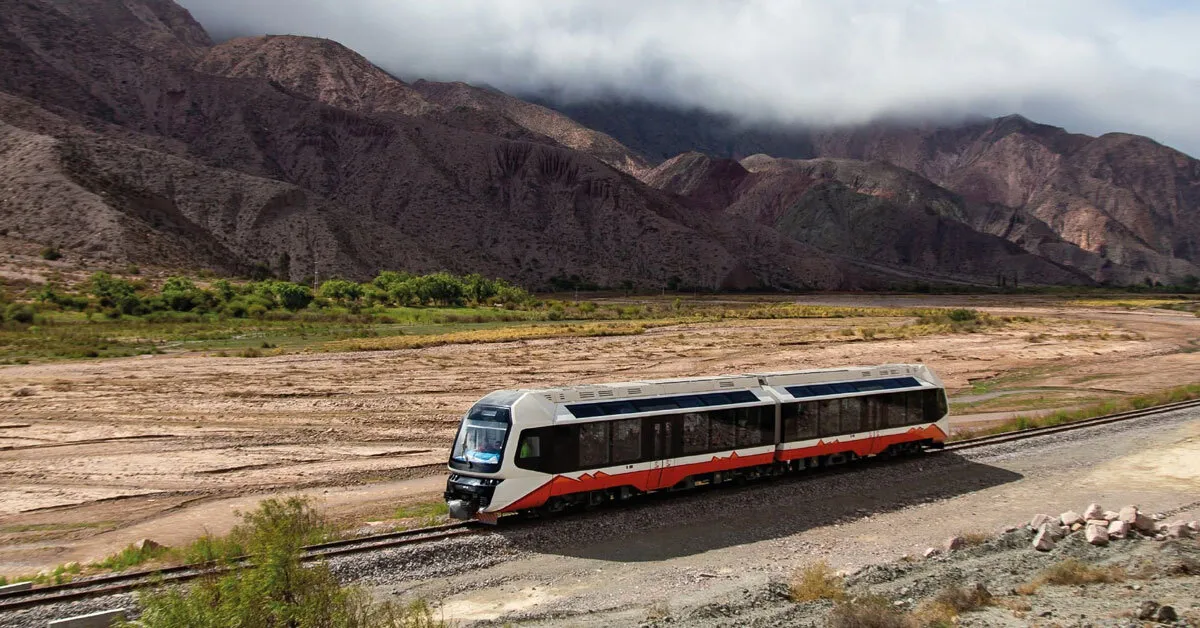
🚂
Latin America's first solar-powered train travels through a stunning 10,000-year-old canyon
De eerste zonne-energie trein van Latijns-Amerika reist door een prachtige 10.000 jaar oude canyon
Le premier train solaire d'Amérique latine traverse un canyon magnifique vieux de 10 000 ans
So, have you heard about Argentina’s Tren Solar de la Quebrada? This amazing solar-powered luxury train is not just a mode of transport, but an experience that connects travelers to a UNESCO World Heritage Site! It runs through the breathtaking Quebrada de Humahuaca canyon, which has been a vital trade route for over 10,000 years. With a commitment to sustainability, the train also supports local communities by offering social responsibility programs for passengers. It's a beautiful blend of history and modern innovation, making it a must-try for anyone visiting the region!
Dus, heb je gehoord van de Tren Solar de la Quebrada in Argentinië? Deze geweldige luxe trein op zonne-energie is niet alleen een vervoermiddel, maar ook een ervaring die reizigers verbindt met een UNESCO-werelderfgoedlocatie! Hij rijdt door de adembenemende canyon Quebrada de Humahuaca, die al meer dan 10.000 jaar een belangrijke handelsroute is. Met een toewijding aan duurzaamheid ondersteunt de trein ook lokale gemeenschappen door sociale verantwoordelijkheidsprogramma's voor passagiers aan te bieden.
Alors, avez-vous entendu parler du Tren Solar de la Quebrada en Argentine ? Ce magnifique train de luxe alimenté par l'énergie solaire n'est pas seulement un moyen de transport, mais une expérience qui relie les voyageurs à un site classé au patrimoine mondial de l'UNESCO ! Il traverse le canyon spectaculaire de Quebrada de Humahuaca, qui est une route commerciale vitale depuis plus de 10 000 ans. Avec un engagement envers la durabilité, le train soutient également les communautés locales en offrant des programmes de responsabilité sociale pour les passagers.

🌍
Breakthrough in the fight against contrails. AI to examine 10,000 flights
Doorbraak in de strijd tegen condensstrepen. AI onderzoekt 10.000 vluchten
Percée dans la lutte contre les traînées de condensation. L'IA examinera 10 000 vols
So, there's some exciting news in the world of aviation and climate! Researchers are using artificial intelligence to tackle the issue of persistent contrails, which contribute to climate change. Through the Operation Blue Skies project, they’ll analyze 10,000 flights, making slight altitude adjustments to reduce contrail formation. This could lead to significant benefits for our environment, and I can't wait to see the results!
Er is spannend nieuws in de wereld van de luchtvaart en het klimaat! Onderzoekers gebruiken kunstmatige intelligentie om het probleem van aanhoudende condensstrepen aan te pakken, die bijdragen aan klimaatverandering. Via het project Operation Blue Skies zullen ze 10.000 vluchten analyseren en kleine hoogte-aanpassingen maken om de vorming van condensstrepen te verminderen. Dit kan leiden tot aanzienlijke voordelen voor ons milieu, en ik kan niet wachten om de resultaten te zien!
Il y a des nouvelles passionnantes dans le monde de l'aviation et du climat ! Des chercheurs utilisent l'intelligence artificielle pour s'attaquer au problème des traînées de condensation persistantes, qui contribuent au changement climatique. Grâce au projet Operation Blue Skies, ils analyseront 10 000 vols, en effectuant de légers ajustements d'altitude pour réduire la formation de traînées. Cela pourrait entraîner des avantages significatifs pour notre environnement, et j'ai hâte de voir les résultats !
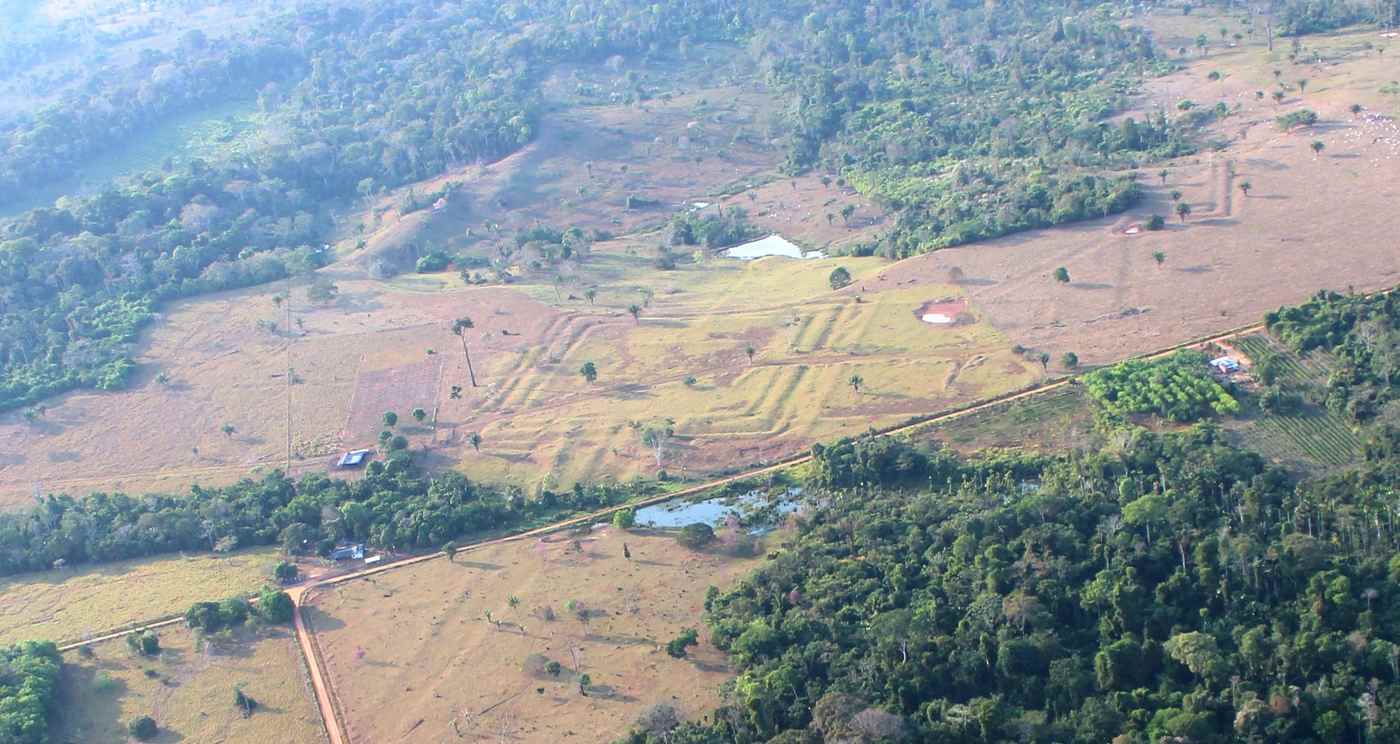
🌍
Archaeologists triple the scale of an ancient Amazonian civilization we know almost nothing about
Archeologen verdriedubbelen de omvang van een oude Amazonebeschaving waar we bijna niets van weten
Les archéologues triplent l'échelle d'une ancienne civilisation amazonienne que nous connaissons presque rien
So, here's the exciting news! Archaeologists have recently discovered hundreds of geometric earthworks in the Amazon, revealing a precolonial civilization much larger than we ever imagined. Using advanced LiDAR technology, they mapped out a staggering area that could contain between 24,000 and 30,000 of these structures. This Aquiry civilization, known for its ceremonial enclosures, may have supported a population comparable to the Late Preclassical Mayans. It's incredible to think about the hidden history beneath the jungle canopy, waiting to be uncovered!
Dus, hier is het spannende nieuws! Archeologen hebben onlangs honderden geometrische aardeconstructies in de Amazone ontdekt, wat een prekoloniale beschaving onthult die veel groter is dan we ooit hadden gedacht. Met behulp van geavanceerde LiDAR-technologie hebben ze een verbluffend gebied in kaart gebracht dat tussen de 24.000 en 30.000 van deze structuren kan bevatten. Deze Aquiry-beschaving, bekend om zijn ceremoniële omheiningen, zou een bevolking hebben ondersteund die vergelijkbaar is met die van de Late Preclassical Maya. Het is ongelooflijk om na te denken over de verborgen geschiedenis onder het bladerdak van de jungle, die wacht om ontdekt te worden!
Alors, voici la nouvelle excitante ! Des archéologues ont récemment découvert des centaines de constructions géométriques en Amazonie, révélant une civilisation précoloniale beaucoup plus grande que nous ne l'avions jamais imaginé. En utilisant la technologie LiDAR avancée, ils ont cartographié une zone stupéfiante qui pourrait contenir entre 24 000 et 30 000 de ces structures. Cette civilisation Aquiry, connue pour ses enceintes cérémonielles, aurait pu soutenir une population comparable à celle des Mayas préclassiques tardifs. C'est incroyable de penser à l'histoire cachée sous la canopée de la jungle, attendant d'être découverte !
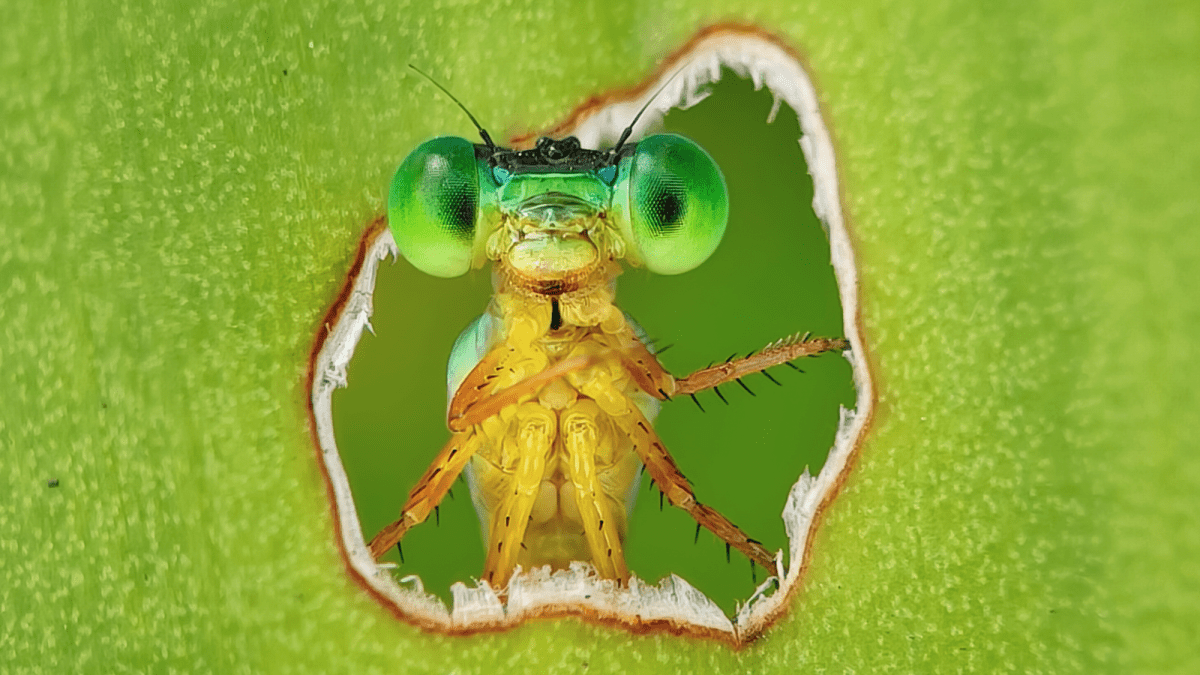
🌍
11 stunning images celebrating Earth’s life—and the scientists who study it
11 verbluffende beelden ter ere van het leven op aarde - en de wetenschappers die het bestuderen
11 images époustouflantes célébrant la vie sur Terre - et les scientifiques qui l'étudient
I’m absolutely thrilled to share the winners of the 2026 BMC Ecology and Evolution image competition! The overall winner is a captivating photo of a marsh dart damselfly peering through a leaf, showcasing the beauty of freshwater biodiversity. It’s amazing how these images not only celebrate life on Earth but also highlight the vital work of scientists protecting our planet. Each photo tells a story about the intricate relationships in nature and the importance of preserving our ecosystems.
Ik ben absoluut enthousiast om de winnaars van de 2026 BMC Ecology and Evolution beeldwedstrijd te delen! De overall winnaar is een fascinerende foto van een marsdart-damselvlieg die door een blad gluurt, en de schoonheid van de biodiversiteit in zoetwater laat zien. Het is geweldig hoe deze beelden niet alleen het leven op aarde vieren, maar ook het belangrijke werk van wetenschappers die onze planeet beschermen benadrukken. Elke foto vertelt een verhaal over de ingewikkelde relaties in de natuur en het belang van het behoud van onze ecosystemen.
Je suis absolument ravi de partager les gagnants du concours d'images BMC Ecology and Evolution 2026 ! Le gagnant général est une photo captivante d'une demoiselle à queue orange regardant à travers une feuille, mettant en valeur la beauté de la biodiversité d'eau douce. C'est incroyable de voir comment ces images célèbrent non seulement la vie sur Terre, mais soulignent également le travail vital des scientifiques qui protègent notre planète. Chaque photo raconte une histoire sur les relations complexes dans la nature et l'importance de préserver nos écosystèmes.

🦖
Footprints may reveal biggest known mammal from age of the dinosaurs
Voetafdrukken kunnen de grootste bekende zoogdier uit het tijdperk van de dinosauriërs onthullen
Des empreintes pourraient révéler le plus grand mammifère connu de l'époque des dinosaures
About 130 million years ago, a remarkable mammal made its mark in what is now southern Brazil, and it could be the largest mammal to have coexisted with dinosaurs. Researchers found fossilized footprints that suggest this creature was about the size of a large dog or even a mountain lion, which is quite surprising given that most mammals at the time were much smaller. The discovery was made in the Botucatu Formation, a treasure trove of fossilized tracks. This find could change our understanding of mammalian evolution during the age of dinosaurs.
Ongeveer 130 miljoen jaar geleden liet een opmerkelijk zoogdier zijn sporen na in wat nu het zuiden van Brazilië is, en het zou het grootste zoogdier kunnen zijn dat samenleefde met dinosauriërs. Onderzoekers vonden gefossiliseerde voetafdrukken die suggereren dat dit wezen ongeveer zo groot was als een grote hond of zelfs een poema, wat verrassend is gezien het feit dat de meeste zoogdieren in die tijd veel kleiner waren. De ontdekking werd gedaan in de Botucatu-formatie, een schatkamer van gefossiliseerde sporen. Deze vondst zou ons begrip van de evolutie van zoogdieren tijdens het tijdperk van de dinosauriërs kunnen veranderen.
Il y a environ 130 millions d'années, un mammifère remarquable a laissé ses empreintes dans ce qui est aujourd'hui le sud du Brésil, et il pourrait être le plus grand mammifère à avoir coexisté avec les dinosaures. Les chercheurs ont trouvé des empreintes fossilisées qui suggèrent que cette créature mesurait environ la taille d'un grand chien ou même d'un puma, ce qui est assez surprenant étant donné que la plupart des mammifères de l'époque étaient beaucoup plus petits. La découverte a été faite dans la formation de Botucatu, un véritable trésor d'empreintes fossilisées. Cette découverte pourrait changer notre compréhension de l'évolution des mammifères à l'époque des dinosaures.
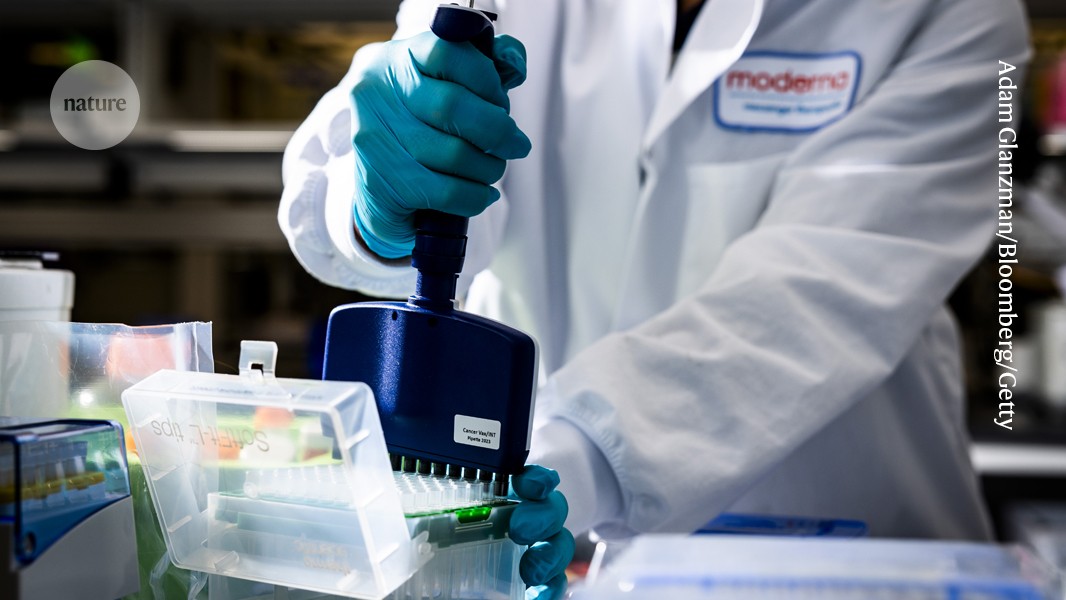
🌟
Moderna cancer vaccine stops melanoma returning: what’s next for personalized treatments?
Moderna-kankervaccin voorkomt terugkeer van melanoom: wat nu voor gepersonaliseerde behandelingen?
Le vaccin contre le cancer de Moderna empêche le retour du mélanome : quelles sont les prochaines étapes pour les traitements personnalisés ?
A groundbreaking cancer vaccine developed by Moderna and Merck has shown promising results in reducing melanoma recurrence. This personalized mRNA vaccine, which utilizes the same technology as COVID-19 shots, is the first of its kind to succeed in a late-stage trial. The study, involving around 1,100 participants, demonstrated that those receiving the vaccine alongside immunotherapy had better outcomes than those on immunotherapy alone. This could pave the way for more tailored cancer treatments and even inspire advancements in treating rare genetic conditions.
Een baanbrekend kankervaccin ontwikkeld door Moderna en Merck heeft veelbelovende resultaten laten zien in het verminderen van de terugkeer van melanoom. Dit gepersonaliseerde mRNA-vaccin, dat dezelfde technologie gebruikt als de COVID-19-prikken, is de eerste in zijn soort die succesvol is in een fase III-studie. De studie, met ongeveer 1.100 deelnemers, toonde aan dat degenen die het vaccin samen met immunotherapie kregen, betere resultaten hadden dan degenen die alleen immunotherapie kregen. Dit kan de weg vrijmaken voor meer op maat gemaakte kankertreatments en zelfs inspiratie bieden voor vooruitgangen in de behandeling van zeldzame genetische aandoeningen.
Un vaccin contre le cancer révolutionnaire développé par Moderna et Merck a montré des résultats prometteurs dans la réduction de la récidive du mélanome. Ce vaccin personnalisé à base d'ARNm, qui utilise la même technologie que les vaccins contre la COVID-19, est le premier de son genre à réussir dans un essai de phase III. L'étude, impliquant environ 1 100 participants, a démontré que ceux recevant le vaccin en plus de l'immunothérapie avaient de meilleurs résultats que ceux sous immunothérapie seule. Cela pourrait ouvrir la voie à des traitements contre le cancer plus personnalisés et même inspirer des avancées dans le traitement de conditions génétiques rares.

🌳
Sacred forests, ancient rules: how India’s communities have protected nature for centuries
Heilige bossen, oude regels: hoe de gemeenschappen van India de natuur al eeuwenlang beschermen
Forêts sacrées, règles anciennes : comment les communautés indiennes protègent la nature depuis des siècles
In India, many forests are seen as sacred spaces, where ancient rules protect nature from exploitation. These sacred groves, often rich in biodiversity, are maintained by communities through cultural traditions passed down through generations. As modern development threatens these areas, the importance of these age-old practices is becoming more relevant than ever. They not only safeguard ecosystems but also provide essential resources for local communities.
In India worden veel bossen gezien als heilige ruimtes, waar oude regels de natuur beschermen tegen uitbuiting. Deze heilige bossen, vaak rijk aan biodiversiteit, worden onderhouden door gemeenschappen via culturele tradities die van generatie op generatie zijn doorgegeven. Terwijl moderne ontwikkelingen deze gebieden bedreigen, wordt het belang van deze eeuwenoude praktijken relevanter dan ooit. Ze beschermen niet alleen ecosystemen, maar bieden ook essentiële middelen voor lokale gemeenschappen.
En Inde, de nombreuses forêts sont considérées comme des espaces sacrés, où d'anciennes règles protègent la nature de l'exploitation. Ces forêts sacrées, souvent riches en biodiversité, sont entretenues par des communautés à travers des traditions culturelles transmises de génération en génération. Alors que le développement moderne menace ces zones, l'importance de ces pratiques anciennes devient plus pertinente que jamais. Elles protègent non seulement les écosystèmes, mais fournissent également des ressources essentielles aux communautés locales.
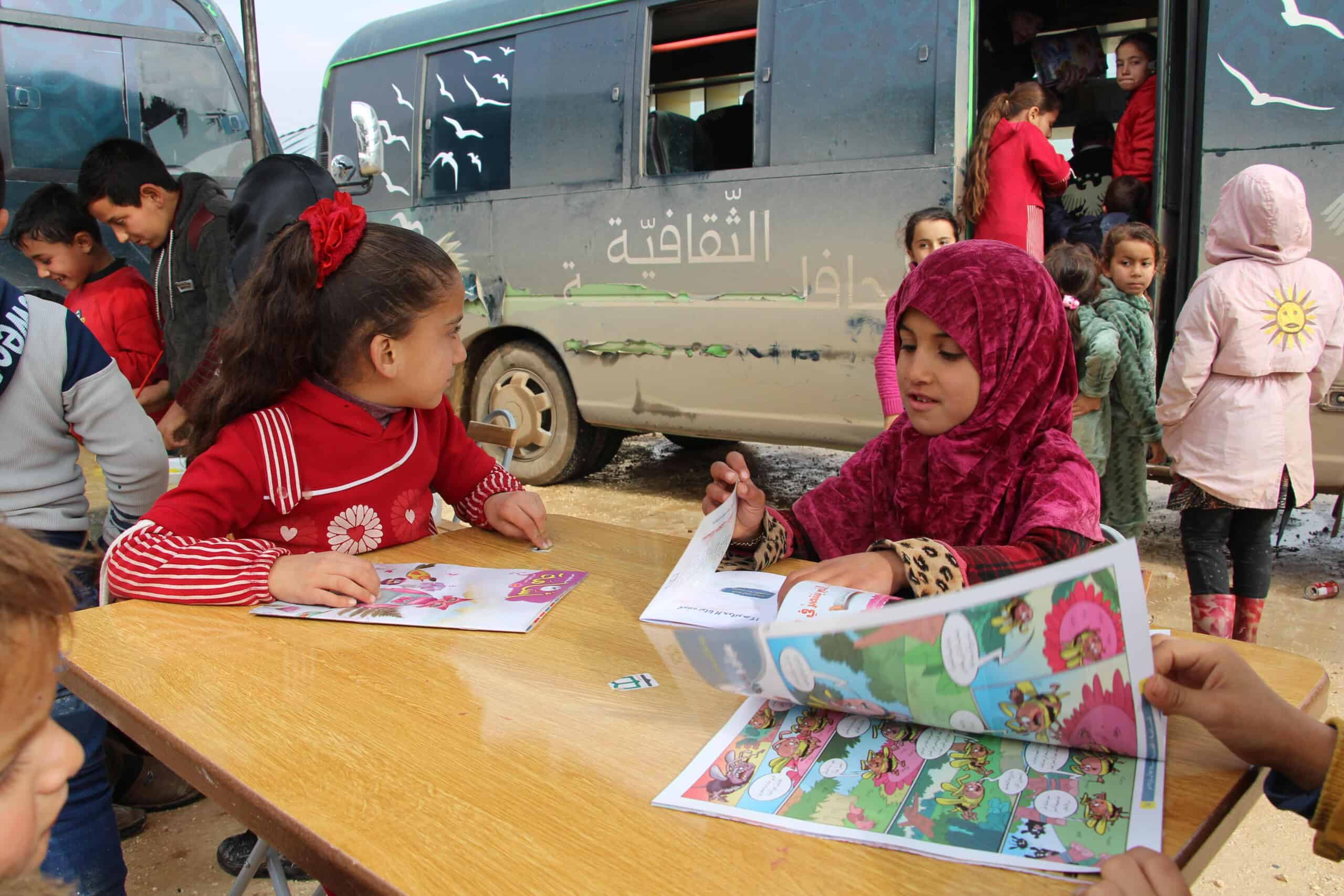
📚
The mobile library bringing books to rural Syria
De mobiele bibliotheek die boeken naar plattelands Syrië brengt
La bibliothèque mobile apportant des livres dans la Syrie rurale
In rural Syria, a vibrant mobile library is transforming children's lives by bringing books, art, and joy right to their camps. This colorful bus, filled with stories and creative activities, has become a beacon of hope for kids who have known only war and fear. As they gather around, laughter fills the air, and for a few hours, they can escape into a world of imagination. It's a beautiful initiative that reminds us of the power of culture and creativity in even the toughest circumstances.
In het plattelands Syrië transformeert een levendige mobiele bibliotheek het leven van kinderen door boeken, kunst en vreugde naar hun kampen te brengen. Deze kleurrijke bus, vol verhalen en creatieve activiteiten, is een baken van hoop voor kinderen die alleen oorlog en angst hebben gekend. Terwijl ze zich verzamelen, vult het gelach de lucht en kunnen ze voor een paar uur ontsnappen in een wereld van verbeelding. Het is een prachtig initiatief dat ons herinnert aan de kracht van cultuur en creativiteit, zelfs in de moeilijkste omstandigheden.
Dans la Syrie rurale, une bibliothèque mobile colorée transforme la vie des enfants en apportant des livres, de l'art et de la joie directement dans leurs camps. Ce bus vibrant, rempli d'histoires et d'activités créatives, est devenu un phare d'espoir pour les enfants qui n'ont connu que la guerre et la peur. Alors qu'ils se rassemblent, les rires remplissent l'air et, pendant quelques heures, ils peuvent s'évader dans un monde d'imagination. C'est une belle initiative qui nous rappelle le pouvoir de la culture et de la créativité même dans les circonstances les plus difficiles.
🐌
Humans have learned to fear ‘bugs’, but we shouldn’t – life as we know it hinges on invertebrates
Mensen hebben geleerd om 'beestjes' te vrezen, maar dat zouden we niet moeten doen – het leven zoals we dat kennen hangt af van ongewervelden
Les humains ont appris à craindre les 'insectes', mais nous ne devrions pas – la vie telle que nous la connaissons dépend des invertébrés
It's fascinating how many of us fear creatures we label as 'bugs', but invertebrates are crucial to our ecosystems. Chris Packham highlights the importance of celebrating these often-overlooked animals, like the leaf sheep, which has a unique life cycle and contributes to our environment in amazing ways. He encourages us to learn more about these creatures and take action to protect them, especially by advocating for better pesticide regulations. The urgency of this message is clear – we need to shift our perspective and appreciate the beauty and diversity of invertebrate life.
Het is fascinerend hoe velen van ons vrezen voor wezens die we 'beestjes' noemen, maar ongewervelden zijn cruciaal voor onze ecosystemen. Chris Packham benadrukt het belang van het vieren van deze vaak over het hoofd geziene dieren, zoals de blad-schaap, die een unieke levenscyclus heeft en op verbazingwekkende manieren bijdraagt aan onze omgeving. Hij moedigt ons aan om meer te leren over deze wezens en actie te ondernemen om ze te beschermen, vooral door te pleiten voor betere pesticidenregelingen. De urgentie van deze boodschap is duidelijk – we moeten onze kijk veranderen en de schoonheid en diversiteit van ongewerveld leven waarderen.
Il est fascinant de constater que beaucoup d'entre nous craignent les créatures que nous qualifions de 'bugs', mais les invertébrés sont essentiels à nos écosystèmes. Chris Packham souligne l'importance de célébrer ces animaux souvent négligés, comme le mouton de feuille, qui a un cycle de vie unique et contribue à notre environnement de manière incroyable. Il nous encourage à en apprendre davantage sur ces créatures et à agir pour les protéger, notamment en plaidant pour de meilleures réglementations sur les pesticides. L'urgence de ce message est claire – nous devons changer notre perspective et apprécier la beauté et la diversité de la vie des invertébrés.

🌍
The next big thing in hydrogen could be underground
De volgende grote stap in waterstof zou ondergronds kunnen zijn
La prochaine grande avancée dans l'hydrogène pourrait être souterraine
There's a fascinating new trend in the search for naturally occurring hydrogen gas, and it's happening underground! Researchers are discovering hydrogen resources in various regions, including the Midwest of the U.S., where geological conditions are just right. Companies like HyTerra and Koloma are leading the charge, exploring how much hydrogen can be produced naturally and how to capture it effectively. With innovative methods like stimulated geologic hydrogen, the future of clean hydrogen production looks promising and could revolutionize the energy landscape.
Er is een fascinerende nieuwe trend in de zoektocht naar van nature voorkomende waterstofgas, en die vindt ondergronds plaats! Onderzoekers ontdekken waterstofbronnen in verschillende regio's, waaronder het Midwesten van de VS, waar de geologische omstandigheden perfect zijn. Bedrijven zoals HyTerra en Koloma leiden de weg en onderzoeken hoeveel waterstof er natuurlijk kan worden geproduceerd en hoe dit effectief kan worden vastgelegd. Met innovatieve methoden zoals gestimuleerde geologische waterstof ziet de toekomst van schone waterstofproductie er veelbelovend uit en kan het het energielandschap revolutioneren.
Il y a une nouvelle tendance fascinante dans la recherche d'hydrogène naturel, et cela se passe sous terre ! Les chercheurs découvrent des ressources en hydrogène dans diverses régions, y compris le Midwest des États-Unis, où les conditions géologiques sont idéales. Des entreprises comme HyTerra et Koloma sont à la pointe de cette exploration, cherchant à déterminer combien d'hydrogène peut être produit naturellement et comment le capturer efficacement. Avec des méthodes innovantes comme l'hydrogène géologique stimulé, l'avenir de la production d'hydrogène propre semble prometteur et pourrait révolutionner le paysage énergétique.
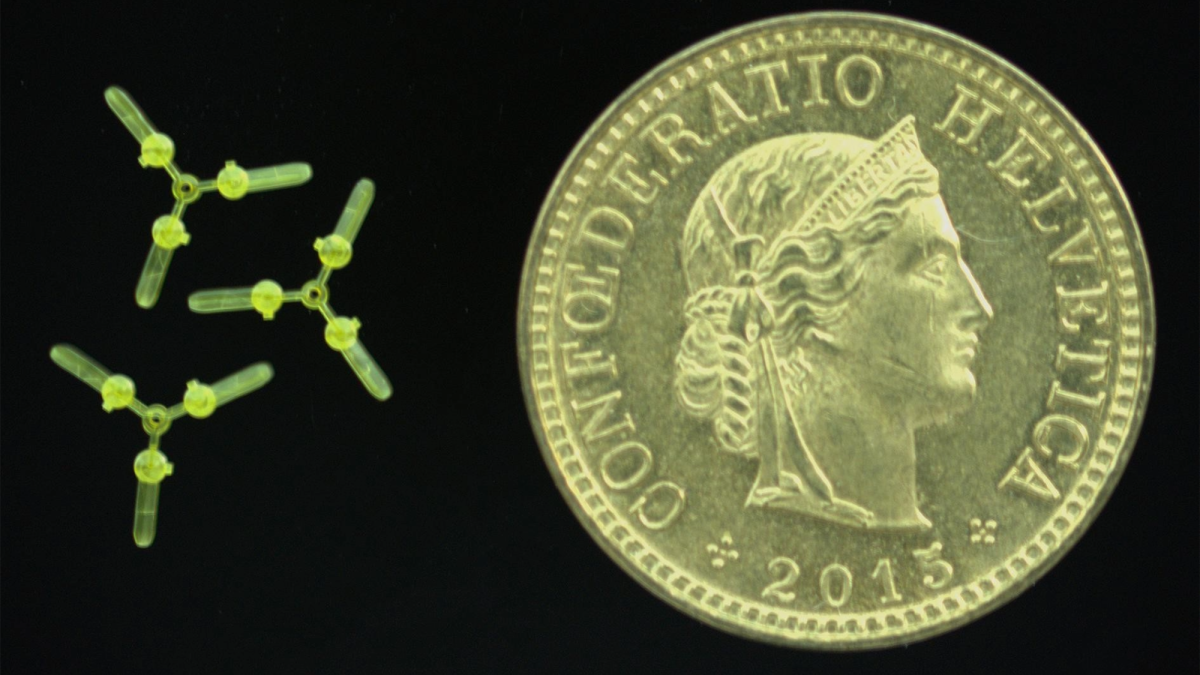
🚀
Sound waves power these tiny drones
Geluidsgolven stuwen deze kleine drones
Des ondes sonores alimentent ces petits drones
Engineers have found a fascinating way to power tiny drones using sound waves, something we encounter every day! This innovative technology relies on Helmholtz resonance, which allows sound waves to create thrust and movement. By 3D printing various cavities, the team was able to design miniature boats and drones that respond to specific frequencies. Imagine the possibilities as these devices could get even smaller and more advanced, potentially changing shape in response to sound!
Ingenieurs hebben een fascinerende manier gevonden om kleine drones aan te drijven met geluidsgolven, iets wat we elke dag tegenkomen! Deze innovatieve technologie is gebaseerd op Helmholtz-resonantie, waardoor geluidsgolven stuwkracht en beweging creëren. Door verschillende holtes te 3D-printen, kon het team miniatuurboten en drones ontwerpen die reageren op specifieke frequenties. Stel je de mogelijkheden voor als deze apparaten nog kleiner en geavanceerder kunnen worden, en mogelijk van vorm kunnen veranderen als reactie op geluid!
Des ingénieurs ont découvert une manière fascinante d'alimenter de petits drones avec des ondes sonores, quelque chose que nous rencontrons tous les jours ! Cette technologie innovante repose sur la résonance de Helmholtz, qui permet aux ondes sonores de créer une poussée et un mouvement. En imprimant en 3D diverses cavités, l'équipe a pu concevoir des bateaux miniatures et des drones qui réagissent à des fréquences spécifiques. Imaginez les possibilités alors que ces dispositifs pourraient devenir encore plus petits et plus avancés, changeant potentiellement de forme en réponse au son !

🌱
Ultra low emission zones linked to improved lung capacity in kids: UK study
Ultra lage-emissiezones gekoppeld aan verbeterde longcapaciteit bij kinderen: Britse studie
Zones à ultra faibles émissions liées à une amélioration de la capacité pulmonaire chez les enfants : étude britannique
A recent study has shown that children’s lung capacity in London improved significantly after the introduction of ultra low emission zones. Researchers found that the lung function of over 3,000 children aged six to nine was restored to healthy levels after reducing exposure to pollution. This evidence supports the wider implementation of clean air zones as a vital public health measure. It’s exciting to see such positive results, especially since they suggest that cleaner air can lead to better lung growth in kids.
Een recente studie heeft aangetoond dat de longcapaciteit van kinderen in Londen aanzienlijk verbeterde na de invoering van ultra lage-emissiezones. Onderzoekers ontdekten dat de longfunctie van meer dan 3.000 kinderen van zes tot negen jaar werd hersteld naar gezonde niveaus na vermindering van de blootstelling aan vervuiling. Dit bewijs ondersteunt de bredere implementatie van schone luchtzones als een belangrijke maatregel voor de volksgezondheid. Het is opwindend om zulke positieve resultaten te zien, vooral omdat ze suggereren dat schonere lucht kan leiden tot een betere longgroei bij kinderen.
Une étude récente a montré que la capacité pulmonaire des enfants à Londres s'est considérablement améliorée après l'introduction de zones à ultra faibles émissions. Les chercheurs ont constaté que la fonction pulmonaire de plus de 3 000 enfants âgés de six à neuf ans a été restaurée à des niveaux sains après avoir réduit l'exposition à la pollution. Cette preuve soutient la mise en œuvre plus large de zones de nettoyage de l'air comme une mesure essentielle de santé publique. C'est excitant de voir de tels résultats positifs, surtout parce qu'ils suggèrent qu'un air plus pur peut conduire à une meilleure croissance pulmonaire chez les enfants.

😊
Psychologists say these four ‘savoring techniques’ trick our minds into feeling instantly happier
Psychologen zeggen dat deze vier 'savoring technieken' onze geest onmiddellijk gelukkiger maken
Les psychologues disent que ces quatre 'techniques de savourer' trompent notre esprit pour se sentir instantanément plus heureux
So, happiness is something we can all work on, right? Arthur C. Brooks shares four savoring techniques that can really shift our mindset towards joy. First, he suggests smiling to trick our brains into feeling happier. Then, being present in the moment and sharing positive experiences with others can enhance our happiness even more. Lastly, he talks about mental time travel, which helps us reminisce about good times or look forward to future joys.
Dus, geluk is iets waar we allemaal aan kunnen werken, toch? Arthur C. Brooks deelt vier savoring technieken die onze mindset naar vreugde kunnen verschuiven. Ten eerste stelt hij voor om te glimlachen om onze hersenen te bedriegen en gelukkiger te voelen. Vervolgens kan het aanwezig zijn in het moment en het delen van positieve ervaringen met anderen ons geluk nog verder vergroten. Ten slotte spreekt hij over mentale tijdreizen, wat ons helpt om terug te denken aan goede tijden of uit te kijken naar toekomstige vreugden.
Alors, le bonheur est quelque chose sur lequel nous pouvons tous travailler, n'est-ce pas ? Arthur C. Brooks partage quatre techniques de savourer qui peuvent vraiment changer notre état d'esprit vers la joie. Tout d'abord, il suggère de sourire pour tromper notre cerveau et nous sentir plus heureux. Ensuite, être présent dans le moment et partager des expériences positives avec les autres peut encore renforcer notre bonheur. Enfin, il parle de voyage mental dans le temps, ce qui nous aide à nous remémorer de bons moments ou à anticiper des joies futures.
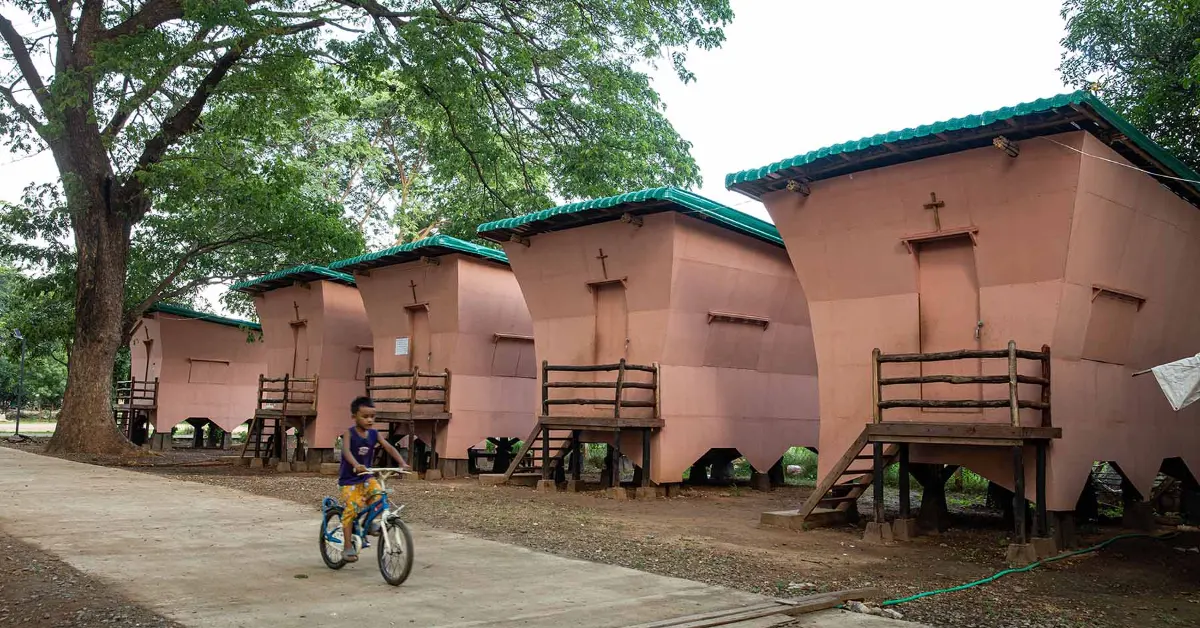
🏡
Bamboo tiny homes survive a 7.7 magnitude earthquake. They were built for the price of a smartphone
Bamboe tiny homes overleven een aardbeving van 7,7 magnitude. Ze zijn gebouwd voor de prijs van een smartphone
Des maisons en bambou survivent à un tremblement de terre de 7,7 magnitude. Elles ont été construites au prix d'un smartphone
So, back in 2019, an architecture firm called Blue Temple set out to create affordable housing for families in Myanmar affected by civil war. They built these amazing bamboo homes for just about $1,000 each, and guess what? A week after they were completed, a massive 7.7-magnitude earthquake hit the area, but these little houses stood strong and undamaged! The design is clever, using local bamboo that’s both cheap and strong, allowing for flexibility during seismic events. Now, Blue Temple is even sharing a DIY manual to help families build their own homes — how cool is that?
Dus, in 2019 besloot een architectenbureau genaamd Blue Temple betaalbare woningen te creëren voor gezinnen in Myanmar die door de burgeroorlog waren getroffen. Ze bouwden deze geweldige bamboehuizen voor ongeveer $1.000 per stuk, en raad eens? Een week nadat ze waren voltooid, trof een enorme aardbeving van 7,7 magnitude het gebied, maar deze kleine huizen bleven sterk en onbeschadigd! Het ontwerp is slim, met lokaal bamboe dat zowel goedkoop als sterk is, waardoor het flexibiliteit biedt tijdens seismische gebeurtenissen. Nu deelt Blue Temple zelfs een doe-het-zelfhandleiding om gezinnen te helpen hun eigen huizen te bouwen — hoe gaaf is dat?
Alors, en 2019, un cabinet d'architecture appelé Blue Temple a décidé de créer des logements abordables pour les familles en Birmanie touchées par la guerre civile. Ils ont construit ces incroyables maisons en bambou pour environ 1 000 $ chacune, et devinez quoi ? Une semaine après leur achèvement, un tremblement de terre massif de 7,7 magnitude a frappé la région, mais ces petites maisons sont restées solides et intactes ! Le design est astucieux, utilisant du bambou local qui est à la fois bon marché et résistant, permettant une flexibilité lors des événements sismiques. Maintenant, Blue Temple partage même un manuel de bricolage pour aider les familles à construire leurs propres maisons — c'est génial, non ?
🧠
AI-designed intrabodies could unlock new treatments for Alzheimer’s, Parkinson’s and MND
AI-ontworpen intrabodies kunnen nieuwe behandelingen voor Alzheimer, Parkinson en MND ontsluiten
Des intrabodies conçus par IA pourraient débloquer de nouveaux traitements pour Alzheimer, Parkinson et la MND
Researchers at the University of Essex have made a groundbreaking discovery in the fight against neurodegenerative diseases like Alzheimer's and Parkinson's. They've developed tiny antibody fragments, known as intrabodies, that can be produced inside human cells and target disease-related proteins. This innovative approach, powered by artificial intelligence, could revolutionize how we study and treat these conditions. The potential for new therapeutic strategies is exciting, especially since millions of existing antibodies could be repurposed for this purpose.
Onderzoekers aan de Universiteit van Essex hebben een baanbrekende ontdekking gedaan in de strijd tegen neurodegeneratieve ziekten zoals Alzheimer en Parkinson. Ze hebben kleine antilichaamfragmenten ontwikkeld, bekend als intrabodies, die binnen menselijke cellen kunnen worden geproduceerd en ziektegerelateerde eiwitten kunnen targeten. Deze innovatieve benadering, aangedreven door kunstmatige intelligentie, zou de manier waarop we deze aandoeningen bestuderen en behandelen kunnen revolutioneren. De mogelijkheden voor nieuwe therapeutische strategieën zijn opwindend, vooral omdat miljoenen bestaande antilichamen hiervoor kunnen worden hergebruikt.
Des chercheurs de l'Université d'Essex ont fait une découverte révolutionnaire dans la lutte contre les maladies neurodégénératives comme Alzheimer et Parkinson. Ils ont développé de petits fragments d'anticorps, appelés intrabodies, qui peuvent être produits à l'intérieur des cellules humaines et cibler des protéines liées à la maladie. Cette approche innovante, alimentée par l'intelligence artificielle, pourrait révolutionner notre façon d'étudier et de traiter ces conditions. Les possibilités de nouvelles stratégies thérapeutiques sont passionnantes, surtout puisque des millions d'anticorps existants pourraient être réutilisés à cette fin.
🌟
Farm companies Moderna and Merck present vaccine to treat aggressive skin cancer
Farmabedrijven Moderna en Merck stellen vaccin voor om agressieve huidkanker te behandelen
Les entreprises pharmaceutiques Moderna et Merck présentent un vaccin pour traiter le cancer de la peau agressif
So, this is exciting news! Moderna and Merck have teamed up to introduce a vaccine aimed at tackling aggressive skin cancer, which is a significant step forward in cancer treatment. This collaboration highlights the innovative approaches being taken in the medical field to combat tough diseases. It's a hopeful development for many patients and their families, showing that science continues to push boundaries.
Dit is spannend nieuws! Moderna en Merck hebben de handen ineengeslagen om een vaccin voor te stellen dat gericht is op het bestrijden van agressieve huidkanker, wat een belangrijke stap voorwaarts is in de kankerbehandeling. Deze samenwerking benadrukt de innovatieve benaderingen die in de medische wereld worden genomen om moeilijke ziekten te bestrijden. Het is een hoopvolle ontwikkeling voor veel patiënten en hun families, die laat zien dat de wetenschap grenzen blijft verleggen.
C'est une nouvelle passionnante ! Moderna et Merck se sont associés pour introduire un vaccin visant à lutter contre le cancer de la peau agressif, ce qui constitue une avancée significative dans le traitement du cancer. Cette collaboration met en lumière les approches innovantes adoptées dans le domaine médical pour combattre des maladies difficiles. C'est un développement prometteur pour de nombreux patients et leurs familles, montrant que la science continue de repousser les limites.
🔬
Tiny robots powered by light can hunt down and collect bacteria
Kleine robots aangedreven door licht kunnen bacteriën opsporen en verzamelen
De minuscules robots alimentés par la lumière peuvent traquer et collecter des bactéries
Imagine tiny robots that are so small they can operate in the microbial world - it's like something out of a sci-fi movie! These innovative machines can hunt down and collect bacteria, making them a game changer for scientists. Powered by light, they use photon recoil to move and steer with incredible precision. This means they can effectively clean microscopic environments, gathering bacteria and depositing them exactly where needed.
Stel je voor: kleine robots die zo klein zijn dat ze in de microbieel wereld kunnen opereren - het lijkt wel sciencefiction! Deze innovatieve machines kunnen bacteriën opsporen en verzamelen, wat ze een grote doorbraak maakt voor wetenschappers. Aangedreven door licht, gebruiken ze fotonrecoil om met ongelooflijke precisie te bewegen en te sturen. Dit betekent dat ze effectief microscopische omgevingen kunnen schoonmaken door bacteriën te verzamelen en ze precies daar te deponeren waar nodig.
Imaginez de minuscules robots si petites qu'elles peuvent opérer dans le monde microbien - c'est comme quelque chose tout droit sorti d'un film de science-fiction ! Ces machines innovantes peuvent traquer et collecter des bactéries, ce qui en fait un véritable changement de jeu pour les scientifiques. Alimentées par la lumière, elles utilisent le recul des photons pour se déplacer et se diriger avec une précision incroyable. Cela signifie qu'elles peuvent nettoyer efficacement les environnements microscopiques, rassemblant des bactéries et les déposant exactement où cela est nécessaire.
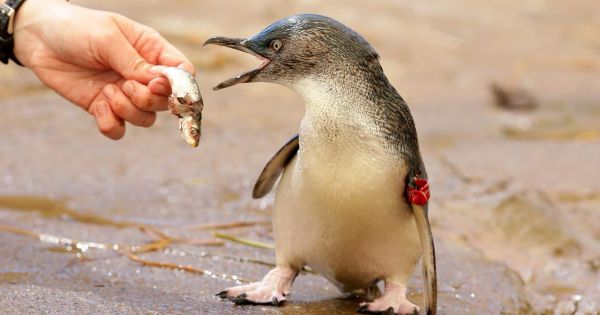
🐧
Australia launches program to vaccinate colonies of little penguins against avian influenza
Australië lanceert programma om kolonies kleine pinguïns te vaccineren tegen vogelgriep
L'Australie lance un programme de vaccination des colonies de petits pingouins contre la grippe aviaire
I find it absolutely fascinating that Australia is stepping up to protect its little penguins from avian influenza! They're planning to vaccinate over 5,000 of these adorable birds on Philip Island and St. Kilda, which is just incredible. The operations will take place at night, ensuring the penguins can receive their vaccines safely after returning from the sea. It's a crucial step, especially after the recent detection of the virus, and I can't wait to see how this program unfolds!
Ik vind het absoluut fascinerend dat Australië zich inzet om zijn kleine pinguïns te beschermen tegen vogelgriep! Ze zijn van plan om meer dan 5.000 van deze schattige vogels op Philip Island en St. Kilda te vaccineren, wat gewoon ongelooflijk is. De operaties zullen 's nachts plaatsvinden, zodat de pinguïns veilig hun vaccins kunnen krijgen nadat ze uit de zee zijn teruggekeerd. Het is een cruciale stap, vooral na de recente detectie van het virus, en ik kan niet wachten om te zien hoe dit programma zich ontwikkelt!
Je trouve absolument fascinant que l'Australie prenne des mesures pour protéger ses petits pingouins contre la grippe aviaire ! Ils prévoient de vacciner plus de 5 000 de ces adorables oiseaux sur Philip Island et St. Kilda, ce qui est tout simplement incroyable. Les opérations auront lieu la nuit, garantissant que les pingouins puissent recevoir leurs vaccins en toute sécurité après leur retour de la mer. C'est une étape cruciale, surtout après la récente détection du virus, et j'ai hâte de voir comment ce programme va se dérouler !
🌱
Renewable energy peaks in the US, despite Trump
Hernieuwbare energie piekt in VS, ondanks Trump
L'énergie renouvelable atteint un pic aux États-Unis, malgré Trump
It's fascinating to see how renewable energy is thriving in the US, even with the challenges posed by political decisions. The growth in solar and wind energy is really impressive, showcasing the resilience of the sector. This surge not only helps the environment but also creates jobs and boosts the economy. It's a clear sign that the future is bright for sustainable energy, regardless of past obstacles.
Het is fascinerend om te zien hoe hernieuwbare energie in de VS bloeit, ondanks de uitdagingen door politieke beslissingen. De groei van zonne- en windenergie is echt indrukwekkend en toont de veerkracht van de sector aan. Deze stijging helpt niet alleen het milieu, maar creëert ook banen en stimuleert de economie. Het is een duidelijk teken dat de toekomst van duurzame energie, ongeacht de obstakels uit het verleden, er rooskleurig uitziet.
Il est fascinant de voir comment l'énergie renouvelable prospère aux États-Unis, même face aux défis posés par les décisions politiques. La croissance de l'énergie solaire et éolienne est vraiment impressionnante, montrant la résilience du secteur. Cette augmentation aide non seulement l'environnement, mais crée aussi des emplois et stimule l'économie. C'est un signe clair que l'avenir de l'énergie durable est prometteur, malgré les obstacles passés.
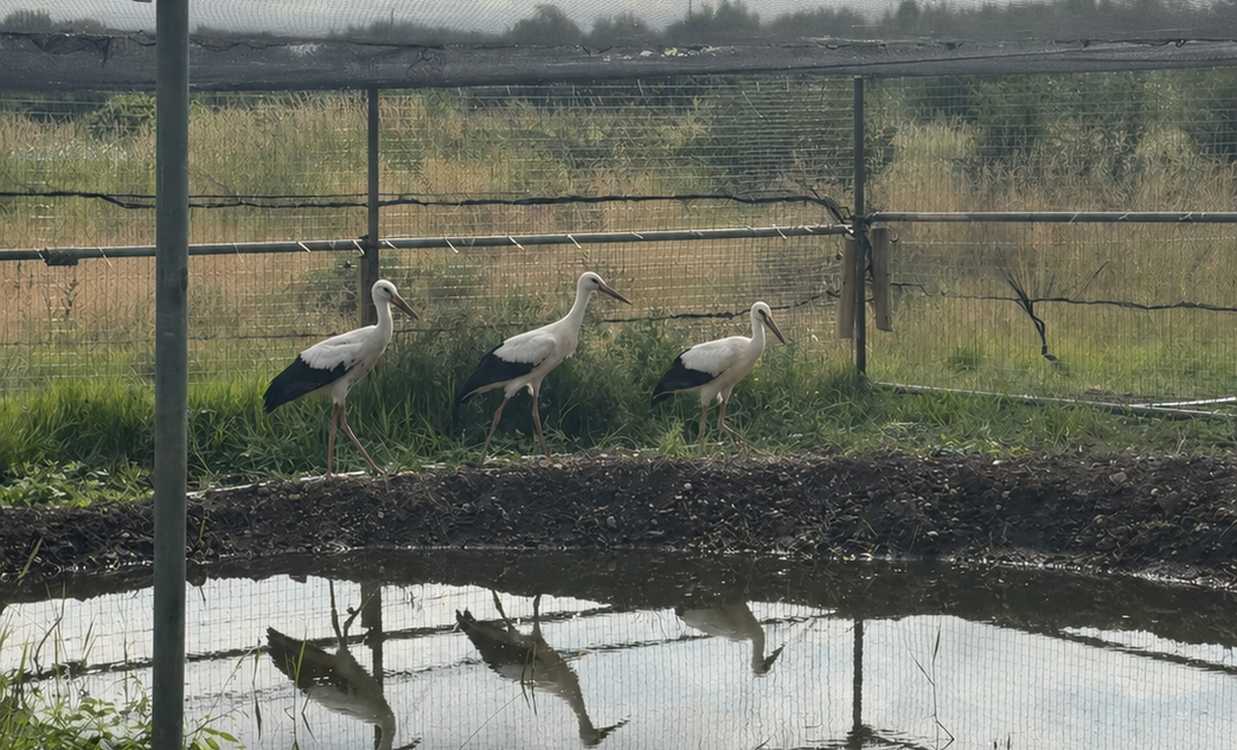
🦩
White storks make historic return to the English midlands after 600-year absence
Witte ooievaars maken historische terugkeer naar de Engelse Midlands na 600 jaar afwezigheid
Les cigognes blanches font un retour historique dans les Midlands anglais après 600 ans d'absence
Can you believe it? White storks are back in the English Midlands after a staggering 600 years! This incredible return is part of a project to create a thriving breeding colony along the River Trent, where they hope to inspire both wildlife and people alike. The Derbyshire Wildlife Trust is leading the charge, and with the help of local charities, they’re ensuring these magnificent birds have a safe place to settle. It’s a wonderful reminder of how nature can bounce back when we give it a chance!
Kun je het geloven? Witte ooievaars zijn terug in de Engelse Midlands na maar liefst 600 jaar! Deze ongelooflijke terugkeer maakt deel uit van een project om een bloeiende broedkolonie langs de rivier de Trent te creëren, waar ze hopen zowel de natuur als mensen te inspireren. De Derbyshire Wildlife Trust leidt de inspanningen en met de hulp van lokale goede doelen zorgen ze ervoor dat deze prachtige vogels een veilige plek hebben om zich te vestigen. Het is een geweldige herinnering aan hoe de natuur kan herstellen als we het een kans geven!
Peux-tu le croire ? Les cigognes blanches sont de retour dans les Midlands anglais après un incroyable délai de 600 ans ! Ce retour exceptionnel fait partie d'un projet visant à créer une colonie de reproduction prospère le long de la rivière Trent, où ils espèrent inspirer à la fois la faune et les gens. La Derbyshire Wildlife Trust est à la tête de cette initiative et, avec l'aide d'organisations locales, elle s'assure que ces magnifiques oiseaux aient un endroit sûr pour s'installer. C'est un merveilleux rappel de la façon dont la nature peut rebondir quand on lui en donne l'occasion !

🌟
A star spinning at 15,000 miles per second tests Einstein theory of relativity
Een ster die met 24.000 kilometer per seconde draait test Einsteins relativiteitstheorie
Une étoile tournant à 24 000 kilomètres par seconde teste la théorie de la relativité d'Einstein
So, there's this incredible star called S301 that's zipping around the supermassive black hole Sagittarius A* at a mind-blowing speed of over 15,500 miles per second! This star is not just fast; it’s also the closest one ever observed to the black hole, orbiting at a distance similar to that between Earth and Saturn. Researchers believe studying S301 could unlock secrets about spacetime in extreme environments, which is just fascinating! Plus, the technology used to observe it is cutting-edge, showcasing the brilliance of modern astronomy.
Dus, er is deze ongelooflijke ster genaamd S301 die rond het superzware zwarte gat Sagittarius A* raast met een verbazingwekkende snelheid van meer dan 24.000 kilometer per seconde! Deze ster is niet alleen snel; het is ook de dichtstbijzijnde die ooit is waargenomen bij het zwarte gat, met een baan op een afstand die vergelijkbaar is met die tussen de aarde en Saturnus. Onderzoekers geloven dat het bestuderen van S301 geheimen over ruimtetijd in extreme omgevingen kan onthullen, wat gewoon fascinerend is! Bovendien is de technologie die wordt gebruikt om het te observeren van de nieuwste snufjes, wat de genialiteit van de moderne astronomie laat zien.
Alors, il y a cette étoile incroyable appelée S301 qui tourne autour du trou noir supermassif Sagittarius A* à une vitesse époustouflante de plus de 24 000 kilomètres par seconde ! Cette étoile n'est pas seulement rapide ; c'est aussi la plus proche jamais observée du trou noir, orbitant à une distance similaire à celle entre la Terre et Saturne. Les chercheurs pensent que l'étude de S301 pourrait révéler des secrets sur l'espace-temps dans des environnements extrêmes, ce qui est tout simplement fascinant ! De plus, la technologie utilisée pour l'observer est à la pointe, montrant le génie de l'astronomie moderne.
🐝
Pollen has a surprising problem — and honeybees have found a way around it
Pollen heeft een verrassend probleem — en honingbijen hebben een oplossing gevonden
Le pollen a un problème surprenant — et les abeilles ont trouvé une solution
New research from the University of Oxford reveals that honeybees can adjust their eating habits based on the amino acid balance in their food. This fascinating behavior helps them avoid consuming too much of certain amino acids when pollen doesn't meet their nutritional needs. The study shows that many pollen types don't provide the ideal nutrient mix for bees, which is crucial for their growth and survival. By understanding these dynamics, we can better support healthy bee populations and improve agricultural practices.
Nieuw onderzoek van de Universiteit van Oxford onthult dat honingbijen hun eetgewoonten kunnen aanpassen op basis van de aminozuurbalans in hun voedsel. Dit fascinerende gedrag helpt hen te voorkomen dat ze te veel van bepaalde aminozuren consumeren wanneer pollen niet aan hun voedingsbehoeften voldoet. De studie toont aan dat veel pollen soorten niet de ideale voedingsmix voor bijen bieden, wat cruciaal is voor hun groei en overleving. Door deze dynamiek te begrijpen, kunnen we gezonde bijenpopulaties beter ondersteunen en landbouwpraktijken verbeteren.
De nouvelles recherches de l'Université d'Oxford révèlent que les abeilles peuvent ajuster leurs habitudes alimentaires en fonction de l'équilibre des acides aminés dans leur nourriture. Ce comportement fascinant les aide à éviter de consommer trop de certains acides aminés lorsque le pollen ne répond pas à leurs besoins nutritionnels. L'étude montre que de nombreux types de pollen ne fournissent pas le mélange idéal de nutriments pour les abeilles, ce qui est crucial pour leur croissance et leur survie. En comprenant ces dynamiques, nous pouvons mieux soutenir des populations d'abeilles saines et améliorer les pratiques agricoles.

🌳
How the trees above coffee are helping birds, bees & wildlife thrive
Hoe de bomen boven koffie vogels, bijen en wilde dieren helpen gedijen
Comment les arbres au-dessus du café aident les oiseaux, les abeilles et la faune à prospérer
So, it turns out that coffee isn't just about that morning brew – it's also about the trees that grow above it! In the Western Ghats, shade-grown coffee plantations create a vibrant ecosystem, providing homes for birds, insects, and even mammals. Research shows that these canopies not only support wildlife but also enhance coffee production by protecting soil and promoting pollination. It's a beautiful reminder of how agriculture can coexist with nature, benefiting both farmers and the environment.
Dus, het blijkt dat koffie niet alleen gaat om die ochtendbrouw – het gaat ook om de bomen die erboven groeien! In de West-Ghats creëren schaduwrijke koffieplantages een levendig ecosysteem, dat onderdak biedt aan vogels, insecten en zelfs zoogdieren. Onderzoek toont aan dat deze canopys niet alleen de wilde dieren ondersteunen, maar ook de koffieproductie verbeteren door de bodem te beschermen en de bestuiving te bevorderen. Het is een prachtige herinnering aan hoe landbouw kan samenleven met de natuur, wat zowel boeren als het milieu ten goede komt.
Alors, il s'avère que le café ne concerne pas seulement cette tasse du matin – il s'agit aussi des arbres qui poussent au-dessus ! Dans les Ghâts occidentaux, les plantations de café cultivées à l'ombre créent un écosystème vibrant, offrant des habitats pour les oiseaux, les insectes et même les mammifères. La recherche montre que ces canopées soutiennent non seulement la faune, mais améliorent également la production de café en protégeant le sol et en favorisant la pollinisation. C'est un beau rappel de la façon dont l'agriculture peut coexister avec la nature, au bénéfice des agriculteurs et de l'environnement.
📚
Demand for degree apprenticeships in England quadruples in three years
Vraag naar diploma-werkplekken in Engeland verviervoudigd in drie jaar
La demande de contrats d'apprentissage de diplôme en Angleterre quadruple en trois ans
So, it turns out that degree apprenticeships in England are becoming super popular, with demand skyrocketing over the last three years! The number of applicants has nearly tripled, while the available positions have dropped significantly, making it quite competitive. Many students are now seeing these apprenticeships as a great alternative to traditional university paths, especially with rising costs. It's fascinating to see how this shift is changing the landscape of education and employment in the country.
Dus, het blijkt dat diploma-werkplekken in Engeland enorm populair worden, met een explosieve stijging van de vraag in de afgelopen drie jaar! Het aantal aanmeldingen is bijna verdrievoudigd, terwijl het aantal beschikbare posities aanzienlijk is gedaald, waardoor het behoorlijk competitief is. Veel studenten zien deze werkplekken nu als een geweldige alternatieve route naast traditionele universiteitspaden, vooral met de stijgende kosten. Het is fascinerend om te zien hoe deze verschuiving het landschap van onderwijs en werkgelegenheid in het land verandert.
Alors, il s'avère que les contrats d'apprentissage de diplôme en Angleterre deviennent très populaires, avec une demande qui a explosé au cours des trois dernières années ! Le nombre de candidats a presque triplé, tandis que le nombre de postes disponibles a considérablement diminué, rendant la compétition très rude. De nombreux étudiants voient désormais ces apprentissages comme une excellente alternative aux parcours universitaires traditionnels, surtout avec la hausse des coûts. C'est fascinant de voir comment ce changement transforme le paysage de l'éducation et de l'emploi dans le pays.

🌟
From ‘Madam Collector’ to ‘Collector Didi’, How Gargi Jain Is Keeping Tribal Girls in School
Van ‘Madam Collector’ naar ‘Collector Didi’, hoe Gargi Jain tribale meisjes op school houdt
De ‘Madame Collectrice’ à ‘Collectrice Didi’, comment Gargi Jain garde les filles tribales à l'école
Gargi Jain, the district collector of Chhota Udepur, has transformed the way tribal girls experience education by visiting their classrooms and engaging with them personally. Instead of the formal title of 'Madam Collector', the girls affectionately call her 'Collector Didi', which reflects a deeper connection. Her initiative, 'Collector in Classroom', encourages open conversations about dreams, fears, and life skills, making school a more welcoming place. The results speak for themselves, with a significant drop in dropout rates among girls, showcasing the power of trust and mentorship.
Gargi Jain, de districtcollector van Chhota Udepur, heeft de manier waarop tribale meisjes onderwijs ervaren veranderd door hun klaslokalen te bezoeken en persoonlijk met hen in gesprek te gaan. In plaats van de formele titel 'Madam Collector' noemen de meisjes haar liefdevol 'Collector Didi', wat een diepere verbinding weerspiegelt. Haar initiatief, 'Collector in Classroom', moedigt open gesprekken aan over dromen, angsten en levensvaardigheden, waardoor school een gastvrijere plek wordt. De resultaten spreken voor zich, met een significante daling van het aantal schooluitvallers onder meisjes, wat de kracht van vertrouwen en mentorschap aantoont.
Gargi Jain, la collectrice de Chhota Udepur, a transformé la façon dont les filles tribales vivent l'éducation en visitant leurs salles de classe et en interagissant personnellement avec elles. Au lieu du titre formel de 'Madame Collectrice', les filles l'appellent affectueusement 'Collectrice Didi', ce qui reflète une connexion plus profonde. Son initiative, 'Collectrice en Classe', encourage des conversations ouvertes sur les rêves, les peurs et les compétences de vie, rendant l'école un endroit plus accueillant. Les résultats parlent d'eux-mêmes, avec une baisse significative des taux d'abandon scolaire chez les filles, montrant le pouvoir de la confiance et du mentorat.
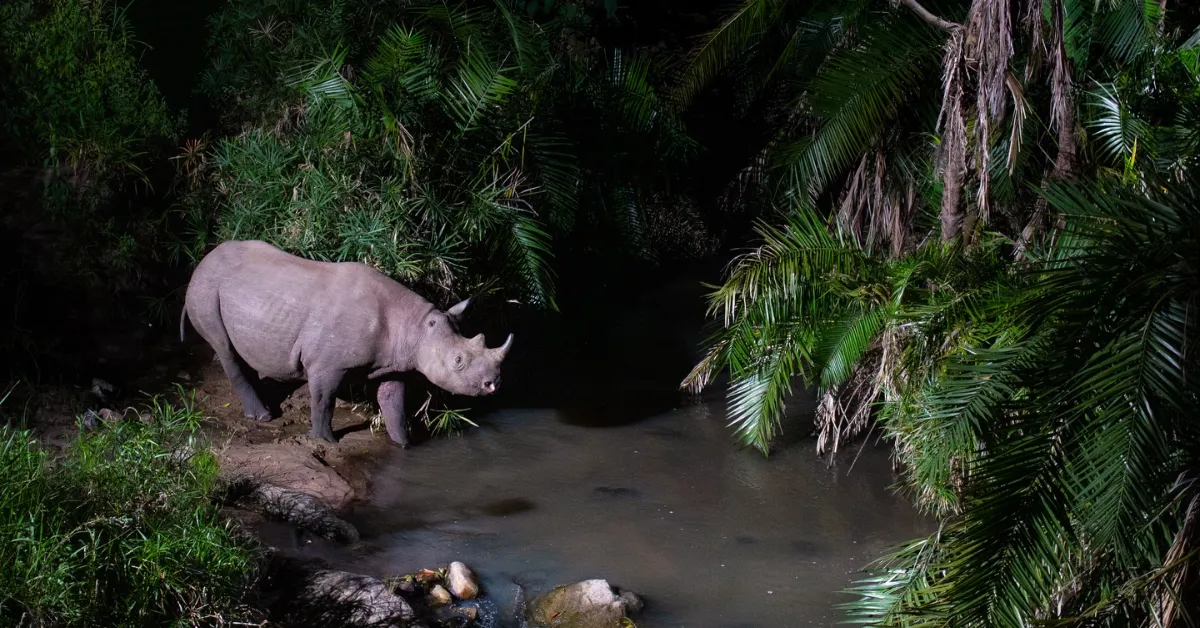
📸
This photographer left trail cameras in a remote Kenyan forest for months. He uncovered a hidden 'wildlife highway'
Deze fotograaf plaatste cameravallen in een afgelegen Keniaans bos gedurende maanden. Hij ontdekte een verborgen 'wildlife highway'
Ce photographe a laissé des caméras de surveillance dans une forêt kenyane reculée pendant des mois. Il a découvert une 'autoroute de la faune' cachée
Wildlife photographer Will Burrard-Lucas embarked on an exciting adventure in Kenya's Maasai Mara to document the elusive black rhino. By setting up a camera trap, he uncovered a bustling wildlife corridor that revealed not just rhinos, but also elephants, leopards, and even a rare greater kudu! The findings provided crucial insights into the animal population and their behaviors in this hidden part of the reserve. It's a fantastic example of how technology can aid conservation efforts and deepen our understanding of wildlife.
Natuurfotograaf Will Burrard-Lucas begon aan een spannend avontuur in de Maasai Mara in Kenia om de ongrijpbare zwarte neushoorn vast te leggen. Door een cameraval op te zetten, ontdekte hij een drukke corridor voor dieren die niet alleen neushoorns, maar ook olifanten, luipaarden en zelfs een zeldzame grotere kudu onthulde! De bevindingen gaven cruciale inzichten in de dierenpopulatie en hun gedrag in dit verborgen deel van het reservaat. Het is een fantastisch voorbeeld van hoe technologie kan helpen bij natuurbescherming en ons begrip van de natuur kan verdiepen.
Le photographe animalier Will Burrard-Lucas a entrepris une aventure passionnante dans la Maasai Mara au Kenya pour documenter le rhinocéros noir insaisissable. En installant une caméra de surveillance, il a découvert un couloir faunique animé qui a révélé non seulement des rhinocéros, mais aussi des éléphants, des léopards et même un rare kudu plus grand ! Les découvertes ont fourni des informations cruciales sur la population animale et leurs comportements dans cette partie cachée de la réserve. C'est un exemple fantastique de la façon dont la technologie peut aider les efforts de conservation et approfondir notre compréhension de la faune.

✍️
The memory that ate the news
De herinnering die het nieuws opvrat
La mémoire qui a mangé les nouvelles
I've been thinking about the availability bias and how it shapes our perception of news. When dramatic events happen, like a forest fire, they stick in our minds more than positive news, like a new swimming pool opening. This creates a loop where negative stories dominate our memory, making us feel more pessimistic over time. Positron aims to break this cycle by highlighting the good news that often gets overshadowed. It's all about giving those positive stories a chance to be remembered too.
Ik was aan het nadenken over de "beschikbaarheidsbias" en hoe deze onze perceptie van nieuws vormt. Wanneer dramatische gebeurtenissen plaatsvinden, zoals een bosbrand, blijven ze beter hangen dan positief nieuws, zoals de opening van een nieuw zwembad. Dit creëert een cyclus waarin negatieve verhalen onze herinnering domineren, waardoor we ons na verloop van tijd pessimistischer voelen. Positron heeft als doel deze cyclus te doorbreken door het goede nieuws te belichten dat vaak overschaduwd wordt. Het draait allemaal om het geven van een kans aan die positieve verhalen om ook herinnerd te worden.
J'ai réfléchi à la biais de disponibilité et à la façon dont il façonne notre perception des nouvelles. Lorsque des événements dramatiques se produisent, comme un incendie de forêt, ils restent en mémoire plus longtemps que les nouvelles positives, comme l'ouverture d'une nouvelle piscine. Cela crée une boucle où les histoires négatives dominent notre mémoire, nous rendant plus pessimistes avec le temps. Positron vise à briser ce cycle en mettant en avant les bonnes nouvelles qui sont souvent éclipsées. Il s'agit de donner une chance à ces histoires positives d'être également mémorisées.
🌟
Can festivals leave the land better than they found it?
Kunnen festivals het land beter achterlaten dan ze het vonden?
Les festivals peuvent-ils laisser la terre meilleure qu'ils ne l'ont trouvée ?
Festival season is buzzing with exciting initiatives that go beyond just recycling. Events like UK Youth Day are encouraging attendees to bring plastic waste instead of tickets, turning trash into art and community action. It's all about empowering young people to shape their future while celebrating sustainability. This shift towards lasting environmental solutions is inspiring, as festivals start to focus on what remains after the music fades.
Het festivalseizoen bruist van spannende initiatieven die verder gaan dan alleen recyclen. Evenementen zoals UK Youth Day moedigen bezoekers aan om plastic afval mee te nemen in plaats van tickets, waarbij afval wordt omgevormd tot kunst en gemeenschapsactie. Het draait allemaal om het versterken van jongeren om hun toekomst vorm te geven terwijl ze duurzaamheid vieren. Deze verschuiving naar blijvende milieuzorg is inspirerend, aangezien festivals beginnen te focussen op wat overblijft nadat de muziek is verstomd.
La saison des festivals est animée par des initiatives passionnantes qui vont au-delà du simple recyclage. Des événements comme UK Youth Day encouragent les participants à apporter des déchets plastiques au lieu de billets, transformant les déchets en art et en action communautaire. Il s'agit de donner aux jeunes le pouvoir de façonner leur avenir tout en célébrant la durabilité. Ce changement vers des solutions environnementales durables est inspirant, alors que les festivals commencent à se concentrer sur ce qui reste après que la musique s'est tue.

🌞
How solar became the cheapest form of energy in the world
Hoe zonne-energie de goedkoopste energie ter wereld werd
Comment l'énergie solaire est devenue la forme d'énergie la moins chère au monde
It's amazing to think that just over four decades ago, solar energy was a novelty, but now it's the cheapest form of electricity on the planet! President Carter's vision back in 1979 has really come to fruition, showing us how far we've come. With technological advances and increased efficiency, solar panels are now not only affordable but also incredibly effective. Last year alone, solar power generation surged, proving it's not just a trend but a vital part of our energy future.
Het is verbazingwekkend om te bedenken dat zonne-energie iets meer dan vier decennia geleden een nieuwigheid was, maar nu de goedkoopste vorm van elektriciteit op de planeet is! De visie van president Carter in 1979 is echt werkelijkheid geworden en laat zien hoe ver we zijn gekomen. Met technologische vooruitgangen en verhoogde efficiëntie zijn zonnepanelen nu niet alleen betaalbaar, maar ook ongelooflijk effectief. Alleen al vorig jaar steeg de opwekking van zonne-energie, wat bewijst dat het niet alleen een trend is, maar een essentieel onderdeel van onze energie-toekomst.
Il est incroyable de penser qu'il y a un peu plus de quatre décennies, l'énergie solaire était une nouveauté, mais maintenant, c'est la forme d'électricité la moins chère sur la planète ! La vision du président Carter en 1979 s'est vraiment réalisée, montrant combien nous avons progressé. Grâce aux avancées technologiques et à l'augmentation de l'efficacité, les panneaux solaires sont désormais non seulement abordables, mais aussi incroyablement efficaces. Rien qu'au cours de l'année dernière, la production d'énergie solaire a explosé, prouvant qu'il ne s'agit pas seulement d'une tendance, mais d'une partie essentielle de notre avenir énergétique.
/s3/static.nrc.nl/wp-content/uploads/2026/08/18085659/180826ECO_2036005433_plantaardig2.jpg)
🌱
Competition for the hamburger: the plant-based burger is cheaper
Concurrentie voor de hamburger: de plantaardige burger is goedkoper
Concurrence pour le hamburger : le burger végétal est moins cher
Plant-based products are often cheaper than the least expensive meat and dairy items, according to new research from ProVeg Netherlands. The study compared prices at nine Dutch supermarkets and found that over half of plant-based alternatives, like meat substitutes, are now more affordable. This trend is especially true for plant-based burgers, which are on average 31 percent cheaper than their meat counterparts. With supermarkets aiming to make plant-based options more accessible, this could encourage more people to choose healthier and more sustainable diets.
Plantaardige producten zijn vaak voordeliger dan de goedkoopste vlees- en zuivelproducten, blijkt uit nieuw onderzoek van ProVeg Nederland. Het onderzoek vergeleek prijzen bij negen Nederlandse supermarkten en ontdekte dat meer dan de helft van de plantaardige alternatieven, zoals vleesvervangers, nu goedkoper zijn. Dit geldt vooral voor plantaardige burgers, die gemiddeld 31 procent goedkoper zijn dan hun vleesvarianten. Supermarkten willen plantaardige opties toegankelijker maken, wat meer mensen kan aanmoedigen om gezonder en duurzamer te eten.
Les produits à base de plantes sont souvent moins chers que les viandes et produits laitiers les moins chers, selon une nouvelle recherche de ProVeg Pays-Bas. L'étude a comparé les prix dans neuf supermarchés néerlandais et a découvert que plus de la moitié des alternatives végétales, comme les substituts de viande, sont désormais plus abordables. Cela est particulièrement vrai pour les burgers végétaux, qui sont en moyenne 31 % moins chers que leurs homologues carnés. Les supermarchés visent à rendre les options végétales plus accessibles, ce qui pourrait encourager davantage de personnes à choisir des régimes plus sains et durables.
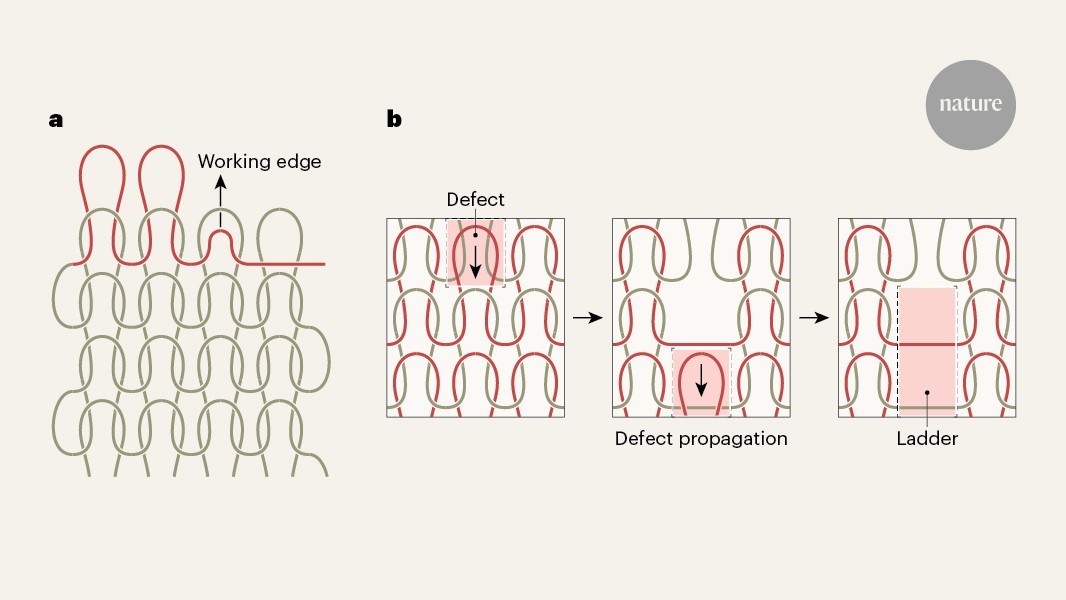
🧶
Mathematics holds the secret to ‘ladder-proof’ knitting
Wiskunde onthult het geheim van 'ladder-bestendig' breien
Les mathématiques détiennent le secret du tricot 'anti-échelle'
So, it turns out that knitting isn't just about yarn and needles — there's some fascinating math behind it! Researchers have found that knot theory can help us understand which knitting patterns are less likely to unravel. This means we can design fabrics that resist those pesky defects that cause laddering. Isn't it amazing how mathematics can enhance our everyday crafts?
Dus, het blijkt dat breien niet alleen om garen en naalden draait — er zit fascinerende wiskunde achter! Onderzoekers hebben ontdekt dat knooptheorie ons kan helpen begrijpen welke breipatronen minder snel zullen losraken. Dit betekent dat we stoffen kunnen ontwerpen die bestand zijn tegen die vervelende defecten die laddervorming veroorzaken. Is het niet geweldig hoe wiskunde ons dagelijks handwerk kan verbeteren?
Alors, il s'avère que le tricot ne concerne pas seulement le fil et les aiguilles — il y a des mathématiques fascinantes derrière tout ça ! Des chercheurs ont découvert que la théorie des nœuds peut nous aider à comprendre quels motifs de tricot sont moins susceptibles de se défaire. Cela signifie que nous pouvons concevoir des tissus qui résistent à ces défauts ennuyeux qui causent des échelles. N'est-ce pas incroyable de voir comment les mathématiques peuvent améliorer nos loisirs quotidiens ?
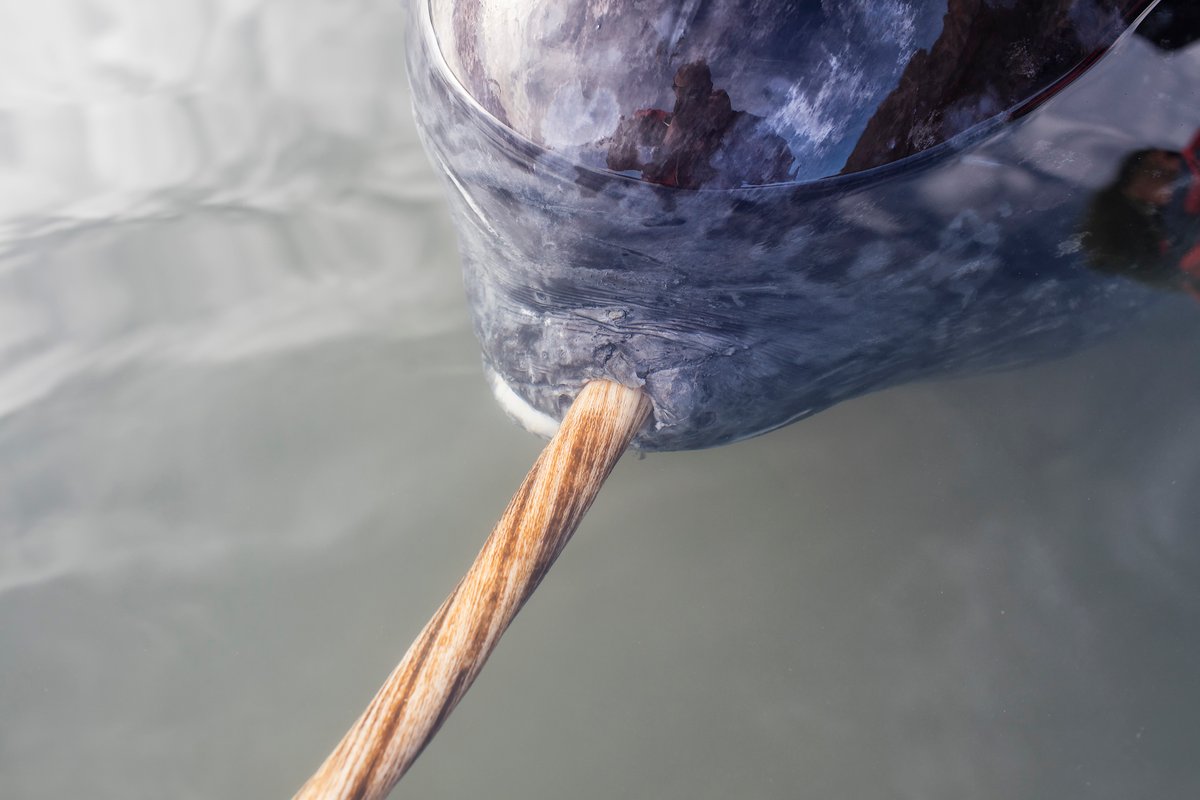
🐋
What makes a narwhal’s tusk so special?
Wat maakt de slagtand van een narwal zo bijzonder?
Qu'est-ce qui rend la défense d'un narval si spéciale?
Narwhals are fascinating creatures, especially known for their long, spiral tusks that can reach up to 10 feet! Scientists have recently discovered that these tusks grow in a unique way, with a left-handed helix on the outside and a right-handed one inside. This unusual structure keeps the tusk straight, unlike other tusked animals. Researchers are now eager to explore more about how these tusks can reveal the narwhals' life history, which is crucial since observing them in the wild is quite challenging.
Narwalen zijn fascinerende wezens, vooral bekend om hun lange, spiraalvormige slagtanden die tot wel 3 meter kunnen bereiken! Wetenschappers hebben onlangs ontdekt dat deze slagtanden op een unieke manier groeien, met een linkshandige helix aan de buitenkant en een rechtshandige aan de binnenkant. Deze ongebruikelijke structuur houdt de slagtand recht, in tegenstelling tot andere dieren met slagtanden. Onderzoekers zijn nu enthousiast om meer te ontdekken over hoe deze slagtanden het levensverhaal van narwalen kunnen onthullen, wat cruciaal is omdat het observeren van hen in het wild behoorlijk uitdagend is.
Les narvals sont des créatures fascinantes, surtout connues pour leurs longues défenses en spirale qui peuvent atteindre jusqu'à 3 mètres ! Des scientifiques ont récemment découvert que ces défenses poussent de manière unique, avec une hélice à gauche à l'extérieur et une à droite à l'intérieur. Cette structure inhabituelle maintient la défense droite, contrairement à d'autres animaux à défense. Les chercheurs sont maintenant impatients d'explorer davantage comment ces défenses peuvent révéler l'histoire de vie des narvals, ce qui est crucial car les observer dans la nature est assez difficile.
🧀
The bacteria that make cheese taste so good may also benefit your gut
De bacteriën die kaas zo lekker maken, kunnen ook je darmen ten goede komen
Les bactéries qui rendent le fromage si bon pourraient également bénéficier à votre intestin
So, researchers have discovered that the bacteria responsible for the unique flavors in three British artisan cheeses might also be good for our gut health. They found that these cheeses, made in Oxfordshire, are teeming with helpful microbes that could support our digestive systems. Interestingly, the aging process enhances the complexity of flavors while also protecting these beneficial bacteria. Plus, the rinds of these cheeses might even act as prebiotics, giving our gut flora a boost!
Dus, onderzoekers hebben ontdekt dat de bacteriën die verantwoordelijk zijn voor de unieke smaken in drie Britse artisanale kazen ook goed kunnen zijn voor onze darmgezondheid. Ze ontdekten dat deze kazen, gemaakt in Oxfordshire, vol zitten met nuttige microben die ons spijsverteringssysteem kunnen ondersteunen. Interessant genoeg verbetert het rijpingsproces de complexiteit van smaken en beschermt het ook deze nuttige bacteriën. Bovendien kunnen de schimmels van deze kazen zelfs als prebiotica fungeren, wat onze darmflora een boost geeft!
Alors, les chercheurs ont découvert que les bactéries responsables des saveurs uniques de trois fromages artisanaux britanniques pourraient également être bénéfiques pour notre santé intestinale. Ils ont constaté que ces fromages, fabriqués dans l'Oxfordshire, regorgent de microbes utiles qui pourraient soutenir nos systèmes digestifs. Fait intéressant, le processus de vieillissement améliore la complexité des saveurs tout en protégeant ces bactéries bénéfiques. De plus, les croûtes de ces fromages pourraient même agir comme des prébiotiques, donnant un coup de pouce à notre flore intestinale !

💧
Can Indian cities soak up rain before they flood? Here’s how the ‘sponge city’ idea works
Kunnen Indiase steden regenwater absorberen voordat ze overstromen? Zo werkt het idee van de 'sponsstad'
Les villes indiennes peuvent-elles absorber la pluie avant d'être inondées ? Voici comment fonctionne l'idée de la 'ville éponge'
So, have you ever thought about how cities can actually absorb rainwater instead of just draining it away? The ‘sponge city’ concept is all about creating spaces that allow rain to seep into the ground, which can really help with flooding issues. By using permeable pavements, rain gardens, and restoring wetlands, cities can manage water more effectively. This innovative approach not only prevents flooding but also helps recharge groundwater levels, making urban areas more resilient.
Heb je ooit nagedacht over hoe steden regenwater kunnen absorberen in plaats van het gewoon af te voeren? Het concept van de 'sponsstad' draait om het creëren van ruimtes die regenwater in de grond laten sijpelen, wat echt kan helpen bij overstromingsproblemen. Door gebruik te maken van doorlatende bestrating, regentuinen en het herstellen van wetlands, kunnen steden water effectiever beheren. Deze innovatieve aanpak voorkomt niet alleen overstromingen, maar helpt ook om de grondwatervoorraden aan te vullen, waardoor stedelijke gebieden veerkrachtiger worden.
Avez-vous déjà pensé à la façon dont les villes peuvent réellement absorber les eaux de pluie au lieu de simplement les évacuer ? Le concept de 'ville éponge' consiste à créer des espaces qui permettent à la pluie de s'infiltrer dans le sol, ce qui peut vraiment aider à résoudre les problèmes d'inondation. En utilisant des pavés perméables, des jardins de pluie et en restaurant des zones humides, les villes peuvent gérer l'eau de manière plus efficace. Cette approche innovante non seulement prévient les inondations, mais aide également à recharger les niveaux de nappe phréatique, rendant les zones urbaines plus résilientes.
🐾
No eggs, but live young: mammals possibly started live birth 95 million years earlier than thought
Geen eieren, maar levende jongen: zoogdieren begonnen mogelijks 95 miljoen jaar eerder dan gedacht met levend baren
Pas d'œufs, mais des jeunes vivants : les mammifères ont peut-être commencé à donner naissance vivante 95 millions d'années plus tôt que prévu
This fascinating discovery suggests that mammals may have begun giving birth to live young much earlier than we previously believed. Researchers have found evidence indicating that this shift could have occurred 95 million years ago. It's incredible to think about how this change might have influenced the evolution of mammals. This new understanding opens up exciting avenues for further research into our animal ancestors.
Deze fascinerende ontdekking suggereert dat zoogdieren mogelijk veel eerder dan gedacht levende jongen zijn gaan baren. Onderzoekers hebben bewijs gevonden dat deze verschuiving 95 miljoen jaar geleden zou kunnen zijn gebeurd. Het is ongelooflijk om te bedenken hoe deze verandering de evolutie van zoogdieren zou kunnen hebben beïnvloed. Dit nieuwe inzicht opent spannende mogelijkheden voor verder onderzoek naar onze dierlijke voorouders.
Cette découverte fascinante suggère que les mammifères ont peut-être commencé à donner naissance à des jeunes vivants beaucoup plus tôt que nous ne le pensions. Des chercheurs ont trouvé des preuves indiquant que ce changement pourrait avoir eu lieu il y a 95 millions d'années. Il est incroyable de penser à la façon dont ce changement aurait pu influencer l'évolution des mammifères. Cette nouvelle compréhension ouvre des avenues passionnantes pour des recherches supplémentaires sur nos ancêtres animaux.
🌞
American students build solar car that generates more energy than it consumes
Amerikaanse studenten bouwen zonneauto die meer opwekt dan hij verbruikt
Des étudiants américains construisent une voiture solaire qui produit plus d'énergie qu'elle n'en consomme
So, here's something really exciting! A group of American students has created a solar car that actually generates more energy than it uses. This innovative project not only showcases their engineering skills but also highlights the potential of renewable energy in transportation. It's a fantastic step towards a more sustainable future, and I can't help but feel inspired by their creativity and determination.
Dus, hier is iets echt opwindends! Een groep Amerikaanse studenten heeft een zonneauto gebouwd die meer energie opwekt dan hij verbruikt. Dit innovatieve project toont niet alleen hun technische vaardigheden, maar benadrukt ook het potentieel van hernieuwbare energie in transport. Het is een fantastische stap naar een duurzamere toekomst, en ik kan niet anders dan geïnspireerd raken door hun creativiteit en vastberadenheid.
Alors, voici quelque chose de vraiment excitant ! Un groupe d'étudiants américains a créé une voiture solaire qui produit en fait plus d'énergie qu'elle n'en consomme. Ce projet innovant met non seulement en valeur leurs compétences en ingénierie, mais souligne également le potentiel des énergies renouvelables dans les transports. C'est une étape fantastique vers un avenir plus durable, et je ne peux m'empêcher d'être inspiré par leur créativité et leur détermination.
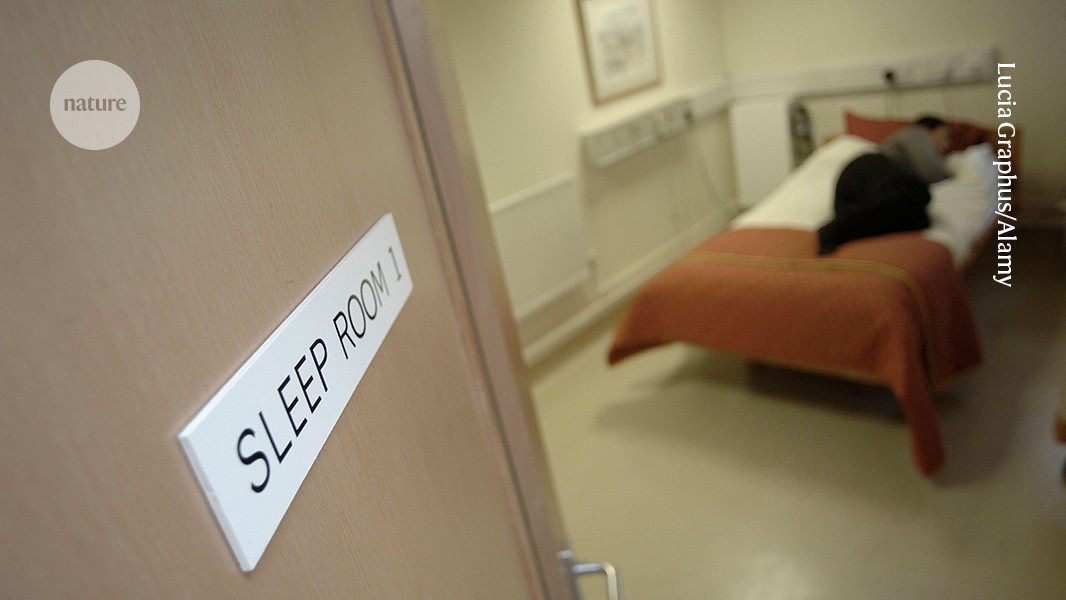
🌟
First-of-its-kind narcolepsy drug opens door to new therapies for the brain
Eerste narcolepsie medicijn opent de deur naar nieuwe therapieën voor de hersenen
Premier médicament contre la narcolepsie ouvre la voie à de nouvelles thérapies pour le cerveau
I’m really excited about the recent approval of the first drug targeting the root cause of narcolepsy, called oveporexton, or Orzeyful. This breakthrough is a game changer for millions who struggle with extreme sleepiness during the day. It’s not just about alleviating symptoms; this drug could lead to new therapies for various sleep disorders. Patients like Tyler Chapman are already experiencing life-changing improvements, and researchers are buzzing with anticipation for what’s next.
Ik ben echt enthousiast over de recente goedkeuring van het eerste medicijn dat de oorzaak van narcolepsie aanpakt, genaamd oveporexton, of Orzeyful. Deze doorbraak is een keerpunt voor miljoenen mensen die worstelen met extreme slaperigheid overdag. Het gaat niet alleen om het verlichten van symptomen; dit medicijn kan leiden tot nieuwe therapieën voor verschillende slaapstoornissen. Patiënten zoals Tyler Chapman ervaren al levensveranderende verbeteringen, en onderzoekers zijn vol verwachting over wat er komen gaat.
Je suis vraiment enthousiaste à propos de l'approbation récente du premier médicament ciblant la cause profonde de la narcolepsie, appelé oveporexton, ou Orzeyful. Cette avancée est un tournant pour des millions de personnes qui luttent contre une somnolence extrême pendant la journée. Il ne s'agit pas seulement d'atténuer les symptômes ; ce médicament pourrait conduire à de nouvelles thérapies pour divers troubles du sommeil. Des patients comme Tyler Chapman connaissent déjà des améliorations qui changent la vie, et les chercheurs sont impatients de voir ce qui va suivre.
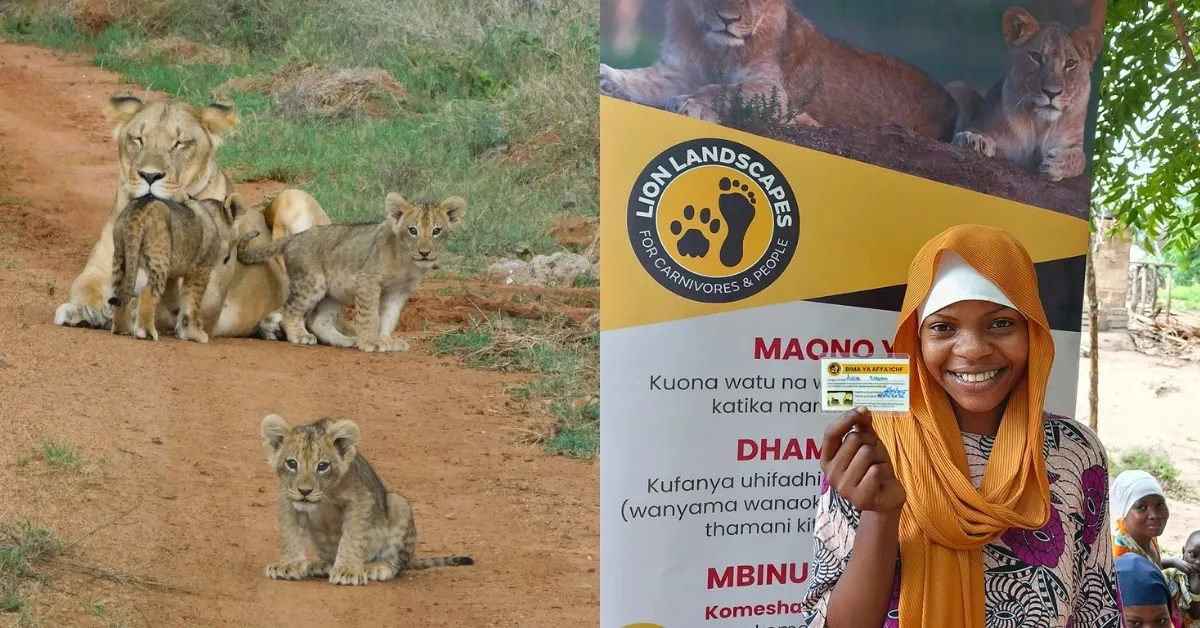
🦁
Humans used to kill lions in this African village. Now, they get health benefits in exchange for saving big cats
Mensen doodden vroeger leeuwen in dit Afrikaanse dorp. Nu krijgen ze gezondheidsvoordelen in ruil voor het redden van grote katten
Les humains tuaient autrefois des lions dans ce village africain. Maintenant, ils obtiennent des avantages en matière de santé en échange de la protection des grands félins
In East Africa, a fantastic initiative called Community Camera Trapping Plus is changing the game for both lions and local communities. By encouraging villagers to monitor wildlife through trail cameras, they earn points that translate into healthcare, school supplies, and more. This system not only fosters coexistence but also promotes a positive view of wildlife, which is so important! It's amazing to see how communities are shifting from conflict to conservation, all while having a bit of fun with it.
In Oost-Afrika verandert een fantastisch initiatief genaamd Community Camera Trapping Plus de situatie voor zowel leeuwen als lokale gemeenschappen. Door dorpsbewoners aan te moedigen om wildlife te monitoren via cameravallen, verdienen ze punten die omgezet worden in gezondheidszorg, schoolbenodigdheden en meer. Dit systeem bevordert niet alleen co-existentie, maar ook een positieve kijk op wildlife, wat zo belangrijk is! Het is geweldig om te zien hoe gemeenschappen van conflict naar behoud verschuiven, terwijl ze er ook nog eens plezier in hebben.
En Afrique de l'Est, une initiative fantastique appelée Community Camera Trapping Plus change la donne pour les lions et les communautés locales. En encourageant les villageois à surveiller la faune grâce à des caméras de surveillance, ils gagnent des points qui se traduisent par des soins de santé, des fournitures scolaires et plus encore. Ce système favorise non seulement la coexistence, mais aussi une vision positive de la faune, ce qui est si important ! C'est incroyable de voir comment les communautés passent du conflit à la conservation, tout en s'amusant un peu.

🚗
After his family ran out of water, he tested 600 formulas to build a waterless car wash
Nadat zijn familie zonder water kwam te zitten, testte hij 600 formules om een waterloze autowas te bouwen
Après que sa famille a manqué d'eau, il a testé 600 formules pour créer un lavage de voiture sans eau
Isn't it amazing how necessity drives innovation? Nitin, facing a water shortage in his family's car wash business, embarked on a two-year quest to create a waterless solution. After experimenting with nearly 600 formulas, he developed a plant-based cleaner that uses just 100 ml instead of the usual 25 litres. Now, with 214 franchises across 22 states, his venture not only saves water but also inspires others to think differently about everyday tasks.
Is het niet geweldig hoe noodzaak innovatie aandrijft? Nitin, die geconfronteerd werd met een watertekort in het autowasbedrijf van zijn familie, begon aan een zoektocht van twee jaar om een waterloze oplossing te creëren. Na het testen van bijna 600 formules ontwikkelde hij een plantaardige reiniger die slechts 100 ml gebruikt in plaats van de gebruikelijke 25 liter. Nu, met 214 franchises in 22 staten, bespaart zijn onderneming niet alleen water, maar inspireert het ook anderen om anders na te denken over dagelijkse taken.
N'est-ce pas incroyable comment la nécessité stimule l'innovation? Nitin, confronté à un manque d'eau dans l'entreprise de lavage de voitures de sa famille, s'est lancé dans une quête de deux ans pour créer une solution sans eau. Après avoir expérimenté près de 600 formules, il a développé un nettoyant à base de plantes qui utilise seulement 100 ml au lieu des 25 litres habituels. Aujourd'hui, avec 214 franchises dans 22 États, son entreprise non seulement économise de l'eau, mais inspire également les autres à penser différemment aux tâches quotidiennes.
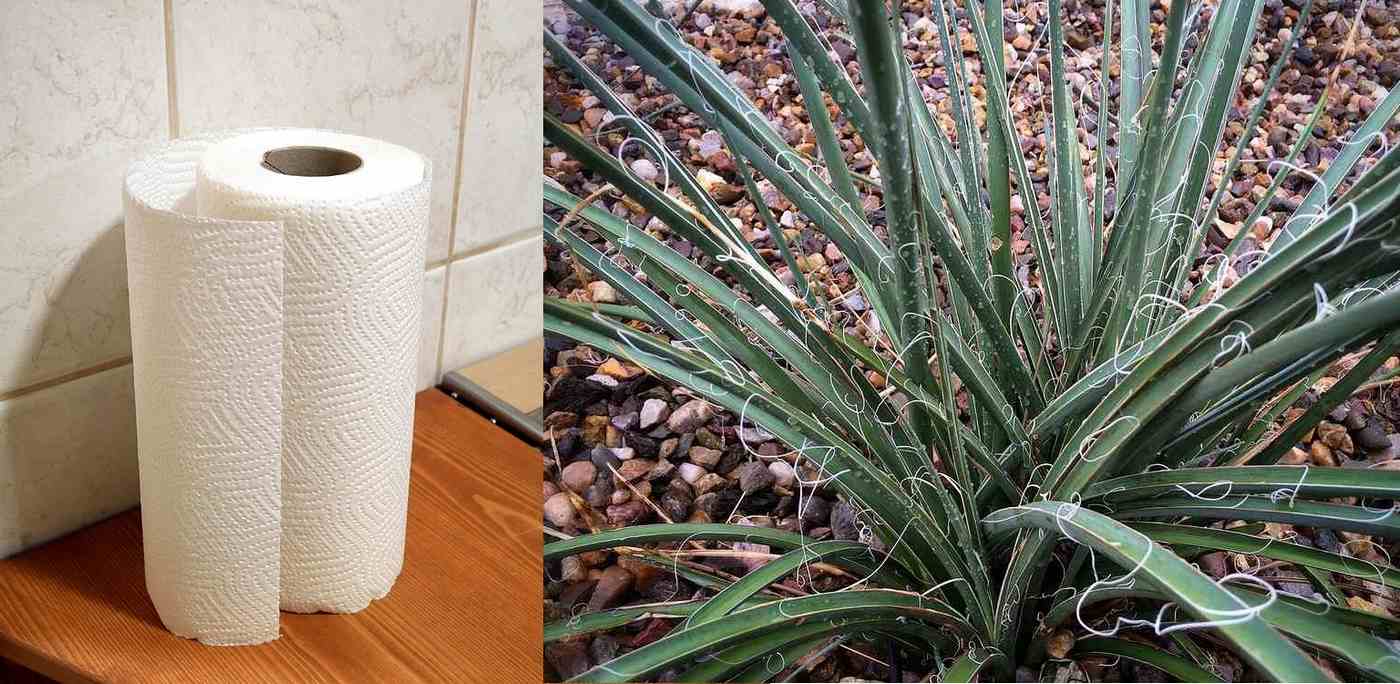
🌱
Company aims for ‘moonshot’ replacement for trees in paper products with humble desert plant
Bedrijf streeft naar 'moonshot' vervanging van bomen in papierproducten met bescheiden woestijnplant
Une entreprise vise un remplacement 'moonshot' des arbres dans les produits en papier avec une humble plante du désert
So, here's the exciting news! Kimberly-Clark has discovered hesperaloe, a succulent that could potentially replace wood fiber in paper products like tissues and toilet paper. This breakthrough could lead to less deforestation and lower costs, all while helping to combat climate change. The company has invested 20 years and $250 million into this research, and they’re now awaiting results from a pilot facility in Arizona. It’s a monumental step towards a more sustainable future!
Dus, hier is het spannende nieuws! Kimberly-Clark heeft hesperaloe ontdekt, een vetplant die mogelijk houtvezels in papierproducten zoals tissues en toiletpapier kan vervangen. Deze doorbraak kan leiden tot minder ontbossing en lagere kosten, terwijl het ook helpt de klimaatverandering te bestrijden. Het bedrijf heeft 20 jaar en 250 miljoen dollar in dit onderzoek geïnvesteerd en wacht nu op de resultaten van een proeffaciliteit in Arizona. Het is een monumentale stap naar een duurzamere toekomst!
Alors, voici la nouvelle excitante ! Kimberly-Clark a découvert l'hesperaloe, une plante succulente qui pourrait potentiellement remplacer les fibres de bois dans des produits en papier comme les mouchoirs et le papier toilette. Cette avancée pourrait conduire à moins de déforestation et à des coûts réduits, tout en aidant à lutter contre le changement climatique. L'entreprise a investi 20 ans et 250 millions de dollars dans cette recherche et attend maintenant les résultats d'une installation pilote en Arizona. C'est une étape monumentale vers un avenir plus durable !

🎷
AI decodes the mathematical ‘fingerprints’ of famous jazz musicians, from Chick Corea to Thelonious Monk
AI decodeert de wiskundige 'vingerafdrukken' van beroemde jazzmusici, van Chick Corea tot Thelonious Monk
L'IA déchiffre les 'empreintes' mathématiques des célèbres musiciens de jazz, de Chick Corea à Thelonious Monk
Isn't it fascinating how AI is diving into the world of jazz? Researchers from the University of Cambridge have developed models that can identify the unique musical styles of legendary pianists like Chick Corea and Thelonious Monk. By analyzing over 84 hours of recordings, they’ve managed to capture those subtle nuances that make each musician special. This not only helps us appreciate their artistry but also serves as a tool for training the next generation of jazz musicians.
Is het niet fascinerend hoe AI de wereld van jazz verkent? Onderzoekers van de Universiteit van Cambridge hebben modellen ontwikkeld die de unieke muzikale stijlen van legendarische pianisten zoals Chick Corea en Thelonious Monk kunnen identificeren. Door meer dan 84 uur aan opnames te analyseren, hebben ze die subtiele nuances vastgelegd die elke muzikant speciaal maken. Dit helpt ons niet alleen om hun kunst te waarderen, maar dient ook als een hulpmiddel voor het opleiden van de volgende generatie jazzmusici.
N'est-ce pas fascinant de voir comment l'IA explore le monde du jazz ? Des chercheurs de l'Université de Cambridge ont développé des modèles capables d'identifier les styles musicaux uniques de légendaires pianistes comme Chick Corea et Thelonious Monk. En analysant plus de 84 heures d'enregistrements, ils ont réussi à capturer ces nuances subtiles qui rendent chaque musicien spécial. Cela nous aide non seulement à apprécier leur art, mais sert également d'outil pour former la prochaine génération de musiciens de jazz.
🥗
Low-fat vegan diet helps people lose weight without eating less
Veganistisch dieet met weinig vet helpt mensen afvallen zonder minder te eten
Un régime végétalien pauvre en graisses aide les gens à perdre du poids sans manger moins
So, researchers have found that a low-fat vegan diet can help people lose weight without needing to eat less. Participants in a study enjoyed the same amount of food but reduced their calorie intake significantly, thanks to the lower energy density of plant-based foods. This means they could fill their plates with satisfying meals while still consuming fewer calories overall. It's a fascinating approach that shows how choosing the right foods can make a big difference in weight management!
Onderzoekers hebben ontdekt dat een veganistisch dieet met weinig vet mensen kan helpen af te vallen zonder minder te hoeven eten. De deelnemers aan een studie genoten van dezelfde hoeveelheid voedsel, maar verminderden hun calorie-inname aanzienlijk, dankzij de lagere energiedichtheid van plantaardige voedingsmiddelen. Dit betekent dat ze hun borden konden vullen met bevredigende maaltijden en toch minder calorieën binnenkregen. Het is een fascinerende benadering die laat zien hoe het kiezen van de juiste voedingsmiddelen een groot verschil kan maken in gewichtsbeheersing!
Les chercheurs ont découvert qu'un régime végétalien pauvre en graisses peut aider les gens à perdre du poids sans avoir besoin de manger moins. Les participants à une étude ont apprécié la même quantité de nourriture tout en réduisant considérablement leur apport calorique, grâce à la faible densité énergétique des aliments d'origine végétale. Cela signifie qu'ils pouvaient remplir leurs assiettes de repas satisfaisants tout en consommant moins de calories au total. C'est une approche fascinante qui montre comment le choix des bons aliments peut faire une grande différence dans la gestion du poids !
🔭
Webb’s mysterious little red dots may be hiding entire galaxies
De mysterieuze kleine rode stippen van Webb verbergen misschien hele sterrenstelsels
Les mystérieux petits points rouges de Webb pourraient cacher des galaxies entières
Since the James Webb Space Telescope spotted little red dots in 2022, astronomers have been buzzing with questions about their nature. These distant red sources might actually be supermassive black holes, but they don't quite act like those we see nearby. A new study suggests these dots could be influenced by observational bias, revealing that they might not be a separate galaxy population after all. The research team has even found a lower-redshift galaxy, nicknamed 'Saguaro,' that could help us understand the evolution of these intriguing objects.
Sinds de James Webb Ruimtetelescoop in 2022 kleine rode stippen ontdekte, zijn astronomen druk in de weer met vragen over hun aard. Deze verre rode bronnen zouden eigenlijk supermassieve zwarte gaten kunnen zijn, maar ze gedragen zich niet helemaal zoals die we dichtbij zien. Een nieuwe studie suggereert dat deze stippen beïnvloed kunnen worden door observatiebias, wat onthult dat ze misschien niet eens een aparte populatie sterrenstelsels zijn. Het onderzoeksteam heeft zelfs een lagere-roodverschuiving sterrenstelsel gevonden, met de bijnaam 'Saguaro', dat ons kan helpen de evolutie van deze intrigerende objecten te begrijpen.
Depuis que le télescope spatial James Webb a repéré de petits points rouges en 2022, les astronomes s'interrogent sur leur nature. Ces sources rouges lointaines pourraient en fait être des trous noirs supermassifs, mais elles ne se comportent pas tout à fait comme ceux que nous observons à proximité. Une nouvelle étude suggère que ces points pourraient être influencés par un biais d'observation, révélant qu'ils ne constituent peut-être pas une population distincte de galaxies. L'équipe de recherche a même trouvé une galaxie à faible décalage vers le rouge, surnommée 'Saguaro', qui pourrait nous aider à comprendre l'évolution de ces objets intrigants.
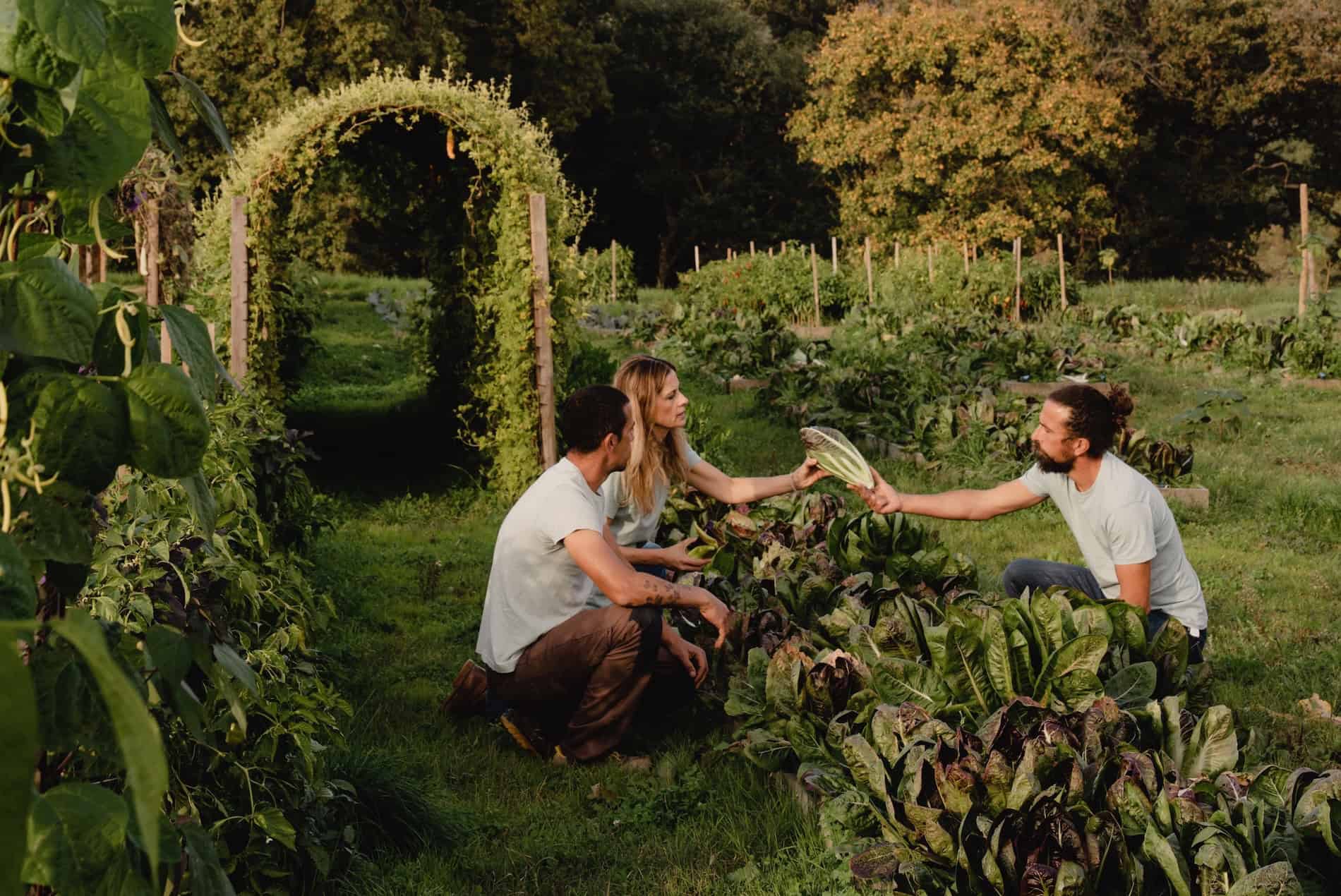
🌱
Black tomatoes and white aubergines, the future of farming is quantum
Zwarte tomaten en witte aubergines, de toekomst van de landbouw is kwantum
Tomates noires et aubergines blanches, l'avenir de l'agriculture est quantique
So, there's this amazing farm in Italy where twin brothers are shaking up traditional farming! They’re using biomimicry and agroecological tech to grow resilient crops like black tomatoes and white aubergines, which you won’t find in regular supermarkets. It’s all about working with nature instead of against it, especially after they thrived during a severe drought. Their approach is not just sustainable but also community-focused, proving that farming can be both innovative and delicious!
Dus, er is deze geweldige boerderij in Italië waar tweelingbroers de traditionele landbouw op zijn kop zetten! Ze gebruiken biomimicry en agro-ecologische technologie om veerkrachtige gewassen te kweken zoals zwarte tomaten en witte aubergines, die je niet in reguliere supermarkten zult vinden. Het draait allemaal om samenwerken met de natuur in plaats van ertegenin, vooral nadat ze gedijden tijdens een ernstige droogte. Hun aanpak is niet alleen duurzaam, maar ook gericht op de gemeenschap, en bewijst dat landbouw zowel innovatief als heerlijk kan zijn!
Alors, il y a cette ferme incroyable en Italie où des jumeaux bouleversent l'agriculture traditionnelle ! Ils utilisent la biomimétique et la technologie agroécologique pour cultiver des cultures résilientes comme les tomates noires et les aubergines blanches, que l'on ne trouve pas dans les supermarchés classiques. Tout est question de collaboration avec la nature plutôt que de lutte contre elle, surtout après avoir prospéré lors d'une grave sécheresse. Leur approche n'est pas seulement durable, mais aussi axée sur la communauté, prouvant que l'agriculture peut être à la fois innovante et délicieuse !
🧠
A little-known protein may be fueling Alzheimer’s — and scientists found a way to block it
Een weinig bekende eiwit kan Alzheimer aansteken — en wetenschappers vonden een manier om het te blokkeren
Une protéine peu connue pourrait alimenter la maladie d'Alzheimer — et les scientifiques ont trouvé un moyen de la bloquer
So, there's this fascinating new development in Alzheimer's research! A team led by Ursula Quitterer has discovered a compound, dubbed 'Compound 10', that shows promise in slowing down the disease's progression in mice. They found that this compound can prevent a harmful protein from clumping together, which helps keep nerve cells functioning properly. The results are not just limited to the brain, as it also positively impacts heart function and even some signs of aging in the mice!
Dus, er is deze fascinerende nieuwe ontwikkeling in het onderzoek naar Alzheimer! Een team onder leiding van Ursula Quitterer heeft een verbinding ontdekt, genaamd 'Compound 10', die veelbelovend lijkt in het vertragen van de voortgang van de ziekte bij muizen. Ze ontdekten dat deze verbinding kan voorkomen dat een schadelijk eiwit samenklontert, wat helpt om zenuwcellen goed te laten functioneren. De resultaten zijn niet alleen beperkt tot de hersenen, want het heeft ook een positieve invloed op de hartfunctie en zelfs op enkele tekenen van veroudering bij de muizen!
Alors, il y a ce développement fascinant dans la recherche sur la maladie d'Alzheimer ! Une équipe dirigée par Ursula Quitterer a découvert un composé, surnommé 'Composé 10', qui montre des promesses pour ralentir la progression de la maladie chez les souris. Ils ont constaté que ce composé peut empêcher une protéine nocive de s'agglutiner, ce qui aide à maintenir le bon fonctionnement des cellules nerveuses. Les résultats ne se limitent pas au cerveau, car cela a également un impact positif sur la fonction cardiaque et même sur certains signes de vieillissement chez les souris !
🌱
Animals have been eating nature’s original bioplastic for millions of years
Dieren eten al miljoenen jaren de originele bioplastic van de natuur
Les animaux mangent le bioplastique original de la nature depuis des millions d'années
So, it turns out that animals have been munching on nature's bioplastics long before humans got into the game! Researchers from the Max Planck Institute discovered that various animals, like marine worms and earthworms, can break down microbial PHAs, which are natural bioplastics produced by microorganisms. This finding opens up a whole new understanding of how carbon moves through ecosystems. It's fascinating to think that these animals have evolved to tap into these energy reserves, showcasing the incredible interconnectedness of life on Earth.
Dus, het blijkt dat dieren al op de bioplastics van de natuur knabbelen, lang voordat mensen ermee aan de slag gingen! Onderzoekers van het Max Planck Instituut ontdekten dat verschillende dieren, zoals zeewormen en aardwormen, in staat zijn om microbiale PHA's af te breken, wat natuurlijke bioplastics zijn die door micro-organismen worden geproduceerd. Deze ontdekking opent een heel nieuw begrip van hoe koolstof door ecosystemen beweegt. Het is fascinerend om te denken dat deze dieren zich hebben ontwikkeld om toegang te krijgen tot deze energievoorraden, wat de ongelooflijke onderlinge verbondenheid van het leven op aarde laat zien.
Alors, il s'avère que les animaux se nourrissent des bioplastiques de la nature depuis longtemps avant que les humains ne s'y mettent ! Des chercheurs de l'Institut Max Planck ont découvert que divers animaux, comme les vers marins et les vers de terre, peuvent décomposer les PHA microbiaux, qui sont des bioplastiques naturels produits par des micro-organismes. Cette découverte ouvre une toute nouvelle compréhension de la façon dont le carbone circule dans les écosystèmes. C'est fascinant de penser que ces animaux ont évolué pour exploiter ces réserves d'énergie, montrant l'incroyable interconnexion de la vie sur Terre.
🌟
En garde against slowness: Mechelen pioneers with screens for Parkinson's patients
En garde tegen de traagheid: Mechelen pioniert met schermen voor parkinsonpatiënten
En garde contre la lenteur : Malines innove avec des écrans pour les patients parkinsoniens
In a groundbreaking initiative, Mechelen is taking a bold step to support Parkinson's patients with innovative screens designed to enhance their daily lives. This project aims to combat the challenges of slowness that many patients face, providing them with tools to regain control. It's exciting to see how technology can be harnessed to improve health outcomes and empower individuals. This pioneering effort not only showcases the city's commitment to health innovation but also inspires other communities to explore similar solutions.
In een baanbrekend initiatief zet Mechelen een gedurfde stap om parkinsonpatiënten te ondersteunen met innovatieve schermen die hun dagelijks leven verbeteren. Dit project heeft als doel de uitdagingen van traagheid waar veel patiënten mee te maken hebben, aan te pakken en hen hulpmiddelen te bieden om weer controle te krijgen. Het is opwindend om te zien hoe technologie kan worden ingezet om gezondheidsresultaten te verbeteren en individuen te versterken. Deze pionierende inspanning toont niet alleen de toewijding van de stad aan gezondheidsinnovatie, maar inspireert ook andere gemeenschappen om soortgelijke oplossingen te verkennen.
Dans une initiative révolutionnaire, Malines fait un pas audacieux pour soutenir les patients parkinsoniens avec des écrans innovants conçus pour améliorer leur quotidien. Ce projet vise à lutter contre les défis de la lenteur auxquels de nombreux patients sont confrontés, en leur fournissant des outils pour reprendre le contrôle. Il est passionnant de voir comment la technologie peut être utilisée pour améliorer les résultats de santé et autonomiser les individus. Cet effort pionnier montre non seulement l'engagement de la ville envers l'innovation en santé, mais inspire également d'autres communautés à explorer des solutions similaires.
🌍
“We want to give every smartphone that is thrown away a second life”: Citronics challenges the throwaway culture
“We willen elke smartphone die wordt weggegooid een tweede leven geven”: Citronics daagt de wegwerpcultuur uit
“Nous voulons donner une seconde vie à chaque smartphone jeté”: Citronics défie la culture du jetable
Citronics is on a mission to combat the throwaway culture by giving discarded smartphones a second chance. They believe that every device has potential and can be refurbished for further use. This initiative not only promotes sustainability but also encourages consumers to rethink their habits. It's an exciting step towards a more environmentally friendly future!
Citronics heeft als missie om de wegwerpcultuur te bestrijden door afgedankte smartphones een tweede kans te geven. Ze geloven dat elk apparaat potentieel heeft en opnieuw kan worden gebruikt. Dit initiatief bevordert niet alleen duurzaamheid, maar moedigt consumenten ook aan om hun gewoonten te heroverwegen. Het is een spannende stap naar een milieuvriendelijkere toekomst!
Citronics a pour mission de lutter contre la culture du jetable en offrant une seconde chance aux smartphones jetés. Ils croient que chaque appareil a du potentiel et peut être remis à neuf pour une utilisation future. Cette initiative favorise non seulement la durabilité, mais encourage également les consommateurs à repenser leurs habitudes. C'est une étape passionnante vers un avenir plus respectueux de l'environnement !

✈️
The world’s largest electric plane takes flight
De grootste elektrische vliegtuig ter wereld maakt zijn eerste vlucht
Le plus grand avion électrique du monde prend son envol
Heart Aerospace's X1 has officially completed its maiden flight, marking a significant milestone in the world of electric aviation. This impressive aircraft, with a wingspan of 106 feet, flew for 27 minutes on battery power alone, showcasing the potential of battery-electric technology. While we might not be booking flights on electric planes just yet, the future looks promising with the upcoming hybrid-electric ES-30 model. Major airlines are already interested, drawn by the prospect of lower costs and a greener alternative to traditional jet fuel.
Het X1-vliegtuig van Heart Aerospace heeft officieel zijn eerste vlucht gemaakt, wat een belangrijke mijlpaal betekent in de wereld van elektrische luchtvaart. Dit indrukwekkende vliegtuig, met een spanwijdte van 32 meter, vloog 27 minuten op batterijvermogen alleen en toont de potentie van batterij-elektrische technologie aan. Hoewel we nog niet op elektrische vliegtuigen kunnen boeken, ziet de toekomst er veelbelovend uit met het aankomende hybride elektrische model ES-30. Grote luchtvaartmaatschappijen zijn al geïnteresseerd, aangetrokken door de mogelijkheid van lagere kosten en een groenere alternatieve voor traditionele vliegtuigbrandstof.
L'avion X1 de Heart Aerospace a officiellement effectué son vol inaugural, marquant une étape importante dans le monde de l'aviation électrique. Cet impressionnant aéronef, avec une envergure de 32 mètres, a volé pendant 27 minutes uniquement grâce à l'énergie de sa batterie, démontrant le potentiel de la technologie électrique. Bien que nous ne réservions pas encore de vols sur des avions électriques, l'avenir semble prometteur avec le modèle hybride électrique ES-30 à venir. De grandes compagnies aériennes sont déjà intéressées, attirées par la perspective de coûts réduits et une alternative plus écologique au carburant d'aviation traditionnel.
🧠
Two hours of sleep restored in Alzheimer’s brains in research breakthrough
Twee uur slaap hersteld in de hersenen van Alzheimerpatiënten in doorbraakonderzoek
Deux heures de sommeil restaurées dans les cerveaux des patients Alzheimer dans une percée de recherche
Imagine this: researchers have discovered that microglia, the brain's immune cells, are the main culprits behind sleep loss in Alzheimer’s patients. By using a drug to temporarily remove these cells in mice, they managed to restore over two hours of sleep each day! This finding is a game changer, shifting our understanding of how Alzheimer’s affects sleep. It turns out that the immune response to amyloid plaques is what keeps the brain awake, not just the plaques themselves.
Stel je voor: onderzoekers hebben ontdekt dat microglia, de immuuncellen van de hersenen, de belangrijkste schuldigen zijn achter slaapverlies bij Alzheimerpatiënten. Door een medicijn te gebruiken om deze cellen tijdelijk bij muizen te verwijderen, slaagden ze erin om meer dan twee uur slaap per dag te herstellen! Deze ontdekking is een keerpunt en verandert ons begrip van hoe Alzheimer de slaap beïnvloedt. Het blijkt dat de immuunrespons op amyloïde plaques de hersenen wakker houdt, niet alleen de plaques zelf.
Imaginez ceci : des chercheurs ont découvert que les microglies, les cellules immunitaires du cerveau, sont les principales responsables de la perte de sommeil chez les patients Alzheimer. En utilisant un médicament pour retirer temporairement ces cellules chez des souris, ils ont réussi à restaurer plus de deux heures de sommeil par jour ! Cette découverte change la donne et modifie notre compréhension de la façon dont Alzheimer affecte le sommeil. Il s'avère que la réponse immunitaire aux plaques amyloïdes est ce qui maintient le cerveau éveillé, et non seulement les plaques elles-mêmes.
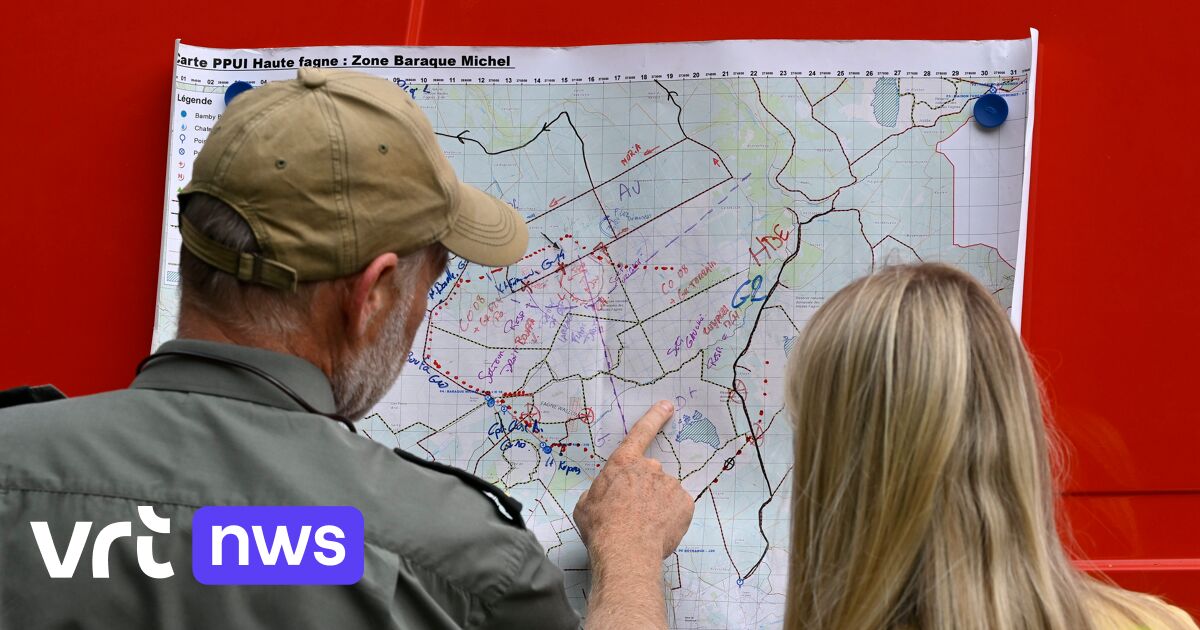
🔥
New model aims to better predict wildfires: first test in Hoge Venen promising
Nieuw model moet natuurbranden beter voorspellen: eerste test bij brand in Hoge Venen veelbelovend
Nouveau modèle pour mieux prédire les incendies de forêt : premier test prometteur dans les Hautes Fagnes
So, scientists at UGent are testing an experimental model that predicts how wildfires spread during the recent blaze in Hoge Venen. The initial results are looking quite promising, even though the model isn't ready for firefighting use just yet. It still needs crucial data, like detailed maps of soil and vegetation across Belgium. This model could eventually help manage terrain better to prevent future wildfires, which is super exciting!
Wetenschappers van UGent testen een experimenteel model dat voorspelt hoe natuurbranden zich verspreiden tijdens de recente brand in de Hoge Venen. De eerste resultaten zien er veelbelovend uit, hoewel het model nog niet klaar is voor gebruik door de brandweer. Het mist nog cruciale gegevens, zoals gedetailleerde kaarten van bodem en vegetatie in België. Dit model kan in de toekomst helpen om het terrein beter te beheren en toekomstige natuurbranden te voorkomen, wat ontzettend spannend is!
Des scientifiques de l'UGent testent un modèle expérimental qui prédit comment les incendies de forêt se propagent lors du récent incendie dans les Hautes Fagnes. Les premiers résultats semblent prometteurs, bien que le modèle ne soit pas encore prêt à être utilisé par les pompiers. Il lui manque encore des données cruciales, comme des cartes détaillées des sols et de la végétation en Belgique. Ce modèle pourrait à terme aider à mieux gérer le terrain pour prévenir les futurs incendies de forêt, ce qui est vraiment passionnant !
🌟
Social ascent erases many prejudices
Sociale stijging veegt veel vooroordelen weg
L'ascension sociale gomme beaucoup de préjugés
In Saint-Dié-des-Vosges, the Peul community is breaking down barriers and reshaping perceptions. It's fascinating to see how social mobility can challenge long-held prejudices, isn't it? The article highlights the incredible stories of individuals who are making strides in their careers and communities. This transformation is not just personal; it's a collective effort that inspires hope and unity.
In Saint-Dié-des-Vosges doorbreekt de Peul-gemeenschap barrières en herdefinieert ze percepties. Het is fascinerend om te zien hoe sociale mobiliteit diepgewortelde vooroordelen kan uitdagen, nietwaar? Het artikel benadrukt de ongelooflijke verhalen van individuen die vooruitgang boeken in hun carrières en gemeenschappen. Deze transformatie is niet alleen persoonlijk; het is een collectieve inspanning die hoop en eenheid inspireert.
À Saint-Dié-des-Vosges, la communauté peule brise les barrières et redéfinit les perceptions. Il est fascinant de voir comment la mobilité sociale peut remettre en question des préjugés bien ancrés, n'est-ce pas ? L'article met en lumière les histoires incroyables d'individus qui progressent dans leurs carrières et leurs communautés. Cette transformation n'est pas seulement personnelle ; c'est un effort collectif qui inspire l'espoir et l'unité.
🌟
A black hole shredded a “super sun” — but something strange may have survived
Een zwart gat verscheurde een 'super zon' - maar er kan iets vreemds zijn overleefd
Un trou noir a déchiqueté un 'super soleil' - mais quelque chose d'étrange pourrait avoir survécu
Wow, scientists have just witnessed a massive star being torn apart by a black hole in an event that's been described as cosmic snack preparation! This incredible phenomenon, observed by astronomers worldwide, released energy 400 billion times greater than our Sun, surpassing even the mightiest supernovae. The lead researcher, Daniel Perley, highlighted how this rare occurrence helps us understand black holes better and their formation processes. And here's the twist: after the explosion, a strange signal emerged that left researchers scratching their heads!
Wauw, wetenschappers hebben zojuist een enorme ster gezien die door een zwart gat werd verscheurd in een gebeurtenis die wordt beschreven als het bereiden van een kosmische snack! Dit ongelooflijke fenomeen, dat door astronomen over de hele wereld werd waargenomen, gaf energie vrij die 400 miljard keer groter was dan die van onze zon, zelfs krachtiger dan de meest krachtige supernova's. De hoofdonderzoeker, Daniel Perley, benadrukte hoe deze zeldzame gebeurtenis ons helpt om zwarte gaten beter te begrijpen en hun vormingsprocessen. En hier is de wending: na de explosie verscheen er een vreemde signaal dat onderzoekers in verwarring bracht!
Wow, les scientifiques viennent d'assister à une étoile massive déchiquetée par un trou noir dans un événement décrit comme la préparation d'une collation cosmique ! Ce phénomène incroyable, observé par des astronomes du monde entier, a libéré une énergie 400 milliards de fois plus grande que celle de notre Soleil, surpassant même les supernovae les plus puissantes. Le chercheur principal, Daniel Perley, a souligné comment cet événement rare nous aide à mieux comprendre les trous noirs et leurs processus de formation. Et voici le rebondissement : après l'explosion, un signal étrange est apparu, laissant les chercheurs perplexes !
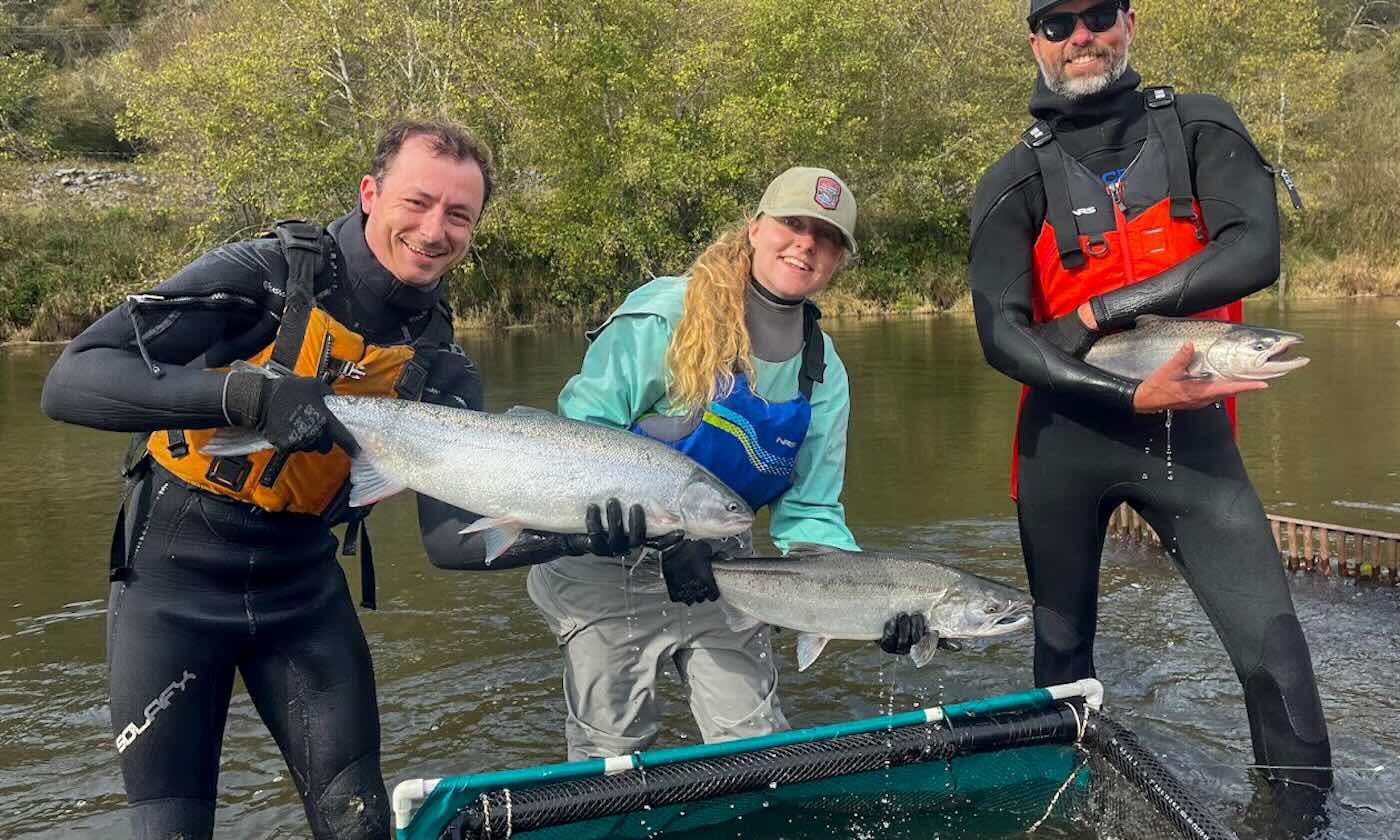
🐟
California creek restoration helps young salmon grow twice as fast—and doubles their survival rate
Herstel van de Californische beek helpt jonge zalm om twee keer zo snel te groeien—en verdubbelt hun overlevingskans
La restauration d'un ruisseau en Californie aide les jeunes saumons à grandir deux fois plus vite—et double leur taux de survie
It's amazing to see how restoring Prairie Creek has transformed the lives of young salmon along California's coast! Conservationists have worked hard to give these fish the right environment, and the results are fantastic—some salmon are growing twice as fast! This means they have a much better chance of surviving their journey to the ocean and returning to spawn. It's a beautiful reminder that sometimes, all nature needs is a little help to thrive again.
Het is geweldig om te zien hoe het herstel van Prairie Creek het leven van jonge zalm langs de kust van Californië heeft veranderd! Natuurbeschermers hebben hard gewerkt om deze vissen de juiste omgeving te bieden, en de resultaten zijn fantastisch—sommige zalmen groeien twee keer zo snel! Dit betekent dat ze een veel betere kans hebben om hun reis naar de oceaan te overleven en terug te keren om te paaien. Het is een prachtige herinnering dat soms alleen een beetje hulp nodig is om de natuur weer te laten gedijen.
C'est incroyable de voir comment la restauration de Prairie Creek a transformé la vie des jeunes saumons le long de côte californienne ! Les conservateurs ont travaillé dur pour offrir à ces poissons le bon environnement, et les résultats sont fantastiques : certains saumons grandissent deux fois plus vite ! Cela signifie qu'ils ont beaucoup plus de chances de survivre à leur voyage vers l'océan et de revenir pour frayer. C'est un beau rappel que parfois, il suffit d'un peu d'aide pour que la nature prospère à nouveau.
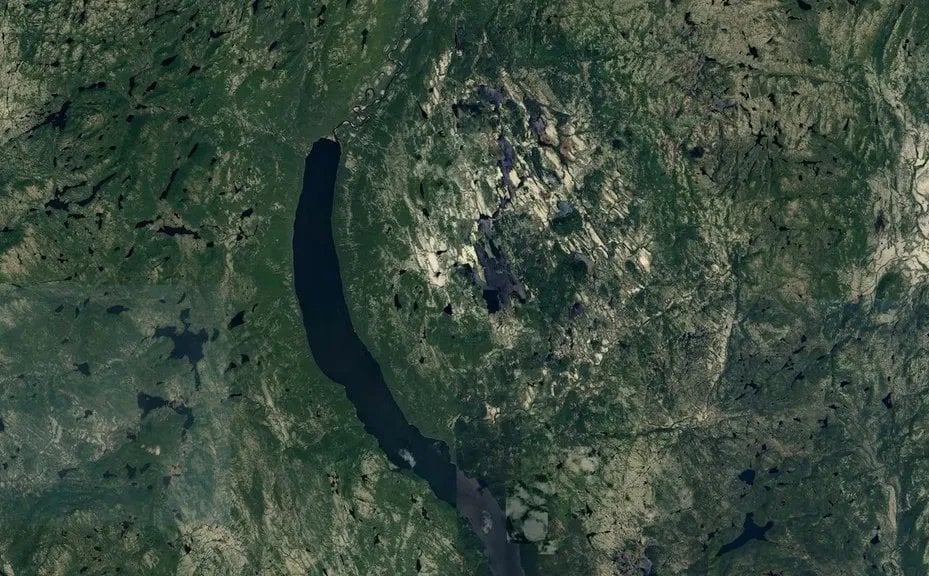
🌍
Man discovers unknown meteorite crater while browsing Google Maps
Man ontdekt onbekende meteorietkrater terwijl hij Google Maps bekijkt
Un homme découvre un cratère de météorite inconnu en consultant Google Maps
So, a Canadian astronomy enthusiast stumbled upon a massive crater while exploring Google Maps, and it turns out to be a 390-million-year-old meteorite impact site! This discovery started when Joël Lapointe noticed a perfectly round depression near Lake Marsal in Quebec. After contacting a geophysicist, a research team confirmed its extraterrestrial origins through a challenging expedition. This rare find adds to the list of only about 200 confirmed impact craters on Earth, making it a truly exciting revelation!
Een Canadese astronomie-liefhebber stuitte op een enorme krater terwijl hij Google Maps verkende, en het blijkt een 390 miljoen jaar oude meteorietinslag te zijn! Deze ontdekking begon toen Joël Lapointe een perfect ronde depressie opmerkte nabij het Marsal-meer in Quebec. Na contact met een geofysicus bevestigde een onderzoeksteam de buitenaardse oorsprong tijdens een uitdagende expeditie. Deze zeldzame vondst voegt zich bij de lijst van slechts ongeveer 200 bevestigde inslagkraters op aarde, wat het een werkelijk opwindende onthulling maakt!
Un passionné d'astronomie canadien est tombé par hasard sur un énorme cratère en explorant Google Maps, qui s'avère être un site d'impact de météorite vieux de 390 millions d'années ! Cette découverte a commencé lorsque Joël Lapointe a remarqué une dépression parfaitement ronde près du lac Marsal au Québec. Après avoir contacté un géophysicien, une équipe de recherche a confirmé ses origines extraterrestres lors d'une expédition difficile. Cette découverte rare s'ajoute à la liste des seulement 200 cratères d'impact confirmés sur Terre, ce qui en fait une révélation vraiment passionnante !

📚
Dialect coach demonstrates how far back in time you could travel and still understand English
Dialectcoach demonstreert hoe ver je terug in de tijd kunt reizen en nog steeds Engels kunt begrijpen
Un coach en dialecte démontre jusqu'où vous pourriez voyager dans le temps et comprendre encore l'anglais
Isn't it fascinating how the English language has evolved over the centuries? Filmmaker and dialect coach Simon Roper takes us on a journey through time, showcasing the drastic changes in dialect from Old English to modern English. He even highlights The Great Vowel Shift, a pivotal moment that transformed how we pronounce words. It's amazing to think that what sounds familiar to us today was once completely different!
Is het niet fascinerend hoe de Engelse taal door de eeuwen heen is geëvolueerd? Filmmaker en dialectcoach Simon Roper neemt ons mee op een reis door de tijd, waarbij hij de drastische veranderingen in dialect van het Oudengels naar het moderne Engels laat zien. Hij benadrukt zelfs de Grote Klinkerwisseling, een cruciaal moment dat onze uitspraak van woorden heeft getransformeerd. Het is verbazingwekkend om te bedenken dat wat vandaag de dag vertrouwd klinkt, ooit helemaal anders was!
N'est-ce pas fascinant de voir comment la langue anglaise a évolué au fil des siècles ? Le cinéaste et coach en dialecte Simon Roper nous emmène dans un voyage à travers le temps, montrant les changements drastiques de dialecte de l'anglais ancien à l'anglais moderne. Il met même en lumière le Grand Changement de Voyelles, un moment clé qui a transformé notre prononciation des mots. C'est incroyable de penser que ce qui nous semble familier aujourd'hui était autrefois complètement différent !
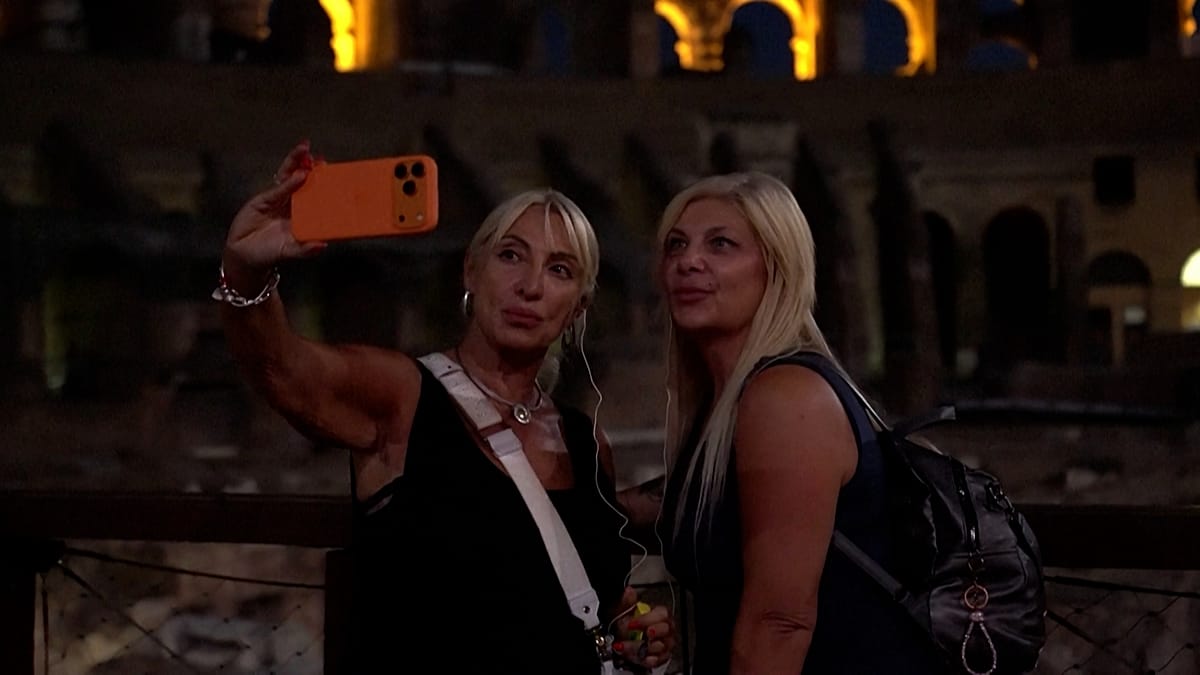
🌙
Rome’s Colosseum extends cool night tours as heatwaves scorch city
Het Colosseum van Rome verlengt koele nachtelijke rondleidingen terwijl hittegolven de stad verhitten
Le Colisée de Rome prolonge ses visites nocturnes fraîches alors que des vagues de chaleur frappent la ville
As the temperatures in Rome rise, the Colosseum is now offering guided night tours until 11pm on four nights a week. This is such a fantastic way to experience the ancient site without the scorching heat! With up to 275 visitors allowed per tour, it’s no wonder the summer program is fully booked. The director of the Colosseum Archaeological Park mentioned that this extension provides a cooler alternative for tourists during the heatwaves.
Nu de temperaturen in Rome stijgen, biedt het Colosseum 's nachts rondleidingen aan tot 23.00 uur op vier avonden per week. Dit is zo'n geweldige manier om de oude site te ervaren zonder de verzengende hitte! Met maximaal 275 bezoekers per rondleiding is het geen wonder dat het zomerprogramma volledig volgeboekt is. De directeur van het Colosseum Archeologisch Park zei dat deze uitbreiding een koel alternatief biedt voor toeristen tijdens de hittegolven.
Alors que les températures à Rome augmentent, le Colisée propose désormais des visites nocturnes guidées jusqu'à 23 heures, quatre nuits par semaine. C'est une façon fantastique de découvrir ce site ancien sans la chaleur écrasante ! Avec jusqu'à 275 visiteurs par visite, il n'est pas surprenant que le programme d'été soit déjà complet. Le directeur du parc archéologique du Colisée a mentionné que cette extension offre une alternative plus fraîche pour les touristes pendant les vagues de chaleur.
🌟
Scientists detect a nuclear reactor’s ghostly afterglow for the first time
Wetenschappers detecteren voor het eerst de spookachtige naschijn van een nucleaire reactor
Des scientifiques détectent pour la première fois l'afterglow fantomatique d'un réacteur nucléaire
It's fascinating to think that even after a nuclear reactor is turned off, there's still activity happening inside! Scientists from the Double Chooz collaboration have successfully measured the lingering emission of antineutrinos, which are incredibly elusive particles. This breakthrough could revolutionize how we monitor nuclear reactors, enhancing safety and oversight. Their findings provide a new way to gather information about reactors even when they're not operational, which is just so exciting!
Het is fascinerend om te bedenken dat er zelfs na het uitschakelen van een nucleaire reactor nog steeds activiteit plaatsvindt! Wetenschappers van de Double Chooz-samenwerking hebben met succes de aanhoudende emissie van antineutrino's gemeten, die ongelooflijk ongrijpbare deeltjes zijn. Deze doorbraak zou de manier waarop we nucleaire reactors monitoren kunnen revolutioneren, waardoor veiligheid en toezicht worden verbeterd. Hun bevindingen bieden een nieuwe manier om informatie over reactors te verzamelen, zelfs wanneer ze niet operationeel zijn, wat gewoon zo spannend is!
C'est fascinant de penser qu'il y a encore de l'activité à l'intérieur d'un réacteur nucléaire même après son arrêt ! Des scientifiques de la collaboration Double Chooz ont réussi à mesurer l'émission persistante d'antineutrinos, qui sont des particules incroyablement insaisissables. Cette avancée pourrait révolutionner notre façon de surveiller les réacteurs nucléaires, améliorant ainsi la sécurité et la supervision. Leurs découvertes offrent un nouveau moyen de recueillir des informations sur les réacteurs même lorsqu'ils ne sont pas opérationnels, ce qui est tout simplement passionnant !

❤️
What the mathematics of billiards can tell us about loving and letting go
Wat de wiskunde van biljart ons kan vertellen over liefde en loslaten
Ce que les mathématiques du billard peuvent nous apprendre sur l'amour et le lâcher-prise
So, here's the fascinating twist: mathematician Giovanni Forni believes he has cracked the code on the periodic orbit problem for billiards, which could mean that love, when let go at the right angle, might just come back! Imagine a pool table where every angle could lead to a returning ball—it's a beautiful metaphor for relationships. Forni's proof suggests that every polygon has a trajectory that brings the ball back, but finding that starting point remains a mystery. It’s like love itself—full of uncertainty but with a hint of hope that it might return when we least expect it.
Dus, hier is de fascinerende wending: wiskundige Giovanni Forni gelooft dat hij de code heeft gekraakt van het periodieke orbit-probleem voor biljart, wat zou kunnen betekenen dat liefde, wanneer je het op de juiste hoek loslaat, misschien gewoon terugkomt! Stel je een biljarttafel voor waar elke hoek kan leiden tot een terugkerende bal - het is een prachtige metafoor voor relaties. Forni's bewijs suggereert dat elke veelhoek een traject heeft dat de bal terugbrengt, maar het vinden van dat startpunt blijft een mysterie. Het is net als de liefde zelf - vol onzekerheid maar met een vleugje hoop dat het terugkomt wanneer we het het minst verwachten.
Alors, voici le tournant fascinant : le mathématicien Giovanni Forni pense avoir résolu le problème de l'orbite périodique pour les billards, ce qui pourrait signifier que l'amour, lorsqu'il est laissé partir sous le bon angle, pourrait tout simplement revenir ! Imaginez une table de billard où chaque angle pourrait mener à une balle revenante - c'est une belle métaphore pour les relations. La preuve de Forni suggère que chaque polygone a une trajectoire qui ramène la balle, mais trouver ce point de départ reste un mystère. C'est comme l'amour lui-même - plein d'incertitudes mais avec un soupçon d'espoir qu'il pourrait revenir quand on s'y attend le moins.
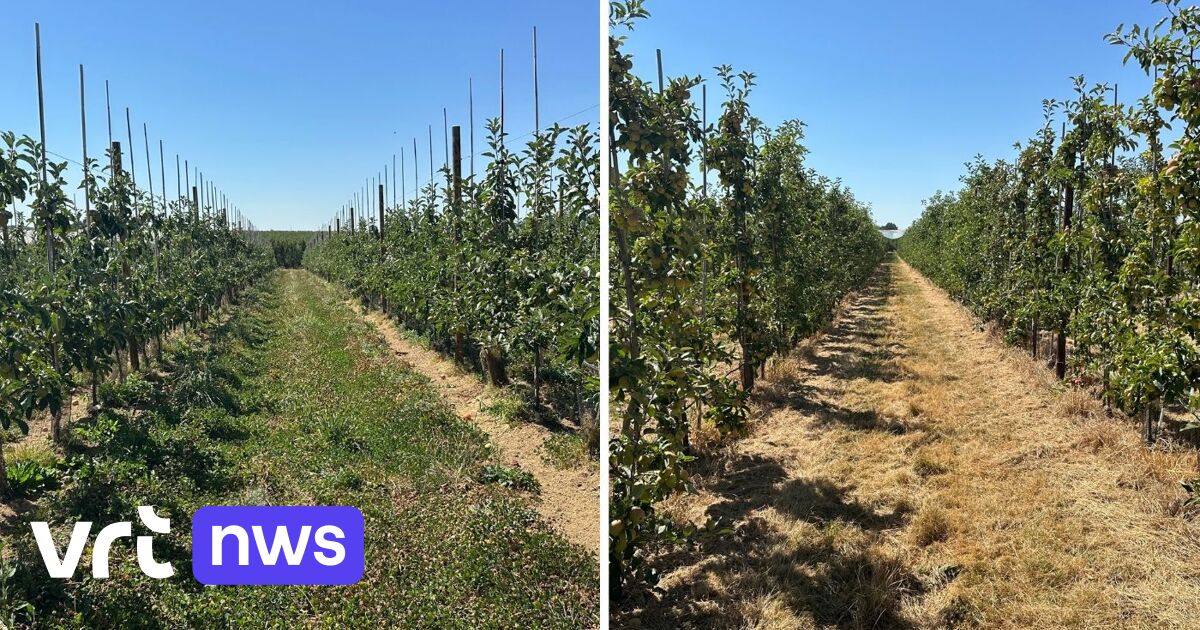
🌱
Clover and herbs keep fruit plantations up to 20 degrees cooler than grass: 'A completely different microclimate'
Klavers en kruiden houden fruitplantages tot 20 graden koeler dan gras: 'Een volledig ander microklimaat'
Les trèfles et les herbes gardent les vergers jusqu'à 20 degrés plus frais que l'herbe : 'Un microclimat complètement différent'
Researchers at the Proefcentrum Fruitteelt in Sint-Truiden have found that clover and herbs can lower temperatures in fruit plantations by up to 20 degrees compared to traditional grass. This year, the difference is striking due to the ongoing drought and heat. While grass strips are completely dried out, the areas with clover and herbs remain lush and green. This discovery could lead to a shift in how fruit growers manage their plantations, especially during extreme weather conditions.
Onderzoekers van het Proefcentrum Fruitteelt in Sint-Truiden hebben ontdekt dat klavers en kruiden de temperaturen in fruitplantages tot 20 graden kunnen verlagen in vergelijking met traditionele grasstroken. Dit jaar is het verschil opvallend door de aanhoudende droogte en hitte. Terwijl grasstroken volledig verdord zijn, blijven de gebieden met klavers en kruiden weelderig en groen. Deze ontdekking kan leiden tot een verschuiving in de manier waarop fruittelers hun plantages beheren, vooral tijdens extreme weersomstandigheden.
Les chercheurs du Proefcentrum Fruitteelt à Sint-Truiden ont découvert que les trèfles et les herbes peuvent abaisser les températures dans les vergers jusqu'à 20 degrés par rapport aux bandes d'herbe traditionnelles. Cette année, la différence est frappante en raison de la sécheresse et de la chaleur persistantes. Alors que les bandes d'herbe sont complètement desséchées, les zones avec des trèfles et des herbes restent luxuriantes et vertes. Cette découverte pourrait entraîner un changement dans la gestion des vergers par les cultivateurs, surtout en période de conditions météorologiques extrêmes.

🌟
What went right this week: the good news that matters
Wat ging er goed deze week: het goede nieuws dat ertoe doet
Ce qui s'est bien passé cette semaine : les bonnes nouvelles qui comptent
This week brought some fantastic news, starting with a significant drop in deforestation in Brazil’s Amazon, reaching a historic low. It’s amazing to see the impact of strong environmental policies and the commitment to zero deforestation by 2030. Meanwhile, a critically endangered turtle named Rhossi made a remarkable journey back home after being rescued in Wales. And let’s not forget Royal Mail's exciting milestone in electric vehicle deliveries, showcasing progress in sustainable practices.
Deze week bracht geweldig nieuws, te beginnen met een aanzienlijke daling van de ontbossing in het Amazonegebied van Brazilië, dat een historisch laag niveau heeft bereikt. Het is geweldig om de impact te zien van sterke milieubeleidsmaatregelen en de inzet voor nul ontbossing tegen 2030. Ondertussen maakte een kritiek bedreigde schildpad genaamd Rhossi een opmerkelijke reis terug naar huis na gered te zijn in Wales. En laten we de spannende mijlpaal van Royal Mail in elektrische voertuigleveringen niet vergeten, wat vooruitgang in duurzame praktijken laat zien.
Cette semaine a apporté d'excellentes nouvelles, à commencer par une baisse significative de la déforestation dans l'Amazonie brésilienne, atteignant un niveau historiquement bas. C'est incroyable de voir l'impact des politiques environnementales solides et l'engagement envers zéro déforestation d'ici 2030. Pendant ce temps, une tortue en danger critique nommée Rhossi a fait un voyage remarquable de retour chez elle après avoir été secourue au Pays de Galles. Et n'oublions pas la passionnante étape franchie par Royal Mail dans les livraisons de véhicules électriques, montrant des progrès dans les pratiques durables.
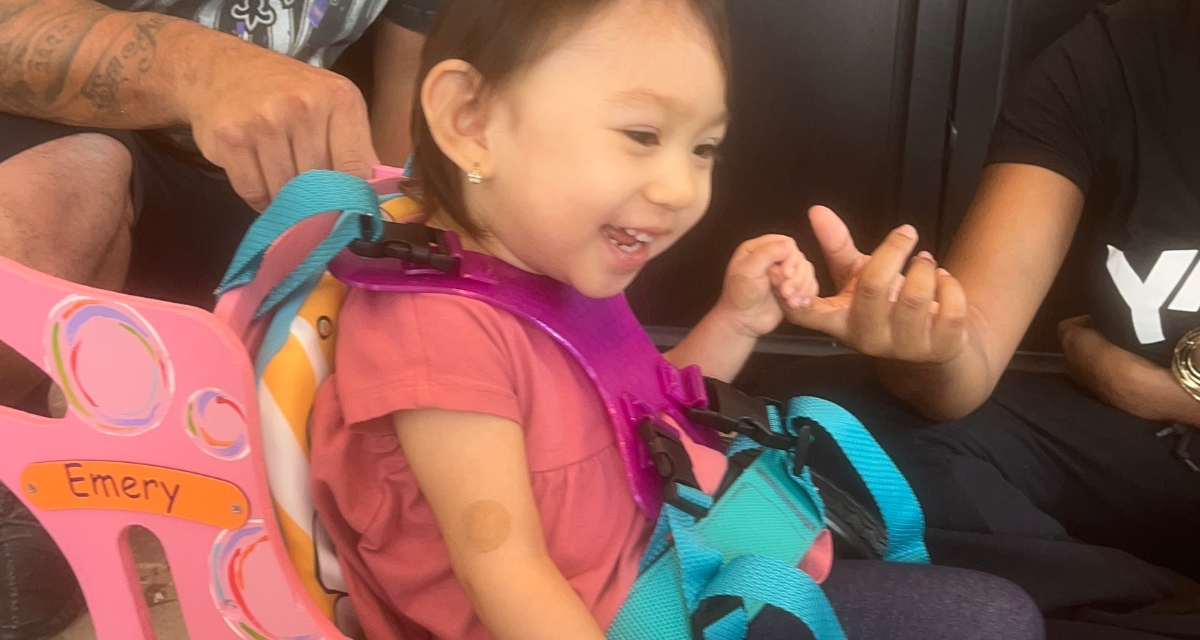
🌟
A 13-year-old boy spent his whole summer 3D printing a custom wheelchair for a baby in need
Een 13-jarig jongetje heeft zijn hele zomer besteed aan het 3D-printen van een aangepaste rolstoel voor een baby in nood
Un garçon de 13 ans a passé tout son été à imprimer en 3D une chaise roulante sur mesure pour un bébé dans le besoin
Isn't it amazing when a young person's creativity meets technology? Zac Waters, a 13-year-old, dedicated his summer to 3D printing a custom wheelchair for a baby in need after being inspired by a YouTube video. He spent around 300 hours designing and assembling this life-changing device, showcasing how one person's effort can make a significant impact. Organizations like MakeGood are making it possible for anyone to create assistive technology, and Zac is a shining example of this spirit.
Is het niet geweldig wanneer de creativiteit van een jongere samenkomt met technologie? Zac Waters, een 13-jarige, heeft zijn zomer gewijd aan het 3D-printen van een aangepaste rolstoel voor een baby in nood, geïnspireerd door een YouTube-video. Hij heeft ongeveer 300 uur besteed aan het ontwerpen en samenstellen van dit levensveranderende apparaat, wat laat zien hoe de inspanning van één persoon een grote impact kan hebben. Organisaties zoals MakeGood maken het mogelijk voor iedereen om assistieve technologie te creëren, en Zac is een stralend voorbeeld van deze geest.
N'est-ce pas incroyable lorsque la créativité d'un jeune rencontre la technologie ? Zac Waters, un garçon de 13 ans, a consacré son été à imprimer en 3D une chaise roulante sur mesure pour un bébé dans le besoin, inspiré par une vidéo sur YouTube. Il a passé environ 300 heures à concevoir et assembler cet appareil qui change la vie, montrant comment l'effort d'une seule personne peut avoir un impact significatif. Des organisations comme MakeGood rendent possible la création de technologies d'assistance par quiconque, et Zac est un exemple éclatant de cet esprit.
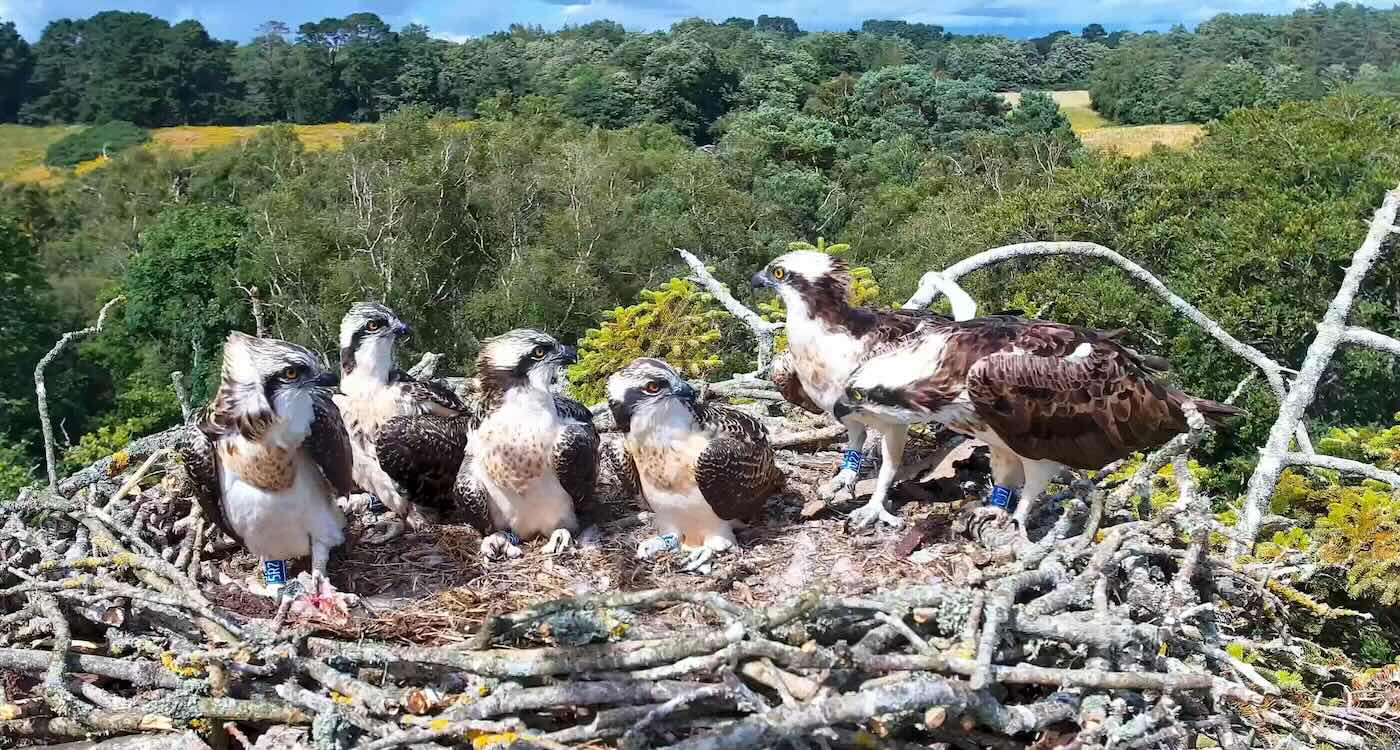
🦅
Ospreys recover thanks to ‘pioneering pairs’ who nest away from main population
Osprey herstelt dankzij 'pionierende paren' die weg van de hoofdpopulatie nestelen
Les balbuzards se rétablissent grâce à des 'paires pionnières' qui nichent loin de la population principale
Ospreys in Britain are making a remarkable comeback, and it’s all thanks to some adventurous ‘pioneering pairs’ that are choosing to nest far from the main population. This unique behavior is helping to speed up their recovery, which is especially exciting given they were once extinct in the British Isles. Researchers have been studying these patterns for over 54 years, revealing that these pioneering birds are crucial for expanding their habitats. It’s a fantastic reminder of how nature can bounce back with a little help and creativity from conservationists.
Osprey's in Groot-Brittannië maken een opmerkelijke comeback, en dat is allemaal te danken aan enkele avontuurlijke 'pionierende paren' die ervoor kiezen om ver weg van de hoofdpopulatie te nestelen. Dit unieke gedrag helpt de hersteltijd te versnellen, wat vooral spannend is gezien ze ooit uitgestorven waren in de Britse eilanden. Onderzoekers bestuderen deze patronen al meer dan 54 jaar en onthullen dat deze pionierende vogels cruciaal zijn voor het uitbreiden van hun habitats. Het is een fantastische herinnering aan hoe de natuur kan herstellen met een beetje hulp en creativiteit van natuurbeschermers.
Les balbuzards en Grande-Bretagne connaissent un retour remarquable, et tout cela grâce à quelques 'paires pionnières' qui choisissent de nicher loin de la population principale. Ce comportement unique aide à accélérer leur rétablissement, ce qui est particulièrement excitant étant donné qu'ils étaient autrefois éteints dans les îles britanniques. Les chercheurs étudient ces schémas depuis plus de 54 ans, révélant que ces oiseaux pionniers sont cruciaux pour l'expansion de leurs habitats. C'est un rappel fantastique de la façon dont la nature peut rebondir avec un peu d'aide et de créativité de la part des conservationnistes.

🌟
What we know about the yin-yang symbol might be wrong. It’s not about balance at all.
Wat we weten over het yin-yang symbool zou wel eens verkeerd kunnen zijn. Het gaat helemaal niet om balans.
Ce que nous savons sur le symbole yin-yang pourrait être faux. Ce n'est pas du tout une question d'équilibre.
So, it turns out that our understanding of the yin-yang symbol might be completely off! Instead of representing balance between good and evil, it actually symbolizes the natural flow of change. Tang, a YouTuber, explains that yin and yang are not opposing forces but rather different aspects of the same cycle. This fresh perspective encourages us to embrace the motion of life instead of striving for a perfect balance.
Dus, het blijkt dat ons begrip van het yin-yang symbool volledig verkeerd kan zijn! In plaats van balans tussen goed en kwaad te vertegenwoordigen, symboliseert het eigenlijk de natuurlijke stroom van verandering. Tang, een YouTuber, legt uit dat yin en yang geen tegenstrijdige krachten zijn, maar eerder verschillende aspecten van dezelfde cyclus. Dit nieuwe perspectief moedigt ons aan om de beweging van het leven te omarmen in plaats van te streven naar een perfecte balans.
Alors, il s'avère que notre compréhension du symbole yin-yang pourrait être complètement erronée ! Au lieu de représenter l'équilibre entre le bien et le mal, il symbolise en réalité le flux naturel du changement. Tang, un YouTuber, explique que le yin et le yang ne sont pas des forces opposées, mais plutôt différents aspects d'un même cycle. Cette nouvelle perspective nous encourage à embrasser le mouvement de la vie plutôt qu'à rechercher un équilibre parfait.
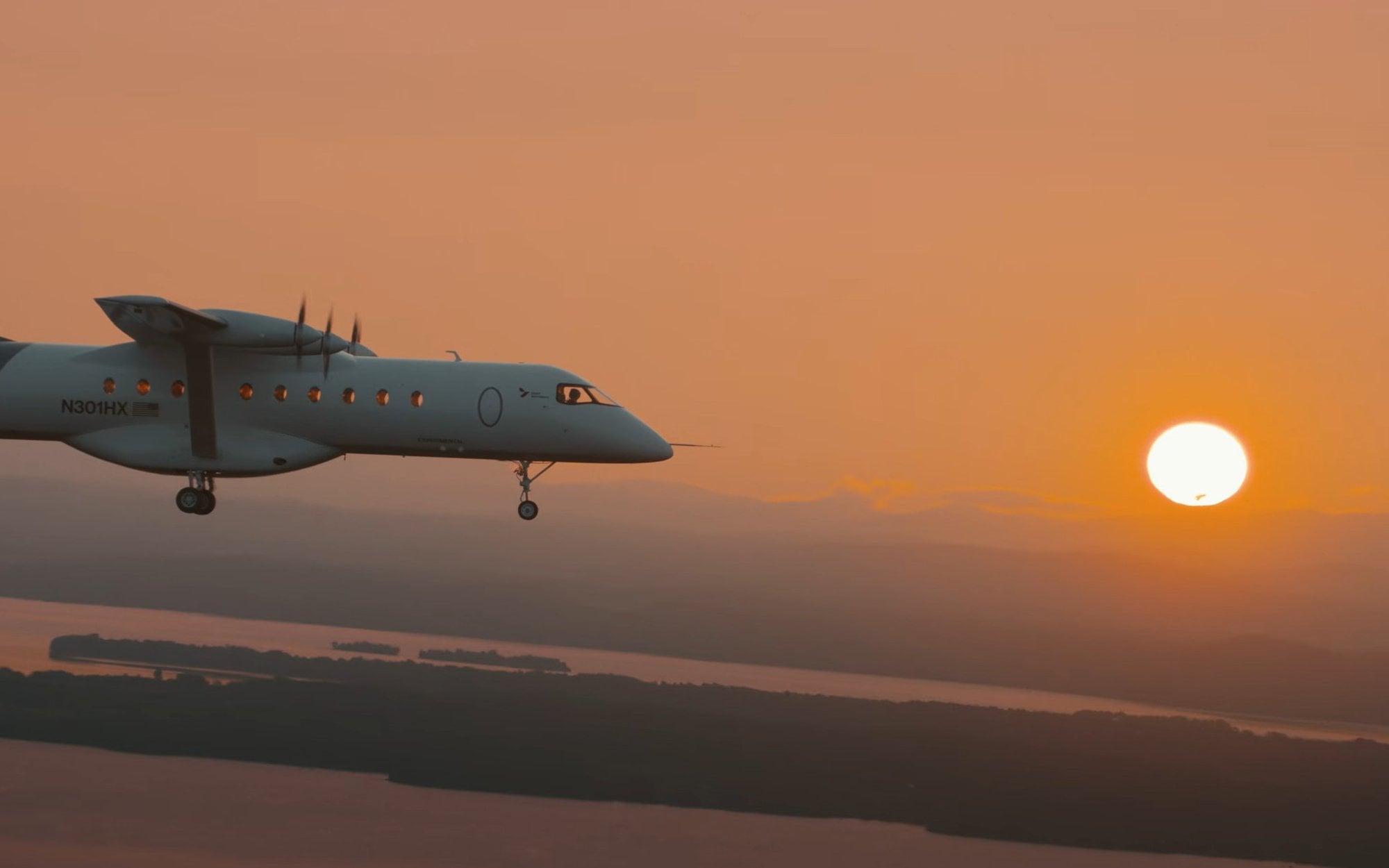
✈️
Revolution in civil aviation is getting closer. Cheap flying on electricity
Revolutie in de burgerluchtvaart komt dichterbij. Goedkoop vliegen op elektriciteit
Révolution dans l'aviation civile de plus en plus proche. Vols pas chers grâce à l'électricité
Heart Aerospace has just made a significant leap in aviation by successfully flying the X1, the largest fully electric aircraft ever. This 27-minute test flight demonstrated the feasibility of electric flying in commercial conditions, and it only cost about $5 in electricity! The potential for reducing operational costs by over 40% compared to traditional jets is incredibly exciting. With major airlines already showing interest, the future of affordable and eco-friendly air travel looks promising.
Heart Aerospace heeft net een belangrijke sprong in de luchtvaart gemaakt door met succes de X1, het grootste volledig elektrische vliegtuig ooit, te laten vliegen. Deze testvlucht van 27 minuten toonde de haalbaarheid van elektrisch vliegen onder commerciële omstandigheden aan, en kostte slechts ongeveer $5 aan elektriciteit! Het potentieel om de operationele kosten met meer dan 40% te verlagen in vergelijking met traditionele jets is ongelooflijk spannend. Met grote luchtvaartmaatschappijen die al interesse tonen, ziet de toekomst van betaalbaar en milieuvriendelijk vliegen er veelbelovend uit.
Heart Aerospace a réalisé un bond significatif dans l'aviation en faisant voler avec succès le X1, le plus grand avion entièrement électrique jamais construit. Ce vol d'essai de 27 minutes a démontré la faisabilité du vol électrique dans des conditions commerciales, et n'a coûté qu'environ 5 $ en électricité ! Le potentiel de réduction des coûts opérationnels de plus de 40 % par rapport aux jets traditionnels est incroyablement enthousiasmant. Avec de grandes compagnies aériennes déjà intéressées, l'avenir des voyages aériens abordables et écologiques semble prometteur.
🌌
A new explanation of why the universe’s supply of nuclear matter is fixed?
Een nieuwe verklaring waarom de voorraad nucleaire materie in het universum vastligt?
Une nouvelle explication de pourquoi l'approvisionnement en matière nucléaire de l'univers est fixe ?
So, scientists are diving deep into the mysteries of the universe, and they've come up with a fascinating new explanation for why the supply of nuclear matter seems to be fixed. This research could change our understanding of cosmic evolution and the fundamental forces at play. It's amazing to think about how these discoveries might reshape our view of the universe. And here's the thing: this could lead to new insights into everything from star formation to the very fabric of reality itself.
Dus, wetenschappers duiken diep in de mysteries van het universum en hebben een fascinerende nieuwe verklaring gevonden voor waarom de voorraad nucleaire materie lijkt vast te liggen. Dit onderzoek zou onze kijk op de kosmische evolutie en de fundamentele krachten die aan het werk zijn, kunnen veranderen. Het is geweldig om te bedenken hoe deze ontdekkingen onze kijk op het universum kunnen herdefiniëren. En dat is het punt: dit kan leiden tot nieuwe inzichten in alles, van sterrenvorming tot de essentie van de werkelijkheid zelf.
Alors, les scientifiques plongent dans les mystères de l'univers et ont trouvé une nouvelle explication fascinante sur pourquoi l'approvisionnement en matière nucléaire semble fixe. Cette recherche pourrait changer notre compréhension de l'évolution cosmique et des forces fondamentales en jeu. C'est incroyable de penser à la façon dont ces découvertes pourraient redéfinir notre vision de l'univers. Et voici le truc : cela pourrait conduire à de nouvelles perspectives sur tout, de la formation des étoiles à la structure même de la réalité.

🔍
Physicists find major clue to matter’s biggest mystery
Fysici vinden belangrijke aanwijzing voor het grootste mysterie van materie
Les physiciens trouvent un indice majeur sur le plus grand mystère de la matière
So, physicists are getting closer to unraveling the mystery of why we have more matter than antimatter in the universe. They've discovered a crucial quantity called baryon number, which might explain this cosmic imbalance. It turns out that during the big bang, a tiny bit more baryonic matter was produced than antimatter, allowing us to exist today. This exciting research sheds light on the building blocks of matter and how they interact, revealing new insights into the universe's origins.
Dus, fysici komen dichter bij het ontrafelen van het mysterie waarom we meer materie dan antimaterie in het universum hebben. Ze hebben een cruciale hoeveelheid ontdekt die baryongetal wordt genoemd, wat deze kosmische onbalans kan verklaren. Het blijkt dat er tijdens de oerknal een klein beetje meer baryonische materie werd geproduceerd dan antimaterie, waardoor we vandaag de dag kunnen bestaan. Dit spannende onderzoek werpt nieuw licht op de bouwstenen van materie en hoe ze interageren, en onthult nieuwe inzichten in de oorsprong van het universum.
Alors, les physiciens se rapprochent de la résolution du mystère de la raison pour laquelle nous avons plus de matière que d'antimatière dans l'univers. Ils ont découvert une quantité cruciale appelée nombre baryonique, qui pourrait expliquer ce déséquilibre cosmique. Il s'avère que, lors du big bang, un tout petit peu plus de matière baryonique a été produite que d'antimatière, nous permettant d'exister aujourd'hui. Cette recherche passionnante éclaire les éléments constitutifs de la matière et la façon dont ils interagissent, révélant de nouvelles perspectives sur les origines de l'univers.
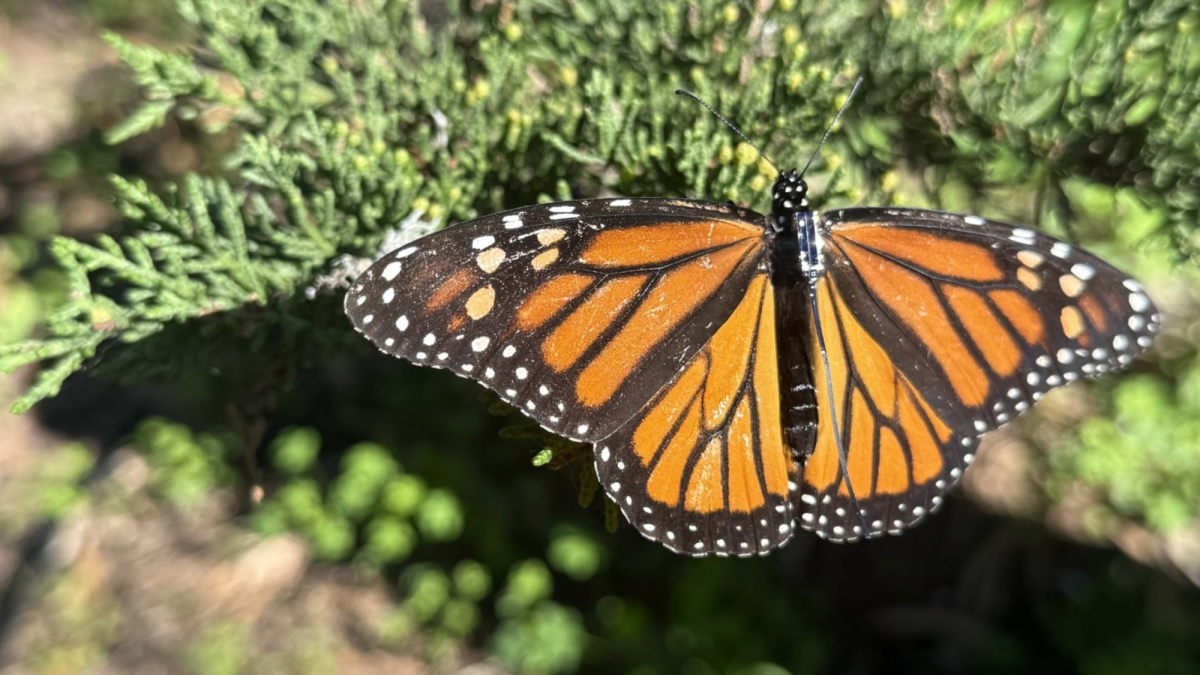
🦋
Putting tiny backpacks on butterflies—for science
Kleine rugzakjes op vlinders - voor de wetenschap
Mettre de petits sacs à dos sur les papillons - pour la science
How do you track the incredible journey of monarch butterflies? By giving them tiny solar-powered backpacks! This innovative project aims to monitor their migration and habitat needs, helping scientists understand how to protect these beautiful creatures. It's fascinating to see how technology can help us learn more about nature, and even citizen scientists can join in the fun with a special app. This project is truly a game-changer for butterfly conservation!
Hoe volg je de ongelooflijke reis van monarchvlinders? Door ze kleine zonne-energie rugzakjes te geven! Dit innovatieve project heeft als doel hun migratie en habitatbehoeften te monitoren, zodat wetenschappers beter kunnen begrijpen hoe ze deze prachtige wezens kunnen beschermen. Het is fascinerend om te zien hoe technologie ons kan helpen meer over de natuur te leren, en zelfs burgerwetenschappers kunnen meedoen met een speciale app. Dit project is echt een doorbraak voor de bescherming van vlinders!
Comment suivre le voyage incroyable des papillons monarques ? En leur donnant de petits sacs à dos solaires ! Ce projet innovant vise à surveiller leur migration et leurs besoins en habitat, aidant ainsi les scientifiques à comprendre comment protéger ces magnifiques créatures. Il est fascinant de voir comment la technologie peut nous aider à en apprendre davantage sur la nature, et même les citoyens scientifiques peuvent participer avec une application spéciale. Ce projet représente vraiment une avancée majeure pour la conservation des papillons !

🐟
Should that fish be on your plate? How eating seafood in season could help India's oceans recover
Moet die vis op je bord liggen? Hoe het eten van seizoensgebonden zeevruchten de oceanen van India kan helpen herstellen
Cette poisson doit-il être dans votre assiette? Comment manger des fruits de mer de saison pourrait aider les océans de l'Inde à se rétablir
So, have you ever thought about when you should eat certain fish? This article dives into the Know Your Fish initiative, which encourages us to choose seafood based on its breeding cycles. By making informed choices, we can help protect India's marine ecosystems. It's fascinating to see how traditional practices align with these cycles, and how reconnecting with our ocean can make a real difference.
Heb je ooit nagedacht over wanneer je bepaalde vissen moet eten? Dit artikel duikt in het Know Your Fish-initiatief, dat ons aanmoedigt om zeevruchten te kiezen op basis van hun voortplantingscycli. Door weloverwogen keuzes te maken, kunnen we de mariene ecosystemen van India helpen beschermen. Het is fascinerend om te zien hoe traditionele praktijken overeenkomen met deze cycli en hoe het herverbinden met onze oceaan een echt verschil kan maken.
Avez-vous déjà pensé à quand vous devriez manger certains poissons? Cet article explore l'initiative Know Your Fish, qui nous encourage à choisir des fruits de mer en fonction de leurs cycles de reproduction. En faisant des choix éclairés, nous pouvons aider à protéger les écosystèmes marins de l'Inde. C'est fascinant de voir comment les pratiques traditionnelles s'alignent avec ces cycles et comment se reconnecter avec notre océan peut faire une réelle différence.

🌟
What end-of-life experts know about living well: love your wrinkles, celebrate birthdays and don’t obsess over work
Wat experts over het levenseinde weten over goed leven: hou van je rimpels, vier verjaardagen en maak je niet druk om werk
Ce que les experts de la fin de vie savent sur bien vivre : aimez vos rides, célébrez les anniversaires et ne vous obsédez pas pour le travail
So, this article dives into what end-of-life experts have learned about living a fulfilling life. They emphasize the importance of human connections over material things, which is such a refreshing perspective! It’s fascinating how repairing relationships and living with intention can lead to a more meaningful existence. Plus, they remind us that pleasure isn’t everything, and finding joy in small moments can truly enrich our lives.
Dit artikel duikt in wat experts over het levenseinde hebben geleerd over het leven van een vervullend leven. Ze benadrukken het belang van menselijke connecties boven materiële zaken, wat zo'n verfrissend perspectief is! Het is fascinerend hoe het herstellen van relaties en leven met intentie kan leiden tot een betekenisvoller bestaan. Bovendien herinneren ze ons eraan dat plezier niet alles is, en dat het vinden van vreugde in kleine momenten ons leven echt kan verrijken.
Cet article explore ce que les experts de la fin de vie ont appris sur la manière de vivre une vie épanouissante. Ils soulignent l'importance des connexions humaines par rapport aux choses matérielles, ce qui est une perspective si rafraîchissante ! Il est fascinant de voir comment réparer les relations et vivre avec intention peuvent mener à une existence plus significative. De plus, ils nous rappellent que le plaisir n'est pas tout, et que trouver de la joie dans les petits moments peut vraiment enrichir nos vies.
🌊
Zilvermeer stays free of blue-green algae thanks to floating plant islands
Zilvermeer blijft vrij van blauwalg dankzij drijvende planteneilanden
Zilvermeer reste exempt d'algues bleu-vert grâce à des îles de plantes flottantes
So, the Zilvermeer in Mol is having a fantastic summer without any blue-green algae, which is quite a feat! This is largely thanks to floating plant islands that naturally improve water quality. Director Igor Geubbelmans highlights that these islands act like a natural purification system, absorbing nutrients that algae thrive on. It's amazing to see how a sustainable approach can make such a difference, especially during these hot months.
Het Zilvermeer in Mol heeft deze zomer geen last van blauwalg, wat een geweldige prestatie is! Dit komt vooral door drijvende planteneilanden die de waterkwaliteit op natuurlijke wijze verbeteren. Directeur Igor Geubbelmans benadrukt dat deze eilanden functioneren als een natuurlijke zuiveringsinstallatie, die voedingsstoffen absorberen waar algen van gedijen. Het is geweldig om te zien hoe een duurzame aanpak zo'n verschil kan maken, vooral tijdens deze warme maanden.
Le Zilvermeer à Mol n'a pas de problèmes d'algues bleu-vert cet été, ce qui est une véritable réussite ! Cela est principalement dû à des îles de plantes flottantes qui améliorent naturellement la qualité de l'eau. Le directeur Igor Geubbelmans souligne que ces îles agissent comme un système de purification naturel, absorbant les nutriments dont se nourrissent les algues. C'est incroyable de voir à quel point une approche durable peut faire une telle différence, surtout pendant ces mois chauds.
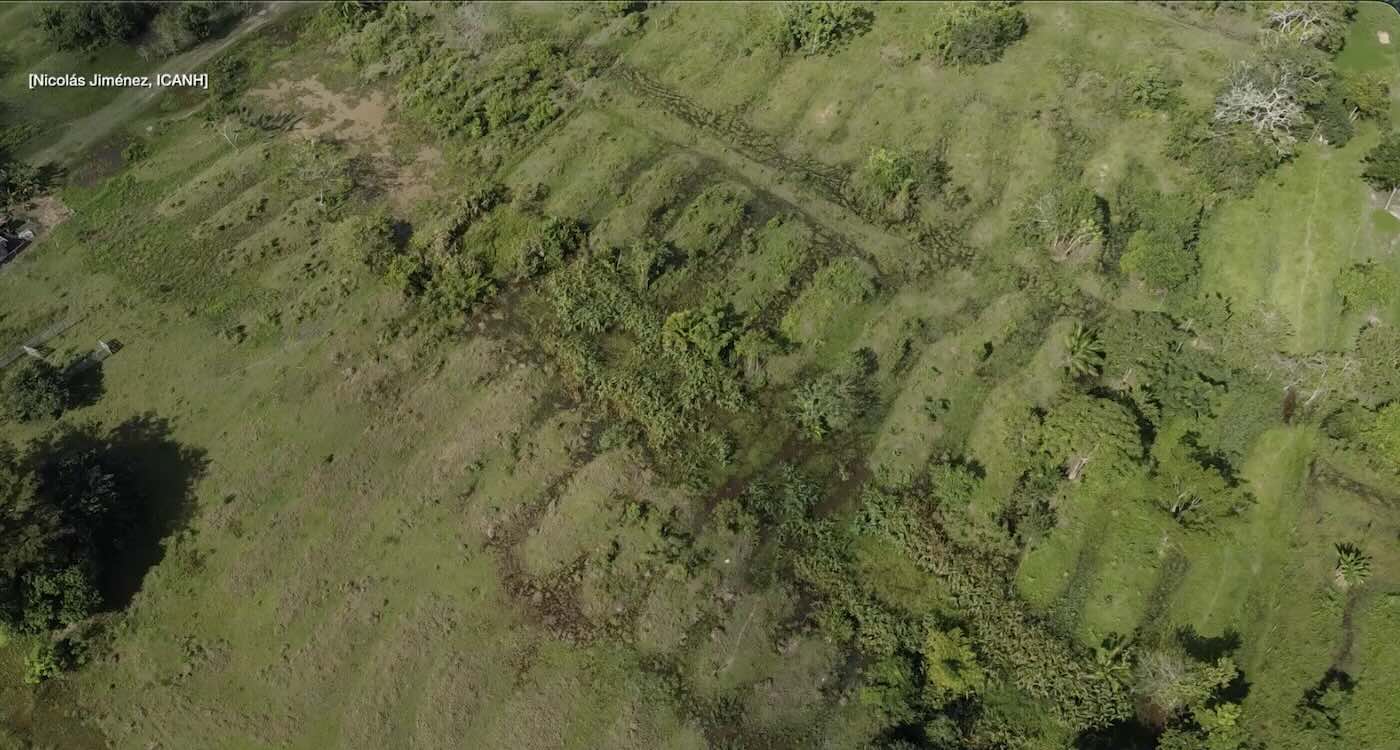
🌟
Early farmers figured out ‘engineering wonder,’ building huge irrigation system without government or chief
Vroege boeren ontdekten 'ingenieurswonder' door enorme irrigatiesystemen te bouwen zonder regering of leider
Les premiers agriculteurs ont découvert un 'merveille d'ingénierie' en construisant un immense système d'irrigation sans gouvernement ni chef
Isn't it fascinating that ancient farmers in Colombia built a massive irrigation system without any government oversight? This incredible engineering feat, visible from the sky, was achieved through community cooperation and local organization. Researchers suggest that this model could inspire modern solutions to today's water management issues. It's a brilliant reminder of what can be accomplished when people work together for a common goal.
Is het niet fascinerend dat oude boeren in Colombia een enorm irrigatiesysteem hebben gebouwd zonder enige overheidscontrole? Dit ongelooflijke ingenieurswonder, zichtbaar vanuit de lucht, werd bereikt door samenwerking binnen de gemeenschap en lokale organisatie. Onderzoekers suggereren dat dit model moderne oplossingen kan inspireren voor de huidige waterbeheerproblemen. Het is een schitterende herinnering aan wat er kan worden bereikt wanneer mensen samenwerken voor een gemeenschappelijk doel.
N'est-il pas fascinant que des agriculteurs anciens en Colombie aient construit un immense système d'irrigation sans aucune supervision gouvernementale ? Cet exploit d'ingénierie incroyable, visible du ciel, a été réalisé grâce à la coopération communautaire et à l'organisation locale. Les chercheurs suggèrent que ce modèle pourrait inspirer des solutions modernes aux problèmes de gestion de l'eau d'aujourd'hui. C'est un rappel brillant de ce qui peut être accompli lorsque les gens travaillent ensemble pour un objectif commun.

🌒
The best photos of the big August solar eclipse
De beste foto's van de grote zonsverduistering in augustus
Les meilleures photos de la grande éclipse solaire d'août
Wow, what an incredible sight! Spain experienced its first total solar eclipse in over a century, and it was absolutely stunning. The solar corona shone brightly as the moon completely obscured the sun, creating a magical moment for everyone watching. From Madrid to Mallorca, people gathered to witness this rare event, and even NASA was on hand to study the eclipse's effects on our atmosphere. These breathtaking photos capture the beauty of the eclipse and the excitement it brought to so many.
Wauw, wat een ongelooflijk gezicht! Spanje beleefde zijn eerste totale zonsverduistering in meer dan een eeuw, en het was absoluut prachtig. De zonnevlammen straalden fel terwijl de maan de zon volledig bedekte, wat een magisch moment creëerde voor iedereen die keek. Van Madrid tot Mallorca kwamen mensen samen om dit zeldzame evenement te aanschouwen, en zelfs NASA was aanwezig om de effecten van de verduistering op onze atmosfeer te bestuderen. Deze adembenemende foto's vangen de schoonheid van de verduistering en de opwinding die het bij zoveel mensen teweegbracht.
Waouh, quel spectacle incroyable ! L'Espagne a connu sa première éclipse solaire totale en plus d'un siècle, et c'était absolument magnifique. La couronne solaire brillait intensément alors que la lune obscurcissait complètement le soleil, créant un moment magique pour tous les spectateurs. De Madrid à Majorque, les gens se sont rassemblés pour assister à cet événement rare, et même la NASA était présente pour étudier les effets de l'éclipse sur notre atmosphère. Ces photos époustouflantes capturent la beauté de l'éclipse et l'excitation qu'elle a suscitée chez tant de personnes.

🕸️
Scientists are using spider webs to develop materials that treat burn wounds, reverse nerve damage
Wetenschappers gebruiken spinnenwebben om materialen te ontwikkelen die brandwonden behandelen en zenuwschade omkeren
Des scientifiques utilisent des toiles d'araignées pour développer des matériaux qui traitent les brûlures et inversent les lésions nerveuses
Isn't it amazing that scientists are turning to spider webs for medical advancements? They’re exploring the incredible properties of spider silk to create materials that can treat burn wounds and even reverse nerve damage. This natural wonder is not just a thread but a complex structure with unique characteristics. I find it fascinating how biology can inspire technology in such a profound way!
Is het niet geweldig dat wetenschappers zich wenden tot spinnenwebben voor medische vooruitgangen? Ze verkennen de ongelooflijke eigenschappen van spinnenzijde om materialen te creëren die brandwonden kunnen behandelen en zelfs zenuwschade kunnen omkeren. Dit natuurlijke wonder is niet zomaar een draad, maar een complexe structuur met unieke kenmerken. Ik vind het fascinerend hoe biologie technologie op zo'n diepgaande manier kan inspireren!
N'est-ce pas incroyable que les scientifiques se tournent vers les toiles d'araignées pour des avancées médicales ? Ils explorent les propriétés incroyables de la soie d'araignée pour créer des matériaux capables de traiter les brûlures et même d'inverser les lésions nerveuses. Cette merveille naturelle n'est pas qu'un simple fil, mais une structure complexe avec des caractéristiques uniques. Je trouve fascinant comment la biologie peut inspirer la technologie de manière si profonde !
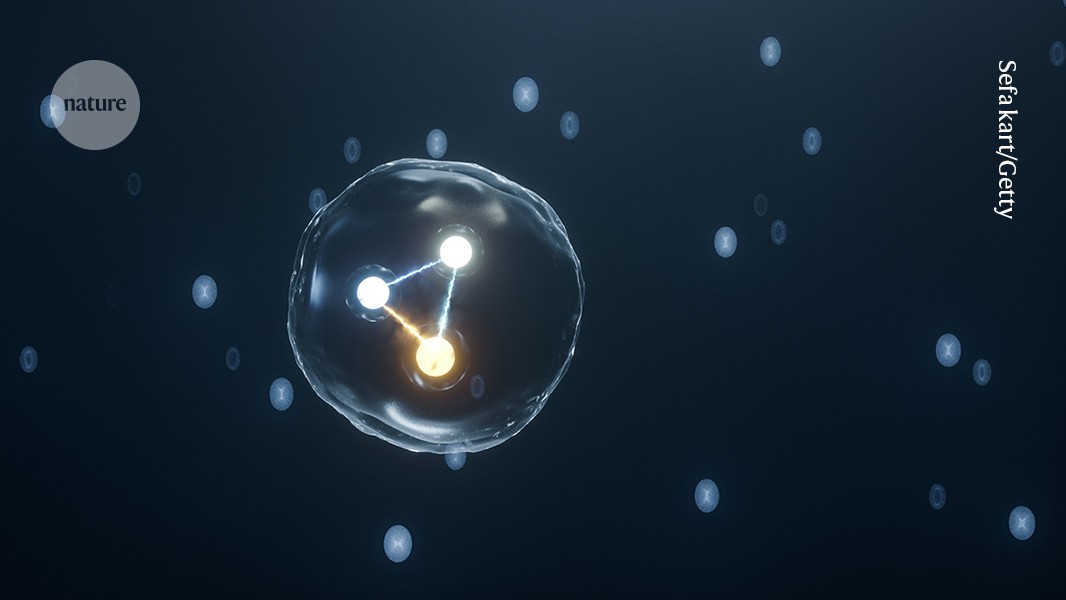
🔬
A particle made of force: physicists say they’ve found mysterious ‘glueball’
Een deeltje gemaakt van kracht: natuurkundigen zeggen dat ze mysterieuze 'glueball' hebben gevonden
Une particule faite de force : des physiciens disent avoir trouvé une mystérieuse 'glueball'
After nearly two decades of searching, physicists in China have found strong evidence of a glueball, a particle made entirely of gluons. This discovery, presented at an international conference, suggests that the particle X(2370) is primarily composed of these fascinating force-carrying particles. The findings could reshape our understanding of how gluons interact and even shed light on the origin of mass itself. It's an exciting time in particle physics, as researchers continue to unravel the mysteries of the universe!
Na bijna twee decennia van zoeken hebben natuurkundigen in China sterk bewijs gevonden voor een glueball, een deeltje dat volledig uit gluonen bestaat. Deze ontdekking, gepresenteerd op een internationale conferentie, suggereert dat het deeltje X(2370) voornamelijk bestaat uit deze fascinerende krachtdragende deeltjes. De bevindingen kunnen ons begrip van hoe gluonen met elkaar omgaan herzien en zelfs licht werpen op de oorsprong van massa zelf. Het is een spannende tijd in de deeltjesfysica, terwijl onderzoekers de mysteries van het universum blijven ontrafelen!
Après près de deux décennies de recherche, des physiciens en Chine ont trouvé des preuves solides d'une glueball, une particule entièrement composée de gluons. Cette découverte, présentée lors d'une conférence internationale, suggère que la particule X(2370) est principalement composée de ces fascinantes particules porteuses de force. Les résultats pourraient redéfinir notre compréhension de l'interaction des gluons et même éclairer l'origine de la masse elle-même. C'est un moment passionnant en physique des particules, alors que les chercheurs continuent de percer les mystères de l'univers !

🌟
Star parties are an escape for the overstimulated
Sterrenfeesten zijn een ontsnapping voor de overprikkelde
Les soirées étoilées sont une échappatoire pour les surstimulés
More and more people are seeking refuge from the hustle and bustle of cities, drawn to places where the only light comes from distant stars. Astrotourism, a unique blend of travel, science, and nature, is experiencing a remarkable renaissance. This trend is fueled by a desire to escape artificial light, the need for digital detox, and a thirst for educational exploration. Observing the night sky not only reduces stress but also fosters connections among people, creating communities united by their awe of the cosmos.
Steeds meer mensen zoeken een toevluchtsoord van de drukte van de steden, aangetrokken tot plaatsen waar het enige licht afkomstig is van verre sterren. Astroturisme, een unieke mix van reizen, wetenschap en natuur, beleeft een opmerkelijke renaissance. Deze trend wordt aangedreven door de behoefte om te ontsnappen aan kunstlicht, de noodzaak voor digitale detox en een dorst naar educatieve verkenning. Het observeren van de nachtelijke hemel vermindert niet alleen stress, maar bevordert ook verbindingen tussen mensen, waardoor gemeenschappen ontstaan die verenigd zijn in hun ontzag voor het heelal.
De plus en plus de personnes recherchent un refuge loin de l'agitation des villes, attirées par des lieux où la seule lumière provient des étoiles lointaines. L'astrotourisme, un mélange unique de voyage, de science et de nature, connaît un véritable renouveau. Cette tendance est alimentée par le désir d'échapper à la lumière artificielle, le besoin de détox numérique et une soif d'exploration éducative. Observer le ciel nocturne réduit non seulement le stress, mais favorise également les connexions entre les gens, créant des communautés unies par leur émerveillement pour le cosmos.

🐸
Birds, fish, frogs & dragonflies: the hidden life inside India’s familiar ponds
Vogels, vissen, kikkers & libellen: het verborgen leven in de vertrouwde vijvers van India
Oiseaux, poissons, grenouilles et libellules : la vie cachée dans les étangs familiers de l'Inde
Ponds across India are vibrant ecosystems teeming with life, from fish and frogs to dragonflies and birds. Each region has its own unique pond, like the pukur in Bengal or the johad in Rajasthan, which supports a diverse range of wildlife. These water bodies not only provide food and shelter but also play a crucial role in the local environment. It's fascinating to see how something as simple as a pond can be a hub of activity and biodiversity.
Vijvers in heel India zijn levendige ecosystemen vol leven, van vissen en kikkers tot libellen en vogels. Elke regio heeft zijn eigen unieke vijver, zoals de pukur in Bengal of de johad in Rajasthan, die een divers scala aan wilde dieren ondersteunt. Deze waterlichamen bieden niet alleen voedsel en onderdak, maar spelen ook een cruciale rol in het lokale milieu. Het is fascinerend om te zien hoe iets zo eenvoudigs als een vijver een centrum van activiteit en biodiversiteit kan zijn.
Les étangs à travers l'Inde sont des écosystèmes vibrants regorgeant de vie, des poissons et des grenouilles aux libellules et aux oiseaux. Chaque région a son propre étang unique, comme le pukur au Bengale ou le johad au Rajasthan, qui soutient une gamme diversifiée de faune. Ces plans d'eau offrent non seulement de la nourriture et un abri, mais jouent également un rôle crucial dans l'environnement local. Il est fascinant de voir comment quelque chose d'aussi simple qu'un étang peut être un centre d'activité et de biodiversité.
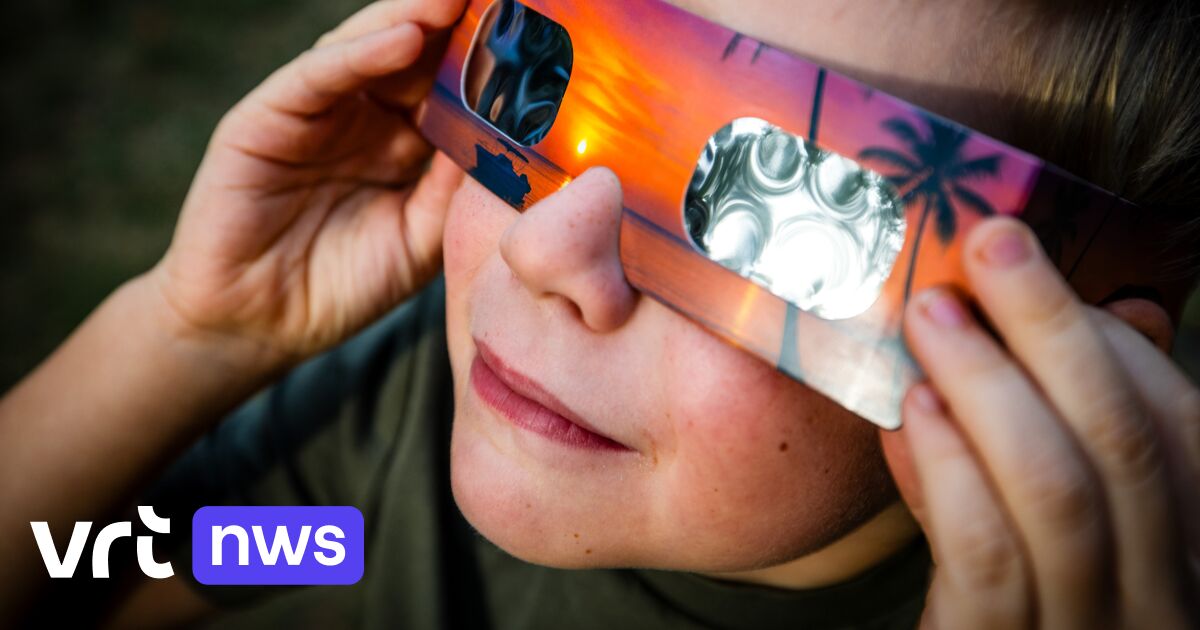
🌞
Can't get eclipse glasses? Here's how to safely experience the solar eclipse
Geen eclipsbril kunnen bemachtigen? Zo beleef je de zonsverduistering toch veilig
Vous n'avez pas pu obtenir de lunettes d'éclipse ? Voici comment vivre en toute sécurité l'éclipse solaire
So, if you missed out on eclipse glasses, don't worry! There are safe ways to enjoy the solar eclipse without risking your eyesight. You can visit one of the six public observatories in Flanders to use telescopes with solar filters. And if you're feeling creative, try making a pinhole projector to safely view the eclipse's projection on a surface.
Dus, als je geen eclipsbril hebt kunnen bemachtigen, maak je geen zorgen! Er zijn veilige manieren om de zonsverduistering te beleven zonder je ogen in gevaar te brengen. Je kunt een van de zes volkssterrenwachten in Vlaanderen bezoeken om telescopen met zonnefilters te gebruiken. En als je creatief bent, probeer dan een camera obscura te maken om de projectie van de eclips op een oppervlak te bekijken.
Alors, si vous n'avez pas pu obtenir de lunettes d'éclipse, ne vous inquiétez pas ! Il existe des moyens sûrs de profiter de l'éclipse solaire sans risquer votre vue. Vous pouvez visiter l'une des six observatoires publics en Flandre pour utiliser des télescopes avec des filtres solaires. Et si vous êtes créatif, essayez de fabriquer un projecteur à sténopé pour voir en toute sécurité la projection de l'éclipse sur une surface.
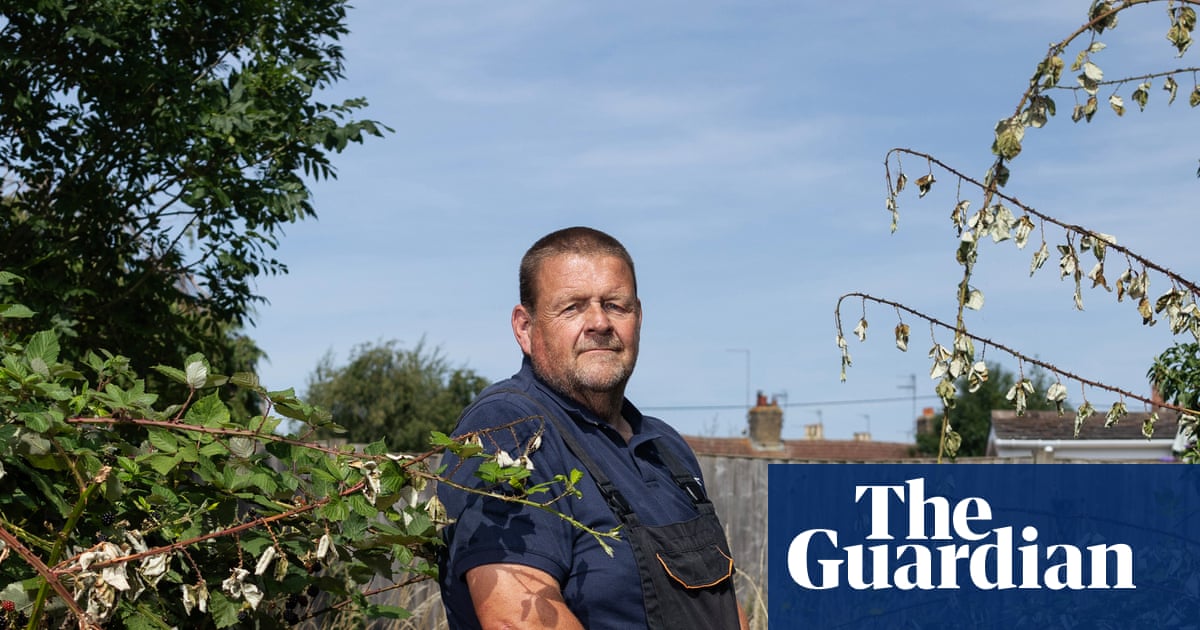
🌟
I’m giving people a happy space: the man clearing gardens for free
Ik geef mensen een blije ruimte: de man die gratis tuinen opruimt
Je donne aux gens un espace heureux : l'homme qui nettoie gratuitement les jardins
Stephen Jalland is on a mission to help people by clearing their overgrown gardens for free, and it's making a huge difference in their lives. Anita Thursby, who had been embarrassed by her wild backyard, felt an instant weight lift off her shoulders when Jalland arrived to help. His generosity has sparked a wave of support, with many reaching out for assistance after seeing his work on social media. It's not just about the gardens; it's about connecting with people and bringing joy back into their lives.
Stephen Jalland is op een missie om mensen te helpen door hun overgroeide tuinen gratis op te ruimen, en het maakt een enorm verschil in hun leven. Anita Thursby, die zich schaamde voor haar wilde achtertuin, voelde onmiddellijk de druk van haar schouders vallen toen Jalland kwam helpen. Zijn vrijgevigheid heeft een golf van steun veroorzaakt, waarbij velen om hulp vroegen na het zien van zijn werk op sociale media. Het gaat niet alleen om de tuinen; het gaat om het verbinden met mensen en het terugbrengen van vreugde in hun leven.
Stephen Jalland est en mission pour aider les gens en nettoyant gratuitement leurs jardins envahis, et cela fait une énorme différence dans leur vie. Anita Thursby, qui avait honte de son jardin sauvage, a ressenti un poids instantané se lever de ses épaules lorsque Jalland est arrivé pour l'aider. Sa générosité a déclenché une vague de soutien, de nombreuses personnes demandant de l'aide après avoir vu son travail sur les réseaux sociaux. Il ne s'agit pas seulement des jardins ; il s'agit de se connecter avec les gens et de ramener la joie dans leur vie.
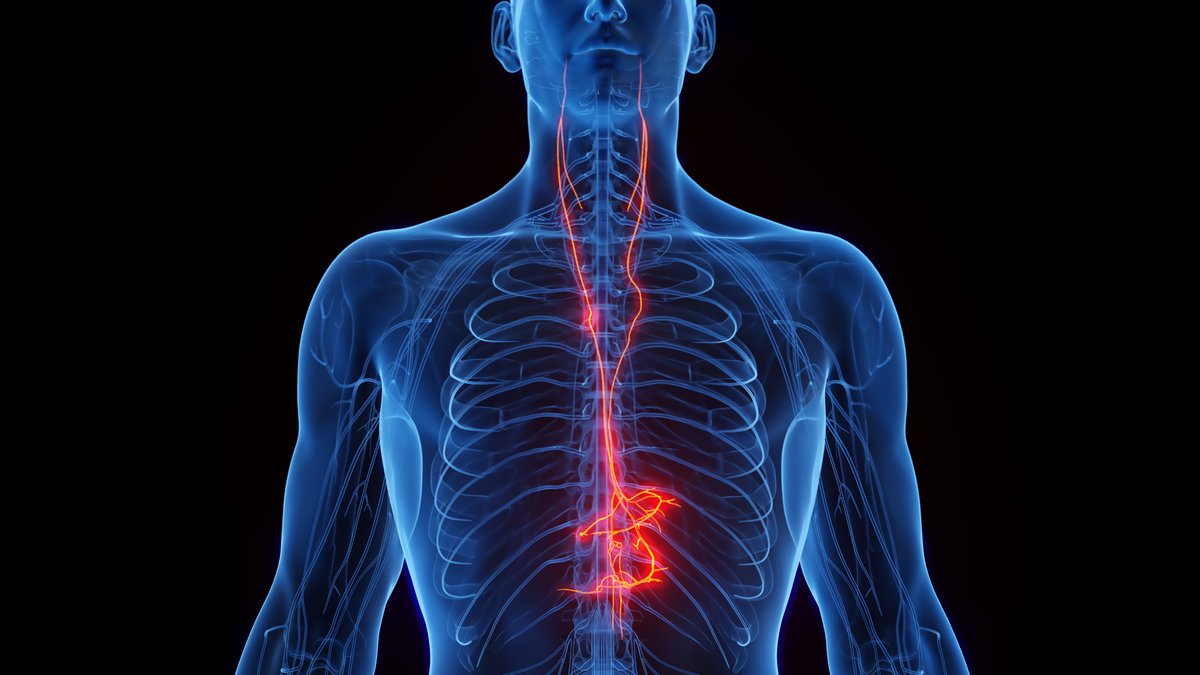
🧠
Scientists are closer than ever to understanding the power of the vagus nerve
Wetenschappers zijn dichterbij dan ooit om de kracht van de vagus zenuw te begrijpen
Les scientifiques sont plus proches que jamais de comprendre le pouvoir du nerf vague
So, the vagus nerve is like the body's information highway, connecting major organs and influencing everything from digestion to immune responses. Researchers have been mapping this complex nerve to unlock its secrets, and they’ve made significant progress! By examining cadavers and using advanced imaging techniques, they’ve created detailed maps of nerve fibers. This knowledge could lead to more precise medical treatments for conditions like epilepsy and depression, which is just fantastic news for patients.
De vagus zenuw is als de informatie snelweg van het lichaam, die belangrijke organen verbindt en invloed heeft op alles van spijsvertering tot immuunresponsen. Onderzoekers hebben deze complexe zenuw in kaart gebracht om zijn geheimen te onthullen, en ze hebben aanzienlijke vooruitgang geboekt! Door het onderzoeken van lichamen en het gebruik van geavanceerde beeldvormingstechnieken hebben ze gedetailleerde kaarten van zenuwvezels gemaakt. Deze kennis kan leiden tot nauwkeurigere medische behandelingen voor aandoeningen zoals epilepsie en depressie, wat geweldig nieuws is voor patiënten.
Le nerf vague est comme l'autoroute de l'information du corps, reliant les organes majeurs et influençant tout, de la digestion aux réponses immunitaires. Les chercheurs ont cartographié ce nerf complexe pour en révéler les secrets, et ils ont fait des progrès significatifs ! En examinant des cadavres et en utilisant des techniques d'imagerie avancées, ils ont créé des cartes détaillées des fibres nerveuses. Cette connaissance pourrait conduire à des traitements médicaux plus précis pour des conditions telles que l'épilepsie et la dépression, ce qui est une excellente nouvelle pour les patients.

☔
Mumbai brothers’ bike ‘umbrella’ helps 20000 riders reach work dry in the monsoon
Mumbai-broers' fiets 'paraplu' helpt 20000 rijders droog op het werk in de moesson
Les frères de Mumbai créent un 'parapluie' pour motos qui aide 20000 conducteurs à arriver secs au travail pendant la mousson
The arrival of the monsoon can be tough for two-wheeler riders in India, but brothers Kashyap and Vidhey have come up with a brilliant solution. Their SEPAL Shield is a detachable canopy that protects riders from rain and wind, making commutes much more comfortable. After three years of testing and refining, this innovation is now helping over 20,000 riders stay dry on their way to work or school. It’s amazing to see how a simple idea can transform the daily lives of so many people!
De komst van de moesson kan zwaar zijn voor motorrijders in India, maar de broers Kashyap en Vidhey hebben een briljante oplossing bedacht. Hun SEPAL Shield is een afneembare luifel die rijders beschermt tegen regen en wind, waardoor het woon-werkverkeer veel comfortabeler wordt. Na drie jaar testen en verfijnen helpt deze innovatie nu meer dan 20.000 rijders droog op weg naar hun werk of school. Het is geweldig om te zien hoe een simpel idee het dagelijks leven van zoveel mensen kan transformeren!
L'arrivée de la mousson peut être difficile pour les conducteurs de deux-roues en Inde, mais les frères Kashyap et Vidhey ont trouvé une solution brillante. Leur SEPAL Shield est un auvent détachable qui protège les conducteurs de la pluie et du vent, rendant les trajets beaucoup plus confortables. Après trois ans de tests et de perfectionnements, cette innovation aide désormais plus de 20 000 conducteurs à rester au sec sur le chemin du travail ou de l'école. C'est incroyable de voir comment une idée simple peut transformer la vie quotidienne de tant de personnes !
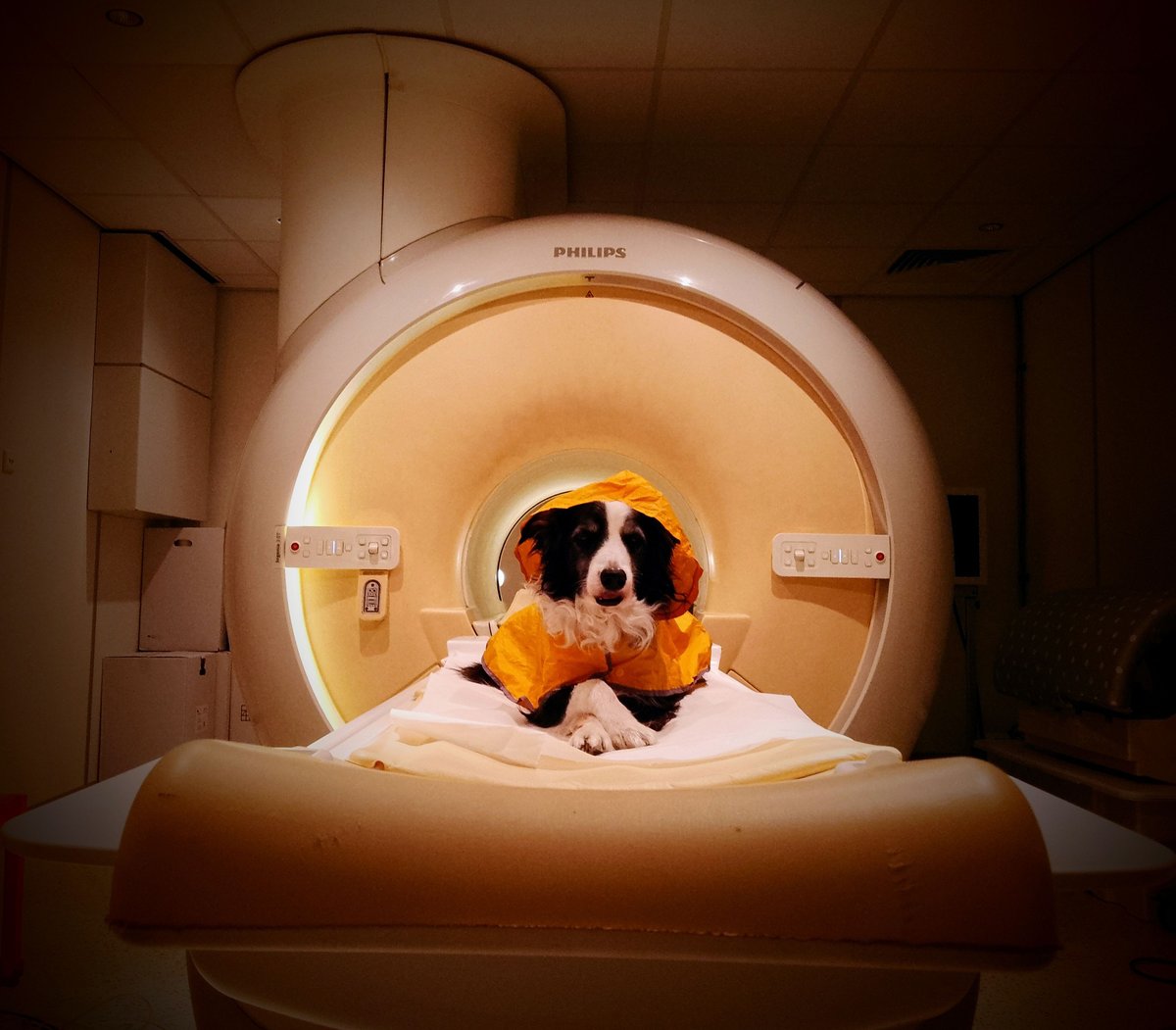
🐶
Can dogs read your facial expressions? It depends on your mood
Kunnen honden je gezichtsuitdrukkingen lezen? Het hangt af van je humeur
Les chiens peuvent-ils lire vos expressions faciales ? Cela dépend de votre humeur
So, it turns out our furry friends can really pick up on our emotions! A recent study shows that dogs can recognize different human facial expressions, especially when it comes to happiness. Researchers found that specific areas of a dog's brain light up when they see happy faces, suggesting they understand our feelings at a deeper level. This fascinating insight into canine cognition highlights just how connected we are with our pets.
Dus, het blijkt dat onze harige vrienden echt onze emoties kunnen oppikken! Een recente studie toont aan dat honden verschillende menselijke gezichtsuitdrukkingen kunnen herkennen, vooral als het gaat om geluk. Onderzoekers ontdekten dat specifieke gebieden in de hersenen van een hond oplichten wanneer ze blije gezichten zien, wat suggereert dat ze onze gevoelens op een dieper niveau begrijpen. Dit fascinerende inzicht in de cognitie van honden benadrukt hoe verbonden we zijn met onze huisdieren.
Alors, il s'avère que nos amis à quatre pattes peuvent vraiment percevoir nos émotions ! Une étude récente montre que les chiens peuvent reconnaître différentes expressions faciales humaines, surtout en ce qui concerne le bonheur. Les chercheurs ont découvert que des zones spécifiques du cerveau d'un chien s'activent lorsqu'ils voient des visages heureux, suggérant qu'ils comprennent nos sentiments à un niveau plus profond. Cet aperçu fascinant de la cognition canine souligne à quel point nous sommes connectés à nos animaux de compagnie.

✍️
The negativity we actually need
De negativiteit die we echt nodig hebben
La négativité dont nous avons réellement besoin
Recently, a friend pointed out that my project might be doing more harm than good by filtering out negativity. I totally get his point, especially regarding climate change and other pressing issues that deserve more attention. But here's the twist: I see Positron as essential for cutting through the noise of unimportant bad news that overshadows the truly significant stories. The data shows that while political drama and celebrity gossip dominate, crucial topics like climate and AI are often drowned out, which is exactly why Positron needs to exist.
Onlangs wees een vriend me erop dat mijn project mogelijk meer kwaad dan goed doet door negativiteit te filteren. Ik begrijp zijn punt helemaal, vooral als het gaat om klimaatverandering en andere urgente kwesties die meer aandacht verdienen. Maar hier is de wending: ik zie Positron als essentieel om door het lawaai van onbelangrijke slechte nieuws heen te snijden dat de echt belangrijke verhalen overschaduwt. De gegevens tonen aan dat terwijl politieke drama en roddels domineren, cruciale onderwerpen zoals klimaat en AI vaak worden verdrongen, wat precies is waarom Positron moet bestaan.
Récemment, un ami m'a fait remarquer que mon projet pourrait faire plus de mal que de bien en filtrant la négativité. Je comprends tout à fait son point de vue, surtout en ce qui concerne le changement climatique et d'autres enjeux pressants qui méritent plus d'attention. Mais voici le twist : je considère Positron comme essentiel pour couper à travers le bruit des mauvaises nouvelles peu importantes qui éclipsent les histoires vraiment significatives. Les données montrent que, tandis que le drame politique et les potins de célébrités dominent, des sujets cruciaux comme le climat et l'IA sont souvent noyés, ce qui est précisément pourquoi Positron doit exister.
🥔
Potatoes may have given Indigenous Andeans a digestive superpower
Aardappelen hebben mogelijk de inheemse Andeanen een spijsverteringssuperkracht gegeven
Les pommes de terre ont peut-être donné aux Andins autochtones un superpouvoir digestif
Isn't it fascinating how potatoes, a staple for thousands of years in the Andes, might have influenced human evolution? Researchers found that Indigenous Andeans carry more copies of a gene that helps digest starch, which likely gave them an edge as they relied on this crop. This study highlights how natural selection favored those with higher AMY1 gene copies around the time potatoes became a dietary staple. It’s a remarkable example of how our diets can shape our biology over generations!
Is het niet fascinerend hoe aardappelen, een basisvoedsel voor duizenden jaren in de Andes, mogelijk de menselijke evolutie hebben beïnvloed? Onderzoekers ontdekten dat inheemse Andeanen meer kopieën van een gen hebben dat helpt bij het verteren van zetmeel, wat hen waarschijnlijk een voordeel gaf toen ze op deze oogst vertrouwden. Deze studie benadrukt hoe natuurlijke selectie degenen met hogere AMY1-genkopieën bevoordeelde rond de tijd dat aardappelen een voedingsbasis werden. Het is een opmerkelijk voorbeeld van hoe onze voeding onze biologie door generaties heen kan vormen!
N'est-il pas fascinant de voir comment les pommes de terre, un aliment de base depuis des milliers d'années dans les Andes, pourraient avoir influencé l'évolution humaine ? Les chercheurs ont découvert que les Andins autochtones portent plus de copies d'un gène qui aide à digérer l'amidon, ce qui leur a probablement donné un avantage en s'appuyant sur cette culture. Cette étude souligne comment la sélection naturelle a favorisé ceux ayant des copies de gène AMY1 plus élevées à l'époque où les pommes de terre sont devenues un aliment de base. C'est un exemple remarquable de la manière dont notre alimentation peut façonner notre biologie au fil des générations !

🌳
The nation's first 'nature library' just opened
De eerste 'natuurbibliotheek' van het land is net geopend
La première 'bibliothèque de nature' du pays vient d'ouvrir
I’m so excited to share that Colorado has just opened the nation’s first nature library! It’s a fantastic place where you can borrow outdoor gear like bird-watching kits and snowshoes, plus enjoy a mud pit and a kinship garden. This library is all about connecting the community with nature, offering hands-on experiences for everyone. With over 550 items available, it’s designed to inspire a love for the outdoors in a fun and accessible way.
Ik ben zo enthousiast om te delen dat Colorado net de eerste natuurbibliotheek van het land heeft geopend! Het is een fantastische plek waar je buitensportmateriaal zoals vogelobservatiekits en sneeuwschoenen kunt lenen, en waar je kunt genieten van een modderput en een verwantschapstuin. Deze bibliotheek draait helemaal om het verbinden van de gemeenschap met de natuur en biedt praktische ervaringen voor iedereen. Met meer dan 550 beschikbare items is het ontworpen om een liefde voor de natuur op een leuke en toegankelijke manier te inspireren.
Je suis tellement excité de partager que le Colorado vient d'ouvrir la première bibliothèque de nature du pays ! C'est un endroit fantastique où vous pouvez emprunter du matériel de plein air comme des kits d'observation des oiseaux et des raquettes, tout en profitant d'une fosse à boue et d'un jardin de parenté. Cette bibliothèque vise à connecter la communauté à la nature, offrant des expériences pratiques pour tous. Avec plus de 550 articles disponibles, elle est conçue pour inspirer un amour pour l'extérieur de manière amusante et accessible.

🌞
Solar just eclipsed all other electricity sources for the first time ever in Utah
Zonne-energie heeft voor het eerst alle andere elektriciteitsbronnen in Utah overtroffen
L'énergie solaire a dépassé toutes les autres sources d'électricité pour la première fois dans l'Utah
Wow, this is a game changer! For the first time ever, solar energy in Utah has outshone all other electricity sources, producing nearly a third of the state's power in May. This shift away from coal is not just great for the environment, but it's also boosting the local economy and creating jobs. With more solar farms coming online, experts believe Utah has even more potential to grow its solar capacity. It's exciting to think about how this trend could continue to evolve!
Wauw, dit is een grote verandering! Voor het eerst heeft zonne-energie in Utah alle andere elektriciteitsbronnen overtroffen en bijna een derde van de energie van de staat geproduceerd in mei. Deze verschuiving weg van kolen is niet alleen geweldig voor het milieu, maar stimuleert ook de lokale economie en creëert banen. Met meer zonneparken die in gebruik worden genomen, geloven experts dat Utah nog meer potentieel heeft om zijn zonnecapaciteit te laten groeien. Het is spannend om te bedenken hoe deze trend zich verder kan ontwikkelen!
Wow, c'est un changement radical ! Pour la première fois, l'énergie solaire dans l'Utah a surpassé toutes les autres sources d'électricité, produisant près d'un tiers de l'énergie de l'État en mai. Ce passage du charbon est non seulement bénéfique pour l'environnement, mais il stimule également l'économie locale et crée des emplois. Avec l'augmentation des parcs solaires, les experts estiment que l'Utah a encore plus de potentiel pour accroître sa capacité solaire. C'est passionnant de penser à l'évolution de cette tendance !
🌟
England set to eliminate hepatitis C
Engeland staat op het punt hepatitis C te elimineren
L'Angleterre prête à éliminer l'hépatite C
So, England is making incredible strides towards eliminating hepatitis C, a silent but serious disease. Since 2015, over 100,000 people have been diagnosed and treated, which is just fantastic news! While there's still a goal to reduce mortality by 65%, the country is on track to meet the World Health Organization's 2030 target. The NHS is encouraging those at risk to get tested with a free home-testing kit, which is such a great initiative to ensure everyone gets the support they need.
Engeland maakt geweldige vorderingen in de richting van de eliminatie van hepatitis C, een stille maar ernstige ziekte. Sinds 2015 zijn meer dan 100.000 mensen gediagnosticeerd en behandeld, wat fantastisch nieuws is! Hoewel er nog een doel is om de mortaliteit met 65% te verminderen, is het land op schema om het doel van de Wereldgezondheidsorganisatie voor 2030 te halen. De NHS moedigt mensen met risico aan om zich te laten testen met een gratis thuistestkit, wat een geweldig initiatief is om ervoor te zorgen dat iedereen de ondersteuning krijgt die ze nodig hebben.
L'Angleterre fait des progrès incroyables vers l'élimination de l'hépatite C, une maladie silencieuse mais grave. Depuis 2015, plus de 100 000 personnes ont été diagnostiquées et traitées, ce qui est une excellente nouvelle ! Bien qu'il reste un objectif de réduction de la mortalité de 65 %, le pays est sur la bonne voie pour atteindre l'objectif de l'Organisation mondiale de la santé pour 2030. Le NHS encourage les personnes à risque à se faire tester avec un kit de test à domicile gratuit, ce qui est une initiative formidable pour s'assurer que tout le monde obtienne le soutien dont il a besoin.

👁️
Space agencies are trying to keep astronauts from losing their sight
Ruimteagentschappen proberen astronauten te beschermen tegen gezichtsverlies
Les agences spatiales essaient d'empêcher les astronautes de perdre la vue
So, the European Space Agency is diving into a fascinating challenge—understanding why astronauts lose their eyesight in space. They're teaming up with a British startup called Siloton to develop a compact eye-scanning device that could help monitor astronauts' vision during long missions. This is super important as about 70 percent of astronauts on the ISS experience vision issues due to prolonged low gravity. By automating the scanning process, astronauts can keep a closer eye on their eye health, which is crucial for future deep space explorations.
Dus, de Europese Ruimtevaartorganisatie duikt in een fascinerende uitdaging: begrijpen waarom astronauten in de ruimte hun gezichtsvermogen verliezen. Ze werken samen met een Brits startup genaamd Siloton om een compact oogscanapparaat te ontwikkelen dat kan helpen bij het monitoren van het gezichtsvermogen van astronauten tijdens lange missies. Dit is super belangrijk, aangezien ongeveer 70 procent van de astronauten op het ISS visuele problemen ervaart door langdurige lage zwaartekracht. Door het scannen te automatiseren, kunnen astronauten hun ooggezondheid beter in de gaten houden, wat cruciaal is voor toekomstige verkenningen in de diepe ruimte.
Alors, l'Agence spatiale européenne s'attaque à un défi fascinant : comprendre pourquoi les astronautes perdent la vue dans l'espace. Ils s'associent à une startup britannique appelée Siloton pour développer un dispositif de scan oculaire compact qui pourrait aider à surveiller la vision des astronautes lors de longues missions. C'est super important car environ 70 % des astronautes sur l'ISS rencontrent des problèmes de vision en raison de la gravité faible prolongée. En automatisant le processus de scan, les astronautes peuvent mieux surveiller leur santé oculaire, ce qui est crucial pour les futures explorations dans l'espace profond.
🌟
Early intervention in psychosis services supports strong recovery in young people, data shows
Vroegtijdige interventie in psychoseservices ondersteunt sterke herstel bij jongeren, gegevens tonen aan
L'intervention précoce dans les services de psychose soutient un fort rétablissement chez les jeunes, les données montrent
New data reveals that early intervention in psychosis services is making a remarkable difference for young people in Ireland. With 70% achieving recovery and many securing employment, the impact is truly inspiring. The reduction in untreated psychosis duration from 16 weeks to just 5 weeks is a game changer. Plus, the government's investment in expanding these services means even more young people will benefit from timely support.
Nieuwe gegevens tonen aan dat vroegtijdige interventie in psychoseservices een opmerkelijk verschil maakt voor jongeren in Ierland. Met 70% die herstel bereiken en velen die werk vinden, is de impact echt inspirerend. De vermindering van de duur van onbehandelde psychose van 16 weken naar slechts 5 weken is een grote verandering. Bovendien betekent de investering van de overheid in de uitbreiding van deze diensten dat nog meer jongeren zullen profiteren van tijdige ondersteuning.
De nouvelles données révèlent que l'intervention précoce dans les services de psychose fait une différence remarquable pour les jeunes en Irlande. Avec 70 % atteignant le rétablissement et beaucoup trouvant un emploi, l'impact est vraiment inspirant. La réduction de la durée de psychose non traitée de 16 semaines à seulement 5 semaines est un changement radical. De plus, l'investissement du gouvernement dans l'expansion de ces services signifie que davantage de jeunes bénéficieront d'un soutien rapide.
🌟
The 90-second emotional reset that’s changing lives and is backed by Harvard science
De 90-seconden emotionele reset die levens verandert en ondersteund wordt door Harvard wetenschap
La réinitialisation émotionnelle de 90 secondes qui change des vies et est soutenue par la science de Harvard
So, have you ever felt overwhelmed by your emotions? Mo Gawdat, a former Google executive, has discovered that you only need 90 seconds to reset those feelings. His insights, backed by Harvard research, show that while emotions can hit hard, they don’t have to stick around forever. It’s all about recognizing that we have the power to let go after that initial surge, which is pretty empowering, right?
Heb je je ooit overweldigd gevoeld door je emoties? Mo Gawdat, een voormalige Google-executive, heeft ontdekt dat je maar 90 seconden nodig hebt om die gevoelens te resetten. Zijn inzichten, ondersteund door Harvard-onderzoek, tonen aan dat hoewel emoties hard kunnen aankomen, ze niet voor altijd hoeven te blijven. Het gaat erom te erkennen dat we de kracht hebben om los te laten na die eerste golf, wat best krachtig is, toch?
Vous vous êtes déjà senti submergé par vos émotions ? Mo Gawdat, un ancien cadre de Google, a découvert que vous n'avez besoin que de 90 secondes pour réinitialiser ces sentiments. Ses idées, soutenues par des recherches de Harvard, montrent que bien que les émotions puissent frapper fort, elles ne doivent pas rester éternellement. Il s'agit de reconnaître que nous avons le pouvoir de laisser aller après cette première montée, ce qui est plutôt empowerant, non ?
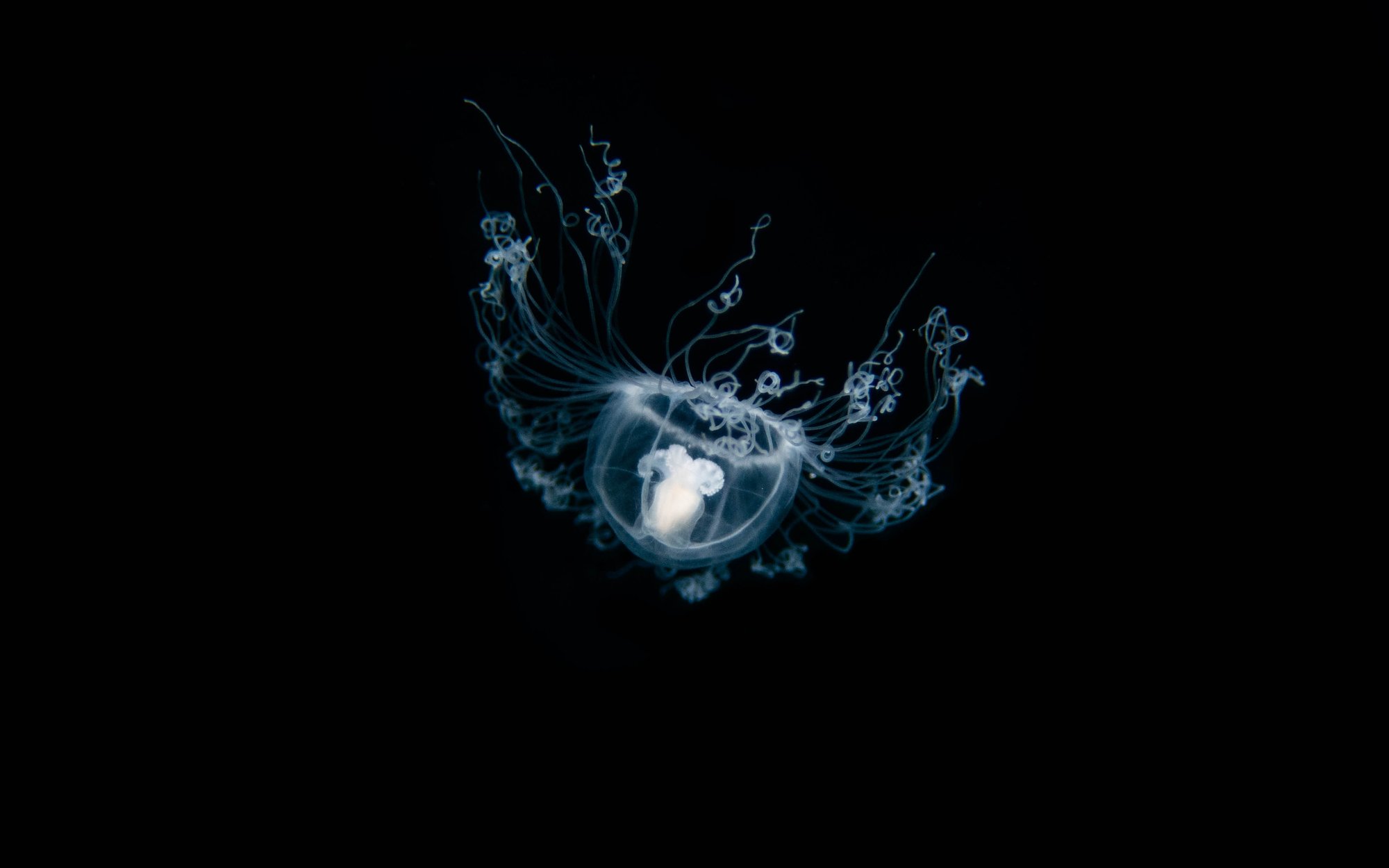
🦑
This jellyfish can live forever: an extraordinary trick of nature
Deze kwal kan voor altijd leven: een buitengewone truc van de natuur
Cette méduse peut vivre éternellement : un tour extraordinaire de la nature
So, there's this incredible jellyfish called Turritopsis dohrnii that can actually reverse its life cycle and start anew! Instead of dying, it shrinks back into its juvenile form when faced with danger or unfavorable conditions. This process, known as cellular transdifferentiation, is one of nature's most astonishing tricks. While it can theoretically repeat this cycle indefinitely in a lab, it’s not invincible in the wild, as predators can still pose a threat.
Er is een ongelooflijke kwal genaamd Turritopsis dohrnii die daadwerkelijk zijn levenscyclus kan omkeren en opnieuw kan beginnen! In plaats van te sterven, krimpt hij terug naar zijn jeugdige vorm wanneer hij wordt geconfronteerd met gevaar of ongunstige omstandigheden. Dit proces, bekend als cellulaire transdifferentiatie, is een van de meest verbazingwekkende trucs van de natuur. Hoewel het theoretisch deze cyclus eindeloos kan herhalen in een laboratorium, is het niet onoverwinnelijk in het wild, omdat roofdieren nog steeds een bedreiging kunnen vormen.
Il existe une méduse incroyable appelée Turritopsis dohrnii qui peut en fait inverser son cycle de vie et recommencer à zéro ! Au lieu de mourir, elle se rétrécit à sa forme juvénile lorsqu'elle est confrontée à des dangers ou à des conditions défavorables. Ce processus, connu sous le nom de transdifférenciation cellulaire, est l'un des tours les plus étonnants de la nature. Bien qu'elle puisse théoriquement répéter ce cycle indéfiniment en laboratoire, elle n'est pas invincible dans la nature, car les prédateurs peuvent encore représenter une menace.

🌟
These AI barons are ready to give away their fortunes
Deze AI-baronnen zijn klaar om hun fortuinen weg te geven
Ces barons de l'IA sont prêts à donner leur fortune
David Silver, a billionaire and AI pioneer, has pledged to donate all profits from his company, Ineffable Intelligence, to charity. He believes that by doing so, he can make a significant impact on the world. This trend among AI founders to commit their wealth to philanthropy raises important questions about the effectiveness of such giving. As the AI industry grows, so does the potential for tech philanthropy to reshape how we address societal issues.
David Silver, een miljardair en AI-pionier, heeft beloofd al zijn winst van zijn bedrijf, Ineffable Intelligence, aan het goede doel te schenken. Hij gelooft dat hij op deze manier een aanzienlijke impact op de wereld kan maken. Deze trend onder AI-oprichters om hun rijkdom aan filantropie te verbinden, roept belangrijke vragen op over de effectiviteit van dergelijke giften. Naarmate de AI-industrie groeit, groeit ook het potentieel voor technologiefilantropie om de manier waarop we maatschappelijke problemen aanpakken te hervormen.
David Silver, un milliardaire et pionnier de l'IA, a promis de donner tous les bénéfices de son entreprise, Ineffable Intelligence, à des œuvres de charité. Il croit qu'en agissant ainsi, il peut avoir un impact significatif sur le monde. Cette tendance parmi les fondateurs d'IA à s'engager à donner leur richesse soulève des questions importantes sur l'efficacité de telles donations. À mesure que l'industrie de l'IA se développe, le potentiel de la philanthropie technologique pour redéfinir notre approche des problèmes sociétaux augmente également.
🌟
Stay awake after the eclipse, because another spectacle follows in the sky
Blijf wakker na eclips, want nadien volgt nóg een schouwspel aan de hemel
Restez éveillé après l'éclipse, car un autre spectacle suit dans le ciel
So, after the eclipse, there's another amazing event in the sky that you won't want to miss! It's like a double feature for stargazers and sky lovers. The excitement builds as we anticipate this celestial show, which promises to be just as captivating. I can't wait to see what unfolds in the night sky!
Dus, na de eclips is er nog een geweldig evenement aan de hemel dat je niet wilt missen! Het is als een dubbele voorstelling voor sterrenkijkers en liefhebbers van de lucht. De spanning stijgt terwijl we dit hemelse schouwspel verwachten, dat net zo fascinerend belooft te zijn. Ik kan niet wachten om te zien wat er zich in de nachtelijke lucht ontvouwt!
Alors, après l'éclipse, il y a un autre événement incroyable dans le ciel que vous ne voudrez pas manquer ! C'est comme un double spectacle pour les amateurs d'étoiles et de ciel. L'excitation monte alors que nous anticipons ce spectacle céleste, qui promet d'être tout aussi captivant. J'ai hâte de voir ce qui se déroulera dans le ciel nocturne !
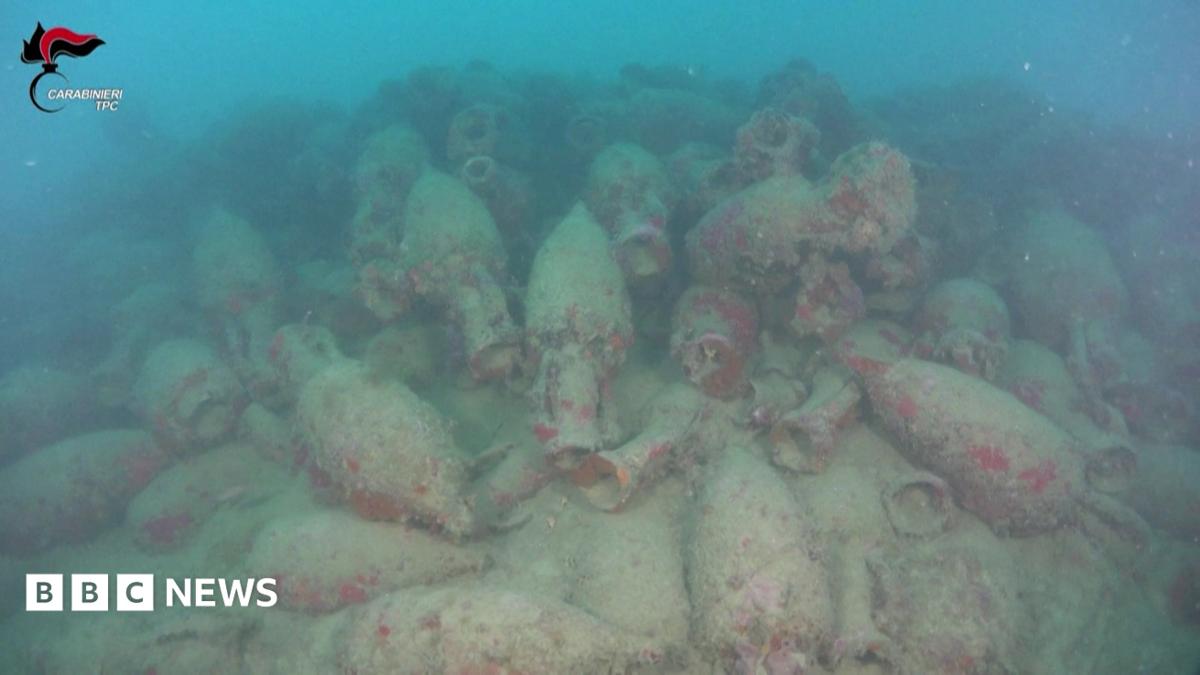
⚓
Ancient Roman shipwreck discovered off Sicily coast
Oude Romeinse schipwrak ontdekt voor de kust van Sicilië
Épave romaine ancienne découverte au large de la côte de Sicile
Wow, can you believe it? Italian divers have stumbled upon a Roman shipwreck off Sicily that’s over 2,000 years old! This incredible find includes hundreds of well-preserved containers that once held wine and olive oil. Culture Minister Alessandro Giuli calls it one of the most significant underwater archaeological discoveries in recent years. It’s amazing to think that someone like fisherman Giacomo De Mola could be among the first in 20 centuries to see this piece of history again!
Wauw, kun je het geloven? Italiaanse duikers hebben een Romeins schipwrak ontdekt voor de kust van Sicilië dat meer dan 2000 jaar oud is! Deze ongelooflijke vondst bevat honderden goed bewaarde containers die ooit wijn en olijfolie bevatten. Cultuurminister Alessandro Giuli noemt het een van de belangrijkste onderwaterarcheologische ontdekkingen van de afgelopen jaren. Het is geweldig om te bedenken dat iemand zoals visser Giacomo De Mola een van de eersten in 20 eeuwen kan zijn die dit stuk geschiedenis weer ziet!
Incroyable, n'est-ce pas ? Des plongeurs italiens ont découvert une épave romaine au large de la Sicile qui a plus de 2000 ans ! Cette découverte incroyable comprend des centaines de conteneurs bien conservés qui contenaient autrefois du vin et de l'huile d'olive. Le ministre de la Culture Alessandro Giuli la qualifie de l'une des découvertes archéologiques sous-marines les plus importantes de ces dernières années. C'est incroyable de penser que quelqu'un comme le pêcheur Giacomo De Mola pourrait être parmi les premiers en 20 siècles à revoir ce morceau d'histoire !
🧘♂️
Scientists say just 7 days of meditation can rewire your brain
Wetenschappers zeggen dat slechts 7 dagen meditatie je brein kan herbedraden
Les scientifiques disent que seulement 7 jours de méditation peuvent reconfigurer votre cerveau
So, here's the exciting news: just a week of meditation can lead to some amazing changes in your brain and body! Researchers at UC San Diego found that a seven-day retreat not only improved brain activity but also boosted immune signaling and metabolism. It's fascinating to think that these practices can enhance neuroplasticity, allowing our brains to adapt and form new connections. This study really highlights how powerful meditation can be, going beyond relaxation to fundamentally change our biology.
Dus, hier is het spannende nieuws: slechts een week meditatie kan leiden tot geweldige veranderingen in je brein en lichaam! Onderzoekers van UC San Diego ontdekten dat een zeven dagen durende retraite niet alleen de hersenactiviteit verbeterde, maar ook de immuunsignalen en het metabolisme verhoogde. Het is fascinerend om te bedenken dat deze praktijken de neuroplasticiteit kunnen verbeteren, waardoor onze hersenen zich kunnen aanpassen en nieuwe verbindingen kunnen vormen. Deze studie benadrukt echt hoe krachtig meditatie kan zijn, en verder gaat dan alleen ontspanning om onze biologie fundamenteel te veranderen.
Alors, voici la nouvelle excitante : seulement une semaine de méditation peut entraîner des changements incroyables dans votre cerveau et votre corps ! Des chercheurs de l'UC San Diego ont découvert qu'une retraite de sept jours améliorait non seulement l'activité cérébrale, mais augmentait également la signalisation immunitaire et le métabolisme. Il est fascinant de penser que ces pratiques peuvent améliorer la neuroplasticité, permettant à nos cerveaux de s'adapter et de former de nouvelles connexions. Cette étude souligne vraiment à quel point la méditation peut être puissante, allant au-delà de la relaxation pour changer fondamentalement notre biologie.
⚗️
Chemists set electrons free and break a decades-old chemistry barrier
Chemici zetten elektronen vrij en doorbreken een decennia oude chemische barrière
Les chimistes libèrent des électrons et brisent une barrière chimique vieille de plusieurs décennies
So, chemists have just made a groundbreaking discovery that could change the way we think about electron transfer! Instead of the usual competition for electrons, researchers at the University of Wisconsin-Madison have developed a catalyst that releases electrons directly into solution. This means that the electrons can attach to any molecule they encounter, opening up new pathways for reactions that were previously impossible. It's a fascinating shift in perspective that could lead to innovative applications in drug development and materials science.
Dus, chemici hebben net een baanbrekende ontdekking gedaan die de manier waarop we over elektronenoverdracht denken kan veranderen! In plaats van de gebruikelijke concurrentie om elektronen, hebben onderzoekers van de Universiteit van Wisconsin-Madison een katalysator ontwikkeld die elektronen direct in de oplossing vrijgeeft. Dit betekent dat de elektronen zich kunnen hechten aan elk molecuul dat ze tegenkomen, waardoor nieuwe paden voor reacties worden geopend die eerder onmogelijk waren. Het is een fascinerende verschuiving in perspectief die kan leiden tot innovatieve toepassingen in de ontwikkeling van medicijnen en materiaalkunde.
Alors, les chimistes viennent de faire une découverte révolutionnaire qui pourrait changer notre façon de penser le transfert d'électrons ! Au lieu de la compétition habituelle pour les électrons, des chercheurs de l'Université du Wisconsin-Madison ont développé un catalyseur qui libère les électrons directement dans la solution. Cela signifie que les électrons peuvent se fixer à n'importe quelle molécule qu'ils rencontrent, ouvrant ainsi de nouvelles voies pour des réactions qui étaient auparavant impossibles. C'est un changement de perspective fascinant qui pourrait conduire à des applications innovantes dans le développement de médicaments et la science des matériaux.

🌱
How nature can rise from its ashes after a fire
Hoe de natuur kan herleven uit zijn as na een brand
Comment la nature peut renaître de ses cendres après un incendie
A year ago, a significant fire devastated thirty hectares in a nature reserve in Maasmechelen. Since then, nature has shown an incredible ability to bounce back. In Mechelse Heide, the area is now teeming with new growth, including heather and resilient trees. It's fascinating to see how life can flourish again, even after such destruction.
Een jaar geleden verwoestte een grote brand dertig hectare in een natuurreservaat in Maasmechelen. Sindsdien heeft de natuur een ongelooflijk vermogen getoond om terug te vechten. In Mechelse Heide is het gebied nu weer vol nieuwe groei, waaronder heide en veerkrachtige bomen. Het is fascinerend om te zien hoe het leven weer kan bloeien, zelfs na zo'n vernietiging.
Il y a un an, un important incendie a ravagé trente hectares dans une réserve naturelle à Maasmechelen. Depuis, la nature a montré une incroyable capacité à se relever. À Mechelse Heide, la zone regorge maintenant de nouvelles pousses, y compris de la bruyère et des arbres résilients. C'est fascinant de voir comment la vie peut renaître, même après une telle destruction.
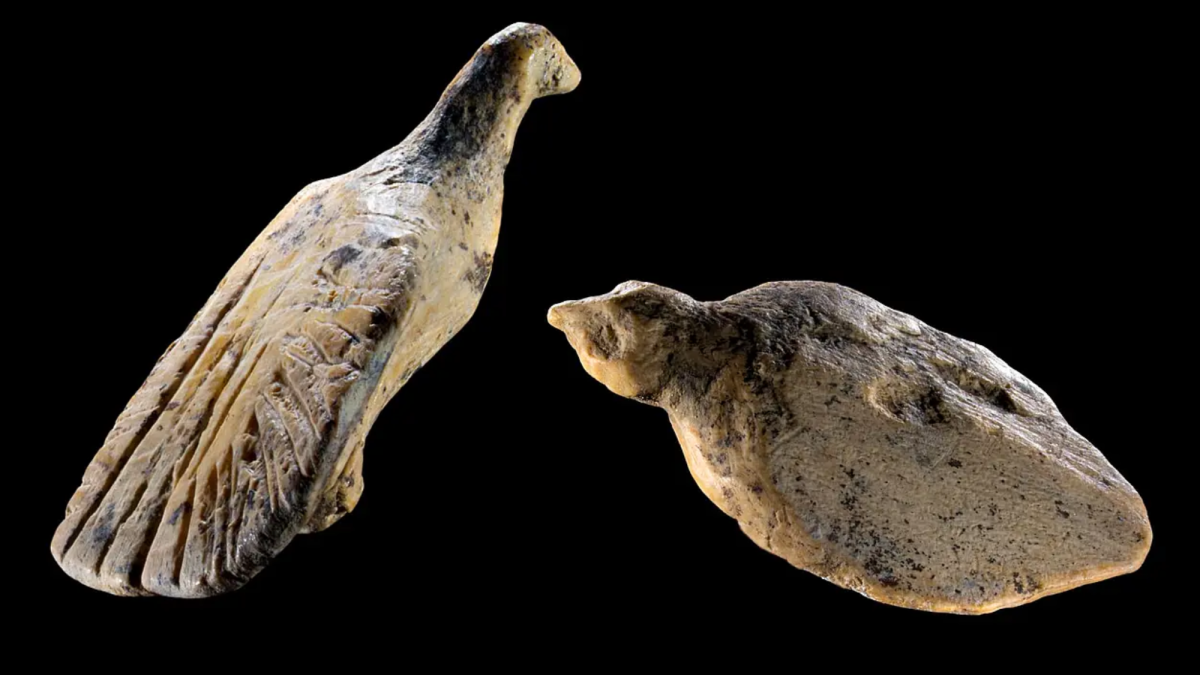
🦅
Ice age bird figurines discovered in German cave
IJstijd vogelfiguren ontdekt in Duitse grot
Figurines d'oiseaux de l'âge de glace découvertes dans une grotte allemande
So, scientists have made an exciting discovery in Germany's Hohle Fels cave – two tiny bird figurines carved from mammoth ivory that are around 40,000 years old! These delicate pieces, found just a few feet apart, showcase the incredible artistry of our ancient ancestors. One figurine might represent a brooding bird, while the other could be in flight or landing. It's fascinating to think about how these carvings connect us to the natural world and the birds that filled the skies back then.
Wetenschappers hebben een opwindende ontdekking gedaan in de Hohle Fels-grot in Duitsland - twee kleine vogelfiguren, gemaakt van mammoetivoor en ongeveer 40.000 jaar oud! Deze delicate stukken, gevonden op slechts een paar voet afstand van elkaar, tonen de ongelooflijke kunstzinnigheid van onze oude voorouders. Eén figuur kan een broedende vogel vertegenwoordigen, terwijl de andere in de lucht kan zijn of aan het landen. Het is fascinerend om te bedenken hoe deze gravures ons verbinden met de natuurlijke wereld en de vogels die destijds de lucht vulden.
Des scientifiques ont fait une découverte passionnante dans la grotte de Hohle Fels en Allemagne - deux petites figurines d'oiseaux sculptées dans de l'ivoire de mammouth, âgées d'environ 40 000 ans ! Ces pièces délicates, trouvées à quelques pieds l'une de l'autre, illustrent l'incroyable talent artistique de nos ancêtres. Une figurine pourrait représenter un oiseau couvant, tandis que l'autre pourrait être en vol ou en train d'atterrir. C'est fascinant de penser à la façon dont ces sculptures nous relient au monde naturel et aux oiseaux qui remplissaient le ciel à cette époque.

🌈
Record edition for pride parade: 170,000 people flock to antwerp for colorful procession
Recordeditie voor pride parade: 170.000 mensen trekken naar antwerpen voor kleurrijke stoet
Édition record pour la parade des fiertés : 170 000 personnes se rendent à anvers pour un défilé coloré
Wow, what an incredible turnout! A record-breaking 170,000 people gathered in Antwerp for the Pride Parade, celebrating the LGBTQ+ community with vibrant colors and music. The theme this year is 'Fearless', emphasizing the importance of standing up against discrimination and violence. Despite recent events in Berlin, the atmosphere was filled with joy and solidarity, reminding everyone of the significance of this celebration. It's truly heartwarming to see such support for the community!
Wauw, wat een ongelooflijke opkomst! Een recordaantal van 170.000 mensen verzamelde zich in Antwerpen voor de Pride Parade, die de LGBTQ+-gemeenschap viert met levendige kleuren en muziek. Het thema dit jaar is 'Fearless', wat het belang benadrukt van opkomen tegen discriminatie en geweld. Ondanks recente gebeurtenissen in Berlijn was de sfeer gevuld met vreugde en solidariteit, wat iedereen herinnert aan de betekenis van deze viering. Het is echt hartverwarmend om zoveel steun voor de gemeenschap te zien!
Wow, quelle incroyable affluence ! Un nombre record de 170 000 personnes s'est rassemblé à anvers pour la parade des fiertés, célébrant la communauté LGBTQ+ avec des couleurs vives et de la musique. Le thème de cette année est 'Fearless', soulignant l'importance de lutter contre la discrimination et la violence. Malgré les événements récents à Berlin, l'atmosphère était remplie de joie et de solidarité, rappelant à tous la signification de cette célébration. C'est vraiment réconfortant de voir un tel soutien pour la communauté !

🌟
Feeling good? This food may have played a role
Voelt u zich goed? Dit voedsel heeft misschien een rol gespeeld
Vous êtes de bonne humeur ? Cet aliment a peut-être joué un rôle
Fermented foods like kombucha, kefir, and sourdough bread are gaining popularity, and for good reason! Recent research shows that these foods, transformed by live microorganisms, can boost both gut and mental health. Tim Spector, a British epidemiologist, emphasizes that even dead microbes can have positive effects, helping to produce antibodies and reduce inflammation. Interestingly, many study participants reported improved moods after consuming fermented foods regularly, highlighting the fascinating connection between our gut health and mental well-being.
Gefermenteerde voedingsmiddelen zoals kombucha, kefir en zuurdesembrood worden steeds populairder, en dat is met een goede reden! Recent onderzoek toont aan dat deze voedingsmiddelen, getransformeerd door levende micro-organismen, zowel de darm- als de mentale gezondheid kunnen verbeteren. Tim Spector, een Britse epidemioloog, benadrukt dat zelfs dode microben positieve effecten kunnen hebben, zoals het helpen produceren van antilichamen en het verminderen van ontstekingen. Interessant is dat veel deelnemers aan studies meldden dat hun humeur verbeterde na regelmatig gebruik van gefermenteerde voedingsmiddelen, wat de fascinerende verbinding tussen onze darmgezondheid en mentale welzijn benadrukt.
Les aliments fermentés comme le kombucha, le kéfir et le pain au levain gagnent en popularité, et pour de bonnes raisons ! Des recherches récentes montrent que ces aliments, transformés par des micro-organismes vivants, peuvent améliorer la santé intestinale et mentale. Tim Spector, un épidémiologiste britannique, souligne que même les microbes morts peuvent avoir des effets positifs, aidant à produire des anticorps et à réduire l'inflammation. Fait intéressant, de nombreux participants aux études ont rapporté une amélioration de leur humeur après avoir consommé régulièrement des aliments fermentés, soulignant la fascinante connexion entre notre santé intestinale et notre bien-être mental.
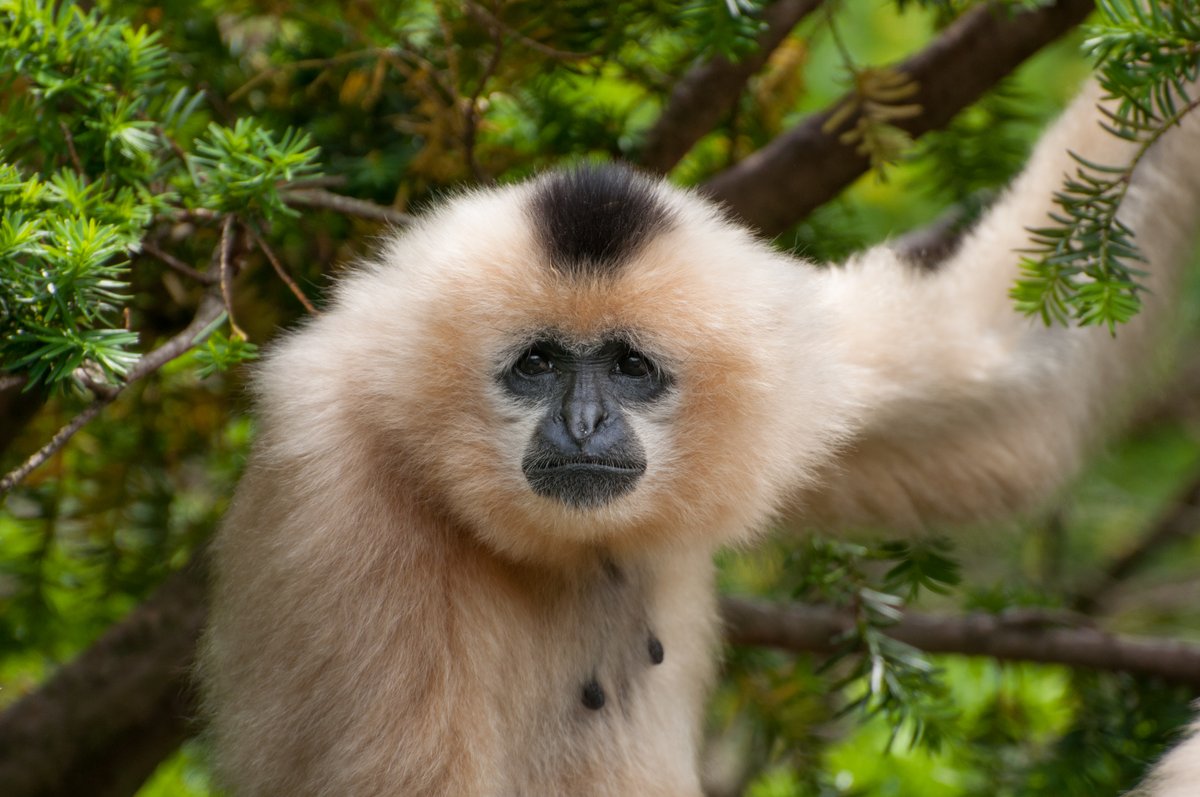
🐒
Monkeys keep pets and maintain friendships with other animals
Apen houden huisdieren en onderhouden vriendschappen met andere dieren
Les singes gardent des animaux de compagnie et entretiennent des amitiés avec d'autres animaux
I find it absolutely fascinating that monkeys form friendships with other species! A recent study documented over 400 interactions where primates played, groomed, and even adopted animals like dogs and pigs. This behavior not only shows their social nature but also highlights how these relationships can benefit both parties. It’s a beautiful reminder of the connections that can exist across species, which really makes you think about our own bonds with animals.
Ik vind het absoluut fascinerend dat apen vriendschappen vormen met andere diersoorten! Een recente studie documenteerde meer dan 400 interacties waarbij primaten speelden, elkaar verzorgden en zelfs dieren zoals honden en varkens adopteerden. Dit gedrag toont niet alleen hun sociale aard, maar benadrukt ook hoe deze relaties beide partijen ten goede kunnen komen. Het is een prachtige herinnering aan de verbindingen die kunnen bestaan tussen soorten, wat je echt laat nadenken over onze eigen banden met dieren.
Je trouve absolument fascinant que les singes forment des amitiés avec d'autres espèces ! Une étude récente a documenté plus de 400 interactions où les primates jouaient, se toilettaient et adoptaient même des animaux comme des chiens et des cochons. Ce comportement montre non seulement leur nature sociale, mais souligne également comment ces relations peuvent bénéficier aux deux parties. C'est un rappel magnifique des connexions qui peuvent exister entre les espèces, ce qui vous fait vraiment réfléchir sur nos propres liens avec les animaux.

🐶
Breakthrough for allergy sufferers. Scientists create the first hypoallergenic dogs
Doorbraak voor allergiepatiënten. Wetenschappers creëren de eerste hypoallergene honden
Percée pour les allergiques. Des scientifiques créent les premiers chiens hypoallergéniques
So, researchers at Kindred Companion Sciences have made a fantastic breakthrough by using CRISPR gene editing to create hypoallergenic dogs! They successfully modified two beagles, Bailey and Alfie, to eliminate a major protein responsible for allergic reactions in humans. This means allergy sufferers can finally enjoy the company of dogs without the sneezing and itching. However, experts note that further research is needed before this method can be widely applied.
Dus, onderzoekers van Kindred Companion Sciences hebben een fantastische doorbraak bereikt door CRISPR-genbewerking te gebruiken om hypoallergene honden te creëren! Ze hebben met succes twee beagles, Bailey en Alfie, gemodificeerd om een belangrijk eiwit dat verantwoordelijk is voor allergische reacties bij mensen te elimineren. Dit betekent dat allergiepatiënten eindelijk van het gezelschap van honden kunnen genieten zonder te niezen en te jeuken. Experts merken echter op dat verder onderzoek nodig is voordat deze methode breed kan worden toegepast.
Alors, des chercheurs de Kindred Companion Sciences ont réalisé une percée fantastique en utilisant l'édition génétique CRISPR pour créer des chiens hypoallergéniques ! Ils ont réussi à modifier deux beagles, Bailey et Alfie, pour éliminer une protéine majeure responsable des réactions allergiques chez les humains. Cela signifie que les personnes allergiques peuvent enfin profiter de la compagnie des chiens sans éternuements ni démangeaisons. Cependant, les experts notent qu'il est nécessaire de poursuivre les recherches avant que cette méthode puisse être largement appliquée.
🧬
Is DNA repair the secret to a long life?
Is DNA-reparatie het geheim van een lang leven?
La réparation de l'ADN est-elle le secret d'une longue vie ?
So, this fascinating discussion dives into how studies on animals like whales and mole rats are shedding light on the potential of DNA repair to extend lifespan. It's intriguing to think that by boosting our body's ability to mend damaged DNA, we might actually enhance longevity. And here's the thing: the conversation also touches on how COVID-19 can reactivate dormant viruses, adding another layer to our understanding of health and aging. It's a captivating blend of genetics and virology that could change how we view life itself!
Dus, deze fascinerende discussie gaat in op hoe studies bij dieren zoals walvissen en molratten licht werpen op de mogelijkheid dat DNA-reparatie de levensduur kan verlengen. Het is intrigerend om te denken dat we door het versterken van ons lichaam om beschadigd DNA te herstellen, daadwerkelijk de levensduur kunnen verbeteren. En hier is het ding: het gesprek raakt ook aan hoe COVID-19 slapende virussen kan reactiveren, wat een extra laag toevoegt aan ons begrip van gezondheid en veroudering. Het is een boeiende mix van genetica en virologie die onze kijk op het leven zelf zou kunnen veranderen!
Alors, cette discussion fascinante explore comment les études sur des animaux comme les baleines et les rats-taupes révèlent le potentiel de la réparation de l'ADN pour prolonger la durée de vie. Il est intrigant de penser qu'en renforçant notre capacité à réparer l'ADN endommagé, nous pourrions en fait améliorer notre longévité. Et voici le truc : la conversation aborde également comment le COVID-19 peut réactiver des virus dormants, ajoutant une autre dimension à notre compréhension de la santé et du vieillissement. C'est un mélange captivant de génétique et de virologie qui pourrait changer notre vision de la vie elle-même !
🔥
UCLA scientists discover how to guide heat like light at room temperature
UCLA-wetenschappers ontdekken hoe ze warmte als licht kunnen geleiden bij kamertemperatuur
Des scientifiques de l'UCLA découvrent comment guider la chaleur comme la lumière à température ambiante
This is such an exciting breakthrough! Researchers at UCLA have found a way to guide heat through materials like light, and they did it at room temperature. By studying boron arsenide, they discovered that heat can travel in concentrated paths instead of spreading out randomly. This could revolutionize how we manage heat in electronics and quantum technologies, making devices faster and more efficient.
Dit is zo'n opwindende doorbraak! Onderzoekers van UCLA hebben een manier gevonden om warmte door materialen te geleiden zoals licht, en dat bij kamertemperatuur. Door boronarsenide te bestuderen, ontdekten ze dat warmte in geconcentreerde paden kan reizen in plaats van zich willekeurig te verspreiden. Dit zou de manier waarop we warmte in elektronica en kwantumtechnologieën beheren kunnen revolutioneren, waardoor apparaten sneller en efficiënter worden.
C'est une avancée tellement passionnante ! Des chercheurs de l'UCLA ont trouvé un moyen de guider la chaleur à travers des matériaux comme la lumière, et ce à température ambiante. En étudiant l'arséniure de bore, ils ont découvert que la chaleur peut voyager dans des chemins concentrés au lieu de se répandre au hasard. Cela pourrait révolutionner notre gestion de la chaleur dans l'électronique et les technologies quantiques, rendant les appareils plus rapides et plus efficaces.
🌊
Blood-red waterfall in Antarctica turns out to be a 'marine oasis' on the ice: how can that be?
Bloedrode waterval in Antarctica blijkt een ‘mariene oase’ op het ijs: hoe kan dat?
La cascade rouge sang en Antarctique s'avère être une 'oasis marine' sur la glace : comment cela se fait-il ?
So, there's this fascinating discovery in Antarctica where a blood-red waterfall is actually a thriving marine oasis on the ice! It's incredible to think how life can flourish in such extreme conditions. Scientists are diving into the details to understand how this unique ecosystem survives and what it means for our understanding of life in harsh environments. This revelation opens up new avenues for research and highlights the resilience of nature.
Er is een fascinerende ontdekking in Antarctica waar een bloedrode waterval eigenlijk een bloeiende mariene oase op het ijs is! Het is ongelooflijk om te bedenken hoe leven kan gedijen in zulke extreme omstandigheden. Wetenschappers duiken in de details om te begrijpen hoe dit unieke ecosysteem overleeft en wat het betekent voor ons begrip van leven in barre omgevingen. Deze onthulling opent nieuwe wegen voor onderzoek en benadrukt de veerkracht van de natuur.
Il y a une découverte fascinante en Antarctique où une cascade rouge sang s'avère être une oasis marine florissante sur la glace ! C'est incroyable de penser que la vie peut prospérer dans de telles conditions extrêmes. Les scientifiques explorent les détails pour comprendre comment cet écosystème unique survit et ce que cela signifie pour notre compréhension de la vie dans des environnements difficiles. Cette révélation ouvre de nouvelles voies de recherche et met en lumière la résilience de la nature.

🌟
When these college students faced homelessness, New York nuns welcomed them into their convent
Toen deze studenten met dakloosheid te maken kregen, verwelkomden New Yorkse nonnen hen in hun klooster
Lorsque ces étudiants ont été confrontés à l'itinérance, des nonnes de New York les ont accueillis dans leur couvent
This heartwarming story highlights how the University of Mount Saint Vincent is tackling student homelessness through its Dax House program. Grace Pavlock, a determined student, found a safe haven there, allowing her to focus on her studies without the constant worry of housing insecurity. The collaboration with the Sisters of Charity of New York provides essential support, ensuring students can thrive academically. It's a beautiful example of community care and compassion, showing that education should be accessible to everyone.
Dit hartverwarmende verhaal benadrukt hoe de Universiteit van Mount Saint Vincent de dakloosheid onder studenten aanpakt via het Dax House-programma. Grace Pavlock, een vastberaden studente, vond daar een veilige haven, waardoor ze zich op haar studie kon concentreren zonder de constante zorg over huisvesting. De samenwerking met de Zusters van Liefde van New York biedt essentiële ondersteuning, zodat studenten academisch kunnen gedijen. Het is een prachtig voorbeeld van gemeenschapszorg en medemenselijkheid, dat laat zien dat onderwijs voor iedereen toegankelijk moet zijn.
Cette histoire réconfortante met en lumière comment l'Université de Mount Saint Vincent s'attaque à l'itinérance étudiante grâce à son programme Dax House. Grace Pavlock, une étudiante déterminée, y a trouvé un refuge sûr, lui permettant de se concentrer sur ses études sans l'inquiétude constante de l'insécurité du logement. La collaboration avec les Sœurs de la Charité de New York offre un soutien essentiel, garantissant que les étudiants peuvent prospérer sur le plan académique. C'est un bel exemple de soin communautaire et de compassion, montrant que l'éducation doit être accessible à tous.
🎶
Birdsong follows a fundamental law of human language
Vogelliedjes volgen een fundamentele wet van de menselijke taal
Le chant des oiseaux suit une loi fondamentale du langage humain
Isn't it fascinating that the songs of Bengalese finches follow a principle found in human languages? This principle, known as Zipf's law, shows that some sounds are used much more frequently than others. It's amazing to think that this pattern also appears in humpback whale songs, suggesting a deeper connection in communication across species. Researchers believe that understanding these patterns might help young birds and whales learn their vocalizations just like human infants learn to speak.
Het is fascinerend dat de liedjes van Bengalese vinken een principe volgen dat ook in menselijke talen voorkomt. Dit principe, bekend als de wet van Zipf, laat zien dat sommige geluiden veel vaker worden gebruikt dan andere. Het is verbazingwekkend om te denken dat dit patroon ook voorkomt in de liederen van bultruggen, wat wijst op een diepere verbinding in communicatie tussen soorten. Onderzoekers geloven dat het begrijpen van deze patronen jonge vogels en walvissen kan helpen hun vocalisaties te leren, net zoals menselijke baby's leren spreken.
Il est fascinant de constater que les chants des pinsons de Bengal suivent un principe également présent dans les langues humaines. Ce principe, connu sous le nom de loi de Zipf, montre que certains sons sont utilisés beaucoup plus fréquemment que d'autres. Il est incroyable de penser que ce schéma apparaît également dans les chants des baleines à bosse, suggérant une connexion plus profonde dans la communication entre les espèces. Les chercheurs estiment que comprendre ces schémas pourrait aider les jeunes oiseaux et baleines à apprendre leurs vocalisations, tout comme les bébés humains apprennent à parler.

🌊
How to explore Britain and Ireland’s most beautiful rivers on foot, bike or boat: readers’ travel tips
Hoe je de mooiste rivieren van Groot-Brittannië en Ierland te voet, per fiets of per boot kunt verkennen: reistips van lezers
Comment explorer les plus belles rivières de Grande-Bretagne et d'Irlande à pied, à vélo ou en bateau : conseils de voyage des lecteurs
Exploring the rivers of Britain and Ireland is such a delightful adventure! From the scenic walks along the River Wharfe in Yorkshire to the serene cruises on the River Bure in Norfolk, there’s something for everyone. I love how these rivers offer not just stunning views but also a chance to connect with nature and local history. Whether you’re walking, biking, or boating, each journey reveals unique landscapes and charming villages that make every trip memorable.
Het verkennen van de rivieren van Groot-Brittannië en Ierland is een heerlijke avontuur! Van de schilderachtige wandelingen langs de River Wharfe in Yorkshire tot de serene cruises op de River Bure in Norfolk, er is voor ieder wat wils. Ik hou ervan hoe deze rivieren niet alleen prachtige uitzichten bieden, maar ook de kans om in contact te komen met de natuur en de lokale geschiedenis. Of je nu wandelt, fietst of vaart, elke reis onthult unieke landschappen en charmante dorpjes die elke trip onvergetelijk maken.
Explorer les rivières de Grande-Bretagne et d'Irlande est une aventure délicieuse ! Des promenades pittoresques le long de la rivière Wharfe dans le Yorkshire aux croisières sereines sur la rivière Bure dans le Norfolk, il y en a pour tous les goûts. J'adore la façon dont ces rivières offrent non seulement des vues époustouflantes, mais aussi une chance de se connecter avec la nature et l'histoire locale. Que vous marchiez, fassiez du vélo ou naviguiez, chaque voyage révèle des paysages uniques et des villages charmants qui rendent chaque excursion mémorable.

♻️
These 4 Indian startups are making sure your old clothes don't end up in landfills
Deze 4 Indiase startups zorgen ervoor dat je oude kleren niet op de vuilnisbelt belanden
Ces 4 startups indiennes s'assurent que vos vieux vêtements ne finissent pas dans les décharges
So, textile waste is a huge issue in India, but four innovative startups are stepping up to tackle it! They’re finding creative ways to give old clothes a second life, from doorstep pickups to recycling initiatives. One startup, NoKasa, sorts garments for reuse or responsible disposal, while MuddleArt tracks fabric scraps for better management. It's inspiring to see how these companies are making a positive impact on the environment!
Textielafval is een groot probleem in India, maar vier innovatieve startups nemen de uitdaging aan! Ze vinden creatieve manieren om oude kleren een tweede leven te geven, van ophaaldiensten tot recyclinginitiatieven. Een startup, NoKasa, sorteert kleding voor hergebruik of verantwoorde afvoer, terwijl MuddleArt stofresten volgt voor betere beheersing. Het is inspirerend om te zien hoe deze bedrijven een positieve impact op het milieu maken!
Les déchets textiles sont un énorme problème en Inde, mais quatre startups innovantes se mobilisent pour y faire face ! Elles trouvent des moyens créatifs de donner une seconde vie aux vieux vêtements, des ramassages à domicile aux initiatives de recyclage. Une startup, NoKasa, trie les vêtements pour leur réutilisation ou leur élimination responsable, tandis que MuddleArt suit les chutes de tissu pour une meilleure gestion. C'est inspirant de voir comment ces entreprises ont un impact positif sur l'environnement !
🚀
NASA’s Voyager 2 survives daring ‘big bang’ maneuver
NASA’s Voyager 2 overleeft gedurfde ‘big bang’ manoeuvre
La Voyager 2 de la NASA survit à une audacieuse manœuvre de ‘big bang’
So, NASA has pulled off something remarkable with Voyager 2, executing a maneuver they’ve dubbed the ‘big bang’ to extend its mission by two years! This clever move was essential to tackle the ongoing power dilemma faced by the Voyagers, which have been running on dwindling energy from their plutonium sources. Engineers turned off some devices while activating others in a delicate dance to reduce power demand without freezing critical components. It’s a testament to human ingenuity and the enduring spirit of exploration that these probes, launched in 1977, continue to push the boundaries of our understanding of the universe.
Dus, NASA heeft iets opmerkelijk gedaan met Voyager 2, door een manoeuvre uit te voeren die ze de ‘big bang’ noemen om de missie met twee jaar te verlengen! Deze slimme zet was essentieel om het voortdurende energiedilemma van de Voyagers aan te pakken, die draaien op afnemende energie van hun plutoniumbronnen. Ingenieurs schakelden enkele apparaten uit terwijl ze andere activeerden in een delicate dans om de energiebehoefte te verminderen zonder kritieke componenten te bevriezen. Het is een bewijs van menselijke vindingrijkheid en de blijvende geest van verkenning dat deze sondes, gelanceerd in 1977, de grenzen van ons begrip van het universum blijven verleggen.
Alors, la NASA a réalisé quelque chose de remarquable avec Voyager 2, en exécutant une manœuvre qu'ils ont surnommée le ‘big bang’ pour prolonger sa mission de deux ans ! Ce mouvement astucieux était essentiel pour faire face au dilemme énergétique constant des Voyagers, qui fonctionnent sur une énergie décroissante de leurs sources de plutonium. Les ingénieurs ont éteint certains appareils tout en activant d'autres dans une danse délicate pour réduire la demande d'énergie sans geler des composants critiques. C'est un témoignage de l'ingéniosité humaine et de l'esprit d'exploration durable que ces sondes, lancées en 1977, continuent de repousser les limites de notre compréhension de l'univers.
🧊
Scientists find unexpected life on Ötzi the Iceman’s 5,300-year-old body
Wetenschappers vinden onverwacht leven op het 5.300 jaar oude lichaam van Ötzi de Iceman
Des scientifiques découvrent une vie inattendue sur le corps de 5 300 ans d'Ötzi l'homme des glaces
Researchers have made a fascinating discovery about Ötzi the Iceman, revealing a mix of ancient and modern microorganisms living on his body. They found bacteria from his original gut flora and cold-adapted yeasts that have survived since he was frozen in a glacier. This unique microbial community offers a rare glimpse into the past, showing how Ötzi's body is not just a relic but a dynamic biological system. It's exciting to think that these findings could have implications for industrial processes in the future!
Onderzoekers hebben een fascinerende ontdekking gedaan over Ötzi de Iceman, waarbij een mix van oude en moderne micro-organismen op zijn lichaam werd onthuld. Ze vonden bacteriën uit zijn oorspronkelijke darmflora en koud aangepaste gisten die zijn overleefd sinds hij in een gletsjer was bevroren. Deze unieke microbiele gemeenschap biedt een zeldzame kijk in het verleden, wat aantoont dat Ötzi's lichaam niet alleen een relikwie is, maar een dynamisch biologisch systeem. Het is spannend om te bedenken dat deze bevindingen implicaties kunnen hebben voor industriële processen in de toekomst!
Les chercheurs ont fait une découverte fascinante sur Ötzi l'homme des glaces, révélant un mélange de micro-organismes anciens et modernes vivant sur son corps. Ils ont trouvé des bactéries provenant de sa flore intestinale d'origine et des levures adaptées au froid qui ont survécu depuis qu'il a été gelé dans un glacier. Cette communauté microbienne unique offre un rare aperçu du passé, montrant que le corps d'Ötzi n'est pas seulement une relique, mais un système biologique dynamique. Il est passionnant de penser que ces découvertes pourraient avoir des implications pour les processus industriels à l'avenir !
🌊
Locals succeed in tripling protected seascapes along 300 miles of Turkiye’s breathtaking coastline
Lokale bewoners slagen erin om beschermde zeegebieden langs 300 mijl van de adembenemende Turkse kust te verdrievoudigen
Les habitants réussissent à tripler les paysages marins protégés le long de 300 miles de la côte époustouflante de la Turquie
What an inspiring story from Turkiye! A dedicated group of conservationists and fishermen, with support from an NGO, has transformed 300 miles of coastline into a thriving marine paradise. They faced challenges like illegal fishing and dwindling marine life, but with a $3 million grant, they created no-fishing zones and trained local marine rangers. This effort has led to a remarkable tripling of protected seascapes, showcasing the power of community engagement in conservation.
Wat een inspirerend verhaal uit Turkije! Een toegewijde groep natuurbeschermers en vissers, met steun van een NGO, heeft 300 mijl kustlijn omgevormd tot een bloeiend marien paradijs. Ze stonden voor uitdagingen zoals illegale visserij en afnemend zeeleven, maar met een subsidie van 3 miljoen dollar creëerden ze gebieden waar niet gevist mag worden en trainden ze lokale mariene rangers. Deze inspanning heeft geleid tot een opmerkelijke verdrievoudiging van de beschermde zeegebieden, wat de kracht van gemeenschapsbetrokkenheid in natuurbescherming aantoont.
Quelle histoire inspirante en Turquie ! Un groupe dévoué de conservationnistes et de pêcheurs, avec le soutien d'une ONG, a transformé 300 miles de côte en un paradis marin florissant. Ils ont fait face à des défis tels que la pêche illégale et la diminution de la vie marine, mais avec une subvention de 3 millions de dollars, ils ont créé des zones de non-pêche et formé des gardes marins locaux. Cet effort a conduit à un triplement remarquable des paysages marins protégés, montrant le pouvoir de l'engagement communautaire dans la conservation.
😂
Raphaël le Rav, the rabbi influencer fighting antisemitism with humorous videos
Raphaël le Rav, de rabbijn-influencer die antisemitisme bestrijdt met humoristische video's
Raphaël le Rav, le rabbin influenceur qui combat l'antisémitisme avec des vidéos humoristiques
So, there's this amazing rabbi named Raphaël le Rav who’s using humor to tackle antisemitism! He creates funny videos that not only entertain but also educate people about Jewish culture and values. Which brings me to the fact that his approach is really resonating with a younger audience, making serious topics more approachable. It’s inspiring to see how he combines laughter with important social messages!
Er is een geweldige rabbijn genaamd Raphaël le Rav die humor gebruikt om antisemitisme aan te pakken! Hij maakt grappige video's die niet alleen vermaken, maar ook mensen onderwijzen over de Joodse cultuur en waarden. Dit brengt me bij het feit dat zijn aanpak echt aanspreekt bij een jonger publiek, waardoor serieuze onderwerpen toegankelijker worden. Het is inspirerend om te zien hoe hij lachen combineert met belangrijke sociale boodschappen!
Il y a ce rabbin incroyable nommé Raphaël le Rav qui utilise l'humour pour lutter contre l'antisémitisme ! Il crée des vidéos drôles qui non seulement divertissent, mais aussi éduquent les gens sur la culture et les valeurs juives. Ce qui m'amène à dire que son approche résonne vraiment avec un public plus jeune, rendant des sujets sérieux plus accessibles. C'est inspirant de voir comment il combine le rire avec des messages sociaux importants !
💉
U.S. approves Moderna’s mRNA vaccine for flu—the first of its kind
De VS keurt Moderna's mRNA-vaccin voor griep goed - het eerste in zijn soort
Les États-Unis approuvent le vaccin contre la grippe à ARNm de Moderna - le premier du genre
This is a groundbreaking moment as the U.S. has approved its first mRNA flu vaccine, called mFlusiva, developed by Moderna. It's shown to be 27 percent more effective than the traditional flu shot, which is fantastic news for those most vulnerable, like adults over 50. The beauty of mRNA technology is that it can be quickly adapted to tackle new virus strains, making it a game-changer for flu seasons ahead. This approval not only enhances our vaccination options but also emphasizes the importance of protecting public health.
Dit is een baanbrekend moment, aangezien de VS zijn eerste mRNA-griepvaccin, genaamd mFlusiva, heeft goedgekeurd, ontwikkeld door Moderna. Het is aangetoond dat het 27 procent effectiever is dan de traditionele griepprik, wat fantastisch nieuws is voor de meest kwetsbaren, zoals volwassenen boven de 50. De schoonheid van mRNA-technologie is dat het snel kan worden aangepast om nieuwe virusstammen aan te pakken, waardoor het een game-changer is voor de komende griepseizoenen. Deze goedkeuring versterkt niet alleen onze vaccinatieopties, maar benadrukt ook het belang van het beschermen van de volksgezondheid.
C'est un moment révolutionnaire car les États-Unis ont approuvé son premier vaccin contre la grippe à ARNm, appelé mFlusiva, développé par Moderna. Il a montré une efficacité supérieure de 27 % par rapport au vaccin antigrippal traditionnel, ce qui est une excellente nouvelle pour les populations les plus vulnérables, comme les adultes de plus de 50 ans. La beauté de la technologie ARNm est qu'elle peut être rapidement adaptée pour lutter contre de nouvelles souches de virus, ce qui en fait un atout majeur pour les saisons grippales à venir. Cette approbation renforce non seulement nos options de vaccination, mais souligne également l'importance de protéger la santé publique.
🌞
Cell-inspired nanoreactor turns sunlight into hydrogen peroxide
Cel-geïnspireerde nanoreactor zet zonlicht om in waterstofperoxide
Nanoreacteur inspiré des cellules transforme la lumière du soleil en peroxyde d'hydrogène
Researchers have developed a fascinating nanoreactor that mimics the functions of living cells to produce hydrogen peroxide using sunlight. This innovative design features a dynamic redox pair and a compartmentalized structure, enhancing the efficiency of chemical reactions. Under visible light, it achieved impressive photosynthesis rates, showcasing the potential of nanocell engineering. This breakthrough opens exciting avenues for artificial photosynthesis and sustainable energy solutions.
Onderzoekers hebben een fascinerende nanoreactor ontwikkeld die de functies van levende cellen nabootst om waterstofperoxide met zonlicht te produceren. Dit innovatieve ontwerp heeft een dynamisch redoxpaar en een gecompartimenteerde structuur, waardoor de efficiëntie van chemische reacties wordt verbeterd. Onder zichtbaar licht behaalde het indrukwekkende fotosyntheserates, wat de mogelijkheden van nanocellulaire engineering aantoont. Deze doorbraak opent spannende wegen voor kunstmatige fotosynthese en duurzame energieoplossingen.
Des chercheurs ont développé un fascinant nanoréacteur qui imite les fonctions des cellules vivantes pour produire du peroxyde d'hydrogène à l'aide de la lumière du soleil. Ce design innovant présente une paire redox dynamique et une structure compartimentée, améliorant l'efficacité des réactions chimiques. Sous lumière visible, il a atteint des taux de photosynthèse impressionnants, démontrant le potentiel de l'ingénierie nanocellulaire. Cette avancée ouvre des perspectives passionnantes pour la photosynthèse artificielle et les solutions énergétiques durables.
👓
Infrared glasses could push the boundaries of human eyesight
Infraroodbrillen kunnen de grenzen van het menselijk gezichtsvermogen verleggen
Des lunettes infrarouges pourraient repousser les limites de la vue humaine
Imagine wearing glasses that let you see the hidden world of infrared light! A team of engineers has developed eyewear that captures infrared photons and converts them into visible light, allowing users to perceive wavelengths previously invisible to the human eye. This breakthrough could revolutionize everything from augmented reality to navigation in low-visibility environments. It's an exciting step towards enhancing our natural abilities and exploring new frontiers in vision technology.
Stel je voor dat je een bril draagt die je de verborgen wereld van infraroodlicht laat zien! Een team ingenieurs heeft een bril ontwikkeld die infraroodfotonen opvangt en omzet in zichtbaar licht, waardoor gebruikers golflengten kunnen waarnemen die voor het menselijk oog eerder onzichtbaar waren. Deze doorbraak kan alles revolutioneren, van augmented reality tot navigatie in omgevingen met weinig zicht. Het is een spannende stap in de richting van het verbeteren van onze natuurlijke vaardigheden en het verkennen van nieuwe grenzen in de visietechnologie.
Imaginez porter des lunettes qui vous permettent de voir le monde caché de la lumière infrarouge ! Une équipe d'ingénieurs a développé des lunettes qui capturent les photons infrarouges et les convertissent en lumière visible, permettant aux utilisateurs de percevoir des longueurs d'onde auparavant invisibles à l'œil humain. Cette avancée pourrait révolutionner tout, de la réalité augmentée à la navigation dans des environnements à faible visibilité. C'est une étape passionnante vers l'amélioration de nos capacités naturelles et l'exploration de nouvelles frontières dans la technologie de la vision.

🌿
Natural air conditioning in cities: allotment gardens cool and store water
Natuurlijke airconditioning in steden: volkstuintjes koelen en slaan water op
Climatisation naturelle dans les villes : les jardins familiaux refroidissent et stockent l'eau
In Poland, there are around 5,000 family allotment gardens that play a crucial role in cooling urban areas. These gardens can lower surrounding temperatures by several degrees while also storing water and enhancing biodiversity. Experts suggest that with climate change intensifying, these green spaces should be integral to city infrastructure. The natural gardening methods used in these allotments not only support the environment but also promote sustainable practices.
In Polen zijn er ongeveer 5.000 volkstuintjes die een cruciale rol spelen in het koelen van stedelijke gebieden. Deze tuinen kunnen de omgevings-temperaturen met enkele graden verlagen, terwijl ze ook water opslaan en de biodiversiteit bevorderen. Experts suggereren dat deze groene ruimtes, naarmate de klimaatverandering verergert, een integraal onderdeel van de stadsinfrastructuur moeten worden. De natuurlijke tuinbouwmethoden die in deze tuinen worden gebruikt, ondersteunen niet alleen het milieu, maar bevorderen ook duurzame praktijken.
En Pologne, il existe environ 5 000 jardins familiaux qui jouent un rôle crucial dans le refroidissement des zones urbaines. Ces jardins peuvent abaisser les températures environnantes de plusieurs degrés tout en stockant de l'eau et en améliorant la biodiversité. Les experts suggèrent qu'avec l'intensification du changement climatique, ces espaces verts devraient être intégrés à l'infrastructure urbaine. Les méthodes de jardinage naturel utilisées dans ces jardins soutiennent non seulement l'environnement, mais favorisent également des pratiques durables.

💧
4 Indian startups proving AI can help solve the water crisis
4 Indiase startups die bewijzen dat AI kan helpen de watercrisis op te lossen
4 startups indiennes prouvant que l'IA peut aider à résoudre la crise de l'eau
What if I told you that AI is stepping up to tackle the water crisis in India? These innovative startups are using technology to manage water resources more efficiently, from detecting leaks to optimizing sewage treatment. Digital Paani, for instance, is treating over 90 million litres daily and significantly boosting water reuse rates. It's exciting to see how these solutions can make a real difference in our water management systems!
Wat als ik je vertel dat AI zich inzet om de watercrisis in India aan te pakken? Deze innovatieve startups gebruiken technologie om watervoorraden efficiënter te beheren, van het opsporen van lekkages tot het optimaliseren van de rioolwaterzuivering. Digital Paani behandelt bijvoorbeeld meer dan 90 miljoen liter per dag en verhoogt de hergebruikpercentages aanzienlijk. Het is opwindend om te zien hoe deze oplossingen een echt verschil kunnen maken in onze waterbeheersystemen!
Que diriez-vous si je vous disais que l'IA s'engage à lutter contre la crise de l'eau en Inde ? Ces startups innovantes utilisent la technologie pour gérer les ressources en eau de manière plus efficace, de la détection des fuites à l'optimisation du traitement des eaux usées. Digital Paani, par exemple, traite plus de 90 millions de litres par jour et augmente considérablement les taux de réutilisation de l'eau. C'est passionnant de voir comment ces solutions peuvent vraiment faire une différence dans nos systèmes de gestion de l'eau !

🌟
Inspired by his grandfather, this engineer built a device that’s helping Parkinson’s patients walk with confidence
Geïnspireerd door zijn grootvader, bouwde deze ingenieur een apparaat dat Parkinson-patiënten helpt met vertrouwen te lopen
Inspiré par son grand-père, cet ingénieur a construit un dispositif qui aide les patients atteints de Parkinson à marcher avec confiance
When Amey Desai's grandfather was diagnosed with Parkinson's, it sparked a journey to create a device that helps patients walk more freely. His invention, called WALK, uses gentle vibrations and mild electrical stimulation to assist those experiencing freezing of gait. This innovative wearable technology has transformed the lives of many, including Anima Guria, who now walks with confidence. It's amazing to see how personal experiences can lead to such impactful solutions!
Toen de grootvader van Amey Desai de diagnose Parkinson kreeg, begon een reis om een apparaat te creëren dat patiënten helpt vrijer te lopen. Zijn uitvinding, genaamd WALK, gebruikt zachte trillingen en milde elektrische stimulatie om mensen met bevriezing van de gang te ondersteunen. Deze innovatieve draagbare technologie heeft het leven van velen veranderd, waaronder Anima Guria, die nu met vertrouwen loopt. Het is geweldig om te zien hoe persoonlijke ervaringen leiden tot zulke impactvolle oplossingen!
Lorsque le grand-père d'Amey Desai a été diagnostiqué avec la maladie de Parkinson, cela a déclenché un parcours pour créer un dispositif qui aide les patients à marcher plus librement. Son invention, appelée WALK, utilise des vibrations douces et une stimulation électrique légère pour aider ceux qui connaissent des épisodes de gel de la marche. Cette technologie portable innovante a transformé la vie de nombreux patients, y compris Anima Guria, qui marche maintenant avec confiance. C'est incroyable de voir comment des expériences personnelles peuvent mener à des solutions aussi impactantes !

🦌
One of the world's most endangered mammals is 'extremely trusting of humans.' Chileans are racing to save it
Een van de meest bedreigde zoogdieren ter wereld is 'extreem vertrouwend op mensen.' Chilenen racen om het te redden
L'un des mammifères les plus menacés au monde est 'extrêmement confiant envers les humains.' Les Chiliens se précipitent pour le sauver
In the Chacabuco Valley of Chile, the rare huemul deer is making a comeback thanks to dedicated conservation efforts. Once hunted to near extinction, these trusting animals are now being protected by initiatives like the Huemul Rescue and Rehabilitation Center. The center recently treated its first patient, a young stag named Distraido, who has now been successfully released back into the wild. This marks a significant step forward in huemul conservation, ensuring that these beautiful creatures can thrive for generations to come.
In de Chacabuco-vallei in Chili maakt het zeldzame huemul-deer een comeback dankzij toegewijde inspanningen voor natuurbehoud. Eens bijna tot uitsterven gedreven, worden deze vertrouwende dieren nu beschermd door initiatieven zoals het Huemul Rescue and Rehabilitation Center. Het centrum heeft onlangs zijn eerste patiënt behandeld, een jonge hert genaamd Distraido, die nu met succes weer in het wild is vrijgelaten. Dit markeert een belangrijke stap voorwaarts in de huemul-conservatie, zodat deze prachtige wezens voor komende generaties kunnen gedijen.
Dans la vallée de Chacabuco au Chili, le rare cerf huemul fait un retour grâce à des efforts de conservation dédiés. Autrefois chassés jusqu'à l'extinction, ces animaux confiants sont maintenant protégés par des initiatives comme le Centre de sauvetage et de réhabilitation des huemuls. Le centre a récemment traité son premier patient, un jeune cerf nommé Distraido, qui a maintenant été relâché avec succès dans la nature. Cela marque une étape importante dans la conservation des huemuls, garantissant que ces belles créatures puissent prospérer pour les générations à venir.
🦑
567-million-year-old fossils rewrite the dawn of animal life
567 miljoen jaar oude fossielen herschrijven de dageraad van het dierenleven
Des fossiles vieux de 567 millions d'années réécrivent l'aube de la vie animale
Researchers have stumbled upon an incredible fossil site in Canada's Northwest Territories, shedding light on some of the earliest complex animals on our planet. These Ediacaran fossils, dating back about 567 million years, suggest that animal movement and sexual reproduction began earlier than we thought. It's fascinating to think that for billions of years, life was mostly microbial, and then suddenly, we see these intriguing marine creatures. This discovery opens up a treasure trove of information about the evolution of life as we know it today.
Onderzoekers hebben een ongelooflijke fossielenlocatie ontdekt in de Northwest Territories van Canada, die meer inzicht biedt in enkele van de vroegste complexe dieren op onze planeet. Deze Ediacaran-fossielen, die ongeveer 567 miljoen jaar oud zijn, suggereren dat dierenbeweging en seksuele reproductie eerder begonnen dan we dachten. Het is fascinerend om te bedenken dat het leven gedurende miljarden jaren voornamelijk microbieel was, en dan plotseling zien we deze intrigerende mariene wezens. Deze ontdekking opent een schat aan informatie over de evolutie van leven zoals we dat vandaag de dag kennen.
Les chercheurs ont découvert un site fossilifère incroyable dans les Territoires du Nord-Ouest du Canada, révélant des détails sur certains des premiers animaux complexes de notre planète. Ces fossiles édiacarens, datant d'environ 567 millions d'années, suggèrent que le mouvement animal et la reproduction sexuelle ont commencé plus tôt que nous ne le pensions. C'est fascinant de penser que pendant des milliards d'années, la vie était principalement microbienne, puis tout à coup, nous voyons ces créatures marines intrigantes. Cette découverte ouvre un trésor d'informations sur l'évolution de la vie telle que nous la connaissons aujourd'hui.
🌟
Claude Fable 5 AI finds a tiny formula that topples an 87-year-old math conjecture
Claude Fable 5 AI vindt een kleine formule die een 87 jaar oude wiskundige conjectuur omverwerpt
Claude Fable 5 AI trouve une petite formule qui renverse une conjecture mathématique vieille de 87 ans
So, here's the exciting news! A mathematician named Levent Alpöge recently announced a groundbreaking discovery using Anthropic's Claude Fable 5 AI, which has found a counterexample to the long-standing Jacobian conjecture. This conjecture has puzzled mathematicians since 1884, and it’s thrilling to see AI playing a role in solving such a complex problem. The mathematical community is buzzing with excitement, and it feels like we’re on the brink of a new era in mathematics. Who knows what other mysteries AI might help us unravel next?
Dus, hier is het spannende nieuws! Een wiskundige genaamd Levent Alpöge heeft onlangs een baanbrekende ontdekking aangekondigd met behulp van Anthropic's Claude Fable 5 AI, die een tegenvoorbeeld heeft gevonden voor de lang bestaande Jacobian conjectuur. Deze conjectuur houdt wiskundigen al sinds 1884 bezig, en het is opwindend om te zien dat AI een rol speelt in het oplossen van zo'n complex probleem. De wiskundige gemeenschap is in rep en roer, en het voelt alsof we aan de vooravond staan van een nieuw tijdperk in de wiskunde. Wie weet welke andere mysteries AI ons nog kan helpen ontrafelen?
Alors, voici la nouvelle excitante ! Un mathématicien nommé Levent Alpöge a récemment annoncé une découverte révolutionnaire en utilisant l'IA Claude Fable 5 d'Anthropic, qui a trouvé un contre-exemple à la conjecture jacobienne, un problème vieux de 1884. Cette conjecture a intrigué les mathématiciens depuis des décennies, et il est passionnant de voir l'IA jouer un rôle dans la résolution d'un problème aussi complexe. La communauté mathématique est en effervescence, et on a l'impression que nous sommes à l'aube d'une nouvelle ère en mathématiques. Qui sait quels autres mystères l'IA pourrait nous aider à percer ?
🌌
Astrophysicists find best evidence yet that galaxies get some spin before birth
Astrofysici vinden het beste bewijs tot nu toe dat sterrenstelsels enige draaiing krijgen voor hun geboorte
Les astrophysiciens trouvent la meilleure preuve à ce jour que les galaxies acquièrent une certaine rotation avant leur naissance
So, this exciting discovery sheds light on how galaxies might develop their spin even before they fully form. Astrophysicists have gathered compelling evidence suggesting that the early universe plays a crucial role in this process. Which brings me to the fascinating implications for our understanding of galaxy formation! It's amazing to think that these cosmic giants have a sort of 'birthright' when it comes to their rotation.
Dus, deze spannende ontdekking werpt licht op hoe sterrenstelsels mogelijk hun draaiing ontwikkelen, zelfs voordat ze volledig zijn gevormd. Astrofysici hebben overtuigend bewijs verzameld dat suggereert dat het vroege universum een cruciale rol speelt in dit proces. Dit brengt me bij de fascinerende implicaties voor ons begrip van de vorming van sterrenstelsels! Het is geweldig om te bedenken dat deze kosmische reuzen een soort 'geboorterecht' hebben als het gaat om hun rotatie.
Ainsi, cette découverte passionnante éclaire la façon dont les galaxies pourraient développer leur rotation même avant de se former complètement. Les astrophysiciens ont rassemblé des preuves convaincantes suggérant que l'univers primitif joue un rôle crucial dans ce processus. Ce qui m'amène aux implications fascinantes pour notre compréhension de la formation des galaxies ! C'est incroyable de penser que ces géants cosmiques ont une sorte de 'droit de naissance' en ce qui concerne leur rotation.

🌞
Plasma waves spotted on sun’s surface for the first time
Plasma golven voor het eerst op het oppervlak van de zon waargenomen
Des vagues de plasma observées pour la première fois à la surface du soleil
So, astronomers have captured the highest-resolution images of the Sun's surface ever! Using the Inouye Solar Telescope, they've revealed stunning details of swirling plasma structures that are just 12 miles wide. This achievement is like spotting George Washington's face on a quarter from 74 miles away—absolutely mind-blowing! These findings not only showcase the dynamic nature of our star but also deepen our understanding of the processes that shape it.
Astronomen hebben de hoogste resolutiebeelden van het oppervlak van de zon ooit vastgelegd! Met de Inouye Solar Telescope hebben ze verbluffende details onthuld van draaiende plasma structuren die slechts 12 mijl breed zijn. Deze prestatie is te vergelijken met het zien van het gezicht van George Washington op een kwart van 74 mijl afstand—absoluut verbazingwekkend! Deze bevindingen tonen niet alleen de dynamische aard van onze ster aan, maar verdiepen ook ons begrip van de processen die deze vormen.
Les astronomes ont capturé les images les plus haute résolution de la surface du soleil jamais réalisées ! Grâce au télescope solaire Inouye, ils ont révélé des détails époustouflants de structures de plasma tourbillonnantes qui ne mesurent que 12 miles de large. Cet exploit est comparable à voir le visage de George Washington sur un quart de dollar à 74 miles de distance—absolument incroyable ! Ces découvertes montrent non seulement la nature dynamique de notre étoile, mais approfondissent également notre compréhension des processus qui la façonnent.

🌟
Mathematicians make a breakthrough on Gauss’s riddle, unsolved for 200 years
Wiskundigen maken doorbraak over de raadsel van Gauss, onopgelost voor 200 jaar
Les mathématiciens font une percée sur l'énigme de Gauss, non résolue depuis 200 ans
So, here's the exciting news! Mathematicians have made a significant breakthrough on a riddle posed by Carl Friedrich Gauss over 200 years ago. They’ve developed a new framework that brings us closer to understanding the cycle lengths of quadratic forms, which is just fascinating! This discovery not only sheds light on Gauss's original question but also connects various branches of mathematics, making it a true interdisciplinary triumph.
Dus, hier is het spannende nieuws! Wiskundigen hebben een belangrijke doorbraak bereikt over een raadsel dat Carl Friedrich Gauss meer dan 200 jaar geleden stelde. Ze hebben een nieuw kader ontwikkeld dat ons dichter bij het begrijpen van de cycli van kwadratische vormen brengt, wat gewoon fascinerend is! Deze ontdekking werpt niet alleen licht op Gauss' oorspronkelijke vraag, maar verbindt ook verschillende takken van de wiskunde, wat het een echte interdisciplinaire triomf maakt.
Alors, voici la nouvelle passionnante ! Des mathématiciens ont réalisé une percée significative sur une énigme posée par Carl Friedrich Gauss il y a plus de 200 ans. Ils ont développé un nouveau cadre qui nous rapproche de la compréhension des longueurs de cycle des formes quadratiques, ce qui est tout simplement fascinant ! Cette découverte éclaire non seulement la question originale de Gauss, mais relie également diverses branches des mathématiques, en faisant un véritable triomphe interdisciplinaire.
🌟
A solar eclipse and the Perseid meteor shower arrive on the same day
Een zonsverduistering en de Perseïden komen op dezelfde dag
Une éclipse solaire et les pluies de météores des Perséides arrivent le même jour
August is shaping up to be an incredible month for skywatchers with a total solar eclipse and the Perseid meteor shower happening on the same day! On August 12, the eclipse will sweep across parts of northern Russia, Greenland, and Spain, while folks in the U.S. will catch a partial view. Later that night, the Perseids will peak, offering a spectacular show against the dark sky. And don't forget to look for Venus shining brightly in the west just after sunset in the following days!
Augustus belooft een ongelooflijke maand te worden voor sterrenkijkers met een totale zonsverduistering en de Perseïden die op dezelfde dag plaatsvinden! Op 12 augustus zal de verduistering over delen van Noord-Rusland, Groenland en Spanje trekken, terwijl mensen in de VS een gedeeltelijk uitzicht zullen hebben. Later die avond zal de piek van de Perseïden een spectaculair schouwspel bieden tegen de donkere lucht. En vergeet niet om Venus te zoeken die de komende dagen fel in het westen straalt net na zonsondergang!
Août s'annonce comme un mois incroyable pour les amateurs d'astronomie avec une éclipse solaire totale et les pluies de météores des Perséides se produisant le même jour ! Le 12 août, l'éclipse traversera des parties du nord de la Russie, du Groenland et de l'Espagne, tandis que ceux aux États-Unis verront une vue partielle. Plus tard dans la nuit, les Perséides atteindront leur pic, offrant un spectacle spectaculaire contre le ciel sombre. Et n'oubliez pas de chercher Vénus brillant intensément à l'ouest juste après le coucher du soleil dans les jours suivants !
😊
Sitting up straight may improve your mood and decision-making
Rechtdoor zitten kan je humeur en besluitvorming verbeteren
S'asseoir droit peut améliorer votre humeur et votre prise de décision
So, it turns out that how we sit can actually influence our mood and decision-making! A study from McGill University found that participants who sat upright felt more positive and took smarter risks compared to those who slouched. This is fascinating because it suggests that our physical posture can subtly shape our emotions and behaviors. It’s a reminder that even small changes in our environment, like how we set up our desks, might have a bigger impact than we think.
Het blijkt dat onze zithouding invloed kan hebben op onze stemming en besluitvorming! Een studie van McGill University toonde aan dat deelnemers die rechtop zaten zich positiever voelden en slimmer risico's namen dan degenen die onderuit gezakt zaten. Dit is fascinerend omdat het suggereert dat onze fysieke houding subtiel onze emoties en gedragingen kan beïnvloeden. Het herinnert ons eraan dat zelfs kleine veranderingen in onze omgeving, zoals de opstelling van onze bureaus, een grotere impact kunnen hebben dan we denken.
Il s'avère que notre posture peut influencer notre humeur et notre prise de décision ! Une étude de l'Université McGill a révélé que les participants assis droit se sentaient plus positifs et prenaient des risques plus intelligents par rapport à ceux qui étaient avachis. C'est fascinant car cela suggère que notre posture physique peut subtilement façonner nos émotions et nos comportements. Cela nous rappelle que même de petits changements dans notre environnement, comme l'aménagement de nos bureaux, pourraient avoir un impact plus important que nous le pensons.
🧠
80-million-year-old snake brain reveals a surprising evolutionary secret
Hersenen van een 80 miljoen jaar oude slang onthullen een verrassend evolutionair geheim
Le cerveau d'un serpent vieux de 80 millions d'années révèle un secret évolutif surprenant
So, researchers have uncovered fascinating insights into snake evolution by studying an 80-million-year-old brain. It turns out that early snakes didn't just adapt to one environment but explored various habitats, leading to a rich diversity in their forms and functions. This study highlights how different lineages of snakes developed unique adaptations for burrowing, terrestrial, and marine lifestyles. It's amazing to think that the brain can tell us so much more than just the skeleton alone!
Onderzoekers hebben fascinerende inzichten in de evolutie van slangen onthuld door het bestuderen van een 80 miljoen jaar oude hersen. Het blijkt dat vroege slangen zich niet alleen aan één omgeving aanpasten, maar verschillende habitats verkenden, wat leidde tot een rijke diversiteit in hun vormen en functies. Deze studie benadrukt hoe verschillende afstammingen van slangen unieke aanpassingen ontwikkelden voor het graven, het leven op het land en in de zee. Het is geweldig om te bedenken dat de hersenen ons veel meer kunnen vertellen dan alleen het skelet!
Les chercheurs ont découvert des informations fascinantes sur l'évolution des serpents en étudiant un cerveau vieux de 80 millions d'années. Il s'avère que les premiers serpents ne se sont pas seulement adaptés à un seul environnement, mais ont exploré divers habitats, ce qui a conduit à une riche diversité de leurs formes et fonctions. Cette étude met en évidence comment différentes lignées de serpents ont développé des adaptations uniques pour la vie souterraine, terrestre et marine. C'est incroyable de penser que le cerveau peut nous en dire beaucoup plus que le squelette seul !
🧬
Scientists catch a “jumping gene” mid-leap between species
Wetenschappers vangen een 'springgen' halverwege de sprong tussen soorten
Des scientifiques attrapent un « gène sauteur » en plein saut entre les espèces
So, researchers have made a fascinating discovery about jumping genes, those little genetic parasites that can move between species. They found a unique intron in a predatory bacterium that was trying to leap into another cell, but it ended up in a dead one instead. This is exciting because it shows that these genes can potentially transfer between different organisms in unexpected ways. Plus, the circular structure of the RNA helped it survive, which might have implications for understanding genetic transfers in evolution.
Dus, onderzoekers hebben een fascinerende ontdekking gedaan over springgenen, die kleine genetische parasieten die tussen soorten kunnen bewegen. Ze vonden een unieke intron in een roofbacterie die probeerde over te springen naar een andere cel, maar uiteindelijk in een dode cel terechtkwam. Dit is spannend omdat het laat zien dat deze genen op onverwachte manieren tussen verschillende organismen kunnen worden overgedragen. Bovendien hielp de cirkelvormige structuur van het RNA het te overleven, wat mogelijk implicaties heeft voor het begrijpen van genetische overdrachten in de evolutie.
Alors, les chercheurs ont fait une découverte fascinante sur les gènes sauteurs, ces petits parasites génétiques qui peuvent se déplacer entre les espèces. Ils ont trouvé un intron unique dans une bactérie prédatrice qui tentait de sauter dans une autre cellule, mais qui a fini par se retrouver dans une cellule morte. C'est excitant car cela montre que ces gènes peuvent potentiellement se transférer entre différents organismes de manière inattendue. De plus, la structure circulaire de l'ARN a aidé à sa survie, ce qui pourrait avoir des implications pour comprendre les transferts génétiques dans l'évolution.
🎤
MIT professor gave the same ‘How to Speak’ lecture for 40 years. Here are his 5 pearls of wisdom.
MIT-professor gaf 40 jaar dezelfde ‘Hoe te Spreken’ lezing. Hier zijn zijn 5 parels van wijsheid.
Un professeur du MIT a donné la même conférence 'Comment parler' pendant 40 ans. Voici ses 5 perles de sagesse.
Patrick Winston, a beloved MIT professor, captivated audiences for over 40 years with his annual lecture on public speaking. He emphasized the importance of a strong opening, repetition, and using props to engage listeners. Winston also shared insights on inspiring people and the value of humor in concluding a talk. His wisdom continues to resonate, reminding us that effective communication is key to success.
Patrick Winston, een geliefde professor aan het MIT, boeide meer dan 40 jaar lang publiek met zijn jaarlijkse lezing over publiek spreken. Hij benadrukte het belang van een sterke opening, herhaling en het gebruik van props om luisteraars te betrekken. Winston deelde ook inzichten over het inspireren van mensen en de waarde van humor bij het afsluiten van een lezing. Zijn wijsheid blijft weerklinken en herinnert ons eraan dat effectieve communicatie de sleutel tot succes is.
Patrick Winston, un professeur apprécié du MIT, a captivé les auditoires pendant plus de 40 ans avec sa conférence annuelle sur la prise de parole en public. Il a souligné l'importance d'une ouverture forte, de la répétition et de l'utilisation de supports pour engager les auditeurs. Winston a également partagé des idées sur l'inspiration des gens et la valeur de l'humour pour conclure une présentation. Sa sagesse continue de résonner, nous rappelant que la communication efficace est la clé du succès.

🌟
Extraordinarily rare supernova death spotted 500 million light-years from Earth
Buitengewoon zeldzame supernova-dood ontdekt op 500 miljoen lichtjaar van de aarde
Une mort de supernova extraordinairement rare repérée à 500 millions d'années-lumière de la Terre
I find it absolutely fascinating that astronomers have spotted a supernova's shock breakout 500 million light-years away! This rare event, first detected by the Einstein Probe, showcases the incredible teamwork of scientists worldwide. They managed to capture the faintest X-ray shock breakout ever observed, leading to new questions about supernova behavior. It's amazing how much we can learn from these cosmic explosions, and I can't wait to see what discoveries come next!
Ik vind het absoluut fascinerend dat astronomen een shock breakout van een supernova hebben ontdekt op 500 miljoen lichtjaar afstand! Dit zeldzame evenement, voor het eerst gedetecteerd door de Einstein Probe, toont de ongelooflijke samenwerking van wetenschappers over de hele wereld. Ze slaagden erin om de zwakste X-ray shock breakout ooit waargenomen vast te leggen, wat leidt tot nieuwe vragen over het gedrag van supernova's. Het is geweldig hoeveel we kunnen leren van deze kosmische explosies, en ik kan niet wachten om te zien welke ontdekkingen er nog komen!
Je trouve absolument fascinant que les astronomes aient repéré une explosion de choc de supernova à 500 millions d'années-lumière! Cet événement rare, détecté pour la première fois par le télescope Einstein, met en lumière l'incroyable collaboration des scientifiques du monde entier. Ils ont réussi à capturer la plus faible explosion de choc X jamais observée, soulevant de nouvelles questions sur le comportement des supernovae. C'est incroyable combien nous pouvons apprendre de ces explosions cosmiques, et j'ai hâte de voir quelles découvertes suivront!
🍝
Gen Z’s ‘nonna maxxing’ trend of living like an Italian grandmother is genuinely brilliant
De ‘nonna maxxing’ trend van Gen Z om te leven als een Italiaanse grootmoeder is echt briljant
La tendance ‘nonna maxxing’ de la génération Z de vivre comme une grand-mère italienne est vraiment brillante
So, have you heard about the ‘nonna maxxing’ trend? It’s all about Gen Z embracing the wholesome lifestyle of Italian grandmothers, focusing on real food, family meals, and intentional movement. This trend encourages young people to slow down, enjoy fresh ingredients, and engage in tactile hobbies, which is such a refreshing change! Plus, the health benefits are fantastic, from better nutrition to reduced stress levels. It’s a beautiful way to reconnect with old-world wisdom in our fast-paced lives.
Dus, heb je gehoord van de ‘nonna maxxing’ trend? Het draait allemaal om Gen Z die de gezonde levensstijl van Italiaanse grootmoeders omarmt, met de focus op echt eten, familiediners en bewuste beweging. Deze trend moedigt jongeren aan om langzamer te leven, te genieten van verse ingrediënten en zich bezig te houden met tastbare hobby's, wat zo'n verfrissende verandering is! Bovendien zijn de gezondheidsvoordelen fantastisch, van betere voeding tot verminderde stressniveaus.
Alors, avez-vous entendu parler de la tendance ‘nonna maxxing’? Il s'agit de la génération Z qui adopte le mode de vie sain des grands-mères italiennes, en mettant l'accent sur la nourriture authentique, les repas en famille et le mouvement intentionnel. Cette tendance encourage les jeunes à ralentir, à savourer des ingrédients frais et à s'engager dans des loisirs manuels, ce qui est un changement vraiment rafraîchissant! De plus, les bienfaits pour la santé sont fantastiques, allant d'une meilleure nutrition à des niveaux de stress réduits.

✍️
Enshittification, and what comes after it
Enshittification, en wat daarna komt
Enshittification, et ce qui vient après
I've been online since the mid-90s, and it's wild how platforms can go downhill so quickly. There's a term for this now: enshittification, which describes how platforms start off great but eventually prioritize profit over user experience. This leads to a cycle where users are left frustrated and disengaged. My project, Positron Today, aims to counter this by providing a positive news site without the usual commercial pressures. It's a small step, but I believe it's important to explore alternatives to the current model.
Ik ben sinds de jaren '90 online en het is verbazingwekkend hoe platforms zo snel kunnen verslechteren. Er is nu een term voor: enshittification, die beschrijft hoe platforms eerst geweldig zijn, maar uiteindelijk winst boven gebruikerservaring stellen. Dit leidt tot een cyclus waarin gebruikers gefrustreerd en ongeïnteresseerd raken. Mijn project, Positron Today, probeert hiertegen te werken door een positieve nieuwssite te bieden zonder de gebruikelijke commerciële druk. Het is een kleine stap, maar ik geloof dat het belangrijk is om alternatieven voor het huidige model te verkennen.
Je suis en ligne depuis les années 90 et c'est incroyable de voir à quelle vitesse les plateformes peuvent se détériorer. Il y a maintenant un terme pour cela : enshittification, qui décrit comment les plateformes commencent bien mais finissent par privilégier le profit au détriment de l'expérience utilisateur. Cela entraîne un cycle où les utilisateurs se retrouvent frustrés et désengagés. Mon projet, Positron Today, vise à contrer cela en fournissant un site d'actualités positives sans les pressions commerciales habituelles. C'est un petit pas, mais je crois qu'il est important d'explorer des alternatives au modèle actuel.

✨
Visible mending: Why you should give your clothes a second life — and show off the repairs
Zichtbaar repareren: Waarom je je kleding een tweede leven moet geven — en de reparaties moet laten zien
Réparation visible : Pourquoi vous devriez donner une seconde vie à vos vêtements — et montrer les réparations
So, have you ever thought about giving your clothes a second life? Instead of tossing them out, visible mending is a fantastic way to show off those repairs and reduce textile waste. It’s all about embracing the beauty of imperfections, just like the Japanese art of kintsugi. Plus, with the rise of social media, more people are proudly sharing their mended pieces, making it a trendy movement that’s here to stay!
Dus, heb je ooit nagedacht over het geven van een tweede leven aan je kleding? In plaats van ze weg te gooien, is zichtbaar repareren een geweldige manier om die reparaties te laten zien en textielafval te verminderen. Het draait allemaal om het omarmen van de schoonheid van imperfecties, net als de Japanse kunst van kintsugi. Bovendien delen steeds meer mensen trots hun gerepareerde stukken op sociale media, waardoor het een trendy beweging is die hier blijft!
Alors, avez-vous déjà pensé à donner une seconde vie à vos vêtements ? Au lieu de les jeter, la réparation visible est un moyen fantastique de mettre en valeur ces réparations et de réduire les déchets textiles. Il s'agit d'embrasser la beauté des imperfections, tout comme l'art japonais du kintsugi. De plus, avec la montée des réseaux sociaux, de plus en plus de personnes partagent fièrement leurs pièces réparées, faisant de ce mouvement une tendance qui est là pour rester !
🧠
Major highway of the human nervous system gets a complete road map
Belangrijke snelweg van het menselijk zenuwstelsel krijgt een complete kaart
Autoroute majeure du système nerveux humain obtient une carte complète
This groundbreaking research has finally mapped out a major highway of the human nervous system, which is just fascinating! It’s like we’ve found a detailed roadmap that shows how our nerves communicate and function. This could lead to incredible advancements in understanding neurological diseases and developing new treatments. I mean, how exciting is it to think about the possibilities this opens up for science and medicine?
Dit baanbrekende onderzoek heeft eindelijk een belangrijke snelweg van het menselijk zenuwstelsel in kaart gebracht, wat gewoon fascinerend is! Het is alsof we een gedetailleerde kaart hebben gevonden die laat zien hoe onze zenuwen communiceren en functioneren. Dit kan leiden tot ongelooflijke vooruitgangen in het begrijpen van neurologische ziekten en het ontwikkelen van nieuwe behandelingen. Ik bedoel, hoe spannend is het om na te denken over de mogelijkheden die dit opent voor wetenschap en geneeskunde?
Cette recherche révolutionnaire a enfin cartographié une autoroute majeure du système nerveux humain, ce qui est tout simplement fascinant ! C'est comme si nous avions trouvé une carte détaillée montrant comment nos nerfs communiquent et fonctionnent. Cela pourrait conduire à des avancées incroyables dans la compréhension des maladies neurologiques et le développement de nouveaux traitements. Je veux dire, à quel point est-il excitant de penser aux possibilités que cela ouvre pour la science et la médecine ?
🪲
These bizarre new beetles look so stretchy scientists named them Luffy
Deze bizarre nieuwe kevers zien er zo rekbaar uit dat wetenschappers ze Luffy noemden
Ces nouveaux coléoptères bizarres ont l'air si extensibles que les scientifiques les ont nommés Luffy
I find it fascinating that scientists have discovered a new genus of beetles called Luffy, inspired by the stretchy abilities of a beloved manga character! These beetles have long, slender features that remind researchers of Luffy's rubbery body. They've identified two species so far, each with unique traits and names that pay homage to the character's adventures. This discovery not only adds to our understanding of beetle evolution but also shows how science can connect with popular culture in such a fun way.
Ik vind het fascinerend dat wetenschappers een nieuw geslacht van kevers hebben ontdekt dat Luffy heet, geïnspireerd door de rekbare vaardigheden van een geliefd manga-personage! Deze kevers hebben lange, slanke kenmerken die onderzoekers doen denken aan Luffy's rubberachtige lichaam. Tot nu toe hebben ze twee soorten geïdentificeerd, elk met unieke eigenschappen en namen die een eerbetoon zijn aan de avonturen van het personage. Deze ontdekking voegt niet alleen iets toe aan ons begrip van de evolutie van kevers, maar laat ook zien hoe wetenschap op een leuke manier kan verbinden met populaire cultuur.
Je trouve fascinant que des scientifiques aient découvert un nouveau genre de coléoptères appelé Luffy, inspiré par les capacités extensibles d'un personnage de manga bien-aimé ! Ces coléoptères ont des caractéristiques longues et minces qui rappellent aux chercheurs le corps caoutchouteux de Luffy. Ils ont identifié jusqu'à présent deux espèces, chacune avec des traits uniques et des noms qui rendent hommage aux aventures du personnage. Cette découverte enrichit non seulement notre compréhension de l'évolution des coléoptères, mais montre aussi comment la science peut se connecter à la culture populaire de manière si amusante.
🌊
Security camera footage captures a 3-year-old boy rescuing his friend from drowning
Beveiligingscamera legt vast hoe een 3-jarig jongetje zijn vriend redt van verdrinking
Des images de caméra de sécurité montrent un garçon de 3 ans sauvant son ami de la noyade
So, a heartwarming story just emerged about a little hero named Arthur who saved his friend Henrique from drowning in a pool. The security footage shows Arthur bravely reaching out to pull Henrique to safety after he fell in. It’s a reminder of how quickly things can turn dangerous, but also of the incredible instincts children can have. Arthur's bravery has not only saved a life but also sparked important conversations about pool safety.
Dus, er is een ontroerend verhaal naar voren gekomen over een klein held genaamd Arthur die zijn vriend Henrique redde van verdrinking in een zwembad. De beveiligingsbeelden tonen hoe Arthur dapper zijn hand uitsteekt om Henrique in veiligheid te trekken nadat hij in het water viel. Het herinnert ons eraan hoe snel dingen gevaarlijk kunnen worden, maar ook aan de ongelooflijke instincten die kinderen kunnen hebben. Arthur's moed heeft niet alleen een leven gered, maar ook belangrijke gesprekken over zwembadveiligheid op gang gebracht.
Alors, une histoire réconfortante est apparue concernant un petit héros nommé Arthur qui a sauvé son ami Henrique de la noyade dans une piscine. Les images de la caméra de sécurité montrent Arthur tendant bravement la main pour tirer Henrique en sécurité après qu'il soit tombé dans l'eau. C'est un rappel de la rapidité avec laquelle les choses peuvent devenir dangereuses, mais aussi des incroyables instincts que les enfants peuvent avoir. Le courage d'Arthur a non seulement sauvé une vie, mais a également suscité d'importantes conversations sur la sécurité autour des piscines.

🏖️
This beach near Belgium has joined the UNESCO World Heritage
Deze strand nabij België is toegevoegd aan het UNESCO-werelderfgoed
Cette plage proche de la Belgique a rejoint le Patrimoine mondial de l’Unesco
So, here's some exciting news! On July 28, the UNESCO World Heritage Committee added 25 new sites, including the historic Normandy beaches from the D-Day landings of June 6, 1944. This recognition is a wonderful way to honor such an important part of history, and it's just a five-hour trip from Belgium. It makes for a perfect getaway to blend leisure with a touch of memory, don’t you think?
Dus, hier is spannend nieuws! Op 28 juli voegde het UNESCO-werelderfgoedcomité 25 nieuwe sites toe, waaronder de historische Normandische stranden van de D-Day landingen op 6 juni 1944. Deze erkenning is een prachtige manier om zo'n belangrijk deel van de geschiedenis te eren, en het is slechts vijf uur van België. Het is een perfecte uitje om ontspanning te combineren met een vleugje herinnering, vind je niet?
Alors, voici une nouvelle passionnante ! Le 28 juillet, le Comité du patrimoine mondial de l'UNESCO a ajouté 25 nouveaux sites, dont les plages normandes des débarquements du jour J, le 6 juin 1944. Cette reconnaissance est une merveilleuse façon d'honorer une partie si importante de l'histoire, et c'est à seulement cinq heures de la Belgique. C'est une escapade parfaite pour allier loisirs et mémoire, qu'en pensez-vous ?
🐴
“What a joy”: emotional reunion as Spanish farmer discovers her donkeys are still alive after wildfire
“Wat een vreugde“: emotioneel weerzien wanneer Spaanse boerin ontdekt dat haar ezels nog leven na bosbrand
“Quelle joie“: réunion émotive lorsque la fermière espagnole découvre que ses ânes sont toujours vivants après un incendie de forêt
What a heartwarming story! A Spanish farmer was overjoyed to find her beloved donkeys alive after a devastating wildfire swept through her land. The emotional reunion was filled with tears of happiness as she embraced her furry friends. It's a beautiful reminder of the resilience of life and the bonds we share with our animals.
Wat een hartverwarmend verhaal! Een Spaanse boerin was dolgelukkig toen ze ontdekte dat haar geliefde ezels nog leefden na een verwoestende bosbrand die over haar land was getrokken. De emotionele hereniging was gevuld met tranen van blijdschap terwijl ze haar harige vrienden omarmde. Het is een prachtige herinnering aan de veerkracht van het leven en de banden die we met onze dieren delen.
Quelle histoire réconfortante ! Une fermière espagnole était ravie de découvrir que ses ânes bien-aimés étaient toujours vivants après qu'un incendie de forêt dévastateur ait ravagé ses terres. Les retrouvailles émotionnelles étaient pleines de larmes de bonheur alors qu'elle serrait ses amis à fourrure dans ses bras. C'est un beau rappel de la résilience de la vie et des liens que nous partageons avec nos animaux.

🌟
People reveal how much happier they are after ditching these 7 so-called ‘required’ things
Mensen onthullen hoe veel gelukkiger ze zijn nadat ze deze 7 zogenaamde 'vereiste' dingen hebben losgelaten
Les gens révèlent à quel point ils sont plus heureux après avoir abandonné ces 7 soi-disant 'choses requises'
It's fascinating to see how letting go of societal expectations can lead to greater happiness. Many people shared their experiences of realizing that some pressures in life are actually optional. For instance, not feeling obligated to have an opinion on everything can be incredibly liberating. This article encourages us to reflect on what we truly need to engage with and what we can simply let go of.
Het is fascinerend om te zien hoe het loslaten van maatschappelijke verwachtingen kan leiden tot meer geluk. Veel mensen deelden hun ervaringen over het besef dat sommige druk in het leven eigenlijk optioneel is. Bijvoorbeeld, je niet verplicht voelen om overal een mening over te hebben, kan ongelooflijk bevrijdend zijn. Dit artikel moedigt ons aan om na te denken over wat we echt moeten doen en wat we gewoon kunnen loslaten.
Il est fascinant de voir comment se libérer des attentes sociétales peut mener à un plus grand bonheur. Beaucoup de gens ont partagé leurs expériences sur le fait de réaliser que certaines pressions dans la vie sont en fait optionnelles. Par exemple, ne pas se sentir obligé d'avoir un avis sur tout peut être incroyablement libérateur. Cet article nous encourage à réfléchir à ce que nous devons vraiment faire et à ce que nous pouvons simplement laisser de côté.
🌊
How to watch a live deep-sea exploration in the Pacific
Hoe je een live diepzeeverkenning in de Stille Oceaan kunt bekijken
Comment regarder une exploration en direct des profondeurs marines dans le Pacifique
So, here's something exciting! You can actually watch a live deep-sea exploration happening right now near the Cook Islands. The NOAA Okeanos ship is diving into the abyssal plains, and they're using a remotely operated vehicle to map and study this mysterious environment. It's a fantastic opportunity to learn about marine life, including some fascinating carnivorous sponges, in real-time. Don't miss out on joining the adventure later today!
Dus, hier is iets opwindends! Je kunt nu live een diepzeeverkenning bekijken nabij de Cookeilanden. Het NOAA Okeanos-schip duikt in de abyssale vlaktes en gebruikt een op afstand bestuurd voertuig om deze mysterieuze omgeving in kaart te brengen en te bestuderen. Het is een geweldige kans om in real-time meer te leren over het zeeleven, inclusief enkele fascinerende vleesetende sponzen. Mis de kans niet om later vandaag deel te nemen aan het avontuur!
Alors, voici quelque chose d'excitant ! Vous pouvez en fait regarder une exploration en direct des profondeurs marines qui se déroule en ce moment près des îles Cook. Le navire Okeanos de la NOAA plonge dans les plaines abyssales et utilise un véhicule télécommandé pour cartographier et étudier cet environnement mystérieux. C'est une occasion fantastique d'apprendre sur la vie marine, y compris quelques éponges carnivores fascinantes, en temps réel. Ne manquez pas de rejoindre l'aventure plus tard dans la journée !
🔥
Scientists reveal the hidden force driving the universe’s hottest fluid
Wetenschappers onthullen de verborgen kracht achter de heetste vloeistof van het universum
Les scientifiques révèlent la force cachée qui entraîne le fluide le plus chaud de l'univers
When atomic nuclei collide at nearly light speed, they create quark-gluon plasma, a super-hot state of matter. This research dives into how acceleration within this plasma contributes to its rapid expansion, which is just as crucial as its swirling motion. The team from Fudan University has mapped acceleration across various collision energies, revealing fascinating insights about the plasma's behavior. This could even lead to a new axis in the phase structure of QCD matter, opening doors to explore previously uncharted phenomena.
Wanneer atoomkernen bijna met de snelheid van het licht botsen, creëren ze quark-gluon plasma, een superhete toestand van materie. Dit onderzoek duikt in hoe versnelling binnen dit plasma bijdraagt aan de snelle expansie, wat net zo cruciaal is als de draaiende beweging. Het team van de Fudan Universiteit heeft versnelling in verschillende botsingsenergieën in kaart gebracht, wat fascinerende inzichten onthult over het gedrag van het plasma. Dit zou zelfs kunnen leiden tot een nieuwe as in de fase-structuur van QCD-materie, waardoor de deur wordt geopend naar het verkennen van voorheen onbekende fenomenen.
Lorsque les noyaux atomiques entrent en collision à près de la vitesse de la lumière, ils créent un plasma quark-gluon, un état de matière super chaud. Cette recherche explore comment l'accélération au sein de ce plasma contribue à son expansion rapide, ce qui est tout aussi crucial que son mouvement tourbillonnant. L'équipe de l'Université Fudan a cartographié l'accélération à travers diverses énergies de collision, révélant des aperçus fascinants sur le comportement du plasma. Cela pourrait même conduire à un nouvel axe dans la structure de phase de la matière QCD, ouvrant des portes pour explorer des phénomènes auparavant inexplorés.

💦
The physics of fizz: why some bubbles are louder than others
De fysica van bruis: waarom sommige bellen luider zijn dan andere
La physique des bulles : pourquoi certaines sont plus bruyantes que d'autres
So, researchers have uncovered some fascinating insights into why smaller bubbles make a louder sound than their larger counterparts. Using high-speed cameras and underwater microphones, they've delved into the physics behind this bubbly mystery. It's a fun experiment you can try next time you're at the pool! Just imagine the joy of understanding the science of fizz while splashing around.
Dus, onderzoekers hebben fascinerende inzichten onthuld over waarom kleinere bellen een luider geluid maken dan hun grotere tegenhangers. Met behulp van hogesnelheidscamera's en onderwatermicrofoons hebben ze de fysica achter dit bruisende mysterie onderzocht. Het is een leuk experiment dat je kunt proberen de volgende keer dat je bij het zwembad bent! Stel je de vreugde voor van het begrijpen van de wetenschap van bruis terwijl je rondspettert.
Alors, les chercheurs ont découvert des informations fascinantes sur pourquoi les petites bulles produisent un son plus fort que leurs plus grandes homologues. En utilisant des caméras à haute vitesse et des microphones sous-marins, ils ont exploré la physique derrière ce mystère pétillant. C'est une expérience amusante que vous pouvez essayer la prochaine fois que vous êtes à la piscine ! Imaginez la joie de comprendre la science des bulles tout en vous éclaboussant.

🌳
New study finds listening to birdsong in a forest lowers stress — more than any other setting
Nieuwe studie toont aan dat luisteren naar vogelgezang in een bos stress verlaagt — meer dan in elke andere omgeving
Une nouvelle étude révèle que l'écoute du chant des oiseaux dans une forêt réduit le stress — plus que dans tout autre cadre
So, a fascinating new study shows that listening to birdsong in a restored urban forest can significantly lower stress and boost your mood! Researchers found that participants felt the most relaxed and positive when surrounded by nature and the sounds of birds. Interestingly, the combination of a natural setting and birdsong had the greatest impact, more than any other environment tested. This suggests that creating green spaces in cities could really enhance our mental well-being.
Dus, een fascinerende nieuwe studie toont aan dat luisteren naar vogelgezang in een hersteld stedelijk bos stress aanzienlijk kan verlagen en je humeur kan verbeteren! Onderzoekers ontdekten dat deelnemers zich het meest ontspannen en positief voelden wanneer ze omringd waren door de natuur en de geluiden van vogels. Interessant is dat de combinatie van een natuurlijke omgeving en vogelgezang de grootste impact had, meer dan in elke andere geteste omgeving. Dit suggereert dat het creëren van groene ruimtes in steden ons mentaal welzijn echt kan verbeteren.
Alors, une nouvelle étude fascinante montre que l'écoute du chant des oiseaux dans une forêt urbaine restaurée peut considérablement réduire le stress et améliorer votre humeur ! Les chercheurs ont découvert que les participants se sentaient le plus détendus et positifs lorsqu'ils étaient entourés par la nature et les sons des oiseaux. Fait intéressant, la combinaison d'un cadre naturel et du chant des oiseaux avait le plus grand impact, plus que tout autre environnement testé. Cela suggère que la création d'espaces verts dans les villes pourrait vraiment améliorer notre bien-être mental.
🌍
What triggered one of the most dramatic changes in Earth’s history?
Wat veroorzaakte een van de meest dramatische veranderingen in de geschiedenis van de aarde?
Qu'est-ce qui a déclenché l'un des changements les plus dramatiques de l'histoire de la Terre?
So, scientists are diving deep into one of the biggest shifts in Earth's history, and it's absolutely fascinating! They’re exploring what sparked this dramatic change, which has implications for our understanding of climate and life on the planet. It’s amazing to think about how interconnected everything is, right? This research could really reshape our perspective on Earth’s past and future.
Dus, wetenschappers duiken diep in een van de grootste verschuivingen in de geschiedenis van de aarde, en het is absoluut fascinerend! Ze verkennen wat deze dramatische verandering heeft veroorzaakt, wat gevolgen heeft voor ons begrip van het klimaat en het leven op de planeet. Het is geweldig om te bedenken hoe alles met elkaar verbonden is, toch? Dit onderzoek zou echt ons perspectief op het verleden en de toekomst van de aarde kunnen veranderen.
Alors, les scientifiques plongent dans l'un des plus grands changements de l'histoire de la Terre, et c'est absolument fascinant ! Ils explorent ce qui a déclenché ce changement dramatique, ce qui a des implications pour notre compréhension du climat et de la vie sur la planète. C'est incroyable de penser à combien tout est interconnecté, n'est-ce pas ? Cette recherche pourrait vraiment redéfinir notre perspective sur le passé et l'avenir de la Terre.
🎨
One of the greatest mysteries of art history is closer to being solved. New findings about Monet's painting
Een van de grootste mysteries in de kunstgeschiedenis komt dichterbij een oplossing. Nieuwe bevindingen over het schilderij van Monet
L'un des plus grands mystères de l'histoire de l'art est plus proche de sa résolution. Nouvelles découvertes sur le tableau de Monet
Researchers have made exciting progress in unraveling one of art history's biggest mysteries regarding Claude Monet's famous painting 'Impression, Sunrise'. By using astronomical analysis, archival documents, and weather data, they determined that Monet likely began painting at 7:35 AM on November 13, 1872. This work is not just a masterpiece of Impressionism but also a fascinating puzzle that combines science and art. It's amazing to think about how much effort went into pinpointing the exact moment when this iconic piece came to life!
Onderzoekers hebben spannende vooruitgang geboekt in het ontrafelen van een van de grootste mysteries in de kunstgeschiedenis met betrekking tot Claude Monet's beroemde schilderij 'Impressie, zonsopgang'. Door gebruik te maken van astronomische analyses, archiefdocumenten en weersgegevens, hebben ze vastgesteld dat Monet waarschijnlijk om 7.35 uur op 13 november 1872 begon te schilderen. Dit werk is niet alleen een meesterwerk van het impressionisme, maar ook een fascinerende puzzel die wetenschap en kunst combineert. Het is verbazingwekkend om na te denken over hoeveel moeite er is gestoken in het bepalen van het exacte moment waarop dit iconische stuk tot leven kwam!
Les chercheurs ont fait des progrès passionnants pour résoudre l'un des plus grands mystères de l'histoire de l'art concernant le célèbre tableau de Claude Monet 'Impression, soleil levant'. En utilisant des analyses astronomiques, des documents d'archives et des données météorologiques, ils ont déterminé que Monet a probablement commencé à peindre à 7h35 le 13 novembre 1872. Cette œuvre n'est pas seulement un chef-d'œuvre de l'impressionnisme, mais aussi une énigme fascinante qui allie science et art. C'est incroyable de penser à tout le travail qui a été consacré à déterminer le moment exact où cette pièce emblématique a pris vie!

🚲
For my children, it's the norm: these parents who banned the car to set an example
Voor mijn kinderen is het de norm: deze ouders die de auto hebben verbannen om het voorbeeld te geven
Pour mes enfants, c’est la norme : ces parents qui ont banni la voiture pour montrer l’exemple
In Brussels and Wallonia, some families have chosen to live without a car, opting for bikes, walking, and public transport instead. This lifestyle is reshaping what normality looks like for their children. For the Tillieux family, mornings are filled with playful debates over who gets to sit where on their cargo bike, rather than the usual car-related squabbles. It's a refreshing take on family life that shows how embracing alternative modes of transport can lead to a more connected and active community.
In Brussel en Wallonië hebben sommige gezinnen ervoor gekozen om zonder auto te leven, en kiezen ze in plaats daarvan voor fietsen, wandelen en het openbaar vervoer. Deze levensstijl herdefinieert wat normaliteit betekent voor hun kinderen. Bij het gezin Tillieux zijn de ochtenden gevuld met speelse discussies over wie waar op de bakfiets mag zitten, in plaats van de gebruikelijke auto-gerelateerde ruzies. Het is een verfrissende kijk op het gezinsleven die laat zien hoe het omarmen van alternatieve vervoerswijzen kan leiden tot een meer verbonden en actieve gemeenschap.
À Bruxelles et en Wallonie, certaines familles ont choisi de vivre sans voiture, optant plutôt pour le vélo, la marche et les transports en commun. Ce mode de vie redéfinit ce que la normalité signifie pour leurs enfants. Pour la famille Tillieux, les matins sont remplis de débats ludiques sur qui s'assoit où sur leur vélo-cargo, plutôt que les querelles habituelles liées à la voiture. C'est une approche rafraîchissante de la vie de famille qui montre comment adopter des modes de transport alternatifs peut conduire à une communauté plus connectée et active.
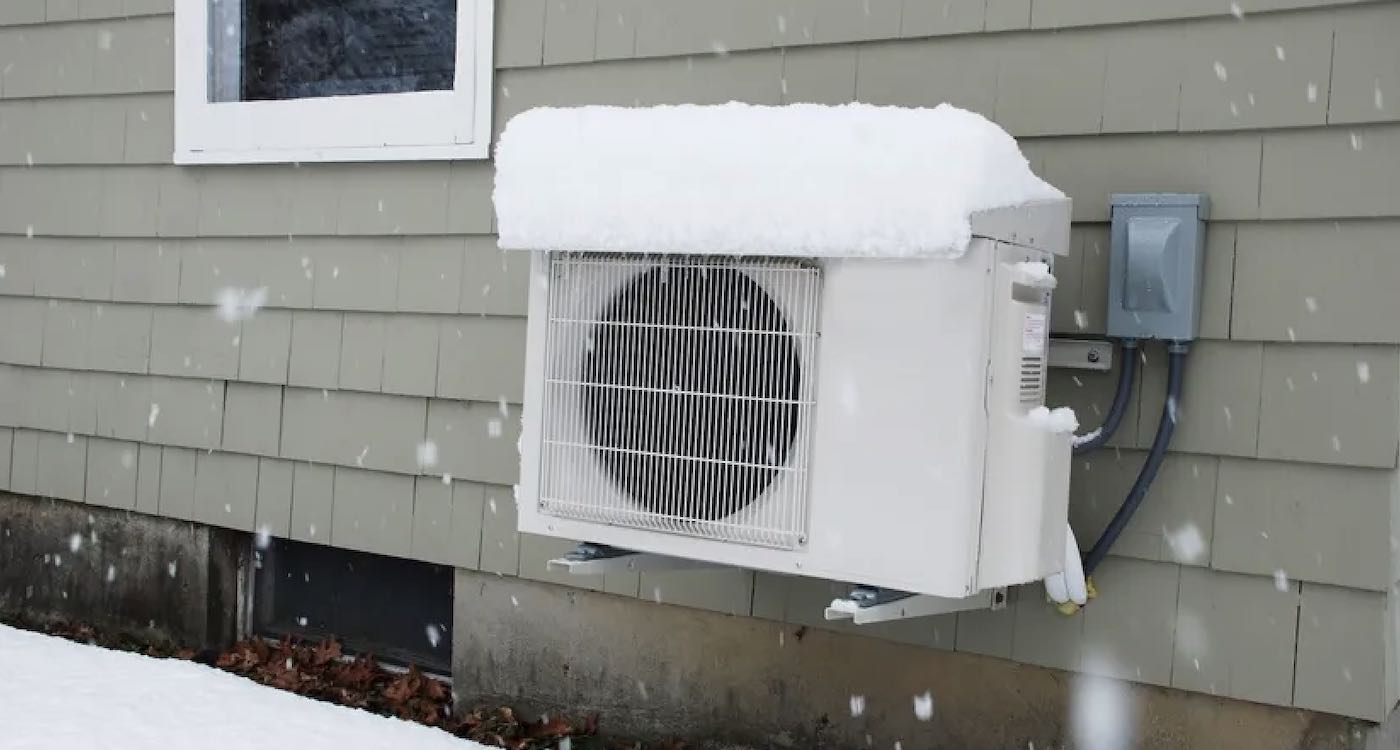
🌱
Climate-friendly heat pumps are becoming dominant home HVAC system in America
Klimaatvriendelijke warmtepompen worden dominant verwarmingssysteem in Amerika
Les pompes à chaleur écologiques deviennent le système de chauffage dominant en Amérique
The rise of heat pumps in the U.S. is truly exciting, as these innovative HVAC systems are set to replace traditional heating methods. Last year, 46% of new homes were built with heat pumps, showing a clear shift in consumer preference. They not only reduce greenhouse gas emissions but also utilize renewable energy, making them a win-win for the environment. With sales doubling over the past 15 years, it's clear that heat pumps are becoming the go-to choice for efficient home heating and cooling.
De opkomst van warmtepompen in de VS is echt spannend, omdat deze innovatieve HVAC-systemen traditionele verwarmingsmethoden gaan vervangen. Vorig jaar werd 46% van de nieuw gebouwde huizen uitgerust met warmtepompen, wat een duidelijke verschuiving in de voorkeur van consumenten laat zien. Ze verminderen niet alleen de uitstoot van broeikasgassen, maar maken ook gebruik van hernieuwbare energie, wat ze een win-win maakt voor het milieu. Met een verdubbeling van de verkoop in de afgelopen 15 jaar is het duidelijk dat warmtepompen de voorkeurskeuze worden voor efficiënte verwarming en koeling van huizen.
L'essor des pompes à chaleur aux États-Unis est vraiment passionnant, car ces systèmes HVAC innovants sont sur le point de remplacer les méthodes de chauffage traditionnelles. L'année dernière, 46 % des nouvelles maisons ont été construites avec des pompes à chaleur, montrant un changement clair dans les préférences des consommateurs. Elles réduisent non seulement les émissions de gaz à effet de serre, mais utilisent également des énergies renouvelables, ce qui en fait un choix gagnant-gagnant pour l'environnement. Avec des ventes doublant au cours des 15 dernières années, il est clair que les pompes à chaleur deviennent le choix privilégié pour le chauffage et le refroidissement efficaces des maisons.

🌱
If a space is cared for, everything improves: meet four gardeners transforming their urban communities
Als een ruimte wordt verzorgd, verbetert alles: ontmoet vier tuinierders die hun stedelijke gemeenschappen transformeren
Si un espace est entretenu, tout s'améliore : rencontrez quatre jardiniers transformant leurs communautés urbaines
The article highlights the crucial role of green spaces in urban areas and how they enhance community wellbeing. John Little from Care Not Capital advocates for training gardeners to maintain these spaces effectively, emphasizing that ongoing care is essential. The piece features Katy Merrington, who leads a team at the Hepworth gallery's public garden, showcasing how accessible green spaces foster social interaction and inspiration. It's a wonderful reminder that with proper care, urban environments can thrive and bring people together.
Het artikel benadrukt de cruciale rol van groene ruimtes in stedelijke gebieden en hoe ze het welzijn van de gemeenschap verbeteren. John Little van Care Not Capital pleit voor training van tuinierders om deze ruimtes effectief te onderhouden, waarbij hij benadrukt dat voortdurende zorg essentieel is. Het stuk belicht Katy Merrington, die een team leidt in de openbare tuin van de Hepworth-galerij, en laat zien hoe toegankelijke groene ruimtes sociale interactie en inspiratie bevorderen. Het is een geweldige herinnering dat met de juiste zorg, stedelijke omgevingen kunnen bloeien en mensen samen kunnen brengen.
L'article met en lumière le rôle crucial des espaces verts dans les zones urbaines et comment ils améliorent le bien-être communautaire. John Little de Care Not Capital plaide pour former des jardiniers à entretenir ces espaces efficacement, soulignant que des soins continus sont essentiels. Le texte présente Katy Merrington, qui dirige une équipe dans le jardin public de la galerie Hepworth, montrant comment des espaces verts accessibles favorisent l'interaction sociale et l'inspiration. C'est un merveilleux rappel que, avec des soins appropriés, les environnements urbains peuvent prospérer et rassembler les gens.

✍️
Why your feed wants you angry
Waarom je feed je boos wil maken
Pourquoi votre fil d'actualité veut vous mettre en colère
Scrolling through social media can leave us feeling more agitated than when we started, and research shows this isn't just a personal experience. Algorithms on platforms like TikTok and Instagram often prioritize emotionally charged content, especially negative posts, which tend to spread faster. Interestingly, while negative content can dominate certain discussions, studies indicate that positive posts are still more common overall. This suggests that the issue lies in the design choices of these platforms, which reward our worst impulses in specific contexts. Understanding this can help us navigate our feeds with a bit more awareness.
Scrollen door sociale media kan ons meer geprikkeld achterlaten dan wanneer we begonnen, en onderzoek toont aan dat dit niet alleen een persoonlijke ervaring is. Algoritmes op platforms zoals TikTok en Instagram geven vaak prioriteit aan emotioneel geladen inhoud, vooral negatieve berichten, die sneller verspreiden. Interessant is dat, hoewel negatieve inhoud bepaalde discussies kan domineren, studies aantonen dat positieve berichten nog steeds vaker voorkomen. Dit suggereert dat het probleem ligt in de ontwerpkeuzes van deze platforms, die onze slechtste impulsen in specifieke contexten belonen. Dit begrijpen kan ons helpen om onze feeds met meer bewustzijn te navigeren.
Faire défiler les réseaux sociaux peut nous laisser plus agités qu'au départ, et des recherches montrent que ce n'est pas qu'une expérience personnelle. Les algorithmes sur des plateformes comme TikTok et Instagram privilégient souvent le contenu émotionnellement chargé, en particulier les publications négatives, qui ont tendance à se répandre plus rapidement. Fait intéressant, bien que le contenu négatif puisse dominer certaines discussions, des études indiquent que les publications positives sont encore plus courantes dans l'ensemble. Cela suggère que le problème réside dans les choix de conception de ces plateformes, qui récompensent nos pires impulsions dans des contextes spécifiques. Comprendre cela peut nous aider à naviguer dans nos fils d'actualité avec un peu plus de conscience.

🌍
Global hunger falls below 8% for the first time since the pandemic
Wereldwijde honger daalt voor het eerst onder 8% sinds de pandemie
La faim mondiale tombe en dessous de 8 % pour la première fois depuis la pandémie
It's fantastic news that global hunger has dropped below 8% for the first time since the pandemic! This marks the third consecutive year of decline, with Central Asia showing the most impressive reductions. The report from the UN Food and Agriculture Organization highlights a significant 5-year decrease in malnourishment, especially in Asia. While Africa still faces challenges, this progress is a hopeful sign that we can continue to make strides towards ending hunger worldwide.
Het is fantastisch nieuws dat de wereldwijde honger voor het eerst onder de 8% is gedaald sinds de pandemie! Dit markeert het derde opeenvolgende jaar van afname, waarbij Centraal-Azië de meest indrukwekkende verminderingen laat zien. Het rapport van de FAO benadrukt een significante daling van de ondervoeding in de afgelopen vijf jaar, vooral in Azië. Hoewel Afrika nog steeds uitdagingen ondervindt, is deze vooruitgang een hoopvol teken dat we wereldwijd stappen kunnen blijven zetten om honger te beëindigen.
C'est une nouvelle fantastique que la faim mondiale soit tombée en dessous de 8 % pour la première fois depuis la pandémie ! Cela marque la troisième année consécutive de déclin, avec l'Asie centrale montrant les réductions les plus impressionnantes. Le rapport de l'Organisation des Nations Unies pour l'alimentation et l'agriculture souligne une diminution significative de la malnutrition au cours des cinq dernières années, en particulier en Asie. Bien que l'Afrique fasse encore face à des défis, ces progrès sont un signe d'espoir que nous pouvons continuer à avancer vers la fin de la faim dans le monde.
🌟
Ultrafast X-rays capture chemistry unfolding atom by atom
Ultrasnelle röntgenstralen vangen chemie die atoom voor atoom ontvouwt
Des rayons X ultrarapides capturent la chimie se déroulant atome par atome
Scientists have made a groundbreaking discovery by observing how energy moves through a molecule right after it absorbs light. Using rapid X-ray flashes, they tracked changes at specific atoms, revealing that different atoms can show distinct parts of the transformation. This technique opens up new possibilities for understanding fast chemical reactions at the atomic level. It could lead to advancements in how we comprehend light-driven processes, including the resilience of DNA to light exposure.
Wetenschappers hebben een baanbrekende ontdekking gedaan door te observeren hoe energie door een molecuul beweegt direct nadat het licht absorbeert. Met behulp van snelle röntgenflitsen volgden ze veranderingen op specifieke atomen, waarbij ze ontdekten dat verschillende atomen verschillende delen van de transformatie kunnen tonen. Deze techniek opent nieuwe mogelijkheden voor het begrijpen van snelle chemische reacties op atomair niveau. Het kan leiden tot vooruitgangen in ons begrip van lichtgedreven processen, waaronder de veerkracht van DNA tegen lichtblootstelling.
Les scientifiques ont fait une découverte révolutionnaire en observant comment l'énergie se déplace à travers une molécule juste après qu'elle ait absorbé la lumière. En utilisant des flashes de rayons X rapides, ils ont suivi les changements au niveau d'atomes spécifiques, révélant que différents atomes peuvent montrer des parties distinctes de la transformation. Cette technique ouvre de nouvelles possibilités pour comprendre les réactions chimiques rapides à l'échelle atomique. Elle pourrait conduire à des avancées dans notre compréhension des processus induits par la lumière, y compris la résistance de l'ADN à l'exposition à la lumière.
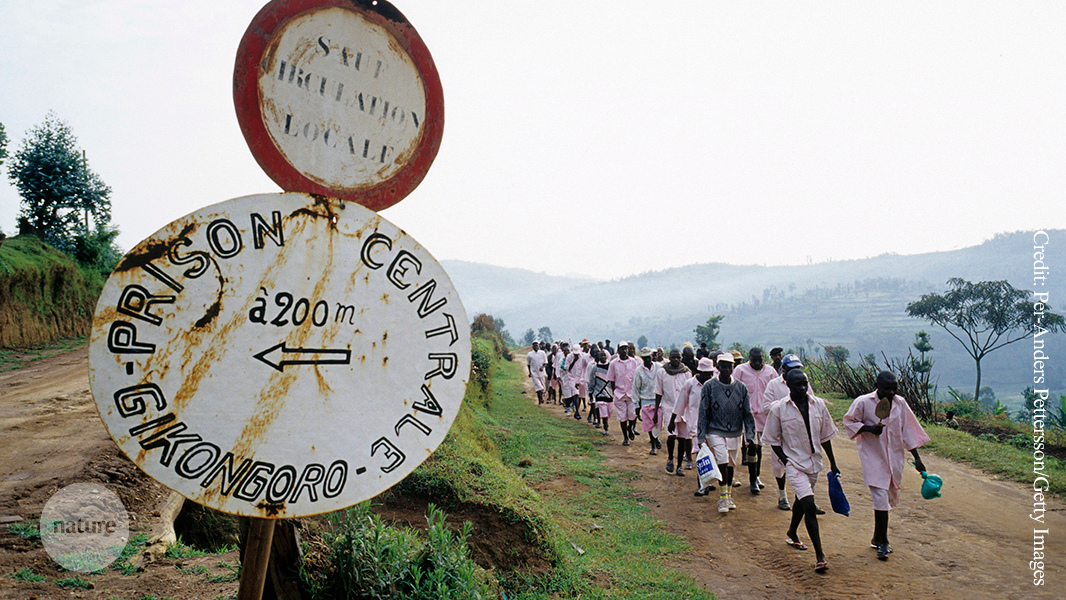
🌟
How I use statistics and my law degree to fight human-rights abuses
Hoe ik statistiek en mijn rechtenstudie gebruik om mensenrechtenschendingen te bestrijden
Comment j'utilise les statistiques et mon diplôme en droit pour lutter contre les violations des droits de l'homme
Mary Gray is a remarkable figure who combines her expertise in statistics and law to tackle human-rights abuses and discrimination. Even in her 80s, she continues to make a significant impact, training investigators for the International Criminal Court and advocating for equality in academia. Her journey began with a keen observation of gender discrimination in retirement benefits, which led her to earn a law degree and fight for justice. Gray's legacy includes founding the Association for Women in Mathematics and receiving recognition for her lifelong commitment to social justice.
Mary Gray is een opmerkelijke figuur die haar expertise in statistiek en recht gebruikt om mensenrechtenschendingen en discriminatie aan te pakken. Zelfs in haar 80s blijft ze een aanzienlijke impact maken, door onderzoekers voor het Internationaal Strafhof op te leiden en te pleiten voor gelijkheid in de academische wereld. Haar reis begon met een scherpe observatie van genderdiscriminatie in pensioenvoordelen, wat haar ertoe bracht een rechtenstudie te volgen en voor gerechtigheid te strijden. Gray's nalatenschap omvat het oprichten van de Association for Women in Mathematics en het ontvangen van erkenning voor haar levenslange inzet voor sociale rechtvaardigheid.
Mary Gray est une figure remarquable qui combine son expertise en statistiques et en droit pour lutter contre les violations des droits de l'homme et la discrimination. Même dans la quatre-vingtaine, elle continue d'avoir un impact significatif, formant des enquêteurs pour la Cour pénale internationale et plaidant pour l'égalité dans le milieu académique. Son parcours a commencé par une observation aiguë de la discrimination de genre dans les prestations de retraite, ce qui l'a amenée à obtenir un diplôme en droit et à se battre pour la justice. L'héritage de Gray comprend la fondation de l'Association for Women in Mathematics et la reconnaissance de son engagement de toute une vie pour la justice sociale.

🦉
Kind of like a fairytale: documentary tells the unusual tale of Flaco the owl
Een soort van sprookje: documentaire vertelt het ongebruikelijke verhaal van Flaco de uil
Un peu comme un conte de fées : le documentaire raconte l'histoire inhabituelle de Flaco le hibou
Flaco the Eurasian eagle-owl captured hearts after escaping captivity in Central Park and thriving in Manhattan for over a year. Directed by Penny Lane, the documentary 'Wild Inside' showcases his incredible journey, highlighting how he learned to survive in the urban jungle. New Yorkers from all walks of life connected with Flaco's story, seeing him as a symbol of resilience and transformation. Tragically, his tale takes a somber turn, raising questions about freedom and survival in a city that can be both magical and harsh.
Flaco de Euraziatische oehoe veroverde harten nadat hij ontsnapte uit de gevangenschap in Central Park en meer dan een jaar in Manhattan overleefde. Geregisseerd door Penny Lane, laat de documentaire 'Wild Inside' zijn ongelooflijke reis zien, waarin wordt benadrukt hoe hij leerde overleven in de stedelijke jungle. New Yorkers uit alle lagen van de bevolking voelden zich verbonden met Flaco's verhaal, en zagen hem als een symbool van veerkracht en transformatie. Tragisch genoeg neemt zijn verhaal een sombere wending, wat vragen oproept over vrijheid en overleven in een stad die zowel magisch als hard kan zijn.
Flaco, le hibou grand-duc eurasien, a conquis les cœurs après avoir échappé à la captivité au Central Park et survécu à Manhattan pendant plus d'un an. Réalisé par Penny Lane, le documentaire 'Wild Inside' met en lumière son incroyable parcours, soulignant comment il a appris à survivre dans la jungle urbaine. Des New-Yorkais de tous horizons se sont identifiés à l'histoire de Flaco, le voyant comme un symbole de résilience et de transformation. Tragiquement, son récit prend une tournure sombre, soulevant des questions sur la liberté et la survie dans une ville qui peut être à la fois magique et impitoyable.

🌟
The ‘domino chains’ transforming kidney donation
De ‘domino-ketens’ die orgaandonatie transformeren
Les ‘chaînes domino’ transformant le don de rein
So, have you heard about the incredible domino chains in kidney donation? It’s a game changer for those waiting for transplants. A man named Mark Scotch, after a chance meeting, donated his kidney and helped save another life through a unique voucher system. This approach not only matches donors and recipients effectively but also raises awareness about the urgent need for living donors. It’s inspiring to see how one conversation can lead to such impactful change!
Heb je gehoord van de ongelooflijke domino-ketens in de orgaandonatie? Het is een echte game changer voor mensen die wachten op een transplantatie. Een man genaamd Mark Scotch doneerde, na een toevallige ontmoeting, zijn nier en hielp een ander leven te redden via een uniek vouchersysteem. Deze aanpak koppelt donoren en ontvangers effectief en verhoogt ook het bewustzijn over de dringende behoefte aan levende donoren. Het is inspirerend om te zien hoe één gesprek zo’n impactvolle verandering kan teweegbrengen!
Avez-vous entendu parler des incroyables chaînes domino dans le don de rein? C'est un véritable changement pour ceux qui attendent des transplantations. Un homme nommé Mark Scotch a donné son rein après une rencontre fortuite, aidant ainsi à sauver une autre vie grâce à un système de bons unique. Cette approche permet non seulement de jumeler efficacement donneurs et receveurs, mais aussi de sensibiliser à l'urgence du besoin de donneurs vivants. C'est inspirant de voir comment une seule conversation peut mener à un changement aussi impactant!

🌟
Professor shares why the key to improving your luck is having ‘more collisions’
Professor deelt waarom de sleutel tot het verbeteren van je geluk ‘meer botsingen’ is
Le professeur explique pourquoi la clé pour améliorer votre chance est d'avoir plus de 'collisions'
It's fascinating how luck can be influenced by our actions! Professor Sean Johnson emphasizes that creating more 'collisions' with people and ideas can lead to unexpected opportunities. By stepping out of our comfort zones and engaging with strangers, we increase our chances of having lucky breaks. So, whether it's attending events or simply saying 'yes' to new experiences, movement is key to changing our luck.
Het is fascinerend hoe geluk kan worden beïnvloed door onze acties! Professor Sean Johnson benadrukt dat het creëren van meer 'botsingen' met mensen en ideeën kan leiden tot onverwachte kansen. Door uit onze comfortzone te stappen en met vreemden om te gaan, vergroten we onze kans op gelukkige momenten. Dus, of het nu gaat om het bijwonen van evenementen of simpelweg 'ja' zeggen tegen nieuwe ervaringen, beweging is de sleutel tot het veranderen van ons geluk.
C'est fascinant de voir comment la chance peut être influencée par nos actions ! Le professeur Sean Johnson souligne que créer plus de 'collisions' avec des personnes et des idées peut mener à des opportunités inattendues. En sortant de notre zone de confort et en interagissant avec des inconnus, nous augmentons nos chances d'avoir des coups de chance. Donc, que ce soit en assistant à des événements ou simplement en disant 'oui' à de nouvelles expériences, le mouvement est la clé pour changer notre chance.

🍷
Less known than Bordeaux, this city in France produces one of the best wines in the world for under five euros
Minder bekend dan Bordeaux, deze stad in Frankrijk produceert een van de beste wijnen ter wereld voor minder dan vijf euro
Moins connue que Bordeaux, cette ville de France produit l’un des meilleurs vins au monde à moins de cinq euros
So, here’s the scoop: Béziers, a charming city in the Languedoc region, is making waves in the wine world! Often overshadowed by Bordeaux and Burgundy, it boasts some of the richest vineyards in France. The wines here, whether red, rosé, or white, are not only delicious but also come with attractive price tags—often under five euros! Which brings me to the exciting fact that these wines have been winning awards, proving that great quality doesn't have to break the bank.
Dus, hier is het nieuws: Béziers, een charmante stad in de regio Languedoc, maakt furore in de wijnwereld! Vaak overschaduwd door Bordeaux en Bourgogne, heeft het enkele van de rijkste wijngaarden van Frankrijk. De wijnen hier, of het nu rood, rosé of wit is, zijn niet alleen heerlijk, maar hebben ook aantrekkelijke prijskaartjes - vaak onder de vijf euro! Wat me brengt bij het spannende feit dat deze wijnen prijzen hebben gewonnen, wat bewijst dat geweldige kwaliteit niet duur hoeft te zijn.
Alors, voici l'info : Béziers, une charmante ville de la région du Languedoc, fait des vagues dans le monde du vin ! Souvent éclipsée par Bordeaux et la Bourgogne, elle possède certains des vignobles les plus riches de France. Les vins ici, qu'ils soient rouges, rosés ou blancs, ne sont pas seulement délicieux, mais ont aussi des prix attractifs - souvent en dessous de cinq euros ! Ce qui m'amène au fait passionnant que ces vins ont remporté des récompenses, prouvant que la grande qualité ne doit pas coûter cher.
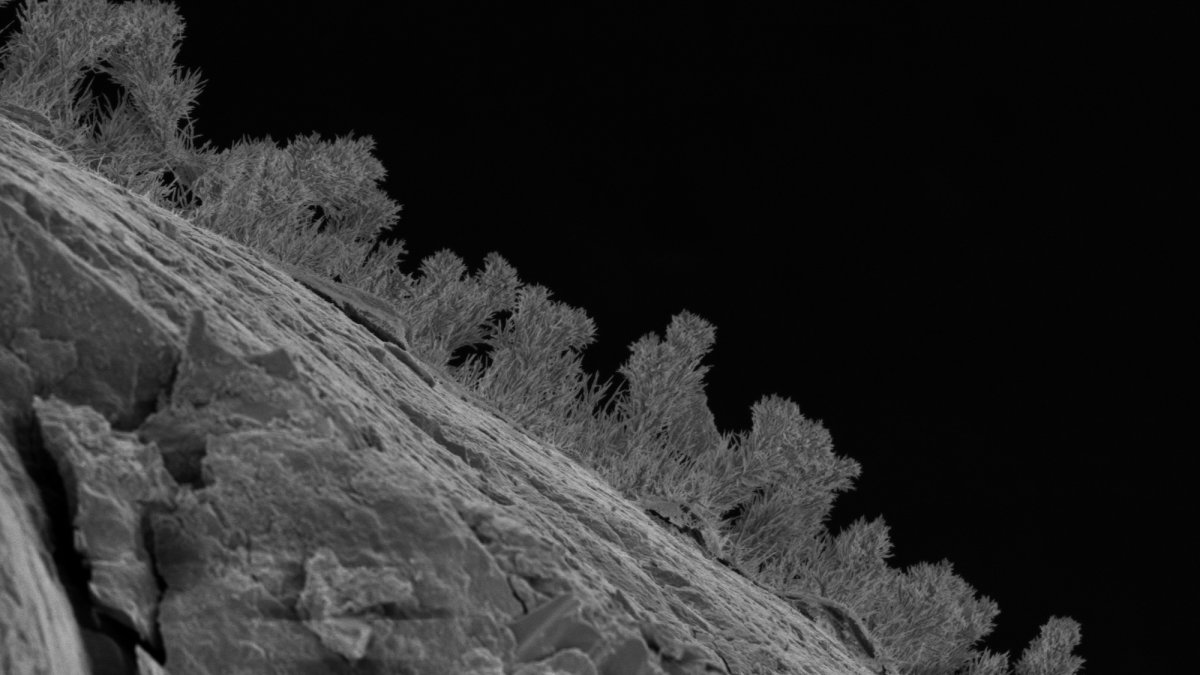
🍄
A vast world of rock-eating fungi lurks deep underneath the Great Lakes
Een uitgestrekte wereld van rots-etende schimmels ligt diep onder de Grote Meren
Un vaste monde de champignons mangeurs de roches se cache sous les Grands Lacs
So, researchers from the University of Michigan have discovered a fascinating world of rock-eating fungi beneath the Great Lakes! They isolated over 200 kinds of fungi from deep underground, revealing a complex ecosystem that thrives in darkness. This study challenges previous assumptions about life in the deep subsurface, showing that these eukaryotes can be abundant and active. It's amazing to think about how these organisms could influence carbon dynamics deep within the Earth.
Dus, onderzoekers van de Universiteit van Michigan hebben een fascinerende wereld van rots-etende schimmels ontdekt onder de Grote Meren! Ze hebben meer dan 200 soorten schimmels uit de diepe ondergrond geïsoleerd, wat een complex ecosysteem onthult dat in het donker gedijt. Deze studie daagt eerdere aannames over leven in de diepe ondergrond uit, en toont aan dat deze eukaryoten overvloedig en actief kunnen zijn. Het is geweldig om te bedenken hoe deze organismen de koolstofdynamiek diep in de aarde kunnen beïnvloeden.
Alors, des chercheurs de l'Université du Michigan ont découvert un monde fascinant de champignons mangeurs de roches sous les Grands Lacs ! Ils ont isolé plus de 200 types de champignons provenant des profondeurs, révélant un écosystème complexe qui prospère dans l'obscurité. Cette étude remet en question les hypothèses précédentes sur la vie dans les profondeurs, montrant que ces eucaryotes peuvent être abondants et actifs. C'est incroyable de penser à la façon dont ces organismes pourraient influencer la dynamique du carbone profondément dans la Terre.
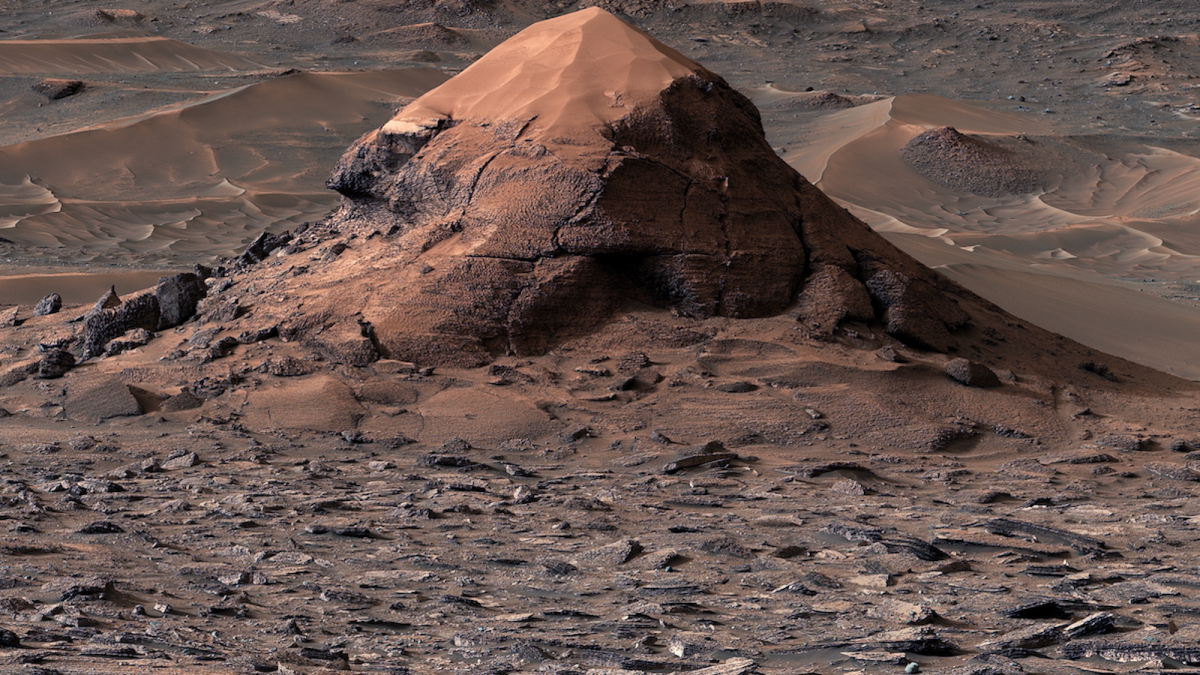
🔍
Curiosity rover spots ancient sea of Martian polygons
Curiosity-rover ontdekt oude zee van Martiaanse polygonen
Le rover Curiosity découvre une ancienne mer de polygones martiens
So, NASA’s Curiosity rover has made an exciting discovery on Mars! It spotted a stunning array of polygonal fractures that hint at ancient waterways. These fascinating patterns, formed billions of years ago, showcase the planet's watery past. Scientists are thrilled to analyze these features, hoping to uncover more about how they were created.
Dus, de Curiosity-rover van NASA heeft een opwindende ontdekking gedaan op Mars! Hij heeft een verbluffende reeks polygonale breuken ontdekt die wijzen op oude waterwegen. Deze fascinerende patronen, gevormd miljarden jaren geleden, tonen het waterrijke verleden van de planeet aan. Wetenschappers zijn enthousiast om deze kenmerken te analyseren en hopen meer te ontdekken over hoe ze zijn ontstaan.
Alors, le rover Curiosity de la NASA a fait une découverte passionnante sur Mars ! Il a repéré une étonnante série de fractures polygonales qui indiquent des voies navigables anciennes. Ces fascinants motifs, formés il y a des milliards d'années, témoignent du passé aquatique de la planète. Les scientifiques sont ravis d'analyser ces caractéristiques, espérant en apprendre davantage sur leur formation.

📚
Dad turned weekly library trips with his daughter into beloved community event: meet ‘Library Dads’
Vader maakte wekelijkse bibliotheekbezoeken met zijn dochter tot een geliefd gemeenschapsevenement: ontmoet 'Bibliotheekvaders'
Un père a transformé ses visites hebdomadaires à la bibliothèque avec sa fille en un événement communautaire bien-aimé : découvrez les 'Pères de la bibliothèque'
So, there's this amazing dad named Khari Arnold who turned his weekly library trips with his daughter into a fantastic community event called Library Dads. It all started when he realized these outings were not just bonding moments but also helped develop early literacy skills for his little girl. He invited other dads to join in, creating a supportive brotherhood around reading. Now, these events are a cherished part of many dads' lives in Atlanta, proving that when dads show up, magic happens.
Dus, er is deze geweldige vader genaamd Khari Arnold die zijn wekelijkse bibliotheekbezoeken met zijn dochter heeft omgevormd tot een fantastisch gemeenschapsevenement genaamd Bibliotheekvaders. Het begon allemaal toen hij zich realiseerde dat deze uitjes niet alleen bindende momenten waren, maar ook hielpen bij het ontwikkelen van vroege geletterdheid voor zijn kleine meisje. Hij nodigde andere vaders uit om mee te doen, waardoor er een ondersteunende broederschap rond lezen ontstond. Nu zijn deze evenementen een gekoesterd onderdeel van het leven van veel vaders in Atlanta, wat bewijst dat wanneer vaders aanwezig zijn, er magie gebeurt.
Alors, il y a ce père incroyable nommé Khari Arnold qui a transformé ses visites hebdomadaires à la bibliothèque avec sa fille en un événement communautaire fantastique appelé Pères de la bibliothèque. Tout a commencé lorsqu'il a réalisé que ces sorties n'étaient pas seulement des moments de lien, mais aidaient également à développer les compétences de lecture précoce de sa petite fille. Il a invité d'autres pères à se joindre à lui, créant ainsi une fraternité de soutien autour de la lecture. Maintenant, ces événements sont une partie chérie de la vie de nombreux pères à Atlanta, prouvant que lorsque les pères sont présents, la magie opère.

🎨
Was art key to ancient humans' success? The secrets of Hohle Fels cave
Was kunst de sleutel tot het succes van de oude mensen? De geheimen van de Hohle Fels-grot
L'art était-il la clé du succès des humains anciens ? Les secrets de la grotte de Hohle Fels
New discoveries at the Hohle Fels cave in Germany are shedding light on the artistic abilities of ancient humans. Two tiny bird carvings, dating back 40,000 years, have been found, crafted from ivory and showcasing remarkable skill. Excavation leader Nicholas Conard discusses how these artifacts might reveal insights into the culture and success of our ancestors. It's fascinating to think about how art played a role in their survival and social connections.
Nieuwe ontdekkingen in de Hohle Fels-grot in Duitsland werpen licht op de artistieke vaardigheden van oude mensen. Twee kleine vogelfiguren, die 40.000 jaar oud zijn, zijn gevonden, vervaardigd uit ivoor en getuigend van opmerkelijke vaardigheid. Opgravingsleider Nicholas Conard bespreekt hoe deze artefacten inzicht kunnen geven in de cultuur en het succes van onze voorouders. Het is fascinerend om na te denken over de rol die kunst speelde in hun overleving en sociale verbindingen.
De nouvelles découvertes dans la grotte de Hohle Fels en Allemagne éclairent les capacités artistiques des humains anciens. Deux petites sculptures d'oiseaux, datant de 40 000 ans, ont été trouvées, sculptées dans l'ivoire et montrant une habileté remarquable. Le responsable des fouilles, Nicholas Conard, discute de la manière dont ces artefacts pourraient révéler des informations sur la culture et le succès de nos ancêtres. C'est fascinant de penser à la façon dont l'art a joué un rôle dans leur survie et leurs connexions sociales.
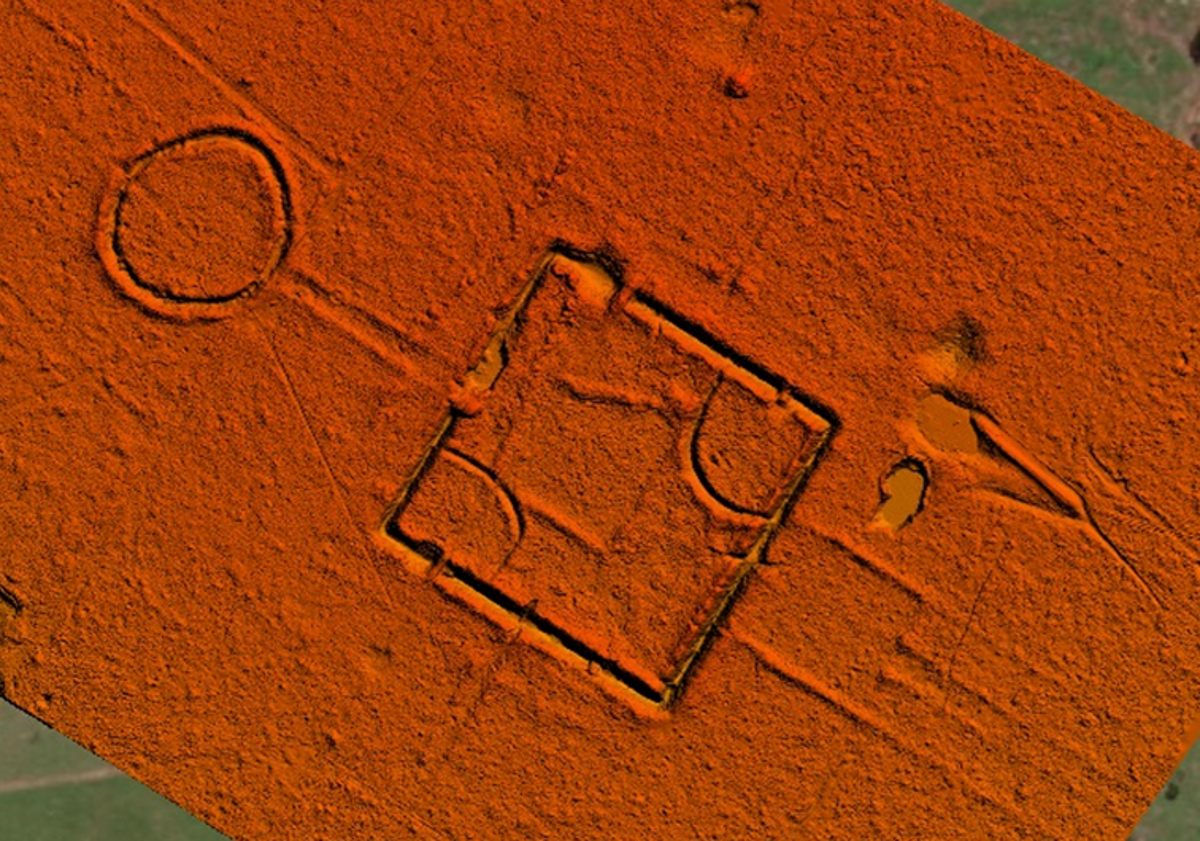
🌍
Hundreds of ancient, never-before-seen ‘earthworks’ discovered in the Amazon
Honderden oude, nog nooit eerder geziene 'aardewerken' ontdekt in de Amazone
Des centaines d'anciennes 'terrains' jamais vues auparavant découvertes en Amazonie
Wow, researchers have uncovered hundreds of ancient earthworks in the Amazon that date back to the Aquiry civilization! Using advanced remote sensing technology, they found 396 new structures, suggesting there could be up to 30,000 of these fascinating designs hidden in the region. These geoglyphs, which are massive geometric shapes, might have been used for ceremonial purposes, but their exact role is still a mystery. This discovery could change how we view the population and history of the Amazon before European colonization.
Wauw, onderzoekers hebben honderden oude aardewerken ontdekt in de Amazone die dateren uit de Aquiry-beschaving! Met behulp van geavanceerde remote sensing-technologie vonden ze 396 nieuwe structuren, wat suggereert dat er tot 30.000 van deze fascinerende ontwerpen verborgen kunnen zijn in de regio. Deze geoglyphs, die enorme geometrische vormen zijn, kunnen voor ceremoniële doeleinden zijn gebruikt, maar hun exacte rol is nog een mysterie. Deze ontdekking kan onze kijk op de bevolking en geschiedenis van de Amazone vóór de Europese kolonisatie veranderen.
Wow, les chercheurs ont découvert des centaines de terrains anciens en Amazonie datant de la civilisation Aquiry ! Grâce à une technologie de télédétection avancée, ils ont trouvé 396 nouvelles structures, suggérant qu'il pourrait y avoir jusqu'à 30 000 de ces fascinants designs cachés dans la région. Ces géoglyphes, qui sont d'énormes formes géométriques, pourraient avoir été utilisés à des fins cérémonielles, mais leur rôle exact reste un mystère. Cette découverte pourrait changer notre perception de la population et de l'histoire de l'Amazonie avant la colonisation européenne.

🌌
Astronomers spot best-yet example of a wandering supermassive black hole
Astronomen ontdekken het beste voorbeeld tot nu toe van een zwervende superzware zwarte gat
Les astronomes repèrent le meilleur exemple à ce jour d'un trou noir supermassif errant
So, astronomers have made an exciting discovery of a supermassive black hole that's far away from its galactic center! They spotted it during a spectacular event when a star got too close and was torn apart, creating a bright flash. This black hole, which weighs about a million suns, is located an astonishing 30,000 light-years from its galaxy's core. It's fascinating to think about how these wandering giants can go unnoticed until something dramatic happens, revealing their hidden presence.
Dus, astronomen hebben een spannende ontdekking gedaan van een superzwaar zwart gat dat ver van zijn galactische centrum ligt! Ze hebben het ontdekt tijdens een spectaculair evenement toen een ster te dichtbij kwam en werd verscheurd, wat een heldere flits veroorzaakte. Dit zwarte gat, dat ongeveer een miljoen zonsmassa's weegt, bevindt zich op een verbazingwekkende 30.000 lichtjaar van de kern van zijn sterrenstelsel. Het is fascinerend om te bedenken hoe deze zwervende reuzen onopgemerkt kunnen blijven totdat er iets dramatisch gebeurt, waardoor hun verborgen aanwezigheid wordt onthuld.
Alors, les astronomes ont fait une découverte passionnante d'un trou noir supermassif qui est loin de son centre galactique ! Ils l'ont repéré lors d'un événement spectaculaire lorsque qu'une étoile s'est approchée trop près et a été déchiquetée, créant un éclat lumineux. Ce trou noir, qui pèse environ un million de soleils, est situé à une distance incroyable de 30 000 années-lumière du noyau de sa galaxie. C'est fascinant de penser à la façon dont ces géants errants peuvent passer inaperçus jusqu'à ce que quelque chose de dramatique se produise, révélant leur présence cachée.
🌟
Earth’s hidden “gold kitchen” lies beneath the seafloor
De verborgen 'gouden keuken' van de aarde ligt onder de zeebodem
La 'cuisine d'or' cachée de la Terre se trouve sous le plancher océanique
So, it turns out there's a fascinating 'gold kitchen' operating deep beneath the ocean floor! Researchers led by Dr. Christian Timm discovered that the melting of the mantle beneath island arcs is a key factor in gold enrichment. They analyzed volcanic glass samples from the seafloor and found that gold concentrations were significantly higher than in typical mid-ocean magmas. This research not only sheds light on the processes at play but also highlights the complex role of water in facilitating mantle melting.
Het blijkt dat er een fascinerende 'gouden keuken' diep onder de zeebodem actief is! Onderzoekers onder leiding van Dr. Christian Timm ontdekten dat de smelting van de mantel onder eilandbogen een belangrijke factor is in de verrijking van goud. Ze analyseerden vulkanisch glas van de zeebodem en ontdekten dat de goudconcentraties aanzienlijk hoger waren dan in typische mid-ocean magma's. Dit onderzoek werpt niet alleen licht op de processen die aan de gang zijn, maar benadrukt ook de complexe rol van water bij het vergemakkelijken van de smelting van de mantel.
Il s'avère qu'il existe une fascinante 'cuisine d'or' opérant profondément sous le plancher océanique ! Des chercheurs dirigés par le Dr Christian Timm ont découvert que la fusion du manteau sous les arcs insulaires est un facteur clé dans l'enrichissement en or. Ils ont analysé des échantillons de verre volcanique du fond marin et ont constaté que les concentrations d'or étaient significativement plus élevées que dans les magmas typiques des dorsales médio-océaniques. Cette recherche éclaire non seulement les processus en jeu, mais souligne également le rôle complexe de l'eau dans la facilitation de la fusion du manteau.
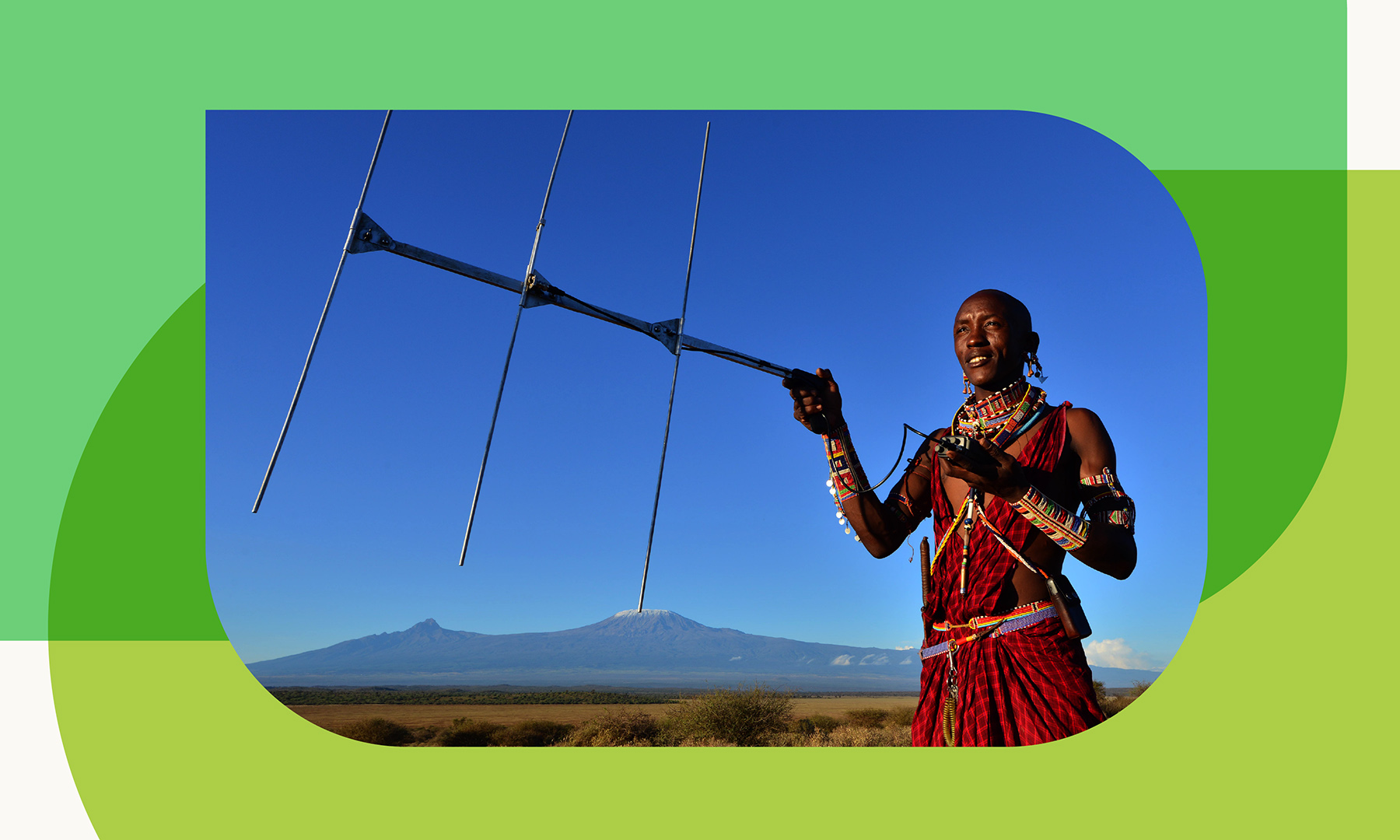
🦁
A new measure of courage: how Maasai warriors became lion guardians
Een nieuwe maatstaf voor moed: hoe Maasai-krijgers leeuwentemmers werden
Une nouvelle mesure du courage : comment les guerriers maasai sont devenus des gardiens des lions
In a remarkable shift, Maasai warriors in Tanzania are redefining bravery by protecting lions instead of hunting them. Through the charity African People and Wildlife, these men are blending traditional skills with modern conservation techniques to foster coexistence between humans and wildlife. This change not only helps preserve the lion population but also strengthens the Maasai identity, which has long been tied to these majestic creatures. It's a beautiful example of how adapting tradition can lead to a more harmonious future.
In een opmerkelijke verschuiving herdefiniëren Maasai-krijgers in Tanzania moed door leeuwen te beschermen in plaats van ze te jagen. Via de organisatie African People and Wildlife combineren deze mannen traditionele vaardigheden met moderne conserveringstechnieken om een co-existentie tussen mensen en dieren te bevorderen. Deze verandering helpt niet alleen de leeuwenpopulatie te behouden, maar versterkt ook de Maasai-identiteit, die lange tijd verbonden is geweest met deze majestueuze wezens. Het is een prachtig voorbeeld van hoe het aanpassen van tradities kan leiden tot een harmonieuzere toekomst.
Dans un changement remarquable, les guerriers maasai en Tanzanie redéfinissent le courage en protégeant les lions au lieu de les chasser. Grâce à l'organisation African People and Wildlife, ces hommes allient compétences traditionnelles et techniques de conservation modernes pour favoriser la coexistence entre humains et animaux sauvages. Ce changement aide non seulement à préserver la population de lions, mais renforce également l'identité maasai, qui a longtemps été liée à ces créatures majestueuses. C'est un bel exemple de la façon dont l'adaptation des traditions peut mener à un avenir plus harmonieux.

🌟
How to bring a geothermal well back from the dead
Hoe een geothermische put weer tot leven te brengen
Comment redonner vie à un puits géothermique
So, Zanskar has really turned things around with their geothermal power plant in New Mexico! After facing significant heat loss, they drilled a new well and now it's one of the most productive geothermal sites in the US. This success story is not just a win for Zanskar but also a hopeful sign for the geothermal industry, which is seeing renewed interest and investment. It’s fascinating how technology and a bit of luck can breathe new life into what many thought was a failing system.
Dus, Zanskar heeft echt een ommekeer teweeggebracht met hun geothermische energiecentrale in New Mexico! Na aanzienlijke warmteverliezen hebben ze een nieuwe put geboord en nu is het een van de meest productieve geothermische locaties in de VS. Dit succesverhaal is niet alleen een overwinning voor Zanskar, maar ook een hoopvolle teken voor de geothermische industrie, die weer nieuwe belangstelling en investeringen ziet. Het is fascinerend hoe technologie en een beetje geluk nieuw leven kunnen inblazen in wat velen dachten dat een falend systeem was.
Alors, Zanskar a vraiment renversé la situation avec sa centrale géothermique au Nouveau-Mexique ! Après avoir rencontré d'importantes pertes de chaleur, ils ont foré un nouveau puits et maintenant c'est l'un des sites géothermiques les plus productifs des États-Unis. Cette histoire de succès n'est pas seulement une victoire pour Zanskar, mais aussi un signe d'espoir pour l'industrie géothermique, qui connaît un regain d'intérêt et d'investissement. C'est fascinant de voir comment la technologie et un peu de chance peuvent redonner vie à ce que beaucoup pensaient être un système en déclin.
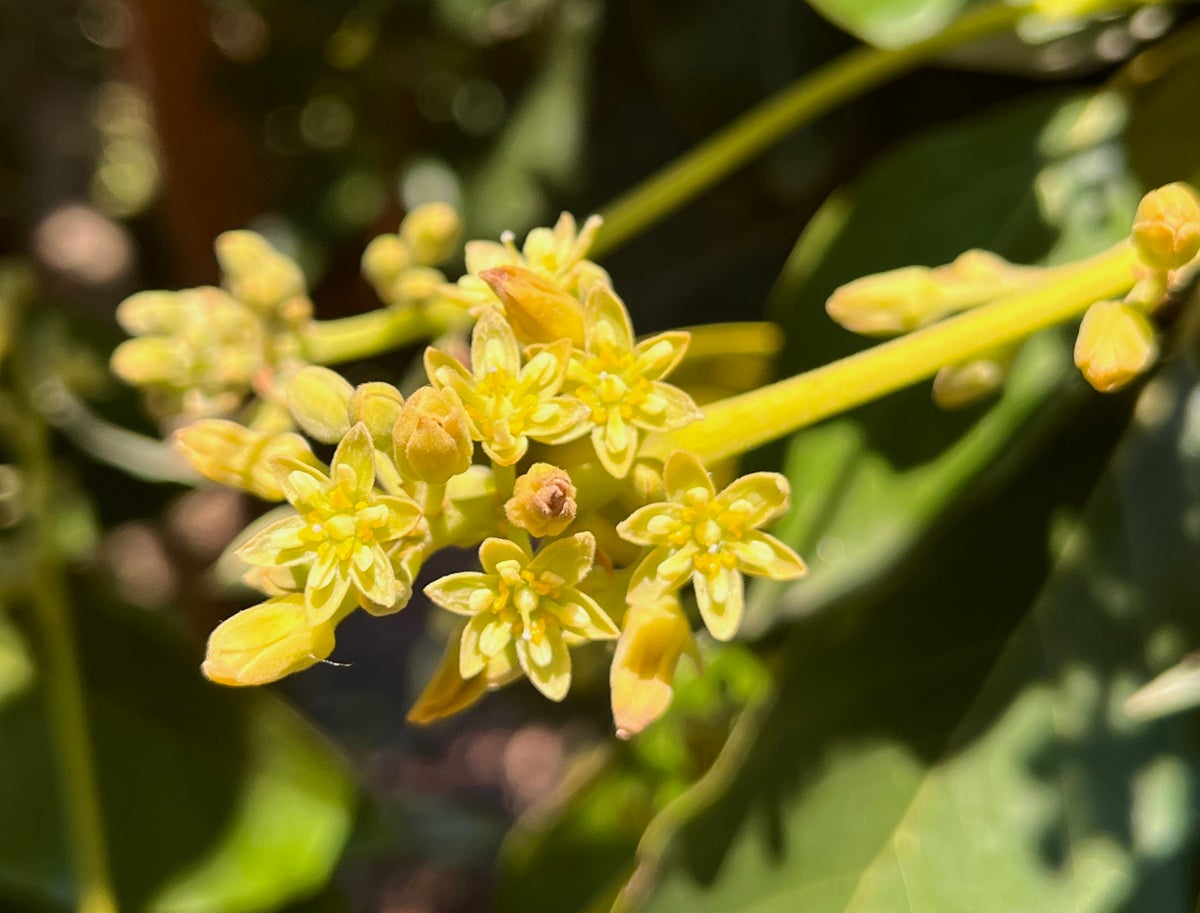
🌱
Avocado flowers switch sex daily—now we know why
Avocado bloemen wisselen dagelijks van geslacht - nu weten we waarom
Les fleurs d'avocat changent de sexe chaque jour - maintenant nous savons pourquoi
Isn't it fascinating how avocado trees have this incredible ability to switch their flowers' sex every day? They alternate between male and female phases, which helps them with their unique reproductive strategy. A recent study identified a specific gene that enables this remarkable behavior, revealing how these trees coordinate their flowering patterns. It’s a beautiful reminder of the complexity of nature and how much we still have to learn about it!
Is het niet fascinerend hoe avocado bomen deze ongelooflijke vaardigheid hebben om elke dag van geslacht te wisselen? Ze wisselen af tussen mannelijke en vrouwelijke fasen, wat hen helpt met hun unieke reproductieve strategie. Een recente studie identificeerde een specifiek gen dat dit opmerkelijke gedrag mogelijk maakt, en onthulde hoe deze bomen hun bloeipatronen coördineren. Het is een prachtige herinnering aan de complexiteit van de natuur en hoeveel we nog te leren hebben!
N'est-ce pas fascinant de voir comment les arbres à avocat ont cette incroyable capacité à changer le sexe de leurs fleurs chaque jour ? Ils alternent entre des phases mâles et femelles, ce qui les aide dans leur stratégie reproductive unique. Une étude récente a identifié un gène spécifique qui permet ce comportement remarquable, révélant comment ces arbres coordonnent leurs schémas de floraison. C'est un beau rappel de la complexité de la nature et de tout ce que nous avons encore à apprendre !

🌸
This rare purple Himalayan flower has returned to India after 158 years
Deze zeldzame paarse Himalaya-bloem is na 158 jaar teruggekeerd naar India
Cette rare fleur himalayenne violette est revenue en Inde après 158 ans
I’m absolutely thrilled to share that Cyananthus hookeri, a stunning purple-blue flower, has been rediscovered in Arunachal Pradesh after being lost to science for 158 years! This delicate beauty was first collected by the famous botanist Sir Joseph Dalton Hooker in 1867, but it vanished from India’s records. The recent findings by the Botanical Survey of India not only confirm its return but also highlight the Eastern Himalayas as a treasure trove of biodiversity. It’s a wonderful reminder that nature still holds many surprises for us!
Ik ben ontzettend blij te kunnen delen dat Cyananthus hookeri, een prachtige paarse-blauwe bloem, is herontdekt in Arunachal Pradesh na 158 jaar verloren te zijn gegaan voor de wetenschap! Deze delicate schoonheid werd voor het eerst verzameld door de beroemde botanicus Sir Joseph Dalton Hooker in 1867, maar verdween uit de Indiase archieven. De recente bevindingen van de Botanische Survey of India bevestigen niet alleen de terugkeer, maar benadrukken ook de Oostelijke Himalaya als een schatkamer van biodiversiteit. Het is een geweldige herinnering dat de natuur nog veel verrassingen voor ons in petto heeft!
Je suis absolument ravi de partager que Cyananthus hookeri, une magnifique fleur violette-bleue, a été redécouverte en Arunachal Pradesh après avoir été perdue pour la science pendant 158 ans ! Cette délicate beauté a été collectée pour la première fois par le célèbre botaniste Sir Joseph Dalton Hooker en 1867, mais elle a disparu des archives indiennes. Les récentes découvertes de l'Enquête botanique de l'Inde confirment non seulement son retour, mais soulignent également les Himalayas orientaux comme un trésor de biodiversité. C'est un merveilleux rappel que la nature nous réserve encore de nombreuses surprises !

💃
Blasting a favorite song and dancing might boost your work performance more than other breaks
Het afspelen van een favoriete song en dansen kan je werkprestaties meer verbeteren dan andere pauzes
Mettre une chanson préférée à fond et danser pourrait améliorer vos performances au travail plus que d'autres pauses
So, it turns out that taking a dance break might be the secret to recharging during those mid-afternoon slumps! Research shows that dancing not only gets your body moving but also engages your brain in unique ways. When you dance to your favorite tunes, you're not just having fun; you're actually boosting your creativity and focus. Next time you're feeling sluggish, why not crank up the music and dance it out for a few minutes? It could be just what you need to get back on track!
Het blijkt dat een danspauze misschien wel het geheim is om je op te laden tijdens die slome middagen! Onderzoek toont aan dat dansen niet alleen je lichaam in beweging brengt, maar ook je hersenen op unieke manieren activeert. Wanneer je op je favoriete deuntjes danst, heb je niet alleen plezier; je stimuleert ook je creativiteit en focus. De volgende keer dat je je moe voelt, waarom draai je de muziek niet omhoog en dans je een paar minuten? Het zou precies kunnen zijn wat je nodig hebt om weer op de rails te komen!
Il s'avère qu'une pause danse pourrait être le secret pour se recharger pendant ces baisses d'énergie de l'après-midi ! Des recherches montrent que danser non seulement fait bouger votre corps, mais engage également votre cerveau de manière unique. Lorsque vous dansez sur vos morceaux préférés, vous ne vous amusez pas seulement ; vous stimulez également votre créativité et votre concentration. La prochaine fois que vous vous sentez fatigué, pourquoi ne pas monter le son et danser pendant quelques minutes ? Cela pourrait être exactement ce dont vous avez besoin pour revenir sur la bonne voie !
🌟
Tabloo in Dessel wins European Nuclear Science Communication Award: prize money goes to girls in science
Belevingscentrum Tabloo in Dessel wint Europese Nuclear Science Communication Award: prijzengeld gaat naar meisjes in de wetenschap
Le centre d'expérience Tabloo à Dessel remporte le prix européen de communication en sciences nucléaires : le prix va aux filles en science
How exciting is this? Tabloo, the interactive center in Dessel focused on radioactivity and radioactive waste, has won the prestigious Nuclear Science Communication Award! This award recognizes initiatives that make complex nuclear topics accessible to the public. What’s even better is that the prize money will support the Girls Leading in Science project, encouraging young girls to explore careers in science and technology. It’s a fantastic way to inspire the next generation while addressing important societal issues.
Hoe spannend is dit? Tabloo, het interactieve centrum in Dessel dat zich richt op radioactiviteit en radioactief afval, heeft de prestigieuze Nuclear Science Communication Award gewonnen! Deze prijs erkent initiatieven die complexe nucleaire onderwerpen toegankelijk maken voor het publiek. Wat nog beter is, is dat het prijzengeld het project Girls Leading in Science zal ondersteunen, dat jonge meisjes aanmoedigt om carrières in wetenschap en technologie te verkennen. Het is een fantastische manier om de volgende generatie te inspireren terwijl belangrijke maatschappelijke kwesties worden aangepakt.
Quelle excitation ! Tabloo, le centre interactif à Dessel axé sur la radioactivité et les déchets radioactifs, a remporté le prestigieux prix de communication en sciences nucléaires ! Ce prix reconnaît les initiatives qui rendent les sujets nucléaires complexes accessibles au public. Ce qui est encore mieux, c'est que l'argent du prix soutiendra le projet Girls Leading in Science, encourageant les jeunes filles à explorer des carrières en sciences et en technologie. C'est une façon fantastique d'inspirer la prochaine génération tout en abordant des questions sociétales importantes.
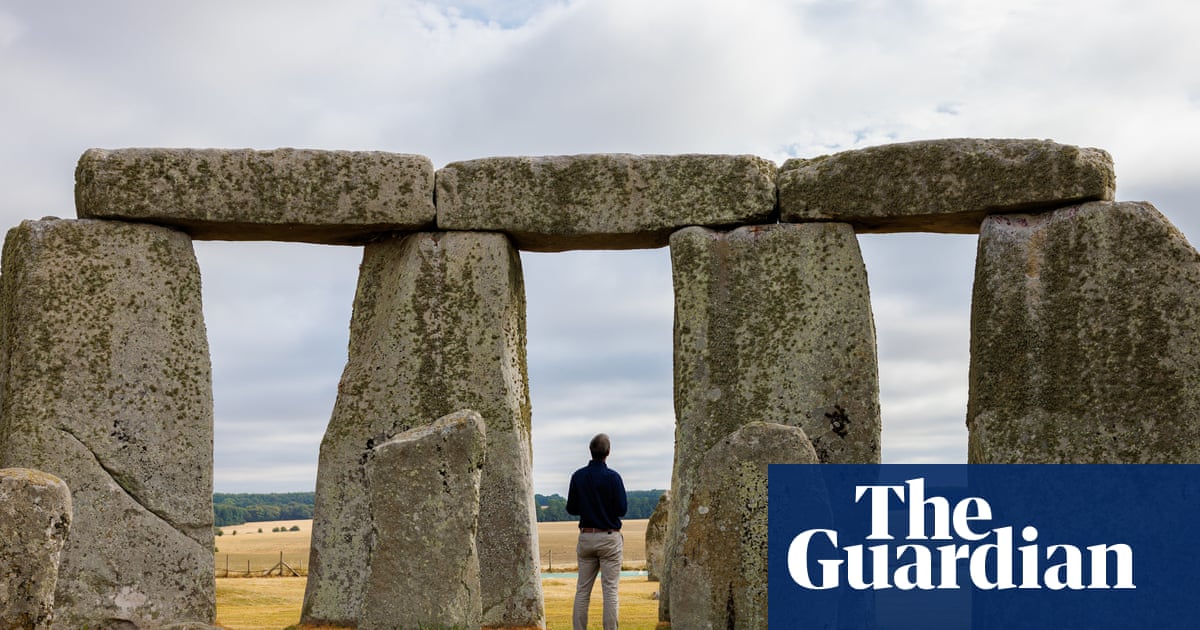
🌟
Magic circle: Stonehenge offers lucky visitors 20 minutes alone in monument
Magische cirkel: Stonehenge biedt gelukkige bezoekers 20 minuten alleen in het monument
Cercle magique : Stonehenge offre aux visiteurs chanceux 20 minutes seuls dans le monument
So, here's the exciting news! Throughout August, visitors to Stonehenge have a chance to win 20 minutes of solitude among the ancient stones, which is quite rare. English Heritage is running a draw for those who buy advance tickets, allowing one lucky person each day to experience the monument without the usual crowds. Imagine standing there, soaking in the history and the peaceful atmosphere, while the sounds of nature surround you. It’s a unique opportunity to connect with this iconic site in a way that few get to experience!
Dus, hier is het spannende nieuws! Gedurende augustus hebben bezoekers van Stonehenge de kans om 20 minuten alleen te zijn tussen de oude stenen, wat vrij zeldzaam is. English Heritage organiseert een loterij voor degenen die vooraf tickets kopen, waardoor één gelukkige persoon elke dag de kans krijgt om het monument zonder de gebruikelijke drukte te ervaren. Stel je voor dat je daar staat, de geschiedenis en de rustige sfeer in je opneemt, terwijl de geluiden van de natuur je omringen. Het is een unieke kans om op een manier verbinding te maken met deze iconische plek die weinigen kunnen ervaren!
Alors, voici la nouvelle excitante ! Tout au long du mois d'août, les visiteurs de Stonehenge ont la chance de gagner 20 minutes de solitude parmi les pierres anciennes, ce qui est assez rare. English Heritage organise un tirage au sort pour ceux qui achètent des billets à l'avance, permettant à une personne chanceuse chaque jour de vivre le monument sans la foule habituelle. Imaginez-vous là, absorbant l'histoire et l'atmosphère paisible, tandis que les sons de la nature vous entourent. C'est une occasion unique de se connecter avec ce site emblématique d'une manière que peu de gens peuvent vivre !
🌟
Blazing like 10 billion suns: NASA’s Swift sees a wandering black hole devouring a star
Brandend als 10 miljard zonnen: NASA's Swift ziet een zwervende zwarte gat een ster verslinden
Flamboyant comme 10 milliards de soleils : le Swift de la NASA observe un trou noir errant dévorant une étoile
NASA's Swift Observatory has made an incredible discovery of a supermassive black hole far from a galaxy's center, tearing apart a star in a rare event. This 'orphan' black hole, about 1 million times the mass of our Sun, was first detected through a bright flare in 2025. The event, known as a tidal disruption event, radiated with the brilliance of 10 billion suns at its peak. This finding not only confirms a new technique for spotting wandering black holes but also opens up exciting possibilities for future astronomical research.
NASA's Swift Observatory heeft een ongelooflijke ontdekking gedaan van een supermassief zwart gat ver van het centrum van een sterrenstelsel, dat een ster verscheurde in een zeldzame gebeurtenis. Dit 'wees' zwarte gat, ongeveer 1 miljoen keer de massa van onze zon, werd voor het eerst gedetecteerd door een heldere flare in 2025. De gebeurtenis, bekend als een getijdenverstoringsgebeurtenis, straalde op zijn hoogtepunt met de schittering van 10 miljard zonnen. Deze ontdekking bevestigt niet alleen een nieuwe techniek voor het opsporen van zwervende zwarte gaten, maar opent ook spannende mogelijkheden voor toekomstig astronomisch onderzoek.
L'observatoire Swift de la NASA a fait une découverte incroyable d'un trou noir supermassif loin du centre d'une galaxie, déchirant une étoile lors d'un événement rare. Ce trou noir 'orphelin', d'environ 1 million de fois la masse de notre soleil, a été détecté pour la première fois grâce à une brillante lueur en 2025. L'événement, connu sous le nom d'événement de disruption des marées, a rayonné à son apogée avec la brillance de 10 milliards de soleils. Cette découverte confirme non seulement une nouvelle technique pour repérer les trous noirs errants, mais ouvre également de passionnantes possibilités pour la recherche astronomique future.
🔥
A single sauna session sends immune cells surging
Een enkele saunasessie laat immuuncellen stijgen
Une seule séance de sauna fait monter les cellules immunitaires
So, a fascinating new study from Finland shows that just one sauna session can really boost your immune system! After spending 30 minutes in the heat, participants had more white blood cells circulating in their bloodstream, which are crucial for fighting off diseases. It's like giving your immune system a little workout! While the effects were temporary, this could help explain why regular sauna use is linked to better health.
Dus, een fascinerende nieuwe studie uit Finland toont aan dat slechts één saunasessie je immuunsysteem echt kan versterken! Na 30 minuten in de hitte hadden deelnemers meer witte bloedcellen in hun bloedbaan, die cruciaal zijn voor het bestrijden van ziekten. Het is alsof je je immuunsysteem een kleine training geeft! Hoewel de effecten tijdelijk waren, kan dit helpen verklaren waarom regelmatig sauna gebruik wordt gekoppeld aan een betere gezondheid.
Alors, une nouvelle étude fascinante en Finlande montre qu'une seule séance de sauna peut vraiment renforcer votre système immunitaire ! Après avoir passé 30 minutes dans la chaleur, les participants avaient plus de globules blancs circulant dans leur sang, qui sont cruciaux pour lutter contre les maladies. C'est comme donner un petit entraînement à votre système immunitaire ! Bien que les effets soient temporaires, cela pourrait aider à expliquer pourquoi l'utilisation régulière du sauna est liée à une meilleure santé.
💃
Young and depressed? Dance salsa, say Oxford researchers
Jong en depressief? Dans de salsa, zeggen onderzoekers van Oxford
Jeune et déprimé? Dansez la salsa, disent les chercheurs d'Oxford
So, it turns out that dancing salsa might be a fantastic way for young people dealing with depression to lift their spirits. Researchers from Oxford have found that engaging in this vibrant dance can significantly improve mood and overall mental health. Isn't it amazing how movement and rhythm can transform feelings? This study highlights the power of dance as a therapeutic tool, making it an exciting option for those looking for relief.
Het blijkt dat salsa dansen een geweldige manier kan zijn voor jongeren die met depressie worstelen om hun gemoedstoestand te verbeteren. Onderzoekers van Oxford hebben ontdekt dat het deelnemen aan deze levendige dans de stemming en de algehele mentale gezondheid aanzienlijk kan verbeteren. Is het niet geweldig hoe beweging en ritme gevoelens kunnen transformeren? Deze studie benadrukt de kracht van dans als een therapeutisch hulpmiddel, wat het een spannende optie maakt voor degenen die verlichting zoeken.
Il s'avère que danser la salsa pourrait être un excellent moyen pour les jeunes souffrant de dépression d'améliorer leur moral. Des chercheurs d'Oxford ont découvert que s'engager dans cette danse vibrante peut améliorer considérablement l'humeur et la santé mentale globale. N'est-ce pas incroyable comment le mouvement et le rythme peuvent transformer les sentiments? Cette étude met en lumière le pouvoir de la danse en tant qu'outil thérapeutique, en faisant une option passionnante pour ceux qui cherchent du soulagement.
🧠
Timer in the brain tracks sleep — and predicts awakening
Timer in de hersenen volgt slaap — en voorspelt ontwaken
Minuteur dans le cerveau suit le sommeil — et prédit l'éveil
So, how does our brain know when it's time to wake up? Researchers have discovered a chemical signal in mice that acts like a timer, tracking sleep duration and interruptions, which could help us understand sleep debt better. This could lead to a way to measure sleep deprivation, especially for those in critical jobs. It's fascinating to think that by monitoring this signal, we might predict when someone is about to wake up, rather than just how long they've been asleep.
Dus, hoe weet onze hersenen wanneer het tijd is om wakker te worden? Onderzoekers hebben een chemisch signaal in muizen ontdekt dat als een timer fungeert, de slaapduur en onderbrekingen bijhoudt, wat ons kan helpen om slaaptekort beter te begrijpen. Dit zou kunnen leiden tot een manier om slaapdeprivatie te meten, vooral voor mensen in kritieke banen. Het is fascinerend om te denken dat we door dit signaal te volgen, kunnen voorspellen wanneer iemand bijna wakker wordt, in plaats van alleen hoe lang ze hebben geslapen.
Alors, comment notre cerveau sait-il quand il est temps de se réveiller ? Des chercheurs ont découvert un signal chimique chez les souris qui agit comme un minuteur, suivant la durée du sommeil et les interruptions, ce qui pourrait nous aider à mieux comprendre la dette de sommeil. Cela pourrait conduire à une méthode pour mesurer la privation de sommeil, en particulier pour ceux qui occupent des emplois critiques. C'est fascinant de penser qu'en surveillant ce signal, nous pourrions prédire quand quelqu'un est sur le point de se réveiller, plutôt que de simplement savoir combien de temps il a dormi.
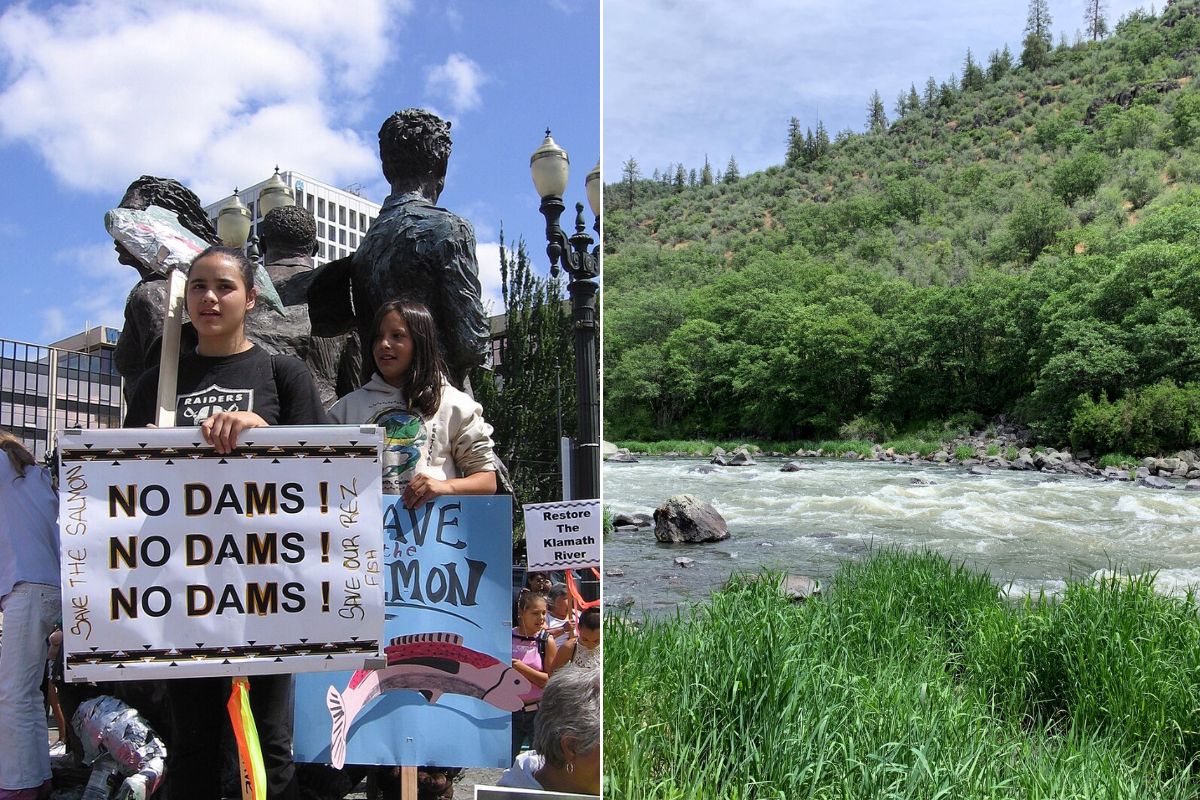
🐟
Engineers blew up 4 dams on a dying river. Now the salmon population is exploding.
Ingenieurs bliezen 4 dammen op in een stervende rivier. Nu explodeert de zalmpopulatie.
Des ingénieurs ont fait sauter 4 barrages sur une rivière mourante. Maintenant, la population de saumons explose.
The Klamath River, once a thriving habitat for salmon, faced devastation due to hydroelectric dams built in the early 1900s. After years of advocacy, four of these dams were removed in a historic project, allowing the river to flow freely again. Scientists were amazed at how quickly the salmon returned, with numbers skyrocketing to nearly 70,000 just two years later. This restoration not only revived the salmon population but also improved water quality and revitalized the surrounding ecosystem.
De Klamath-rivier, ooit een bloeiende habitat voor zalm, werd verwoest door waterkrachtcentrales die in het begin van de 20e eeuw werden gebouwd. Na jaren van pleiten werden vier van deze dammen verwijderd in een historisch project, waardoor de rivier weer vrij kon stromen. Wetenschappers waren verbaasd over hoe snel de zalm terugkeerde, met aantallen die in slechts twee jaar tijd stegen tot bijna 70.000. Deze restauratie herstelde niet alleen de zalmpopulatie, maar verbeterde ook de waterkwaliteit en revitaliseerde het omliggende ecosysteem.
La rivière Klamath, autrefois un habitat florissant pour le saumon, a été dévastée par des barrages hydroélectriques construits au début des années 1900. Après des années de plaidoyer, quatre de ces barrages ont été retirés dans un projet historique, permettant à la rivière de s'écouler librement à nouveau. Les scientifiques ont été étonnés de la rapidité avec laquelle le saumon est revenu, avec des chiffres atteignant près de 70 000 en seulement deux ans. Cette restauration a non seulement ravivé la population de saumons, mais a également amélioré la qualité de l'eau et revitalisé l'écosystème environnant.
🎡
Bruno Ferrin (89) has been building a power-free amusement park for 60 years: “It's great that young people can appreciate this in today's digital world”
Bruno Ferrin (89) bouwt al 60 jaar een pretpark zonder stroom: “Goed dat jonge mensen dit kunnen appreciëren in deze digitale wereld”
Bruno Ferrin (89) construit un parc d'attractions sans électricité depuis 60 ans : “C'est bien que les jeunes puissent apprécier cela dans ce monde numérique”
Bruno Ferrin, at the age of 89, has dedicated six decades to creating a unique amusement park that operates without electricity. It's fascinating to see how he has managed to capture the imagination of young people in a world dominated by digital entertainment. His park is a testament to creativity and the joy of simple pleasures. It's heartwarming to think that such an experience can still resonate with the younger generation today.
Bruno Ferrin, op 89-jarige leeftijd, heeft zes decennia gewijd aan het creëren van een uniek pretpark dat zonder elektriciteit werkt. Het is fascinerend om te zien hoe hij de verbeelding van jonge mensen weet te vangen in een wereld die gedomineerd wordt door digitale entertainment. Zijn park is een bewijs van creativiteit en de vreugde van eenvoudige geneugten. Het is hartverwarmend om te denken dat zo'n ervaring nog steeds kan resoneren met de jongere generatie van vandaag.
Bruno Ferrin, à 89 ans, a consacré six décennies à créer un parc d'attractions unique qui fonctionne sans électricité. C'est fascinant de voir comment il parvient à captiver l'imagination des jeunes dans un monde dominé par le divertissement numérique. Son parc est un témoignage de créativité et de la joie des plaisirs simples. Il est réconfortant de penser qu'une telle expérience peut encore toucher la jeune génération d'aujourd'hui.
🌍
Walloon start-up wins awards with new CO₂ technology: “We have an affordable solution for half of global emissions”
Waalse start-up valt in de prijzen met nieuwe CO₂-technologie: “Wij hebben een betaalbare oplossing voor de helft van de wereldwijde uitstoot”
Start-up wallonne récompensée pour sa nouvelle technologie CO₂ : “Nous avons une solution abordable pour la moitié des émissions mondiales”
I’m really excited about this Walloon start-up that’s making waves with its innovative CO₂ technology! They’ve developed a solution that could potentially tackle half of the world’s emissions, which is just mind-blowing. It’s not only effective but also affordable, making it accessible for many. This could be a game changer in our fight against climate change!
Ik ben echt enthousiast over deze Waalse start-up die indruk maakt met zijn innovatieve CO₂-technologie! Ze hebben een oplossing ontwikkeld die mogelijk de helft van de wereldwijde uitstoot kan aanpakken, wat gewoon verbazingwekkend is. Het is niet alleen effectief, maar ook betaalbaar, waardoor het toegankelijk is voor velen. Dit zou wel eens een keerpunt kunnen zijn in onze strijd tegen klimaatverandering!
Je suis vraiment enthousiaste à propos de cette start-up wallonne qui fait sensation avec sa technologie CO₂ innovante ! Ils ont développé une solution qui pourrait potentiellement lutter contre la moitié des émissions mondiales, ce qui est tout simplement incroyable. Ce n'est pas seulement efficace, mais aussi abordable, ce qui le rend accessible à beaucoup. Cela pourrait être un tournant dans notre lutte contre le changement climatique !

🎶
This instrument turns the hum of your electronics into music
Dit instrument verandert het gezoem van je elektronica in muziek
Cet instrument transforme le bourdonnement de vos appareils électroniques en musique
So, have you ever thought about the sounds your electronics make? Alexandra Fierra has, and she created the Demon Box to turn those invisible electromagnetic fields into music! This innovative device captures the hum of everyday gadgets and transforms it into rhythms and melodies. It's a fascinating blend of science and creativity, pushing the boundaries of how we perceive sound in our environment.
Heb je ooit nagedacht over de geluiden die je elektronica maakt? Alexandra Fierra heeft dat gedaan en ze creëerde de Demon Box om die onzichtbare elektromagnetische velden in muziek te veranderen! Dit innovatieve apparaat vangt het gezoem van alledaagse apparaten en transformeert het in ritmes en melodieën. Het is een fascinerende mix van wetenschap en creativiteit, die de grenzen verlegt van hoe we geluid in onze omgeving waarnemen.
Avez-vous déjà pensé aux sons que font vos appareils électroniques ? Alexandra Fierra l'a fait et elle a créé la Demon Box pour transformer ces champs électromagnétiques invisibles en musique ! Cet appareil innovant capte le bourdonnement des gadgets quotidiens et le transforme en rythmes et mélodies. C'est un mélange fascinant de science et de créativité, repoussant les limites de notre perception du son dans notre environnement.
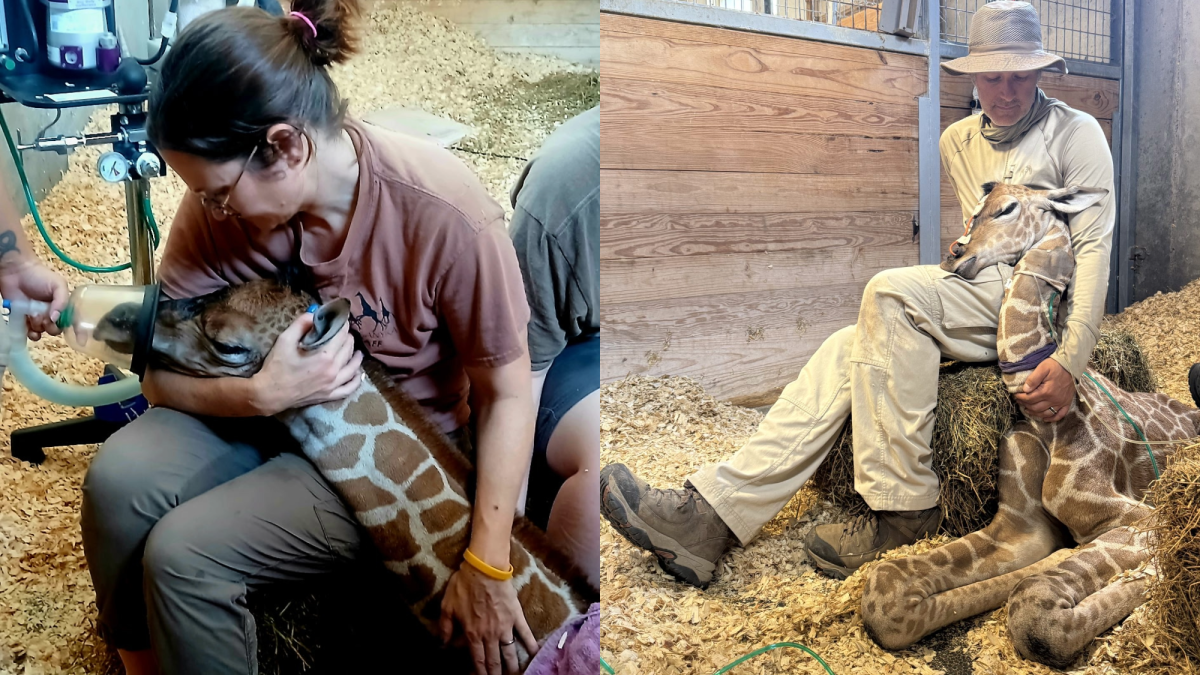
🌟
Premature baby giraffe keeps beating the odds after emergency C-section
Te vroeg geboren girafje blijft de kansen overtreffen na een noodkeizersnede
Un girafon prématuré continue de défier les probabilités après une césarienne d'urgence
A baby giraffe named Milani is defying the odds after being delivered via emergency C-section at Tanganyika Wildlife Park. Despite the challenges of her premature birth, she's now standing, laying down, and even managing to poop on her own. The dedicated team is providing round-the-clock care, ensuring she receives plasma to boost her immune system. It's a heartwarming story of resilience and teamwork, showcasing the incredible efforts to give this little one a fighting chance.
Een babygirafje genaamd Milani overtreft de kansen na haar geboorte via een noodkeizersnede in Tanganyika Wildlife Park. Ondanks de uitdagingen van haar vroeggeboorte staat ze nu op, ligt ze neer en kan ze zelfs zelfstandig poepen. Het toegewijde team biedt 24/7 zorg en zorgt ervoor dat ze plasma krijgt om haar immuunsysteem een boost te geven. Het is een ontroerend verhaal van veerkracht en teamwork, dat de ongelooflijke inspanningen laat zien om dit kleine meisje een kans te geven.
Un girafon nommé Milani défie les probabilités après avoir été livré par césarienne d'urgence au Tanganyika Wildlife Park. Malgré les défis de sa naissance prématurée, elle se lève, s'allonge et parvient même à faire ses besoins toute seule. L'équipe dévouée lui prodigue des soins 24 heures sur 24, s'assurant qu'elle reçoit du plasma pour renforcer son système immunitaire. C'est une histoire réconfortante de résilience et de travail d'équipe, mettant en lumière les efforts incroyables pour donner à ce petit être une chance de survie.
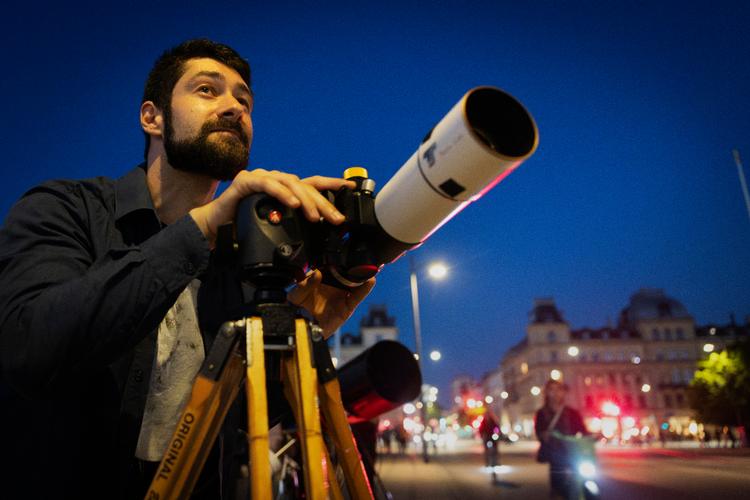
🌌
Most are surprised that it's free. That there are no ulterior motives other than showing them that the universe is vast
De meesten zijn verbaasd dat het gratis is. Dat er geen achterliggende motieven zijn behalve hen te laten zien dat het universum groot is
La plupart sont surpris que ce soit gratuit. Qu'il n'y ait pas d'arrière-pensées à part leur montrer que l'univers est vaste
So, a curious American engineer couldn't sleep and decided to take his telescope to the streets. Now, street astronomy is happening in four major cities, including Copenhagen! It's amazing to see how people gather, fascinated by the vastness of the universe. Many are pleasantly surprised that this experience is completely free, with no hidden agendas. What a fantastic way to connect with the cosmos and each other!
Een nieuwsgierige Amerikaanse ingenieur kon niet slapen en besloot zijn telescoop op straat te zetten. Nu vindt straatastronomie plaats in vier grote steden, waaronder Kopenhagen! Het is geweldig om te zien hoe mensen samenkomen, gefascineerd door de uitgestrektheid van het universum. Velen zijn aangenaam verrast dat deze ervaring helemaal gratis is, zonder verborgen agenda's. Wat een fantastische manier om verbinding te maken met het heelal en elkaar!
Un ingénieur américain curieux ne pouvait pas dormir et a décidé d'installer son télescope dans la rue. Maintenant, l'astronomie de rue se déroule dans quatre grandes villes, y compris Copenhague ! C'est incroyable de voir comment les gens se rassemblent, fascinés par l'immensité de l'univers. Beaucoup sont agréablement surpris que cette expérience soit entièrement gratuite, sans agendas cachés. Quelle façon fantastique de se connecter avec le cosmos et les autres !
🦣
500,000-year-old elephant bone hammer shows ancient humans were master toolmakers
500.000 jaar oude olifantenbot hamer toont aan dat oude mensen meester gereedschapmakers waren
Un marteau en os d'éléphant vieux de 500 000 ans montre que les humains anciens étaient des maîtres outils
Archaeologists have uncovered a remarkable prehistoric hammer made from elephant bone, dating back nearly 500,000 years. This fascinating find, the oldest known elephant bone tool in Europe, highlights the intelligence and craftsmanship of early human ancestors. Researchers believe it was likely used by Neanderthals or Homo heidelbergensis to maintain and sharpen stone tools. The discovery not only showcases their resourcefulness but also their understanding of the value of rare materials in tool-making.
Archeologen hebben een opmerkelijke prehistorische hamer ontdekt, gemaakt van olifantenbot en daterend van bijna 500.000 jaar geleden. Deze fascinerende vondst, het oudste bekende olifantenbotgereedschap in Europa, benadrukt de intelligentie en vakmanschap van vroege menselijke voorouders. Onderzoekers geloven dat het waarschijnlijk werd gebruikt door Neanderthalers of Homo heidelbergensis om stenen gereedschappen te onderhouden en te slijpen. De ontdekking toont niet alleen hun vindingrijkheid, maar ook hun begrip van de waarde van zeldzame materialen in gereedschapsmaken.
Les archéologues ont découvert un marteau préhistorique remarquable en os d'éléphant, datant de près de 500 000 ans. Cette découverte fascinante, le plus ancien outil en os d'éléphant connu en Europe, met en lumière l'intelligence et le savoir-faire des ancêtres humains. Les chercheurs pensent qu'il a probablement été utilisé par des Néandertaliens ou des Homo heidelbergensis pour entretenir et aiguiser des outils en pierre. Cette découverte démontre non seulement leur ingéniosité, mais aussi leur compréhension de la valeur des matériaux rares dans la fabrication d'outils.
📚
The best science books to read this summer, according to Scientific American editors
De beste wetenschappelijke boeken om deze zomer te lezen, volgens de redacteurs van Scientific American
Les meilleurs livres de science à lire cet été, selon les rédacteurs de Scientific American
So, summer is here and it's the perfect time to dive into some great reads! Scientific American is launching its first-ever summer reading challenge, encouraging everyone to explore a variety of books while having fun. You can even join in on the bingo-style challenge, marking off squares as you read different genres. Plus, there's a fantastic recommendation for a buddy reading experience with the novel 'Sublimation' that promises a unique twist on storytelling.
Dus, de zomer is hier en het is de perfecte tijd om in geweldige boeken te duiken! Scientific American lanceert zijn eerste zomerse leesuitdaging, waarbij iedereen wordt aangemoedigd om verschillende boeken te verkennen terwijl ze plezier hebben. Je kunt zelfs meedoen aan de bingostijl uitdaging, waarbij je vakjes afvinkt terwijl je verschillende genres leest. Bovendien is er een fantastische aanbeveling voor een buddy reading ervaring met de roman 'Sublimation' die een unieke wending aan het verhaal biedt.
Alors, l'été est là et c'est le moment idéal pour plonger dans de superbes lectures ! Scientific American lance son tout premier défi de lecture d'été, encourageant tout le monde à explorer une variété de livres tout en s'amusant. Vous pouvez même participer au défi de style bingo, en cochant des cases au fur et à mesure que vous lisez différents genres. De plus, il y a une recommandation fantastique pour une expérience de lecture en duo avec le roman 'Sublimation' qui promet une tournure unique dans la narration.
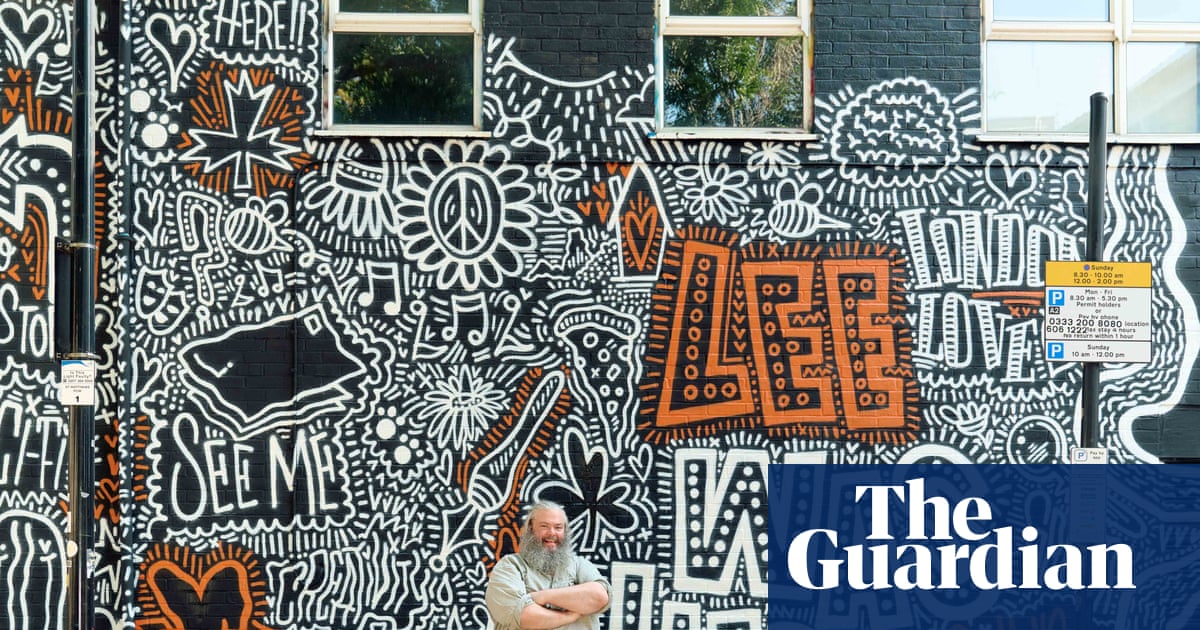
🌟
‘Impossible things are possible’: the murals celebrating lives beyond homelessness
‘Onmogelijke dingen zijn mogelijk’: de muurschilderingen die levens vieren voorbij dakloosheid
‘Des choses impossibles sont possibles’: les fresques célébrant des vies au-delà de l'itinérance
In a heartwarming initiative, murals have been created to celebrate the stories of former rough sleepers like Lee, who now volunteers with St Mungo’s. These vibrant artworks, displayed across London, Reading, and Bristol, feature QR codes that allow people to listen to the narrated experiences of those depicted. The project aims to challenge stereotypes and highlight the resilience of individuals overcoming homelessness. With rising rough sleeping numbers, this artistic approach serves as a powerful reminder that recovery and hope are indeed possible.
In een hartverwarmend initiatief zijn er muurschilderingen gemaakt om de verhalen van voormalige daklozen zoals Lee te vieren, die nu vrijwilligerswerk doet bij St Mungo's. Deze levendige kunstwerken, die in Londen, Reading en Bristol zijn tentoongesteld, bevatten QR-codes waarmee mensen de vertelde ervaringen van de afgebeelde personen kunnen beluisteren. Het project heeft als doel om stereotypen uit te dagen en de veerkracht van individuen die dakloosheid overwinnen te benadrukken. Met de stijgende cijfers van dakloosheid dient deze artistieke benadering als een krachtige herinnering dat herstel en hoop inderdaad mogelijk zijn.
Dans une initiative réconfortante, des fresques ont été créées pour célébrer les histoires d'anciens sans-abri comme Lee, qui est maintenant bénévole avec St Mungo's. Ces œuvres vibrantes, exposées à Londres, Reading et Bristol, comportent des codes QR permettant aux gens d'écouter les expériences racontées des personnes représentées. Le projet vise à défier les stéréotypes et à mettre en lumière la résilience des individus surmontant l'itinérance. Avec l'augmentation du nombre de sans-abri, cette approche artistique sert de puissant rappel que la réhabilitation et l'espoir sont en effet possibles.

✍️
Negativity isn't a bug, it's on the syllabus
Negativiteit is geen bug, het staat in het syllabus
La négativité n'est pas un bug, c'est au programme
It's fascinating to think about how negativity is woven into the fabric of journalism. Research shows that bad news is simply more newsworthy than good news, and this idea has been formalized in journalism education. No one teaches journalists to be negative, but the criteria for newsworthiness often lead them there. This isn't a fixed rule; it's a convention that can change, and that's the exciting part.
Het is fascinerend om na te denken over hoe negativiteit in de journalistiek is verweven. Onderzoek toont aan dat slecht nieuws simpelweg nieuwswaardiger is dan goed nieuws, en dit idee is geformaliseerd in de journalistieke opleiding. Niemand leert journalisten om negatief te zijn, maar de criteria voor nieuwswaarde leiden hen vaak daarheen. Dit is geen vaste regel; het is een conventie die kan veranderen, en dat is het spannende eraan.
Il est fascinant de penser à la façon dont la négativité est tissée dans le tissu du journalisme. Des recherches montrent que les mauvaises nouvelles sont tout simplement plus dignes d'intérêt que les bonnes nouvelles, et cette idée a été formalisée dans l'éducation journalistique. Personne n'enseigne aux journalistes d'être négatifs, mais les critères de valeur d'actualité les y mènent souvent. Ce n'est pas une règle fixe ; c'est une convention qui peut changer, et c'est ce qui est excitant.
👁️
Scientists trace the shocking origin of human eyes to an ancient “cyclops”
Wetenschappers traceren de schokkende oorsprong van menselijke ogen naar een oude “cycloop”
Des scientifiques retracent l'origine surprenante des yeux humains à un ancien « cyclope »
Isn't it fascinating to think that humans might share a common ancestor with a tiny, one-eyed creature? This research reveals that nearly 600 million years ago, our vertebrate ancestors had a cyclops-like stage. Over time, as they adapted to a more mobile lifestyle, they developed paired eyes from a central visual structure. This unexpected journey in eye evolution helps explain why vertebrate eyes are so different from those of insects and squid.
Het is fascinerend om te bedenken dat mensen misschien een gemeenschappelijke voorouder delen met een klein, eenogig wezen. Dit onderzoek onthult dat onze gewervelde voorouders bijna 600 miljoen jaar geleden een cycloop-achtige fase hadden. Na verloop van tijd, terwijl ze zich aanpasten aan een mobielere levensstijl, ontwikkelden ze paren ogen vanuit een centrale visuele structuur. Deze onverwachte reis in de evolutie van de ogen helpt te verklaren waarom gewervelde ogen zo anders zijn dan die van insecten en inktvissen.
Il est fascinant de penser que les humains pourraient partager un ancêtre commun avec une petite créature à un œil. Cette recherche révèle qu'il y a près de 600 millions d'années, nos ancêtres vertébrés avaient une phase semblable à celle d'un cyclope. Au fil du temps, alors qu'ils s'adaptaient à un mode de vie plus mobile, ils ont développé des yeux appariés à partir d'une structure visuelle centrale. Ce parcours inattendu dans l'évolution des yeux aide à expliquer pourquoi les yeux des vertébrés sont si différents de ceux des insectes et des calmars.

🌌
Japanese scientists want to build a telescope in Antarctica that could detect millions of galaxies
Japanse wetenschappers willen een telescoop bouwen in Antarctica die miljoenen sterrenstelsels kan detecteren
Des scientifiques japonais veulent construire un télescope en Antarctique qui pourrait détecter des millions de galaxies
So, Japanese researchers are planning to build a 12-meter telescope in Antarctica, and it could potentially detect up to 10 million distant galaxies hidden by dust. This telescope, called the Antarctic 12-m Terahertz Telescope, will help us understand the early evolution of the universe. With its wide-angle cameras, it aims to spot galaxies that existed less than a billion years after the Big Bang. It's exciting to think about how this project could reshape our understanding of cosmic history!
Dus, Japanse onderzoekers zijn van plan een telescoop van 12 meter te bouwen in Antarctica, en het zou tot 10 miljoen verre sterrenstelsels kunnen detecteren die door stof verborgen zijn. Deze telescoop, de Antarctic 12-m Terahertz Telescope, zal ons helpen de vroege evolutie van het universum te begrijpen. Met zijn groothoekcamera's is het de bedoeling sterrenstelsels te spotten die minder dan een miljard jaar na de Big Bang bestonden. Het is spannend om te bedenken hoe dit project ons begrip van de kosmische geschiedenis zou kunnen hervormen!
Alors, des chercheurs japonais prévoient de construire un télescope de 12 mètres en Antarctique, et il pourrait potentiellement détecter jusqu'à 10 millions de galaxies lointaines cachées par la poussière. Ce télescope, appelé Antarctic 12-m Terahertz Telescope, nous aidera à comprendre la première évolution de l'univers. Avec ses caméras grand angle, il vise à repérer des galaxies qui existaient moins d'un milliard d'années après le Big Bang. C'est excitant de penser à la façon dont ce projet pourrait redéfinir notre compréhension de l'histoire cosmique !
🌲
The best way to save giant sequoias may be more fire
De beste manier om reuzensequoia's te redden, is misschien meer vuur
La meilleure façon de sauver les séquoias géants pourrait être plus de feu
A recent study from UC Davis reveals that prescribed burns can significantly increase the survival rates of giant sequoias during wildfires. Trees that experienced controlled burns in the past decade were nearly four times more likely to survive the devastating fires of 2020 and 2021. This research highlights the importance of using fire as a management tool to protect these ancient giants. As climate change intensifies wildfire risks, understanding and applying these findings could be crucial for sequoia conservation.
Een recente studie van UC Davis onthult dat voorgeschreven branden de overlevingskansen van reuzensequoia's tijdens bosbranden aanzienlijk kunnen verhogen. Bomen die in het afgelopen decennium gecontroleerde branden hebben ondergaan, hadden bijna vier keer meer kans om de verwoestende branden van 2020 en 2021 te overleven. Dit onderzoek benadrukt het belang van het gebruik van vuur als beheersinstrument om deze oude reuzen te beschermen. Nu klimaatverandering de risico's van bosbranden verergert, kan het begrijpen en toepassen van deze bevindingen cruciaal zijn voor de bescherming van sequoia's.
Une récente étude de l'UC Davis révèle que les brûlages prescrits peuvent augmenter considérablement les taux de survie des séquoias géants lors des incendies de forêt. Les arbres ayant subi des brûlages contrôlés au cours de la dernière décennie avaient près de quatre fois plus de chances de survivre aux incendies dévastatrices de 2020 et 2021. Cette recherche souligne l'importance d'utiliser le feu comme outil de gestion pour protéger ces géants anciens. Alors que le changement climatique intensifie les risques d'incendies de forêt, comprendre et appliquer ces résultats pourrait être crucial pour la conservation des séquoias.

🌿
After 20 years restoring ecosystems, this ecologist shares how to create a wildlife-friendly balcony
Na 20 jaar ecosystemen herstellen, deelt deze ecologist hoe je een diervriendelijke balkon kunt creëren
Après 20 ans de restauration des écosystèmes, cet écologiste partage comment créer un balcon accueillant pour la faune
Sohail Madan's journey from Silicon Valley engineer to wildlife conservationist is truly inspiring. He believes that every balcony and backyard can play a role in restoring nature, which is so important given the alarming decline in bird and insect populations. His work with the WildTales Foundation focuses on bringing back native plants and creating habitats for butterflies and birds. It's a reminder that we can all contribute to a healthier environment, no matter how small our space may be.
De reis van Sohail Madan van ingenieur in Silicon Valley naar natuurbeschermer is echt inspirerend. Hij gelooft dat elke balkon en achtertuin een rol kan spelen in het herstellen van de natuur, wat zo belangrijk is gezien de alarmerende afname van vogel- en insectenpopulaties. Zijn werk met de WildTales Foundation richt zich op het terugbrengen van inheemse planten en het creëren van habitats voor vlinders en vogels. Het herinnert ons eraan dat we allemaal kunnen bijdragen aan een gezondere omgeving, ongeacht hoe klein onze ruimte ook is.
Le parcours de Sohail Madan, d'ingénieur dans la Silicon Valley à conservateur de la nature, est vraiment inspirant. Il croit que chaque balcon et jardin peut jouer un rôle dans la restauration de la nature, ce qui est crucial compte tenu de la baisse alarmante des populations d'oiseaux et d'insectes. Son travail avec la WildTales Foundation se concentre sur le retour des plantes indigènes et la création d'habitats pour les papillons et les oiseaux. Cela nous rappelle que nous pouvons tous contribuer à un environnement plus sain, peu importe la taille de notre espace.
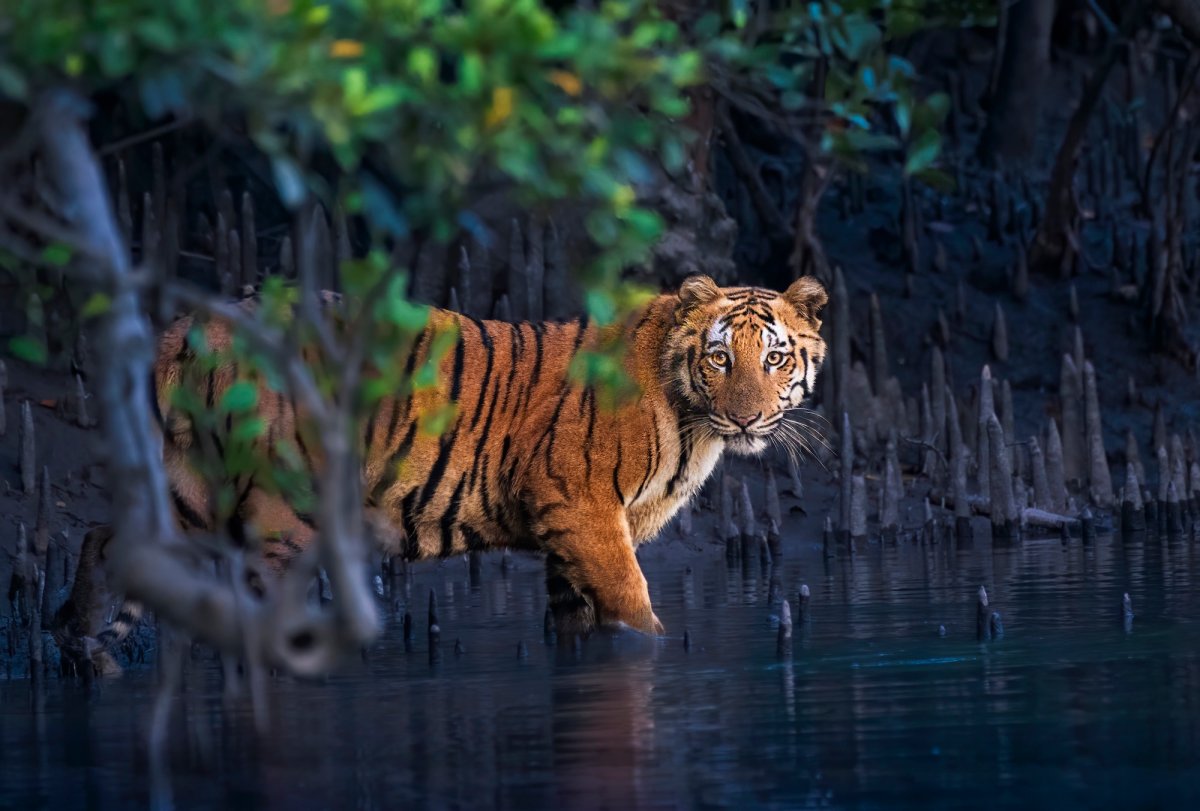
🌿
18 stunning wildlife images from the mangrove photography awards
18 verbluffende wildlife afbeeldingen van de mangrove fotografie awards
18 images époustouflantes de la faune des prix de photographie des mangroves
The Mangrove Photography Awards have showcased some truly breathtaking images that highlight the beauty and importance of mangroves. This year's overall winner, Gaurav Patil, captured a haunting image of a ghost net tangled in mangroves, shedding light on a lesser-known conservation issue. With over 5,000 entries from around the world, the competition celebrates the vital role mangroves play in our ecosystem. It's a fantastic reminder of how art can raise awareness about environmental challenges and inspire action.
De Mangrove Fotografie Awards hebben enkele werkelijk adembenemende afbeeldingen getoond die de schoonheid en het belang van mangroven benadrukken. De overall winnaar van dit jaar, Gaurav Patil, legde een spooknet vast dat verstrikt zat in mangroven, wat een minder bekend conserveringsprobleem belicht. Met meer dan 5.000 inzendingen van over de hele wereld viert de competitie de vitale rol die mangroven spelen in ons ecosysteem. Het is een fantastische herinnering aan hoe kunst bewustzijn kan creëren over milieuproblemen en kan inspireren tot actie.
Les Prix de Photographie des Mangroves ont présenté des images vraiment époustouflantes qui mettent en lumière la beauté et l'importance des mangroves. Le gagnant de cette année, Gaurav Patil, a capturé une image saisissante d'un filet fantôme emmêlé dans les mangroves, révélant un problème de conservation moins connu. Avec plus de 5 000 soumissions du monde entier, la compétition célèbre le rôle vital que jouent les mangroves dans notre écosystème. C'est un rappel fantastique de la façon dont l'art peut sensibiliser aux défis environnementaux et inspirer l'action.

🚁
Tuberculosis: How drones are transforming care in the Philippines
Tuberculose: Hoe drones de zorg in de Filipijnen transformeren
Tuberculose : Comment les drones transforment les soins aux Philippines
So, here's the exciting part: doctors in the Philippines are using drones to combat tuberculosis, which is a major health issue there. This innovative approach is particularly crucial in remote areas where access to medical services is limited. Dr. Heidi Sampang is leading the charge, flying samples to speed up testing and improve patient outcomes. It's amazing to see how technology can make such a positive impact on healthcare and save lives in these communities.
Dus, hier is het spannende deel: artsen in de Filipijnen gebruiken drones om tuberculose te bestrijden, wat een groot gezondheidsprobleem daar is. Deze innovatieve aanpak is vooral cruciaal in afgelegen gebieden waar de toegang tot medische diensten beperkt is. Dr. Heidi Sampang leidt de charge, vliegt monsters om het testen te versnellen en de resultaten voor patiënten te verbeteren. Het is geweldig om te zien hoe technologie zo'n positieve impact kan hebben op de gezondheidszorg en levens kan redden in deze gemeenschappen.
Alors, voici la partie passionnante : des médecins aux Philippines utilisent des drones pour lutter contre la tuberculose, qui est un problème de santé majeur là-bas. Cette approche innovante est particulièrement cruciale dans les zones reculées où l'accès aux services médicaux est limité. La Dr Heidi Sampang est à la tête de cette initiative, utilisant des drones pour transporter des échantillons et accélérer les tests. C'est incroyable de voir comment la technologie peut avoir un impact si positif sur les soins de santé et sauver des vies dans ces communautés.
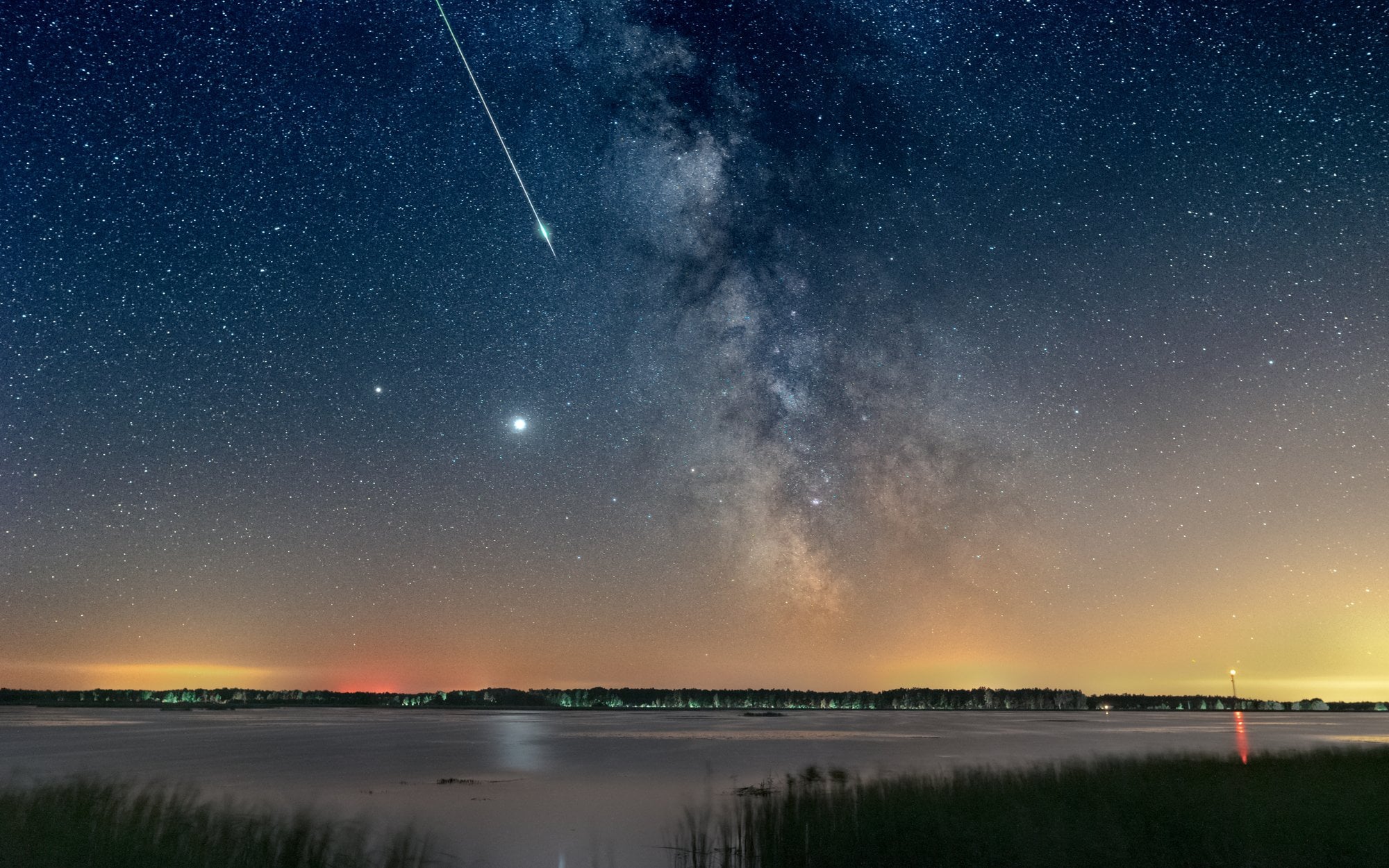
🌟
When is the best time to watch the Perseids? Meteor shower will light up the night sky
Wanneer is de beste tijd om de Perseïden te bekijken? Meteorenzwerm verlicht de nachtelijke hemel
Quand est le meilleur moment pour observer les Perséides ? Les pluies de météores illumineront le ciel nocturne
The Perseids are already lighting up the night sky, and the best show is expected on the night of August 12-13. During this peak, you could see up to 100 meteors an hour! Plus, there’s a solar eclipse happening on August 12, partially visible in Poland. It's a fantastic opportunity to enjoy two amazing astronomical events in one night!
De Perseïden verlichten al de nachtelijke hemel, en de beste show wordt verwacht in de nacht van 12 op 13 augustus. Tijdens deze piek kun je tot 100 meteoren per uur zien! Bovendien vindt er op 12 augustus een zonsverduistering plaats, die gedeeltelijk zichtbaar zal zijn in Polen. Het is een fantastische kans om twee geweldige astronomische evenementen in één nacht te genieten!
Les Perséides illuminent déjà le ciel nocturne, et le meilleur spectacle est attendu la nuit du 12 au 13 août. Pendant ce pic, vous pourriez voir jusqu'à 100 météores par heure ! De plus, une éclipse solaire se produira le 12 août, partiellement visible en Pologne. C'est une occasion fantastique de profiter de deux événements astronomiques incroyables en une seule nuit !
🌌
The universe can outrun light without breaking Einstein’s rules
Het universum kan sneller dan licht zijn zonder de regels van Einstein te overtreden
L'univers peut dépasser la lumière sans enfreindre les règles d'Einstein
Isn't it fascinating that the universe can expand faster than light? This expansion complicates how we measure distances in space, as galaxies are constantly moving away from us. When we observe light from distant galaxies, we're actually seeing them as they were billions of years ago, not where they are now. Astronomers use models like LCDM to understand this cosmic dance, and it turns out that the observable universe can stretch up to 45 billion light-years despite being only 13.77 billion years old!
Is het niet fascinerend dat het universum sneller kan uitbreiden dan het licht? Deze uitbreiding maakt het ingewikkeld om afstanden in de ruimte te meten, omdat sterrenstelsels voortdurend van ons weg bewegen. Wanneer we licht van verre sterrenstelsels observeren, zien we ze zoals ze miljarden jaren geleden waren, niet waar ze nu zijn. Astronomen gebruiken modellen zoals LCDM om deze kosmische dans te begrijpen, en het blijkt dat het waarneembare universum tot 45 miljard lichtjaar kan uitstrekken, ondanks dat het 'slechts' 13,77 miljard jaar oud is!
N'est-il pas fascinant que l'univers puisse s'étendre plus vite que la lumière ? Cette expansion complique la façon dont nous mesurons les distances dans l'espace, car les galaxies s'éloignent constamment de nous. Lorsque nous observons la lumière des galaxies lointaines, nous les voyons en réalité telles qu'elles étaient il y a des milliards d'années, et non là où elles se trouvent aujourd'hui. Les astronomes utilisent des modèles comme LCDM pour comprendre cette danse cosmique, et il s'avère que l'univers observable peut s'étendre jusqu'à 45 milliards d'années-lumière malgré le fait qu'il n'ait que 13,77 milliards d'années !
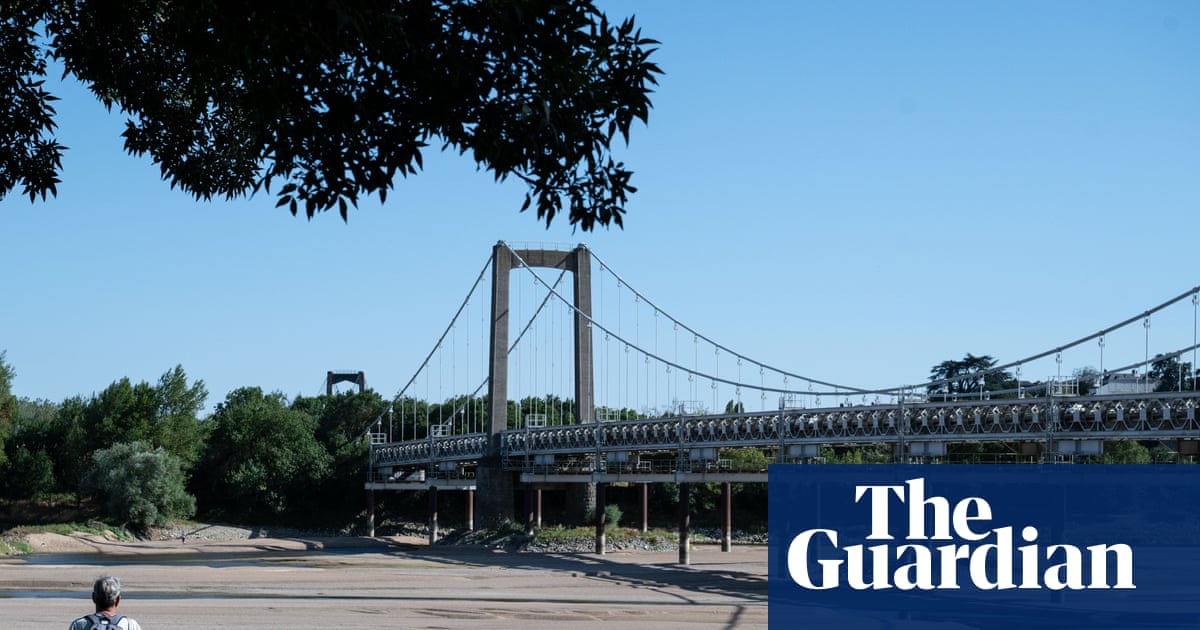
🐟
Volunteers save fish from French rivers drying up in heatwaves
Vrijwilligers redden vissen uit Franse rivieren die opdrogen door hittegolven
Des bénévoles sauvent des poissons des rivières françaises asséchées par les vagues de chaleur
Along the Odet River in Brittany, volunteers are stepping up to save fish as rivers dry up due to extreme heat. Fisher Mathieu Le Bouter leads a team that catches trout and young salmon, transferring them to oxygenated tanks before releasing them downstream. The situation is dire, with many rivers at historical lows and water levels dropping alarmingly. This urgent effort highlights the impact of climate change on aquatic life and the need for immediate action.
Langs de Odet-rivier in Bretagne zetten vrijwilligers zich in om vissen te redden nu rivieren opdrogen door extreme hitte. Visser Mathieu Le Bouter leidt een team dat forellen en jonge zalm vangt, deze in zuurstofrijke tanks plaatst en ze vervolgens stroomafwaarts weer vrijlaat. De situatie is ernstig, met veel rivieren op historische laagtes en de waterstanden die alarmerend dalen. Deze dringende inspanning benadrukt de impact van klimaatverandering op het leven in het water en de noodzaak van onmiddellijke actie.
Le long de rivière Odet en Bretagne, des bénévoles s'engagent à sauver des poissons alors que les rivières s'assèchent à cause de la chaleur extrême. Le pêcheur Mathieu Le Bouter dirige une équipe qui attrape des truites et des jeunes saumons, les transférant dans des réservoirs oxygénés avant de les relâcher en aval. La situation est grave, avec de nombreuses rivières à des niveaux historiquement bas et des niveaux d'eau qui chutent de manière alarmante. Cet effort urgent met en lumière l'impact du changement climatique sur la vie aquatique et la nécessité d'une action immédiate.

🌟
Greece bids for Mount Olympus to be included on Unesco list of world heritage sites
Griekenland vraagt om de opname van de Olympus in de Unesco-lijst van werelderfgoedlocaties
La Grèce demande l'inscription du mont Olympe sur la liste du patrimoine mondial de l'Unesco
Greece is making a passionate bid to have Mount Olympus recognized as a UNESCO World Heritage site, and it’s about time! This majestic mountain, steeped in mythology and history, has been a national park since 2021 and is already a biosphere reserve. Local officials believe that this designation would not only protect the site but also celebrate its significance for all of humanity. With the World Heritage Committee discussing the nomination soon, there’s a buzz of excitement about what this could mean for the future of Olympus.
Griekenland doet een gepassioneerde aanvraag om de Olympus erkend te krijgen als een UNESCO-werelderfgoedlocatie, en dat is hoog tijd! Deze majestueuze berg, doordrenkt van mythologie en geschiedenis, is sinds 2021 een nationaal park en al een biosfeerreservaat. Lokale functionarissen geloven dat deze erkenning niet alleen de site zou beschermen, maar ook de betekenis ervan voor de hele mensheid zou vieren. Met de Wereld Erfgoedcommissie die binnenkort de nominatie bespreekt, hangt er een opwindende buzz over wat dit zou kunnen betekenen voor de toekomst van de Olympus.
La Grèce fait une demande passionnée pour que le mont Olympe soit reconnu comme site du patrimoine mondial de l'UNESCO, et c'est le moment idéal ! Cette majestueuse montagne, imprégnée de mythologie et d'histoire, est un parc national depuis 2021 et est déjà une réserve de biosphère. Les responsables locaux estiment que cette désignation protégerait non seulement le site, mais célébrerait également son importance pour toute l'humanité. Avec la Commission du patrimoine mondial qui discutera bientôt de la nomination, une excitation palpable entoure ce que cela pourrait signifier pour l'avenir de l'Olympe.

🎉
Some of our favorite brain-boosting toys for kids of all ages
Enkele van onze favoriete hersenstimulerende speelgoed voor kinderen van alle leeftijden
Quelques-uns de nos jouets préférés pour stimuler le cerveau des enfants de tous âges
So, if you're looking for toys that really engage kids' minds, this article is a treasure trove! It showcases some amazing options like the Orbita MIDI Color Sequencer, which turns music creation into a fun game. Plus, the Lego Smart Play System is a fantastic way for kids to build and interact without screens. And let's not forget the KidzLane Electronic Dance Mat that gets them moving while having a blast!
Dus, als je op zoek bent naar speelgoed dat de geest van kinderen echt prikkelt, is dit artikel een schat aan informatie! Het toont enkele geweldige opties zoals de Orbita MIDI Color Sequencer, die muziekcreatie in een leuk spel verandert. Bovendien is het Lego Smart Play System een fantastische manier voor kinderen om te bouwen en te interageren zonder schermen. En laten we de KidzLane Electronic Dance Mat niet vergeten die ze aan het bewegen krijgt terwijl ze plezier hebben!
Alors, si vous cherchez des jouets qui stimulent vraiment l'esprit des enfants, cet article est une véritable mine d'or ! Il présente des options incroyables comme l'Orbita MIDI Color Sequencer, qui transforme la création musicale en un jeu amusant. De plus, le Lego Smart Play System est un excellent moyen pour les enfants de construire et d'interagir sans écrans. Et n'oublions pas le tapis de danse KidzLane qui les fait bouger tout en s'amusant !
🐾
Flemish tracking dogs group celebrates 40 years and tracks 250 injured animals annually
Vlaamse Zweethonden Groep bestaat 40 jaar en spoort jaarlijks 250 gewonde dieren op
Le groupe flamand des chiens de sang fête ses 40 ans et traque 250 animaux blessés chaque année
It's amazing to see how the Flemish tracking dogs group has been making a difference for 40 years! Each year, they track down around 250 injured animals, showcasing their incredible skills and dedication. This not only helps the animals but also highlights the bond between humans and their canine companions. What a fantastic milestone for such a noble cause!
Het is geweldig om te zien hoe de Vlaamse Zweethonden Groep al 40 jaar een verschil maakt! Elk jaar spoort zij ongeveer 250 gewonde dieren op, wat hun ongelooflijke vaardigheden en toewijding aantoont. Dit helpt niet alleen de dieren, maar benadrukt ook de band tussen mensen en hun viervoetige vrienden. Wat een fantastisch mijlpaal voor zo'n nobel doel!
C'est incroyable de voir comment le groupe flamand des chiens de sang fait la différence depuis 40 ans ! Chaque année, ils traquent environ 250 animaux blessés, montrant ainsi leurs compétences et leur dévouement. Cela aide non seulement les animaux, mais souligne aussi le lien entre les humains et leurs compagnons canins. Quel fantastique jalon pour une cause si noble !

⚓
Nuclear molten salt could power future cargo ships
Nucleaire gesmolten zout kan toekomstige vrachtschepen aandrijven
Le sel fondu nucléaire pourrait alimenter les futurs cargos
So, it turns out that nuclear power might be the key to greener cargo shipping! A South Korean consortium has received approval to explore using molten salt nuclear reactors in future vessels. This could allow ships to travel faster and carry more cargo while significantly reducing fossil fuel emissions. It's an exciting step towards transforming the shipping industry and meeting our energy needs sustainably.
Dus, het blijkt dat nucleaire energie de sleutel kan zijn tot groenere vrachtschepen! Een Zuid-Koreaanse consortium heeft goedkeuring gekregen om te onderzoeken of gesmolten zout nucleaire reactoren in toekomstige schepen kunnen worden gebruikt. Dit zou schepen in staat kunnen stellen sneller te varen en meer vracht te vervoeren, terwijl de uitstoot van fossiele brandstoffen aanzienlijk wordt verminderd. Het is een spannende stap richting de transformatie van de scheepvaartindustrie en het duurzaam voldoen aan onze energiebehoeften.
Alors, il s'avère que l'énergie nucléaire pourrait être la clé d'un transport maritime plus écologique ! Un consortium sud-coréen a reçu l'approbation pour explorer l'utilisation de réacteurs nucléaires à sel fondu dans de futurs navires. Cela pourrait permettre aux navires de voyager plus vite et de transporter plus de marchandises tout en réduisant considérablement les émissions de combustibles fossiles. C'est une étape passionnante vers la transformation de l'industrie maritime et la satisfaction de nos besoins énergétiques de manière durable.
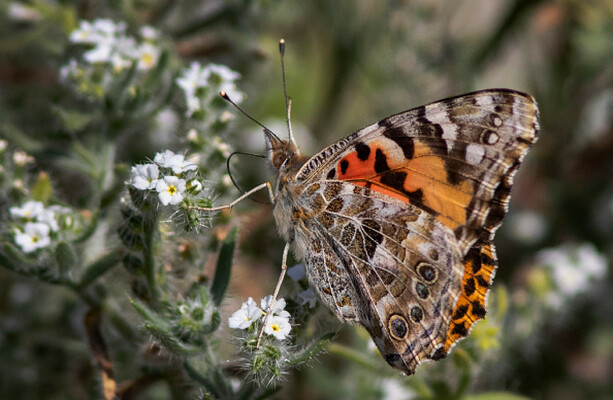
🦋
Have you noticed more butterflies this summer? Here's the reason why
Heb je deze zomer meer vlinders opgemerkt? Hier is de reden waarom
Avez-vous remarqué plus de papillons cet été ? Voici la raison
So, if you've been seeing more butterflies this summer, you're absolutely right! Collie Ennis from Trinity College Dublin points out that the warm and dry weather has been perfect for these colorful insects. An early heat wave in May gave them a head start, allowing many caterpillars to pupate and emerge as butterflies. While some species are thriving, there are still challenges ahead, especially for Ireland's resident butterflies, but conservation efforts are on the rise, which is fantastic news.
Dus, als je deze zomer meer vlinders hebt gezien, heb je absoluut gelijk! Collie Ennis van Trinity College Dublin wijst erop dat het warme en droge weer perfect is voor deze kleurrijke insecten. Een vroege hittegolf in mei gaf hen een voorsprong, waardoor veel rupsen konden verpoppen en als vlinders tevoorschijn kwamen. Hoewel sommige soorten het goed doen, zijn er nog steeds uitdagingen, vooral voor de inheemse vlinders van Ierland, maar de inspanningen voor natuurbehoud nemen toe, wat fantastisch nieuws is.
Alors, si vous avez remarqué plus de papillons cet été, vous avez tout à fait raison ! Collie Ennis du Trinity College de Dublin souligne que le temps chaud et sec a été parfait pour ces insectes colorés. Une vague de chaleur précoce en mai leur a donné une longueur d'avance, permettant à de nombreuses chenilles de se transformer en papillons. Bien que certaines espèces prospèrent, il reste des défis, notamment pour les papillons résidents d'Irlande, mais les efforts de conservation sont en hausse, ce qui est une excellente nouvelle.
🦠
A new antiviral could stop measles before an outbreak takes off
Een nieuw antiviraal middel kan mazelen stoppen voordat een uitbraak begint
Un nouvel antiviral pourrait stopper la rougeole avant qu'une épidémie ne démarre
Researchers at Georgia State University have developed an exciting oral antiviral that can prevent the spread of a measles-like virus in ferrets. This innovative treatment not only blocks airborne transmission but also reduces symptoms when given before or after exposure. The findings highlight the potential of GHP-88310, a drug that could enhance traditional vaccination strategies against measles. With measles outbreaks on the rise in North America, this breakthrough could be a game-changer in controlling the virus.
Onderzoekers aan de Georgia State University hebben een spannend oraal antiviraal middel ontwikkeld dat de verspreiding van een mazelenachtig virus bij fretten kan voorkomen. Deze innovatieve behandeling blokkeert niet alleen de luchtwegbesmetting, maar vermindert ook symptomen wanneer deze voor of na blootstelling wordt gegeven. De bevindingen benadrukken het potentieel van GHP-88310, een medicijn dat traditionele vaccinatiestrategieën tegen mazelen kan versterken. Met de opkomst van mazelenuitbraken in Noord-Amerika kan deze doorbraak een keerpunt zijn in de bestrijding van het virus.
Des chercheurs de l'Université d'État de Géorgie ont développé un antiviral oral passionnant qui peut empêcher la propagation d'un virus semblable à la rougeole chez les furets. Ce traitement innovant bloque non seulement la transmission aérienne, mais réduit également les symptômes lorsqu'il est administré avant ou après l'exposition. Les résultats soulignent le potentiel de GHP-88310, un médicament qui pourrait renforcer les stratégies de vaccination traditionnelles contre la rougeole. Avec la recrudescence des épidémies de rougeole en Amérique du Nord, cette avancée pourrait changer la donne dans le contrôle du virus.

🌟
Therapist’s one-minute trick can stop your brain from always jumping to the worst-case scenario
De truc van de therapeut om je brein te stoppen met het springen naar het slechtste scenario
Le truc d'un thérapeute pour empêcher votre cerveau de toujours sauter au pire scénario
You know how our minds can spiral into worst-case scenarios? It’s like a little switch flips, and suddenly we’re imagining the sky is falling! But here’s the good news: there’s a simple trick to help us regain control. By writing down our anxious thoughts, we can challenge them and replace them with more realistic ones. It’s all about taking a step back and realizing that those thoughts don’t have to dictate our reality.
Je weet hoe onze gedachten kunnen spiralen naar het slechtste scenario? Het is alsof er een schakelaar omgaat en plotseling denken we dat de lucht valt! Maar hier is het goede nieuws: er is een eenvoudige truc om weer controle te krijgen. Door onze angstige gedachten op te schrijven, kunnen we ze uitdagen en vervangen door realistischere. Het draait allemaal om een stap terugnemen en beseffen dat die gedachten onze realiteit niet hoeven te bepalen.
Vous savez comment nos esprits peuvent plonger dans des scénarios catastrophiques ? C'est comme si un petit interrupteur s'activait et soudainement, nous imaginons que le ciel tombe ! Mais voici la bonne nouvelle : il existe un truc simple pour nous aider à reprendre le contrôle. En écrivant nos pensées anxieuses, nous pouvons les remettre en question et les remplacer par des pensées plus réalistes. Il s'agit de prendre du recul et de réaliser que ces pensées ne doivent pas dicter notre réalité.

🐴
Meet the donkey brigade that’s helping curb wildfires in Spain
Ontmoet de ezelbrigade die helpt om bosbranden in Spanje te verminderen
Rencontrez la brigade des ânes qui aide à réduire les incendies de forêt en Espagne
So, there's this amazing initiative in Spain where a herd of rescue donkeys is actually helping to prevent wildfires! The Tivissa Donkeys Firefighters charity not only rescues these animals but also uses them to graze on flammable undergrowth, which is a clever way to manage fire risks. It's fascinating how these donkeys, like Roberto and Eleanor, are playing a vital role in protecting the Catalan countryside. And here's the thing – this approach not only gives the donkeys a second chance at life but also contributes to a sustainable solution for wildfire prevention.
Dus, er is dit geweldige initiatief in Spanje waar een kudde reddingsezels daadwerkelijk helpt om bosbranden te voorkomen! De Tivissa Donkeys Firefighters stichting redt niet alleen deze dieren, maar gebruikt ze ook om te grazen op brandbare ondergroei, wat een slimme manier is om brandrisico's te beheersen. Het is fascinerend hoe deze ezels, zoals Roberto en Eleanor, een cruciale rol spelen in het beschermen van het Catalaanse platteland. En hier is het ding – deze aanpak geeft de ezels niet alleen een tweede kans in het leven, maar draagt ook bij aan een duurzame oplossing voor brandpreventie.
Alors, il y a cette initiative incroyable en Espagne où un troupeau d'ânes de sauvetage aide en fait à prévenir les incendies de forêt ! L'association Tivissa Donkeys Firefighters ne se contente pas de sauver ces animaux, mais les utilise également pour paître sur la végétation inflammable, ce qui est une manière astucieuse de gérer les risques d'incendie. C'est fascinant de voir comment ces ânes, comme Roberto et Eleanor, jouent un rôle vital dans la protection de la campagne catalane. Et voici le truc – cette approche donne non seulement une seconde chance aux ânes, mais contribue également à une solution durable pour la prévention des incendies.
🤔
Stanford researchers find a single question could be the key to changing someone’s mind
Onderzoekers van Stanford ontdekken dat één vraag de sleutel kan zijn tot het veranderen van iemands mening
Des chercheurs de Stanford découvrent qu'une seule question pourrait être la clé pour changer l'avis de quelqu'un
So, here's the exciting part: Stanford researchers have found that asking someone to elaborate on their opinion can be more effective than throwing facts at them. Questions like 'Could you tell me more about that?' not only make the other person feel heard but also encourage them to be more open-minded. This curiosity can bridge divides that seem impossible to cross. It’s all about creating a space for understanding, which is something we could all use a bit more of these days!
Dus, hier is het spannende deel: Onderzoekers van Stanford hebben ontdekt dat het vragen aan iemand om zijn mening toe te lichten effectiever kan zijn dan feiten naar hen te gooien. Vragen zoals 'Kun je me daar meer over vertellen?' zorgen er niet alleen voor dat de ander zich gehoord voelt, maar moedigen hen ook aan om opener te zijn. Deze nieuwsgierigheid kan bruggen slaan over schijnbaar onoverbrugbare kloven. Het draait allemaal om het creëren van een ruimte voor begrip, iets wat we tegenwoordig allemaal wel kunnen gebruiken!
Alors, voici la partie excitante : des chercheurs de Stanford ont découvert que demander à quelqu'un de développer son opinion peut être plus efficace que de lui jeter des faits à la figure. Des questions comme 'Pourriez-vous m'en dire plus à ce sujet ?' non seulement font sentir à l'autre personne qu'elle est entendue, mais l'encouragent également à être plus ouverte d'esprit. Cette curiosité peut combler des fossés qui semblent impossibles à franchir. Il s'agit de créer un espace de compréhension, quelque chose dont nous pourrions tous avoir besoin un peu plus ces jours-ci !

🌳
Every $1 a city spends on parks returns $3 — and scientists want more trees
Elke $1 die een stad uitgeeft aan parken levert $3 op - en wetenschappers willen meer bomen
Chaque dollar dépensé par une ville pour les parcs rapporte 3 dollars - et les scientifiques veulent plus d'arbres
So, here's the scoop: scientists are pushing for cities to treat urban trees as essential infrastructure, just like education and transportation. They argue that investing in urban forests not only cools down our concrete jungles but also boosts local economies by generating three dollars for every dollar spent. It's fascinating how these green spaces can enhance mental health and provide habitats for wildlife while also improving air quality. And here's the thing: equitable access to these parks is crucial, as underserved neighborhoods often miss out on these benefits.
Dus, hier is het verhaal: wetenschappers dringen er bij steden op aan om stedelijke bomen te beschouwen als essentiële infrastructuur, net als onderwijs en transport. Ze beweren dat investeren in stedelijke bossen niet alleen onze betonnen jungles afkoelt, maar ook de lokale economieën een boost geeft door drie dollar te genereren voor elke dollar die wordt uitgegeven. Het is fascinerend hoe deze groene ruimtes de mentale gezondheid kunnen verbeteren en habitats voor dieren kunnen bieden, terwijl ze ook de luchtkwaliteit verbeteren. En hier is het punt: eerlijke toegang tot deze parken is cruciaal, aangezien achtergestelde buurten vaak deze voordelen mislopen.
Alors, voici le scoop : les scientifiques poussent les villes à considérer les arbres urbains comme une infrastructure essentielle, tout comme l'éducation et les transports. Ils soutiennent que l'investissement dans les forêts urbaines non seulement refroidit nos jungles de béton, mais génère également trois dollars pour chaque dollar dépensé. C'est fascinant de voir comment ces espaces verts peuvent améliorer la santé mentale et fournir des habitats pour la faune tout en améliorant la qualité de l'air. Et voici le truc : l'accès équitable à ces parcs est crucial, car les quartiers défavorisés manquent souvent de ces avantages.

📊
If you want good news, read the science pages
Wil je goed nieuws lezen, kijk dan op de wetenschapspagina's
Si vous voulez des bonnes nouvelles, lisez les pages science
I've been digging through 91 days of data from 37 news sources, using a positivity score to see which stories actually feel hopeful - and the results surprised me. General news hovers around 1 to 2 percent positive articles, but science publications are ten to fifteen times higher: Popular Science at 24 percent, Science.org at 17 percent, Nature at 15 percent. So here's the thing - science reporting covers discovery and progress, which genuinely *is* good news, while consumer-tech coverage scores nearly as low as hard news because it focuses on industry troubles rather than human breakthroughs. If you've given up on the news feeling flat, steering toward the science pages is concrete and actionable - that's where the hope actually lives.
Ik heb 91 dagen aan data van 37 nieuwsbronnen geanalyseerd met behulp van een positivityscore, en de resultaten verraste me enorm. Algemeen nieuws haalt ongeveer 1 tot 2 procent positieve artikelen, maar wetenschapspublicaties scoren tien tot vijftien keer hoger: Popular Science haalt 24 procent, Science.org 17 procent en Nature 15 procent. Het grappige is dat wetenschapsverslaggeving vooral gaat over ontdekking en vooruitgang, wat echt goed nieuws *is*, terwijl consumententech-coverage bijna net zo laag scoort als hardnekkig nieuws omdat het gaat over problemen in de industrie in plaats van menselijke doorbraken. Als je het nieuws beu bent omdat het je down maakt, is naar de wetenschapspagina's sturen concreet en praktisch - daar woont de hoop echt.
J'ai analysé 91 jours de données de 37 sources d'actualités en utilisant un score de positivité, et les résultats m'ont vraiment surpris. Les actualités générales plafonnent autour de 1 à 2 pour cent d'articles positifs, mais les publications scientifiques scorent dix à quinze fois plus haut : Popular Science atteint 24 pour cent, Science.org 17 pour cent et Nature 15 pour cent. Voici le truc - la couverture scientifique parle surtout de découverte et de progrès, ce qui est vraiment du bon travail, tandis que la couverture de la technologie grand public score presque aussi bas que les informations dures parce qu'elle se concentre sur les problèmes de l'industrie plutôt que sur les avancées humaines. Si vous en avez marre des actualités qui vous rendent morose, diriger votre attention vers les pages science est concret et praticable - c'est là que l'espoir habite vraiment.
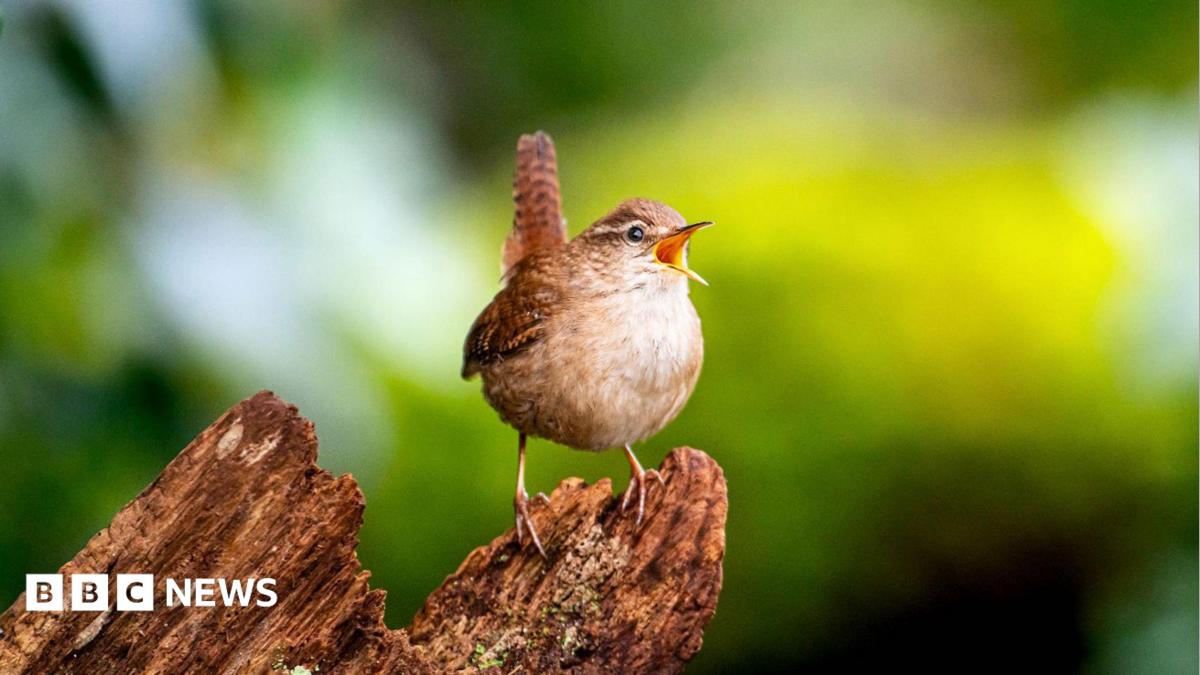
🎶
Scientists find the secret of birdsong's 'spectacular diversity'
Wetenschappers ontdekken het geheim van de 'spectaculaire diversiteit' van vogelgezang
Les scientifiques découvrent le secret de la 'diversité spectaculaire' du chant des oiseaux
So, scientists in France have uncovered the building blocks of birdsong's incredible diversity! They analyzed over 100,000 songs from 3,000 species and found that all these melodies are made up of just eight fundamental sound types, or motifs. It's fascinating to see how the environment shapes these songs, with tropical birds using simpler sounds to cut through the dense jungle noise. This research not only reveals the beauty of birdsong but also highlights the impact of human activity on these natural soundscapes.
Wetenschappers in Frankrijk hebben de bouwstenen van de ongelooflijke diversiteit van vogelgezang ontdekt! Ze analyseerden meer dan 100.000 liedjes van 3.000 soorten en ontdekten dat al deze melodieën zijn opgebouwd uit slechts acht fundamentele geluidstypen, of motieven. Het is fascinerend om te zien hoe de omgeving deze liedjes vormt, waarbij tropische vogels eenvoudigere geluiden gebruiken om door het dichte junglegeluid heen te komen. Dit onderzoek onthult niet alleen de schoonheid van vogelgezang, maar benadrukt ook de impact van menselijke activiteit op deze natuurlijke geluiden.
Des scientifiques en France ont découvert les éléments constitutifs de la diversité incroyable du chant des oiseaux ! Ils ont analysé plus de 100 000 chants de 3 000 espèces et ont constaté que toutes ces mélodies sont composées de seulement huit types de sons fondamentaux, ou motifs. Il est fascinant de voir comment l'environnement façonne ces chants, les oiseaux tropicaux utilisant des sons plus simples pour percer le bruit dense de la jungle. Cette recherche révèle non seulement la beauté du chant des oiseaux, mais souligne également l'impact de l'activité humaine sur ces paysages sonores naturels.

🌟
Africa: Twice-yearly lenacapavir continues to show strong HIV prevention results
Afrika: Tweemaal per jaar lenacapavir blijft sterke resultaten voor HIV-preventie tonen
Afrique: Lenacapavir injectable biannuel continue de montrer de solides résultats de prévention du VIH
Twice-yearly injectable lenacapavir is making waves in HIV prevention, showing almost no new infections in recent trials. The PURPOSE-1 and PURPOSE-2 studies highlight its effectiveness and safety, raising hopes for a transformative impact on global HIV prevention. With over 95% participant acceptance in the open-label extension, adherence remains impressively high. This breakthrough could change the landscape of HIV prevention, especially for women.
Tweemaal per jaar injectable lenacapavir maakt indruk in de HIV-preventie, met bijna geen nieuwe infecties in recente proeven. De PURPOSE-1 en PURPOSE-2 studies benadrukken de effectiviteit en veiligheid, wat de hoop wekt op een transformerende impact op de wereldwijde HIV-preventie. Met meer dan 95% acceptatie door deelnemers in de open-label verlenging blijft de naleving indrukwekkend hoog. Deze doorbraak zou het landschap van HIV-preventie, vooral voor vrouwen, kunnen veranderen.
Lenacapavir injectable biannuel fait sensation dans la prévention du VIH, montrant presque aucune nouvelle infection lors des essais récents. Les études PURPOSE-1 et PURPOSE-2 soulignent son efficacité et sa sécurité, suscitant l'espoir d'un impact transformateur sur la prévention mondiale du VIH. Avec plus de 95 % d'acceptation des participants dans l'extension en libre accès, l'adhésion reste impressionnante. Cette avancée pourrait changer le paysage de la prévention du VIH, en particulier pour les femmes.
🌟
Lung cancer is increasingly treatable: new treatments make a real difference
Longkanker is steeds beter te genezen: “Nieuwe behandelingen maken een reëel verschil”
Le cancer du poumon est de plus en plus traitable : de nouveaux traitements font une réelle différence
It's exciting to see that lung cancer treatments are improving, making a real impact on patients' lives. New therapies are showing promising results, which is a huge relief for many families. This progress means that more people are getting the chance to fight back against this disease. And here's the thing: with ongoing research and innovation, the future looks brighter for lung cancer patients.
Het is opwindend om te zien dat de behandelingen voor longkanker verbeteren en een reëel effect hebben op het leven van patiënten. Nieuwe therapieën tonen veelbelovende resultaten, wat een enorme opluchting is voor veel gezinnen. Deze vooruitgang betekent dat meer mensen de kans krijgen om terug te vechten tegen deze ziekte. En dat is het mooie: met voortdurende onderzoeken en innovaties ziet de toekomst er rooskleuriger uit voor longkankerpatiënten.
C'est excitant de voir que les traitements du cancer du poumon s'améliorent, ayant un impact réel sur la vie des patients. De nouvelles thérapies montrent des résultats prometteurs, ce qui est un énorme soulagement pour de nombreuses familles. Ce progrès signifie que plus de personnes ont la chance de lutter contre cette maladie. Et voici le truc : avec la recherche et l'innovation continues, l'avenir semble plus radieux pour les patients atteints de cancer du poumon.
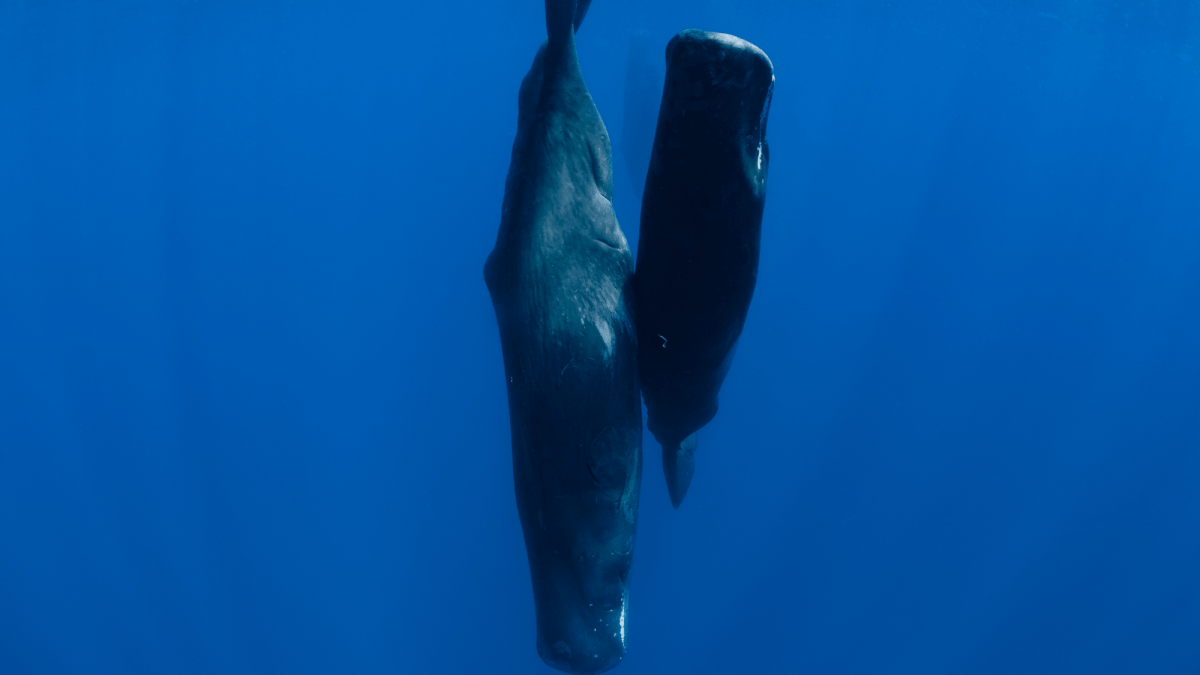
🐋
Sperm whales blow bubbles to help them nap
Spermawalvissen blazen bellen om te slapen
Les cachalots font des bulles pour les aider à dormir
Isn't it fascinating that sperm whales have developed such a unique way to nap? Researchers found that these magnificent creatures blow bubbles while sleeping to help control their buoyancy. By releasing air, they can stay submerged without floating to the surface, which is quite clever! This discovery opens up new questions about their sleeping habits and awareness, making us wonder just how much we still have to learn about these incredible animals.
Is het niet fascinerend dat spermawalvissen zo'n unieke manier hebben ontwikkeld om te slapen? Onderzoekers hebben ontdekt dat deze prachtige wezens bellen blazen terwijl ze slapen om hun drijfvermogen te regelen. Door lucht vrij te laten, kunnen ze onder water blijven zonder naar de oppervlakte te drijven, wat behoorlijk slim is! Deze ontdekking roept nieuwe vragen op over hun slaapgewoonten en bewustzijn, waardoor we ons afvragen hoeveel we nog moeten leren over deze geweldige dieren.
N'est-ce pas fascinant que les cachalots aient développé une manière si unique de dormir ? Les chercheurs ont découvert que ces magnifiques créatures font des bulles en dormant pour aider à contrôler leur flottabilité. En libérant de l'air, ils peuvent rester immergés sans remonter à la surface, ce qui est plutôt astucieux ! Cette découverte soulève de nouvelles questions sur leurs habitudes de sommeil et leur conscience, nous faisant nous demander combien nous avons encore à apprendre sur ces animaux incroyables.
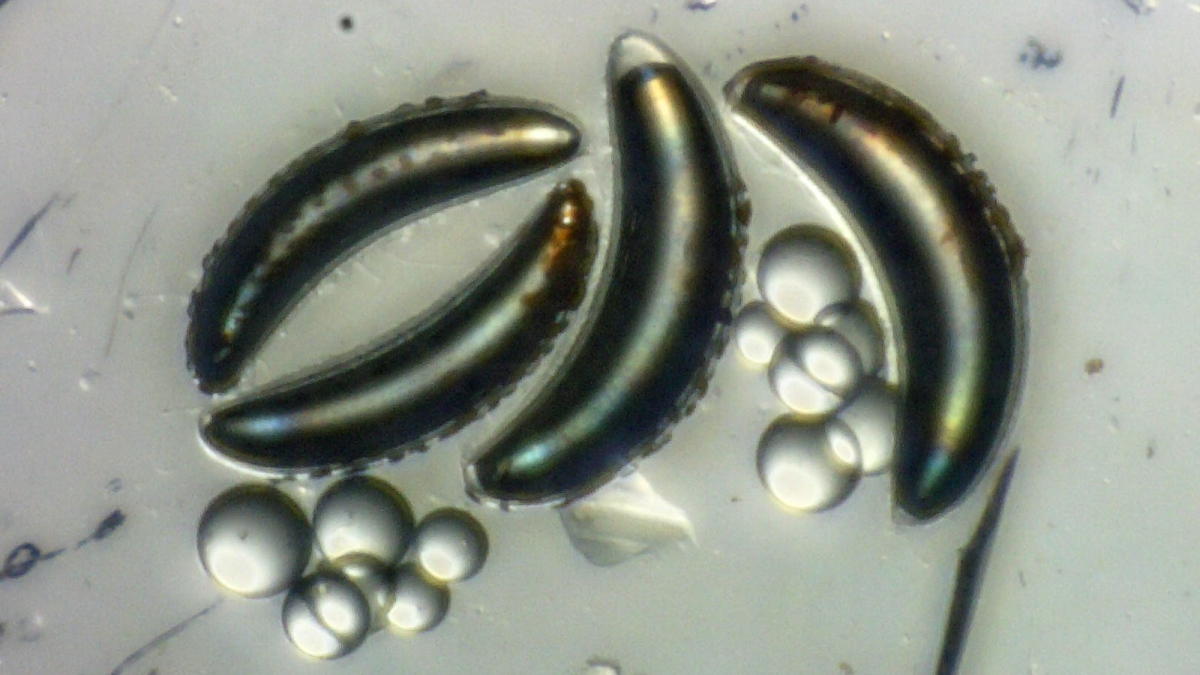
🐞
Insects survive 1,213 feet of pressure under water, defying physics
Insecten overleven 1.213 voet druk onder water, de fysica tartend
Les insectes survivent à 1 213 pieds de pression sous l'eau, défiant la physique
Isn't it fascinating that some insects can thrive under extreme water pressure? Lake fly larvae, specifically Chaoborus edulis, can dive over 1,200 feet deep in Lake Malawi, using unique air sacs to control their buoyancy. Researchers discovered that these sacs can withstand pressures far beyond what was previously thought possible for insects. This discovery not only challenges our understanding of insect capabilities but also opens up exciting possibilities for material science with the resilient substance found in their air sacs.
Is het niet fascinerend dat sommige insecten kunnen gedijen onder extreme waterdruk? Larven van de meerkoetvlieg, specifiek Chaoborus edulis, kunnen meer dan 1.200 voet diep duiken in het Malawimeer, waarbij ze unieke luchtzakken gebruiken om hun drijfvermogen te regelen. Onderzoekers ontdekten dat deze zakken druk kunnen weerstaan die veel hoger is dan eerder werd gedacht voor insecten. Deze ontdekking daagt niet alleen ons begrip van de capaciteiten van insecten uit, maar opent ook spannende mogelijkheden voor materiaalkunde met de veerkrachtige stof die in hun luchtzakken wordt aangetroffen.
N'est-il pas fascinant que certains insectes puissent prospérer sous une pression d'eau extrême ? Les larves de la mouche des lacs, en particulier Chaoborus edulis, peuvent plonger à plus de 1 200 pieds de profondeur dans le lac Malawi, utilisant des sacs d'air uniques pour contrôler leur flottabilité. Les chercheurs ont découvert que ces sacs peuvent résister à des pressions bien supérieures à ce que l'on pensait auparavant possible pour les insectes. Cette découverte remet non seulement en question notre compréhension des capacités des insectes, mais ouvre également des possibilités passionnantes pour la science des matériaux avec la substance résiliente trouvée dans leurs sacs d'air.

🌟
Humans may have spoken 10 times as many languages 2,000 years ago
Mensen spraken mogelijk 10 keer zoveel talen 2000 jaar geleden
Les humains ont peut-être parlé 10 fois plus de langues il y a 2000 ans
So, it turns out that 2,000 years ago, humanity might have been in a linguistic golden age, speaking tens of thousands of languages! A new study suggests that during this time, the number of languages could have peaked at an astonishing 75,000. However, as powerful empires like the Roman Empire rose, many of these languages began to vanish. This research opens up exciting questions about the rich tapestry of languages we may have lost over time.
Dus, het blijkt dat de mensheid 2000 jaar geleden misschien in een gouden tijdperk van taal was, met tienduizenden gesproken talen! Een nieuwe studie suggereert dat het aantal talen in deze periode kon pieken op een verbazingwekkende 75.000. Echter, met de opkomst van krachtige rijken zoals het Romeinse Rijk, begonnen veel van deze talen te verdwijnen. Dit onderzoek roept spannende vragen op over het rijke weefsel van talen dat we door de tijd heen misschien verloren zijn.
Alors, il s'avère qu'il y a 2000 ans, l'humanité aurait pu être dans un âge d'or linguistique, parlant des dizaines de milliers de langues ! Une nouvelle étude suggère qu'à cette époque, le nombre de langues aurait atteint un sommet incroyable de 75 000. Cependant, avec la montée d'empires puissants comme l'Empire romain, beaucoup de ces langues ont commencé à disparaître. Cette recherche soulève des questions passionnantes sur la riche tapisserie de langues que nous avons peut-être perdues au fil du temps.
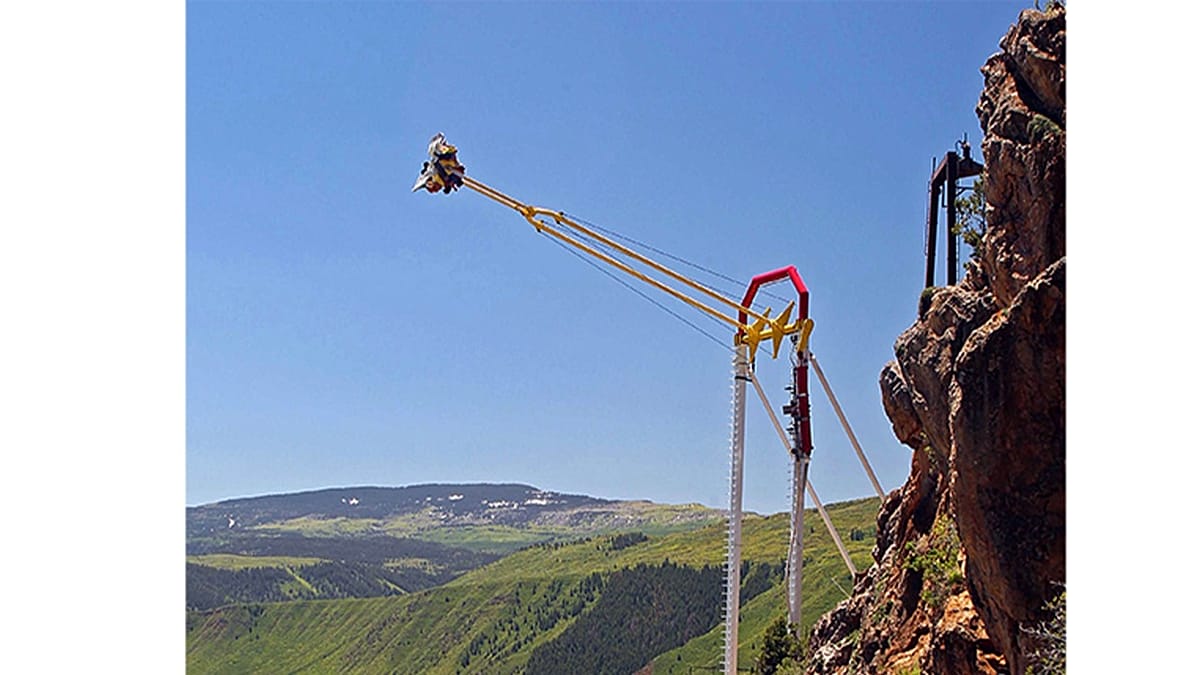
🏔️
Giant swing offers breathtaking ride above the Swiss Alps
Giant swing biedt adembenemende rit boven de Zwitserse Alpen
Giant swing offre une balade à couper le souffle au-dessus des Alpes suisses
So, there's this amazing giant swing that just opened at 2,110 metres on the Grand Chamossaire peak in Switzerland! It gives visitors a thrilling ride with stunning panoramic views of the Alps. This attraction is part of a push to bring more tourists to the area during the warmer months, especially as climate change affects winter sports. I think it's a fantastic way to diversify what the Alps have to offer!
Er is een geweldige giant swing geopend op 2.110 meter op de Grand Chamossaire-piek in Zwitserland! Het biedt bezoekers een spannende rit met een prachtig panoramisch uitzicht op de Alpen. Deze attractie is onderdeel van een poging om meer toeristen naar het gebied te trekken tijdens de warmere maanden, vooral nu klimaatverandering invloed heeft op wintersporten. Ik vind het een fantastische manier om te diversifiëren wat de Alpen te bieden hebben!
Il y a cette incroyable giant swing qui vient d'ouvrir à 2 110 mètres au sommet du Grand Chamossaire en Suisse ! Elle offre aux visiteurs une expérience palpitante avec une vue panoramique époustouflante sur les Alpes. Cette attraction fait partie d'un effort pour attirer plus de touristes dans la région pendant les mois plus chauds, surtout alors que le changement climatique affecte les sports d'hiver. Je pense que c'est une façon fantastique de diversifier ce que les Alpes ont à offrir !
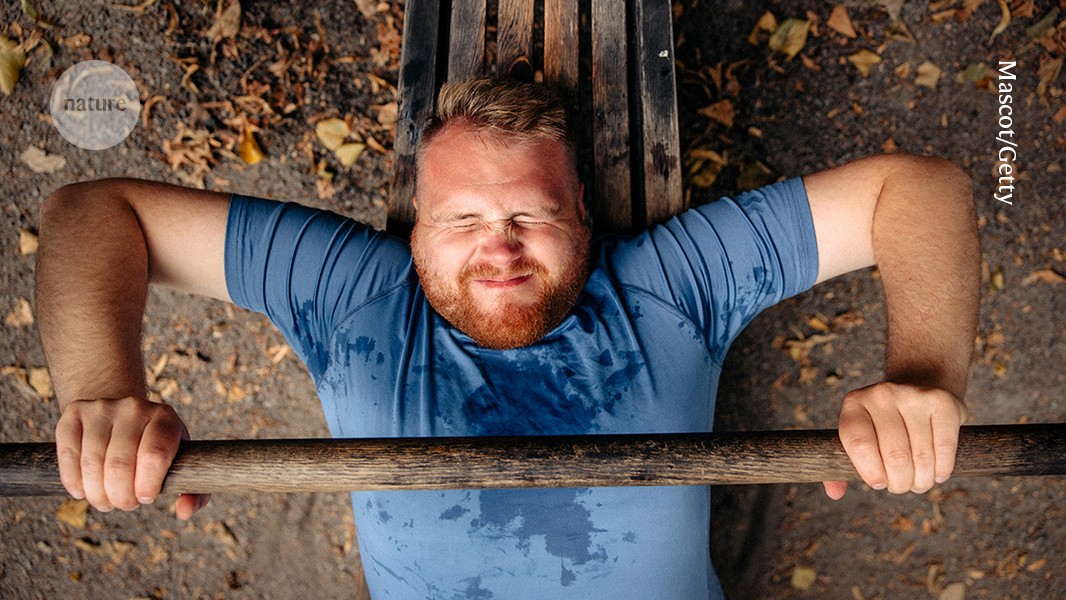
🔥
Breathalyser can tell if you are burning fat from a single exhale
Ademtest kan vertellen of je vet verbrandt met een enkele uitademing
Un alcootest peut dire si vous brûlez des graisses en une seule expiration
Imagine having a device that can tell you if you're burning fat just by breathing into it! This new handheld breathalyser measures acetone levels in real time, helping people manage their weight loss more effectively. It's a game changer for those on low-carb diets or high-intensity workouts, as it provides instant feedback without the need for clinic visits. Researchers are excited about its potential, although more testing is needed to confirm its accuracy with a larger group of people.
Stel je voor dat je een apparaat hebt dat je kan vertellen of je vet verbrandt door er gewoon in te ademen! Deze nieuwe handheld ademtest meet de aceton niveaus in real-time, wat mensen helpt om hun gewichtsverlies effectiever te beheren. Het is een doorbraak voor mensen die op een koolhydraatarm dieet of intensieve trainingen zitten, omdat het directe feedback geeft zonder dat je naar een kliniek hoeft te gaan. Onderzoekers zijn enthousiast over het potentieel, hoewel er meer tests nodig zijn om de nauwkeurigheid met een grotere groep mensen te bevestigen.
Imaginez avoir un appareil qui peut vous dire si vous brûlez des graisses simplement en y respirant ! Ce nouvel alcootest portable mesure les niveaux d'acétone en temps réel, aidant les gens à gérer leur perte de poids plus efficacement. C'est une révolution pour ceux qui suivent des régimes pauvres en glucides ou des entraînements intensifs, car il fournit un retour instantané sans avoir besoin de visites en clinique. Les chercheurs sont enthousiasmés par son potentiel, bien que des tests supplémentaires soient nécessaires pour confirmer son exactitude avec un plus grand groupe de personnes.
🌟
Medical wonders: how new therapies help with autoimmune diseases
Medische wonderen: hoe nieuwe therapieën helpen bij auto-immuunziekten
Merveilles médicales : comment de nouvelles thérapies aident les maladies auto-immunes
So, it turns out that new therapies are making a significant impact on autoimmune diseases, which is just fantastic news! Researchers are discovering innovative ways to treat conditions that once seemed insurmountable. This is not just about managing symptoms anymore; it’s about improving quality of life for many people. And here's the thing, as these treatments evolve, we can expect even more breakthroughs in the future.
Dus, het blijkt dat nieuwe therapieën een aanzienlijke impact hebben op auto-immuunziekten, wat gewoon fantastisch nieuws is! Onderzoekers ontdekken innovatieve manieren om aandoeningen te behandelen die ooit onoverkomelijk leken. Dit gaat niet alleen meer om het beheersen van symptomen; het gaat om het verbeteren van de levenskwaliteit van veel mensen. En hier is het ding: naarmate deze behandelingen zich ontwikkelen, kunnen we in de toekomst nog meer doorbraken verwachten.
Alors, il s'avère que de nouvelles thérapies ont un impact significatif sur les maladies auto-immunes, ce qui est tout simplement une excellente nouvelle ! Les chercheurs découvrent des moyens innovants de traiter des conditions qui semblaient autrefois insurmontables. Il ne s'agit plus seulement de gérer les symptômes ; il s'agit d'améliorer la qualité de vie de nombreuses personnes. Et voici le truc : à mesure que ces traitements évoluent, nous pouvons nous attendre à encore plus de percées à l'avenir.
🌟
Magic mushrooms may reshape the brain long after the trip ends
Paddo's kunnen de hersenen hervormen lang nadat de trip is afgelopen
Les champignons magiques peuvent remodeler le cerveau longtemps après la fin du voyage
Researchers have found that a single dose of psilocybin from magic mushrooms can lead to lasting changes in brain activity, detectable for up to a month. This study, involving healthy adults, suggests that increased brain 'entropy' during the psychedelic experience may enhance emotional insight and well-being. Interestingly, participants who experienced more insight reported feeling better a month later. This research opens up exciting possibilities for understanding how psychedelics could be used therapeutically for mental health.
Onderzoekers hebben ontdekt dat een enkele dosis psilocybine uit paddo's kan leiden tot blijvende veranderingen in de hersenactiviteit, tot een maand waarneembaar. Deze studie, met gezonde volwassenen, suggereert dat een verhoogde 'entropie' in de hersenen tijdens de psychedelische ervaring emotionele inzichten en welzijn kan verbeteren. Interessant is dat deelnemers die meer inzicht ervoeren, een maand later zich beter voelden. Dit onderzoek opent spannende mogelijkheden voor het begrijpen van hoe psychedelica therapeutisch kunnen worden gebruikt voor de geestelijke gezondheid.
Les chercheurs ont découvert qu'une seule dose de psilocybine provenant de champignons magiques peut entraîner des changements durables dans l'activité cérébrale, détectables jusqu'à un mois. Cette étude, impliquant des adultes en bonne santé, suggère qu'une 'entropie' cérébrale accrue pendant l'expérience psychédélique peut améliorer l'insight émotionnel et le bien-être. Fait intéressant, les participants ayant ressenti plus d'insight ont rapporté un mieux-être un mois plus tard. Cette recherche ouvre des perspectives passionnantes pour comprendre comment les psychédéliques pourraient être utilisés thérapeutiquement pour la santé mentale.

🌟
A place of hope and solutions: the building promising a better future
Een plek van hoop en oplossingen: het gebouw dat een betere toekomst belooft
Un lieu d'espoir et de solutions : le bâtiment promettant un avenir meilleur
There's an exciting new project in Rotterdam that aims to inspire hope and action for a sustainable future. The Shift Embassy will showcase successful solutions to global challenges through art and storytelling, inviting everyone to reimagine what's possible. Designed by MVRDV, this innovative building will be part of a new nature-positive neighborhood, creating spaces for community and learning. It's all about empowering people to take action and feel inspired, which is absolutely fantastic!
Er is een spannend nieuw project in Rotterdam dat hoop en actie voor een duurzame toekomst wil inspireren. De Shift Embassy zal succesvolle oplossingen voor wereldwijde uitdagingen tonen via kunst en verhalen, en iedereen uitnodigen om opnieuw te bedenken wat mogelijk is. Ontworpen door MVRDV, zal dit innovatieve gebouw deel uitmaken van een nieuwe natuurpositieve buurt, waardoor er ruimte komt voor gemeenschap en leren. Het draait allemaal om het empoweren van mensen om actie te ondernemen en zich geïnspireerd te voelen, wat absoluut fantastisch is!
Il y a un projet passionnant à Rotterdam qui vise à inspirer l'espoir et l'action pour un avenir durable. La Shift Embassy mettra en avant des solutions réussies aux défis mondiaux à travers l'art et le récit, invitant chacun à réimaginer ce qui est possible. Conçu par MVRDV, ce bâtiment innovant fera partie d'un nouveau quartier positif pour la nature, créant des espaces pour la communauté et l'apprentissage. Tout tourne autour de l'autonomisation des gens pour qu'ils agissent et se sentent inspirés, ce qui est absolument fantastique !

🌍
Hunger in the world decreases for the third year in a row
Honger in de wereld daalt voor derde jaar op rij
La faim dans le monde diminue pour la troisième année consécutive
So, here's some good news: the number of people worldwide facing hunger has dropped for the third consecutive year, from 8.1% to 7.8% of the global population. That's about 645 million people, according to a UN report. While this trend is positive, there are still challenges ahead, especially with risks like conflicts and climate change. It's a reminder that while progress is being made, we still have a long way to go to eliminate hunger completely.
Dus, hier is goed nieuws: het aantal mensen wereldwijd dat honger lijdt, is voor het derde jaar op rij gedaald, van 8,1% naar 7,8% van de wereldbevolking. Dat zijn ongeveer 645 miljoen mensen, volgens een rapport van de VN. Hoewel deze trend positief is, zijn er nog steeds uitdagingen, vooral met risico's zoals conflicten en klimaatverandering. Het herinnert ons eraan dat, hoewel er vooruitgang wordt geboekt, we nog een lange weg te gaan hebben om honger volledig te elimineren.
Alors, voici une bonne nouvelle : le nombre de personnes dans le monde souffrant de la faim a diminué pour la troisième année consécutive, passant de 8,1 % à 7,8 % de la population mondiale. Cela représente environ 645 millions de personnes, selon un rapport de l'ONU. Bien que cette tendance soit positive, il reste encore des défis à relever, notamment des risques tels que les conflits et le changement climatique. Cela nous rappelle que, même si des progrès sont réalisés, nous avons encore un long chemin à parcourir pour éliminer complètement la faim.
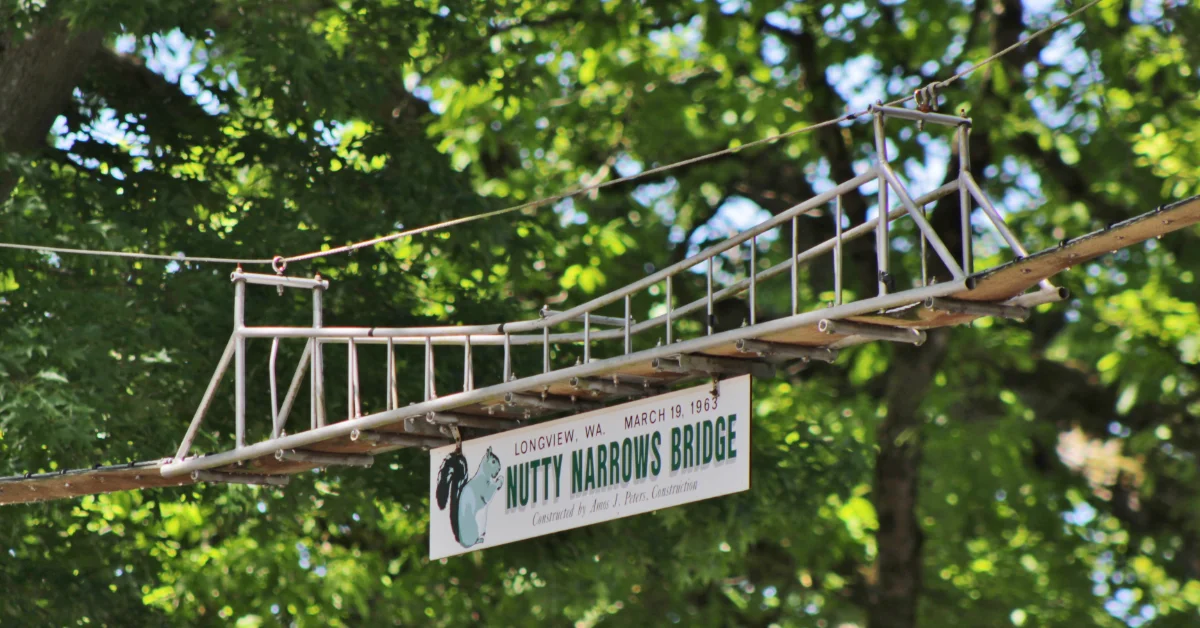
🐿️
City creates world's first-ever 'squirrel bridge' to save furry friends
Stad creëert 'squirrel bridge' om harige vrienden te redden
La ville crée le premier 'pont à écureuils' au monde pour sauver ses amis poilus
Every year, millions of squirrels meet unfortunate fates on the roads, but Longview, Washington, decided to take action! Architect Amos Peters led the charge in creating the Nutty Narrows Squirrel Pedestrian Bridge, a clever solution to help these little critters cross safely. This bridge not only became a beloved tourist attraction but also inspired more bridges, including a recent one in nearby Duvall. It's heartwarming to see communities come together to protect wildlife and ensure that these adorable squirrels can thrive.
Elk jaar komen miljoenen eekhoorns op de wegen om het leven, maar Longview, Washington, besloot in actie te komen! Architect Amos Peters leidde de charge bij het creëren van de Nutty Narrows Squirrel Pedestrian Bridge, een slimme oplossing om deze kleine beestjes veilig over te laten steken. Deze brug werd niet alleen een geliefde toeristische attractie, maar inspireerde ook meer bruggen, waaronder een recente in het nabijgelegen Duvall. Het is hartverwarmend om te zien hoe gemeenschappen samenkomen om de natuur te beschermen en ervoor te zorgen dat deze schattige eekhoorns kunnen gedijen.
Chaque année, des millions d'écureuils rencontrent des destins malheureux sur les routes, mais Longview, Washington, a décidé d'agir ! L'architecte Amos Peters a mené la charge en créant le pont piétonnier Nutty Narrows pour écureuils, une solution astucieuse pour aider ces petites créatures à traverser en toute sécurité. Ce pont est devenu non seulement une attraction touristique adorée, mais a également inspiré d'autres ponts, y compris un récent à Duvall. C'est réconfortant de voir des communautés se rassembler pour protéger la faune et garantir que ces adorables écureuils puissent prospérer.

🌟
America’s first female soldiers served during WWI. Here’s why they were known as ‘Hello Girls.’
De eerste vrouwelijke soldaten van Amerika dienden tijdens de Eerste Wereldoorlog. Dit is waarom ze bekend stonden als 'Hello Girls.'
Les premières soldates américaines ont servi pendant la Première Guerre mondiale. Voici pourquoi elles étaient connues sous le nom de 'Hello Girls.'
During World War I, the U.S. Army needed skilled telephone operators, leading to the recruitment of women who were fluent in English and French. These pioneering women became known as the 'Hello Girls' for their exceptional communication skills. Despite their significant contributions, they were initially classified as civilian employees, not military personnel. It took over 60 years for them to gain recognition as veterans, highlighting their incredible perseverance and dedication.
Tijdens de Eerste Wereldoorlog had het Amerikaanse leger behoefte aan bekwame telefonistes, wat leidde tot de werving van vrouwen die vloeiend Engels en Frans spraken. Deze baanbrekende vrouwen werden bekend als de 'Hello Girls' vanwege hun uitzonderlijke communicatieve vaardigheden. Ondanks hun belangrijke bijdragen werden ze aanvankelijk geclassificeerd als civiele werknemers, niet als militaire personeelsleden. Het duurde meer dan 60 jaar voordat ze erkenning kregen als veteranen, wat hun ongelooflijke doorzettingsvermogen en toewijding benadrukt.
Pendant la Première Guerre mondiale, l'armée américaine avait besoin d'opératrices téléphoniques qualifiées, ce qui a conduit à la recrue de femmes parlant couramment l'anglais et le français. Ces femmes pionnières sont devenues connues sous le nom de 'Hello Girls' pour leurs compétences exceptionnelles en communication. Malgré leurs contributions significatives, elles ont d'abord été classées comme employées civiles, et non comme militaires. Il a fallu plus de 60 ans pour qu'elles obtiennent la reconnaissance en tant que vétérans, soulignant leur incroyable persévérance et dévouement.
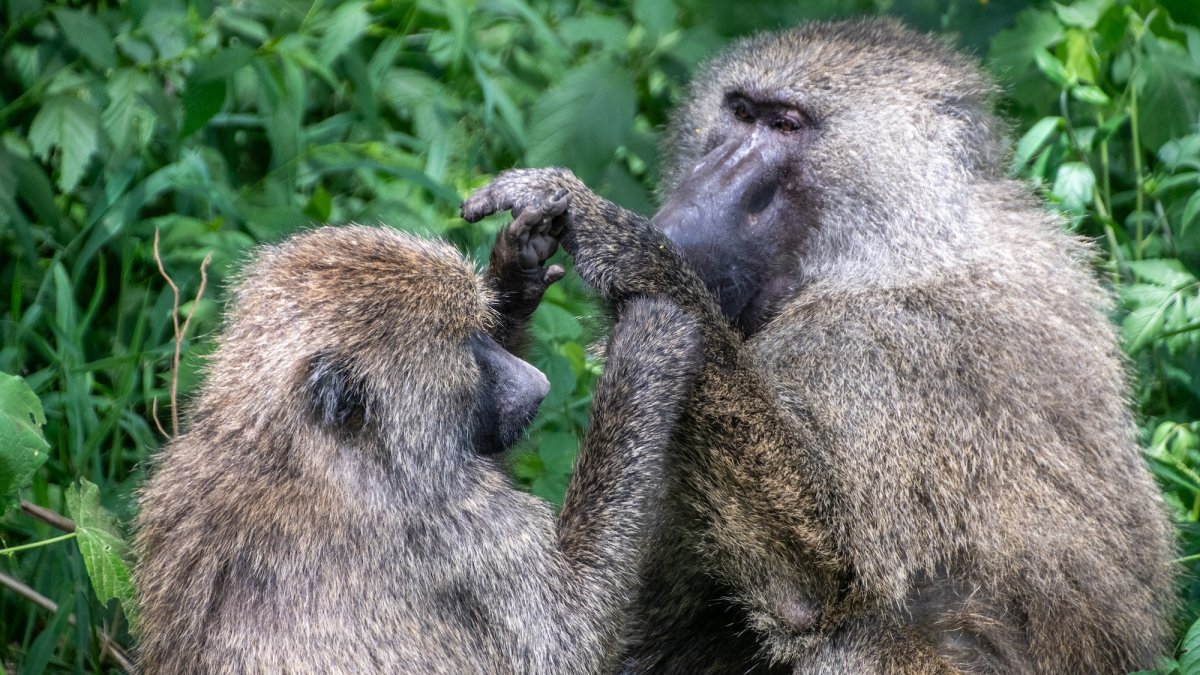
🐒
Monkeys are surprisingly good at geometry
Apen zijn verrassend goed in geometrie
Les singes sont étonnamment bons en géométrie
So, it turns out that some monkeys might have a better grasp of geometry than we thought! A recent study shows that olive baboons and Rhesus macaques can understand geometric relationships similarly to humans. This research suggests that our ability to comprehend shapes and space could be deeply rooted in our evolutionary history. How fascinating is it that these primates, along with children and adults, think about geometry in fundamentally similar ways?
Dus, het blijkt dat sommige apen misschien een beter begrip van geometrie hebben dan we dachten! Een recente studie toont aan dat olijf-bavianen en Rhesus-macaques geometrische relaties kunnen begrijpen, net als mensen. Dit onderzoek suggereert dat ons vermogen om vormen en ruimte te begrijpen diep geworteld kan zijn in onze evolutionaire geschiedenis. Hoe fascinerend is het dat deze primaten, samen met kinderen en volwassenen, op fundamenteel dezelfde manier over geometrie denken?
Alors, il s'avère que certains singes pourraient avoir une meilleure compréhension de la géométrie que nous ne le pensions ! Une étude récente montre que les babouins olive et les macaques Rhesus peuvent comprendre les relations géométriques de manière similaire aux humains. Cette recherche suggère que notre capacité à comprendre les formes et l'espace pourrait être profondément ancrée dans notre histoire évolutive. Quelle fascination de constater que ces primates, ainsi que les enfants et les adultes, pensent à la géométrie de manière fondamentalement similaire !

🌟
Street vendors had to shut shop after dark till an architect built a solar solution
Straatverkopers moesten hun winkel sluiten na het donker totdat een architect een zonne-oplossing bouwde
Les vendeurs de rue devaient fermer boutique après la tombée de la nuit jusqu'à ce qu'un architecte construise une solution solaire
So, Aakarsh Shamanur, a social entrepreneur from Bengaluru, has come up with a brilliant idea to help women street vendors. He created Be Po-Lite, which produces portable solar lamps that allow these vendors to work after dark. This innovation not only lights up their stalls but also helps them save money and charge their phones. Aakarsh dreams of expanding this initiative across India, bringing light and opportunity to many more women.
Aakarsh Shamanur, een sociale ondernemer uit Bengaluru, heeft een briljant idee bedacht om vrouwelijke straatverkopers te helpen. Hij creëerde Be Po-Lite, dat draagbare zonne-lampen produceert waarmee deze verkopers na het donker kunnen werken. Deze innovatie verlicht niet alleen hun kraampjes, maar helpt hen ook geld te besparen en hun telefoons op te laden. Aakarsh droomt ervan om dit initiatief uit te breiden naar heel India, zodat nog veel meer vrouwen licht en kansen krijgen.
Aakarsh Shamanur, un entrepreneur social de Bengaluru, a eu une idée brillante pour aider les femmes vendeuses de rue. Il a créé Be Po-Lite, qui produit des lampes solaires portables permettant à ces vendeuses de travailler après la tombée de la nuit. Cette innovation éclaire non seulement leurs étals, mais les aide également à économiser de l'argent et à charger leurs téléphones. Aakarsh rêve d'étendre cette initiative à travers l'Inde, apportant lumière et opportunité à de nombreuses femmes.
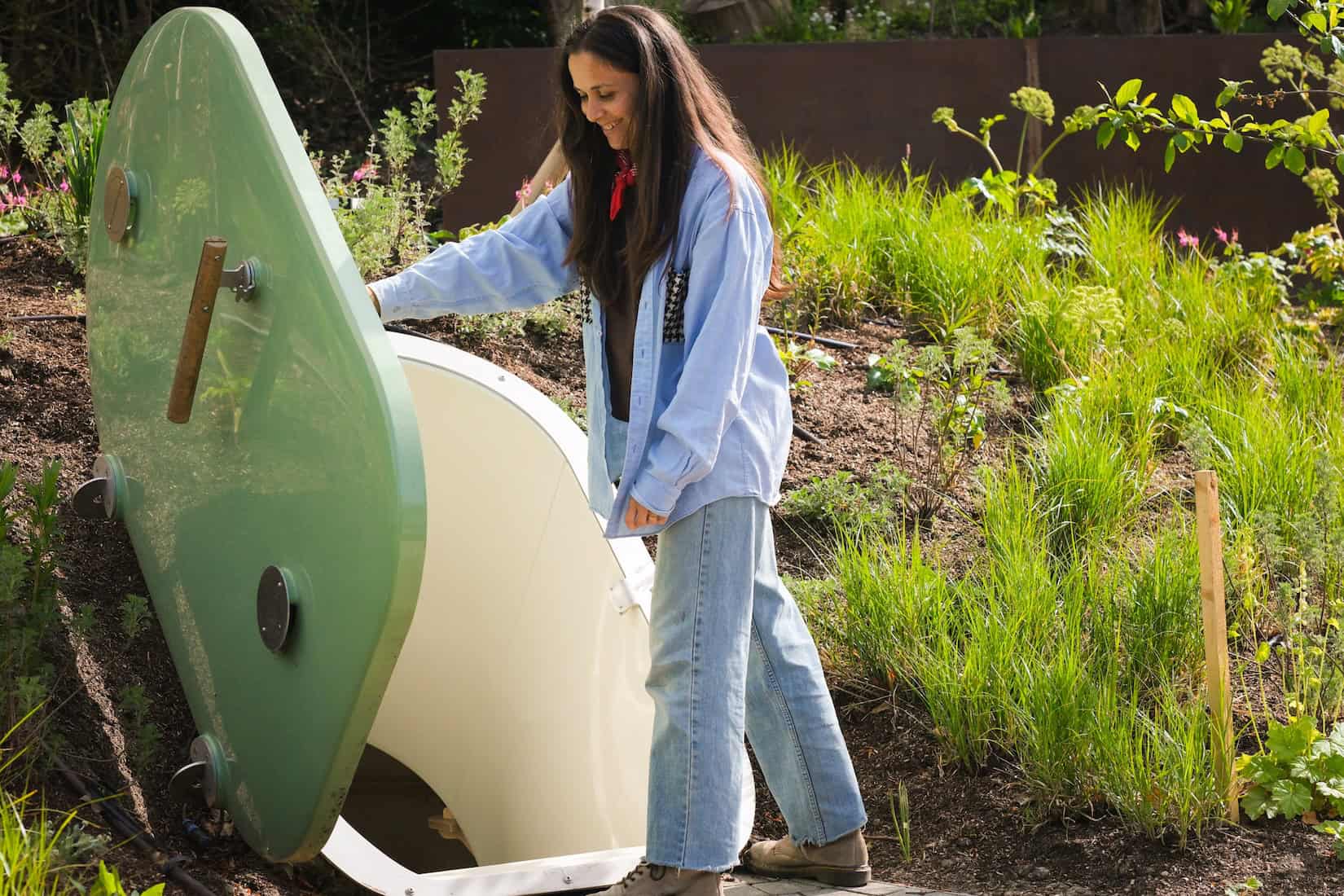
🥕
The underground fridge that keeps food cool – even in a heatwave
De ondergrondse koelkast die voedsel koel houdt – zelfs tijdens een hittegolf
Le réfrigérateur souterrain qui garde les aliments au frais – même pendant une vague de chaleur
So, there's this amazing underground fridge in north London that keeps food cool without relying on electricity! It's inspired by old ice houses and uses the earth's stable temperature to maintain a perfect chill. I visited OmVed Gardens, where this innovative fridge is installed, and it was such a delight to see how it helps preserve fresh produce. The whole place is a vibrant community hub, connecting people with nature and food in the most delightful way.
Er is een geweldige ondergrondse koelkast in Noord-Londen die voedsel koel houdt zonder elektriciteit te gebruiken! Het is geïnspireerd op oude ijshuizen en maakt gebruik van de stabiele temperatuur van de aarde om de perfecte koelte te behouden. Ik bezocht OmVed Gardens, waar deze innovatieve koelkast is geïnstalleerd, en het was een genot om te zien hoe het helpt verse producten te behouden. De hele plek is een levendig gemeenschapscentrum dat mensen op de meest heerlijke manier met de natuur en voedsel verbindt.
Il y a un incroyable réfrigérateur souterrain dans le nord de Londres qui garde les aliments au frais sans dépendre de l'électricité ! Inspiré des anciennes maisons de glace, il utilise la température stable de la terre pour maintenir un parfait refroidissement. J'ai visité les jardins OmVed, où ce réfrigérateur innovant est installé, et c'était un vrai plaisir de voir comment il aide à préserver les produits frais. Tout l'endroit est un centre communautaire vibrant qui relie les gens à la nature et à la nourriture de la manière la plus délicieuse.
🌟
7,000-year-old Chinese practice of ‘just standing there’ looks easy. It’s not.
7.000 jaar oude Chinese praktijk van 'gewoon daar staan' lijkt gemakkelijk. Dat is het niet.
Une pratique chinoise vieille de 7 000 ans de 'juste rester là' semble facile. Ce n'est pas le cas.
Isn't it fascinating how something as simple as standing can be so beneficial? Jules Horn, a former model, discovered the ancient practice of Zhan Zhuang, which involves standing still for 20 minutes a day. This practice not only strengthens the body but also calms the mind, challenging us to focus and breathe intentionally. Medical experts agree that this standing meditation can help alleviate aches, boost energy, and even improve mood—who knew standing could be so powerful?
Is het niet fascinerend hoe iets zo eenvoudigs als staan zo voordelig kan zijn? Jules Horn, een voormalige model, ontdekte de oude praktijk van Zhan Zhuang, waarbij je 20 minuten per dag stil staat. Deze praktijk versterkt niet alleen het lichaam, maar kalmeert ook de geest, en daagt ons uit om ons te concentreren en bewust te ademen. Medische experts zijn het erover eens dat deze staande meditatie kan helpen bij het verlichten van pijn, het verhogen van energie en zelfs het verbeteren van de gemoedstoestand - wie had gedacht dat staan zo krachtig kon zijn?
N'est-il pas fascinant de voir à quel point quelque chose d'aussi simple que de rester debout peut être bénéfique ? Jules Horn, un ancien mannequin, a découvert l'ancienne pratique du Zhan Zhuang, qui consiste à rester immobile pendant 20 minutes par jour. Cette pratique renforce non seulement le corps, mais calme également l'esprit, nous défiant de nous concentrer et de respirer intentionnellement. Les experts médicaux s'accordent à dire que cette méditation debout peut aider à soulager les douleurs, à augmenter l'énergie et même à améliorer l'humeur - qui aurait cru que rester debout pouvait être si puissant ?
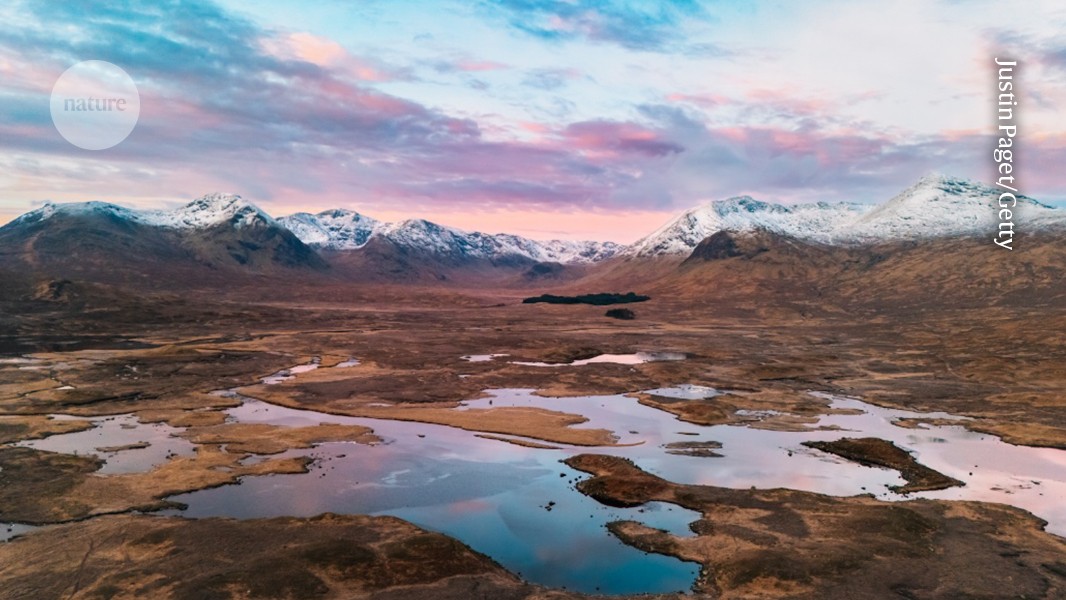
🌍
Detailed maps of European wetlands reveal overlooked patches of ecosystems
Gedetailleerde kaarten van Europese wetlands onthullen over het hoofd geziene ecosysteemgebieden
Des cartes détaillées des zones humides européennes révèlent des zones écosystémiques négligées
So, researchers have used satellite images and machine-learning algorithms to create high-resolution maps of European wetlands. This is fantastic news for conservation efforts, as these wetlands are crucial for carbon storage. They may only cover a small percentage of the Earth's surface, but they play a big role in our ecosystem. These maps will serve as a vital tool for restoration projects, helping to protect these precious environments.
Onderzoekers hebben satellietbeelden en machine-learning algoritmes gebruikt om gedetailleerde kaarten van Europese wetlands te maken. Dit is geweldig nieuws voor natuurbeschermingsinspanningen, aangezien deze wetlands cruciaal zijn voor de opslag van koolstof. Ze beslaan misschien maar een klein percentage van het aardoppervlak, maar ze spelen een grote rol in ons ecosysteem. Deze kaarten zullen dienen als een essentieel hulpmiddel voor herstelprojecten, waardoor deze waardevolle omgevingen worden beschermd.
Des chercheurs ont utilisé des images satellites et des algorithmes d'apprentissage automatique pour créer des cartes haute résolution des zones humides européennes. C'est une excellente nouvelle pour les efforts de conservation, car ces zones humides sont cruciales pour le stockage du carbone. Elles ne couvrent peut-être qu'un petit pourcentage de la surface terrestre, mais elles jouent un rôle important dans notre écosystème. Ces cartes serviront d'outil essentiel pour les projets de restauration, aidant à protéger ces environnements précieux.

🔥
Inside the race to spot wildfires before they spiral out of control
Binnen de race om bosbranden te spotten voordat ze uit de hand lopen
À l'intérieur de la course pour repérer les incendies de forêt avant qu'ils ne deviennent incontrôlables
Wildfires have become a growing threat, especially after the devastating 'Big Burn' of 1910, which is still the largest forest fire in U.S. history. Climate change and urban expansion are making these fires more frequent and intense, causing significant loss of life and property. Fortunately, advancements in technology are finally improving our ability to detect these fires early. Experts like Neal Driscoll are optimistic that new tools will help us better manage and respond to wildfires before they escalate.
Bosbranden zijn een groeiende bedreiging geworden, vooral na de verwoestende 'Big Burn' van 1910, die nog steeds de grootste bosbrand in de Amerikaanse geschiedenis is. Klimaatverandering en stedelijke uitbreiding maken deze branden frequenter en intenser, wat aanzienlijke verliezen van leven en eigendommen veroorzaakt. Gelukkig verbeteren technologische vooruitgangen eindelijk ons vermogen om deze branden vroegtijdig te detecteren. Experts zoals Neal Driscoll zijn optimistisch dat nieuwe hulpmiddelen ons zullen helpen om bosbranden beter te beheren en te reageren voordat ze escaleren.
Les incendies de forêt sont devenus une menace croissante, surtout après la dévastatrice 'Big Burn' de 1910, qui reste le plus grand incendie de forêt de l'histoire des États-Unis. Le changement climatique et l'expansion urbaine rendent ces incendies plus fréquents et intenses, entraînant des pertes humaines et matérielles considérables. Heureusement, les avancées technologiques améliorent enfin notre capacité à détecter ces incendies tôt. Des experts comme Neal Driscoll sont optimistes quant au fait que de nouveaux outils nous aideront à mieux gérer et répondre aux incendies de forêt avant qu'ils ne s'intensifient.
🐾
A study tested cats and dogs to see if they’d help humans in trouble. We love cats anyway.
Een studie testte katten en honden om te zien of ze mensen in de problemen zouden helpen. We houden toch van katten.
Une étude a testé des chats et des chiens pour voir s'ils aideraient les humains en difficulté. Nous aimons quand même les chats.
So, researchers in Hungary explored whether cats, dogs, or toddlers would help humans in distress. The study found that while all three species showed some concern, dogs and toddlers were more likely to jump in and help out. Cats, on the other hand, tended to only get involved if it served their own interests. This sparked a lively discussion online about the true nature of our feline friends and their unique ways of showing love.
Dus, onderzoekers in Hongarije onderzochten of katten, honden of peuters mensen in nood zouden helpen. De studie toonde aan dat hoewel alle drie de soorten enige bezorgdheid toonden, honden en peuters eerder geneigd waren om in te springen en te helpen. Katten daarentegen leken alleen betrokken te raken als het in hun eigen belang was. Dit leidde tot een levendige discussie online over de ware aard van onze kattenvrienden en hun unieke manieren om liefde te tonen.
Alors, des chercheurs en Hongrie ont exploré si les chats, les chiens ou les tout-petits aideraient les humains en détresse. L'étude a révélé que, bien que les trois espèces montrent une certaine préoccupation, les chiens et les tout-petits étaient plus susceptibles d'intervenir et d'aider. Les chats, en revanche, avaient tendance à ne s'impliquer que si cela servait leurs propres intérêts. Cela a suscité une discussion animée en ligne sur la véritable nature de nos amis félins et leurs manières uniques de montrer de l'amour.
🐜
The division of labor among ants reveals its secrets
De arbeidsverdeling bij mieren onthult zijn geheimen
La division du travail chez les fourmis livre ses secrets
So, it turns out that ants have a fascinating way of organizing their work! Researchers have uncovered how these tiny creatures divide tasks among themselves, which is quite impressive. This division of labor not only boosts their efficiency but also helps them adapt to changing environments. It's amazing to think about how such small beings can have such complex social structures.
Dus, het blijkt dat mieren een fascinerende manier hebben om hun werk te organiseren! Onderzoekers hebben ontdekt hoe deze kleine wezens taken onder elkaar verdelen, wat behoorlijk indrukwekkend is. Deze arbeidsverdeling verhoogt niet alleen hun efficiëntie, maar helpt hen ook zich aan te passen aan veranderende omgevingen. Het is verbazingwekkend om te bedenken hoe zulke kleine wezens zulke complexe sociale structuren kunnen hebben.
Alors, il s'avère que les fourmis ont une façon fascinante d'organiser leur travail ! Les chercheurs ont découvert comment ces petites créatures se répartissent les tâches, ce qui est assez impressionnant. Cette division du travail non seulement augmente leur efficacité, mais les aide également à s'adapter à des environnements changeants. C'est incroyable de penser que de si petits êtres peuvent avoir des structures sociales aussi complexes.

🔋
Molten salt and human sweat: the weird batteries that could store renewable energy
Gesmolten zout en menselijk zweet: de vreemde batterijen die hernieuwbare energie kunnen opslaan
Sel fondu et sueur humaine : les batteries étranges qui pourraient stocker l'énergie renouvelable
In the UAE, a massive clean energy project is set to power half a million homes at night using solar energy and the largest battery scheme in the world. Meanwhile, researchers in Colorado are creating tiny batteries that could track young salmon and eel species, showcasing the diversity of energy storage solutions. Unlike traditional lithium-ion batteries, these alternatives can be recycled and used indefinitely, which is fantastic for sustainability. Innovations like the Carrington 'liquid air' cryobattery and molten salt storage in Nevada are leading the charge in harnessing renewable energy without the environmental downsides.
In de VAE staat een enorm schoon energieproject op het punt om 's nachts een half miljoen huizen van zonne-energie te voorzien met de grootste batterijoplossing ter wereld. Ondertussen creëren onderzoekers in Colorado kleine batterijen die jonge zalm- en palingsoorten kunnen volgen, wat de diversiteit van energieopslagoplossingen laat zien. In tegenstelling tot traditionele lithium-ionbatterijen kunnen deze alternatieven worden gerecycled en oneindig worden gebruikt, wat fantastisch is voor duurzaamheid. Innovaties zoals de 'vloeibare lucht'-cryobatterij in Carrington en gesmolten zoutopslag in Nevada leiden de weg in het benutten van hernieuwbare energie zonder de milieuproblemen.
Aux Émirats, un immense projet d'énergie propre est sur le point d'alimenter la nuit un demi-million de foyers grâce à l'énergie solaire et à la plus grande solution de batterie au monde. Pendant ce temps, des chercheurs au Colorado créent de petites batteries qui pourraient suivre les jeunes saumons et anguilles, montrant ainsi la diversité des solutions de stockage d'énergie. Contrairement aux batteries lithium-ion traditionnelles, ces alternatives peuvent être recyclées et utilisées indéfiniment, ce qui est fantastique pour la durabilité. Des innovations comme la cryobatterie à 'air liquide' de Carrington et le stockage de sel fondu au Nevada ouvrent la voie à l'exploitation de l'énergie renouvelable sans les inconvénients environnementaux.

🌳
Designing cities for a hotter future
Steden ontwerpen voor een warmer toekomst
Concevoir des villes pour un avenir plus chaud
So, what if our cities could adapt like nature? Mina Hasman, an award-winning architect, shares her inspiring vision of urban environments that function like forests and buildings that breathe like trees. She emphasizes the urgent need for cities to embrace climate-ready designs that promote thriving communities and harmonious relationships with nature. This approach could revolutionize how we think about urban living in a warming world.
Dus, wat als onze steden zich konden aanpassen zoals de natuur? Mina Hasman, een bekroonde architect, deelt haar inspirerende visie op stedelijke omgevingen die functioneren als bossen en gebouwen die ademen als bomen. Ze benadrukt de dringende noodzaak voor steden om klimaatbestendige ontwerpen te omarmen die bloeiende gemeenschappen en harmonieuze relaties met de natuur bevorderen. Deze benadering zou onze manier van denken over stedelijk leven in een opwarmende wereld kunnen revolutioneren.
Alors, que se passerait-il si nos villes pouvaient s'adapter comme la nature ? Mina Hasman, une architecte primée, partage sa vision inspirante d'environnements urbains qui fonctionnent comme des forêts et de bâtiments qui respirent comme des arbres. Elle souligne l'urgence pour les villes d'adopter des conceptions prêtes pour le climat qui favorisent des communautés florissantes et des relations harmonieuses avec la nature. Cette approche pourrait révolutionner notre façon de penser la vie urbaine dans un monde en réchauffement.

🌟
Drug may repair dna at earliest stages of alzheimer’s – and it’s already passed safety trials
Medicijn kan dna herstellen in de vroegste stadia van alzheimer – en het heeft al veiligheidsproeven doorstaan
Un médicament peut réparer l'ADN aux premiers stades de la maladie d'Alzheimer – et il a déjà passé les essais de sécurité
So, there's this exciting new drug called KCL-286 that might just change the game for Alzheimer's treatment! Developed by a team at King’s College London, it not only targets DNA damage but also reduces inflammation, which are both critical early features of the disease. The best part? It has already passed safety trials, meaning we could see it in action much sooner than usual. This approach could offer a broader strategy for tackling Alzheimer's, moving beyond just the usual protein targets.
Er is een spannend nieuw medicijn genaamd KCL-286 dat de behandeling van Alzheimer misschien wel kan veranderen! Ontwikkeld door een team van King's College London, richt het zich niet alleen op DNA-schade, maar vermindert het ook ontstekingen, die beide cruciale vroege kenmerken van de ziekte zijn. Het beste is dat het al veiligheidsproeven heeft doorstaan, wat betekent dat we het veel eerder in actie kunnen zien dan normaal. Deze aanpak kan een bredere strategie bieden voor het aanpakken van Alzheimer, voorbij de gebruikelijke eiwitdoelen.
Il y a ce nouveau médicament passionnant appelé KCL-286 qui pourrait bien changer la donne pour le traitement de la maladie d'Alzheimer ! Développé par une équipe du King's College de Londres, il cible non seulement les dommages à l'ADN, mais réduit également l'inflammation, qui sont tous deux des caractéristiques précoces critiques de la maladie. Le meilleur dans tout ça ? Il a déjà passé les essais de sécurité, ce qui signifie que nous pourrions le voir en action beaucoup plus tôt que d'habitude. Cette approche pourrait offrir une stratégie plus large pour lutter contre la maladie d'Alzheimer, au-delà des cibles protéiques habituelles.

🚀
India achieves milestone with launch of first private-sector orbital rocket
India bereikt mijlpaal met lancering van eerste particuliere orbital raket
L'Inde atteint une étape importante avec le lancement de sa première fusée orbitale du secteur privé
India has just made a giant leap in the space race by successfully launching its first private-sector orbital rocket, the Vikram-1. This impressive 22-meter rocket took off from the Satish Dhawan Space Centre and placed payloads into low-Earth orbit, making India the third country to achieve this through private enterprise. Prime Minister Modi expressed his excitement, stating this achievement will inspire young innovators to dream big. With plans for more test flights ahead, the future of India's space ambitions looks incredibly bright!
India heeft zojuist een enorme sprong gemaakt in de ruimtewedloop door met succes zijn eerste particuliere orbital raket, de Vikram-1, te lanceren. Deze indrukwekkende 22-meter hoge raket steeg op vanaf het Satish Dhawan Space Centre en plaatste ladingen in een lage aardbaan, waardoor India het derde land is dat dit via particuliere ondernemingen bereikt. Premier Modi uitte zijn enthousiasme en verklaarde dat deze prestatie jonge innovators zal inspireren om groot te dromen. Met plannen voor meer testvluchten in het vooruitzicht, ziet de toekomst van India's ruimteambities er ongelooflijk veelbelovend uit!
L'Inde vient de faire un bond énorme dans la course à l'espace en lançant avec succès sa première fusée orbitale du secteur privé, la Vikram-1. Cette impressionnante fusée de 22 mètres a décollé du Centre spatial Satish Dhawan et a placé des charges utiles en orbite terrestre basse, faisant de l'Inde le troisième pays à réaliser cela par le biais d'entreprises privées. Le Premier ministre Modi a exprimé son enthousiasme, déclarant que cette réussite inspirera les jeunes innovateurs à rêver grand. Avec des projets de futurs vols d'essai, l'avenir des ambitions spatiales de l'Inde semble incroyablement prometteur !

🌍
Europe should look to Africa for heatwave solutions
Europa moet naar Afrika kijken voor oplossingen voor hittegolven
L'Europe devrait se tourner vers l'Afrique pour des solutions aux vagues de chaleur
As Europe grapples with dangerous heatwaves, it's crucial to learn from Africa, where communities have been adapting to climate challenges for generations. African innovations in architecture and urban greening offer valuable lessons for European cities facing extreme heat. For instance, the climate-smart building designs from West Africa and Freetown's tree-planting initiative provide practical solutions to combat urban heat. By embracing these approaches, Europe can enhance its resilience and create healthier environments for its most vulnerable populations.
Terwijl Europa worstelt met gevaarlijke hittegolven, is het cruciaal om van Afrika te leren, waar gemeenschappen al generaties lang zich aanpassen aan klimaatuitdagingen. Afrikaanse innovaties in architectuur en stedelijke vergroening bieden waardevolle lessen voor Europese steden die te maken hebben met extreme hitte. De klimaatvriendelijke bouwontwerpen uit West-Afrika en het boomplantinitiatief van Freetown bieden praktische oplossingen om de hitte in steden te bestrijden. Door deze benaderingen te omarmen, kan Europa zijn veerkracht vergroten en gezondere omgevingen creëren voor de meest kwetsbare bevolkingsgroepen.
Alors que l'Europe est confrontée à des vagues de chaleur dangereuses, il est crucial d'apprendre de l'Afrique, où les communautés s'adaptent aux défis climatiques depuis des générations. Les innovations africaines en matière d'architecture et de verdissement urbain offrent des leçons précieuses pour les villes européennes confrontées à une chaleur extrême. Par exemple, les conceptions de bâtiments respectueuses du climat en Afrique de l'Ouest et l'initiative de plantation d'arbres de Freetown fournissent des solutions pratiques pour lutter contre la chaleur urbaine. En adoptant ces approches, l'Europe peut renforcer sa résilience et créer des environnements plus sains pour ses populations les plus vulnérables.

🌟
25-year-old reporter buys his hometown newspaper to save it from corporate ownership
25-jarige reporter koopt zijn hometown krant om het te redden van corporate eigendom
Un reporter de 25 ans achète son journal local pour le sauver de la propriété d'entreprise
In a heartwarming move, 25-year-old Evan Newton has purchased The Monticello News, his hometown newspaper, to keep it from corporate takeover. This marks a significant moment for local journalism, as Newton aims to maintain the paper's community roots while enhancing its digital presence. He sees local ownership as vital for building trust and connection with readers. With plans for a redesign and more community-focused stories, Newton is ready to lead the paper into a new era.
In een hartverwarmende zet heeft de 25-jarige Evan Newton The Monticello News gekocht, zijn hometown krant, om het te beschermen tegen overname door bedrijven. Dit markeert een belangrijke stap voor lokale journalistiek, aangezien Newton de wortels van de krant in de gemeenschap wil behouden en tegelijkertijd de digitale aanwezigheid wil verbeteren. Hij beschouwt lokaal eigendom als essentieel voor het opbouwen van vertrouwen en verbinding met lezers. Met plannen voor een redesign en meer gemeenschapsgerichte verhalen is Newton klaar om de krant naar een nieuw tijdperk te leiden.
Dans un geste touchant, Evan Newton, âgé de 25 ans, a acheté The Monticello News, le journal de sa ville natale, pour le protéger d'une prise de contrôle par des entreprises. Cela marque un moment significatif pour le journalisme local, car Newton vise à maintenir les racines communautaires du journal tout en améliorant sa présence numérique. Il considère la propriété locale comme essentielle pour établir la confiance et le lien avec les lecteurs. Avec des projets de redesign et davantage d'histoires axées sur la communauté, Newton est prêt à mener le journal vers une nouvelle ère.
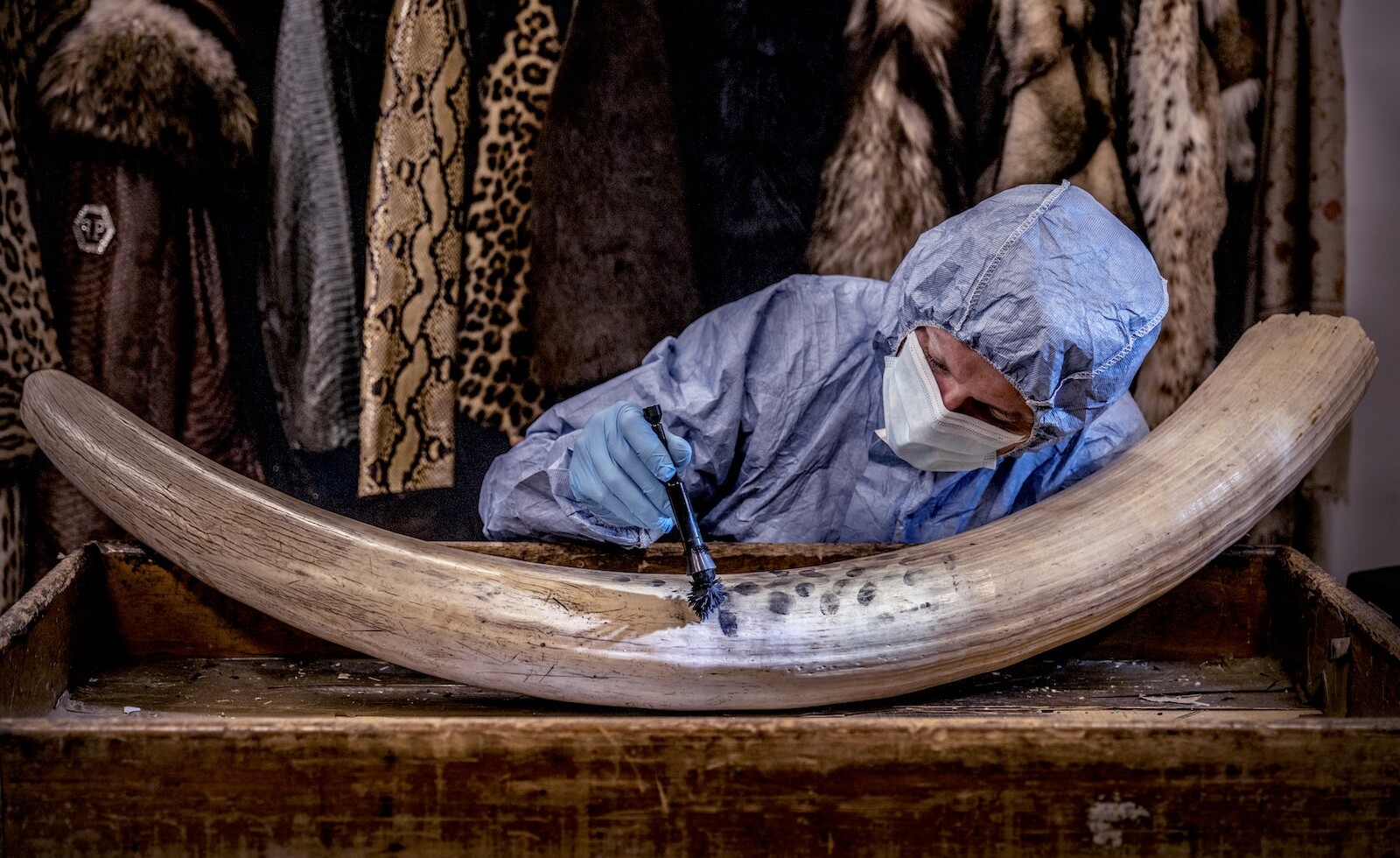
🦏
In pictures: how forensic science is helping tackle wildlife poaching
In beelden: hoe forensische wetenschap helpt bij het bestrijden van stroperij
En images : comment la science judiciaire aide à lutter contre le braconnage
So, have you ever thought about how forensic science can help save our wildlife? This fascinating article showcases how techniques like fingerprinting can track down poachers and disrupt illegal trade networks. Britta Jaschinski’s stunning photos reveal the human traces left behind, making us think about our impact on nature. It's incredible to see how science is becoming a key player in protecting endangered species!
Dus, heb je ooit nagedacht over hoe forensische wetenschap kan helpen om onze wilde dieren te redden? Dit fascinerende artikel laat zien hoe technieken zoals vingerafdrukken stropers kunnen opsporen en illegale handelsnetwerken kunnen verstoren. De prachtige foto's van Britta Jaschinski onthullen de menselijke sporen die achterblijven, waardoor we nadenken over onze impact op de natuur. Het is ongelooflijk om te zien hoe wetenschap een belangrijke rol speelt in de bescherming van bedreigde diersoorten!
Alors, avez-vous déjà pensé à la façon dont la science judiciaire peut aider à sauver notre faune ? Cet article fascinant montre comment des techniques comme l'empreinte digitale peuvent traquer les braconniers et perturber les réseaux de commerce illégal. Les superbes photos de Britta Jaschinski révèlent les traces humaines laissées derrière, nous faisant réfléchir à notre impact sur la nature. C'est incroyable de voir comment la science devient un acteur clé dans la protection des espèces menacées !
🌍
Earth has a natural thermostat and scientists finally know how it works
De aarde heeft een natuurlijke thermostaat en wetenschappers weten eindelijk hoe het werkt
La Terre a un thermostat naturel et les scientifiques savent enfin comment il fonctionne
Isn't it fascinating that Earth has its own climate control system? New research reveals how sea levels and phosphate availability in the ocean play a crucial role in regulating our planet's temperature. When sea levels rise, phosphate gets trapped in coastal sediments, slowing marine productivity and warming the atmosphere. Conversely, when sea levels drop, more phosphate enters the ocean, boosting marine life and burying carbon, which cools the planet. This intricate dance of nature has kept our world habitable for millions of years!
Het is toch fascinerend dat de aarde haar eigen klimaatbeheersingssysteem heeft? Nieuw onderzoek onthult hoe zeespiegels en de beschikbaarheid van fosfaat in de oceaan een cruciale rol spelen in het reguleren van de temperatuur van onze planeet. Wanneer de zeespiegel stijgt, wordt fosfaat gevangen in kustsedimenten, waardoor de mariene productiviteit vertraagt en de atmosfeer opwarmt. Omgekeerd, wanneer de zeespiegel daalt, komt er meer fosfaat in de oceaan, wat het zeeleven stimuleert en koolstof begraaft, waardoor de planeet afkoelt. Deze ingewikkelde dans van de natuur heeft onze wereld al miljoenen jaren bewoonbaar gehouden!
N'est-ce pas fascinant que la Terre ait son propre système de contrôle climatique ? De nouvelles recherches révèlent comment le niveau de la mer et la disponibilité du phosphate dans l'océan jouent un rôle crucial dans la régulation de la température de notre planète. Lorsque le niveau de la mer monte, le phosphate est piégé dans les sédiments côtiers, ralentissant la productivité marine et réchauffant l'atmosphère. À l'inverse, lorsque le niveau de la mer baisse, plus de phosphate entre dans l'océan, stimulant la vie marine et enterrant le carbone, ce qui refroidit la planète. Cette danse complexe de la nature a permis à notre monde de rester habitable pendant des millions d'années !

🚆
India debuts hydrogen-powered train as part of sustainability drive
India debuteert met waterstof aangedreven trein als onderdeel van duurzaamheidsgroep
L'Inde débute un train à hydrogène dans le cadre de sa démarche de durabilité
India has just launched its first hydrogen-powered train, marking a significant step in its sustainability efforts. Prime Minister Modi inaugurated this zero-emission locomotive, which will operate on a 90km route in Haryana. This train, named the 'NaMo Green Rail', is designed and built in India, producing only heat and water vapor during operation. It's exciting to see India joining the ranks of countries like Japan and Germany in adopting this innovative technology!
India heeft zojuist zijn eerste waterstof aangedreven trein gelanceerd, wat een belangrijke stap is in zijn duurzaamheidsinspanningen. Premier Modi heeft deze zero-emissie locomotief ingehuldigd, die zal rijden op een route van 90 km in Haryana. Deze trein, genaamd de 'NaMo Green Rail', is in India ontworpen en gebouwd en produceert alleen warmte en waterdamp tijdens het rijden. Het is spannend om te zien dat India zich voegt bij landen zoals Japan en Duitsland in het aannemen van deze innovatieve technologie!
L'Inde vient de lancer son premier train à hydrogène, marquant une étape importante dans ses efforts de durabilité. Le Premier ministre Modi a inauguré cette locomotive zéro émission, qui circulera sur un parcours de 90 km dans l'État de Haryana. Ce train, nommé 'NaMo Green Rail', est conçu et construit en Inde, produisant uniquement de la chaleur et de la vapeur d'eau pendant son fonctionnement. C'est passionnant de voir l'Inde rejoindre des pays comme le Japon et l'Allemagne dans l'adoption de cette technologie innovante !

📚
Why Finland has the world’s best education system
Waarom Finland het beste onderwijssysteem ter wereld heeft
Pourquoi la Finlande a le meilleur système éducatif au monde
So, did you know that children in Finland don’t start formal schooling until they’re seven? It’s fascinating how they enjoy shorter school days, regular play breaks, and even free nutritious meals! Instead of cramming for exams, Finnish schools focus on critical thinking and personalized support, which leads to happier learners. This approach not only ranks them among the best education systems but also encourages a love for learning—what a refreshing perspective!
Wist je dat kinderen in Finland pas op zevenjarige leeftijd met formeel onderwijs beginnen? Het is fascinerend hoe ze genieten van kortere schooldagen, regelmatige speelpauzes en zelfs gratis voedzame maaltijden! In plaats van te leren voor examens, richten Finse scholen zich op kritisch denken en persoonlijke ondersteuning, wat leidt tot gelukkigere leerlingen. Deze aanpak plaatst hen niet alleen onder de beste onderwijssystemen, maar moedigt ook een liefde voor leren aan—wat een verfrissend perspectief!
Saviez-vous que les enfants en Finlande ne commencent l'école formelle qu'à l'âge de sept ans ? C'est fascinant de voir qu'ils profitent de journées scolaires plus courtes, de pauses régulières pour jouer et même de repas nutritifs gratuits ! Au lieu de se concentrer sur les examens, les écoles finlandaises encouragent la pensée critique et le soutien personnalisé, ce qui conduit à des apprenants plus heureux. Cette approche non seulement les classe parmi les meilleurs systèmes éducatifs, mais favorise également un amour de l'apprentissage—quel point de vue rafraîchissant !
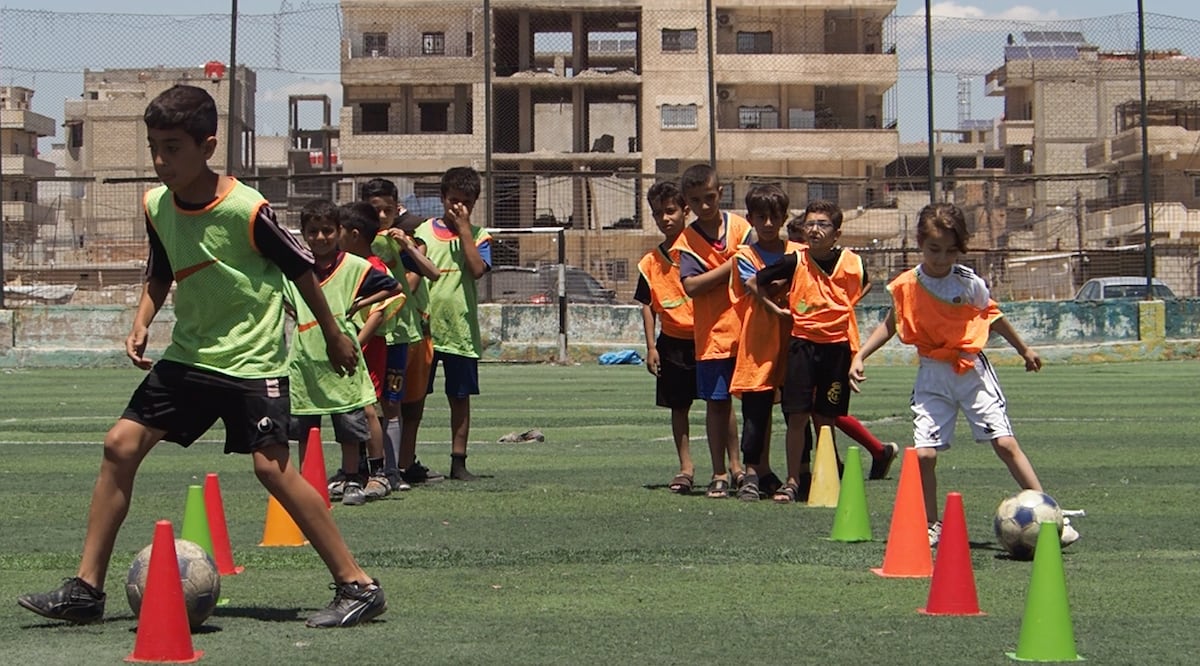
⚽
A children’s soccer league to prevent a return to war in Syria: ‘We want our children to live together again without religious or ethnic divisions’
Een kindervoetballeague om een terugkeer naar oorlog in Syrië te voorkomen: ‘We willen dat onze kinderen weer samenleven zonder religieuze of etnische verdeeldheid’
Une ligue de football pour enfants pour prévenir un retour à la guerre en Syrie : ‘Nous voulons que nos enfants vivent à nouveau ensemble sans divisions religieuses ou ethniques’
In Syria, a remarkable initiative called The Hope League is bringing children together through soccer, fostering unity in a region scarred by conflict. This project allows kids from diverse backgrounds to play and build friendships, breaking down barriers created by years of war. Parents are also getting involved, creating bonds that transcend their past divisions. It's heartwarming to see how something as simple as a game can help heal a community and inspire hope for a peaceful future.
In Syrië brengt een opmerkelijk initiatief genaamd The Hope League kinderen samen via voetbal, wat eenheid bevordert in een regio die door conflict is getekend. Dit project stelt kinderen van verschillende achtergronden in staat om te spelen en vriendschappen op te bouwen, waardoor de barrières die door jaren van oorlog zijn ontstaan, worden doorbroken. Ook ouders raken betrokken, waardoor banden ontstaan die hun eerdere verdeeldheid overstijgen. Het is hartverwarmend om te zien hoe iets zo eenvoudigs als een spel kan helpen een gemeenschap te genezen en hoop te inspireren voor een vreedzame toekomst.
En Syrie, une initiative remarquable appelée The Hope League réunit les enfants par le biais du football, favorisant l'unité dans une région marquée par le conflit. Ce projet permet aux enfants de divers horizons de jouer et de tisser des amitiés, brisant ainsi les barrières créées par des années de guerre. Les parents s'impliquent également, créant des liens qui transcendent leurs anciennes divisions. C'est réconfortant de voir comment quelque chose d'aussi simple qu'un jeu peut aider à guérir une communauté et inspirer l'espoir d'un avenir pacifique.
📊
Why the weekend news feels heavier (it's not just you)
Waarom het weekendnieuws zwaarder voelt (je verbeeldt het je niet)
Pourquoi les nouvelles du week-end semblent plus lourdes (ce n'est pas dans ta tête)
I've been digging through 91 days of data from 37 news sources, and it turns out that feeling you get on Sunday - that the news is just heavier - is completely real. The weekday average sits at about 7.4 percent clearly-positive articles, while weekends drop to just 4.8 percent, with Sunday hitting under 5 percent. The reason? Newsrooms work office hours - all the good stuff like science stories and feature pieces come out Monday to Friday, while hard news and conflict keep happening 24/7. So the weekend gets thinner newsrooms, less of the uplifting content to balance the scales, and the mix curdles. It's not you dragging yourself down on Sunday - it's the calendar.
Ik heb 91 dagen aan gegevens van 37 nieuwsbronnen geanalyseerd, en het blijkt dat je gevoel op zondag - dat het nieuws gewoon zwaarder aanvoelt - helemaal echt is. Het weekdaggemiddelde ligt rond 7,4 procent duidelijk positieve artikelen, terwijl het weekend daalt naar slechts 4,8 procent, met zondag onder de 5 procent. De reden? Nieuwsredacties werken kantoortijden - al het positieve spul zoals wetenschapsverhalen en features verschijnen maandag tot vrijdag, terwijl hard nieuws en conflicten 24/7 doorgaan. Dus het weekend krijgt dunner bezette redacties, minder oplifting content om het evenwicht te bewaren, en het mengsel wordt suur. Het ben niet jij die jezelf naar beneden haalt op zondag - het is de kalender.
J'ai analysé 91 jours de données provenant de 37 sources d'actualité, et il s'avère que ce sentiment que tu ressens le dimanche - que les nouvelles sont simplement plus lourdes - est complètement réel. La moyenne en semaine s'élève à environ 7,4 pour cent d'articles clairement positifs, tandis que les week-ends descendent à seulement 4,8 pour cent, le dimanche tombant sous les 5 pour cent. La raison? Les rédactions travaillent selon les horaires de bureau - tout le contenu positif comme les histoires scientifiques et les reportages paraissent du lundi au vendredi, tandis que les informations hard et les conflits continuent 24h/24. Donc le week-end a des rédactions moins fournies, moins de contenu gratifiant pour équilibrer la balance, et le mélange s'aigrit. Ce n'est pas toi qui te déprime le dimanche - c'est le calendrier.
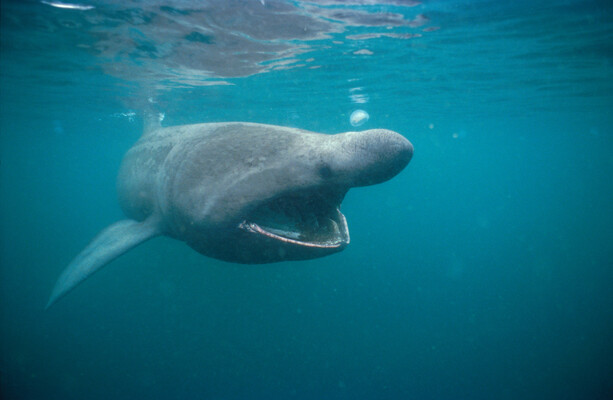
🦈
New study shows Irish waters offer important refuge for endangered basking sharks
Nieuwe studie toont aan dat Ierse wateren belangrijke toevluchtsoord bieden voor bedreigde baskingsharks
Une nouvelle étude montre que les eaux irlandaises offrent un refuge important pour les requins-pèlerins menacés
A new study reveals that Irish waters are a crucial habitat for the endangered basking shark, the second-largest shark species. Drawing on nearly 50 years of sightings, researchers found that these gentle giants return to specific hotspots each year, particularly during spring and summer. It's exciting to see that the number of sightings and group sizes have actually increased over time! This research highlights the importance of public participation in conservation efforts, showing how community involvement can lead to positive outcomes for endangered species.
Een nieuwe studie toont aan dat de Ierse wateren een cruciaal habitat zijn voor de bedreigde baskingshark, de op één na grootste haaiensoort. Op basis van bijna 50 jaar aan waarnemingen ontdekten onderzoekers dat deze vriendelijke reuzen elk jaar terugkeren naar specifieke hotspots, vooral in het voorjaar en de zomer. Het is opwindend om te zien dat het aantal waarnemingen en de groepsgroottes in de loop der tijd zijn toegenomen! Dit onderzoek benadrukt het belang van publieke deelname aan natuurbeschermingsinspanningen en toont aan hoe betrokkenheid van de gemeenschap kan leiden tot positieve resultaten voor bedreigde soorten.
Une nouvelle étude révèle que les eaux irlandaises constituent un habitat crucial pour le requin-pèlerin menacé, la deuxième plus grande espèce de requin. En s'appuyant sur près de 50 ans d'observations, les chercheurs ont découvert que ces géants doux reviennent chaque année à des hotspots spécifiques, notamment au printemps et en été. Il est enthousiasmant de constater que le nombre d'observations et la taille des groupes ont en fait augmenté au fil du temps ! Cette recherche souligne l'importance de la participation du public dans les efforts de conservation, montrant comment l'implication de la communauté peut conduire à des résultats positifs pour les espèces menacées.

🌼
The secret life of balcony gardens: how they’re helping bees, butterflies and biodiversity thrive
Het geheime leven van balkon tuinen: hoe ze bijen, vlinders en biodiversiteit helpen gedijen
La vie secrète des jardins de balcon : comment ils aident les abeilles, les papillons et la biodiversité à prospérer
Isn't it amazing how balcony gardens can transform urban spaces into havens for pollinators? These little green spots are more than just pretty; they create vital habitats for bees and butterflies in our concrete jungles. As cities grow and natural spaces shrink, every flowering plant counts in supporting biodiversity. So, by nurturing our balconies with the right plants, we can help these tiny creatures thrive and, in turn, support our food systems.
Is het niet geweldig hoe balkon tuinen stedelijke ruimtes kunnen transformeren in toevluchtsoorden voor bestuivers? Deze kleine groene plekken zijn meer dan alleen mooi; ze creëren essentiële habitats voor bijen en vlinders in onze betonnen jungles. Terwijl steden groeien en natuurlijke ruimtes krimpen, telt elke bloeiende plant in het ondersteunen van biodiversiteit. Dus door onze balkons met de juiste planten te verzorgen, kunnen we deze kleine wezens helpen gedijen en daarmee ons voedselsysteem ondersteunen.
N'est-ce pas incroyable de voir comment les jardins de balcon peuvent transformer les espaces urbains en refuges pour les pollinisateurs ? Ces petits espaces verts sont plus que de simples jolies choses ; ils créent des habitats vitaux pour les abeilles et les papillons dans nos jungles de béton. Alors que les villes se développent et que les espaces naturels diminuent, chaque plante à fleurs compte pour soutenir la biodiversité. Ainsi, en prenant soin de nos balcons avec les bonnes plantes, nous pouvons aider ces petites créatures à prospérer et, par conséquent, soutenir nos systèmes alimentaires.

🌟
The Perseid meteor shower aligns with a total solar eclipse this year—here’s how to see it
De Perseïden meteorenregen valt dit jaar samen met een totale zonsverduistering—hier is hoe je het kunt zien
La pluie de météores des Perséides s'aligne avec une éclipse solaire totale cette année—voici comment la voir
Skygazers are in for an incredible experience this August as the renowned Perseid meteor shower coincides with a total solar eclipse! This year, the peak days for the meteor shower fall on August 12 and 13, which is just perfect because that’s when the eclipse happens too. Imagine witnessing bright meteors streaking across the sky while the moon casts its shadow over the sun—how magical is that? If you're in the path of totality, you'll get to enjoy this cosmic show for a couple of minutes, and even if you're not, the meteors will still be visible throughout the month.
Sterrenkijkers staan deze augustus voor een ongelooflijke ervaring, want de beroemde Perseïden meteorenregen valt samen met een totale zonsverduistering! Dit jaar vallen de piekdagen voor de meteorenregen op 12 en 13 augustus, wat perfect is, want dat is ook wanneer de verduistering plaatsvindt. Stel je voor dat je heldere meteoren door de lucht ziet schieten terwijl de maan zijn schaduw over de zon werpt—hoe magisch is dat? Als je in het pad van de totaliteit bent, kun je deze kosmische show een paar minuten lang genieten, en zelfs als je dat niet bent, zijn de meteoren de hele maand zichtbaar.
Les amateurs d'astronomie vont vivre une expérience incroyable en août, car la célèbre pluie de météores des Perséides coïncide avec une éclipse solaire totale ! Cette année, les jours de pointe de la pluie de météores tombent les 12 et 13 août, ce qui est parfait car c'est aussi le moment de l'éclipse. Imaginez voir des météores brillants traverser le ciel pendant que la lune projette son ombre sur le soleil—c'est magique, non ? Si vous êtes dans la zone de totalité, vous pourrez profiter de ce spectacle cosmique pendant quelques minutes, et même si ce n'est pas le cas, les météores seront visibles tout au long du mois.
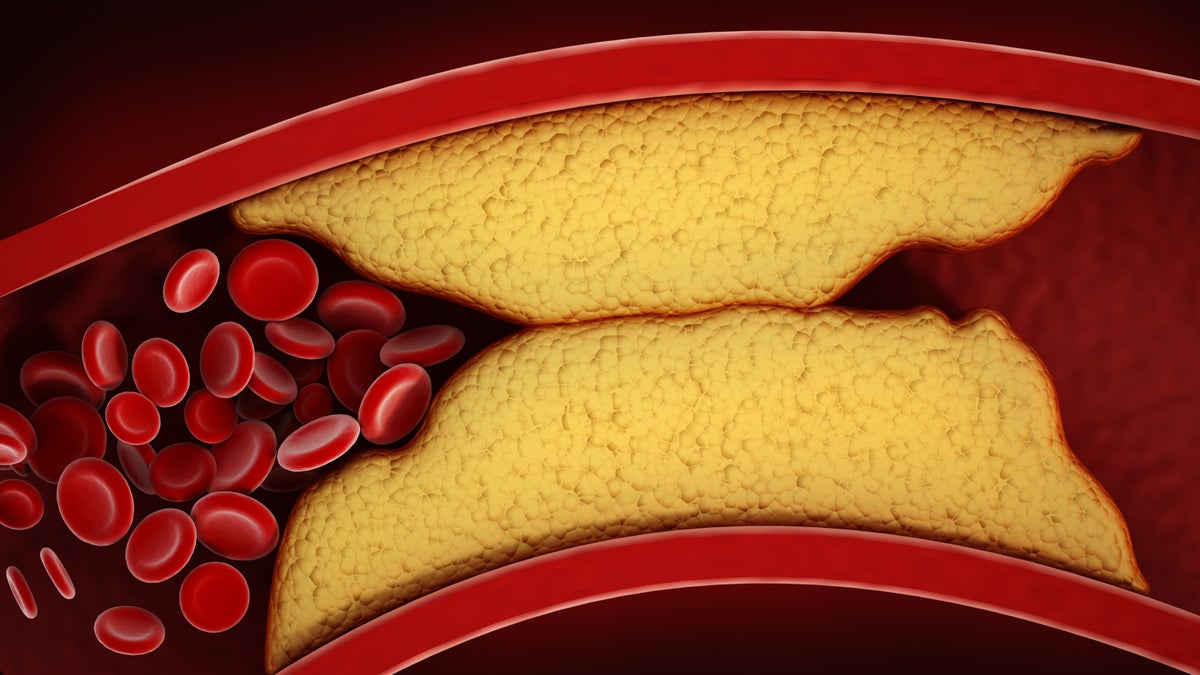
💊
U.S. approves pill for cholesterol that drives levels down far below statins
VS keurt pil goed voor cholesterol die niveaus ver onder statines drijft
Les États-Unis approuvent une pilule pour le cholestérol qui réduit les niveaux bien en dessous des statines
This is exciting news for anyone concerned about cholesterol levels! The FDA has approved a new pill called enlicitide that can lower harmful LDL cholesterol levels to around 50, which is significantly lower than what statins can achieve. This once-a-day pill is not only effective but also more affordable than its injectable counterpart. With clinical trials showing promising results and comparable side effects to a placebo, this could be a game-changer in heart health.
Dit is spannend nieuws voor iedereen die zich zorgen maakt over cholesterolniveaus! De FDA heeft een nieuwe pil goedgekeurd, genaamd enlicitide, die schadelijke LDL-cholesterolniveaus kan verlagen tot ongeveer 50, wat aanzienlijk lager is dan wat statines kunnen bereiken. Deze eenmaal-daagse pil is niet alleen effectief, maar ook betaalbaarder dan het injecteerbare alternatief. Met veelbelovende resultaten uit klinische proeven en vergelijkbare bijwerkingen als een placebo, zou dit wel eens een doorbraak kunnen zijn voor de hartgezondheid.
C'est une nouvelle passionnante pour quiconque s'inquiète des niveaux de cholestérol ! La FDA a approuvé une nouvelle pilule appelée enlicitide qui peut abaisser les niveaux de cholestérol LDL nocif à environ 50, ce qui est nettement inférieur à ce que les statines peuvent atteindre. Cette pilule à prendre une fois par jour est non seulement efficace, mais aussi plus abordable que son homologue injectable. Avec des essais cliniques montrant des résultats prometteurs et des effets secondaires comparables à ceux d'un placebo, cela pourrait changer la donne en matière de santé cardiaque.

🌿
Why Lachen Is One of India's Cleanest Villages
Waarom Lachen een van de schoonste dorpen van India is
Pourquoi Lachen est l'un des villages les plus propres d'Inde
Imagine if every place took cleanliness seriously! In Lachen, Sikkim, they check vehicles for single-use plastic bottles before heading to Gurudongmar Lake, which is such a fantastic way to protect this stunning glacial lake from pollution. This initiative builds on Sikkim's groundbreaking plastic bag ban from 1998. Through community involvement and eco-friendly options like bamboo bottles, Lachen is proving that caring for nature can be a lifestyle, not just a rule.
Stel je voor dat elke plek schoonheidszorg serieus nam! In Lachen, Sikkim, controleren ze voertuigen op wegwerpplastic flessen voordat ze naar het Gurudongmar-meer gaan, wat een geweldige manier is om dit prachtige gletsjermeer tegen vervuiling te beschermen. Deze initiatief bouwt voort op de baanbrekende plastic tasverbod van Sikkim uit 1998. Door middel van gemeenschapsbetrokkenheid en milieuvriendelijke opties zoals bamboeflessen, bewijst Lachen dat zorg voor de natuur een levensstijl kan zijn, niet alleen een regel.
Imaginez si chaque endroit prenait la propreté au sérieux ! À Lachen, Sikkim, ils vérifient les véhicules pour des bouteilles en plastique à usage unique avant de se rendre au lac Gurudongmar, ce qui est une façon fantastique de protéger ce magnifique lac glaciaire de la pollution. Cette initiative s'appuie sur l'interdiction révolutionnaire des sacs en plastique de Sikkim en 1998. Grâce à l'implication de la communauté et à des options écologiques comme les bouteilles en bambou, Lachen prouve que prendre soin de la nature peut être un mode de vie, pas seulement une règle.
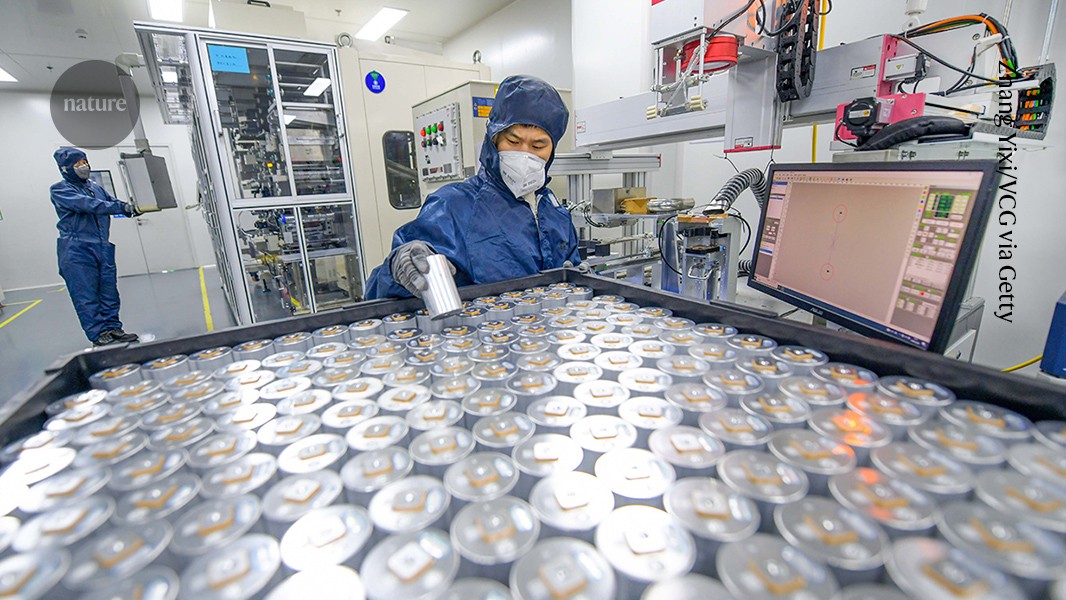
🔋
Beyond lithium: how sodium-ion batteries could change the world
Voorbij lithium: hoe natrium-ionbatterijen de wereld kunnen veranderen
Au-delà du lithium : comment les batteries sodium-ion pourraient changer le monde
So, the lithium-ion battery has been our go-to power source for ages, but sodium-ion batteries are stepping into the spotlight! They promise to be cheaper, safer, and more eco-friendly, which is super exciting. This year, CATL, the largest battery producer, is set to mass-produce these sodium batteries, and that could really shake things up. With advancements happening faster than expected, it looks like sodium-ion technology might just revolutionize the battery market and help drive down prices even further.
Dus, de lithium-ionbatterij is al een tijd onze favoriete energiebron, maar natrium-ionbatterijen komen nu in de schijnwerpers! Ze beloven goedkoper, veiliger en milieuvriendelijker te zijn, wat super spannend is. Dit jaar is CATL, de grootste batterijproducent, van plan om deze natriumbatterijen in massaproductie te nemen, en dat kan echt een grote verandering teweegbrengen. Met de snelle vooruitgang lijkt het erop dat natrium-iontechnologie de batterijenmarkt kan revolutioneren en de prijzen nog verder kan verlagen.
Alors, la batterie lithium-ion est notre source d'énergie préférée depuis longtemps, mais les batteries sodium-ion entrent maintenant en scène ! Elles promettent d'être moins chères, plus sûres et plus respectueuses de l'environnement, ce qui est super excitant. Cette année, CATL, le plus grand producteur de batteries, prévoit de produire en masse ces batteries sodium, ce qui pourrait vraiment bouleverser les choses. Avec des avancées se produisant plus rapidement que prévu, il semble que la technologie sodium-ion pourrait révolutionner le marché des batteries et faire baisser encore les prix.

🌒
August's solar eclipse inspires science involving jets, balloons and Einstein’s general theory of relativity
De zonsverduistering van augustus inspireert wetenschap met jets, ballonnen en Einsteins algemene relativiteitstheorie
L'éclipse solaire d'août inspire la science impliquant des jets, des ballons et la théorie de la relativité générale d'Einstein
On August 12, the sky will darken for a brief moment, and scientists are gearing up to seize this unique chance to gather data. Total solar eclipses are like gold mines for understanding everything from the sun's physics to animal behavior. NASA will deploy high-altitude jets to capture stunning images of the sun’s corona, while students will launch balloons to study gravity waves. It’s an exciting time for science, as researchers hope to unlock new insights that could even improve climate models.
Op 12 augustus zal de lucht kort verduisteren en wetenschappers bereiden zich voor om deze unieke kans te grijpen om gegevens te verzamelen. Totale zonsverduisteringen zijn als goudmijnen voor het begrijpen van alles, van de fysica van de zon tot het gedrag van dieren. NASA zal hoogvliegende jets inzetten om prachtige beelden van de zonnenkorona vast te leggen, terwijl studenten ballonnen zullen lanceren om zwaartekrachtsgolven te bestuderen. Het is een spannende tijd voor de wetenschap, aangezien onderzoekers hopen nieuwe inzichten te onthullen die zelfs klimaatmodellen kunnen verbeteren.
Le 12 août, le ciel s'obscurcira brièvement et les scientifiques se préparent à saisir cette occasion unique de collecter des données. Les éclipses solaires totales sont comme des mines d'or pour comprendre tout, de la physique du soleil au comportement des animaux. La NASA déploiera des jets de haute altitude pour capturer des images époustouflantes de la couronne solaire, tandis que des étudiants lanceront des ballons pour étudier les ondes gravitationnelles. C'est un moment excitant pour la science, car les chercheurs espèrent débloquer de nouvelles perspectives qui pourraient même améliorer les modèles climatiques.
🎭
Going to museums, movies, and theater may help your body stay younger
Naar musea, films en theater gaan kan je lichaam helpen jonger te blijven
Aller dans des musées, au cinéma et au théâtre peut aider votre corps à rester plus jeune
So, it turns out that enjoying cultural activities like visiting museums and theaters might actually help keep our bodies feeling younger! A new study shows that people who engage in these activities regularly have a lower physiological age compared to those who don’t. This research highlights the importance of staying socially active for healthy aging, which is just fascinating! It seems that the joy of culture could be a key ingredient in the recipe for a longer, healthier life.
Het blijkt dat het genieten van culturele activiteiten zoals het bezoeken van musea en theaters je lichaam jonger kan laten voelen! Een nieuwe studie toont aan dat mensen die regelmatig deelnemen aan deze activiteiten een lagere fysiologische leeftijd hebben dan degenen die dat niet doen. Dit onderzoek benadrukt het belang van sociale activiteit voor een gezonde veroudering, wat gewoon fascinerend is! Het lijkt erop dat de vreugde van cultuur een belangrijk ingrediënt kan zijn in het recept voor een langer en gezonder leven.
Il s'avère que profiter d'activités culturelles comme visiter des musées et des théâtres pourrait en fait aider notre corps à se sentir plus jeune ! Une nouvelle étude montre que les personnes qui participent régulièrement à ces activités ont un âge physiologique inférieur à celui de celles qui ne le font pas. Cette recherche met en lumière l'importance de rester socialement actif pour un vieillissement en bonne santé, ce qui est tout simplement fascinant ! Il semble que la joie de la culture pourrait être un ingrédient clé dans la recette d'une vie plus longue et en meilleure santé.
🚀
NASA selects 41 space technologies for future Moon and Mars exploration
NASA selecteert 41 ruimte technologieën voor toekomstige verkenning van de Maan en Mars
NASA sélectionne 41 technologies spatiales pour l'exploration future de la Lune et de Mars
NASA is making exciting strides by selecting 41 innovative technology proposals from 37 American companies to support future Moon and Mars missions. This initiative is part of their 2025 Announcement of Collaboration Opportunity, aimed at fostering partnerships that enhance space exploration capabilities. By collaborating with commercial industry, NASA is not only speeding up technology development but also boosting the nation's space economy. It's a thrilling time for space enthusiasts as these advancements promise to open new frontiers for exploration!
NASA maakt spannende stappen door 41 innovatieve technologievoorstellen van 37 Amerikaanse bedrijven te selecteren ter ondersteuning van toekomstige Maan- en Marsmissies. Dit initiatief maakt deel uit van hun 2025 Aankondiging van Samenwerkingsmogelijkheden, gericht op het bevorderen van partnerschappen die de mogelijkheden voor ruimteverkenning verbeteren. Door samen te werken met de commerciële industrie versnelt NASA niet alleen de ontwikkeling van technologieën, maar stimuleert het ook de ruimte-economie van het land. Het is een opwindende tijd voor ruimtefans, aangezien deze vooruitgangen nieuwe mogelijkheden voor verkenning beloven!
NASA fait des avancées passionnantes en sélectionnant 41 propositions technologiques innovantes de 37 entreprises américaines pour soutenir les futures missions vers la Lune et Mars. Cette initiative fait partie de leur Annonce de Collaboration pour 2025, visant à favoriser des partenariats qui améliorent les capacités d'exploration spatiale. En collaborant avec l'industrie commerciale, la NASA accélère non seulement le développement technologique, mais stimule également l'économie spatiale du pays. C'est un moment passionnant pour les passionnés de l'espace, car ces avancées promettent d'ouvrir de nouveaux horizons pour l'exploration !
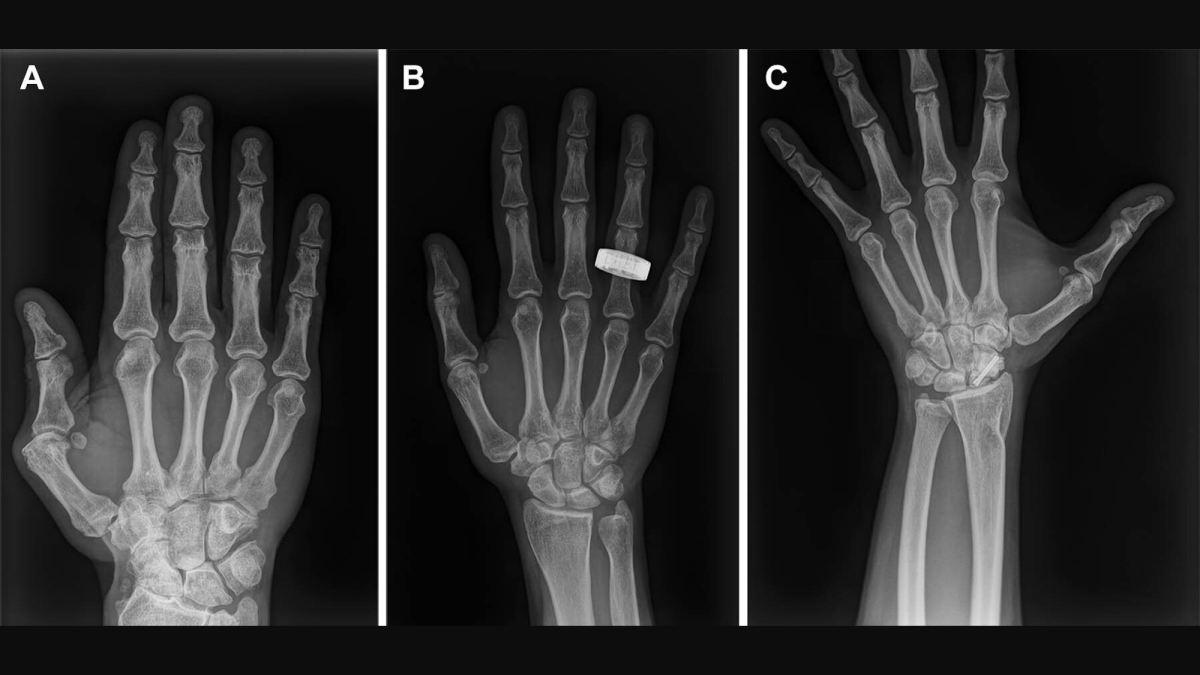
🌟
Astronauts take first X-rays in space
Astronauten maken voor het eerst röntgenfoto's in de ruimte
Des astronautes prennent les premières radiographies dans l'espace
For the first time, astronauts have successfully taken X-rays in space, moving beyond the limitations of ultrasound. This breakthrough, led by Mayo Clinic researcher Sheyna Gifford, involved a simple four-hour training for the crew to operate a portable X-ray device. They managed to capture high-quality images of various body parts while in microgravity. This opens up exciting possibilities for medical diagnostics during space missions, making healthcare in orbit much more accessible.
Voor het eerst hebben astronauten met succes röntgenfoto's in de ruimte gemaakt, wat een doorbraak betekent ten opzichte van de beperkingen van echografie. Deze doorbraak, geleid door onderzoeker Sheyna Gifford van de Mayo Clinic, omvatte een eenvoudige training van vier uur voor de bemanning om een draagbaar röntgenapparaat te bedienen. Ze slaagden erin om hoogwaardige beelden van verschillende lichaamsdelen vast te leggen terwijl ze in microzwaartekracht waren. Dit opent spannende mogelijkheden voor medische diagnostiek tijdens ruimtemissies, waardoor gezondheidszorg in de ruimte veel toegankelijker wordt.
Pour la première fois, des astronautes ont réussi à prendre des radiographies dans l'espace, dépassant ainsi les limitations de l'échographie. Cette avancée, dirigée par la chercheuse Sheyna Gifford de la Mayo Clinic, a impliqué une formation simple de quatre heures pour l'équipage afin d'utiliser un appareil de radiographie portable. Ils ont réussi à capturer des images de haute qualité de différentes parties du corps en microgravité. Cela ouvre des possibilités passionnantes pour le diagnostic médical lors des missions spatiales, rendant les soins de santé en orbite beaucoup plus accessibles.
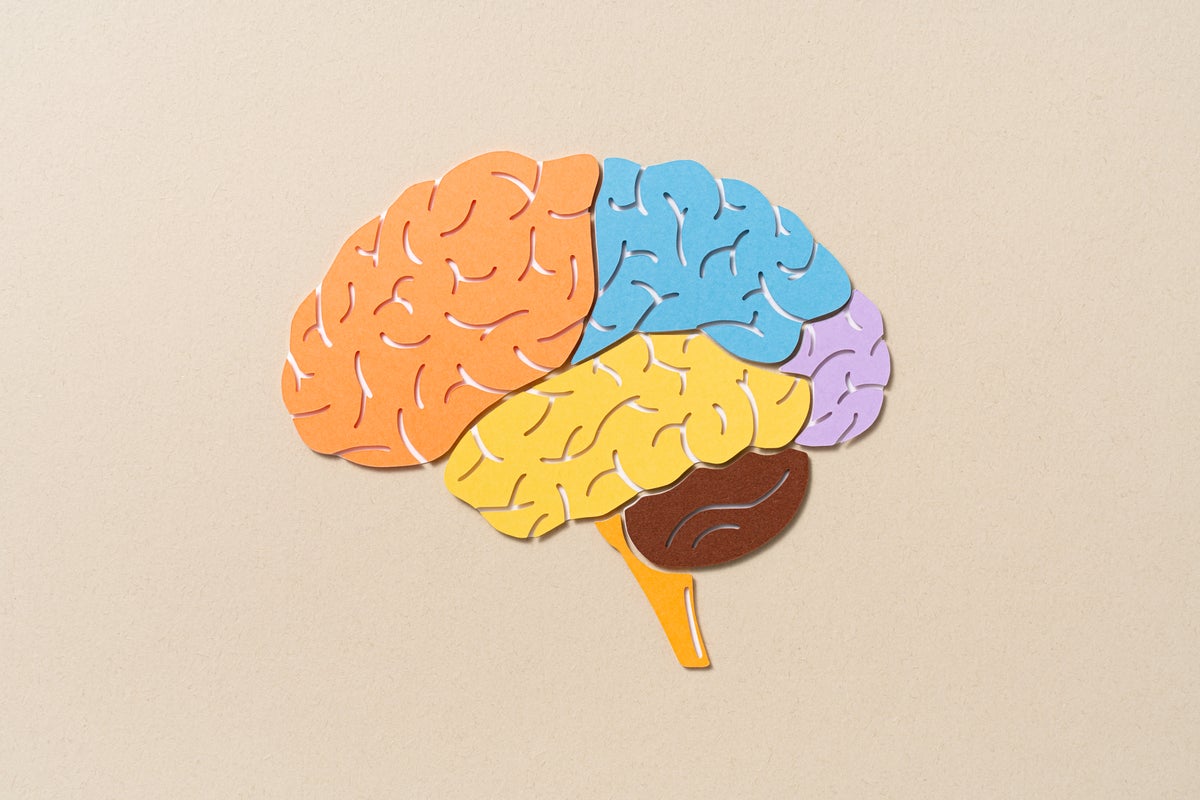
🌟
Experimental immune therapy shows promise against deadly childhood brain cancer
Experimentele immuuntherapie toont belofte tegen dodelijke kinderkanker in de hersenen
Une thérapie immunitaire expérimentale montre des promesses contre le cancer cérébral mortel chez les enfants
So, there's some really exciting news about an experimental immune-cell therapy that shows promise for treating aggressive childhood brain tumors. In a recent clinical trial, several children remained disease-free for years after receiving this innovative treatment. Three participants, who had previously faced limited options, saw particularly remarkable results, with one child's cancer disappearing completely. This breakthrough could change the game for kids battling these tough cancers, and it's just the beginning of exploring how we can harness the immune system to fight back.
Er is spannend nieuws over een experimentele immuuntherapie die belofte toont voor de behandeling van agressieve hersentumoren bij kinderen. In een recente klinische proef bleven verschillende kinderen jarenlang vrij van ziekte na deze innovatieve behandeling. Drie deelnemers, die eerder beperkte opties hadden, zagen bijzonder opmerkelijke resultaten, waarbij de kanker van één kind volledig verdween. Deze doorbraak zou de situatie voor kinderen die deze zware kankers bestrijden kunnen veranderen, en het is nog maar het begin van het verkennen van hoe we het immuunsysteem kunnen inzetten om terug te vechten.
Il y a des nouvelles passionnantes concernant une thérapie cellulaire immunitaire expérimentale qui montre des promesses pour traiter les tumeurs cérébrales agressives chez les enfants. Dans un essai clinique récent, plusieurs enfants sont restés sans maladie pendant des années après avoir reçu ce traitement innovant. Trois participants, qui avaient auparavant peu d'options, ont connu des résultats particulièrement remarquables, l'un des enfants ayant complètement disparu de son cancer. Cette avancée pourrait changer la donne pour les enfants luttant contre ces cancers difficiles, et ce n'est que le début de l'exploration de la façon dont nous pouvons utiliser le système immunitaire pour riposter.

🌟
NASA’s Hubble reveals a black hole hiding inside a massive star cluster in the Milky Way
NASA's Hubble onthult een zwart gat dat zich verbergt in een enorme sterrencluster in de Melkweg
Le télescope Hubble de la NASA révèle un trou noir caché dans un vaste amas d'étoiles de la Voie lactée
Scientists have finally detected a small black hole in Omega Centauri, a massive star cluster in the Milky Way. For years, researchers suspected the cluster was home to many stellar-mass black holes, but they were hard to find. Using over 20 years of data from Hubble and the James Webb Space Telescope, they identified a star orbiting a massive object, confirming the presence of a black hole named oMEGACat BH-2. This exciting discovery opens the door for more black hole detections in the future, especially with upcoming telescopes like the Nancy Grace Roman Space Telescope.
Wetenschappers hebben eindelijk een klein zwart gat gedetecteerd in Omega Centauri, een enorme sterrencluster in de Melkweg. Jarenlang vermoeden onderzoekers dat de cluster de thuisbasis was van veel sterrenmassa-zwartgaten, maar ze waren moeilijk te vinden. Met behulp van meer dan 20 jaar aan gegevens van Hubble en de James Webb Ruimtetelescoop, identificeerden ze een ster die om een massief object draait, wat de aanwezigheid van een zwart gat genaamd oMEGACat BH-2 bevestigt. Deze opwindende ontdekking opent de deur naar meer zwart gat-detecties in de toekomst, vooral met de aankomende telescopen zoals de Nancy Grace Roman Ruimtetelescoop.
Les scientifiques ont enfin détecté un petit trou noir dans Omega Centauri, un vaste amas d'étoiles de la Voie lactée. Pendant des années, les chercheurs ont soupçonné que l'amas abritait de nombreux trous noirs de masse stellaire, mais ils étaient difficiles à trouver. En utilisant plus de 20 ans de données du télescope Hubble et du télescope spatial James Webb, ils ont identifié une étoile orbitant autour d'un objet massif, confirmant ainsi la présence d'un trou noir nommé oMEGACat BH-2. Cette découverte passionnante ouvre la voie à d'autres détections de trous noirs à l'avenir, notamment avec les futurs télescopes comme le télescope spatial Nancy Grace Roman.
🌟
Could this mysterious disappearing organ hold the key to longevity?
Kan dit mysterieuze verdwijnende orgaan de sleutel tot een lang leven zijn?
Cet organe mystérieux et en disparition pourrait-il détenir la clé de la longévité ?
So, there's this fascinating organ called the thymus that shrinks as we age, and a cryobiologist named Gregory Fahy is on a mission to regrow it! His experiments with growth hormones have shown promising results, nearly doubling his thymic mass. This has sparked a wave of research, with biotech companies eager to explore how regenerating the thymus might help us live longer and healthier lives. It's incredible to think that something once deemed unimportant could be the key to our longevity!
Er is dit fascinerende orgaan genaamd de thymus dat krimpt naarmate we ouder worden, en een cryobioloog genaamd Gregory Fahy is op een missie om het opnieuw te laten groeien! Zijn experimenten met groeihormonen hebben veelbelovende resultaten laten zien, waarbij zijn thymusmassa bijna verdubbelde. Dit heeft een golf van onderzoek op gang gebracht, waarbij biotechnologiebedrijven graag willen verkennen hoe het regenereren van de thymus ons zou kunnen helpen langer en gezonder te leven. Het is ongelooflijk om te denken dat iets dat ooit als onbelangrijk werd beschouwd, de sleutel tot onze langlevendheid zou kunnen zijn!
Il existe cet organe fascinant appelé thymus qui rétrécit à mesure que nous vieillissons, et un cryobiologiste nommé Gregory Fahy est en mission pour le régénérer ! Ses expériences avec des hormones de croissance ont montré des résultats prometteurs, doublant presque sa masse thymique. Cela a déclenché une vague de recherche, avec des entreprises biotechnologiques désireuses d'explorer comment la régénération du thymus pourrait nous aider à vivre plus longtemps et en meilleure santé. C'est incroyable de penser que quelque chose autrefois jugé sans importance pourrait être la clé de notre longévité !
/s3/static.nrc.nl/wp-content/uploads/2026/07/13152125/130726WET_2035166832_satelliet.jpg)
🌟
American company wants to send more sunlight to Earth with space mirrors
Amerikaans bedrijf wil met ruimtespiegels meer zonlicht naar de aarde sturen
Une entreprise américaine veut envoyer plus de lumière du soleil sur Terre avec des miroirs spatiaux
So, there's this fascinating American company called Reflect Orbital that aims to launch thousands of mirrors into space to reflect sunlight onto Earth, even at night! They've just received permission to test their first satellite, named Eärendil-1, which is inspired by a character from Tolkien's world. The potential applications are intriguing, from lighting up nighttime events to boosting crops and aiding search operations. However, some experts warn that this could pose risks to astronomy and satellite safety, sparking a lively debate about the implications of such technology.
Er is een fascinerend Amerikaans bedrijf genaamd Reflect Orbital dat van plan is duizenden spiegels de ruimte in te lanceren om zonlicht op de aarde te reflecteren, zelfs 's nachts! Ze hebben net toestemming gekregen om hun eerste testsatelliet, Eärendil-1, te lanceren, geïnspireerd door een personage uit de wereld van Tolkien. De mogelijke toepassingen zijn intrigerend, van het verlichten van nachtelijke evenementen tot het stimuleren van gewassen en het helpen bij zoekoperaties. Sommige experts waarschuwen echter dat dit risico's met zich meebrengt voor de astronomie en de veiligheid van satellieten, wat een levendig debat oproept over de implicaties van deze technologie.
Il y a cette fascinante entreprise américaine appelée Reflect Orbital qui vise à lancer des milliers de miroirs dans l'espace pour réfléchir la lumière du soleil sur Terre, même la nuit ! Ils viennent de recevoir l'autorisation de tester leur premier satellite, nommé Eärendil-1, inspiré d'un personnage du monde de Tolkien. Les applications potentielles sont intrigantes, allant de l'éclairage d'événements nocturnes à l'augmentation des cultures et à l'aide aux opérations de recherche. Cependant, certains experts avertissent que cela pourrait poser des risques pour l'astronomie et la sécurité des satellites, suscitant un débat animé sur les implications d'une telle technologie.
🌞
Think tank: solar energy provides a quarter of EU's electricity for the first time
Denktank: zonne-energie levert voor het eerst kwart van stroom EU
Groupe de réflexion : l'énergie solaire fournit pour la première fois un quart de l'électricité de l'UE
It's exciting to hear that solar energy has reached a remarkable milestone, supplying a quarter of the EU's electricity for the first time! This achievement highlights the growing importance of renewable energy sources in our fight against climate change. The shift towards solar power not only benefits the environment but also boosts energy independence across Europe. It's a fantastic step forward that shows how innovation and commitment can lead to a brighter, greener future.
Het is opwindend om te horen dat zonne-energie een opmerkelijke mijlpaal heeft bereikt door voor het eerst een kwart van de elektriciteit van de EU te leveren! Deze prestatie benadrukt het groeiende belang van hernieuwbare energiebronnen in onze strijd tegen klimaatverandering. De verschuiving naar zonne-energie is niet alleen gunstig voor het milieu, maar versterkt ook de energie-onafhankelijkheid in heel Europa. Het is een fantastische stap vooruit die laat zien hoe innovatie en toewijding kunnen leiden tot een helderdere, groenere toekomst.
C'est passionnant d'apprendre que l'énergie solaire a atteint une étape remarquable en fournissant pour la première fois un quart de l'électricité de l'UE ! Cette réalisation souligne l'importance croissante des sources d'énergie renouvelables dans notre lutte contre le changement climatique. Le passage à l'énergie solaire profite non seulement à l'environnement, mais renforce également l'indépendance énergétique à travers l'Europe. C'est une étape fantastique qui montre comment l'innovation et l'engagement peuvent conduire à un avenir plus lumineux et plus vert.

💬
What ‘familect’ do you speak? Linguists explain the weird words and phrases used within families
Welke ‘familect’ spreek je? Taalkundigen leggen de vreemde woorden en zinnen uit die binnen families worden gebruikt
Quel ‘familect’ parlez-vous ? Les linguistes expliquent les mots et phrases étranges utilisés au sein des familles
Isn't it fascinating how every family has its own unique language? This concept, called 'familect,' is all about those quirky words and phrases that only your loved ones understand. Linguist Cynthia Gordon has spent years studying these private dialects, revealing how they help strengthen family bonds and create a sense of belonging. It's like a secret code that deepens trust and even helps mend arguments without a word of apology.
Is het niet fascinerend hoe elke familie zijn eigen unieke taal heeft? Dit concept, 'familect' genoemd, draait om die eigenaardige woorden en zinnen die alleen je dierbaren begrijpen. Taalkundige Cynthia Gordon heeft jaren besteed aan het bestuderen van deze privé-dialecten en onthult hoe ze helpen om familiebanden te versterken en een gevoel van saamhorigheid te creëren. Het is als een geheime code die het vertrouwen verdiept en zelfs helpt om ruzies te herstellen zonder een woord van verontschuldiging.
N'est-ce pas fascinant de voir que chaque famille a son propre langage unique ? Ce concept, appelé 'familect', concerne ces mots et phrases étranges que seuls vos proches comprennent. La linguiste Cynthia Gordon a passé des années à étudier ces dialectes privés, révélant comment ils aident à renforcer les liens familiaux et à créer un sentiment d'appartenance. C'est comme un code secret qui approfondit la confiance et aide même à réparer les disputes sans un mot d'excuse.

🌍
How Kenyan volunteers hunt polio’s hidden trail
Hoe Keniaanse vrijwilligers de verborgen sporen van polio opsporen
Comment les bénévoles kenyans traquent la trace cachée de la polio
In northern Kenya, volunteers like Eroi Lemarkat are on the front lines of the fight against polio, racing against time to investigate reports of children with sudden paralysis. With no recorded cases since 2013, the challenge lies in detecting vaccine-derived strains in under-immunized communities. These dedicated health workers travel deep into remote areas, often relying on local trust to collect crucial stool samples. Their efforts are vital in preventing outbreaks and ensuring that no child is left vulnerable to this disease.
In het noorden van Kenia staan vrijwilligers zoals Eroi Lemarkat aan de frontlinie in de strijd tegen polio, terwijl ze de klok rond racen om meldingen van kinderen met plotselinge verlamming te onderzoeken. Met geen geregistreerde gevallen sinds 2013 ligt de uitdaging in het opsporen van vaccin-afgeleide stammen in onder-immuniseerde gemeenschappen. Deze toegewijde gezondheidswerkers reizen diep in afgelegen gebieden, vaak vertrouwend op lokaal vertrouwen om cruciale ontlastingsmonsters te verzamelen. Hun inspanningen zijn van vitaal belang om uitbraken te voorkomen en ervoor te zorgen dat geen enkel kind kwetsbaar blijft voor deze ziekte.
Dans le nord du Kenya, des bénévoles comme Eroi Lemarkat sont en première ligne dans la lutte contre la polio, courant contre la montre pour enquêter sur des signalements d'enfants présentant une paralysie soudaine. Avec aucun cas enregistré depuis 2013, le défi réside dans la détection des souches dérivées du vaccin dans des communautés sous-immunisées. Ces travailleurs de la santé dévoués voyagent profondément dans des zones reculées, s'appuyant souvent sur la confiance locale pour collecter des échantillons de selles cruciaux. Leurs efforts sont essentiels pour prévenir les épidémies et garantir qu'aucun enfant ne reste vulnérable à cette maladie.
🌟
A 200-year-old physics experiment could help build future computers
Een 200 jaar oud natuurkunde-experiment kan helpen bij het bouwen van toekomstige computers
Une expérience de physique vieille de 200 ans pourrait aider à construire des ordinateurs futurs
Scientists at NTU Singapore have revived a classic optics experiment to produce optical skyrmions, which are tiny swirling patterns of light. This new method simplifies the generation of these structures, making them more accessible for research in data storage and computing. By using a laser on a circular disc, researchers can create multiple types of skyrmions simultaneously. This breakthrough opens exciting possibilities for future technologies and enhances our understanding of light's properties.
Wetenschappers aan de NTU Singapore hebben een klassiek optisch experiment nieuw leven ingeblazen om optische skyrmions te produceren, dat zijn kleine draaiende patronen van licht. Deze nieuwe methode vereenvoudigt de generatie van deze structuren, waardoor ze toegankelijker worden voor onderzoek naar gegevensopslag en computing. Door een laser op een cirkelvormige schijf te gebruiken, kunnen onderzoekers tegelijkertijd meerdere soorten skyrmions creëren. Deze doorbraak opent spannende mogelijkheden voor toekomstige technologieën en vergroot ons begrip van de eigenschappen van licht.
Des scientifiques de NTU Singapore ont relancé une expérience d'optique classique pour produire des skyrmions optiques, qui sont de petits motifs tourbillonnants de lumière. Cette nouvelle méthode simplifie la génération de ces structures, les rendant plus accessibles pour la recherche sur le stockage de données et l'informatique. En utilisant un laser sur un disque circulaire, les chercheurs peuvent créer simultanément plusieurs types de skyrmions. Cette avancée ouvre des possibilités passionnantes pour les technologies futures et améliore notre compréhension des propriétés de la lumière.

🌌
Sugar discovered floating in deep space for the first time
Suiker ontdekt die in de diepe ruimte zweeft voor de eerste keer
Du sucre découvert flottant dans l'espace profond pour la première fois
I find it absolutely fascinating that astrobiologists have identified sugar in outer space! A team discovered erythrulose, a type of sugar, in a molecular cloud near the Milky Way's center, which is about 27,000 light-years from Earth. This discovery suggests that sugars, essential for life, might have cosmic origins, possibly arriving on Earth billions of years ago. It really opens the door to exploring other important molecules that could have contributed to the emergence of life as we know it.
Ik vind het absoluut fascinerend dat astrobiologen suiker in de ruimte hebben ontdekt! Een team ontdekte erythrulose, een soort suiker, in een moleculaire wolk nabij het centrum van de Melkweg, op ongeveer 27.000 lichtjaar van de aarde. Deze ontdekking suggereert dat suikers, essentieel voor leven, mogelijk een kosmische oorsprong hebben en miljarden jaren geleden op aarde zijn aangekomen. Het opent echt de deur naar het verkennen van andere belangrijke moleculen die hebben bijgedragen aan de opkomst van leven zoals wij dat kennen.
Je trouve absolument fascinant que des astrobiologistes aient identifié du sucre dans l'espace ! Une équipe a découvert de l'erythrulose, un type de sucre, dans un nuage moléculaire près du centre de la Voie lactée, à environ 27 000 années-lumière de la Terre. Cette découverte suggère que les sucres, essentiels à la vie, pourraient avoir des origines cosmiques, arrivant sur Terre il y a des milliards d'années. Cela ouvre vraiment la porte à l'exploration d'autres molécules importantes qui pourraient avoir contribué à l'émergence de la vie telle que nous la connaissons.
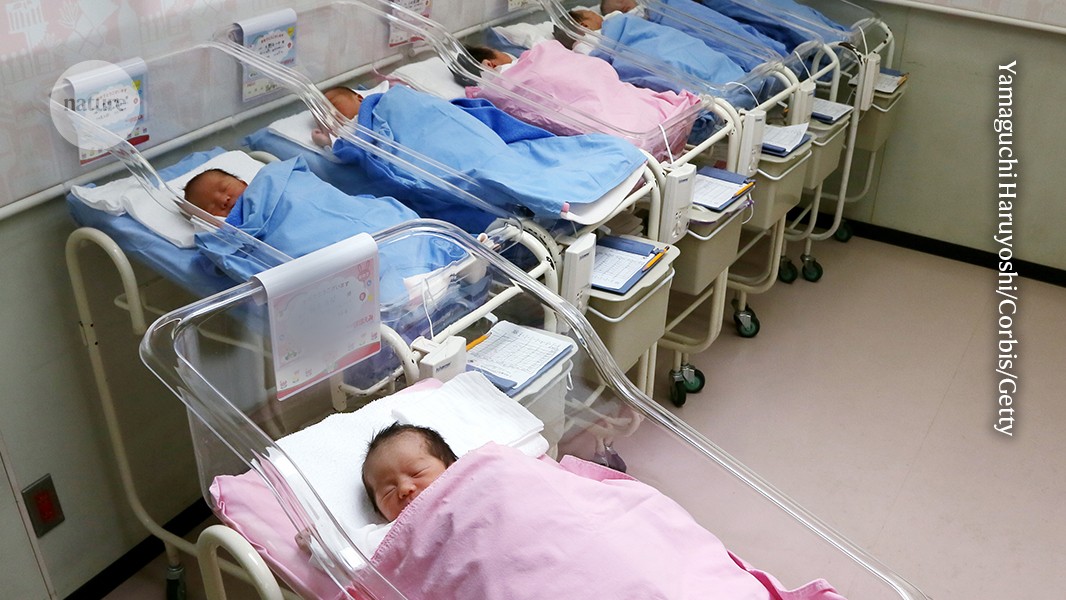
📚
The rise of evidence-based medicine and the ‘mavericks’ who championed it
De opkomst van evidence-based geneeskunde en de 'mavericks' die het hebben gepromoot
L'essor de la médecine fondée sur des preuves et les 'mavericks' qui l'ont défendue
It's fascinating to see how evidence-based medicine has transformed healthcare over the decades! Just think about it - fifty years ago, doctors believed babies should sleep on their stomachs, but research proved that sleeping on their backs significantly reduces the risk of SIDS. Helen Pearson's new book dives into these incredible stories of change, showcasing how solid evidence has corrected long-held misconceptions. It's a real eye-opener, revealing the mavericks who faced resistance while championing these vital practices.
Het is fascinerend om te zien hoe evidence-based geneeskunde de gezondheidszorg door de jaren heen heeft getransformeerd! Denk er eens over na - vijftig jaar geleden geloofden artsen dat baby's op hun buik moesten slapen, maar onderzoek heeft aangetoond dat slapen op hun rug het risico op SIDS aanzienlijk vermindert. Het nieuwe boek van Helen Pearson duikt in deze ongelooflijke verhalen van verandering en laat zien hoe solide bewijs lang gekoesterde misvattingen heeft gecorrigeerd. Het is een echte eye-opener, die de mavericks onthult die weerstand ondervonden terwijl ze deze vitale praktijken promootten.
C'est fascinant de voir comment la médecine fondée sur des preuves a transformé les soins de santé au fil des décennies ! Pensez-y - il y a cinquante ans, les médecins croyaient que les bébés devaient dormir sur le ventre, mais des recherches ont prouvé que dormir sur le dos réduit considérablement le risque de SMSN. Le nouveau livre d'Helen Pearson plonge dans ces histoires incroyables de changement, montrant comment des preuves solides ont corrigé des idées reçues bien ancrées. C'est un véritable révélateur, mettant en lumière les mavericks qui ont fait face à la résistance tout en défendant ces pratiques vitales.
🌟
Cinnamon, ginger, turmeric: a teaspoon of spices a day could boost your heart health, but is that really true?
Kaneel, gember, kurkuma: een theelepel kruiden per dag zou de gezondheid van je hart boosten, maar is dat ook echt zo?
Cannelle, gingembre, curcuma : une cuillère à café d'épices par jour pourrait améliorer la santé de votre cœur, mais est-ce vraiment vrai ?
So, it turns out that incorporating a teaspoon of spices like cinnamon, ginger, and turmeric into your daily routine might just be a heart-healthy choice! These spices are packed with antioxidants and anti-inflammatory properties, which could contribute to better cardiovascular health. Now, researchers are diving deeper into how these spices work and their potential benefits. Which brings me to the exciting part – many people are already enjoying these flavorful additions to their meals while boosting their health at the same time!
Dus, het blijkt dat het opnemen van een theelepel kruiden zoals kaneel, gember en kurkuma in je dagelijkse routine misschien wel een hart-gezonde keuze is! Deze kruiden zitten boordevol antioxidanten en ontstekingsremmende eigenschappen, wat kan bijdragen aan een betere cardiovasculaire gezondheid. Nu duiken onderzoekers dieper in hoe deze kruiden werken en hun potentiële voordelen. Wat me brengt bij het spannende deel – veel mensen genieten al van deze smaakvolle toevoegingen aan hun maaltijden terwijl ze tegelijkertijd hun gezondheid verbeteren!
Alors, il s'avère qu'incorporer une cuillère à café d'épices comme la cannelle, le gingembre et le curcuma dans votre routine quotidienne pourrait être un choix bon pour le cœur ! Ces épices sont riches en antioxydants et en propriétés anti-inflammatoires, ce qui pourrait contribuer à une meilleure santé cardiovasculaire. Maintenant, les chercheurs approfondissent comment ces épices fonctionnent et leurs avantages potentiels. Ce qui m'amène à la partie excitante – de nombreuses personnes apprécient déjà ces ajouts savoureux à leurs repas tout en améliorant leur santé en même temps !
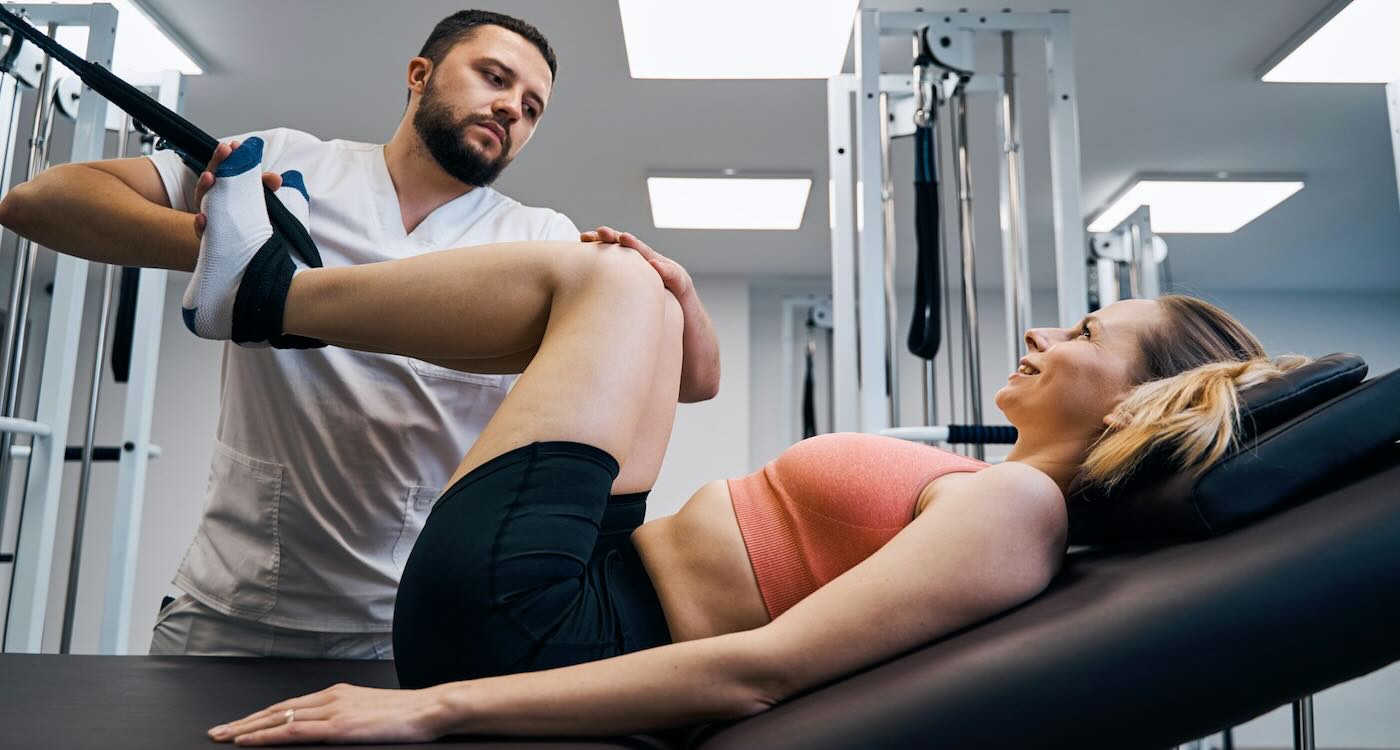
🌟
Simple shot shows promise to reverse osteo-arthritis within months
Eenvoudige injectie toont belofte om artrose binnen enkele maanden te omkeren
Une injection simple montre une promesse de renverser l'arthrose en quelques mois
A research team in Colorado has made an exciting breakthrough in treating osteo-arthritis with a single regenerative injection that helps joints repair themselves in just weeks. This innovative therapy not only aims to alleviate pain but also seeks to completely reverse the disease. Lead investigator Stephanie Bryant expressed her enthusiasm about moving from an ambitious idea to actual treatments that show promise in animal studies. With the next phase of their project underway, there’s hope that clinical trials could begin within 18 months, potentially changing the lives of many patients.
Een onderzoeksteam in Colorado heeft een spannende doorbraak bereikt in de behandeling van artrose met een enkele regeneratieve injectie die gewrichten in slechts enkele weken laat herstellen. Deze innovatieve therapie heeft niet alleen als doel pijn te verlichten, maar ook de ziekte volledig om te keren. Hoofdonderzoeker Stephanie Bryant sprak haar enthousiasme uit over de overgang van een ambitieus idee naar daadwerkelijke behandelingen die veelbelovend zijn in dierstudies. Met de volgende fase van hun project in gang gezet, is er hoop dat klinische proeven binnen 18 maanden kunnen beginnen, wat het leven van veel patiënten zou kunnen veranderen.
Une équipe de recherche au Colorado a réalisé une percée passionnante dans le traitement de l'arthrose avec une seule injection régénérative qui aide les articulations à se réparer en quelques semaines. Cette thérapie innovante vise non seulement à soulager la douleur, mais aussi à inverser complètement la maladie. La chercheuse principale, Stephanie Bryant, a exprimé son enthousiasme pour le passage d'une idée ambitieuse à des traitements réels qui montrent des promesses dans des études animales. Avec la prochaine phase de leur projet en cours, il y a de l'espoir que des essais cliniques puissent commencer dans 18 mois, ce qui pourrait changer la vie de nombreux patients.
✍️
We measured how rare good news actually is. It's worse than you think...
We hebben gemeten hoe zeldzaam goed nieuws eigenlijk is. Het is erger dan je denkt...
Nous avons mesuré à quel point les bonnes nouvelles sont rares. C'est pire que vous ne le pensez...
I recently discovered that sixty-two percent of the days in our data showed no clearly-positive articles from news outlets. This doesn't mean there was no good news at all, but rather that it's so scattered that no single publication consistently shares it. The average positivity score is about 7 percent, but the median is zero, revealing a stark reality. Even dedicated good-news sites only manage to publish uplifting content about half the time, highlighting the challenge of finding positivity in today's news landscape.
Onlangs ontdekte ik dat tweeënzestig procent van de dagen in onze gegevens geen duidelijk positieve artikelen van nieuwsmedia toonde. Dit betekent niet dat er helemaal geen goed nieuws was, maar eerder dat het zo verspreid is dat geen enkele publicatie het consequent deelt. De gemiddelde positiviteitsscore is ongeveer 7 procent, maar de mediaan is nul, wat een scherpe realiteit onthult. Zelfs toegewijde goede-nieuwssites slagen er maar in om ongeveer de helft van de tijd opbeurende inhoud te publiceren, wat de uitdaging benadrukt om positiviteit in het nieuws van vandaag te vinden.
J'ai récemment découvert que soixante-deux pour cent des jours dans nos données n'affichaient aucun article clairement positif des médias d'information. Cela ne signifie pas qu'il n'y avait pas de bonnes nouvelles, mais plutôt qu'elles sont si dispersées qu'aucune publication ne les partage de manière cohérente. Le score de positivité moyen est d'environ 7 pour cent, mais la médiane est de zéro, révélant une réalité frappante. Même les sites dédiés aux bonnes nouvelles ne parviennent à publier du contenu positif qu'environ la moitié du temps, soulignant le défi de trouver de la positivité dans le paysage médiatique actuel.
🌟
Experimental drug reverses severe fatty liver disease by repairing the gut
Experimentele medicijn keert ernstige leververvetting om door de darm te herstellen
Un médicament expérimental inverse une maladie hépatique graisseuse sévère en réparant l'intestin
I find it fascinating that an experimental drug, DT-109, developed at Michigan Medicine, can actually reverse severe fatty liver disease by restoring gut health. This approach targets the connection between the gut and liver, which is a promising avenue for treating metabolic dysfunction-associated steatohepatitis, or MASH. The research shows that DT-109 protects the gut barrier, reducing harmful substances that contribute to liver disease. It's exciting to think this compound might also help with other conditions like cardiovascular disease and inflammatory bowel disease in the future.
Het is fascinerend dat een experimenteel medicijn, DT-109, ontwikkeld aan de Michigan Medicine, ernstige leververvetting kan omkeren door de darmgezondheid te herstellen. Deze aanpak richt zich op de verbinding tussen de darm en de lever, wat een veelbelovende weg is voor de behandeling van metabole dysfunctie-geassocieerde steatohepatitis, of MASH. Het onderzoek toont aan dat DT-109 de darmbarrière beschermt, waardoor schadelijke stoffen die bijdragen aan leverziekte worden verminderd. Het is spannend om te denken dat deze verbinding in de toekomst ook kan helpen bij andere aandoeningen zoals hart- en vaatziekten en inflammatoire darmziekten.
Je trouve fascinant qu'un médicament expérimental, le DT-109, développé à Michigan Medicine, puisse en fait inverser une maladie hépatique graisseuse sévère en restaurant la santé intestinale. Cette approche cible la connexion entre l'intestin et le foie, ce qui est une voie prometteuse pour traiter la stéatohépatite associée à la dysfonction métabolique, ou MASH. La recherche montre que le DT-109 protège la barrière intestinale, réduisant les substances nocives qui contribuent à la maladie du foie. Il est excitant de penser que ce composé pourrait également aider à d'autres conditions comme les maladies cardiovasculaires et les maladies inflammatoires de l'intestin à l'avenir.
🌋
NASA satellites are watching Earth's newest island rise from the sea
NASA-satellieten kijken naar het nieuwste eiland van de aarde dat uit de zee rijst
Les satellites de la NASA observent la nouvelle île de la Terre émerger de la mer
It's fascinating to think that NASA satellites are capturing the birth of a new island in the Bismarck Sea! On May 8, 2026, an underwater volcanic eruption was detected, and since then, researchers have been closely monitoring the activity. The images show plumes of ash and discolored water, suggesting that something big is happening beneath the waves. This is a rare opportunity for scientists to witness and study such geological events in real-time.
Het is fascinerend om te denken dat NASA-satellieten de geboorte van een nieuw eiland in de Bismarckzee vastleggen! Op 8 mei 2026 werd een onderwateruitbarsting gedetecteerd, en sindsdien houden onderzoekers de activiteit nauwlettend in de gaten. De beelden tonen aspluimen en verkleurd water, wat suggereert dat er iets groots onder de golven gebeurt. Dit is een zeldzame kans voor wetenschappers om dergelijke geologische gebeurtenissen in real-time te observeren en te bestuderen.
C'est fascinant de penser que les satellites de la NASA capturent la naissance d'une nouvelle île dans la mer de Bismarck ! Le 8 mai 2026, une éruption volcanique sous-marine a été détectée, et depuis, les chercheurs surveillent de près l'activité. Les images montrent des panaches de cendres et des eaux décolorées, suggérant que quelque chose de grand se passe sous les vagues. C'est une occasion rare pour les scientifiques d'observer et d'étudier de tels événements géologiques en temps réel.
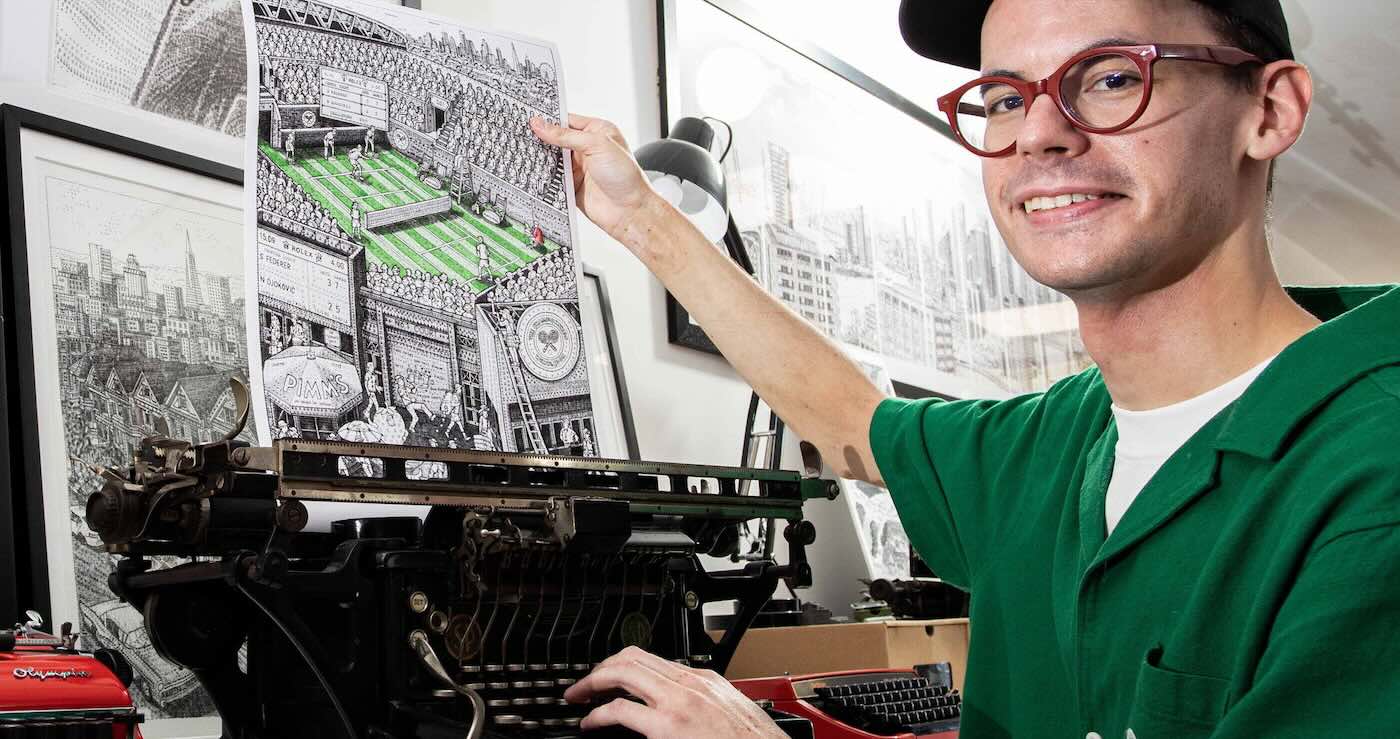
🎨
Artist creates amazingly detailed drawings using only typewriter keystrokes
Kunstenaar maakt ongelooflijk gedetailleerde tekeningen met alleen typemachine-toetsaanslagen
Un artiste crée des dessins incroyablement détaillés uniquement avec des frappes de machine à écrire
So, there's this incredible artist named James Cook from London who creates stunning artworks using just a vintage typewriter! He types over a million letters and symbols to craft his masterpieces, and his latest piece, depicting a Wimbledon match, took him around 378 hours to complete. It's amazing how he incorporates whimsical elements into his work, like a man dressed as a giant strawberry! His journey from a school project to becoming a full-time artist is truly inspiring.
Er is een ongelooflijke kunstenaar genaamd James Cook uit Londen die verbluffende kunstwerken maakt met alleen een vintage typemachine! Hij typt meer dan een miljoen letters en symbolen om zijn meesterwerken te creëren, en zijn nieuwste stuk, dat een Wimbledon-wedstrijd afbeeldt, kostte hem ongeveer 378 uur om te voltooien. Het is geweldig hoe hij speelse elementen in zijn werk verwerkt, zoals een man verkleed als een reusachtige aardbei! Zijn reis van een schoolproject naar een fulltime kunstenaar is echt inspirerend.
Il y a un artiste incroyable nommé James Cook à Londres qui crée des œuvres d'art époustouflantes uniquement avec une machine à écrire vintage ! Il tape plus d'un million de lettres et de symboles pour réaliser ses chefs-d'œuvre, et sa dernière pièce, représentant un match de Wimbledon, lui a pris environ 378 heures à compléter. C'est incroyable comment il incorpore des éléments fantaisistes dans son travail, comme un homme déguisé en fraise géante ! Son parcours, d'un projet scolaire à un artiste à plein temps, est vraiment inspirant.
🌟
How to make the most of your staycation: completely pointless activities can be particularly relaxing
Zo haalt u meer uit uw staycation: ‘Volkomen doelloze bezigheden kunnen bijzonder ontspannend zijn’
Comment profiter au maximum de votre staycation : des activités complètement inutiles peuvent être particulièrement relaxantes
Staycations can be a fantastic way to unwind, and this article highlights the joy of indulging in completely pointless activities. It’s fascinating how doing nothing in particular can actually help us relax and recharge. Engaging in simple, mindless tasks can bring a sense of peace and satisfaction. So, why not embrace the art of doing nothing and enjoy your time at home?
Staycations kunnen een geweldige manier zijn om te ontspannen, en dit artikel benadrukt de vreugde van het genieten van volkomen doelloze bezigheden. Het is fascinerend hoe het doen van niets in het bijzonder ons echt kan helpen om te ontspannen en op te laden. Betrokken zijn bij eenvoudige, zinloze taken kan een gevoel van rust en voldoening brengen. Dus, waarom niet de kunst van het nietsdoen omarmen en genieten van je tijd thuis?
Les staycations peuvent être un excellent moyen de se détendre, et cet article souligne la joie de s'adonner à des activités complètement inutiles. C'est fascinant de voir comment ne rien faire en particulier peut vraiment nous aider à nous détendre et à nous ressourcer. S'engager dans des tâches simples et futiles peut apporter un sentiment de paix et de satisfaction. Alors, pourquoi ne pas embrasser l'art de ne rien faire et profiter de votre temps à la maison ?
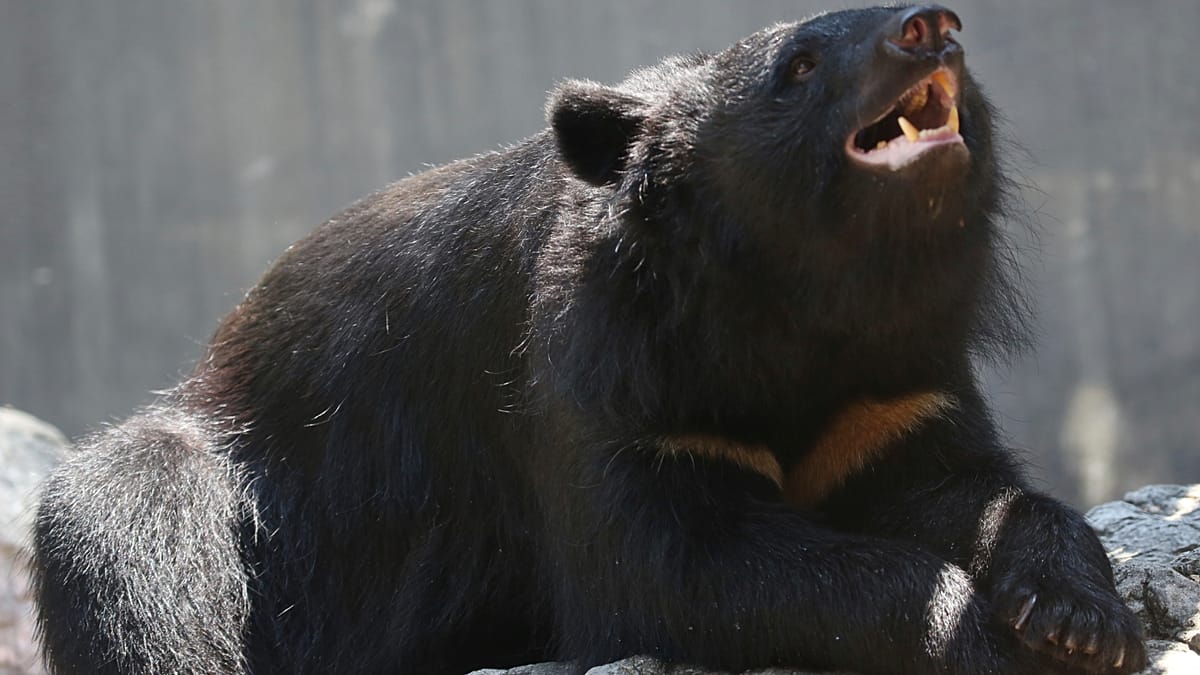
🐻
Japanese school teaches children how to stay safe around wild bears
Japanse school leert kinderen veilig te blijven rond wilde beren
Une école japonaise apprend aux enfants à rester en sécurité autour des ours sauvages
At Ina West Elementary School in Japan, kids are learning how to stay safe from wild bears through a unique bear awareness program. They get to touch real bear fur and see skulls while experts explain bear behavior and why they sometimes wander into towns. It's a crucial lesson, especially since bear sightings are common in the area. This initiative is a proactive approach to ensure the safety of children and the community, reflecting the reality of living alongside these magnificent creatures.
Op de Ina West Basisschool in Japan leren kinderen hoe ze veilig kunnen blijven voor wilde beren via een uniek bewustwordingsprogramma. Ze mogen echt berenbont aanraken en schedels zien terwijl experts het gedrag van beren uitleggen en waarom ze soms de stad binnenkomen. Het is een cruciale les, vooral omdat het gebied vaak beren ziet. Dit initiatief is een proactieve benadering om de veiligheid van kinderen en de gemeenschap te waarborgen, en weerspiegelt de realiteit van het leven naast deze prachtige wezens.
À l'école élémentaire Ina West au Japon, les enfants apprennent à rester en sécurité face aux ours sauvages grâce à un programme de sensibilisation unique. Ils peuvent toucher de la vraie fourrure d'ours et voir des crânes pendant que des experts expliquent le comportement des ours et pourquoi ils s'aventurent parfois en ville. C'est une leçon cruciale, surtout dans une région où les observations d'ours sont fréquentes. Cette initiative est une approche proactive pour assurer la sécurité des enfants et de la communauté, reflétant la réalité de vivre aux côtés de ces créatures magnifiques.

📚
Pressed for time? 20 brilliant books you can read in a day
Geen tijd? 20 briljante boeken die je in één dag kunt lezen
Pressé par le temps ? 20 livres brillants que vous pouvez lire en une journée
So, if you're feeling the crunch of time but still want to dive into a good book, this list is a gem! It highlights 20 fantastic reads that can be devoured in a single day, perfect for those lazy summer afternoons. The selection includes a mix of familiar and lesser-known titles, each promising an engaging experience. Whether you're into intense narratives or thought-provoking themes, there's something here for everyone.
Dus, als je de druk van de tijd voelt maar toch in een goed boek wilt duiken, is deze lijst een schat! Het benadrukt 20 fantastische boeken die je in één dag kunt lezen, perfect voor die luie zomermiddagen. De selectie omvat een mix van bekende en minder bekende titels, die allemaal een boeiende ervaring beloven. Of je nu houdt van intense verhalen of prikkelende thema's, er is voor ieder wat wils.
Alors, si vous ressentez la pression du temps mais que vous souhaitez plonger dans un bon livre, cette liste est un trésor ! Elle met en avant 20 lectures fantastiques qui peuvent être dévorées en une seule journée, parfaites pour ces après-midis d'été paresseux. La sélection comprend un mélange de titres familiers et moins connus, chacun promettant une expérience captivante. Que vous aimiez les récits intenses ou les thèmes provocateurs, il y en a pour tous les goûts.

🌟
Quebec firm pioneers cyanide-free gold extraction and arsenic capture to clean up mining industry
Quebec bedrijf pioniert met cyanide-vrije goudextractie en arsenicumvangst om de mijnbouwindustrie schoon te maken
Une entreprise du Québec pionnière dans l'extraction d'or sans cyanure et la capture de l'arsenic pour nettoyer l'industrie minière
A Quebec firm has developed an innovative cyanide-free method for gold extraction that could greatly reduce environmental impact. Dundee Sustainable Technologies has also created a process to turn harmful arsenic into inert glass, addressing a major industry concern. This technology allows mining companies to operate more sustainably while meeting strict regulatory requirements. With promising results already seen in tests, this approach could revolutionize the mining industry for the better.
Een Quebecs bedrijf heeft een innovatieve cyanide-vrije methode ontwikkeld voor goudextractie die de milieueffecten aanzienlijk kan verminderen. Dundee Sustainable Technologies heeft ook een proces gecreëerd om schadelijk arsenicum om te zetten in inert glas, wat een groot probleem in de industrie aanpakt. Deze technologie stelt mijnbouwbedrijven in staat om duurzamer te opereren en tegelijkertijd te voldoen aan strenge regelgeving. Met veelbelovende resultaten die al in tests zijn gezien, zou deze aanpak de mijnbouwindustrie ten goede kunnen veranderen.
Une entreprise du Québec a développé une méthode innovante d'extraction d'or sans cyanure qui pourrait considérablement réduire l'impact environnemental. Dundee Sustainable Technologies a également créé un processus pour transformer l'arsenic nocif en verre inerte, abordant ainsi une préoccupation majeure de l'industrie. Cette technologie permet aux entreprises minières d'opérer de manière plus durable tout en respectant des exigences réglementaires strictes. Avec des résultats prometteurs déjà observés lors des tests, cette approche pourrait révolutionner l'industrie minière pour le mieux.
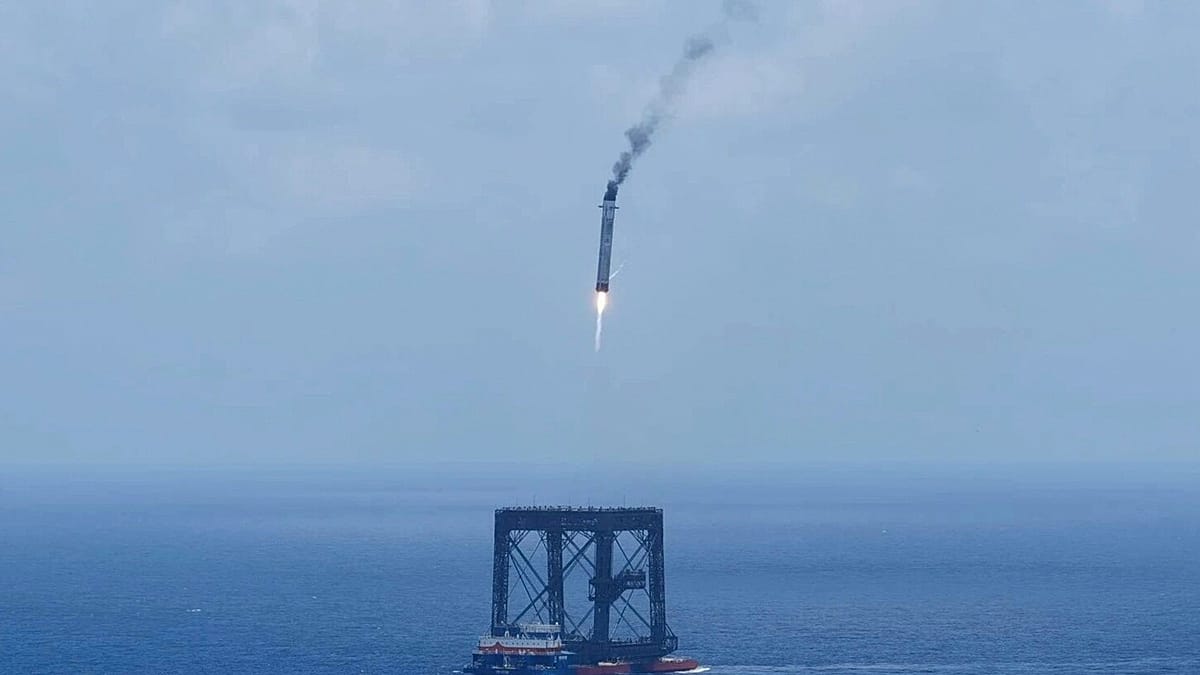
🚀
China achieves first-ever controlled rocket booster recovery
China bereikt voor het eerst gecontroleerde terugwinning van een raketboosters
La Chine réalise la première récupération contrôlée d'un propulseur de fusée
China has made a remarkable leap in its space program by successfully recapturing the first stage of its Long March-10B rocket. This historic mission took place off the coast of Hainan, where the booster landed on a seaborne platform after separating from the second stage. It's a significant milestone for reusable launch technology, paving the way for future space missions. I can't help but feel excited about what this means for China's ambitions in space exploration!
China heeft een opmerkelijke sprong gemaakt in zijn ruimteprogramma door met succes de eerste trap van zijn Long March-10B-raket terug te winnen. Deze historische missie vond plaats voor de kust van Hainan, waar de booster op een zeeplatform landde na het scheiden van de tweede trap. Het is een belangrijke mijlpaal voor herbruikbare lanceertechnologie, die de weg vrijmaakt voor toekomstige ruimtemissies. Ik kan niet anders dan enthousiast zijn over wat dit betekent voor de ambities van China in de ruimteverkenning!
La Chine a réalisé un bond remarquable dans son programme spatial en récupérant avec succès la première étape de sa fusée Long March-10B. Cette mission historique a eu lieu au large de Hainan, où le propulseur a atterri sur une plateforme maritime après s'être séparé de la deuxième étape. C'est une étape importante pour la technologie de lancement réutilisable, ouvrant la voie à de futures missions spatiales. Je ne peux m'empêcher d'être enthousiaste quant à ce que cela signifie pour les ambitions de la Chine en matière d'exploration spatiale !
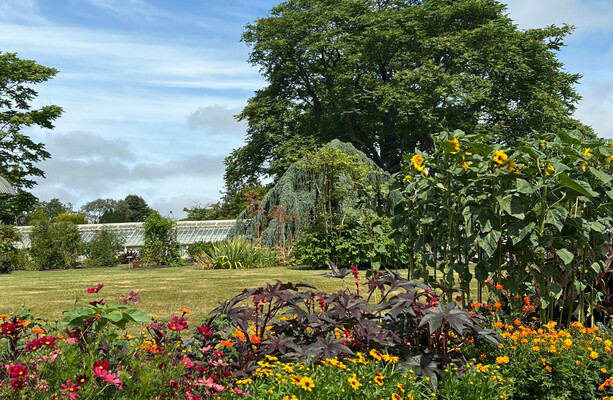
🐝
Pockets of nature every 200 metres promised in new national plan to save bees and butterflies
Natuurlijke pockets om de 200 meter beloofd in nieuw nationaal plan om bijen en vlinders te redden
Des poches de nature tous les 200 mètres promises dans un nouveau plan national pour sauver les abeilles et les papillons
Ireland is buzzing with excitement over a new national plan aimed at creating 'pockets' of natural habitat every 200 metres to support our precious pollinators. This initiative, part of the third All-Ireland Pollinator Plan, is designed to help combat the decline of wild bees and other pollinators. With a focus on engaging farmers, businesses, and schools, the plan aims to enhance biodiversity and ensure food sustainability. It's a fantastic step forward for the environment, and I can't wait to see how it unfolds!
Ierland is in de ban van een nieuw nationaal plan dat gericht is op het creëren van 'pockets' van natuurlijk habitat om de 200 meter om onze kostbare bestuivers te ondersteunen. Dit initiatief, onderdeel van het derde All-Ireland Pollinator Plan, is ontworpen om de achteruitgang van wilde bijen en andere bestuivers tegen te gaan. Met de focus op het betrekken van boeren, bedrijven en scholen, heeft het plan als doel de biodiversiteit te verbeteren en de voedselzekerheid te waarborgen. Het is een fantastische stap vooruit voor het milieu, en ik kan niet wachten om te zien hoe het zich ontwikkelt!
L'Irlande est en émoi avec un nouveau plan national visant à créer des 'poches' d'habitat naturel tous les 200 mètres pour soutenir nos précieux pollinisateurs. Cette initiative, dans le cadre du troisième Plan pollinisateur de toute l'Irlande, est conçue pour lutter contre le déclin des abeilles sauvages et d'autres pollinisateurs. En mettant l'accent sur l'engagement des agriculteurs, des entreprises et des écoles, le plan vise à améliorer la biodiversité et à garantir la durabilité alimentaire. C'est une étape fantastique pour l'environnement, et j'ai hâte de voir comment cela va se dérouler !
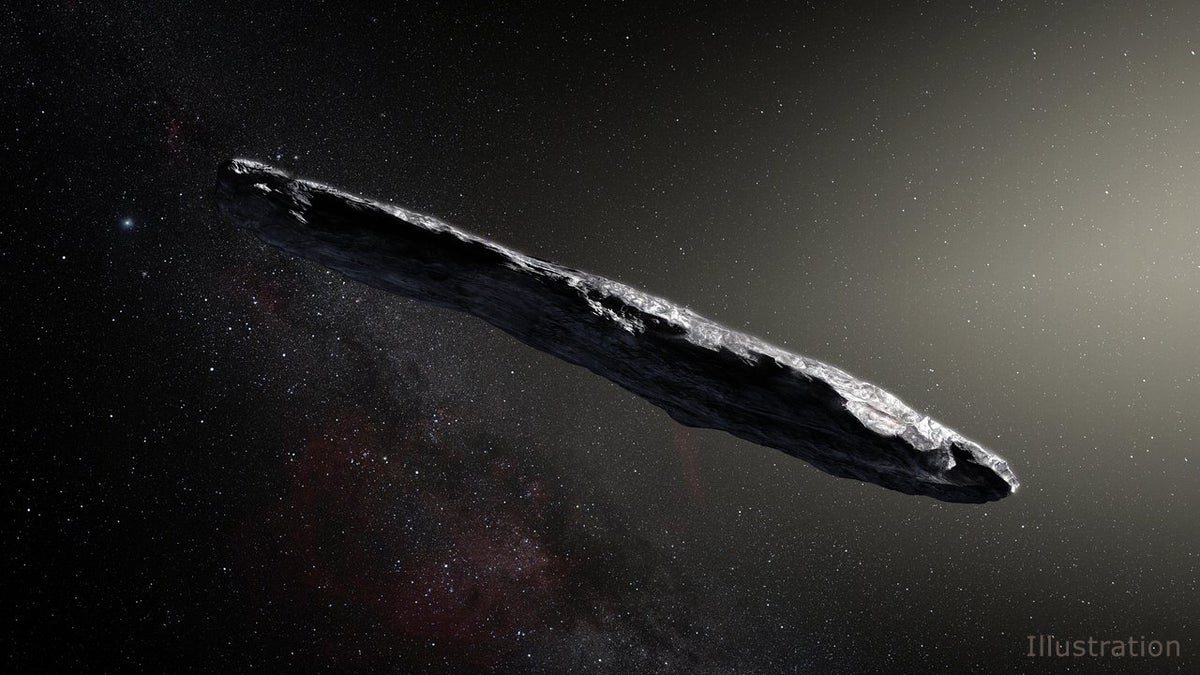
🌟
‘Dark’ comets sprouting tails could help solve interstellar mysteries
‘Donkere’ kometen met staarten kunnen helpen interstellaire mysteries op te lossen
Des comètes 'sombres' avec des queues pourraient aider à résoudre des mystères interstellaires
Astronomers have been puzzled by the strange behavior of ‘Oumuamua since its flyby in 2017. Instead of slowing down, it sped up, leading to wild theories about alien spacecraft. Now, researchers have observed dark comets sprouting tails, providing evidence that these objects could explain such anomalies. This discovery not only sheds light on ‘Oumuamua but also helps clarify the relationship between comets and asteroids in our solar system.
Astronomen zijn al sinds de flyby van ‘Oumuamua in 2017 in de war over het vreemde gedrag van dit object. In plaats van af te remmen, versnelde het, wat leidde tot wilde theorieën over buitenaardse ruimtevaartuigen. Nu hebben onderzoekers donkere kometen met staarten waargenomen, wat bewijs levert dat deze objecten dergelijke anomalieën kunnen verklaren. Deze ontdekking werpt niet alleen licht op ‘Oumuamua, maar helpt ook de relatie tussen kometen en asteroïden in ons zonnestelsel te verduidelijken.
Les astronomes sont perplexes par le comportement étrange d‘Oumuamua depuis son passage en 2017. Au lieu de ralentir, il a accéléré, ce qui a conduit à des théories folles sur des vaisseaux spatiaux extraterrestres. Maintenant, des chercheurs ont observé des comètes sombres émettant des queues, fournissant des preuves que ces objets pourraient expliquer de telles anomalies. Cette découverte éclaire non seulement le mystère d‘Oumuamua, mais aide également à clarifier la relation entre les comètes et les astéroïdes dans notre système solaire.

🏺
Herculaneum's House of the Carbonized Furniture reopens after 30 years
Herculaneum's Huis van het Gecharcoaliseerde Meubilair heropent na 30 jaar
La Maison des Meubles Carbonisés d'Herculanum rouvre après 30 ans
I’m so excited to share that one of Herculaneum's most intriguing homes, the House of the Carbonized Furniture, has finally reopened after three decades! This remarkable restoration was made possible through a collaboration with the Packard Humanities Institute, which has been dedicated to preserving this ancient site. The house is famous for its carbonized furniture, including a small table and a high-backed bed, all preserved since the eruption of Vesuvius in 79 AD. It’s a fantastic opportunity to step back in time and appreciate the everyday life of the Romans, beautifully captured in this stunning domus.
Ik ben zo enthousiast om te delen dat een van de meest intrigerende huizen van Herculaneum, het Huis van het Gecharcoaliseerde Meubilair, eindelijk na drie decennia is heropend! Deze opmerkelijke restauratie is mogelijk gemaakt door een samenwerking met het Packard Humanities Institute, dat zich al jaren inzet voor het behoud van deze oude site. Het huis is beroemd om zijn gecharcoaliseerde meubels, waaronder een kleine tafel en een hoge bed, die allemaal bewaard zijn gebleven sinds de uitbarsting van Vesuvius in 79 na Christus. Het is een fantastische kans om terug in de tijd te stappen en het dagelijks leven van de Romeinen te waarderen, prachtig vastgelegd in dit verbluffende domus.
Je suis tellement ravi de partager que l'une des maisons les plus intrigantes d'Herculanum, la Maison des Meubles Carbonisés, a enfin rouvert après trois décennies ! Cette restauration remarquable a été rendue possible grâce à une collaboration avec le Packard Humanities Institute, qui s'est consacré à la préservation de ce site ancien. La maison est célèbre pour ses meubles carbonisés, y compris une petite table et un lit à dossier haut, tous préservés depuis l'éruption du Vésuve en 79 après J.-C. C'est une occasion fantastique de remonter le temps et d'apprécier la vie quotidienne des Romains, magnifiquement capturée dans ce superbe domus.
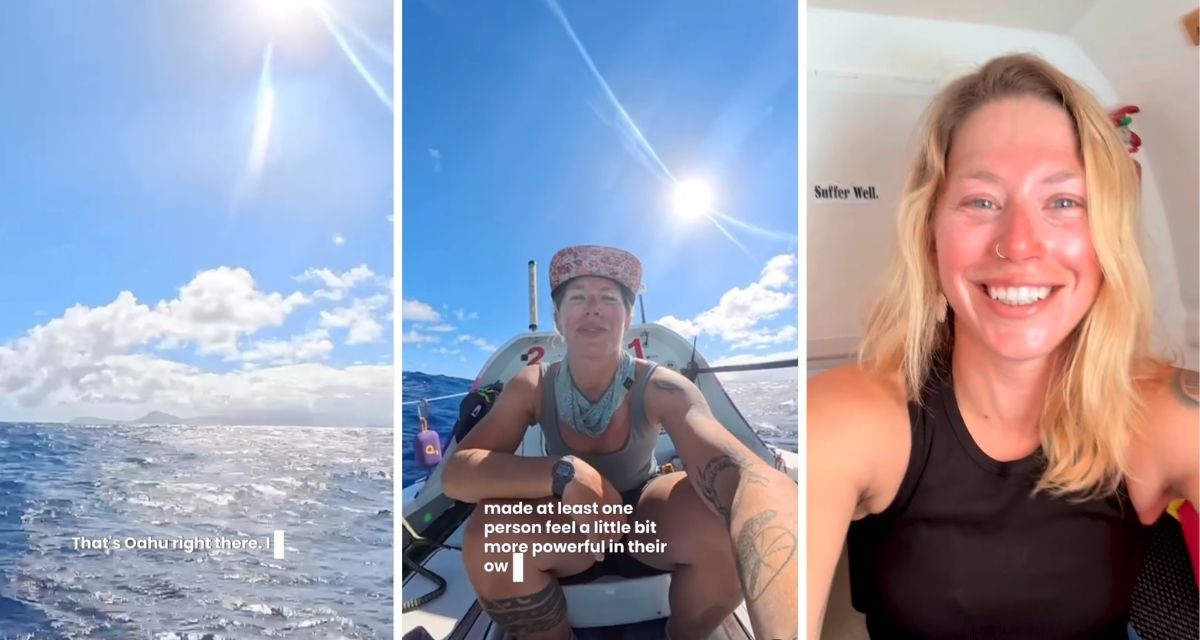
🌟
Woman who crushed records rowing solo to Hawaii shares her ‘big, hard, scary thing’ advice
Vrouw die records verbrak met solo roeien naar Hawaii deelt haar 'grote, moeilijke, enge ding' advies
Femme qui a battu des records en rendant seule à Hawaï partage ses conseils sur les 'grandes, dures et effrayantes choses'
Kelsey Pfendler's journey from California to Hawaii was nothing short of extraordinary. Not only did she become the first American woman to row solo across 2,400 miles, but she also shattered multiple records along the way. Upon reaching land, she shared powerful advice about tackling our own 'big, hard, scary things' and emphasized that starting is often the hardest part. Her experience highlights the emotional complexities of achieving such a monumental goal, especially when it's tied to a cause like mental health support.
Kelsey Pfendler's reis van Californië naar Hawaii was niets minder dan buitengewoon. Ze werd niet alleen de eerste Amerikaanse vrouw die solo 2.400 mijl roeide, maar ze verbrak ook meerdere records onderweg. Bij het bereiken van het land deelde ze krachtige adviezen over het aangaan van onze eigen 'grote, moeilijke, enge dingen' en benadrukte ze dat beginnen vaak het moeilijkste is. Haar ervaring benadrukt de emotionele complexiteit van het bereiken van zo'n monumentaal doel, vooral wanneer het verband houdt met een zaak zoals mentale gezondheidszorg.
Le voyage de Kelsey Pfendler de Californie à Hawaï était tout simplement extraordinaire. Non seulement elle est devenue la première femme américaine à ramer seule sur 2 400 miles, mais elle a également battu plusieurs records en cours de route. En atteignant la terre, elle a partagé des conseils puissants sur la façon d'affronter nos propres 'grandes, dures et effrayantes choses' et a souligné que commencer est souvent la partie la plus difficile. Son expérience met en lumière les complexités émotionnelles liées à l'atteinte d'un objectif aussi monumental, surtout lorsqu'il est lié à une cause comme le soutien à la santé mentale.

🌟
China publishes first images of quasi-moon Kamo'oalewa
China publiceert eerste beelden van quasi-maan Kamo'oalewa
La Chine publie les premières images de la quasi-lune Kamo'oalewa
So, the Chinese space probe Tianwen-2 has captured the first images of the asteroid Kamo'oalewa, which is considered one of Earth's quasi-moons. Launched in May 2025, this probe traveled over a billion kilometers to reach its destination. It's fascinating to think that this asteroid might be a piece of the Moon ejected into space! The mission aims to analyze the asteroid's composition and possibly confirm its lunar origins, which could deepen our understanding of both the Moon and near-Earth objects.
De Chinese ruimtesonde Tianwen-2 heeft de eerste beelden van de asteroïde Kamo'oalewa vastgelegd, die wordt beschouwd als een van de quasi-monden van de aarde. Gelanceerd in mei 2025, heeft deze sonde meer dan een miljard kilometer afgelegd om zijn bestemming te bereiken. Het is fascinerend om te denken dat deze asteroïde misschien een stuk van de maan is dat in de ruimte is geslingerd! De missie heeft als doel de samenstelling van de asteroïde te analyseren en mogelijk de maan oorsprong te bevestigen, wat ons begrip van zowel de maan als nabij-aardse objecten kan verdiepen.
La sonde spatiale chinoise Tianwen-2 a capturé les premières images de l'astéroïde Kamo'oalewa, considéré comme l'une des quasi-lunes de la Terre. Lancée en mai 2025, cette sonde a parcouru plus d'un milliard de kilomètres pour atteindre sa destination. C'est fascinant de penser que cet astéroïde pourrait être un morceau de la Lune éjecté dans l'espace ! La mission vise à analyser la composition de l'astéroïde et à confirmer éventuellement ses origines lunaires, ce qui pourrait approfondir notre compréhension de la Lune et des objets proches de la Terre.

🌍
Meet the women who saved the country's climate data after the Trump administration took it offline
Ontmoet de vrouwen die de klimaatdata van het land redde nadat de Trump-administratie het offline haalde
Rencontrez les femmes qui ont sauvé les données climatiques du pays après que l'administration Trump les a mises hors ligne
This inspiring story highlights the incredible efforts of Rebecca Lindsey and her team to save crucial climate data after it was taken offline. When the Trump administration shut down NOAA's Climate.gov, Lindsey and her sister Mary, along with Anna Eshelman, stepped up to create Climate.us, preserving over 15 years of vital information. They recognized the need for reliable, science-backed climate communication, especially as political influences threatened public access to critical data. It's a powerful reminder of how passionate individuals can make a difference in the face of adversity.
Dit inspirerende verhaal benadrukt de ongelooflijke inspanningen van Rebecca Lindsey en haar team om cruciale klimaatdata te redden nadat deze offline werd gehaald. Toen de Trump-administratie NOAA's Climate.gov sloot, stapten Lindsey en haar zus Mary, samen met Anna Eshelman, naar voren om Climate.us te creëren, waarmee meer dan 15 jaar aan vitale informatie werd bewaard. Ze erkenden de noodzaak van betrouwbare, wetenschappelijk onderbouwde klimaatcommunicatie, vooral omdat politieke invloeden de toegang tot kritieke gegevens bedreigden. Het is een krachtige herinnering aan hoe gepassioneerde individuen een verschil kunnen maken in het gezicht van tegenspoed.
Cette histoire inspirante met en lumière les efforts incroyables de Rebecca Lindsey et de son équipe pour sauver des données climatiques cruciales après leur mise hors ligne. Lorsque l'administration Trump a fermé Climate.gov de la NOAA, Lindsey et sa sœur Mary, avec Anna Eshelman, ont pris les devants pour créer Climate.us, préservant plus de 15 ans d'informations vitales. Elles ont reconnu la nécessité d'une communication climatique fiable et fondée sur la science, surtout alors que des influences politiques menaçaient l'accès public à des données critiques. C'est un puissant rappel de la manière dont des individus passionnés peuvent faire la différence face à l'adversité.
🌟
A hidden immune backup system could supercharge mRNA cancer vaccines
Een verborgen immuun back-upsysteem kan mRNA-kankervaccins supercharged
Un système de secours immunitaire caché pourrait dynamiser les vaccins anticancéreux à ARN messager
So, researchers have made an exciting discovery about mRNA cancer vaccines that could change the game! They found that even without a key immune cell, these vaccines still triggered a strong response against tumors. Instead, another immune cell stepped up to help fight cancer, which is just fascinating! This insight could lead to even more effective cancer vaccines in the future, making a real difference in treatment options.
Dus, onderzoekers hebben een spannende ontdekking gedaan over mRNA-kankervaccins die het spel zou kunnen veranderen! Ze ontdekten dat zelfs zonder een belangrijke immuun cel, deze vaccins nog steeds een sterke reactie tegen tumoren opwekten. In plaats daarvan nam een andere immuun cel het over om kanker te bestrijden, wat gewoon fascinerend is! Dit inzicht kan leiden tot nog effectievere kankervaccins in de toekomst, wat een echt verschil kan maken in behandelingsopties.
Alors, les chercheurs ont fait une découverte passionnante sur les vaccins anticancéreux à ARN messager qui pourrait changer la donne ! Ils ont constaté qu même sans une cellule immunitaire clé, ces vaccins déclenchaient toujours une forte réponse contre les tumeurs. Au lieu de cela, une autre cellule immunitaire a pris le relais pour aider à combattre le cancer, ce qui est tout simplement fascinant ! Cette découverte pourrait conduire à des vaccins anticancéreux encore plus efficaces à l'avenir, faisant une réelle différence dans les options de traitement.

✍️
The positron manifesto: one page, one idea
Het positron manifest: één pagina, één idee
Le manifeste positron: une page, une idée
I've distilled the entire Positron idea into a single-page poster - think of it like the Holstee manifesto, but for good news. The core message is simple: the news isn't the world, bad news is just louder, and our brains are wired to fear what's dark while overlooking what's bright. But good things are happening everywhere right now, real and ordinary - they're just quiet, and they deserve to be seen. This isn't about pretending the bad stuff doesn't exist; it's about balance, about reading the good alongside the bad and remembering that hope is rooted in real physics, just like the positron itself.
Ik heb het hele Positron-idee op één pagina samengevat - een soort Holstee-manifest, maar dan voor goed nieuws. De kernboodschap is simpel: het nieuws is niet de werkelijkheid, slecht nieuws is alleen maar harder, en onze hersenen zijn geprogrammeerd om het duistere waar te nemen en het heldere over het hoofd te zien. Maar er gebeuren nu overal goeie dingen - echt, gewoon en alomtegenwoordig - ze zijn alleen stil. Dit gaat niet om doen alsof het slechte niet bestaat; het gaat om balans, om het goede naast het slechte te lezen en te beseffen dat hoop geworteld is in echte fysica, net als het positron zelf.
J'ai condensé toute l'idée de Positron sur une seule page - pensez à un manifeste Holstee, mais pour les bonnes nouvelles. Le message essentiel est simple: l'actualité n'est pas le monde, les mauvaises nouvelles sont juste plus bruyantes, et notre cerveau est programmé pour remarquer l'obscurité tout en ignorant la clarté. Mais de bonnes choses arrivent partout maintenant - réelles, ordinaires et omniprésentes - elles sont juste silencieuses. Il ne s'agit pas de faire semblant que le mal n'existe pas; il s'agit d'équilibre, de lire le bien aux côtés du mal et de se rappeler que l'espoir repose sur une vraie physique, tout comme le positron lui-même.
/s3/static.nrc.nl/wp-content/uploads/2026/07/09085858/090726CUL_2034975014_Music04.jpg)
🎶
Music does more for humans than you might think, as the interactive music exhibition ‘MUSIC!’ shows for children
Muziek doet meer voor de mens dan je misschien zou denken, laat de interactieve muziekexpositie ‘MUSIC!’ voor kinderen zien
La musique fait plus pour l'homme que vous ne le pensez, comme le montre l'exposition interactive de musique ‘MUSIC!’ pour les enfants
So, there's this fantastic exhibition called ‘MUSIC!’ at the Museon-Omniversum in The Hague that’s all about the joy and impact of music, especially for kids! It’s not just a boring display – kids can actually create their own songs, learn dance moves, and even explore how music affects their brains. The interactive pavilions make it super engaging, and there’s even a giant projected record on the floor that shares fun music history facts. Honestly, it’s a wonderful way for children to discover the magic of music while having a blast!
Dus, er is deze fantastische tentoonstelling genaamd ‘MUSIC!’ in het Museon-Omniversum in Den Haag die helemaal draait om de vreugde en impact van muziek, vooral voor kinderen! Het is niet zomaar een saaie tentoonstelling – kinderen kunnen zelf hun eigen nummers maken, dansmoves leren en zelfs ontdekken hoe muziek hun hersenen beïnvloedt. De interactieve paviljoens maken het super boeiend, en er is zelfs een gigantische geprojecteerde plaat op de vloer die leuke feiten over de muziekgeschiedenis deelt. Eerlijk gezegd is het een geweldige manier voor kinderen om de magie van muziek te ontdekken terwijl ze plezier hebben!
Alors, il y a cette fantastique exposition appelée ‘MUSIC!’ au Museon-Omniversum à La Haye qui parle de la joie et de l'impact de la musique, surtout pour les enfants ! Ce n'est pas juste une exposition ennuyeuse – les enfants peuvent créer leurs propres chansons, apprendre des mouvements de danse et même explorer comment la musique affecte leur cerveau. Les pavillons interactifs rendent tout cela super engageant, et il y a même un grand disque projeté au sol qui partage des faits amusants sur l'histoire de la musique. Honnêtement, c'est une merveilleuse façon pour les enfants de découvrir la magie de la musique tout en s'amusant !

💪
Scientists identify gene at the center of muscular aging–and how exercise defeats it
Wetenschappers identificeren gen dat centraal staat in spierveroudering – en hoe lichaamsbeweging het overwint
Des scientifiques identifient un gène au cœur du vieillissement musculaire – et comment l'exercice le vainc
Isn't it fascinating? A new study has pinpointed a gene called DEAF1 that plays a crucial role in muscular aging. As we age, this gene can disrupt the balance of protein production in our muscles, leading to weakness. But here's the good news: exercise can help lower DEAF1 levels, allowing our muscles to clean up and regain strength. This discovery could be a game-changer for maintaining our independence and quality of life as we get older!
Is het niet fascinerend? Een nieuwe studie heeft een gen genaamd DEAF1 geïdentificeerd dat een cruciale rol speelt in spierveroudering. Naarmate we ouder worden, kan dit gen de balans van eiwitproductie in onze spieren verstoren, wat leidt tot zwakte. Maar hier is het goede nieuws: lichaamsbeweging kan helpen de DEAF1-niveaus te verlagen, waardoor onze spieren zichzelf kunnen opruimen en weer kracht kunnen krijgen. Deze ontdekking kan een keerpunt zijn voor het behoud van onze onafhankelijkheid en levenskwaliteit naarmate we ouder worden!
N'est-ce pas fascinant ? Une nouvelle étude a identifié un gène appelé DEAF1 qui joue un rôle crucial dans le vieillissement musculaire. En vieillissant, ce gène peut perturber l'équilibre de la production de protéines dans nos muscles, entraînant une faiblesse. Mais voici la bonne nouvelle : l'exercice peut aider à réduire les niveaux de DEAF1, permettant à nos muscles de se nettoyer et de retrouver leur force. Cette découverte pourrait changer la donne pour maintenir notre indépendance et notre qualité de vie en vieillissant !
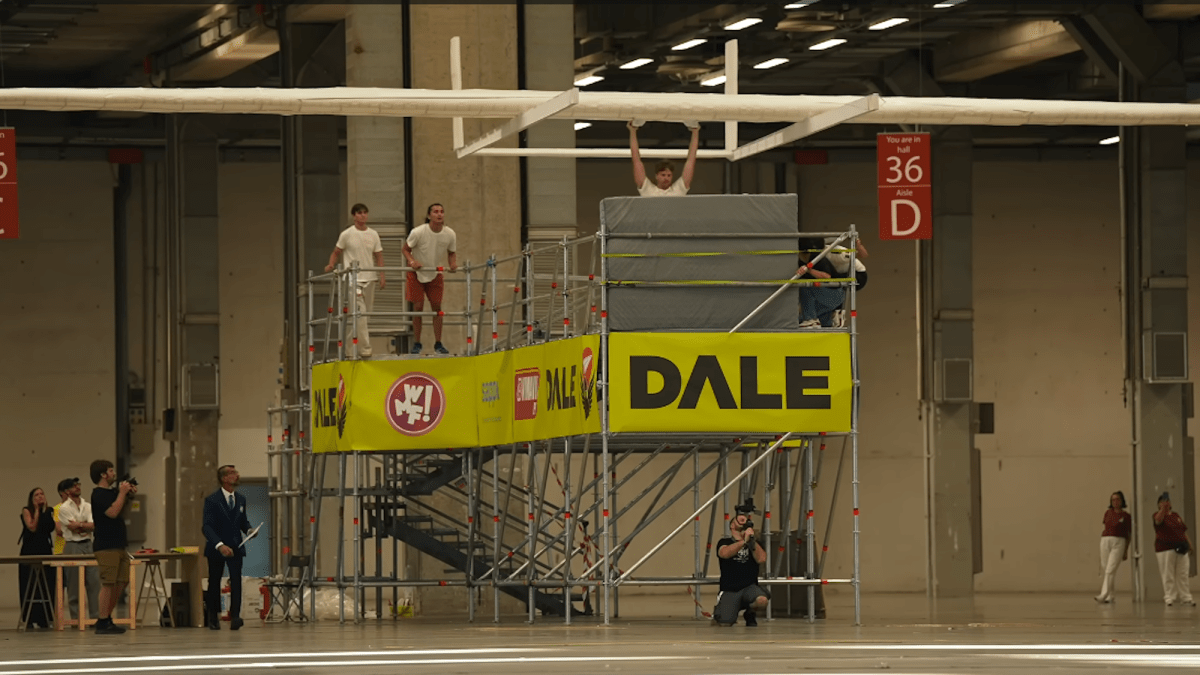
✈️
World’s largest paper airplane has a 65-foot wingspan
De grootste papieren vliegtuig ter wereld heeft een spanwijdte van 20 meter
Le plus grand avion en papier du monde a une envergure de 20 mètres
Can you believe it? A group of students from Italy's University of Pisa has just built the largest paper airplane ever, breaking a record that stood for 13 years! Their incredible creation has a wingspan of over 65 feet and glided an impressive 200 feet during its flight. It all started as a fun project between lessons, showing that with creativity and teamwork, even a simple piece of paper can achieve greatness. This achievement not only showcases their engineering skills but also brings a sense of pride back to Italy!
Kun je het geloven? Een groep studenten van de Universiteit van Pisa in Italië heeft net het grootste papieren vliegtuig ooit gebouwd en daarmee een record verbroken dat 13 jaar heeft gestaan! Hun ongelooflijke creatie heeft een spanwijdte van meer dan 20 meter en vloog maar liefst 60 meter tijdens zijn vlucht. Het begon allemaal als een leuk project tussen de lessen door, wat laat zien dat met creativiteit en teamwork zelfs een eenvoudig stuk papier grootse dingen kan bereiken. Deze prestatie toont niet alleen hun technische vaardigheden, maar brengt ook een gevoel van trots terug naar Italië!
Peux-tu le croire ? Un groupe d'étudiants de l'Université de Pise en Italie vient de construire le plus grand avion en papier jamais réalisé, battant un record qui tenait depuis 13 ans ! Leur incroyable création a une envergure de plus de 20 mètres et a glissé sur une distance impressionnante de 60 mètres lors de son vol. Tout a commencé comme un projet amusant entre les cours, montrant qu'avec créativité et travail d'équipe, même un simple morceau de papier peut atteindre la grandeur. Cette réalisation met non seulement en avant leurs compétences en ingénierie, mais ramène aussi un sentiment de fierté en Italie !

🌸
'Here I can live a good life': inside the Syrian commune where men are banned
'Hier kan ik een goed leven leiden': binnen de Syrische commune waar mannen verboden zijn
'Ici, je peux vivre une bonne vie': à l'intérieur de la commune syrienne où les hommes sont interdits
In the heart of Syria, Jinwar stands as a vibrant women-only commune, offering refuge and a fresh start for women escaping violence and hardship. With its colorful gardens and supportive community, it empowers women like Welat and Nujîn to reclaim their lives and find safety. The commune not only cultivates food but also nurtures relationships, fostering a spirit of solidarity among its residents. It's a place where women can truly thrive and discover their strength, proving that even in challenging times, hope and resilience can flourish.
In het hart van Syrië staat Jinwar als een levendige vrouwencommune, die onderdak biedt en een nieuwe start voor vrouwen die ontsnappen aan geweld en ontberingen. Met zijn kleurrijke tuinen en ondersteunende gemeenschap, stelt het vrouwen zoals Welat en Nujîn in staat om hun leven weer in eigen hand te nemen en veiligheid te vinden. De commune verbouwt niet alleen voedsel, maar koestert ook relaties, waardoor een geest van solidariteit onder de bewoners ontstaat. Het is een plek waar vrouwen echt kunnen gedijen en hun kracht kunnen ontdekken, wat bewijst dat zelfs in moeilijke tijden hoop en veerkracht kunnen bloeien.
Au cœur de la Syrie, Jinwar se dresse comme une commune vibrante réservée aux femmes, offrant refuge et un nouveau départ aux femmes fuyant la violence et les difficultés. Avec ses jardins colorés et sa communauté solidaire, elle permet à des femmes comme Welat et Nujîn de reprendre leur vie en main et de trouver la sécurité. La commune cultive non seulement des aliments, mais nourrit également des relations, favorisant un esprit de solidarité parmi ses résidents. C'est un endroit où les femmes peuvent vraiment s'épanouir et découvrir leur force, prouvant qu'en des temps difficiles, l'espoir et la résilience peuvent fleurir.
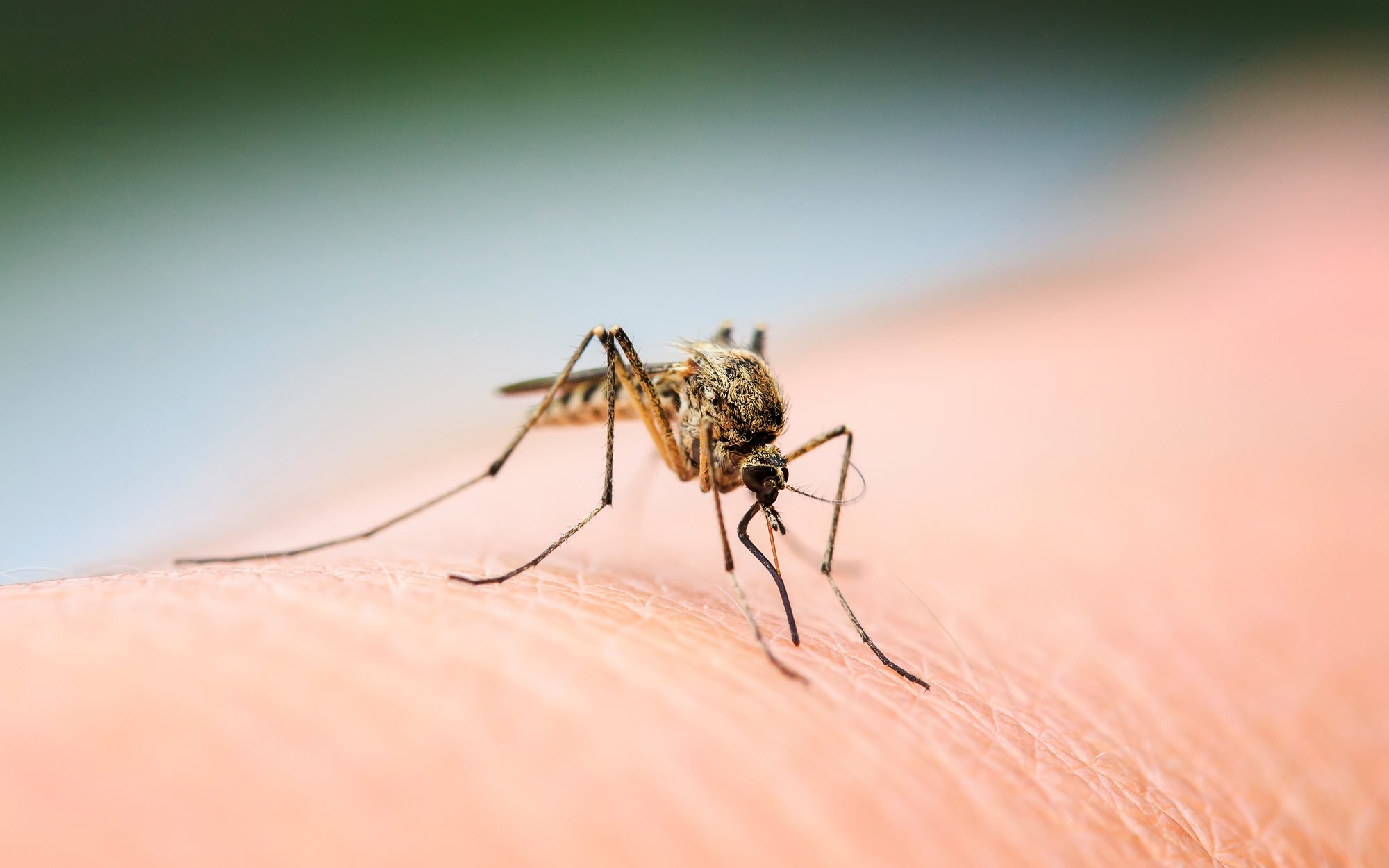
🌿
Popular plant works like iconic mosquito spray, researchers discover cheap alternative
Populaire plant werkt als iconische muggen spray, onderzoekers ontdekken goedkope vervanger
Plante populaire agit comme un spray anti-moustiques emblématique, les chercheurs découvrent une alternative bon marché
Researchers in Uganda and Wales have found that catnip oil can effectively repel mosquitoes, presenting an exciting alternative to traditional sprays. During tests, a 6% concentration of catnip oil proved just as effective as DEET, while a 2% concentration was only slightly less effective. This discovery is particularly valuable for local farmers in Uganda, where commercial repellents can be too expensive. The goal is to create a locally produced, effective repellent that is affordable for everyone.
Onderzoekers in Oeganda en Wales hebben ontdekt dat kattenkruidolie effectief muggen kan afschrikken, wat een opwindend alternatief biedt voor traditionele sprays. Tijdens tests bleek een concentratie van 6% kattenkruidolie net zo effectief als DEET, terwijl een concentratie van 2% slechts iets minder effectief was. Deze ontdekking is vooral waardevol voor lokale boeren in Oeganda, waar commerciële afschrikmiddelen te duur kunnen zijn. Het doel is om een lokaal geproduceerd, effectief afschrikmiddel te creëren dat voor iedereen betaalbaar is.
Des chercheurs en Ouganda et au pays de Galles ont découvert que l'huile de cataire peut efficacement repousser les moustiques, offrant une alternative passionnante aux sprays traditionnels. Lors des tests, une concentration de 6 % d'huile de cataire s'est révélée tout aussi efficace que le DEET, tandis qu'une concentration de 2 % était seulement légèrement moins efficace. Cette découverte est particulièrement précieuse pour les agriculteurs locaux en Ouganda, où les répulsifs commerciaux peuvent être trop chers. L'objectif est de créer un répulsif efficace, produit localement et abordable pour tous.

🌟
Never disagree with anyone: Behavioral scientist shares conflict-free trick to changing minds
Nooit het oneens zijn met iemand: Gedragswetenschapper deelt conflictvrije truc om meningen te veranderen
Ne jamais être en désaccord avec quelqu'un : Un scientifique du comportement partage une astuce sans conflit pour changer les esprits
So, convincing someone who disagrees with you can be a real challenge, right? Dr. Alison Wood Brooks from Harvard Business School suggests that the key is to avoid invalidating their views. Instead of jumping in with 'I disagree,' she recommends creating an emotionally safe dialogue where you show genuine interest in their perspective. This approach allows for a more constructive conversation over time, making it easier to change minds without the immediate pressure of disagreement.
Het overtuigen van iemand die het niet met je eens is, kan een echte uitdaging zijn, toch? Dr. Alison Wood Brooks van de Harvard Business School suggereert dat de sleutel is om hun standpunten niet te ongeldig te maken. In plaats van meteen te zeggen 'Ik ben het er niet mee eens', raadt ze aan om een emotioneel veilige dialoog te creëren waarin je oprechte interesse in hun perspectief toont. Deze aanpak maakt een constructievere conversatie in de loop van de tijd mogelijk, waardoor het gemakkelijker wordt om meningen te veranderen zonder de onmiddellijke druk van onenigheid.
Convaincreindre quelqu'un qui n'est pas d'accord avec vous peut être un véritable défi, n'est-ce pas ? Dr. Alison Wood Brooks de la Harvard Business School suggère que la clé est d'éviter d'invalider leurs opinions. Au lieu de dire 'Je ne suis pas d'accord', elle recommande de créer un dialogue émotionnellement sûr où vous montrez un intérêt sincère pour leur point de vue. Cette approche permet une conversation plus constructive au fil du temps, facilitant ainsi le changement d'avis sans la pression immédiate du désaccord.

🐢
Turtles and birds are related
Schildpadden en vogels zijn verwant
Les tortues et les oiseaux sont liés
So, researchers have made an exciting discovery that turtles are actually related to birds and crocodiles! This revelation comes from a study published in Current Biology, which analyzed fossils from the time when these species evolved. It's fascinating to think that turtles developed shortly after a massive extinction event 252 million years ago. The study also highlights the unique evolutionary path of early turtles, like Pappochelys, which had a shell that started forming on the underside. This new perspective really changes how we view these animals and their connections in the animal kingdom!
Dus, onderzoekers hebben een opwindende ontdekking gedaan dat schildpadden eigenlijk verwant zijn aan vogels en krokodillen! Deze onthulling komt uit een studie gepubliceerd in Current Biology, die fossielen heeft geanalyseerd uit de tijd waarin deze soorten zich ontwikkelden. Het is fascinerend om te denken dat schildpadden zich kort na een massale uitstervingsgebeurtenis 252 miljoen jaar geleden ontwikkelden. De studie benadrukt ook het unieke evolutionaire pad van vroege schildpadden, zoals Pappochelys, die een schaal had die zich aan de onderkant begon te vormen. Dit nieuwe perspectief verandert echt hoe we deze dieren en hun connecties in het dierenrijk bekijken!
Alors, les chercheurs ont fait une découverte passionnante : les tortues sont en réalité liées aux oiseaux et aux crocodiles ! Cette révélation provient d'une étude publiée dans Current Biology, qui a analysé des fossiles de l'époque où ces espèces ont évolué. Il est fascinant de penser que les tortues se sont développées peu après un événement d'extinction massive il y a 252 millions d'années. L'étude met également en lumière le chemin évolutif unique des premières tortues, comme Pappochelys, qui avait une carapace commençant à se former sur le dessous. Cette nouvelle perspective change vraiment notre façon de voir ces animaux et leurs liens dans le règne animal !
🦑
A molecular quirk unique to octopuses makes them better at building proteins
Een moleculaire eigenaardigheid uniek voor octopussen maakt ze beter in het bouwen van eiwitten
Une particularité moléculaire unique aux pieuvres les rend meilleures pour construire des protéines
So, it turns out octopuses have a fascinating molecular quirk that gives them an edge in protein building. This unique ability allows them to adapt and thrive in their environments like no other. Isn't it amazing how nature equips these creatures with such special tools? This discovery opens up new avenues for understanding evolution and the complexity of life in the ocean.
Dus, het blijkt dat octopussen een fascinerende moleculaire eigenaardigheid hebben die hen een voorsprong geeft in het bouwen van eiwitten. Deze unieke vaardigheid stelt hen in staat om zich aan te passen en te gedijen in hun omgeving zoals geen ander. Is het niet geweldig hoe de natuur deze wezens voorziet van zulke speciale hulpmiddelen? Deze ontdekking opent nieuwe wegen voor het begrijpen van evolutie en de complexiteit van het leven in de oceaan.
Alors, il s'avère que les pieuvres ont une particularité moléculaire fascinante qui leur donne un avantage dans la construction de protéines. Cette capacité unique leur permet de s'adapter et de prospérer dans leur environnement comme nul autre. N'est-ce pas incroyable comment la nature équipe ces créatures d'outils si spéciaux ? Cette découverte ouvre de nouvelles voies pour comprendre l'évolution et la complexité de la vie dans l'océan.
🌟
Heidelberg physicists just united two opposing quantum theories
Heidelbergse natuurkundigen verenigen twee tegenstrijdige kwantumtheorieën
Des physiciens de Heidelberg unissent deux théories quantiques opposées
How exciting is this? Physicists at Heidelberg University have developed a new theory that brings together two competing ideas in quantum physics! They’ve created a framework that explains how unusual particles behave in crowded environments, linking two previously disconnected quantum states. This breakthrough could have significant implications for future experiments in quantum matter, which is just fascinating to think about.
Hoe spannend is dit? Natuurkundigen aan de Universiteit van Heidelberg hebben een nieuwe theorie ontwikkeld die twee concurrerende ideeën in de kwantumfysica samenbrengt! Ze hebben een kader gecreëerd dat uitlegt hoe ongebruikelijke deeltjes zich gedragen in drukke omgevingen, en twee eerder niet-verbonden kwantumtoestanden met elkaar verbindt. Deze doorbraak kan belangrijke implicaties hebben voor toekomstige experimenten in de kwantummaterie, wat gewoon fascinerend is om over na te denken.
Comme c'est excitant ! Des physiciens de l'Université de Heidelberg ont développé une nouvelle théorie qui réunit deux idées concurrentes en physique quantique ! Ils ont créé un cadre qui explique comment des particules inhabituelles se comportent dans des environnements encombrés, reliant deux états quantiques auparavant déconnectés. Cette avancée pourrait avoir des implications significatives pour les futures expériences en matière quantique, ce qui est tout simplement fascinant à envisager.
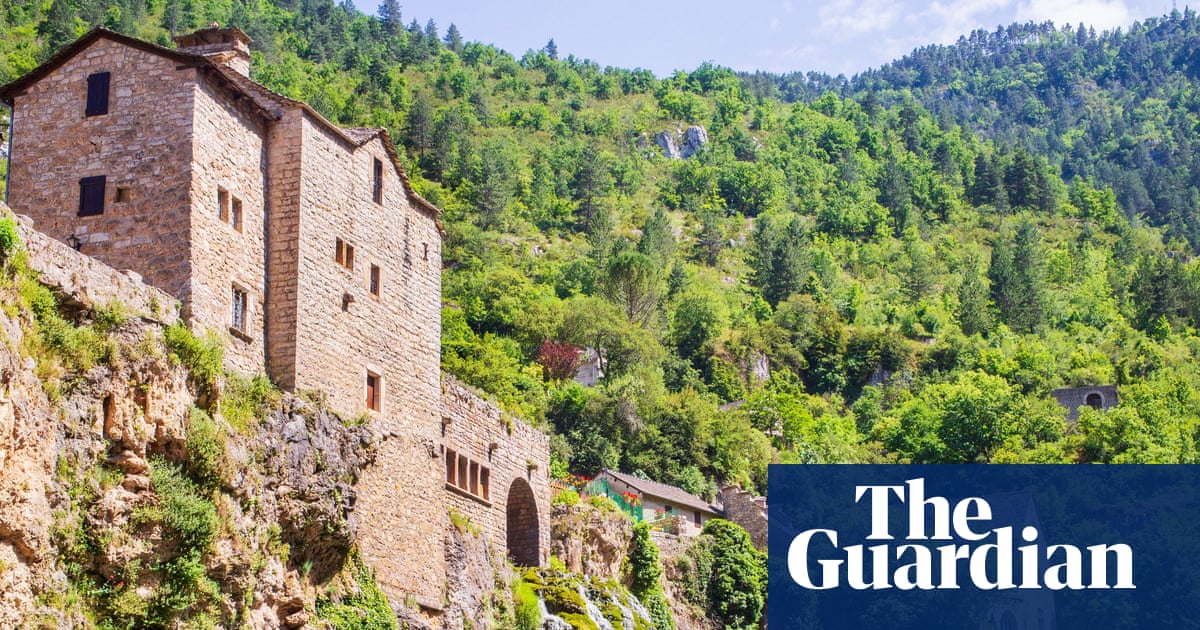
🌳
Walking in France’s ‘garden of Eden’: a new route in the gorgeous Gorges du Tarn
Wandelen in de ‘tuin van Eden’ van Frankrijk: een nieuwe route in de prachtige Gorges du Tarn
Marcher dans le ‘jardin d'Éden’ de France : un nouveau sentier dans les magnifiques Gorges du Tarn
Imagine sipping chestnut kir while watching beavers swim in the crystal-clear Tarn River! This new five-day hiking route through the Gorges du Tarn offers stunning views and a chance to connect with nature. With over 30 varieties of orchids and a vibrant wildlife scene, it’s a paradise for outdoor enthusiasts. Plus, you’ll encounter charming medieval towns and delicious local cuisine along the way.
Stel je voor dat je chestnut kir drinkt terwijl je bevers ziet zwemmen in de kristalheldere Tarn! Deze nieuwe vijfdaagse wandelroute door de Gorges du Tarn biedt prachtige uitzichten en de kans om in contact te komen met de natuur. Met meer dan 30 soorten orchideeën en een levendige fauna is het een paradijs voor natuurliefhebbers. Bovendien kom je onderweg charmante middeleeuwse stadjes en heerlijke lokale gerechten tegen.
Imaginez siroter un kir à la châtaigne tout en regardant des castors nager dans la Tarn cristalline ! Ce nouveau sentier de randonnée de cinq jours à travers les Gorges du Tarn offre des vues époustouflantes et une chance de se connecter avec la nature. Avec plus de 30 variétés d'orchidées et une faune vibrante, c'est un paradis pour les amateurs de plein air. De plus, vous rencontrerez en chemin des villes médiévales charmantes et une délicieuse cuisine locale.

🧩
Why does our brain love puzzles like sudoku and crosswords?
Waarom houdt onze hersenen van puzzels zoals sudoku en kruiswoordraadsels?
Pourquoi notre cerveau aime-t-il les puzzles comme le sudoku et les mots croisés ?
Have you ever wondered why puzzles like sudoku and crosswords are so captivating? It turns out our brains thrive on solving problems and recognizing patterns. Each filled box or discovered word brings a delightful sense of satisfaction, making it easy to get hooked on these challenges. Plus, they offer a fun break from screens while keeping our minds active and engaged.
Heb je je ooit afgevraagd waarom puzzels zoals sudoku en kruiswoordraadsels zo boeiend zijn? Het blijkt dat onze hersenen gedijen op het oplossen van problemen en het herkennen van patronen. Elke ingevulde box of ontdekte woord geeft een heerlijk gevoel van voldoening, waardoor het gemakkelijk is om verslaafd te raken aan deze uitdagingen. Bovendien bieden ze een leuke pauze van schermen terwijl ze onze geest actief en betrokken houden.
Vous êtes-vous déjà demandé pourquoi les puzzles comme le sudoku et les mots croisés sont si captivants ? Il s'avère que notre cerveau s'épanouit en résolvant des problèmes et en reconnaissant des schémas. Chaque case remplie ou mot découvert procure une délicieuse sensation de satisfaction, rendant facile de devenir accro à ces défis. De plus, ils offrent une pause amusante loin des écrans tout en gardant notre esprit actif et engagé.

🌱
Where does milk come from? His daughter’s answer led him to build a 24-hour farm camp
Waar komt melk vandaan? Het antwoord van zijn dochter leidde hem naar de bouw van een 24-uurs boerderijkamp
D'où vient le lait ? La réponse de sa fille l'a conduit à créer un camp agricole de 24 heures
Most kids know what's on their plate but not where it comes from, which is what sparked Kiruba Shankar's journey. After a humorous yet concerning moment with his daughter, he transformed his family's abandoned land into Vaksana Farms in Tamil Nadu. This isn't just a day trip; families get to live farm life for 24 hours, diving into hands-on activities that teach them about agriculture. Children learn the importance of every part of a farm, getting their hands dirty and truly connecting with the soil.
De meeste kinderen weten wat er op hun bord ligt, maar niet waar het vandaan komt, en dat inspireerde Kiruba Shankar. Na een grappig maar zorgwekkend moment met zijn dochter transformeerde hij het verlaten land van zijn familie in Vaksana Farms in Tamil Nadu. Dit is niet zomaar een daguitstapje; gezinnen leven 24 uur lang het boerenleven en duiken in praktische activiteiten die hen leren over landbouw. Kinderen leren het belang van elk onderdeel van een boerderij, krijgen hun handen vuil en maken echt contact met de grond.
La plupart des enfants savent ce qu'il y a dans leur assiette, mais pas d'où cela vient, ce qui a inspiré Kiruba Shankar. Après un moment à la fois drôle et inquiétant avec sa fille, il a transformé le terrain abandonné de sa famille en Vaksana Farms au Tamil Nadu. Ce n'est pas juste une sortie d'une journée ; les familles vivent la vie à la ferme pendant 24 heures et s'engagent dans des activités pratiques qui leur enseignent l'agriculture. Les enfants apprennent l'importance de chaque partie d'une ferme, se salissent les mains et se connectent vraiment avec le sol.

🌟
Researchers reveal the surprising No. 1 predictor of someone staying your best friend
Onderzoekers onthullen de verrassende nummer 1 voorspeller van iemand die je beste vriend blijft
Les chercheurs révèlent le surprenant numéro 1 des prédicteurs d'un ami fidèle
So, it turns out that the key to a lasting friendship isn't about shared interests or how long you've known each other. According to recent studies, honesty is the most desired trait in a friend, topping the list by a wide margin. Interestingly, dishonesty is seen as the most undesirable quality, which makes sense, right? This means that those friends who give you the tough love might just be the ones who stick around for the long haul.
Dus, het blijkt dat de sleutel tot een langdurige vriendschap niet gaat over gedeelde interesses of hoe lang je elkaar kent. Volgens recente studies is eerlijkheid de meest gewilde eigenschap in een vriend, en dat staat met grote voorsprong bovenaan de lijst. Interessant genoeg wordt oneerlijkheid gezien als de meest ongewenste kwaliteit, wat logisch is, toch? Dit betekent dat die vrienden die je de harde waarheid vertellen, misschien wel degenen zijn die het langst bij je blijven.
Donc, il s'avère que la clé d'une amitié durable ne concerne pas les intérêts communs ou la durée de votre connaissance. Selon des études récentes, l'honnêteté est la qualité la plus recherchée chez un ami, se classant largement en tête de liste. Fait intéressant, le mensonge est considéré comme la qualité la plus indésirable, ce qui a du sens, n'est-ce pas ? Cela signifie que ces amis qui vous donnent des conseils difficiles pourraient bien être ceux qui restent à vos côtés sur le long terme.
🔬
Schrödinger’s anthill: Quantum entanglement found in a crystal large enough to hold
Schrödingers mierenhoop: Kwantumverstrengeling gevonden in een kristal groot genoeg om vast te houden
La fourmilière de Schrödinger : Intrication quantique trouvée dans un cristal assez grand pour être tenu
Isn't it fascinating that quantum effects can exist in something as tangible as a crystal? Researchers at TU Wien have discovered quantum entanglement in a centimeter-sized crystal made from strange metal. This breakthrough connects quantum information and solid-state physics in a whole new way. Instead of focusing on individual particles, they examined how the entire crystal behaves collectively, much like an anthill responding as a unit. It's a remarkable step in understanding how quantum mechanics might apply to larger systems!
Is het niet fascinerend dat kwantumverschijnselen kunnen bestaan in iets tastbaars als een kristal? Onderzoekers van TU Wien hebben kwantumverstrengeling ontdekt in een kristal van een centimeter groot, gemaakt van vreemde metalen. Deze doorbraak verbindt kwantuminformatie en vaste-stoffysica op een geheel nieuwe manier. In plaats van zich te concentreren op individuele deeltjes, onderzochten ze hoe het hele kristal collectief reageert, net als een mierenhoop die als een eenheid reageert. Het is een opmerkelijke stap in het begrijpen van hoe de kwantummechanica zou kunnen gelden voor grotere systemen!
N'est-il pas fascinant que des effets quantiques puissent exister dans quelque chose d'aussi tangible qu'un cristal ? Des chercheurs de l'Université de Vienne ont découvert l'intrication quantique dans un cristal de taille centimétrique composé de métal étrange. Cette avancée relie l'information quantique et la physique des solides d'une manière totalement nouvelle. Au lieu de se concentrer sur des particules individuelles, ils ont examiné comment l'ensemble du cristal se comporte collectivement, tout comme une fourmilière réagissant en tant qu'unité. C'est une étape remarquable dans la compréhension de la manière dont la mécanique quantique pourrait s'appliquer à des systèmes plus grands !

✍️
Five points for anger: how algorithms learned to sell us the worst of each other
Vijf punten voor woede: hoe algoritmes ons het slechtste van elkaar leren verkopen
Cinq points pour la colère : comment les algorithmes ont appris à nous vendre le pire de nous-mêmes
I've been reflecting on how algorithms amplify our negativity bias, especially on social media. Studies show that negative content spreads faster and gets more engagement, which is quite alarming. Facebook's decision to weight angry reactions more heavily than likes is a prime example of this. It’s fascinating and a bit scary to see how our online interactions can be shaped by these mechanisms.
Ik heb nagedacht over hoe algoritmes onze negativiteitsbias versterken, vooral op sociale media. Studies tonen aan dat negatieve inhoud sneller verspreidt en meer betrokkenheid krijgt, wat behoorlijk verontrustend is. Facebook's beslissing om boze reacties zwaarder te wegen dan 'likes' is een goed voorbeeld hiervan. Het is fascinerend en een beetje eng om te zien hoe onze online interacties door deze mechanismen kunnen worden gevormd.
J'ai réfléchi à la façon dont les algorithmes amplifient notre biais de négativité, surtout sur les réseaux sociaux. Des études montrent que le contenu négatif se propage plus rapidement et obtient plus d'engagement, ce qui est assez alarmant. La décision de Facebook de pondérer les réactions en colère plus lourdement que les 'j'aime' en est un exemple frappant. C'est fascinant et un peu effrayant de voir comment nos interactions en ligne peuvent être façonnées par ces mécanismes.

☀️
99% of people on Earth will get sunlight at the same time this Wednesday
99% van de mensen op aarde krijgt deze woensdag tegelijkertijd zonlicht
99% des gens sur Terre recevront de lumière du soleil en même temps ce mercredi
So, on July 8 at around 11:10 GMT, a whopping 99 percent of the world's population will bask in sunlight all at once! This amazing moment will last just about a minute, with around 8.2 billion people enjoying daylight or twilight together. It's fascinating to think that while most of the world is lit up, only a small fraction will be in darkness. This phenomenon happens for about 60 days each year, but July 8 has gained popularity thanks to social media buzz.
Op 8 juli om ongeveer 11:10 GMT zal maar liefst 99 procent van de wereldbevolking tegelijkertijd in het zonlicht staan! Dit geweldige moment duurt slechts ongeveer een minuut, waarbij zo'n 8,2 miljard mensen samen daglicht of schemering ervaren. Het is fascinerend om te bedenken dat terwijl de meeste wereld verlicht is, slechts een klein percentage in het donker zal zijn. Dit fenomeen gebeurt ongeveer 60 dagen per jaar, maar 8 juli heeft populariteit gewonnen dankzij de buzz op sociale media.
Le 8 juillet à environ 11h10 GMT, 99 % de la population mondiale sera sous la lumière du soleil en même temps ! Ce moment incroyable ne durera qu'environ une minute, avec environ 8,2 milliards de personnes profitant ensemble de la lumière du jour ou du crépuscule. C'est fascinant de penser qu'alors que la plupart du monde est illuminé, seule une petite fraction sera dans l'obscurité. Ce phénomène se produit pendant environ 60 jours chaque année, mais le 8 juillet a gagné en popularité grâce au buzz sur les réseaux sociaux.
🌟
United States delivers breakthrough HIV prevention medication to Malawi
Verenigde Staten levert doorbraak HIV-preventiemedicatie aan Malawi
Les États-Unis livrent un médicament préventif révolutionnaire contre le VIH au Malawi
So, here's some fantastic news! The United States has just delivered lenacapavir, a groundbreaking new HIV prevention medication, to Malawi. This is a huge step in the fight against HIV/AIDS, with Malawi being one of only ten countries selected for this innovative program. Chargé d'Affaires Jonathan Fischer emphasized the importance of this delivery in achieving the goal of ending HIV/AIDS as a public health threat by 2030. It's truly inspiring to see such commitment to improving health systems and promoting self-reliance!
Dus, hier is geweldig nieuws! De Verenigde Staten hebben zojuist lenacapavir, een baanbrekende nieuwe HIV-preventiemedicatie, aan Malawi geleverd. Dit is een enorme stap in de strijd tegen HIV/AIDS, waarbij Malawi een van de slechts tien landen is die voor dit innovatieve programma zijn geselecteerd. Chargé d'Affaires Jonathan Fischer benadrukte het belang van deze levering om het doel te bereiken om HIV/AIDS tegen 2030 als een bedreiging voor de volksgezondheid te beëindigen. Het is echt inspirerend om zo'n toewijding aan het verbeteren van gezondheidssystemen en het bevorderen van zelfredzaamheid te zien!
Alors, voici une excellente nouvelle ! Les États-Unis viennent de livrer lenacapavir, un médicament préventif révolutionnaire contre le VIH, au Malawi. C'est un pas énorme dans la lutte contre le VIH/SIDA, le Malawi étant l'un des dix pays seulement sélectionnés pour ce programme innovant. Le Chargé d'Affaires Jonathan Fischer a souligné l'importance de cette livraison pour atteindre l'objectif d'éliminer le VIH/SIDA en tant que menace pour la santé publique d'ici 2030. C'est vraiment inspirant de voir un tel engagement pour améliorer les systèmes de santé et promouvoir l'autonomie !
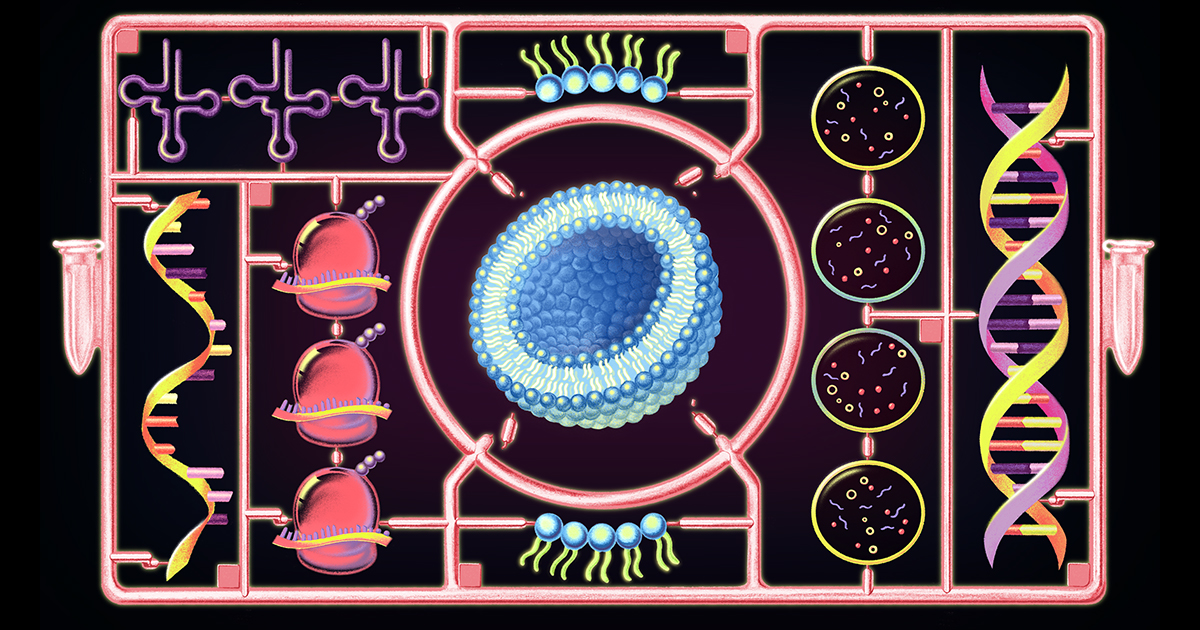
🌟
For the first time, a cell built from scratch grows and divides
Voor het eerst groeit en deelt een cel die helemaal vanaf nul is opgebouwd
Pour la première fois, une cellule construite de toutes pièces se développe et se divise
Scientists have achieved a remarkable feat by creating a synthetic cell that mimics life-like properties. This lab-made cell grew, replicated its DNA, and divided, showcasing essential cell functions. While it's not alive in the traditional sense, it represents a significant step towards understanding how life can emerge from nonliving materials. The flexibility of this synthetic cell could lead to exciting advancements in biofuels, drugs, and even insights into the origins of life itself.
Wetenschappers hebben een opmerkelijke prestatie geleverd door een synthetische cel te creëren die levensechte eigenschappen nabootst. Deze in het laboratorium gemaakte cel groeide, replicateerde zijn DNA en deelde zich, wat essentiële cel functies laat zien. Hoewel het niet leeft in de traditionele zin, vertegenwoordigt het een belangrijke stap in het begrijpen hoe leven kan ontstaan uit niet-levende materialen. De flexibiliteit van deze synthetische cel kan leiden tot spannende vooruitgangen in biobrandstoffen, medicijnen en zelfs inzichten in de oorsprong van het leven zelf.
Les scientifiques ont réalisé un exploit remarquable en créant une cellule synthétique qui imite des propriétés semblables à la vie. Cette cellule fabriquée en laboratoire a grandi, répliqué son ADN et s'est divisée, montrant des fonctions cellulaires essentielles. Bien qu'elle ne soit pas vivante au sens traditionnel, elle représente une étape significative vers la compréhension de la façon dont la vie peut émerger de matériaux non vivants. La flexibilité de cette cellule synthétique pourrait conduire à des avancées passionnantes dans les biocarburants, les médicaments et même des aperçus sur les origines de la vie elle-même.
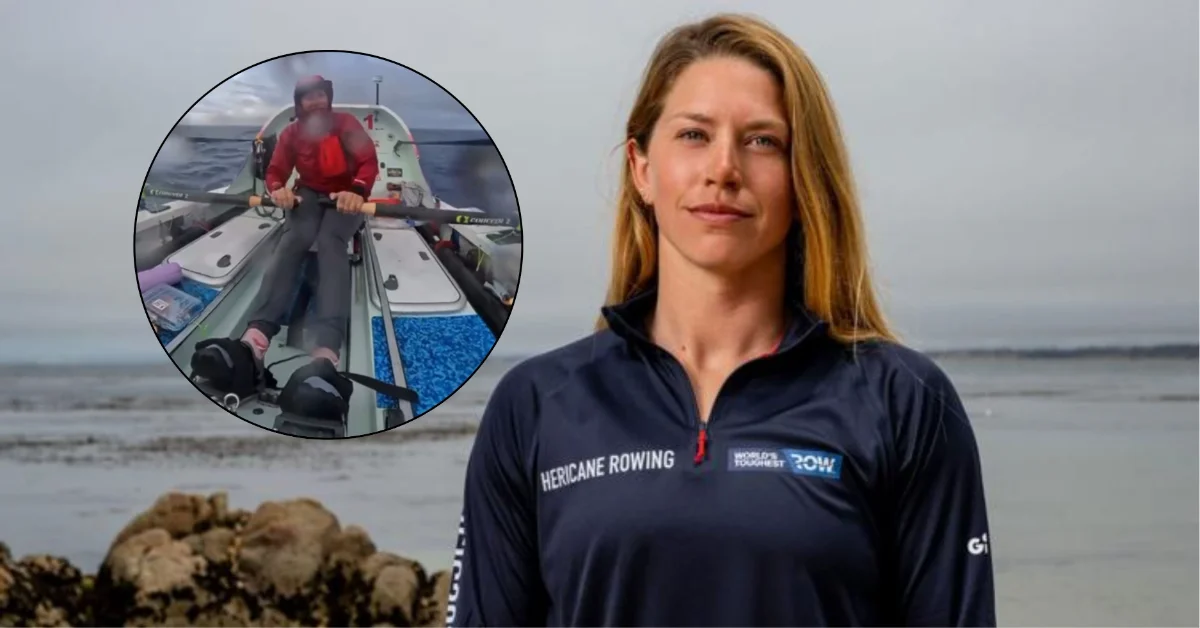
🏄♀️
Kelsey Pfendler becomes fastest person of any gender to row solo from California to Hawaii
Kelsey Pfendler wordt de snelste persoon van elk geslacht die solo van Californië naar Hawaï roeit
Kelsey Pfendler devient la personne la plus rapide de tous les genres à ramer seule de Californie à Hawaï
Kelsey Pfendler has just made history by becoming the fastest person of any gender to row solo from California to Hawaii, completing the journey in just 43 days! She set out from Monterey on May 21, aiming to inspire women and raise funds for the Whale Foundation. Not only did she break the women's record, but she also surpassed the men's record by more than a week. Her arrival in Honolulu was met with cheers from hundreds of supporters, celebrating her incredible achievement and the awareness she raised for the Grand Canyon river guiding community.
Kelsey Pfendler heeft geschiedenis geschreven door de snelste persoon van elk geslacht te worden die solo van Californië naar Hawaï roeit, en dit in slechts 43 dagen! Ze vertrok op 21 mei vanuit Monterey, met als doel vrouwen te inspireren en geld in te zamelen voor de Whale Foundation. Niet alleen verbrak ze het vrouwenrecord, maar ze overtrof ook het mannenrecord met meer dan een week. Haar aankomst in Honolulu werd verwelkomd met gejuich van honderden supporters, die haar ongelooflijke prestatie en de bewustwording voor de gemeenschap van Grand Canyon-rivierspecialisten vierden.
Kelsey Pfendler a fait l'histoire en devenant la personne la plus rapide de tous les genres à ramer seule de Californie à Hawaï, complétant le voyage en seulement 43 jours ! Elle est partie de Monterey le 21 mai, avec pour objectif d'inspirer les femmes et de collecter des fonds pour la Whale Foundation. Non seulement elle a battu le record féminin, mais elle a également dépassé le record masculin de plus d'une semaine. Son arrivée à Honolulu a été accueillie par des acclamations de centaines de supporters, célébrant son incroyable réalisation et la sensibilisation qu'elle a suscitée pour la communauté des guides de rivière du Grand Canyon.

👁️
A device that revives eyeballs from dead donors could make eye transplants possible
Een apparaat dat ogen van overleden donors weer tot leven brengt, zou oogtransplantaties mogelijk kunnen maken
Un dispositif qui ravive les yeux de donneurs décédés pourrait rendre les transplantations oculaires possibles
So, researchers have developed this amazing device called the Eye-in-a-Care-Box, or ECaBox, that can keep eyeballs from degenerating after death. It delivers oxygen-rich fluid to the eye, which helps preserve its structure and even allows it to respond to light. After successful trials with pig eyes, they moved on to human eyes and found that the treated ones performed significantly better. This could open up new possibilities for eye transplants and studying eye treatments without using live animals.
Dus, onderzoekers hebben een geweldig apparaat ontwikkeld, de Eye-in-a-Care-Box, of ECaBox, dat ogen kan behouden na de dood. Het levert zuurstofrijke vloeistof aan het oog, wat helpt om de structuur te behouden en zelfs om op licht te reageren. Na succesvolle proeven met varkensogen, zijn ze overgestapt op menselijke ogen en ontdekten dat de behandelde ogen aanzienlijk beter presteerden. Dit zou nieuwe mogelijkheden kunnen bieden voor oogtransplantaties en het bestuderen van oogbehandelingen zonder gebruik te maken van levende dieren.
Alors, des chercheurs ont développé un appareil incroyable appelé Eye-in-a-Care-Box, ou ECaBox, qui peut conserver les yeux après la mort. Il délivre un fluide riche en oxygène à l'œil, ce qui aide à préserver sa structure et même à lui permettre de réagir à la lumière. Après des essais réussis avec des yeux de porc, ils sont passés aux yeux humains et ont découvert que ceux traités fonctionnaient beaucoup mieux. Cela pourrait ouvrir de nouvelles possibilités pour les transplantations oculaires et l'étude des traitements oculaires sans utiliser d'animaux vivants.
🧠
Scientists may have finally found how Alzheimer's spreads through the brain
Wetenschappers hebben misschien eindelijk ontdekt hoe Alzheimer zich door de hersenen verspreidt
Les scientifiques ont peut-être enfin découvert comment Alzheimer se propage dans le cerveau
I'm really excited about this new research on Alzheimer's disease! Scientists have discovered that a brain protein called Arc plays a crucial role in how the toxic Tau protein spreads between neurons. Instead of just trying to eliminate Tau, future treatments might focus on stopping it from reaching healthy cells. This could be a game changer in the fight against Alzheimer's, and I can't wait to see where this leads!
Ik ben echt enthousiast over dit nieuw onderzoek naar de ziekte van Alzheimer! Wetenschappers hebben ontdekt dat een herseneiwit genaamd Arc een cruciale rol speelt in hoe het giftige Tau-eiwit zich tussen neuronen verspreidt. In plaats van alleen te proberen Tau te elimineren, zouden toekomstige behandelingen zich kunnen richten op het voorkomen dat het gezonde cellen bereikt. Dit zou een grote doorbraak kunnen zijn in de strijd tegen Alzheimer, en ik kan niet wachten om te zien waar dit naartoe leidt!
Je suis vraiment enthousiaste à propos de cette nouvelle recherche sur la maladie d'Alzheimer ! Les scientifiques ont découvert qu'une protéine cérébrale appelée Arc joue un rôle crucial dans la façon dont la protéine toxique Tau se propage entre les neurones. Au lieu de simplement essayer d'éliminer Tau, les traitements futurs pourraient se concentrer sur l'arrêt de sa propagation vers les cellules saines. Cela pourrait être un tournant dans la lutte contre la maladie d'Alzheimer, et j'ai hâte de voir où cela nous mène !

🎶
Singing the shopping list: how music can rewire the brain after stroke
De boodschappenlijst zingen: hoe muziek de hersenen kan herbedraden na een beroerte
Chanter la liste de courses : comment la musique peut reconfigurer le cerveau après un AVC
In a remarkable journey, Naresh Shanbhag transformed his life after a stroke with the help of music therapy. Initially skeptical, he found joy and progress in singing his shopping list, which helped him regain his speech. The innovative work at Bengaluru’s music cognition lab showcases how engaging with music can rewire the brain and aid recovery. This approach not only fosters communication but also brings a sense of achievement and independence to patients like Shanbhag.
In een opmerkelijke reis transformeerde Naresh Shanbhag zijn leven na een beroerte met de hulp van muziektherapie. Aanvankelijk sceptisch, vond hij vreugde en vooruitgang in het zingen van zijn boodschappenlijst, wat hem hielp zijn spraak terug te krijgen. Het innovatieve werk in het muziekcognitielab in Bengaluru toont aan hoe betrokkenheid bij muziek de hersenen kan herbedraden en herstel kan bevorderen. Deze aanpak bevordert niet alleen de communicatie, maar brengt ook een gevoel van prestatie en onafhankelijkheid voor patiënten zoals Shanbhag.
Dans un parcours remarquable, Naresh Shanbhag a transformé sa vie après un AVC grâce à la musicothérapie. Initialement sceptique, il a trouvé de la joie et des progrès en chantant sa liste de courses, ce qui l'a aidé à retrouver la parole. Le travail innovant au laboratoire de cognition musicale de Bengaluru montre comment l'engagement avec la musique peut reconfigurer le cerveau et aider à la récupération. Cette approche favorise non seulement la communication, mais apporte également un sentiment d'accomplissement et d'indépendance aux patients comme Shanbhag.

🌧️
How Indian farmers predicted rain centuries before weather forecasts
Hoe Indiase boeren eeuwen geleden regen voorspelden voordat er weersvoorspellingen waren
Comment les agriculteurs indiens ont prédit la pluie des siècles avant les prévisions météorologiques
It's fascinating how Indian farmers have been predicting rain long before modern weather forecasts came into play. They developed intricate systems based on generations of observations, linking celestial movements to rainfall patterns. For instance, rituals like Tatta Sanketam involve balancing a tumbler on a basket to forecast the monsoon. Researchers are now looking back at these traditional methods to see what insights they can offer in today's unpredictable climate.
Het is fascinerend hoe Indiase boeren al eeuwenlang regen voorspellen, lang voordat moderne weersvoorspellingen bestonden. Ze ontwikkelden ingewikkelde systemen op basis van generaties van observaties, waarbij ze hemelse bewegingen aan regenpatronen koppelden. Bijvoorbeeld, rituelen zoals Tatta Sanketam omvatten het balanceren van een tumbler op een mand om de moesson te voorspellen. Onderzoekers kijken nu terug naar deze traditionele methoden om te zien welke inzichten ze kunnen bieden in het onvoorspelbare klimaat van vandaag.
C'est fascinant de voir comment les agriculteurs indiens ont prédit la pluie bien avant l'avènement des prévisions météorologiques modernes. Ils ont développé des systèmes complexes basés sur des générations d'observations, reliant les mouvements célestes aux schémas de pluie. Par exemple, des rituels comme le Tatta Sanketam consistent à équilibrer un gobelet sur un panier pour prévoir la mousson. Les chercheurs se penchent maintenant sur ces méthodes traditionnelles pour voir quelles idées elles peuvent offrir dans le climat imprévisible d'aujourd'hui.
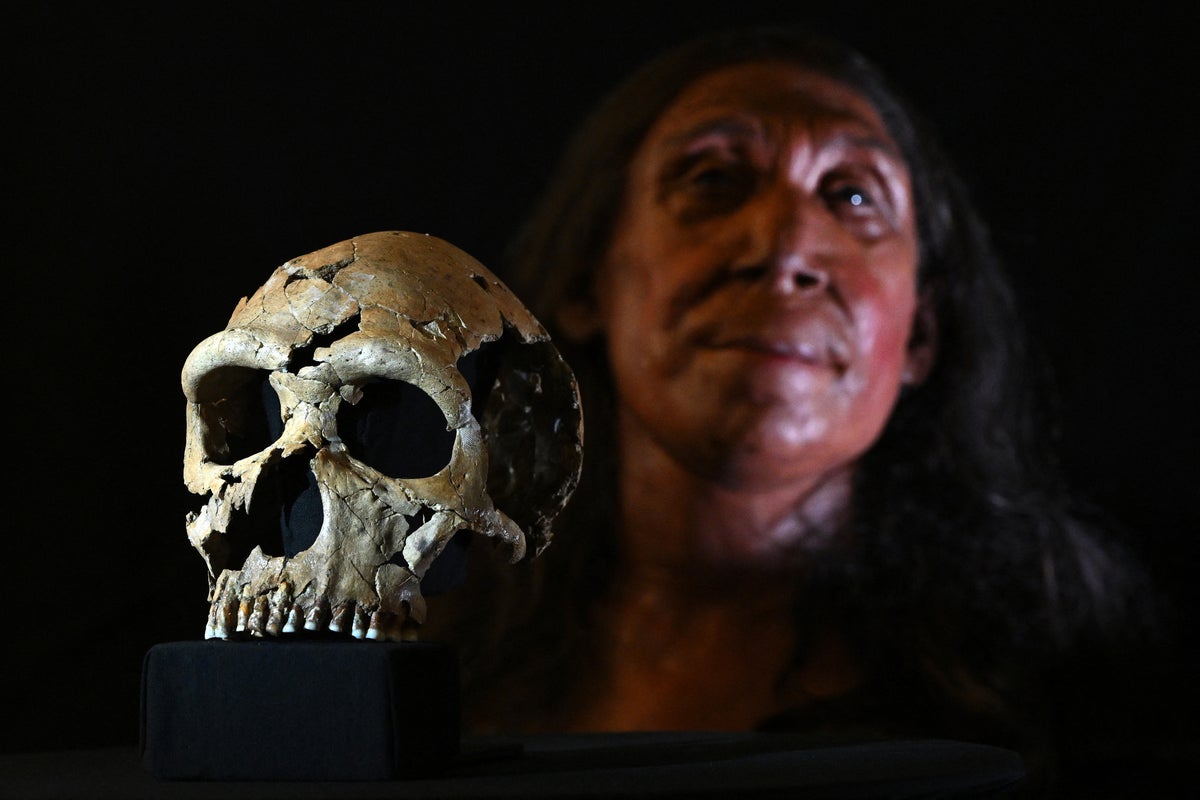
🦴
Did our human ancestors and Neanderthals share a common culture?
Deelden onze menselijke voorouders en Neanderthalers een gemeenschappelijke cultuur?
Nos ancêtres humains et les Néandertaliens partageaient-ils une culture commune?
New research from a Turkish cave suggests that Neanderthals and modern humans may have shared similar cultural practices and behaviors - which is pretty fascinating when you think about it. Scientists found that both groups used comparable stone tools, employed similar hunting strategies, and most surprisingly, collected the same type of Mediterranean mollusk shells despite other options being available. This shell-collecting behavior was previously thought to be unique to modern humans, so discovering it in Neanderthals really challenges what we assumed about their cognitive abilities. The findings suggest that both species placed real value on potentially symbolic behaviors, even under harsh survival conditions, forcing us to reconsider the cultural boundaries between different human groups in that ancient world.
Nieuw onderzoek uit een Turkse grot suggereert dat Neanderthalers en moderne mensen mogelijk dezelfde culturele praktijken en gedragingen deelden - wat behoorlijk fascinerend is als je erover nadenkt. Wetenschappers ontdekten dat beide groepen vergelijkbare stenen gereedschappen gebruikten, soortgelijke jachtstrategieën toepasten, en het meest verrassend, dezelfde soort Middellandse schelpen verzamelden ondanks andere beschikbare opties. Dit schelpenverza melgedrag werd eerder geacht exclusief voor moderne mensen te zijn, dus het ontdekken ervan bij Neanderthalers daagt echt uit wat we aannames over hun cognitieve capaciteiten. De bevindingen suggereren dat beide soorten echte waarde hechtten aan mogelijk symbolisch gedrag, zelfs onder harde overlevingsomstandigheden, wat ons dwingt de culturele grenzen tussen verschillende menselijke groepen in die oude wereld opnieuw te overwegen.
De nouvelles recherches provenant d'une grotte turque suggèrent que les Néandertaliens et les humains modernes auraient peut-être partagé des pratiques et des comportements culturels similaires - ce qui est plutôt fascinant quand on y pense. Les scientifiques ont découvert que les deux groupes utilisaient des outils en pierre comparables, employaient des stratégies de chasse similaires et, plus surprenant encore, collectaient le même type de coquillages méditerranéens malgré d'autres options disponibles. Ce comportement de collecte de coquillages était auparavant considéré comme exclusif aux humains modernes, donc sa découverte chez les Néandertaliens remet vraiment en question nos hypothèses sur leurs capacités cognitives. Les conclusions suggèrent que les deux espèces accordaient une véritable valeur à des comportements potentiellement symboliques, même dans des conditions de survie difficiles, nous forçant à reconsidérer les frontières culturelles entre les différents groupes humains du monde antique.
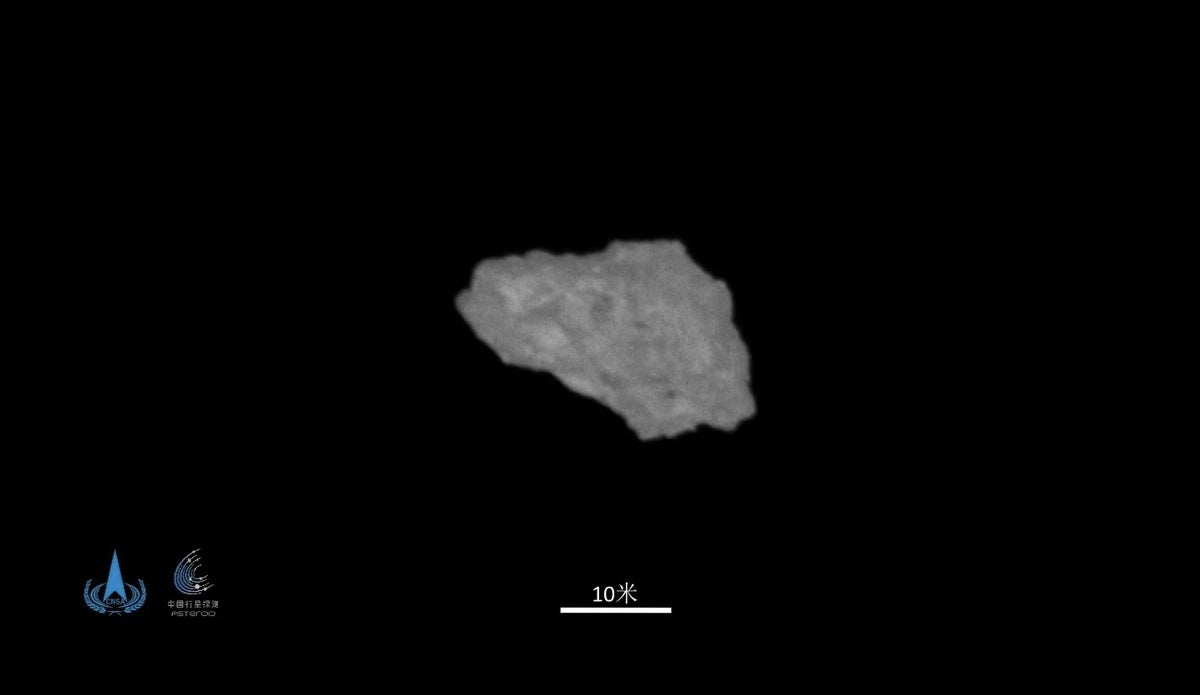
🚀
Chinese spacecraft captures first image of Earth's mysterious mini moon
Chinees ruimtevaartuig maakt eerste foto van aardes mysterieuze mini-maan
L'engin spatial chinois capture la première image de la mini-lune mystérieuse de la Terre
China's Tianwen-2 spacecraft has successfully beamed back its first image of Kamo'oalewa, a small near-Earth asteroid that loops around our planet like a quasi-satellite - which is why scientists affectionately call it Earth's "mini moon." The space rock, only about 66 feet in diameter, is the target of an ambitious sample-collection mission that has already traveled 621 million miles over 400 days. Now the really exciting part begins - Tianwen-2 will use one of three ingenious methods to grab samples from the asteroid's surface, including a touch-and-go technique, an anchor-and-attach approach, or a hovering robotic arm. After dropping the precious samples back to Earth in 2027, the spacecraft will continue its journey to explore comet 311P/PanSTARRS, extending this incredible mission even further.
Het Chinese ruimtevaartuig Tianwen-2 heeft met succes zijn eerste foto van Kamo'oalewa verzonden - een kleine asteroïde in de buurt van de aarde die rond onze planeet draait als een quasi-satelliet, waarom wetenschappers het aardig aardes "mini-maan" noemen. De ruimtesteen is slechts ongeveer 20 meter in doorsnee en is het doel van een ambitieuze monsterverzamelingmissie die al 1000 miljoen kilometer in 400 dagen heeft afgelegd. Nu begint het echte spannende gedeelte - Tianwen-2 zal een van drie geniale methodes gebruiken om monsters van het asteroïde-oppervlak te verzamelen, inclusief een "touch-and-go"-techniek, een ankeer-en-bevestigingsbenadering, of een zwevende robotarm. Na het terugbrengen van de kostbare monsters naar de aarde in 2027, zal het ruimtevaartuig zijn reis voortzetten om komeet 311P/PanSTARRS te verkennen, waardoor deze ongelooflijke missie nog verder wordt uitgebreid.
L'engin spatial chinois Tianwen-2 a réussi à envoyer sa première image de Kamo'oalewa - une petite astéroïde près de la Terre qui orbite autour de notre planète comme un quasi-satellite, c'est pourquoi les scientifiques l'appellent affectueusement la "mini-lune" de la Terre. Le rocher spatial ne mesure que environ 20 mètres de diamètre et est l'objectif d'une ambitieuse mission de collecte d'échantillons qui a déjà parcouru 1000 millions de kilomètres en 400 jours. Maintenant, la partie vraiment passionnante commence - Tianwen-2 utilisera l'une des trois méthodes ingénieuses pour prélever des échantillons de la surface de l'astéroïde, y compris une technique d'approche-contact, une approche d'ancrage-et-fixation, ou un bras robotisé en vol stationnaire. Après avoir ramené les précieux échantillons sur Terre en 2027, l'engin spatial poursuivra son voyage pour explorer la comète 311P/PanSTARRS, prolongeant encore cette incroyable mission.
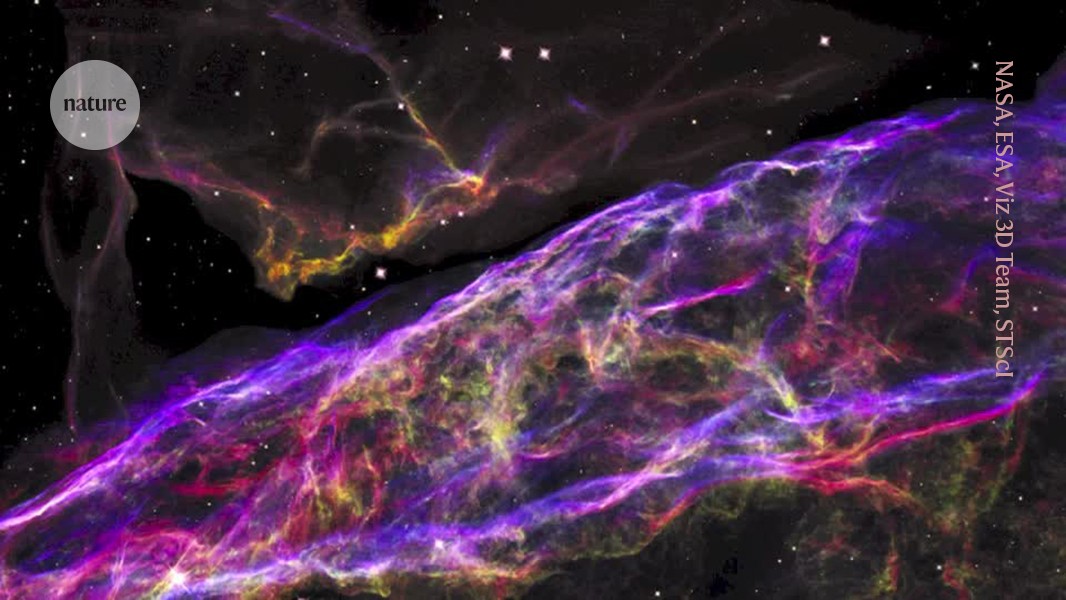
🔭
Save Hubble: the race to preserve the space telescope kicks off
Redding van Hubble: de race om de ruimtetelescoop te behouden begint
Sauver Hubble : la course pour préserver le télescope spatial commence
NASA is now seriously considering whether to keep the iconic Hubble Space Telescope operational into the 2030s by boosting it to a higher orbit, or to send a robotic mission to decommission it. Since 1990, Hubble has fundamentally changed how humanity sees itself in the cosmos, delivering groundbreaking discoveries about galaxies, dark energy, stellar evolution, and exoplanet atmospheres that continue to inspire scientists and the public alike. The telescope's ultraviolet and optical capabilities remain essential and in high demand - research proposals outnumber available observation time by six to one - and it fills a crucial gap in NASA's observatory fleet by complementing the James Webb Space Telescope until a successor launches in 2040. A working group will submit recommendations to NASA and Congress later this year, based on white papers due in July, with the ultimate decision on this remarkable mission's future still hanging in the balance.
NASA overweegt nu serieus of de iconische Hubble-ruimtetelescoop in de jaren 2030 operationeel blijft door hem naar een hogere baan te brengen, of een robotische missie stuurt om hem buiten dienst te stellen. Sinds 1990 heeft Hubble fundamenteel veranderd hoe de mensheid zichzelf in het universum ziet, met baanbrekende ontdekkingen over sterrenstelsels, donkere energie, stellaire evolutie en exoplaneetatmospheren die wetenschappers en het publiek blijven inspireren. De ultraviolette en optische mogelijkheden van de telescoop blijven essentieel en zeer gewild - onderzoeksvoorstellen overtreffen de beschikbare waarnemingstijd met een factor zes - en hij vult een cruciaal gat in NASA's observatoriumbasis door de James Webb Space Telescope aan te vullen totdat een opvolger in 2040 wordt gelanceerd. Een werkgroep zal later dit jaar aanbevelingen indienen bij NASA en het Congres, gebaseerd op white papers die in juli moeten worden ingediend, terwijl de uiteindelijke beslissing over de toekomst van deze opmerkelijke missie nog in evenwicht hangt.
La NASA envisage sérieusement maintenant de maintenir le légendaire télescope spatial Hubble en activité dans les années 2030 en le propulsant vers une orbite plus élevée, ou d'envoyer une mission robotique pour le désactiver. Depuis 1990, Hubble a fondamentalement changé la façon dont l'humanité se voit dans le cosmos, apportant des découvertes révolutionnaires sur les galaxies, l'énergie sombre, l'évolution stellaire et les atmosphères d'exoplanètes qui continuent d'inspirer les scientifiques et le public. Les capacités ultraviolettes et optiques du télescope restent essentielles et très demandées - les propositions de recherche dépassent le temps d'observation disponible par un facteur de six - et il comble un vide crucial dans la flotte d'observatoires de la NASA en complétant le télescope spatial James Webb jusqu'au lancement d'un successeur en 2040. Un groupe de travail soumettra ses recommandations à la NASA et au Congrès plus tard cette année, basées sur des documents blancs à remettre en juillet, tandis que la décision ultime concernant l'avenir de cette remarquable mission reste en suspens.
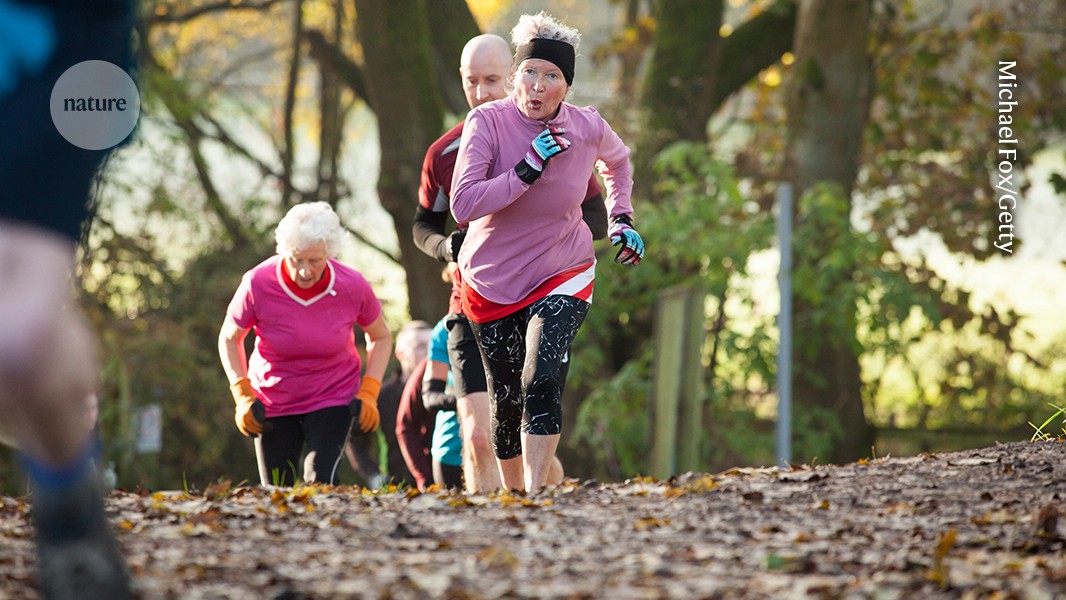
🧠
How to avoid dementia - what the science really says
Hoe dementie te voorkomen - wat de wetenschap werkelijk zegt
Comment prévenir la démence - ce que la science dit vraiment
Scientists have identified lifestyle factors that can reduce dementia risk - things like exercise, a healthy diet, social engagement, and treating hearing loss - but here's the tricky part: doing all of these things doesn't guarantee you'll avoid the condition. Large clinical trials like FINGER and POINTER have tested intensive lifestyle interventions and found they boost cognitive performance modestly, yet none have actually reduced dementia incidence, raising questions about how much real-world impact these approaches truly have. The challenge researchers face is that while the evidence points to helpful strategies, it's incredibly difficult to measure exactly how much each factor matters in preventing dementia. There's also growing concern that we're placing too much emphasis on individual responsibility when major risk factors - like air pollution, education access, and food security - sit mostly outside people's control, making this fundamentally a societal issue rather than just a personal one.
Wetenschappers hebben leefstijlfactoren geïdentificeerd die het dementiarisico kunnen verlagen - zoals beweging, gezonde voeding, sociaal contact en het behandelen van gehoorverlies - maar hier zit de moeilijkheid: al deze dingen doen garandeert niet dat je dementie kunt vermijden. Grote klinische onderzoeken zoals FINGER en POINTER hebben intensieve leefstijlinterventies getest en vonden bescheiden verbeteringen in cognitieve prestaties, maar geen daarvan heeft daadwerkelijk het aantal dementiagevallen verminderd. De uitdaging voor onderzoekers is dat hoewel het bewijs nuttige strategieën aanwijst, het ongelooflijk moeilijk is om precies te meten hoeveel elke factor bijdraagt aan dementiapreventie. Er groeit ook bezorgdheid dat we te veel nadruk leggen op persoonlijke verantwoordelijkheid terwijl belangrijke risicofactoren - zoals luchtvervuiling, onderwijstoegang en voedselveiligheid - grotendeels buiten de controle van mensen liggen.
Les scientifiques ont identifié des facteurs liés au mode de vie qui peuvent réduire le risque de démence - comme l'exercice physique, une alimentation saine, l'engagement social et le traitement de la perte auditive - mais voilà le problème : faire toutes ces choses ne garantit pas que vous éviterez la démence. De grands essais cliniques comme FINGER et POINTER ont testé des interventions intensives sur le mode de vie et ont trouvé des améliorations modestes des performances cognitives, mais aucun n'a réellement réduit l'incidence de la démence. Le défi pour les chercheurs est que bien que les preuves pointent vers des stratégies utiles, il est incroyablement difficile de mesurer exactement l'impact réel que chaque facteur a dans la prévention de la démence. Il y a aussi une préoccupation croissante selon laquelle nous mettons trop l'accent sur la responsabilité individuelle alors que les principaux facteurs de risque - comme la pollution de l'air, l'accès à l'éducation et la sécurité alimentaire - échappent largement au contrôle des gens.

🐙
Artists create giant sea animals from sand
Artiesten creëren gigantische zeedieren van zand
Des artistes créent des animaux marins géants en sable
On the beautiful island of Rab in Croatia, artists are crafting impressive sand sculptures of marine creatures during the 15th Festival of Sand Sculptures. It's amazing to see a monk seal, a turtle, and a giant squid take shape right on the beach! The event transforms the sandy shore into a vibrant open-air gallery, showcasing the artists' teamwork and creativity. What's really cool is that these sculptures are temporary, shaped by nature itself before they return to the beach.
Op het prachtige eiland Rab in Kroatië creëren artiesten indrukwekkende zandsculpturen van zeewezens tijdens het 15e Festival van Zandsculpturen. Het is geweldig om te zien hoe een monniksrob, een schildpad en een gigantische inktvis vorm krijgen op het strand! Het evenement transformeert de zandige kust in een levendige openluchtgalerij, die de samenwerking en creativiteit van de artiesten toont. Wat echt bijzonder is, is dat deze sculpturen tijdelijk zijn, gevormd door de natuur voordat ze weer terugkeren naar het strand.
Sur la belle île de Rab en Croatie, des artistes créent d'impressionnantes sculptures de sable représentant des créatures marines lors du 15e Festival des Sculptures de Sable. C'est incroyable de voir un phoque moine, une tortue et un calmar géant prendre forme sur la plage ! L'événement transforme le rivage sablonneux en une galerie à ciel ouvert, mettant en valeur le travail d'équipe et la créativité des artistes. Ce qui est vraiment cool, c'est que ces sculptures sont temporaires, façonnées par la nature avant de retourner à la plage.
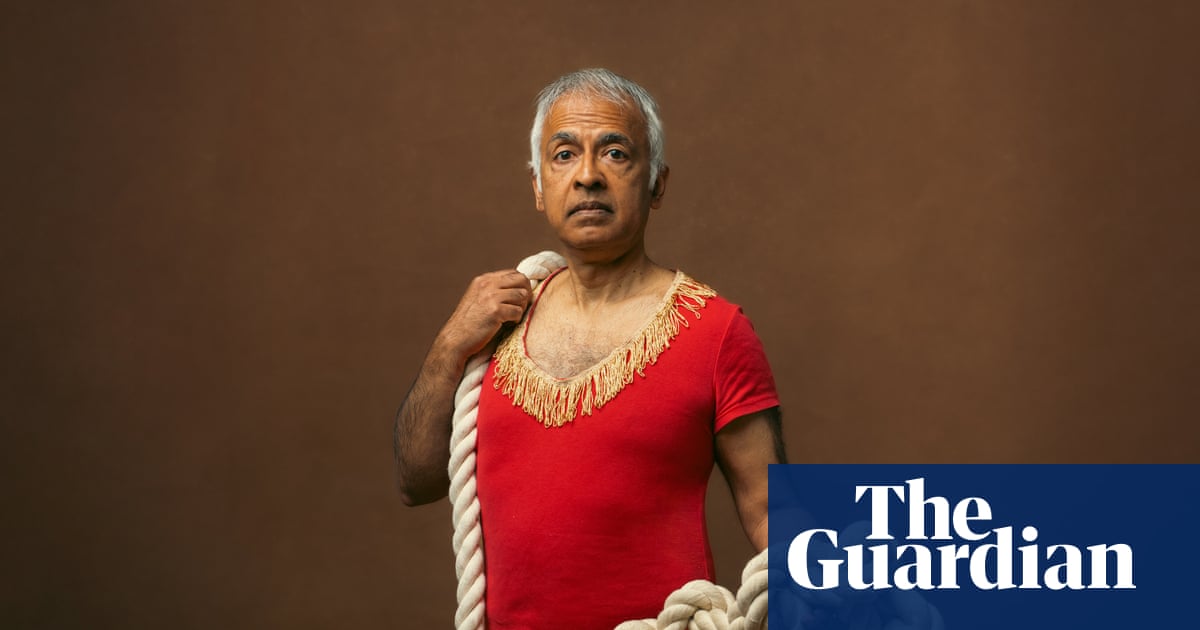
🎪
Roll up, roll up! Older generation find joy and fearlessness in circus
Kom erbij! Oudere generatie vindt vreugde en onbevreesdheid in de circus
Venez, venez ! La génération plus âgée trouve joie et audace dans le cirque
It's amazing to see how older adults are embracing the circus as a way to challenge themselves and find joy. Rumman Talukder, at 60, is just one of many discovering the thrill of trapeze and juggling. With classes popping up across the UK, from Hertfordshire to London, it's clear that circus isn't just for the young. Participants are not only getting fit but also forming a vibrant community, proving that age is just a number when it comes to trying something new.
Het is geweldig om te zien hoe oudere volwassenen de circus omarmen als een manier om zichzelf uit te dagen en vreugde te vinden. Rumman Talukder, op 60-jarige leeftijd, is slechts een van de velen die de opwinding van trapeze en jongleren ontdekken. Met lessen die overal in het VK opduiken, van Hertfordshire tot Londen, is het duidelijk dat circus niet alleen voor jongeren is. De deelnemers worden niet alleen fitter, maar vormen ook een levendige gemeenschap, wat bewijst dat leeftijd slechts een getal is als het gaat om iets nieuws proberen.
C'est incroyable de voir comment les adultes plus âgés adoptent le cirque comme moyen de se défier et de trouver de la joie. Rumman Talukder, à 60 ans, n'est qu'un des nombreux à découvrir le frisson du trapèze et du jonglage. Avec des cours qui apparaissent à travers le Royaume-Uni, de l'Hertfordshire à Londres, il est clair que le cirque n'est pas seulement pour les jeunes. Les participants ne se contentent pas de se mettre en forme, mais forment également une communauté dynamique, prouvant que l'âge n'est qu'un chiffre lorsqu'il s'agit d'essayer quelque chose de nouveau.

🔥
Why humans find fire so mesmerizing
Waarom mensen vuur zo fascinerend vinden
Pourquoi les humains trouvent le feu si fascinant
There's something magical about watching a fire dance and flicker, isn't there? Dr. Daniel M.T. Fessler suggests that our fascination with fire might stem from a sense of unfinished business—especially for those who mastered it as kids. Once we get the hang of building fires, the allure seems to fade, leaving many adults staring into the flames for hours. It's a curious cycle of attraction and mastery that makes fire a unique part of our lives.
Er is iets magisch aan het kijken naar een dansend en flikkerend vuur, nietwaar? Dr. Daniel M.T. Fessler suggereert dat onze fascinatie voor vuur voortkomt uit een gevoel van onvoltooid verleden, vooral voor degenen die het als kinderen onder de knie hebben gekregen. Zodra we het bouwen van vuur onder de knie hebben, lijkt de aantrekkingskracht te vervagen, waardoor veel volwassenen urenlang in de vlammen staren. Het is een nieuwsgierige cyclus van aantrekkingskracht en beheersing die vuur een uniek onderdeel van ons leven maakt.
Il y a quelque chose de magique à regarder un feu danser et vaciller, n'est-ce pas ? Le Dr Daniel M.T. Fessler suggère que notre fascination pour le feu pourrait provenir d'un sentiment d'affaires inachevées, surtout pour ceux qui l'ont maîtrisé enfants. Une fois que nous avons appris à allumer des feux, l'attrait semble s'estomper, laissant de nombreux adultes fixer les flammes pendant des heures. C'est un cycle curieux d'attraction et de maîtrise qui fait du feu une partie unique de nos vies.
.png)
🌍
There’s a global network of fungi under your feet. This is the first complete map
Er is een wereldwijd netwerk van schimmels onder je voeten. Dit is de eerste complete kaart
Il existe un réseau mondial de champignons sous vos pieds. Voici la première carte complète
So, beneath our feet lies this incredible underground network of fungi that's just mind-blowing! Researchers have created the first-ever global map of this mycorrhizal network, which is like a hidden web connecting plants around the world. They estimate it stretches an astonishing 110 quadrillion kilometers, which is nearly a billion times the distance to the sun! This discovery not only highlights the importance of fungi in supporting plant life but also sheds light on their role in regulating our climate.
Dus, onder onze voeten ligt dit ongelooflijke ondergrondse netwerk van schimmels dat gewoon verbazingwekkend is! Onderzoekers hebben de allereerste wereldwijde kaart van dit mycorrhizale netwerk gemaakt, dat als een verborgen web planten over de hele wereld verbindt. Ze schatten dat het een verbazingwekkende 110 quadriljoen kilometer strekt, wat bijna een miljard keer de afstand tot de zon is! Deze ontdekking benadrukt niet alleen het belang van schimmels voor het ondersteunen van plantengroei, maar werpt ook licht op hun rol bij het reguleren van ons klimaat.
Donc, sous nos pieds se trouve ce réseau souterrain incroyable de champignons qui est tout simplement époustouflant ! Des chercheurs ont créé la toute première carte mondiale de ce réseau mycorhizien, qui est comme une toile cachée reliant les plantes du monde entier. Ils estiment qu'il s'étend sur environ 110 quadrillions de kilomètres, ce qui est presque un milliard de fois la distance jusqu'au soleil ! Cette découverte met en lumière non seulement l'importance des champignons dans le soutien de la vie végétale, mais aussi leur rôle dans la régulation de notre climat.
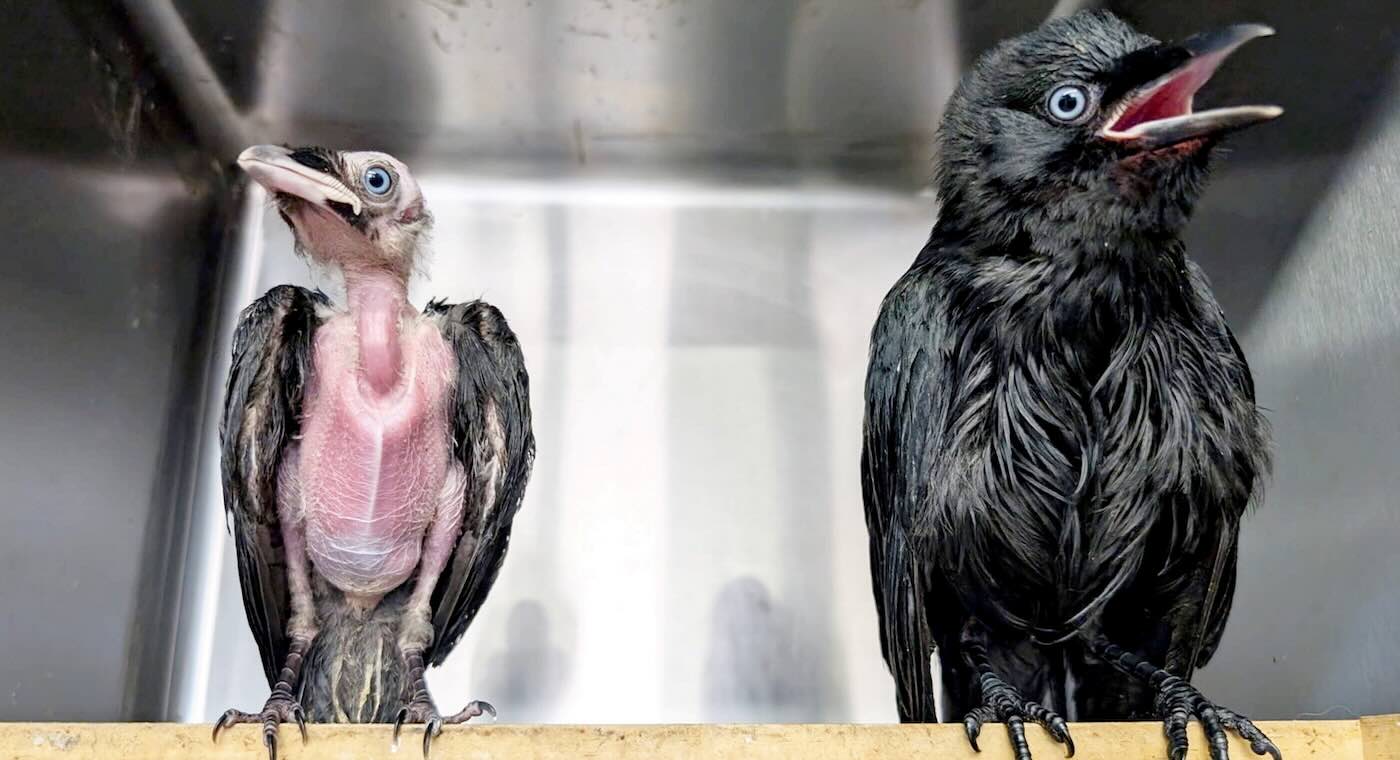
🦅
Crow takes to teaching a starving orphan bird how to eat
Kraai leert een hongerig weesvogeltje hoe te eten
Un corbeau apprend à un oisillon orphelin affamé à manger
It's heartwarming to see how an older crow has taken a young jackdaw named Frank under his wing. Found in a dire state, Frank was rescued and is now being cared for by this nurturing bird, who even feeds him! Watching their bond grow as Frank learns to eat is just delightful. The rescue team hopes Frank will soon be healthy enough to fly and eventually return to the wild.
Het is hartverwarmend om te zien hoe een oudere kraai een jonge ekster genaamd Frank onder zijn vleugel heeft genomen. Frank werd in een erbarmelijke staat gevonden en wordt nu verzorgd door deze zorgzame vogel, die hem zelfs voedt! Het is gewoon heerlijk om hun band te zien groeien terwijl Frank leert eten. Het reddingsteam hoopt dat Frank snel gezond genoeg zal zijn om te vliegen en uiteindelijk terug te keren naar de natuur.
C'est réconfortant de voir comment un corbeau plus âgé a pris sous son aile un jeune corbeau nommé Frank. Trouvé dans un état désespéré, Frank est maintenant soigné par cet oiseau nourrissant, qui le nourrit même ! Regarder leur lien se développer alors que Frank apprend à manger est tout simplement délicieux. L'équipe de sauvetage espère que Frank sera bientôt en bonne santé pour voler et retourner dans la nature.

✍️
Loss aversion and the news: why uncertainty makes us crave catastrophe
Verliesaversie en het nieuws: waarom onzekerheid ons doet hunkeren naar catastrofe
L'aversion à la perte et les nouvelles : pourquoi l'incertitude nous pousse à rechercher la catastrophe
It's fascinating how our brains are wired to focus on negative news, isn't it? Kahneman and Tversky's prospect theory reveals that losses feel much more significant than equivalent gains, which explains why we often refresh the news for bad updates. Even when we claim to want good news, our actions tell a different story. Positron aims to interrupt this cycle by intentionally filtering in positive news, helping us see beyond the negativity that surrounds us.
Het is fascinerend hoe onze hersenen zijn ingesteld om ons te concentreren op slecht nieuws, nietwaar? Het prospecttheorie van Kahneman en Tversky laat zien dat verliezen veel belangrijker aanvoelen dan gelijkwaardige winsten, wat verklaart waarom we vaak het nieuws verversen voor slechte updates. Zelfs als we zeggen dat we goed nieuws willen, vertellen onze daden een ander verhaal. Positron heeft als doel deze cyclus te onderbreken door opzettelijk positief nieuws te filteren, zodat we verder kunnen kijken dan de negativiteit die ons omringt.
C'est fascinant de voir comment nos cerveaux sont programmés pour se concentrer sur les mauvaises nouvelles, n'est-ce pas ? La théorie des perspectives de Kahneman et Tversky révèle que les pertes semblent beaucoup plus significatives que des gains équivalents, ce qui explique pourquoi nous rafraîchissons souvent les nouvelles pour des mises à jour négatives. Même lorsque nous affirmons vouloir de bonnes nouvelles, nos actions racontent une histoire différente. Positron vise à interrompre ce cycle en filtrant intentionnellement des nouvelles positives, nous aidant à voir au-delà de la négativité qui nous entoure.
🏺
Egypt reveals 2000-year-old, fully sealed tombs that bring a forgotten port city back to life
Egypte onthult 2000 jaar oude, volledig verzegelde graven die een vergeten havenstad opnieuw tot leven brengen
L'Égypte révèle des tombes scellées de 2000 ans qui redonnent vie à une ville portuaire oubliée
Wow, this is incredible! Egypt has uncovered fully sealed tombs that are over 2000 years old, and they belong to a forgotten port city. This discovery is not just about the tombs themselves, but it also sheds light on the rich history and culture of the area. It's amazing to think how these findings can reshape our understanding of ancient civilizations.
Wauw, dit is ongelooflijk! Egypte heeft volledig verzegelde graven ontdekt die meer dan 2000 jaar oud zijn en die toebehoren aan een vergeten havenstad. Deze ontdekking gaat niet alleen over de graven zelf, maar werpt ook licht op de rijke geschiedenis en cultuur van het gebied. Het is geweldig om te bedenken hoe deze bevindingen ons begrip van oude beschavingen kunnen hervormen.
Wow, c'est incroyable ! L'Égypte a découvert des tombes entièrement scellées datant de plus de 2000 ans, appartenant à une ville portuaire oubliée. Cette découverte ne concerne pas seulement les tombes elles-mêmes, mais éclaire également la riche histoire et culture de la région. C'est fascinant de penser à la manière dont ces découvertes peuvent redéfinir notre compréhension des civilisations anciennes.

🧠
Neuroscientists share how to ‘revive’ memories that you thought you had forgotten forever
Neurowetenschappers delen hoe je herinneringen kunt 'herleven' die je dacht voor altijd vergeten te zijn
Des neuroscientifiques partagent comment 'raviver' des souvenirs que vous pensiez avoir oubliés pour toujours
Isn't it amazing to think that forgotten memories might just be waiting for the right cue to resurface? New research suggests that our brains strategically forget certain details to make space for new information, but those memories aren't lost forever. By re-experiencing related items, like photos or music, we can unlock those dormant memories and recall forgotten details. It's like a treasure hunt in our minds, and with a little help from science, we can learn how to navigate our own memory banks!
Is het niet geweldig om te denken dat vergeten herinneringen gewoon wachten op de juiste aanwijzing om weer naar boven te komen? Nieuw onderzoek suggereert dat onze hersenen strategisch bepaalde details vergeten om ruimte te maken voor nieuwe informatie, maar die herinneringen zijn niet voor altijd verloren. Door gerelateerde items opnieuw te ervaren, zoals foto's of muziek, kunnen we die slapende herinneringen ontgrendelen en vergeten details herinneren. Het is als een schattenjacht in onze geest, en met een beetje hulp van de wetenschap kunnen we leren hoe we onze eigen geheugenbanken kunnen navigeren!
N'est-ce pas incroyable de penser que des souvenirs oubliés pourraient simplement attendre le bon indice pour refaire surface ? De nouvelles recherches suggèrent que notre cerveau oublie stratégiquement certains détails pour faire de la place à de nouvelles informations, mais ces souvenirs ne sont pas perdus pour toujours. En réexpérimentant des éléments associés, comme des photos ou de la musique, nous pouvons déverrouiller ces souvenirs dormants et nous rappeler des détails oubliés. C'est comme une chasse au trésor dans notre esprit, et avec un peu d'aide de la science, nous pouvons apprendre à naviguer dans nos propres banques de mémoire !
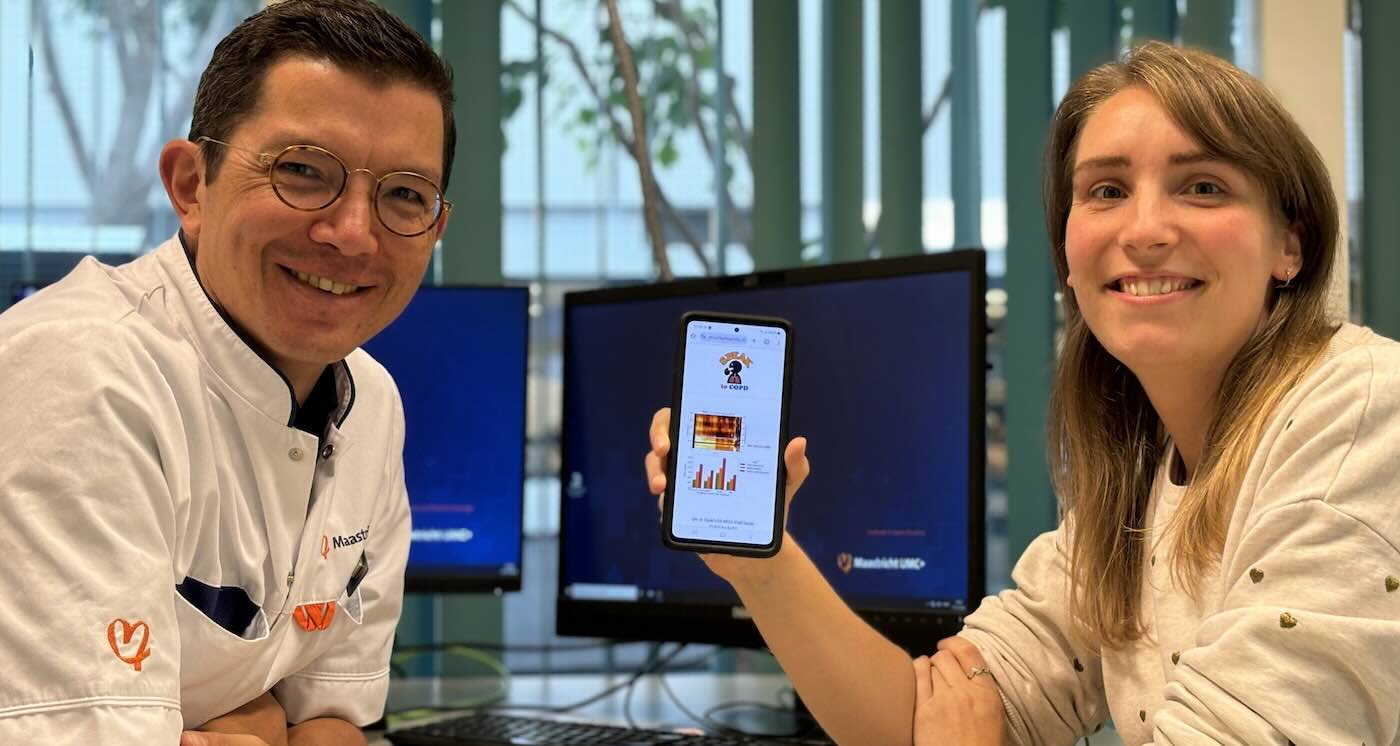
📱
Voice changes measured by phone can predict asthma flare-ups 3 days in advance
Stemveranderingen gemeten met telefoon kunnen astma-aanvallen 3 dagen van tevoren voorspellen
Les changements de voix mesurés par téléphone peuvent prédire les crises d'asthme 3 jours à l'avance
Imagine being able to predict an asthma attack just by speaking into your phone! Researchers from Maastricht University have developed an app that can detect voice changes, signaling a potential flare-up up to three days in advance. This is a game-changer for those with asthma or COPD, as early detection can lead to timely medical intervention. The app, called TACTICAS, is currently in research but shows incredible promise for improving patient care.
Stel je voor dat je een astma-aanval kunt voorspellen gewoon door in je telefoon te spreken! Onderzoekers van de Universiteit Maastricht hebben een app ontwikkeld die stemveranderingen kan detecteren, wat een mogelijke aanval tot drie dagen van tevoren aangeeft. Dit is een doorbraak voor mensen met astma of COPD, aangezien vroege detectie kan leiden tot tijdige medische interventie. De app, genaamd TACTICAS, is momenteel in onderzoek, maar toont ongelooflijk veelbelovend voor het verbeteren van de patiëntenzorg.
Imaginez pouvoir prédire une crise d'asthme simplement en parlant dans votre téléphone ! Des chercheurs de l'Université de Maastricht ont développé une application capable de détecter des changements de voix, signalant une éventuelle crise jusqu'à trois jours à l'avance. C'est une révolution pour les personnes atteintes d'asthme ou de BPCO, car une détection précoce peut conduire à une intervention médicale rapide. L'application, appelée TACTICAS, est actuellement en recherche, mais montre un potentiel incroyable pour améliorer les soins aux patients.
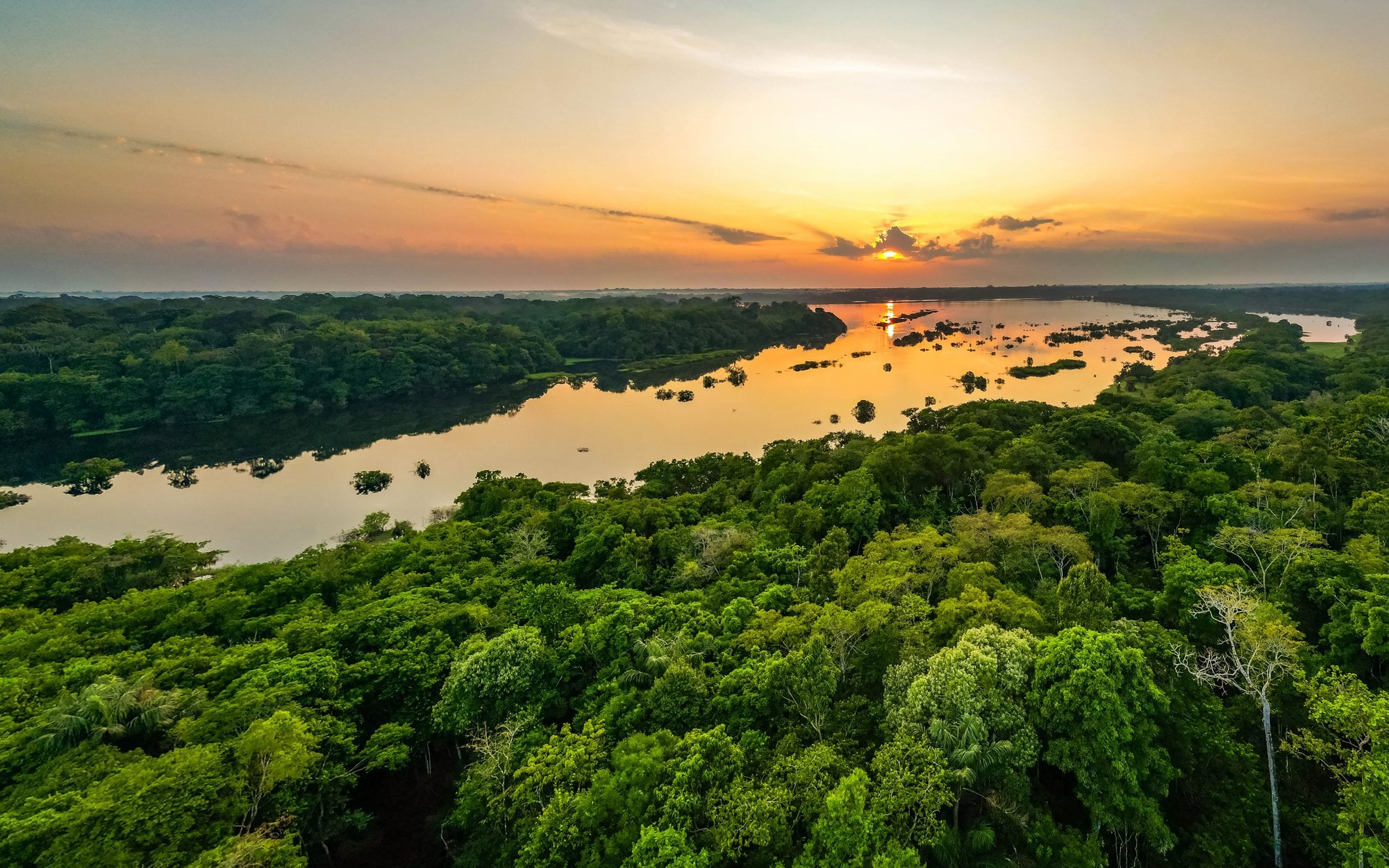
🕷️
Spider from the Amazon pretends to be a zombie fungus victim. A new species discovered
Spin uit de Amazone doet zich voor als slachtoffer van 'zombie-schimmel'. Nieuwe soort ontdekt
Une araignée de l'Amazonie fait semblant d'être une victime de 'champignon zombie'. Une nouvelle espèce découverte
In the Amazon, scientists have discovered a fascinating new spider species that uses an unusual form of camouflage. This spider, named Taczanowskia waska, mimics a dead spider infected by a parasitic fungus, allowing it to evade predators while stealthily hunting insects. First spotted by conservationist Alexander Bentley, this spider's unique appearance quickly caught the attention of nature enthusiasts online. It's the first documented case of a spider imitating a parasitic fungus, showcasing the incredible adaptability of nature.
In de Amazone hebben wetenschappers een fascinerende nieuwe spinsoort ontdekt die een ongebruikelijke camouflagevorm gebruikt. Deze spin, Taczanowskia waska genaamd, imiteert een dode spin die is geïnfecteerd door een parasitaire schimmel, waardoor hij roofdieren kan ontwijken terwijl hij stilletjes op insecten jaagt. Voor het eerst opgemerkt door natuurbeschermer Alexander Bentley, trok het unieke uiterlijk van deze spin al snel de aandacht van natuurliefhebbers online. Het is de eerste gedocumenteerde zaak van een spin die een parasitaire schimmel imiteert, wat de ongelooflijke aanpassingsvermogen van de natuur laat zien.
Dans l'Amazonie, des scientifiques ont découvert une fascinante nouvelle espèce d'araignée qui utilise une forme de camouflage inhabituelle. Cette araignée, nommée Taczanowskia waska, imite une araignée morte infectée par un champignon parasitaire, lui permettant d'échapper aux prédateurs tout en chassant discrètement des insectes. Aperçue pour la première fois par le conservationniste Alexander Bentley, l'apparence unique de cette araignée a rapidement attiré l'attention des passionnés de nature en ligne. C'est le premier cas documenté d'une araignée imitant un champignon parasitaire, mettant en valeur l'incroyable adaptabilité de la nature.

🌌
Where NASA posts its best space photos, and how to find them
Waar NASA zijn beste ruimtefoto's plaatst en hoe je ze kunt vinden
Où la NASA publie ses meilleures photos de l'espace et comment les trouver
So, if you're a fan of stunning space imagery, you're in for a treat! NASA has a treasure trove of incredible photos and videos available for everyone to explore. From breathtaking shots of Earth taken from the moon to images captured with an iPhone 17 Pro Max, there's so much to marvel at. The best part? Most of this content is in the public domain, making it easy for you to dig in and share your favorites.
Dus, als je een fan bent van verbluffende ruimtebeelden, dan heb je geluk! NASA heeft een schat aan ongelooflijke foto's en video's beschikbaar voor iedereen om te verkennen. Van adembenemende foto's van de aarde genomen vanaf de maan tot beelden vastgelegd met een iPhone 17 Pro Max, er is zoveel om te bewonderen. Het beste van alles? Het merendeel van deze inhoud is openbaar domein, waardoor het gemakkelijk is om in te duiken en je favorieten te delen.
Alors, si vous êtes fan d'images spatiales époustouflantes, vous êtes au bon endroit ! La NASA dispose d'un trésor de photos et vidéos incroyables disponibles pour tous. Des prises de vue époustouflantes de la Terre prises depuis la lune aux images capturées avec un iPhone 17 Pro Max, il y a tant à admirer. Le meilleur dans tout ça ? La plupart de ce contenu est dans le domaine public, ce qui vous permet de plonger et de partager vos favoris.

🌟
An Indian immigrant taught Britain how to wash its hair 200 years ago and invented shampoo, as we know it
Een Indiase immigrant leerde Groot-Brittannië 200 jaar geleden hoe het zijn haar moest wassen en uitvond shampoo, zoals we die nu kennen
Un immigrant indien a appris à la Grande-Bretagne comment se laver les cheveux il y a 200 ans et a inventé le shampooing tel que nous le connaissons
Isn't it fascinating to think about who invented shampoo? It turns out that an Indian immigrant named Sake Dean Mahomed brought the concept to Britain over 200 years ago! Before that, the word 'shampoo' actually meant a massage, which is quite different from what we think of today. Mahomed opened a bathhouse in Brighton where he introduced his unique shampooing technique, blending therapeutic massages with aromatic oils. This little piece of history shows how one person's influence can change the way we care for ourselves.
Is het niet fascinerend om na te denken over wie shampoo heeft uitgevonden? Het blijkt dat een Indiase immigrant genaamd Sake Dean Mahomed het concept meer dan 200 jaar geleden naar Groot-Brittannië bracht! Voor die tijd betekende het woord 'shampoo' eigenlijk een massage, wat heel anders is dan wat we vandaag de dag denken. Mahomed opende een badhuis in Brighton waar hij zijn unieke shampoo-techniek introduceerde, die therapeutische massages combineerde met aromatische oliën. Dit stukje geschiedenis laat zien hoe de invloed van één persoon de manier waarop we voor onszelf zorgen kan veranderen.
N'est-il pas fascinant de penser à qui a inventé le shampooing ? Il s'avère qu'un immigrant indien nommé Sake Dean Mahomed a apporté le concept en Grande-Bretagne il y a plus de 200 ans ! Avant cela, le mot 'shampoo' signifiait en fait un massage, ce qui est très différent de ce que nous pensons aujourd'hui. Mahomed a ouvert un bain à Brighton où il a introduit sa technique de shampooing unique, alliant massages thérapeutiques et huiles aromatiques. Ce petit morceau d'histoire montre comment l'influence d'une seule personne peut changer notre façon de prendre soin de nous.
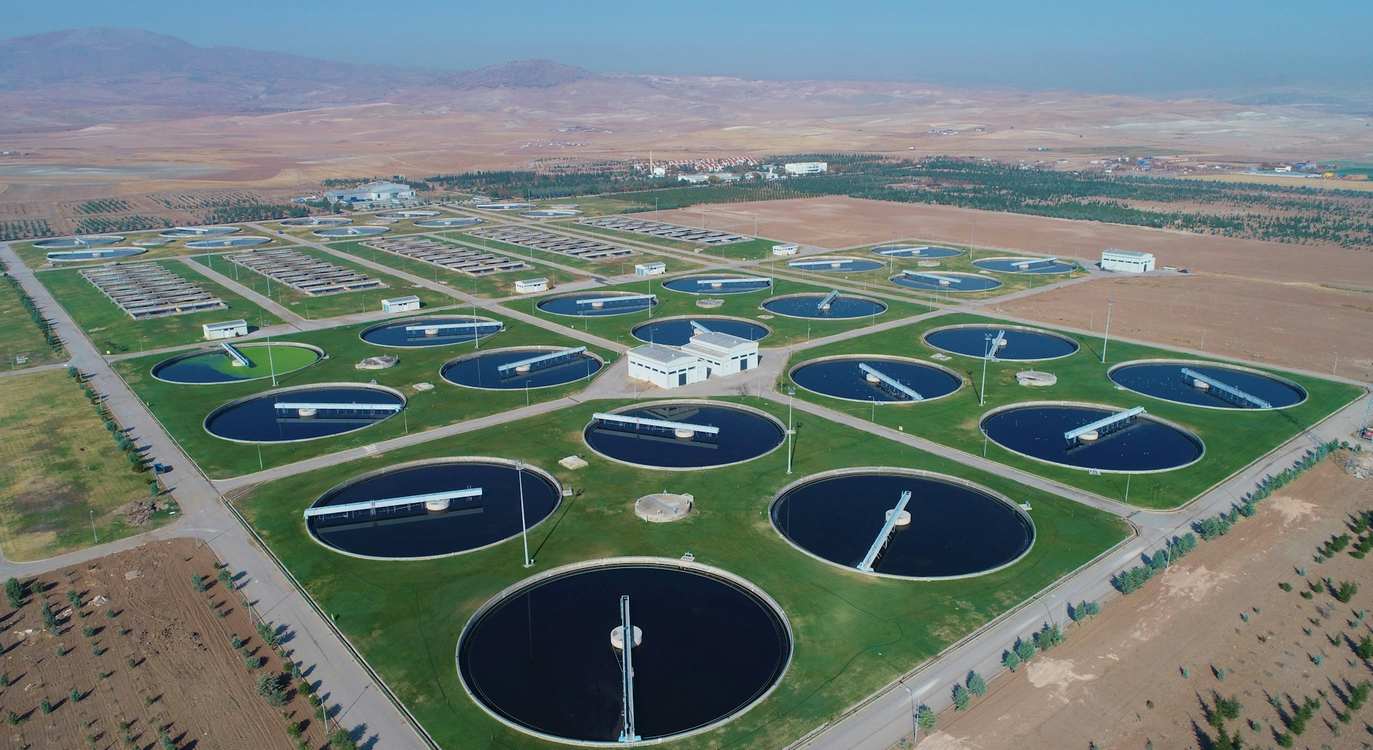
💧
New solar tech makes desalinating seawater cheaper than producing bottled water
Nieuwe zonne-technologie maakt ontzilting van zeewater goedkoper dan het produceren van flessenwater
Nouvelle technologie solaire rend le dessalement de l'eau de mer moins cher que la production d'eau en bouteille
I’m really excited about this new solar-powered device developed by scientists in China that can turn seawater into freshwater! It’s amazing how they’ve created a system that absorbs over 90% of sunlight and uses significantly less energy than traditional methods. After a year of testing, it produced enough drinking water to irrigate crops, and they believe it could be cheaper than bottled water when scaled up. This innovation could be a game changer for water-scarce regions around the world!
Ik ben echt enthousiast over dit nieuwe zonne-energie apparaat dat door wetenschappers in China is ontwikkeld en zeewater in zoetwater kan omzetten! Het is geweldig hoe ze een systeem hebben gecreëerd dat meer dan 90% van het zonlicht absorbeert en veel minder energie verbruikt dan traditionele methoden. Na een jaar testen produceerde het genoeg drinkwater om gewassen te irrigeren, en ze geloven dat het goedkoper kan zijn dan flessenwater wanneer het op grote schaal wordt toegepast. Deze innovatie kan een game changer zijn voor waterarme gebieden over de hele wereld!
Je suis vraiment enthousiaste à propos de ce nouvel appareil alimenté par l'énergie solaire développé par des scientifiques en Chine qui peut transformer l'eau de mer en eau douce ! C'est incroyable comment ils ont créé un système qui absorbe plus de 90 % de la lumière du soleil et utilise beaucoup moins d'énergie que les méthodes traditionnelles. Après un an d'essai, il a produit suffisamment d'eau potable pour irriguer des cultures, et ils pensent qu'il pourrait être moins cher que l'eau en bouteille à grande échelle. Cette innovation pourrait changer la donne pour les régions manquant d'eau dans le monde entier !
🌟
What if hospitals were breathtakingly beautiful? Barcelona answered that question 100 years ago.
Wat als ziekenhuizen adembenemend mooi waren? Barcelona beantwoordde die vraag 100 jaar geleden.
Et si les hôpitaux étaient d'une beauté à couper le souffle ? Barcelone a répondu à cette question il y a 100 ans.
Imagine a hospital that feels like a work of art rather than a sterile environment. That's exactly what the Hospital de Sant Pau in Barcelona offers, with its stunning mosaics and lush gardens. Architect Lluís Domènech i Montaner believed that beauty plays a crucial role in healing, and he designed this hospital over a century ago with that in mind. It’s a perfect blend of functionality and aesthetics, creating a serene space for recovery.
Stel je een ziekenhuis voor dat aanvoelt als een kunstwerk in plaats van een steriele omgeving. Dat is precies wat het Hospital de Sant Pau in Barcelona biedt, met zijn prachtige mozaïeken en weelderige tuinen. Architect Lluís Domènech i Montaner geloofde dat schoonheid een cruciale rol speelt in genezing, en hij ontwierp dit ziekenhuis meer dan een eeuw geleden met dat in gedachten. Het is een perfecte combinatie van functionaliteit en esthetiek, waardoor een serene ruimte voor herstel ontstaat.
Imaginez un hôpital qui ressemble à une œuvre d'art plutôt qu'à un environnement stérile. C'est exactement ce que propose l'Hôpital de Sant Pau à Barcelone, avec ses mosaïques époustouflantes et ses jardins luxuriants. L'architecte Lluís Domènech i Montaner croyait que la beauté joue un rôle crucial dans la guérison, et il a conçu cet hôpital il y a plus d'un siècle avec cela à l'esprit. C'est un parfait mélange de fonctionnalité et d'esthétique, créant un espace serein pour la récupération.
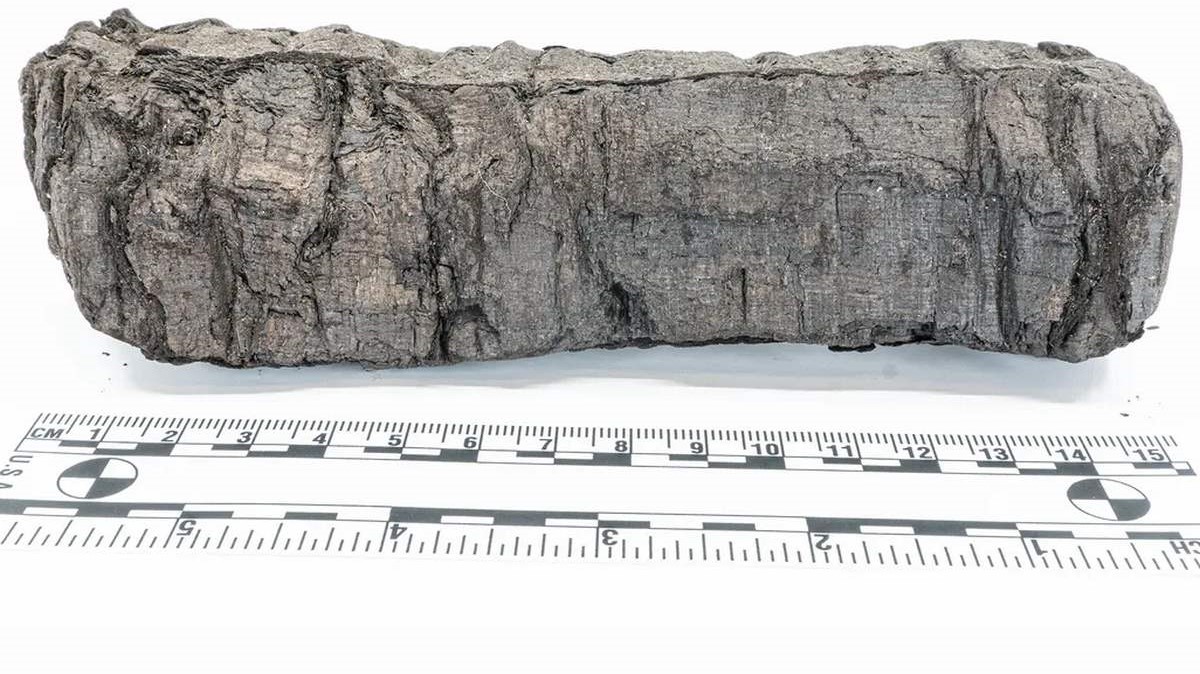
📜
Yet more scrolls burned by Vesuvius decoded by AI–revealing insights by unknown Stoic philosopher
Weer meer door Vesuvius verbrande rollen gedecodeerd door AI - onthullende inzichten van onbekende Stoïcijnse filosoof
Encore plus de rouleaux brûlés par le Vésuve décodés par l'IA - révélant des idées d'un philosophe stoïcien inconnu
It's absolutely fascinating to see how technology is bringing ancient wisdom back to life! Researchers have decoded scrolls from the Vesuvius eruption, revealing insights from an unknown Stoic philosopher. This is all thanks to the Vesuvius Challenge, where brilliant minds used AI to read carbonized papyrus. The discoveries not only shed light on classical literature but also connect us to the thoughts of people from centuries ago.
Het is absoluut fascinerend om te zien hoe technologie oude wijsheid weer tot leven brengt! Onderzoekers hebben rollen van de uitbarsting van de Vesuvius gedecodeerd, waarbij inzichten van een onbekende Stoïcijnse filosoof zijn onthuld. Dit is allemaal te danken aan de Vesuvius Challenge, waar briljante geesten AI gebruikten om gecarboniseerde papyrus te lezen. De ontdekkingen werpen niet alleen licht op de klassieke literatuur, maar verbinden ons ook met de gedachten van mensen van eeuwen geleden.
C'est absolument fascinant de voir comment la technologie ramène à la vie la sagesse ancienne ! Des chercheurs ont décodé des rouleaux de l'éruption du Vésuve, révélant des idées d'un philosophe stoïcien inconnu. Tout cela est possible grâce au Vésuve Challenge, où des esprits brillants ont utilisé l'IA pour lire des papyrus carbonisés. Les découvertes éclairent non seulement la littérature classique, mais nous relient également aux pensées des gens d'il y a des siècles.
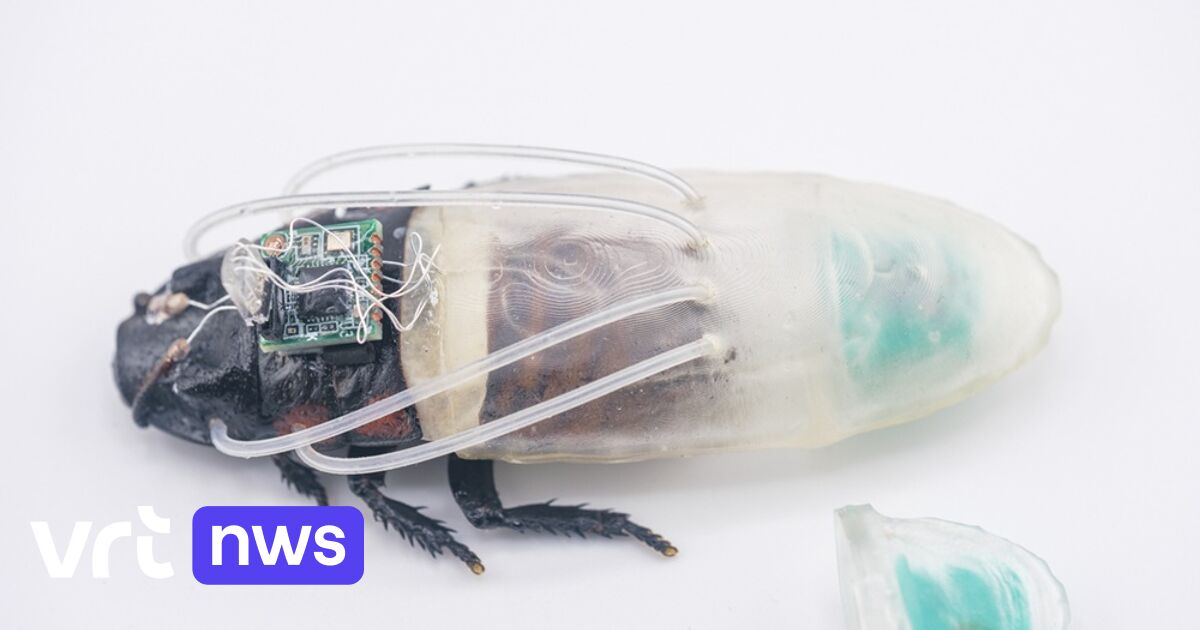
🐞
Scientists create 3D-printed diving suit for cockroaches on rescue missions
Wetenschappers maken 3D-geprint duikpakje voor kakkerlakken op reddingsactie
Des scientifiques créent un costume de plongée imprimé en 3D pour les cafards lors des missions de sauvetage
How amazing is this? Scientists have developed a 3D-printed diving suit for cockroaches, allowing them to be controlled both on land and underwater! These little cyborgs can survive for up to three hours in challenging conditions, making them perfect for search and rescue operations after disasters like floods. It's fascinating to think about how these robust creatures can navigate through debris with cameras and sensors, providing us with insights we wouldn't otherwise have. This innovative approach to using nature and technology together is truly inspiring!
Hoe geweldig is dit? Wetenschappers hebben een 3D-geprint duikpak voor kakkerlakken ontwikkeld, waardoor ze zowel op land als onder water kunnen worden aangestuurd! Deze kleine cyborgs kunnen tot drie uur overleven in uitdagende omstandigheden, wat ze perfect maakt voor zoek- en reddingsoperaties na rampen zoals overstromingen. Het is fascinerend om te bedenken hoe deze robuuste wezens door puin kunnen navigeren met camera's en sensoren, en ons inzichten kunnen geven die we anders niet zouden hebben. Deze innovatieve benadering van het combineren van natuur en technologie is echt inspirerend!
Quelle merveille ! Des scientifiques ont développé un costume de plongée imprimé en 3D pour les cafards, leur permettant d'être contrôlés à la fois sur terre et sous l'eau ! Ces petits cyborgs peuvent survivre jusqu'à trois heures dans des conditions difficiles, ce qui les rend parfaits pour les opérations de recherche et de sauvetage après des catastrophes comme des inondations. Il est fascinant de penser à la façon dont ces créatures robustes peuvent naviguer à travers les débris avec des caméras et des capteurs, nous fournissant des informations que nous n'aurions pas autrement. Cette approche innovante qui combine nature et technologie est vraiment inspirante !

✍️
Bad is stronger than good: the psychology that keeps us reading the worst
Slecht is sterker dan goed: de psychologie die ons doet lezen over het ergste
Le mauvais est plus fort que le bon : la psychologie qui nous pousse à lire le pire
It's fascinating how negativity bias affects us all, making bad experiences weigh heavier than good ones. A single negative comment can linger in our minds long after we've received praise. This bias isn't just a personal quirk; it's a well-documented psychological phenomenon. Understanding this can help us consciously choose to focus on the positive, which is exactly what the Positron project aims to do.
Het is fascinerend hoe negativiteitsbias ons allemaal beïnvloedt, waardoor slechte ervaringen zwaarder wegen dan goede. Een enkele negatieve opmerking kan in ons hoofd blijven hangen, lang nadat we lof hebben ontvangen. Deze bias is niet slechts een persoonlijke eigenaardigheid; het is een goed gedocumenteerd psychologisch fenomeen. Dit begrijpen kan ons helpen om bewust op het positieve te focussen, wat precies is wat het Positron-project probeert te doen.
Il est fascinant de voir comment le biais de négativité nous affecte tous, rendant les mauvaises expériences plus lourdes que les bonnes. Un seul commentaire négatif peut rester dans notre esprit longtemps après que nous ayons reçu des éloges. Ce biais n'est pas qu'une simple particularité personnelle ; c'est un phénomène psychologique bien documenté. Comprendre cela peut nous aider à choisir consciemment de nous concentrer sur le positif, ce qui est exactement l'objectif du projet Positron.
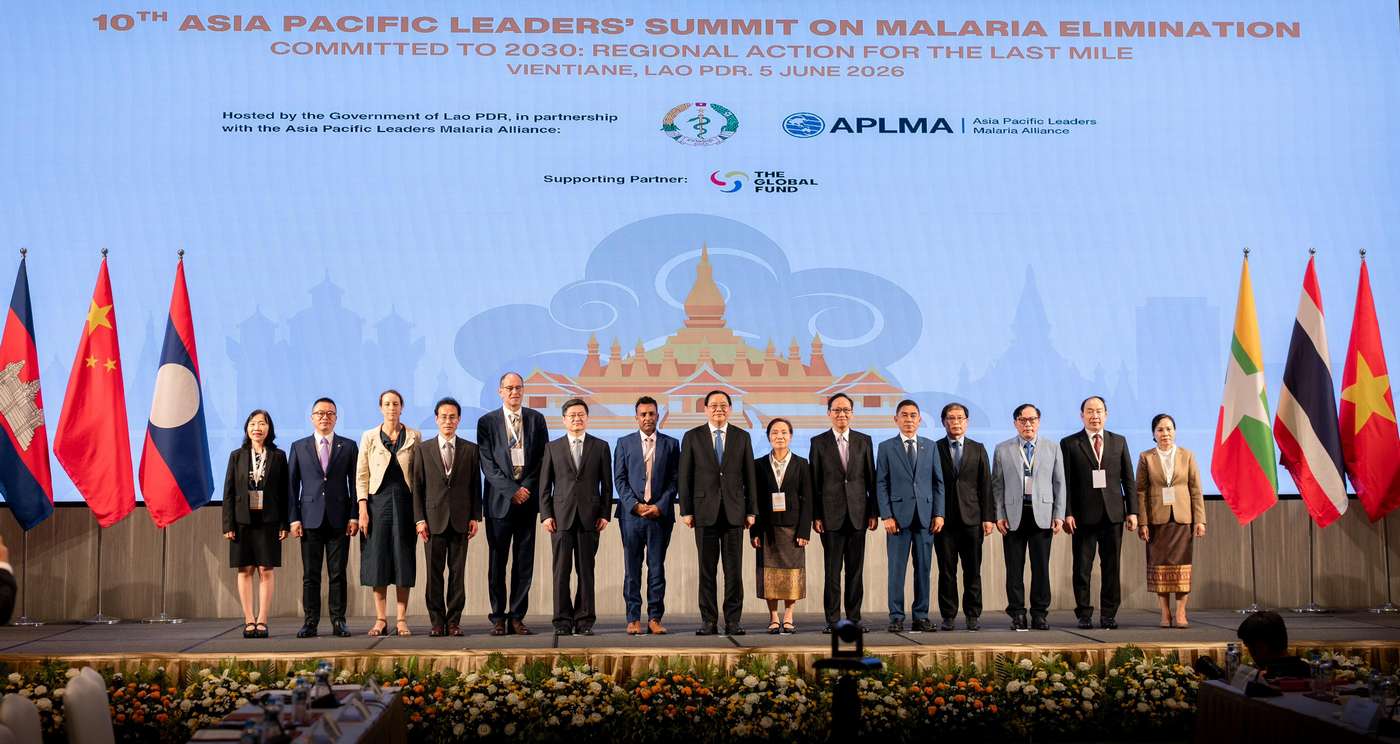
🌍
Southeast Asia nears malaria elimination, down two-thirds since 2010
Zuid-Oost Azië nadert malaria-eliminatie, met twee derde gedaald sinds 2010
L'Asie du Sud-Est se rapproche de l'élimination du paludisme, en baisse de deux tiers depuis 2010
In an exciting summit in Laos, leaders from Southeast Asia celebrated a remarkable 67% drop in malaria transmission over the past 15 years. Countries like Vietnam and Cambodia are leading the charge, thanks to improved detection and treatment efforts. Lao Prime Minister Sonexay Siphandone expressed pride in the commitment to eliminate malaria by 2030, reflecting a significant reduction in cases. While challenges remain, especially in Myanmar and Thailand, the region is on a promising path towards a malaria-free future.
Tijdens een opwindende top in Laos vierden leiders uit Zuid-Oost Azië een opmerkelijke daling van 67% in malaria-overdracht in de afgelopen 15 jaar. Landen zoals Vietnam en Cambodja zijn koplopers, dankzij verbeterde detectie- en behandelingsinspanningen. De Lao-premier Sonexay Siphandone sprak zijn trots uit over de toewijding om malaria tegen 2030 te elimineren, wat een significante daling van de gevallen weerspiegelt. Hoewel er nog uitdagingen zijn, vooral in Myanmar en Thailand, is de regio op een veelbelovende weg naar een malaria-vrije toekomst.
Lors d'un sommet passionnant au Laos, les dirigeants de l'Asie du Sud-Est ont célébré une baisse remarquable de 67 % de la transmission du paludisme au cours des 15 dernières années. Des pays comme le Vietnam et le Cambodge sont à l'avant-garde, grâce à des efforts d'amélioration de la détection et du traitement. Le Premier ministre lao Sonexay Siphandone a exprimé sa fierté pour l'engagement d'éliminer le paludisme d'ici 2030, ce qui reflète une réduction significative des cas. Bien que des défis demeurent, notamment au Myanmar et en Thaïlande, la région est sur une voie prometteuse vers un avenir sans paludisme.
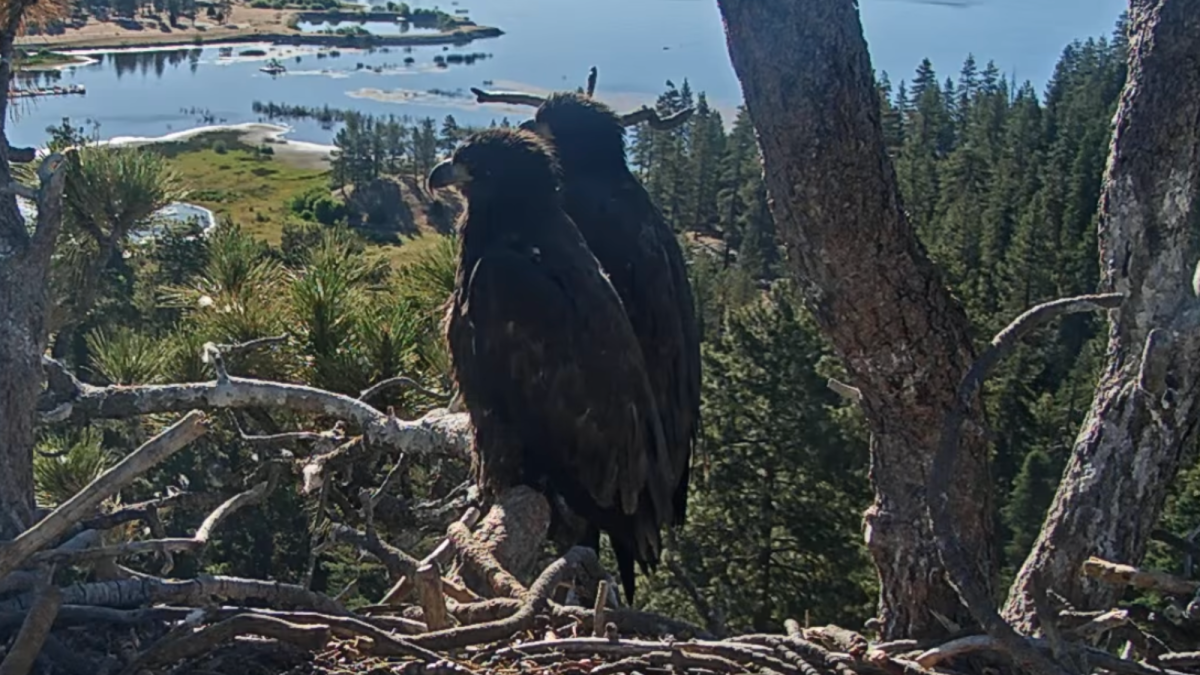
🦅
Sandy and Luna return to nest after a big day of flying
Sandy en Luna keren terug naar het nest na een grote vliegdagen
Sandy et Luna reviennent au nid après une grande journée de vol
Sandy and Luna, the beloved eaglets, are becoming quite adventurous as they explore the trees around Big Bear Lake. They were recently spotted back at their nest after a day of flying, showcasing their growing confidence. Their parents, Jackie and Shadow, are right there, helping them learn the ropes of independence. It's an exciting time as these eaglets are expected to fully fledge this month, and I can't wait to see their next steps!
Sandy en Luna, de geliefde jonge arenden, worden steeds avontuurlijker terwijl ze de bomen rond Big Bear Lake verkennen. Ze werden onlangs teruggevonden in hun nest na een dag van vliegen, wat hun groeiend vertrouwen laat zien. Hun ouders, Jackie en Shadow, zijn er om hen te helpen de kneepjes van de onafhankelijkheid te leren. Het is een spannende tijd, want deze jonge arenden zullen naar verwachting deze maand volledig uitvliegen, en ik kan niet wachten om hun volgende stappen te zien!
Sandy et Luna, les jeunes aigles adorés, deviennent de plus en plus aventureux en explorant les arbres autour du lac Big Bear. Ils ont récemment été aperçus de retour dans leur nid après une journée de vol, montrant leur confiance grandissante. Leurs parents, Jackie et Shadow, sont là pour les aider à apprendre les bases de l'indépendance. C'est une période excitante car ces aiglons devraient complètement s'envoler ce mois-ci, et j'ai hâte de voir leurs prochaines étapes!

🦈
Forgotten find reveals what the monster shark ate
Buitengewoon vondst onthult wat de monsterhaai at
Découverte oubliée révèle ce que le requin monstre a mangé
A surprising discovery in some forgotten boxes has brought researchers closer to understanding the extinct giant shark, megalodon. This find has allowed experts to pinpoint the creature's age, size, and diet. The megalodon, which lived around 11 million years ago, was a massive predator, and the remnants found even show what it likely ate. It's fascinating to think that these ancient bones were lost for decades before being rediscovered, shedding light on one of history's most formidable sea creatures.
Een verrassende ontdekking in enkele vergeten dozen heeft onderzoekers dichter bij het begrijpen van de uitgestorven reuzenhaai, megalodon, gebracht. Deze vondst heeft experts in staat gesteld om de leeftijd, grootte en dieet van het wezen te bepalen. De megalodon, die ongeveer 11 miljoen jaar geleden leefde, was een enorme roofdier, en de overblijfselen tonen zelfs aan wat het waarschijnlijk at. Het is fascinerend om te bedenken dat deze oude botten tientallen jaren verloren zijn geweest voordat ze opnieuw werden ontdekt, wat licht werpt op een van de meest formidabele zeedieren uit de geschiedenis.
Une découverte surprenante dans des boîtes oubliées a rapproché les chercheurs de la compréhension du requin géant éteint, le mégalodon. Cette trouvaille a permis aux experts de déterminer l'âge, la taille et le régime alimentaire de la créature. Le mégalodon, qui vivait il y a environ 11 millions d'années, était un prédateur massif, et les restes trouvés montrent même ce qu'il a probablement mangé. C'est fascinant de penser que ces os anciens ont été perdus pendant des décennies avant d'être redécouverts, éclairant l'une des créatures marines les plus redoutables de l'histoire.
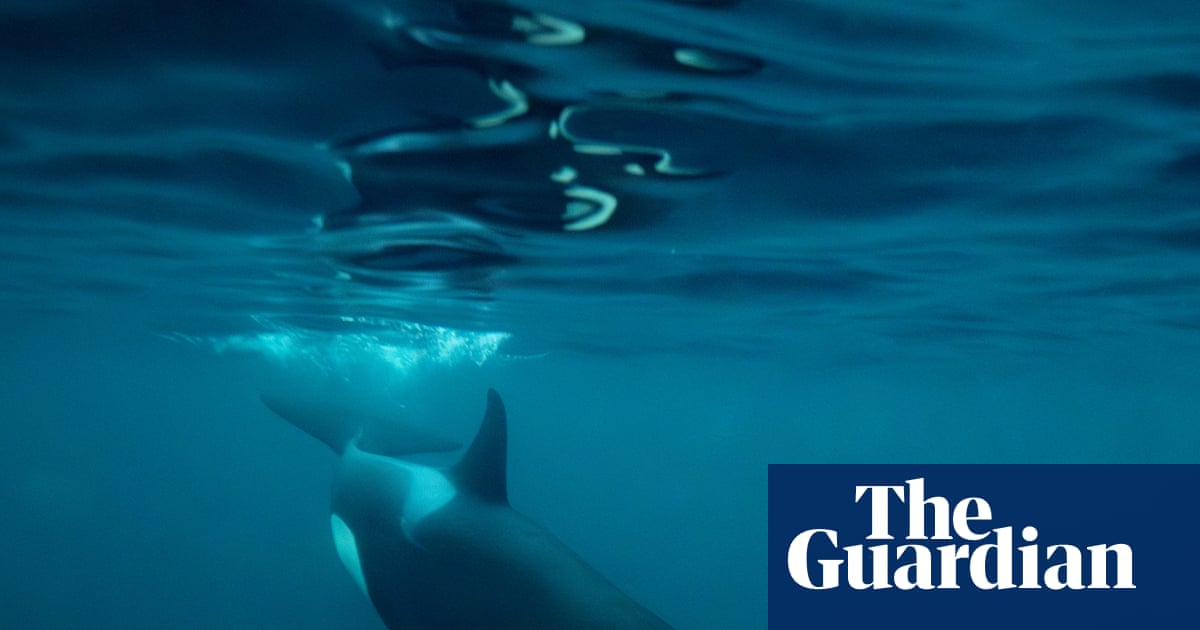
🐋
Mysterious rise in orca sightings off Northumberland coast
Mysterieuze toename van orka-waarnemingen voor de kust van Northumberland
Augmentation mystérieuse des observations d'orques au large de la côte de Northumberland
So, there’s been an exciting increase in orca sightings off the Northumberland coast, which is just fantastic! Wildlife enthusiasts are thrilled to spot these majestic creatures much closer to shore than ever before. Experts think this could indicate a healthier marine ecosystem, especially after a fishing ban on sandeels. Andrew Douglas from Serenity Boat Tours describes the joy of seeing orcas, saying it’s like being a child again, and it’s clear that these sightings are boosting local tourism. How wonderful is it to witness nature thriving like this!
Er is een opwindende toename van orka-waarnemingen voor de kust van Northumberland, wat gewoon fantastisch is! Natuurliefhebbers zijn dolblij om deze majestueuze wezens veel dichter bij de kust te zien dan ooit tevoren. Deskundigen denken dat dit kan wijzen op een gezonder marien ecosysteem, vooral na een visverbod op zandspiering. Andrew Douglas van Serenity Boat Tours beschrijft de vreugde van het zien van orka's en zegt dat het voelt als weer een kind te zijn, en het is duidelijk dat deze waarnemingen het lokale toerisme een boost geven. Hoe geweldig is het om te zien dat de natuur zo floreert!
Il y a une augmentation passionnante des observations d'orques au large de la côte de Northumberland, ce qui est tout simplement fantastique ! Les passionnés de la nature sont ravis de voir ces créatures majestueuses beaucoup plus près de la côte que jamais auparavant. Les experts pensent que cela pourrait indiquer un écosystème marin plus sain, surtout après l'interdiction de la pêche au sable. Andrew Douglas de Serenity Boat Tours décrit la joie de voir des orques, disant que c'est comme redevenir un enfant, et il est clair que ces observations boostent le tourisme local. Quelle merveille de voir la nature prospérer ainsi !
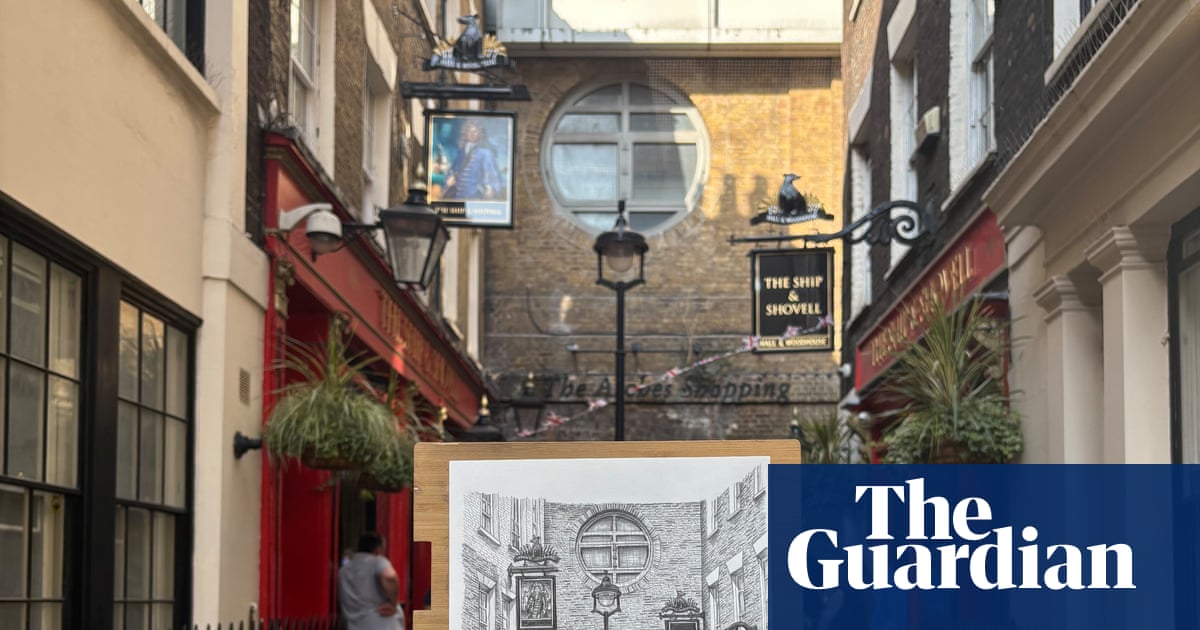
🍻
It opened my eyes to the city: the artist drawing every single pub in London
Het opende mijn ogen voor de stad: de kunstenaar die elke pub in Londen tekent
Cela m'a ouvert les yeux sur la ville : l'artiste qui dessine chaque pub de Londres
Lydia Wood, a 32-year-old artist, is on an incredible journey to sketch every pub in London, a project she started in 2021. With over 350 pubs drawn so far, her goal is to capture all 3,500 of these cherished spots, highlighting their importance to local communities. Her work not only celebrates the architecture but also the vibrant social life that pubs foster, especially as many face closure. Through her art, Wood connects with locals and brings attention to the rich history and culture of these beloved establishments.
Lydia Wood, een 32-jarige kunstenaar, is op een ongelooflijke reis om elke pub in Londen te tekenen, een project dat ze in 2021 begon. Met meer dan 350 getekende pubs tot nu toe, is haar doel om alle 3.500 van deze geliefde plekken vast te leggen, waarbij ze het belang voor lokale gemeenschappen benadrukt. Haar werk viert niet alleen de architectuur, maar ook het levendige sociale leven dat pubs bevorderen, vooral nu veel dreigen te sluiten. Door haar kunst verbindt Wood zich met de lokale bevolking en vestigt ze de aandacht op de rijke geschiedenis en cultuur van deze geliefde etablissementen.
Lydia Wood, une artiste de 32 ans, est en train de réaliser un projet incroyable : dessiner chaque pub de Londres, un projet qu'elle a commencé en 2021. Avec plus de 350 pubs dessinées jusqu'à présent, son objectif est de capturer les 3 500 de ces lieux chéris, soulignant leur importance pour les communautés locales. Son travail célèbre non seulement l'architecture, mais aussi la vie sociale vibrante que les pubs favorisent, surtout alors que beaucoup sont menacés de fermeture. À travers son art, Wood se connecte avec les habitants et attire l'attention sur la riche histoire et la culture de ces établissements bien-aimés.

🌟
Super-Earth may be more suitable for life than previously thought
Superaarde kan geschikter zijn voor leven dan eerder gedacht
Super-Terre pourrait être plus adaptée à la vie que prévu
Scientists have been surprised by new data suggesting that a super-Earth named GJ 3378 b could actually be more suitable for life than they initially believed. Located 25 light-years away, this planet is lighter and likely rocky, which opens up the possibility for liquid water to exist on its surface. Recent measurements have revealed that it has a mass only 2.3 times that of Earth, rather than the previously thought five times. This exciting discovery means that future telescopes might even be able to photograph this intriguing planet and its potential ecosystem.
Wetenschappers zijn verrast door nieuwe gegevens die suggereren dat een superaarde genaamd GJ 3378 b mogelijk geschikter is voor leven dan eerder gedacht. Gelegen op 25 lichtjaar afstand, is deze planeet lichter en waarschijnlijk rotsachtig, wat de mogelijkheid opent voor het bestaan van vloeibaar water op het oppervlak. Recente metingen hebben onthuld dat de massa slechts 2,3 keer die van de aarde is, in plaats van de eerder veronderstelde vijf keer. Deze opwindende ontdekking betekent dat toekomstige telescopen misschien zelfs deze intrigerende planeet en zijn potentiële ecosysteem kunnen fotograferen.
Les scientifiques ont été surpris par de nouvelles données suggérant qu'une super-Terre nommée GJ 3378 b pourrait en réalité être plus adaptée à la vie que ce qu'ils pensaient initialement. Située à 25 années-lumière, cette planète est plus légère et probablement rocheuse, ce qui ouvre la possibilité à l'existence d'eau liquide à sa surface. Des mesures récentes ont révélé qu'elle a une masse seulement 2,3 fois celle de la Terre, plutôt que les cinq fois initialement estimées. Cette découverte passionnante signifie que de futurs télescopes pourraient même être capables de photographier cette planète intrigante et son écosystème potentiel.
🌱
SpudCell: Scientists made a cell with most of the hallmarks of life. Here’s what to know.
SpudCell: Wetenschappers maakten een cel met de meeste kenmerken van leven. Dit moet je weten.
SpudCell : Des scientifiques ont créé une cellule avec la plupart des caractéristiques de la vie. Voici ce qu'il faut savoir.
So, researchers have developed something truly fascinating called SpudCell, which exhibits many characteristics of living cells. This breakthrough opens up exciting possibilities in the field of synthetic biology. Imagine the potential for creating new life forms or understanding the origins of life itself! It's a thrilling time for science, and I can't wait to see where this leads us.
Dus, onderzoekers hebben iets echt fascinerends ontwikkeld, SpudCell, dat veel kenmerken van levende cellen vertoont. Deze doorbraak opent opwindende mogelijkheden op het gebied van synthetische biologie. Stel je de potentie voor om nieuwe levensvormen te creëren of de oorsprong van het leven zelf te begrijpen! Het is een spannende tijd voor de wetenschap, en ik kan niet wachten om te zien waar dit ons naartoe leidt.
Alors, les chercheurs ont développé quelque chose de vraiment fascinant appelé SpudCell, qui présente de nombreuses caractéristiques des cellules vivantes. Cette avancée ouvre des possibilités passionnantes dans le domaine de la biologie synthétique. Imaginez le potentiel de créer de nouvelles formes de vie ou de comprendre les origines de la vie elle-même ! C'est un moment passionnant pour la science, et j'ai hâte de voir où cela nous mènera.

🌿
From one surviving male bison, azerbaijan now has 25 calves born wild in 7-year success story
Van één overlevende mannelijke bizon, heeft Azerbeidzjan nu 25 kalfjes die wild zijn geboren in een succesverhaal van 7 jaar
D'un seul bison mâle survivant, l'Azerbaïdjan a maintenant 25 veaux nés sauvages dans une histoire de succès de 7 ans
What an incredible journey for the European bison in Azerbaijan! Seven years ago, a group of 12 bison made their way from Germany to the stunning Shahdagh National Park, and now they’ve welcomed 25 wild calves into the world. This project, led by the World Wildlife Fund, is not just about bringing back a species; it’s about restoring an entire ecosystem. Elshad Askerov from WWF Azerbaijan believes this could be a model for rewilding in other countries, which is just fantastic news for biodiversity!
Wat een ongelooflijke reis voor de Europese bizon in Azerbeidzjan! Zeven jaar geleden arriveerde een groep van 12 bizons uit Duitsland in het prachtige Shahdagh National Park, en nu hebben ze 25 wilde kalfjes verwelkomd. Dit project, geleid door het Wereld Natuur Fonds, gaat niet alleen om het terugbrengen van een soort; het gaat om het herstellen van een heel ecosysteem. Elshad Askerov van WWF Azerbeidzjan gelooft dat dit een model kan zijn voor herwilding in andere landen, wat gewoon fantastisch nieuws is voor de biodiversiteit!
Quel voyage incroyable pour le bison européen en Azerbaïdjan ! Il y a sept ans, un groupe de 12 bisons est arrivé d'Allemagne dans le magnifique parc national de Shahdagh, et maintenant ils ont accueilli 25 veaux sauvages. Ce projet, dirigé par le Fonds mondial pour la nature, ne concerne pas seulement le retour d'une espèce ; il s'agit de restaurer tout un écosystème. Elshad Askerov du WWF Azerbaïdjan pense que cela pourrait servir de modèle pour le réensauvagement dans d'autres pays, ce qui est une nouvelle fantastique pour la biodiversité !
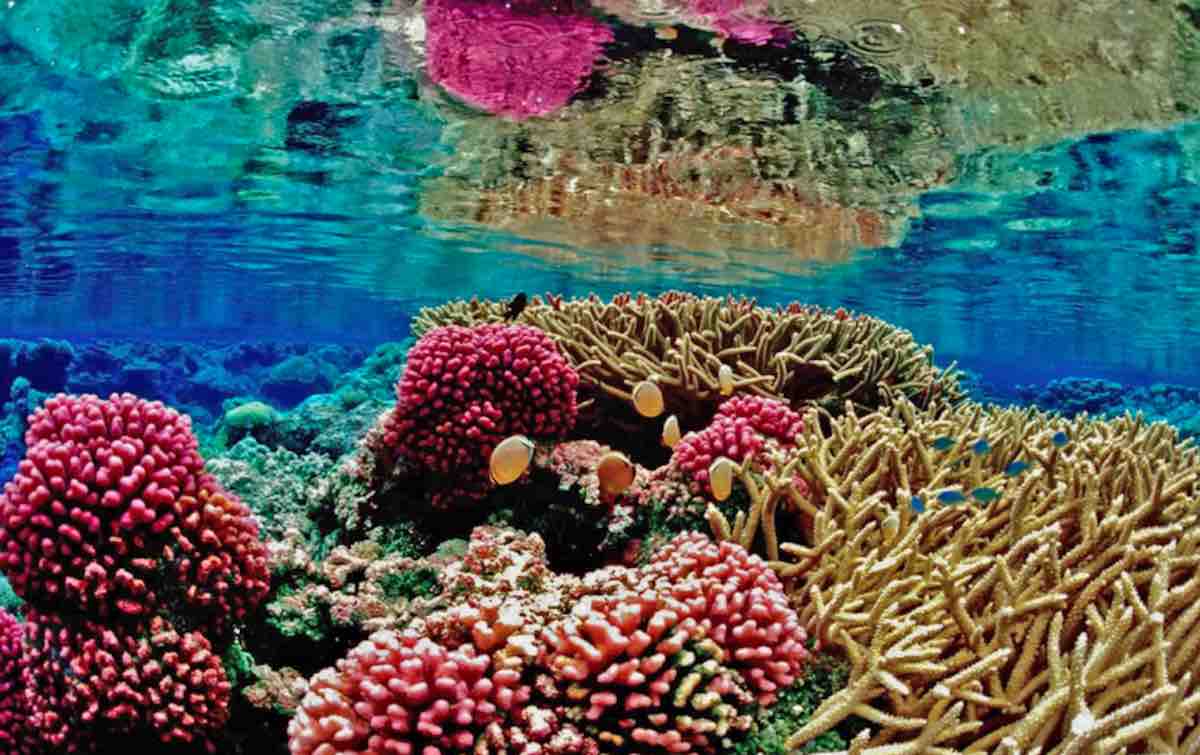
🌊
Scientists have found climate-resistant coral reefs around the world totaling the size of Wisconsin
Wetenschappers hebben klimaatbestendige koraalriffen over de hele wereld gevonden ter grootte van Wisconsin
Des scientifiques ont trouvé des récifs coralliens résistants au climat dans le monde entier, totalisant la taille du Wisconsin
This exciting study reveals that around 64,000 square miles of coral reefs could resist climate change by 2050. Researchers used AI to analyze 45,000 observations of coral reefs, identifying resilient areas primarily in eight countries. It's fascinating to think that these coral refuges can thrive despite warming seas! This research not only offers hope but also serves as a guide for conservation efforts in vulnerable regions.
Deze spannende studie onthult dat ongeveer 64.000 vierkante mijl koraalriffen tegen klimaatverandering kunnen weerstaan tegen 2050. Onderzoekers gebruikten AI om 45.000 waarnemingen van koraalriffen te analyseren en identificeerden veerkrachtige gebieden, voornamelijk in acht landen. Het is fascinerend om te bedenken dat deze koraalrefuges kunnen gedijen ondanks de opwarmende zeeën! Dit onderzoek biedt niet alleen hoop, maar dient ook als gids voor natuurbeschermingsinspanningen in kwetsbare regio's.
Cette étude passionnante révèle qu'environ 64 000 miles carrés de récifs coralliens pourraient résister au changement climatique d'ici 2050. Les chercheurs ont utilisé l'IA pour analyser 45 000 observations de récifs coralliens, identifiant des zones résilientes principalement dans huit pays. Il est fascinant de penser que ces refuges coralliens peuvent prospérer malgré les mers en réchauffement ! Cette recherche offre non seulement de l'espoir, mais sert également de guide pour les efforts de conservation dans les régions vulnérables.

🌟
Communication experts say highly likable people do 10 things in conversations to build relationships
Communicatie-experts zeggen dat zeer sympathieke mensen 10 dingen doen in gesprekken om relaties op te bouwen
Les experts en communication disent que les personnes très sympathiques font 10 choses dans les conversations pour établir des relations
Building strong relationships starts with great conversation, and highly likable people have a knack for it! They listen without distractions, making others feel valued and respected. Plus, they balance the conversation, ensuring it's not just about them. By being self-aware and skipping pre-planned questions, they create a genuine connection that feels relational rather than transactional.
Het opbouwen van sterke relaties begint met geweldige gesprekken, en zeer sympathieke mensen hebben daar een talent voor! Ze luisteren zonder afleiding, waardoor anderen zich gewaardeerd en gerespecteerd voelen. Bovendien balanceren ze het gesprek, zodat het niet alleen over hen gaat. Door zelfbewust te zijn en vooraf geplande vragen over te slaan, creëren ze een oprechte verbinding die relationeel aanvoelt in plaats van transactioneel.
Établir des relations solides commence par de grandes conversations, et les personnes très sympathiques ont un talent pour cela ! Elles écoutent sans distraction, faisant en sorte que les autres se sentent valorisés et respectés. De plus, elles équilibrent la conversation, veillant à ce que ce ne soit pas seulement à propos d'elles. En étant conscientes d'elles-mêmes et en évitant les questions préétablies, elles créent une connexion authentique qui semble relationnelle plutôt que transactionnelle.

✍️
The positron principle: why good news is real news you just never see
Het positronprincipe: waarom goed nieuws echt nieuws is dat je nooit ziet
Le principe positron: pourquoi les bonnes nouvelles sont de vraies nouvelles que vous ne voyez jamais
I recently had a conversation with a friend who stopped reading the news because it made her feel terrible. This got me thinking about how the media often focuses on negativity, which isn't a conspiracy but a reflection of human psychology. At Positron Today, we filter out the overwhelmingly negative stories to highlight the good news that exists. It's not about ignoring the bad, but rather balancing the narrative to show the positivity that often goes unseen.
Onlangs had ik een gesprek met een vriend die stopte met het lezen van het nieuws omdat het haar slecht deed voelen. Dit deed me nadenken over hoe de media vaak de nadruk legt op negativiteit, wat geen samenzwering is maar een reflectie van de menselijke psychologie. Bij Positron Today filteren we de overweldigend negatieve verhalen om het goede nieuws te benadrukken dat bestaat. Het gaat niet om het negeren van het slechte, maar om het balanceren van het verhaal om de positiviteit te tonen die vaak onopgemerkt blijft.
Récemment, j'ai eu une conversation avec une amie qui a arrêté de lire les nouvelles parce que cela la faisait se sentir mal. Cela m'a fait réfléchir à la façon dont les médias se concentrent souvent sur la négativité, ce qui n'est pas une conspiration mais un reflet de la psychologie humaine. Sur Positron Today, nous filtrons les histoires négatives pour mettre en avant les bonnes nouvelles qui existent. Il ne s'agit pas d'ignorer le mauvais, mais plutôt d'équilibrer le récit pour montrer la positivité qui reste souvent invisible.
🌟
KU Leuven develops new method to visualize gas bubbles around stars
KU Leuven ontwikkelt nieuwe methode om gasbellen rond sterren in beeld te brengen
KU Leuven développe une nouvelle méthode pour visualiser les bulles de gaz autour des étoiles
KU Leuven has made an exciting breakthrough by developing a new method to visualize gas bubbles surrounding stars. This innovative approach opens up new possibilities for understanding stellar formations and their environments. I mean, just think about it - being able to see these gas bubbles could change how we study the universe! It's a fantastic step forward in astrophysics that could inspire further research and discoveries.
KU Leuven heeft een spannende doorbraak bereikt door een nieuwe methode te ontwikkelen om gasbellen rond sterren in beeld te brengen. Deze innovatieve aanpak opent nieuwe mogelijkheden om sterrenformaties en hun omgevingen te begrijpen. Ik bedoel, denk er eens over na - het kunnen zien van deze gasbellen kan veranderen hoe we het universum bestuderen! Het is een fantastische stap voorwaarts in de astrofysica die verder onderzoek en ontdekkingen zou kunnen inspireren.
KU Leuven a réalisé une avancée passionnante en développant une nouvelle méthode pour visualiser les bulles de gaz entourant les étoiles. Cette approche innovante ouvre de nouvelles possibilités pour comprendre les formations stellaires et leurs environnements. Je veux dire, pensez-y - pouvoir voir ces bulles de gaz pourrait changer notre façon d'étudier l'univers ! C'est une étape fantastique en astrophysique qui pourrait inspirer d'autres recherches et découvertes.
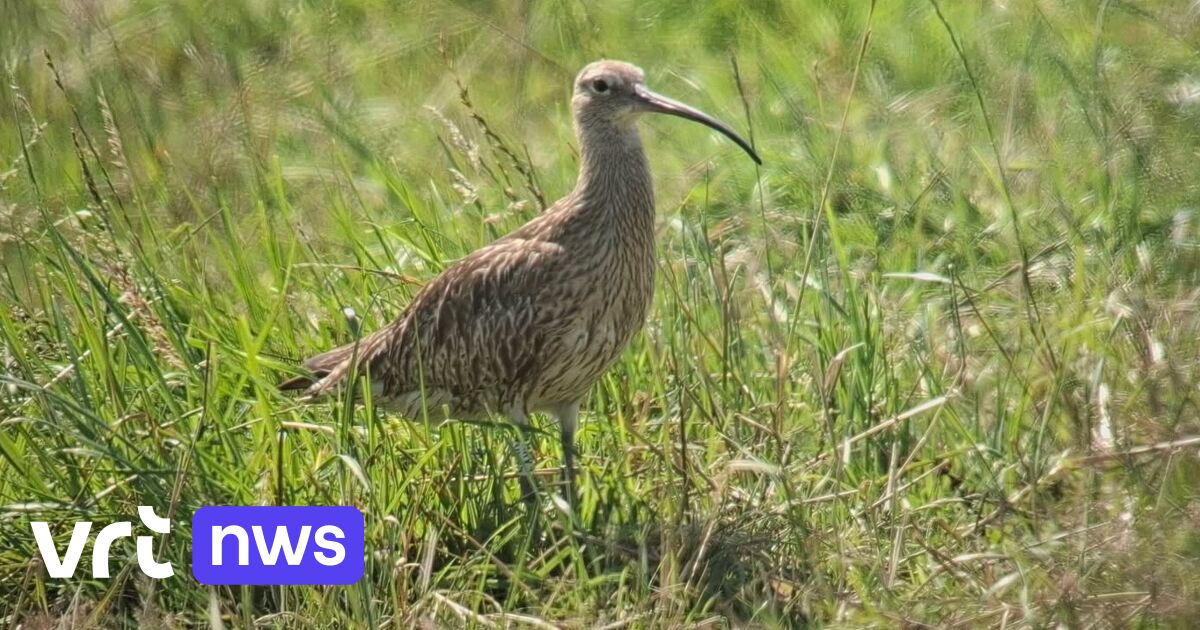
🐦
From rescued egg to proud parent: curlew raised in nature rescue center now has 2 chicks
Van gered ei naar trotse ouder: wulp die werd grootgebracht in het Natuurhulpcentrum heeft nu 2 jongen
De l'œuf sauvé à parent fier : le courlis élevé au centre de secours de la nature a maintenant 2 poussins
Isn't it amazing? A curlew that was raised in the Nature Rescue Center in Oudsbergen has now become a parent itself, with two chicks of its own! This bird was part of a nest of nine eggs that were incubated by the center after the parents abandoned them. Frederik Thoelen from the center expressed how rewarding it is to see one of their rescued birds thriving in the wild. This success story highlights the importance of conservation efforts, especially for a species that is facing decline.
Wat geweldig is dit? Een wulp die werd grootgebracht in het Natuurhulpcentrum in Oudsbergen is nu zelf ouder geworden, met twee jongen! Deze vogel maakte deel uit van een nest van negen eieren die door het centrum werden uitgebroed nadat de ouders hen hadden achtergelaten. Frederik Thoelen van het centrum gaf aan hoe belonend het is om te zien dat een van hun geredde vogels het goed doet in de natuur. Dit succesverhaal benadrukt het belang van natuurbeschermingsinspanningen, vooral voor een soort die achteruitgaat.
N'est-ce pas incroyable ? Un courlis élevé au Centre de secours de la nature à Oudsbergen est maintenant devenu parent lui-même, avec deux poussins ! Cet oiseau faisait partie d'un nid de neuf œufs incubés par le centre après que les parents les aient abandonnés. Frederik Thoelen du centre a exprimé combien il est gratifiant de voir l'un de leurs oiseaux sauvés prospérer dans la nature. Cette histoire de succès souligne l'importance des efforts de conservation, en particulier pour une espèce en déclin.

🚗
Drive slower, save money on gas. Thanks, physics!
Rijd langzamer, bespaar geld op benzine. Dank je, natuurkunde!
Roulez plus lentement, économisez de l'argent sur l'essence. Merci, la physique !
So, it turns out that driving slower can actually save you money on gas! While it might take a bit longer to reach your destination, the physics behind fuel consumption shows that higher speeds require more gas due to increased air resistance. This means that sticking to a steady, slower pace not only helps your wallet but is also better for the environment. It's a win-win situation for summer road trips!
Dus, het blijkt dat langzamer rijden je echt geld kan besparen op benzine! Hoewel het iets langer kan duren om je bestemming te bereiken, toont de natuurkunde achter brandstofverbruik aan dat hogere snelheden meer benzine vereisen door de toegenomen luchtweerstand. Dit betekent dat een constante, langzamere snelheid niet alleen goed is voor je portemonnee, maar ook beter voor het milieu. Het is een win-winsituatie voor zomerse roadtrips!
Alors, il s'avère que rouler plus lentement peut vraiment vous faire économiser de l'argent sur l'essence ! Bien que cela puisse prendre un peu plus de temps pour atteindre votre destination, la physique derrière la consommation de carburant montre que des vitesses plus élevées nécessitent plus d'essence en raison de la résistance de l'air accrue. Cela signifie que rester à un rythme constant et plus lent est non seulement meilleur pour votre portefeuille, mais aussi pour l'environnement. C'est une situation gagnant-gagnant pour les road trips d'été !
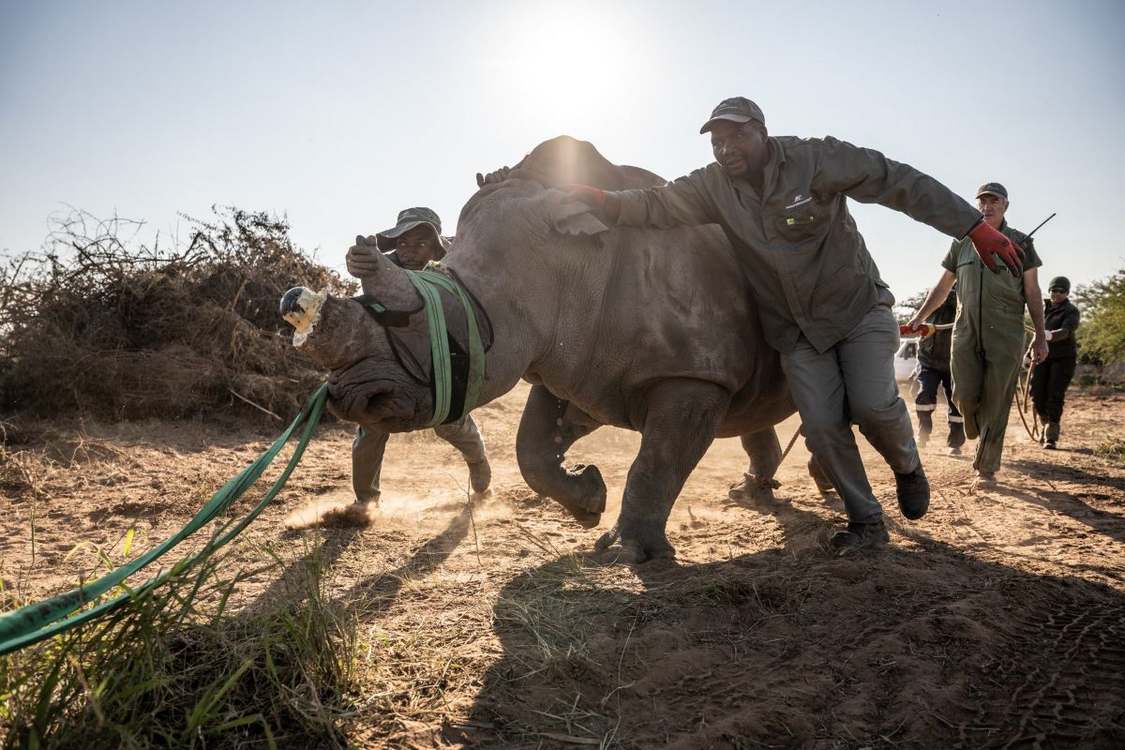
🌍
Herculean effort to restore Mozambique’s rhino population succeeds with 61 animals moved there
Herculeaanse inspanning om de neushoornpopulatie in Mozambique te herstellen slaagt met 61 verplaatste dieren
Effort herculéen pour restaurer la population de rhinocéros du Mozambique réussi avec 61 animaux déplacés
What an incredible achievement! Mozambique has successfully reintroduced 61 white rhinos to Zinave National Park, marking a significant step in restoring its wildlife. This effort comes after years of devastation due to civil war and poaching, which nearly wiped out these magnificent creatures. Thanks to the dedication of organizations like the Peace Parks Foundation, the park is now a sanctuary for these rhinos, ensuring a brighter future for them and the ecosystem.
Wat een ongelooflijke prestatie! Mozambique heeft met succes 61 witte neushoorns heringevoerd in het Zinave National Park, wat een belangrijke stap markeert in het herstel van zijn wilde dieren. Deze inspanning komt na jaren van verwoesting door de burgeroorlog en stroperij, die deze prachtige wezens bijna heeft uitgeroeid. Dankzij de toewijding van organisaties zoals de Peace Parks Foundation is het park nu een toevluchtsoord voor deze neushoorns, wat zorgt voor een betere toekomst voor hen en het ecosysteem.
Quelle réalisation incroyable ! Le Mozambique a réussi à réintroduire 61 rhinocéros blancs dans le parc national de Zinave, marquant une étape significative dans la restauration de sa faune. Cet effort fait suite à des années de dévastation dues à la guerre civile et au braconnage, qui ont presque anéanti ces créatures magnifiques. Grâce au dévouement d'organisations comme la Peace Parks Foundation, le parc est désormais un sanctuaire pour ces rhinocéros, garantissant un avenir meilleur pour eux et l'écosystème.
🌟
Psychologists say people who apologize to inanimate objects share these 5 positive traits
Psychologen zeggen dat mensen die zich verontschuldigen tegen levenloze objecten deze 5 positieve eigenschappen delen
Les psychologues disent que les personnes qui s'excusent auprès des objets inanimés partagent ces 5 traits positifs
Isn't it fascinating how some of us find ourselves saying 'sorry' to a doorframe or a chair? It turns out that people who do this often share some really positive traits, like being self-aware and conscientious. They might even be using these apologies as a way to self-regulate their emotions. So, the next time you apologize to your refrigerator, remember it says a lot about your kind and respectful nature!
Is het niet fascinerend hoe sommigen van ons 'sorry' zeggen tegen een deurpost of een stoel? Het blijkt dat mensen die dit doen vaak enkele echt positieve eigenschappen delen, zoals zelfbewustzijn en zorgvuldigheid. Ze gebruiken deze excuses misschien zelfs als een manier om hun emoties te reguleren. Dus de volgende keer dat je je verontschuldigt tegen je koelkast, onthoud dan dat het veel zegt over jouw vriendelijke en respectvolle aard!
N'est-ce pas fascinant de voir certains d'entre nous dire 'désolé' à un chambranle de porte ou à une chaise ? Il s'avère que les personnes qui font cela partagent souvent des traits vraiment positifs, comme la conscience de soi et la conscience sociale. Ils utilisent peut-être même ces excuses comme un moyen de réguler leurs émotions. Alors, la prochaine fois que vous vous excusez auprès de votre réfrigérateur, rappelez-vous que cela en dit long sur votre nature gentille et respectueuse !
🌲
Helicopters dump 6,000 logs into rivers in the Pacific Northwest, fixing a decades-old mistake
Helikopters dumpen 6.000 stammen in rivieren in het noordwesten van de VS, een decennia oude fout rechtzetten
Des hélicoptères déversent 6 000 troncs dans les rivières du nord-ouest pacifique, corrigeant une erreur vieille de plusieurs décennies
So, here's the exciting news: helicopters are now dropping 6,000 logs back into rivers in the Pacific Northwest! This massive restoration project aims to reverse the decades-old mistake of removing logs, which are actually vital for creating habitats for fish like salmon. By placing these logs back into the rivers, the Yakama Nation is restoring the natural complexity that supports wildlife and keeps waterways healthy. It's a fantastic example of learning from past errors and working to heal the environment.
Dus, hier is het spannende nieuws: helikopters dumpen nu 6.000 stammen terug in rivieren in het noordwesten van de VS! Dit enorme restauratieproject heeft als doel de decennia oude fout van het verwijderen van stammen te corrigeren, die eigenlijk essentieel zijn voor het creëren van habitats voor vissen zoals zalm. Door deze stammen terug in de rivieren te plaatsen, herstelt de Yakama Nation de natuurlijke complexiteit die de fauna ondersteunt en de waterwegen gezond houdt. Het is een fantastisch voorbeeld van leren van eerdere fouten en werken aan het herstel van het milieu.
Alors, voici la nouvelle excitante : des hélicoptères déversent maintenant 6 000 troncs dans les rivières du nord-ouest pacifique ! Ce projet de restauration massif vise à inverser l'erreur vieille de plusieurs décennies consistant à retirer les troncs, qui sont en réalité essentiels à la création d'habitats pour des poissons comme le saumon. En plaçant ces troncs dans les rivières, la Nation Yakama restaure la complexité naturelle qui soutient la faune et maintient les cours d'eau en bonne santé. C'est un exemple fantastique d'apprentissage des erreurs passées et de travail pour guérir l'environnement.

⛵
The largest peacetime maritime gathering in U.S. history comes to New York City
De grootste vredestijd maritieme bijeenkomst in de Amerikaanse geschiedenis komt naar New York City
La plus grande réunion maritime en temps de paix de l'histoire des États-Unis arrive à New York
Can you believe it? New York Harbor is about to be filled with the majestic sails of around 80 tall ships from 46 countries for Sail4th 250, celebrating 250 years of history! This incredible event, which traces its roots back to 1964, will feature an International Parade of Sail on July 4, where Class A ships will glide up the Hudson River. Plus, you can catch the excitement live on NBC or in person at various spots around the city. It’s a fantastic way to honor maritime heritage and enjoy a spectacular show!
Kun je het geloven? De haven van New York zal binnenkort gevuld zijn met de majestueuze zeilen van ongeveer 80 tall ships uit 46 landen voor Sail4th 250, ter gelegenheid van 250 jaar geschiedenis! Dit ongelooflijke evenement, dat zijn oorsprong terugvoert naar 1964, zal op 4 juli een Internationale Parade van Zeilen hebben, waarbij Class A-schepen de Hudson-rivier opvaren. Bovendien kun je de opwinding live volgen op NBC of persoonlijk bij verschillende plekken in de stad. Het is een geweldige manier om het maritieme erfgoed te eren en te genieten van een spectaculair schouwspel!
Peux-tu le croire? Le port de New York va bientôt être rempli des voiles majestueuses d'environ 80 grands voiliers de 46 pays pour Sail4th 250, célébrant 250 ans d'histoire! Cet incroyable événement, qui remonte à 1964, présentera une Parade Internationale de Voile le 4 juillet, où des navires de classe A navigueront sur l'Hudson. De plus, tu peux suivre l'excitation en direct sur NBC ou en personne à divers endroits de la ville. C'est une façon fantastique d'honorer le patrimoine maritime et de profiter d'un spectacle spectaculaire!

🏡
Italians are beating the scorching heat inside ingenious medieval homes
Italianen verslaan de verzengende hitte in ingenieuze middeleeuwse huizen
Les Italiens battent la chaleur écrasante dans des maisons médiévales ingénieuses
So, here's the thing: in southern Italy, people are finding relief from the summer heat by turning back to medieval architecture! The trulli, those charming whitewashed homes with conical roofs, are making a comeback thanks to their clever design that keeps interiors cool. Built from limestone, these homes absorb moisture in winter and release it in summer, making them naturally refreshing. It's fascinating to see how traditional solutions are inspiring modern climate adaptation strategies!
Dus, hier is het: in Zuid-Italië vinden mensen verlichting van de zomerse hitte door terug te grijpen naar middeleeuwse architectuur! De trulli, die charmante witgekalkte huizen met conische daken, maken een comeback dankzij hun slimme ontwerp dat de binnenruimtes koel houdt. Gebouwd van kalksteen, absorberen deze huizen vocht in de winter en geven het in de zomer weer af, waardoor ze van nature verfrissend zijn. Het is fascinerend om te zien hoe traditionele oplossingen moderne strategieën voor klimaatadaptatie inspireren!
Alors, voici le truc : dans le sud de l'Italie, les gens trouvent un soulagement contre la chaleur estivale en revenant à l'architecture médiévale ! Les trulli, ces charmantes maisons blanchies à la chaux avec des toits coniques, font un retour grâce à leur conception astucieuse qui garde les intérieurs frais. Construits en calcaire, ces maisons absorbent l'humidité en hiver et la relâchent en été, les rendant naturellement rafraîchissantes. C'est fascinant de voir comment des solutions traditionnelles inspirent des stratégies modernes d'adaptation au climat !

🌌
Rubin observatory begins a 10-year movie of the changing universe
Rubin-observatorium begint een 10-jarig film van het veranderende universum
L'observatoire Rubin commence un film de 10 ans sur l'univers en changement
Last night marked the start of an incredible journey as the Vera C. Rubin Observatory began filming the greatest time-lapse movie of the night sky over the next decade. With its massive digital camera, it will capture everything from asteroids to exploding stars, generating more data in its first year than all previous optical telescopes combined. Astronomers are buzzing with excitement as they anticipate 10 million alerts per night, allowing them to track cosmic events in real-time. This ambitious project promises to unveil the mysteries of dark matter and energy, while also searching for new celestial objects like the elusive Planet 9.
Gisteravond begon een ongelooflijke reis toen het Vera C. Rubin-observatorium de grootste time-lapsefilm van de nachtelijke hemel voor de komende tien jaar begon op te nemen. Met zijn enorme digitale camera zal het alles vastleggen, van asteroïden tot exploderende sterren, en in het eerste jaar meer gegevens genereren dan alle eerdere optische telescopen samen. Astronomen zijn enthousiast terwijl ze anticiperen op 10 miljoen waarschuwingen per nacht, waardoor ze kosmische gebeurtenissen in real-time kunnen volgen. Dit ambitieuze project belooft de mysteries van donkere materie en energie te onthullen, terwijl het ook op zoek gaat naar nieuwe hemellichamen zoals de ongrijpbare Planeet 9.
Hier soir a marqué le début d'un voyage incroyable alors que l'observatoire Vera C. Rubin a commencé à filmer le plus grand film en time-lapse du ciel nocturne pour la prochaine décennie. Avec sa massive caméra numérique, il capturera tout, des astéroïdes aux étoiles explosant, générant plus de données au cours de sa première année que toutes les précédentes télescopes optiques réunis. Les astronomes sont en émoi alors qu'ils anticipent 10 millions d'alertes par nuit, leur permettant de suivre les événements cosmiques en temps réel. Ce projet ambitieux promet de révéler les mystères de la matière noire et de l'énergie, tout en cherchant de nouveaux objets célestes comme la planète 9 insaisissable.
👋
Phew, we can still wave people off at the platform (just like in the movies)
Oef, het mag toch nog. We mogen mensen blijven uitzwaaien op het perron (net zoals in films)
Ouf, nous pouvons encore faire des adieux sur le quai (comme dans les films)
It's such a relief to hear that we can continue waving goodbye to our loved ones at the train station! This little act of farewell, which feels so cinematic, brings a sense of connection and warmth. It’s amazing how something so simple can brighten our day and create lasting memories. So, let’s keep that tradition alive and enjoy those heartfelt moments!
Het is een opluchting om te horen dat we onze geliefden op het treinstation kunnen blijven uitzwaaien! Deze kleine daad van afscheid, die zo filmisch aanvoelt, brengt een gevoel van verbinding en warmte. Het is geweldig hoe iets zo eenvoudigs onze dag kan opvrolijken en blijvende herinneringen kan creëren. Laten we die traditie dus in stand houden en genieten van die hartverwarmende momenten!
C'est un soulagement d'apprendre que nous pouvons continuer à faire nos adieux à nos proches à la gare ! Ce petit geste d'au revoir, qui semble si cinématographique, apporte un sentiment de connexion et de chaleur. C'est incroyable de voir à quel point quelque chose d'aussi simple peut égayer notre journée et créer des souvenirs durables. Alors, continuons cette tradition et profitons de ces moments touchants !
🌟
And suddenly the sky lit up: Flemings captivated by rare 'alien' glowing night clouds
En plots lichtte de hemel op: Vlamingen in de ban van zeldzame ‘buitenaardse’ lichtende nachtwolken
Et soudain le ciel s'est illuminé : les Flamands captivés par de rares nuages nocturnes lumineux 'extraterrestres'
Wow, have you seen those glowing night clouds that lit up the sky recently? It’s amazing how something so rare can capture the imagination of so many people. These 'alien' clouds are not just a beautiful sight but also a fascinating phenomenon that leaves us in awe of nature. It’s moments like these that remind us of the wonders above us, sparking curiosity and excitement.
Wauw, heb je die lichtende nachtwolken gezien die onlangs de hemel verlichtten? Het is geweldig hoe iets zo zeldzaam de verbeelding van zoveel mensen kan vangen. Deze 'buitenaardse' wolken zijn niet alleen een prachtig gezicht, maar ook een fascinerend fenomeen dat ons in verwondering achterlaat. Dit soort momenten herinnert ons aan de wonderen boven ons, en wekt nieuwsgierigheid en opwinding op.
Waouh, avez-vous vu ces nuages nocturnes lumineux qui ont récemment illuminé le ciel ? C'est incroyable de voir comment quelque chose d'aussi rare peut captiver l'imagination de tant de gens. Ces nuages 'extraterrestres' ne sont pas seulement un spectacle magnifique, mais aussi un phénomène fascinant qui nous laisse en admiration devant la nature. Ce sont des moments comme ceux-ci qui nous rappellent les merveilles au-dessus de nous, suscitant curiosité et excitation.

🌕
Rare strawberry moon shines over Lisbon
Zeldzame aardbeienmaan straalt boven Lissabon
Rare lune de fraise brille au-dessus de Lisbonne
So, the strawberry moon made a stunning appearance over Lisbon, captivating both locals and tourists alike. People flocked to various viewpoints along the River Tagus, eager to catch a glimpse of this rare celestial event. It was a magical night as the full moon illuminated the city, creating a picturesque scene with boats gliding across the water. Named after the wild strawberry harvest season, this moon certainly added a special touch to Lisbon's skyline.
De aardbeienmaan maakte een prachtige verschijning boven Lissabon en betoverde zowel de lokale bevolking als toeristen. Mensen verzamelden zich op verschillende uitkijkpunten langs de rivier de Taag, enthousiast om dit zeldzame hemelverschijnsel te zien. Het was een magische nacht terwijl de volle maan de stad verlichtte en een schilderachtig tafereel creëerde met boten die over het water glijden. Genoemd naar het seizoen van de wilde aardbeienoogst, gaf deze maan zeker een speciale touch aan de skyline van Lissabon.
La lune de fraise a fait une apparition époustouflante au-dessus de Lisbonne, captivant à la fois les habitants et les touristes. Les gens se sont rassemblés à divers points de vue le long du fleuve Tage, désireux d'apercevoir cet événement céleste rare. C'était une nuit magique alors que la pleine lune illuminait la ville, créant une scène pittoresque avec des bateaux glissant sur l'eau. Nommée d'après la saison de récolte des fraises sauvages, cette lune a certainement ajouté une touche spéciale à la silhouette de Lisbonne.
/s3/static.nrc.nl/wp-content/uploads/2026/06/24121101/010726WET_2034718433_1.jpg)
🐟
This shark walks on the ocean floor in search of food – it's easier than swimming
Deze haai loopt over de bodem op zoek naar eten – dat is makkelijker dan zwemmen
Ce requin marche sur le fond de l'océan à la recherche de nourriture – c'est plus facile que de nager
Why swim when you can stroll along the ocean floor in search of food? The Dudgeon's walking shark scuttles like a curious dog over coral and seagrass, using its strong pectoral fins as legs. Locals in Southeast Papua New Guinea have known this creature as the 'lazy shark' or 'dog shark' for a while. Scientists have now officially presented it as a new species, and it’s a fascinating addition to our understanding of marine life!
Waarom zou je zwemmen als je net zo makkelijk over de bodem kunt lopen op zoek naar voedsel? De Dudgeon’s loophaai scharrelt als een nieuwsgierige hond over het koraal en zeegras, waarbij hij zijn sterke borstvinnen als poten gebruikt. Lokale mensen in Zuidoost-Papoea-Nieuw-Guinea kennen dit dier al een tijd als de 'luie haai' of 'hondhaai'. Wetenschappers hebben het nu officieel gepresenteerd als een nieuwe soort, en het is een fascinerende aanvulling op onze kennis van het zeeleven!
Pourquoi nager quand on peut se promener sur le fond de l'océan à la recherche de nourriture ? Le requin marcheur de Dudgeon se déplace comme un chien curieux sur le corail et les herbiers marins, utilisant ses fortes nageoires pectorales comme des pattes. Les habitants du sud-est de la Nouvelle-Guinée connaissent déjà cette créature sous le nom de 'requin paresseux' ou 'requin chien'. Les scientifiques l'ont maintenant officiellement présenté comme une nouvelle espèce, et c'est un ajout fascinant à notre compréhension de la vie marine !

🌱
How your houseplants affect you
Hoe je kamerplanten jou beïnvloeden
Comment vos plantes d'intérieur vous affectent
So, have you ever thought about how your houseplants can actually impact your air quality and overall well-being? It's fascinating to consider that these green companions might do more than just look pretty! They can improve your mood and even contribute to a healthier living environment. Which brings me to the idea that nurturing plants might just be a wonderful way to enhance your daily life.
Heb je ooit nagedacht over hoe je kamerplanten je luchtkwaliteit en algemeen welzijn kunnen beïnvloeden? Het is fascinerend om te overwegen dat deze groene metgezellen misschien meer doen dan alleen mooi zijn! Ze kunnen je humeur verbeteren en zelfs bijdragen aan een gezondere leefomgeving. Dit brengt me bij het idee dat het verzorgen van planten een geweldige manier kan zijn om je dagelijks leven te verbeteren.
Avez-vous déjà pensé à la façon dont vos plantes d'intérieur peuvent réellement affecter la qualité de l'air et votre bien-être général ? C'est fascinant de considérer que ces compagnons verts pourraient faire plus que simplement embellir votre espace ! Ils peuvent améliorer votre humeur et même contribuer à un environnement de vie plus sain. Cela m'amène à l'idée que prendre soin des plantes pourrait être une merveilleuse façon d'enrichir votre vie quotidienne.
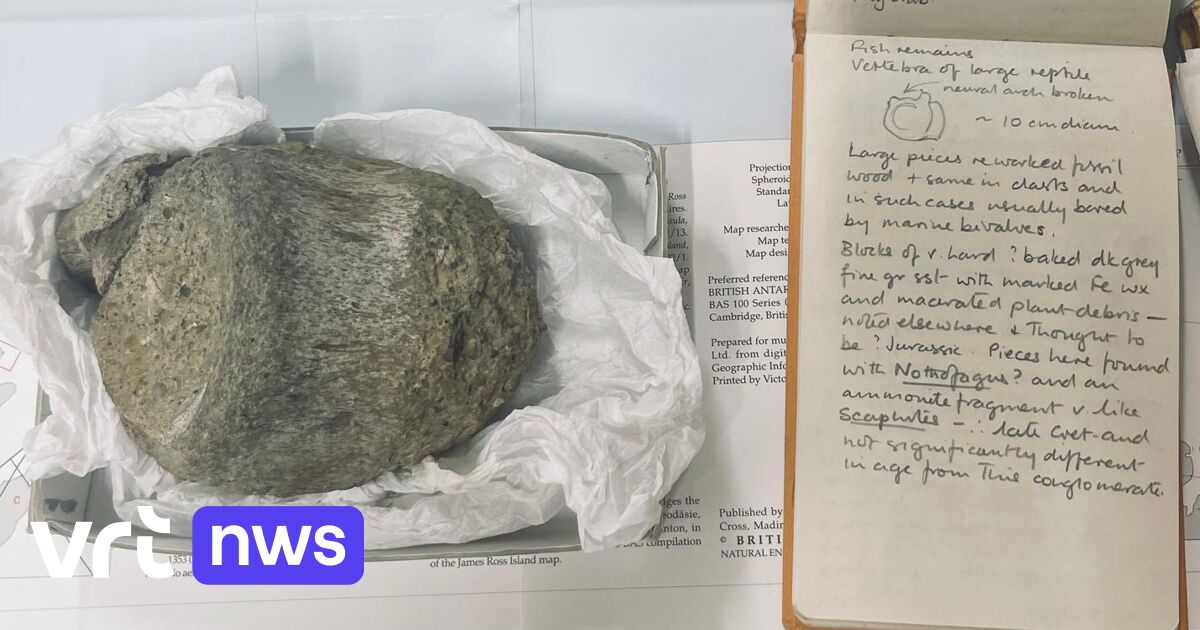
🦖
Fossil that lay for 40 years in drawer in the UK turns out to be the first dinosaur fossil ever found in Antarctica
Fossiel dat 40 jaar in lade in het Verenigd Koninkrijk lag, blijkt de allereerste dinosaurusvondst ooit gevonden op Antarctica
Un fossile resté 40 ans dans un tiroir au Royaume-Uni s'avère être le premier fossile de dinosaure jamais trouvé en Antarctique
Can you believe it? A fossil that sat unnoticed for nearly 40 years in a drawer in the UK has been identified as the first dinosaur find ever in Antarctica! Discovered back in 1985, this tail vertebra belongs to a Titanosaurus, a massive plant-eating dinosaur. Scientists are excited about the potential for more discoveries as climate change reveals hidden treasures beneath the ice. It’s a reminder of how much we still have to learn about our planet's prehistoric past!
Kun je het geloven? Een fossiel dat bijna 40 jaar onopgemerkt in een lade in het Verenigd Koninkrijk lag, is geïdentificeerd als de eerste dinosaurusvondst ooit in Antarctica! Ontdekt in 1985, behoort deze staartwervel tot een Titanosaurus, een enorme plantenetende dinosaurus. Wetenschappers zijn enthousiast over de mogelijkheden voor meer ontdekkingen nu klimaatverandering verborgen schatten onder het ijs onthult. Het herinnert ons eraan hoeveel we nog te leren hebben over het prehistorische verleden van onze planeet!
Peux-tu le croire ? Un fossile qui est resté inaperçu pendant près de 40 ans dans un tiroir au Royaume-Uni a été identifié comme la première découverte de dinosaure jamais faite en Antarctique ! Découverte en 1985, cette vertèbre de queue appartient à un Titanosaure, un énorme dinosaure herbivore. Les scientifiques sont enthousiastes à l'idée de potentielles découvertes supplémentaires alors que le changement climatique révèle des trésors cachés sous la glace. C'est un rappel de combien nous avons encore à apprendre sur le passé préhistorique de notre planète !
🌱
Why Ukraine is rewilding in the heat of war
Waarom Oekraïne opnieuw wilde natuur creëert te midden van oorlog
Pourquoi l'Ukraine réintroduit la nature en pleine guerre
In the midst of conflict, Ukraine is embracing a rewilding project that offers a glimpse of hope for a greener future. Local volunteers like Petro Hramatik are working hard to restore the Tarutino Steppe by reintroducing native species such as kulan, wild donkeys that play a crucial role in managing vegetation and reducing fire risk. This initiative not only revitalizes the landscape but also fosters biodiversity, creating a healthier ecosystem. It's inspiring to see how nature can thrive even in challenging times, reminding us of the resilience of both people and the environment.
Te midden van conflict omarmt Oekraïne een project voor herintroductie van de natuur dat een glimp van hoop biedt voor een groenere toekomst. Lokale vrijwilligers zoals Petro Hramatik werken hard om de Tarutino Steppe te herstellen door inheemse soorten zoals kulan, wilde ezels, opnieuw in te voeren die een cruciale rol spelen in het beheren van de vegetatie en het verminderen van brandrisico's. Dit initiatief revitaliseert niet alleen het landschap, maar bevordert ook de biodiversiteit, waardoor een gezonder ecosysteem ontstaat. Het is inspirerend om te zien hoe de natuur kan gedijen, zelfs in moeilijke tijden, en ons herinnert aan de veerkracht van zowel mensen als het milieu.
Au milieu du conflit, l'Ukraine adopte un projet de réintroduction de la nature qui offre un aperçu d'un avenir plus vert. Des bénévoles locaux comme Petro Hramatik travaillent dur pour restaurer la steppe de Tarutino en réintroduisant des espèces indigènes telles que les kulan, des ânes sauvages qui jouent un rôle crucial dans la gestion de la végétation et la réduction des risques d'incendie. Cette initiative revitalise non seulement le paysage, mais favorise également la biodiversité, créant un écosystème plus sain. Il est inspirant de voir comment la nature peut prospérer même en temps difficiles, nous rappelant la résilience des personnes et de l'environnement.

🧠
Having children makes you smarter? Incredible, but true
Kinderen krijgen maakt je slimmer? Ongelooflijk, maar waar
Avoir des enfants vous rend plus intelligent ? Incroyable, mais vrai
So, here's some fantastic news for all the parents out there: it turns out that having kids might actually boost our brain health! Studies suggest that parenting can lead to younger-looking brains for both mothers and fathers. Now, while it may feel like our brains are constantly being tested by toddler tantrums and teenage drama, the challenges we face actually keep our minds sharp. It's a wild ride of learning and adapting, and who knew that all those sleepless nights could be good for our cognitive reserve?
Dus, hier is fantastisch nieuws voor alle ouders: het blijkt dat kinderen krijgen onze hersengezondheid kan verbeteren! Studies suggereren dat ouders een jonger uitziende hersenen hebben. Nu, terwijl het misschien voelt alsof onze hersenen constant worden getest door peuterwoedeaanvallen en tienerdrama, houden de uitdagingen die we tegenkomen onze geest scherp. Het is een wilde rit van leren en aanpassen, en wie had gedacht dat al die slapeloze nachten goed konden zijn voor onze cognitieve reserve?
Alors, voici une excellente nouvelle pour tous les parents : il s'avère que le fait d'avoir des enfants pourrait en fait améliorer notre santé cérébrale ! Des études suggèrent que le fait d'être parent peut conduire à des cerveaux ayant l'apparence plus jeune pour les mères et les pères. Maintenant, bien que cela puisse sembler que nos cerveaux sont constamment mis à l'épreuve par des crises de colère d'enfants et des drames d'adolescents, les défis auxquels nous faisons face gardent en réalité notre esprit aiguisé. C'est un parcours sauvage d'apprentissage et d'adaptation, et qui aurait cru que toutes ces nuits blanches pourraient être bénéfiques pour notre réserve cognitive ?
🎨
‘We were broke, but fascinated by freedom’: exhibition showcases East German artist Gabriele Stötzer
‘We waren blut, maar gefascineerd door vrijheid’: tentoonstelling toont Oost-Duitse kunstenaar Gabriele Stötzer
‘Nous étions fauchés, mais fascinés par la liberté’: une exposition présente l'artiste est-allemande Gabriele Stötzer
Gabriele Stötzer's journey as an artist in East Germany is nothing short of inspiring. Her first major exhibition is now on display in Berlin, showcasing 150 of her works that reflect her defiance against oppressive regimes. Stötzer's art emerged from her experiences, including her time in prison, where she transformed trauma into creativity. This exhibition not only celebrates her artistic contributions but also highlights her role as a witness to history.
De reis van Gabriele Stötzer als kunstenaar in Oost-Duitsland is niets minder dan inspirerend. Haar eerste grote tentoonstelling is nu te zien in Berlijn, met 150 van haar werken die haar verzet tegen onderdrukkende regimes weerspiegelen. Stötzers kunst kwam voort uit haar ervaringen, waaronder haar tijd in de gevangenis, waar ze trauma omzette in creativiteit. Deze tentoonstelling viert niet alleen haar artistieke bijdragen, maar benadrukt ook haar rol als getuige van de geschiedenis.
Le parcours de Gabriele Stötzer en tant qu'artiste en Allemagne de l'Est est tout simplement inspirant. Sa première grande exposition est maintenant présentée à Berlin, mettant en avant 150 de ses œuvres qui reflètent sa défiance contre les régimes oppressifs. L'art de Stötzer est né de ses expériences, y compris son temps en prison, où elle a transformé le traumatisme en créativité. Cette exposition célèbre non seulement ses contributions artistiques, mais souligne également son rôle en tant que témoin de l'histoire.
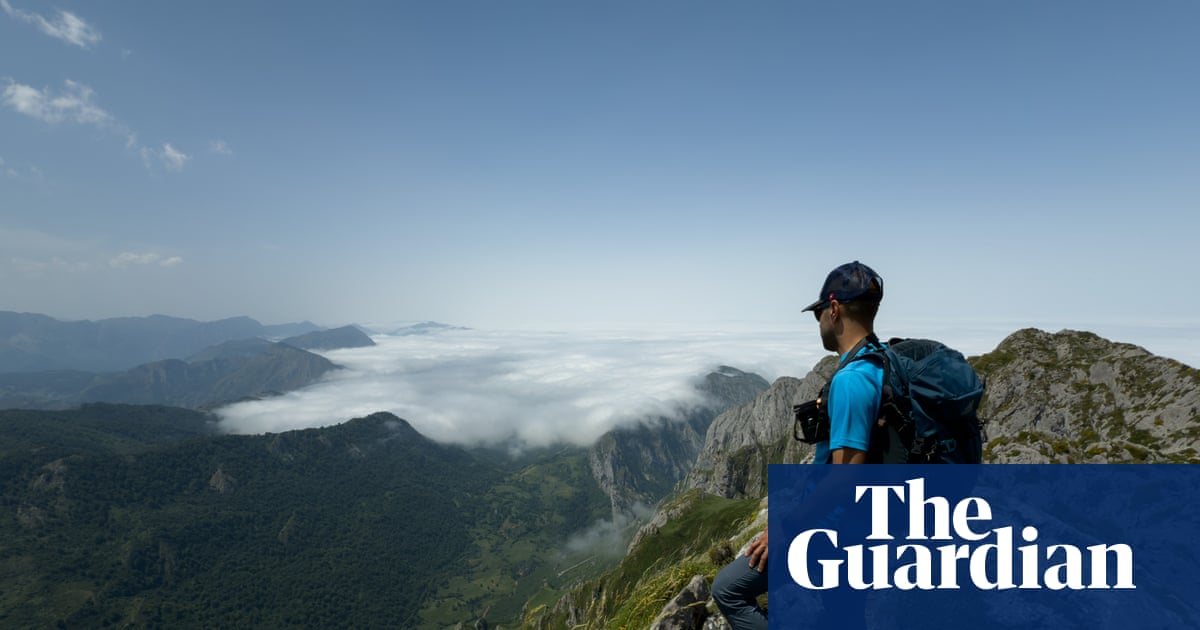
🏔️
Trekking through a living mountain culture: Spain’s Picos de Europa
Trekking door een levende bergcultuur: de Picos de Europa in Spanje
Trek à travers une culture montagnarde vivante : les Picos de Europa en Espagne
The Picos de Europa in northern Spain is a breathtaking hiking destination where nature and history intertwine. As you trek through this stunning landscape, you encounter unique wildlife and unexpected historical sites, like a mountain refuge hut made from a WWII aircraft carrier. The local culture is rich, with homemade cheese and warm hospitality from the inhabitants who have lived in harmony with these mountains for generations. It's a place that truly offers a sense of adventure and connection to the past.
De Picos de Europa in het noorden van Spanje is een adembenemende wandelbestemming waar natuur en geschiedenis samenkomen. Terwijl je door dit prachtige landschap wandelt, kom je unieke wilde dieren en onverwachte historische plekken tegen, zoals een berghut gemaakt van een WWII-vliegtuigdraag. De lokale cultuur is rijk, met zelfgemaakte kaas en warme gastvrijheid van de bewoners die al generaties lang in harmonie met deze bergen leven. Het is een plek die echt een gevoel van avontuur en verbinding met het verleden biedt.
Les Picos de Europa, dans le nord de l'Espagne, sont une destination de randonnée à couper le souffle où la nature et l'histoire s'entrelacent. En parcourant ce paysage magnifique, vous rencontrez une faune unique et des sites historiques inattendus, comme un refuge de montagne fait à partir d'un porte-avions de la Seconde Guerre mondiale. La culture locale est riche, avec du fromage fait maison et une chaleureuse hospitalité de la part des habitants qui vivent en harmonie avec ces montagnes depuis des générations. C'est un endroit qui offre vraiment un sens de l'aventure et une connexion au passé.
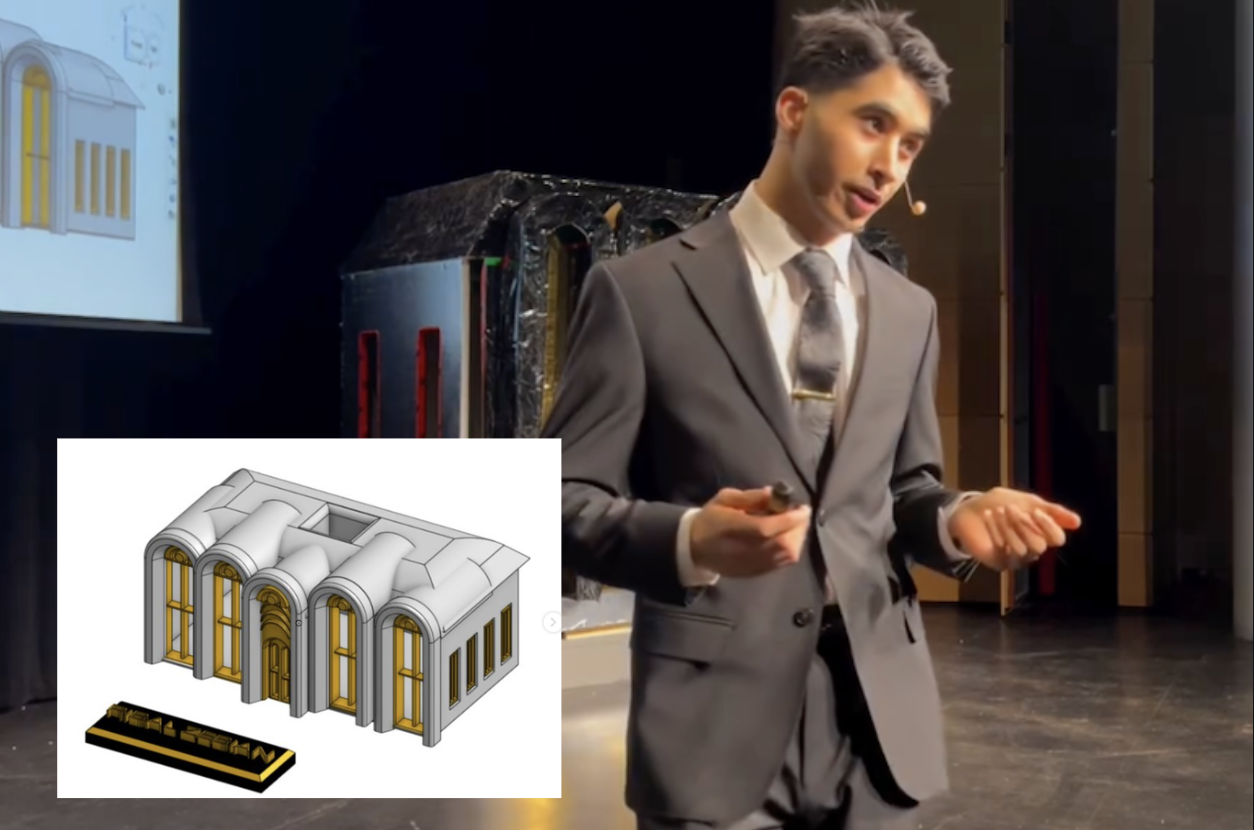
🏠
Ontario teen says he’ll live in ‘modular home’ invention for a year to prove it can end homelessness
Ontario tiener zegt dat hij een jaar in zijn 'modulaire huis' zal wonen om te bewijzen dat het dakloosheid kan beëindigen
Un adolescent de l'Ontario dit qu'il vivra un an dans sa 'maison modulaire' pour prouver qu'elle peut mettre fin à l'itinérance
Ribal Zebian, an innovative 18-year-old from Ontario, is tackling homelessness head-on with his modular home invention. He plans to live in this affordable housing prototype for a year, starting in May 2026, to test its durability through all seasons. Made from fiberglass and PET foam, his design is not only practical but also customizable and visually appealing. While he knows this isn't a permanent solution, Zebian hopes to inspire others to contribute to the fight against homelessness.
Ribal Zebian, een innovatieve 18-jarige uit Ontario, pakt dakloosheid direct aan met zijn uitvinding van een modulaire woning. Hij is van plan om een jaar in dit prototype van betaalbare huisvesting te wonen, te beginnen in mei 2026, om de duurzaamheid ervan door alle seizoenen te testen. Gemaakt van fiberglass en PET-schuim, is zijn ontwerp niet alleen praktisch, maar ook aanpasbaar en visueel aantrekkelijk. Hoewel hij weet dat dit geen permanente oplossing is, hoopt Zebian anderen te inspireren om bij te dragen aan de strijd tegen dakloosheid.
Ribal Zebian, un jeune innovant de l'Ontario, s'attaque directement à l'itinérance avec son invention de maison modulaire. Il prévoit de vivre dans ce prototype de logement abordable pendant un an, à partir de mai 2026, pour tester sa durabilité à travers toutes les saisons. Fabriqué en fibre de verre et en mousse PET, son design est non seulement pratique mais aussi personnalisable et esthétiquement attrayant. Bien qu'il sache que ce n'est pas une solution permanente, Zebian espère inspirer d'autres à contribuer à la lutte contre l'itinérance.
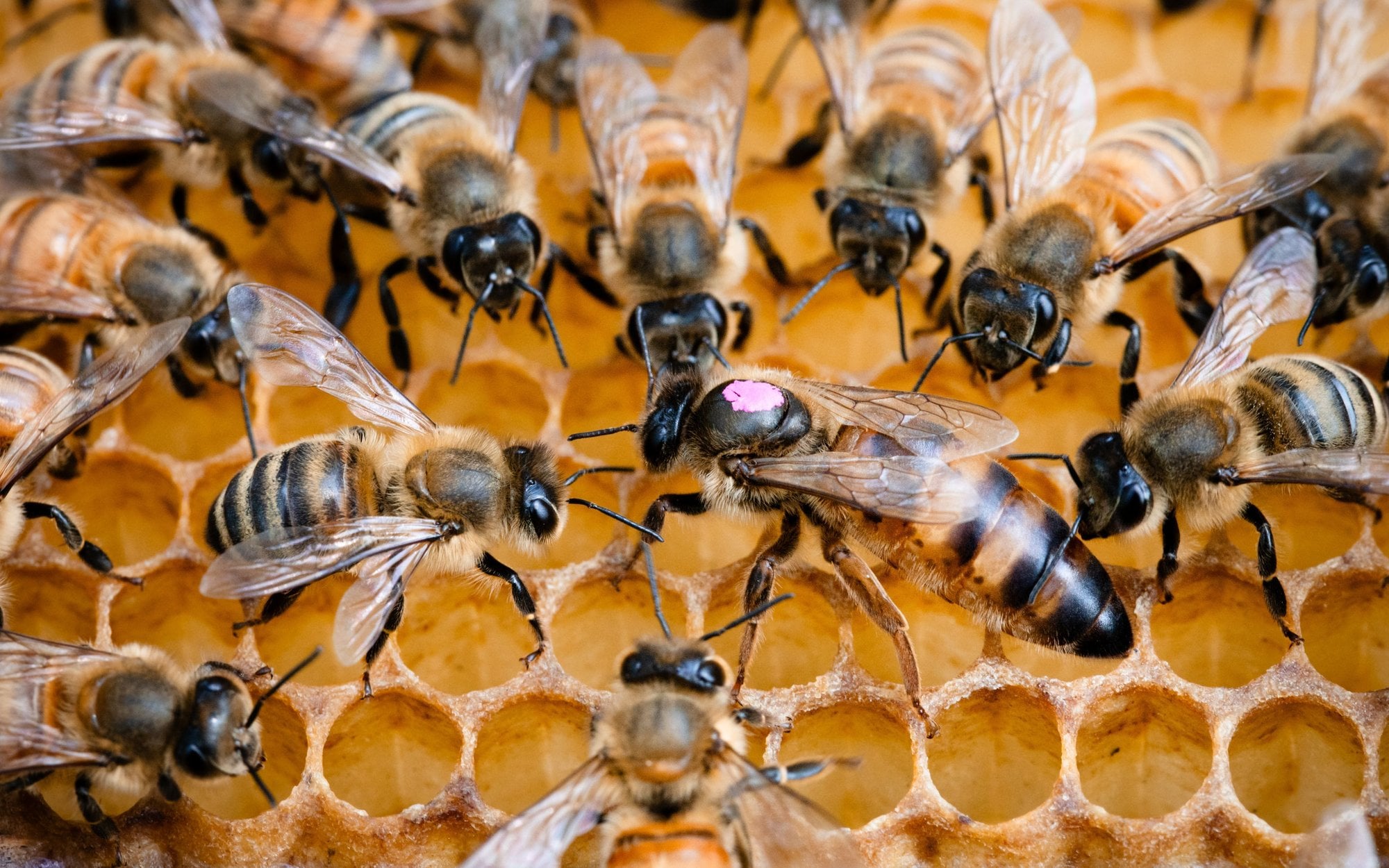
🐝
Now we know where bee queens come from
Nu weten we waar bijenkoningen vandaan komen
Maintenant, nous savons d'où viennent les reines des abeilles
It's fascinating to learn that bee queens and workers start life in almost the same way but diverge significantly as they develop. New research from the University of California reveals that it's not just royal jelly that determines whether a larva becomes a queen; the structure and conditions of the queen cells play a crucial role too. These specialized cells are designed to create a warmer, more humid environment, which helps the queens mature faster. This discovery shows that bee colonies operate as integrated biological systems, capable of environmental engineering.
Het is fascinerend om te leren dat bijenkoningen en werksters bijna op dezelfde manier beginnen, maar zich aanzienlijk verschillend ontwikkelen. Nieuw onderzoek van de Universiteit van Californië onthult dat niet alleen het koninginnengelei bepaalt of een larve een koningin wordt; de structuur en omstandigheden van de koninginnencellen spelen ook een cruciale rol. Deze gespecialiseerde cellen zijn ontworpen om een warmere, vochtigere omgeving te creëren, wat de koningen helpt sneller te rijpen. Deze ontdekking toont aan dat bijenkolonies functioneren als geïntegreerde biologische systemen, die in staat zijn tot milieutechniek.
Il est fascinant d'apprendre que les reines et les ouvrières des abeilles commencent leur vie de manière presque identique, mais se développent de manière significativement différente. De nouvelles recherches de l'Université de Californie révèlent que ce n'est pas seulement la gelée royale qui détermine si une larve devient une reine ; la structure et les conditions des cellules royales jouent également un rôle crucial. Ces cellules spécialisées sont conçues pour créer un environnement plus chaud et plus humide, ce qui aide les reines à mûrir plus rapidement. Cette découverte montre que les colonies d'abeilles fonctionnent comme des systèmes biologiques intégrés, capables d'ingénierie environnementale.

✈️
Why are airplanes so cold? It’s for your health.
Waarom zijn vliegtuigen zo koud? Het is voor je gezondheid.
Pourquoi les avions sont-ils si froids ? C'est pour votre santé.
So, have you ever wondered why airplane cabins are always so chilly? It turns out, it’s all about keeping passengers safe and healthy! The colder air helps prevent fainting by keeping your heart rate steady and your oxygen levels balanced, especially at high altitudes where oxygen is thinner. Plus, the lower humidity helps combat motion sickness, making your flight a lot more comfortable. Next time you board, remember to pack that sweater—it’s not just for style!
Heb je je ooit afgevraagd waarom vliegtuigcabines altijd zo koud zijn? Het blijkt dat het allemaal draait om het veilig en gezond houden van passagiers! De koudere lucht helpt flauwvallen te voorkomen door je hartslag stabiel te houden en je zuurstofniveaus in balans te houden, vooral op grote hoogtes waar de zuurstof dunner is. Bovendien helpt de lagere luchtvochtigheid tegen reisziekte, waardoor je vlucht veel comfortabeler wordt. Vergeet de volgende keer dat je instapt niet je trui in te pakken - het is niet alleen voor de stijl!
Vous vous êtes déjà demandé pourquoi les cabines d'avion sont toujours si froides ? Eh bien, c'est tout pour la sécurité et la santé des passagers ! L'air plus frais aide à prévenir les évanouissements en maintenant votre rythme cardiaque stable et vos niveaux d'oxygène équilibrés, surtout à haute altitude où l'oxygène est plus rare. De plus, l'humidité plus basse aide à lutter contre le mal des transports, rendant votre vol beaucoup plus agréable. La prochaine fois que vous embarquez, n'oubliez pas de prendre un pull - ce n'est pas seulement pour le style !
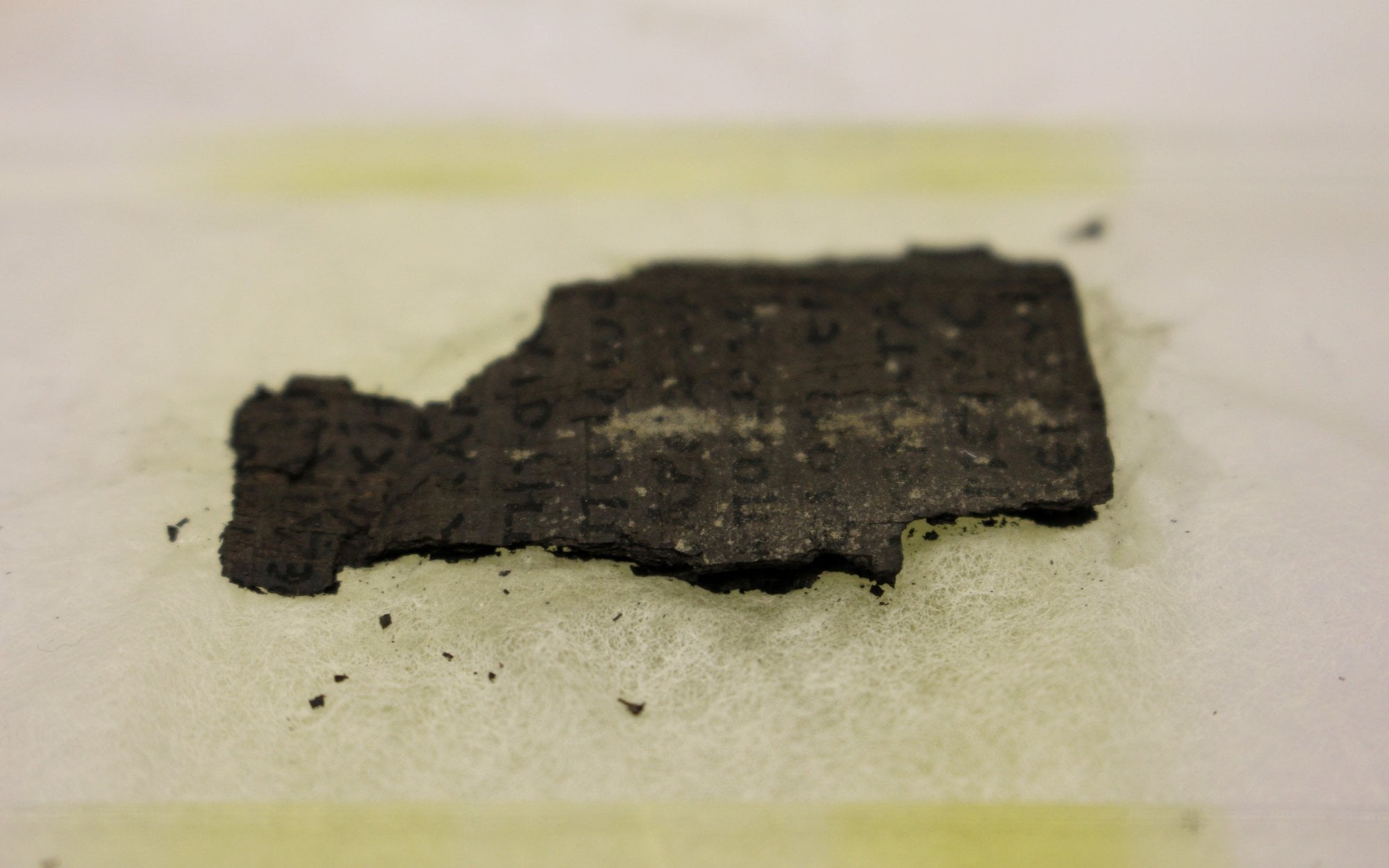
🌟
First complete reading of a scroll from Herculaneum. Breakthrough thanks to artificial intelligence
Voor het eerst een complete lezing van een rol uit Herculaneum. Doorbraak dankzij kunstmatige intelligentie
Première lecture complète d'un rouleau d'Herculanum. Percée grâce à l'intelligence artificielle
This groundbreaking achievement marks a significant step towards reading hundreds of ancient manuscripts found in Herculaneum, a Roman city destroyed by the catastrophic eruption of Vesuvius in 79 AD. The Vesuvius Challenge initiative is making all data and digital models available online, which is super exciting! They've even announced a $1 million prize for anyone who can fully read another scroll. With advanced scanning techniques, researchers are now able to virtually unwrap these fragile scrolls and detect ink traces, opening up a whole new world of ancient texts.
Deze baanbrekende prestatie markeert een belangrijke stap in de richting van het lezen van honderden oude manuscripten die in Herculaneum zijn gevonden, een Romeinse stad die werd verwoest door de catastrofale uitbarsting van de Vesuvius in 79 na Christus. Het Vesuvius Challenge-initiatief maakt alle gegevens en digitale modellen online beschikbaar, wat super spannend is! Ze hebben zelfs een prijs van 1 miljoen dollar aangekondigd voor iedereen die een andere rol volledig kan lezen. Met geavanceerde scanmethoden kunnen onderzoekers nu deze fragiele rollen virtueel ontrollen en inktsporen detecteren, wat een hele nieuwe wereld van oude teksten opent.
Cette réalisation révolutionnaire marque une étape importante vers la lecture de centaines de manuscrits anciens trouvés à Herculanum, une ville romaine détruite par l'éruption catastrophique du Vésuve en 79 après J.-C. L'initiative Vesuvius Challenge met toutes les données et modèles numériques à disposition en ligne, ce qui est vraiment excitant ! Ils ont même annoncé un prix d'un million de dollars pour quiconque pourra lire entièrement un autre rouleau. Grâce aux techniques de numérisation avancées, les chercheurs peuvent maintenant dérouler virtuellement ces rouleaux fragiles et détecter des traces d'encre, ouvrant ainsi un tout nouveau monde de textes anciens.
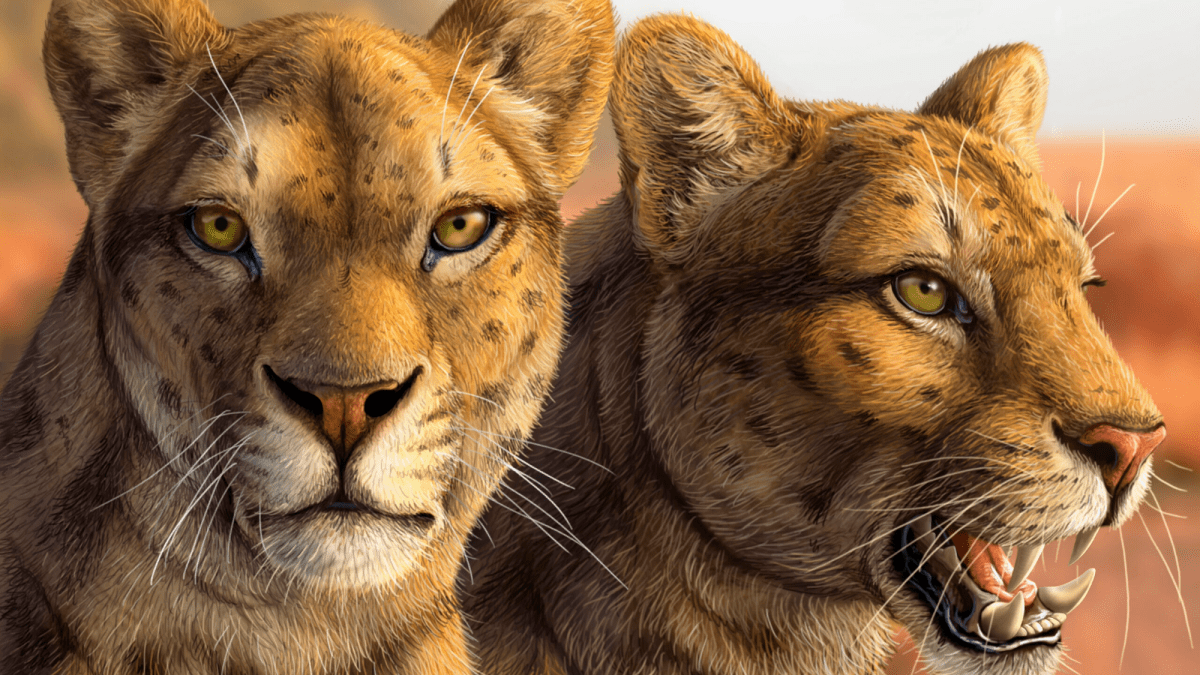
🦷
Mislabeled saber-toothed cat fossil spent over 50 years hidden in a drawer
Verkeerd gelabeld fossiel van een sabeltandkat meer dan 50 jaar verborgen in een lade
Fossile de chat à dents de sabre mal étiqueté caché pendant plus de 50 ans dans un tiroir
Isn't it fascinating when a forgotten fossil turns out to be a significant find? A mislabelled saber-toothed cat skull, hidden in a museum drawer for decades, was identified as a new species called Adelphailurus kansensis. This discovery sheds light on its cranial anatomy and evolutionary history, which is just thrilling! It really highlights the importance of revisiting museum collections to uncover hidden treasures.
Het is toch fascinerend wanneer een vergeten fossiel blijkt een belangrijke ontdekking te zijn? Een verkeerd gelabeld fossiel van een sabeltandkat, verborgen in een museumlade gedurende tientallen jaren, werd geïdentificeerd als een nieuwe soort genaamd Adelphailurus kansensis. Deze ontdekking werpt licht op de craniale anatomie en evolutionaire geschiedenis, wat gewoon opwindend is! Het benadrukt echt het belang van het herbezoeken van museumcollecties om verborgen schatten te onthullen.
N'est-ce pas fascinant lorsqu'un fossile oublié se révèle être une découverte significative ? Un crâne de chat à dents de sabre mal étiqueté, caché dans un tiroir de musée pendant des décennies, a été identifié comme une nouvelle espèce appelée Adelphailurus kansensis. Cette découverte éclaire son anatomie crânienne et son histoire évolutive, ce qui est tout simplement passionnant ! Cela souligne vraiment l'importance de revisiter les collections de musées pour découvrir des trésors cachés.

🌱
Green instead of gray: the asphalt breakers make heat islands disappear
Groen in plaats van grijs: de asfaltknackerinnen laten de hitte-eilanden verdwijnen
Vert au lieu de gris : les casseuses d'asphalte font disparaître les îlots de chaleur
On hot days, concrete surfaces heat up significantly, and that's where the 'asphalt breakers' come in to transform these sealed areas. Isabella Sedivy and her team are dedicated to removing unnecessary asphalt, allowing the ground to cool down and absorb water better. They focus on places like parking lots and former gardens, turning them into green spaces that support biodiversity. It's a fantastic initiative that not only combats heat islands but also brings nature back into urban life.
Op warme dagen warmen betonnen oppervlakken sterk op, en daar komen de 'asfaltknackerinnen' in actie om deze verhardingen te transformeren. Isabella Sedivy en haar team zijn toegewijd aan het verwijderen van onnodig asfalt, zodat de grond kan afkoelen en beter water kan opnemen. Ze richten zich op plekken zoals parkeerplaatsen en voormalige tuinen, en veranderen deze in groene ruimtes die de biodiversiteit ondersteunen. Het is een fantastisch initiatief dat niet alleen hitte-eilanden bestrijdt, maar ook de natuur terugbrengt in het stadsleven.
Lors des journées chaudes, les surfaces en béton se réchauffent considérablement, et c'est là que les 'casseuses d'asphalte' interviennent pour transformer ces zones imperméables. Isabella Sedivy et son équipe s'engagent à enlever l'asphalte inutile, permettant ainsi au sol de se refroidir et d'absorber mieux l'eau. Elles se concentrent sur des endroits comme les parkings et les anciens jardins, les transformant en espaces verts qui soutiennent la biodiversité. C'est une initiative fantastique qui combat non seulement les îlots de chaleur, mais ramène aussi la nature dans la vie urbaine.
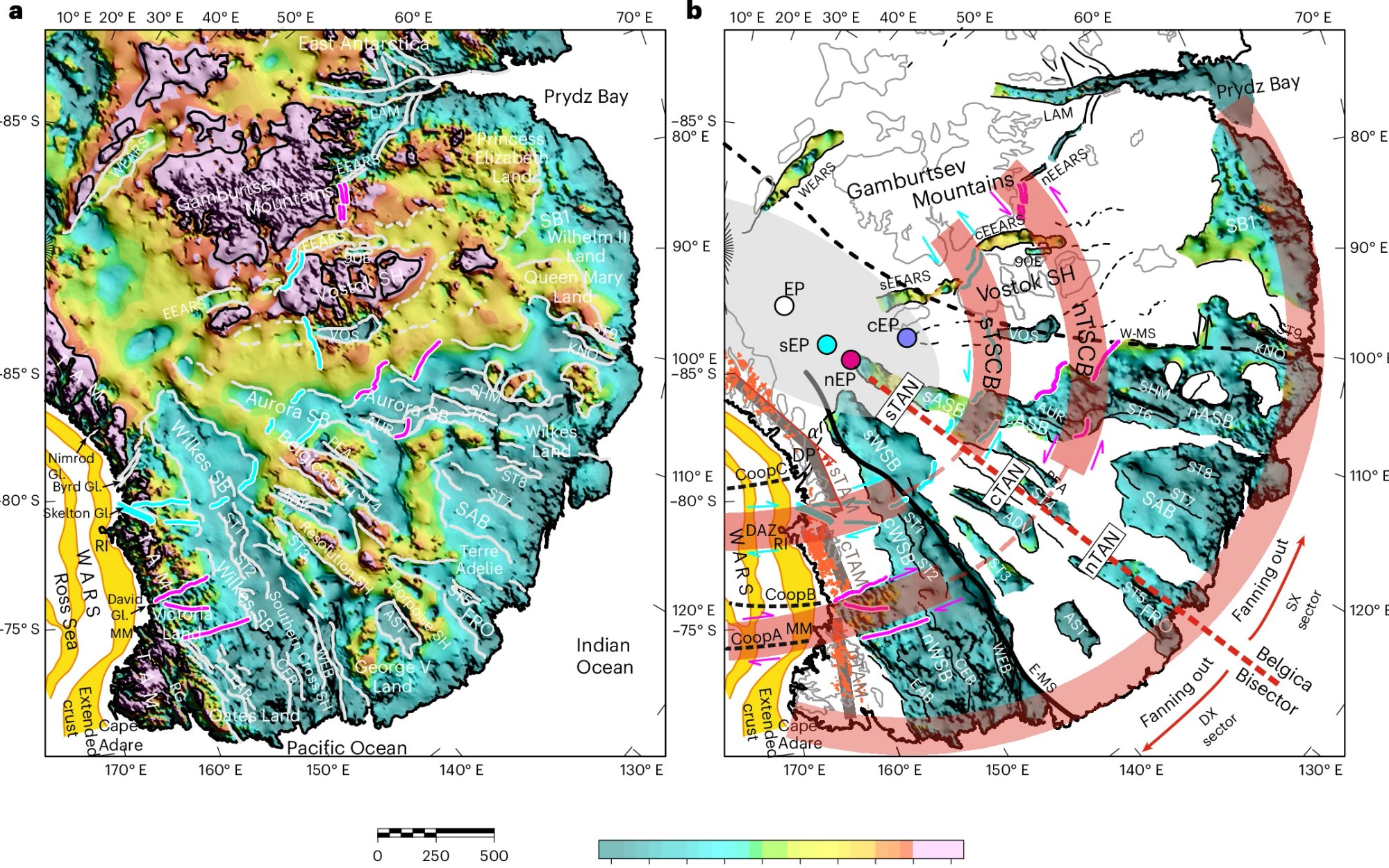
🌍
Lost world under the ice of Antarctica. A giant hand-shaped structure discovered
Verloren wereld onder het ijs van Antarctica. Een gigantische handvormige structuur ontdekt
Monde perdu sous la glace de l'Antarctique. Une structure géante en forme de main découverte
Scientists have made an incredible discovery beneath the Antarctic ice – a massive hand-shaped structure that changes our understanding of the continent's geological evolution. This formation, found under the East Antarctic ice sheet, includes vast subglacial lakes and reaches depths of over 3 kilometers. It's fascinating to think that these structures, previously considered separate, are actually part of a larger megastructure. This groundbreaking research opens up new questions about how such formations came to be and what they mean for the future of our planet.
Wetenschappers hebben een ongelooflijke ontdekking gedaan onder het Antarctische ijs - een enorme handvormige structuur die ons begrip van de geologische evolutie van het continent verandert. Deze formatie, gevonden onder het oostelijke Antarctische ijskap, omvat uitgestrekte subglaciale meren en reikt tot meer dan 3 kilometer diep. Het is fascinerend om te denken dat deze structuren, die eerder als afzonderlijk werden beschouwd, eigenlijk deel uitmaken van een grotere megastructuur. Dit baanbrekende onderzoek roept nieuwe vragen op over hoe dergelijke formaties zijn ontstaan en wat ze betekenen voor de toekomst van onze planeet.
Les scientifiques ont fait une découverte incroyable sous la glace de l'Antarctique - une massive structure en forme de main qui change notre compréhension de l'évolution géologique du continent. Cette formation, trouvée sous la calotte glaciaire de l'Antarctique oriental, comprend d'immenses lacs subglaciaires et atteint des profondeurs de plus de 3 kilomètres. Il est fascinant de penser que ces structures, auparavant considérées comme séparées, font en réalité partie d'une plus grande mégastructure. Cette recherche révolutionnaire soulève de nouvelles questions sur la façon dont de telles formations se sont formées et ce qu'elles signifient pour l'avenir de notre planète.

🌟
5 years ago, 2 beavers were released into a northern England forest. They became heroes of the habitat.
Vijf jaar geleden werden 2 bevers vrijgelaten in een bos in Noord-Engeland. Ze werden helden van het leefgebied.
Il y a 5 ans, 2 castors ont été relâchés dans une forêt du nord de l'Angleterre. Ils sont devenus des héros de l'habitat.
So, it turns out that two beavers released in a northern England forest have become true ecosystem heroes! In just a few years, they built impressive dams that not only outperformed human-made structures but also boosted local biodiversity. With the arrival of baby beavers, they’re helping to spread their success to other areas in need. Nature really does have a way of surprising us, doesn’t it?
Dus, het blijkt dat twee bevers die in een bos in Noord-Engeland zijn vrijgelaten, echte helden van het ecosysteem zijn geworden! In slechts enkele jaren hebben ze indrukwekkende dammen gebouwd die niet alleen beter presteerden dan door mensen gemaakte structuren, maar ook de lokale biodiversiteit hebben vergroot. Met de komst van babybevers helpen ze ook om hun succes naar andere gebieden te verspreiden. De natuur heeft ons echt een manier om te verrassen, nietwaar?
Alors, il s'avère que deux castors relâchés dans une forêt du nord de l'Angleterre sont devenus de véritables héros de l'écosystème ! En quelques années seulement, ils ont construit des barrages impressionnants qui non seulement surpassent les structures humaines, mais augmentent également la biodiversité locale. Avec l'arrivée de bébés castors, ils aident aussi à répandre leur succès dans d'autres zones dans le besoin. La nature a vraiment une façon de nous surprendre, n'est-ce pas ?
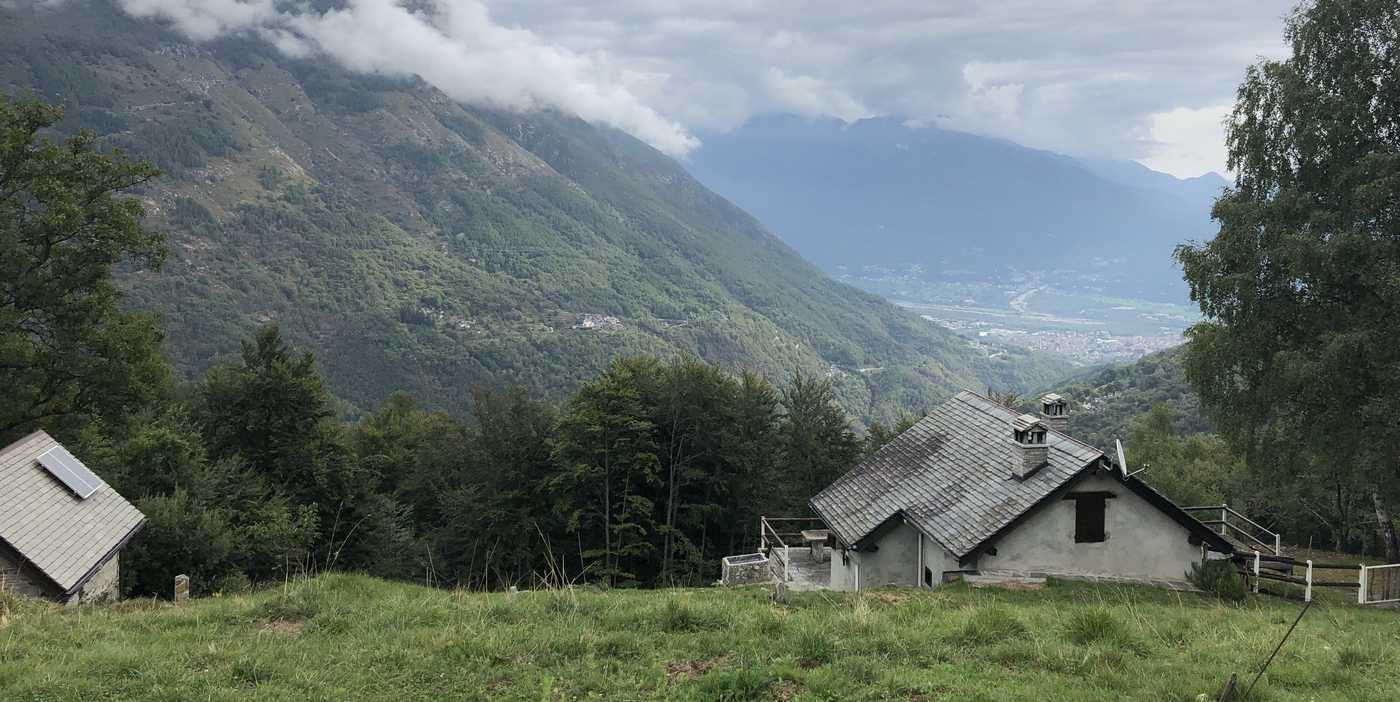
🌳
Italy’s forests larger than agriculture land for the first time since the middle ages
Italië's bossen groter dan landbouwgrond voor het eerst sinds de middeleeuwen
Les forêts d'Italie plus grandes que les terres agricoles pour la première fois depuis le Moyen Âge
For the first time since the Middle Ages, Italy has more forested land than agricultural land, covering an impressive 60,000 square miles. This shift, revealed in a recent report, highlights the positive impacts of reforestation, including job creation and ecological benefits. Interestingly, this increase in woodland is also reversing the trend of rural emigration, with many young people returning to forested areas. It’s a fascinating development that not only supports wildlife but also opens up opportunities for eco-tourism and sustainable forestry.
Voor het eerst sinds de middeleeuwen heeft Italië meer bosgrond dan landbouwgrond, met een indrukwekkende oppervlakte van 60.000 vierkante mijl. Deze verschuiving, onthuld in een recent rapport, benadrukt de positieve effecten van herbebossing, waaronder het creëren van banen en ecologische voordelen. Interessant is dat deze toename van bos ook de trend van plattelandsemigratie omkeert, waarbij veel jongeren terugkeren naar bosrijke gebieden. Het is een fascinerende ontwikkeling die niet alleen de wilde dieren ondersteunt, maar ook kansen biedt voor ecotoerisme en duurzame bosbouw.
Pour la première fois depuis le Moyen Âge, l'Italie a plus de terres forestières que de terres agricoles, couvrant une impressionnante superficie de 60 000 miles carrés. Ce changement, révélé dans un rapport récent, met en lumière les impacts positifs du reboisement, y compris la création d'emplois et des avantages écologiques. Fait intéressant, cette augmentation des forêts inverse également la tendance à l'émigration rurale, de nombreux jeunes retournant dans les zones boisées. C'est un développement fascinant qui soutient non seulement la faune, mais ouvre également des opportunités pour l'écotourisme et la sylviculture durable.
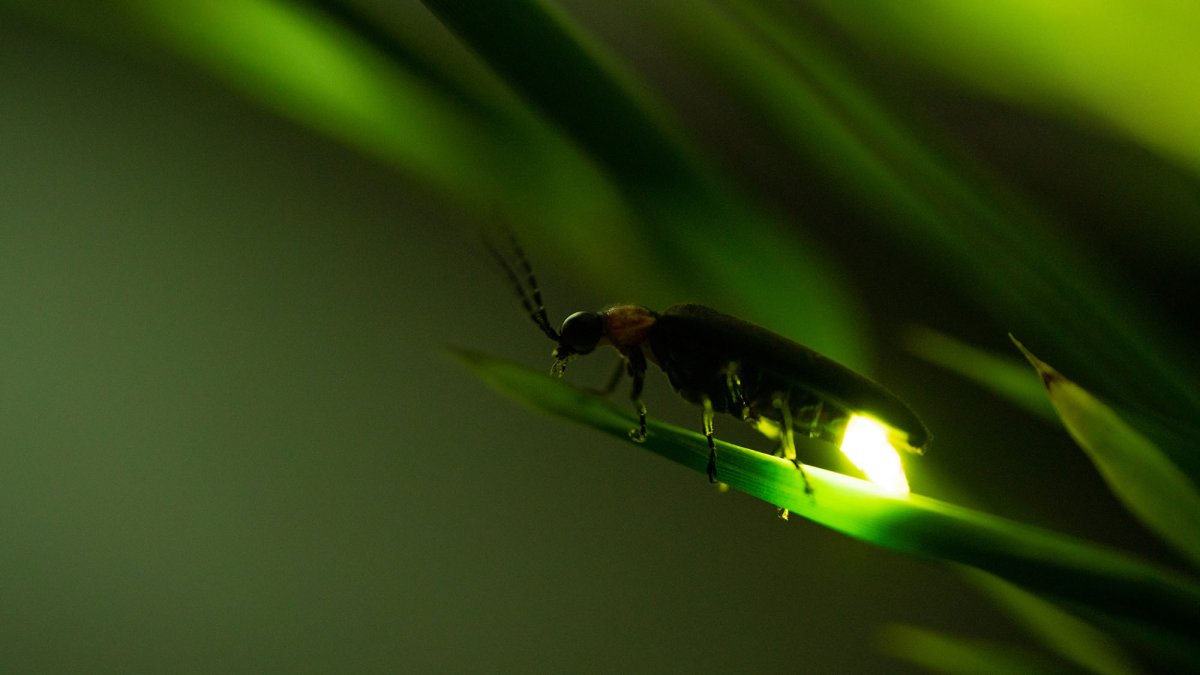
🌟
Why do fireflies glow? It’s more than butt goo.
Waarom gloeien vuurvliegjes? Het is meer dan poep.
Pourquoi les lucioles brillent-elles ? C'est plus que de la boue.
So, fireflies are not just magical little bugs; they’re actually bioluminescent beetles! Clyde Sorenson, an entomologist, has spent years exploring why these fascinating creatures light up. It turns out their glow serves multiple purposes, from warning predators to attracting mates. Isn’t it amazing how something so small can have such a complex life? Fireflies truly light up our nights in more ways than one!
Dus, vuurvliegjes zijn niet zomaar magische kleine insecten; het zijn eigenlijk bioluminescente kevers! Clyde Sorenson, een entomoloog, heeft jaren besteed aan het onderzoeken waarom deze fascinerende wezens oplichten. Het blijkt dat hun gloed meerdere doeleinden dient, van het waarschuwen van roofdieren tot het aantrekken van partners. Is het niet geweldig hoe iets zo kleins zo'n complex leven kan hebben? Vuurvliegjes verlichten onze nachten op meer dan één manier!
Alors, les lucioles ne sont pas que de petits insectes magiques ; ce sont en fait des coléoptères bioluminescents ! Clyde Sorenson, un entomologiste, a passé des années à explorer pourquoi ces créatures fascinantes s'illuminent. Il s'avère que leur éclat sert plusieurs objectifs, allant de l'avertissement des prédateurs à l'attraction des partenaires. N'est-ce pas incroyable comment quelque chose de si petit peut avoir une vie aussi complexe ? Les lucioles illuminent nos nuits de plus d'une manière !
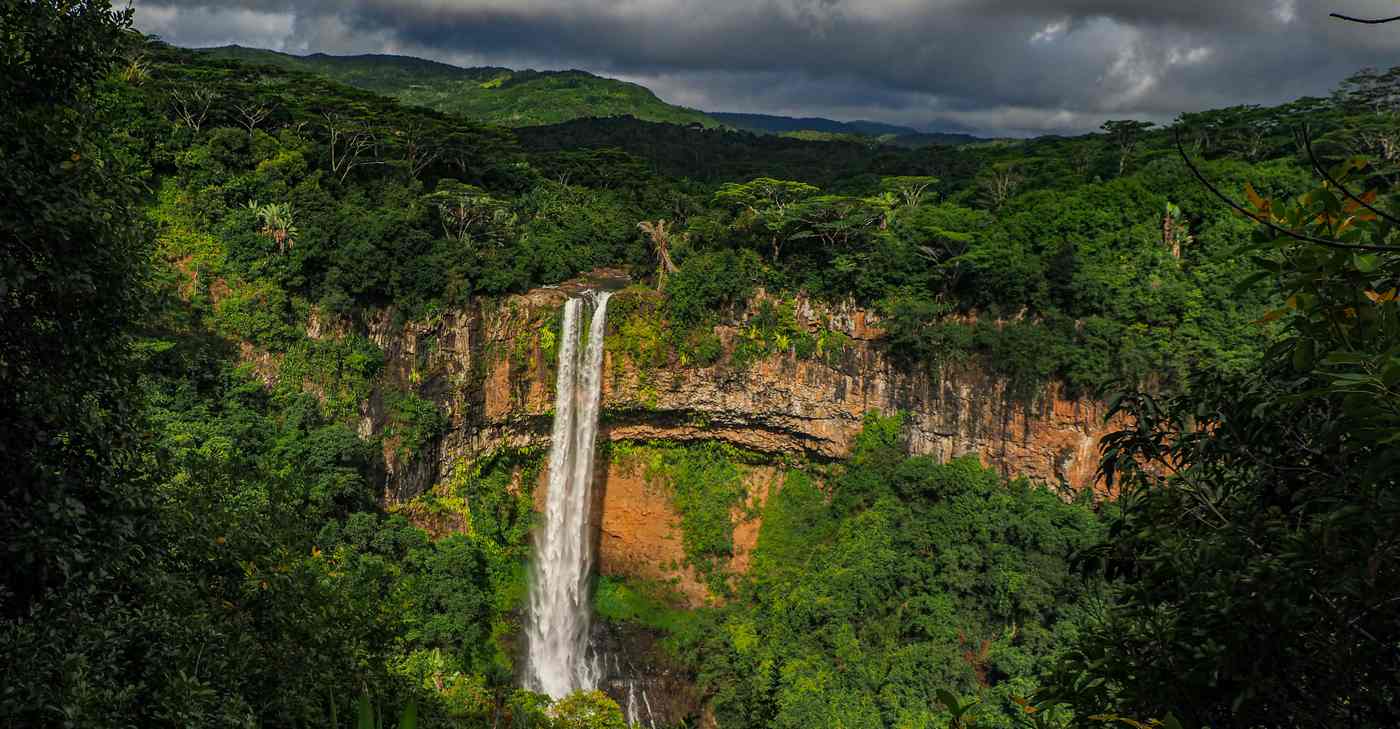
🌳
370,000 acres of rainforest and granite peaks now protected in French Guiana
370.000 acres regenwoud en granieten pieken nu beschermd in Frans-Guyana
370 000 acres de forêt tropicale et de sommets granitiques maintenant protégés en Guyane française
Wow, this is fantastic news! The French Government has just announced a new nature reserve in French Guiana that covers a whopping 370,000 acres. Known as the Rocky Peaks of Armontabo, this area is not only stunning with its granite mountains but also rich in biodiversity, hosting over a thousand tree species. This move brings France closer to its goal of protecting 10% of its territory by 2030, which is a huge step for conservation efforts!
Wauw, dit is fantastisch nieuws! De Franse regering heeft zojuist een nieuw natuurreservaat in Frans-Guyana aangekondigd dat maar liefst 370.000 acres beslaat. Dit gebied, bekend als de Rocky Peaks of Armontabo, is niet alleen prachtig met zijn granieten bergen, maar ook rijk aan biodiversiteit, met meer dan duizend boomsoorten. Deze stap brengt Frankrijk dichter bij zijn doel om 10% van zijn grondgebied tegen 2030 te beschermen, wat een enorme stap is voor natuurbescherming!
Wow, c'est une nouvelle fantastique ! Le gouvernement français vient d'annoncer la création d'une nouvelle réserve naturelle en Guyane française qui couvre un incroyable 370 000 acres. Connue sous le nom de Rocky Peaks of Armontabo, cette région est non seulement magnifique avec ses montagnes granitiques, mais aussi riche en biodiversité, abritant plus de mille espèces d'arbres. Cette initiative rapproche la France de son objectif de protéger 10 % de son territoire d'ici 2030, ce qui est un grand pas pour les efforts de conservation !
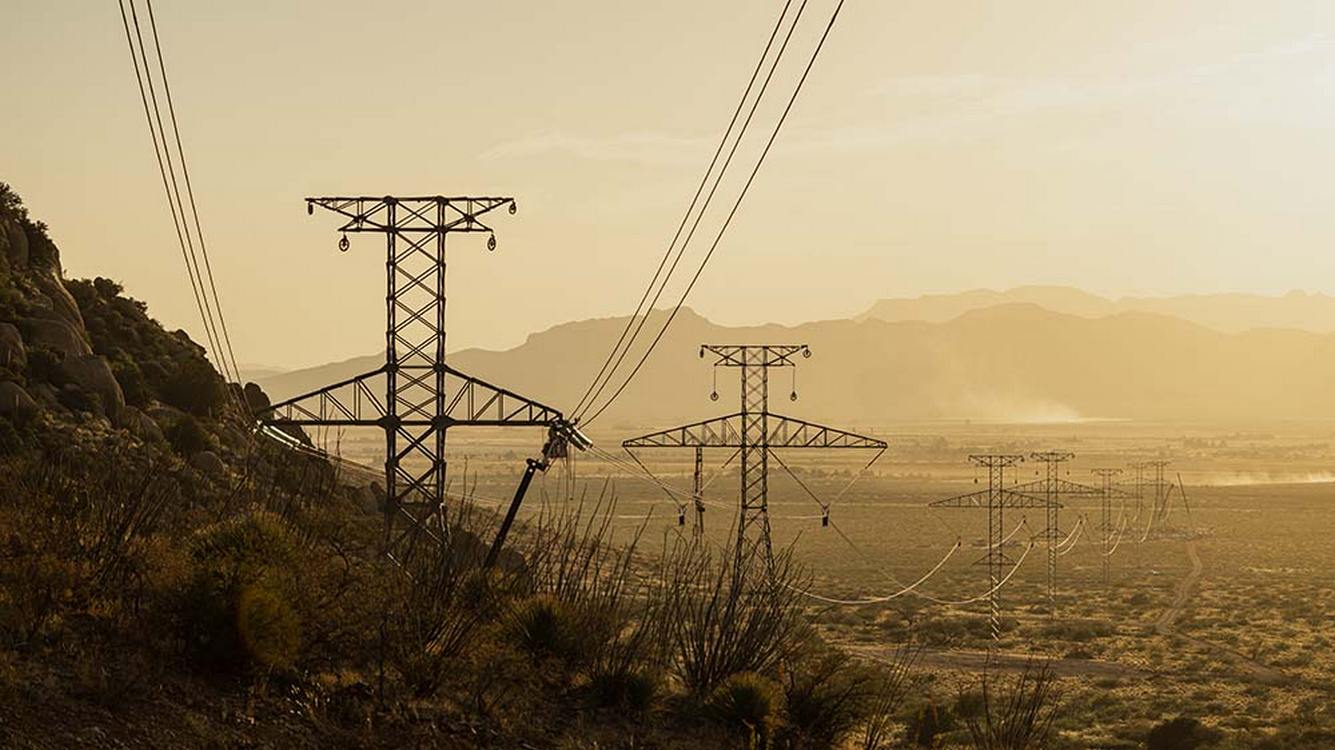
🌍
USA’s largest renewable project comes online with more power than the Hoover Dam
De grootste hernieuwbare energieproject van de VS gaat online met meer vermogen dan de Hooverdam
Le plus grand projet d'énergie renouvelable des États-Unis entre en service avec plus de puissance que le barrage Hoover
I'm really excited to share that the SunZia project is now fully operational, marking a huge milestone in renewable energy! This incredible project generates more power than the Hoover Dam and is set to provide reliable energy to the western US for the next 30 years. With its 3,650-megawatt wind capacity, it can power about one million homes annually. Plus, it’s a fantastic example of how we can build essential infrastructure while partnering with local communities and prioritizing environmental stewardship.
Ik ben echt enthousiast om te delen dat het SunZia-project nu volledig operationeel is, wat een enorme mijlpaal in hernieuwbare energie markeert! Dit ongelooflijke project genereert meer energie dan de Hooverdam en zal de komende 30 jaar betrouwbare energie aan het westen van de VS leveren. Met een capaciteit van 3.650 megawatt kan het ongeveer één miljoen huizen per jaar van stroom voorzien. Bovendien is het een fantastisch voorbeeld van hoe we essentiële infrastructuur kunnen bouwen terwijl we samenwerken met lokale gemeenschappen en milieubeheer prioriteit geven.
Je suis vraiment ravi de partager que le projet SunZia est maintenant entièrement opérationnel, marquant une énorme étape dans l'énergie renouvelable ! Ce projet incroyable génère plus de puissance que le barrage Hoover et est prêt à fournir une énergie fiable à l'ouest des États-Unis pour les 30 prochaines années. Avec sa capacité éolienne de 3 650 mégawatts, il peut alimenter environ un million de foyers chaque année. De plus, c'est un excellent exemple de la façon dont nous pouvons construire une infrastructure essentielle tout en collaborant avec les communautés locales et en priorisant la gestion environnementale.
🚣
Want to get on the water? At Dobber, you can grab a kayak from a vending machine
Wilt u het water op? Bij Dobber haalt u een kajak uit de automaat
Vous voulez aller sur l'eau ? Chez Dobber, vous pouvez prendre un kayak dans un distributeur automatique
How cool is this? Dobber has introduced a unique way to enjoy kayaking by allowing people to rent kayaks directly from a vending machine. This innovative approach makes it super easy for anyone to hop on the water without the hassle of traditional rentals. Just imagine, you can grab a kayak whenever the mood strikes you! It's a fantastic way to encourage more people to explore the great outdoors and enjoy some fun on the water.
Hoe cool is dit? Dobber heeft een unieke manier geïntroduceerd om te genieten van kajakken door mensen de mogelijkheid te geven om kajaks rechtstreeks uit een automaat te huren. Deze innovatieve aanpak maakt het super eenvoudig voor iedereen om het water op te gaan zonder de rompslomp van traditionele verhuur. Stel je voor, je kunt een kajak pakken wanneer de zin je te pakken krijgt! Het is een fantastische manier om meer mensen aan te moedigen om de natuur te verkennen en plezier te hebben op het water.
C'est génial, non ? Dobber a introduit une manière unique de profiter du kayak en permettant aux gens de louer des kayaks directement dans un distributeur automatique. Cette approche innovante facilite l'accès à l'eau sans les tracas des locations traditionnelles. Imaginez, vous pouvez prendre un kayak quand l'envie vous prend ! C'est une excellente façon d'encourager davantage de personnes à explorer la nature et à s'amuser sur l'eau.

🌱
Genetic technologies to enhance crop nutritional value under climate change
Genetische technologieën om de voedingswaarde van gewassen te verbeteren onder klimaatverandering
Technologies génétiques pour améliorer la valeur nutritionnelle des cultures face au changement climatique
This article dives into the exciting world of genetic technologies that can boost the nutritional value of crops, especially as climate change poses new challenges. Researchers are exploring innovative methods to ensure that our food not only feeds us but also nourishes us properly. It's fascinating to see how these advancements can help combat malnutrition on a global scale. This is a crucial step towards a healthier future for everyone, and I can't wait to see how it unfolds!
Dit artikel duikt in de opwindende wereld van genetische technologieën die de voedingswaarde van gewassen kunnen verhogen, vooral nu de klimaatverandering nieuwe uitdagingen met zich meebrengt. Onderzoekers verkennen innovatieve methoden om ervoor te zorgen dat ons voedsel niet alleen ons voedt, maar ons ook goed voedt. Het is fascinerend om te zien hoe deze vooruitgangen kunnen helpen de ondervoeding wereldwijd te bestrijden. Dit is een cruciale stap naar een gezondere toekomst voor iedereen, en ik kan niet wachten om te zien hoe het zich ontwikkelt!
Cet article explore le monde passionnant des technologies génétiques qui peuvent améliorer la valeur nutritionnelle des cultures, surtout alors que le changement climatique pose de nouveaux défis. Les chercheurs examinent des méthodes innovantes pour garantir que notre nourriture nous nourrit correctement. Il est fascinant de voir comment ces avancées peuvent aider à lutter contre la malnutrition à l'échelle mondiale. C'est une étape cruciale vers un avenir plus sain pour tous, et j'ai hâte de voir comment cela va évoluer !
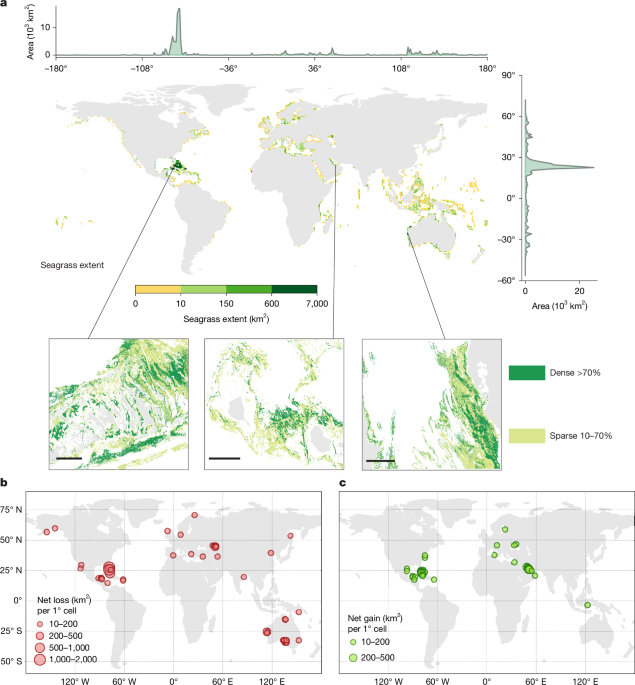
🌊
Global high-resolution mapping of seagrass to support conservation
Wereldwijde hoge-resolutie mapping van zeegras ter ondersteuning van behoud
Cartographie mondiale haute résolution des herbiers marins pour soutenir la conservation
I find it fascinating that researchers have created a high-resolution map of seagrass ecosystems worldwide! This mapping is crucial for conservation efforts, helping to protect these vital habitats that support marine biodiversity. Seagrasses play a significant role in carbon storage and coastal protection, which is more important than ever in our changing climate. By understanding where these meadows are located, we can better strategize their conservation and restoration.
Ik vind het fascinerend dat onderzoekers een hoge-resolutie kaart hebben gemaakt van zeegrasecosystemen wereldwijd! Deze mapping is cruciaal voor behoudsinspanningen en helpt deze vitale habitats te beschermen die de mariene biodiversiteit ondersteunen. Zeegras speelt een belangrijke rol in koolstofopslag en kustbescherming, wat in ons veranderende klimaat belangrijker is dan ooit. Door te begrijpen waar deze grasvelden zich bevinden, kunnen we beter strategiseren voor hun behoud en herstel.
Je trouve fascinant que des chercheurs aient créé une carte haute résolution des écosystèmes de herbiers marins dans le monde entier ! Cette cartographie est cruciale pour les efforts de conservation, aidant à protéger ces habitats vitaux qui soutiennent la biodiversité marine. Les herbiers jouent un rôle significatif dans le stockage du carbone et la protection côtière, ce qui est plus important que jamais dans notre climat changeant. En comprenant où se trouvent ces prairies, nous pouvons mieux planifier leur conservation et leur restauration.
🌟
After menopause, ovaries may transform into organs with immune powers
Na de menopauze kunnen de eierstokken veranderen in organen met immuunkracht
Après la ménopause, les ovaires peuvent se transformer en organes aux pouvoirs immunitaires
Isn't it fascinating how our bodies can change? After menopause, it seems that ovaries might take on a new role, transforming into organs that bolster our immune system. This discovery opens up a whole new world of possibilities for understanding women's health. It's like our bodies are full of surprises, continually adapting and evolving!
Is het niet fascinerend hoe ons lichaam kan veranderen? Na de menopauze lijkt het erop dat de eierstokken een nieuwe rol kunnen aannemen en zich kunnen transformeren in organen die ons immuunsysteem versterken. Deze ontdekking opent een geheel nieuwe wereld van mogelijkheden voor het begrijpen van de gezondheid van vrouwen. Het is alsof ons lichaam vol verrassingen zit, dat voortdurend zich aanpast en evolueert!
N'est-ce pas fascinant de voir comment nos corps peuvent changer ? Après la ménopause, il semble que les ovaires puissent jouer un nouveau rôle en se transformant en organes qui renforcent notre système immunitaire. Cette découverte ouvre un tout nouveau monde de possibilités pour comprendre la santé des femmes. C'est comme si nos corps étaient pleins de surprises, s'adaptant et évoluant continuellement !

🌌
60 million stars in unprecedented detail: European telescope captures largest photo ever of the Milky Way center
60 miljoen sterren in ongezien detail: Europese telescoop maakt grootste foto ooit van centrum Melkweg
60 millions d'étoiles dans des détails sans précédent : un télescope européen capture la plus grande photo jamais prise du centre de la Voie lactée
Wow, the European space telescope Euclid has just made a groundbreaking achievement by capturing the largest and most detailed photo of the Milky Way's center! This stunning image showcases over 60 million stars, and it’s set to help scientists discover new exoplanets. In just 26 hours, Euclid snapped nine images that were combined into this incredible mosaic. It's fascinating to think about how this technology can reveal hidden celestial wonders and enhance our understanding of the universe.
Wauw, de Europese ruimtetelescoop Euclid heeft een baanbrekende prestatie geleverd door de grootste en meest gedetailleerde foto van het centrum van de Melkweg vast te leggen! Dit verbluffende beeld toont meer dan 60 miljoen sterren en zal wetenschappers helpen nieuwe exoplaneten te ontdekken. In slechts 26 uur maakte Euclid negen foto's die werden samengevoegd tot dit ongelooflijke mozaïek. Het is fascinerend om te bedenken hoe deze technologie verborgen hemelwonderen kan onthullen en ons begrip van het universum kan verbeteren.
Wow, le télescope spatial européen Euclid vient de réaliser un exploit révolutionnaire en capturant la plus grande et la plus détaillée photo du centre de la Voie lactée ! Cette image époustouflante présente plus de 60 millions d'étoiles et est destinée à aider les scientifiques à découvrir de nouvelles exoplanètes. En seulement 26 heures, Euclid a pris neuf images qui ont été combinées en cette incroyable mosaïque. C'est fascinant de penser à la façon dont cette technologie peut révéler des merveilles célestes cachées et améliorer notre compréhension de l'univers.

📜
Woman’s deep dive into ‘Lorem ipsum’ dummy text reveals we’ve had its history oh so wrong
Vrouw duikt diep in de geschiedenis van ‘Lorem ipsum’ en onthult dat we het verhaal helemaal verkeerd hebben
Une femme plonge dans l'histoire du texte d'exemple 'Lorem ipsum' et révèle que nous avons totalement tort
So, have you ever wondered about the origins of that quirky ‘Lorem ipsum’ text we see everywhere? Emily Zhang took a fascinating journey to uncover the truth, and guess what? It turns out we’ve been misinformed about its history all along! From accidental misunderstandings to a former Latin professor shedding light on its roots in Cicero’s work, this story is packed with delightful twists and turns. It’s a reminder that even the simplest things can have a rich and unexpected backstory!
Dus, heb je je ooit afgevraagd waar die vreemde ‘Lorem ipsum’ tekst vandaan komt die we overal zien? Emily Zhang maakte een fascinerende reis om de waarheid te onthullen, en raad eens? Het blijkt dat we al die tijd verkeerd geïnformeerd zijn over de geschiedenis ervan! Van toevallige misverstanden tot een voormalige professor in het Latijn die licht werpt op de oorsprong in Cicero's werk, dit verhaal zit vol verrassende wendingen. Het herinnert ons eraan dat zelfs de eenvoudigste dingen een rijke en onverwachte achtergrond kunnen hebben!
Alors, vous êtes-vous déjà demandé d'où vient ce texte étrange 'Lorem ipsum' que nous voyons partout ? Emily Zhang a entrepris un voyage fascinant pour découvrir la vérité, et devinez quoi ? Il s'avère que nous avons été mal informés sur son histoire tout au long ! Des malentendus accidentels à un ancien professeur de latin éclairant ses racines dans l'œuvre de Cicéron, cette histoire est pleine de rebondissements délicieux. Cela nous rappelle que même les choses les plus simples peuvent avoir une riche et inattendue histoire !
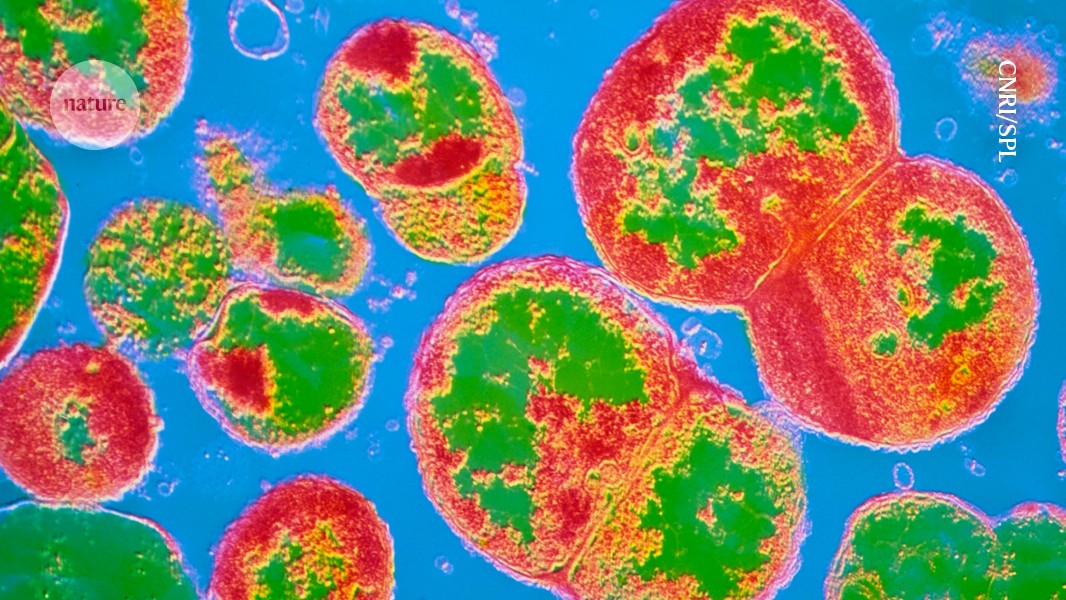
🦠
AI tool spots antibiotics that fight drug-resistant gonorrhoea
AI-tool ontdekt antibiotica tegen resistente gonorroe
Un outil d'IA repère des antibiotiques contre la gonorrhée résistante
So, here's some exciting news! Scientists have harnessed the power of machine learning to identify new antibiotics that can tackle drug-resistant gonorrhoea. They've discovered molecules that not only kill the bacteria but also have unique mechanisms, which is a big deal considering the resistance we've been facing. This breakthrough could lead to effective treatments that are desperately needed, and it shows how technology can help us solve pressing health issues.
Dus, hier is spannend nieuws! Wetenschappers hebben de kracht van machine learning gebruikt om nieuwe antibiotica te identificeren die resistente gonorroe kunnen bestrijden. Ze hebben moleculen ontdekt die niet alleen de bacteriën doden, maar ook unieke mechanismen hebben, wat belangrijk is gezien de weerstand waarmee we te maken hebben. Deze doorbraak kan leiden tot effectieve behandelingen die hard nodig zijn, en het toont aan hoe technologie ons kan helpen bij het oplossen van dringende gezondheidsproblemen.
Alors, voici une nouvelle passionnante ! Des scientifiques ont utilisé la puissance de l'apprentissage automatique pour identifier de nouveaux antibiotiques capables de lutter contre la gonorrhée résistante. Ils ont découvert des molécules qui non seulement tuent les bactéries, mais qui ont également des mécanismes uniques, ce qui est crucial compte tenu de la résistance à laquelle nous sommes confrontés. Cette avancée pourrait conduire à des traitements efficaces qui sont désespérément nécessaires, et cela montre comment la technologie peut nous aider à résoudre des problèmes de santé pressants.
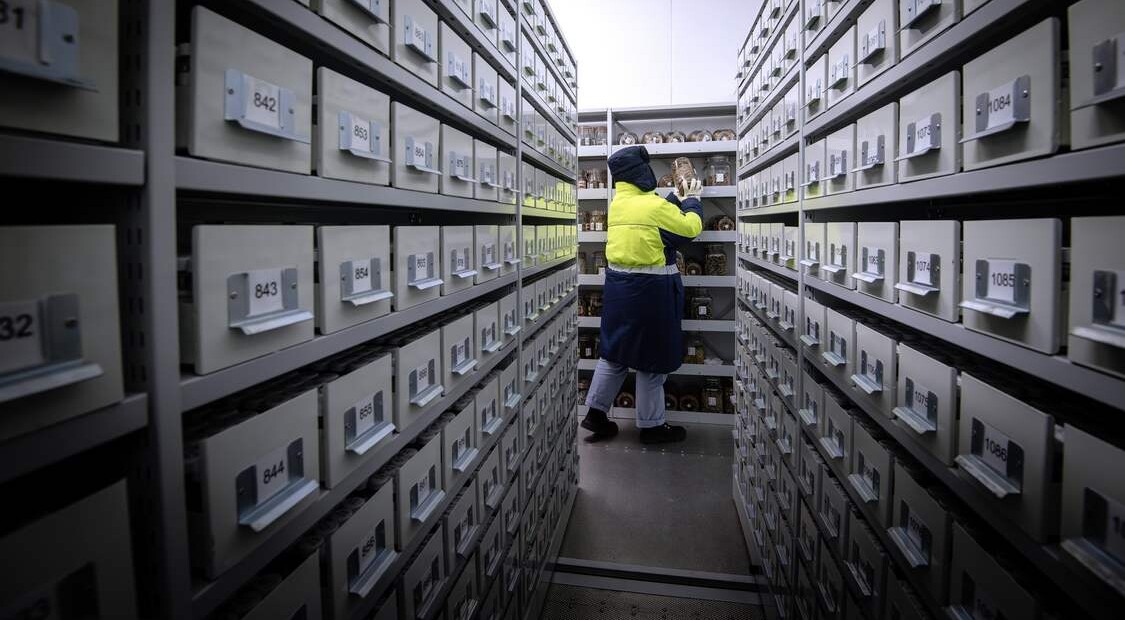
🌱
7.4 mil. plant and fungi samples have been digitized to ‘democratize knowledge’ and save species
7,4 miljoen planten- en schimmelmonsters zijn gedigitaliseerd om kennis te ‘democratiseren’ en soorten te redden
7,4 millions d'échantillons de plantes et de champignons ont été numérisés pour ‘démocratiser la connaissance’ et sauver des espèces
Wow, the Royal Botanic Gardens Kew has digitized a staggering 7.4 million plant and fungi samples! This monumental effort aims to democratize knowledge and utilize AI to enhance conservation strategies and discover new species. It's fascinating to think about how this digital archive can reveal trends, like flowers blooming earlier than ever. With such technology, we can unlock secrets that could revolutionize agriculture and medicine.
Wauw, de Royal Botanic Gardens Kew heeft maar liefst 7,4 miljoen planten- en schimmelmonsters gedigitaliseerd! Deze monumentale inspanning heeft tot doel kennis te democratiseren en AI te gebruiken om conserveringsstrategieën te verbeteren en nieuwe soorten te ontdekken. Het is fascinerend om te bedenken hoe dit digitale archief trends kan onthullen, zoals bloemen die eerder dan ooit bloeien. Met zulke technologie kunnen we geheimen ontsluiten die de landbouw en geneeskunde kunnen revolutioneren.
Wow, les Jardins botaniques royaux de Kew ont numérisé un impressionnant 7,4 millions d'échantillons de plantes et de champignons ! Cet effort monumental vise à démocratiser la connaissance et à utiliser l'IA pour améliorer les stratégies de conservation et découvrir de nouvelles espèces. Il est fascinant de penser à la façon dont cet archive numérique peut révéler des tendances, comme les fleurs qui fleurissent plus tôt que jamais. Avec une telle technologie, nous pouvons déverrouiller des secrets qui pourraient révolutionner l'agriculture et la médecine.
🐾
‘No one believed it’: how a YouTube video accidentally proved Libya’s sand cat really does exist
‘Niemand geloofde het’: hoe een YouTube-video per ongeluk bewees dat de zandkat van Libië echt bestaat
‘Personne n’y croyait’: comment une vidéo YouTube a prouvé par accident que le chat des sables de Libye existe vraiment
When wildlife photographer Mohammed Almuntasir uploaded a short video of a sand cat in Libya, he had no idea it would spark such interest. Initially met with skepticism, his footage became the first proof of the sand cat's existence in the country. Fast forward nearly a decade, and researchers are now collaborating to document this elusive species in its natural habitat. Almuntasir's journey, filled with challenges and discoveries, highlights the importance of citizen science in uncovering hidden wildlife.
Toen de natuurfotograaf Mohammed Almuntasir een korte video van een zandkat in Libië uploadde, had hij geen idee dat het zoveel interesse zou opwekken. Aanvankelijk werd zijn footage met scepsis ontvangen, maar het werd het eerste bewijs van het bestaan van de zandkat in het land. Bijna een decennium later werken onderzoekers nu samen om deze ongrijpbare soort in zijn natuurlijke habitat te documenteren. Almuntasir's reis, vol uitdagingen en ontdekkingen, benadrukt het belang van burgerwetenschap bij het onthullen van verborgen wilde dieren.
Lorsque le photographe animalier Mohammed Almuntasir a téléchargé une courte vidéo d'un chat des sables en Libye, il n'avait aucune idée que cela susciterait tant d'intérêt. D'abord accueilli avec scepticisme, son film est devenu la première preuve de l'existence du chat des sables dans le pays. Près d'une décennie plus tard, des chercheurs collaborent maintenant pour documenter cette espèce insaisissable dans son habitat naturel. Le parcours d'Almuntasir, rempli de défis et de découvertes, souligne l'importance de la science citoyenne dans la révélation de la faune cachée.

🌍
With plasma, solar, magnets, EU aims to help decarbonize industrial heat generation
Met plasma, zon, magneten, EU streeft naar decarbonisatie van industriële warmteproductie
Avec plasma, solaire, aimants, l'UE vise à décarboniser la production de chaleur industrielle
So, the European Commission is really stepping up with a massive €400 million to decarbonize industrial heat generation! They've launched an auction for 65 innovative projects from 10 EU countries, all focused on using advanced technologies like plasma cutting and solar concentration. This is a big deal because industrial processes are major contributors to carbon emissions, and these proposals could save millions of tons of CO2. If successful, we could see huge reductions in natural gas use and a significant boost in sustainable heat production.
Dus, de Europese Commissie doet echt een grote stap met maar liefst €400 miljoen om de industriële warmteproductie te decarboniseren! Ze hebben een veiling gelanceerd voor 65 innovatieve projecten uit 10 EU-landen, allemaal gericht op het gebruik van geavanceerde technologieën zoals plasmasnijden en zonneconcentratie. Dit is een grote zaak omdat industriële processen belangrijke bijdragers zijn aan koolstofemissies, en deze voorstellen kunnen miljoenen ton CO2 besparen. Als het succesvol is, kunnen we enorme verminderingen van het gebruik van aardgas en een aanzienlijke boost in duurzame warmteproductie zien.
Alors, la Commission européenne fait vraiment un grand pas avec un énorme budget de 400 millions d'euros pour décarboniser la production de chaleur industrielle ! Ils ont lancé une enchère pour 65 projets innovants provenant de 10 pays de l'UE, tous axés sur l'utilisation de technologies avancées comme la découpe au plasma et la concentration solaire. C'est un gros problème car les processus industriels sont de grands contributeurs aux émissions de carbone, et ces propositions pourraient économiser des millions de tonnes de CO2. Si cela réussit, nous pourrions voir d'énormes réductions de l'utilisation de gaz naturel et un coup de pouce significatif à la production de chaleur durable.
🐦
Pigeons are surprisingly good at detecting cancer
Duiven zijn verrassend goed in het opsporen van kanker
Les pigeons sont étonnamment bons pour détecter le cancer
So, here's the thing: researchers have trained pigeons to spot lung nodules in CT scans, which could help catch cancer earlier. These clever birds learned to differentiate between scans with and without abnormalities, and even recognized other lung issues they weren't specifically trained on. It's fascinating how their visual system mirrors the non-conscious part of human vision! Dr. DiGirolamo aims to use this insight to develop AI tools that enhance radiologists' ability to detect subtle signs of disease.
Dus, hier is het: onderzoekers hebben duiven getraind om longknobbels in CT-scans op te sporen, wat kan helpen om kanker eerder te ontdekken. Deze slimme vogels leerden het verschil te zien tussen scans met en zonder afwijkingen, en herkende zelfs andere longproblemen waarvoor ze niet specifiek waren getraind. Het is fascinerend hoe hun visuele systeem het onbewuste deel van het menselijk zicht weerspiegelt! Dr. DiGirolamo wil deze inzichten gebruiken om AI-tools te ontwikkelen die radiologen helpen subtiele ziekteverschijnselen te detecteren.
Alors, voici le truc : des chercheurs ont formé des pigeons à repérer des nodules pulmonaires dans des scanners CT, ce qui pourrait aider à détecter le cancer plus tôt. Ces oiseaux intelligents ont appris à faire la différence entre des scans avec et sans anomalies, et ont même reconnu d'autres problèmes pulmonaires pour lesquels ils n'avaient pas été spécifiquement formés. C'est fascinant de voir comment leur système visuel reflète la partie non consciente de la vision humaine ! Le Dr DiGirolamo vise à utiliser ces informations pour développer des outils d'IA qui améliorent la capacité des radiologues à détecter des signes subtils de maladie.
🔬
A 1970s patent that changed the course of commercial biotechnology
Een patent uit de jaren '70 dat de loop van de commerciële biotechnologie veranderde
Un brevet des années 1970 qui a changé le cours de la biotechnologie commerciale
So, this article dives into the fascinating history of a patent from the 1970s that revolutionized commercial biotechnology. It highlights how recombinant DNA technology opened up new avenues for scientific research and medical advancements. Now, isn't it amazing to think how a single patent can have such a lasting impact on the industry? This piece really showcases the importance of innovation and the ripple effects it can create in our world.
Dit artikel duikt in de fascinerende geschiedenis van een patent uit de jaren '70 dat de commerciële biotechnologie revolutioneerde. Het benadrukt hoe recombinant DNA-technologie nieuwe wegen opende voor wetenschappelijk onderzoek en medische vooruitgang. Het is toch verbazingwekkend om te bedenken hoe één patent zo'n blijvende impact op de industrie kan hebben? Dit stuk toont echt het belang van innovatie en de golfbewegingen die het in onze wereld kan creëren.
Cet article plonge dans l'histoire fascinante d'un brevet des années 1970 qui a révolutionné la biotechnologie commerciale. Il met en lumière comment la technologie de l'ADN recombinant a ouvert de nouvelles voies pour la recherche scientifique et les avancées médicales. N'est-il pas incroyable de penser qu'un seul brevet puisse avoir un impact aussi durable sur l'industrie ? Cet article montre vraiment l'importance de l'innovation et les effets d'entraînement qu'elle peut créer dans notre monde.
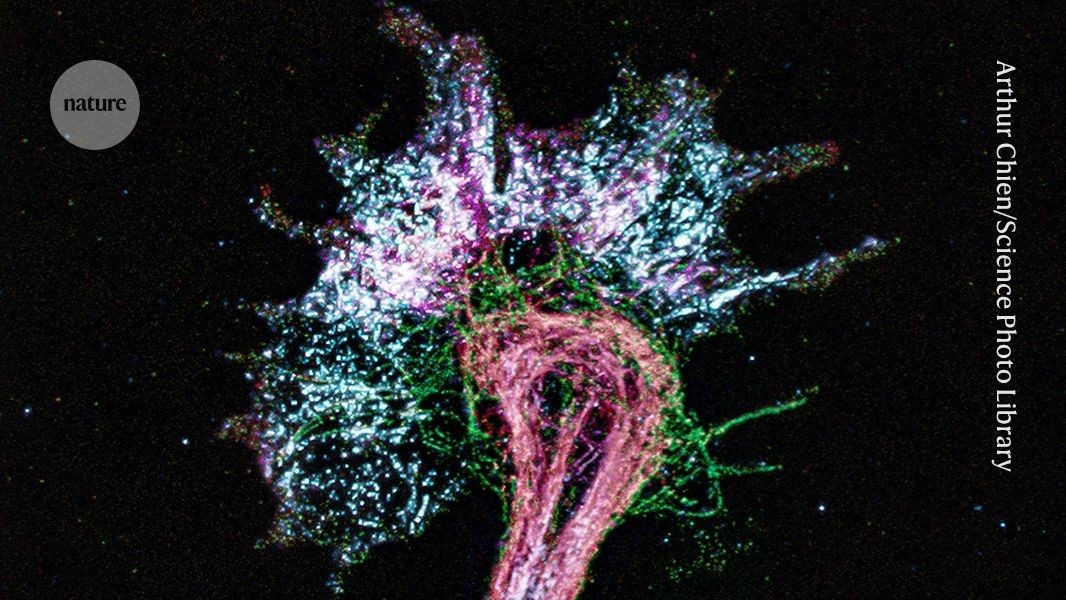
🔬
Making samples one billion times bigger lets simple microscopes pinpoint amino acids
Monsters één miljard keer groter maken laat eenvoudige microscopen aminozuren pinpointen
Rendre les échantillons un milliard de fois plus grands permet aux microscopes simples de localiser les acides aminés
So, scientists have developed an incredible technique that expands biological samples to a staggering one billion times their original size! This allows simple light microscopes to pinpoint amino acids with remarkable detail, which has traditionally required expensive methods. Imagine inflating a single cell to the size of a mouse brain! This breakthrough is being hailed as the democratization of structural biology, making it accessible to more researchers than ever before.
Wetenschappers hebben een ongelooflijke techniek ontwikkeld die biologische monsters tot maar liefst één miljard keer hun oorspronkelijke grootte vergroot! Dit stelt eenvoudige lichtmicroscopen in staat om aminozuren met opmerkelijke precisie te lokaliseren, wat traditioneel dure methoden vereiste. Stel je voor dat je een enkele cel opblaast tot de grootte van een muizenbrein! Deze doorbraak wordt geprezen als de democratisering van de structurele biologie, waardoor het voor meer onderzoekers toegankelijk wordt dan ooit tevoren.
Des scientifiques ont développé une technique incroyable qui permet d'agrandir des échantillons biologiques jusqu'à un milliard de fois leur taille d'origine ! Cela permet à des microscopes à lumière simples de localiser les acides aminés avec un détail remarquable, ce qui nécessitait traditionnellement des méthodes coûteuses. Imaginez gonfler une seule cellule à la taille d'un cerveau de souris ! Cette avancée est saluée comme la démocratisation de la biologie structurale, la rendant accessible à un plus grand nombre de chercheurs que jamais.
/s3/static.nrc.nl/wp-content/uploads/2026/06/23121452/230626BIN_2034605164_2.jpg)
🌊
These cultivated oysters won't end up on a bed of shaved ice on your plate, but must save the seabed of the North Sea
Deze gekweekte oesters belanden niet op een bedje van geschaafd ijs op je bord, maar moeten de bodem van de Noordzee redden
Ces huîtres cultivées ne finiront pas sur un lit de glace râpée dans votre assiette, mais doivent sauver le fond de la mer du Nord
So, there's this fascinating project where cultivated oysters are being used to restore the North Sea's seabed. Instead of being served on a plate, these oysters will help create artificial reefs that boost biodiversity and protect marine life. It's all part of a larger initiative to understand the best substrates for oyster growth and habitat restoration. I find it incredible how science, nature, and industry can work together for such a positive impact!
Er is dit fascinerende project waarbij gekweekte oesters worden gebruikt om de zeebodem van de Noordzee te herstellen. In plaats van op een bord te belanden, zullen deze oesters helpen bij het creëren van kunstmatige riffen die de biodiversiteit bevorderen en het zeeleven beschermen. Het maakt deel uit van een groter initiatief om de beste substraten voor oester groei en habitat herstel te begrijpen. Ik vind het geweldig hoe wetenschap, natuur en industrie samen kunnen werken voor zo'n positieve impact!
Il y a ce projet fascinant où des huîtres cultivées sont utilisées pour restaurer le fond marin de la mer du Nord. Au lieu d'être servies dans une assiette, ces huîtres aideront à créer des récifs artificiels qui favorisent la biodiversité et protègent la vie marine. Cela fait partie d'une initiative plus large pour comprendre les meilleurs substrats pour la croissance des huîtres et la restauration des habitats. Je trouve incroyable comment la science, la nature et l'industrie peuvent collaborer pour un impact aussi positif !
😊
Want to feel happier at work? Take a five-minute walk
Wil je gelukkiger voelen op het werk? Maak een wandeling van vijf minuten
Vous voulez vous sentir plus heureux au travail ? Faites une promenade de cinq minutes
So, here's the scoop: a recent study shows that taking a five-minute walk every hour can really boost your mood and reduce fatigue at work. Lead researcher Keith Diaz highlights that most adults are sitting too much, and this simple change is both realistic and effective. The study involved over 11,000 US employees, and it turns out that those who took regular walking breaks felt more alert and productive. It's a small step that can make a big difference in your workday!
Dus, hier is het nieuws: een recente studie toont aan dat een wandeling van vijf minuten elk uur je humeur echt kan verbeteren en vermoeidheid kan verminderen op het werk. Hoofdonderzoeker Keith Diaz benadrukt dat de meeste volwassenen te veel zitten, en deze eenvoudige verandering is zowel realistisch als effectief. De studie omvatte meer dan 11.000 Amerikaanse werknemers, en het blijkt dat degenen die regelmatig wandelpauzes namen zich alerter en productiever voelden. Het is een kleine stap die een groot verschil kan maken in je werkdag!
Alors, voici la nouvelle : une étude récente montre qu'une promenade de cinq minutes chaque heure peut vraiment améliorer votre humeur et réduire la fatigue au travail. Le chercheur principal, Keith Diaz, souligne que la plupart des adultes sont trop assis, et ce changement simple est à la fois réaliste et efficace. L'étude a impliqué plus de 11 000 employés américains, et il s'avère que ceux qui prenaient des pauses de marche régulières se sentaient plus alertes et productifs. C'est un petit pas qui peut faire une grande différence dans votre journée de travail !
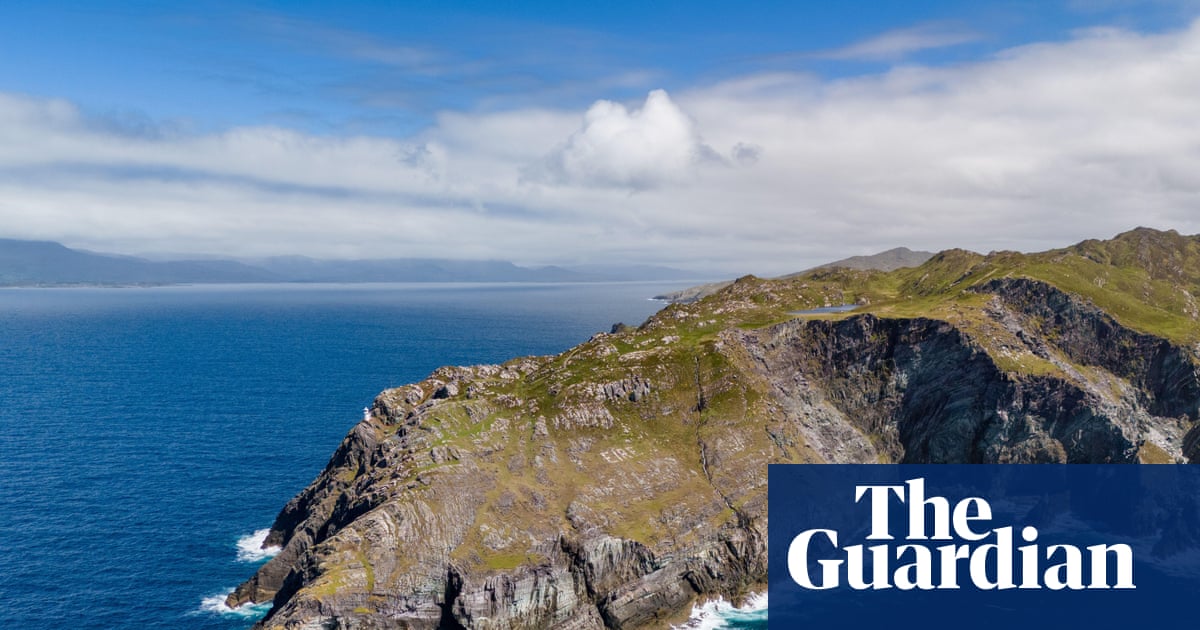
🌄
I see nothing but hills, ridges and sea: a breathtaking five-day walk around Ireland’s south-westernmost headland
Ik zie niets dan heuvels, ruggen en zee: een adembenemende vijfdaagse wandeling rond het zuidwestelijkste schiereiland van Ierland
Je ne vois que des collines, des crêtes et la mer : une randonnée de cinq jours à couper le souffle autour du cap le plus au sud-ouest de l'Irlande
The Sheep’s Head peninsula is a stunning spot for hikers, with high hills and breathtaking views of the Atlantic. I’m tackling the Sheep’s Head Way, a 55-mile loop that showcases the area’s wild beauty and rich history. The trails are less crowded than others in Ireland, offering a peaceful experience with plenty of wildlife. Each day reveals new vistas and the joy of nature, making it a truly unforgettable adventure.
Het schiereiland Sheep's Head is een prachtige plek voor wandelaars, met hoge heuvels en adembenemende uitzichten op de Atlantische Oceaan. Ik loop de Sheep's Head Way, een 88 km lange lus die de wilde schoonheid en rijke geschiedenis van het gebied laat zien. De paden zijn minder druk dan andere in Ierland, wat zorgt voor een rustige ervaring met veel wilde dieren. Elke dag onthult nieuwe uitzichten en de vreugde van de natuur, waardoor het een onvergetelijk avontuur is.
La péninsule de Sheep's Head est un endroit magnifique pour les randonneurs, avec des collines élevées et des vues à couper le souffle sur l'Atlantique. Je parcours le Sheep's Head Way, une boucle de 88 km qui met en valeur la beauté sauvage et la riche histoire de la région. Les sentiers sont moins fréquentés que d'autres en Irlande, offrant une expérience paisible avec de nombreuses espèces sauvages. Chaque jour révèle de nouveaux panoramas et la joie de la nature, rendant cette aventure vraiment inoubliable.
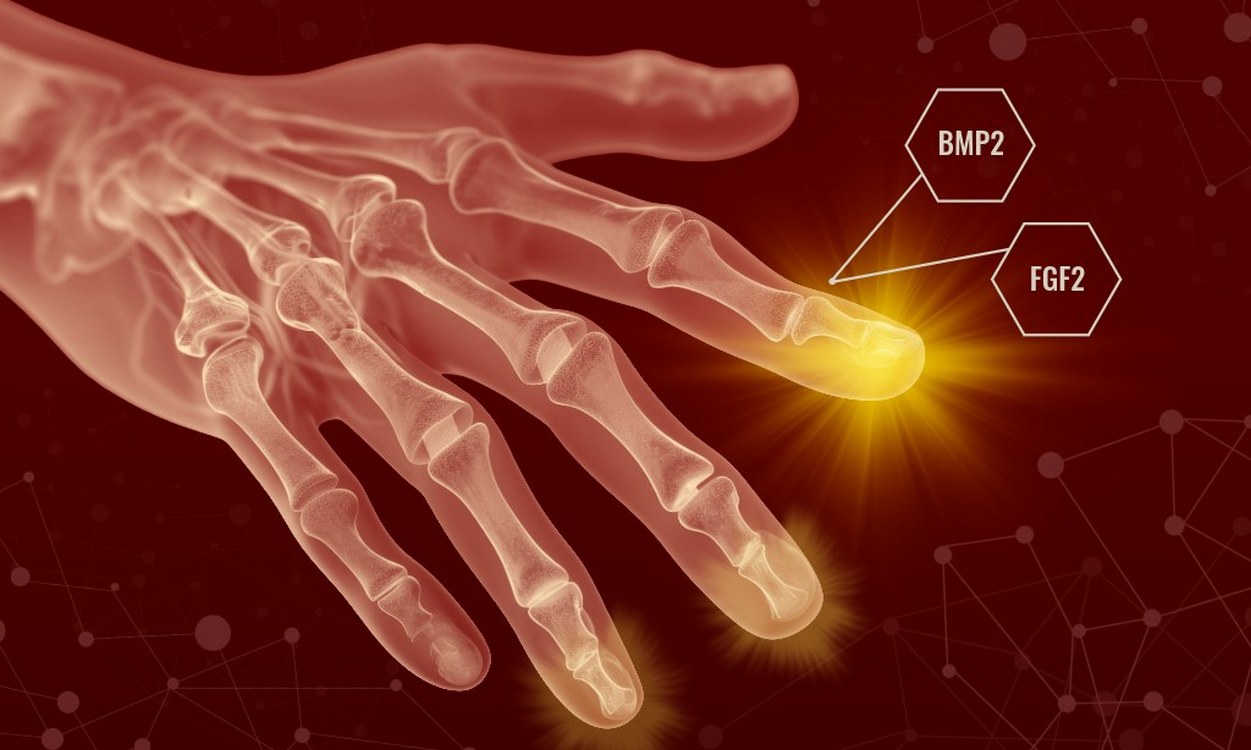
🌟
Humans may have always been able to regenerate body parts–scar tissue just gets in the way
Mensen kunnen mogelijk altijd lichaamsdelen regenereren - littekenweefsel staat in de weg
Les humains ont peut-être toujours pu régénérer des parties du corps - le tissu cicatriciel fait obstacle
Isn't it fascinating that humans might have the ability to regenerate body parts just like salamanders? Researchers have found that by flipping some genetic switches, they can redirect cells from forming scar tissue to actually rebuilding bones and ligaments. This two-step process involves using specific growth factors to stimulate tissue regeneration, which could change how we heal from injuries. While the results aren't perfect yet, the potential for reducing scarring and improving recovery after amputations is incredibly exciting!
Is het niet fascinerend dat mensen mogelijk in staat zijn om lichaamsdelen te regenereren, net als salamanders? Onderzoekers hebben ontdekt dat ze door enkele genetische schakelaars om te zetten, cellen kunnen herprogrammeren om geen littekenweefsel te vormen, maar daadwerkelijk botten en ligamenten te herbouwen. Dit tweestapsproces omvat het gebruik van specifieke groeifactoren om weefselregeneratie te stimuleren, wat de manier waarop we herstellen van verwondingen zou kunnen veranderen. Hoewel de resultaten nog niet perfect zijn, is het potentieel om littekens te verminderen en het herstel na amputaties te verbeteren ongelooflijk spannend!
N'est-il pas fascinant que les humains pourraient avoir la capacité de régénérer des parties du corps tout comme les salamandres ? Les chercheurs ont découvert qu'en inversant certains commutateurs génétiques, ils peuvent rediriger les cellules pour qu'elles ne forment pas de tissu cicatriciel, mais reconstruisent réellement des os et des ligaments. Ce processus en deux étapes implique l'utilisation de facteurs de croissance spécifiques pour stimuler la régénération des tissus, ce qui pourrait changer notre façon de guérir des blessures. Bien que les résultats ne soient pas encore parfaits, le potentiel de réduction des cicatrices et d'amélioration de la récupération après une amputation est incroyablement excitant !
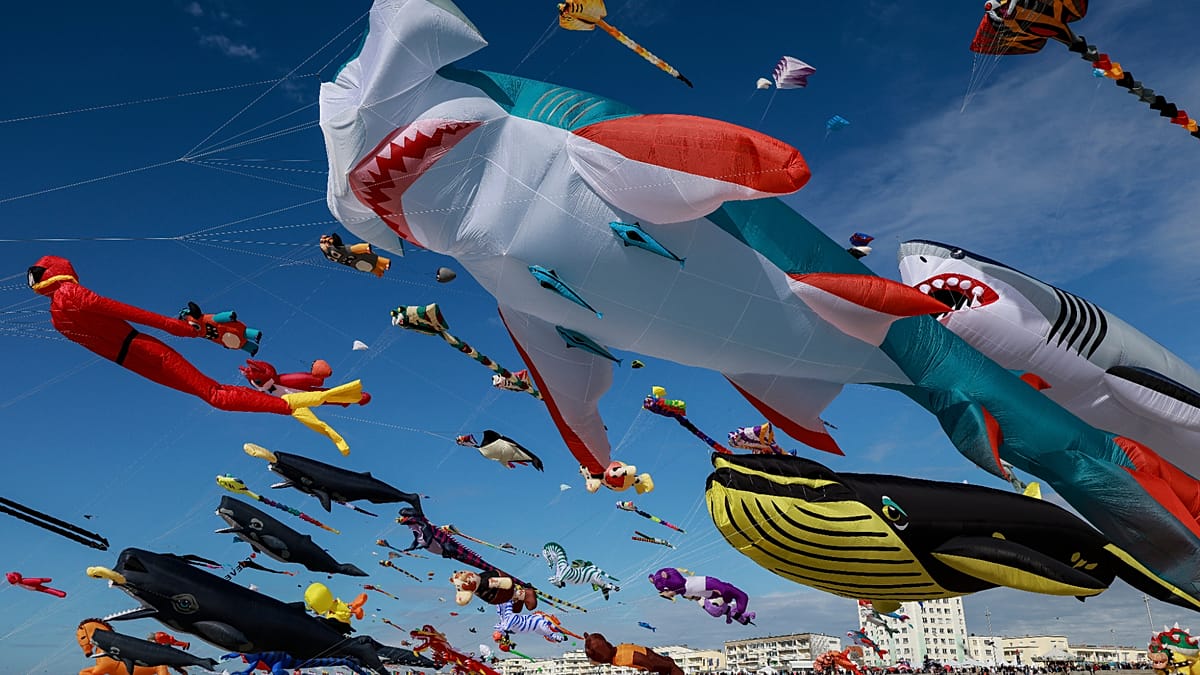
🎏
Giant dragon and octopus kites fill Danish skies
Giant draak en octopus vliegers vullen Deense luchten
De gigantesques cerfs-volants dragon et pieuvre remplissent les cieux danois
Wow, have you seen the incredible sights at Denmark's Fanø International Kite Festival? Thousands of kites, including giant dragons and octopuses, soared above the beach, creating a vibrant spectacle. It's amazing to think that around 5,000 kite flyers from 26 countries come together for this event each year. The festival has really become a must-see attraction, drawing crowds who are eager to witness these stunning flying displays.
Wauw, heb je de ongelooflijke taferelen gezien op het Fanø International Kite Festival in Denemarken? Duizenden vliegers, waaronder gigantische draken en octopussen, vlogen boven het strand en creëerden een levendig spektakel. Het is geweldig om te bedenken dat elk jaar ongeveer 5.000 vliegers uit 26 landen samenkomen voor dit evenement. Het festival is echt een must-see attractie geworden, die menigten trekt die graag deze prachtige vliegende shows willen aanschouwen.
Wow, avez-vous vu les incroyables spectacles au Festival International de Cerfs-Volants de Fanø au Danemark? Des milliers de cerfs-volants, y compris des dragons et des pieuvres géants, ont survolé la plage, créant un spectacle vibrant. C'est incroyable de penser qu'environ 5 000 pilotes de cerfs-volants de 26 pays se réunissent chaque année pour cet événement. Le festival est vraiment devenu une attraction incontournable, attirant des foules désireuses d'assister à ces magnifiques spectacles aériens.
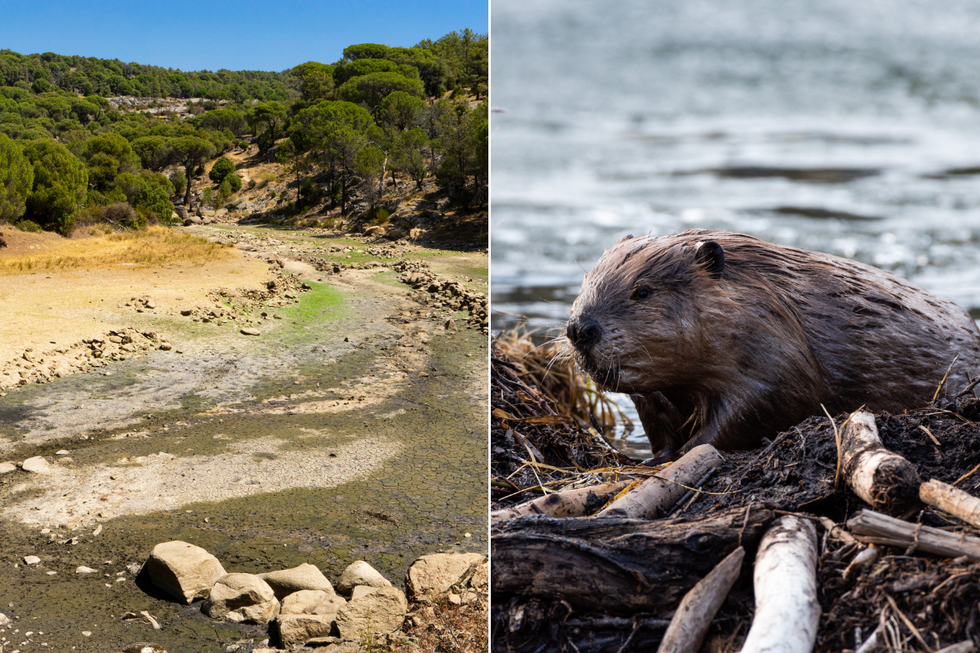
🦫
Beavers were brought to the desert to save a dying river. Six years later, here are the results.
Beveren werden naar de woestijn gebracht om een stervende rivier te redden. Zes jaar later, hier zijn de resultaten.
Des castors ont été amenés dans le désert pour sauver une rivière mourante. Six ans plus tard, voici les résultats.
It’s amazing to see how beavers have transformed Utah’s Price River over the past six years! Researchers introduced these clever critters to help restore the river’s health, and the results are truly inspiring. The water levels are now thriving, fish populations are bouncing back, and local residents are enjoying the revitalized ecosystem. This project shows just how impactful nature can be when given a helping hand.
Het is geweldig om te zien hoe bevers de Price River in Utah de afgelopen zes jaar hebben getransformeerd! Onderzoekers introduceerden deze slimme beestjes om de gezondheid van de rivier te herstellen, en de resultaten zijn echt inspirerend. De waterstanden zijn nu bloeiend, de vispopulaties komen weer terug en de lokale bewoners genieten van het vernieuwde ecosysteem. Dit project toont aan hoe impactvol de natuur kan zijn wanneer ze een handje wordt geholpen.
C'est incroyable de voir comment les castors ont transformé la rivière Price de l'Utah au cours des six dernières années ! Des chercheurs ont introduit ces créatures astucieuses pour aider à restaurer la santé de la rivière, et les résultats sont vraiment inspirants. Les niveaux d'eau prospèrent maintenant, les populations de poissons se rétablissent et les habitants locaux profitent de l'écosystème revitalisé. Ce projet montre à quel point la nature peut être impactante lorsqu'on lui tend la main.

📚
Find yourself in a reading slump? Here are 5 ways to get your book joy back.
Zit je in een leesdip? Hier zijn 5 manieren om je boekplezier terug te krijgen.
Vous êtes dans une panne de lecture ? Voici 5 façons de retrouver votre joie de lire.
So, if you’re feeling stuck in a reading slump, you’re definitely not alone! It turns out that stress, mental fatigue, and even life changes can zap your reading joy. But don’t worry, there are some fun strategies to help you reignite that passion for books. By breaking your reading into smaller chunks and setting manageable goals, you can ease back into the wonderful world of stories.
Dus, als je je vast voelt zitten in een leesdip, ben je zeker niet alleen! Het blijkt dat stress, mentale vermoeidheid en zelfs levensveranderingen je leesplezier kunnen verminderen. Maar maak je geen zorgen, er zijn leuke strategieën om je passie voor boeken weer aan te wakkeren. Door je lezen in kleinere stukjes te verdelen en haalbare doelen te stellen, kun je weer gemakkelijk de geweldige wereld van verhalen binnenstappen.
Alors, si vous vous sentez coincé dans une panne de lecture, vous n'êtes certainement pas seul ! Il s'avère que le stress, la fatigue mentale et même les changements de vie peuvent réduire votre plaisir de lire. Mais ne vous inquiétez pas, il existe des stratégies amusantes pour raviver cette passion pour les livres. En divisant votre lecture en petites portions et en fixant des objectifs réalisables, vous pouvez facilement revenir dans le merveilleux monde des histoires.

🌌
A source of mysterious repeating radio signals from space has been identified
Een bron van mysterieuze herhalende radiosignalen uit de ruimte is geïdentificeerd
Une source de signaux radio répétitifs mystérieux de l'espace a été identifiée
So, scientists have finally identified the source of those mysterious repeating radio signals from space! This discovery comes from an international team using the Australian Square Kilometer Array Pathfinder telescope. They've pinpointed a binary system where a white dwarf is pulling material from a companion red dwarf star. It's fascinating to think that these signals are linked to the interactions between these two stars, revealing a whole new layer of cosmic mystery.
Dus, wetenschappers hebben eindelijk de bron van die mysterieuze herhalende radiosignalen uit de ruimte geïdentificeerd! Deze ontdekking komt van een internationaal team dat de Australian Square Kilometer Array Pathfinder-telescoop gebruikt. Ze hebben een binaire systeem gelokaliseerd waar een witte dwerg materiaal trekt van een begeleidende rode dwergster. Het is fascinerend om te denken dat deze signalen verband houden met de interacties tussen deze twee sterren, wat een geheel nieuwe laag van kosmisch mysterie onthult.
Alors, les scientifiques ont enfin identifié la source de ces mystérieux signaux radio répétitifs venus de l'espace ! Cette découverte provient d'une équipe internationale utilisant le télescope Australian Square Kilometer Array Pathfinder. Ils ont localisé un système binaire où une naine blanche tire du matériel d'une étoile naine rouge compagne. C'est fascinant de penser que ces signaux sont liés aux interactions entre ces deux étoiles, révélant une toute nouvelle couche de mystère cosmique.
/s3/static.nrc.nl/wp-content/uploads/2026/06/12161339/240626CUL_2033753166_rahman-rotated.jpg)
🌿
Nature is the great connector in exhibition ‘Living Mesh’
De natuur is de grote verbinder in expositie ‘Living Mesh’
La nature est le grand connecteur dans l'exposition ‘Living Mesh’
The exhibition ‘Living Mesh’ invites us to rethink our relationship with nature, showcasing works from artists like Michelle Piergoelam and Peng Zhang. Instead of categorizing nature, it emphasizes our interconnectedness with plants, animals, and each other. The curator, Kim Knoppers, challenges us to see nature as a world we are part of, rather than something to control. This exhibition beautifully blends art and nature, creating a space for reflection and spiritual connection.
De expositie ‘Living Mesh’ nodigt ons uit om onze relatie met de natuur opnieuw te overdenken, met werken van kunstenaars zoals Michelle Piergoelam en Peng Zhang. In plaats van de natuur te categoriseren, benadrukt het onze onderlinge verbondenheid met planten, dieren en elkaar. De curator, Kim Knoppers, daagt ons uit om de natuur te zien als een wereld waar we deel van uitmaken, in plaats van iets dat we moeten beheersen. Deze expositie mengt kunst en natuur prachtig en creëert een ruimte voor reflectie en spirituele verbinding.
L'exposition ‘Living Mesh’ nous invite à repenser notre relation avec la nature, en présentant des œuvres d'artistes comme Michelle Piergoelam et Peng Zhang. Au lieu de catégoriser la nature, elle souligne notre interdépendance avec les plantes, les animaux et les autres. La curatrice, Kim Knoppers, nous défie de voir la nature comme un monde dont nous faisons partie, plutôt que comme quelque chose à contrôler. Cette exposition mélange magnifiquement art et nature, créant un espace pour la réflexion et la connexion spirituelle.
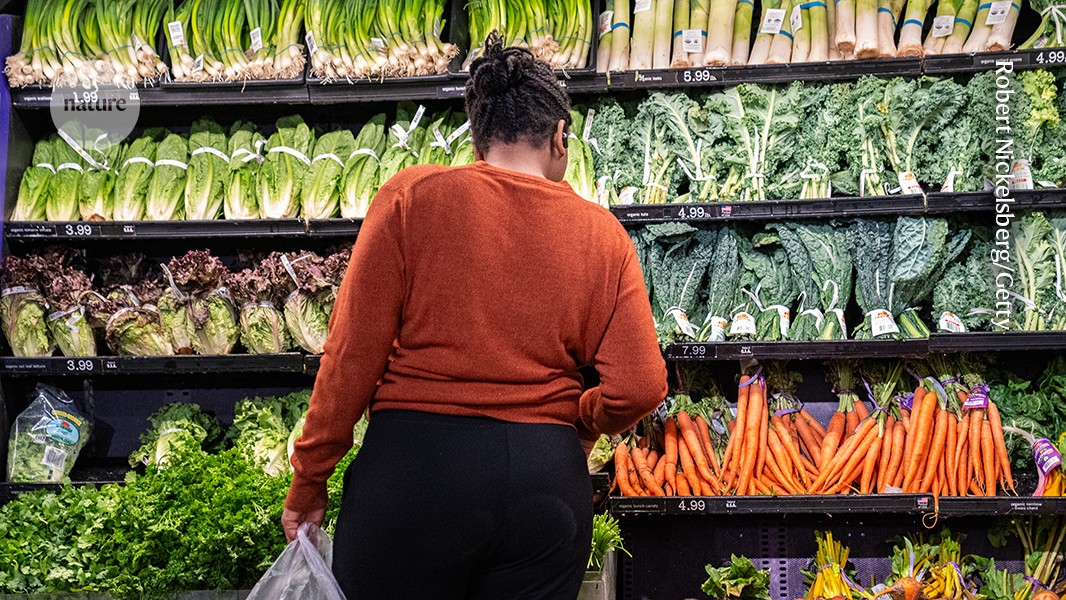
🌟
Make science more reliable: study people as they go about their lives
Maak wetenschap betrouwbaarder: bestudeer mensen terwijl ze hun leven leiden
Rendre la science plus fiable : étudier les gens dans leur vie quotidienne
This article highlights the importance of natural field experiments in making scientific research more reliable. By observing people in their everyday environments, researchers can gain insights that are more applicable to diverse populations. Traditional studies often focus on narrow groups, which can lead to misleading results when applied broadly. Emphasizing the need for better generalizability, the piece advocates for reforms in research practices to enhance the credibility of scientific findings.
Dit artikel benadrukt het belang van natuurlijke veldexperimenten om wetenschappelijk onderzoek betrouwbaarder te maken. Door mensen in hun dagelijkse omgeving te observeren, kunnen onderzoekers inzichten verkrijgen die relevanter zijn voor diverse populaties. Traditionele studies richten zich vaak op smalle groepen, wat kan leiden tot misleidende resultaten wanneer ze breed worden toegepast. Het benadrukken van de noodzaak van betere generaliseerbaarheid pleit voor hervormingen in onderzoekspraktijken om de geloofwaardigheid van wetenschappelijke bevindingen te vergroten.
Cet article souligne l'importance des expériences de terrain naturelles pour rendre la recherche scientifique plus fiable. En observant les gens dans leur environnement quotidien, les chercheurs peuvent obtenir des informations plus applicables à des populations diverses. Les études traditionnelles se concentrent souvent sur des groupes restreints, ce qui peut conduire à des résultats trompeurs lorsqu'ils sont appliqués de manière générale. En mettant l'accent sur la nécessité d'une meilleure généralisabilité, l'article plaide pour des réformes dans les pratiques de recherche afin d'améliorer la crédibilité des résultats scientifiques.

🦟
Yeasts attract mosquitoes to deadly traps, scientists discover a simple method
Gisten trekken muggen naar dodelijke vallen, wetenschappers ontdekken een eenvoudige methode
Les levures attirent les moustiques vers des pièges mortels, les scientifiques découvrent une méthode simple
Researchers have found that certain yeast species can lure mosquitoes into traps, potentially aiding in the fight against malaria. The study highlights the orange yeast Rhodotorula taiwanensis, which attracts and can even trap the malaria-carrying Anopheles gambiae. This discovery opens up exciting possibilities for safe and cost-effective mosquito control strategies. With malaria still a major global health issue, this innovative approach could make a significant difference.
Onderzoekers hebben ontdekt dat bepaalde gistsoorten muggen naar vallen kunnen lokken, wat mogelijk kan helpen in de strijd tegen malaria. De studie benadrukt de oranje gist Rhodotorula taiwanensis, die de malaria-drager Anopheles gambiae aantrekt en zelfs kan vangen. Deze ontdekking opent spannende mogelijkheden voor veilige en kosteneffectieve strategieën voor muggenbestrijding. Aangezien malaria nog steeds een groot wereldwijd gezondheidsprobleem is, zou deze innovatieve aanpak een aanzienlijke impact kunnen hebben.
Des chercheurs ont découvert que certaines espèces de levures peuvent attirer les moustiques dans des pièges, ce qui pourrait aider à lutter contre le paludisme. L'étude met en avant la levure orange Rhodotorula taiwanensis, qui attire et peut même piéger l'Anopheles gambiae, le moustique porteur du paludisme. Cette découverte ouvre des possibilités passionnantes pour des stratégies de contrôle des moustiques sûres et économiques. Avec le paludisme restant un problème de santé mondial majeur, cette approche innovante pourrait faire une différence significative.

🌱
UK startup is making electricity from bacteria in the soil
Britse startup maakt elektriciteit uit bacteriën in de bodem
Startup britannique produit de l'électricité à partir de bactéries dans le sol
So, there's this amazing British startup called Bactery that's harnessing the power of bacteria to generate electricity! Their innovative battery uses microbes from the soil to create a continuous flow of energy, even when the sun isn't shining. Jakub Dziegielowski, the founder, envisions a future where your garden could help offset your electricity bills all year round. It's a fantastic blend of nature and technology that could change how we think about renewable energy.
Dus, er is deze geweldige Britse startup genaamd Bactery die de kracht van bacteriën gebruikt om elektriciteit te genereren! Hun innovatieve batterij maakt gebruik van microben uit de bodem om een continue stroom energie te creëren, zelfs wanneer de zon niet schijnt. Jakub Dziegielowski, de oprichter, voorziet een toekomst waarin je tuin kan helpen om je elektriciteitsrekeningen het hele jaar door te verlagen. Het is een fantastische combinatie van natuur en technologie die onze kijk op hernieuwbare energie kan veranderen.
Alors, il y a cette incroyable startup britannique appelée Bactery qui exploite la puissance des bactéries pour générer de l'électricité ! Leur batterie innovante utilise des microbes du sol pour créer un flux continu d'énergie, même lorsque le soleil ne brille pas. Jakub Dziegielowski, le fondateur, envisage un avenir où votre jardin pourrait aider à compenser vos factures d'électricité tout au long de l'année. C'est un mélange fantastique de nature et de technologie qui pourrait changer notre perception de l'énergie renouvelable.
☀️
Water drinking and sitting in the shade is known by everyone. Here are 5 other tricks to cool down
Water drinken en in de schaduw zitten kent iedereen. Dit zijn 5 andere trucjes om af te koelen
Boire de l'eau et s'asseoir à l'ombre est connu de tous. Voici 5 autres astuces pour se rafraîchir
So, we all know the basics of staying cool in the heat, right? But there are actually some clever tricks that can help us beat the heat even more effectively. From using cooling towels to enjoying refreshing snacks, these tips are super practical and fun! It's all about finding those little ways to stay comfortable and enjoy the sunny days.
Dus, we kennen allemaal de basisprincipes om koel te blijven in de hitte, toch? Maar er zijn eigenlijk slimme trucjes die ons nog effectiever kunnen helpen om de hitte te verslaan. Van het gebruik van verkoelende handdoeken tot het genieten van verfrissende snacks, deze tips zijn super praktisch en leuk! Het draait allemaal om het vinden van die kleine manieren om comfortabel te blijven en van de zonnige dagen te genieten.
Alors, nous connaissons tous les principes de base pour rester au frais par temps chaud, n'est-ce pas ? Mais il existe en fait des astuces intelligentes qui peuvent nous aider à mieux supporter la chaleur. De l'utilisation de serviettes rafraîchissantes à la dégustation de collations rafraîchissantes, ces conseils sont super pratiques et amusants ! Il s'agit de trouver ces petites façons de rester à l'aise et de profiter des journées ensoleillées.
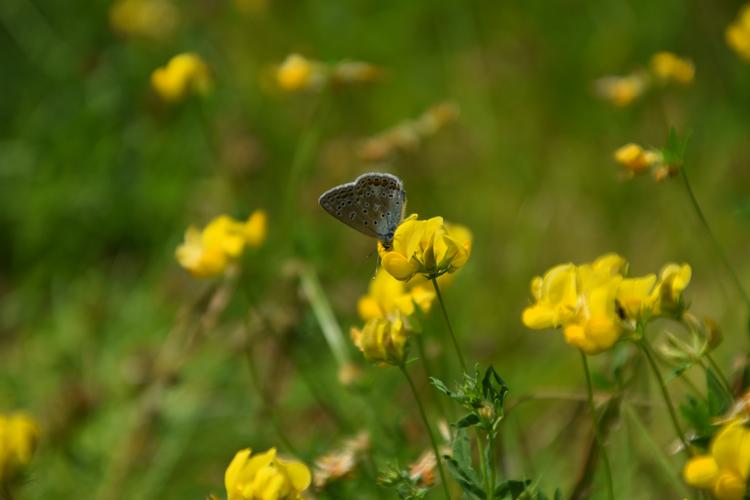
🌼
How you mow your lawn is crucial for whether insects love your garden
De manier waarop je het gras maait, is cruciaal voor of insecten van je tuin houden
La façon dont vous tondrez votre pelouse est cruciale pour savoir si les insectes aiment votre jardin
Are you dreaming of butterflies in your garden? A biologist shares fantastic tips on how to boost biodiversity right at home. It turns out that the way you mow your lawn can significantly impact whether your garden is buzzing with life. So, if you want to attract more insects, it’s time to rethink your mowing habits!
Droom je ook van vlinders in je tuin? Een bioloog deelt geweldige tips over hoe je de biodiversiteit thuis kunt vergroten. Het blijkt dat de manier waarop je je gras maait een grote impact kan hebben op de levendigheid van je tuin. Dus als je meer insecten wilt aantrekken, is het tijd om je maai-gewoonten te heroverwegen!
Rêvez-vous de papillons dans votre jardin? Un biologiste partage d'excellents conseils pour stimuler la biodiversité chez vous. Il s'avère que la façon dont vous tondez votre pelouse peut avoir un impact significatif sur la vie de votre jardin. Donc, si vous souhaitez attirer plus d'insectes, il est temps de repenser vos habitudes de tonte !
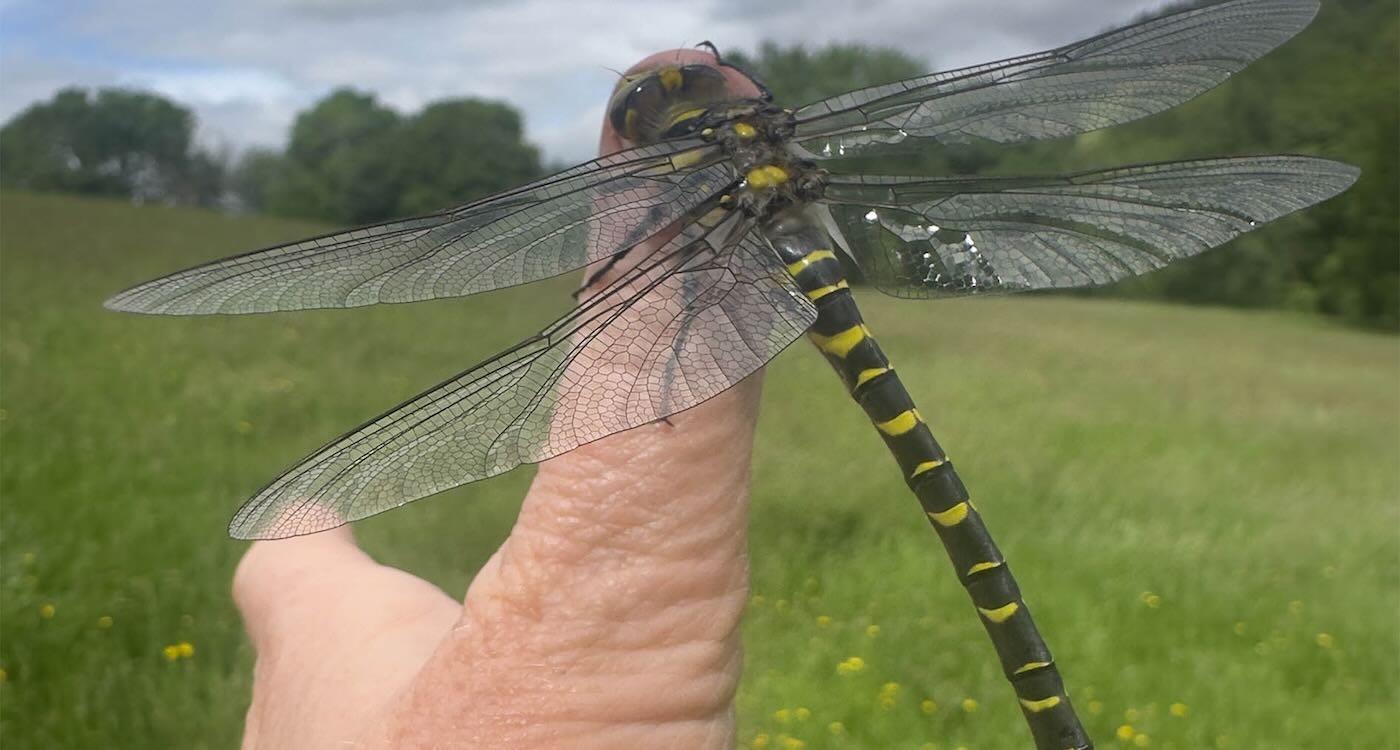
🦋
A golden-ringed jewel: Britain’s longest dragonfly hitches ride on woman’s thumb
Een gouden-ringed juweel: 's Werelds langste libelle rijdt op de duim van een vrouw
Un bijou à anneau doré : la plus longue libellule de Grande-Bretagne monte sur le pouce d'une femme
Imagine this: a woman walking by the Ceiriog River in Wales gets a surprise visit from Britain’s longest dragonfly! Sarah Hawkes, a conservation officer, was thrilled when the stunning golden-ringed dragonfly decided to hitch a ride on her thumb. These magnificent insects can grow up to 4 inches long and are known for their voracious appetite, feasting on everything from wasps to other dragonflies. It’s a beautiful reminder of the incredible wildlife we have right here in the UK!
Stel je voor: een vrouw die langs de Ceiriog-rivier in Wales wandelt, krijgt een verrassingsbezoek van 's werelds langste libelle! Sarah Hawkes, een natuurbeschermer, was enthousiast toen de prachtige gouden-ringed libelle besloot een ritje op haar duim te maken. Deze magnifieke insecten kunnen tot 10 centimeter lang worden en staan bekend om hun vraatzuchtige eetlust, waarbij ze alles van wespen tot andere libellen opeten. Het is een prachtige herinnering aan de ongelooflijke natuur die we hier in het VK hebben!
Imaginez ceci : une femme se promenant près de la rivière Ceiriog au Pays de Galles reçoit une visite surprise de la plus longue libellule de Grande-Bretagne ! Sarah Hawkes, agente de conservation, était ravie lorsque la magnifique libellule à anneau doré a décidé de faire un tour sur son pouce. Ces insectes majestueux peuvent atteindre jusqu'à 10 centimètres de long et sont connus pour leur appétit vorace, se nourrissant de tout, des guêpes aux autres libellules. C'est un rappel magnifique de la faune incroyable que nous avons ici au Royaume-Uni !
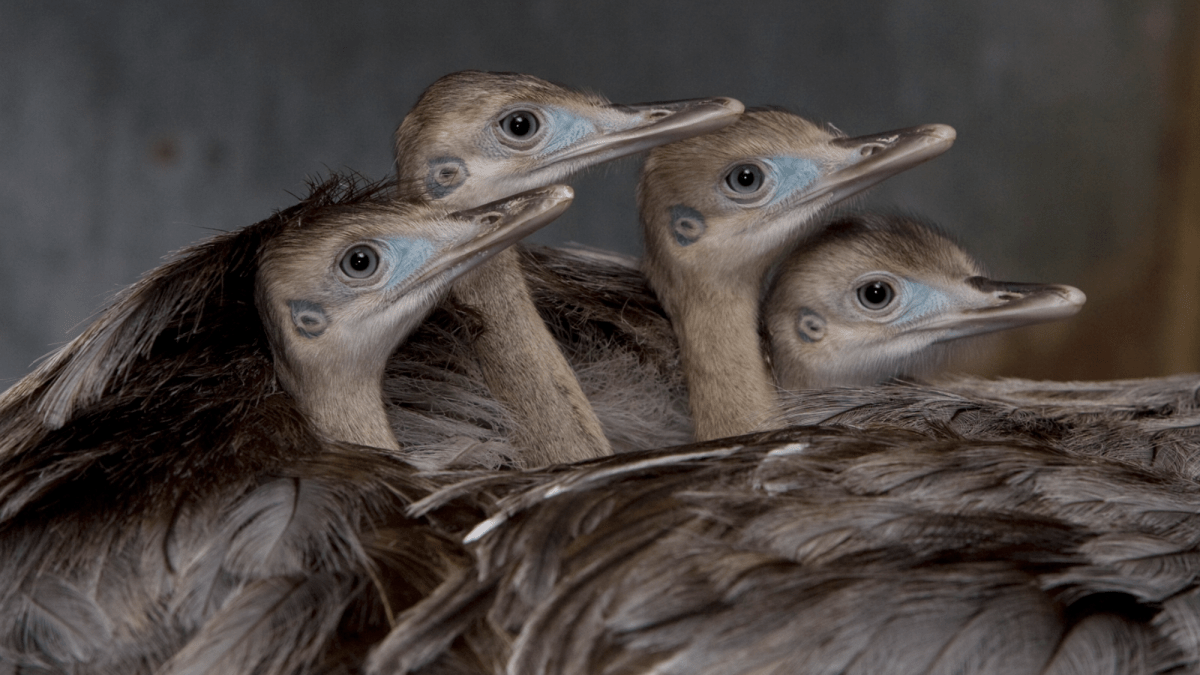
🐾
6 animal fathers who go the distance
6 dierenvaders die de afstand overbruggen
6 pères animaux qui vont loin
In the fascinating world of animal fatherhood, some dads really step up! Take seahorses, for instance, where the male carries the eggs and even gives birth. Then there are greater rheas, who are the ultimate stay-at-home dads, nurturing their chicks all on their own. It's incredible to see how different species have evolved unique ways to ensure their offspring's survival.
In de fascinerende wereld van dierenvaders zijn er vaders die echt hun best doen! Neem bijvoorbeeld zeepaardjes, waar het mannetje de eieren draagt en zelfs bevalt. Dan zijn er de grotere rhea's, die de ultieme thuisvaders zijn en hun kuikens helemaal alleen verzorgen. Het is ongelooflijk om te zien hoe verschillende soorten unieke manieren hebben ontwikkeld om de overleving van hun nakomelingen te waarborgen.
Dans le monde fascinant de la paternité animale, certains papas s'impliquent vraiment ! Prenons les hippocampes, par exemple, où le mâle porte les œufs et donne même naissance. Ensuite, il y a les grands rheas, qui sont les pères au foyer par excellence, s'occupant seuls de leurs poussins. C'est incroyable de voir comment différentes espèces ont évolué avec des moyens uniques pour garantir la survie de leur progéniture.

💪
From riding the bus to reaching the top shelf: 18 simple exercises to prepare you for everyday life
Van met de bus rijden tot de bovenste plank bereiken: 18 eenvoudige oefeningen om je voor te bereiden op het dagelijks leven
De prendre le bus à atteindre l'étagère du haut : 18 exercices simples pour vous préparer à la vie quotidienne
I love how this article highlights simple exercises that can make everyday tasks easier! From side planks to suitcase carries, these moves are designed to tackle the challenges we face daily, like carrying groceries or keeping up with kids. It’s fascinating to see how targeted exercises can improve our strength and stability in real-life situations. So, whether you're on a crowded bus or playing tag, these tips can help you feel more capable and confident.
Ik vind het geweldig hoe dit artikel eenvoudige oefeningen benadrukt die het dagelijks leven gemakkelijker kunnen maken! Van zijplanken tot de kofferdrager, deze bewegingen zijn ontworpen om de uitdagingen aan te pakken waarmee we dagelijks worden geconfronteerd, zoals het dragen van boodschappen of het bijhouden van kinderen. Het is fascinerend om te zien hoe gerichte oefeningen onze kracht en stabiliteit in echte situaties kunnen verbeteren. Dus, of je nu in een drukke bus zit of tikkertje speelt, deze tips kunnen je helpen je capabeler en zelfverzekerder te voelen.
J'adore comment cet article met en avant des exercices simples qui peuvent rendre les tâches quotidiennes plus faciles ! Des planches latérales aux transports de valises, ces mouvements sont conçus pour relever les défis que nous rencontrons chaque jour, comme porter des courses ou suivre des enfants. C'est fascinant de voir comment des exercices ciblés peuvent améliorer notre force et notre stabilité dans des situations réelles. Donc, que vous soyez dans un bus bondé ou en train de jouer au tag, ces conseils peuvent vous aider à vous sentir plus capable et confiant.
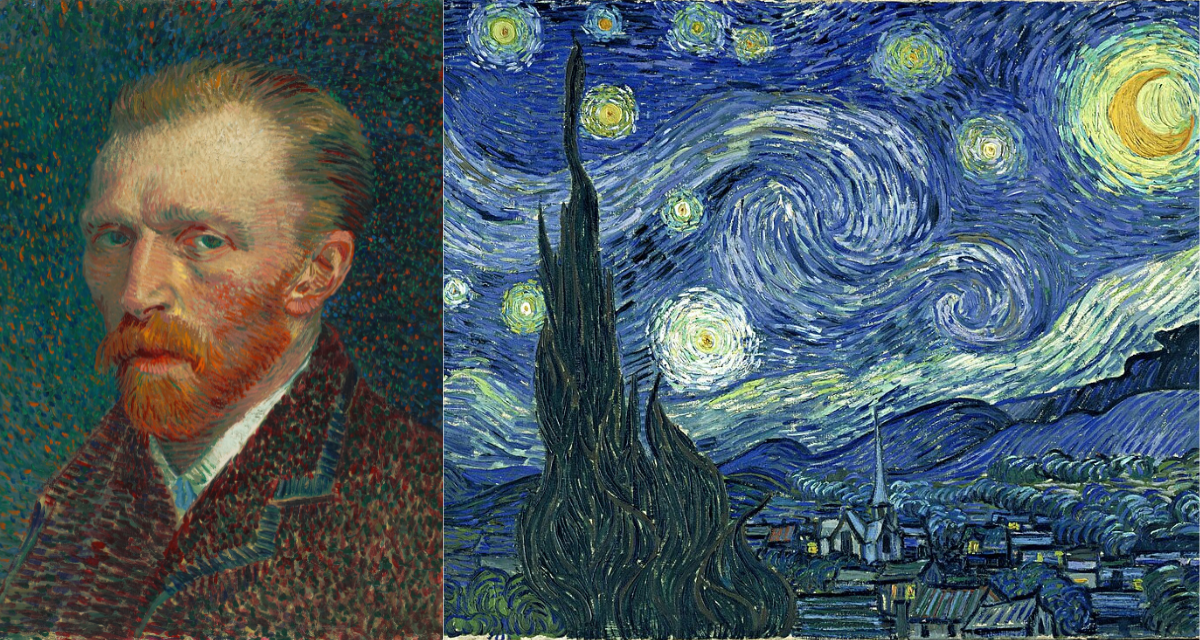
🎨
Scientists found Vincent van Gogh’s hidden ‘fingerprint’ and it’s catching art forgers red-handed
Wetenschappers vonden Vincent van Gogh's verborgen 'vingerafdruk' en vangen kunstvervalsers op heterdaad
Des scientifiques ont trouvé l'empreinte cachée de Vincent van Gogh et attrapent les faussaires d'art la main dans le sac
So, here's the exciting news! Scientists have discovered a unique way to authenticate Vincent van Gogh's paintings by analyzing his distinctive brushstroke patterns, almost like a fingerprint. This breakthrough combines art and technology, allowing for precise identification of original works and catching forgers in the act. It's fascinating to think that Van Gogh's impasto technique creates a mathematical pattern that can be measured and verified. This means art lovers can enjoy his masterpieces with confidence, knowing they are seeing the real deal!
Dus, hier is het spannende nieuws! Wetenschappers hebben een unieke manier ontdekt om de schilderijen van Vincent van Gogh te authentiseren door zijn kenmerkende penseelstreken te analyseren, bijna als een vingerafdruk. Deze doorbraak combineert kunst en technologie, waardoor originele werken nauwkeurig kunnen worden geïdentificeerd en vervalsers op heterdaad kunnen worden betrapt. Het is fascinerend om te bedenken dat Van Gogh's impasto-techniek een wiskundig patroon creëert dat kan worden gemeten en geverifieerd. Dit betekent dat kunstliefhebbers zijn meesterwerken met vertrouwen kunnen bewonderen, wetende dat ze het echte werk zien!
Alors, voici la nouvelle passionnante ! Des scientifiques ont découvert une manière unique d'authentifier les peintures de Vincent van Gogh en analysant ses coups de pinceau distinctifs, presque comme une empreinte digitale. Cette avancée combine art et technologie, permettant une identification précise des œuvres originales et attrapant les faussaires sur le fait. C'est fascinant de penser que la technique d'impasto de Van Gogh crée un motif mathématique qui peut être mesuré et vérifié. Cela signifie que les amateurs d'art peuvent apprécier ses chefs-d'œuvre en toute confiance, sachant qu'ils voient le véritable chef-d'œuvre !
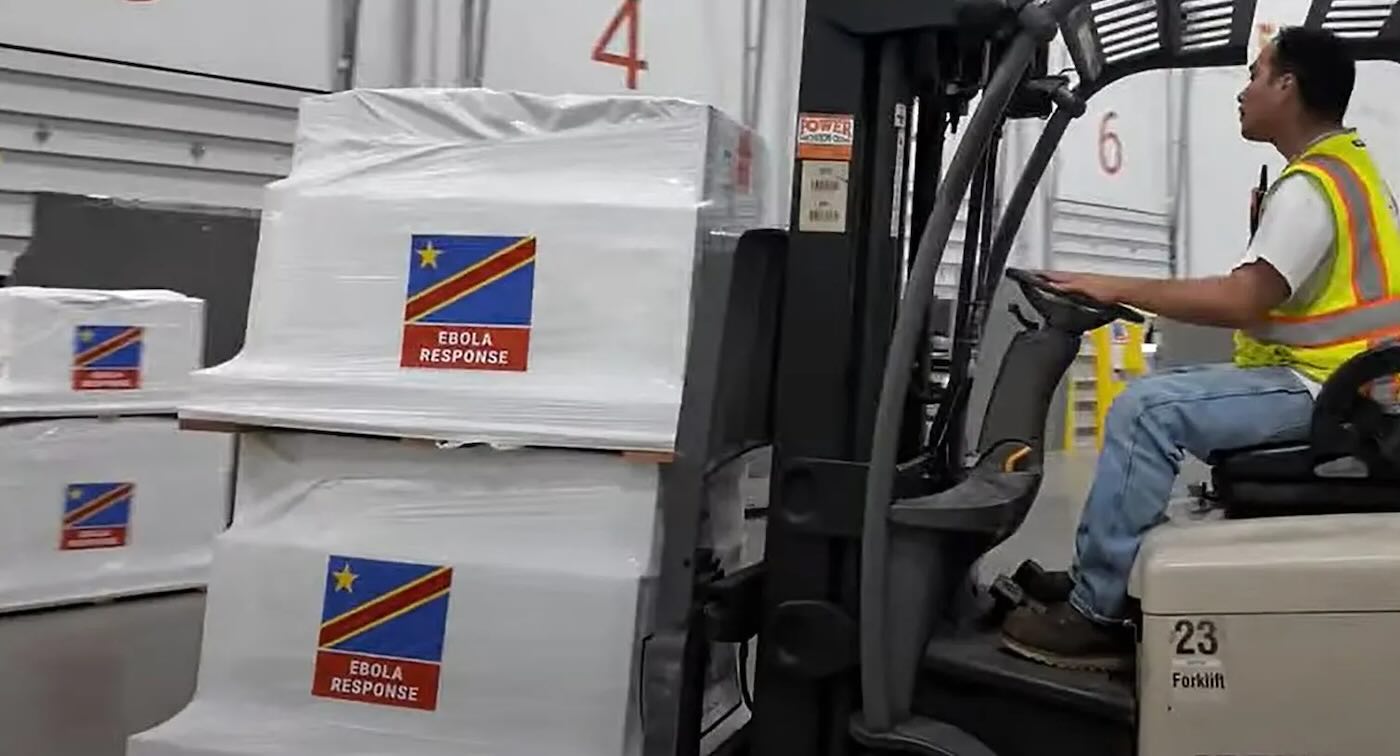
🌍
Quarter million N95 respirators headed to DRC as California group eases Ebola strain on health system
Kwart miljoen N95-maskers op weg naar DRC terwijl Californische groep de Ebola-druk op het gezondheidssysteem verlicht
Un quart de million de respirateurs N95 se dirige vers la RDC alors qu'un groupe californien allège la pression Ebola sur le système de santé
It's fantastic to see a California relief organization sending over a quarter million N95 respirators to the Democratic Republic of Congo to protect health workers during the Ebola outbreak. This aid package, which also includes essential medications, is the largest shipment of N95s in response to the crisis so far. Direct Relief is not only addressing the immediate needs but also ensuring that primary healthcare continues amidst the outbreak. Their partnership with VillageReach will help distribute these supplies effectively, making a real difference in the fight against Ebola.
Het is fantastisch om te zien dat een Californische hulporganisatie meer dan een kwart miljoen N95-maskers naar de Democratische Republiek Congo stuurt om zorgverleners te beschermen tijdens de Ebola-uitbraak. Dit hulppakket, dat ook essentiële medicijnen bevat, is de grootste verzending van N95's in reactie op de crisis tot nu toe. Direct Relief pakt niet alleen de directe behoeften aan, maar zorgt er ook voor dat de eerstelijnszorg doorgaat te midden van de uitbraak. Hun samenwerking met VillageReach zal helpen deze voorraden effectief te distribueren, wat een echt verschil maakt in de strijd tegen Ebola.
C'est fantastique de voir qu'une organisation d'aide californienne envoie plus d'un quart de million de respirateurs N95 en République Démocratique du Congo pour protéger les travailleurs de la santé pendant l'épidémie d'Ebola. Ce paquet d'aide, qui comprend également des médicaments essentiels, est la plus grande expédition de N95 en réponse à la crise jusqu'à présent. Direct Relief s'attaque non seulement aux besoins immédiats, mais veille également à ce que les soins de santé primaires se poursuivent en pleine épidémie. Leur partenariat avec VillageReach aidera à distribuer ces fournitures efficacement, ce qui fera une réelle différence dans la lutte contre l'Ebola.

🌌
Black hole weighs as much as 6 billion suns, measured thanks to the Webb telescope
Zwarte gat weegt evenveel als 6 miljard zonnen, gemeten dankzij de Webb-telescoop
Un trou noir pèse autant que 6 milliards de soleils, mesuré grâce au télescope Webb
Astronomers have made an exciting breakthrough by directly measuring the mass of a dormant black hole for the first time, located in a galaxy from the early universe. This black hole is a staggering 6 billion times heavier than our sun! Using the James Webb Space Telescope, they detected the gravitational effects on nearby stars, allowing them to estimate its mass. This discovery opens up new possibilities for understanding black holes in distant galaxies, which is just thrilling!
Astronomen hebben een spannende doorbraak bereikt door voor het eerst de massa van een slapend zwart gat direct te meten, gelegen in een sterrenstelsel uit het vroege universum. Dit zwarte gat is maar liefst 6 miljard keer zwaarder dan onze zon! Met behulp van de James Webb-telescoop hebben ze de zwaartekrachteffecten op nabijgelegen sterren gedetecteerd, waardoor ze de massa konden schatten. Deze ontdekking opent nieuwe mogelijkheden voor het begrijpen van zwarte gaten in verre sterrenstelsels, wat gewoon opwindend is!
Les astronomes ont réalisé une percée passionnante en mesurant directement la masse d'un trou noir dormant pour la première fois, situé dans une galaxie de l'univers primitif. Ce trou noir pèse un incroyable 6 milliards de fois celui de notre soleil ! Grâce au télescope spatial James Webb, ils ont détecté les effets gravitationnels sur les étoiles voisines, leur permettant d'estimer sa masse. Cette découverte ouvre de nouvelles possibilités pour comprendre les trous noirs dans des galaxies lointaines, ce qui est tout simplement passionnant !

☕
Scientists invent a way to brew espresso with ultrasonic waves—no hot water required
Wetenschappers uitvinden hoe espresso te zetten met ultrasone golven—geen heet water nodig
Des scientifiques inventent un moyen de préparer un espresso avec des ondes ultrasonores—sans eau chaude
So, researchers have come up with a fascinating method to brew espresso using ultrasonic waves instead of hot water. This innovative technique, led by Colombian researcher Francisco Trujillo, uses sound waves to extract flavors and aromas from coffee at room temperature. While it takes a bit longer than traditional brewing, it saves a whopping 75 percent in energy consumption! Plus, sensory tests showed that people enjoyed the taste just as much, making it a win-win for coffee lovers and the environment.
Dus, onderzoekers hebben een fascinerende methode ontwikkeld om espresso te zetten met ultrasone golven in plaats van heet water. Deze innovatieve techniek, geleid door de Colombiaanse onderzoeker Francisco Trujillo, gebruikt geluidsgolven om smaken en aroma's uit koffie te extraheren bij kamertemperatuur. Hoewel het iets langer duurt dan traditionele bereiding, bespaart het maar liefst 75 procent op energieverbruik! Bovendien toonden sensorische tests aan dat mensen de smaak net zo lekker vonden, wat het een win-win maakt voor koffieliefhebbers en het milieu.
Alors, des chercheurs ont développé une méthode fascinante pour préparer un espresso en utilisant des ondes ultrasonores au lieu d'eau chaude. Cette technique innovante, dirigée par le chercheur colombien Francisco Trujillo, utilise des ondes sonores pour extraire les saveurs et les arômes du café à température ambiante. Bien que cela prenne un peu plus de temps que la préparation traditionnelle, cela permet d'économiser 75 % d'énergie ! De plus, des tests sensoriels ont montré que les gens appréciaient tout autant le goût, ce qui en fait un avantage pour les amateurs de café et l'environnement.

🎥
Bologna’s niche festival of forgotten films captures the streaming generation
Bologna’s niche festival van vergeten films vangt de streaminggeneratie
Le festival de niche de films oubliés de Bologne capte la génération de streaming
Bologna is set to become an open-air cinema museum as the Il Cinema Ritrovato festival kicks off, celebrating its 40th anniversary. This festival showcases restored and overlooked films, drawing in a new wave of film lovers, especially the younger crowd. Last year, a record 140,000 attendees enjoyed classics like Charlie Chaplin’s The Gold Rush, and this year promises even more hidden gems. It’s a fantastic opportunity for audiences to rediscover the joy of watching films together in a vibrant setting.
Bologna staat op het punt een openluchtcinema-museum te worden met de aftrap van het Il Cinema Ritrovato-festival, dat zijn 40-jarig jubileum viert. Dit festival toont gerestaureerde en over het hoofd geziene films en trekt een nieuwe golf filmliefhebbers, vooral de jongere generatie. Vorig jaar genoten een record van 140.000 bezoekers van klassiekers zoals Charlie Chaplin's The Gold Rush, en dit jaar belooft nog meer verborgen parels. Het is een geweldige kans voor het publiek om de vreugde van samen films kijken opnieuw te ontdekken in een levendige setting.
Bologne s'apprête à devenir un musée de cinéma en plein air avec le lancement du festival Il Cinema Ritrovato, qui célèbre son 40e anniversaire. Ce festival met en avant des films restaurés et négligés, attirant une nouvelle vague d'amateurs de cinéma, en particulier les jeunes. L'année dernière, un nombre record de 140 000 visiteurs a apprécié des classiques comme The Gold Rush de Charlie Chaplin, et cette année promet encore plus de trésors cachés. C'est une occasion fantastique pour le public de redécouvrir le plaisir de regarder des films ensemble dans un cadre vibrant.
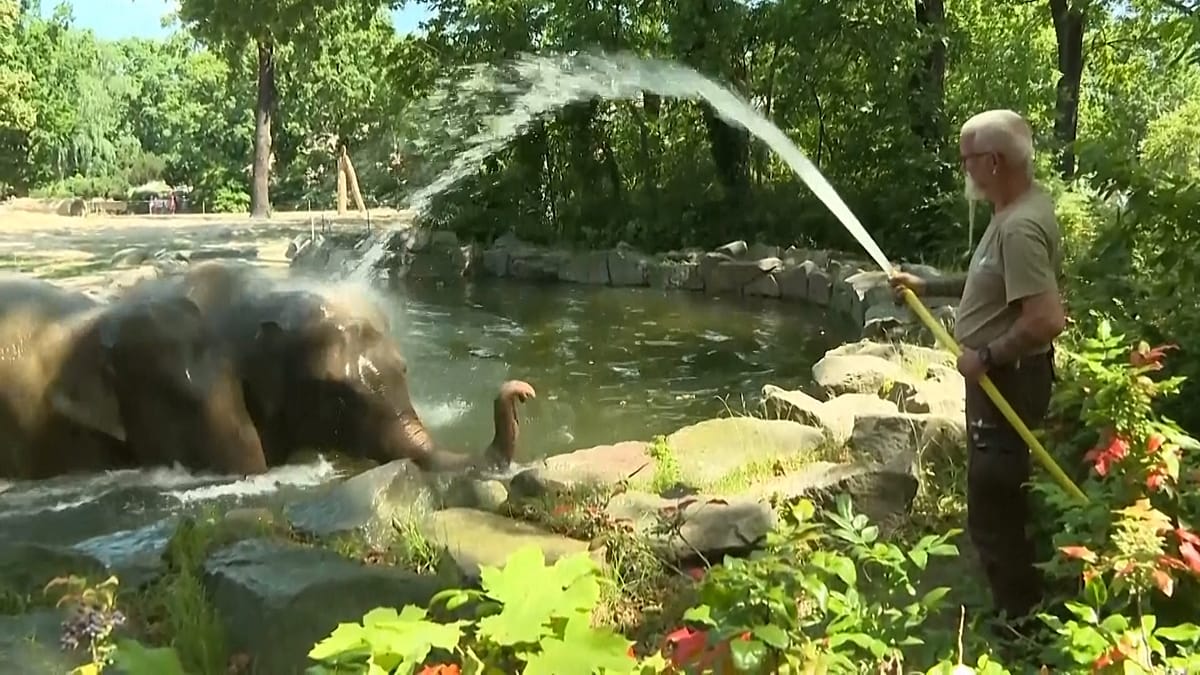
🐘
As Europe bakes, Berlin Zoo’s elephants and bears cool off
Terwijl Europa bakt, koelen de olifanten en beren van de Berlijnse Zoo af
Alors que l'Europe cuit, les éléphants et les ours du zoo de Berlin se rafraîchissent
It's fascinating to see how Berlin Zoo is keeping its animals cool during this heatwave! The brown bears are enjoying frozen treats filled with fish, fruit, and veggies, while the elephants are having a blast under water sprays. This clever approach not only helps the animals beat the heat but also keeps them active and engaged. With temperatures soaring across Europe, it's heartwarming to know that the zoo is prioritizing the well-being of its residents.
Het is fascinerend om te zien hoe de Berlijnse Zoo zijn dieren koel houdt tijdens deze hittegolf! De bruine beren genieten van bevroren traktaties gevuld met vis, fruit en groenten, terwijl de olifanten zich vermaken onder waterstralen. Deze slimme aanpak helpt niet alleen de dieren om de hitte te verslaan, maar houdt ze ook actief en betrokken. Met de stijgende temperaturen in heel Europa is het hartverwarmend om te weten dat de zoo het welzijn van zijn bewoners prioriteit geeft.
C'est fascinant de voir comment le zoo de Berlin garde ses animaux au frais pendant cette vague de chaleur ! Les ours bruns profitent de friandises congelées remplies de poisson, de fruits et de légumes, tandis que les éléphants s'amusent sous des jets d'eau. Cette approche astucieuse aide non seulement les animaux à supporter la chaleur, mais les garde également actifs et engagés. Avec les températures qui grimpent à travers l'Europe, il est réconfortant de savoir que le zoo priorise le bien-être de ses résidents.
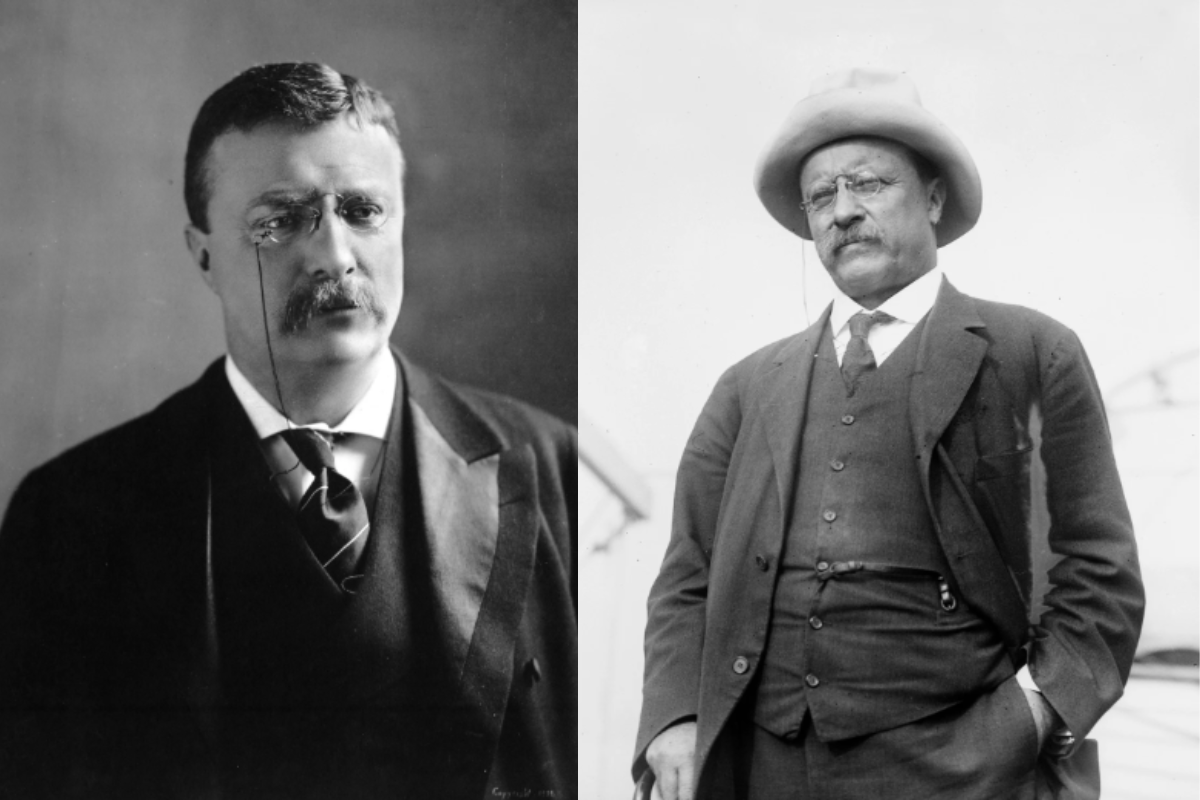
🌟
Teddy Roosevelt’s method for overcoming grief and depression holds up more than 100 years later
De methode van Teddy Roosevelt om verdriet en depressie te overwinnen houdt meer dan 100 jaar stand
La méthode de Teddy Roosevelt pour surmonter le chagrin et la dépression tient toujours après plus de 100 ans
Theodore Roosevelt faced immense personal tragedy at a young age, losing both his mother and wife on the same day. Instead of succumbing to despair, he chose to keep moving, heading out west to the Dakota Territory to heal. His philosophy was simple: by staying active, he could outrun his grief. This approach not only helped him cope but also shaped his future successes, proving that movement can be a powerful antidote to sorrow.
Theodore Roosevelt stond op jonge leeftijd voor enorme persoonlijke tragedies, waarbij hij zowel zijn moeder als zijn vrouw op dezelfde dag verloor. In plaats van te bezwijken onder de wanhoop, koos hij ervoor om in beweging te blijven en ging hij naar het Dakota-gebied om te genezen. Zijn filosofie was eenvoudig: door actief te blijven, kon hij zijn verdriet ontvluchten. Deze aanpak hielp hem niet alleen om te gaan met zijn verdriet, maar vormde ook zijn toekomstige successen, wat bewijst dat beweging een krachtig tegengif kan zijn tegen verdriet.
Theodore Roosevelt a été confronté à d'immenses tragédies personnelles à un jeune âge, perdant à la fois sa mère et sa femme le même jour. Au lieu de céder au désespoir, il a choisi de continuer à avancer, se rendant dans le territoire du Dakota pour guérir. Sa philosophie était simple : en restant actif, il pouvait échapper à son chagrin. Cette approche l'a non seulement aidé à faire face, mais a également façonné ses succès futurs, prouvant que le mouvement peut être un puissant antidote à la tristesse.
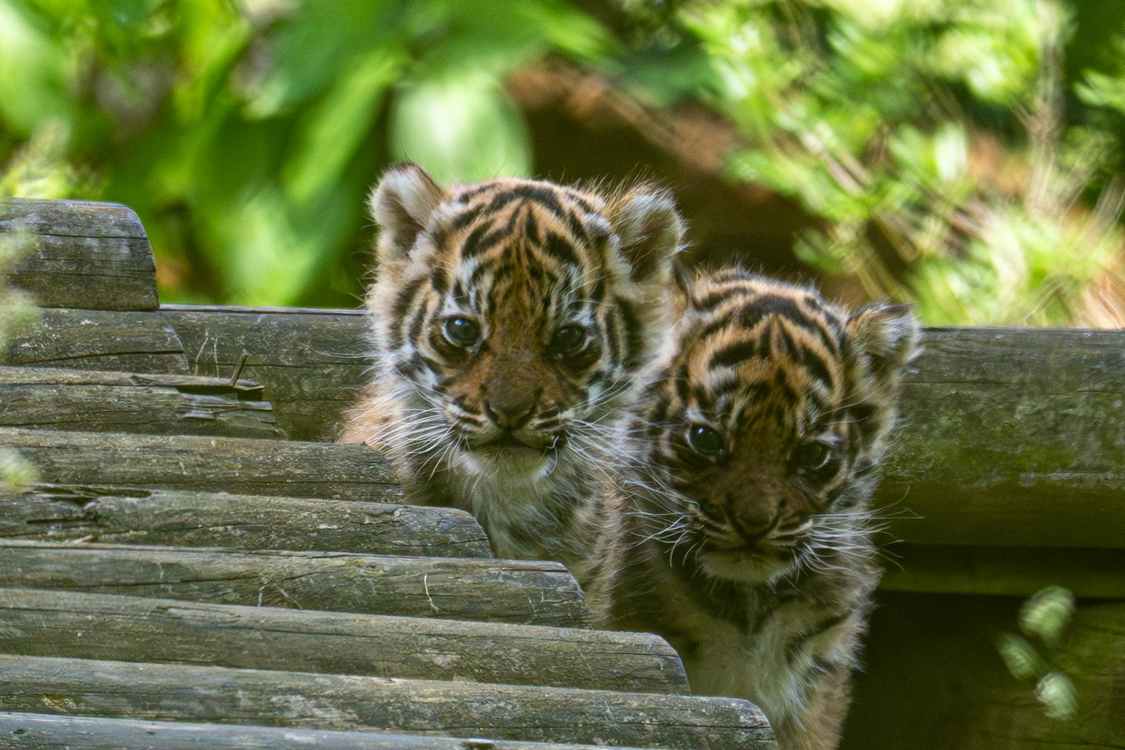
🐅
Sumatran tiger cubs born in the UK is huge win–with only 400 left in wild
Sumatraanse tijgerwelpen geboren in het VK is enorme overwinning–met nog maar 400 over in het wild
Des tigres de Sumatra nés au Royaume-Uni, une grande victoire–avec seulement 400 restants dans la nature
What an exciting moment for conservation! Three adorable Sumatran tiger cubs have made their debut at a UK zoo, marking a significant step for this critically-endangered species. With only about 400 of these magnificent tigers left in the wild, every birth is a reason to celebrate. The cubs, born to first-time mom Tipah, are already showing their playful personalities and exploring their surroundings, which is just delightful to see.
Wat een spannend moment voor de natuurbehoud! Drie schattige Sumatraanse tijgerwelpen hebben hun debuut gemaakt in een Britse dierentuin, wat een belangrijke stap is voor deze kritiek bedreigde soort. Met nog maar ongeveer 400 van deze prachtige tijgers in het wild, is elke geboorte een reden om te vieren. De welpen, geboren uit de eerste keer moeder Tipah, tonen al hun speelse persoonlijkheden en verkennen hun omgeving, wat gewoon heerlijk is om te zien.
Quel moment excitant pour la conservation ! Trois adorables tigres de Sumatra ont fait leurs débuts dans un zoo britannique, marquant une étape importante pour cette espèce en danger critique. Avec seulement environ 400 de ces magnifiques tigres restants dans la nature, chaque naissance est une raison de célébrer. Les petits, nés de la première mère Tipah, montrent déjà leurs personnalités joueuses et explorent leur environnement, ce qui est tout simplement délicieux à voir.
🧬
The proteins that protect us from deadly mutations
De eiwitten die ons beschermen tegen dodelijke mutaties
Les protéines qui nous protègent des mutations mortelles
So, researchers have discovered proteins that act like buffers against harmful mutations, which could be a game changer in treating diseases like cancer. This is such exciting news because it opens up new avenues for therapies that could save lives. And here's the thing: these findings could lead to breakthroughs we never thought possible. It’s amazing to see science pushing boundaries and finding ways to protect our health!
Dus, onderzoekers hebben eiwitten ontdekt die fungeren als buffers tegen schadelijke mutaties, wat een grote doorbraak kan zijn in de behandeling van ziekten zoals kanker. Dit is zo spannend nieuws omdat het nieuwe mogelijkheden opent voor therapieën die levens kunnen redden. En dat is het punt: deze bevindingen kunnen leiden tot doorbraken die we nooit voor mogelijk hadden gehouden. Het is geweldig om te zien hoe de wetenschap grenzen verlegt en manieren vindt om onze gezondheid te beschermen!
Alors, des chercheurs ont découvert des protéines qui agissent comme des tampons contre les mutations nocives, ce qui pourrait révolutionner le traitement de maladies comme le cancer. C'est une nouvelle tellement excitante car cela ouvre de nouvelles voies pour des thérapies qui pourraient sauver des vies. Et voici le truc : ces découvertes pourraient mener à des avancées que nous n'aurions jamais cru possibles. C'est incroyable de voir la science repousser les limites et trouver des moyens de protéger notre santé !
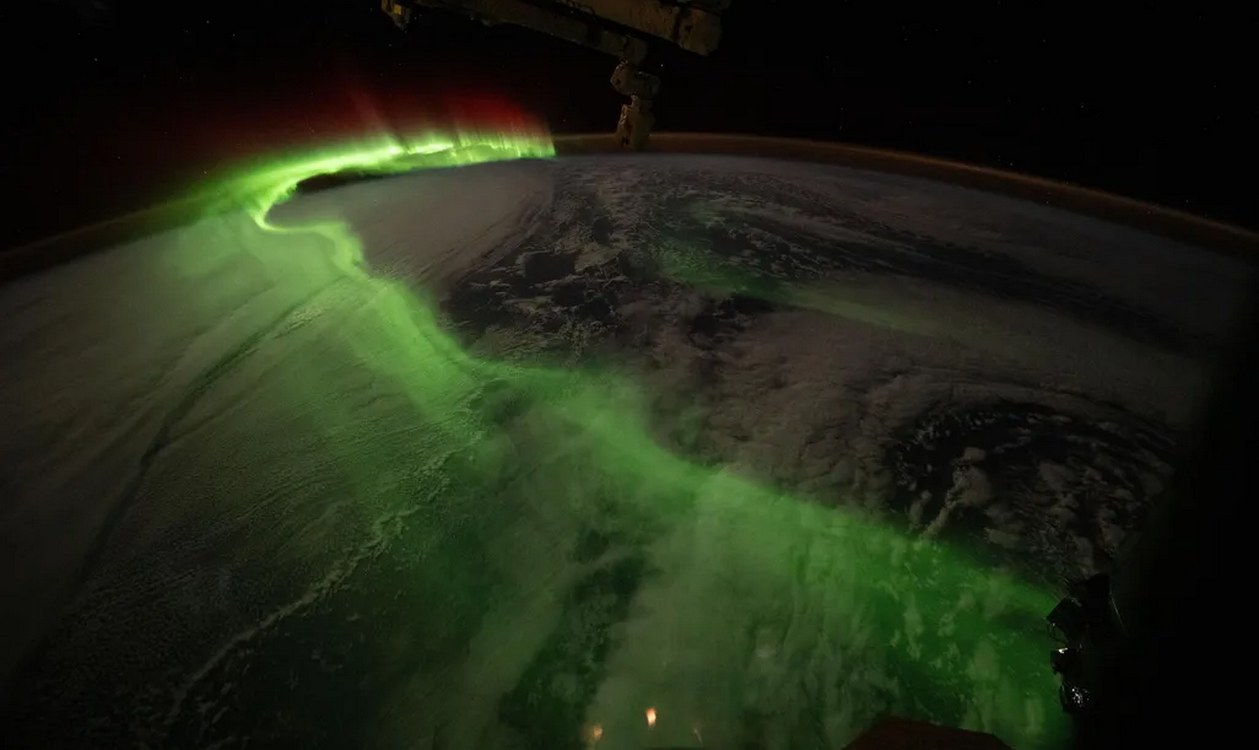
🌌
Stunning video of the southern lights dancing across the earth captured by a NASA astronaut–WATCH
Indrukwekkende video van de zuidelijke lichten die over de aarde dansen, vastgelegd door een NASA-astronaut–KIJK
Vidéo époustouflante des lumières du sud dansant sur la terre capturée par un astronaute de la NASA–REGARDEZ
Wow, have you seen the stunning video of the Southern Lights captured by astronaut Jessica Meir? From the SpaceX Dragon capsule, she was absolutely mesmerized by the aurora Australis dancing below her. It’s amazing how solar winds can create such a breathtaking light show, illuminating the night sky with vibrant colors. This experience not only showcases the beauty of our planet but also reminds us of the wonders of space exploration.
Wauw, heb je de indrukwekkende video van de zuidelijke lichten gezien, vastgelegd door astronaut Jessica Meir? Vanuit de SpaceX Dragon-capsule was ze absoluut betoverd door de aurora Australis die onder haar danste. Het is geweldig hoe zonnewinden zo'n adembenemende lichtshow kunnen creëren, die de nachtelijke hemel verlicht met levendige kleuren. Deze ervaring toont niet alleen de schoonheid van onze planeet, maar herinnert ons ook aan de wonderen van ruimteverkenning.
Wow, avez-vous vu la vidéo époustouflante des lumières du sud capturée par l'astronaute Jessica Meir ? Depuis la capsule SpaceX Dragon, elle a été absolument fascinée par l'aurore australe dansant en dessous d'elle. C'est incroyable de voir comment les vents solaires peuvent créer un spectacle lumineux aussi époustouflant, illuminant le ciel nocturne de couleurs vibrantes. Cette expérience met non seulement en valeur la beauté de notre planète, mais nous rappelle également les merveilles de l'exploration spatiale.
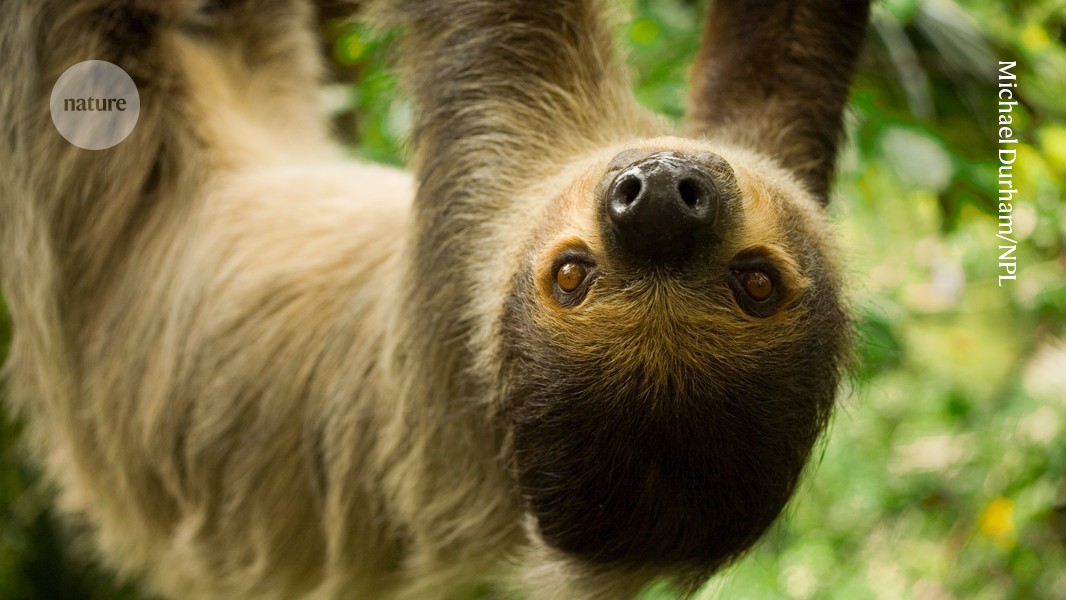
🐾
Clues to the sloth’s sloth found in its genome
Tips over de traagheid van de luiaard gevonden in zijn genoom
Indices sur la lenteur du paresseux trouvés dans son génome
So, researchers have sequenced the genome of the tree sloth, and it’s revealing some fascinating insights! It turns out there are gene duplications that impact mitochondria, the powerhouses of our cells. This could explain why these adorable creatures take life at such a leisurely pace. Which brings me to the idea that understanding their genetics might help us appreciate their unique lifestyle even more!
Dus, onderzoekers hebben het genoom van de luiaard geanalyseerd en het onthult enkele fascinerende inzichten! Het blijkt dat er genduplicaties zijn die mitochondriën beïnvloeden, de krachtcentrales van onze cellen. Dit zou kunnen verklaren waarom deze schattige wezens het leven zo traag aan doen. Dit brengt me op het idee dat het begrijpen van hun genetica ons kan helpen om hun unieke levensstijl nog meer te waarderen!
Alors, les chercheurs ont séquencé le génome du paresseux arboricole et cela révèle des informations fascinantes ! Il s'avère qu'il existe des duplications de gènes qui affectent les mitochondries, les centrales énergétiques de nos cellules. Cela pourrait expliquer pourquoi ces adorables créatures mènent une vie si paisible. Ce qui m'amène à l'idée que comprendre leur génétique pourrait nous aider à apprécier encore plus leur mode de vie unique !
🐢
194-year-old tortoise Jonathan named Guinness World Records Icon
194-jarige schildpad Jonathan uitgeroepen tot Guinness World Records Icon
Tortue de 194 ans Jonathan nommé icône des records du monde Guinness
Can you believe it? Jonathan, the 194-year-old tortoise, has just been named a Guinness World Records Icon! This remarkable creature has lived through so much history, and it's amazing to think about all the changes he's seen over the years. It's a wonderful reminder of the longevity and resilience of nature, and how special these animals truly are. I just love stories like this that celebrate the incredible lives of our animal friends!
Kun je het geloven? Jonathan, de 194-jarige schildpad, is uitgeroepen tot een Guinness World Records Icon! Dit opmerkelijke wezen heeft zoveel geschiedenis meegemaakt, en het is geweldig om te bedenken welke veranderingen hij door de jaren heen heeft gezien. Het is een prachtige herinnering aan de levensduur en veerkracht van de natuur, en hoe bijzonder deze dieren werkelijk zijn. Ik hou gewoon van verhalen zoals dit die de ongelooflijke levens van onze dierenvrienden vieren!
Peux-tu le croire ? Jonathan, la tortue de 194 ans, vient d'être nommé icône des records du monde Guinness ! Cette créature remarquable a vécu tant d'histoires, et c'est incroyable de penser à tous les changements qu'il a vus au fil des ans. C'est un merveilleux rappel de la longévité et de la résilience de la nature, et à quel point ces animaux sont vraiment spéciaux. J'adore simplement des histoires comme celle-ci qui célèbrent les vies incroyables de nos amis animaux !
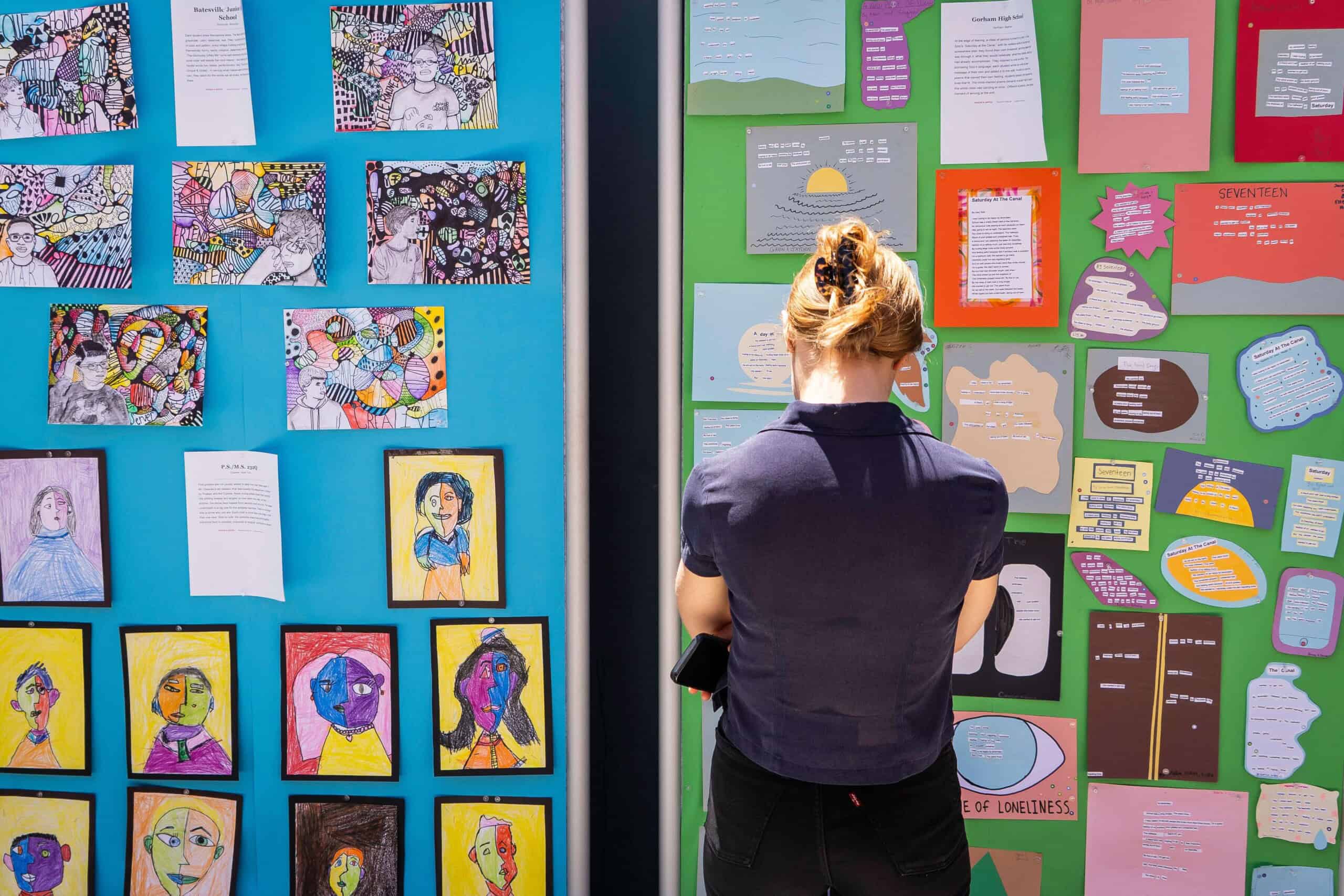
🎨
How student art is helping fund change
Hoe studentenkunst helpt om verandering te financieren
Comment l'art étudiant aide à financer le changement
It's amazing to see how student creativity is turning into real-world impact! The charity Students Rebuild is inviting young people to express their thoughts on identity and unity through art, unlocking a whopping million dollars for important causes. This year's theme, Unique & United, has inspired countless students to create everything from visual art to performances, all while learning about global issues. It's a fantastic way for kids to see that their creativity can truly make a difference in the world.
Het is geweldig om te zien hoe de creativiteit van studenten zich omzet in echte impact! De liefdadigheidsorganisatie Students Rebuild nodigt jongeren uit om hun gedachten over identiteit en eenheid te uiten via kunst, waarmee ze maar liefst een miljoen dollar vrijmaken voor belangrijke doelen. Het thema van dit jaar, Uniek & Verenigd, heeft talloze studenten geïnspireerd om alles te creëren, van visuele kunst tot uitvoeringen, terwijl ze leren over wereldwijde kwesties. Het is een fantastische manier voor kinderen om te zien dat hun creativiteit echt een verschil kan maken in de wereld.
C'est incroyable de voir comment la créativité des étudiants se transforme en impact réel ! L'organisation caritative Students Rebuild invite les jeunes à exprimer leurs pensées sur l'identité et l'unité à travers l'art, débloquant ainsi un million de dollars pour des causes importantes. Le thème de cette année, Unique & Unis, a inspiré d'innombrables étudiants à créer tout, de l'art visuel aux performances, tout en apprenant sur des enjeux mondiaux. C'est une façon fantastique pour les enfants de voir que leur créativité peut vraiment faire une différence dans le monde.
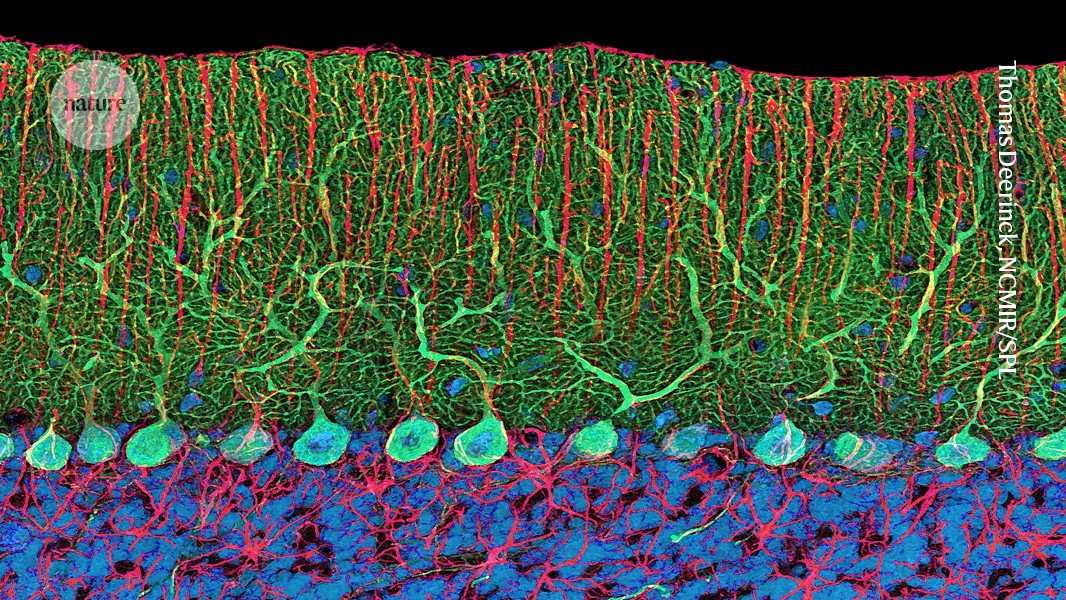
🧠
The brain region that could provide a cognitive ‘reservoir’ in old age
De hersenregio die een cognitief 'reservoir' kan bieden op oudere leeftijd
La région du cerveau qui pourrait fournir un 'réservoir' cognitif à un âge avancé
So, researchers have found that certain parts of the cerebellum, located at the base of the skull, age differently, with some areas losing tissue more than others. And here's the thing: maintaining the volume of these specific areas is linked to better cognitive performance as we get older. This discovery opens up exciting possibilities for understanding how to support brain health in aging. It’s fascinating to think that a part of the brain often overlooked could play such a crucial role in our cognitive abilities later in life!
Onderzoekers hebben ontdekt dat bepaalde delen van de cerebellum, gelegen aan de basis van de schedel, ongelijk verouderen, waarbij sommige gebieden meer weefsel verliezen dan andere. En hier is het punt: het behouden van het volume van deze specifieke gebieden is gekoppeld aan een betere cognitieve prestatie naarmate we ouder worden. Deze ontdekking opent spannende mogelijkheden om te begrijpen hoe we de gezondheid van de hersenen bij veroudering kunnen ondersteunen. Het is fascinerend om te denken dat een deel van de hersenen dat vaak over het hoofd wordt gezien zo'n cruciale rol kan spelen in onze cognitieve vaardigheden later in het leven!
Les chercheurs ont découvert que certaines parties du cervelet, situé à la base du crâne, vieillissent différemment, certaines zones perdant plus de tissu que d'autres. Et voici le truc : le maintien du volume de ces zones spécifiques est lié à de meilleures performances cognitives à mesure que nous vieillissons. Cette découverte ouvre des possibilités passionnantes pour comprendre comment soutenir la santé cérébrale en vieillissant. C'est fascinant de penser qu'une partie du cerveau souvent négligée pourrait jouer un rôle aussi crucial dans nos capacités cognitives plus tard dans la vie !
🌟
Knee pain suffered by millions can be eased using new non-surgical procedure
Kniepijn die miljoenen treft kan worden verlicht met nieuwe niet-chirurgische procedure
La douleur au genou souffert par des millions peut être soulagée grâce à une nouvelle procédure non chirurgicale
For those grappling with knee pain, a groundbreaking non-surgical procedure called genicular artery embolization (GAE) is offering hope. This innovative treatment targets abnormal blood vessels that cause inflammation and pain in osteoarthritis patients. With just a single injection, many can experience relief for up to 12 months, making it a game-changer between injections and joint replacements. The results from a recent study are promising, showing significant improvements in pain and quality of life for participants.
Voor degenen die worstelen met kniepijn biedt een baanbrekende niet-chirurgische procedure genaamd geniculaire arterie-embolisatie (GAE) hoop. Deze innovatieve behandeling richt zich op abnormale bloedvaten die ontsteking en pijn veroorzaken bij patiënten met artrose. Met slechts één injectie kunnen velen tot 12 maanden verlichting ervaren, wat het een belangrijke doorbraak maakt tussen injecties en gewrichtsvervanging. De resultaten van een recente studie zijn veelbelovend, met significante verbeteringen in pijn en kwaliteit van leven voor de deelnemers.
Pour ceux qui luttent contre la douleur au genou, une procédure non chirurgicale révolutionnaire appelée embolisation de l'artère géniculaire (GAE) offre de l'espoir. Ce traitement innovant cible les vaisseaux sanguins anormaux qui causent inflammation et douleur chez les patients atteints d'arthrose. Avec une seule injection, de nombreux patients peuvent ressentir un soulagement pendant jusqu'à 12 mois, ce qui en fait une avancée majeure entre les injections et les remplacements articulaires. Les résultats d'une étude récente sont prometteurs, montrant des améliorations significatives de la douleur et de la qualité de vie des participants.
🌍
Japanese World Cup fans brought trash bags to clean up post-game
Japanse WK-fans brachten vuilniszakken om op te ruimen na de wedstrijd
Des fans japonais de la Coupe du Monde ont apporté des sacs poubelles pour nettoyer après le match
Japanese World Cup fans are making headlines for their incredible courtesy by cleaning up after themselves at games. After their match against the Netherlands, fans were seen collecting trash in blue bags, showcasing a deep respect for their environment and the stadium. This tradition, rooted in Japanese culture, has been practiced since the 1998 World Cup and is seen as completely normal by these fans. It's heartwarming to see how their actions are inspiring others around the world to adopt similar respectful behaviors.
Japanse WK-fans maken furore met hun ongelooflijke beleefdheid door na de wedstrijden zelf op te ruimen. Na hun wedstrijd tegen Nederland werden fans gezien die afval in blauwe zakken verzamelden, wat hun diepe respect voor het milieu en het stadion toont. Deze traditie, geworteld in de Japanse cultuur, wordt al sinds het WK van 1998 beoefend en wordt door deze fans als volkomen normaal beschouwd. Het is hartverwarmend om te zien hoe hun acties anderen over de hele wereld inspireren om vergelijkbaar respectvol gedrag aan te nemen.
Les fans japonais de la Coupe du Monde font sensation grâce à leur incroyable courtoisie en nettoyant après eux lors des matchs. Après leur match contre les Pays-Bas, des fans ont été vus en train de ramasser des déchets dans des sacs bleus, montrant ainsi un profond respect pour leur environnement et le stade. Cette tradition, ancrée dans la culture japonaise, est pratiquée depuis la Coupe du Monde de 1998 et est considérée comme tout à fait normale par ces fans. C'est réconfortant de voir comment leurs actions inspirent d'autres à travers le monde à adopter des comportements respectueux similaires.
/s3/static.nrc.nl/wp-content/uploads/2026/06/16153241/160626WET_2034509796_1.jpg)
🌟
Genetic therapy cures hereditary angioedema thanks to dna-editing technique
Genetische therapie geneest erfelijk angio-oedeem dankzij dna-kniptechniek
La thérapie génique guérit l'angio-œdème héréditaire grâce à la technique d'édition de l'ADN
A groundbreaking study shows that a genetic therapy using the crispr-cas9 technique has significantly reduced symptoms for patients with hereditary angioedema. After treatment, patients experienced 87 percent fewer attacks compared to those on a placebo. This innovative approach involves precisely editing DNA to stop the production of a swelling protein, allowing patients to live more freely. With the promising results, the drug is set to be reviewed by regulatory authorities soon.
Een baanbrekende studie toont aan dat een genetische therapie met de crispr-cas9-techniek de symptomen van patiënten met erfelijk angio-oedeem aanzienlijk heeft verminderd. Na de behandeling hadden patiënten 87 procent minder aanvallen in vergelijking met degenen die een placebo kregen. Deze innovatieve aanpak houdt in dat het DNA precies wordt bewerkt om de productie van een zwel-eiwit te stoppen, waardoor patiënten vrijer kunnen leven. Met de veelbelovende resultaten staat het geneesmiddel op het punt om door toezichthouders beoordeeld te worden.
Une étude révolutionnaire montre qu'une thérapie génique utilisant la technique crispr-cas9 a considérablement réduit les symptômes des patients atteints d'angio-œdème héréditaire. Après le traitement, les patients ont connu 87 % d'attaques en moins par rapport à ceux sous placebo. Cette approche innovante consiste à modifier précisément l'ADN pour arrêter la production d'une protéine responsable des gonflements, permettant ainsi aux patients de vivre plus librement. Avec ces résultats prometteurs, le médicament doit bientôt être examiné par les autorités réglementaires.

🥤
Trappist monks of La Trappe brew now also 'rediscovered' soft drink
Trappistenmonniken van La Trappe brouwen nu ook 'herontdekte' frisdrank
Les moines trappistes de La Trappe brassent maintenant aussi une boisson gazeuse 'redécouverte'
So, the monks behind the famous La Trappe beer have ventured into the world of soft drinks with their new creation, Ariston. This drink isn't entirely new, as it draws inspiration from a recipe dating back to World War II. After rediscovering old bottles while preparing for their 140th anniversary, they decided to revive this vintage beverage. With some tweaks to the original recipe, they've crafted a refreshing drink that combines fruit and herbs, producing around 10,000 liters for eager fans to enjoy.
De monniken achter het beroemde La Trappe-bier hebben een nieuw avontuur aangegaan met hun frisdrank Ariston. Deze drank is niet helemaal nieuw, want het is gebaseerd op een recept uit de Tweede Wereldoorlog. Na het vinden van oude flessen tijdens de voorbereidingen voor hun 140-jarig bestaan, besloten ze deze vintage drank nieuw leven in te blazen. Met enkele aanpassingen aan het originele recept hebben ze een verfrissende drank gecreëerd die fruit en kruiden combineert, en ze hebben ongeveer 10.000 liter geproduceerd voor enthousiaste fans.
Les moines derrière la célèbre bière La Trappe se sont lancés dans le monde des boissons gazeuses avec leur nouvelle création, Ariston. Cette boisson n'est pas entièrement nouvelle, car elle s'inspire d'une recette datant de la Seconde Guerre mondiale. Après avoir redécouvert d'anciennes bouteilles en préparant leur 140e anniversaire, ils ont décidé de raviver cette boisson vintage. Avec quelques ajustements à la recette originale, ils ont élaboré une boisson rafraîchissante qui combine fruits et herbes, produisant environ 10 000 litres pour le plaisir des fans.

🌟
Fireworks spotted in stellar explosion 15 million light-years away
Vuurwerk gezien in sterrenexplosie 15 miljoen lichtjaar verderop
Des feux d'artifice observés dans une explosion stellaire à 15 millions d'années-lumière
So, astronomers have made a fascinating discovery in galaxy M83, which is about 15 million light-years away. They observed a supernova that left behind bright debris, almost like fireworks in the night sky! This unexpected brightness has scientists scratching their heads, as many supernova remnants typically fade over time. It seems that some of these remnants are behaving unusually, possibly due to interactions with nearby stars or even cosmic recycling. How exciting is that?
Dus, astronomen hebben een fascinerende ontdekking gedaan in de melkweg M83, die ongeveer 15 miljoen lichtjaar verderop ligt. Ze observeerden een supernova die heldere resten achterliet, bijna als vuurwerk in de nachtelijke lucht! Deze onverwachte helderheid laat wetenschappers zich afvragen, omdat veel supernova-resten normaal gesproken in de loop van de tijd vervagen. Het lijkt erop dat sommige van deze resten zich ongebruikelijk gedragen, mogelijk door interacties met nabijgelegen sterren of zelfs kosmische recycling. Hoe spannend is dat?
Alors, les astronomes ont fait une découverte fascinante dans la galaxie M83, qui est à environ 15 millions d'années-lumière. Ils ont observé une supernova qui a laissé derrière elle des débris brillants, presque comme des feux d'artifice dans le ciel nocturne ! Cette luminosité inattendue fait réfléchir les scientifiques, car de nombreux restes de supernova s'estompent généralement avec le temps. Il semble que certains de ces restes se comportent de manière inhabituelle, peut-être en raison d'interactions avec des étoiles voisines ou même d'un recyclage cosmique. Comme c'est excitant !

🏡
One climate change innovation: just look up
Een innovatie tegen klimaatverandering: kijk gewoon omhoog
Une innovation contre le changement climatique : il suffit de regarder en haut
Tom Kundig, a talented architect, is redefining how we build homes in flood-prone areas. He designed a stunning house for a family in Mississippi, elevating it 23 feet above ground on robust steel columns to withstand severe weather. The house, adorned with Corten steel and strong windows, embraces its natural surroundings while ensuring safety and resilience. Kundig believes that homes can be both beautiful and durable, proving that architecture can adapt to the challenges posed by climate change.
Tom Kundig, een getalenteerde architect, herdefinieert hoe we huizen bouwen in overstromingsgevoelige gebieden. Hij ontwierp een prachtig huis voor een gezin in Mississippi, dat 23 voet boven de grond is verhoogd op robuuste stalen kolommen om bestand te zijn tegen extreem weer. Het huis, versierd met Cortenstaal en sterke ramen, omarmt zijn natuurlijke omgeving en zorgt tegelijkertijd voor veiligheid en veerkracht. Kundig gelooft dat huizen zowel mooi als duurzaam kunnen zijn, en bewijst dat architectuur kan inspelen op de uitdagingen van klimaatverandering.
Tom Kundig, un architecte talentueux, redéfinit la manière dont nous construisons des maisons dans des zones sujettes aux inondations. Il a conçu une magnifique maison pour une famille dans le Mississippi, l'élevant à 23 pieds au-dessus du sol sur de robustes colonnes en acier pour résister aux intempéries. La maison, ornée d'acier Corten et de fenêtres solides, embrasse son environnement naturel tout en garantissant sécurité et résilience. Kundig croit que les maisons peuvent être à la fois belles et durables, prouvant que l'architecture peut s'adapter aux défis posés par le changement climatique.

🌍
13-word ‘Scottish-American travel dictionary’ helps prevent embarrassing miscommunication
13-woorden ‘Schots-Amerikaans reiswoordenboek’ helpt gênante miscommunicatie te voorkomen
Dictionnaire de voyage écossais-américain de 13 mots pour éviter les malentendus embarrassants
So, it turns out that Scots and Americans might speak the same language, but they sure don’t always mean the same thing! A fun Scottish-American travel dictionary has popped up just in time for Scotland's return to the World Cup, helping travelers avoid some hilarious miscommunications. For example, did you know that 'piece' means sandwich in Scotland but slang for a gun in the U.S.? This guide is a must-have for anyone looking to navigate the cultural quirks and keep the Tartan Army out of trouble!
Het blijkt dat Schotten en Amerikanen misschien dezelfde taal spreken, maar ze bedoelen niet altijd hetzelfde! Een leuk Schots-Amerikaans reiswoordenboek is opgedoken, net op tijd voor de terugkeer van Schotland naar het WK, en helpt reizigers om hilarische miscommunicaties te voorkomen. Wist je dat 'piece' in Schotland een sandwich betekent, maar in de VS slang is voor een pistool? Deze gids is een must-have voor iedereen die de culturele eigenaardigheden wil begrijpen en de Tartan Army uit de problemen wil houden!
Il s'avère que les Écossais et les Américains parlent peut-être la même langue, mais ils ne veulent pas toujours dire la même chose ! Un amusant dictionnaire de voyage écossais-américain a émergé juste à temps pour le retour de l'Écosse à la Coupe du Monde, aidant les voyageurs à éviter des malentendus hilarants. Par exemple, saviez-vous que 'piece' signifie sandwich en Écosse mais est un argot pour une arme à feu aux États-Unis ? Ce guide est indispensable pour quiconque souhaite naviguer dans les particularités culturelles et éviter les problèmes pour l'Armée Tartan !
🎨
Artist beats brain cancer and paints amazing portraits of hospital staff as thank-you gifts
Kunstenaar verslaat hersenkanker en schildert geweldige portretten van ziekenhuispersoneel als dankbetuiging
Un artiste vainc le cancer du cerveau et peint d'incroyables portraits du personnel hospitalier en guise de remerciement
Vincent Serritella, a former Pixar animator, faced a life-changing diagnosis of stage 4 glioblastoma but emerged victorious after treatment. To express his gratitude, he painted 30 portraits of the medical staff who supported him during his journey. His neuro-oncologist encouraged him to use art as a healing tool, which he embraced wholeheartedly. Each portrait is not just a painting but a heartfelt tribute to the compassion and care he received.
Vincent Serritella, een voormalige Pixar-animator, kreeg een levensveranderende diagnose van stadium 4 glioblastoom, maar kwam als winnaar uit de strijd na behandeling. Om zijn dankbaarheid te uiten, schilderde hij 30 portretten van het medische personeel dat hem tijdens zijn reis steunde. Zijn neuro-oncoloog moedigde hem aan om kunst te gebruiken als een genezend middel, wat hij met volle overgave omarmde. Elk portret is niet alleen een schilderij, maar een oprechte eerbetoon aan de compassie en zorg die hij ontving.
Vincent Serritella, un ancien animateur de Pixar, a fait face à un diagnostic de glioblastome de stade 4, mais a émergé victorieux après un traitement. Pour exprimer sa gratitude, il a peint 30 portraits du personnel médical qui l'a soutenu durant son parcours. Son neuro-oncologue l'a encouragé à utiliser l'art comme outil de guérison, ce qu'il a pleinement embrassé. Chaque portrait n'est pas seulement une peinture, mais un hommage sincère à la compassion et aux soins qu'il a reçus.
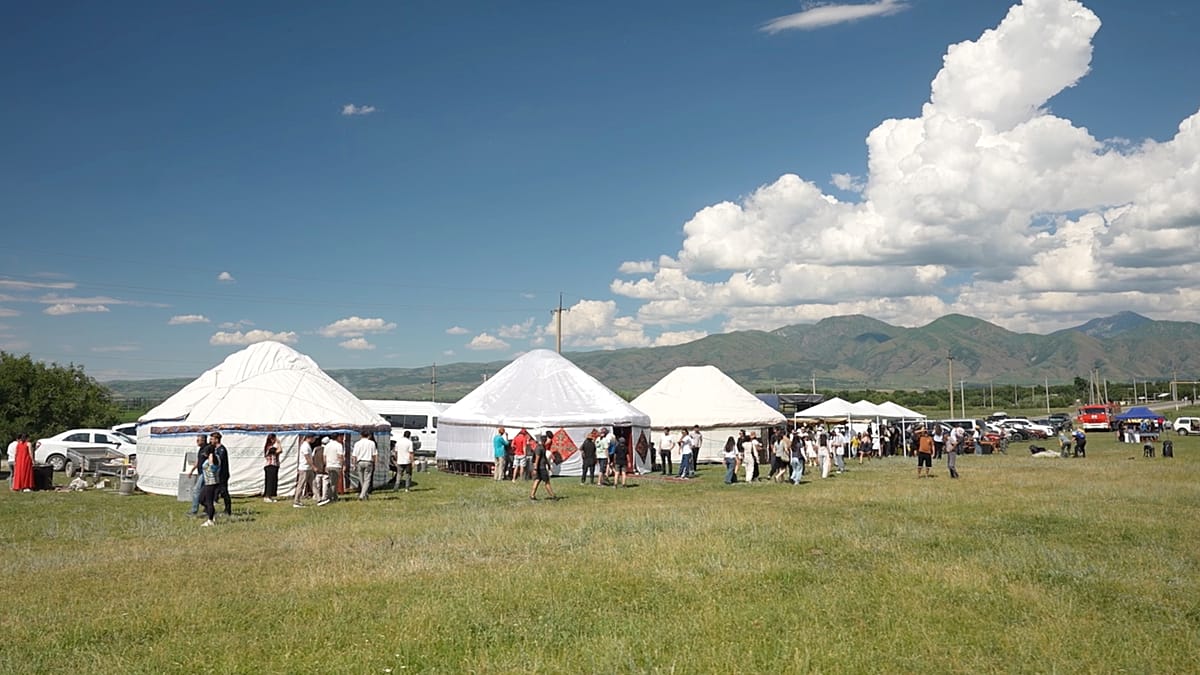
🌄
Kazakhstan’s skies welcome Central Asia’s first paragliding World Cup
De luchten van Kazachstan verwelkomen de eerste paragliding Wereldbeker van Centraal-Azië
Les cieux du Kazakhstan accueillent la première Coupe du Monde de parapente d'Asie centrale
Wow, what an exciting time for Kazakhstan! Around 150 pilots from 33 countries have come together in the stunning Zhetysu region for the very first Paragliding World Cup in Central Asia. This competition, running until June 28, not only showcases elite aerial sports but also the breathtaking mountain scenery of the area. Organisers are hopeful that this event will put the region on the map as a top adventure tourism destination.
Wauw, wat een spannende tijd voor Kazachstan! Ongeveer 150 piloten uit 33 landen zijn samengekomen in de prachtige Zhetysu-regio voor de allereerste Paragliding Wereldbeker in Centraal-Azië. Deze competitie, die duurt tot 28 juni, toont niet alleen de elite luchtsporten, maar ook het adembenemende berglandschap van de regio. Organisatoren hopen dat dit evenement de regio op de kaart zal zetten als een topbestemming voor avontuurlijke toerisme.
Wow, quel moment excitant pour le Kazakhstan ! Environ 150 pilotes de 33 pays se sont réunis dans la magnifique région de Zhetysu pour la toute première Coupe du Monde de parapente d'Asie centrale. Cette compétition, qui se déroule jusqu'au 28 juin, met non seulement en avant des sports aériens d'élite, mais aussi les paysages montagneux époustouflants de la région. Les organisateurs espèrent que cet événement mettra la région sur la carte en tant que destination de tourisme d'aventure de premier plan.
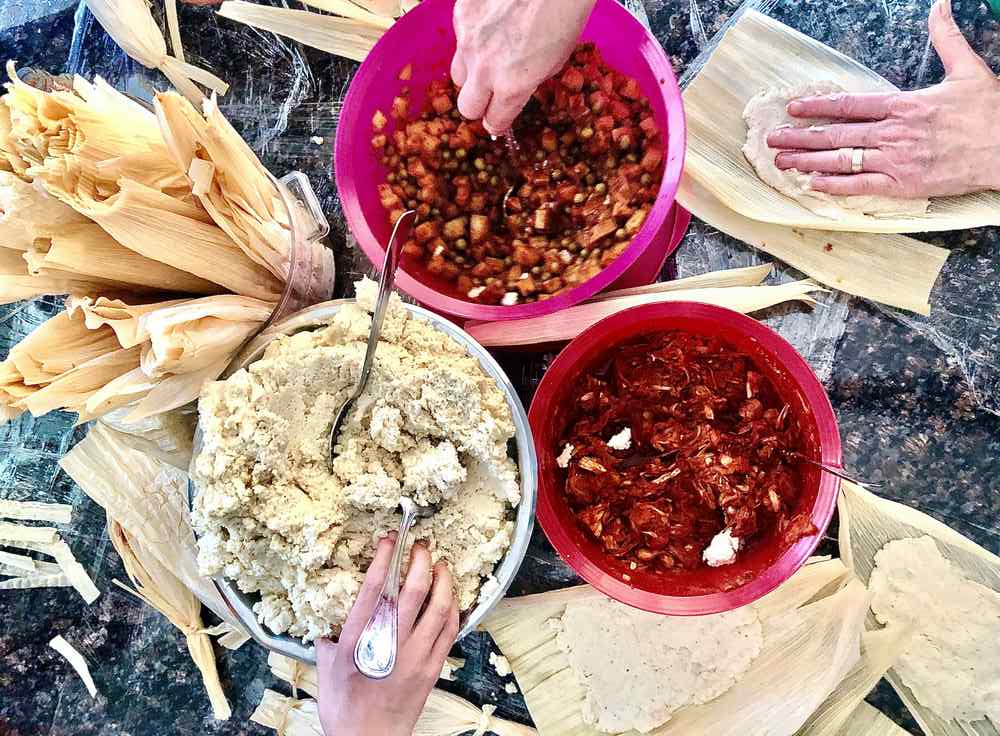
🍽️
Colorado’s ‘Tamales Act’ Restores Citizens’ Freedom to Buy and Sell Homecooked Food
Colorado’s ‘Tamales Act’ herstelt de vrijheid van burgers om zelfgemaakt voedsel te kopen en verkopen
La ‘Tamales Act’ du Colorado restaure la liberté des citoyens d'acheter et de vendre des plats faits maison
I’m really excited about Colorado’s new ‘Tamales Act’! It allows people to prepare and sell their homecooked meals, which is such a fantastic way to support local talent and family traditions. House Majority Leader Monica Dura emphasizes how this act can turn cherished recipes into real business opportunities. It’s all about giving people the freedom to share their culinary gifts, and I think that’s just wonderful!
Ik ben echt enthousiast over de nieuwe ‘Tamales Act’ van Colorado! Het stelt mensen in staat om hun zelfgemaakte maaltijden te bereiden en te verkopen, wat een geweldige manier is om lokaal talent en familietradities te ondersteunen. Huismajoriteitsleider Monica Dura benadrukt hoe deze wet dierbare recepten kan omzetten in echte zakelijke kansen. Het draait allemaal om het geven van vrijheid aan mensen om hun culinaire gaven te delen, en dat vind ik gewoon geweldig!
Je suis vraiment enthousiaste à propos de la nouvelle ‘Tamales Act’ du Colorado ! Elle permet aux gens de préparer et de vendre leurs plats faits maison, ce qui est une façon fantastique de soutenir le talent local et les traditions familiales. La leader de la majorité à la Chambre, Monica Dura, souligne comment cette loi peut transformer des recettes chéries en véritables opportunités commerciales. Il s'agit de donner aux gens la liberté de partager leurs talents culinaires, et je trouve cela tout simplement merveilleux !

🌟
Three mentorship schemes that help youth develop skills
Drie mentorschapsprogramma's die jongeren helpen vaardigheden te ontwikkelen
Trois programmes de mentorat qui aident les jeunes à développer des compétences
It's amazing to see how mentorship can truly transform lives! From The Kids' Network in London, where young people gain confidence through one-on-one sessions, to TUMO Center for Creative Technologies, where teens explore their creativity in tech, these initiatives are making a real difference. And let's not forget Akili Dada, which empowers girls across Africa with scholarships and leadership training. These programs are not just about skills; they're about opening doors and shaping futures!
Het is geweldig om te zien hoe mentorschap levens echt kan transformeren! Van The Kids' Network in Londen, waar jongeren zelfvertrouwen opbouwen door één-op-één sessies, tot het TUMO Center for Creative Technologies, waar tieners hun creativiteit in technologie verkennen, maken deze initiatieven echt een verschil. En laten we Akili Dada niet vergeten, dat meisjes in Afrika versterkt met beurzen en leiderschapstraining. Deze programma's gaan niet alleen om vaardigheden; ze gaan over het openen van deuren en het vormen van toekomst!
C'est incroyable de voir comment le mentorat peut vraiment transformer des vies ! De The Kids' Network à Londres, où les jeunes gagnent en confiance grâce à des séances individuelles, au TUMO Center for Creative Technologies, où les adolescents explorent leur créativité dans la technologie, ces initiatives font une réelle différence. Et n'oublions pas Akili Dada, qui donne aux filles à travers l'Afrique des bourses et une formation en leadership. Ces programmes ne concernent pas seulement les compétences ; ils ouvrent des portes et façonnent des avenirs !
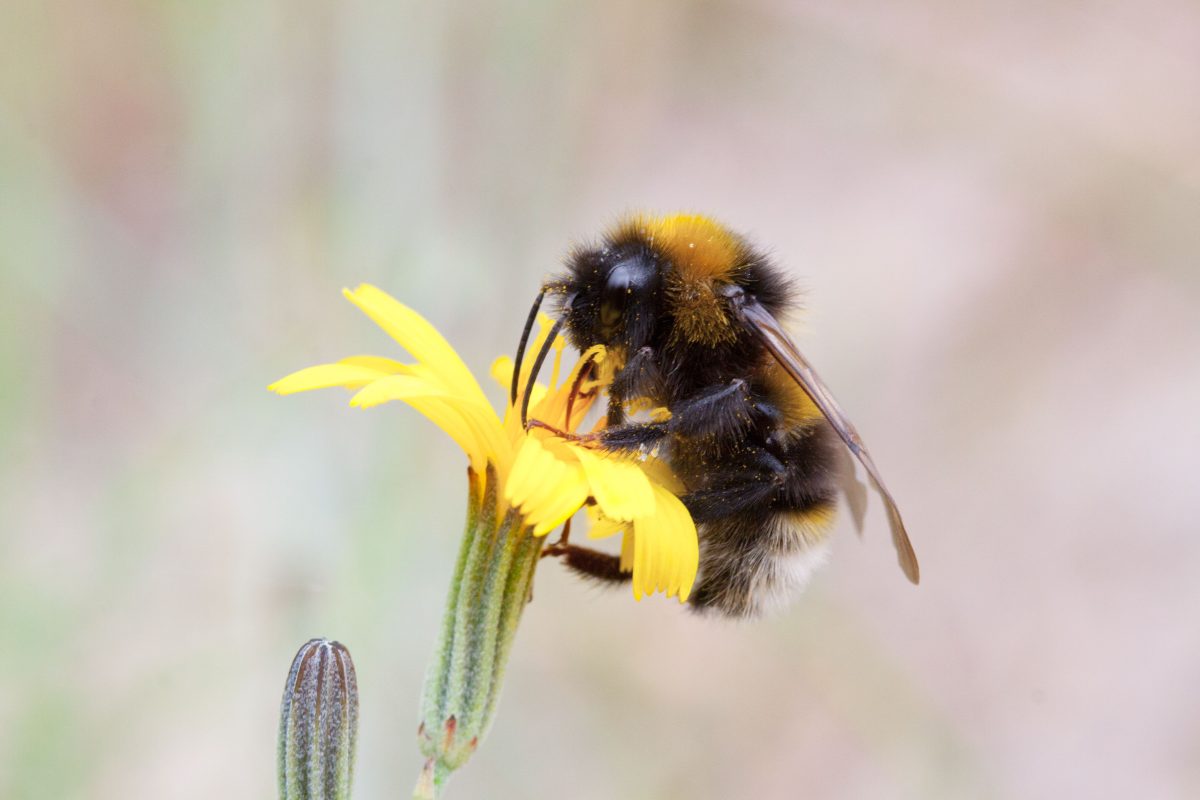
🐝
Scientists tried to fool bumblebees into avoiding a flower. They failed in the best way.
Wetenschappers probeerden hommels te misleiden om een bloem te vermijden. Ze faalden op de beste manier.
Des scientifiques ont essayé de tromper des bourdons pour éviter une fleur. Ils ont échoué de la meilleure façon.
So, scientists recently discovered that bumblebees are way smarter than we thought! They set up a fun obstacle course to see if the bees could solve problems on their own, and guess what? Almost 75 percent of them figured it out, showing skills similar to big-brained mammals like chimpanzees! This is such an exciting finding because it means these little creatures can adapt and think creatively, which is super important as their populations face challenges.
Dus, wetenschappers ontdekten onlangs dat hommels veel slimmer zijn dan we dachten! Ze stelden een leuk obstakelparcours op om te zien of de hommels zelf problemen konden oplossen, en raad eens? Bijna 75 procent van hen loste het op, wat vaardigheden laat zien die vergelijkbaar zijn met die van grote zoogdieren zoals chimpansees! Dit is zo'n opwindende ontdekking omdat het betekent dat deze kleine wezens zich kunnen aanpassen en creatief kunnen denken, wat super belangrijk is nu hun populaties uitdagingen ondervinden.
Alors, des scientifiques ont récemment découvert que les bourdons sont beaucoup plus intelligents que nous le pensions ! Ils ont mis en place un parcours d'obstacles amusant pour voir si les bourdons pouvaient résoudre des problèmes par eux-mêmes, et devinez quoi ? Près de 75 % d'entre eux ont réussi, montrant des compétences similaires à celles des grands mammifères comme les chimpanzés ! C'est une découverte tellement excitante car cela signifie que ces petites créatures peuvent s'adapter et penser de manière créative, ce qui est super important alors que leurs populations font face à des défis.

🌟
Dutch children are unusually happy and healthy. Is it because of the Avondvierdaagse?
Nederlandse kinderen zijn ongewoon gelukkig en gezond. Is het vanwege de Avondvierdaagse?
Les enfants néerlandais sont exceptionnellement heureux et en bonne santé. Est-ce à cause de l'Avondvierdaagse?
It's fascinating to see how the Avondvierdaagse brings joy and health to Dutch children, even in the rain! Hundreds of kids gather with their parents, excited to walk and explore their neighborhoods. This four-day walking festival is not just a fun challenge; it fosters community spirit and a love for the outdoors. With medals and sweets at the finish line, it's no wonder these events contribute to the happiness and well-being of the kids involved.
Het is fascinerend om te zien hoe de Avondvierdaagse vreugde en gezondheid brengt aan Nederlandse kinderen, zelfs in de regen! Honderden kinderen verzamelen zich met hun ouders, enthousiast om te wandelen en hun buurten te verkennen. Dit vierdaagse wandelfestival is niet alleen een leuke uitdaging; het bevordert de gemeenschapsgeest en de liefde voor de natuur. Met medailles en snoepjes aan de finishlijn is het geen wonder dat deze evenementen bijdragen aan het geluk en welzijn van de betrokken kinderen.
Il est fascinant de voir comment l'Avondvierdaagse apporte joie et santé aux enfants néerlandais, même sous la pluie ! Des centaines d'enfants se rassemblent avec leurs parents, impatients de marcher et d'explorer leurs quartiers. Ce festival de marche de quatre jours n'est pas seulement un défi amusant ; il favorise l'esprit communautaire et l'amour de la nature. Avec des médailles et des bonbons à la ligne d'arrivée, il n'est pas surprenant que ces événements contribuent au bonheur et au bien-être des enfants impliqués.
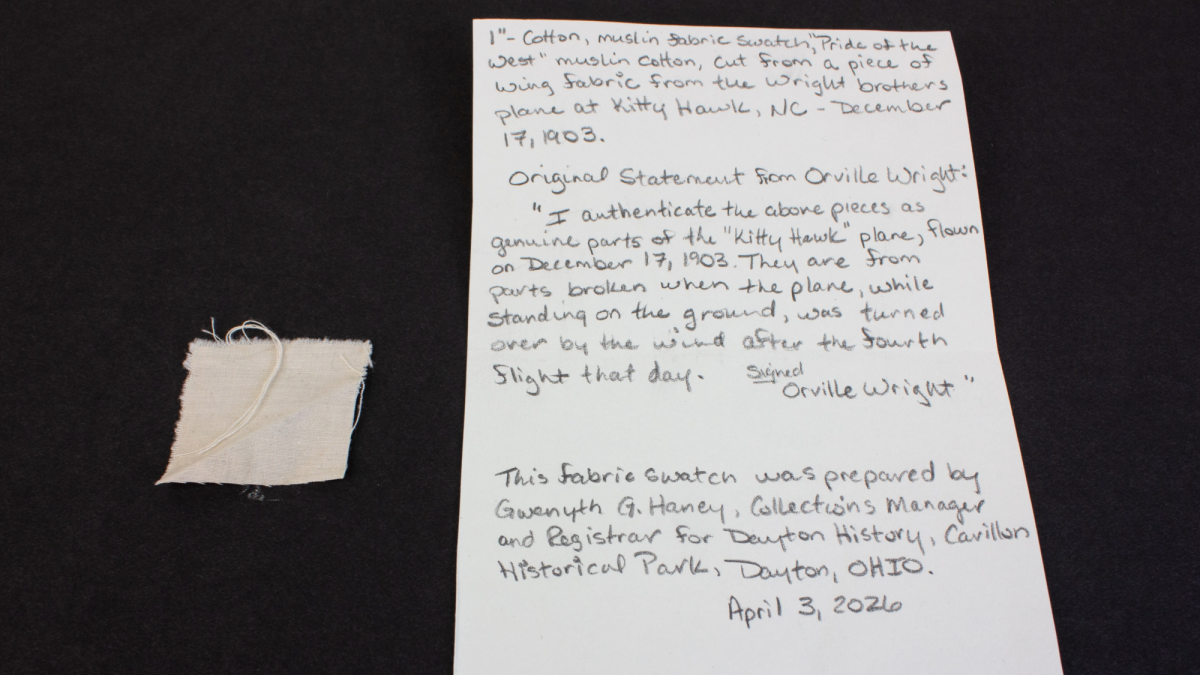
🌟
America’s time capsule includes fabric from the Wright Brother’s plane, whale bone, poker chips, and more
De tijdcapsule van Amerika bevat stof van het vliegtuig van de gebroeders Wright, walvisbeen, pokerchips en meer
La capsule temporelle de l'Amérique comprend du tissu de l'avion des frères Wright, des os de baleine, des jetons de poker et plus encore
America’s Time Capsule has been sealed and it's packed with fascinating artifacts that tell the story of the nation. From fabric from the Wright Brothers’ first flight to a North Atlantic right whale bone, the items represent all 50 states and more. It’s incredible to see contributions like a 1914 Belgian Relief Coin and even a modern iPhone 17 Pro Max included! This capsule is not just a look back at history, but a bridge to the future, showcasing the diverse culture and achievements of the United States.
De tijdcapsule van Amerika is verzegeld en zit vol met fascinerende artefacten die het verhaal van de natie vertellen. Van stof van de eerste vlucht van de gebroeders Wright tot een walvisbeen van de Noord-Atlantische rechtse walvis, de items vertegenwoordigen alle 50 staten en meer. Het is ongelooflijk om bijdragen te zien zoals een Belgische hulpcoin uit 1914 en zelfs een moderne iPhone 17 Pro Max! Deze capsule is niet alleen een terugblik op de geschiedenis, maar ook een brug naar de toekomst, die de diverse cultuur en prestaties van de Verenigde Staten laat zien.
La capsule temporelle de l'Amérique a été scellée et elle est remplie d'artefacts fascinants qui racontent l'histoire de la nation. Des morceaux de tissu de la première volée des frères Wright à un os de baleine de droite de l'Atlantique Nord, les objets représentent tous les 50 États et plus. C'est incroyable de voir des contributions comme une pièce de secours belge de 1914 et même un iPhone 17 Pro Max moderne inclus ! Cette capsule n'est pas seulement un regard en arrière sur l'histoire, mais un pont vers l'avenir, mettant en valeur la culture et les réalisations diversifiées des États-Unis.
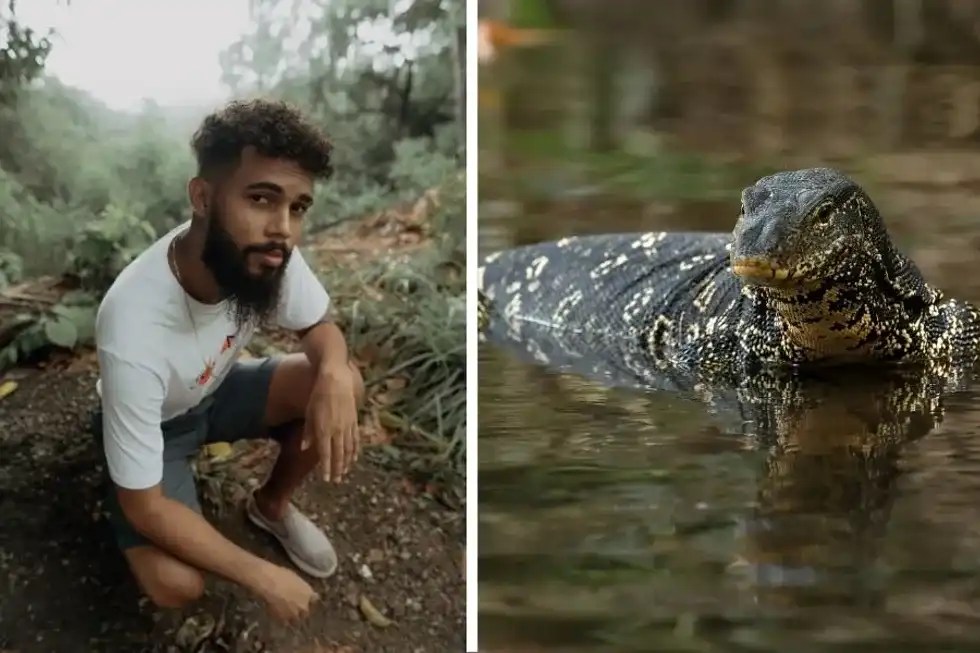
🌿
Man builds a small pond in a Brazilian forest. The life it attracts is incredible.
Man bouwt een kleine vijver in een Braziliaans bos. Het leven dat het aantrekt is ongelooflijk.
Un homme construit un petit étang dans une forêt brésilienne. La vie qu'il attire est incroyable.
So, a man in Brazil decided to dig a small pond in the forest, and the results are absolutely heartwarming! Almost immediately, a variety of animals flocked to this new watering hole, from colorful birds to adorable baby jaguarundi. It’s fascinating to see how these creatures interact and share this space, all while enjoying a drink or a splash. This little act of kindness has sparked joy and curiosity, showing us just how interconnected we are with nature.
Dus, een man in Brazilië besloot een kleine vijver in het bos te graven, en de resultaten zijn absoluut hartverwarmend! Bijna onmiddellijk kwamen verschillende dieren naar deze nieuwe waterplaats, van kleurrijke vogels tot schattige baby-jaguarundi. Het is fascinerend om te zien hoe deze wezens met elkaar omgaan en deze ruimte delen, terwijl ze genieten van een drankje of een spetter. Deze kleine daad van vriendelijkheid heeft vreugde en nieuwsgierigheid aangewakkerd, en laat ons zien hoe verbonden we zijn met de natuur.
Alors, un homme au Brésil a décidé de creuser un petit étang dans la forêt, et les résultats sont absolument réconfortants ! Presque immédiatement, une variété d'animaux se sont précipités vers ce nouveau point d'eau, des oiseaux colorés aux adorables bébés jaguarundi. Il est fascinant de voir comment ces créatures interagissent et partagent cet espace, tout en profitant d'une boisson ou d'un éclaboussement. Ce petit acte de gentillesse a suscité de la joie et de la curiosité, nous montrant à quel point nous sommes interconnectés avec la nature.
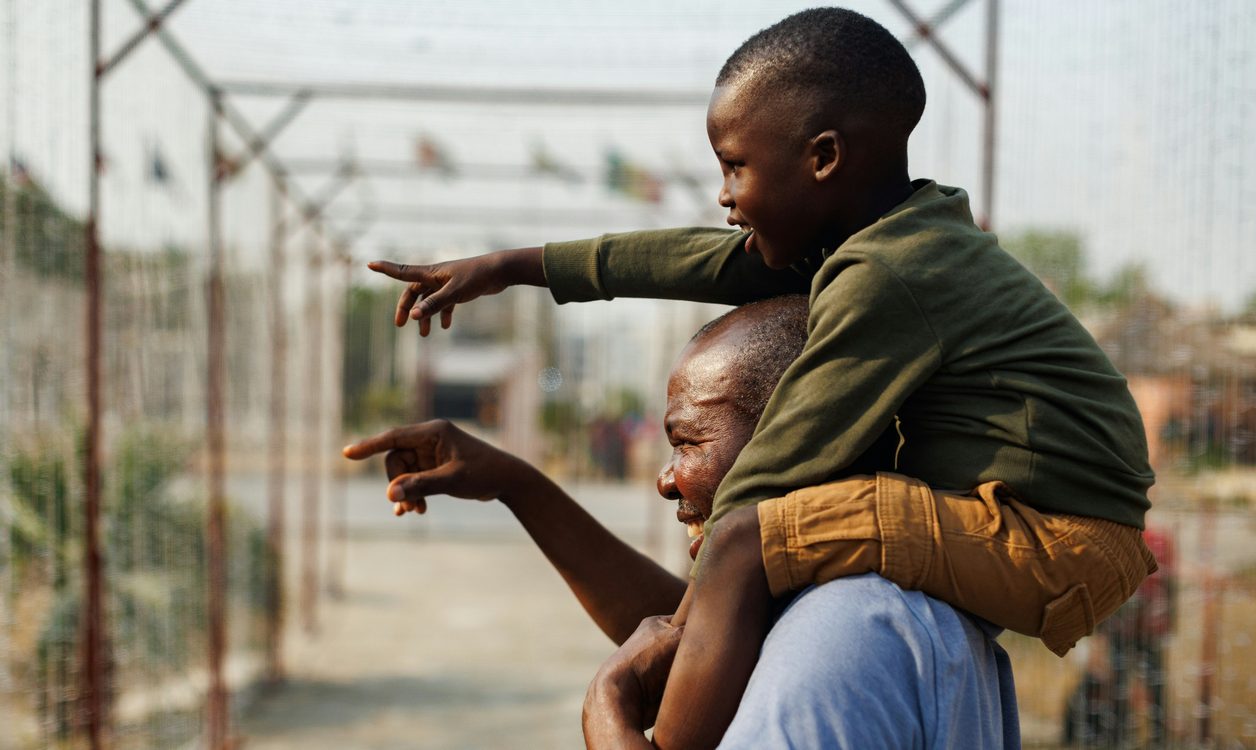
🌍
African continent gains 10 years of life expectancy since 2000 despite wars, famine, and instability
Afrikaanse continent wint 10 jaar levensverwachting sinds 2000 ondanks oorlogen, hongersnood en instabiliteit
Le continent africain gagne 10 ans d'espérance de vie depuis 2000 malgré les guerres, la famine et l'instabilité
It's incredible to see that the African continent has gained an average of 10 years of life expectancy since 2000! This progress, despite numerous challenges like wars and famines, is largely due to improvements in child mortality rates and better access to healthcare. In 2019, the average life expectancy rose to 64 years, with some countries even surpassing that. This means healthier families and communities, where parents can be there for their children and grandchildren, which is just wonderful!
Het is ongelooflijk om te zien dat het Afrikaanse continent gemiddeld 10 jaar levensverwachting heeft gewonnen sinds 2000! Deze vooruitgang, ondanks tal van uitdagingen zoals oorlogen en hongersnood, is grotendeels te danken aan verbeteringen in de kindersterftecijfers en betere toegang tot gezondheidszorg. In 2019 steeg de gemiddelde levensverwachting tot 64 jaar, waarbij sommige landen dat zelfs overtroffen. Dit betekent gezondere gezinnen en gemeenschappen, waar ouders er kunnen zijn voor hun kinderen en kleinkinderen, wat gewoon geweldig is!
C'est incroyable de voir que le continent africain a gagné en moyenne 10 ans d'espérance de vie depuis 2000 ! Ce progrès, malgré de nombreux défis comme les guerres et les famines, est en grande partie dû à des améliorations des taux de mortalité infantile et à un meilleur accès aux soins de santé. En 2019, l'espérance de vie moyenne a atteint 64 ans, certains pays dépassant même ce chiffre. Cela signifie des familles et des communautés en meilleure santé, où les parents peuvent être présents pour leurs enfants et petits-enfants, ce qui est tout simplement merveilleux !
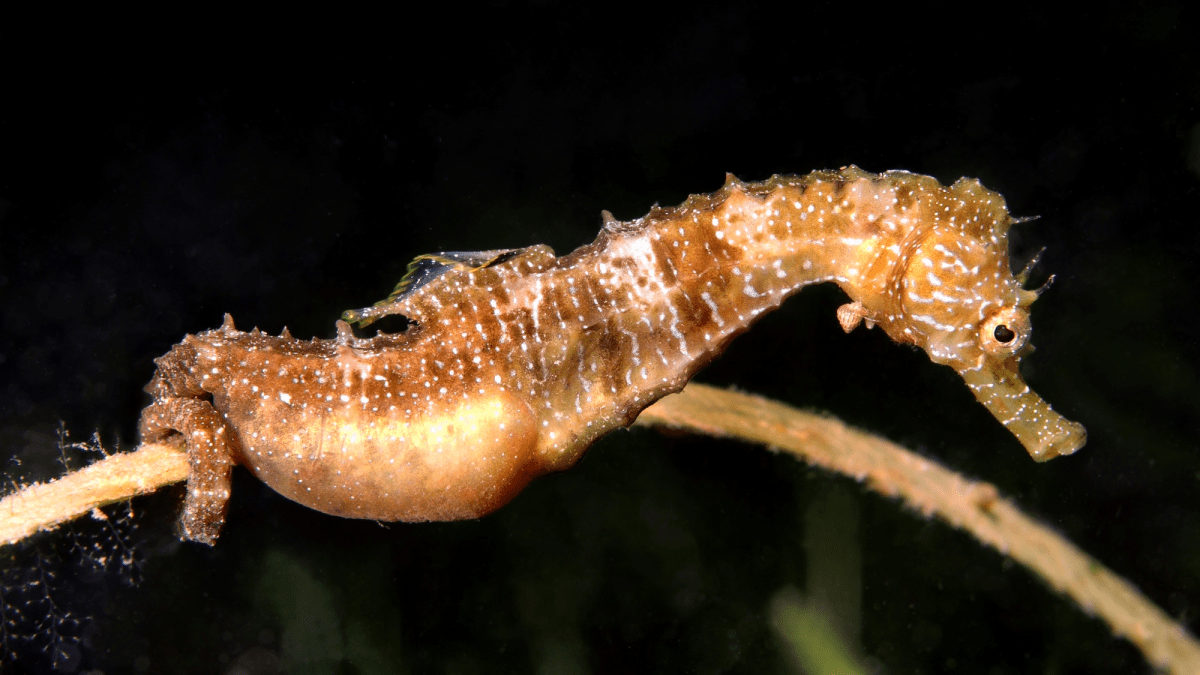
🐴
Florida students watch male seahorse give birth in the wild
Florida studenten zien mannelijke zeepaardje in het wild bevallen
Des étudiants de Floride observent un hippocampe mâle donner naissance dans la nature
What an incredible moment for those students! While exploring the shores of Nest Key in Florida, they got to witness a male seahorse giving birth right in front of them. This rare event happened during a routine seining activity, where they were collecting marine life for study. It really highlights the importance of healthy seagrass habitats and how even a simple outing can lead to amazing discoveries in nature.
Wat een ongelooflijk moment voor die studenten! Terwijl ze de kusten van Nest Key in Florida verkenden, mochten ze een mannelijke zeepaardje zien bevallen, recht voor hun ogen. Dit zeldzame evenement vond plaats tijdens een routine zeefactiviteit, waarbij ze mariene levensvormen verzamelden voor onderzoek. Het benadrukt echt het belang van gezonde zeegras habitats en hoe zelfs een eenvoudige uitstap kan leiden tot geweldige ontdekkingen in de natuur.
Quel moment incroyable pour ces étudiants ! En explorant les rives de Nest Key en Floride, ils ont pu observer un hippocampe mâle donner naissance juste devant eux. Cet événement rare s'est produit lors d'une activité de pêche à la traîne, où ils collectaient des organismes marins pour étude. Cela souligne vraiment l'importance des habitats de herbiers marins sains et comment même une simple sortie peut conduire à des découvertes étonnantes dans la nature.

🕷️
Jumping spiders inspire wildly efficient 3D camera
Springende spinnen inspireren extreem efficiënte 3D-camera
Les araignées sauteuses inspirent une caméra 3D extrêmement efficace
So, here's the thing: jumping spiders have an incredible way of seeing the world that has inspired a new kind of 3D camera called SpiderCam. These little arachnids use multiple layers of retinas to gauge distances with remarkable efficiency, even with tiny brains. This innovative camera mimics that ability, capturing images with different focus settings and analyzing them to create depth maps in real time. It's not just cool technology; it could revolutionize battery-powered devices in resource-constrained environments!
Dus, hier is het punt: springende spinnen hebben een ongelooflijke manier om de wereld te zien die heeft geleid tot een nieuw soort 3D-camera genaamd SpiderCam. Deze kleine arachniden gebruiken meerdere lagen van netvliezen om afstanden met opmerkelijke efficiëntie te meten, zelfs met kleine hersenen. Deze innovatieve camera imiteert die vaardigheid, door beelden met verschillende scherpstelinstellingen vast te leggen en ze te analyseren om dieptekaarten in real-time te creëren. Het is niet alleen coole technologie; het zou batterij-aangedreven apparaten in omgevingen met beperkte middelen kunnen revolutioneren!
Alors, voici le truc : les araignées sauteuses ont une incroyable façon de voir le monde qui a inspiré un nouveau type de caméra 3D appelée SpiderCam. Ces petites araignées utilisent plusieurs couches de rétines pour évaluer les distances avec une efficacité remarquable, même avec de petits cerveaux. Cette caméra innovante imite cette capacité, capturant des images avec des réglages de mise au point différents et les analysant pour créer des cartes de profondeur en temps réel. Ce n'est pas seulement une technologie cool ; cela pourrait révolutionner les appareils alimentés par batterie dans des environnements à ressources limitées !
🌟
Now I can walk longer: Swiss AI brain pacemaker gives hope to people with Parkinson's
Nu kan ik weer langer lopen: Zwitserse AI-hersenpacemaker geeft hoop aan mensen met Parkinson
Maintenant je peux marcher plus longtemps : le stimulateur cérébral AI suisse donne de l'espoir aux personnes atteintes de Parkinson
This innovative Swiss AI brain pacemaker is making waves in the treatment of Parkinson's disease. Patients are reporting significant improvements in their ability to walk, which is just fantastic news! The technology uses advanced algorithms to stimulate the brain in real-time, adapting to the patient's needs. It's a remarkable step forward that brings hope and a better quality of life for many.
Deze innovatieve Zwitserse AI-hersenpacemaker maakt furore in de behandeling van de ziekte van Parkinson. Patiënten melden aanzienlijke verbeteringen in hun vermogen om te lopen, wat gewoon fantastisch nieuws is! De technologie maakt gebruik van geavanceerde algoritmen om de hersenen in real-time te stimuleren, aangepast aan de behoeften van de patiënt. Het is een opmerkelijke stap vooruit die hoop en een betere levenskwaliteit voor velen brengt.
Ce stimulateur cérébral AI suisse innovant fait sensation dans le traitement de la maladie de Parkinson. Les patients signalent des améliorations significatives de leur capacité à marcher, ce qui est tout simplement fantastique ! La technologie utilise des algorithmes avancés pour stimuler le cerveau en temps réel, s'adaptant aux besoins du patient. C'est une avancée remarquable qui apporte espoir et meilleure qualité de vie à beaucoup.
🐾
How AI is revealing the secret lives of animals from hummingbirds to pumas
Hoe AI de geheimen van dieren onthult, van kolibries tot poema's
Comment l'IA révèle la vie secrète des animaux, des colibris aux pumas
Isn't it fascinating how technology is changing our understanding of wildlife? AI is now helping researchers uncover the hidden behaviors of animals, from the tiniest hummingbirds to the majestic pumas. This innovative approach allows scientists to gather data in ways we never thought possible, revealing insights into their daily lives and interactions. It's like peeking behind the curtain of nature, and I can't wait to see what else we discover!
Is het niet fascinerend hoe technologie ons begrip van de natuur verandert? AI helpt onderzoekers nu om de verborgen gedragingen van dieren te onthullen, van de kleinste kolibries tot de majestueuze poema's. Deze innovatieve aanpak stelt wetenschappers in staat om gegevens te verzamelen op manieren die we nooit voor mogelijk hielden, en onthult inzichten in hun dagelijkse leven en interacties. Het is alsof we achter het gordijn van de natuur kunnen kijken, en ik kan niet wachten om te zien wat we nog meer ontdekken!
N'est-ce pas fascinant de voir comment la technologie change notre compréhension de la faune ? L'IA aide désormais les chercheurs à découvrir les comportements cachés des animaux, des plus petits colibris aux majestueux pumas. Cette approche innovante permet aux scientifiques de collecter des données de manière que nous n'aurions jamais cru possible, révélant des aperçus de leur vie quotidienne et de leurs interactions. C'est comme jeter un coup d'œil derrière le rideau de la nature, et j'ai hâte de voir ce que nous allons encore découvrir !
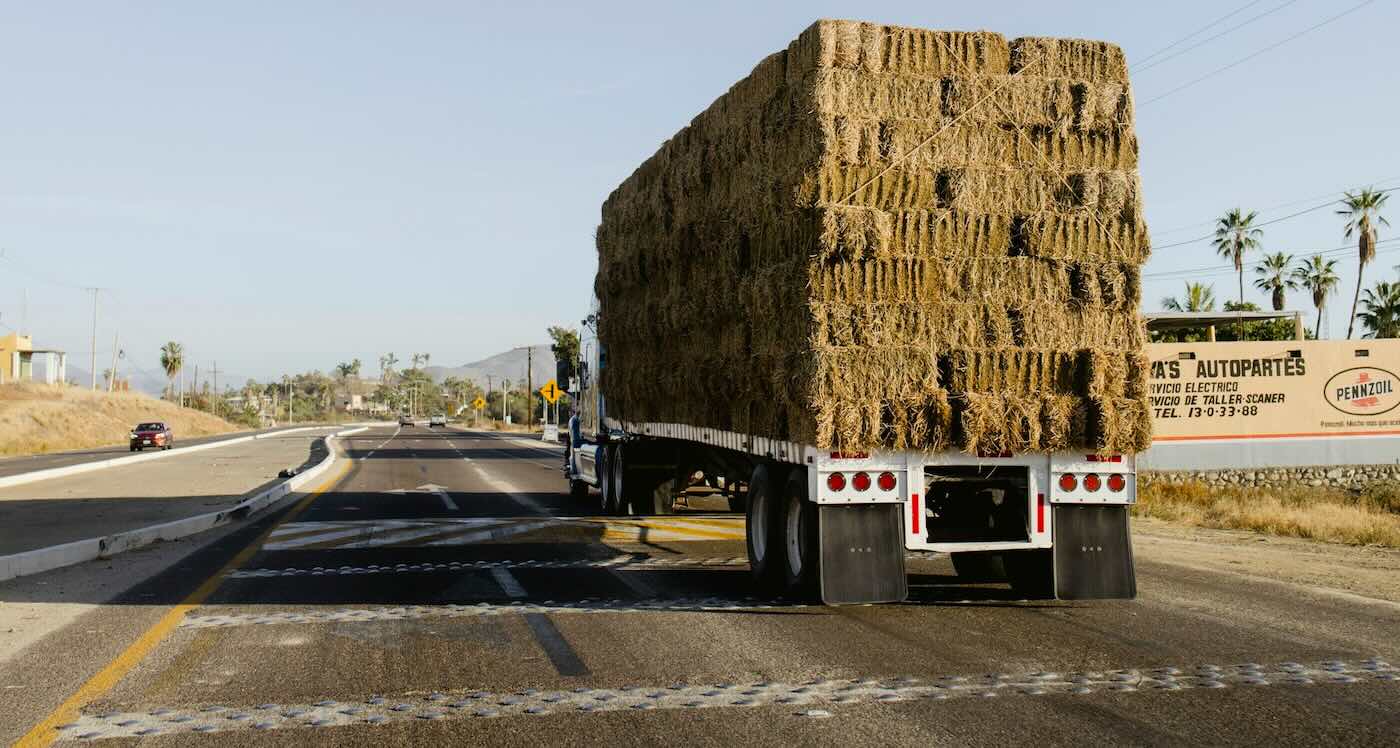
🌾
Thousands donate to help nebraska ranchers who couldn’t feed their animals after wildfire burned every acre of grass
Duizenden doneren om nebraska-ranchers te helpen die hun dieren niet konden voeden na de bosbrand die elk stuk gras verbrandde
Des milliers de dons pour aider les éleveurs du nebraska qui ne pouvaient pas nourrir leurs animaux après qu'un incendie de forêt ait brûlé chaque mètre carré d'herbe
So, a massive wildfire in Nebraska devastated a thousand square miles of ranch land, leaving ranchers like Mike and Kayla Wintz in a tough spot. But here's the thing: thousands of generous donors from across the country stepped in to help. They provided over $80,000 worth of hay to the Wintz ranch alone, showing the incredible spirit of community. It's heartwarming to see how people came together, proving that kindness knows no boundaries.
Een enorme bosbrand in Nebraska verwoestte duizend vierkante mijl ranchland, waardoor ranchers zoals Mike en Kayla Wintz in de problemen kwamen. Maar hier is het: duizenden genereuze donateurs uit het hele land kwamen in actie om te helpen. Ze gaven alleen al aan de Wintz-ranch meer dan $80.000 aan hooi, wat de ongelooflijke gemeenschapsgeest laat zien. Het is hartverwarmend om te zien hoe mensen samenkwamen, wat bewijst dat vriendelijkheid geen grenzen kent.
Un énorme incendie de forêt dans le nebraska a dévasté mille miles carrés de terres de ranch, laissant des éleveurs comme Mike et Kayla Wintz dans une situation difficile. Mais voici la chose : des milliers de donateurs généreux de tout le pays se sont mobilisés pour aider. Ils ont fourni plus de 80 000 $ de foin à la ferme Wintz seule, montrant l'incroyable esprit de communauté. C'est réconfortant de voir comment les gens se sont unis, prouvant que la gentillesse ne connaît pas de frontières.
🌳
‘People start connecting the dots’: why an investment fund is rewilding a North Yorkshire estate
‘Mensen beginnen de verbanden te leggen’: waarom een investeringsfonds een Noord-Yorkshire landgoed herwildt
‘Les gens commencent à relier les points’: pourquoi un fonds d'investissement réintroduit la nature dans un domaine du Yorkshire du Nord
In the picturesque North Yorkshire, the Broughton Sanctuary estate is set for an exciting transformation through a rewilding project funded by Rebalance Earth. This investment fund sees nature as vital infrastructure, aiming to restore the land while also generating economic benefits. With 330,000 trees planted and the return of local wildlife, including otters and beavers, the project is making significant strides. Roger Tempest, the estate's custodian, is thrilled to see the land flourish again after years of intensive farming.
In het schilderachtige Noord-Yorkshire staat het Broughton Sanctuary landgoed op het punt een spannende transformatie te ondergaan door een herwildingsproject dat wordt gefinancierd door Rebalance Earth. Dit investeringsfonds beschouwt de natuur als vitale infrastructuur en heeft als doel het land te herstellen terwijl het ook economische voordelen genereert. Met 330.000 geplante bomen en de terugkeer van lokale wilde dieren, waaronder otters en bevers, maakt het project aanzienlijke vorderingen. Roger Tempest, de bewaker van het landgoed, is enthousiast om te zien dat het land weer tot bloei komt na jaren van intensieve landbouw.
Dans le pittoresque Yorkshire du Nord, le domaine de Broughton Sanctuary est sur le point de subir une transformation passionnante grâce à un projet de réensauvagement financé par Rebalance Earth. Ce fonds d'investissement considère la nature comme une infrastructure vitale, visant à restaurer la terre tout en générant des bénéfices économiques. Avec 330 000 arbres plantés et le retour de la faune locale, y compris des loutres et des castors, le projet fait des progrès significatifs. Roger Tempest, le gardien du domaine, est ravi de voir la terre fleurir à nouveau après des années d'agriculture intensive.
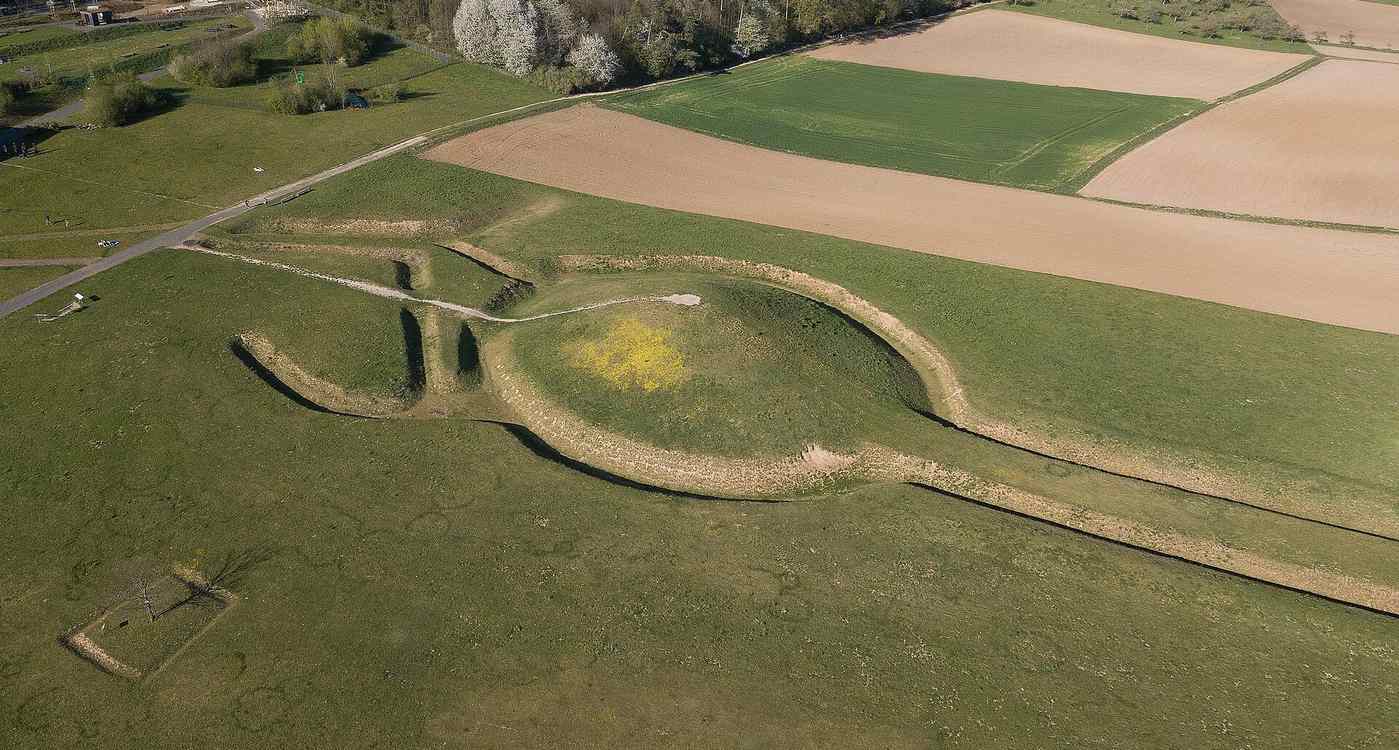
🏺
An almost incomparable ‘princely’ tomb of ancient Celtic noble found in Germany
Een bijna onvergelijkbaar 'prinselijk' graf van een oude Keltische edelman gevonden in Duitsland
Une tombe 'princière' presque incomparable d'un ancien noble celte trouvée en Allemagne
A remarkable discovery has been made in Bad Camburg, Germany, where a 'princely grave' linked to Celtic culture was unearthed during construction. This grave, filled with gold, armaments, and iron wagon fittings, is one of only two comparable finds in the entire country. District archaeologist Kai Mückenberger initially expected to find nothing but was thrilled to uncover such a treasure trove. The site dates back to the 5th century BCE and showcases the incredible craftsmanship of the Hunsrück-Eifel Celtic culture.
Er is een opmerkelijke ontdekking gedaan in Bad Camburg, Duitsland, waar een 'prinselijk graf' dat verband houdt met de Keltische cultuur werd opgegraven tijdens de bouw. Dit graf, gevuld met goud, wapens en ijzeren wagenonderdelen, is een van slechts twee vergelijkbare vondsten in het hele land. Districtarcheoloog Kai Mückenberger verwachtte aanvankelijk niets te vinden, maar was enthousiast over de ontdekking van zo'n schat. De site dateert uit de 5e eeuw voor Christus en toont het ongelooflijke vakmanschap van de Hunsrück-Eifel Keltische cultuur.
Une découverte remarquable a été faite à Bad Camburg, en Allemagne, où une 'tombe princière' liée à la culture celtique a été mise au jour lors de travaux de construction. Cette tombe, remplie d'or, d'armements et de pièces de chariot en fer, est l'une des deux seules trouvailles comparables dans tout le pays. L'archéologue de district Kai Mückenberger s'attendait initialement à ne rien trouver, mais a été ravi de découvrir un tel trésor. Le site date du 5ème siècle avant notre ère et met en valeur l'incroyable savoir-faire de la culture celtique Hunsrück-Eifel.
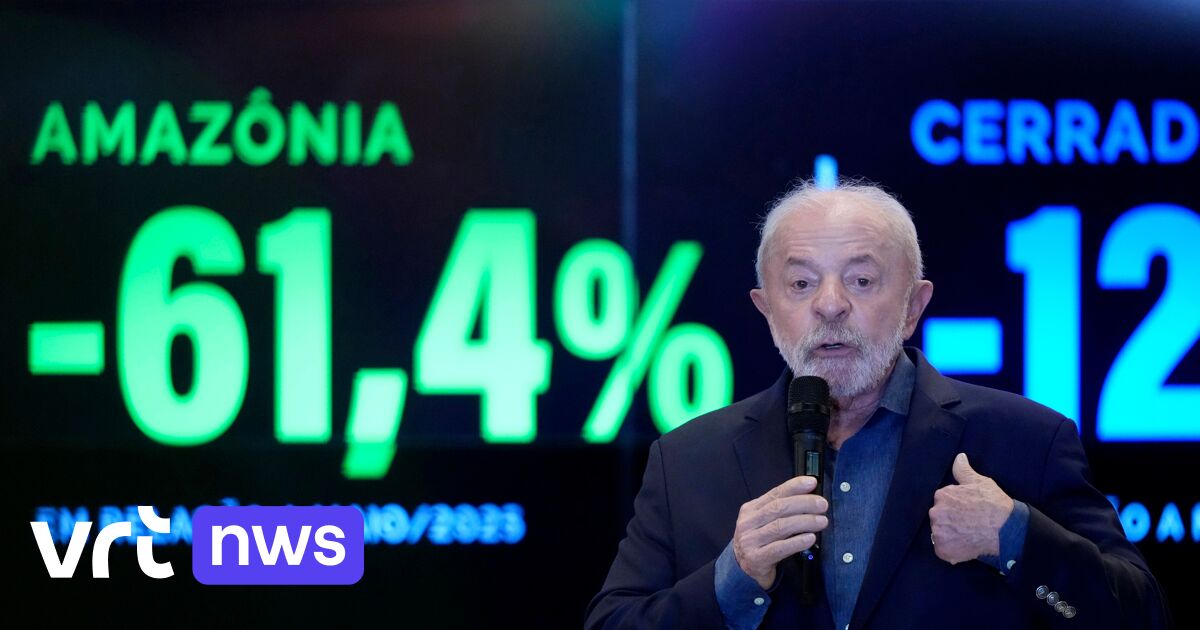
🌳
In may, over 60 percent less rainforest lost in the amazon: a fundamental milestone
In mei ging ruim 60 procent minder regenwoud verloren in het Amazonegebied: een fundamentele mijlpaal
En mai, plus de 60 % de forêt tropicale perdue dans l'Amazonie : une étape fondamentale
So, here's the exciting news! In May, Brazil saw a remarkable 61 percent drop in rainforest loss compared to last year, marking the largest decrease ever for this month. President Lula's commitment to halt deforestation by 2030 is really starting to show results, and the overall yearly figures are looking promising too. While 370 square kilometers were still lost, it's a significant improvement, and Lula's efforts are gaining momentum. This could be a turning point for the Amazon and the world!
Dus, hier is het spannende nieuws! In mei zag Brazilië een opmerkelijke daling van 61 procent in de verlies van regenwoud vergeleken met vorig jaar, wat de grootste daling ooit voor deze maand markeert. President Lula's inzet om de ontbossing tegen 2030 te stoppen begint echt resultaat te tonen, en de jaarlijkse cijfers zien er ook veelbelovend uit. Hoewel er nog steeds 370 vierkante kilometer verloren ging, is het een significante verbetering, en Lula's inspanningen krijgen momentum. Dit zou wel eens een keerpunt kunnen zijn voor het Amazonegebied en de wereld!
Alors, voici la nouvelle excitante ! En mai, le Brésil a enregistré une baisse remarquable de 61 % de la perte de forêt tropicale par rapport à l'année dernière, marquant la plus grande diminution jamais observée pour ce mois. L'engagement du président Lula à stopper la déforestation d'ici 2030 commence vraiment à porter ses fruits, et les chiffres annuels semblent également prometteurs. Bien que 370 kilomètres carrés aient encore été perdus, c'est une amélioration significative, et les efforts de Lula prennent de l'ampleur. Cela pourrait être un tournant pour l'Amazonie et le monde !
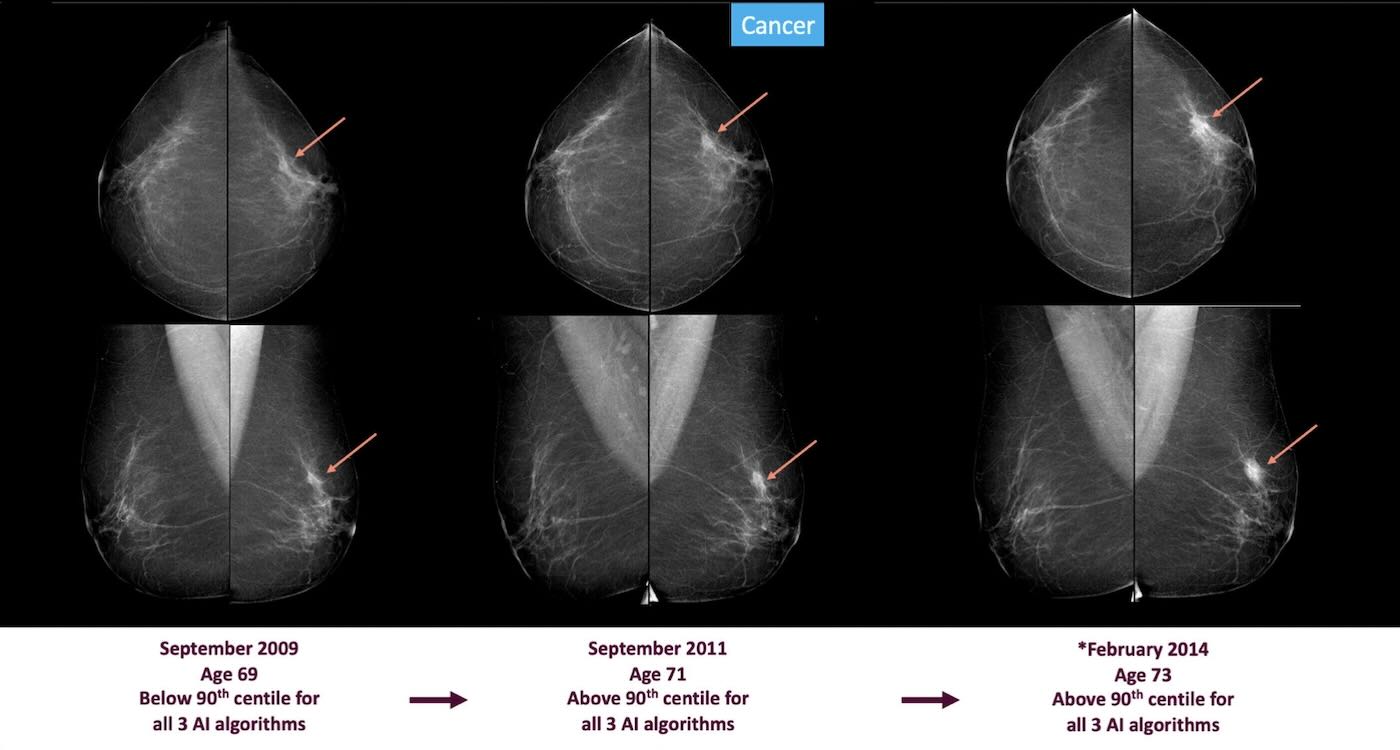
🌟
Signs of breast cancer could be spotted 3-6 years before diagnosis using AI screening, shows massive study
Tekenen van borstkanker kunnen 3-6 jaar voor de diagnose worden opgemerkt met AI-screening, blijkt uit een enorme studie
Des signes de cancer du sein pourraient être détectés 3 à 6 ans avant le diagnostic grâce au dépistage par IA, montre une étude massive
Now, here's the exciting part! A groundbreaking study reveals that AI technology could detect early signs of breast cancer up to six years before a diagnosis. Researchers analyzed nearly 89,000 mammograms and found that AI could provide an early alert for the disease. This means that around 20% of breast cancer cases show signs detectable by AI years in advance, which could lead to earlier interventions. It's a fantastic leap forward in the fight against breast cancer, showcasing the potential of technology in healthcare!
Nu, hier is het spannende deel! Een baanbrekende studie onthult dat AI-technologie vroege tekenen van borstkanker tot zes jaar voor een diagnose kan detecteren. Onderzoekers analyseerden bijna 89.000 mammogrammen en ontdekten dat AI een vroegtijdige waarschuwing voor de ziekte kan geven. Dit betekent dat ongeveer 20% van de borstkankergevallen tekenen vertoont die jaren van tevoren door AI detecteerbaar zijn, wat kan leiden tot vroegere interventies. Het is een geweldige stap voorwaarts in de strijd tegen borstkanker en toont het potentieel van technologie in de gezondheidszorg aan!
Maintenant, voici la partie excitante ! Une étude révolutionnaire révèle que la technologie IA pourrait détecter des signes précoces de cancer du sein jusqu'à six ans avant un diagnostic. Les chercheurs ont analysé près de 89 000 mammographies et ont découvert que l'IA pouvait fournir une alerte précoce pour la maladie. Cela signifie qu'environ 20 % des cas de cancer du sein présentent des signes détectables par l'IA des années à l'avance, ce qui pourrait conduire à des interventions plus précoces. C'est un pas en avant fantastique dans la lutte contre le cancer du sein, montrant le potentiel de la technologie dans le domaine de la santé !
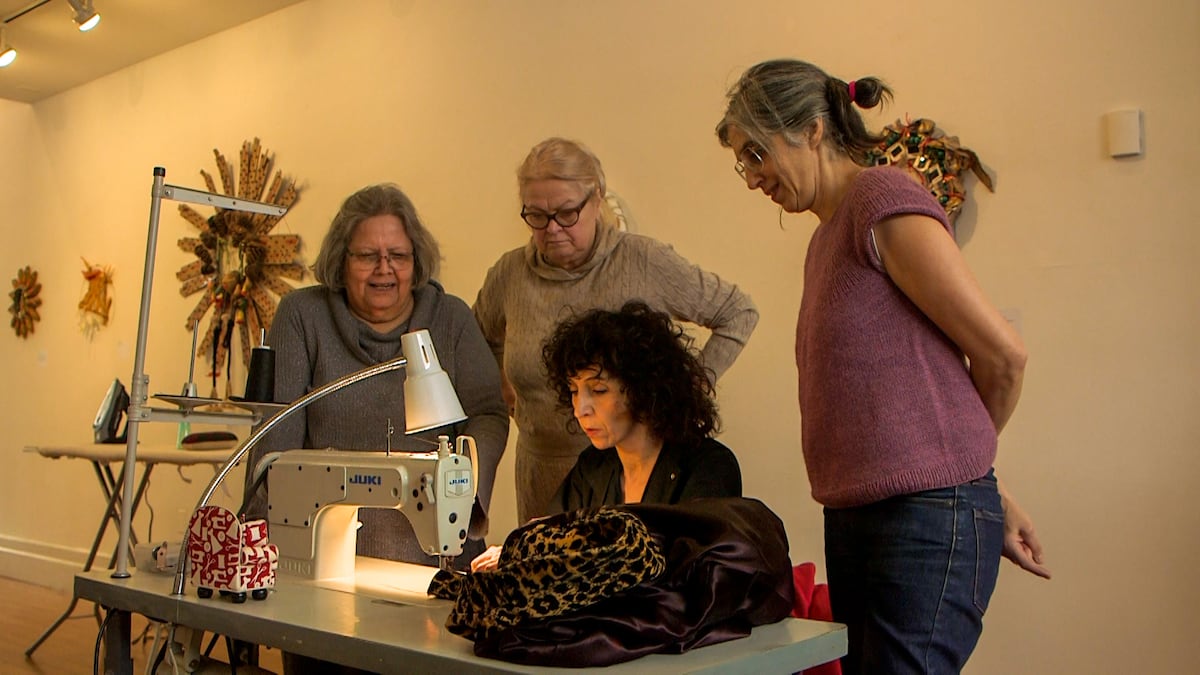
♻️
New York’s response to throwaway culture
De reactie van New York op de wegwerpcultuur
La réponse de New York à la culture du jetable
In East Harlem, a community initiative called Repair Café is breathing new life into discarded objects. Every month, residents gather to fix everything from kettles to clothes, challenging the throwaway mentality. Founded by Rocío Salceda, this project highlights the importance of repairing over replacing, especially in a city that generates millions of tons of waste annually. With the support of local volunteers and a growing movement for repair rights, New Yorkers are finding creative solutions to combat waste and promote sustainability.
In East Harlem brengt een gemeenschapsinitiatief genaamd Repair Café nieuw leven in weggegooide voorwerpen. Elke maand komen bewoners samen om alles te repareren, van waterkokers tot kleding, en zo de wegwerpcultuur uit te dagen. Opgericht door Rocío Salceda, benadrukt dit project het belang van repareren boven vervangen, vooral in een stad die jaarlijks miljoenen tonnen afval produceert. Met de steun van lokale vrijwilligers en een groeiende beweging voor reparatierechten vinden New Yorkers creatieve oplossingen om afval te bestrijden en duurzaamheid te bevorderen.
À East Harlem, une initiative communautaire appelée Repair Café redonne vie aux objets abandonnés. Chaque mois, les habitants se réunissent pour réparer tout, des bouilloires aux vêtements, défiant ainsi la mentalité du jetable. Fondé par Rocío Salceda, ce projet souligne l'importance de réparer plutôt que de remplacer, surtout dans une ville qui génère des millions de tonnes de déchets chaque année. Avec le soutien de bénévoles locaux et un mouvement croissant pour les droits à la réparation, les New-Yorkais trouvent des solutions créatives pour lutter contre les déchets et promouvoir la durabilité.
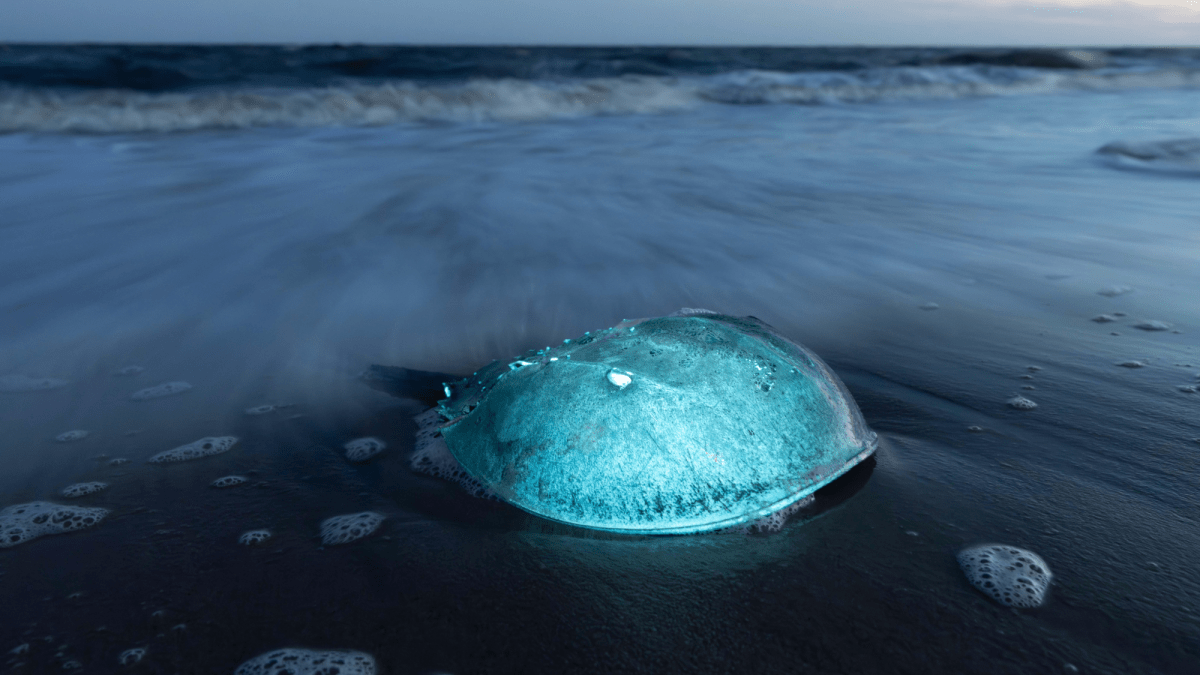
🐚
8 captivating photos of Delaware Bay’s annual horseshoe crab spawn
8 fascinerende foto's van de jaarlijkse paardenkrabspawning in Delaware Bay
8 photos captivantes de la reproduction annuelle des limules de la baie de Delaware
So, every spring, the shores of Delaware Bay come alive with the incredible spawning of horseshoe crabs. These ancient creatures, which have been around for 445 million years, gather under the full moon to lay thousands of eggs, creating a vital food source for migratory shorebirds like the red knot. It's a beautiful cycle of life, but here's the thing—climate change and commercial pressures are threatening this natural wonder. Photographer Susan Allen captures this spectacle, reminding us of its global significance and the need to protect it.
Dus, elke lente komt de kust van Delaware Bay tot leven met de ongelooflijke spawning van paardenkrabben. Deze oude wezens, die al 445 miljoen jaar bestaan, verzamelen zich onder de volle maan om duizenden eieren te leggen, wat een vitale voedselbron creëert voor trekvogels zoals de rosse franjepoot. Het is een prachtige levenscyclus, maar hier is het punt: klimaatverandering en commerciële druk bedreigen dit natuurlijke wonder. Fotografe Susan Allen legt dit spektakel vast en herinnert ons aan het wereldwijde belang ervan en de noodzaak om het te beschermen.
Alors, chaque printemps, les rives de la baie de Delaware s'animent avec la reproduction incroyable des limules. Ces créatures anciennes, qui existent depuis 445 millions d'années, se rassemblent sous la pleine lune pour pondre des milliers d'œufs, créant une source de nourriture vitale pour les oiseaux migrateurs comme le bécasseau rousse. C'est un beau cycle de la vie, mais voici le problème : le changement climatique et les pressions commerciales menacent cette merveille naturelle. La photographe Susan Allen capture ce spectacle, nous rappelant son importance mondiale et la nécessité de le protéger.
🌍
Father and son break three world records in 18,000 mile cycle around the world
Vader en zoon breken drie wereldrecords tijdens 18.000 mijl lange fietstocht rond de wereld
Un père et son fils battent trois records du monde lors d'un tour du monde à vélo de 18 000 miles
What an incredible journey! George and his son Josh cycled 18,000 miles around the world, breaking three world records along the way. They embarked on this adventure from their home in the UK, traveling through Asia, Australia, South America, and Europe. One of the most touching moments was sharing breakfast with a shepherd in Turkey, showcasing the beauty of human connection. After 14 months, they returned home to a warm welcome from friends and family, celebrating their amazing achievement.
Wat een ongelooflijke reis! George en zijn zoon Josh fietsten 18.000 mijl rond de wereld en breken onderweg drie wereldrecords. Ze begonnen dit avontuur vanuit hun huis in het VK en reisden door Azië, Australië, Zuid-Amerika en Europa. Een van de meest ontroerende momenten was het delen van ontbijt met een herder in Turkije, wat de schoonheid van menselijke verbinding laat zien. Na 14 maanden keerden ze terug naar huis voor een warm welkom van vrienden en familie, waarmee ze hun geweldige prestatie vierden.
Quel voyage incroyable ! George et son fils Josh ont parcouru 18 000 miles autour du monde, battant trois records du monde en cours de route. Ils ont commencé cette aventure depuis leur maison au Royaume-Uni, voyageant à travers l'Asie, l'Australie, l'Amérique du Sud et l'Europe. Un des moments les plus touchants a été de partager le petit-déjeuner avec un berger en Turquie, montrant la beauté de la connexion humaine. Après 14 mois, ils sont rentrés chez eux pour un accueil chaleureux de la part de leurs amis et de leur famille, célébrant leur incroyable réussite.
🌟
Playing outside can support children's mental health, new research finds
Buiten spelen kan de mentale gezondheid van kinderen ondersteunen, nieuwe onderzoeken tonen aan
Jouer à l'extérieur peut soutenir la santé mentale des enfants, de nouvelles recherches le révèlent
New research from the University of Exeter reveals that outdoor play in early childhood significantly impacts children's long-term mental health. The study analyzed data from over 4,000 children, showing that more frequent outdoor play reduces the likelihood of mental health issues by up to 14%. This highlights the importance of providing children with ample opportunities to play outside. The findings suggest that enhancing outdoor play could be a simple and effective public health strategy.
Nieuw onderzoek van de Universiteit van Exeter onthult dat buitenspelen in de vroege kindertijd een aanzienlijke impact heeft op de mentale gezondheid van kinderen op de lange termijn. De studie analyseerde gegevens van meer dan 4.000 kinderen en toonde aan dat frequenter buitenspelen de kans op mentale gezondheidsproblemen met wel 14% vermindert. Dit benadrukt het belang van het bieden van voldoende mogelijkheden voor kinderen om buiten te spelen. De bevindingen suggereren dat het verbeteren van buitenspelen een eenvoudige en effectieve strategie voor de volksgezondheid kan zijn.
De nouvelles recherches de l'Université d'Exeter révèlent que le jeu en plein air pendant la petite enfance a un impact significatif sur la santé mentale des enfants à long terme. L'étude a analysé les données de plus de 4 000 enfants, montrant que jouer dehors plus fréquemment réduit la probabilité de problèmes de santé mentale jusqu'à 14 %. Cela souligne l'importance d'offrir aux enfants de nombreuses occasions de jouer à l'extérieur. Les résultats suggèrent que favoriser le jeu en plein air pourrait être une stratégie simple et efficace pour la santé publique.

🪨
The epic journey of Stonehenge’s central stone
De epische reis van de centrale steen van Stonehenge
Le voyage épique de la pierre centrale de Stonehenge
So, have you ever wondered how the Altar Stone of Stonehenge made its way to such an iconic site? In this week's Nature Podcast, the team dives into the fascinating evidence suggesting it traveled by glacier. Which brings me to the idea that this could finally crack one of Stonehenge's greatest mysteries! It's incredible to think about the ancient journey of this stone and what it tells us about our history.
Dus, heb je je ooit afgevraagd hoe de Altar Steen van Stonehenge op zo'n iconische plek is beland? In de Nature Podcast van deze week duikt het team in het fascinerende bewijs dat suggereert dat het door een gletsjer is gereisd. Dit brengt me op het idee dat dit eindelijk een van de grootste mysteries van Stonehenge kan oplossen! Het is ongelooflijk om na te denken over de oude reis van deze steen en wat het ons vertelt over onze geschiedenis.
Alors, vous êtes-vous déjà demandé comment la Pierre de l'Autel de Stonehenge a atteint un site aussi emblématique ? Dans le podcast Nature de cette semaine, l'équipe explore les preuves fascinantes suggérant qu'elle a voyagé par glacier. Cela m'amène à l'idée que cela pourrait enfin résoudre l'un des plus grands mystères de Stonehenge ! C'est incroyable de penser au voyage ancien de cette pierre et ce qu'il nous révèle sur notre histoire.
🌊
Metal-driven chemical reaction in deep sea may explain origin of life
Metaalgestuurde chemische reactie in de diepe zee kan oorsprong van het leven verklaren
Une réaction chimique guidée par des métaux dans les profondeurs marines pourrait expliquer l'origine de la vie
So, researchers have discovered a fascinating metal-driven chemical reaction happening in the deep sea that could shed light on how life originated on Earth. This reaction, fueled by metals, might have provided the essential building blocks for early life forms. Isn't it amazing to think about how these processes could have unfolded in such extreme environments? Which brings me to the idea that understanding these reactions could open up new avenues in our search for life beyond our planet.
Dus, onderzoekers hebben een fascinerende metaalgestuurde chemische reactie ontdekt die zich in de diepe zee afspeelt en licht kan werpen op hoe het leven op aarde is ontstaan. Deze reactie, aangedreven door metalen, zou de essentiële bouwstenen voor vroege levensvormen kunnen hebben geleverd. Is het niet geweldig om te bedenken hoe deze processen zich in zulke extreme omgevingen hebben kunnen ontvouwen? Dit brengt me bij het idee dat het begrijpen van deze reacties nieuwe wegen kan openen in onze zoektocht naar leven buiten onze planeet.
Alors, des chercheurs ont découvert une fascinante réaction chimique guidée par des métaux se produisant dans les profondeurs marines, qui pourrait éclairer l'origine de la vie sur Terre. Cette réaction, alimentée par des métaux, pourrait avoir fourni les éléments essentiels aux premières formes de vie. N'est-ce pas incroyable de penser à la façon dont ces processus ont pu se dérouler dans des environnements aussi extrêmes ? Ce qui m'amène à l'idée que comprendre ces réactions pourrait ouvrir de nouvelles voies dans notre recherche de vie au-delà de notre planète.

🌊
New solar method turns ocean into drinking water, while extracting valuable lithium without waste
Nieuwe zonne-energie methode verandert oceaan in drinkwater, terwijl waardevolle lithium zonder afval wordt geëxtraheerd
Nouvelle méthode solaire transforme l'océan en eau potable, tout en extrayant du lithium précieux sans déchets
I’m really excited about this innovative solar-thermal desalination system developed at the University of Rochester! It produces fresh water from ocean water without harmful chemicals and eliminates the usual brine waste that damages marine life. The technology not only provides clean drinking water but also extracts valuable minerals like lithium, which is crucial for our electric vehicles. This could be a game-changer for communities relying on desalination, making it more sustainable and efficient.
Ik ben echt enthousiast over dit innovatieve zonne-thermische ontziltingssysteem dat is ontwikkeld aan de Universiteit van Rochester! Het produceert drinkwater uit oceaanwater zonder schadelijke chemicaliën en elimineert het gebruikelijke afvalwater dat het zeeleven beschadigt. De technologie biedt niet alleen schoon drinkwater, maar extraheert ook waardevolle mineralen zoals lithium, wat cruciaal is voor onze elektrische voertuigen. Dit kan een doorbraak zijn voor gemeenschappen die afhankelijk zijn van ontzilting, waardoor het duurzamer en efficiënter wordt.
Je suis vraiment enthousiaste à propos de ce système de désalinisation solaire-thermique innovant développé à l'Université de Rochester ! Il produit de l'eau potable à partir de l'eau de mer sans produits chimiques nocifs et élimine les déchets salins habituels qui nuisent à la vie marine. La technologie fournit non seulement de l'eau potable, mais extrait également des minéraux précieux comme le lithium, qui est crucial pour nos véhicules électriques. Cela pourrait être un changement radical pour les communautés qui dépendent de la désalinisation, la rendant plus durable et efficace.
🐶
Dogs really do have favorite people, and here’s how they decide who it will be
Honden hebben echt favoriete mensen, en zo beslissen ze wie dat zal zijn
Les chiens ont vraiment des personnes préférées, et voici comment ils décident qui ce sera
So, it turns out dogs have their own ways of picking their favorite humans! Experts say it all comes down to who gives them the most love, attention, and fun experiences. Interestingly, the first six months of a dog's life are crucial for shaping these preferences. But here's the thing: it's not always the owner who gets the title of 'favorite'—sometimes it's the mailman or the pet sitter who wins their hearts!
Dus, het blijkt dat honden hun eigen manieren hebben om hun favoriete mensen te kiezen! Experts zeggen dat het allemaal draait om wie hen de meeste liefde, aandacht en leuke ervaringen geeft. Interessant genoeg zijn de eerste zes maanden van het leven van een hond cruciaal voor het vormen van deze voorkeuren. Maar hier is het ding: het is niet altijd de eigenaar die de titel 'favoriet' krijgt - soms is het de postbode of de hondenoppas die hun hart wint!
Alors, il s'avère que les chiens ont leurs propres façons de choisir leurs humains préférés ! Les experts disent que tout dépend de qui leur donne le plus d'amour, d'attention et d'expériences amusantes. Il est intéressant de noter que les six premiers mois de la vie d'un chien sont cruciaux pour façonner ces préférences. Mais voici le truc : ce n'est pas toujours le propriétaire qui obtient le titre de 'préféré' - parfois, c'est le facteur ou le gardien d'animaux qui gagne leur cœur !
🐾
A simple explanation why humans have an incredible urge to pet every animal they see
Een eenvoudige uitleg waarom mensen een ongelooflijke drang hebben om elk dier dat ze zien te aaien
Une explication simple de pourquoi les humains ont une incroyable envie de caresser chaque animal qu'ils voient
Have you ever wondered why we feel the urge to pet every animal we see? It turns out this instinct is deeply rooted in our history as hunter-gatherers, where connecting with animals was essential for survival. The biophilia hypothesis suggests that our brains evolved in natural environments, making us naturally drawn to living things. So, when you see a cute dog and can't resist giving it a pet, remember it's a beautiful reflection of our human nature.
Heb je je ooit afgevraagd waarom we de drang voelen om elk dier dat we zien te aaien? Het blijkt dat deze instinct diep geworteld is in onze geschiedenis als jager-verzamelaars, waar het verbinden met dieren essentieel was voor overleving. De biophilia-hypothese suggereert dat onze hersenen zijn geëvolueerd in natuurlijke omgevingen, waardoor we van nature aangetrokken worden tot levende dingen. Dus als je een schattige hond ziet en niet kunt weerstaan om het te aaien, onthoud dan dat het een prachtige weerspiegeling is van onze menselijke natuur.
Vous êtes-vous déjà demandé pourquoi nous ressentons le besoin de caresser chaque animal que nous voyons ? Il s'avère que cet instinct est profondément ancré dans notre histoire en tant que chasseurs-cueilleurs, où le lien avec les animaux était essentiel à la survie. L'hypothèse de la biophilie suggère que nos cerveaux ont évolué dans des environnements naturels, nous rendant naturellement attirés par les êtres vivants. Donc, lorsque vous voyez un chien mignon et que vous ne pouvez pas résister à l'envie de le caresser, rappelez-vous que c'est un beau reflet de notre nature humaine.
🐝
A brain the size of a sesame seed challenges our view of consciousness
Een brein ter grootte van een sesamzaadje daagt onze kijk op bewustzijn uit
Un cerveau de la taille d'une graine de sésame remet en question notre vision de la conscience
So, a new study reveals that bumblebees can use tools to solve problems, which is pretty mind-blowing! This suggests that consciousness in the animal kingdom is much more common than we humans tend to think. It’s fascinating to see how these tiny creatures are capable of spontaneous problem-solving, a skill previously linked mainly to birds and mammals. Which brings me to the idea that our understanding of animal intelligence is evolving rapidly!
Dus, een nieuwe studie onthult dat hommels gereedschap kunnen gebruiken om problemen op te lossen, wat behoorlijk verbazingwekkend is! Dit suggereert dat bewustzijn in het dierenrijk veel gebruikelijker is dan wij mensen vaak denken. Het is fascinerend om te zien hoe deze kleine wezens in staat zijn tot spontane probleemoplossing, een vaardigheid die voorheen voornamelijk werd gekoppeld aan vogels en zoogdieren. Dit brengt me bij het idee dat ons begrip van dierenintelligentie snel evolueert!
Alors, une nouvelle étude révèle que les bourdons peuvent utiliser des outils pour résoudre des problèmes, ce qui est assez incroyable ! Cela suggère que la conscience dans le règne animal est beaucoup plus courante que nous, les humains, avons tendance à le penser. C'est fascinant de voir comment ces petites créatures sont capables de résoudre des problèmes de manière spontanée, une compétence auparavant liée principalement aux oiseaux et aux mammifères. Cela m'amène à l'idée que notre compréhension de l'intelligence animale évolue rapidement !

🐴
Therapy donkeys prove such a balm of calm to psychiatric hospital that organizers look to expand
Therapie-ezels blijken zo'n balsem van kalmte voor psychiatrisch ziekenhuis dat organisatoren willen uitbreiden
Les ânes thérapeutes s'avèrent être un baume de calme pour l'hôpital psychiatrique, les organisateurs cherchent à étendre
I find it absolutely heartwarming that a psychiatric hospital in France is using therapy donkeys to help patients feel better. The program has shown significant improvements in care outcomes, with patients expressing how much they enjoy the sessions. Every Friday, they get to visit these gentle creatures, which really helps break the routine of treatment. Now, the organizers are eager to conduct proper research to expand this wonderful initiative across the country.
Ik vind het absoluut hartverwarmend dat een psychiatrisch ziekenhuis in Frankrijk therapie-ezels gebruikt om patiënten zich beter te laten voelen. Het programma heeft aanzienlijke verbeteringen in de zorgresultaten laten zien, waarbij patiënten uiten hoeveel ze genieten van de sessies. Elke vrijdag kunnen ze deze vriendelijke dieren bezoeken, wat echt helpt om de routine van de behandeling te doorbreken. Nu zijn de organisatoren enthousiast om goed onderzoek te doen om dit prachtige initiatief in het hele land uit te breiden.
Je trouve absolument réconfortant qu'un hôpital psychiatrique en France utilise des ânes thérapeutes pour aider les patients à se sentir mieux. Le programme a montré des améliorations significatives dans les résultats des soins, les patients exprimant combien ils apprécient les séances. Chaque vendredi, ils ont la chance de visiter ces créatures douces, ce qui aide vraiment à rompre la routine du traitement. Maintenant, les organisateurs sont désireux de mener des recherches appropriées pour étendre cette merveilleuse initiative à travers le pays.
🌍
Inventor’s microfiber laundry filter is already keeping tons of fossil-fuel fibers out of the environment
Uitvinder's microvezelwasfilter houdt al tonnen fossiele vezels uit het milieu
Le filtre à linge en microfibre de l'inventeur empêche déjà des tonnes de fibres fossiles de polluer l'environnement
I’m really excited about this innovative laundry filter created by Adam Root! It connects right to your washing machine and helps capture harmful microfibers that contribute to pollution. This is huge because every laundry load can release about a gram of these tiny threads into our waterways. Plus, it’s not just about cleaning up at home; Root is also targeting industrial washing operations to make an even bigger impact. It’s inspiring to see technology being used to tackle such a pressing environmental issue!
Ik ben echt enthousiast over dit innovatieve wasfilter dat is gemaakt door Adam Root! Het wordt aangesloten op je wasmachine en helpt schadelijke microvezels te vangen die bijdragen aan vervuiling. Dit is enorm, omdat elke wasbeurt ongeveer een gram van deze kleine draden in onze waterwegen kan afgeven. Bovendien gaat Root niet alleen thuis aan de slag; hij richt zich ook op industriële wasoperaties om een nog grotere impact te maken. Het is inspirerend om te zien hoe technologie wordt gebruikt om zo'n urgent milieuprobleem aan te pakken!
Je suis vraiment enthousiaste à propos de ce filtre à linge innovant créé par Adam Root ! Il se connecte directement à votre machine à laver et aide à capturer les microfibres nocives qui contribuent à la pollution. C'est énorme car chaque lavage peut libérer environ un gramme de ces petites fibres dans nos cours d'eau. De plus, Root ne se concentre pas seulement sur le nettoyage à domicile ; il cible également les opérations de lavage industrielles pour avoir un impact encore plus grand. C'est inspirant de voir la technologie utilisée pour s'attaquer à un problème environnemental si pressant !
🌞
Europe has billions available for African sun and wind
Europa heeft miljarden veil voor Afrikaanse zon en wind
L'Europe a des milliards à disposition pour le soleil et le vent africains
It's exciting to see Europe stepping up with billions to invest in Africa's renewable energy potential! The focus is on harnessing solar and wind energy, which could transform the continent's energy landscape. This initiative not only supports sustainable development but also strengthens economic ties between Europe and Africa. It's a win-win situation that promises to create jobs and promote green technology.
Het is opwindend om te zien dat Europa miljarden investeert in het hernieuwbare energiepotentieel van Afrika! De focus ligt op het benutten van zonne- en windenergie, wat het energielandschap van het continent kan transformeren. Dit initiatief ondersteunt niet alleen duurzame ontwikkeling, maar versterkt ook de economische banden tussen Europa en Afrika. Het is een win-winsituatie die belooft banen te creëren en groene technologie te bevorderen.
C'est passionnant de voir l'Europe investir des milliards dans le potentiel énergétique renouvelable de l'Afrique ! L'accent est mis sur l'exploitation de l'énergie solaire et éolienne, ce qui pourrait transformer le paysage énergétique du continent. Cette initiative soutient non seulement le développement durable, mais renforce également les liens économiques entre l'Europe et l'Afrique. C'est une situation gagnant-gagnant qui promet de créer des emplois et de promouvoir la technologie verte.

👽
If scientists discover aliens, they have a plan for ‘disclosure day’
Als wetenschappers aliens ontdekken, hebben ze een plan voor 'onthullingsdag'
Si les scientifiques découvrent des extraterrestres, ils ont un plan pour le 'jour de la divulgation'
So, there's this fascinating plan in place for when we finally discover extraterrestrial life! The International Academy of Astronautics has put together protocols to guide scientists through the emotional and chaotic aftermath of such a monumental event. They emphasize the need for verification and transparency, ensuring that any findings are handled responsibly. With the rise of misinformation and AI-generated hoaxes, these updated guidelines are more crucial than ever, and it's exciting to think about how this might all unfold.
Dus, er is een fascinerend plan in werking voor wanneer we eindelijk buitenaards leven ontdekken! De Internationale Academie voor Astronautiek heeft protocollen opgesteld om wetenschappers te begeleiden door de emotionele en chaotische nasleep van zo'n monumentale gebeurtenis. Ze benadrukken de noodzaak van verificatie en transparantie, zodat eventuele bevindingen verantwoordelijk worden behandeld. Met de opkomst van desinformatie en door AI gegenereerde hoaxes zijn deze bijgewerkte richtlijnen belangrijker dan ooit, en het is opwindend om te bedenken hoe dit allemaal zal verlopen.
Alors, il y a ce plan fascinant en place pour le moment où nous découvrirons enfin la vie extraterrestre ! L'Académie Internationale d'Astronautique a élaboré des protocoles pour guider les scientifiques à travers les conséquences émotionnelles et chaotiques d'un événement aussi monumental. Ils soulignent la nécessité de vérification et de transparence, garantissant que toute découverte est traitée de manière responsable. Avec la montée de la désinformation et des canulars générés par l'IA, ces lignes directrices mises à jour sont plus cruciales que jamais, et c'est excitant de penser à la façon dont tout cela pourrait se dérouler.
☕
Espresso brewed with soundwaves instead of heat tastes just as good
Espresso gebrouwen met geluidsgolven in plaats van warmte smaakt net zo goed
Espresso préparé avec des ondes sonores au lieu de chaleur a le même goût
Imagine making espresso in less than three minutes without boiling water! Researchers at the University of New South Wales have discovered that firing ultrasonic soundwaves into room temperature water can create espresso shots that taste just as rich and flavorful as the traditional method. This innovative technique not only saves energy but also maintains the deliciousness we all love. It’s exciting to think about how this could change the coffee industry and even make its way into our kitchens!
Stel je voor dat je espresso in minder dan drie minuten kunt maken zonder water te koken! Onderzoekers van de Universiteit van New South Wales hebben ontdekt dat het afvuren van ultrasone geluidsgolven in water op kamertemperatuur espresso-shots kan creëren die net zo rijk en vol van smaak zijn als de traditionele methode. Deze innovatieve techniek bespaart niet alleen energie, maar behoudt ook de heerlijkheid die we allemaal leuk vinden. Het is opwindend om te bedenken hoe dit de koffie-industrie zou kunnen veranderen en zelfs in onze keukens zou kunnen komen!
Imaginez préparer un espresso en moins de trois minutes sans faire bouillir d'eau ! Des chercheurs de l'Université de Nouvelle-Galles du Sud ont découvert qu'en envoyant des ondes sonores ultrasoniques dans de l'eau à température ambiante, on peut créer des shots d'espresso qui ont le même goût riche et savoureux que la méthode traditionnelle. Cette technique innovante permet non seulement d'économiser de l'énergie, mais elle préserve également la délicieuse saveur que nous aimons tous. C'est excitant de penser à la façon dont cela pourrait changer l'industrie du café et même faire son chemin dans nos cuisines !
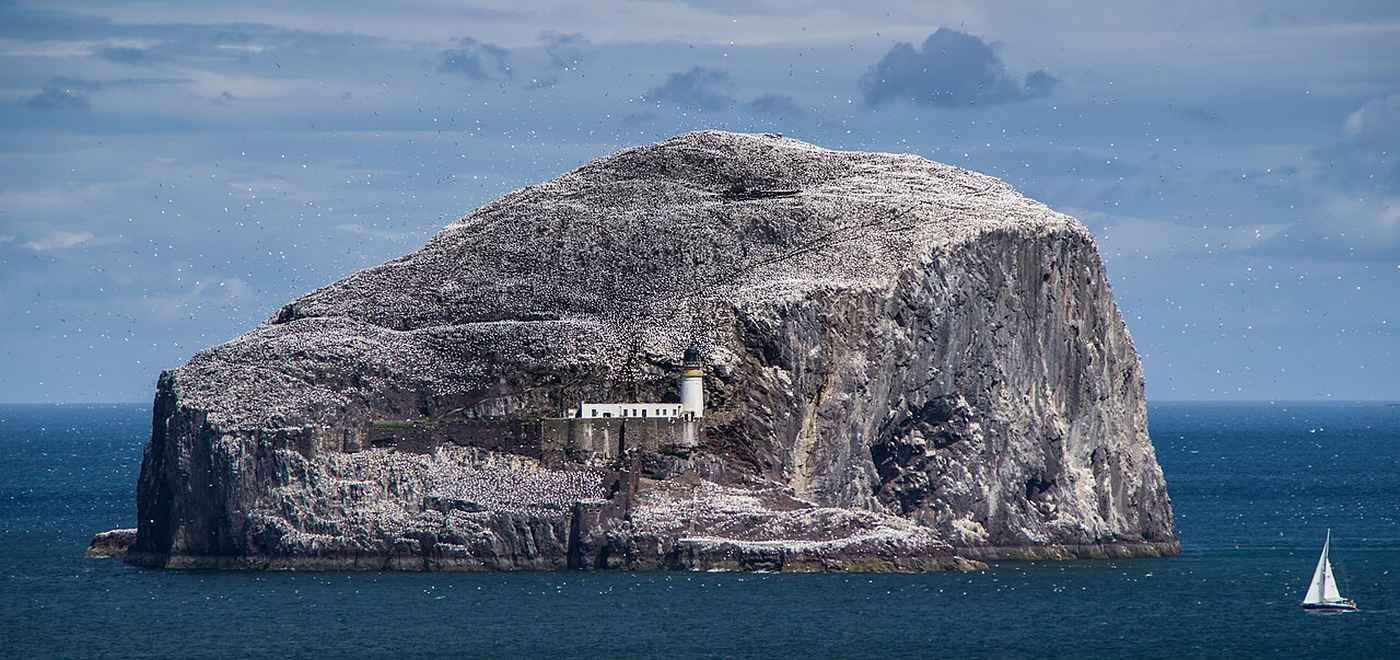
🦅
Noble family sells ‘wildlife wonder of the world’ bass rock to protect 100,000-strong seabird population
Adellijke familie verkoopt 'natuurlijke wonder van de wereld' Bass Rock om 100.000 sterke zeevogelpopulatie te beschermen
Une famille noble vend 'merveille de la nature' Bass Rock pour protéger une population de 100 000 oiseaux marins
It's truly inspiring to see the Dalrymple family sell Bass Rock to the Royal Society for the Protection of Birds. This decision ensures that the incredible colony of gannets and puffins will receive the best conservation management possible. Sir Hew Dalrymple recognized the urgent need for protection, especially with rising seabird fatalities. By passing stewardship to the RSPB, he's made a heartfelt choice for wildlife over ownership, and that’s something we can all celebrate!
Het is echt inspirerend om te zien dat de familie Dalrymple Bass Rock verkoopt aan de Royal Society for the Protection of Birds. Deze beslissing zorgt ervoor dat de ongelooflijke kolonie van jan-van-genten en puffins de beste natuurbescherming krijgt. Sir Hew Dalrymple erkende de dringende noodzaak van bescherming, vooral met de toenemende sterfte onder zeevogels. Door het beheer over te dragen aan de RSPB, heeft hij een emotionele keuze gemaakt voor de natuur boven eigendom, en dat is iets om te vieren!
C'est vraiment inspirant de voir la famille Dalrymple vendre Bass Rock à la Royal Society for the Protection of Birds. Cette décision garantit que l'incroyable colonie de fous de Bassan et de macareux bénéficiera de la meilleure gestion de conservation possible. Sir Hew Dalrymple a reconnu l'urgence de la protection, surtout avec l'augmentation des mortalités chez les oiseaux marins. En passant la gestion à la RSPB, il a fait un choix émouvant pour la faune plutôt que pour la propriété, et c'est quelque chose que nous pouvons tous célébrer !
🌟
Scientists analyzed 264,000 pregnancies. No evidence found of paracetamol harm
Wetenschappers analyseerden 264.000 zwangerschappen. Geen bewijs gevonden van schadelijkheid van paracetamol
Des scientifiques ont analysé 264 000 grossesses. Aucune preuve de nocivité du paracétamol
So, here's the exciting news! Two major studies have found no evidence that paracetamol harms pregnancies, even after analyzing data from over 264,000 cases. The research, led by Dr. Sharon Daniel, shows that any observed risks were actually linked to underlying health issues, not the medication itself. This is a huge relief for many expecting mothers who rely on paracetamol for pain relief during pregnancy.
Dus, hier is het spannende nieuws! Twee grote studies hebben geen bewijs gevonden dat paracetamol schadelijk is voor zwangerschappen, zelfs niet na het analyseren van gegevens van meer dan 264.000 gevallen. Het onderzoek, geleid door Dr. Sharon Daniel, toont aan dat de waargenomen risico's eigenlijk verband hielden met onderliggende gezondheidsproblemen, niet met het medicijn zelf. Dit is een enorme opluchting voor veel aanstaande moeders die op paracetamol vertrouwen voor pijnverlichting tijdens de zwangerschap.
Alors, voici la nouvelle excitante ! Deux grandes études n'ont trouvé aucune preuve que le paracétamol nuise aux grossesses, même après avoir analysé des données de plus de 264 000 cas. La recherche, dirigée par le Dr Sharon Daniel, montre que les risques observés étaient en réalité liés à des problèmes de santé sous-jacents, et non au médicament lui-même. C'est un énorme soulagement pour de nombreuses futures mamans qui comptent sur le paracétamol pour soulager la douleur pendant la grossesse.
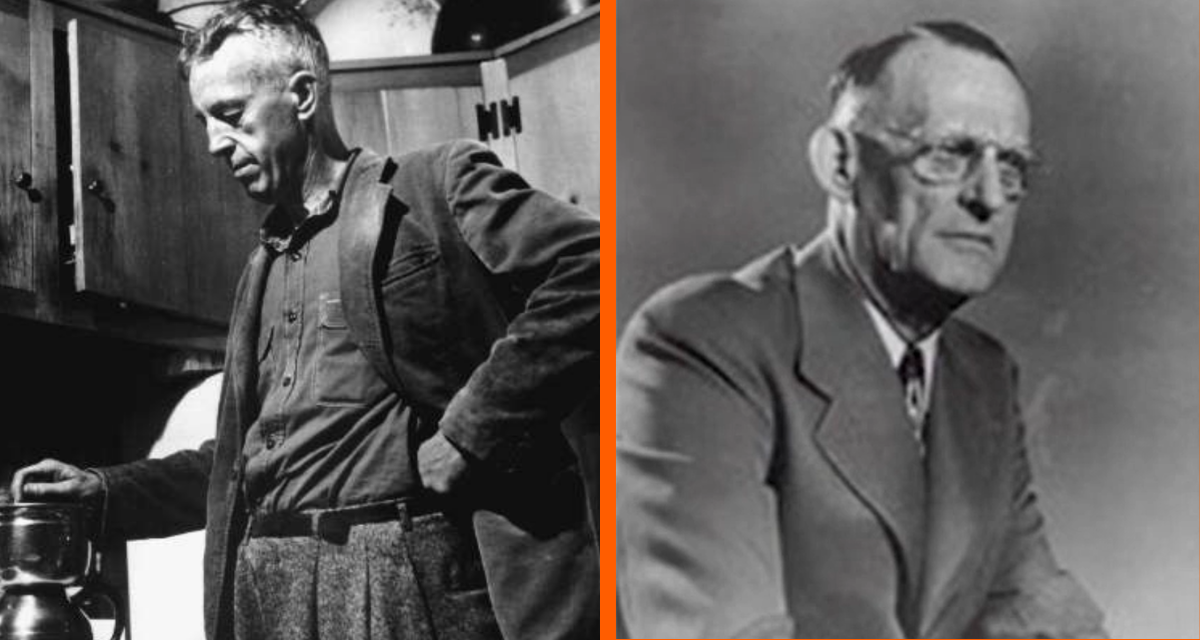
🌟
91 years ago today, a severe hangover led two friends to start Alcoholics Anonymous in Akron, Ohio.
91 jaar geleden vandaag leidde een ernstige kater tot de oprichting van Alcoholics Anonymous in Akron, Ohio.
Il y a 91 ans aujourd'hui, une grave gueule de bois a conduit deux amis à fonder Alcooliques Anonymes à Akron, Ohio.
Can you believe it? Ninety-one years ago, two friends met over a hangover and changed the world with Alcoholics Anonymous! Bill W. and Dr. Bob, both struggling with alcoholism, found each other in Akron, Ohio, and the rest is history. Their meeting sparked the creation of a supportive fellowship that now has over 123,000 groups worldwide. It's incredible how a simple conversation can lead to such a profound impact on so many lives.
Kun je het geloven? Eenennegentig jaar geleden ontmoetten twee vrienden elkaar vanwege een kater en veranderden ze de wereld met Alcoholics Anonymous! Bill W. en Dr. Bob, beiden worstelend met alcoholisme, vonden elkaar in Akron, Ohio, en de rest is geschiedenis. Hun ontmoeting leidde tot de oprichting van een ondersteunende gemeenschap die nu meer dan 123.000 groepen wereldwijd heeft. Het is ongelooflijk hoe een eenvoudig gesprek zo'n diepgaande impact op zoveel levens kan hebben.
Peux-tu le croire ? Il y a quatre-vingt-onze ans, deux amis se sont rencontrés à cause d'une gueule de bois et ont changé le monde avec Alcooliques Anonymes ! Bill W. et Dr. Bob, tous deux en lutte contre l'alcoolisme, se sont trouvés à Akron, Ohio, et le reste appartient à l'histoire. Leur rencontre a donné naissance à une communauté de soutien qui compte désormais plus de 123 000 groupes dans le monde entier. C'est incroyable comment une simple conversation peut avoir un impact si profond sur tant de vies.
/s3/static.nrc.nl/wp-content/uploads/2026/06/05141454/110626WET_2032032113_3.jpg)
📚
The endless wealth of ancient Egyptian storytelling culture
De eindeloze rijkdom van de oude Egyptische verhaalcultuur
La richesse infinie de la culture narrative égyptienne ancienne
So, Hans Schneider is here to tell us that ancient Egyptians were not just obsessed with death and the afterlife! He’s spent over six years translating and compiling a treasure trove of Egyptian literature, showcasing their love for life through stories, hymns, and even love poems. This massive collection spans three thousand years and reveals a vibrant culture filled with creativity and skepticism. It's fascinating to see how these texts reflect a society that was as much about living as it was about the afterlife.
Hans Schneider laat ons zien dat de oude Egyptenaren niet alleen maar met de dood en het hiernamaals bezig waren! Hij heeft meer dan zes jaar besteed aan het vertalen en samenstellen van een schat aan Egyptische literatuur, die hun liefde voor het leven door verhalen, hymnes en zelfs liefdesgedichten toont. Deze enorme collectie beslaat drie duizend jaar en onthult een levendige cultuur vol creativiteit en scepsis. Het is fascinerend om te zien hoe deze teksten een samenleving weerspiegelen die net zozeer om het leven ging als om het hiernamaals.
Hans Schneider nous montre que les anciens Égyptiens n'étaient pas seulement obsédés par la mort et l'au-delà ! Il a passé plus de six ans à traduire et à compiler un trésor de littérature égyptienne, montrant leur amour de la vie à travers des histoires, des hymnes et même des poèmes d'amour. Cette immense collection couvre trois mille ans et révèle une culture vibrante pleine de créativité et de scepticisme. Il est fascinant de voir comment ces textes reflètent une société qui était autant axée sur la vie que sur l'au-delà.

🌌
Airbnb host wakes guest in the middle of the night so she doesn’t miss the northern lights
Airbnb-host wekt gast midden in de nacht zodat ze het noorderlicht niet mist
Un hôte Airbnb réveille un invité au milieu de la nuit pour qu'elle ne manque pas les aurores boréales
Imagine waking up in the middle of the night just to catch a glimpse of the northern lights! That's exactly what happened to traveler Pency Lucero when her Airbnb host, Martin, knocked on her door to ensure she didn’t miss the stunning display. Despite the heavy snowfall, Martin's dedication paid off, and Lucero was left in awe of nature's beauty. It's a heartwarming reminder that sometimes, the real-life experience can be even more breathtaking than the photos.
Stel je voor dat je midden in de nacht wakker wordt om een glimp van het noorderlicht op te vangen! Dat is precies wat reiziger Pency Lucero overkwam toen haar Airbnb-host, Martin, op haar deur klopte om ervoor te zorgen dat ze de prachtige show niet miste. Ondanks de zware sneeuwval betaalde Martins toewijding zich uit en Lucero was in vervoering door de schoonheid van de natuur. Het is een hartverwarmende herinnering dat soms de ervaring in het echt nog adembenemender kan zijn dan de foto's.
Imaginez-vous vous réveiller au milieu de la nuit juste pour apercevoir les aurores boréales ! C'est exactement ce qui est arrivé à la voyageuse Pency Lucero lorsque son hôte Airbnb, Martin, a frappé à sa porte pour s'assurer qu'elle ne manque pas ce spectacle époustouflant. Malgré la forte neige, le dévouement de Martin a porté ses fruits et Lucero a été émerveillée par la beauté de la nature. C'est un rappel réconfortant que parfois, l'expérience réelle peut être encore plus époustouflante que les photos.
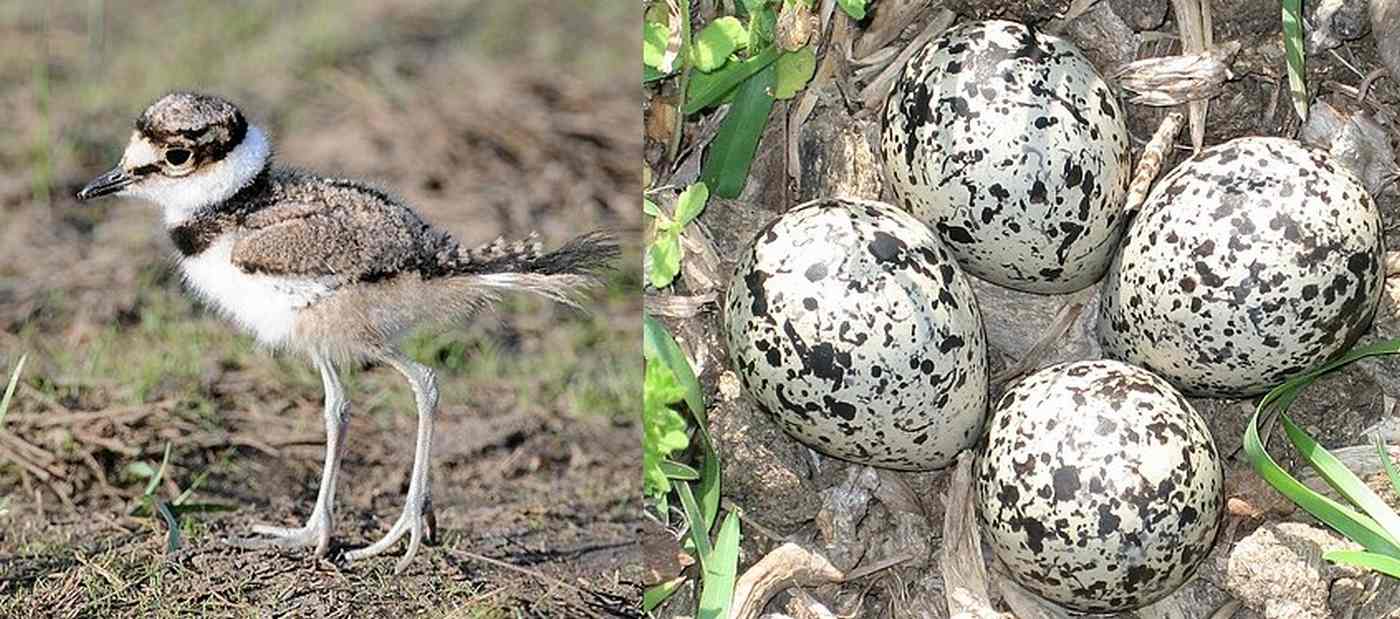
🐦
Chicago home builder lauded for halting construction just to save killdeer nest
Chicago huisbouwer geprezen voor het stopzetten van de bouw om een killdeer-nest te redden
Constructeur de Chicago loué pour avoir interrompu la construction juste pour sauver un nid de killdeer
So, here's a heartwarming story from Chicago where a couple, Ray and Shelly Romolt, paused home construction to protect a killdeer nest. They discovered four eggs in the lot next to their home and knew they had to act fast. After reaching out to the construction company, D.R. Horton, they were thrilled when the crew agreed to postpone their work until the eggs hatched. This shows how a little awareness can lead to big changes for our feathered friends!
Dus, hier is een hartverwarmend verhaal uit Chicago waar een stel, Ray en Shelly Romolt, de bouw van hun huis stopzetten om een killdeer-nest te beschermen. Ze ontdekten vier eieren in het perceel naast hun huis en wisten dat ze snel moesten handelen. Na contact met het bouwbedrijf, D.R. Horton, waren ze dolblij toen de ploeg instemde met het uitstellen van hun werk totdat de eieren uitkwamen. Dit laat zien hoe een beetje bewustzijn kan leiden tot grote veranderingen voor onze gevederde vrienden!
Alors, voici une histoire réconfortante de Chicago où un couple, Ray et Shelly Romolt, a interrompu la construction de leur maison pour protéger un nid de killdeer. Ils ont découvert quatre œufs sur le terrain voisin et savaient qu'ils devaient agir rapidement. Après avoir contacté l'entreprise de construction, D.R. Horton, ils étaient ravis lorsque l'équipe a accepté de reporter leur travail jusqu'à l'éclosion des œufs. Cela montre comment un peu de sensibilisation peut entraîner de grands changements pour nos amis à plumes !

🌊
China opens world’s first wind-powered underwater data center
China opent 's werelds eerste wind-aangedreven onderwater datacenter
La Chine ouvre le premier centre de données sous-marin alimenté par éolien
China has made a groundbreaking move by launching the world's first underwater data center powered by wind energy, located off the coast of Shanghai. This innovative facility not only enhances energy security but also significantly reduces reliance on fossil fuels and minimizes environmental impact. With a cooling system that uses seawater, it boasts an impressive power-usage effectiveness, setting a new standard in the industry. This initiative is a key part of China's strategy to lead in AI development while promoting renewable energy sources.
China heeft een baanbrekende stap gezet door 's werelds eerste onderwater datacenter te lanceren dat wordt aangedreven door windenergie, gelegen voor de kust van Shanghai. Deze innovatieve faciliteit verbetert niet alleen de energiezekerheid, maar vermindert ook aanzienlijk de afhankelijkheid van fossiele brandstoffen en minimaliseert de impact op het milieu. Met een koelsysteem dat gebruikmaakt van zeewater, heeft het een indrukwekkende energieverbruikseffectiviteit, wat een nieuwe standaard in de industrie stelt. Dit initiatief is een belangrijk onderdeel van China's strategie om te leiden in AI-ontwikkeling terwijl het hernieuwbare energiebronnen bevordert.
La Chine a franchi une étape décisive en lançant le premier centre de données sous-marin au monde alimenté par l'énergie éolienne, situé au large de Shanghai. Cette installation innovante améliore non seulement la sécurité énergétique, mais réduit également considérablement la dépendance aux combustibles fossiles et minimise l'impact environnemental. Avec un système de refroidissement utilisant l'eau de mer, il affiche une efficacité énergétique impressionnante, établissant une nouvelle norme dans l'industrie. Cette initiative s'inscrit dans la stratégie de la Chine pour dominer le développement de l'IA tout en promouvant les sources d'énergie renouvelables.
🧀
French cheeses made from raw milk lead to a longer life, new study shows
Franse kazen van rauwe melk zorgen voor een langer leven, blijkt uit nieuwe studie
Les fromages français au lait cru prolongent la vie, selon une nouvelle étude
A fascinating new study reveals that indulging in French cheeses made from raw milk might actually contribute to a longer life! This research highlights the health benefits associated with these traditional cheeses, which are rich in nutrients and flavor. It’s amazing to think that something so delicious could also be good for our longevity. So, if you're a cheese lover like me, this is definitely a reason to enjoy those artisanal selections even more!
Een fascinerende nieuwe studie onthult dat genieten van Franse kazen van rauwe melk mogelijk bijdraagt aan een langer leven! Dit onderzoek benadrukt de gezondheidsvoordelen van deze traditionele kazen, die rijk zijn aan voedingsstoffen en smaak. Het is geweldig om te bedenken dat iets zo lekkers ook goed kan zijn voor onze levensduur. Dus, als je net als ik een kaasliefhebber bent, is dit zeker een reden om nog meer van die ambachtelijke selecties te genieten!
Une nouvelle étude fascinante révèle que déguster des fromages français au lait cru pourrait en fait contribuer à une vie plus longue ! Cette recherche met en lumière les bienfaits pour la santé associés à ces fromages traditionnels, riches en nutriments et en saveurs. C'est incroyable de penser que quelque chose d'aussi délicieux pourrait également être bon pour notre longévité. Donc, si vous êtes un amateur de fromage comme moi, c'est définitivement une raison de profiter encore plus de ces sélections artisanales !
🌟
This scientist is rethinking how to put GPS collars on wildlife
Deze wetenschapper heroverweegt hoe GPS-halsbanden op wilde dieren te plaatsen
Ce scientifique repense la façon de mettre des colliers GPS sur la faune
So, there's this fascinating scientist who's challenging the traditional methods of fitting GPS collars on wildlife. They're exploring new ways to enhance the comfort and effectiveness of these collars, which is super important for animal welfare. Now, this could lead to better tracking and understanding of animal behaviors in their natural habitats. Which brings me to the exciting potential for conservation efforts that could really benefit from these innovations!
Dus, er is deze fascinerende wetenschapper die de traditionele methoden voor het aanbrengen van GPS-halsbanden op wilde dieren uitdaagt. Ze verkennen nieuwe manieren om het comfort en de effectiviteit van deze halsbanden te verbeteren, wat superbelangrijk is voor het welzijn van dieren. Nu, dit kan leiden tot betere tracking en begrip van dieren gedrag in hun natuurlijke habitat. Dit brengt me bij het spannende potentieel voor natuurbeschermingsinspanningen die echt kunnen profiteren van deze innovaties!
Alors, il y a ce scientifique fascinant qui remet en question les méthodes traditionnelles de pose de colliers GPS sur la faune. Il explore de nouvelles façons d'améliorer le confort et l'efficacité de ces colliers, ce qui est super important pour le bien-être animal. Maintenant, cela pourrait conduire à une meilleure surveillance et compréhension des comportements des animaux dans leur habitat naturel. Ce qui m'amène au potentiel passionnant pour les efforts de conservation qui pourraient vraiment bénéficier de ces innovations !
🐾
How can you tell whether your dog is right-pawed or left-pawed?
Hoe kun je zien of je hond rechts- of linkshandig is?
Comment savoir si votre chien est droitier ou gaucher?
So, have you ever wondered if your dog has a preference for using one paw over the other? This fascinating topic dives into the idea that just like humans, dogs can show a dominant paw. Researchers are exploring various methods to determine whether your furry friend is right-pawed or left-pawed, which could reveal more about their behavior and personality. It's a fun way to connect with your pet and understand them better!
Heb je je ooit afgevraagd of je hond een voorkeur heeft voor het gebruik van de ene poot boven de andere? Dit fascinerende onderwerp duikt in het idee dat, net als mensen, honden een dominante poot kunnen hebben. Onderzoekers verkennen verschillende methoden om te bepalen of je harige vriend rechtshandig of linkshandig is, wat meer kan onthullen over hun gedrag en persoonlijkheid. Het is een leuke manier om verbinding te maken met je huisdier en ze beter te begrijpen!
Vous êtes-vous déjà demandé si votre chien a une préférence pour utiliser une patte plutôt qu'une autre ? Ce sujet fascinant explore l'idée que, tout comme les humains, les chiens peuvent montrer une patte dominante. Les chercheurs examinent diverses méthodes pour déterminer si votre ami à quatre pattes est droitier ou gaucher, ce qui pourrait révéler davantage sur son comportement et sa personnalité. C'est une façon amusante de se connecter avec votre animal et de mieux le comprendre !

🌱
From low-impact loo roll to vintage sinks: 13 ways to make your bathroom more sustainable
Van low-impact toiletpapier tot vintage wastafels: 13 manieren om je badkamer duurzamer te maken
Des rouleaux de papier toilette à faible impact aux éviers vintage : 13 façons de rendre votre salle de bain plus durable
I love how this article dives into making our bathrooms more sustainable! It highlights simple swaps like bamboo loo roll and eco-friendly cleaners that can really cut down on waste. Plus, it suggests finding vintage fixtures that add character while reducing carbon footprints. It’s all about being mindful of our choices, and I’m excited to try some of these tips myself!
Ik vind het geweldig hoe dit artikel ingaat op het duurzamer maken van onze badkamers! Het benadrukt eenvoudige vervangingen zoals bamboe toiletpapier en milieuvriendelijke schoonmaakmiddelen die echt kunnen helpen om afval te verminderen. Bovendien worden vintage armaturen voorgesteld die karakter toevoegen en tegelijkertijd de ecologische voetafdruk verkleinen. Het draait allemaal om bewustzijn van onze keuzes, en ik ben enthousiast om enkele van deze tips zelf uit te proberen!
J'adore comment cet article explore les moyens de rendre nos salles de bains plus durables ! Il met en avant des alternatives simples comme le papier toilette en bambou et des nettoyants écologiques qui peuvent vraiment réduire les déchets. De plus, il suggère de trouver des accessoires vintage qui ajoutent du caractère tout en réduisant l'empreinte carbone. Tout est une question de prise de conscience de nos choix, et je suis impatient d'essayer certains de ces conseils moi-même !
🎈
Hot air balloons fill Kazakhstan skies as festival returns
Heißluchtballonnen vullen de Kazachse lucht terwijl het festival terugkeert
Des montgolfières remplissent le ciel du Kazakhstan alors que le festival revient
So, the ballooning festival in Kazakhstan is back after a two-year break, and it’s absolutely spectacular! With 29 vibrant hot air balloons soaring above the stunning Trans-Ili Alatau Mountains, it’s a sight to behold. Pilots from 12 different countries joined in the fun, and visitors had the chance to enjoy tethered rides and passenger flights. Plus, there were concerts and family activities, making it a perfect outing for everyone involved.
Dus, het ballonfestival in Kazachstan is terug na een pauze van twee jaar en het is absoluut spectaculair! Met 29 levendige luchtballonnen die boven de prachtige Trans-Ili Alatau bergen zweven, is het een lust voor het oog. Piloten uit 12 verschillende landen deden mee aan het plezier, en bezoekers hadden de kans om vastgebonden ritten en passagiersvluchten te genieten. Bovendien waren er concerten en gezinsactiviteiten, wat het een perfecte uitje maakt voor iedereen die erbij betrokken is.
Alors, le festival de montgolfières au Kazakhstan est de retour après une pause de deux ans et c'est absolument spectaculaire ! Avec 29 montgolfières colorées s'élevant au-dessus des magnifiques montagnes Trans-Ili Alatau, c'est un véritable régal pour les yeux. Des pilotes de 12 pays différents ont participé à l'événement, et les visiteurs ont eu la chance de profiter de vols attachés et de vols passagers. De plus, il y avait des concerts et des activités familiales, ce qui en fait une sortie parfaite pour tous les participants.
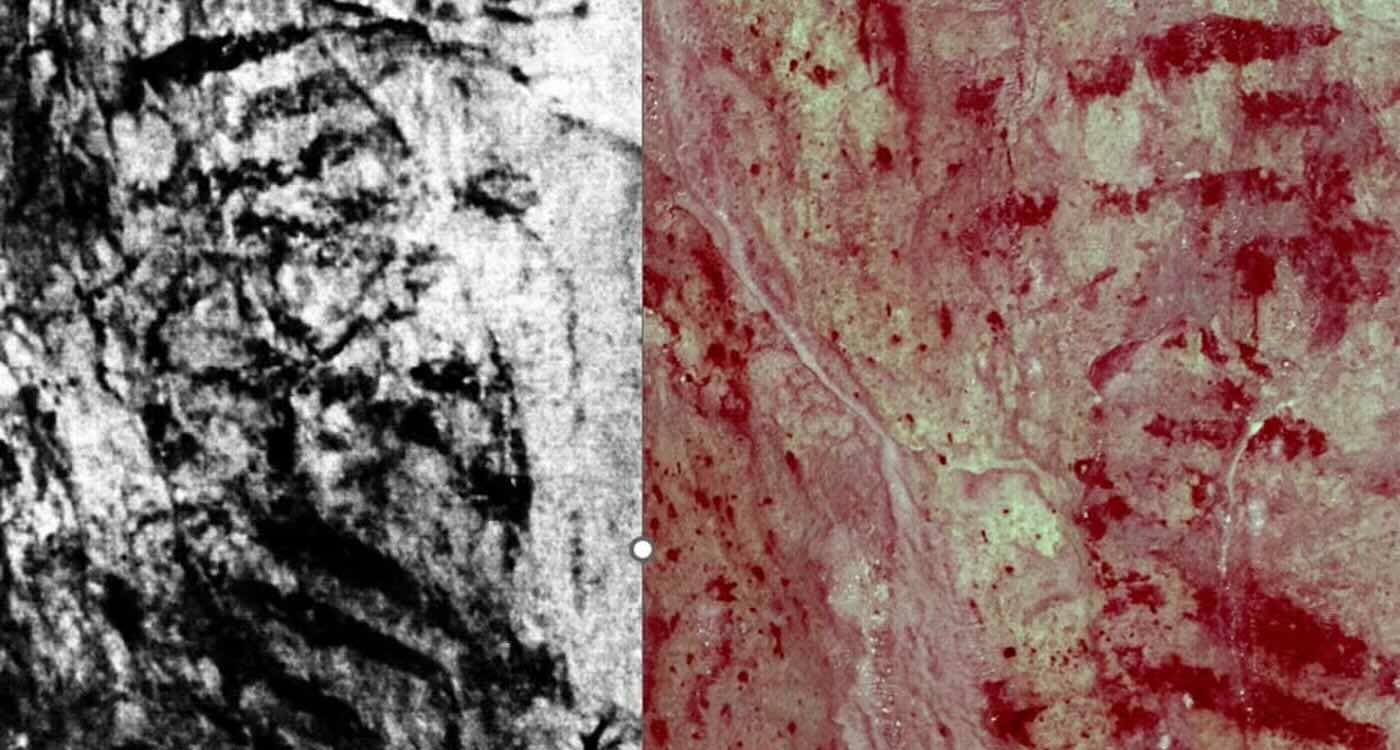
🎨
Striped rock dismissed as natural in 1928 reclassified as UK’s oldest cave painting
Gestreepte rots in 1928 als natuurlijk afgedaan, opnieuw geclassificeerd als de oudste grot schildering van het VK
Roche rayée considérée comme naturelle en 1928 reclassée comme la plus ancienne peinture rupestre du Royaume-Uni
What a fascinating turn of events! A rock formation in Bacon Cave, once dismissed as a natural occurrence in 1928, has now been reclassified as the oldest cave painting in the UK, dating back an astonishing 15,100 years. Dr. George Nash and his team used modern dating techniques to uncover the truth about these ancient red streaks. This exciting rediscovery not only highlights the artistry of our prehistoric ancestors but also emphasizes the importance of protecting such historical sites. It's a reminder of how much we can learn from the past!
Wat een fascinerende wending! Een rotsformatie in de Bacon Cave, ooit in 1928 als een natuurlijk verschijnsel afgedaan, is nu geherclassificeerd als de oudste grot schildering in het VK, met een verbazingwekkende leeftijd van 15.100 jaar. Dr. George Nash en zijn team gebruikten moderne dateringsmethoden om de waarheid achter deze oude rode strepen te onthullen. Deze opwindende herontdekking benadrukt niet alleen de kunstzinnigheid van onze prehistorische voorouders, maar ook het belang van het beschermen van dergelijke historische locaties. Het is een herinnering aan hoeveel we van het verleden kunnen leren!
Quelle tournure fascinante ! Une formation rocheuse dans la Bacon Cave, autrefois considérée comme un phénomène naturel en 1928, a maintenant été reclassée comme la plus ancienne peinture rupestre du Royaume-Uni, datant de 15 100 ans. Le Dr George Nash et son équipe ont utilisé des techniques de datation modernes pour découvrir la vérité sur ces anciennes bandes rouges. Cette redécouverte passionnante met en lumière l'art de nos ancêtres préhistoriques et souligne l'importance de protéger de tels sites historiques. C'est un rappel de combien nous pouvons apprendre du passé !
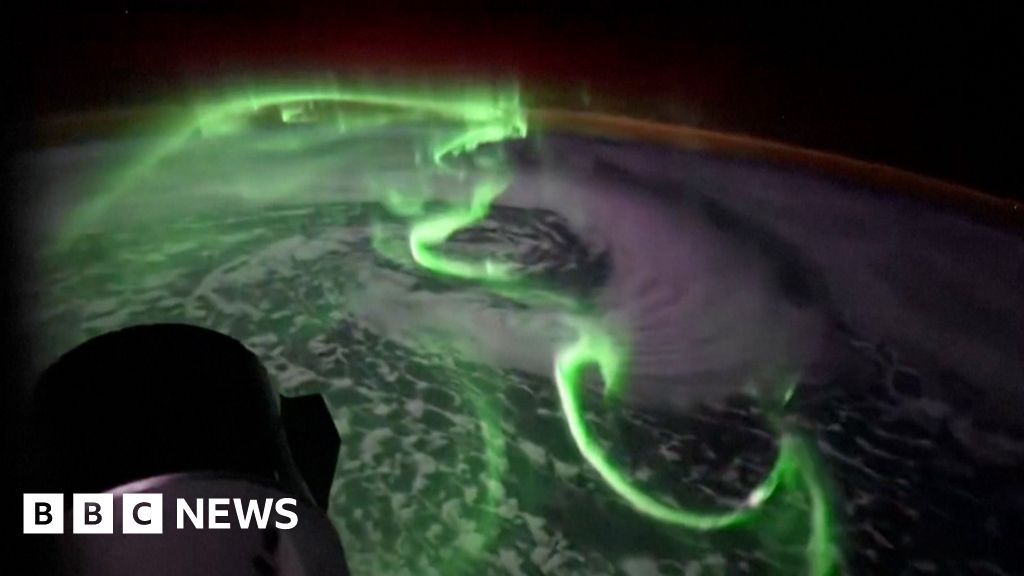
🌌
Watch: Southern Lights timelapse filmed from space
Bekijk: Timelapse van de Zuidelijke Lichten gefilmd vanuit de ruimte
Regardez : Timelapse des lumières du sud filmée depuis l'espace
Wow, have you seen the stunning Southern Lights captured from space? NASA astronaut Jessica Meir filmed this incredible timelapse while aboard the SpaceX Dragon shuttle. It's fascinating to think that these lights are just as common as the Northern Lights, yet so few people get to witness them. They occur near the poles due to Earth's magnetic field, creating a dazzling display of colors in the atmosphere.
Wauw, heb je de prachtige Zuidelijke Lichten gezien die vanuit de ruimte zijn vastgelegd? NASA-astronaut Jessica Meir filmde deze ongelooflijke timelapse aan boord van de SpaceX Dragon-shuttle. Het is fascinerend om te denken dat deze lichten net zo vaak voorkomen als de Noordelijke Lichten, maar zo weinig mensen ze kunnen zien. Ze ontstaan nabij de polen door het magnetische veld van de aarde, wat een verbluffende kleurenpracht in de atmosfeer creëert.
Waouh, avez-vous vu les magnifiques lumières du sud capturées depuis l'espace ? L'astronaute de la NASA, Jessica Meir, a filmé cette incroyable timelapse à bord de la navette SpaceX Dragon. C'est fascinant de penser que ces lumières sont tout aussi courantes que les lumières du nord, mais si peu de gens peuvent les voir. Elles se produisent près des pôles en raison du champ magnétique de la Terre, créant un spectacle éblouissant de couleurs dans l'atmosphère.
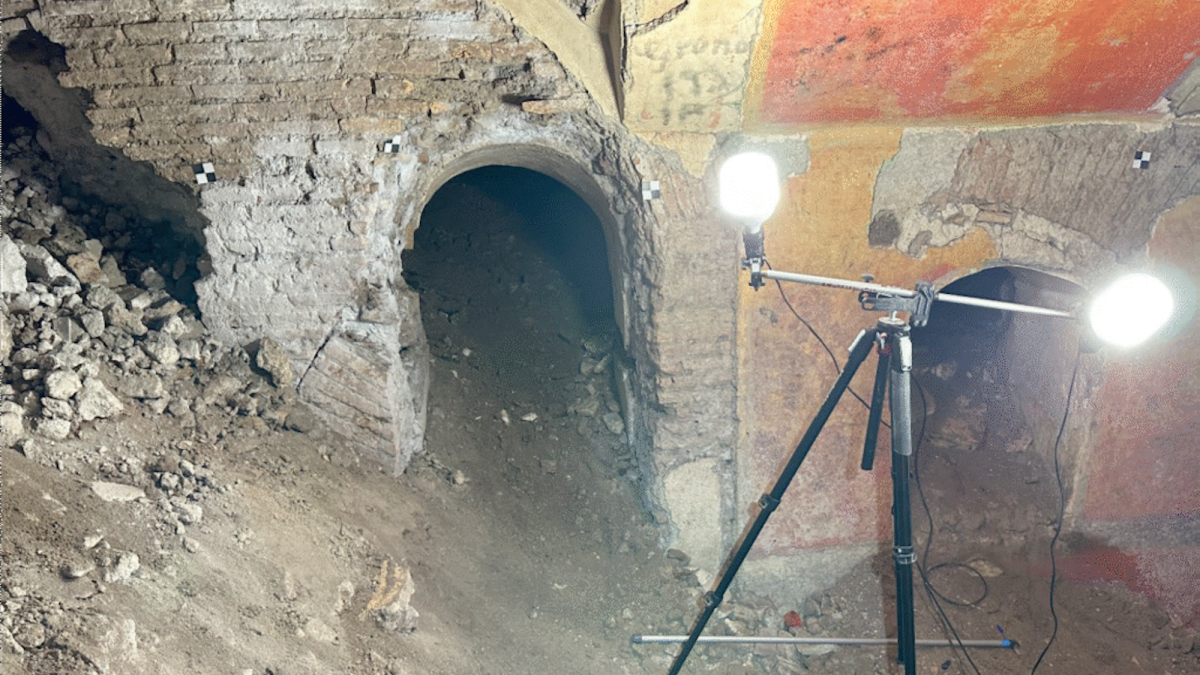
🏛️
Students discover long-lost Roman villa under high school gym
Leerlingen ontdekken lang verloren Romeinse villa onder gymzaal van de middelbare school
Des élèves découvrent une villa romaine perdue sous le gymnase de leur lycée
So, can you believe it? Students at Cavour Scientific High School have uncovered a hidden Roman villa right beneath their gym! For years, they speculated about ancient ruins lurking below, and now their curiosity has paid off. Archaeologists have confirmed the existence of a luxurious domus from the mid-second century CE, complete with stunning frescoes and mosaics. This discovery not only sheds light on Roman life but also opens the door for future explorations and public visits!
Dus, kun je het geloven? Leerlingen van de Cavour Scientific High School hebben een verborgen Romeinse villa ontdekt, recht onder hun gym! Jarenlang speculeerden ze over oude ruïnes die onder de grond lagen, en nu heeft hun nieuwsgierigheid zich uitbetaald. Archeologen hebben het bestaan van een luxueuze domus uit de middeleeuwse tweede eeuw na Christus bevestigd, compleet met prachtige fresco's en mozaïeken. Deze ontdekking werpt niet alleen licht op het Romeinse leven, maar opent ook de deur voor toekomstige verkenningen en openbare bezoeken!
Alors, pouvez-vous le croire? Des élèves du lycée scientifique Cavour ont découvert une villa romaine cachée juste sous leur gymnase ! Pendant des années, ils ont spéculé sur des ruines anciennes se cachant en dessous, et maintenant leur curiosité a porté ses fruits. Les archéologues ont confirmé l'existence d'une luxueuse domus du milieu du deuxième siècle de notre ère, avec de superbes fresques et mosaïques. Cette découverte éclaire non seulement la vie romaine, mais ouvre également la voie à de futures explorations et visites publiques !
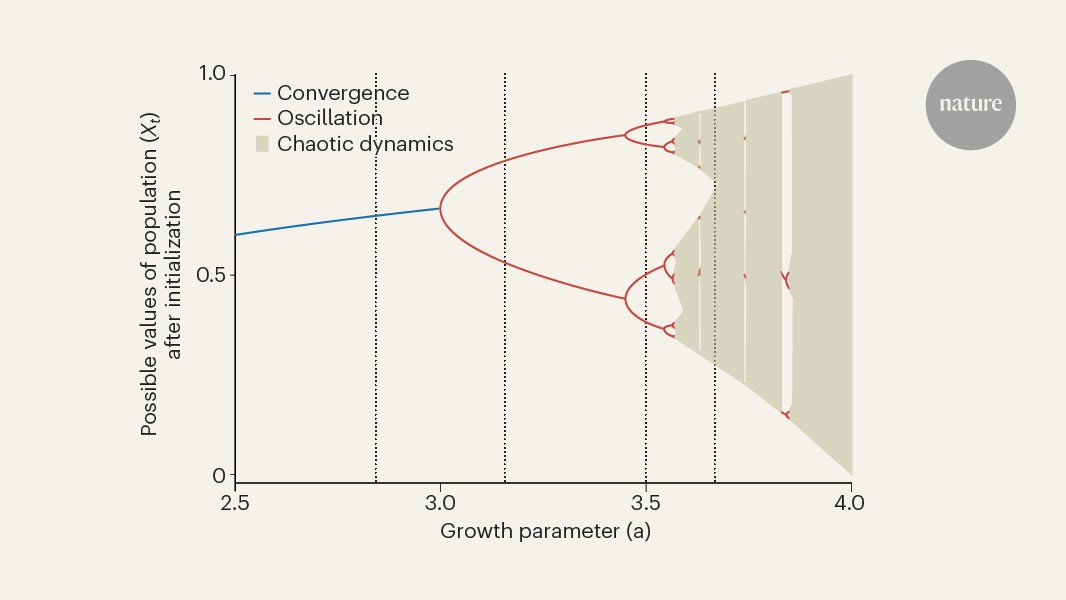
🌟
Fifty years since a simple equation described the chaos of biology
Vijftig jaar sinds een eenvoudige vergelijking de chaos van de biologie beschreef
Cinquante ans depuis qu'une simple équation a décrit le chaos de la biologie
It's fascinating to see how chaos theory has evolved over the years, especially in population dynamics. A groundbreaking paper by Robert May in 1976 showed that complex biological behaviors could actually be modeled with simple mathematics. This idea not only influenced scientific thought but also inspired literature, like Tom Stoppard’s play Arcadia. The beauty of it all lies in understanding that even seemingly random systems follow underlying laws, which is just mind-blowing!
Het is fascinerend om te zien hoe de chaos theorie in de loop der jaren is geëvolueerd, vooral in de populatiedynamiek. Een baanbrekend artikel van Robert May in 1976 toonde aan dat complexe biologische gedragingen eigenlijk met eenvoudige wiskunde gemodelleerd konden worden. Dit idee beïnvloedde niet alleen de wetenschappelijke gedachte, maar inspireerde ook literatuur, zoals het stuk Arcadia van Tom Stoppard. De schoonheid ervan ligt in het begrijpen dat zelfs schijnbaar willekeurige systemen onderliggende wetten volgen, wat gewoon verbazingwekkend is!
C'est fascinant de voir comment la théorie du chaos a évolué au fil des ans, en particulier dans la dynamique des populations. Un article révolutionnaire de Robert May en 1976 a montré que des comportements biologiques complexes pouvaient en fait être modélisés par des mathématiques simples. Cette idée a non seulement influencé la pensée scientifique, mais a également inspiré la littérature, comme la pièce Arcadia de Tom Stoppard. La beauté de tout cela réside dans la compréhension que même les systèmes apparemment aléatoires suivent des lois sous-jacentes, ce qui est tout simplement incroyable !

📚
15-year-old Mika wants to make economics understandable for young people
15-jarige Mika wil economie begrijpelijk maken voor jongeren
Mika, 15 ans, veut rendre l'économie compréhensible pour les jeunes
So, there's this amazing 15-year-old named Mika who believes that economics should be taught to kids much earlier. He’s even written a book to make the subject accessible for teenagers and adults alike. Mika thinks that understanding personal finance is crucial and should start as early as third grade. His enthusiasm for economics began during a trip to France, and now he’s on a mission to help others grasp these important concepts.
Dus, er is deze geweldige 15-jarige genaamd Mika die gelooft dat economie veel eerder aan kinderen moet worden geleerd. Hij heeft zelfs een boek geschreven om het onderwerp toegankelijk te maken voor tieners en volwassenen. Mika vindt dat het begrijpen van persoonlijke financiën cruciaal is en al in groep drie zou moeten beginnen. Zijn enthousiasme voor economie begon tijdens een reis naar Frankrijk, en nu is hij op een missie om anderen te helpen deze belangrijke concepten te begrijpen.
Donc, il y a ce jeune de 15 ans nommé Mika qui croit que l'économie devrait être enseignée aux enfants beaucoup plus tôt. Il a même écrit un livre pour rendre le sujet accessible aux adolescents et aux adultes. Mika pense que comprendre les finances personnelles est crucial et devrait commencer dès la troisième année. Son enthousiasme pour l'économie a commencé lors d'un voyage en France, et maintenant il est en mission pour aider les autres à saisir ces concepts importants.
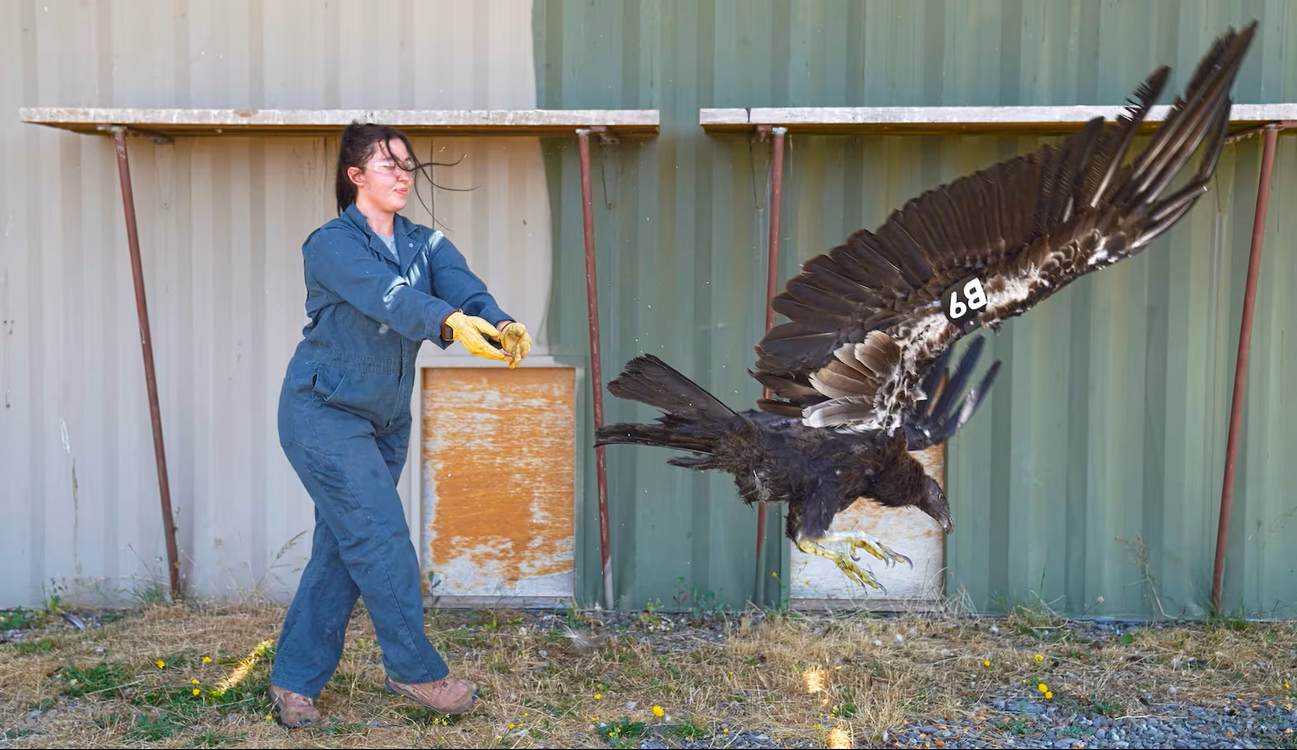
🦅
Endangered california condor flies into oregon for the first time in 122 years
Bedreigde california condor vliegt voor het eerst in 122 jaar naar oregon
Le condor de Californie en danger vole dans l'Oregon pour la première fois en 122 ans
Last month, a California condor made a remarkable journey into Oregon, marking the first sighting in the state since 1904. This adventurous bird, known as B9, flew a whopping 380 miles over four days, showcasing the beauty of its natural habitat. Conservationists from the Yurok tribe are thrilled, noting B9's curious nature and impressive daily flight distance. Even though a recent egg laid by a female condor didn’t hatch, it still represents a significant milestone in the ongoing efforts to revive this critically-endangered species.
Vorig maand maakte een california condor een opmerkelijke reis naar oregon, wat de eerste waarneming in de staat sinds 1904 markeert. Deze avontuurlijke vogel, bekend als B9, vloog maar liefst 380 mijl in vier dagen en toonde de schoonheid van zijn natuurlijke habitat. Conservatie-experts van de Yurok-stam zijn enthousiast en wijzen op B9's nieuwsgierige aard en indrukwekkende dagelijkse vliegafstand. Hoewel een recent gelegd ei door een vrouwelijke condor niet uitkwam, vertegenwoordigt het nog steeds een belangrijke mijlpaal in de voortdurende inspanningen om deze kritiek bedreigde soort nieuw leven in te blazen.
Le mois dernier, un condor de Californie a effectué un voyage remarquable dans l'Oregon, marquant la première observation dans l'État depuis 1904. Cet oiseau aventureux, connu sous le nom de B9, a parcouru un impressionnant total de 380 miles en quatre jours, mettant en valeur la beauté de son habitat naturel. Les conservateurs de la tribu Yurok sont ravis, notant la nature curieuse de B9 et sa distance de vol quotidienne impressionnante. Même si un œuf récemment pondu par une femelle condor n'a pas éclos, cela représente tout de même une étape significative dans les efforts continus pour revitaliser cette espèce en danger critique.
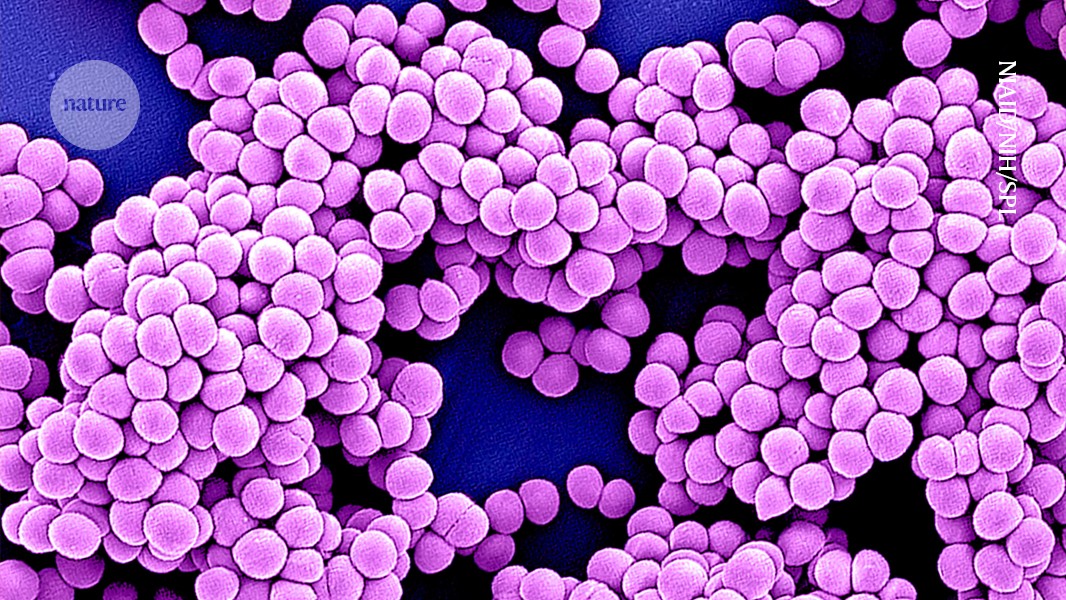
💡
AI is taking on antibiotic resistance — here’s how
AI gaat de antibioticumresistentie te lijf — zo doen we dat
L'IA s'attaque à la résistance aux antibiotiques — voici comment
Antibiotic resistance is a growing concern, and researchers are now turning to AI for solutions. A team at McMaster University discovered a promising molecule called enterololin, which targets harmful bacteria without affecting beneficial ones. They used an AI tool called DiffDock to predict how this molecule interacts with proteins, streamlining their research process. This innovative approach could pave the way for more effective antibiotics and combat the looming crisis of drug-resistant infections.
Antibioticaresistentie is een groeiende zorg, en onderzoekers wenden zich nu tot AI voor oplossingen. Een team van de McMaster Universiteit ontdekte een veelbelovende molecule genaamd enterololin, die schadelijke bacteriën aanpakt zonder de nuttige te beïnvloeden. Ze gebruikten een AI-tool genaamd DiffDock om te voorspellen hoe deze molecule met eiwitten interageert, wat hun onderzoeksproces stroomlijnt. Deze innovatieve aanpak zou de weg kunnen vrijmaken voor effectievere antibiotica en de dreigende crisis van geneesmiddelresistente infecties kunnen bestrijden.
La résistance aux antibiotiques est une préoccupation croissante, et les chercheurs se tournent désormais vers l'IA pour trouver des solutions. Une équipe de l'Université McMaster a découvert une molécule prometteuse appelée enterololin, qui cible les bactéries nuisibles sans affecter les bénéfiques. Ils ont utilisé un outil d'IA appelé DiffDock pour prédire comment cette molécule interagit avec les protéines, simplifiant ainsi leur processus de recherche. Cette approche innovante pourrait ouvrir la voie à des antibiotiques plus efficaces et lutter contre la crise imminente des infections résistantes aux médicaments.
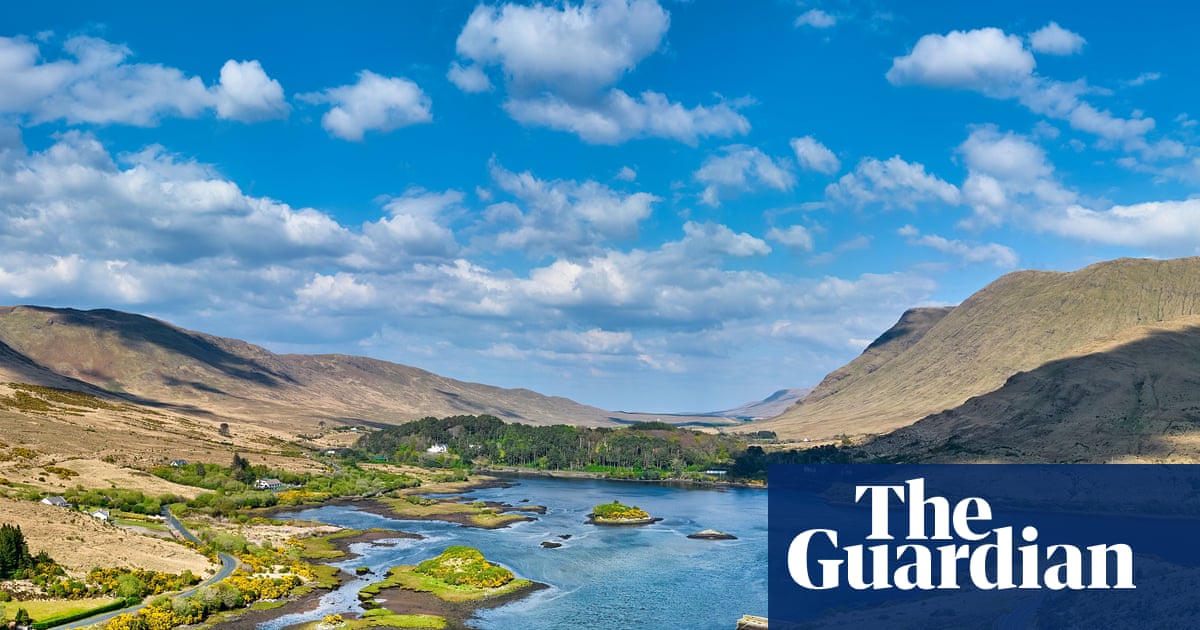
🌟
West Ireland’s magical landscape: where limestone rivers, Hollywood legend and Irish myth converge
Het magische landschap van West-Ierland: waar kalkstenen rivieren, Hollywoodlegende en Ierse mythe samenkomen
Le paysage magique de l'ouest de l'Irlande : où les rivières de calcaire, la légende d'Hollywood et le mythe irlandais convergent
I recently discovered the enchanting Joyce Country and Western Lakes Geopark in western Ireland, where limestone springs and caves create a stunning landscape. It’s fascinating how this area, rich in Irish culture and history, also attracted Hollywood for the film The Quiet Man. The village of Cong, nestled between two lakes, is a vibrant hub where the Irish language thrives in daily life. Plus, the local architecture tells stories of the past, from Gaelic royal patronage to the Guinness family's transformation of Ashford Castle into a luxurious retreat.
Onlangs ontdekte ik het betoverende Joyce Country en Western Lakes Geopark in het westen van Ierland, waar kalkstenen bronnen en grotten een prachtig landschap creëren. Het is fascinerend hoe dit gebied, rijk aan Ierse cultuur en geschiedenis, ook Hollywood aantrok voor de film The Quiet Man. Het dorp Cong, genesteld tussen twee meren, is een levendig centrum waar de Ierse taal in het dagelijks leven bloeit. Bovendien vertellen de lokale architectuurverhalen uit het verleden, van de koninklijke bescherming van de Gaelic tot de transformatie van Ashford Castle door de Guinness-familie in een luxueuze retraite.
J'ai récemment découvert le fascinant Geoparc Joyce Country et Western Lakes dans l'ouest de l'Irlande, où des sources et des grottes de calcaire créent un paysage époustouflant. C'est fascinant de voir comment cette région, riche en culture et en histoire irlandaises, a également attiré Hollywood pour le film The Quiet Man. Le village de Cong, niché entre deux lacs, est un centre vibrant où la langue irlandaise prospère dans la vie quotidienne. De plus, l'architecture locale raconte des histoires du passé, de la protection royale gaélique à la transformation du château d'Ashford par la famille Guinness en une retraite luxueuse.

🎮
Kill some time with these much needed distractions
Verdrijf de tijd met deze broodnodige afleidingen
Occupez-vous avec ces distractions bien nécessaires
Sometimes, we all need a little break from the relentless news cycle, right? This article shares a delightful collection of light-hearted distractions, perfect for unwinding during your lunch break or between emails. From quirky browser games to a virtual museum of operating systems, there's something for everyone to enjoy. So, dive into these fun rabbit holes and let your curiosity lead the way!
Soms hebben we allemaal een beetje pauze nodig van de onophoudelijke nieuwsberichten, toch? Dit artikel deelt een heerlijke verzameling van luchtige afleidingen, perfect om te ontspannen tijdens je lunchpauze of tussen de e-mails door. Van eigenzinnige browsergames tot een virtueel museum van besturingssystemen, er is voor ieder wat wils. Dus duik in deze leuke konijnenholen en laat je nieuwsgierigheid de weg wijzen!
Parfois, nous avons tous besoin d'une petite pause face au cycle d'actualités incessant, n'est-ce pas ? Cet article partage une collection délicieuse de distractions légères, parfaites pour se détendre pendant votre pause déjeuner ou entre deux e-mails. Des jeux de navigateur amusants à un musée virtuel des systèmes d'exploitation, il y en a pour tous les goûts. Alors, plongez dans ces trous de lapin amusants et laissez votre curiosité vous guider !

💻
The virtual os museum lets you relive over 600 operating systems right on your desktop
Het virtuele os-museum laat je meer dan 600 besturingssystemen opnieuw beleven op je desktop
Le musée virtuel des systèmes d'exploitation vous permet de revivre plus de 600 systèmes d'exploitation directement sur votre bureau
So, have you ever wanted to dive into the history of computing? The Virtual OS Museum is like a time machine for your desktop, offering over 1,700 installations of more than 600 operating systems! It’s the brainchild of Andrew Warkentin, who has been curating this incredible collection since 2003. From the first stored computer program to early Android builds, it's all there, just waiting for you to explore. Just a heads up, though – it’s a hefty download, so make sure you have the space!
Dus, heb je ooit willen duiken in de geschiedenis van de computertechnologie? Het virtuele os-museum is als een tijdmachine voor je desktop, met meer dan 1.700 installaties van meer dan 600 besturingssystemen! Het is het brein van Andrew Warkentin, die deze ongelooflijke collectie sinds 2003 samenstelt. Van het eerste opgeslagen computerprogramma tot vroege Android-versies, alles is er, gewoon wachtend om ontdekt te worden. Maar een waarschuwing: het is een flinke download, dus zorg ervoor dat je genoeg ruimte hebt!
Alors, avez-vous déjà voulu plonger dans l'histoire de l'informatique ? Le musée virtuel des systèmes d'exploitation est comme une machine à remonter le temps pour votre bureau, offrant plus de 1 700 installations de plus de 600 systèmes d'exploitation ! C'est l'œuvre d'Andrew Warkentin, qui a commencé à constituer cette incroyable collection en 2003. Du premier programme informatique stocké aux premières versions d'Android, tout est là, attendant d'être exploré. Juste un petit avertissement, cependant : c'est un téléchargement volumineux, alors assurez-vous d'avoir de l'espace !

🌍
Travel is not just relaxation: new research shows how traveling promotes longevity
Reizen is niet alleen ontspanning: nieuw onderzoek toont aan hoe reizen de levensduur bevordert
Voyager n'est pas seulement se détendre : une nouvelle recherche montre comment le voyage favorise la longévité
I find it fascinating that new research suggests traveling can actually help us live longer! The study indicates that frequent trips not only refresh our minds but also have positive effects on our bodies. Engaging with new environments stimulates our immune system and promotes better health overall. Plus, the social interactions and physical activity involved in traveling can significantly reduce stress and enhance our well-being.
Ik vind het fascinerend dat nieuw onderzoek suggereert dat reizen ons daadwerkelijk kan helpen langer te leven! De studie geeft aan dat frequente reizen niet alleen onze geest verfrist, maar ook positieve effecten heeft op ons lichaam. Het omgaan met nieuwe omgevingen stimuleert ons immuunsysteem en bevordert de algehele gezondheid. Bovendien kunnen de sociale interacties en fysieke activiteit die bij het reizen komen kijken, stress aanzienlijk verminderen en ons welzijn verbeteren.
Je trouve fascinant que de nouvelles recherches suggèrent que voyager peut en fait nous aider à vivre plus longtemps ! L'étude indique que des voyages fréquents rafraîchissent non seulement notre esprit, mais ont également des effets positifs sur notre corps. Interagir avec de nouveaux environnements stimule notre système immunitaire et favorise une meilleure santé globale. De plus, les interactions sociales et l'activité physique liées aux voyages peuvent réduire considérablement le stress et améliorer notre bien-être.
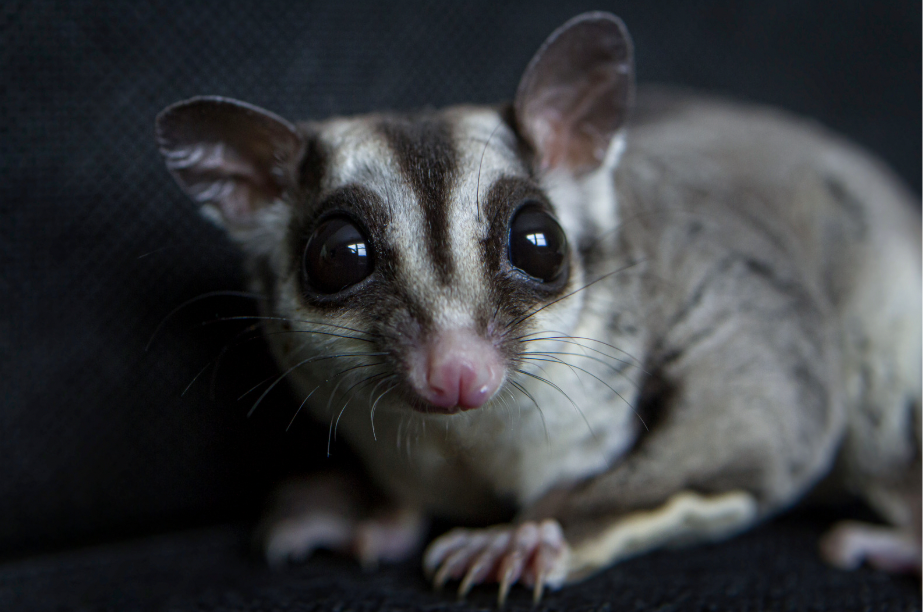
🌟
Ecologist ‘bursts into tears’ seeing endangered gliders using replacement nests
Ecologist 'barst in tranen uit' bij het zien van bedreigde vliegende eekhoorns die vervangende nesten gebruiken
Un écologiste 'éclate en larmes' en voyant des écureuils volants en danger utiliser des nids de remplacement
When Australian researchers checked their high-tech nesting boxes for greater gliders, they were overjoyed to find the marsupials using them. Dr. Kita Ashman couldn't hold back her tears of happiness upon discovering a glider in one of the boxes. These specially designed boxes are crucial for the survival of the species, which has faced significant habitat loss. With over 200 boxes installed, the project is a hopeful step towards protecting these unique creatures and understanding their population better.
Toen Australische onderzoekers hun hightech-nesten voor vliegende eekhoorns controleerden, waren ze dolblij om te ontdekken dat de marsupialen ze gebruikten. Dr. Kita Ashman kon haar tranen van blijdschap niet bedwingen toen ze een eekhoorn in een van de dozen ontdekte. Deze speciaal ontworpen dozen zijn cruciaal voor het overleven van de soort, die te maken heeft gehad met aanzienlijke habitatverlies. Met meer dan 200 geïnstalleerde dozen is het project een hoopvolle stap in de bescherming van deze unieke wezens en het beter begrijpen van hun populatie.
Lorsque des chercheurs australiens ont vérifié leurs boîtes de nidification high-tech pour les écureuils volants, ils ont été ravis de constater que les marsupiaux les utilisaient. La Dr. Kita Ashman n'a pas pu retenir ses larmes de bonheur en découvrant un écureuil dans l'une des boîtes. Ces boîtes spécialement conçues sont cruciales pour la survie de l'espèce, qui a subi une perte d'habitat significative. Avec plus de 200 boîtes installées, le projet est une étape prometteuse pour protéger ces créatures uniques et mieux comprendre leur population.
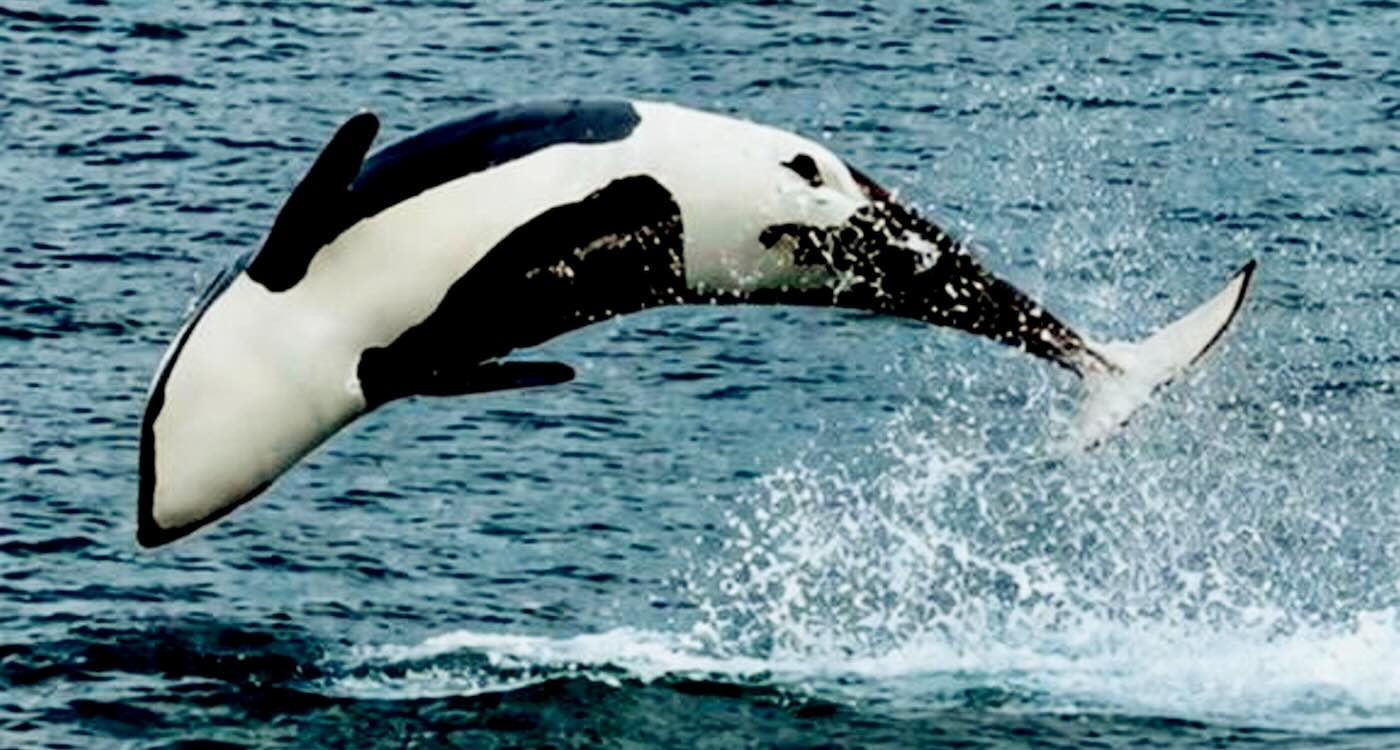
🐋
Orcas returning to UK coast in numbers rarely seen–with an acrobatic flip for excited tourists (watch)
Orka's keren terug naar de Britse kust in zeldzame aantallen–met een acrobatische sprongetje voor opgewonden toeristen (bekijk)
Les orques reviennent sur la côte britannique en nombre rarement vu–avec un saut acrobatique pour les touristes excités (regardez)
Orca sightings in the North Sea are creating quite the buzz among tourists and fishermen, many of whom are seeing them for the first time. Just last week, a pod of around 30 orcas was spotted during a boat tour, which is believed to be one of the largest ever seen off the Northumberland coast. Crew member Jake Tiffin captured an incredible moment when one of the orcas leapt out of the water, thrilling everyone on board. This resurgence of orcas is not only exciting but also highlights the health of local marine ecosystems.
Orka-zichtingen in de Noordzee zorgen voor veel opwinding onder toeristen en vissers, van wie velen ze voor het eerst zien. Vorige week werd een groep van ongeveer 30 orka's gespot tijdens een boottocht, wat wordt beschouwd als een van de grootste ooit gezien voor de kust van Northumberland. Crew-lid Jake Tiffin legde een ongelooflijk moment vast toen een van de orka's uit het water sprong, wat iedereen aan boord opwond. Deze heropleving van orka's is niet alleen opwindend, maar benadrukt ook de gezondheid van lokale mariene ecosystemen.
Les observations d'orques dans la mer du Nord suscitent beaucoup d'enthousiasme parmi les touristes et les pêcheurs, dont beaucoup les voient pour la première fois. La semaine dernière, un groupe d'environ 30 orques a été aperçu lors d'une excursion en bateau, ce qui est considéré comme l'un des plus grands jamais vus au large de la côte de Northumberland. Le membre d'équipage Jake Tiffin a capturé un moment incroyable lorsque l'une des orques a sauté hors de l'eau, enthousiasmant tout le monde à bord. Ce retour des orques est non seulement excitant, mais souligne également la santé des écosystèmes marins locaux.
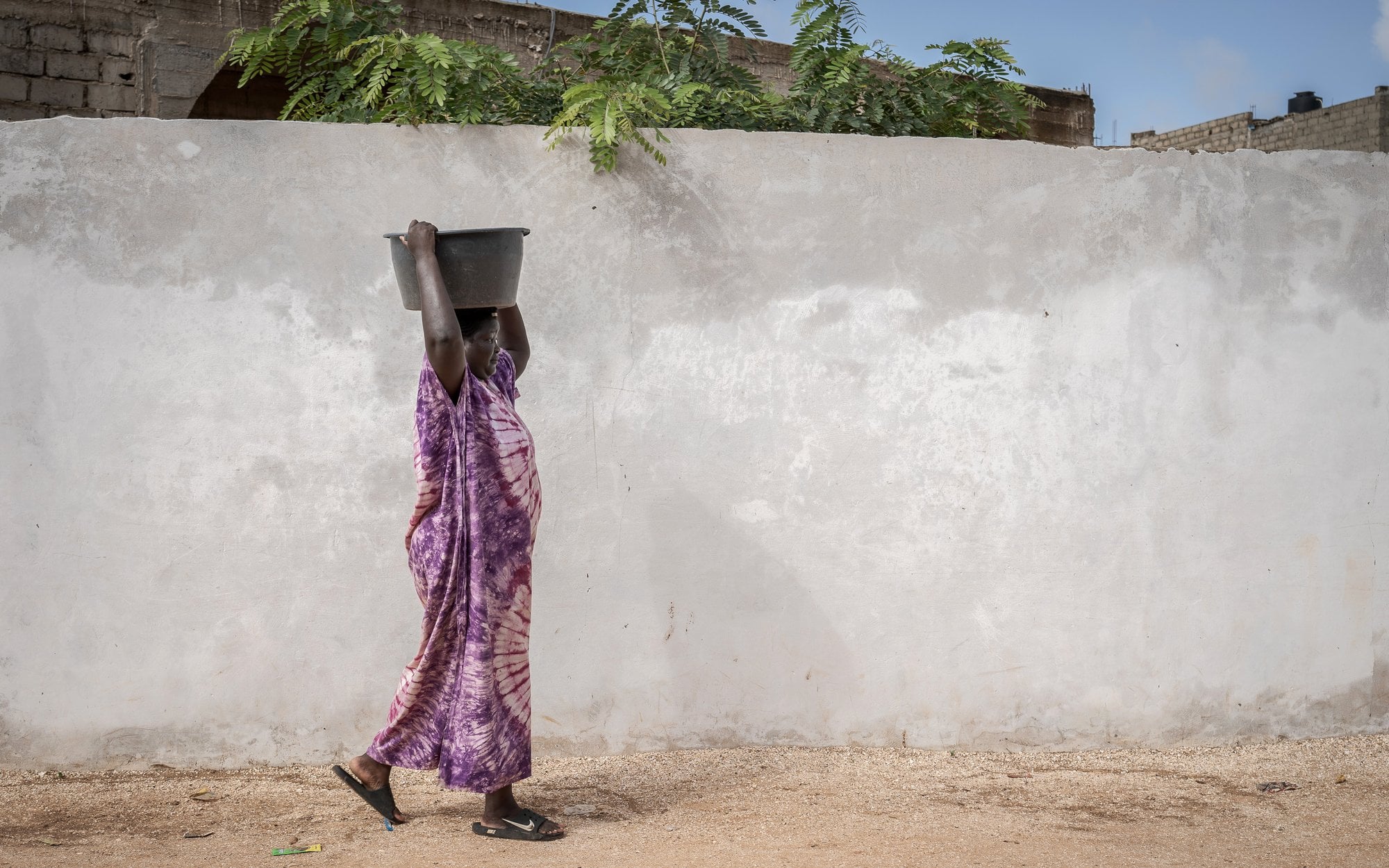
💧
Scientists turn seawater into drinking water and recover lithium
Wetenschappers veranderen zeewater in drinkwater en herstellen lithium
Les scientifiques transforment l'eau de mer en eau potable et récupèrent le lithium
Isn't it amazing? Scientists from the University of Rochester have developed a solar-powered desalination system that not only produces fresh water but also avoids generating harmful brine waste. This innovative technology uses specially designed solar panels that effectively absorb sunlight and draw in seawater, making the process efficient and eco-friendly. By directing salts away from the evaporation area, they prevent any buildup that could disrupt water production. This breakthrough could be a game changer for regions struggling with water scarcity!
Is het niet geweldig? Wetenschappers van de Universiteit van Rochester hebben een op zonne-energie aangedreven ontziltingssysteem ontwikkeld dat niet alleen zoet water produceert, maar ook schadelijke pekelafval voorkomt. Deze innovatieve technologie maakt gebruik van speciaal ontworpen zonnepanelen die effectief zonlicht absorberen en zeewater aantrekken, waardoor het proces efficiënt en milieuvriendelijk is. Door zouten weg te leiden van het verdampingsgebied, voorkomen ze dat er zich ophopingen vormen die de waterproductie kunnen verstoren. Deze doorbraak kan een game changer zijn voor regio's die worstelen met waterschaarste!
N'est-ce pas incroyable ? Des scientifiques de l'Université de Rochester ont développé un système de désalinisation alimenté par l'énergie solaire qui produit non seulement de l'eau douce, mais évite également de générer des déchets de saumure nuisibles. Cette technologie innovante utilise des panneaux solaires spécialement conçus qui absorbent efficacement la lumière du soleil et attirent l'eau de mer, rendant le processus efficace et écologique. En dirigeant les sels loin de la zone d'évaporation, ils empêchent toute accumulation qui pourrait perturber la production d'eau. Cette avancée pourrait changer la donne pour les régions en difficulté face à la pénurie d'eau !
🦃
Orphaned baby turkeys think a feather duster is their mom
Wees baby-turken denken dat een plumeau hun moeder is
Des dindonneaux orphelins pensent qu'un plumeau est leur mère
It's heartwarming to see how two orphaned turkey chicks at Raven Ridge Wildlife Center have found comfort in an unexpected surrogate—a feather duster! These little ones were stressed after losing their mother, but the duster provides them with warmth and a sense of safety. The staff even added pictures of adult turkeys to help them feel more at home. It's a creative solution that showcases the dedication of wildlife rehabilitators to help these adorable chicks thrive until they can be returned to the wild.
Het is hartverwarmend om te zien hoe twee wees-turken bij het Raven Ridge Wildlife Center troost hebben gevonden in een onverwachte vervanger - een plumeau! Deze kleintjes waren gestrest na het verlies van hun moeder, maar de plumeau biedt hen warmte en een gevoel van veiligheid. Het personeel heeft zelfs foto's van volwassen turken toegevoegd om hen zich meer thuis te laten voelen. Het is een creatieve oplossing die de toewijding van dierenhulpverleners laat zien om deze schattige kuikens te helpen gedijen totdat ze weer in het wild kunnen worden vrijgelaten.
C'est réconfortant de voir comment deux dindonneaux orphelins au Raven Ridge Wildlife Center ont trouvé du réconfort dans un substitut inattendu - un plumeau ! Ces petits étaient stressés après avoir perdu leur mère, mais le plumeau leur offre chaleur et sécurité. Le personnel a même ajouté des photos de dindons adultes pour les aider à se sentir plus chez eux. C'est une solution créative qui montre le dévouement des réhabilitateurs de la faune pour aider ces adorables poussins à prospérer jusqu'à ce qu'ils puissent être retournés dans la nature.

🌌
The moons of uranus may hold the key to finding missing planets
De manen van uranus kunnen de sleutel zijn tot het vinden van ontbrekende planeten
Les lunes d'uranus pourraient détenir la clé pour trouver des planètes manquantes
So, it turns out that the moons of Uranus might be more than just icy rocks floating in space. Recent research suggests they could hold clues about missing planets that were ejected from our solar system long ago. The study analyzed various scenarios of planetary instability and found that the unique characteristics of Uranus' moons hint at a chaotic past. This is super exciting because it means that by studying these moons, we might uncover the mysteries of our solar system's history.
Het blijkt dat de manen van Uranus meer zijn dan alleen ijzige rotsen die door de ruimte zweven. Recent onderzoek suggereert dat ze aanwijzingen kunnen bevatten over ontbrekende planeten die lang geleden uit ons zonnestelsel zijn verdreven. De studie analyseerde verschillende scenario's van planetaire instabiliteit en ontdekte dat de unieke kenmerken van de manen van Uranus wijzen op een chaotisch verleden. Dit is ontzettend spannend, want het betekent dat we door het bestuderen van deze manen de mysteries van de geschiedenis van ons zonnestelsel kunnen ontrafelen.
Il s'avère que les lunes d'Uranus pourraient être plus que de simples roches glacées flottant dans l'espace. Des recherches récentes suggèrent qu'elles pourraient détenir des indices sur des planètes manquantes qui ont été éjectées de notre système solaire il y a longtemps. L'étude a analysé divers scénarios d'instabilité planétaire et a découvert que les caractéristiques uniques des lunes d'Uranus indiquent un passé chaotique. C'est super excitant car cela signifie qu'en étudiant ces lunes, nous pourrions découvrir les mystères de l'histoire de notre système solaire.
🚂
For the 250th anniversary of American independence, the fabulous story of the Gratitude Train revived
Voor de 250ste verjaardag van de Amerikaanse onafhankelijkheid, het fabuleuze verhaal van de Gratitude Train herleefd
Pour les 250 ans de l'indépendance des États-Unis, la fabuleuse histoire du Gratitude Train ressuscitée
So, it’s fascinating to think about the Gratitude Train, which symbolizes the friendship between France and the United States. This year marks a special milestone as we celebrate 250 years of American independence! The train, filled with gifts from France, was a gesture of gratitude after World War II. And here's the thing: reviving this story brings a sense of connection and appreciation for our shared history.
Het is fascinerend om na te denken over de Gratitude Train, die de vriendschap tussen Frankrijk en de Verenigde Staten symboliseert. Dit jaar markeert een speciale mijlpaal terwijl we 250 jaar Amerikaanse onafhankelijkheid vieren! De trein, gevuld met geschenken uit Frankrijk, was een gebaar van dankbaarheid na de Tweede Wereldoorlog. En hier is het punt: het herleven van dit verhaal brengt een gevoel van verbinding en waardering voor onze gedeelde geschiedenis.
Il est fascinant de penser au Gratitude Train, qui symbolise l'amitié entre la France et les États-Unis. Cette année marque une étape spéciale alors que nous célébrons les 250 ans de l'indépendance américaine ! Le train, rempli de cadeaux de France, était un geste de gratitude après la Seconde Guerre mondiale. Et voici le truc : raviver cette histoire apporte un sentiment de connexion et d'appréciation pour notre histoire commune.
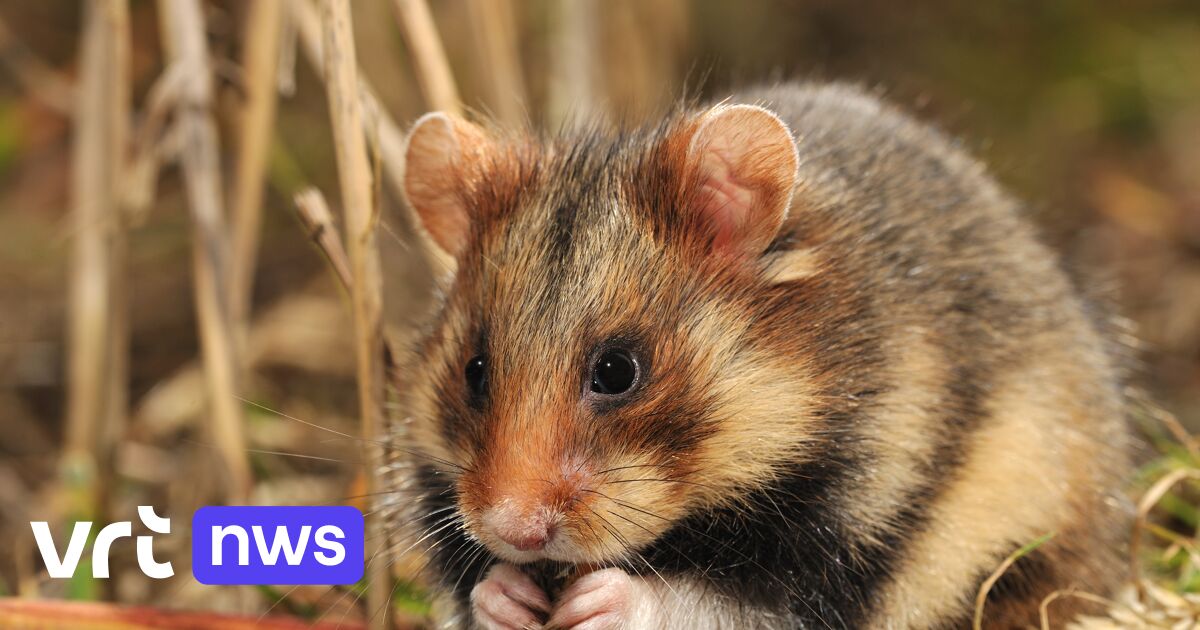
🐹
University PXL and minister Brouns launch million project for biodiversity on fields: 'The hamster must save us'
Hogeschool PXL en minister Brouns lanceren miljoenenproject voor biodiversiteit op akkers: 'De hamster moet ons redden'
L'université PXL et le ministre Brouns lancent un projet millionnaire pour la biodiversité dans les champs : 'Le hamster doit nous sauver'
So, here's the exciting news! University PXL is teaming up with Minister Jo Brouns and various stakeholders to kick off an international project called 'LIFE Cricetus' aimed at restoring biodiversity in agricultural fields. The European hamster takes center stage in this initiative, acting as a 'umbrella species' that helps protect the entire ecosystem. This project, running until 2032, emphasizes collaboration between farmers and nature, ensuring that biodiversity can thrive alongside agricultural practices. With a hefty investment of 6 million euros, this effort not only supports research but also provides farmers with the resources they need to experiment with sustainable techniques.
Dus, hier is het spannende nieuws! Hogeschool PXL werkt samen met minister Jo Brouns en verschillende belanghebbenden om een internationaal project genaamd 'LIFE Cricetus' op te starten, gericht op het herstellen van de biodiversiteit in landbouwgebieden. De Europese hamster staat centraal in dit initiatief en fungeert als een 'paraplu-soort' die het hele ecosysteem helpt beschermen. Dit project, dat loopt tot 2032, benadrukt de samenwerking tussen boeren en natuur, zodat de biodiversiteit kan gedijen naast landbouwpraktijken. Met een stevige investering van 6 miljoen euro ondersteunt deze inspanning niet alleen onderzoek, maar biedt het ook boeren de middelen die ze nodig hebben om te experimenteren met duurzame technieken.
Alors, voici la nouvelle excitante ! L'université PXL s'associe au ministre Jo Brouns et à divers acteurs pour lancer un projet international appelé 'LIFE Cricetus' visant à restaurer la biodiversité dans les champs agricoles. Le hamster européen est au centre de cette initiative, agissant comme une 'espèce parapluie' qui aide à protéger l'ensemble de l'écosystème. Ce projet, qui se déroulera jusqu'en 2032, met l'accent sur la collaboration entre les agriculteurs et la nature, garantissant que la biodiversité puisse prospérer aux côtés des pratiques agricoles. Avec un investissement conséquent de 6 millions d'euros, cet effort soutient non seulement la recherche, mais fournit également aux agriculteurs les ressources nécessaires pour expérimenter des techniques durables.
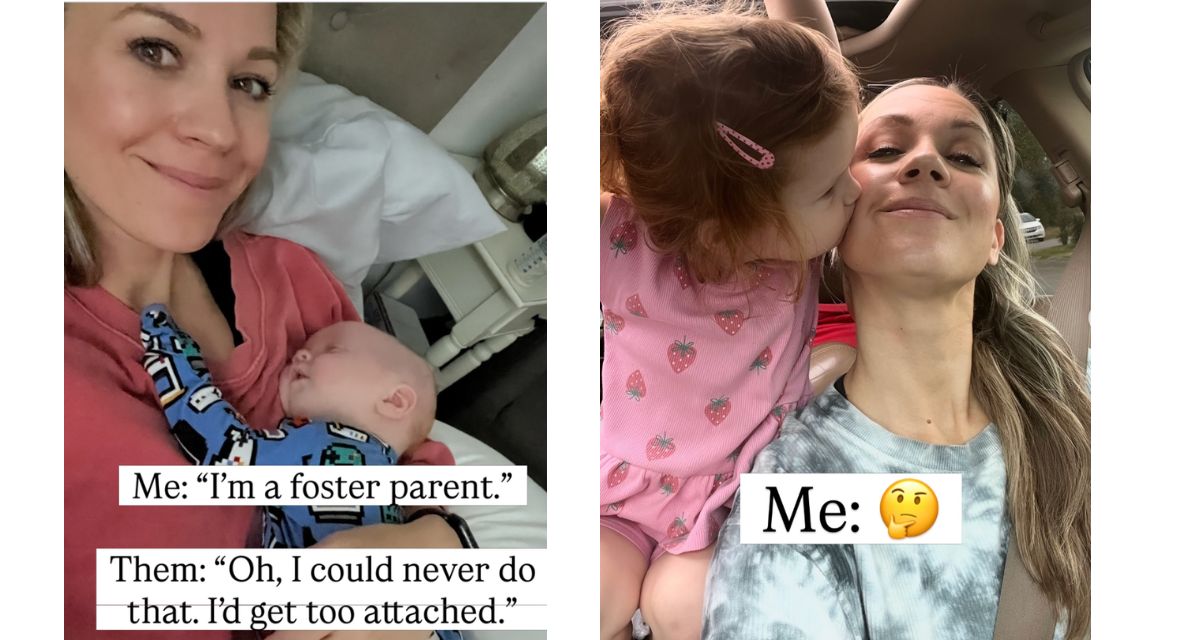
❤️
Foster mom debunks the common “getting too attached” myth of foster parenting
Fosterouder ontkracht de veelvoorkomende mythe van 'te veel gehecht raken' aan pleegkinderen
Une mère d'accueil déconstruit le mythe commun de 's'attacher trop' aux enfants placés
Foster parenting is an emotional journey, and one common fear is getting too attached to a child. But Kate Rapier, a dedicated foster mom, argues that attachment is actually essential for a child's well-being. She emphasizes that children need adults who love them fully, even if it hurts. Ultimately, the success of fostering is measured by the love and safety provided, which can have a lasting impact on a child's life.
Pleegouderschap is een emotionele reis en een veelvoorkomende angst is om te veel gehecht te raken aan een kind. Maar Kate Rapier, een toegewijde pleegmoeder, betoogt dat hechting eigenlijk essentieel is voor het welzijn van een kind. Ze benadrukt dat kinderen volwassenen nodig hebben die hen volledig liefhebben, zelfs als het pijn doet. Uiteindelijk wordt het succes van pleegzorg gemeten aan de liefde en veiligheid die wordt geboden, wat een blijvende impact kan hebben op het leven van een kind.
Le placement familial est un parcours émotionnel, et une peur courante est de s'attacher trop à un enfant. Mais Kate Rapier, une mère d'accueil dévouée, soutient que l'attachement est en réalité essentiel au bien-être d'un enfant. Elle souligne que les enfants ont besoin d'adultes qui les aiment pleinement, même si cela fait mal. En fin de compte, le succès du placement familial se mesure à l'amour et à la sécurité offerts, qui peuvent avoir un impact durable sur la vie d'un enfant.
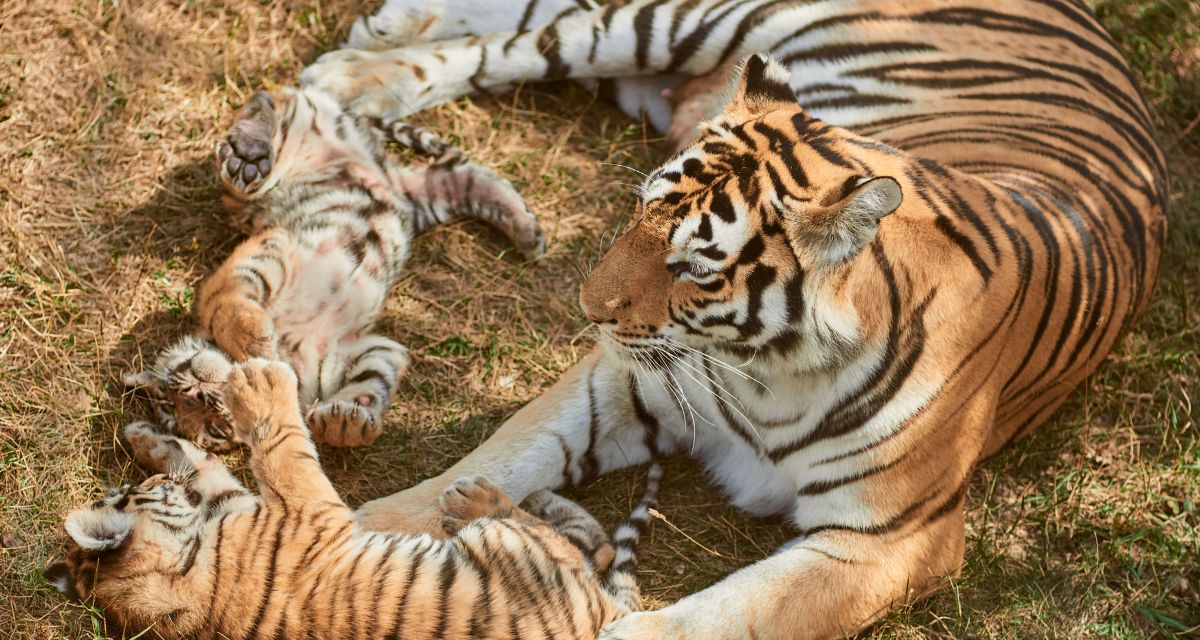
🐅
Wildlife researchers discover tigers doing something we previously thought went against their very nature
Wildlife-onderzoekers ontdekken dat tijgers iets doen wat we eerder dachten dat tegen hun natuur inging
Des chercheurs en faune découvrent que les tigres font quelque chose que nous pensions auparavant aller à l'encontre de leur nature
So, it turns out that tigers, those solitary big cats we thought we knew so well, can actually be quite social! Researchers captured adorable footage of two tiger mothers, Goma and Jugini, taking care of each other's cubs, which is totally unexpected behavior. This heartwarming scene not only challenges our understanding of tiger behavior but also highlights the flexibility of animal interactions in the wild. It’s a delightful reminder that even apex predators can show collaboration and vulnerability in their lives.
Dus, het blijkt dat tijgers, die solitaire grote katten waarvan we dachten dat we ze zo goed kenden, eigenlijk behoorlijk sociaal kunnen zijn! Onderzoekers hebben schattige beelden vastgelegd van twee tijgermoeders, Goma en Jugini, die voor elkaars welpen zorgen, wat totaal onverwacht gedrag is. Deze hartverwarmende scène daagt niet alleen ons begrip van het gedrag van tijgers uit, maar benadrukt ook de flexibiliteit van diereninteracties in het wild. Het is een heerlijke herinnering dat zelfs apexpredatoren samenwerking en kwetsbaarheid in hun leven kunnen tonen.
Alors, il s'avère que les tigres, ces grands félins solitaires que nous pensions bien connaître, peuvent en fait être assez sociaux ! Des chercheurs ont capturé des images adorables de deux mères tigres, Goma et Jugini, s'occupant des petits l'une de l'autre, ce qui est un comportement totalement inattendu. Cette scène réconfortante remet non seulement en question notre compréhension du comportement des tigres, mais souligne également la flexibilité des interactions animales dans la nature. C'est un rappel délicieux que même les prédateurs au sommet peuvent montrer de la collaboration et de la vulnérabilité dans leur vie.
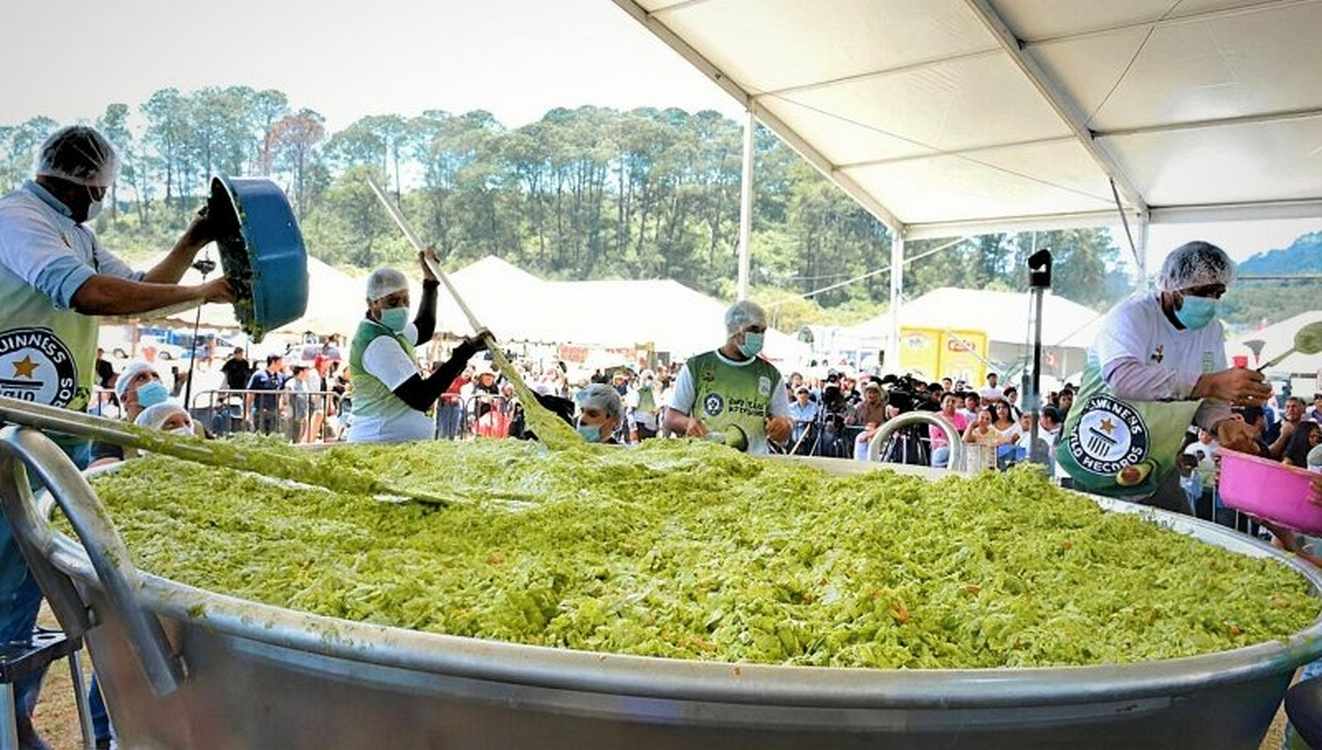
🥑
Banner avocado harvest ends with 15,000 lb. dish of guacamole–a Guinness World Record
Banner avocado-oogst eindigt met 15.000 lb. schaal guacamole – een Guinness Wereldrecord
La récolte d'avocats Banner se termine par un plat de guacamole de 15 000 lb – un record du monde Guinness
What an incredible feat! In Michoacan, Mexico, over 1,000 avocado growers came together to create the largest bowl of guacamole ever, weighing nearly 15,000 pounds. It took just 2 and a half hours to whip up this massive dish, which was then enjoyed by thousands at the Avocado Festival. This annual celebration not only showcases the region's avocado production but also highlights the community's spirit and dedication to sustainable farming. It's a delicious reminder of the joy and unity that food can bring!
Wat een ongelooflijke prestatie! In Michoacan, Mexico, kwamen meer dan 1.000 avocado-boeren samen om de grootste schaal guacamole ooit te maken, met een gewicht van bijna 15.000 pond. Het kostte slechts 2,5 uur om dit enorme gerecht te bereiden, dat vervolgens door duizenden werd genoten op het Avocado Festival. Deze jaarlijkse viering toont niet alleen de avocado-productie van de regio, maar benadrukt ook de geest en toewijding van de gemeenschap aan duurzame landbouw. Het is een heerlijke herinnering aan de vreugde en eenheid die voedsel kan brengen!
Quelle incroyable réalisation ! À Michoacan, au Mexique, plus de 1 000 producteurs d'avocats se sont réunis pour créer le plus grand bol de guacamole jamais réalisé, pesant près de 15 000 livres. Il a fallu seulement 2 heures et demie pour préparer ce plat massif, qui a ensuite été dégusté par des milliers de personnes lors du Festival de l'Avocat. Cette célébration annuelle met non seulement en valeur la production d'avocats de la région, mais souligne également l'esprit communautaire et l'engagement envers l'agriculture durable. C'est un délicieux rappel de la joie et de l'unité que la nourriture peut apporter !

🌍
Electric vehicles cut pollution in China – and prevent 260,000 premature deaths
Elektrische voertuigen verminderen vervuiling in China – en voorkomen 260.000 voortijdige sterfgevallen
Les véhicules électriques réduisent la pollution en Chine – et préviennent 260 000 décès prématurés
It's amazing to see how the rise of electric vehicles in China is making a real difference in air quality! With fewer fossil fuel cars on the road, pollution levels have dropped significantly, preventing an estimated 262,000 premature deaths. This shift not only benefits public health but also shows the power of clean technology. And here's the thing – this positive trend isn't just limited to China; similar improvements are happening in places like California too!
Het is geweldig om te zien hoe de opkomst van elektrische voertuigen in China een echt verschil maakt in de luchtkwaliteit! Met minder voertuigen op fossiele brandstoffen op de weg, zijn de vervuilingsniveaus aanzienlijk gedaald, wat naar schatting 262.000 voortijdige sterfgevallen heeft voorkomen. Deze verschuiving komt niet alleen de volksgezondheid ten goede, maar toont ook de kracht van schone technologie aan. En dat is het mooie – deze positieve trend beperkt zich niet alleen tot China; vergelijkbare verbeteringen vinden ook plaats in gebieden zoals Californië!
C'est incroyable de voir comment la montée des véhicules électriques en Chine fait une réelle différence dans la qualité de l'air ! Avec moins de voitures à combustibles fossiles sur la route, les niveaux de pollution ont considérablement diminué, empêchant environ 262 000 décès prématurés. Ce changement bénéficie non seulement à la santé publique, mais montre aussi le pouvoir de la technologie propre. Et voici le truc – cette tendance positive ne se limite pas à la Chine ; des améliorations similaires se produisent également dans des endroits comme la Californie !

🌟
So long, ‘ferrynoia.’ Green maritime technology is here
Vaarwel, ‘ferrynoia.’ Groene maritieme technologie is hier
Adieu, ‘ferrynoia.’ La technologie maritime verte est là
The Harbor Charger, New York's first hybrid-electric ferry, is ready to transform the way we travel to Governors Island this summer. This innovative vessel is not only faster but also significantly reduces carbon emissions, making it a win for both commuters and the environment. With its sleek design and advanced technology, it showcases the future of maritime transport. Plus, other cities are already looking to follow suit, which is just fantastic!
De Harbor Charger, New York's eerste hybride-elektrische veerboot, is klaar om de manier waarop we deze zomer naar Governors Island reizen te transformeren. Dit innovatieve vaartuig is niet alleen sneller, maar vermindert ook aanzienlijk de koolstofuitstoot, wat het een overwinning maakt voor zowel forenzen als het milieu. Met zijn slanke ontwerp en geavanceerde technologie laat het de toekomst van het maritiem transport zien. Bovendien kijken andere steden al naar mogelijkheden om hetzelfde te doen, wat gewoon fantastisch is!
Le Harbor Charger, le premier ferry hybride-électrique de New York, est prêt à transformer notre façon de voyager vers Governors Island cet été. Ce navire innovant est non seulement plus rapide, mais réduit également considérablement les émissions de carbone, ce qui est une victoire pour les navetteurs et l'environnement. Avec son design élégant et sa technologie avancée, il illustre l'avenir du transport maritime. De plus, d'autres villes envisagent déjà de suivre cet exemple, ce qui est tout simplement fantastique !

🌿
How a citizen science organization aims to preserve the places it brings tourists to study
Hoe een burgerwetenschapsorganisatie de plaatsen wil behouden waar toeristen naartoe gaan om te studeren
Comment une organisation de science citoyenne vise à préserver les lieux qu'elle amène les touristes à étudier
Deep in the Peruvian Amazon, a unique conservation area is showing how humans can coexist with nature. Biologist Richard Bodmer invites tourists to participate in research that helps track wildlife and gather vital ecosystem data. This innovative approach not only supports conservation but also boosts local economies. It's a fantastic example of how ecotourism can be more sustainable than traditional industries, making a positive impact on both the environment and the communities involved.
Diep in het Peruaanse Amazonegebied laat een unieke beschermde regio zien hoe mensen in harmonie met de natuur kunnen leven. Bioloog Richard Bodmer nodigt toeristen uit om deel te nemen aan onderzoek dat helpt bij het volgen van wilde dieren en het verzamelen van belangrijke ecosysteemgegevens. Deze innovatieve aanpak ondersteunt niet alleen de natuurbehoud, maar stimuleert ook de lokale economieën. Het is een fantastisch voorbeeld van hoe ecotoerisme duurzamer kan zijn dan traditionele industrieën, met een positieve impact op zowel het milieu als de betrokken gemeenschappen.
Au cœur de l'Amazonie péruvienne, une région de conservation unique montre comment les humains peuvent coexister avec la nature. Le biologiste Richard Bodmer invite les touristes à participer à des recherches qui aident à suivre la faune et à rassembler des données vitales sur les écosystèmes. Cette approche innovante soutient non seulement la conservation, mais stimule également les économies locales. C'est un exemple fantastique de la façon dont l'écotourisme peut être plus durable que les industries traditionnelles, ayant un impact positif sur l'environnement et les communautés impliquées.
🌌
See a helicopter destined for Mars and a spectacular flowery frame for the Milky Way — May's best science images
Bekijk een helikopter bestemd voor Mars en een spectaculair bloemenframe voor de Melkweg - de beste wetenschappelijke beelden van mei
Découvrez un hélicoptère destiné à Mars et un cadre floral spectaculaire pour la Voie lactée - les meilleures images scientifiques de mai
May has brought us some truly breathtaking science images! From a helicopter designed to explore Mars to a stunning floral frame showcasing the Milky Way, the creativity and innovation in these visuals are just mind-blowing. It's amazing how science and art can come together to inspire us. This month’s collection is a reminder of the beauty that surrounds us and the incredible advancements we're making in understanding our universe.
Mei heeft ons enkele werkelijk adembenemende wetenschappelijke beelden gebracht! Van een helikopter die is ontworpen om Mars te verkennen tot een prachtig bloemenframe dat de Melkweg toont, de creativiteit en innovatie in deze beelden zijn gewoon verbazingwekkend. Het is geweldig hoe wetenschap en kunst samenkomen om ons te inspireren. Deze maandelijkse collectie herinnert ons aan de schoonheid om ons heen en de ongelooflijke vooruitgang die we boeken in ons begrip van het universum.
Mai nous a apporté des images scientifiques vraiment époustouflantes ! D'un hélicoptère conçu pour explorer Mars à un cadre floral magnifique mettant en valeur la Voie lactée, la créativité et l'innovation de ces visuels sont tout simplement incroyables. C'est fascinant de voir comment la science et l'art peuvent se rejoindre pour nous inspirer. Cette collection du mois est un rappel de la beauté qui nous entoure et des avancées incroyables que nous réalisons dans notre compréhension de l'univers.
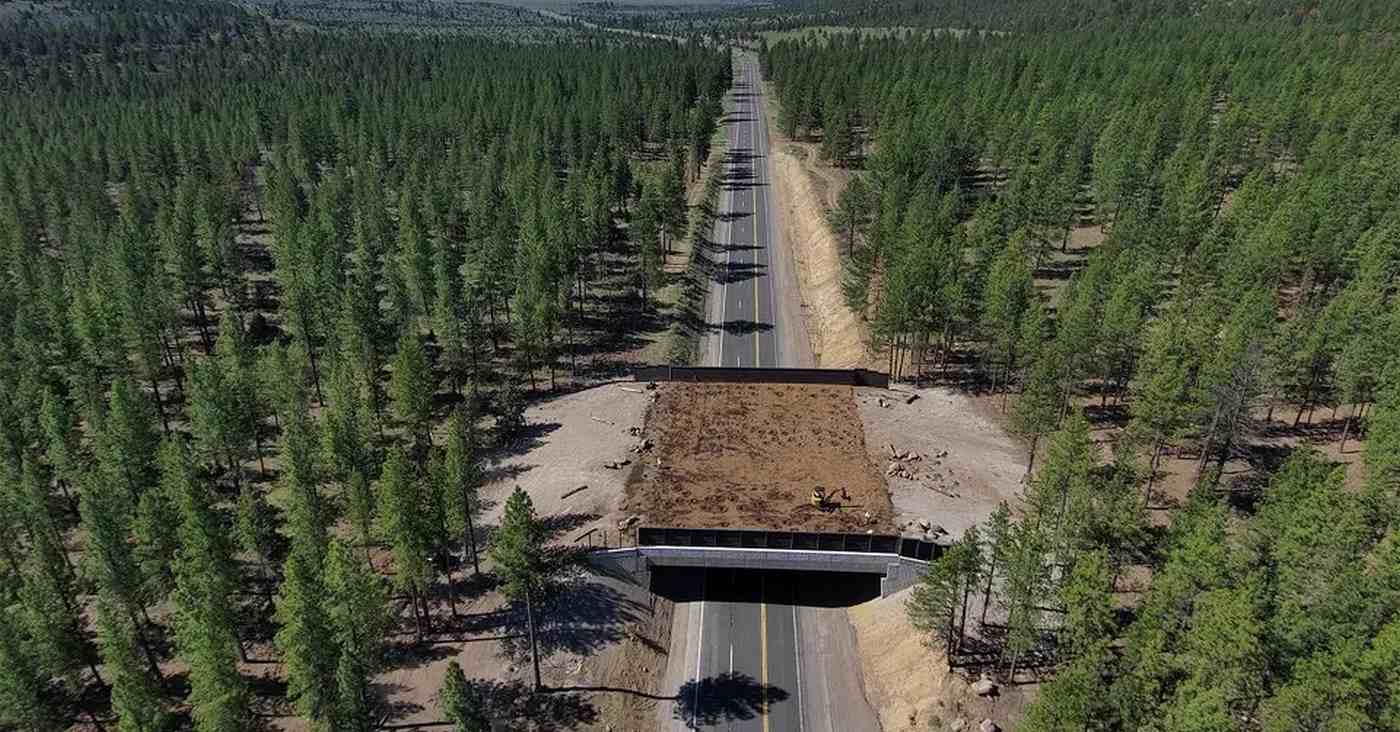
🦌
3 mule deer inaugurate California’s newest wildlife crossing bridge
3 muildieren openen de nieuwste wildoversteekbrug van Californië
3 cerfs mulets inaugurent le plus récent pont de passage pour la faune en Californie
So, it’s fantastic to hear that a new wildlife overpass in California is already being used by local deer! Three mule deer were spotted crossing the bridge, which is still under construction, showing just how eager wildlife is to embrace this safe passage. Designed to reduce wildlife-vehicle collisions, this $20 million bridge will also feature trees to create a natural environment for the animals. It’s a promising sign for both wildlife connectivity and public safety, and I can't wait to see how it benefits the local ecosystem!
Het is geweldig om te horen dat een nieuwe wildoversteekbrug in Californië al door lokale herten wordt gebruikt! Drie muildieren werden gespot terwijl ze de brug overstaken, die nog in aanbouw is, wat laat zien hoe graag de natuur deze veilige doorgang omarmt. Ontworpen om aanrijdingen tussen dieren en voertuigen te verminderen, zal deze brug van 20 miljoen dollar ook bomen bevatten om een natuurlijke omgeving voor de dieren te creëren. Het is een veelbelovend teken voor zowel de verbinding van de natuur als de openbare veiligheid, en ik kan niet wachten om te zien hoe het het lokale ecosysteem ten goede komt!
C'est fantastique d'apprendre qu'un nouveau pont de passage pour la faune en Californie est déjà utilisé par des cerfs locaux ! Trois cerfs mulets ont été aperçus en train de traverser le pont, qui est encore en construction, montrant à quel point la faune est impatiente d'embrasser ce passage sûr. Conçu pour réduire les collisions entre la faune et les véhicules, ce pont de 20 millions de dollars comportera également des arbres pour créer un environnement naturel pour les animaux. C'est un signe prometteur pour la connectivité de la faune et la sécurité publique, et j'ai hâte de voir comment cela bénéficiera à l'écosystème local !
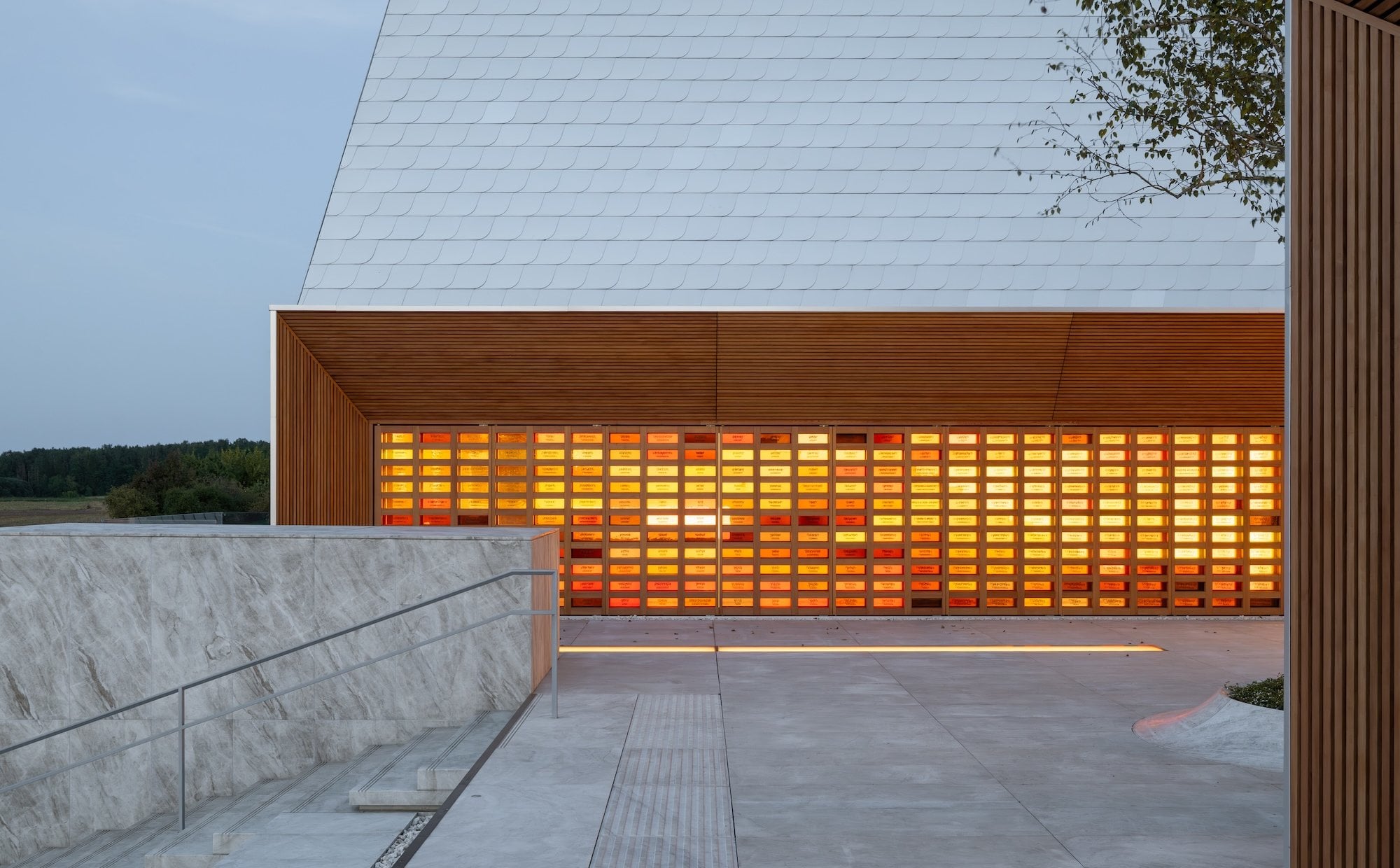
🏛️
One of the most beautiful museums in the world. Lithuania wins prestigious award
Een van de mooiste musea ter wereld. Litouwen wint prestigieuze prijs
L'un des plus beaux musées du monde. La Lituanie remporte un prix prestigieux
The Dingęs Štetlas Museum in Lithuania has been recognized as one of the winners of the prestigious Prix Versailles architectural competition, standing out as the only European institution among the laureates. This charming museum, located in the small town of Šeduva, showcases the everyday life and culture of Lithuanian Jews through its uniquely designed segments that resemble traditional homes. The jury praised the museum as a 'wonder,' highlighting its ability to convey stories that words cannot express. It's exciting to see such recognition for a project that beautifully honors history and culture.
Het Dingęs Štetlas Museum in Litouwen is erkend als een van de winnaars van de prestigieuze Prix Versailles-architectuurwedstrijd, en is de enige Europese instelling onder de laureaten. Dit charmante museum, gelegen in het kleine stadje Šeduva, toont het dagelijks leven en de cultuur van Litouwse Joden door zijn uniek ontworpen segmenten die op traditionele huizen lijken. De jury prees het museum als een 'wonder' en benadrukte het vermogen om verhalen over te brengen die met woorden niet kunnen worden uitgedrukt. Het is spannend om zo'n erkenning te zien voor een project dat de geschiedenis en cultuur prachtig eert.
Le musée Dingęs Štetlas en Lituanie a été reconnu comme l'un des lauréats du prestigieux concours architectural Prix Versailles, se distinguant comme la seule institution européenne parmi les lauréats. Ce charmant musée, situé dans la petite ville de Šeduva, met en valeur la vie quotidienne et la culture des Juifs lituaniens à travers ses segments conçus de manière unique qui ressemblent à des maisons traditionnelles. Le jury a salué le musée comme un 'merveille', soulignant sa capacité à transmettre des histoires que les mots ne peuvent pas exprimer. C'est excitant de voir une telle reconnaissance pour un projet qui honore magnifiquement l'histoire et la culture.
🎨
Rare artwork stolen by the nazis returns to dinant: “It’s unbelievable that the work wasn’t destroyed”
Zeldzaam kunstwerk dat door nazi’s werd gestolen, keert terug naar dinant: “Het is ongelofelijk dat het werk niet vernietigd werd”
Une œuvre d'art rare volée par les nazis revient à dinant : “C'est incroyable que l'œuvre n'ait pas été détruite”
It's such an exciting moment for Dinant as a rare artwork, stolen during the Nazi era, makes its way back home! The local community is buzzing with joy and disbelief that this piece survived the tumultuous times. I mean, can you imagine the stories it could tell? This return not only enriches the cultural heritage of the city but also serves as a reminder of resilience and hope.
Het is een opwindend moment voor Dinant nu een zeldzaam kunstwerk, gestolen tijdens de nazi-periode, terugkeert naar huis! De lokale gemeenschap is in rep en roer van vreugde en ongeloof dat dit stuk de turbulente tijden heeft overleefd. Ik bedoel, kun je je voorstellen welke verhalen het zou kunnen vertellen? Deze terugkeer verrijkt niet alleen het culturele erfgoed van de stad, maar dient ook als een herinnering aan veerkracht en hoop.
C'est un moment passionnant pour dinant alors qu'une œuvre d'art rare, volée pendant l'ère nazie, revient chez elle ! La communauté locale est en émoi de joie et d'incrédulité que cette pièce ait survécu aux temps tumultueux. Je veux dire, pouvez-vous imaginer les histoires qu'elle pourrait raconter ? Ce retour enrichit non seulement le patrimoine culturel de la ville, mais sert également de rappel de résilience et d'espoir.
🌟
Astronaut pumps breast milk in space as first woman: “Once they said I had to choose between motherhood and science”
Astronaute kolft als eerste vrouw moedermelk af in ruimte: “Ooit zeiden ze dat ik moest kiezen tussen moederschap en wetenschap”
L'astronaute tire son lait maternel dans l'espace en tant que première femme : “On m'a dit un jour que je devais choisir entre maternité et science”
This groundbreaking achievement marks a significant moment in both motherhood and space exploration. The astronaut's ability to pump breast milk in space challenges traditional views on women in science. It’s a powerful statement about balancing personal and professional life, showing that you can pursue both dreams. This inspiring story encourages future generations to break barriers and redefine possibilities.
Deze baanbrekende prestatie markeert een belangrijke mijlpaal in zowel het moederschap als de ruimteverkenning. Het vermogen van de astronaute om in de ruimte moedermelk af te kolven, daagt traditionele opvattingen over vrouwen in de wetenschap uit. Het is een krachtige verklaring over het combineren van persoonlijke en professionele levens, en toont aan dat je beide dromen kunt nastreven. Dit inspirerende verhaal moedigt toekomstige generaties aan om barrières te doorbreken en mogelijkheden opnieuw te definiëren.
Cette réalisation révolutionnaire marque un moment significatif tant dans la maternité que dans l'exploration spatiale. La capacité de l'astronaute à tirer son lait maternel dans l'espace remet en question les idées traditionnelles sur les femmes dans la science. C'est une déclaration puissante sur l'équilibre entre vie personnelle et professionnelle, montrant qu'il est possible de poursuivre les deux rêves. Cette histoire inspirante encourage les générations futures à briser les barrières et à redéfinir les possibilités.
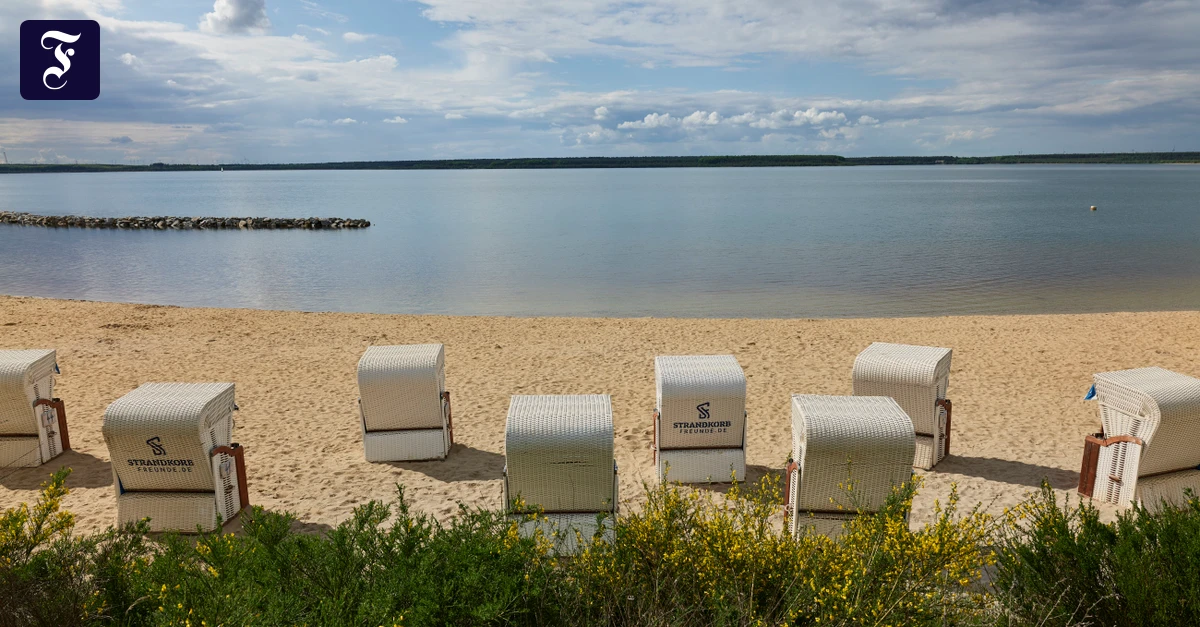
🏖️
Lausitzer Seenland: From open-pit mining to swimming lake
Lausitzer Seenland: Van open-pit mijnbouw naar zwemmeer
Lausitzer Seenland: De l'exploitation minière à ciel ouvert au lac de baignade
So, the Lausitzer Seenland is transforming from a former mining area into a beautiful recreational space! It's fascinating to see how these lakes are becoming popular spots for swimming and relaxation. The local community is really embracing this change, which brings new life and opportunities to the region. And here's the thing – this transformation not only enhances the environment but also promotes tourism and local economy.
Dus, het Lausitzer Seenland transformeert van een voormalig mijnbouwgebied naar een prachtig recreatiegebied! Het is fascinerend om te zien hoe deze meren populaire plekken worden voor zwemmen en ontspanning. De lokale gemeenschap omarmt deze verandering echt, wat nieuw leven en kansen in de regio brengt. En hier is het punt - deze transformatie verbetert niet alleen het milieu, maar bevordert ook het toerisme en de lokale economie.
Alors, le Lausitzer Seenland se transforme d'une ancienne zone minière en un bel espace récréatif ! C'est fascinant de voir comment ces lacs deviennent des lieux prisés pour la baignade et la détente. La communauté locale adopte vraiment ce changement, ce qui apporte une nouvelle vie et des opportunités à la région. Et voici le truc - cette transformation améliore non seulement l'environnement, mais favorise également le tourisme et l'économie locale.
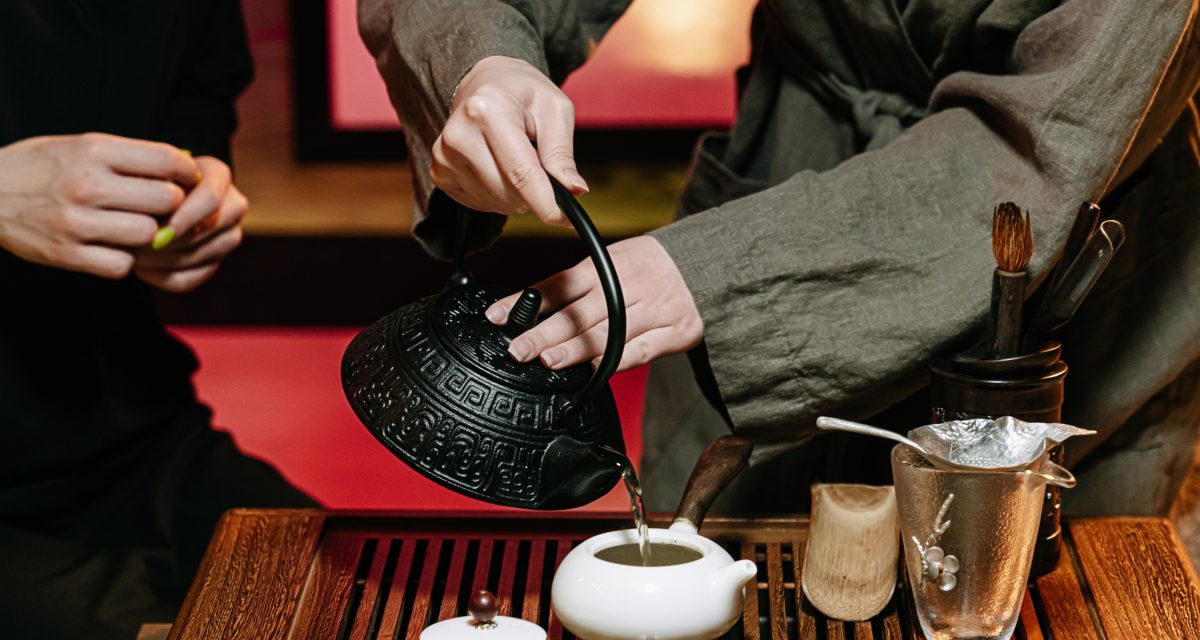
🌟
Cafes in Japan are exclusively hiring people over 70 and it could help cure the loneliness epidemic
Cafés in Japan huren uitsluitend mensen boven de 70 in en het kan helpen de eenzaamheidsepidemie te genezen
Des cafés au Japon embauchent exclusivement des personnes de plus de 70 ans et cela pourrait aider à guérir l'épidémie de solitude
In Japan, cafes are stepping up to tackle the loneliness epidemic by exclusively hiring people over 70. This initiative not only provides meaningful work but also fosters community connections among the elderly. One tea shop in Shibuya, called 'G-Cha and Ba-Cha,' has embraced this idea with a fun work environment where seniors can serve customers while seated. It's heartwarming to see how this trend is helping older adults feel valued and engaged in society.
In Japan stappen cafés naar voren om de eenzaamheidsepidemie aan te pakken door uitsluitend mensen boven de 70 in te huren. Dit initiatief biedt niet alleen zinvol werk, maar bevordert ook de gemeenschapsverbindingen onder ouderen. Een theewinkel in Shibuya, genaamd 'G-Cha en Ba-Cha', heeft dit idee omarmd met een leuke werkomgeving waar senioren zittend klanten kunnen bedienen. Het is hartverwarmend om te zien hoe deze trend oudere volwassenen helpt zich gewaardeerd en betrokken te voelen in de samenleving.
Au Japon, des cafés prennent des initiatives pour lutter contre l'épidémie de solitude en embauchant exclusivement des personnes de plus de 70 ans. Cette initiative offre non seulement un travail significatif, mais favorise également les connexions communautaires parmi les personnes âgées. Un salon de thé à Shibuya, appelé 'G-Cha et Ba-Cha', a adopté cette idée avec un environnement de travail amusant où les seniors peuvent servir les clients assis. C'est réconfortant de voir comment cette tendance aide les personnes âgées à se sentir valorisées et engagées dans la société.
💃
Incredible states of trance: traditional dances make a comeback on the choreographic scene
Incredible states of trance: traditionele dansen maken een comeback op de choreografische scène
Des états de transe incroyables : les danses traditionnelles opèrent un retour en grâce sur la scène chorégraphique
It's fascinating to see how traditional dances are experiencing a revival in contemporary choreography! From the tarantella to flamenco, choreographers are weaving these folkloric elements into their performances, creating a beautiful blend of old and new. This movement is not just a trend; it's a passionate exploration of cultural roots and collective energy. Events like the June Events festival showcase this exciting fusion, highlighting the importance of heritage in today's globalized world.
Het is fascinerend om te zien hoe traditionele dansen een heropleving ervaren in de hedendaagse choreografie! Van de tarantella tot flamenco, choreografen verweven deze folkloristische elementen in hun uitvoeringen, wat een prachtige mix van oud en nieuw creëert. Deze beweging is niet zomaar een trend; het is een gepassioneerde verkenning van culturele wortels en collectieve energie. Evenementen zoals het festival June Events tonen deze spannende fusie, waarbij het belang van erfgoed in de huidige geglobaliseerde wereld wordt benadrukt.
C'est fascinant de voir comment les danses traditionnelles connaissent un renouveau dans la chorégraphie contemporaine ! De la tarentelle au flamenco, les chorégraphes intègrent ces éléments folkloriques dans leurs performances, créant une belle fusion entre l'ancien et le nouveau. Ce mouvement n'est pas qu'une tendance ; c'est une exploration passionnée des racines culturelles et de l'énergie collective. Des événements comme le festival June Events mettent en avant cette fusion excitante, soulignant l'importance du patrimoine dans le monde globalisé d'aujourd'hui.
🌟
After 20 years in practice, a psychologist found ‘Practical Optimism’ is key to happiness
Na 20 jaar praktijk ontdekte een psycholoog dat 'Praktische Optimisme' de sleutel tot geluk is
Après 20 ans de pratique, un psychologue a découvert que l'«optimisme pratique» est la clé du bonheur
So, it turns out that cultivating a mindset of practical optimism can really boost your happiness! Dr. Sue Varma, with over 20 years of experience, emphasizes that it’s not just about being positive, but also about taking actionable steps to achieve positive outcomes. She shares four essential habits—mindfulness, mastery, movement, and meaningful engagement—that can help anyone live a happier life. It's fascinating how our outlook can shape our reality and even improve our health!
Dus, het blijkt dat het cultiveren van een mindset van praktisch optimisme je geluk echt kan vergroten! Dr. Sue Varma, met meer dan 20 jaar ervaring, benadrukt dat het niet alleen gaat om positief zijn, maar ook om actie te ondernemen voor positieve resultaten. Ze deelt vier essentiële gewoonten—mindfulness, beheersing, beweging en betekenisvolle betrokkenheid—die iedereen kunnen helpen een gelukkiger leven te leiden. Het is fascinerend hoe onze kijk op de wereld onze realiteit kan vormen en zelfs onze gezondheid kan verbeteren!
Alors, il s'avère que cultiver un état d'esprit d'optimisme pratique peut vraiment augmenter votre bonheur ! La Dr Sue Varma, avec plus de 20 ans d'expérience, souligne qu'il ne s'agit pas seulement d'être positif, mais aussi de prendre des mesures concrètes pour obtenir des résultats positifs. Elle partage quatre habitudes essentielles—la pleine conscience, la maîtrise, le mouvement et l'engagement significatif—qui peuvent aider quiconque à vivre une vie plus heureuse. C'est fascinant de voir comment notre perspective peut façonner notre réalité et même améliorer notre santé !
🌳
Experience: I sat under an oak tree every day for a year
Ervaring: Ik zat elke dag een jaar onder een eik
Expérience : J'ai passé un an assis sous un chêne chaque jour
So, this article tells the story of someone who decided to sit under the same oak tree every day for a year to combat burnout. It started off tough, with storms and rain, but as the seasons changed, so did their perspective on life. They found joy in the small changes of nature, like the arrival of flowers and birds, which helped them reconnect with themselves. By the end of the year, they felt a newfound resilience and happiness, proving that sometimes, all you need is a little nature to heal.
Dus, dit artikel vertelt het verhaal van iemand die besloot om elke dag een jaar onder dezelfde eik te zitten om burn-out te bestrijden. Het begon moeilijk, met stormen en regen, maar naarmate de seizoenen veranderden, veranderde ook hun perspectief op het leven. Ze vonden vreugde in de kleine veranderingen in de natuur, zoals de komst van bloemen en vogels, wat hen hielp om weer contact met zichzelf te maken. Aan het einde van het jaar voelden ze een hernieuwde veerkracht en geluk, wat bewijst dat je soms gewoon wat natuur nodig hebt om te genezen.
Alors, cet article raconte l'histoire de quelqu'un qui a décidé de s'asseoir sous le même chêne chaque jour pendant un an pour lutter contre l'épuisement professionnel. Cela a commencé difficilement, avec des tempêtes et de la pluie, mais au fur et à mesure que les saisons changeaient, leur perspective sur la vie a également évolué. Ils ont trouvé de la joie dans les petits changements de la nature, comme l'arrivée des fleurs et des oiseaux, ce qui les a aidés à se reconnecter avec eux-mêmes. À la fin de l'année, ils ont ressenti une nouvelle résilience et un bonheur, prouvant que parfois, il suffit d'un peu de nature pour guérir.
🍞
Ancient yeast from the body of ice mummy Ötzi makes sourdough bread 5,300 years later
Oeroude gist uit het lichaam van ijsmummie Ötzi maakt 5.300 jaar later zuurdesembrood
Une levure ancienne du corps de la momie de glace Ötzi fait du pain au levain 5 300 ans plus tard
So, scientists have discovered that yeast found in Ötzi the Iceman's body can still be used to make sourdough bread today! Isn't that fascinating? This ancient yeast, dating back over 5,300 years, gives us a unique glimpse into our culinary past. It’s amazing to think how something so old can still be relevant and delicious in our kitchens now.
Wetenschappers hebben ontdekt dat gist uit het lichaam van Ötzi de Iceman nog steeds kan worden gebruikt om zuurdesembrood te maken! Is dat niet fascinerend? Deze oeroude gist, die meer dan 5.300 jaar oud is, biedt ons een uniek inzicht in onze culinaire geschiedenis. Het is geweldig om te bedenken hoe iets zo ouds nog steeds relevant en heerlijk kan zijn in onze keukens nu.
Des scientifiques ont découvert que la levure trouvée dans le corps d'Ötzi l'homme des glaces peut encore être utilisée pour faire du pain au levain aujourd'hui ! N'est-ce pas fascinant ? Cette levure ancienne, datant de plus de 5 300 ans, nous donne un aperçu unique de notre passé culinaire. C'est incroyable de penser à quel point quelque chose d'aussi vieux peut encore être pertinent et délicieux dans nos cuisines aujourd'hui.

🌱
This is not a hippy thing: the startup recycling urine to make natural fertiliser
Dit is geen hippie-ding: de startup die urine recyclet tot natuurlijke meststof
Ce n'est pas un truc de hippie : la startup qui recycle l'urine pour en faire un engrais naturel
So, there's this fascinating startup called VunaNexus that’s turning urine into a valuable natural fertiliser! They’ve developed a process that recycles nutrients from human pee, which is way more practical than it sounds. It’s not just for festivals anymore – this innovative approach is helping tackle the global fertiliser crisis. With their product Aurin, they’re making strides in sustainable agriculture and showing that even our waste can be a resource!
Dus, er is deze fascinerende startup genaamd VunaNexus die urine omzet in een waardevolle natuurlijke meststof! Ze hebben een proces ontwikkeld dat voedingsstoffen uit menselijke urine recyclet, wat veel praktischer is dan het klinkt. Het is niet alleen voor festivals meer – deze innovatieve aanpak helpt de wereldwijde meststofcrisis aan te pakken. Met hun product Aurin maken ze vooruitgang in duurzame landbouw en tonen ze aan dat zelfs ons afval een hulpbron kan zijn!
Alors, il y a cette startup fascinante appelée VunaNexus qui transforme l'urine en un engrais naturel précieux ! Ils ont développé un processus qui recycle les nutriments de l'urine humaine, ce qui est beaucoup plus pratique que cela en a l'air. Ce n'est plus seulement pour les festivals – cette approche innovante aide à lutter contre la crise mondiale des engrais. Avec leur produit Aurin, ils font des progrès dans l'agriculture durable et montrent que même nos déchets peuvent être une ressource !
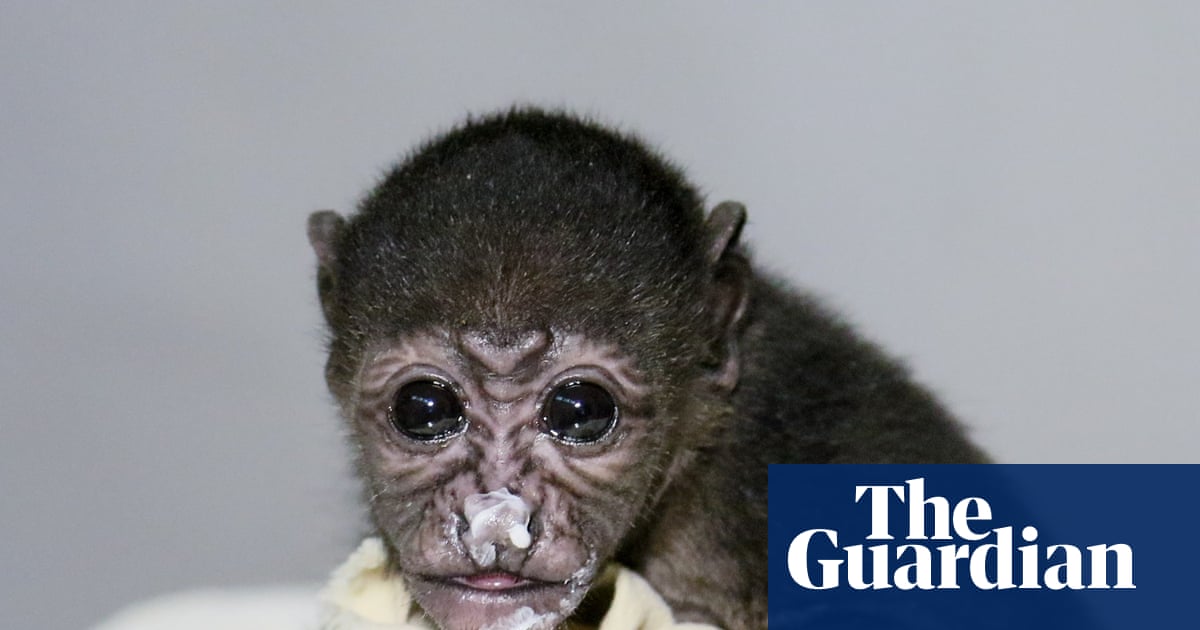
🐒
Costa Rica moves to protect howler monkeys from electrocution
Costa Rica neemt maatregelen om brulapen te beschermen tegen electrocutie
Le Costa Rica agit pour protéger les singes hurleurs de l'électrocution
In a significant move, Costa Rica's constitutional court has ruled that the state-owned electricity company must take action to prevent howler monkeys from being electrocuted on power lines. This decision comes after a troubling rise in incidents, with over 100 animals affected last year alone. Conservation groups have rallied together, launching a campaign to push for urgent changes, and it seems their efforts are paying off. There's hope that this ruling will lead to better protections for wildlife across the country, ensuring that these adorable monkeys can swing safely through their forest home.
In een belangrijke stap heeft het constitutionele hof van Costa Rica bepaald dat het staatsbedrijf voor elektriciteit maatregelen moet nemen om brulapen te beschermen tegen electrocutie op elektriciteitslijnen. Deze beslissing komt na een verontrustende stijging van incidenten, waarbij vorig jaar meer dan 100 dieren werden getroffen. Natuurbeschermingsgroepen hebben de handen ineengeslagen en een campagne gelanceerd om dringende veranderingen te eisen, en het lijkt erop dat hun inspanningen vruchten afwerpen. Er is hoop dat deze uitspraak zal leiden tot betere bescherming van de wilde dieren in het hele land, zodat deze schattige apen veilig door hun bos kunnen slingeren.
Dans une décision importante, la cour constitutionnelle du Costa Rica a statué que l'entreprise d'électricité d'État doit agir pour prévenir l'électrocution des singes hurleurs sur les lignes électriques. Cette décision intervient après une augmentation préoccupante des incidents, avec plus de 100 animaux touchés l'année dernière. Les groupes de conservation se sont mobilisés, lançant une campagne pour exiger des changements urgents, et il semble que leurs efforts portent leurs fruits. Il y a de l'espoir que cette décision conduise à de meilleures protections pour la faune à travers le pays, garantissant que ces adorables singes puissent se balancer en toute sécurité dans leur habitat forestier.
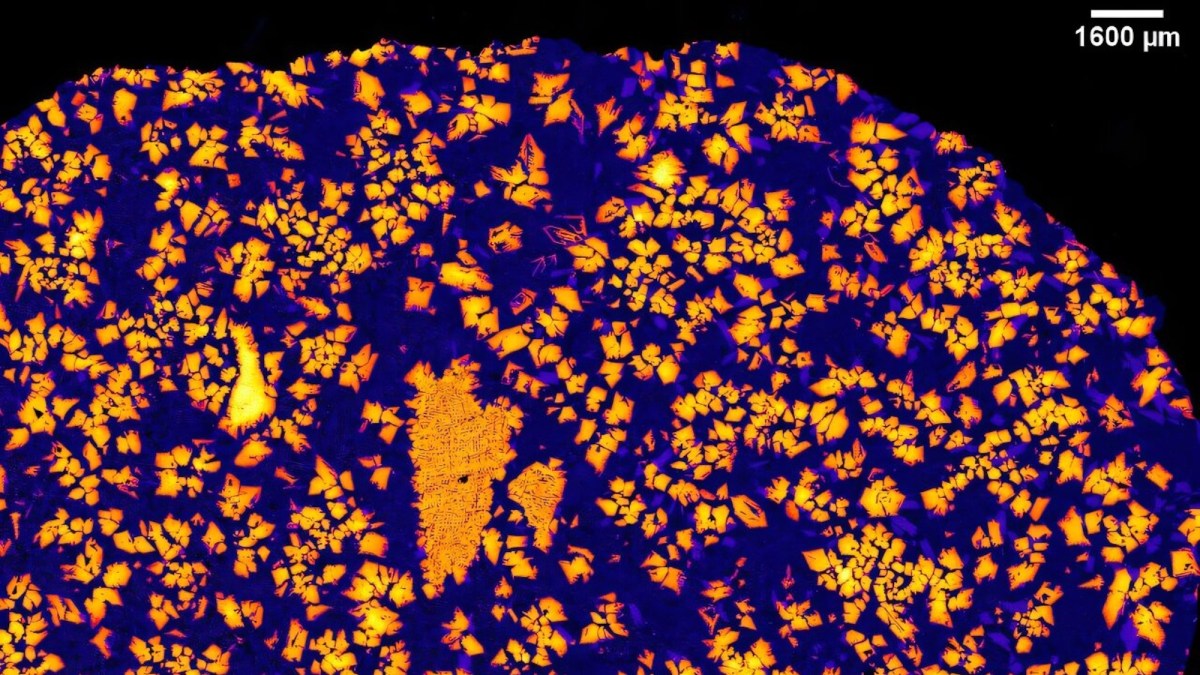
🌌
Rare meteorite proves our solar system almost had an extra planet
Zeldzame meteoriet bewijst dat ons zonnestelsel bijna een extra planeet had
Une météorite rare prouve que notre système solaire a failli avoir une planète supplémentaire
A fascinating new discovery reveals that a rare meteorite found in the Sahara Desert suggests our solar system almost had an extra planet. This meteorite, known as NWA 12774, likely originated from a protoplanet that could have been as large as Mars before it was shattered by a cosmic collision. Researchers found that the conditions needed to form this meteorite were far more intense than previously thought, indicating it came from a much larger body. This exciting finding opens up new avenues for understanding the early development of planets in our cosmic neighborhood.
Een fascinerende nieuwe ontdekking onthult dat een zeldzame meteoriet die in de Sahara is gevonden, suggereert dat ons zonnestelsel bijna een extra planeet had. Deze meteoriet, bekend als NWA 12774, is waarschijnlijk ontstaan uit een protoplaneet die zo groot kon zijn als Mars, voordat deze werd verwoest door een kosmische botsing. Onderzoekers ontdekten dat de omstandigheden die nodig waren om deze meteoriet te vormen veel intensiever waren dan eerder gedacht, wat aangeeft dat deze afkomstig was van een veel groter lichaam. Deze opwindende bevinding opent nieuwe wegen voor het begrijpen van de vroege ontwikkeling van planeten in onze kosmische buurt.
Une nouvelle découverte fascinante révèle qu'une météorite rare trouvée dans le désert du Sahara suggère que notre système solaire a failli avoir une planète supplémentaire. Cette météorite, connue sous le nom de NWA 12774, proviendrait d'une protoplanète qui aurait pu être aussi grande que Mars avant d'être détruite par une collision cosmique. Les chercheurs ont découvert que les conditions nécessaires à la formation de cette météorite étaient beaucoup plus intenses que prévu, indiquant qu'elle provenait d'un corps beaucoup plus grand. Cette découverte passionnante ouvre de nouvelles perspectives pour comprendre le développement précoce des planètes dans notre voisinage cosmique.

🌟
Forget the names of people you just met? Psychologists say it says something good about you.
Vergeet je de namen van mensen die je net hebt ontmoet? Psychologen zeggen dat het iets goeds over je zegt.
Vous oubliez les noms des personnes que vous venez de rencontrer ? Les psychologues disent que cela dit quelque chose de bon sur vous.
Isn't it interesting how forgetting someone's name can feel so embarrassing? But guess what? Psychologists suggest that it might actually indicate you have above-average intelligence! This phenomenon, known as the Fan Effect, shows that highly intelligent people are often more focused on understanding others rather than just remembering names. So, if you find yourself forgetting names, it could mean you're more empathetic and concerned about making a connection.
Is het niet interessant hoe het vergeten van iemands naam zo gênant kan aanvoelen? Maar raad eens? Psychologen suggereren dat het eigenlijk kan betekenen dat je boven gemiddeld intelligent bent! Dit fenomeen, bekend als het Fan Effect, toont aan dat hoogintelligente mensen vaak meer gefocust zijn op het begrijpen van anderen dan alleen het onthouden van namen. Dus als je merkt dat je namen vergeet, kan dat betekenen dat je empathischer bent en je meer zorgen maakt over het maken van een verbinding.
N'est-ce pas intéressant de voir à quel point oublier le nom de quelqu'un peut être embarrassant ? Mais devinez quoi ? Les psychologues suggèrent que cela pourrait en fait indiquer que vous avez une intelligence supérieure à la moyenne ! Ce phénomène, connu sous le nom d'effet Fan, montre que les personnes très intelligentes se concentrent souvent davantage sur la compréhension des autres que sur le simple fait de retenir des noms. Donc, si vous avez tendance à oublier les noms, cela pourrait signifier que vous êtes plus empathique et soucieux de créer une connexion.
🦟
Google fights disease-causing mosquitoes by releasing millions every week
Google bestrijdt ziekmakende muggen door er elke week miljoenen los te laten
Google lutte contre les moustiques porteurs de maladies en en libérant des millions chaque semaine
It's fascinating to see how Google is tackling the issue of disease-carrying mosquitoes! By releasing millions of genetically modified mosquitoes each week, they aim to reduce the population of these pests. This innovative approach could significantly lower the risk of diseases like malaria and dengue fever. It's a bold step in the fight for public health and showcases the power of technology in solving real-world problems.
Het is fascinerend om te zien hoe Google het probleem van ziekmakende muggen aanpakt! Door elke week miljoenen genetisch gemodificeerde muggen vrij te laten, willen ze de populatie van deze plaagdieren verminderen. Deze innovatieve aanpak kan het risico op ziekten zoals malaria en denguekoorts aanzienlijk verlagen. Het is een gedurfde stap in de strijd voor de volksgezondheid en toont de kracht van technologie in het oplossen van echte problemen.
C'est fascinant de voir comment Google s'attaque au problème des moustiques porteurs de maladies ! En libérant des millions de moustiques génétiquement modifiés chaque semaine, ils visent à réduire la population de ces nuisibles. Cette approche innovante pourrait considérablement diminuer le risque de maladies comme le paludisme et la dengue. C'est un pas audacieux dans la lutte pour la santé publique et cela montre le pouvoir de la technologie pour résoudre des problèmes concrets.
/s3/static.nrc.nl/wp-content/uploads/2026/05/28142027/040626WET_2033898394_walvis1.jpg)
🐋
Humpbacks make a huge ocean crossing, from one population to another
Bultruggen maken een enorme oceaanoversteek, van de ene naar de andere populatie
Les baleines à bosse effectuent une énorme traversée océanique, d'une population à une autre
Isn't it fascinating that humpback whales can be identified by the unique patterns on their tails, much like human fingerprints? Researchers have discovered that these magnificent creatures undertake incredible migrations, traveling thousands of kilometers between breeding and feeding grounds. Recently, a study revealed two humpbacks that made the astonishing journey from one population to another, covering record distances of over 14,000 kilometers! This rare occurrence highlights the mysterious connections between different whale populations across the oceans.
Is het niet fascinerend dat bultruggen kunnen worden geïdentificeerd aan de unieke patronen op hun staarten, net als menselijke vingerafdrukken? Onderzoekers hebben ontdekt dat deze prachtige wezens ongelooflijke migraties ondernemen, waarbij ze duizenden kilometers afleggen tussen voortplantings- en voedingsgebieden. Onlangs onthulde een studie dat twee bultruggen de verbazingwekkende reis van de ene populatie naar de andere maakten, met recordafstanden van meer dan 14.000 kilometer! Deze zeldzame gebeurtenis benadrukt de mysterieuze verbindingen tussen verschillende walvispopulaties over de oceanen.
N'est-il pas fascinant que les baleines à bosse puissent être identifiées par les motifs uniques de leurs queues, tout comme les empreintes digitales humaines ? Des chercheurs ont découvert que ces créatures magnifiques entreprennent d'incroyables migrations, parcourant des milliers de kilomètres entre les zones de reproduction et d'alimentation. Récemment, une étude a révélé que deux baleines à bosse avaient effectué le voyage étonnant d'une population à une autre, couvrant des distances record de plus de 14 000 kilomètres ! Cet événement rare met en lumière les connexions mystérieuses entre différentes populations de baleines à travers les océans.
/s3/static.nrc.nl/wp-content/uploads/2025/09/16145953/data137453351-1ad478.jpg)
🌟
Why it's good to know that you have no clue about something
Waarom het goed is om te weten dat je ergens geen flauw benul van hebt
Pourquoi il est bon de savoir que vous n'avez aucune idée de quelque chose
I've learned that as a teacher, it's perfectly okay to admit when you don't have all the answers. This concept, known as intellectual humility, offers great benefits both at work and in life. It’s about recognizing that our knowledge is limited and that we can be wrong, which is a refreshing perspective. While it’s not always easy to embrace this mindset, especially in challenging discussions, the good news is that we can actually cultivate this humility through simple practices.
Ik heb geleerd dat het als docent prima is om toe te geven dat je niet alle antwoorden hebt. Dit concept, bekend als intellectuele bescheidenheid, biedt grote voordelen, zowel op het werk als in het leven. Het gaat erom te erkennen dat onze kennis beperkt is en dat we fout kunnen zijn, wat een verfrissend perspectief is. Hoewel het niet altijd eenvoudig is om deze mindset te omarmen, vooral in uitdagende discussies, is het goede nieuws dat we deze bescheidenheid daadwerkelijk kunnen ontwikkelen door eenvoudige oefeningen.
J'ai appris qu'en tant qu'enseignant, il est parfaitement acceptable d'admettre que vous n'avez pas toutes les réponses. Ce concept, connu sous le nom d'humilité intellectuelle, offre de grands avantages tant au travail que dans la vie. Il s'agit de reconnaître que nos connaissances sont limitées et que nous pouvons avoir tort, ce qui est une perspective rafraîchissante. Bien que ce ne soit pas toujours facile d'adopter cet état d'esprit, surtout dans des discussions difficiles, la bonne nouvelle est que nous pouvons en fait cultiver cette humilité grâce à des pratiques simples.
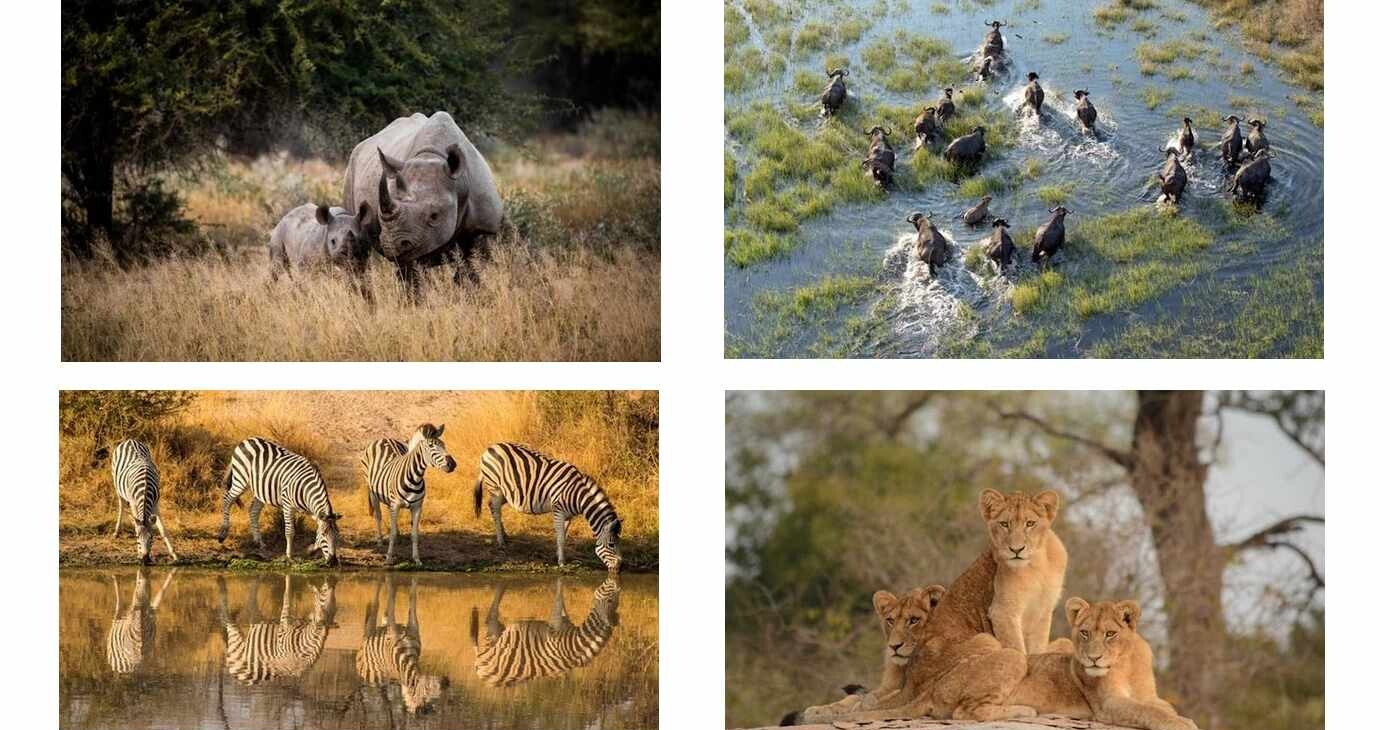
🌍
Iconic Kruger National Park celebrates 100th year of protecting African wildlife, including the Big 5
Iconisch Kruger National Park viert 100-jarig bestaan van bescherming van Afrikaanse wilde dieren, inclusief de Big 5
Le parc national Kruger emblématique célèbre son 100e anniversaire de protection de la faune africaine, y compris les Big 5
Wow, can you believe it? Kruger National Park just celebrated its 100th anniversary, and what a milestone it is for wildlife conservation in South Africa! This incredible park, which spans 7,500 square miles, is home to more species of large mammals than anywhere else in Africa. During the celebrations, Minister Willie Aucamp emphasized the importance of protecting this natural treasure for future generations, ensuring that everyone can experience the magic of elephants and lions in their natural habitat. It's not just about the past; there's a bright future ahead with new agreements to benefit local communities and wildlife alike!
Wauw, kun je het geloven? Het Kruger National Park heeft net zijn 100-jarig bestaan gevierd, en wat een mijlpaal is dat voor de bescherming van wilde dieren in Zuid-Afrika! Dit ongelooflijke park, dat 7.500 vierkante mijl beslaat, herbergt meer soorten grote zoogdieren dan waar dan ook in Afrika. Tijdens de vieringen benadrukte minister Willie Aucamp het belang van het beschermen van deze natuurlijke schat voor toekomstige generaties, zodat iedereen de magie van olifanten en leeuwen in hun natuurlijke habitat kan ervaren. Het gaat niet alleen om het verleden; er ligt een heldere toekomst in het verschiet met nieuwe overeenkomsten die lokale gemeenschappen en de natuur ten goede komen!
Wow, pouvez-vous le croire ? Le parc national Kruger vient de célébrer son 100e anniversaire, et quel jalon c'est pour la conservation de la faune en Afrique du Sud ! Ce parc incroyable, qui s'étend sur 7 500 miles carrés, abrite plus d'espèces de grands mammifères que n'importe où ailleurs en Afrique. Lors des célébrations, le ministre Willie Aucamp a souligné l'importance de protéger ce trésor naturel pour les générations futures, garantissant que tout le monde puisse vivre la magie des éléphants et des lions dans leur habitat naturel. Ce n'est pas seulement une question de passé ; un avenir radieux s'annonce avec de nouveaux accords pour bénéficier aux communautés locales et à la faune !
🌟
A moment that changed me: I became an uncle – and it helped me heal from childhood bullying
Een moment dat me veranderde: ik werd oom – en het hielp me te genezen van pesten in mijn kindertijd
Un moment qui m'a changé : je suis devenu oncle – et cela m'a aidé à guérir du harcèlement à l'enfance
When I became an uncle at 22, it was a transformative moment that helped me confront my past experiences with bullying. Initially nervous about the responsibility, I quickly fell in love with my nephew and embraced my role. Over the years, my relationship with my niblings grew, providing me with joy and a sense of belonging. This journey not only healed my childhood wounds but also allowed me to redefine what family means to me.
Toen ik op 22-jarige leeftijd oom werd, was dat een transformerend moment dat me hielp mijn verleden met pesten onder ogen te zien. Aanvankelijk nerveus over de verantwoordelijkheid, viel ik al snel voor mijn neefje en omarmde ik mijn rol. In de loop der jaren groeide mijn relatie met mijn nichtjes en neefjes, wat me vreugde en een gevoel van erbij horen gaf. Deze reis hielp niet alleen mijn jeugdwonden te genezen, maar stelde me ook in staat om opnieuw te definiëren wat familie voor mij betekent.
Lorsque je suis devenu oncle à 22 ans, cela a été un moment transformateur qui m'a aidé à affronter mes expériences passées de harcèlement. Au départ nerveux face à cette responsabilité, je suis rapidement tombé amoureux de mon neveu et j'ai embrassé mon rôle. Au fil des ans, ma relation avec mes neveux et nièces a grandi, me procurant joie et sentiment d'appartenance. Ce parcours a non seulement guéri mes blessures d'enfance, mais m'a également permis de redéfinir ce que la famille signifie pour moi.

🌟
The fascinating reason why some people experience déjà vu and others don’t
De fascinerende reden waarom sommige mensen déjà vu ervaren en anderen niet
La raison fascinante pour laquelle certaines personnes éprouvent déjà vu et d'autres non
Isn't déjà vu such a curious feeling? It’s that moment when you think, 'I’ve seen this before,' and it can feel like a glitch in reality. Neurologists explain that it’s all about how our brain processes memories and new experiences, with some people experiencing it more frequently than others. Interestingly, for those who never feel it, their brains might just be working perfectly in sync, avoiding any confusion. So, whether it’s a harmless quirk or a nudge from your subconscious, déjà vu certainly adds a sprinkle of mystery to our lives!
Is déjà vu niet zo'n nieuwsgierige ervaring? Het is dat moment waarop je denkt: 'Dit heb ik eerder gezien,' en het kan aanvoelen als een glitch in de realiteit. Neurologen leggen uit dat het allemaal te maken heeft met hoe onze hersenen herinneringen en nieuwe ervaringen verwerken, waarbij sommige mensen het vaker ervaren dan anderen. Interessant genoeg, voor degenen die het nooit voelen, werken hun hersenen misschien gewoon perfect samen, waardoor verwarring wordt vermeden. Dus, of het nu een onschuldige eigenaardigheid is of een duwtje van je onderbewustzijn, déjà vu voegt zeker een vleugje mysterie toe aan ons leven!
N'est-ce pas une sensation curieuse que le déjà vu ? C'est ce moment où vous pensez : 'J'ai déjà vu ça,' et cela peut sembler être un bug dans la réalité. Les neurologues expliquent que tout cela concerne la façon dont notre cerveau traite les souvenirs et les nouvelles expériences, certaines personnes le vivant plus fréquemment que d'autres. Fait intéressant, pour ceux qui ne le ressentent jamais, leur cerveau pourrait simplement fonctionner parfaitement en synchronisation, évitant toute confusion. Donc, que ce soit une quirk inoffensive ou un coup de pouce de votre subconscient, le déjà vu ajoute certainement une pincée de mystère à nos vies !
🌳
Finnish daycares ditched pavement for mud and dirt. A month later, the blood tests stunned scientists.
Fins kinderdagverblijven hebben asfalt vervangen door modder en vuil. Een maand later waren de bloedtesten verbazingwekkend voor wetenschappers.
Les crèches finlandaises ont remplacé le bitume par de la boue et de la terre. Un mois plus tard, les tests sanguins ont stupéfié les scientifiques.
In a fascinating study from Finland, researchers transformed urban daycare yards by replacing concrete with forest floor elements. Within just a month, kids playing in these natural environments showed remarkable improvements in their immune systems. They had more diverse skin microbiota and better immune regulation, supporting the idea that nature is essential for healthy development. This initiative is gaining traction, with funding to rewild daycare centers across the country, proving that a little dirt can go a long way for children's health.
In een fascinerende studie uit Finland hebben onderzoekers stedelijke kinderdagverblijven getransformeerd door beton te vervangen door elementen van de bosbodem. Binnen slechts een maand vertoonden kinderen die in deze natuurlijke omgevingen speelden opmerkelijke verbeteringen in hun immuunsysteem. Ze hadden een diverser huidmicrobioom en een betere immuunregulatie, wat de idee ondersteunt dat de natuur essentieel is voor een gezonde ontwikkeling. Dit initiatief wint aan terrein, met financiering om kinderdagverblijven in het hele land opnieuw te vergroenen, wat bewijst dat een beetje vuil een groot verschil kan maken voor de gezondheid van kinderen.
Dans une étude fascinante en Finlande, des chercheurs ont transformé les cours de crèches urbaines en remplaçant le béton par des éléments de sol forestier. En seulement un mois, les enfants jouant dans ces environnements naturels ont montré des améliorations remarquables de leur système immunitaire. Ils avaient un microbiote cutané plus diversifié et une meilleure régulation immunitaire, soutenant l'idée que la nature est essentielle au développement sain. Cette initiative prend de l'ampleur, avec un financement pour reboiser les crèches à travers le pays, prouvant qu'un peu de saleté peut faire une grande différence pour la santé des enfants.
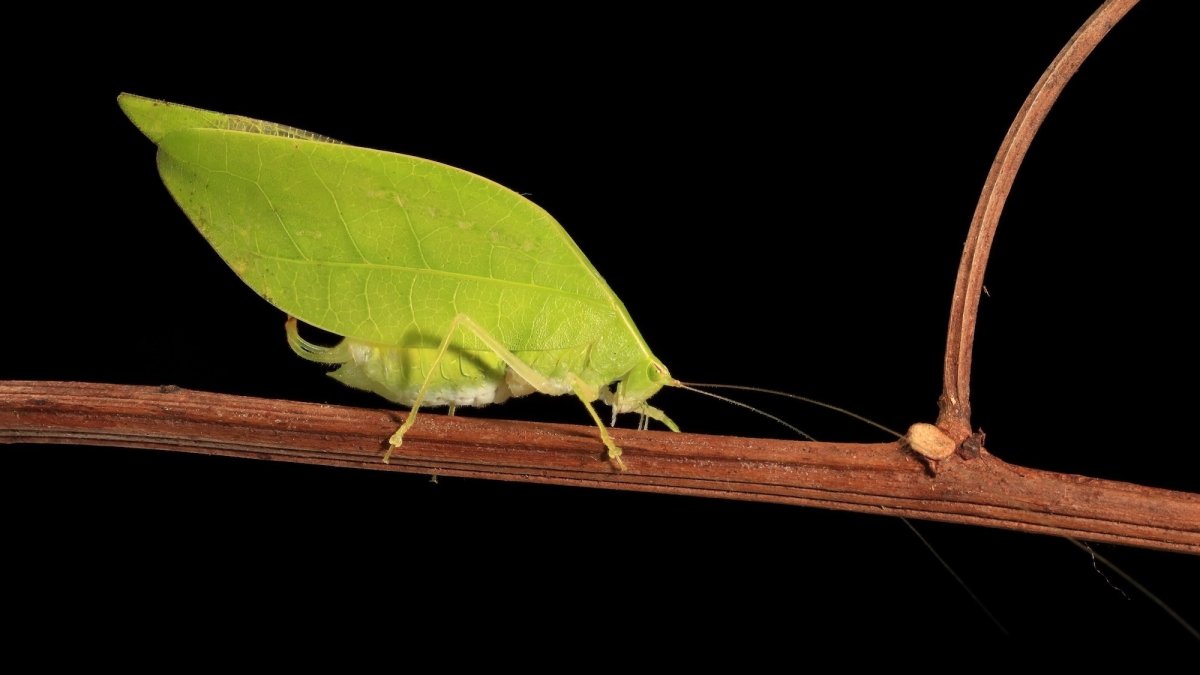
🎶
Big wings and sweet songs: The mating lives of Panama’s katydids
Grote vleugels en zoete liedjes: Het paringsleven van de Panamese krekels
Grandes ailes et douces chansons : La vie de reproduction des katydids du Panama
In the vibrant world of katydids, male 'Viadana brunneri' are using their leafy wing structures to attract mates while also hiding from predators. This fascinating study reveals how these insects create songs by rubbing their wings together, and the leaf mimicry actually enhances their mating calls. It's incredible to think that what helps them survive also boosts their romantic prospects! Researchers found that females prefer the lower-pitched calls from males with their leafy wings intact, showcasing a unique harmony between survival and reproduction.
In de levendige wereld van krekels gebruiken mannelijke 'Viadana brunneri' hun bladvormige vleugels om partners aan te trekken en zich tegelijkertijd te verstoppen voor roofdieren. Deze fascinerende studie onthult hoe deze insecten liedjes creëren door hun vleugels tegen elkaar te wrijven, en de bladmimicry versterkt eigenlijk hun paringsoproepen. Het is ongelooflijk om te bedenken dat wat hen helpt overleven ook hun romantische vooruitzichten vergroot! Onderzoekers ontdekten dat vrouwtjes de lager klinkende oproepen van mannetjes met hun bladvleugels verkiezen, wat een unieke harmonie tussen overleving en voortplanting laat zien.
Dans le monde vibrant des katydids, les mâles 'Viadana brunneri' utilisent leurs structures de ailes en forme de feuilles pour attirer des partenaires tout en se cachant des prédateurs. Cette étude fascinante révèle comment ces insectes créent des chansons en frottant leurs ailes ensemble, et la mimique des feuilles améliore en fait leurs appels nuptiaux. Il est incroyable de penser que ce qui les aide à survivre renforce également leurs perspectives romantiques ! Les chercheurs ont découvert que les femelles préfèrent les appels à tonalité plus basse des mâles avec leurs ailes en feuilles intactes, montrant une harmonie unique entre survie et reproduction.

🌟
Meet the accidental editor in chief of Muslim media
Maak kennis met de toevallige hoofdredacteur van de moslimmedia
Rencontrez le rédacteur en chef accidentel des médias musulmans
Ameer Al-Khatahtbeh, a Palestinian journalist, has become a significant voice in Muslim media through his platform @Muslim, which boasts over 12 million followers. His journey began during Trump's presidency when he felt the need to create a space for Muslim voices after witnessing the impact of the Muslim ban. Al-Khatahtbeh's approach combines digestible news with engaging content that resonates with both younger and older audiences. His dedication to keeping the community informed and connected, especially during challenging times like the pandemic, has truly transformed the landscape of Muslim media.
Ameer Al-Khatahtbeh, een Palestijnse journalist, is een belangrijke stem in de moslimmedia geworden via zijn platform @Muslim, dat meer dan 12 miljoen volgers heeft. Zijn reis begon tijdens het presidentschap van Trump, toen hij de behoefte voelde om een ruimte te creëren voor moslimstemmen na het zien van de impact van het moslimverbod. Al-Khatahtbeh's aanpak combineert begrijpelijk nieuws met boeiende inhoud die zowel jongere als oudere doelgroepen aanspreekt. Zijn toewijding om de gemeenschap geïnformeerd en verbonden te houden, vooral tijdens uitdagende tijden zoals de pandemie, heeft de moslimmedia echt getransformeerd.
Ameer Al-Khatahtbeh, un journaliste palestinien, est devenu une voix significative dans les médias musulmans grâce à sa plateforme @Muslim, qui compte plus de 12 millions de followers. Son parcours a commencé pendant la présidence de Trump, lorsqu'il a ressenti le besoin de créer un espace pour les voix musulmanes après avoir été témoin de l'impact du décret sur l'interdiction des musulmans. L'approche d'Al-Khatahtbeh combine des nouvelles digestes avec un contenu engageant qui résonne à la fois avec les jeunes et les plus âgés. Son dévouement à tenir la communauté informée et connectée, surtout pendant des périodes difficiles comme la pandémie, a véritablement transformé le paysage des médias musulmans.
🌟
Weight-loss drugs can cut breast cancer risk by up to 30%, studies suggest
Gewichtsverlies medicijnen kunnen het risico op borstkanker met tot 30% verlagen, studies suggereren
Les médicaments pour perdre du poids peuvent réduire le risque de cancer du sein jusqu'à 30%, suggèrent des études
So, it turns out that weight-loss drugs might do more than just help with obesity – they could actually reduce breast cancer risk by up to 30%! A series of studies presented at a major oncology conference revealed that those taking GLP-1 medications had a significantly lower chance of developing this common cancer. Plus, when these drugs were added to standard treatments, the risk of dying from breast cancer also dropped by 30%. This is such exciting news, as it opens up new avenues for cancer prevention and treatment!
Dus, het blijkt dat gewichtsverlies medicijnen meer kunnen doen dan alleen helpen bij obesitas - ze kunnen het risico op borstkanker met maar liefst 30% verlagen! Een reeks studies gepresenteerd op een grote oncologieconferentie onthulde dat degenen die GLP-1 medicijnen namen een aanzienlijk lagere kans hadden om deze veelvoorkomende kanker te ontwikkelen. Bovendien daalde het risico op overlijden aan borstkanker met 30% wanneer deze medicijnen aan standaardbehandelingen werden toegevoegd. Dit is zo spannend nieuws, omdat het nieuwe mogelijkheden opent voor kankerpreventie en -behandeling!
Alors, il s'avère que les médicaments pour perdre du poids pourraient faire plus que simplement aider à l'obésité - ils pourraient en fait réduire le risque de cancer du sein jusqu'à 30%! Une série d'études présentées lors d'une grande conférence sur l'oncologie a révélé que ceux prenant des médicaments GLP-1 avaient une chance significativement plus faible de développer ce cancer commun. De plus, lorsque ces médicaments étaient ajoutés aux traitements standard, le risque de mourir d'un cancer du sein a également diminué de 30%. C'est une nouvelle tellement excitante, car cela ouvre de nouvelles voies pour la prévention et le traitement du cancer!
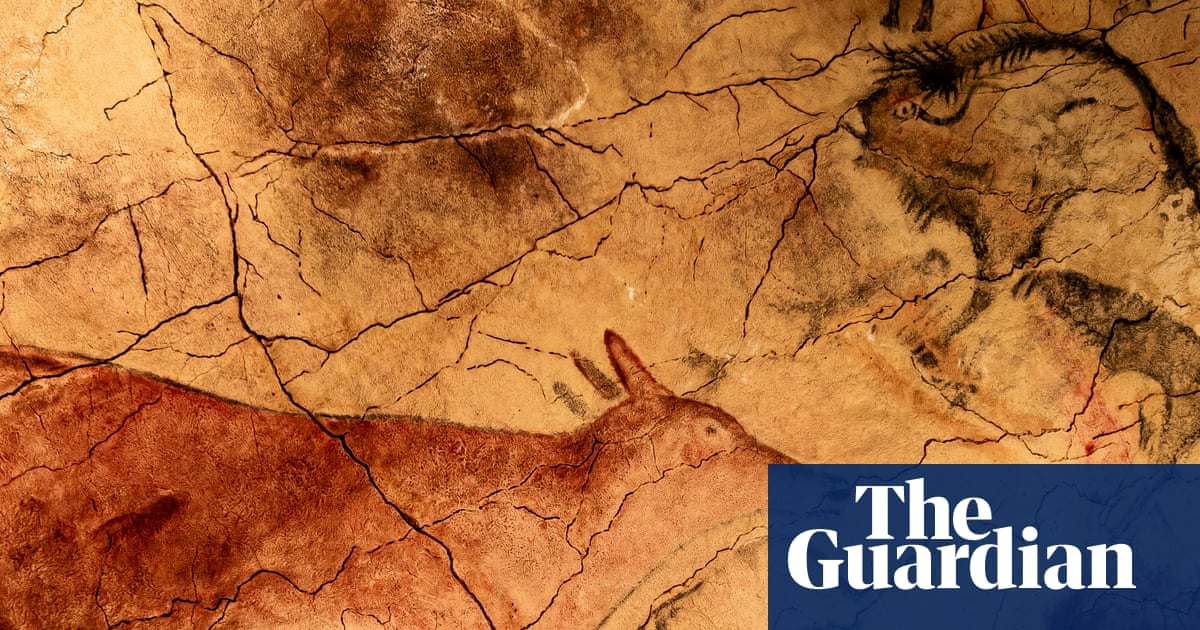
🌟
They take you out of life, out of time: a journey into Spain’s astonishing cave paintings
Ze nemen je uit het leven, uit de tijd: een reis naar de verbazingwekkende grotschilderingen van Spanje
Ils vous sortent de la vie, hors du temps : un voyage dans les étonnantes peintures rupestres d'Espagne
The cave paintings at Altamira are truly a window into our distant past, showcasing the artistry of early Homo sapiens. Diego Garate Maidagan, a prehistory professor, has dedicated his life to studying these ancient artworks, which have remarkably survived for tens of thousands of years. Despite being closed to the public, the vibrant reds and blacks of the paintings remain vivid, thanks to the unique conditions of the cave. It's fascinating to think about how these masterpieces challenge our understanding of prehistoric humans and their capabilities.
De grotschilderingen in Altamira zijn echt een venster naar ons verre verleden en tonen de kunstzinnigheid van vroege Homo sapiens. Diego Garate Maidagan, een professor in de prehistorie, heeft zijn leven gewijd aan het bestuderen van deze oude kunstwerken, die opmerkelijk genoeg al tienduizenden jaren bewaard zijn gebleven. Ondanks dat ze gesloten zijn voor het publiek, blijven de levendige rood- en zwarttinten van de schilderingen helder, dankzij de unieke omstandigheden in de grot. Het is fascinerend om na te denken over hoe deze meesterwerken onze kijk op prehistorische mensen en hun capaciteiten uitdagen.
Les peintures rupestres d'Altamira sont vraiment une fenêtre sur notre passé lointain, mettant en valeur l'art de nos ancêtres Homo sapiens. Diego Garate Maidagan, professeur de préhistoire, a consacré sa vie à l'étude de ces œuvres anciennes, qui ont remarquablement survécu pendant des dizaines de milliers d'années. Bien qu'elles soient fermées au public, les rouges et noirs vibrants des peintures restent vifs, grâce aux conditions uniques de la grotte. C'est fascinant de penser à la façon dont ces chefs-d'œuvre remettent en question notre compréhension des humains préhistoriques et de leurs capacités.
🏆
Cancer and gut researchers win prestigious 'Belgian Nobel Prize': 'Recognition for 20 years of research'
Kanker- en darmonderzoekers winnen prestigieuze 'Belgische Nobelprijs': 'Bekroning voor 20 jaar onderzoek'
Chercheurs en cancer et en microbiote remportent le prestigieux 'Prix Nobel belge': 'Reconnaissance pour 20 ans de recherche'
Researchers Diether Lambrechts and Patrice Cani have been awarded the Francqui-Collen Prize, often referred to as the 'Belgian Nobel Prize'. Lambrechts has developed technologies to map tumors and predict which patients will benefit from expensive cancer treatments, while Cani studies the bacteria in our guts and their impact on brain function. This prestigious award not only brings recognition but also includes a €250,000 prize, with €200,000 earmarked for future research. Lambrechts aims to use the funds to develop a cancer vaccine, keeping patient needs at the forefront of his work.
Onderzoekers Diether Lambrechts en Patrice Cani hebben de Francqui-Collenprijs gewonnen, vaak omschreven als de 'Belgische Nobelprijs'. Lambrechts heeft technologieën ontwikkeld om tumoren in kaart te brengen en te voorspellen welke patiënten baat hebben bij dure kankerbehandelingen, terwijl Cani de bacteriën in onze darmen en hun invloed op de hersenfunctie bestudeert. Deze prestigieuze prijs brengt niet alleen erkenning, maar omvat ook een bedrag van 250.000 euro, waarvan 200.000 euro bestemd is voor toekomstig onderzoek. Lambrechts wil de fondsen gebruiken voor de ontwikkeling van een vaccin tegen kanker, met de behoeften van de patiënt altijd in gedachten.
Les chercheurs Diether Lambrechts et Patrice Cani ont reçu le Prix Francqui-Collen, souvent qualifié de 'Prix Nobel belge'. Lambrechts a développé des technologies pour cartographier les tumeurs et prédire quels patients bénéficieront de traitements coûteux contre le cancer, tandis que Cani étudie les bactéries dans nos intestins et leur impact sur le fonctionnement du cerveau. Ce prix prestigieux apporte non seulement une reconnaissance, mais comprend également un montant de 250 000 euros, dont 200 000 euros sont destinés à la recherche future. Lambrechts souhaite utiliser ces fonds pour développer un vaccin contre le cancer, en gardant toujours à l'esprit les besoins des patients.
🌱
UK’s growing green economy worth more than £100bn a year, research finds
De groeiende groene economie van het VK is meer dan £100 miljard per jaar waard, blijkt uit onderzoek
L'économie verte en pleine croissance du Royaume-Uni vaut plus de 100 milliards de livres par an, selon une étude
Wow, the UK’s green economy is really booming! Research shows it’s worth over £100 billion a year and supports more than a million jobs. Workers in this sector earn higher wages, which is fantastic news for everyone. With massive investments lined up, it’s clear that going green is not just good for the planet but also for the economy.
Wauw, de groene economie van het VK bloeit echt op! Onderzoek toont aan dat deze meer dan £100 miljard per jaar waard is en meer dan een miljoen banen ondersteunt. Werknemers in deze sector verdienen hogere lonen, wat geweldig nieuws is voor iedereen. Met enorme investeringen in het verschiet, is het duidelijk dat vergroenen niet alleen goed is voor de planeet, maar ook voor de economie.
Wow, l'économie verte du Royaume-Uni est vraiment en plein essor ! Des recherches montrent qu'elle vaut plus de 100 milliards de livres par an et soutient plus d'un million d'emplois. Les travailleurs de ce secteur gagnent des salaires plus élevés, ce qui est une excellente nouvelle pour tout le monde. Avec d'énormes investissements en perspective, il est clair que passer au vert est non seulement bon pour la planète, mais aussi pour l'économie.
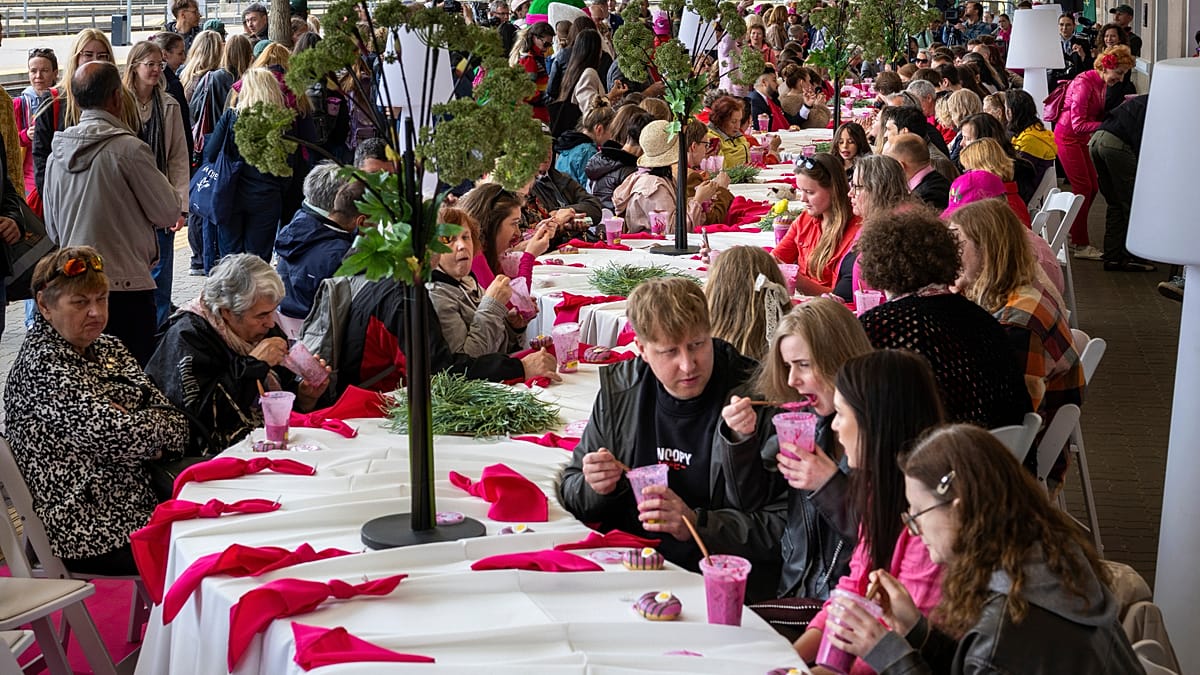
🍲
Lithuania turns pink for giant cold soup festival
Litouwen wordt roze voor het gigantische koude soepfestival
La Lituanie devient rose pour le festival de la soupe froide géante
Wow, what a vibrant celebration in Vilnius! The Pink Soup Festival is a three-day extravaganza that brings together over 100,000 people to enjoy Lithuania's beloved cold beet soup, known as šaltibarščiai. With fun activities like foam slides and river races, the atmosphere is just electric. And the highlight? A massive communal lunch where everyone shares this delicious pink soup together!
Wauw, wat een levendige viering in Vilnius! Het Roze Soepfestival is een driedaagse extravaganza die meer dan 100.000 mensen samenbrengt om te genieten van de geliefde koude bietensoep van Litouwen, bekend als šaltibarščiai. Met leuke activiteiten zoals schuimglijbanen en rivierwedstrijden is de sfeer gewoon elektrisch. En het hoogtepunt? Een enorme gemeenschappelijke lunch waar iedereen samen deze heerlijke roze soep deelt!
Wow, quelle célébration vibrante à Vilnius ! Le Festival de la Soupe Rose est une extravagance de trois jours qui réunit plus de 100 000 personnes pour déguster la célèbre soupe froide de betterave de Lituanie, connue sous le nom de šaltibarščiai. Avec des activités amusantes comme des toboggans en mousse et des courses sur la rivière, l'atmosphère est tout simplement électrisante. Et le clou du spectacle ? Un immense déjeuner commun où tout le monde partage ensemble cette délicieuse soupe rose !
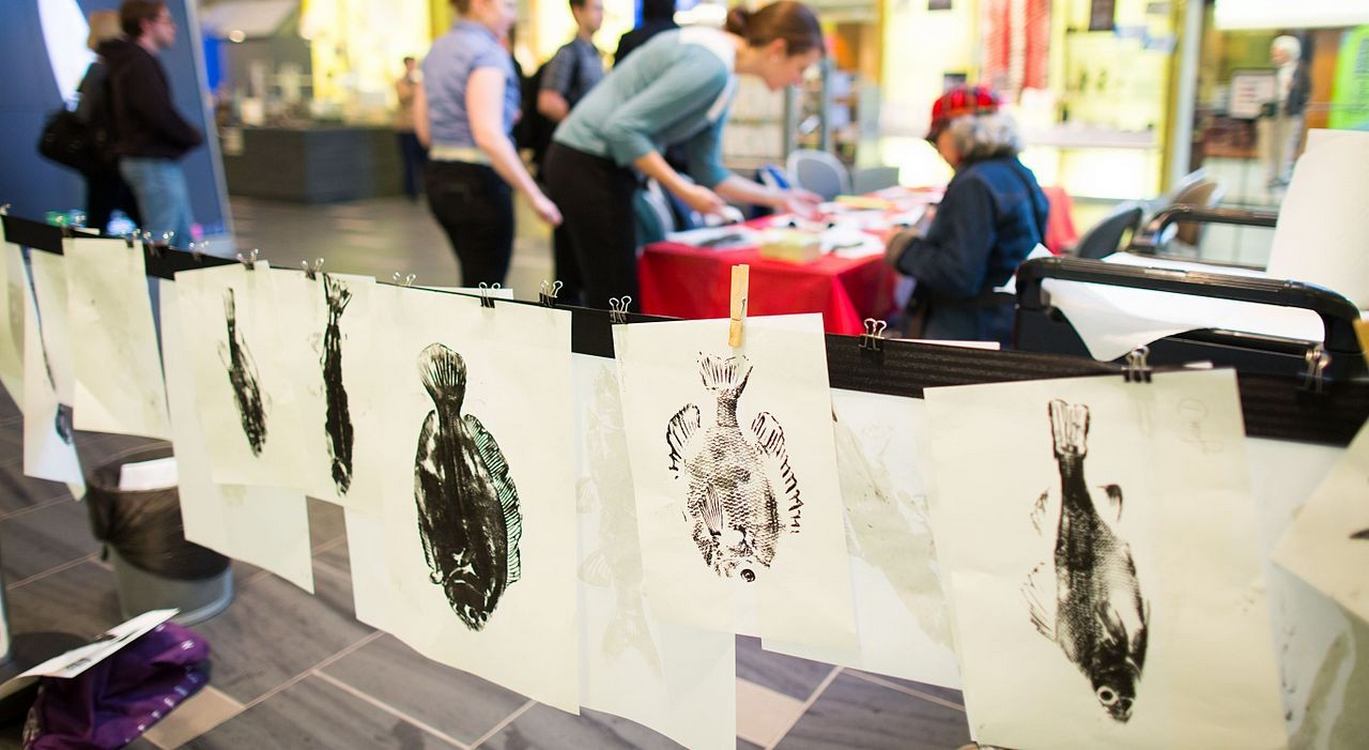
🎣
How Japanese fish printing grew from documenting day’s catch to acclaimed artform
Hoe Japanse visafdrukken groeide van het documenteren van de vangst tot een erkende kunstvorm
Comment l'impression de poissons japonais est passée de la documentation des prises à une forme d'art acclamée
Gyotaku, the Japanese art of fish printing, has evolved from a simple method of documenting catches to a celebrated fine art. Originating in the 19th century, fishermen used sumi ink to create prints on washi paper, gradually refining their techniques. Today, artists like Elena Di Capita are expanding gyotaku's horizons, mixing environments and creating dynamic compositions that honor the fish. This beautiful art form is not just about aesthetics but also about giving dignity to the creatures involved.
Gyotaku, de Japanse kunst van visafdrukken, is geëvolueerd van een eenvoudige methode om vangsten te documenteren naar een gevierde kunstvorm. Oorspronkelijk in de 19e eeuw gebruikten vissers sumi-inkt om afdrukken op washi-papier te maken en verfijnden ze geleidelijk hun technieken. Tegenwoordig breiden kunstenaars zoals Elena Di Capita de horizon van gyotaku uit door verschillende omgevingen te mengen en dynamische composities te creëren die de vissen eren. Deze prachtige kunstvorm gaat niet alleen om esthetiek, maar ook om het geven van waardigheid aan de betrokken wezens.
Le gyotaku, l'art japonais de l'impression de poissons, a évolué d'une simple méthode de documentation des prises à une forme d'art célébrée. Originaire du 19ème siècle, les pêcheurs utilisaient de l'encre sumi pour créer des impressions sur du papier washi, perfectionnant progressivement leurs techniques. Aujourd'hui, des artistes comme Elena Di Capita élargissent les horizons du gyotaku en mélangeant des environnements et en créant des compositions dynamiques qui rendent hommage aux poissons. Cette belle forme d'art ne concerne pas seulement l'esthétique, mais aussi la dignité des créatures impliquées.
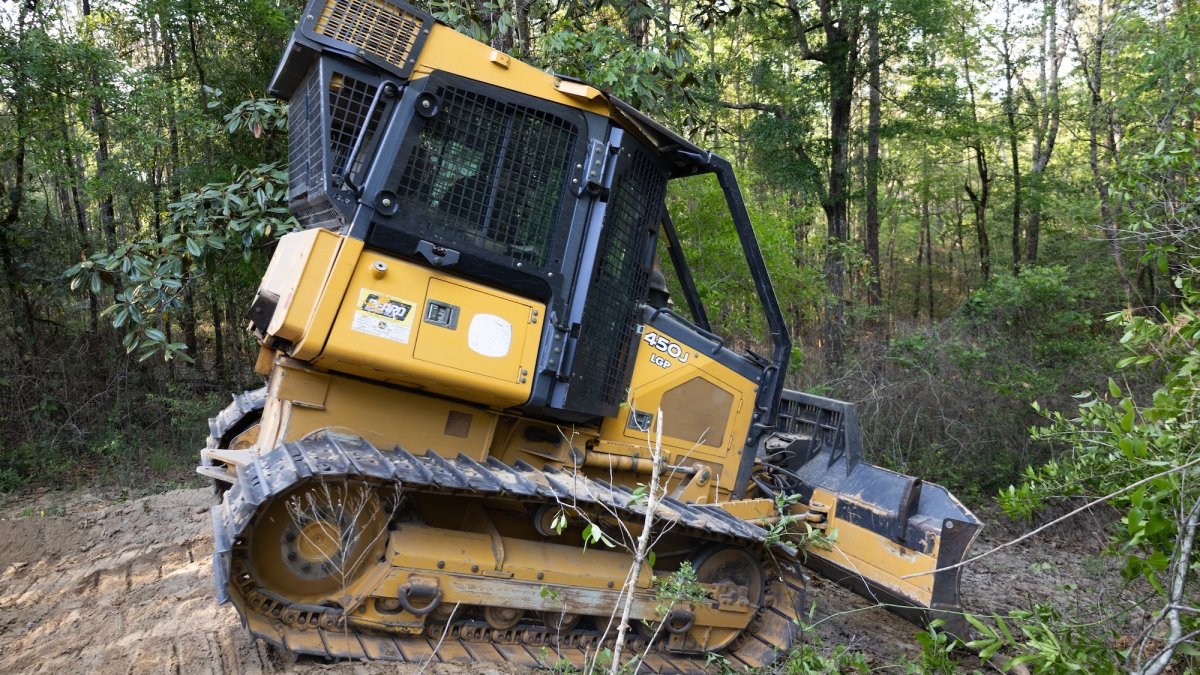
🔥
Fire dozers outfitted with NASA-made sensors help battle blazes
Branddozers uitgerust met door NASA gemaakte sensoren helpen bij het bestrijden van vlammen
Des bulldozers de lutte contre les incendies équipés de capteurs fabriqués par la NASA aident à combattre les flammes
It's exciting to see NASA's innovative heat-sensing sensors being integrated into fire dozers! These sensors alert operators when temperatures reach dangerous levels, making firefighting a bit safer. The design is simple and uses common materials, which is brilliant for accessibility. With plans to outfit the entire dozer fleet in Alabama, this technology not only protects firefighters but also gathers valuable data for future research.
Het is opwindend om te zien hoe de innovatieve hitte-sensoren van NASA worden geïntegreerd in branddozers! Deze sensoren waarschuwen de bestuurders wanneer de temperaturen gevaarlijke niveaus bereiken, waardoor het bestrijden van branden iets veiliger wordt. Het ontwerp is eenvoudig en maakt gebruik van gangbare materialen, wat briljant is voor toegankelijkheid. Met plannen om de hele dozer-vloot in Alabama uit te rusten, beschermt deze technologie niet alleen brandweerlieden, maar verzamelt ook waardevolle gegevens voor toekomstig onderzoek.
C'est passionnant de voir les capteurs de détection de chaleur innovants de la NASA intégrés dans les bulldozers de lutte contre les incendies ! Ces capteurs alertent les opérateurs lorsque les températures atteignent des niveaux dangereux, rendant la lutte contre les incendies un peu plus sûre. Le design est simple et utilise des matériaux courants, ce qui est brillant pour l'accessibilité. Avec des plans pour équiper toute la flotte de bulldozers en Alabama, cette technologie protège non seulement les pompiers, mais collecte également des données précieuses pour la recherche future.
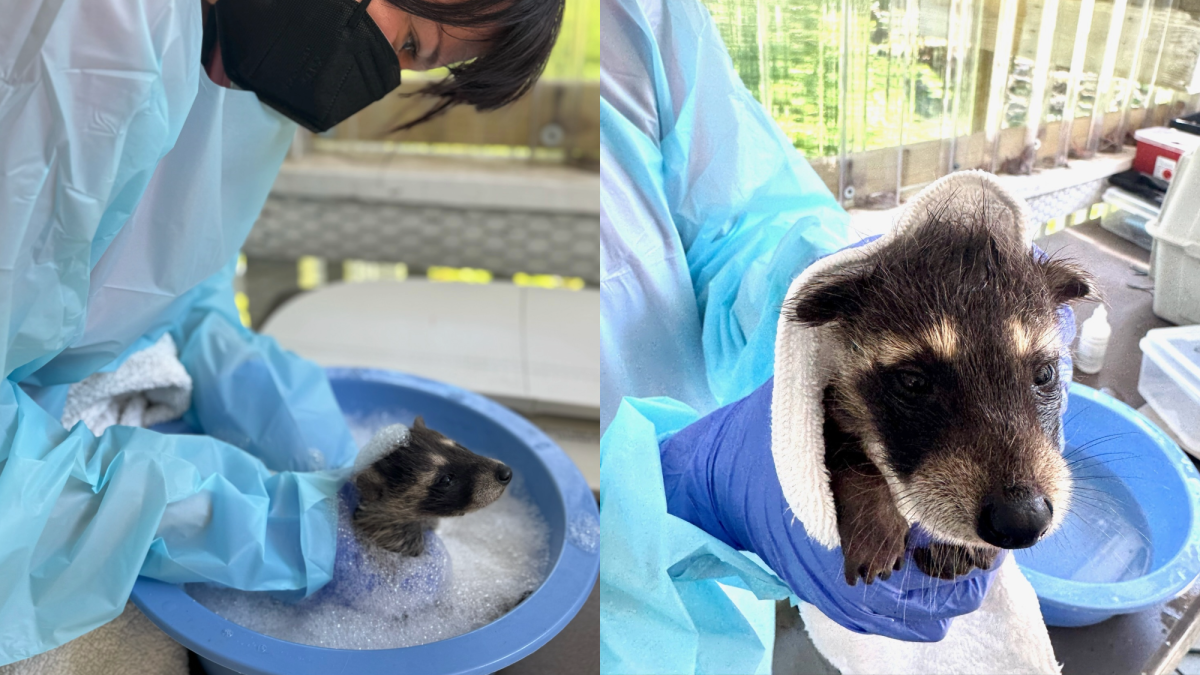
🦝
Baby raccoon found in chimney gets a nice bubble bath
Babywasbeer gevonden in schoorsteen krijgt een leuk bubbelbad
Un bébé raton laveur trouvé dans une cheminée reçoit un joli bain moussant
So, a baby raccoon found its way into a chimney and ended up needing a bubble bath at the New England Wildlife Center! The little guy was covered in soot, which was irritating his skin and eyes, but after a good wash, he’s now bright and alert. Isn’t it amazing how these little creatures can get into such funny situations? He’ll be quarantined for a bit before joining some foster siblings to learn the ropes before heading back to the wild.
Dus, een babywasbeer vond zijn weg in een schoorsteen en had een bubbelbad nodig in het New England Wildlife Center! Het diertje was bedekt met roet, wat zijn huid en ogen irriteerde, maar na een goede wasbeurt is hij nu helder en alert. Is het niet geweldig hoe deze kleine wezens in zulke grappige situaties kunnen komen? Hij zal een tijdje in quarantaine blijven voordat hij zich bij enkele pleegbroertjes voegt om de kneepjes van het vak te leren voordat hij terug naar de natuur gaat.
Alors, un bébé raton laveur s'est retrouvé dans une cheminée et a eu besoin d'un bain moussant au New England Wildlife Center ! Le petit était couvert de suie, ce qui irritait sa peau et ses yeux, mais après un bon lavage, il est maintenant vif et alerte. N'est-ce pas incroyable comment ces petites créatures peuvent se retrouver dans des situations si drôles ? Il sera mis en quarantaine pendant un certain temps avant de rejoindre des frères et sœurs d'accueil pour apprendre les ficelles avant de retourner dans la nature.
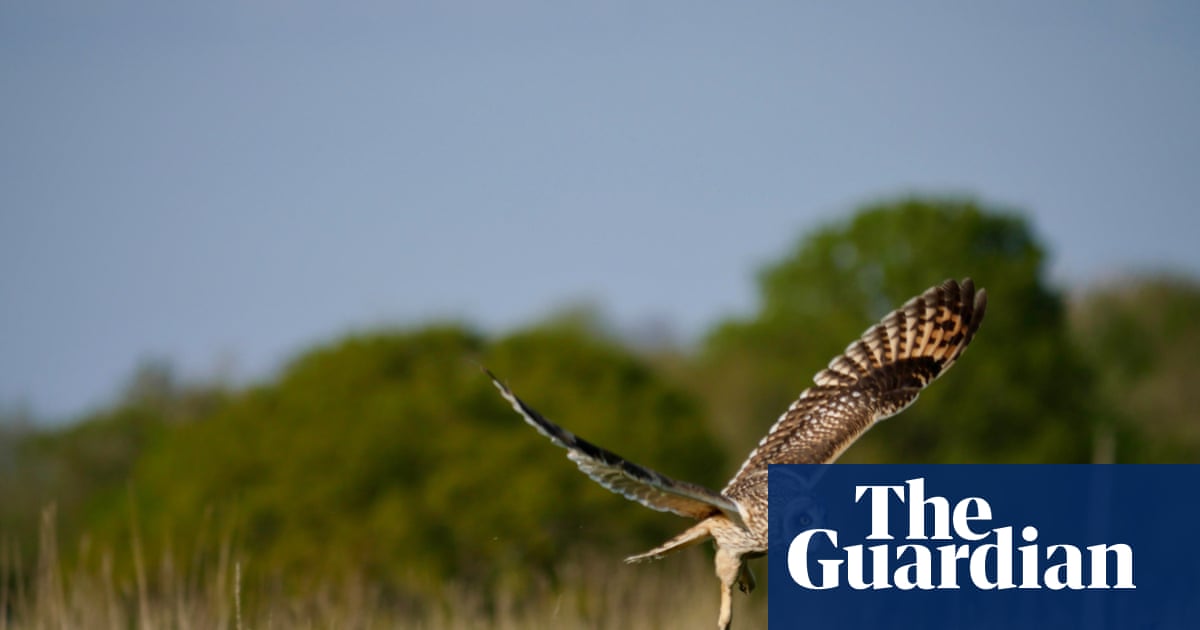
🌱
‘Hold your nerve and trust nature’: birds, bats and butterflies rebound at Somerset rewilding farm
‘Houd je zenuwen onder controle en vertrouw op de natuur’: vogels, vleermuizen en vlinders herstellen op een herwildingsboerderij in Somerset
‘Gardez votre calme et faites confiance à la nature’ : les oiseaux, les chauves-souris et les papillons rebondissent dans une ferme de réensauvagement du Somerset
It's amazing to see how nature can bounce back when given the chance! At Heal Somerset, a former dairy farm, bird species have jumped from 67 to 94 and butterfly species have doubled in just three years. The rewilding project, which embraces natural processes, is supported by a fantastic community of volunteers and local groups. It's a joyful reminder that when we create safe spaces for wildlife, incredible things can happen.
Het is geweldig om te zien hoe de natuur kan terugveren als ze de kans krijgt! Op Heal Somerset, een voormalige melkveehouderij, zijn het aantal vogelsoorten gestegen van 67 naar 94 en zijn de vlindersoorten in drie jaar verdubbeld. Het herwildingsproject, dat natuurlijke processen omarmt, wordt ondersteund door een fantastische gemeenschap van vrijwilligers en lokale groepen. Het is een vreugdevolle herinnering dat wanneer we veilige ruimtes voor dieren creëren, er ongelooflijke dingen kunnen gebeuren.
C'est incroyable de voir comment la nature peut rebondir lorsqu'on lui en donne la chance ! À Heal Somerset, une ancienne ferme laitière, le nombre d'espèces d'oiseaux est passé de 67 à 94 et les espèces de papillons ont doublé en seulement trois ans. Le projet de réensauvagement, qui adopte des processus naturels, est soutenu par une communauté fantastique de bénévoles et de groupes locaux. C'est un rappel joyeux que lorsque nous créons des espaces sûrs pour la faune, des choses incroyables peuvent se produire.
🌳
Today marks the opening of Denmark's first untouched forest, where chainsaws are not welcome
Vandaag wordt de eerste ongerepte bos van Denemarken ingewijd, waar kettingzagen niet welkom zijn
Aujourd'hui, l'inauguration de la première forêt intacte du Danemark, où les tronçonneuses ne sont pas les bienvenues
Today is a big day for Denmark as it unveils its very first untouched forest, a place where the sound of chainsaws will not disturb the peace of nature. This initiative is all about preserving biodiversity and creating a sanctuary for wildlife. I find it so inspiring that we are taking steps to protect our natural heritage in such a tangible way. It's a celebration of the beauty of the environment and a commitment to sustainability that we can all appreciate.
Vandaag is een grote dag voor Denemarken, want het onthult zijn allereerste ongerepte bos, een plek waar het geluid van kettingzagen de rust van de natuur niet zal verstoren. Dit initiatief draait helemaal om het behoud van biodiversiteit en het creëren van een toevluchtsoord voor dieren in het wild. Ik vind het zo inspirerend dat we stappen ondernemen om ons natuurlijk erfgoed op zo'n tastbare manier te beschermen. Het is een viering van de schoonheid van het milieu en een toewijding aan duurzaamheid die we allemaal kunnen waarderen.
Aujourd'hui est un grand jour pour le Danemark, car il dévoile sa toute première forêt intacte, un endroit où le bruit des tronçonneuses ne viendra pas troubler la paix de la nature. Cette initiative vise à préserver la biodiversité et à créer un sanctuaire pour la faune. Je trouve cela tellement inspirant que nous prenions des mesures pour protéger notre patrimoine naturel de manière si concrète. C'est une célébration de la beauté de l'environnement et un engagement envers la durabilité que nous pouvons tous apprécier.
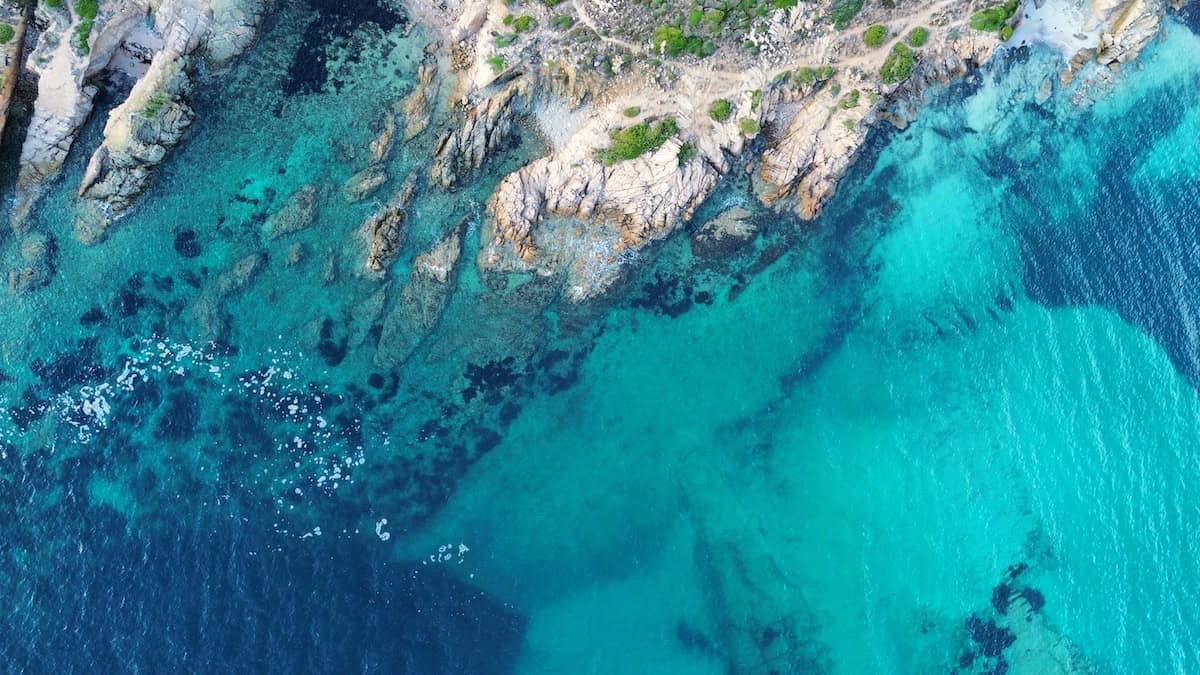
🌊
Greenland sheds new light on underwater carbon sink
Groenland werpt nieuw licht op onderwater koolstofput
Le Groenland éclaire d'un jour nouveau le puits de carbone sous-marin
So, researchers have discovered that vast underwater seaweed forests could significantly help in slowing down climate change. These macroalgae absorb huge amounts of CO2 and can transport carbon to the deep ocean, where it can stay for a century. By tracking 8,000 seaweed rafts off southwest Greenland, scientists found that ocean currents play a crucial role in this process. This research really highlights the importance of coastal macroalgal forests in the Earth’s carbon cycle.
Dus, onderzoekers hebben ontdekt dat enorme onderwaterzeewierbossen aanzienlijk kunnen helpen bij het vertragen van klimaatverandering. Deze macroalgen absorberen enorme hoeveelheden CO2 en kunnen koolstof naar de diepe oceaan transporteren, waar het een eeuw kan blijven. Door 8.000 zeewiervlotten voor de zuidwestkust van Groenland te volgen, ontdekten wetenschappers dat oceaanstromen een cruciale rol in dit proces spelen. Dit onderzoek benadrukt echt het belang van kustmacroalgale bossen in de koolstofcyclus van de aarde.
Alors, des chercheurs ont découvert que d'immenses forêts de varech sous-marines pourraient jouer un rôle significatif dans le ralentissement du changement climatique. Ces macroalgues absorbent d'énormes quantités de CO2 et peuvent transporter le carbone vers l'océan profond, où il peut rester pendant un siècle. En suivant 8 000 radeaux de varech au large du sud-ouest du Groenland, les scientifiques ont découvert que les courants océaniques jouent un rôle crucial dans ce processus. Cette recherche met vraiment en lumière l'importance des forêts côtières de macroalgues dans le cycle du carbone de la Terre.

🐍
Danish scientist on antivenom that could save thousands
Deense wetenschapper over antivenom dat duizenden levens kan redden
Scientifique danois sur un antivenin qui pourrait sauver des milliers de vies
Andreas Hougaard Laustsen-Kiel's journey into snakebite research began after witnessing the devastating effects of bites in Tanzania. Now a professor, he is developing modern antivenoms that could potentially save thousands of lives. He emphasizes the need for better medical training in treating snakebites and highlights the dangers of traditional remedies. With promising prototypes already in development, the future of antivenom research looks bright and hopeful.
Andreas Hougaard Laustsen-Kiel's reis in het onderzoek naar slangenbeten begon na het zien van de verwoestende effecten van beten in Tanzania. Nu is hij professor en ontwikkelt hij moderne antivenoms die duizenden levens kunnen redden. Hij benadrukt de noodzaak van betere medische training in de behandeling van slangenbeten en wijst op de gevaren van traditionele remedies. Met veelbelovende prototypes die al in ontwikkeling zijn, ziet de toekomst van antivenomonderzoek er helder en hoopvol uit.
Le parcours d'Andreas Hougaard Laustsen-Kiel dans la recherche sur les morsures de serpent a commencé après avoir été témoin des effets dévastateurs des morsures en Tanzanie. Maintenant professeur, il développe des antivenins modernes qui pourraient potentiellement sauver des milliers de vies. Il souligne la nécessité d'une meilleure formation médicale pour traiter les morsures de serpent et met en avant les dangers des remèdes traditionnels. Avec des prototypes prometteurs déjà en développement, l'avenir de la recherche sur les antivenins semble lumineux et plein d'espoir.

🌟
June skygazing: A visit to Venus, longest day of the year, sweet summer moon, and asteroids
Juni sterrenkijken: Een bezoek aan Venus, de langste dag van het jaar, zoete zomermaan en asteroïden
Observation du ciel en juin : Une visite de Vénus, le jour le plus long de l'année, la douce lune d'été et les astéroïdes
June is here, and it’s bringing some stellar sights! On June 9, Venus and Jupiter will be putting on a show, appearing close together in the evening sky. Then, mark your calendars for June 21, the summer solstice, which is the longest day of the year—perfect for soaking up the sun! And don’t miss the Full Strawberry Moon on June 29, a beautiful name that adds a poetic touch to our summer nights.
Juni is hier, en het brengt enkele sterrenachtige bezienswaardigheden! Op 9 juni zullen Venus en Jupiter een show opvoeren, dicht bij elkaar aan de avondhemel. Markeer je agenda voor 21 juni, de zomerzonnewende, de langste dag van het jaar—perfect om van de zon te genieten! En mis de Volle Aardbeienmaan op 29 juni niet, een mooie naam die een poëtische toets toevoegt aan onze zomernachten.
Juin est là, et il apporte des spectacles stellaires ! Le 9 juin, Vénus et Jupiter se produiront ensemble, apparaissant proches l'un de l'autre dans le ciel du soir. Ensuite, notez la date du 21 juin, le solstice d'été, qui est le jour le plus long de l'année—parfait pour profiter du soleil ! Et ne manquez pas la pleine lune des fraises le 29 juin, un nom magnifique qui ajoute une touche poétique à nos nuits d'été.
🍽️
Mistaken delivery of 160 sausages ends in feast: “Proceeds of nearly 2000 euros go to food distribution”
Foute levering van 160 pensen eindigt in eetfestijn: “Opbrengst van bijna 2000 euro gaat naar voedselbedeling”
Livraison erronée de 160 saucisses se termine en festin : “Les bénéfices de près de 2000 euros vont à la distribution alimentaire”
So, it turns out that a mix-up with a delivery of 160 sausages turned into a wonderful community feast! The event not only brought people together but also raised nearly 2000 euros for food distribution. Isn't it amazing how something unexpected can lead to such positive outcomes? This shows the power of community spirit and generosity in action.
Dus, het blijkt dat een vergissing met een levering van 160 pensen heeft geleid tot een prachtig eetfestijn! Het evenement bracht niet alleen mensen samen, maar haalde ook bijna 2000 euro op voor voedselbedeling. Is het niet geweldig hoe iets onverwachts kan leiden tot zulke positieve resultaten? Dit toont de kracht van gemeenschapszin en vrijgevigheid in actie.
Alors, il s'avère qu'une erreur de livraison de 160 saucisses s'est transformée en un merveilleux festin communautaire ! L'événement a non seulement rassemblé les gens, mais a également permis de récolter près de 2000 euros pour la distribution alimentaire. N'est-ce pas incroyable comment quelque chose d'inattendu peut mener à de si bons résultats ? Cela montre la puissance de l'esprit communautaire et de la générosité en action.
🌟
Men and women should be optimists about love, not heteropessimists
Mannen en vrouwen moeten optimisten zijn over de liefde, geen heteropessimisten
Les hommes et les femmes devraient être optimistes sur l'amour, pas hétéropessimistes
It's time to shift our perspective on love and relationships, moving away from the negativity that often surrounds straight dating. The article encourages men and women to embrace optimism, highlighting the potential for meaningful connections and joy in romantic pursuits. By focusing on the positive aspects of love, we can foster healthier relationships and a more hopeful outlook. So, let's celebrate love and all its possibilities instead of dwelling on pessimism.
Het is tijd om onze kijk op liefde en relaties te veranderen en weg te bewegen van de negativiteit die vaak rond heteroseksueel daten hangt. Het artikel moedigt mannen en vrouwen aan om optimisme te omarmen, waarbij de nadruk ligt op de mogelijkheden voor betekenisvolle verbindingen en vreugde in romantische achtervolgingen. Door ons te concentreren op de positieve aspecten van de liefde, kunnen we gezondere relaties bevorderen en een hoopvollere kijk ontwikkelen. Laten we dus de liefde en al zijn mogelijkheden vieren in plaats van ons te verliezen in pessimisme.
Il est temps de changer notre perspective sur l'amour et les relations, en s'éloignant de la négativité qui entoure souvent les rencontres hétérosexuelles. L'article encourage les hommes et les femmes à adopter l'optimisme, mettant en avant le potentiel de connexions significatives et de joie dans les quêtes romantiques. En nous concentrant sur les aspects positifs de l'amour, nous pouvons favoriser des relations plus saines et une vision plus optimiste. Célébrons donc l'amour et toutes ses possibilités au lieu de nous attarder sur le pessimisme.
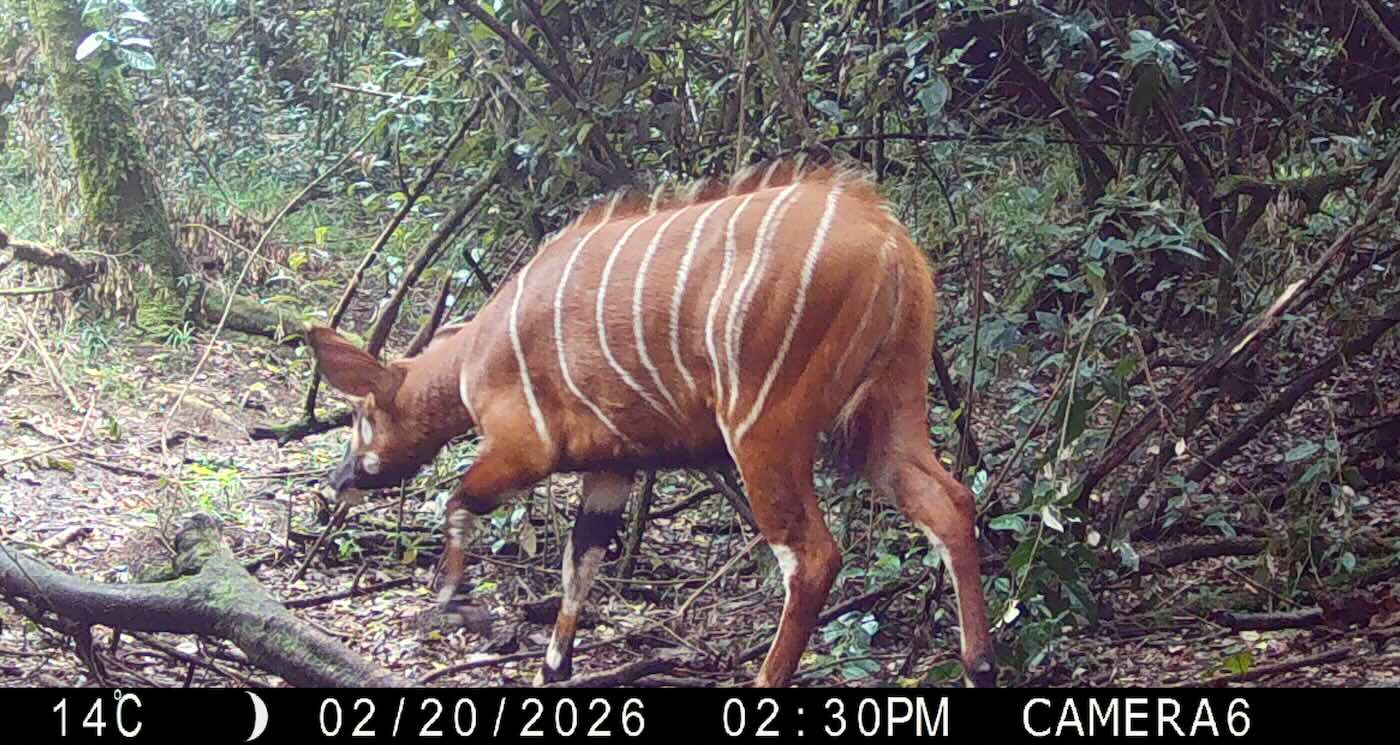
🌟
Incredibly rare bongos caught on trail cam in area they were thought to be extinct
Incredibly rare bongos gevangen op trail cam in gebied waarvan men dacht dat ze uitgestorven waren
Des bongos incroyablement rares capturés par une caméra de surveillance dans une zone où ils étaient considérés comme éteints
What an exciting discovery! On World Bongo Day, scientists revealed trail cam images showing that these magnificent bongos have returned to an area in Kenya where they were thought to be extinct. Conservationists had feared for their survival, but now there's renewed hope as more bongos are spotted in Maasai Mau. This incredible find highlights the dedication of the Mountain Bongo Project and the importance of protecting these shy creatures and their habitat.
Wat een spannende ontdekking! Op World Bongo Day onthulden wetenschappers trail cam-afbeeldingen die tonen dat deze prachtige bongos zijn teruggekeerd naar een gebied in Kenia waar ze als uitgestorven werden beschouwd. Natuurbeschermers vreesden voor hun overleving, maar nu is er nieuwe hoop omdat er meer bongos worden gespot in Maasai Mau. Deze ongelooflijke vondst benadrukt de toewijding van het Mountain Bongo Project en het belang van het beschermen van deze schuwe wezens en hun habitat.
Quelle découverte excitante ! À l'occasion de la Journée mondiale du Bongo, des scientifiques ont révélé des images de caméra de surveillance montrant que ces magnifiques bongos sont revenus dans une zone du Kenya où ils étaient considérés comme éteints. Les conservationnistes craignaient pour leur survie, mais maintenant il y a un nouvel espoir alors que d'autres bongos sont repérés dans le Maasai Mau. Cette incroyable découverte met en lumière le dévouement du Mountain Bongo Project et l'importance de protéger ces créatures timides et leur habitat.
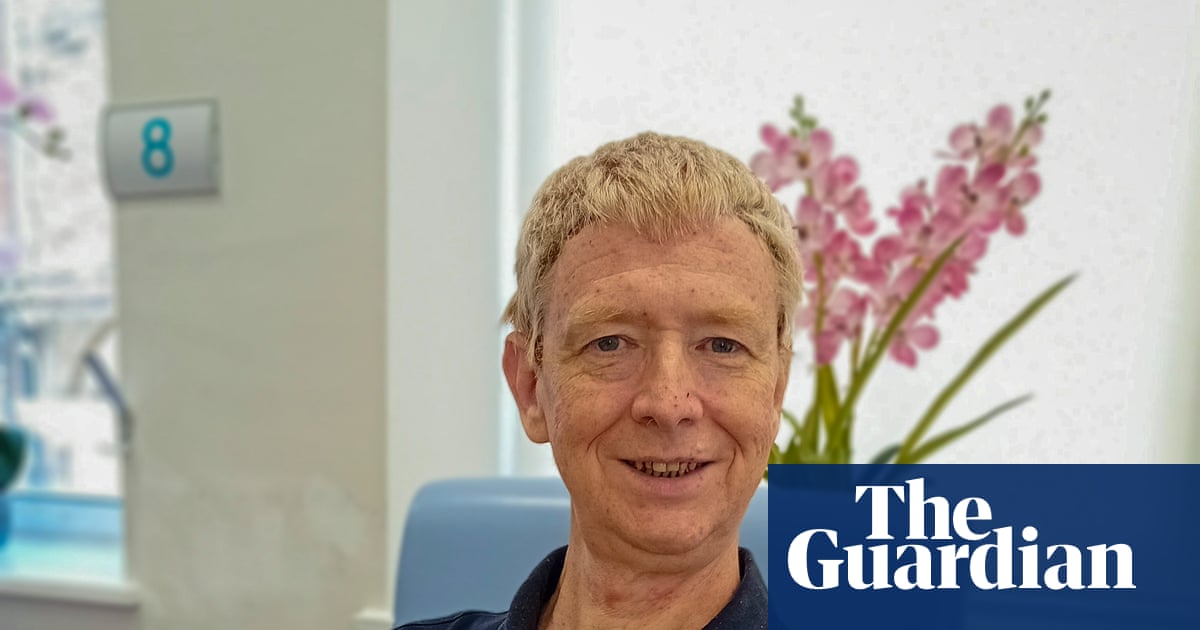
🌟
Cancer jab can eradicate entire tumours in patients, trial shows
Kankerprik kan hele tumoren bij patiënten uitroeien, toont proef aan
Le vaccin contre le cancer peut éradiquer des tumeurs entières chez les patients, selon un essai
Doctors are buzzing about a groundbreaking trial showing that a triple-action cancer jab can completely eradicate tumours in patients. This international study involved 102 patients with head and neck cancer, and over a third saw their tumours shrink or disappear entirely. The jab, called amivantamab, not only targets cancer cells but also boosts the immune system to fight back. With such promising results, this treatment could change the lives of thousands of patients each year!
Artsen zijn enthousiast over een baanbrekende proef die aantoont dat een triple-action kankerprik tumoren bij patiënten volledig kan uitroeien. Deze internationale studie omvatte 102 patiënten met hoofd- en halskanker, en meer dan een derde zag hun tumoren krimpen of volledig verdwijnen. De prik, genaamd amivantamab, richt zich niet alleen op kankercellen, maar stimuleert ook het immuunsysteem om terug te vechten. Met zulke veelbelovende resultaten zou deze behandeling het leven van duizenden patiënten per jaar kunnen veranderen!
Les médecins sont ravis des résultats d'un essai révolutionnaire montrant qu'un vaccin anticancer à triple action peut éradiquer complètement les tumeurs chez les patients. Cette étude internationale a impliqué 102 patients atteints de cancer de la tête et du cou, et plus d'un tiers a vu ses tumeurs rétrécir ou disparaître complètement. Le vaccin, appelé amivantamab, cible non seulement les cellules cancéreuses, mais stimule également le système immunitaire pour lutter. Avec de tels résultats prometteurs, ce traitement pourrait changer la vie de milliers de patients chaque année !
/https://content.production.cdn.art19.com/images/26/f8/cb/e9/26f8cbe9-afd0-4b86-a5b3-9b4869e0c076/d33ceb8f3241350eb071ac9f21a1f8088dbb7c59d4d57ca7469a408996a3323e673d06eb60383380be1a0f3538d2421ec6ccd1c703dc918644be858e8c41d34e.jpeg)
🌈
How a 14-year-old became a symbol at Pride
Hoe een 14-jarige jongen een boegbeeld werd op de Pride
Comment un garçon de 14 ans est devenu un symbole à la Pride
In 2007, Danny Hoekzema, just fourteen at the time, fought for a place for younger people under sixteen at Pride. Initially, Amsterdam's mayor Job Cohen was against it, but the youth boat eventually made its debut. This article takes a look back as we approach Pride month, celebrating the courage and determination of young activists. It's a heartwarming reminder of how even the youngest voices can make a significant impact.
In 2007 streed Danny Hoekzema, toen veertien jaar, voor een plek voor jongeren onder de zestien op de Pride. Aanvankelijk was de Amsterdamse burgemeester Job Cohen tegen, maar de jongerenboot kwam er uiteindelijk. Dit artikel blikt terug nu we de Pride-maand naderen, en viert de moed en vastberadenheid van jonge activisten. Het is een hartverwarmende herinnering aan hoe zelfs de jongste stemmen een grote impact kunnen maken.
En 2007, Danny Hoekzema, alors âgé de quatorze ans, a lutté pour une place pour les jeunes de moins de seize ans à la Pride. Au départ, le maire d'Amsterdam, Job Cohen, était contre, mais le bateau des jeunes a finalement vu le jour. Cet article revient sur cette histoire à l'approche du mois de la Pride, célébrant le courage et la détermination des jeunes activistes. C'est un rappel réconfortant de la façon dont même les plus jeunes voix peuvent avoir un impact significatif.
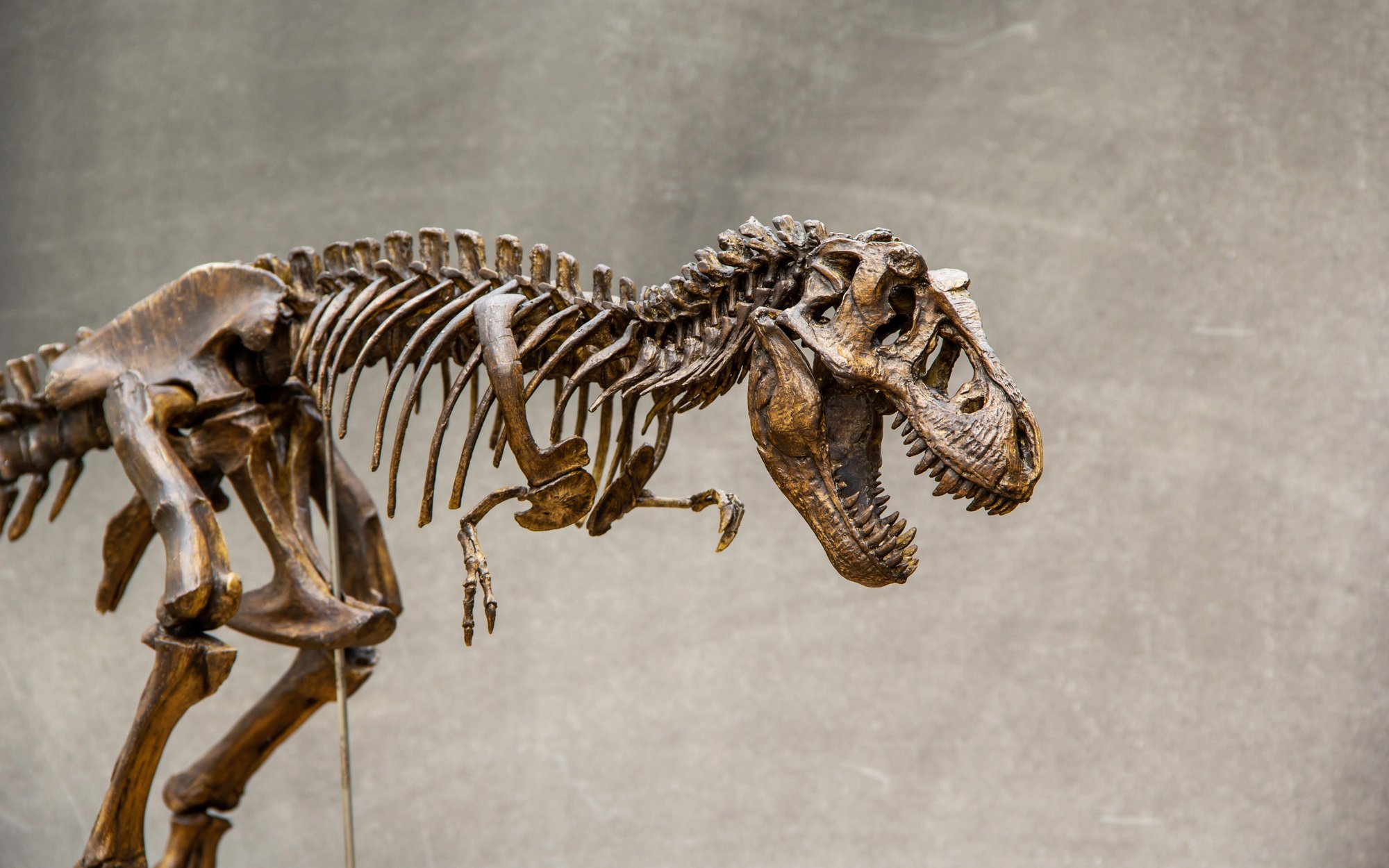
🦖
Researchers explain why tyrannosaurs had short arms
Onderzoekers verklaren waarom tyrannosaurussen korte armen hadden
Les chercheurs expliquent pourquoi les tyrannosaures avaient de courtes bras
So, researchers from the University of Cambridge and University College London have uncovered some fascinating insights into why tyrannosaurs had those famously short arms. They found that smaller arms were linked to the development of large, powerful skulls rather than just the overall size of the dinosaurs. This suggests that as they evolved to hunt larger prey, their jaws became the primary tool for attacking, making those short arms less necessary. It’s a thrilling revelation that sheds light on the adaptability of these incredible creatures!
Dus, onderzoekers van de Universiteit van Cambridge en University College London hebben enkele fascinerende inzichten onthuld over waarom tyrannosaurussen die beroemde korte armen hadden. Ze ontdekten dat kleinere armen verband hielden met de ontwikkeling van grote, krachtige schedels in plaats van alleen de algehele grootte van de dinosaurussen. Dit suggereert dat naarmate ze evolueerden om grotere prooien te jagen, hun kaken de belangrijkste aanvalsmethode werden, waardoor die korte armen minder noodzakelijk waren. Het is een opwindende onthulling die licht werpt op de aanpassingsvermogen van deze ongelooflijke wezens!
Alors, des chercheurs de l'Université de Cambridge et de l'University College London ont découvert des informations fascinantes sur les raisons pour lesquelles les tyrannosaures avaient ces bras si courts. Ils ont constaté que des bras plus petits étaient liés au développement de grandes et puissantes têtes plutôt qu'à la taille globale des dinosaures. Cela suggère qu'à mesure qu'ils évoluaient pour chasser des proies plus grandes, leurs mâchoires devenaient l'outil principal pour attaquer, rendant ces bras courts moins nécessaires. C'est une révélation passionnante qui éclaire l'adaptabilité de ces créatures incroyables !
🌟
Free access to news makes a difference for people on a budget: “Better informed and more involved in society”
Gratis toegang tot nieuws maakt verschil voor mensen met beperkt budget: “Beter geïnformeerd en meer betrokken bij de samenleving”
L'accès gratuit aux nouvelles fait une différence pour les personnes à budget limité : “Mieux informées et plus impliquées dans la société”
It's amazing to see how free access to news can really change lives, especially for those on a tight budget. People are feeling better informed and more engaged in their communities, which is just fantastic! This access helps bridge the gap and ensures everyone has a voice. It's a reminder of the importance of information in fostering a connected society.
Het is geweldig om te zien hoe gratis toegang tot nieuws levens kan veranderen, vooral voor mensen met een beperkt budget. Mensen voelen zich beter geïnformeerd en meer betrokken bij hun gemeenschappen, wat gewoon fantastisch is! Deze toegang helpt de kloof te overbruggen en zorgt ervoor dat iedereen een stem heeft. Het herinnert ons aan het belang van informatie voor het bevorderen van een verbonden samenleving.
C'est incroyable de voir comment l'accès gratuit aux nouvelles peut vraiment changer des vies, surtout pour ceux qui ont un budget limité. Les gens se sentent mieux informés et plus engagés dans leurs communautés, ce qui est tout simplement fantastique ! Cet accès aide à combler le fossé et garantit que chacun a une voix. Cela nous rappelle l'importance de l'information pour favoriser une société connectée.
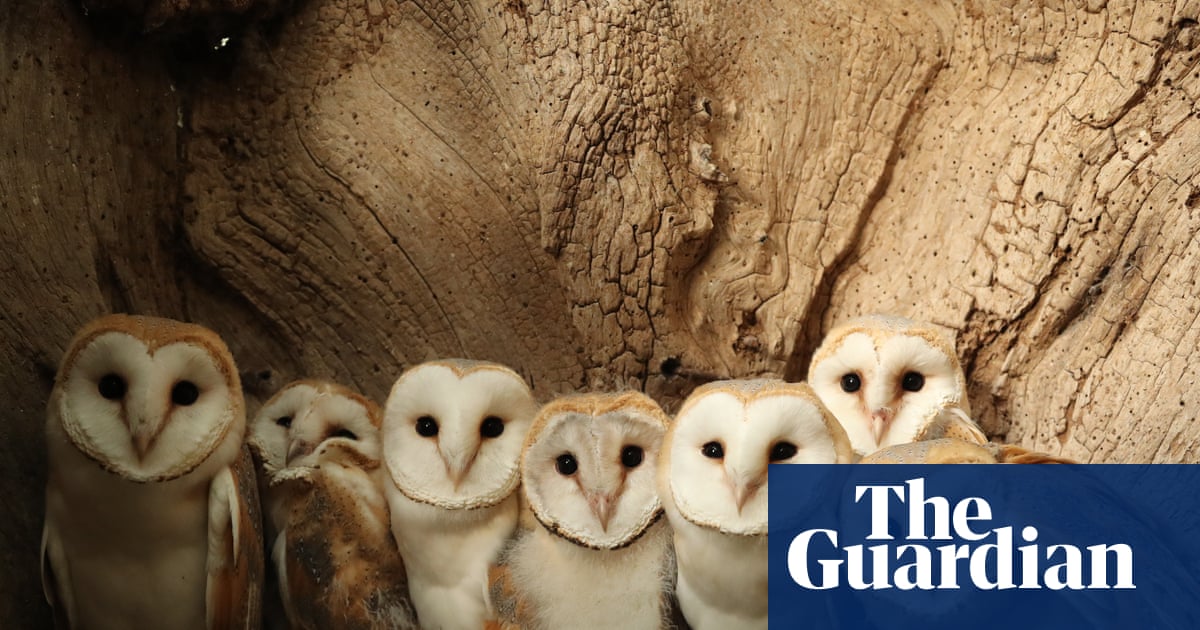
🦉
Nature’s soap opera: how a wildlife artist’s nestboxes became a YouTube hit
De soapserie van de natuur: hoe de nestkasten van een wildlife-artiest een YouTube-hit werden
Le soap opera de la nature : comment les nichoirs d'un artiste animalier sont devenus un succès sur YouTube
Robert Fuller, a wildlife artist, has turned his childhood passion for building bird boxes into a YouTube sensation. His channel, which streams live footage of nesting birds, is on the verge of hitting a million subscribers, captivating viewers worldwide. The pandemic sparked a surge in interest, with people tuning in to watch the intimate lives of owls, kestrels, and kingfishers unfold. Fuller’s dedication to capturing these moments has made his channel a unique window into nature, although he expresses concerns about the impact of AI on content creation.
Robert Fuller, een wildlife-artiest, heeft zijn kinderlijke passie voor het bouwen van nestkasten omgevormd tot een YouTube-sensatie. Zijn kanaal, dat live beelden van broedende vogels streamt, staat op het punt een miljoen abonnees te bereiken en boeit kijkers over de hele wereld. De pandemie zorgde voor een toename van de interesse, waarbij mensen afstemden om de intieme levens van uilen, torenvalken en ijsvogels te volgen. Fullers toewijding aan het vastleggen van deze momenten heeft zijn kanaal tot een unieke kijk op de natuur gemaakt, hoewel hij zich zorgen maakt over de impact van AI op het creëren van content.
Robert Fuller, un artiste animalier, a transformé sa passion d'enfance pour la construction de nichoirs en une sensation sur YouTube. Sa chaîne, qui diffuse en direct des images de oiseaux en train de nicher, est sur le point d'atteindre un million d'abonnés, captivant des spectateurs du monde entier. La pandémie a suscité un intérêt croissant, les gens se connectant pour suivre la vie intime des hiboux, des faucons et des martins-pêcheurs. L'engagement de Fuller à capturer ces moments a fait de sa chaîne une fenêtre unique sur la nature, bien qu'il exprime des préoccupations concernant l'impact de l'IA sur la création de contenu.
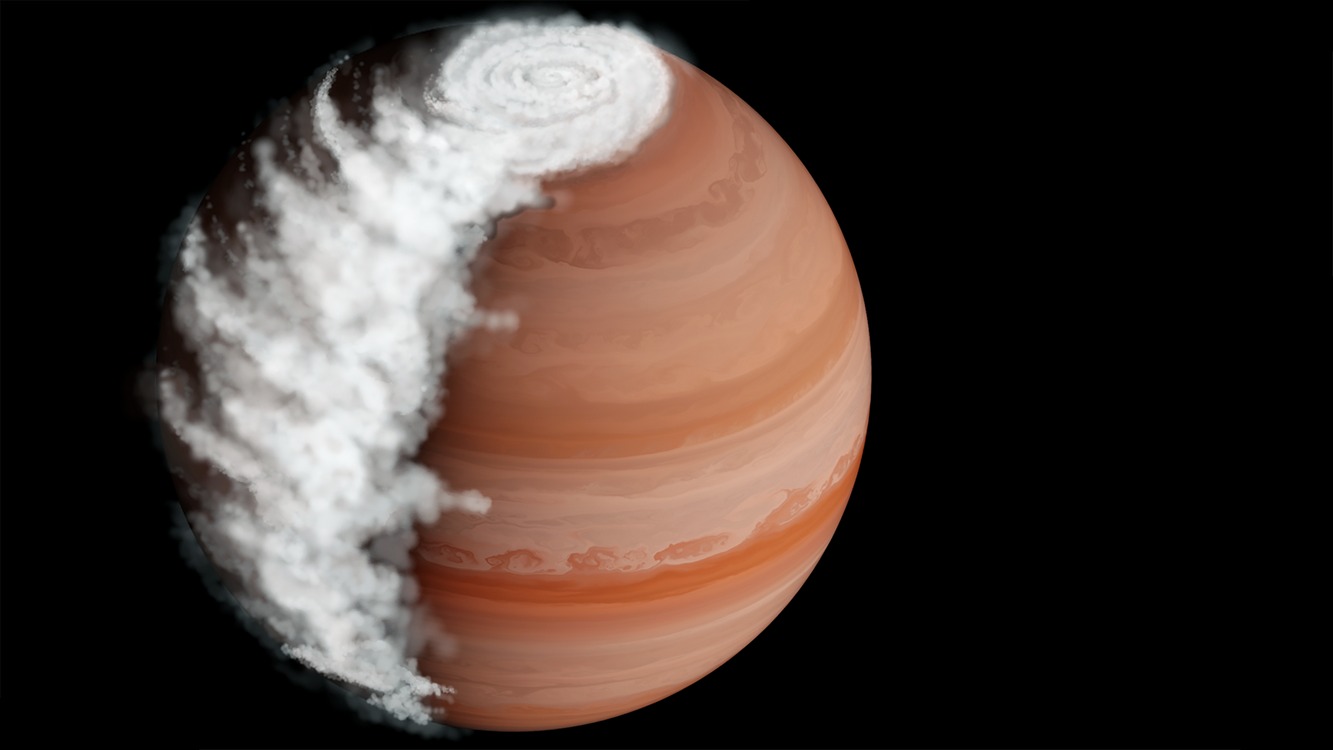
🌌
Welcome to the gas giant planet where clouds turn to stone
Welkom op de gasreusplaneet waar wolken tot steen worden
Bienvenue sur la planète géante gazeuse où les nuages se transforment en pierre
Imagine a planet where clouds are made of rock and melt away each morning! That's WASP-94A b, a fascinating gas giant studied by a team from Johns Hopkins University using the James Webb Space Telescope. They discovered that mornings are filled with clouds of magnesium silicate while evenings are clear, revealing the planet's true atmospheric composition. This groundbreaking research not only clears up previous mysteries but also opens up exciting avenues for future studies of exoplanets.
Stel je een planeet voor waar wolken van steen zijn en elke ochtend smelten! Dat is WASP-94A b, een fascinerende gasreus die wordt bestudeerd door een team van de Johns Hopkins Universiteit met behulp van de James Webb Ruimtetelescoop. Ze ontdekten dat de ochtenden gevuld zijn met wolken van magnesiumsilicaat, terwijl de avonden helder zijn, waardoor de ware atmosferische samenstelling van de planeet zichtbaar wordt. Dit baanbrekende onderzoek lost niet alleen eerdere mysteries op, maar opent ook spannende mogelijkheden voor toekomstig onderzoek naar exoplaneten.
Imaginez une planète où les nuages sont faits de roche et fondent chaque matin ! C'est WASP-94A b, une fascinante géante gazeuse étudiée par une équipe de l'Université Johns Hopkins grâce au télescope spatial James Webb. Ils ont découvert que les matins sont remplis de nuages de silicate de magnésium tandis que les soirées sont dégagées, révélant la véritable composition atmosphérique de la planète. Cette recherche révolutionnaire non seulement clarifie des mystères précédents, mais ouvre également de nouvelles voies passionnantes pour les études futures des exoplanètes.

🌟
108-year-old great-grandmother from Delaware is still driving, and renewed her license through 2033
108-jarige overgrootmoeder uit Delaware rijdt nog steeds en heeft haar rijbewijs verlengd tot 2033
Une arrière-grand-mère de 108 ans du Delaware conduit toujours et a renouvelé son permis jusqu'en 2033
Can you believe it? Susan Young Browne just turned 108 and is still driving herself to her morning workouts! This incredible great-grandmother from Delaware has not only renewed her driver's license until 2033 but also maintains an active lifestyle that inspires everyone around her. She spent 30 years teaching in a one-room schoolhouse and continues to embrace life with grace and humor. It's a beautiful reminder that age is just a number when you have the right spirit!
Kun je het geloven? Susan Young Browne is net 108 jaar geworden en rijdt nog steeds zelf naar haar ochtendtrainingen! Deze ongelooflijke overgrootmoeder uit Delaware heeft niet alleen haar rijbewijs verlengd tot 2033, maar onderhoudt ook een actieve levensstijl die iedereen om haar heen inspireert. Ze heeft 30 jaar in een eenkamer schoolhuis lesgegeven en blijft het leven met gratie en humor omarmen. Het is een prachtige herinnering dat leeftijd slechts een getal is als je de juiste geest hebt!
Peux-tu le croire ? Susan Young Browne vient d'avoir 108 ans et conduit toujours elle-même à ses séances d'entraînement matinales ! Cette incroyable arrière-grand-mère du Delaware a non seulement renouvelé son permis de conduire jusqu'en 2033, mais elle maintient également un mode de vie actif qui inspire tous ceux qui l'entourent. Elle a enseigné pendant 30 ans dans une école à une seule salle de classe et continue d'embrasser la vie avec grâce et humour. C'est un beau rappel que l'âge n'est qu'un chiffre quand on a le bon esprit !
🌟
Science says your sister made you a better person. She’ll never let you forget it.
De wetenschap zegt dat je zus je een beter persoon heeft gemaakt. Ze zal je het nooit laten vergeten.
La science dit que ta sœur t'a rendu une meilleure personne. Elle ne te laissera jamais l'oublier.
Isn't it fascinating? A study found that people with sisters are generally happier and more emotionally balanced than those without. This effect holds true whether the sister is older or younger, which is pretty remarkable! The researchers believe that sisters promote open communication in families, especially during tough times. So, if you have a sister, you might just owe her a big thank you for making you a better person!
Is het niet fascinerend? Een studie heeft aangetoond dat mensen met zussen over het algemeen gelukkiger en emotioneel evenwichtiger zijn dan degenen zonder. Dit effect geldt ongeacht of de zus ouder of jonger is, wat behoorlijk opmerkelijk is! De onderzoekers geloven dat zussen open communicatie in gezinnen bevorderen, vooral in moeilijke tijden. Dus als je een zus hebt, moet je haar misschien wel een grote dankjewel geven voor het feit dat ze je een beter persoon maakt!
N'est-ce pas fascinant ? Une étude a révélé que les personnes ayant des sœurs sont généralement plus heureuses et plus équilibrées émotionnellement que celles qui n'en ont pas. Cet effet est valable que la sœur soit aînée ou cadette, ce qui est plutôt remarquable ! Les chercheurs pensent que les sœurs favorisent la communication ouverte dans les familles, surtout pendant les moments difficiles. Donc, si tu as une sœur, tu devrais peut-être lui dire un grand merci de t'avoir rendu une meilleure personne !
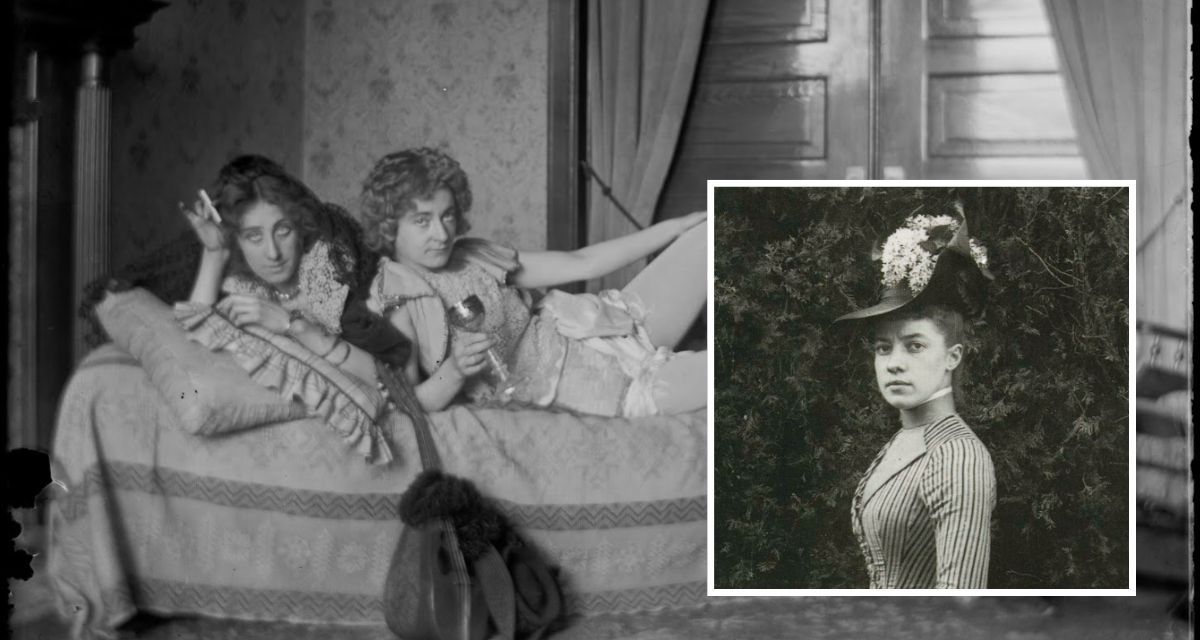
🌈
One female photographer captured 7,000 images of Victorian women that feel incredibly modern
Een vrouwelijke fotograaf legde 7.000 beelden van Victoriaanse vrouwen vast die ongelooflijk modern aanvoelen
Une photographe a capturé 7 000 images de femmes victoriennes qui semblent incroyablement modernes
When we think of Victorian women, we often miss the vibrant lives they led, but Alice Austen's photography reveals a different story. She captured over 7,000 images of women living freely, embracing love and friendship in ways society deemed scandalous. Austen's work not only showcases her artistic talent but also highlights her own queer identity and the relationships she cherished. Today, her legacy continues to inspire, reminding us that self-expression and connection transcend time.
Wanneer we aan Victoriaanse vrouwen denken, missen we vaak de levendige levens die ze leidden, maar de fotografie van Alice Austen onthult een ander verhaal. Ze legde meer dan 7.000 beelden vast van vrouwen die vrij leefden en liefde en vriendschap omarmden op manieren die de maatschappij als schandalig beschouwde. Het werk van Austen toont niet alleen haar artistieke talent, maar benadrukt ook haar eigen queer identiteit en de relaties die ze koesterde. Vandaag de dag blijft haar nalatenschap inspireren en herinnert ze ons eraan dat zelfexpressie en verbinding de tijd overstijgen.
Lorsque nous pensons aux femmes victoriennes, nous manquons souvent les vies vibrantes qu'elles ont menées, mais la photographie d'Alice Austen révèle une autre histoire. Elle a capturé plus de 7 000 images de femmes vivant librement, embrassant l'amour et l'amitié de manière jugée scandaleuse par la société. Le travail d'Austen met non seulement en valeur son talent artistique, mais souligne également sa propre identité queer et les relations qu'elle chérissait. Aujourd'hui, son héritage continue d'inspirer, nous rappelant que l'expression de soi et la connexion transcendent le temps.
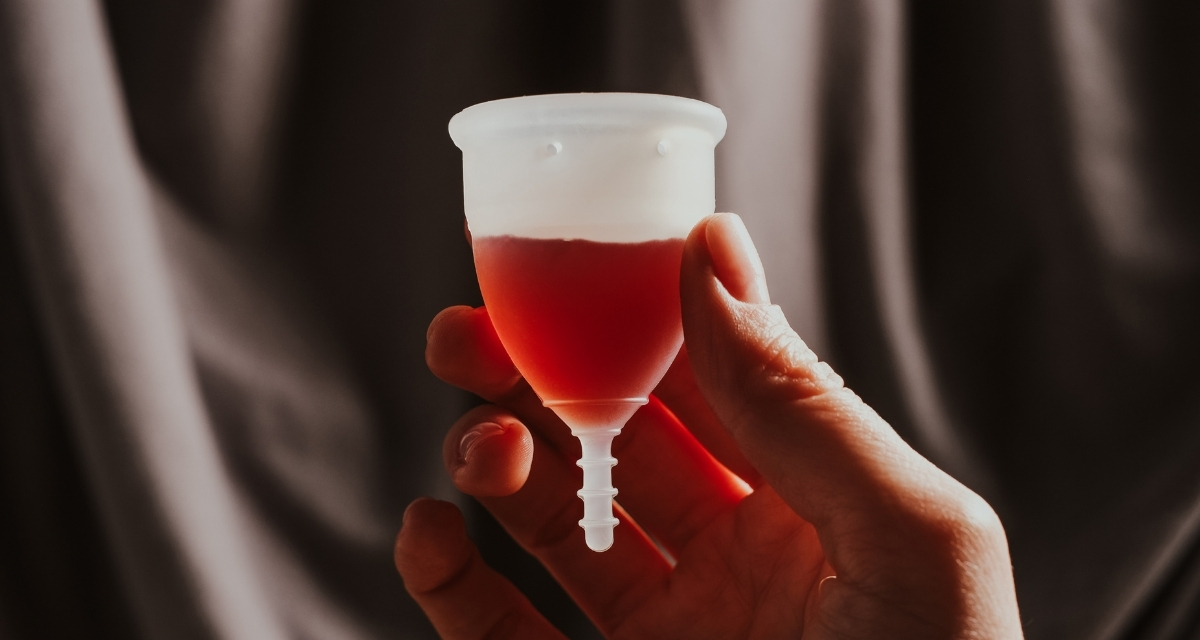
🌟
Period blood has long been seen as ‘waste.’ Scientists are rediscovering its healing potential.
Menstruatiebloed is lange tijd als 'afval' gezien. Wetenschappers herontdekken het genezende potentieel.
Le sang menstruel a longtemps été considéré comme un 'déchet'. Les scientifiques redécouvrent son potentiel curatif.
Isn't it fascinating that period blood, often dismissed as waste, is now being recognized for its healing properties? Researchers are uncovering its potential in wound healing and even in diagnosing conditions like cervical cancer and endometriosis. For instance, studies show that menstrual fluid can promote skin repair much faster than regular blood plasma. This shift in perspective could revolutionize women's health and how we view menstruation.
Is het niet fascinerend dat menstruatiebloed, vaak als afval beschouwd, nu wordt erkend om zijn genezende eigenschappen? Onderzoekers ontdekken het potentieel voor wondgenezing en zelfs voor het diagnosticeren van aandoeningen zoals baarmoederhalskanker en endometriose. Studies tonen bijvoorbeeld aan dat menstruatievocht de huidherstel veel sneller kan bevorderen dan normaal bloedplasma. Deze verschuiving in perspectief zou de vrouwengezondheid en onze kijk op menstruatie kunnen revolutioneren.
N'est-ce pas fascinant que le sang menstruel, souvent considéré comme un déchet, soit maintenant reconnu pour ses propriétés curatives ? Les chercheurs découvrent son potentiel dans la guérison des plaies et même dans le diagnostic de conditions comme le cancer du col de l'utérus et l'endométriose. Par exemple, des études montrent que le fluide menstruel peut favoriser la réparation de la peau beaucoup plus rapidement que le plasma sanguin normal. Ce changement de perspective pourrait révolutionner la santé des femmes et notre vision des menstruations.
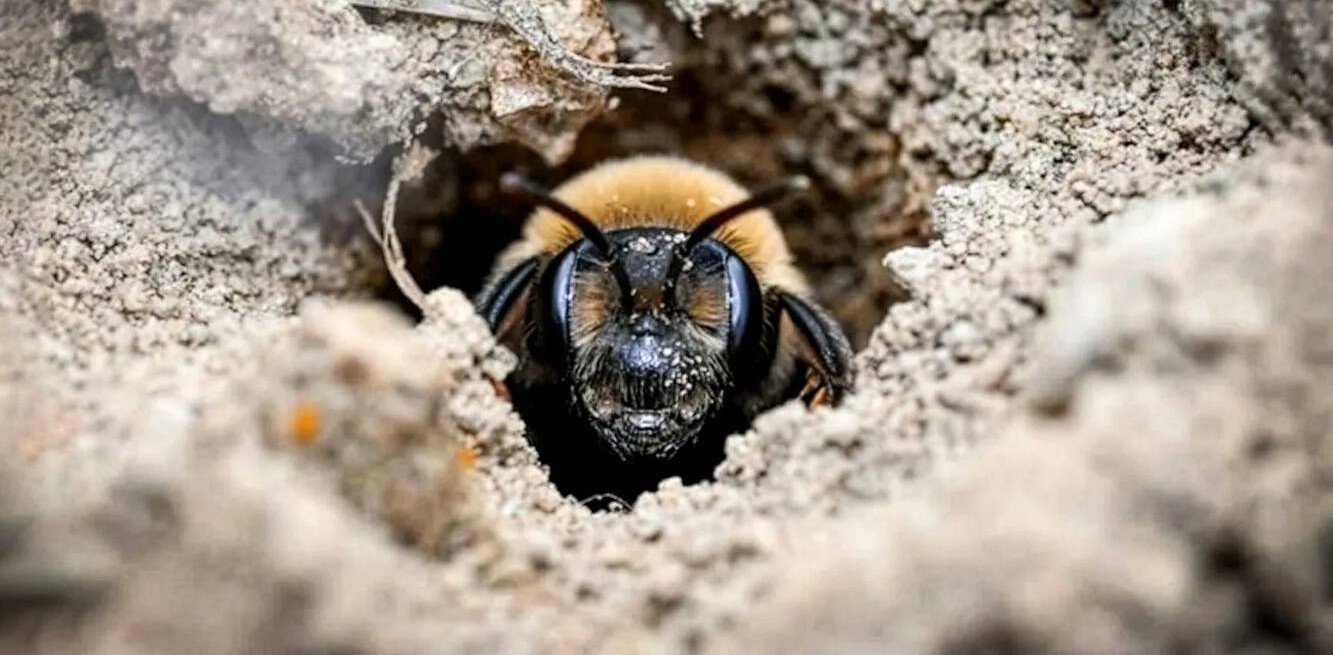
🐝
A new york cemetery was hiding over 5 million burrowing bees, one of the world’s largest concentrations
Een begraafplaats in New York verbergt meer dan 5 miljoen gravende bijen, een van de grootste concentraties ter wereld
Un cimetière de New York cachait plus de 5 millions d'abeilles fouisseuses, l'une des plus grandes concentrations au monde
Can you believe it? A cemetery in New York has been hiding a staggering 5.5 million ground-nesting bees, making it one of the largest bee colonies ever discovered! These little pollinators, known as Andrena regularis, have thrived in the undisturbed sandy soil for over a century. This amazing find not only highlights the importance of solitary bees but also shows how cemeteries can serve as vital refuges for biodiversity. It's a beautiful reminder of nature's resilience and the hidden wonders that can be found in unexpected places.
Kun je het geloven? Een begraafplaats in New York verbergt maar liefst 5,5 miljoen gravende bijen, wat het een van de grootste bijenkolonies ooit ontdekt maakt! Deze kleine bestuivers, bekend als Andrena regularis, gedijen al meer dan een eeuw in de ongestoorde zandgrond. Deze geweldige ontdekking benadrukt niet alleen het belang van solitaire bijen, maar toont ook aan hoe begraafplaatsen kunnen dienen als vitale toevluchtsoorden voor biodiversiteit. Het is een prachtige herinnering aan de veerkracht van de natuur en de verborgen wonderen die op onverwachte plaatsen te vinden zijn.
Peux-tu le croire ? Un cimetière à New York cache un incroyable 5,5 millions d'abeilles fouisseuses, ce qui en fait l'une des plus grandes colonies d'abeilles jamais découvertes ! Ces petits pollinisateurs, connus sous le nom d'Andrena regularis, prospèrent dans le sol sableux non perturbé depuis plus d'un siècle. Cette découverte incroyable souligne non seulement l'importance des abeilles solitaires, mais montre aussi comment les cimetières peuvent servir de refuges vitaux pour la biodiversité. C'est un rappel magnifique de la résilience de la nature et des merveilles cachées que l'on peut trouver dans des endroits inattendus.
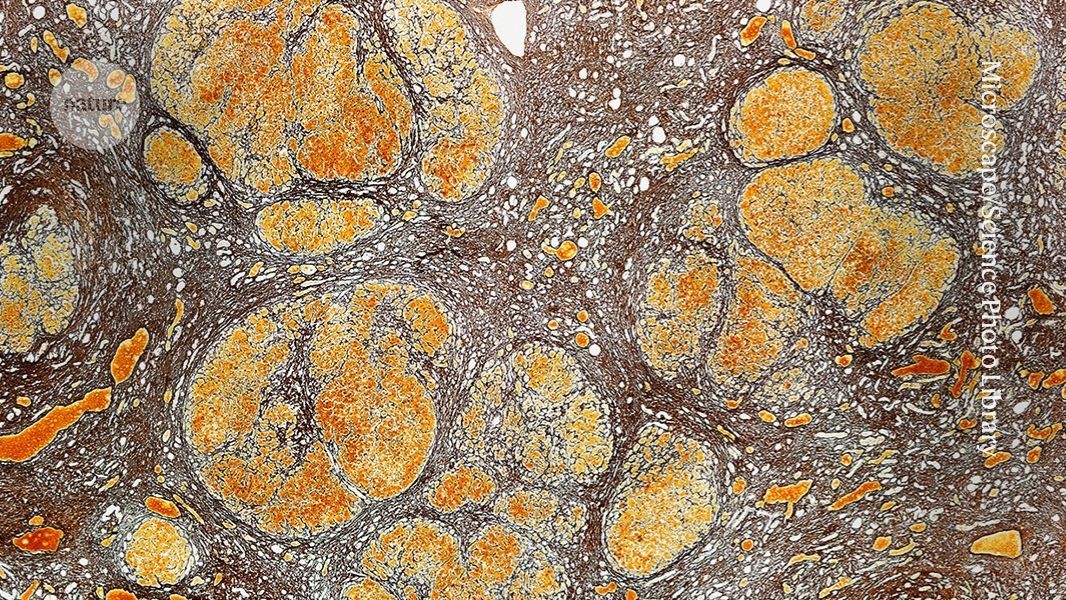
🌟
Bespoke immune cells stave off ravages of cirrhosis
Op maat gemaakte immuuncellen voorkomen de ravages van cirrose
Des cellules immunitaires sur mesure empêchent les ravages de la cirrhose
So, there's some exciting news in the world of liver health! Researchers have found that infusions of immune cells called macrophages can significantly reduce the risk of death and the need for liver transplants in people suffering from cirrhosis. This breakthrough therapy could change the lives of many patients, offering them a new lease on life. It's amazing to see how tailored treatments like this can make such a positive impact on health outcomes!
Er is spannend nieuws in de wereld van de levergezondheid! Onderzoekers hebben ontdekt dat infusies van immuuncellen, genaamd macrofagen, het risico op overlijden en de noodzaak van levertransplantaties bij mensen met cirrose aanzienlijk kunnen verminderen. Deze doorbraaktherapie kan het leven van veel patiënten veranderen en hen een nieuwe kans op leven bieden. Het is geweldig om te zien hoe op maat gemaakte behandelingen zo'n positieve impact kunnen hebben op gezondheidsresultaten!
Il y a des nouvelles passionnantes dans le domaine de la santé du foie ! Des chercheurs ont découvert que les infusions de cellules immunitaires appelées macrophages peuvent réduire considérablement le risque de décès et le besoin de greffes de foie chez les personnes souffrant de cirrhose. Cette thérapie révolutionnaire pourrait changer la vie de nombreux patients, leur offrant une nouvelle chance. C'est incroyable de voir comment des traitements sur mesure peuvent avoir un impact si positif sur les résultats de santé !
🎷
How jazz boosts my creativity in physics
Hoe jazz mijn creativiteit in de natuurkunde stimuleert
Comment le jazz stimule ma créativité en physique
Stephon Alexander shares how his love for jazz has profoundly influenced his work as a physicist. He believes that improvisation in music enhances his mental flexibility, allowing him to tackle complex physics problems with greater creativity. This unique blend of music and science showcases the importance of intuition in both fields. It's fascinating to see how the rhythm of jazz can inspire innovative thinking in the world of physics.
Stephon Alexander deelt hoe zijn liefde voor jazz een diepgaande invloed heeft gehad op zijn werk als natuurkundige. Hij gelooft dat improvisatie in muziek zijn mentale flexibiliteit vergroot, waardoor hij complexe natuurkundeproblemen creatiever kan aanpakken. Deze unieke combinatie van muziek en wetenschap toont het belang van intuïtie in beide gebieden aan. Het is fascinerend om te zien hoe de ritmes van jazz innovatieve gedachten in de wereld van de natuurkunde kunnen inspireren.
Stephon Alexander explique comment son amour pour le jazz a profondément influencé son travail en tant que physicien. Il pense que l'improvisation en musique améliore sa flexibilité mentale, lui permettant d'aborder des problèmes de physique complexes avec plus de créativité. Cette combinaison unique de musique et de science met en évidence l'importance de l'intuition dans les deux domaines. C'est fascinant de voir comment le rythme du jazz peut inspirer une pensée innovante dans le monde de la physique.
🍏
Economic delight: Chinese market finally opens for Belgian apples after historic agreement
Economisch smullen: Chinese markt opent eindelijk voor Belgische appels na “historisch akkoord”
Délice économique : le marché chinois s'ouvre enfin aux pommes belges après un accord historique
This is such exciting news for Belgian farmers! The Chinese market has finally opened its doors to Belgian apples after a historic agreement was reached. This means not only new opportunities for exports but also a chance to showcase the quality of our local produce on a grand scale. I can already imagine the delicious apples making their way to eager consumers in China!
Dit is geweldig nieuws voor Belgische boeren! De Chinese markt heeft eindelijk zijn deuren geopend voor Belgische appels na een historisch akkoord. Dit betekent niet alleen nieuwe exportmogelijkheden, maar ook een kans om de kwaliteit van onze lokale producten op grote schaal te tonen. Ik kan me al voorstellen hoe de heerlijke appels naar enthousiaste consumenten in China gaan!
C'est une nouvelle passionnante pour les agriculteurs belges ! Le marché chinois a enfin ouvert ses portes aux pommes belges après un accord historique. Cela signifie non seulement de nouvelles opportunités d'exportation, mais aussi une chance de mettre en valeur la qualité de nos produits locaux à grande échelle. Je peux déjà imaginer les délicieuses pommes se rendant vers des consommateurs enthousiastes en Chine !
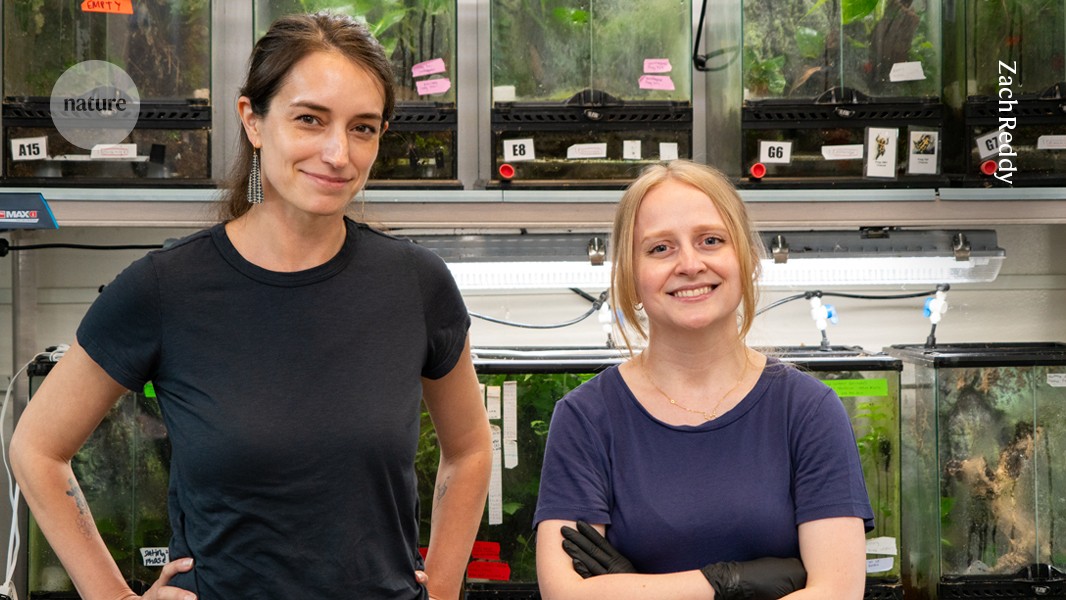
🐸
How I eavesdrop on frog conversations
Hoe ik afluister naar de gesprekken van kikkers
Comment j'écoute les conversations des grenouilles
Billie Goolsby is diving into the fascinating world of frog communication, where tadpoles use vibrations to talk to their parents. It's amazing how these little creatures perform a wriggling dance to express their needs! Goolsby, who has a unique background as someone who is hard of hearing, is using innovative technology to decode these amphibian conversations. Her journey not only sheds light on parent-offspring interactions in frogs but also transforms how scientists collaborate and communicate.
Billie Goolsby duikt in de fascinerende wereld van kikkercommunicatie, waar kikkervisjes trillingen gebruiken om met hun ouders te praten. Het is verbazingwekkend hoe deze kleine wezens een kronkelige dans uitvoeren om hun behoeften te uiten! Goolsby, die een unieke achtergrond heeft als iemand die slechthorend is, gebruikt innovatieve technologie om deze amfibische gesprekken te ontcijferen. Haar reis werpt niet alleen licht op de interacties tussen ouders en jongen bij kikkers, maar transformeert ook de manier waarop wetenschappers samenwerken en communiceren.
Billie Goolsby plonge dans le monde fascinant de la communication des grenouilles, où les têtards utilisent des vibrations pour parler à leurs parents. C'est incroyable de voir comment ces petites créatures effectuent une danse ondulante pour exprimer leurs besoins ! Goolsby, qui a un parcours unique en tant que personne malentendante, utilise une technologie innovante pour décoder ces conversations amphibiennes. Son parcours éclaire non seulement les interactions parents-enfants chez les grenouilles, mais transforme également la manière dont les scientifiques collaborent et communiquent.
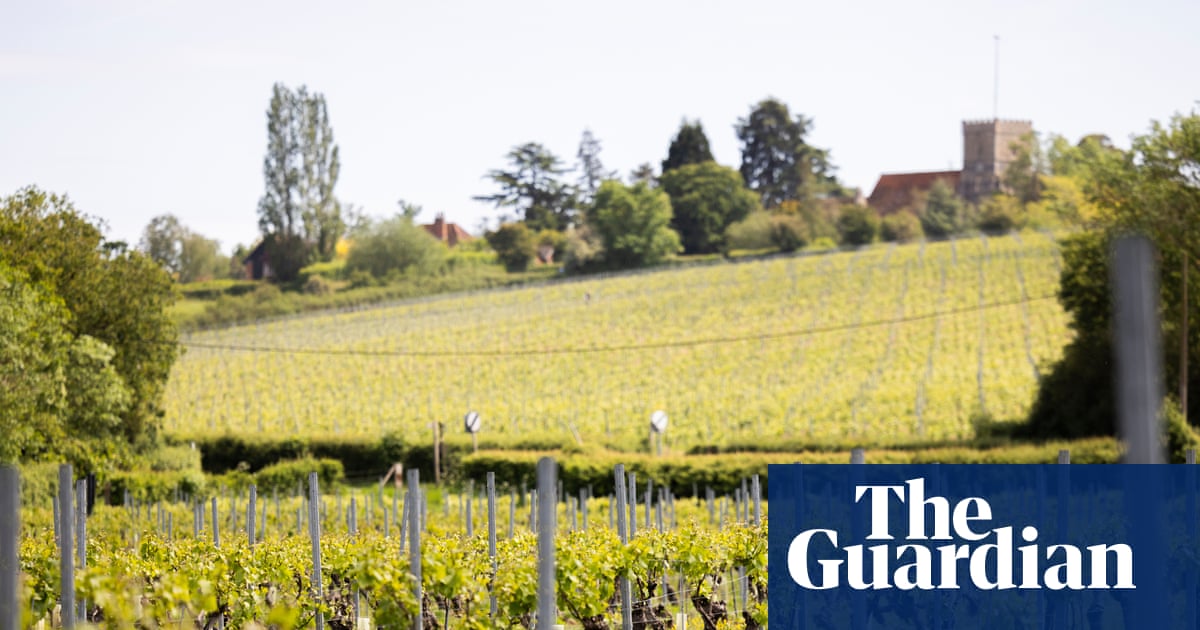
🍇
How an Essex valley became one of the UK’s most exciting new wine regions
Hoe een vallei in Essex een van de meest opwindende nieuwe wijnregio's van het VK werd
Comment une vallée d'Essex est devenue l'une des nouvelles régions viticoles les plus passionnantes du Royaume-Uni
I just love how Essex is stepping into the spotlight as a new wine region! It's incredible to think that just a short drive from Chelmsford, you can find vineyards producing award-winning wines. The local winemakers are really passionate about their craft, and it's exciting to see how the climate is helping them thrive. Plus, with international interest growing, it seems like English wines are finally getting the recognition they deserve!
Ik vind het geweldig hoe Essex in de schijnwerpers komt te staan als een nieuwe wijnregio! Het is ongelooflijk om te bedenken dat je, op slechts een korte rit van Chelmsford, wijngaarden kunt vinden die prijswinnende wijnen produceren. De lokale wijnmakers zijn echt gepassioneerd over hun vak, en het is spannend om te zien hoe het klimaat hen helpt te bloeien. Bovendien, met de groeiende internationale belangstelling, lijkt het erop dat Engelse wijnen eindelijk de erkenning krijgen die ze verdienen!
J'adore comment l'Essex se met en avant en tant que nouvelle région viticole ! C'est incroyable de penser qu'à quelques minutes de Chelmsford, on peut trouver des vignobles produisant des vins primés. Les vignerons locaux sont vraiment passionnés par leur métier, et c'est excitant de voir comment le climat les aide à prospérer. De plus, avec l'intérêt international croissant, il semble que les vins anglais obtiennent enfin la reconnaissance qu'ils méritent !
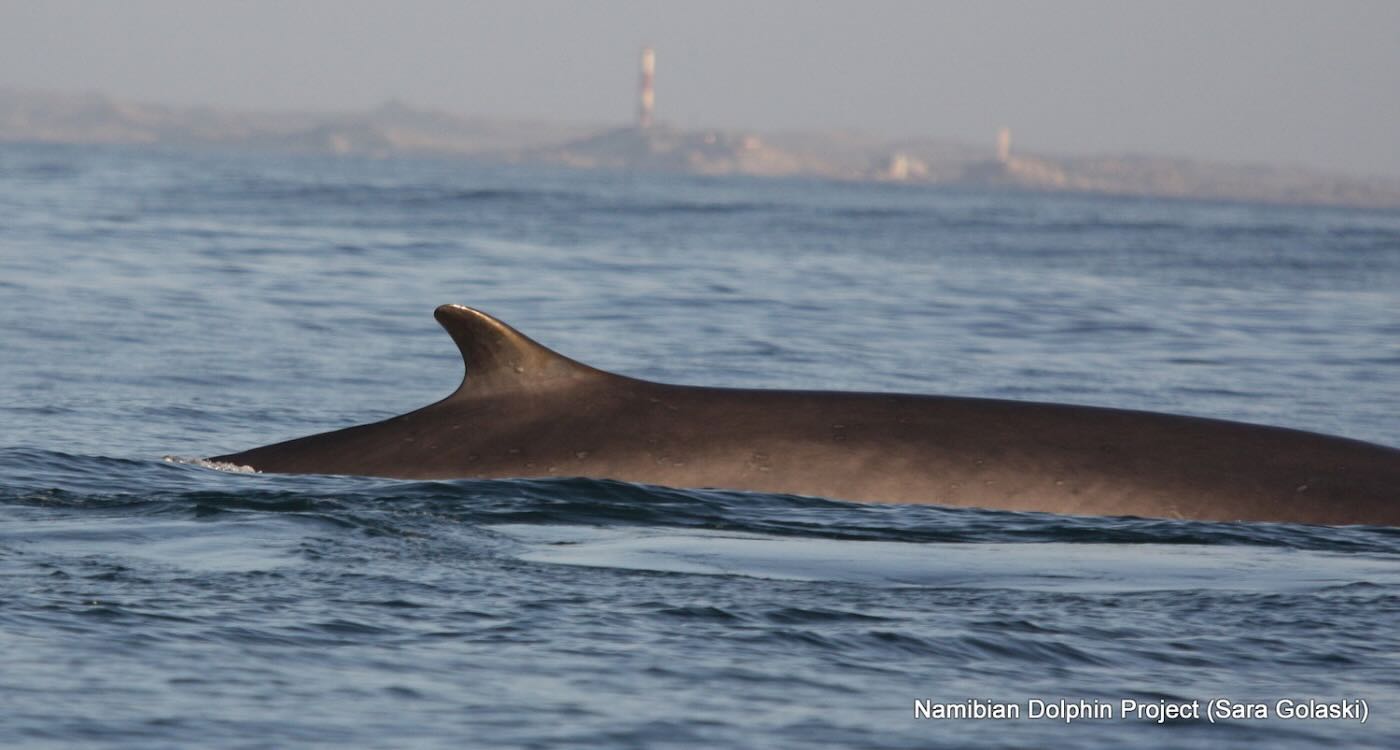
🐋
Increased sightings of world’s two largest whale species decimated by hunting provides new hope for survival
Toegenomen waarnemingen van 's werelds twee grootste walvissoorten, verwoest door jacht, bieden nieuwe hoop voor overleving
Augmentation des observations des deux plus grandes espèces de baleines du monde décimées par la chasse, offrant un nouvel espoir de survie
It's fantastic to hear that sightings of the world's two largest whale species are on the rise! After decades of commercial whaling, new research shows a significant increase in blue and fin whale sightings in the southeastern Atlantic. This is a hopeful sign that these magnificent creatures are slowly recovering from the brink of extinction. While they still face challenges, the data suggests that with continued protection, their populations could keep growing.
Het is geweldig om te horen dat de waarnemingen van 's werelds twee grootste walvissoorten toenemen! Na tientallen jaren van commerciële walvisvangst, toont nieuw onderzoek een significante toename van waarnemingen van blauwe en vinvissen in de zuidoostelijke Atlantische Oceaan. Dit is een hoopvolle aanwijzing dat deze prachtige wezens langzaam herstellen van de rand van uitsterven. Hoewel ze nog steeds voor uitdagingen staan, suggereert de data dat hun populaties met voortdurende bescherming kunnen blijven groeien.
C'est fantastique d'apprendre que les observations des deux plus grandes espèces de baleines du monde sont en hausse ! Après des décennies de chasse commerciale, de nouvelles recherches montrent une augmentation significative des observations de baleines bleues et de baleines à fanons dans l'Atlantique sud-est. C'est un signe encourageant que ces créatures majestueuses se rétablissent lentement du bord de l'extinction. Bien qu'elles soient encore confrontées à des défis, les données suggèrent qu'avec une protection continue, leurs populations pourraient continuer à croître.

🔍
Quantum ‘jamming’ could help unlock the mysteries of causality
Quantum ‘jamming’ kan helpen de mysteries van causaliteit te ontrafelen
Le ‘jamming’ quantique pourrait aider à déverrouiller les mystères de la causalité
So, researchers are diving deep into the world of quantum mechanics to explore something called quantum jamming. This concept could change our understanding of secure communications and causality itself. By examining how entangled particles interact, scientists are questioning whether there are fundamental principles that could prevent jamming from happening. It’s a fascinating area of study that might reveal new insights into the very fabric of reality!
Dus, onderzoekers duiken diep in de wereld van de kwantummechanica om iets te verkennen dat quantum jamming wordt genoemd. Dit concept zou ons begrip van veilige communicatie en causaliteit zelf kunnen veranderen. Door te onderzoeken hoe verstrengelde deeltjes interageren, stellen wetenschappers zich de vraag of er fundamentele principes zijn die jamming kunnen voorkomen. Het is een fascinerend studiegebied dat misschien nieuwe inzichten in de essentie van de werkelijkheid onthult!
Alors, les chercheurs plongent dans le monde de la mécanique quantique pour explorer un concept appelé ‘jamming’ quantique. Ce concept pourrait changer notre compréhension des communications sécurisées et de la causalité elle-même. En examinant comment les particules intriquées interagissent, les scientifiques se demandent s'il existe des principes fondamentaux qui pourraient empêcher le jamming de se produire. C'est un domaine d'étude fascinant qui pourrait révéler de nouvelles perspectives sur la trame même de la réalité !

🚀
Swedish-Indian space program aims to solve Venus mystery
Zweeds-Indisch ruimteprogramma probeert Venus-mysterie op te lossen
Programme spatial suédois-indien vise à résoudre le mystère de Vénus
How exciting is this? A collaboration between Sweden and India is set to explore the mysteries of Venus, a planet that once resembled Earth! Starting in 2028, an Indian spacecraft will be launched with a Swedish instrument on board to study Venus's atmosphere. This unique opportunity could reveal why Venus lost its water and became so different from Earth. It's a fantastic chance for scientists to deepen our understanding of our neighboring planet!
Hoe spannend is dit? Een samenwerking tussen Zweden en India staat op het punt om de mysteries van Venus te verkennen, een planeet die ooit op aarde leek! Vanaf 2028 zal een Indische ruimtevaartuig worden gelanceerd met een Zweeds instrument aan boord om de atmosfeer van Venus te bestuderen. Deze unieke kans kan onthullen waarom Venus zijn water verloor en zo anders werd dan de aarde. Het is een fantastische kans voor wetenschappers om ons begrip van onze buurplaneet te verdiepen!
À quel point c'est excitant ? Une collaboration entre la Suède et l'Inde est prête à explorer les mystères de Vénus, une planète qui ressemblait autrefois à la Terre ! À partir de 2028, une sonde indienne sera lancée avec un instrument suédois à bord pour étudier l'atmosphère de Vénus. Cette opportunité unique pourrait révéler pourquoi Vénus a perdu son eau et est devenue si différente de la Terre. C'est une chance fantastique pour les scientifiques d'approfondir notre compréhension de notre planète voisine !

🌱
Denmark's most climate-friendly housing construction, says the man behind it. And tenants even get a share of the profits
Danmarks meest klimavenlige woningbouw, zegt de man erachter. En huurders krijgen zelfs een deel van de winst
La construction de logements la plus respectueuse du climat du Danemark, dit l'homme derrière. Et les locataires reçoivent même une part des bénéfices
There's an exciting new housing project in Denmark that's making waves for being incredibly climate-friendly. The company behind it claims these are the most sustainable apartment buildings to date, and they’re designed for everyday people. Residents don’t have to pay hefty deposits, and if they stay longer than a year, they actually get some of their rent back. It’s a fantastic initiative that combines eco-friendliness with financial benefits for tenants!
Er is een spannend nieuw woningproject in Denemarken dat opvalt door zijn ongelooflijke klimaatvriendelijkheid. Het bedrijf erachter beweert dat dit de meest duurzame appartementen tot nu toe zijn, en ze zijn ontworpen voor gewone mensen. Bewoners hoeven geen hoge borgsommen te betalen, en als ze langer dan een jaar blijven, krijgen ze zelfs een deel van hun huur terug. Het is een fantastisch initiatief dat milieuvriendelijkheid combineert met financiële voordelen voor huurders!
Il y a un nouveau projet de logement passionnant au Danemark qui fait sensation pour son incroyable respect de l'environnement. La société derrière affirme qu'il s'agit des appartements les plus durables à ce jour, conçus pour les gens ordinaires. Les résidents n'ont pas à payer de dépôts élevés, et s'ils restent plus d'un an, ils récupèrent même une partie de leur loyer. C'est une initiative fantastique qui allie écologie et avantages financiers pour les locataires !

🌊
NASA visualization of Earth’s ‘underwater highways’ feels like Van Gogh meets ocean science
NASA-visualisatie van de 'onderwater snelwegen' van de aarde voelt als Van Gogh ontmoet oceaanwetenschap
La visualisation de la NASA des 'autoroutes sous-marines' de la Terre ressemble à Van Gogh rencontre la science océanique
Have you ever thought about what’s happening beneath the ocean’s surface? NASA has created a stunning visualization that reveals the dynamic layers of ocean currents, almost like a Van Gogh painting! It’s fascinating to see how these currents not only support marine life but also play a crucial role in regulating our climate. This artistic representation helps us understand the movement of water across the planet, raising important questions about the future of our oceans.
Heb je ooit nagedacht over wat er zich onder het oceaanoppervlak afspeelt? NASA heeft een verbluffende visualisatie gemaakt die de dynamische lagen van oceaanstromingen onthult, bijna als een schilderij van Van Gogh! Het is fascinerend om te zien hoe deze stromingen niet alleen het zeeleven ondersteunen, maar ook een cruciale rol spelen in het reguleren van ons klimaat. Deze artistieke weergave helpt ons de beweging van water over de planeet te begrijpen en roept belangrijke vragen op over de toekomst van onze oceanen.
Avez-vous déjà pensé à ce qui se passe sous la surface de l'océan ? La NASA a créé une visualisation époustouflante qui révèle les couches dynamiques des courants océaniques, presque comme une peinture de Van Gogh ! C'est fascinant de voir comment ces courants soutiennent non seulement la vie marine, mais jouent également un rôle crucial dans la régulation de notre climat. Cette représentation artistique nous aide à comprendre le mouvement de l'eau à travers la planète et soulève des questions importantes sur l'avenir de nos océans.
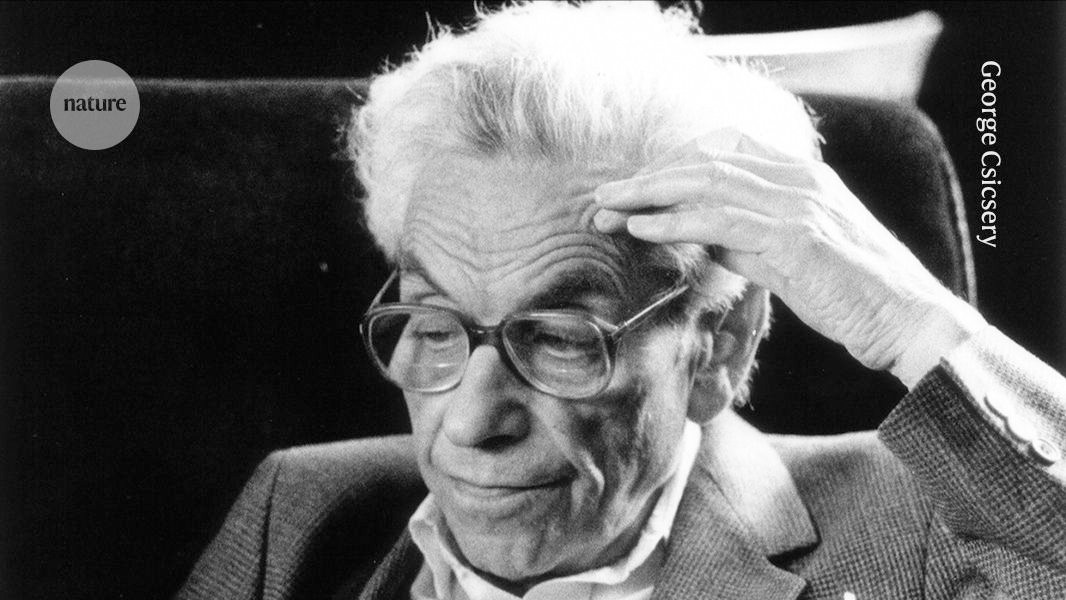
🌟
AI cracks 80-year-old mathematics challenge — researchers are astonished
AI kraakt 80 jaar oude wiskundige uitdaging — onderzoekers zijn astonished
L'IA résout un défi mathématique vieux de 80 ans — les chercheurs sont stupéfaits
So, can you believe it? An 80-year-old geometry challenge has been solved by AI, and mathematicians are absolutely amazed! OpenAI's chatbot managed to disprove a long-standing conjecture by Paul Erdős with just a single prompt. This breakthrough not only showcases the power of AI in mathematics but also has mathematicians buzzing with excitement about the future of research. It’s a remarkable moment that could change how we think about problem-solving in science.
Dus, kun je het geloven? Een 80 jaar oude geometrische uitdaging is opgelost door AI, en wiskundigen zijn absoluut verbaasd! De chatbot van OpenAI slaagde erin een lang bestaande conjectuur van Paul Erdős te weerleggen met slechts één prompt. Deze doorbraak toont niet alleen de kracht van AI in de wiskunde aan, maar zorgt ook voor opwinding onder wiskundigen over de toekomst van onderzoek. Het is een opmerkelijk moment dat onze manier van denken over probleemoplossing in de wetenschap zou kunnen veranderen.
Alors, pouvez-vous le croire ? Un défi géométrique vieux de 80 ans a été résolu par l'IA, et les mathématiciens sont absolument émerveillés ! Le chatbot d'OpenAI a réussi à réfuter une conjecture de Paul Erdős avec une seule invite. Cette avancée démontre non seulement la puissance de l'IA en mathématiques, mais suscite également l'enthousiasme des mathématiciens pour l'avenir de la recherche. C'est un moment remarquable qui pourrait changer notre façon de penser à la résolution de problèmes en science.
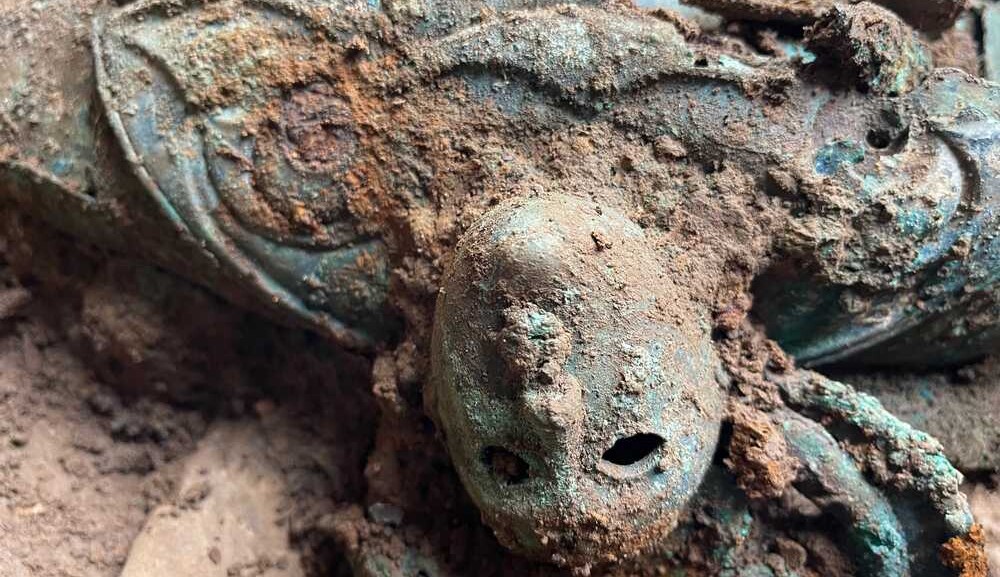
🏺
Britain’s largest iron age hoard on display for the first time includes evidence of first 4-horse carriage
De grootste ijzertijdschat van Groot-Brittannië voor het eerst tentoongesteld, inclusief bewijs van de eerste 4-paardswagen
Le plus grand trésor de l'âge du fer britannique exposé pour la première fois, incluant des preuves de la première charrette à 4 chevaux
I’m absolutely thrilled to share that the largest collection of Iron Age artifacts in Britain is finally on display! Discovered in Yorkshire, this treasure trove includes everything from horse tackle to evidence of the first four-horse carriage. The exhibition, titled 'Chariots, Treasure and Power', showcases how this region was a hub of trade and technology, challenging previous assumptions about wealth distribution in ancient Britain. It's a fascinating glimpse into a time when cultures were interconnected in ways we’re just beginning to understand.
Ik ben absoluut enthousiast om te delen dat de grootste collectie ijzertijdartefacten in Groot-Brittannië eindelijk tentoongesteld is! Ontdekt in Yorkshire, bevat deze schat alles van paardentuig tot bewijs van de eerste vier-paardswagen. De tentoonstelling, getiteld 'Chariots, Treasure and Power', laat zien hoe deze regio een centrum van handel en technologie was, wat eerdere aannames over de verdeling van rijkdom in het oude Groot-Brittannië uitdaagt. Het is een fascinerende blik op een tijd waarin culturen op manieren met elkaar verbonden waren die we pas net beginnen te begrijpen.
Je suis absolument ravi de partager que la plus grande collection d'artefacts de l'âge du fer en Grande-Bretagne est enfin exposée ! Découverte dans le Yorkshire, ce trésor comprend tout, des équipements de cheval aux preuves de la première charrette à quatre chevaux. L'exposition, intitulée 'Chariots, Treasure and Power', montre comment cette région était un carrefour de commerce et de technologie, remettant en question les idées reçues sur la répartition de la richesse dans l'ancienne Grande-Bretagne. C'est un aperçu fascinant d'une époque où les cultures étaient interconnectées de manières que nous commençons à peine à comprendre.
/s3/static.nrc.nl/wp-content/uploads/2026/05/18082653/220526ECO_2032445561_4.jpg)
🌱
The first factory for green hydrogen is almost finished
De eerste fabriek voor groene waterstof is bijna af
La première usine d'hydrogène vert est presque terminée
It's exciting to see the first green hydrogen factory in the Netherlands nearing completion! This project is a crucial step towards a sustainable energy future, as hydrogen can store energy efficiently and replace natural gas in various industries. With major companies like Shell and Air Liquide investing in this technology, the potential for a robust hydrogen economy is growing. The recent opening of the transport pipeline network by King Willem-Alexander marks a significant milestone in this journey.
Het is spannend om te zien dat de eerste groene waterstoffabriek in Nederland bijna klaar is! Dit project is een cruciale stap naar een duurzame energie toekomst, aangezien waterstof energie efficiënt kan opslaan en aardgas in verschillende industrieën kan vervangen. Met grote bedrijven zoals Shell en Air Liquide die in deze technologie investeren, groeit het potentieel voor een robuuste waterstofeconomie. De recente opening van het transportleidingnetwerk door koning Willem-Alexander markeert een belangrijke mijlpaal in deze reis.
Il est passionnant de voir que la première usine d'hydrogène vert aux Pays-Bas est presque terminée ! Ce projet est une étape cruciale vers un avenir énergétique durable, car l'hydrogène peut stocker de l'énergie de manière efficace et remplacer le gaz naturel dans diverses industries. Avec de grandes entreprises comme Shell et Air Liquide investissant dans cette technologie, le potentiel d'une économie de l'hydrogène robuste est en croissance. L'ouverture récente du réseau de pipelines de transport par le roi Willem-Alexander marque une étape importante dans ce parcours.
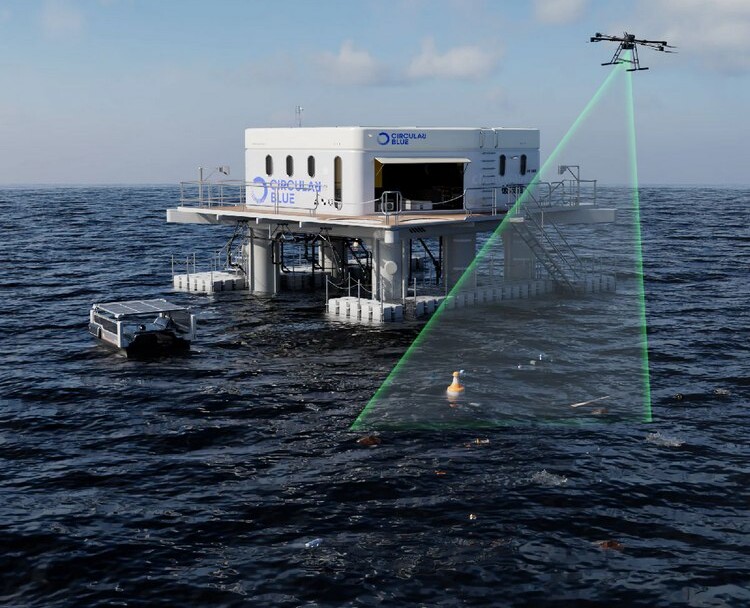
🌊
Phone case brand designs autonomous floating plastic collection platform to combat ocean waste
Telefooncase merk ontwerpt autonome drijvende plastic verzamelplatform om oceaanafval te bestrijden
La marque de coques de téléphone conçoit une plateforme autonome de collecte de plastique flottant pour lutter contre les déchets océaniques
How exciting is this? A major smartphone case manufacturer has created an innovative floating platform called Circular Blue to tackle ocean plastic waste! Deployed off Taiwan, this platform uses AI-driven drones to locate pollution hotspots and direct solar-powered vessels to collect debris. It’s not just about cleaning up; the platform also supports marine research and operates autonomously. This initiative could revolutionize how we address plastic pollution in our oceans!
Hoe spannend is dit? Een grote fabrikant van smartphonehoezen heeft een innovatief drijvend platform genaamd Circular Blue gecreëerd om oceaanplastic afval aan te pakken! Geplaatst voor de kust van Taiwan, gebruikt dit platform AI-gestuurde drones om vervuilingshotspots te lokaliseren en zonne-energie aangedreven vaartuigen te sturen om afval te verzamelen. Het gaat niet alleen om opruimen; het platform ondersteunt ook marien onderzoek en opereert autonoom. Dit initiatief zou de manier waarop we plasticvervuiling in onze oceanen aanpakken, kunnen revolutioneren!
Quelle excitation ! Un grand fabricant de coques de téléphone a créé une plateforme flottante innovante appelée Circular Blue pour lutter contre les déchets plastiques océaniques ! Déployée au large de Taïwan, cette plateforme utilise des drones pilotés par IA pour localiser les points chauds de pollution et diriger des navires alimentés par énergie solaire pour collecter les débris. Il ne s'agit pas seulement de nettoyer ; la plateforme soutient également la recherche marine et fonctionne de manière autonome. Cette initiative pourrait révolutionner notre approche de la pollution plastique dans nos océans !
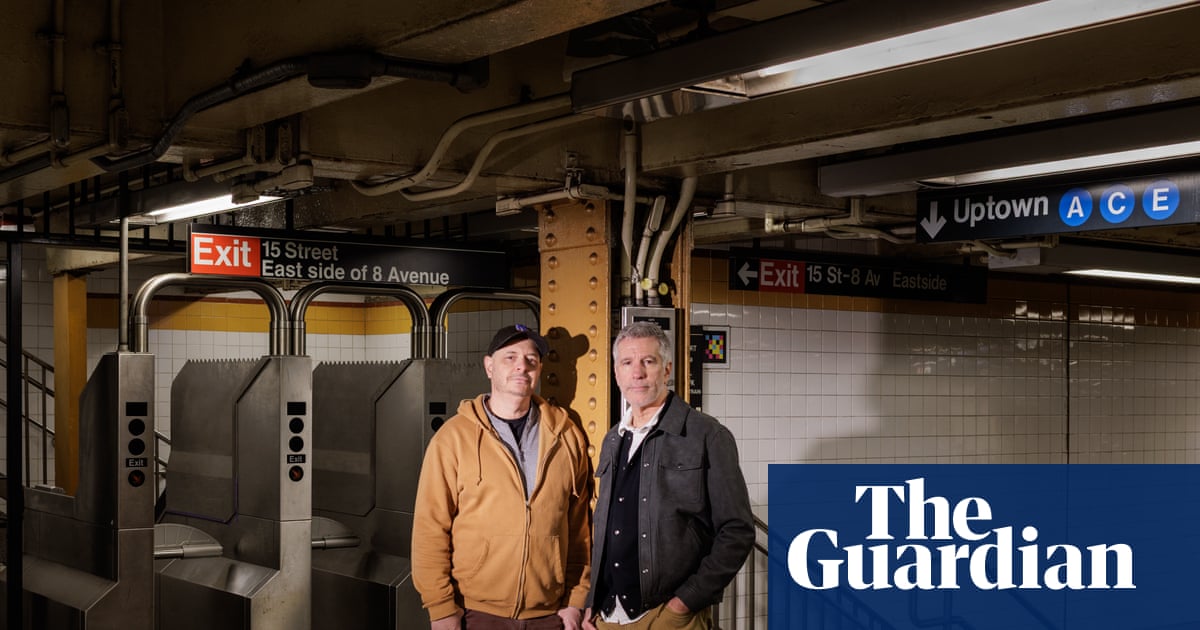
🌟
Experience: we found a baby on the subway – now he’s our 26-year-old son
Ervaring: we vonden een baby in de metro - nu is hij onze 26-jarige zoon
Expérience : nous avons trouvé un bébé dans le métro - maintenant il a 26 ans
What an incredible story! In the summer of 2000, a man found a newborn baby on the subway in New York City, which completely changed his life. After a whirlwind of emotions and a court hearing, he and his partner decided to adopt the baby, naming him Kevin. Fast forward to today, Kevin is a thriving young man, and his journey has inspired his parents to share their story through a memoir and a children's book. It's a beautiful reminder of how families can be formed in the most unexpected ways.
Wat een ongelooflijk verhaal! In de zomer van 2000 vond een man een pasgeboren baby in de metro van New York, wat zijn leven totaal veranderde. Na een wervelwind van emoties en een rechtszitting besloten hij en zijn partner de baby te adopteren, en gaven hem de naam Kevin. Nu, jaren later, is Kevin een bloeiende jongeman, en zijn reis heeft zijn ouders geïnspireerd om hun verhaal te delen via een memoire en een kinderboek. Het is een prachtige herinnering aan hoe gezinnen op de meest onverwachte manieren kunnen worden gevormd.
Quelle histoire incroyable ! À l'été 2000, un homme a trouvé un nouveau-né dans le métro de New York, ce qui a complètement changé sa vie. Après un tourbillon d'émotions et une audience au tribunal, lui et son partenaire ont décidé d'adopter le bébé, qu'ils ont nommé Kevin. Aujourd'hui, Kevin est un jeune homme épanoui, et son parcours a inspiré ses parents à partager leur histoire à travers un mémoire et un livre pour enfants. C'est un beau rappel de la façon dont les familles peuvent se former de manière inattendue.
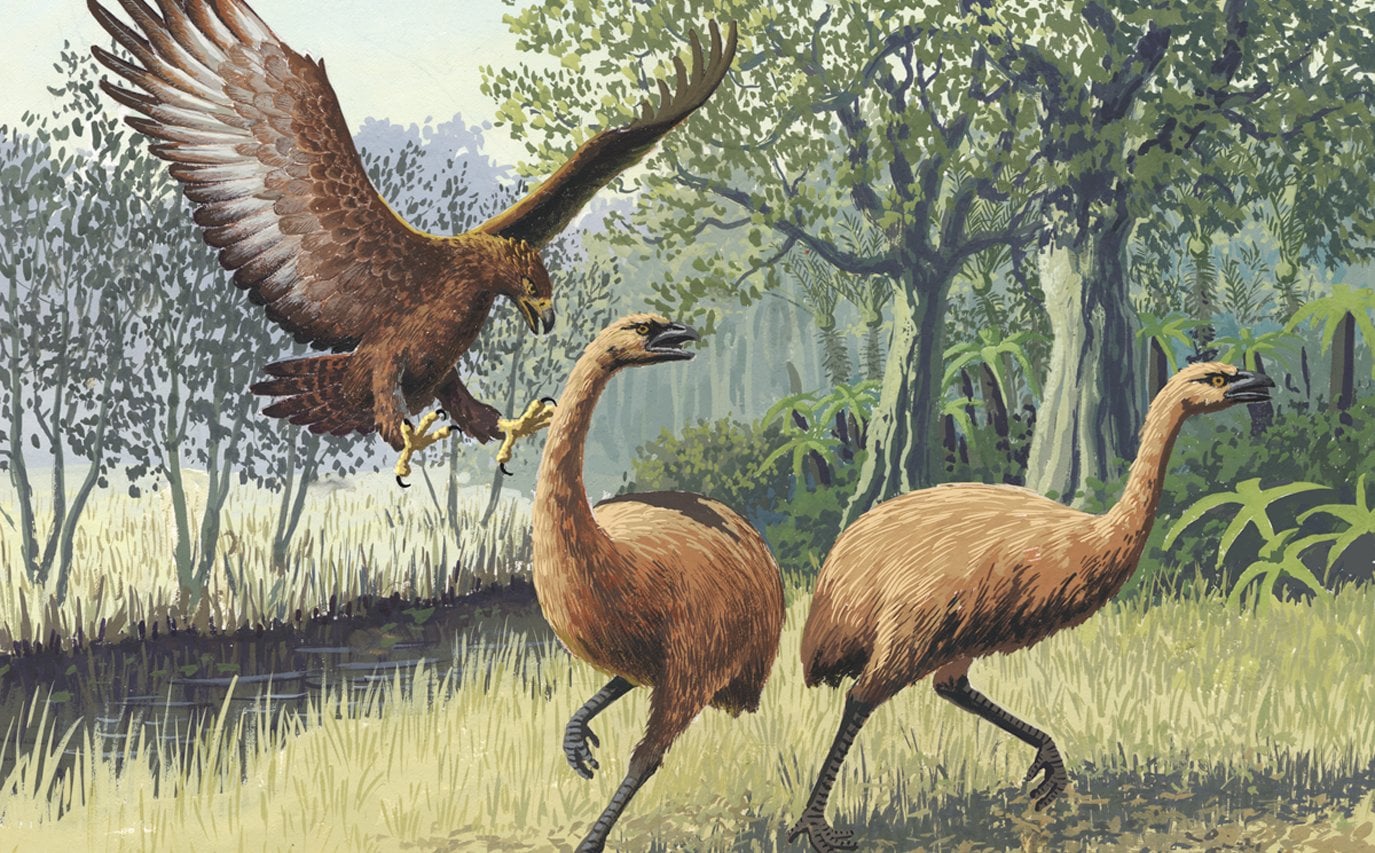
🌟
Extinct birds will hatch from a 3D printer: a breakthrough in bioengineering
Uitgestorven vogels komen uit een 3D-printer: een doorbraak in bio-engineering
Des oiseaux éteints écloront d'une imprimante 3D : une percée en bio-ingénierie
Can you believe it? Scientists are using a groundbreaking 3D-printed egg to incubate the extinct South Island moa from New Zealand! This innovative method eliminates the need for pure oxygen, which has been a barrier for decades. The artificial egg mimics natural conditions, allowing researchers to monitor embryo development in real-time. It's a thrilling step forward that could also pave the way for de-extinction projects like the woolly mammoth!
Kun je het geloven? Wetenschappers gebruiken een baanbrekend 3D-geprint ei om de uitgestorven Zuidereiland moa uit Nieuw-Zeeland te incuberen! Deze innovatieve methode elimineert de noodzaak voor pure zuurstof, wat decennialang een obstakel is geweest. Het kunstmatige ei imiteert natuurlijke omstandigheden, waardoor onderzoekers de ontwikkeling van het embryo in real-time kunnen volgen. Het is een spannende stap vooruit die ook de weg kan effenen voor de-extinctieprojecten zoals de wolharige mammoet!
Peux-tu le croire ? Des scientifiques utilisent un œuf imprimé en 3D révolutionnaire pour incuber le moa de l'île du Sud, éteint, de Nouvelle-Zélande ! Cette méthode innovante élimine le besoin d'oxygène pur, qui a été un obstacle pendant des décennies. L'œuf artificiel imite les conditions naturelles, permettant aux chercheurs de surveiller le développement de l'embryon en temps réel. C'est une avancée passionnante qui pourrait également ouvrir la voie à des projets de dé-extinction comme celui du mammouth laineux !
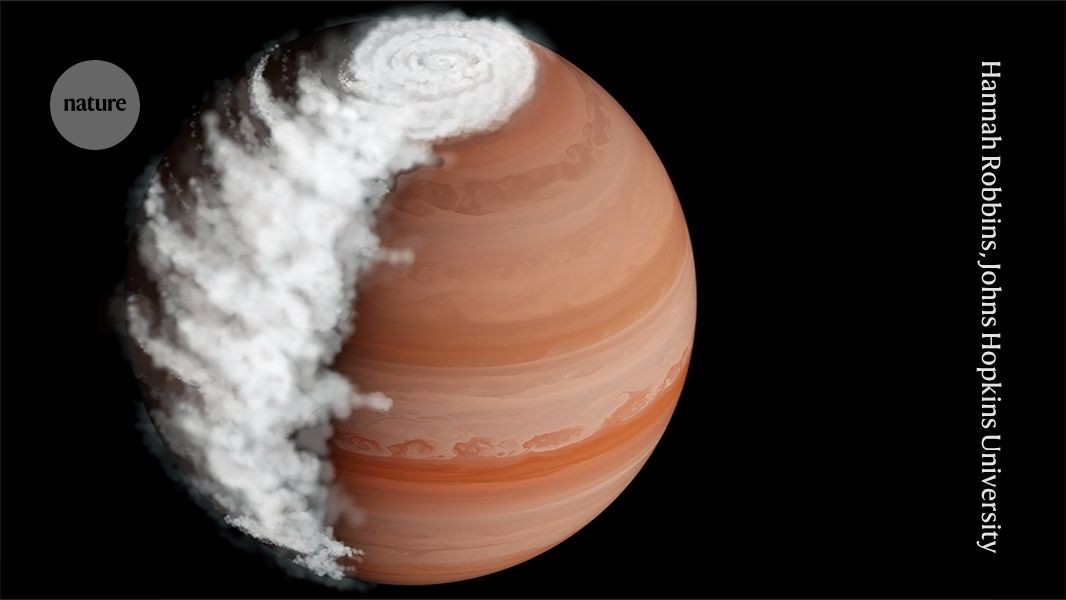
🌌
See the clouds streaming and vanishing around this planet — 690 light years away
Zie de wolken stromen en verdwijnen rond deze planeet — 690 lichtjaar weg
Voyez les nuages défiler et disparaître autour de cette planète — à 690 années-lumière
It's incredible to think about the weather patterns on a planet 690 light years away! The James Webb Space Telescope has captured how clouds form on the night side of WASP-94 A b and then vanish as they move to the day side. This discovery reveals the dynamic nature of planetary atmospheres and how they can be studied from such vast distances. It's a fantastic reminder of how much we still have to learn about our universe!
Het is ongelooflijk om na te denken over de weerspatronen op een planeet die 690 lichtjaar weg is! De James Webb Ruimtetelescoop heeft vastgelegd hoe wolken zich vormen aan de nachtzijde van WASP-94 A b en dan verdwijnen als ze naar de dagzijde bewegen. Deze ontdekking onthult de dynamische aard van planetenatmosferen en hoe ze vanuit zulke grote afstanden bestudeerd kunnen worden. Het is een fantastische herinnering aan hoeveel we nog te leren hebben over ons universum!
C'est incroyable de penser aux modèles météorologiques d'une planète située à 690 années-lumière ! Le télescope spatial James Webb a capturé comment les nuages se forment du côté nuit de WASP-94 A b puis disparaissent en se déplaçant vers le côté jour. Cette découverte révèle la nature dynamique des atmosphères planétaires et comment elles peuvent être étudiées à de telles distances. C'est un rappel fantastique de tout ce que nous avons encore à apprendre sur notre univers !
☕
Growing coffee in the world’s densest city: Hong Kong roastery hails beans that aren’t imported
Koffie verbouwen in de dichtstbevolkte stad ter wereld: Hong Kong brander prijst bonen die niet geïmporteerd zijn
Cultiver du café dans la ville la plus densément peuplée du monde : une rôtisserie de Hong Kong célèbre des grains non importés
Isn't it amazing that coffee is being grown in Hong Kong, the world’s densest city? Ringo Lam and his team at LCC Roastery are proving that with a little passion and creativity, coffee can thrive even in unexpected places. They’ve turned a handful of coffee seeds into a thriving co-op, producing smooth beans that bring a taste of local pride. Plus, they’re connecting the community to their coffee’s origins through workshops and innovative farming techniques.
Is het niet geweldig dat er koffie wordt verbouwd in Hongkong, de dichtstbevolkte stad ter wereld? Ringo Lam en zijn team bij LCC Roastery bewijzen dat koffie kan gedijen, zelfs op onverwachte plaatsen, met een beetje passie en creativiteit. Ze hebben een handvol koffiebonen omgevormd tot een bloeiende coöperatie die zachte bonen produceert die een smaak van lokale trots brengen. Bovendien verbinden ze de gemeenschap met de oorsprong van hun koffie door middel van workshops en innovatieve teelttechnieken.
N'est-ce pas incroyable que du café soit cultivé à Hong Kong, la ville la plus densément peuplée du monde ? Ringo Lam et son équipe de LCC Roastery prouvent qu'avec un peu de passion et de créativité, le café peut prospérer même dans des endroits inattendus. Ils ont transformé une poignée de graines de café en une coopérative florissante, produisant des grains doux qui apportent un goût de fierté locale. De plus, ils connectent la communauté à l'origine de leur café grâce à des ateliers et des techniques agricoles innovantes.
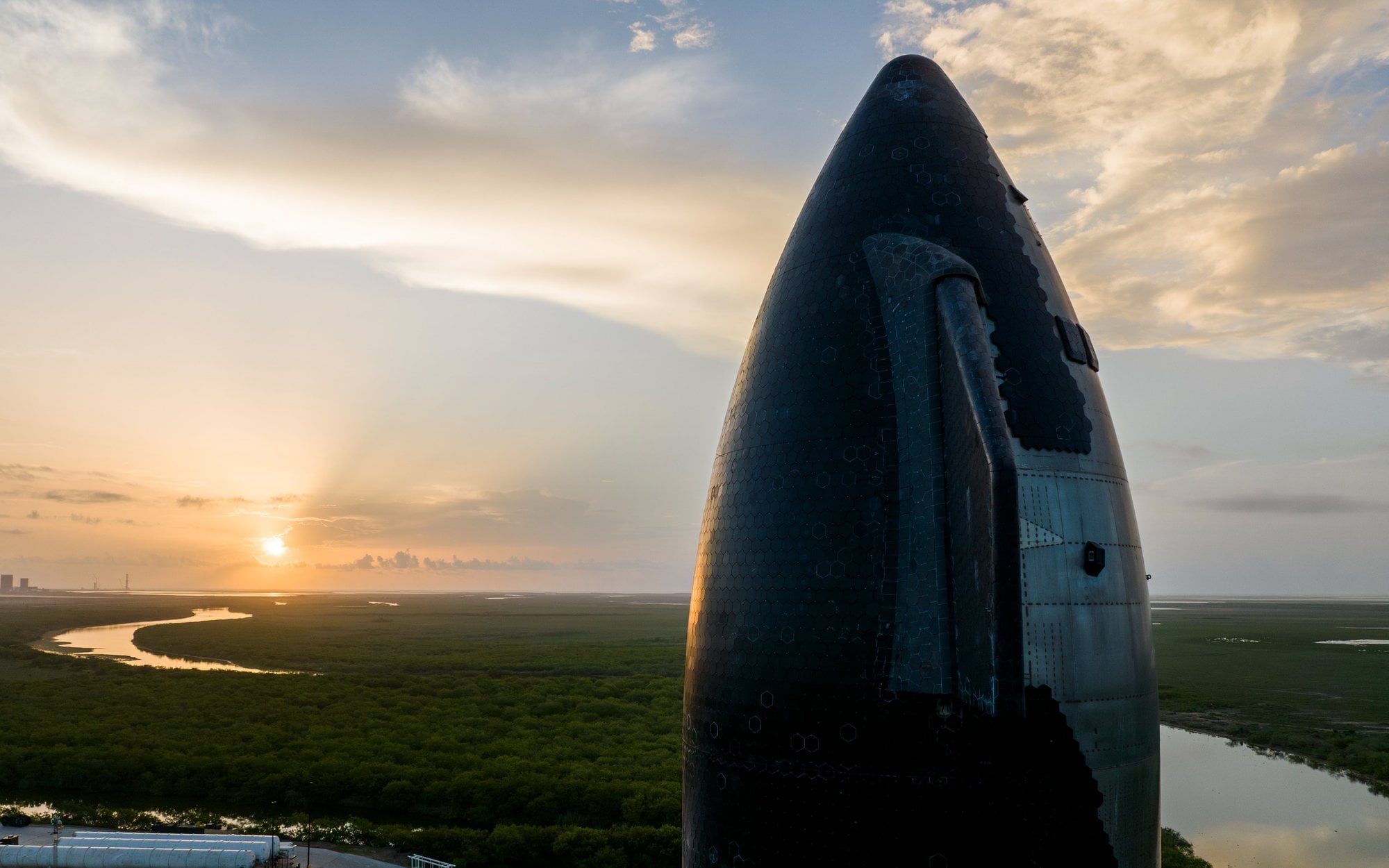
🚀
Rocket that will take people to Mars. Starship V3 launches on its first flight
Raket die mensen naar Mars zal brengen. Starship V3 lanceert op zijn eerste vlucht
Fusée qui emmènera des gens sur Mars. Starship V3 décolle pour son premier vol
So, the Starship V3 is gearing up for its first flight, and it's quite the sight at 124 meters tall! This mission, Flight 12, aims to launch 20 Starlink satellite prototypes and two modified satellites to test the thermal protection system. It's exciting to see SpaceX making strides since their last successful missions, and this one is crucial for future lunar and Martian explorations. If all goes well, this could be a game changer for human space travel!
Dus, de Starship V3 maakt zich klaar voor zijn eerste vlucht en het is een indrukwekkend gezicht van 124 meter hoog! Deze missie, Flight 12, heeft als doel 20 prototypes van Starlink-satellieten en twee gemodificeerde satellieten te lanceren om het thermische beschermingssysteem te testen. Het is spannend om te zien hoe SpaceX vooruitgang boekt sinds hun laatste succesvolle missies, en deze is cruciaal voor toekomstige verkenningen van de maan en Mars. Als alles goed gaat, kan dit een keerpunt zijn voor de menselijke ruimtevaart!
Alors, le Starship V3 se prépare pour son premier vol et c'est une vue impressionnante de 124 mètres de haut ! Cette mission, Flight 12, vise à lancer 20 prototypes de satellites Starlink et deux satellites modifiés pour tester le système de protection thermique. C'est excitant de voir SpaceX progresser depuis leurs dernières missions réussies, et celle-ci est cruciale pour les futures explorations lunaires et martiennes. Si tout se passe bien, cela pourrait changer la donne pour le voyage spatial humain !

🌟
Brits are not as groovy as us – but they’re less square than Europeans: how drum’n’bass united Brazil and the UK
Brits zijn niet zo groovy als wij - maar ze zijn minder vierkant dan Europeanen: hoe drum’n’bass Brazilië en het VK verenigde
Les Britanniques ne sont pas aussi groovy que nous - mais ils sont moins carrés que les Européens : comment le drum’n’bass a uni le Brésil et le Royaume-Uni
Isn't it fascinating how music can bridge cultures? DJ Patife's journey from São Paulo to London in the late 90s sparked a vibrant exchange of drum’n’bass between Brazil and the UK. The unique Brazilian ginga infused new life into the genre, creating a beautiful blend of sounds that resonates today. Now, with artists like Sherelle leading the charge, this cultural connection is thriving more than ever, proving that music truly knows no borders.
Is het niet fascinerend hoe muziek culturen kan verbinden? DJ Patife's reis van São Paulo naar Londen in de late jaren '90 leidde tot een levendige uitwisseling van drum’n’bass tussen Brazilië en het VK. De unieke Braziliaanse ginga gaf nieuw leven aan het genre en creëerde een prachtige mix van geluiden die vandaag de dag nog steeds weerklinkt. Nu, met artiesten zoals Sherelle aan het roer, bloeit deze culturele verbinding meer dan ooit, wat bewijst dat muziek echt geen grenzen kent.
N'est-ce pas fascinant de voir comment la musique peut unir les cultures ? Le parcours de DJ Patife de São Paulo à Londres à la fin des années 90 a déclenché un échange vibrant de drum’n’bass entre le Brésil et le Royaume-Uni. La ginga brésilienne unique a insufflé une nouvelle vie au genre, créant un mélange de sons magnifique qui résonne encore aujourd'hui. Maintenant, avec des artistes comme Sherelle en tête, cette connexion culturelle prospère plus que jamais, prouvant que la musique ne connaît vraiment pas de frontières.
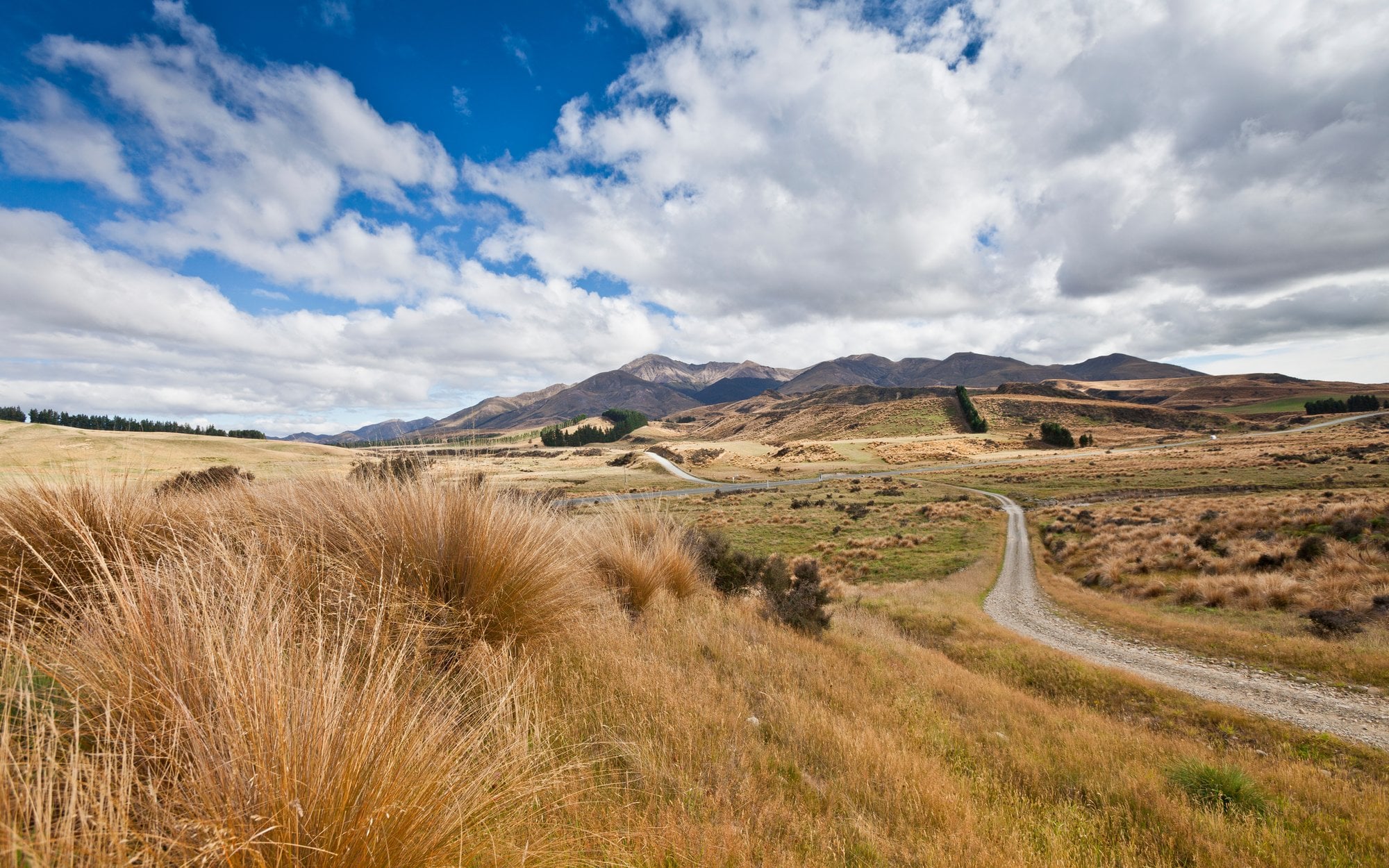
🌱
Scientists save critically endangered plant, 250 seedlings from two specimens
Wetenschappers redden kritiek bedreigde plant, 250 zaailingen uit twee exemplaren
Des scientifiques sauvent une plante en danger critique, 250 semis issus de deux spécimens
Craspedia argentea, a rare plant native to New Zealand, was on the brink of extinction with only two known specimens left. Botanists initiated a rescue program, and through dedicated efforts, they managed to produce 250 new seedlings from those two plants. This incredible achievement involved hand-pollinating flowers and nurturing seeds over two years. The new seedlings will be monitored closely as they are introduced back into their natural habitat, contributing to the restoration of the unique Mahaka Katia ecosystem.
Craspedia argentea, een zeldzame plant die inheems is in Nieuw-Zeeland, stond op het punt van uitsterven met slechts twee bekende exemplaren over. Botanici startten een reddingsprogramma en wisten dankzij hun toewijding 250 nieuwe zaailingen uit die twee planten te produceren. Deze ongelooflijke prestatie omvatte het handmatig bestuiven van bloemen en het verzorgen van zaden gedurende twee jaar. De nieuwe zaailingen zullen nauwlettend worden gevolgd wanneer ze weer in hun natuurlijke habitat worden geïntroduceerd, wat bijdraagt aan de restauratie van het unieke Mahaka Katia-ecosysteem.
Craspedia argentea, une plante rare originaire de Nouvelle-Zélande, était au bord de l'extinction avec seulement deux spécimens connus restants. Les botanistes ont lancé un programme de sauvetage et, grâce à leurs efforts, ils ont réussi à produire 250 nouvelles semences à partir de ces deux plantes. Cet incroyable exploit a impliqué la pollinisation manuelle des fleurs et le soin des graines pendant deux ans. Les nouvelles semences seront étroitement surveillées lors de leur réintroduction dans leur habitat naturel, contribuant à la restauration de l'écosystème unique de Mahaka Katia.

🚑
India’s new ‘good samaritan laws’ reward any citizen who stops to help with traffic injuries
India's nieuwe 'good samaritan'-wetten belonen elke burger die stopt om te helpen bij verkeersslachtoffers
Les nouvelles lois 'bon samaritain' de l'Inde récompensent tout citoyen qui s'arrête pour aider les victimes d'accidents de la route
In India, a groundbreaking program called Rah-Veer is encouraging citizens to step up and help road accident victims by offering a reward of 25,000 Indian rupees, about $250. This initiative aims to save lives during the crucial first hour after an injury, known as the golden hour, when immediate assistance can make all the difference. The program not only protects the privacy of Good Samaritans but also ensures they are shielded from legal issues. With cashless treatment guaranteed for the first seven days for accident victims, this is a fantastic step towards a more compassionate society.
In India moedigt een baanbrekend programma genaamd Rah-Veer burgers aan om slachtoffers van verkeersongelukken te helpen door een beloning van 25.000 Indiase roepies, ongeveer $250, aan te bieden. Dit initiatief is bedoeld om levens te redden tijdens het cruciale eerste uur na een verwonding, bekend als het gouden uur, wanneer onmiddellijke hulp het verschil kan maken. Het programma beschermt niet alleen de privacy van goede samaritanen, maar zorgt er ook voor dat ze worden beschermd tegen juridische problemen. Met gegarandeerde cashloze behandeling voor de eerste zeven dagen voor slachtoffers van ongevallen is dit een geweldige stap naar een meer medemenselijke samenleving.
En Inde, un programme révolutionnaire appelé Rah-Veer encourage les citoyens à aider les victimes d'accidents de la route en offrant une récompense de 25 000 roupies indiennes, soit environ 250 $. Cette initiative vise à sauver des vies pendant la première heure cruciale après une blessure, connue sous le nom d'heure d'or, lorsque l'assistance immédiate peut faire toute la différence. Le programme protège non seulement la vie privée des bons samaritains, mais garantit également qu'ils sont à l'abri des problèmes juridiques. Avec un traitement sans espèces garanti pendant les sept premiers jours pour les victimes d'accidents, c'est une excellente étape vers une société plus compatissante.
🌟
A Sacramento ‘food desert’ is getting a transformative, first-of-its-kind public market
Een ‘food desert’ in Sacramento krijgt een transformerende, eerste openbare markt van zijn soort
Un ‘désert alimentaire’ à Sacramento obtient un marché public transformateur, le premier du genre
Imagine a neighborhood in Sacramento that has rapidly grown but lacks essential community spaces and grocery stores. The Alchemist Community Development Corporation is stepping in with the innovative Alchemist Public Market, which will serve as a vibrant hub for local food businesses. This market will not only provide fresh food options but also support aspiring food entrepreneurs with shared kitchen spaces and mentorship. It's an exciting step towards revitalizing the community and ensuring everyone benefits from the area's growth.
Stel je een buurt in Sacramento voor die snel is gegroeid, maar waar essentiële gemeenschapsruimtes en supermarkten ontbreken. De Alchemist Community Development Corporation komt in actie met de innovatieve Alchemist Public Market, die zal dienen als een levendig centrum voor lokale voedselbedrijven. Deze markt zal niet alleen verse voedselopties bieden, maar ook opkomende voedselondernemers ondersteunen met gedeelde keukens en mentorschap. Het is een spannende stap naar het revitaliseren van de gemeenschap en ervoor zorgen dat iedereen profiteert van de groei in het gebied.
Imaginez un quartier de Sacramento qui a rapidement grandi mais qui manque d'espaces communautaires essentiels et de supermarchés. La Alchemist Community Development Corporation intervient avec le marché public Alchemist, qui servira de centre dynamique pour les entreprises alimentaires locales. Ce marché ne fournira pas seulement des options alimentaires fraîches, mais soutiendra également les entrepreneurs alimentaires émergents avec des cuisines partagées et du mentorat. C'est une étape passionnante vers la revitalisation de la communauté et pour s'assurer que tout le monde bénéficie de la croissance de la région.

🌟
6 alternatives to saying ‘let me know if you need anything’
6 alternatieven voor ‘laat het me weten als je iets nodig hebt’
6 alternatives à dire ‘faites-moi savoir si vous avez besoin de quelque chose’
When someone is going through a tough time, it’s common to offer help, but often we say, 'let me know if you need anything,' which can feel empty. Instead, we should take the initiative and offer specific forms of assistance, like cooking meals or cleaning their space. This way, we remove the burden of decision-making from them during their crisis. It’s all about being proactive and showing genuine support in a way that truly helps.
Wanneer iemand een moeilijke tijd doormaakt, is het gebruikelijk om hulp aan te bieden, maar vaak zeggen we: 'laat het me weten als je iets nodig hebt', wat leeg kan aanvoelen. In plaats daarvan moeten we het initiatief nemen en specifieke vormen van hulp aanbieden, zoals maaltijden koken of hun ruimte schoonmaken. Op deze manier verwijderen we de last van het nemen van beslissingen bij hen tijdens hun crisis. Het draait allemaal om proactief zijn en oprechte steun te bieden op een manier die echt helpt.
Lorsque quelqu'un traverse une période difficile, il est courant d'offrir de l'aide, mais souvent nous disons : 'faites-moi savoir si vous avez besoin de quelque chose', ce qui peut sembler vide. Au lieu de cela, nous devrions prendre l'initiative et offrir des formes d'assistance spécifiques, comme cuisiner des repas ou nettoyer leur espace. De cette façon, nous éliminons le fardeau de la prise de décision pour eux pendant leur crise. Il s'agit d'être proactif et de montrer un soutien sincère d'une manière qui aide vraiment.
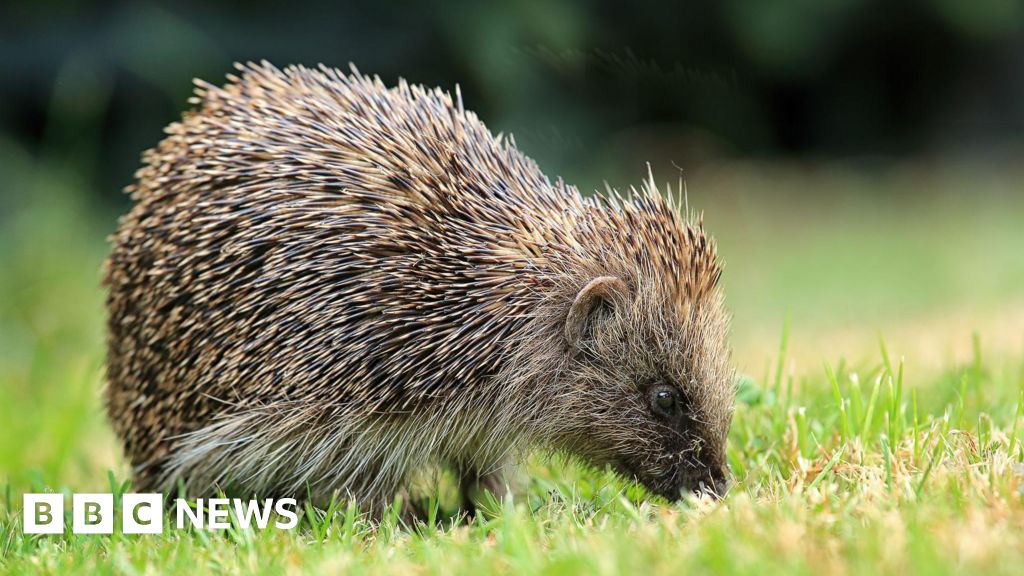
🦔
Satellites and AI used to track UK hedgehogs in bid to slow decline
Satellieten en AI ingezet om Britse egels te volgen in poging om achteruitgang te vertragen
Des satellites et de l'IA utilisés pour suivre les hérissons britanniques afin de ralentir leur déclin
Researchers at the University of Cambridge are using satellite data and AI to help protect Britain's hedgehogs. With a tool called Tessera, they can pinpoint hedgehog habitats and understand the barriers these little creatures face. It's fascinating to see how technology can aid conservation efforts, especially when combined with real-time GPS tracking of hedgehogs, affectionately dubbed 'digi-hogs'. This innovative approach could really make a difference in reversing the decline of these adorable animals.
Onderzoekers aan de Universiteit van Cambridge gebruiken satellietgegevens en AI om de Britse egels te beschermen. Met een tool genaamd Tessera kunnen ze de habitats van egels nauwkeurig bepalen en begrijpen welke barrières deze kleine wezens tegenkomen. Het is fascinerend om te zien hoe technologie kan bijdragen aan natuurbescherming, vooral in combinatie met realtime GPS-tracking van egels, liefkozend 'digi-hogs' genoemd. Deze innovatieve aanpak zou echt een verschil kunnen maken in het omkeren van de achteruitgang van deze schattige dieren.
Des chercheurs de l'Université de Cambridge utilisent des données satellites et de l'IA pour aider à protéger les hérissons britanniques. Avec un outil appelé Tessera, ils peuvent localiser précisément les habitats des hérissons et comprendre les obstacles auxquels ces petites créatures sont confrontées. C'est fascinant de voir comment la technologie peut aider les efforts de conservation, surtout lorsqu'elle est combinée avec le suivi GPS en temps réel des hérissons, affectueusement appelés 'digi-hogs'. Cette approche innovante pourrait vraiment faire une différence pour inverser le déclin de ces animaux adorables.
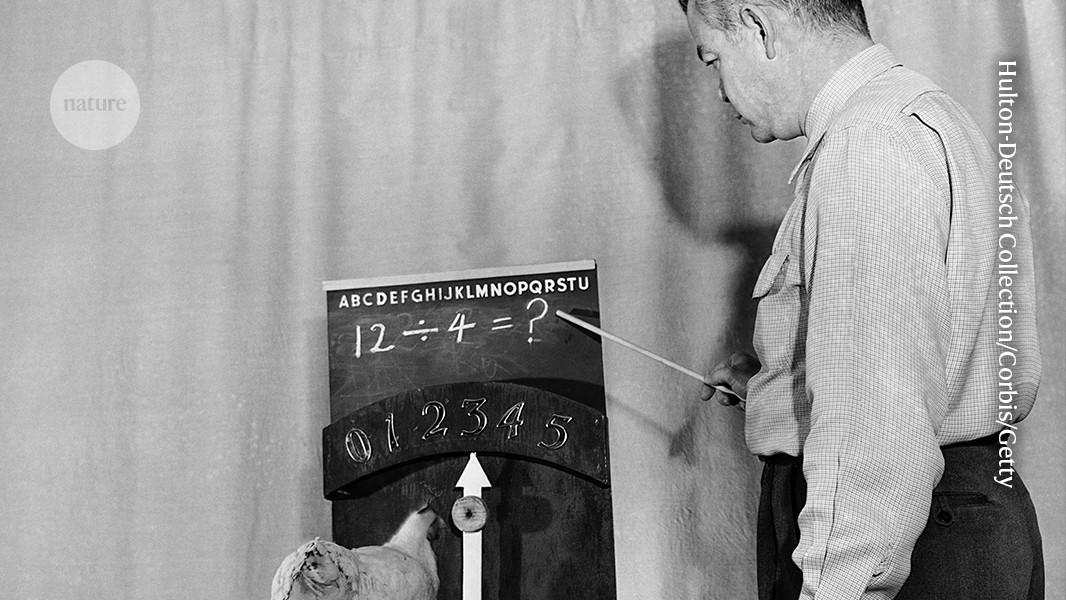
🦅
Birds get a bad rap: why we should look up to our feathered friends
Vogels krijgen een slechte naam: waarom we naar onze gevederde vrienden moeten opkijken
Les oiseaux ont mauvaise réputation : pourquoi nous devrions admirer nos amis à plumes
Birds are facing serious challenges, with many species in the U.S. at risk of extinction. But there's hope! Naturalist Scott Weidensaul highlights successful conservation efforts that have led to remarkable recoveries, like that of the bald eagle. His new book, The Return of the Oystercatcher, dives into both the struggles and successes of our feathered friends. It's a reminder that with dedication and care, we can help protect these amazing creatures and their habitats.
Vogels staan voor ernstige uitdagingen, waarbij veel soorten in de VS risico lopen op uitsterven. Maar er is hoop! Natuurliefhebber Scott Weidensaul benadrukt succesvolle inspanningen voor natuurbescherming die hebben geleid tot opmerkelijke herstelacties, zoals die van de zeearend. Zijn nieuwe boek, De terugkeer van de scholekster, duikt in zowel de problemen als de successen van onze gevederde vrienden. Het herinnert ons eraan dat we met toewijding en zorg deze geweldige wezens en hun habitats kunnen beschermen.
Les oiseaux font face à de graves défis, de nombreuses espèces aux États-Unis étant menacées d'extinction. Mais il y a de l'espoir ! Le naturaliste Scott Weidensaul met en lumière les efforts de conservation réussis qui ont conduit à des rétablissements remarquables, comme celui de l'aigle à tête blanche. Son nouveau livre, Le retour de l'huîtrier, explore à la fois les luttes et les succès de nos amis à plumes. C'est un rappel qu'avec dévouement et soin, nous pouvons aider à protéger ces créatures incroyables et leurs habitats.
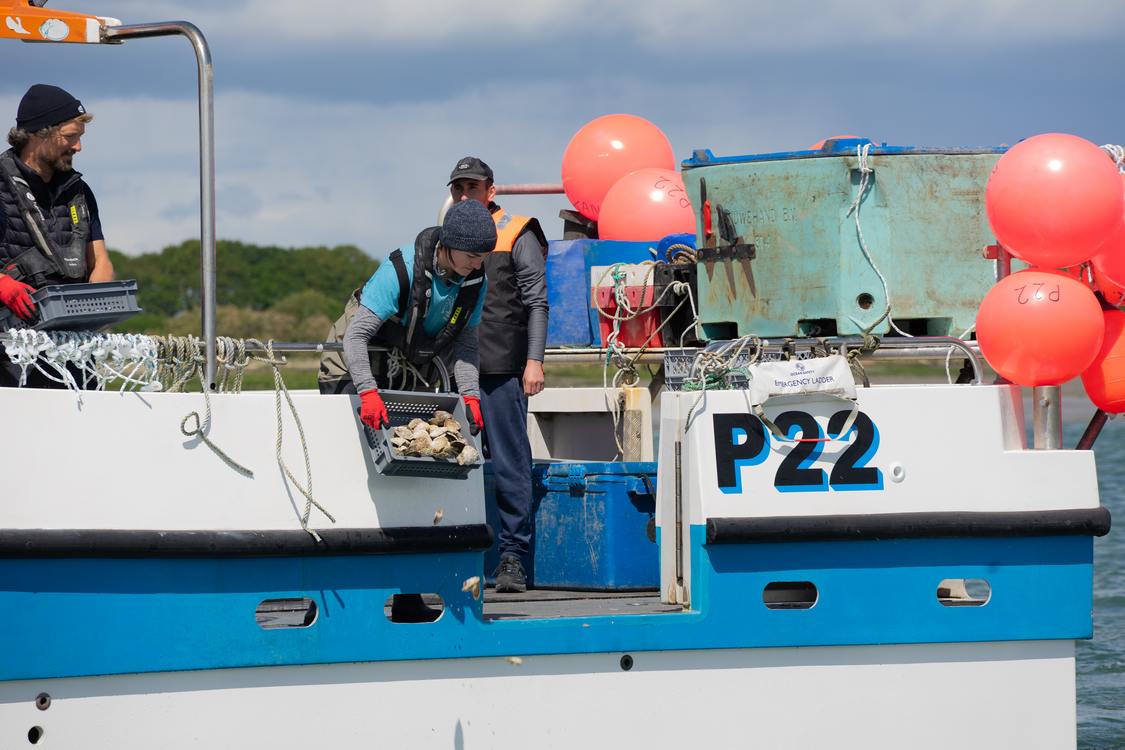
🌊
Over 200 volunteers lead largest-ever oyster reef restoration off England’s Portsmouth
Meer dan 200 vrijwilligers leiden grootste oesterbedherstel ooit bij Portsmouth in Engeland
Plus de 200 bénévoles dirigent la plus grande restauration de récifs d'huîtres jamais réalisée au large de Portsmouth en Angleterre
Last week, an incredible 260 volunteers came together to drop 20,000 oysters into the waters of Portsmouth, marking the UK's largest subtidal oyster reef restoration project. This initiative not only aims to revive a lost species but also reconnects the community with its rich maritime heritage. Oysters are vital for marine ecosystems, filtering water and providing habitats for countless species. It's so inspiring to see such strong public support for restoring our seas!
Afgelopen week kwamen maar liefst 260 vrijwilligers samen om 20.000 oesters in de wateren van Portsmouth te plaatsen, wat het grootste subtidale oesterbedherstelproject in het VK markeert. Dit initiatief heeft niet alleen als doel een verloren soort nieuw leven in te blazen, maar verbindt de gemeenschap ook weer met haar rijke maritieme erfgoed. Oesters zijn van vitaal belang voor mariene ecosystemen, omdat ze water filteren en habitats bieden voor talloze soorten. Het is zo inspirerend om zo'n sterke publieke steun te zien voor het herstel van onze zeeën!
La semaine dernière, 260 bénévoles se sont réunis pour déposer 20 000 huîtres dans les eaux de Portsmouth, marquant le plus grand projet de restauration de récifs d'huîtres subtidaux au Royaume-Uni. Cette initiative vise non seulement à raviver une espèce disparue, mais aussi à reconnecter la communauté avec son riche patrimoine maritime. Les huîtres sont essentielles pour les écosystèmes marins, filtrant l'eau et fournissant des habitats à d'innombrables espèces. C'est tellement inspirant de voir un tel soutien public pour la restauration de nos mers !
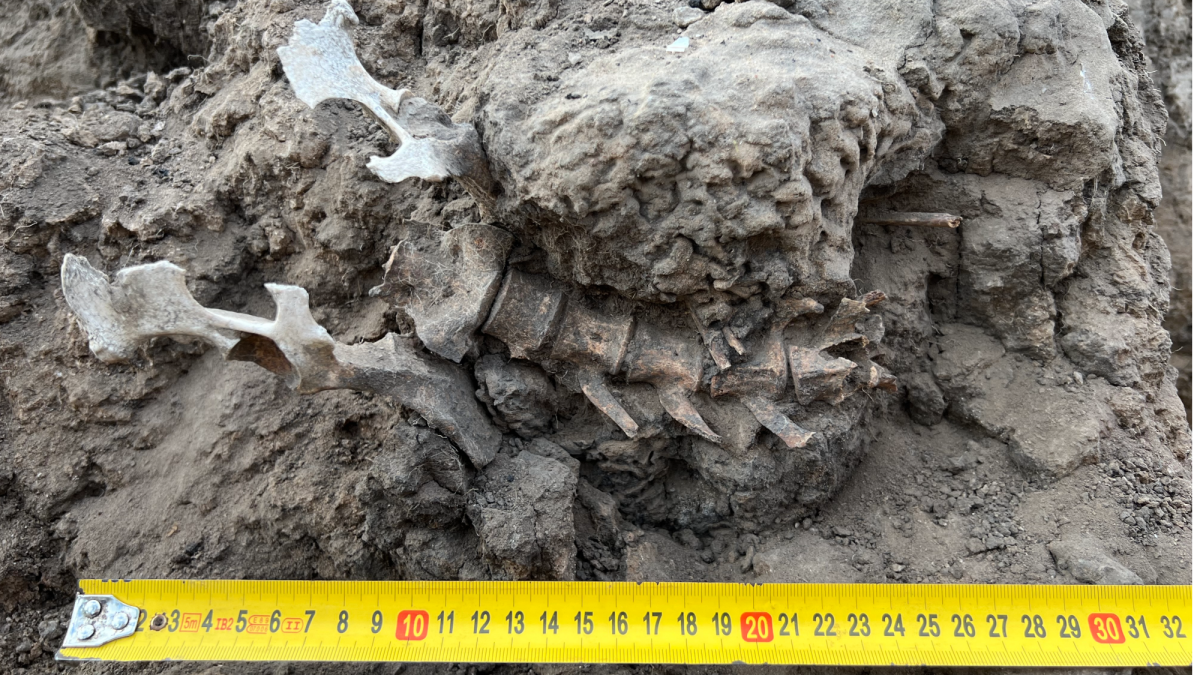
🐕
1,000-year-old dingo bones show that it was injured, cared for, and ritually buried
1.000 jaar oude dingo botten tonen aan dat het gewond was, verzorgd en ritueel begraven
Des os de dingo vieux de 1 000 ans montrent qu'il a été blessé, soigné et enterré rituellement
A fascinating discovery has emerged from the remains of a 1,000-year-old dingo, revealing the deep bond between Australia’s First Nations and these wild dogs. The Barkindji people not only cared for the injured dingo but also buried it with great respect, marking a significant cultural practice. This burial site, identified by local Elders, shows how the dingo was integrated into their community and honored as an ancestor. It's a powerful reminder of the love and value placed on these animals, highlighting a rich history that continues to resonate today.
Een fascinerende ontdekking is gedaan met de overblijfselen van een 1.000 jaar oude dingo, die de diepe band tussen de Eerste Naties van Australië en deze wilde honden onthult. De Barkindji zorgden niet alleen voor de gewonde dingo, maar begroeven hem ook met veel respect, wat een belangrijke culturele praktijk markeert. Deze begraafplaats, geïdentificeerd door lokale Ouderen, toont aan hoe de dingo in hun gemeenschap was geïntegreerd en als een voorouder werd geëerd. Het is een krachtige herinnering aan de liefde en waarde die aan deze dieren werd gehecht, en het benadrukt een rijke geschiedenis die vandaag de dag nog steeds weerklank vindt.
Une découverte fascinante a émergé des restes d'un dingo vieux de 1 000 ans, révélant le lien profond entre les Premières Nations d'Australie et ces chiens sauvages. Le peuple Barkindji a non seulement pris soin du dingo blessé, mais l'a également enterré avec grand respect, marquant une pratique culturelle significative. Ce site de sépulture, identifié par des Anciens locaux, montre comment le dingo était intégré dans leur communauté et honoré en tant qu'ancêtre. C'est un puissant rappel de l'amour et de la valeur accordés à ces animaux, soulignant une histoire riche qui continue de résonner aujourd'hui.
/s3/static.nrc.nl/wp-content/uploads/2026/05/13150900/130526BIN_2033209323_1.jpg)
🌟
Hospital distributes hundred translation devices across outpatient clinics
Ziekenhuis verdeelt honderd vertaalapparaten over de poliklinieken
L'hôpital distribue cent appareils de traduction dans les cliniques externes
At HMC Westeinde, a hospital in The Hague, communication barriers are being tackled with innovative translation devices. These smartphone-like gadgets translate spoken Dutch into Italian and vice versa, helping patients with language difficulties connect with their healthcare providers. This initiative is crucial given that many patients come from diverse linguistic backgrounds, making effective communication essential for their care. It's exciting to see technology being used to bridge gaps in understanding, ultimately improving patient outcomes.
In het HMC Westeinde, een ziekenhuis in Den Haag, worden taalbarrières aangepakt met innovatieve vertaalapparaten. Deze smartphone-achtige gadgets vertalen gesproken Nederlands naar het Italiaans en vice versa, waardoor patiënten met taalproblemen kunnen communiceren met hun zorgverleners. Deze aanpak is cruciaal, aangezien veel patiënten uit diverse taalkundige achtergronden komen, waardoor effectieve communicatie essentieel is voor hun zorg. Het is geweldig om te zien hoe technologie wordt ingezet om de kloof in begrip te overbruggen, wat uiteindelijk de patiëntresultaten verbetert.
À HMC Westeinde, un hôpital à La Haye, les barrières linguistiques sont surmontées grâce à des appareils de traduction innovants. Ces gadgets semblables à des smartphones traduisent le néerlandais parlé en italien et vice versa, aidant ainsi les patients ayant des difficultés linguistiques à se connecter avec leurs prestataires de soins. Cette initiative est cruciale étant donné que de nombreux patients viennent de milieux linguistiques divers, rendant la communication efficace essentielle pour leur soin. C'est passionnant de voir la technologie utilisée pour combler les lacunes de compréhension, améliorant ainsi les résultats pour les patients.
🌌
Asteroid flies past Earth on Monday and is visible with a small telescope
Asteroïde vliegt maandag 'rakelings' langs de aarde en is zichtbaar met kleine telescoop
L'astéroïde passe près de la Terre lundi et est visible avec un petit télescope
So, there's an asteroid making a close pass by Earth this Monday, and it's such an exciting event for skywatchers! You can actually spot it with a small telescope, which is just fantastic. Imagine the thrill of seeing something from space zipping by our planet! This is a perfect opportunity for anyone interested in astronomy to get outside and enjoy the wonders of the universe.
Er vliegt maandag een asteroïde rakelings langs de aarde, en dat is zo'n opwindend evenement voor sterrenkijkers! Je kunt het zelfs met een kleine telescoop zien, wat gewoon fantastisch is. Stel je de opwinding voor om iets uit de ruimte langs onze planeet te zien zoeven! Dit is de perfecte kans voor iedereen die geïnteresseerd is in astronomie om naar buiten te gaan en te genieten van de wonderen van het universum.
Un astéroïde passe près de la Terre ce lundi, et c'est un événement tellement excitant pour les passionnés d'astronomie ! Vous pouvez même l'observer avec un petit télescope, ce qui est tout simplement fantastique. Imaginez le frisson de voir quelque chose de l'espace passer près de notre planète ! C'est une occasion parfaite pour tous ceux qui s'intéressent à l'astronomie de sortir et de profiter des merveilles de l'univers.
🐝
Firefighters broke out their hoses to save 25 million bees from an overheating truck
Brandweermannen gebruikten hun slangen om 25 miljoen bijen te redden van een oververhit vrachtwagen
Les pompiers ont utilisé leurs tuyaux pour sauver 25 millions d'abeilles d'un camion surchauffé
What an incredible story! When a truck carrying 25 million bees broke down in the heat, firefighters sprang into action to save them. They used their hoses to cool down the trailer, ensuring that not a single bee was harmed. It's a heartwarming reminder of how important bees are to our ecosystem and food supply, and how teamwork can make a real difference.
Wat een ongelooflijk verhaal! Toen een vrachtwagen met 25 miljoen bijen in de hitte pech kreeg, sprongen de brandweermannen in actie om ze te redden. Ze gebruikten hun slangen om de trailer af te koelen, zodat geen enkele bij schade opliep. Het is een hartverwarmende herinnering aan hoe belangrijk bijen zijn voor ons ecosysteem en onze voedselvoorziening, en hoe teamwork echt een verschil kan maken.
Quelle histoire incroyable ! Lorsqu'un camion transportant 25 millions d'abeilles est tombé en panne sous la chaleur, les pompiers sont intervenus pour les sauver. Ils ont utilisé leurs tuyaux pour refroidir la remorque, garantissant qu'aucune abeille ne soit blessée. C'est un rappel réconfortant de l'importance des abeilles pour notre écosystème et notre approvisionnement alimentaire, et de la manière dont le travail d'équipe peut vraiment faire la différence.
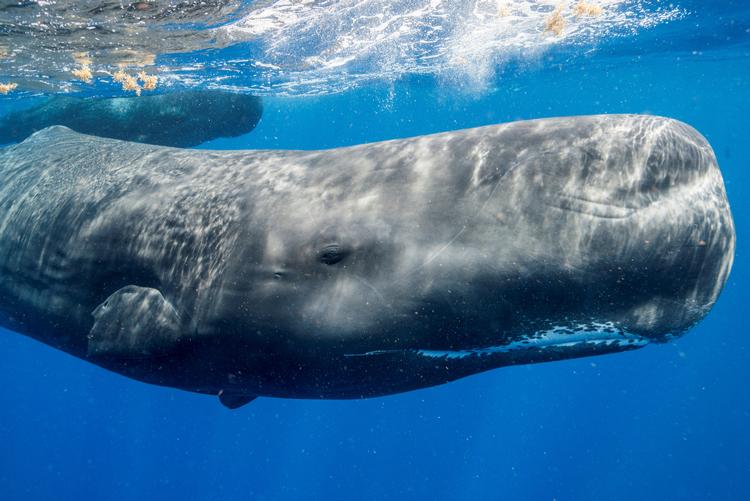
🐋
Researchers decode whale language: 'It's yet another moment that calls for humility'
Onderzoekers ontcijferen walvis taal: 'Het is weer een moment dat om bescheidenheid vraagt'
Les chercheurs déchiffrent le langage des baleines : 'C'est encore un moment qui appelle à l'humilité'
New research reveals that the language of sperm whales is more similar to human language than previously thought. Scientists envision a future where we might communicate with these magnificent creatures. The study highlights how the whales' characteristic clicking sounds change during critical moments, showcasing a complex structure akin to Chinese. This discovery not only fascinates but also reminds us of the depth of animal communication.
Nieuw onderzoek toont aan dat de taal van de potvis meer lijkt op de menselijke taal dan eerder werd gedacht. Wetenschappers stellen zich een toekomst voor waarin we met deze prachtige wezens kunnen communiceren. De studie benadrukt hoe de kenmerkende klikgeluiden van de walvissen veranderen tijdens kritieke momenten, wat wijst op een complexe structuur die lijkt op het Chinees. Deze ontdekking is niet alleen fascinerend, maar herinnert ons ook aan de diepgang van dierencommunicatie.
De nouvelles recherches révèlent que le langage des cachalots est plus similaire au langage humain que ce que l'on pensait auparavant. Les scientifiques envisagent un avenir où nous pourrions communiquer avec ces créatures majestueuses. L'étude souligne comment les sons caractéristiques de clic des baleines changent pendant des moments critiques, montrant une structure complexe semblable au chinois. Cette découverte est non seulement fascinante, mais nous rappelle également la profondeur de la communication animale.

🌍
Old oil and gas wells could find second life producing clean energy
Oude olie- en gasputten kunnen een tweede leven vinden in schone energie
Les vieux puits de pétrole et de gaz pourraient trouver une seconde vie en produisant de l'énergie propre
So, it turns out that abandoned oil and gas wells might be the key to unlocking clean geothermal energy! States across the U.S. are exploring how these old relics can be repurposed to help meet energy demands while reducing emissions. With no official owners for many of these wells, there's a unique opportunity to transform liabilities into valuable resources. It’s exciting to see bipartisan support for this innovative approach, as states like Oklahoma and Alabama lead the charge in turning these forgotten sites into green energy solutions.
Het blijkt dat verlaten olie- en gasputten de sleutel kunnen zijn tot het ontsluiten van schone geothermische energie! Staten in de VS onderzoeken hoe deze oude relieken kunnen worden hergebruikt om aan de energievraag te voldoen en tegelijkertijd de uitstoot te verminderen. Aangezien veel van deze putten geen officiële eigenaren hebben, is er een unieke kans om aansprakelijkheden om te zetten in waardevolle hulpbronnen. Het is spannend om te zien dat er brede steun is voor deze innovatieve aanpak, terwijl staten zoals Oklahoma en Alabama de leiding nemen in het omzetten van deze vergeten locaties in groene energieoplossingen.
Il s'avère que les vieux puits de pétrole et de gaz pourraient être la clé pour débloquer de l'énergie géothermique propre ! Les États-Unis explorent comment ces anciennes reliques peuvent être réutilisées pour répondre à la demande énergétique tout en réduisant les émissions. Avec de nombreux puits sans propriétaires officiels, il existe une opportunité unique de transformer des passifs en ressources précieuses. C'est excitant de voir un soutien bipartisan pour cette approche innovante, alors que des États comme l'Oklahoma et l'Alabama prennent les devants pour transformer ces sites oubliés en solutions d'énergie verte.
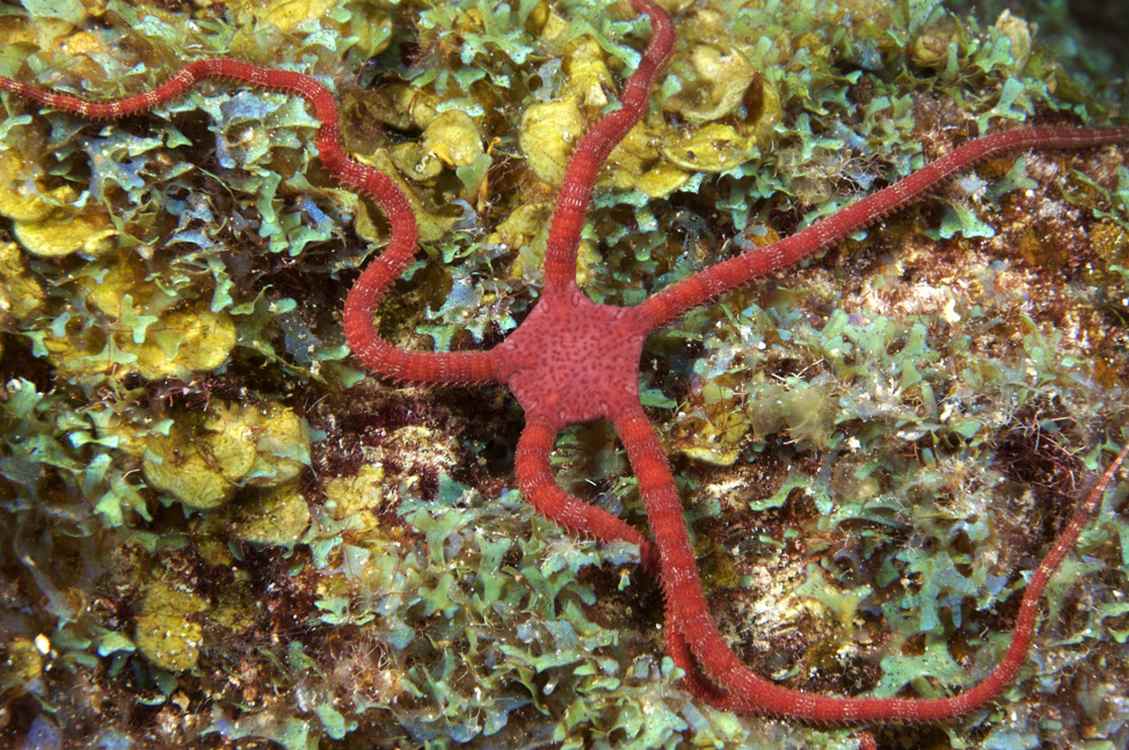
🐠
Another trawling ban, another big recovery for sea life
Weer een verbod op sleepnetvisserij, weer een grote herstel voor zeeleven
Un autre interdit de chalutage, un autre grand rétablissement pour la vie marine
It's fantastic to hear that after a decade of banning bottom trawling in Scotland, marine life is thriving! A recent survey revealed that there are now 1,500 species flourishing in the South Arran Marine Protected Area, which is double the number found in nearby fished zones. This shows just how resilient seabeds can be when given a chance to recover. However, it’s crucial to maintain strong protections to ensure these ecosystems continue to flourish and support biodiversity.
Het is fantastisch om te horen dat na een decennium van verbod op bodemtrawling in Schotland, het zeeleven bloeit! Een recent onderzoek heeft aangetoond dat er nu 1.500 soorten gedijen in het Zuid-Arran Marine Protected Area, wat het dubbele is van het aantal in nabijgelegen geviste gebieden. Dit toont aan hoe veerkrachtig zeebodems kunnen zijn wanneer ze de kans krijgen om te herstellen. Het is echter cruciaal om sterke bescherming te handhaven om ervoor te zorgen dat deze ecosystemen blijven bloeien en de biodiversiteit ondersteunen.
C'est fantastique d'entendre qu'après une décennie d'interdiction de chalutage de fond en Écosse, la vie marine prospère ! Une récente enquête a révélé qu'il y a maintenant 1 500 espèces florissantes dans la zone marine protégée de South Arran, ce qui est le double du nombre trouvé dans les zones de pêche voisines. Cela montre à quel point les fonds marins peuvent être résilients lorsqu'on leur donne une chance de se rétablir. Cependant, il est crucial de maintenir des protections solides pour garantir que ces écosystèmes continuent de prospérer et de soutenir la biodiversité.
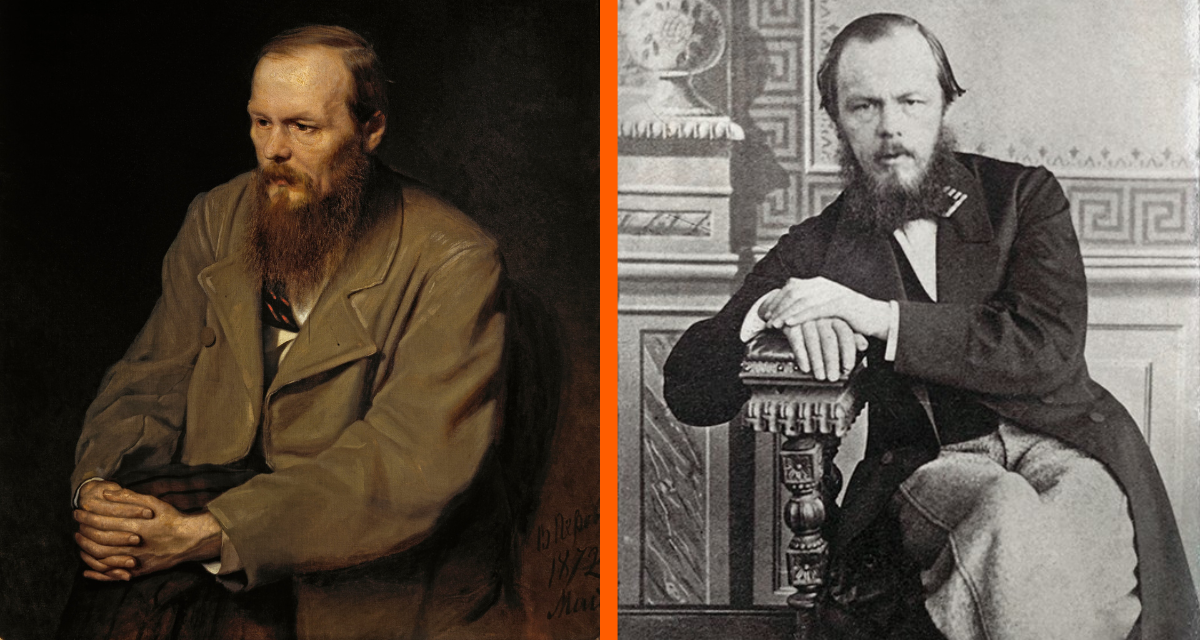
🌟
Fyodor Dostoevsky shared one powerful habit necessary to lead an authentic life
Fyodor Dostoevsky deelde één krachtige gewoonte die nodig is om een authentiek leven te leiden
Fiodor Dostoïevski a partagé une habitude puissante nécessaire pour mener une vie authentique
Fyodor Dostoevsky, the brilliant Russian author, believed that leading an authentic life hinges on being honest with oneself and facing pain head-on. He emphasized that self-deception can lead to a loss of respect for oneself and others, which is crucial for genuine love. His own tumultuous life experiences, including a near-execution, shaped his profound insights on suffering and freedom. Ultimately, he taught that embracing the journey, with all its ups and downs, is essential for true fulfillment.
Fyodor Dostoevsky, de briljante Russische auteur, geloofde dat het leiden van een authentiek leven afhangt van eerlijk zijn tegenover jezelf en pijn onder ogen zien. Hij benadrukte dat zelfbedrog kan leiden tot een verlies van respect voor jezelf en anderen, wat cruciaal is voor oprechte liefde. Zijn eigen tumultueuze levenservaringen, waaronder een bijna-executie, vormden zijn diepgaande inzichten over lijden en vrijheid. Uiteindelijk leerde hij dat het omarmen van de reis, met al zijn ups en downs, essentieel is voor ware vervulling.
Fiodor Dostoïevski, le brillant auteur russe, croyait que mener une vie authentique repose sur l'honnêteté envers soi-même et l'affrontement de la douleur. Il a souligné que l'auto-tromperie peut entraîner une perte de respect pour soi-même et pour les autres, ce qui est crucial pour un amour véritable. Ses propres expériences tumultueuses, y compris une quasi-exécution, ont façonné ses profondes réflexions sur la souffrance et la liberté. En fin de compte, il a enseigné que l'acceptation du parcours, avec tous ses hauts et ses bas, est essentielle pour une véritable épanouissement.
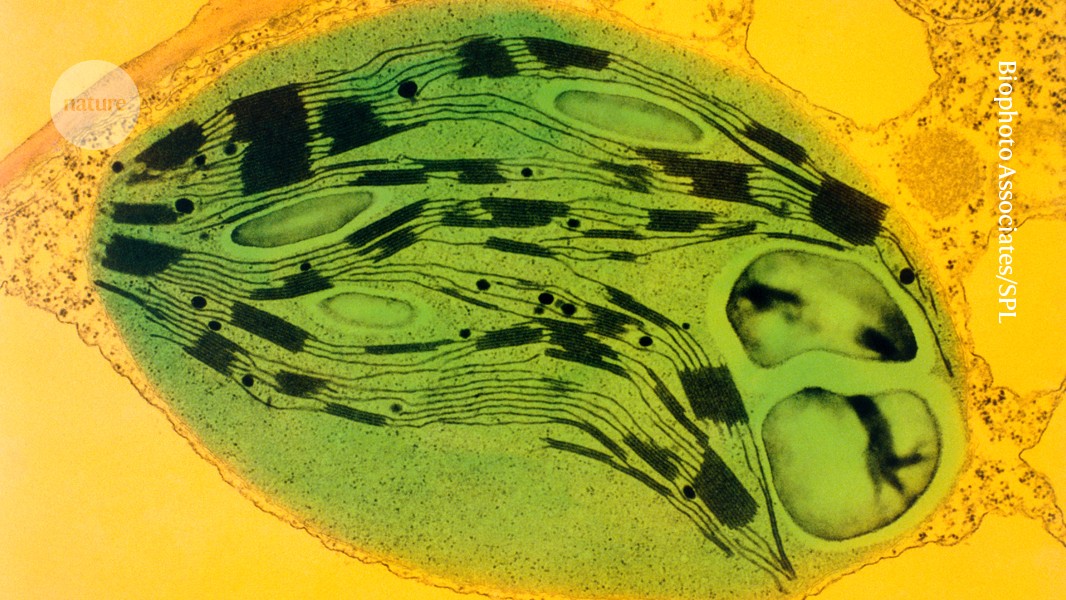
🌱
Mouse eyes photosynthesize after plant-to-animal transplant
Muizenoogjes fotosynthetiseren na plant-naar-dier transplantatie
Les yeux de souris effectuent la photosynthèse après une transplantation de plante à animal
Scientists have made an exciting breakthrough by transplanting chloroplasts from spinach into mouse eyes, enabling them to photosynthesize! This innovative technique could transform light into energy and help manage inflammation. David Tai Leong from the National University of Singapore highlights the potential of using plant technology in animals, which is just fascinating. While it may seem like a party trick now, the possibilities for future research and therapies are truly inspiring.
Wetenschappers hebben een spannende doorbraak bereikt door chloroplasten van spinazie in muizenoogjes te transplanteren, waardoor ze kunnen fotosynthetiseren! Deze innovatieve techniek kan licht omzetten in energie en helpen bij het beheersen van ontstekingen. David Tai Leong van de Nationale Universiteit van Singapore benadrukt het potentieel van het gebruik van planttechnologie in dieren, wat gewoon fascinerend is. Hoewel het nu als een kunstje lijkt, zijn de mogelijkheden voor toekomstig onderzoek en therapieën echt inspirerend.
Les scientifiques ont réalisé une avancée passionnante en transplantant des chloroplastes d'épinard dans les yeux de souris, leur permettant de photosynthétiser ! Cette technique innovante pourrait transformer la lumière en énergie et aider à gérer l'inflammation. David Tai Leong de l'Université nationale de Singapour souligne le potentiel d'utiliser la technologie végétale chez les animaux, ce qui est tout simplement fascinant. Bien que cela puisse sembler un tour de magie pour l'instant, les possibilités de recherche future et de thérapies sont vraiment inspirantes.
🧠
Blood tests for alzheimer approved in Europe: a game-changer for accessibility
Bloedtesten voor alzheimer Europees goedgekeurd: een game-changer voor toegankelijkheid
Tests sanguins pour Alzheimer approuvés en Europe : un changement de jeu pour l'accessibilité
For the first time in Europe, two blood tests have been approved for detecting Alzheimer's disease, which is fantastic news! These tests will make it easier and cheaper to check for early memory issues compared to traditional methods like spinal taps or brain scans. Roche and Fujirebio have developed these tests, and experts are calling them a game-changer in the field. With this new approach, more people will likely get diagnosed earlier, which is such a positive step forward.
Voor het eerst zijn in Europa twee bloedtesten goedgekeurd voor het opsporen van de ziekte van Alzheimer, wat fantastisch nieuws is! Deze testen maken het gemakkelijker en goedkoper om vroegtijdige geheugenproblemen te controleren in vergelijking met traditionele methoden zoals ruggenprikken of hersenscans. Roche en Fujirebio hebben deze testen ontwikkeld, en experts noemen ze een game-changer op dit gebied. Met deze nieuwe aanpak zullen waarschijnlijk meer mensen eerder gediagnosticeerd worden, wat een positieve stap voorwaarts is.
Pour la première fois en Europe, deux tests sanguins ont été approuvés pour détecter la maladie d'Alzheimer, ce qui est une excellente nouvelle ! Ces tests faciliteront et rendront moins coûteux le dépistage des problèmes de mémoire précoces par rapport aux méthodes traditionnelles comme les ponctions lombaires ou les scanners cérébraux. Roche et Fujirebio ont développé ces tests, et les experts les qualifient de changement de jeu dans le domaine. Avec cette nouvelle approche, il est probable que davantage de personnes soient diagnostiquées plus tôt, ce qui est un pas positif en avant.

🌟
Japan's eldercare systems are something to learn from
Japanse ouderenzorg, daar kunnen we iets van leren
Pendant trois ans, j'ai parcouru le monde à la recherche de réponses aux grands problèmes de l'Europe - voici ce que j'ai trouvé
I recently discovered some fascinating solutions to Europe's pressing challenges while exploring Japan's innovative approaches to eldercare. In Fujisawa, for example, schoolchildren help pensioners with homework, creating a vibrant multigenerational community. Japan's long-term care insurance system is a standout, allowing individuals to choose their care services, which promotes dignity and independence. It's clear that with a bit of imagination and political courage, Europe could learn a lot from these practices to improve its own healthcare and social systems.
Ik ontdekte onlangs enkele fascinerende oplossingen voor de dringende uitdagingen van Europa terwijl ik de innovatieve benaderingen van Japan voor ouderenzorg verkende. In Fujisawa helpen bijvoorbeeld schoolkinderen gepensioneerden met hun huiswerk, wat een levendige multigeneratiegemeenschap creëert. Het langetermijnzorgverzekeringssysteem van Japan is een hoogtepunt, omdat het individuen in staat stelt hun zorgdiensten te kiezen, wat waardigheid en onafhankelijkheid bevordert. Het is duidelijk dat Europa met een beetje verbeeldingskracht en politieke moed veel van deze praktijken kan leren om zijn eigen gezondheidszorg- en sociale systemen te verbeteren.
J'ai récemment découvert des solutions fascinantes aux défis pressants de l'Europe en explorant les approches innovantes du Japon en matière de soins aux personnes âgées. À Fujisawa, par exemple, des écoliers aident des retraités avec leurs devoirs, créant ainsi une communauté multigénérationnelle dynamique. Le système d'assurance soins de longue durée du Japon est remarquable, car il permet aux individus de choisir leurs services de soins, ce qui favorise la dignité et l'indépendance. Il est clair qu'avec un peu d'imagination et de courage politique, l'Europe pourrait beaucoup apprendre de ces pratiques pour améliorer ses propres systèmes de santé et sociaux.
😊
Psychologists say these four ‘savoring techniques’ trick our minds into feeling instantly happier
Psychologen zeggen dat deze vier 'savoring technieken' onze geest op instant gelukkiger maken
Les psychologues disent que ces quatre techniques de 'savoring' trompent notre esprit pour se sentir instantanément plus heureux
So, happiness isn’t just about luck or genetics, right? According to psychologist Arthur C. Brooks, there are four savoring techniques that can help us boost our mood instantly. First, he suggests behavioral display, like smiling even when you don’t feel like it. Then, being present in the moment, celebrating positive experiences with others, and even engaging in positive mental time travel can make a big difference in how we feel.
Dus, geluk gaat niet alleen om geluk of genetica, toch? Volgens psycholoog Arthur C. Brooks zijn er vier savoring technieken die ons humeur direct kunnen verbeteren. Ten eerste stelt hij gedragsuitdrukking voor, zoals glimlachen, zelfs als je je er niet zo naar voelt. Vervolgens kan aanwezig zijn in het moment, positieve ervaringen met anderen vieren en zelfs positieve mentale tijdreizen een groot verschil maken in hoe we ons voelen.
Alors, le bonheur ne dépend pas seulement de la chance ou de la génétique, n'est-ce pas ? Selon le psychologue Arthur C. Brooks, il existe quatre techniques de 'savoring' qui peuvent instantanément améliorer notre humeur. Tout d'abord, il suggère l'expression comportementale, comme sourire même quand on n'en a pas envie. Ensuite, être présent dans le moment, célébrer des expériences positives avec les autres et même s'engager dans un voyage mental positif dans le temps peuvent faire une grande différence dans notre ressenti.

♻️
Shanghai achieves 98% industrial recycling rates after 2019 waste management plan
Shanghai behaalt 98% recyclingpercentage voor industrie na afvalbeheerplan van 2019
Shanghai atteint 98% de taux de recyclage industriel après le plan de gestion des déchets de 2019
Shanghai has made remarkable strides in waste management since 2019, achieving a 98% reduction in industrial waste. While household recycling rates have climbed to 45%, the city's population of 25 million makes this a significant accomplishment. Local companies are innovating by turning waste into resources, like CSMET, which transforms aluminum scraps into new products. With initiatives like composting and stricter waste sorting regulations, Shanghai is setting a positive example for urban sustainability.
Shanghai heeft opmerkelijke vooruitgang geboekt in afvalbeheer sinds 2019, met een vermindering van 98% van het industriële afval. Terwijl het recyclingpercentage van huishoudelijk afval is gestegen tot 45%, maakt de bevolking van 25 miljoen deze prestatie aanzienlijk. Lokale bedrijven innoveren door afval om te zetten in grondstoffen, zoals CSMET, dat aluminiumschroot omzet in nieuwe producten. Met initiatieven zoals composteren en strengere afvalscheidingsregels stelt Shanghai een positief voorbeeld voor stedelijke duurzaamheid.
Shanghai a réalisé des progrès remarquables en gestion des déchets depuis 2019, atteignant une réduction de 98% des déchets industriels. Bien que les taux de recyclage des ménages aient atteint 45%, la population de 25 millions de la ville rend cet accomplissement significatif. Des entreprises locales innovent en transformant les déchets en ressources, comme CSMET, qui transforme les chutes d'aluminium en nouveaux produits. Avec des initiatives comme le compostage et des réglementations plus strictes sur le tri des déchets, Shanghai donne un exemple positif de durabilité urbaine.
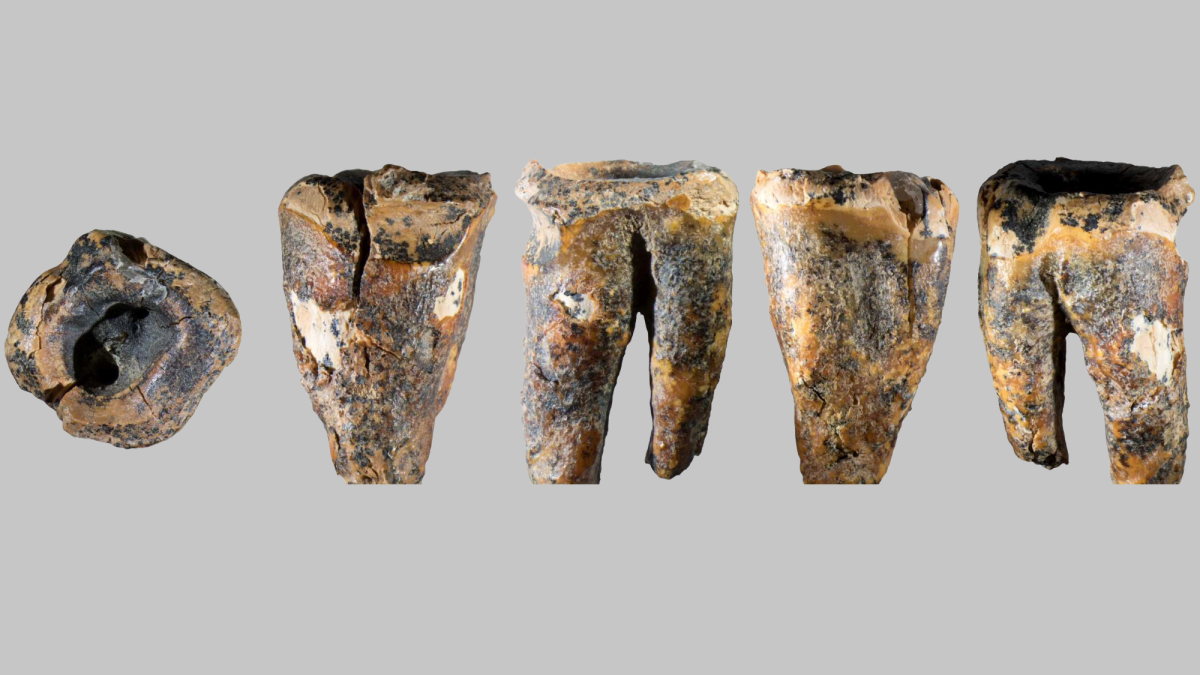
🦷
Neanderthal ‘dentists’ treated cavities 59,000 years ago
Neanderthal 'tandartsen' behandelden gaatjes 59.000 jaar geleden
Des 'dentistes' néandertaliens ont traité des caries il y a 59 000 ans
Isn't it fascinating that Neanderthals, often seen as primitive, might have been performing dental work 59,000 years ago? Recent research shows they treated cavities with remarkable skill, using tools similar to those we find today. A team discovered a molar with signs of intentional drilling, suggesting these ancient humans understood how to alleviate pain. This discovery not only challenges our view of Neanderthal intelligence but also highlights their ability to perform complex medical interventions.
Is het niet fascinerend dat Neanderthalers, vaak gezien als primitief, 59.000 jaar geleden mogelijk tandheelkundige ingrepen uitvoerden? Recent onderzoek toont aan dat ze gaatjes behandelden met opmerkelijke vaardigheid, met behulp van gereedschappen die lijken op die van vandaag. Een team ontdekte een kies met tekenen van opzettelijk boren, wat suggereert dat deze oude mensen begrepen hoe ze pijn konden verlichten. Deze ontdekking daagt niet alleen ons beeld van de intelligentie van Neanderthalers uit, maar benadrukt ook hun vermogen om complexe medische ingrepen uit te voeren.
N'est-il pas fascinant que les néandertaliens, souvent considérés comme primitifs, aient pu effectuer des soins dentaires il y a 59 000 ans ? Des recherches récentes montrent qu'ils traitaient les caries avec une habileté remarquable, utilisant des outils similaires à ceux que nous trouvons aujourd'hui. Une équipe a découvert une molaire présentant des signes de perçage intentionnel, suggérant que ces humains anciens comprenaient comment soulager la douleur. Cette découverte remet en question notre vision de l'intelligence néandertalienne et met en lumière leur capacité à réaliser des interventions médicales complexes.
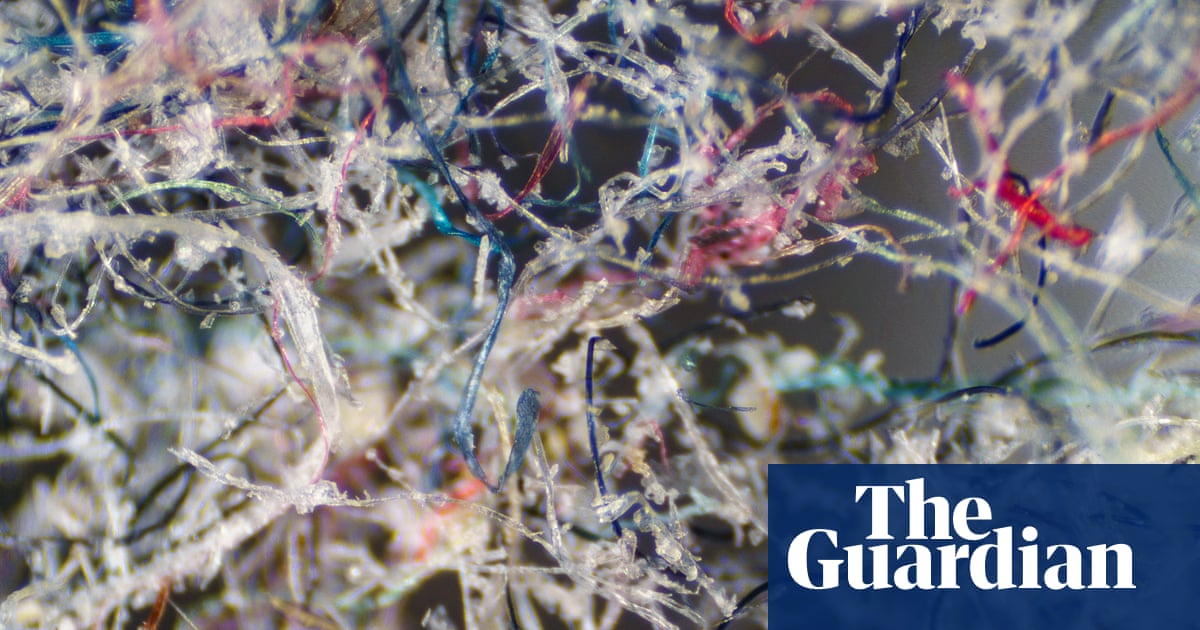
🌊
You have to be where the pollution is: the inventor hoping to fix your washing machine to stop microplastics
Je moet daar zijn waar de vervuiling is: de uitvinder die hoopt je wasmachine te repareren om microplastics te stoppen
Vous devez être là où se trouve la pollution : l'inventeur espérant réparer votre machine à laver pour arrêter les microplastiques
Isn't it amazing how a small device can make such a big difference? Adam Root has created a microplastics filter that fits right above your washing machine, capturing up to 97% of harmful microfibres. After just a few washes, users are shocked by the amount of waste collected, which highlights the scale of the problem. With plans to expand into the US, this innovation could be a game changer for our oceans and waterways.
Is het niet geweldig hoe een klein apparaat zo'n groot verschil kan maken? Adam Root heeft een microplasticsfilter ontwikkeld dat boven je wasmachine past en tot 97% van de schadelijke microvezels opvangt. Na slechts een paar wasbeurten zijn gebruikers geschokt door de hoeveelheid afval die wordt verzameld, wat de omvang van het probleem benadrukt. Met plannen om naar de VS uit te breiden, zou deze innovatie een keerpunt kunnen zijn voor onze oceanen en waterwegen.
N'est-ce pas incroyable qu'un petit dispositif puisse faire une si grande différence ? Adam Root a créé un filtre à microplastiques qui se fixe au-dessus de votre machine à laver, capturant jusqu'à 97 % des microfibres nocives. Après seulement quelques lavages, les utilisateurs sont choqués par la quantité de déchets collectés, ce qui met en évidence l'ampleur du problème. Avec des projets d'expansion aux États-Unis, cette innovation pourrait changer la donne pour nos océans et nos voies navigables.

🎶
Sea shanties actually help people work together better
Zeemanliederen helpen mensen echt beter samenwerken
Les chants de marins aident réellement les gens à mieux travailler ensemble
So, it turns out that those catchy sea shanties we’ve been hearing are more than just fun tunes—they actually help people work better together! Researchers at Austria’s Central European University found that these rhythmic songs keep laborers in sync, preventing them from speeding up their tasks unintentionally. This phenomenon, known as joint rushing, can happen even among trained musicians. The study highlights how music can enhance teamwork and productivity in various work settings.
Dus, het blijkt dat die catchy zeemanliederen die we horen meer zijn dan alleen leuke deuntjes - ze helpen mensen echt beter samenwerken! Onderzoekers aan de Centrale Europese Universiteit in Oostenrijk ontdekten dat deze ritmische liedjes arbeiders in sync houden, waardoor ze onbedoeld niet sneller gaan werken. Dit fenomeen, bekend als gezamenlijk haasten, kan zelfs gebeuren bij getrainde muzikanten. De studie benadrukt hoe muziek teamwork en productiviteit in verschillende werkomgevingen kan verbeteren.
Alors, il s'avère que ces chants de marins entraînants que nous entendons sont plus que de simples mélodies amusantes - ils aident réellement les gens à mieux travailler ensemble ! Des chercheurs de l'Université Centrale Européenne en Autriche ont découvert que ces chansons rythmiques aident les travailleurs à rester synchronisés, les empêchant d'accélérer leurs tâches de manière involontaire. Ce phénomène, connu sous le nom de précipitation conjointe, peut même se produire chez des musiciens entraînés. L'étude met en lumière comment la musique peut améliorer le travail d'équipe et la productivité dans divers environnements de travail.
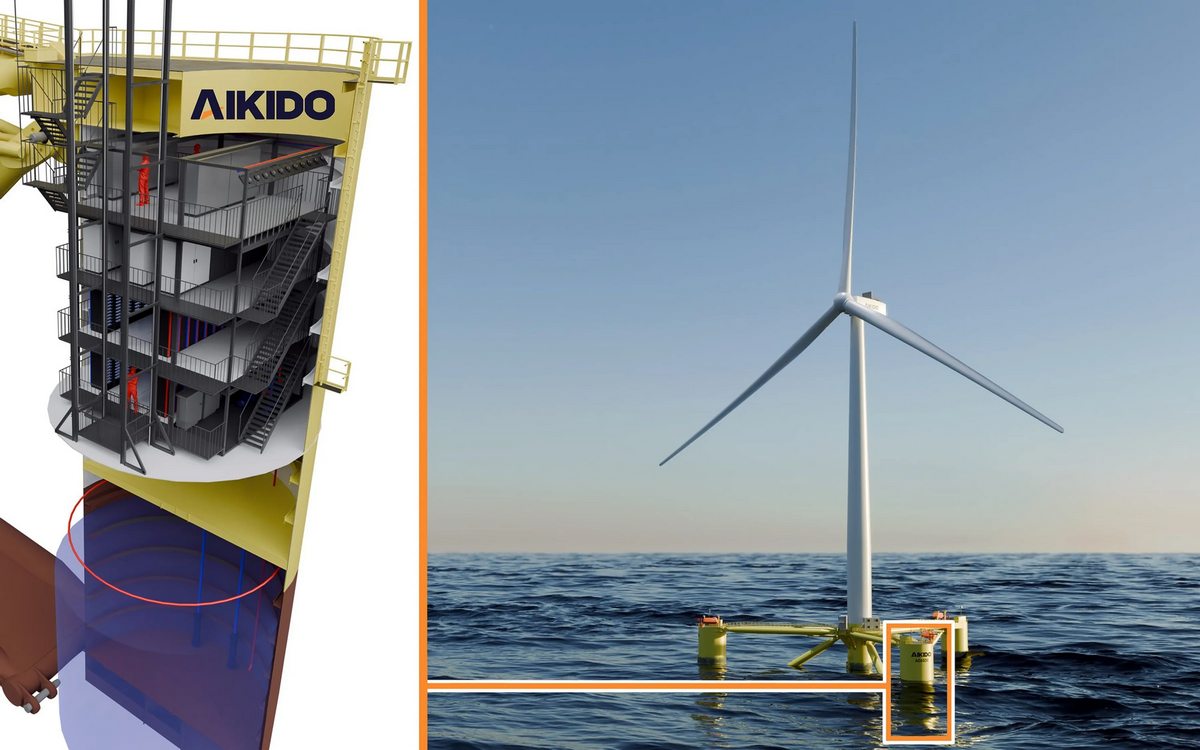
🌊
Offshore wind turbine prototype powers an onboard data center, while the sea disperses the heat
Prototype van offshore windturbine voedt een datacenter aan boord, terwijl de zee de warmte verspreidt
Prototype d'éolienne offshore alimentant un centre de données à bord, tandis que la mer disperse la chaleur
How exciting is this? Aikido has created a prototype offshore wind turbine that houses a data center right in its ballast tanks! This innovative design not only harnesses wind energy but also uses the cold ocean water to cool the data banks, making it a win-win for renewable energy and tech. Set to be tested in the North Sea by 2027, this could revolutionize how we think about data centers and their environmental impact. Imagine the possibilities if this prototype leads to full-scale deployment by 2028!
Hoe spannend is dit? Aikido heeft een prototype van een offshore windturbine ontwikkeld die een datacenter in zijn ballasttanks huisvest! Dit innovatieve ontwerp benut niet alleen windenergie, maar gebruikt ook het koude oceaanwater om de databanken te koelen, wat het een win-win maakt voor hernieuwbare energie en technologie. Dit prototype zal in 2027 in de Noordzee worden getest en zou de manier waarop we over datacenters en hun impact op het milieu denken, kunnen revolutioneren. Stel je de mogelijkheden voor als dit prototype leidt tot een grootschalige uitrol in 2028!
À quel point c'est excitant ? Aikido a créé un prototype d'éolienne offshore qui abrite un centre de données dans ses réservoirs de ballast ! Ce design innovant exploite non seulement l'énergie éolienne, mais utilise également l'eau froide de l'océan pour refroidir les banques de données, ce qui en fait un avantage pour l'énergie renouvelable et la technologie. Prévu pour être testé en mer du Nord d'ici 2027, cela pourrait révolutionner notre façon de penser les centres de données et leur impact environnemental. Imaginez les possibilités si ce prototype mène à un déploiement à grande échelle d'ici 2028 !
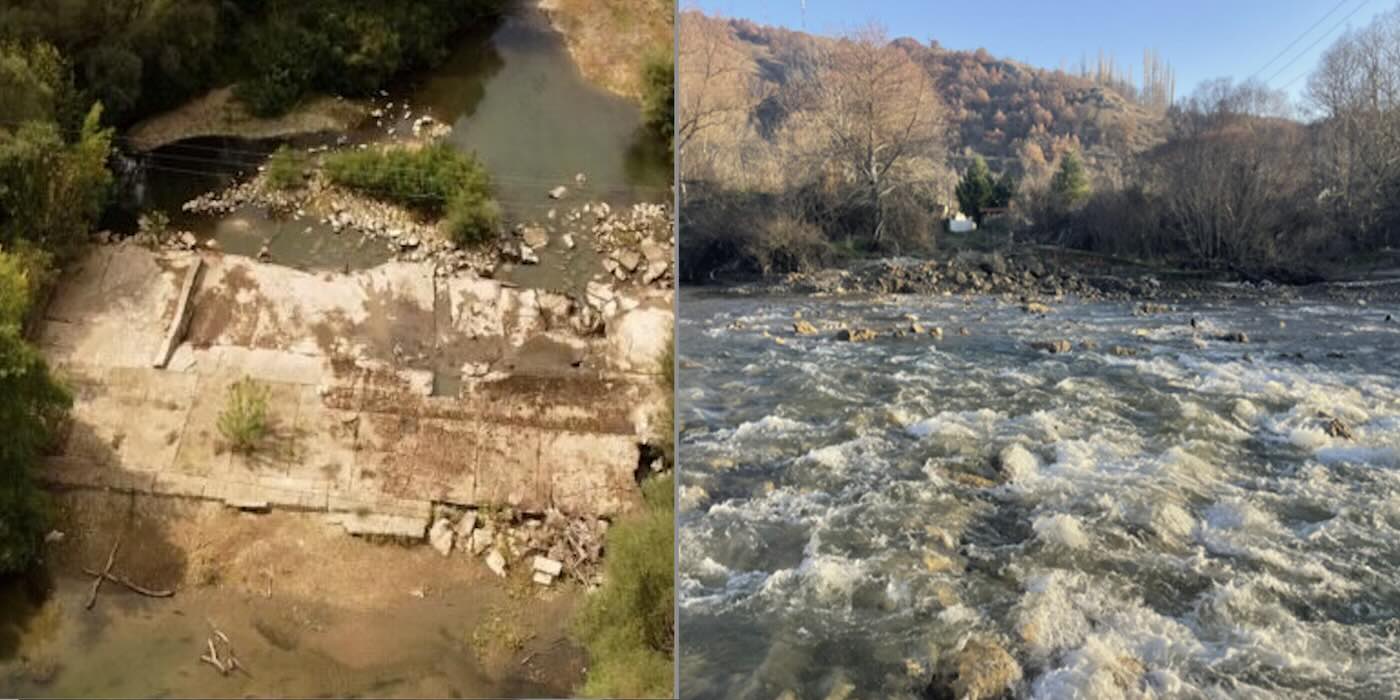
🌊
44 miles of major balkan river freed from wartime concrete obstruction
44 mijl van belangrijke Balkanrivier bevrijd van oorlogsbouwsel
44 miles de grande rivière balkanique libérée de l'obstruction en béton de guerre
In a fantastic turn of events, the Pchinja River in North Macedonia is now flowing freely after the removal of a wartime concrete barrier. This obstruction, built during World War II, had stifled the river's flow for over 40 miles, harming local fish and water quality. Thanks to the efforts of Eco Awareness and local authorities, this significant environmental milestone has been achieved. It's heartening to see such strong public support for river conservation, with 91% of locals backing the removal of unnecessary barriers.
In een fantastische wending stroomt de Pchinja-rivier in Noord-Macedonië nu vrij nadat een betonnen obstakel uit de oorlog is verwijderd. Deze obstructie, gebouwd tijdens de Tweede Wereldoorlog, had de stroom van de rivier meer dan 40 mijl belemmerd, wat schadelijk was voor de lokale vissen en de waterkwaliteit. Dankzij de inspanningen van Eco Awareness en lokale autoriteiten is deze belangrijke milieumijlpaal bereikt. Het is bemoedigend om te zien dat er zo'n sterke publieke steun is voor rivierbescherming, met 91% van de inwoners die de verwijdering van onnodige obstakels steunt.
Dans un tournant fantastique, la rivière Pchinja en Macédoine du Nord coule désormais librement après le retrait d'une barrière en béton de guerre. Cet obstacle, construit pendant la Seconde Guerre mondiale, avait étouffé l'écoulement de la rivière sur plus de 40 miles, nuisant aux poissons locaux et à la qualité de l'eau. Grâce aux efforts d'Eco Awareness et des autorités locales, cette étape environnementale significative a été atteinte. Il est réconfortant de voir un tel soutien public pour la conservation des rivières, avec 91% des habitants soutenant la suppression des obstacles inutiles.
🌟
How an ‘impossible’ idea led to a pancreatic cancer breakthrough
Hoe een 'onmogelijk' idee leidde tot een doorbraak bij alvleesklierkanker
Comment une idée 'impossible' a conduit à une percée dans le cancer du pancréas
So, there's this fascinating story about how a seemingly impossible idea turned into a major breakthrough for pancreatic cancer treatment. Researchers have been working tirelessly, and their innovative approach is showing real promise. It's incredible to think how creativity and determination can lead to such significant advancements in health. This could change the lives of many people facing this tough battle.
Dus, er is dit fascinerende verhaal over hoe een ogenschijnlijk onmogelijk idee leidde tot een grote doorbraak in de behandeling van alvleesklierkanker. Onderzoekers hebben onvermoeibaar gewerkt en hun innovatieve aanpak toont echt veelbelovende resultaten. Het is ongelooflijk om te bedenken hoe creativiteit en vastberadenheid kunnen leiden tot zulke belangrijke vooruitgangen in de gezondheidszorg. Dit zou het leven van veel mensen die deze zware strijd aangaan, kunnen veranderen.
Alors, il y a cette histoire fascinante sur la façon dont une idée apparemment impossible s'est transformée en une percée majeure pour le traitement du cancer du pancréas. Les chercheurs ont travaillé sans relâche, et leur approche innovante montre de réels espoirs. C'est incroyable de penser comment la créativité et la détermination peuvent mener à des avancées aussi significatives en matière de santé. Cela pourrait changer la vie de nombreuses personnes confrontées à cette dure bataille.
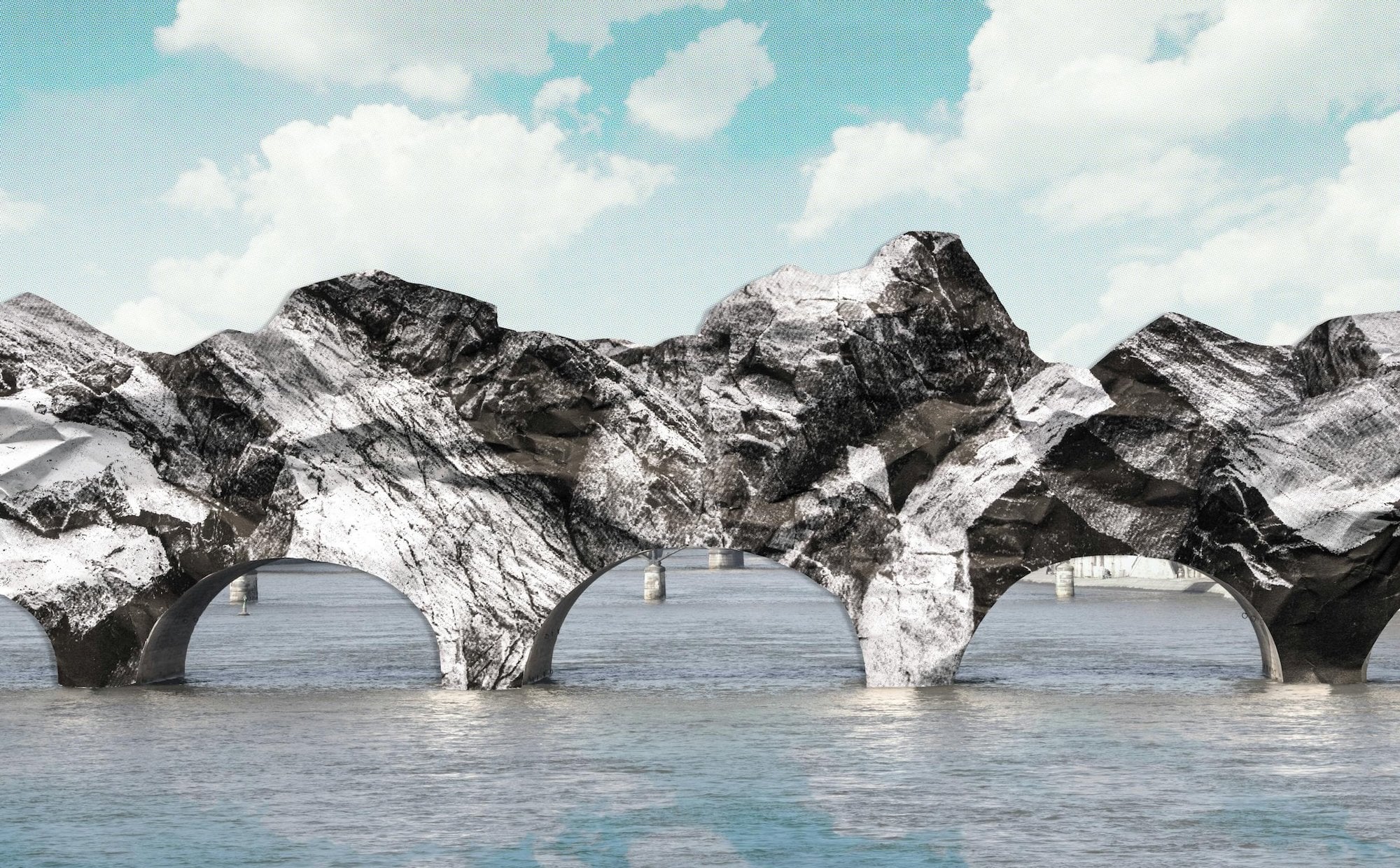
🎨
Pont Neuf to be wrapped again as a tribute to Christo and Jeanne-Claude
Pont Neuf wordt opnieuw 'ingepakt' als eerbetoon aan Christo en Jeanne-Claude
Le Pont Neuf sera à nouveau 'emballé' en hommage à Christo et Jeanne-Claude
So, the iconic Pont Neuf in Paris is set to be wrapped in a giant cloth, thanks to the talented artist JR! This stunning installation is a tribute to the legendary duo Christo and Jeanne-Claude, who did something similar 40 years ago. From June 6 to 28, 2026, visitors will have the chance to experience this unique artwork up close. It's exciting to see how JR aims to highlight the bridge's stone structure while honoring the past.
Dus, de iconische Pont Neuf in Parijs zal worden ingepakt in een gigantische doek, dankzij de getalenteerde kunstenaar JR! Deze verbluffende installatie is een eerbetoon aan het legendarische duo Christo en Jeanne-Claude, die 40 jaar geleden iets soortgelijks deden. Van 6 tot 28 juni 2026 zullen bezoekers de kans krijgen om deze unieke kunstwerk van dichtbij te ervaren. Het is spannend om te zien hoe JR de stenen structuur van de brug wil benadrukken terwijl hij het verleden eert.
Alors, le célèbre Pont Neuf à Paris sera enveloppé dans un immense tissu, grâce à l'artiste talentueux JR ! Cette installation époustouflante est un hommage au duo légendaire Christo et Jeanne-Claude, qui ont réalisé quelque chose de similaire il y a 40 ans. Du 6 au 28 juin 2026, les visiteurs auront la chance de découvrir cette œuvre d'art unique de près. C'est passionnant de voir comment JR vise à mettre en valeur la structure en pierre du pont tout en rendant hommage au passé.
💬
Dutch grocery store add slow lane for elderly customers who want to chat
Nederlandse supermarkt voegt langzame kassa toe voor oudere klanten die willen kletsen
Supermarché néerlandais ajoute une caisse lente pour les clients âgés qui veulent discuter
Jumbo, a popular Dutch supermarket chain, has introduced a special checkout lane called Kletskassa for elderly customers who want to chat. This initiative, part of the 'One Against Loneliness' campaign, aims to combat loneliness among seniors by providing a relaxed space for conversation. With over 200 of these lanes now available, customers can take their time without feeling rushed. It's a heartwarming example of how a grocery store can play a vital role in community well-being.
Jumbo, een populaire Nederlandse supermarktketen, heeft een speciale kassa genaamd Kletskassa geïntroduceerd voor oudere klanten die willen kletsen. Dit initiatief, onderdeel van de campagne 'Één Tegen Eenzaamheid', heeft als doel eenzaamheid onder senioren te bestrijden door een ontspannen ruimte voor gesprek te bieden. Met meer dan 200 van deze kassa's beschikbaar, kunnen klanten de tijd nemen zonder zich gehaast te voelen. Het is een hartverwarmend voorbeeld van hoe een supermarkt een belangrijke rol kan spelen in het welzijn van de gemeenschap.
Jumbo, une chaîne de supermarchés néerlandaise populaire, a introduit une caisse spéciale appelée Kletskassa pour les clients âgés qui souhaitent discuter. Cette initiative, faisant partie de la campagne 'Un contre la solitude', vise à lutter contre la solitude chez les personnes âgées en offrant un espace détendu pour la conversation. Avec plus de 200 de ces caisses disponibles, les clients peuvent prendre leur temps sans se sentir pressés. C'est un exemple réconfortant de la façon dont un supermarché peut jouer un rôle vital dans le bien-être de la communauté.
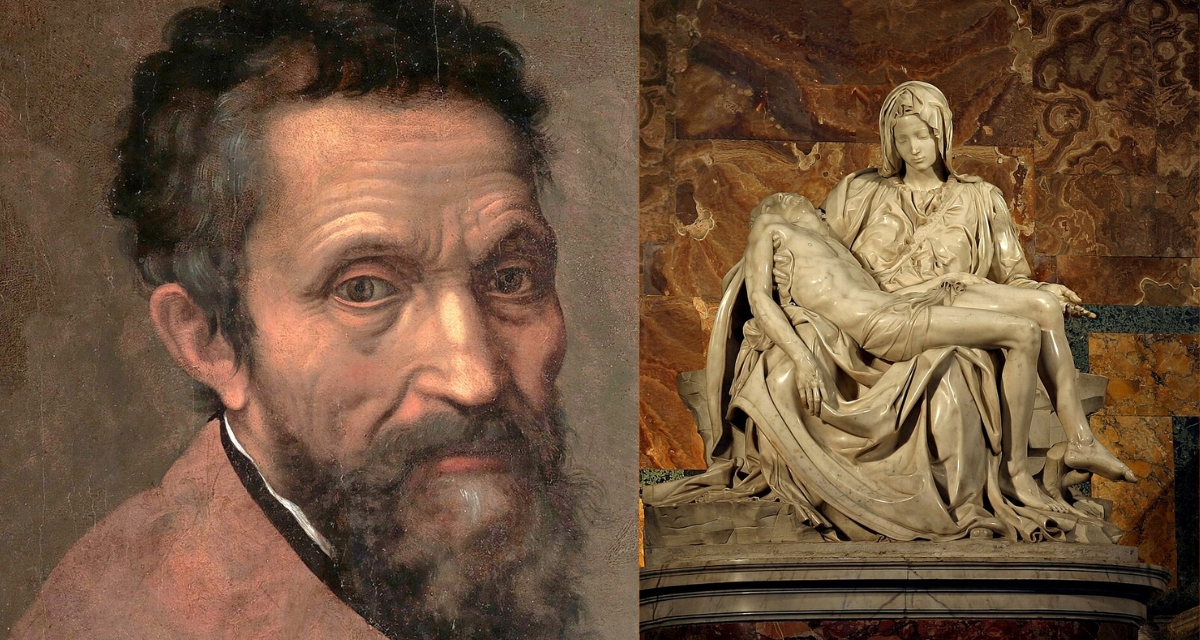
🌟
The ‘Michelangelo Effect’ is a phenomenon that can positively strengthen all relationships
Het ‘Michelangelo-effect’ is een fenomeen dat alle relaties positief kan versterken
L'effet 'Michel-Ange' est un phénomène qui peut renforcer positivement toutes les relations
So, have you ever thought about how our relationships can shape who we are? The 'Michelangelo Effect' suggests that when someone sees the best in us, it can really help us reach our potential. This idea, popularized by Chris Williamson and Matthew McConaughey, emphasizes that good friends and partners encourage us to be our best selves. It's all about mutual support and growth, which can lead to deeper connections and personal development.
Heb je ooit nagedacht over hoe onze relaties ons kunnen vormen? Het 'Michelangelo-effect' suggereert dat wanneer iemand het beste in ons ziet, dit ons echt kan helpen ons potentieel te bereiken. Dit idee, gepopulariseerd door Chris Williamson en Matthew McConaughey, benadrukt dat goede vrienden en partners ons aanmoedigen om ons beste zelf te zijn. Het draait allemaal om wederzijdse steun en groei, wat kan leiden tot diepere verbindingen en persoonlijke ontwikkeling.
Avez-vous déjà pensé à la façon dont nos relations peuvent façonner qui nous sommes ? L'effet 'Michel-Ange' suggère que lorsque quelqu'un voit le meilleur en nous, cela peut vraiment nous aider à atteindre notre potentiel. Cette idée, popularisée par Chris Williamson et Matthew McConaughey, souligne que de bons amis et partenaires nous encouragent à être notre meilleur moi. Tout tourne autour du soutien mutuel et de la croissance, ce qui peut conduire à des connexions plus profondes et à un développement personnel.
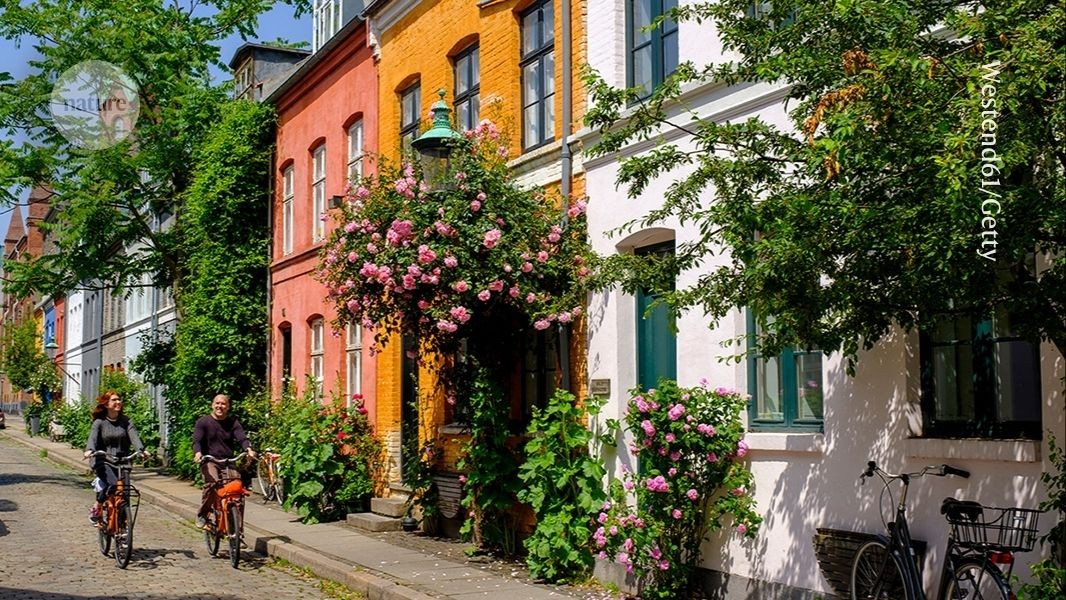
🌍
Giant map reveals thousands of cities worldwide with successful green policies
Giant map onthult duizenden steden wereldwijd met succesvolle groene beleidsmaatregelen
Une carte géante révèle des milliers de villes dans le monde avec des politiques vertes réussies
So, it turns out that many cities are breaking free from the fossil fuel trap! A new study shows that 80% of the world's biggest cities are achieving economic growth while cutting down on greenhouse gas emissions. This research highlights how urban areas can lead the charge in sustainability, which is super exciting. Almost 2,000 cities have embraced green policies, proving that a prosperous future doesn't have to come at the planet's expense.
Het blijkt dat veel steden zich bevrijden van de afhankelijkheid van fossiele brandstoffen! Een nieuwe studie toont aan dat 80% van de grootste steden ter wereld economische groei bereikt terwijl ze de uitstoot van broeikasgassen verminderen. Dit onderzoek benadrukt hoe stedelijke gebieden de leiding kunnen nemen in duurzaamheid, wat ontzettend spannend is. Bijna 2.000 steden hebben groene beleidsmaatregelen omarmd, wat bewijst dat een welvarende toekomst niet ten koste van de planeet hoeft te gaan.
Il s'avère que de nombreuses villes se libèrent de la dépendance aux combustibles fossiles ! Une nouvelle étude montre que 80 % des plus grandes villes du monde connaissent une croissance économique tout en réduisant les émissions de gaz à effet de serre. Cette recherche souligne comment les zones urbaines peuvent mener la charge en matière de durabilité, ce qui est très excitant. Près de 2 000 villes ont adopté des politiques vertes, prouvant qu'un avenir prospère ne doit pas se faire au détriment de la planète.
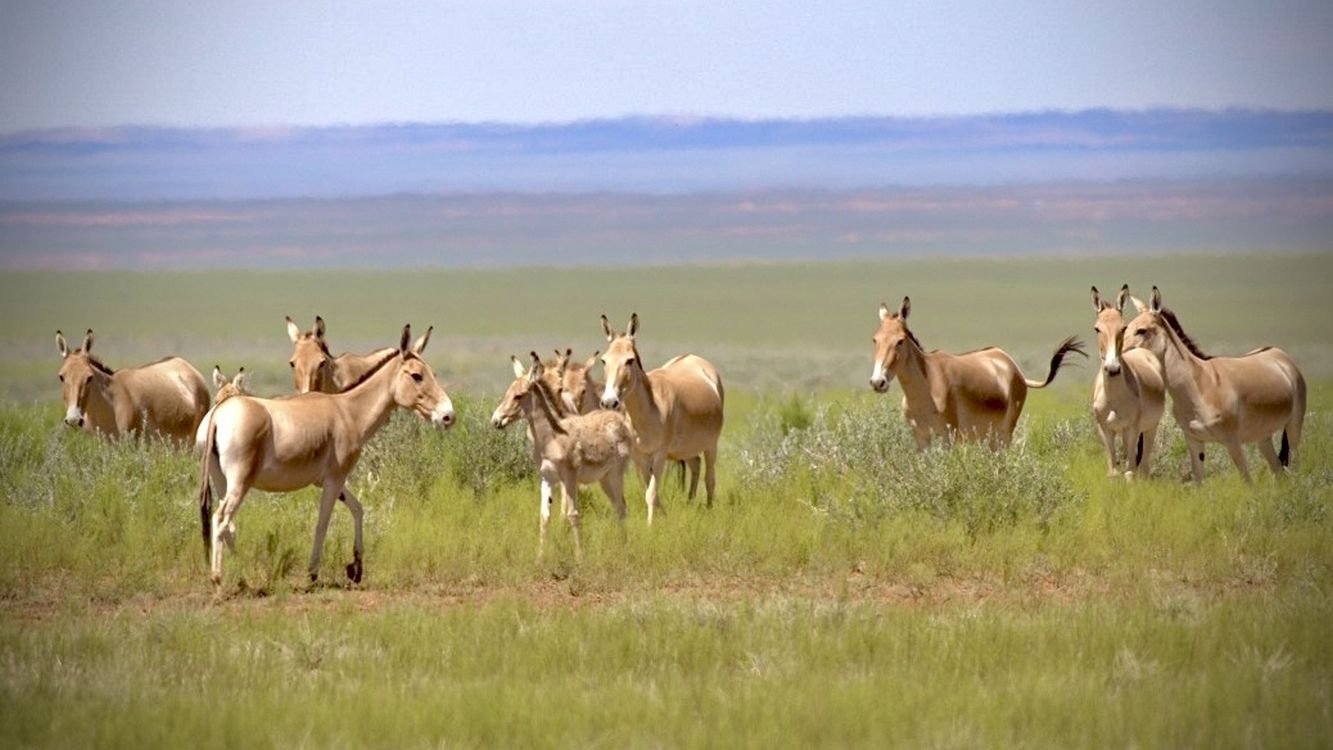
🌍
Asiatic wild ass returns to eastern mongolia after 65-year isolation from landscape fencing
Asiatische wilde ezel keert terug naar oost-mongolië na 65 jaar isolatie door landschapshekken
L'âne sauvage asiatique revient en mongolie orientale après 65 ans d'isolement dû aux clôtures paysagères
How exciting is it that the Asiatic wild ass, or khulan, is back in eastern Mongolia after more than 65 years? Thanks to recent efforts to remove fencing along the Trans-Mongolian Railway, these magnificent creatures are now able to roam their ancestral lands again. Collaborative work between conservation groups and the government has made a real difference, allowing khulan to cross safely and even form groups in the area. This is a fantastic win for wildlife conservation and a hopeful sign for the future of Mongolia's steppe ecosystem!
Wat spannend is het dat de Asiatische wilde ezel, of khulan, terug is in oost-mongolië na meer dan 65 jaar? Dankzij recente inspanningen om hekken langs de Trans-Mongoolse Spoorweg te verwijderen, kunnen deze prachtige wezens nu weer over hun voorouderlijke grondgebieden zwerven. Samenwerking tussen natuurbeschermingsgroepen en de overheid heeft echt een verschil gemaakt, waardoor khulan veilig kan oversteken en zelfs groepen in het gebied kan vormen. Dit is een fantastische overwinning voor natuurbescherming en een hoopvol teken voor de toekomst van het ecosysteem van de Mongoolse steppe!
Quelle excitation de voir que l'âne sauvage asiatique, ou khulan, est de retour en mongolie orientale après plus de 65 ans ! Grâce aux efforts récents pour enlever les clôtures le long de la Trans-Mongolian Railway, ces magnifiques créatures peuvent à nouveau parcourir leurs terres ancestrales. Le travail collaboratif entre les groupes de conservation et le gouvernement a vraiment fait la différence, permettant aux khulan de traverser en toute sécurité et même de former des groupes dans la région. C'est une victoire fantastique pour la conservation de la faune et un signe d'espoir pour l'avenir de l'écosystème de la steppe mongole !
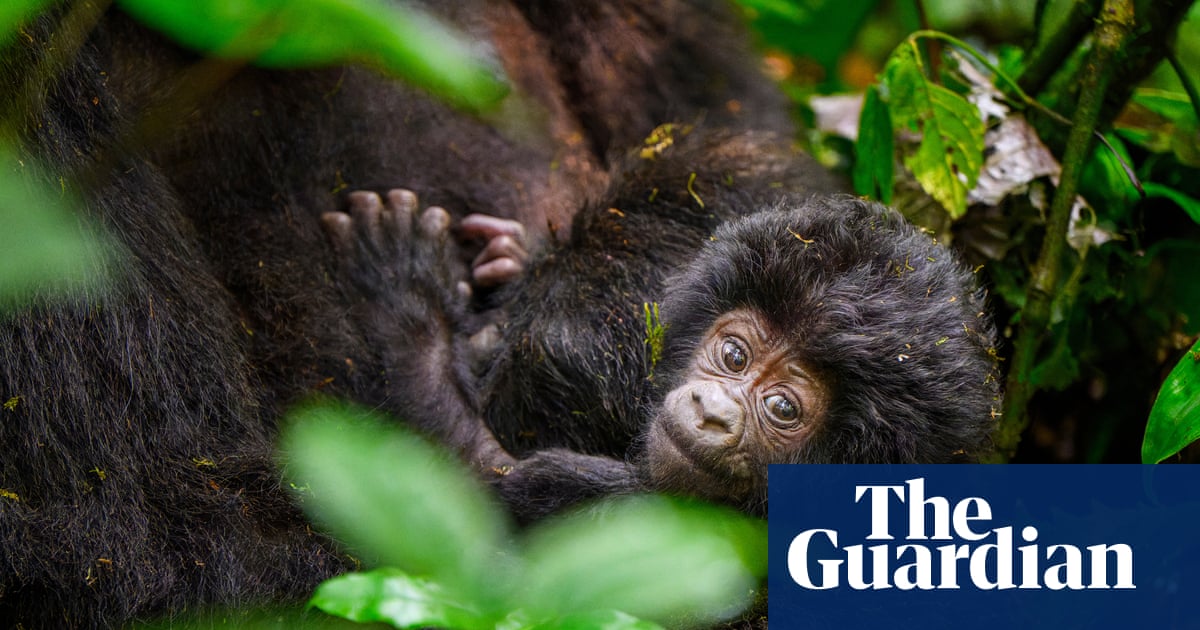
🦍
Newborns to silverbacks: counting mountain gorillas in Uganda – in pictures
Pasgeborenen tot zilverruggen: het tellen van berggorilla's in Oeganda - in foto's
Des nouveau-nés aux dos argentés : compter les gorilles de montagne en Ouganda - en images
It's absolutely heartwarming to see the latest mountain gorilla census in Uganda, especially through the lens of National Geographic photographer Jasper Doest. The newborn gorillas are a symbol of hope, showing just how far these magnificent creatures have come from the brink of extinction. The conservation teams working tirelessly in Bwindi Impenetrable National Park are doing an incredible job, and their dedication is truly inspiring. Each photo captures not just the gorillas but also the people committed to ensuring their survival.
Het is absoluut hartverwarmend om de nieuwste telling van berggorilla's in Oeganda te zien, vooral door de lens van National Geographic-fotograaf Jasper Doest. De pasgeboren gorilla's zijn een symbool van hoop en tonen aan hoe ver deze prachtige wezens zijn gekomen van de rand van uitsterven. De conservation teams die onvermoeibaar werken in het Bwindi Impenetrable National Park doen geweldig werk, en hun toewijding is echt inspirerend. Elke foto vangt niet alleen de gorilla's, maar ook de mensen die zich inzetten voor hun overleving.
C'est vraiment réconfortant de voir le dernier recensement des gorilles de montagne en Ouganda, surtout à travers l'objectif du photographe de National Geographic, Jasper Doest. Les nouveau-nés gorilles sont un symbole d'espoir, montrant à quel point ces créatures magnifiques se sont éloignées du bord de l'extinction. Les équipes de conservation qui travaillent sans relâche dans le parc national de Bwindi Impenetrable font un travail incroyable, et leur dévouement est vraiment inspirant. Chaque photo capture non seulement les gorilles, mais aussi les personnes engagées à assurer leur survie.
🌞
Watch this senior beagle experience sunshine for the first time
Bekijk deze senior beagle die voor het eerst zonlicht ervaart
Regardez ce beagle senior découvrir le soleil pour la première fois
It's heartwarming to see a senior beagle experience sunshine for the very first time! Rescued from a life of confinement, this sweet dog lifted her head to the sky and tasted freedom, which is just so beautiful. Organizations like Meracle Paws are doing incredible work to save these gentle souls from a life of hardship. This moment is a reminder of the joy and love that every animal deserves.
Het is hartverwarmend om een senior beagle voor het eerst zonlicht te zien ervaren! Gered uit een leven van opsluiting, tilde deze lieve hond haar hoofd naar de lucht en proefde de vrijheid, wat gewoon prachtig is. Organisaties zoals Meracle Paws doen ongelooflijk werk om deze zachtaardige zielen te redden van een leven vol ontberingen. Dit moment herinnert ons aan de vreugde en liefde die elk dier verdient.
C'est réconfortant de voir un beagle senior découvrir le soleil pour la première fois ! Sauvé d'une vie de confinement, ce doux chien a levé la tête vers le ciel et a goûté à la liberté, ce qui est tout simplement magnifique. Des organisations comme Meracle Paws font un travail incroyable pour sauver ces âmes douces d'une vie de dureté. Ce moment nous rappelle la joie et l'amour que chaque animal mérite.

🌟
Daughters make fathers more sensitive to gender inequalities
Dochter maakt vaders gevoeliger voor genderongelijkheden
Les filles rendent les pères plus sensibles aux inégalités de genre
Having daughters can profoundly change fathers, making them more aware of the daily struggles women face. This phenomenon, known as the 'mighty girl effect', encourages men to open up and reflect on their own beliefs. Studies show that fathers with daughters are more likely to support gender equality and challenge traditional roles. It's fascinating to see how personal experiences can lead to broader social awareness and change.
Vaders met dochters worden vaak bewuster van de uitdagingen waarmee vrouwen dagelijks worden geconfronteerd. Dit fenomeen, het 'mighty girl effect', moedigt mannen aan om zich open te stellen en na te denken over hun eigen overtuigingen. Onderzoek toont aan dat vaders met dochters eerder gendergelijkheid steunen en traditionele rollen in twijfel trekken. Het is fascinerend om te zien hoe persoonlijke ervaringen kunnen leiden tot bredere sociale bewustwording en verandering.
Avoir des filles peut profondément transformer les pères, les rendant plus conscients des luttes quotidiennes des femmes. Ce phénomène, connu sous le nom d'« effet fille », incite les hommes à s'ouvrir et à réfléchir à leurs propres croyances. Des études montrent que les pères de filles sont plus susceptibles de soutenir l'égalité des genres et de remettre en question les rôles traditionnels. C'est fascinant de voir comment des expériences personnelles peuvent conduire à une prise de conscience sociale plus large et au changement.
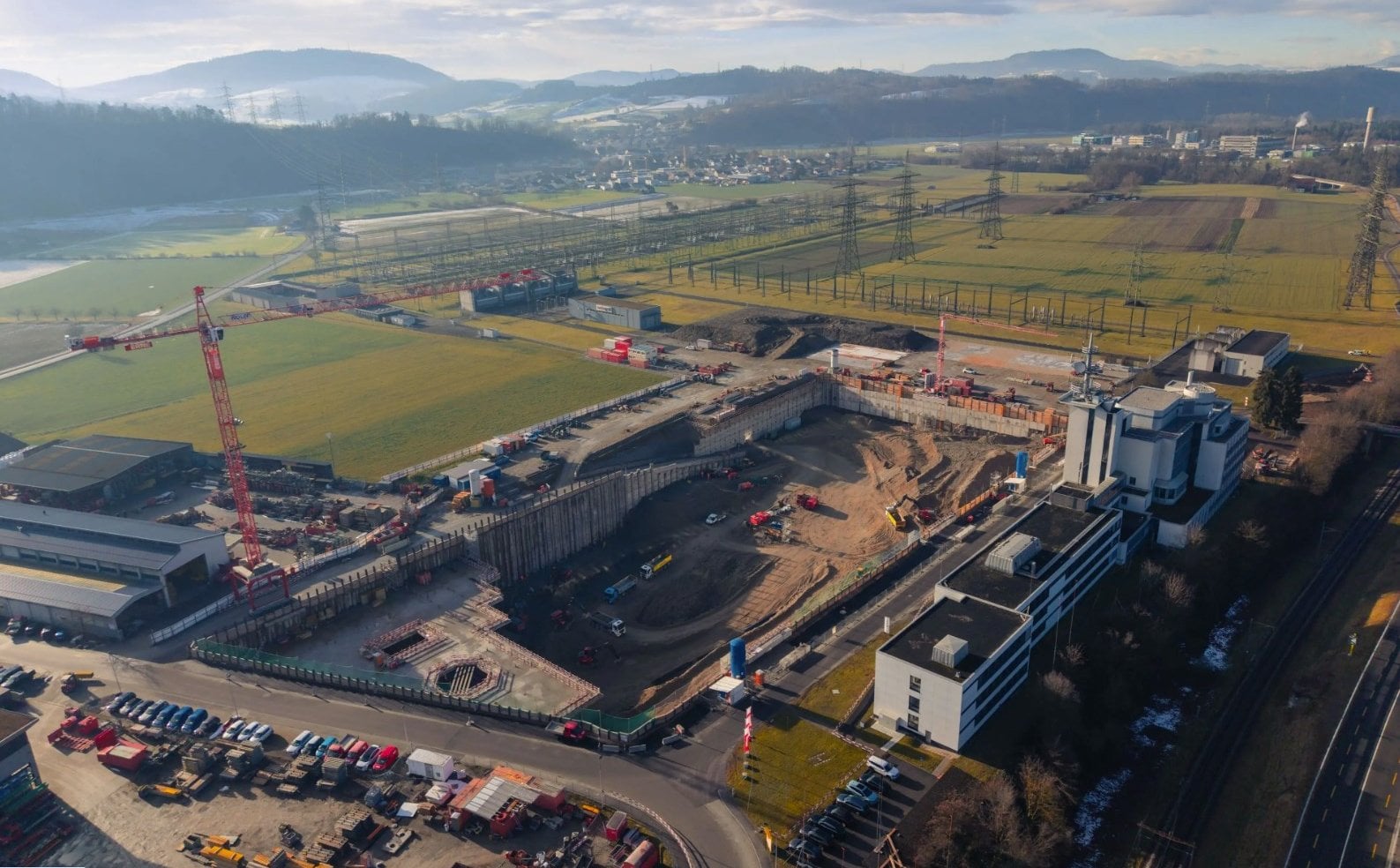
⚡
Giant battery will provide clean energy for Switzerland
Gigantische batterij zorgt voor schone energie voor Zwitserland
Batterie géante fournira une énergie propre à la Suisse
In Switzerland, an exciting energy project is underway with a massive redox flow battery that can power up to 210,000 homes daily. This innovative technology, which dates back to 1879, has been revived by FlexBase after being set aside by NASA. The battery will be installed 27 meters underground, utilizing liquid electrolytes for safe and efficient energy storage. This project promises to stabilize the energy grid and enhance energy security in Switzerland and Europe.
In Zwitserland is een spannend energieproject aan de gang met een enorme redoxstroombatterij die tot 210.000 huizen per dag van stroom kan voorzien. Deze innovatieve technologie, die teruggaat tot 1879, is nieuw leven ingeblazen door FlexBase nadat het door NASA was opgeborgen. De batterij wordt 27 meter onder de grond geïnstalleerd en maakt gebruik van vloeibare elektrolyten voor veilige en efficiënte energieopslag. Dit project belooft het energienet te stabiliseren en de energiezekerheid in Zwitserland en Europa te verbeteren.
En Suisse, un projet énergétique passionnant est en cours avec une immense batterie à flux redox capable d'alimenter jusqu'à 210 000 foyers par jour. Cette technologie innovante, qui remonte à 1879, a été relancée par FlexBase après avoir été mise de côté par la NASA. La batterie sera installée à 27 mètres sous terre, utilisant des électrolytes liquides pour un stockage d'énergie sûr et efficace. Ce projet promet de stabiliser le réseau électrique et d'améliorer la sécurité énergétique en Suisse et en Europe.

🌟
‘Undruggable’ cancer proteins meet their match
‘Undruggable’ kankereiwitten ontmoeten hun gelijke
Des protéines cancéreuses 'indrogables' rencontrent leur maître
I’m really excited about this breakthrough in cancer treatment! A new drug called daraxonrasib has shown amazing results in a small clinical trial, helping patients with a tough form of pancreatic cancer. It actually shrank or stopped the growth of tumors in many participants, which is just fantastic news. This could be a game changer for those battling this deadly disease!
Ik ben echt enthousiast over deze doorbraak in de kankerbehandeling! Een nieuw medicijn genaamd daraxonrasib heeft geweldige resultaten laten zien in een kleine klinische proef, waarbij het patiënten met een moeilijke vorm van alvleesklierkanker hielp. Het verkleinde of stopte de groei van tumoren bij veel deelnemers, wat gewoon fantastisch nieuws is. Dit zou een keerpunt kunnen zijn voor degenen die tegen deze dodelijke ziekte vechten!
Je suis vraiment enthousiaste à propos de cette percée dans le traitement du cancer ! Un nouveau médicament appelé daraxonrasib a montré des résultats incroyables lors d'un petit essai clinique, aidant les patients atteints d'une forme difficile de cancer du pancréas. Il a en fait réduit ou arrêté la croissance des tumeurs chez de nombreux participants, ce qui est tout simplement une excellente nouvelle. Cela pourrait être un tournant pour ceux qui luttent contre cette maladie mortelle !
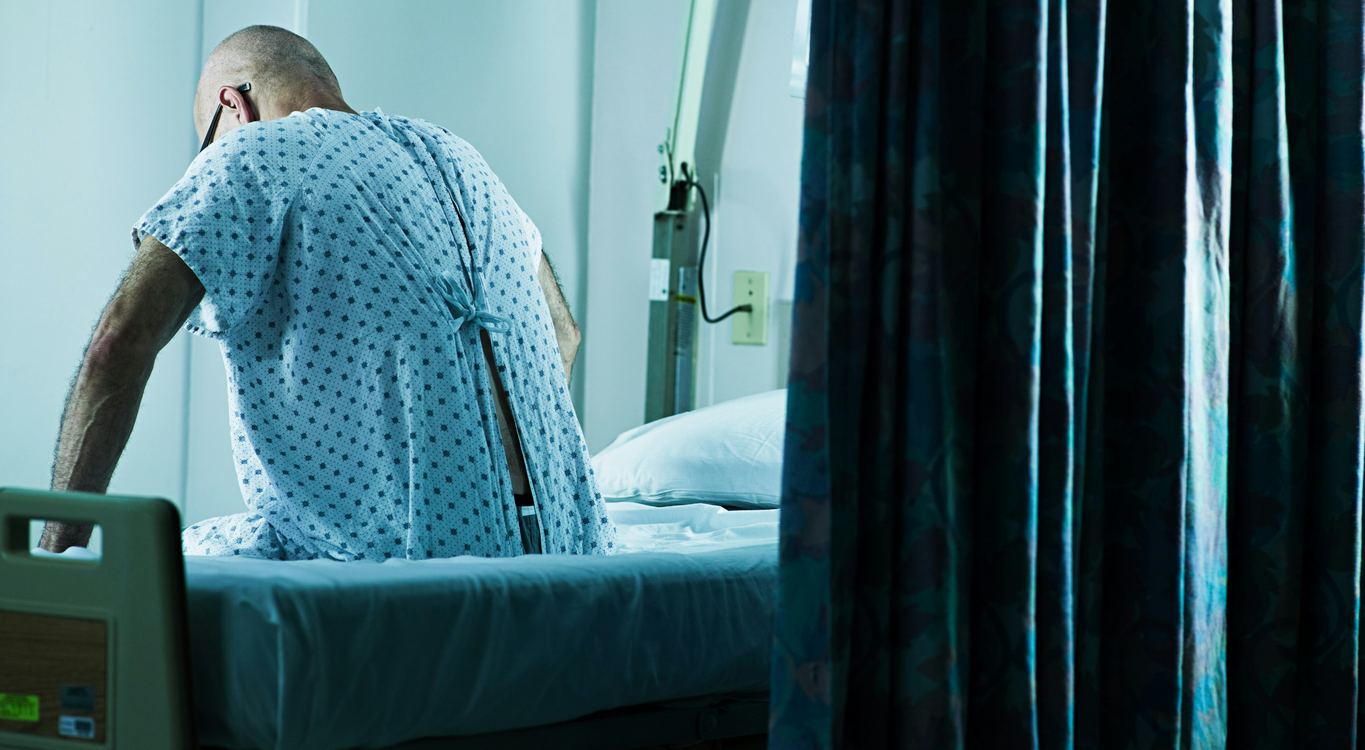
🚶♂️
Walking an extra 1,000 steps a day after surgery helps patients recover quicker
Een extra 1.000 stappen per dag na een operatie helpt patiënten sneller herstellen
Marcher 1 000 pas de plus par jour après une opération aide les patients à récupérer plus rapidement
So, it turns out that walking just an extra 1,000 steps a day after surgery can significantly speed up recovery! A recent study involving nearly 2,000 adults found that this simple act is linked to lower chances of complications and shorter hospital stays. Researchers highlighted how wearable devices can track these steps in real time, giving both patients and doctors valuable insights. It's fascinating to see how something as straightforward as walking can play such a powerful role in healing!
Het blijkt dat het lopen van slechts 1.000 extra stappen per dag na een operatie het herstel aanzienlijk kan versnellen! Een recente studie met bijna 2.000 volwassenen toonde aan dat deze simpele handeling verband houdt met een lagere kans op complicaties en kortere ziekenhuisopnames. Onderzoekers benadrukten hoe draagbare apparaten deze stappen in real time kunnen volgen, wat zowel patiënten als artsen waardevolle inzichten geeft. Het is fascinerend om te zien hoe iets zo eenvoudigs als lopen zo'n krachtige rol kan spelen in het genezingsproces!
Il s'avère que marcher juste 1 000 pas de plus par jour après une opération peut considérablement accélérer la récupération ! Une étude récente impliquant près de 2 000 adultes a révélé que cet acte simple est lié à une réduction des complications et à des séjours hospitaliers plus courts. Les chercheurs ont souligné comment les dispositifs portables peuvent suivre ces pas en temps réel, offrant ainsi des informations précieuses aux patients et aux médecins. C'est fascinant de voir à quel point quelque chose d'aussi simple que la marche peut jouer un rôle si puissant dans la guérison !
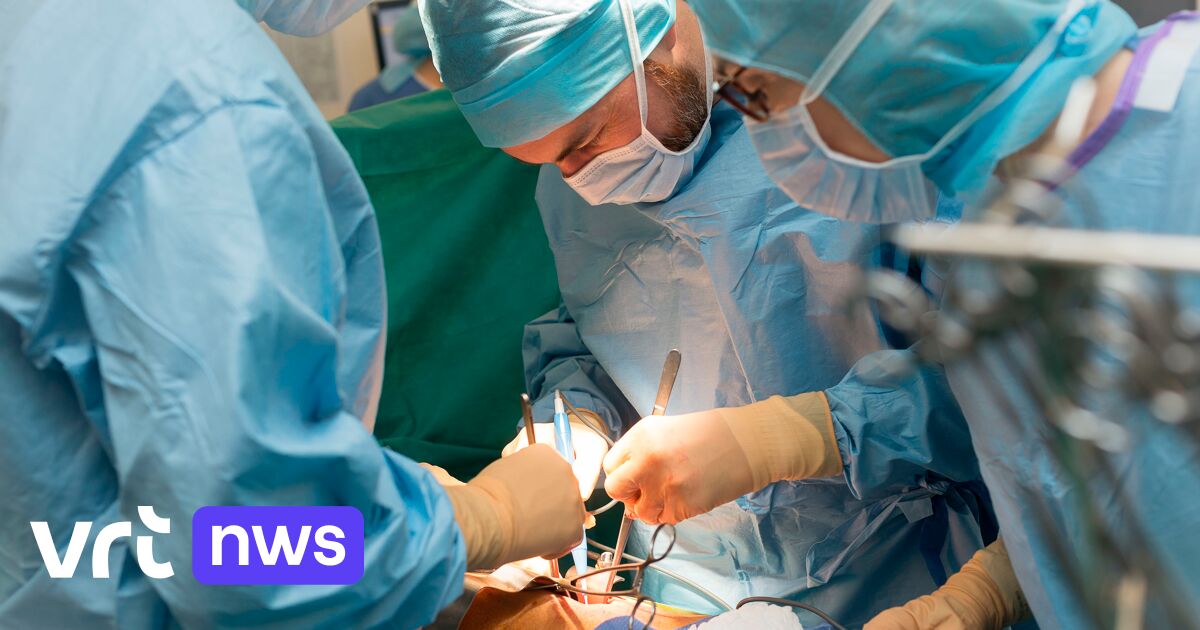
🌟
New drug protects donor organs from dying: 'The results are spectacular'
Nieuw medicijn beschermt donororganen tegen afsterven: 'De resultaten zijn spectaculair'
Nouveau médicament protège les organes donneurs de la mort : 'Les résultats sont spectaculaires'
Researchers from UAntwerpen and KU Leuven have developed a drug that significantly reduces organ death before and during transplantation. This breakthrough comes after ten years of research, and the results are published in the journal Cell. The drug, FXT-001, protects organs like lungs and livers from ferroptosis, a specific type of cell death caused by oxygen exposure during transplants. With this innovation, the hope is to improve the quality of available organs and save more lives.
Onderzoekers van UAntwerpen en KU Leuven hebben een medicijn ontwikkeld dat de afsterving van organen voor en tijdens transplantatie aanzienlijk vermindert. Deze doorbraak komt na tien jaar onderzoek en de resultaten zijn gepubliceerd in het tijdschrift Cell. Het medicijn, FXT-001, beschermt organen zoals longen en lever tegen ferroptose, een specifieke vorm van celdood door zuurstofblootstelling tijdens transplantaties. Met deze innovatie is de hoop om de kwaliteit van beschikbare organen te verbeteren en meer levens te redden.
Des chercheurs de l'UAntwerpen et de la KU Leuven ont développé un médicament qui réduit considérablement la mort des organes avant et pendant la transplantation. Cette percée intervient après dix ans de recherche et les résultats sont publiés dans la revue Cell. Le médicament, FXT-001, protège des organes comme les poumons et le foie contre la ferroptose, une forme spécifique de mort cellulaire due à l'exposition à l'oxygène lors des transplantations. Avec cette innovation, l'espoir est d'améliorer la qualité des organes disponibles et de sauver plus de vies.

🌟
Children overcome peanut allergy: they got used to it
Kinderen overwinnen pinda-allergie: ze raakten eraan gewend
Les enfants surmontent l'allergie aux arachides : ils s'y sont habitués
A recent Swedish study brings exciting news for children with peanut allergies! By gradually introducing small amounts of peanuts, many kids learned to tolerate them, with 82% able to eat several peanuts without a reaction. This is such a relief for parents worried about their children's allergies. However, it's crucial to consult a doctor before trying anything at home, as allergic reactions can be serious.
Een recente Zweedse studie brengt opwindend nieuws voor kinderen met pinda-allergieën! Door geleidelijk kleine hoeveelheden pinda's in te voeren, leerden veel kinderen ze te verdragen, waarbij 82% in staat was om verschillende pinda's te eten zonder reactie. Dit is zo'n opluchting voor ouders die zich zorgen maken over de allergieën van hun kinderen. Het is echter cruciaal om een arts te raadplegen voordat je iets thuis probeert, aangezien allergische reacties ernstig kunnen zijn.
Une récente étude suédoise apporte des nouvelles passionnantes pour les enfants souffrant d'allergies aux arachides ! En introduisant progressivement de petites quantités d'arachides, de nombreux enfants ont appris à les tolérer, avec 82 % capables de manger plusieurs arachides sans réaction. C'est un tel soulagement pour les parents inquiets des allergies de leurs enfants. Cependant, il est crucial de consulter un médecin avant d'essayer quoi que ce soit à la maison, car les réactions allergiques peuvent être graves.
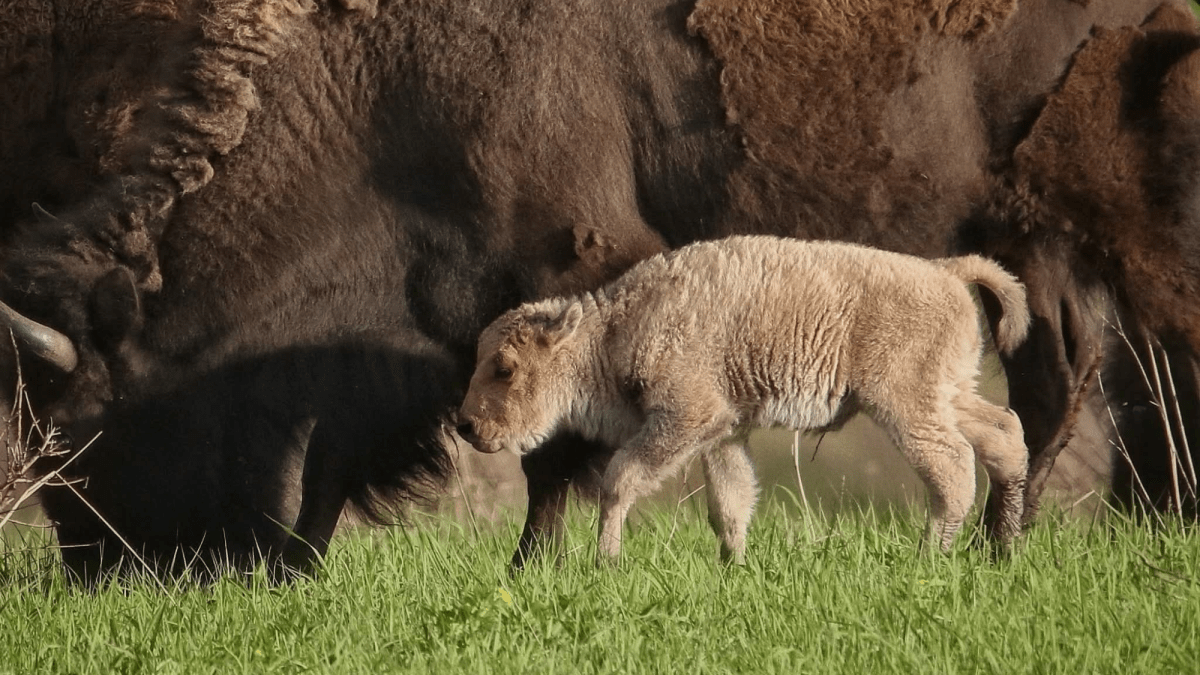
🌟
1 in a million white bison calf born in Iowa
1 op de miljoen witte bizonkalf geboren in Iowa
1 sur un million de veau de bison blanc né dans l'Iowa
A truly remarkable event has taken place at the Neal Smith National Wildlife Refuge in Iowa, where a rare white bison calf has been born. Typically, bison are born with reddish or brown coats, making this white calf a one-in-a-million occurrence! Refuge Manager Scott Gilje expressed how special this moment is, especially since it's the first white bison born there. Many Native American cultures view the birth of a white bison as a sacred sign of hope and positivity for the future.
Een werkelijk opmerkelijke gebeurtenis heeft plaatsgevonden in het Neal Smith National Wildlife Refuge in Iowa, waar een zeldzaam wit bizonkalf is geboren. Gewoonlijk worden bizons geboren met een roodachtige of bruine vacht, waardoor dit witte kalf een kans van één op een miljoen is! Refuge-manager Scott Gilje gaf aan hoe speciaal dit moment is, vooral omdat het de eerste witte bizon is die daar is geboren. Veel inheemse Amerikaanse culturen beschouwen de geboorte van een witte bizon als een heken teken van hoop en positiviteit voor de toekomst.
Un événement vraiment remarquable a eu lieu au Neal Smith National Wildlife Refuge dans l'Iowa, où un rare veau de bison blanc est né. En général, les bisons naissent avec un pelage rougeâtre ou brun, ce qui rend ce veau blanc unique en son genre ! Le responsable du refuge, Scott Gilje, a exprimé à quel point ce moment est spécial, surtout parce que c'est le premier bison blanc né là-bas. De nombreuses cultures amérindiennes considèrent la naissance d'un bison blanc comme un signe sacré d'espoir et de positivité pour l'avenir.
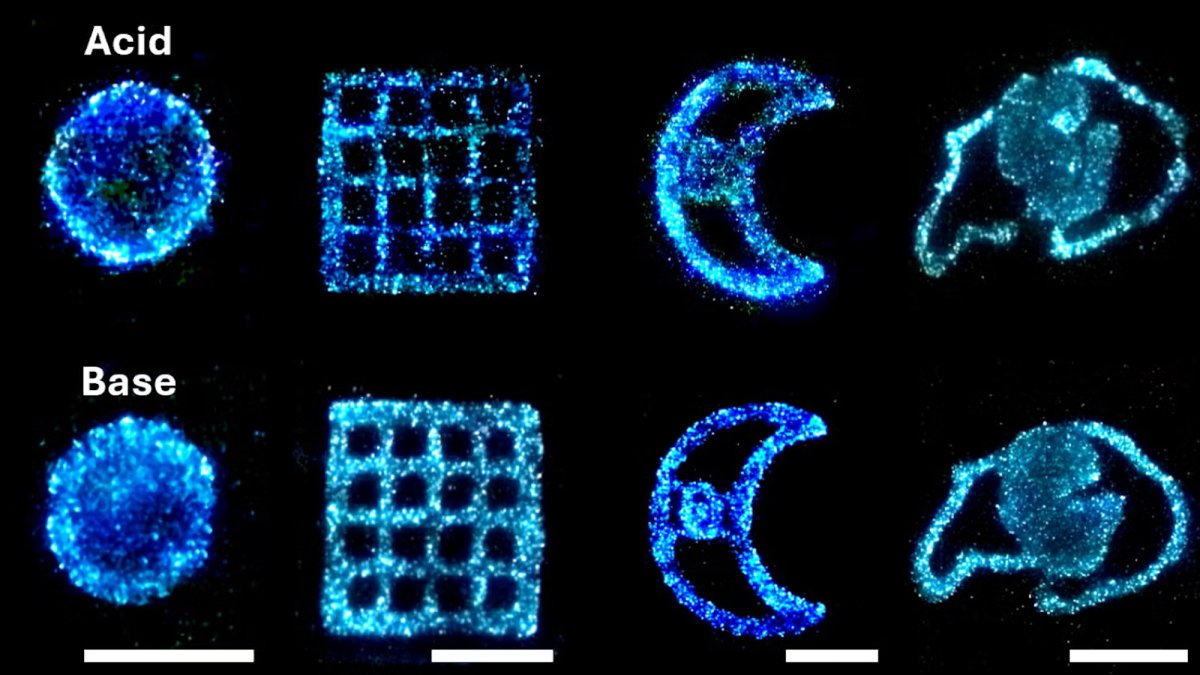
🌟
Glowing algae could power the lamps of the future
Gloeiende algen kunnen de lampen van de toekomst van stroom voorzien
Des algues lumineuses pourraient alimenter les lampes du futur
Imagine a world where we light up our spaces using glowing algae instead of electricity! Researchers have discovered that the bioluminescent algae Pyrocystis lunula can shine brightly for extended periods when exposed to certain chemicals. This breakthrough could lead to sustainable lighting solutions that not only illuminate but also help reduce carbon emissions. The potential applications are exciting, from autonomous robots to space exploration, and it’s a fantastic step towards a greener future.
Stel je een wereld voor waarin we onze ruimtes verlichten met gloeiende algen in plaats van elektriciteit! Onderzoekers hebben ontdekt dat de bioluminescente algen Pyrocystis lunula fel kunnen stralen wanneer ze worden blootgesteld aan bepaalde chemicaliën. Deze doorbraak kan leiden tot duurzame verlichtingsoplossingen die niet alleen verlichten, maar ook helpen de koolstofemissies te verminderen. De potentiële toepassingen zijn opwindend, van autonome robots tot ruimteverkenning, en het is een fantastische stap naar een groenere toekomst.
Imaginez un monde où nous éclairons nos espaces avec des algues lumineuses au lieu de l'électricité ! Des chercheurs ont découvert que les algues bioluminescentes Pyrocystis lunula peuvent briller intensément pendant de longues périodes lorsqu'elles sont exposées à certains produits chimiques. Cette avancée pourrait conduire à des solutions d'éclairage durables qui non seulement illuminent, mais aident également à réduire les émissions de carbone. Les applications potentielles sont passionnantes, allant des robots autonomes à l'exploration spatiale, et c'est une étape fantastique vers un avenir plus vert.
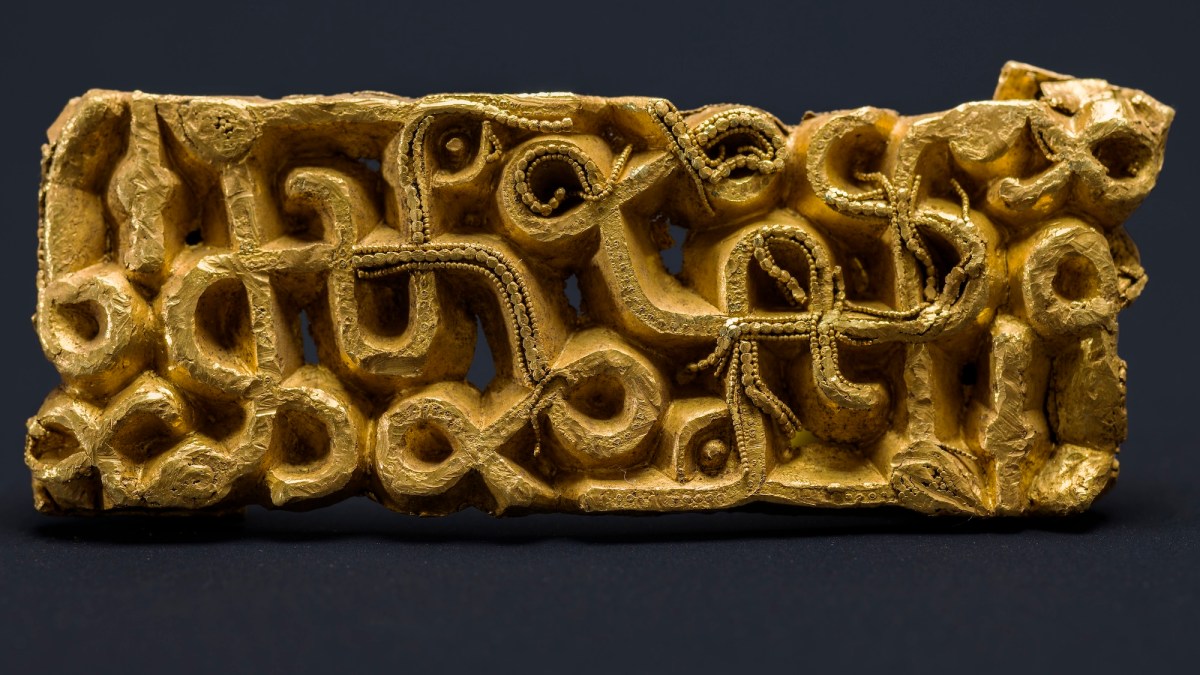
🏺
Hiker stumbles on 6th century gold sword scabbard under fallen tree
Wandelaar stuit op gouden zwaardschede uit de 6e eeuw onder een omgevallen boom
Un randonneur tombe sur un fourreau d'épée en or du 6ème siècle sous un arbre tombé
So, can you imagine finding a 1,500-year-old gold sword scabbard while hiking? A lucky hiker in Norway did just that, uncovering a remarkable artifact that hints at the power of its original owner, likely a chieftain. This tiny but significant piece showcases intricate designs from the Migration Period, suggesting it was used in battle rather than just for show. The discovery not only adds to our understanding of the era but also highlights the importance of careful archaeological practices.
Stel je voor dat je een gouden zwaardschede van 1.500 jaar oud vindt tijdens een wandeling! Een gelukkige wandelaar in Noorwegen deed precies dat en ontdekte een opmerkelijk artefact dat wijst op de macht van de oorspronkelijke eigenaar, waarschijnlijk een opperbevelhebber. Dit kleine maar belangrijke stuk toont ingewikkelde ontwerpen uit de Migratieperiode, wat suggereert dat het in de strijd werd gebruikt en niet alleen voor de show. De ontdekking voegt niet alleen iets toe aan onze kennis van die tijd, maar benadrukt ook het belang van zorgvuldige archeologische praktijken.
Imaginez trouver un fourreau d'épée en or vieux de 1 500 ans en faisant de la randonnée ! Un randonneur chanceux en Norvège a fait exactement cela, découvrant un artefact remarquable qui suggère le pouvoir de son propriétaire d'origine, probablement un chef. Cette petite pièce significative présente des designs complexes de la période de migration, suggérant qu'elle a été utilisée au combat plutôt que simplement pour l'apparat. La découverte enrichit non seulement notre compréhension de cette époque, mais souligne également l'importance des pratiques archéologiques soignées.
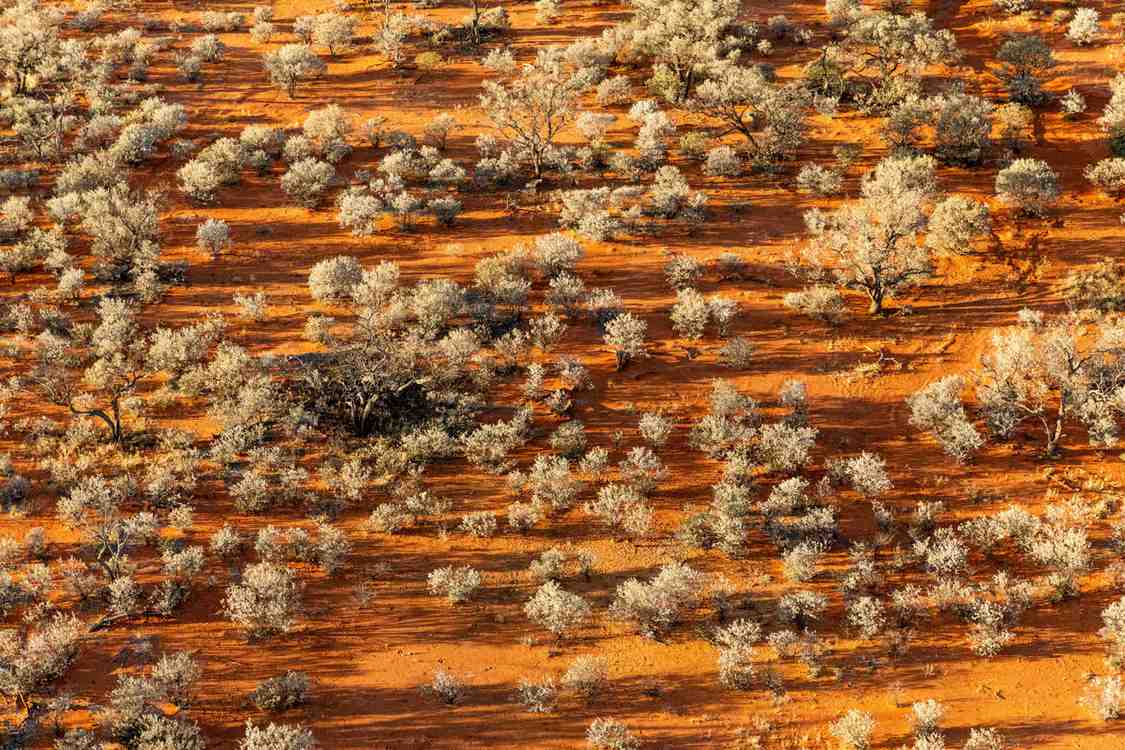
🌳
85 million acres of private land are being protected for conservation in the US and Australia
85 miljoen acres privéland worden beschermd voor natuurbehoud in de VS en Australië
85 millions d'acres de terres privées sont protégées pour la conservation aux États-Unis et en Australie
It's fantastic to see that 85 million acres of private land are being set aside for conservation in both the US and Australia! Generous citizens are leaving their land for conservation purposes, which has led to a significant increase in protected areas. Organizations like Bush Heritage Australia and American Prairie are leading the charge, creating vital habitats for wildlife. This is a wonderful example of how individuals can make a big difference in preserving our planet.
Het is fantastisch om te zien dat 85 miljoen acres privéland worden gereserveerd voor natuurbehoud in zowel de VS als Australië! Vrijgevige burgers laten hun land na voor natuurbescherming, wat heeft geleid tot een aanzienlijke toename van beschermde gebieden. Organisaties zoals Bush Heritage Australia en American Prairie zijn de koplopers en creëren vitale habitats voor dieren. Dit is een prachtig voorbeeld van hoe individuen een groot verschil kunnen maken in het behoud van onze planeet.
C'est fantastique de voir que 85 millions d'acres de terres privées sont réservées à la conservation aux États-Unis et en Australie ! Des citoyens généreux lèguent leurs terres à des fins de conservation, ce qui a entraîné une augmentation significative des zones protégées. Des organisations comme Bush Heritage Australia et American Prairie mènent la charge, créant des habitats vitaux pour la faune. C'est un merveilleux exemple de la façon dont les individus peuvent faire une grande différence dans la préservation de notre planète.
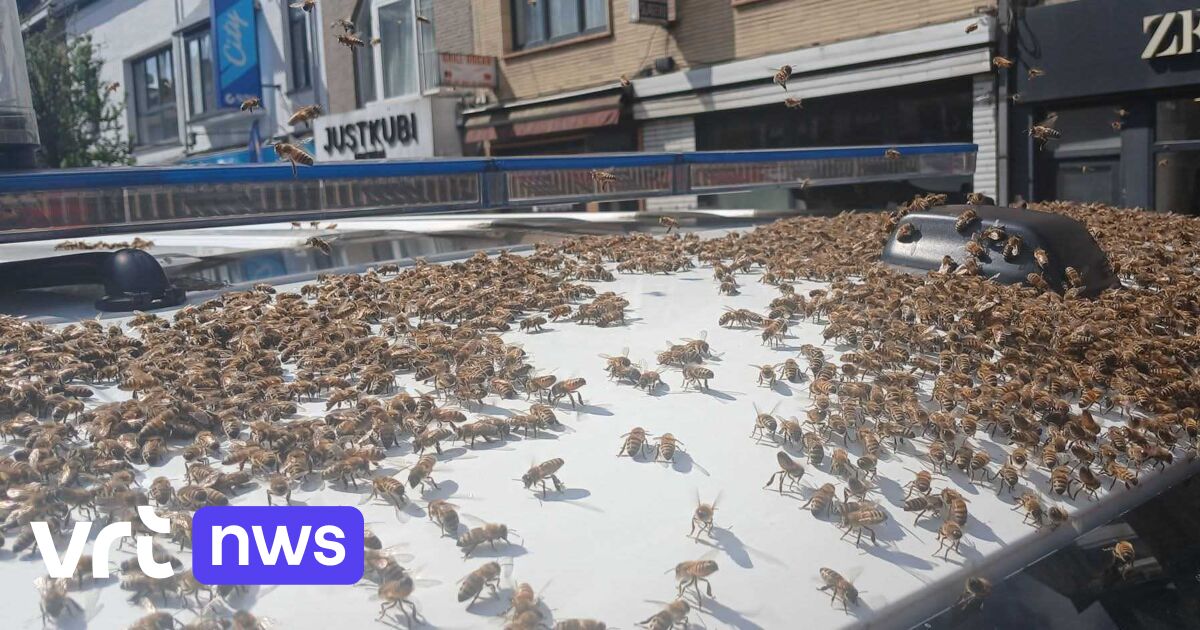
🐝
Thousands of bees surprise residents and police in Ghent's Rabotwijk
Duizenden bijen verrassen bewoners én politie in Gentse Rabotwijk
Des milliers d'abeilles surprennent les habitants et la police dans le quartier Rabot de Gand
So, a massive swarm of bees took over the Rabotwijk in Ghent, and it certainly caught everyone's attention! The police were called in, but these bees were not fazed at all. Thankfully, a beekeeper arrived on the scene and managed to restore calm by collecting the bees. It's still a mystery why they gathered there, but it seems a new queen might have been in the area, leading the others to follow.
Een grote zwerm bijen heeft de Rabotwijk in Gent opgeschrikt en dat trok zeker de aandacht! De politie werd ingeschakeld, maar deze bijen lieten zich niet van de wijs brengen. Gelukkig arriveerde een imker ter plaatse en slaagde erin om de rust te herstellen door de bijen te verzamelen. Het blijft een mysterie waarom ze daar samengekomen zijn, maar het lijkt erop dat een nieuwe koningin in de buurt was, waardoor de anderen volgden.
Une grande nuée d'abeilles a surpris le quartier Rabot à Gand, attirant ainsi l'attention de tous ! La police a été appelée, mais ces abeilles n'ont pas du tout été impressionnées. Heureusement, un apiculteur est arrivé sur les lieux et a réussi à rétablir le calme en rassemblant les abeilles. Il reste un mystère de savoir pourquoi elles se sont réunies là, mais il semble qu'une nouvelle reine ait été dans les parages, entraînant les autres à la suivre.
🌟
Planet like from star wars could number in the thousands orbiting two stars
Planeet zoals uit 'Star Wars' kan in de duizenden zijn die rond twee sterren draaien
Une planète comme dans Star Wars pourrait être des milliers à orbiter autour de deux étoiles
Astronomers from UNSW Sydney have discovered 27 potential planets orbiting two stars, which is super exciting! This new method could reveal thousands more systems similar to the fictional planet Tatooine from Star Wars. Until now, only 18 such planets have been confirmed, while over 6000 are known in single-star systems. The researchers are just getting started, and with further observations, we might uncover a treasure trove of new worlds.
Astronomen van UNSW Sydney hebben 27 potentiële planeten ontdekt die rond twee sterren draaien, wat super spannend is! Deze nieuwe methode kan duizenden andere systemen onthullen die vergelijkbaar zijn met de fictieve planeet Tatooine uit Star Wars. Tot nu toe zijn er slechts 18 van dergelijke planeten bevestigd, terwijl er meer dan 6000 bekend zijn in systemen met één ster. De onderzoekers staan nog maar aan het begin, en met verdere observaties kunnen we een schat aan nieuwe werelden ontdekken.
Les astronomes de l'UNSW Sydney ont découvert 27 planètes potentielles orbitant autour de deux étoiles, ce qui est super excitant ! Cette nouvelle méthode pourrait révéler des milliers d'autres systèmes similaires à la planète fictive Tatooine de Star Wars. Jusqu'à présent, seules 18 de ces planètes ont été confirmées, tandis que plus de 6000 sont connues dans des systèmes à étoile unique. Les chercheurs ne font que commencer, et avec des observations supplémentaires, nous pourrions découvrir un trésor de nouveaux mondes.
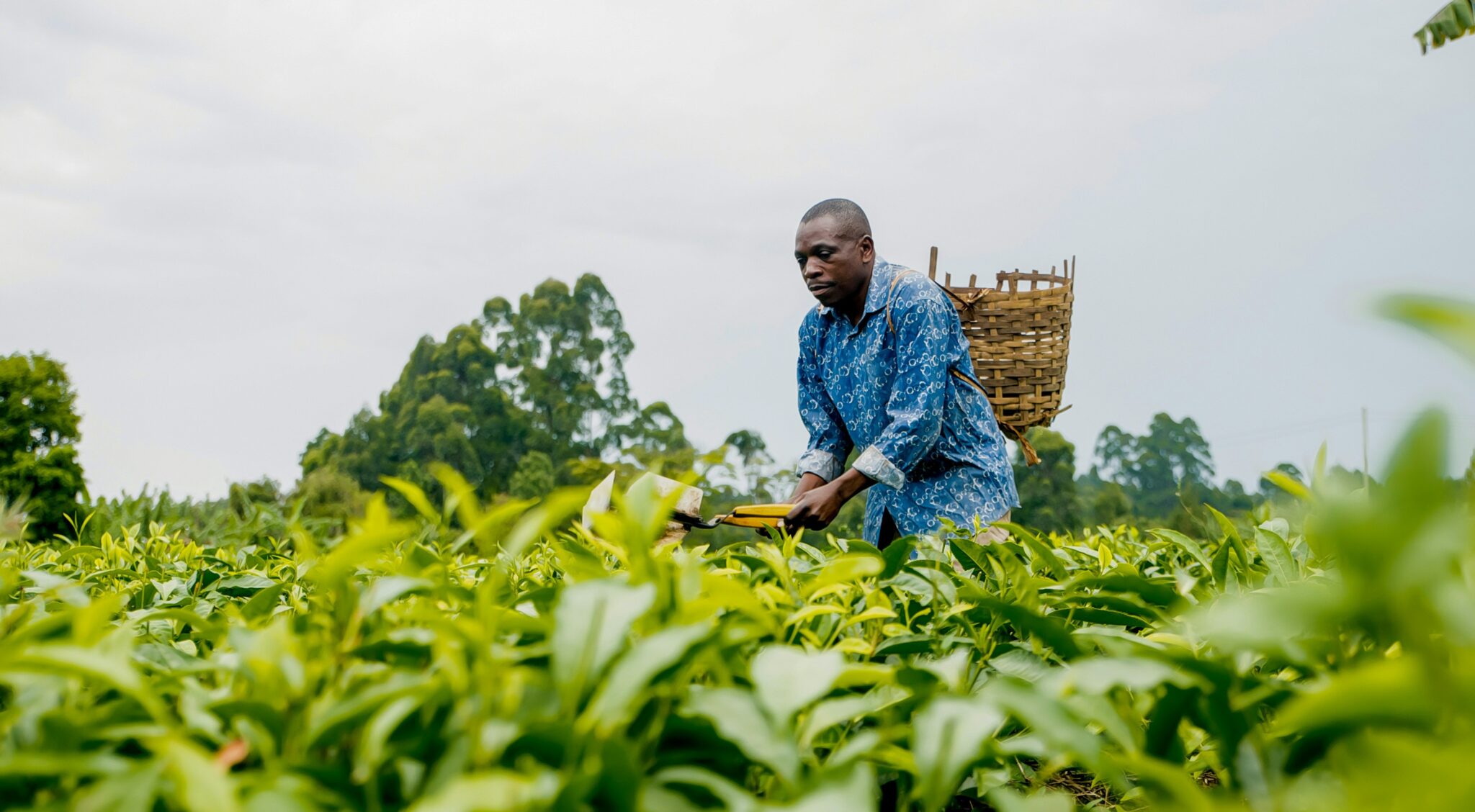
🌱
Seed-sharing no longer illegal after landmark Kenya court ruling against global seed monopolists
Zaden delen is niet langer illegaal na baanbrekende uitspraak van de Keniaanse rechtbank tegen wereldwijde zaadmonopolisten
Le partage de semences n'est plus illégal après un jugement historique de la cour kenyane contre les monopoles mondiaux des semences
So, Kenya's highest court has made a groundbreaking decision by striking down a law that prohibited seed sharing, which is a vital practice for local farmers. This ruling is a huge win for small-scale farmers and indigenous communities, allowing them to continue their traditional methods of crop diversification. Advocates believe that seed sharing leads to more resilient crops that thrive in local conditions. This is a fantastic step towards protecting cultural rights and promoting food security in Kenya!
De hoogste rechtbank van Kenia heeft een baanbrekende beslissing genomen door een wet die het delen van zaden verbood, ongeldig te verklaren. Deze uitspraak is een grote overwinning voor kleinschalige boeren en inheemse gemeenschappen, waardoor ze hun traditionele methoden voor gewasdiversificatie kunnen voortzetten. Voorstanders geloven dat het delen van zaden leidt tot veerkrachtigere gewassen die gedijen in lokale omstandigheden. Dit is een fantastische stap in de richting van het beschermen van culturele rechten en het bevorderen van voedselzekerheid in Kenia!
La plus haute cour du Kenya a pris une décision révolutionnaire en annulant une loi interdisant le partage de semences. Ce jugement représente une grande victoire pour les petits agriculteurs et les communautés autochtones, leur permettant de poursuivre leurs méthodes traditionnelles de diversification des cultures. Les défenseurs estiment que le partage de semences conduit à des cultures plus résilientes qui prospèrent dans des conditions locales. C'est une étape fantastique vers la protection des droits culturels et la promotion de la sécurité alimentaire au Kenya !
🌟
Friendship bench wins award from King Baudouin Foundation for accessible mental health care
‘Friendship Bench’ krijgt prijs van Koning Boudewijnstichting voor toegankelijke geestelijke gezondheidszorg
Le banc de l'amitié reçoit un prix de la Fondation Roi Baudouin pour des soins de santé mentale accessibles
I just love hearing about initiatives that make a real difference! The 'Friendship Bench' has been recognized with an award from the King Baudouin Foundation for its incredible work in promoting accessible mental health care. This project encourages open conversations and support among community members, which is so vital for mental well-being. It’s inspiring to see such positive recognition for efforts that truly help people in need.
Ik vind het geweldig om te horen over initiatieven die echt een verschil maken! De 'Friendship Bench' is onderscheiden met een prijs van de Koning Boudewijnstichting voor zijn ongelooflijke werk in het bevorderen van toegankelijke geestelijke gezondheidszorg. Dit project moedigt open gesprekken en ondersteuning tussen leden van de gemeenschap aan, wat zo belangrijk is voor het mentale welzijn. Het is inspirerend om te zien dat zulke positieve erkenning wordt gegeven aan inspanningen die mensen in nood echt helpen.
J'adore entendre parler d'initiatives qui font vraiment la différence ! Le 'banc de l'amitié' a été reconnu par un prix de la Fondation Roi Baudouin pour son travail incroyable en faveur de l'accès aux soins de santé mentale. Ce projet encourage les conversations ouvertes et le soutien entre les membres de la communauté, ce qui est si vital pour le bien-être mental. C'est inspirant de voir une telle reconnaissance positive pour des efforts qui aident vraiment les personnes dans le besoin.
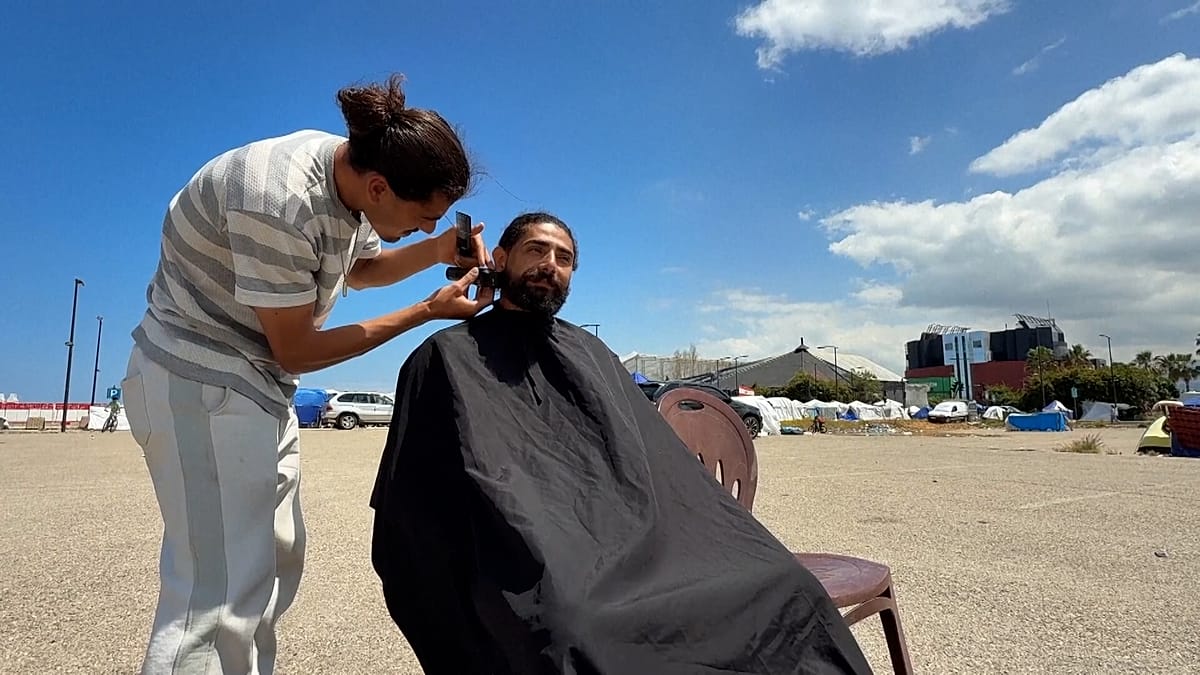
✂️
At Beirut shoreline camp, volunteer barber brings dignity with free haircuts
Bij het kamp aan de kust van Beiroet brengt een vrijwillige kapper waardigheid met gratis kappersbeurten
Au camp de la côte de Beyrouth, un coiffeur bénévole redonne dignité avec des coupes de cheveux gratuites
In Beirut, a volunteer barber named Daniel Zeaiter is making a big difference by offering free haircuts to families displaced by conflict. It's amazing to see how something as simple as a haircut can restore a sense of dignity during such tough times. For over 50 days, he's been moving through a camp, bringing comfort to those who have lost so much. Residents are grateful for these small moments of normalcy, as they navigate the challenges of displacement.
In Beiroet maakt een vrijwillige kapper genaamd Daniel Zeaiter een groot verschil door gratis kappersbeurten aan gezinnen die door conflict zijn ontheemd. Het is geweldig om te zien hoe iets zo eenvoudigs als een kapsel een gevoel van waardigheid kan herstellen in zulke moeilijke tijden. Al meer dan 50 dagen beweegt hij door een kamp en brengt hij troost aan degenen die zoveel hebben verloren. Bewoners zijn dankbaar voor deze kleine momenten van normaliteit terwijl ze de uitdagingen van ontheemding navigeren.
À Beyrouth, un coiffeur bénévole nommé Daniel Zeaiter fait une grande différence en offrant des coupes de cheveux gratuites aux familles déplacées par le conflit. C'est incroyable de voir comment quelque chose d'aussi simple qu'une coupe de cheveux peut restaurer un sentiment de dignité en ces temps difficiles. Depuis plus de 50 jours, il se déplace dans un camp, apportant du réconfort à ceux qui ont tant perdu. Les résidents sont reconnaissants pour ces petits moments de normalité alors qu'ils naviguent dans les défis du déplacement.
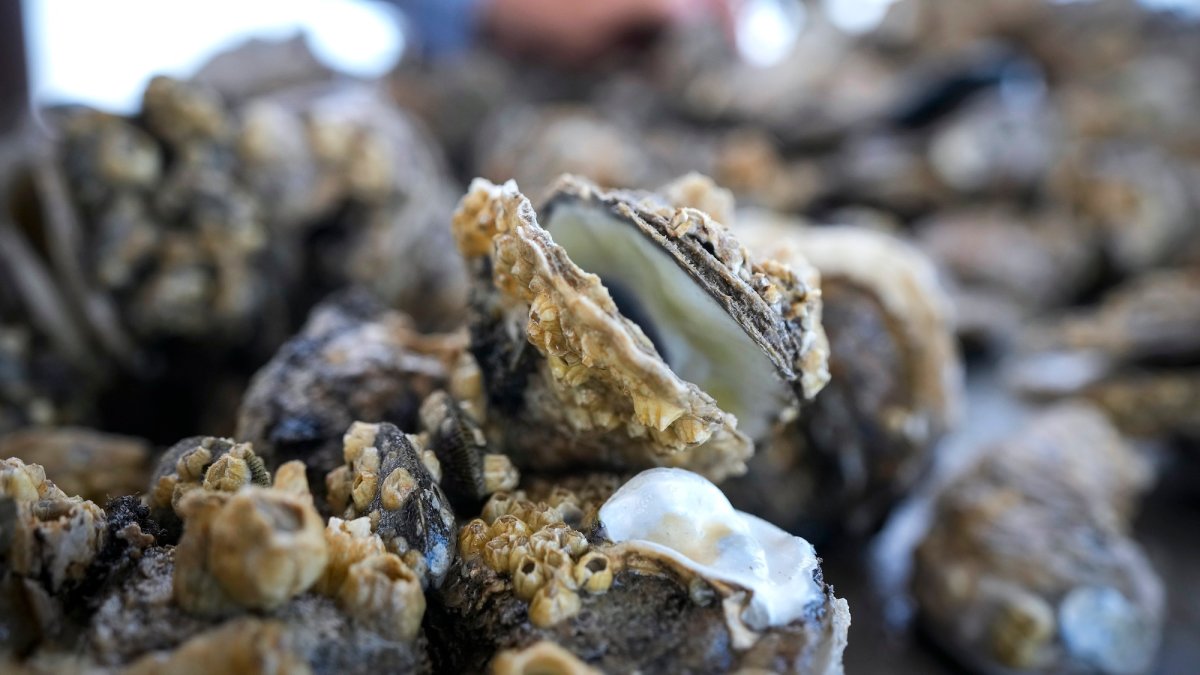
🐚
Want stronger concrete? Just add oysters.
Wil je sterker beton? Voeg gewoon oesters toe.
Vous voulez un béton plus solide ? Ajoutez simplement des huîtres.
Concrete is a major contributor to carbon emissions, but researchers at Purdue University have found a fascinating solution using oysters. These shellfish produce a natural cement that binds them together underwater, and it turns out this could be used to create stronger concrete. By mimicking the chemical properties of oyster cement, the team developed a mix that is ten times stronger and more eco-friendly than traditional adhesives. This could revolutionize the construction industry while helping the environment.
Beton is een belangrijke bron van koolstofemissies, maar onderzoekers aan de Purdue Universiteit hebben een fascinerende oplossing gevonden met oesters. Deze schelpdieren produceren een natuurlijk cement dat hen onder water aan elkaar bindt, en het blijkt dat dit gebruikt kan worden om sterker beton te maken. Door de chemische eigenschappen van oestercement na te bootsen, ontwikkelde het team een mengsel dat tien keer sterker en milieuvriendelijker is dan traditionele lijmen. Dit zou de bouwsector kunnen revolutioneren en tegelijkertijd het milieu helpen.
Le béton est une source majeure d'émissions de carbone, mais des chercheurs de l'Université Purdue ont trouvé une solution fascinante en utilisant des huîtres. Ces coquillages produisent un ciment naturel qui les lie ensemble sous l'eau, et il s'avère que cela pourrait être utilisé pour créer un béton plus solide. En imitant les propriétés chimiques du ciment d'huître, l'équipe a développé un mélange dix fois plus résistant et plus écologique que les adhésifs traditionnels. Cela pourrait révolutionner l'industrie de la construction tout en aidant l'environnement.
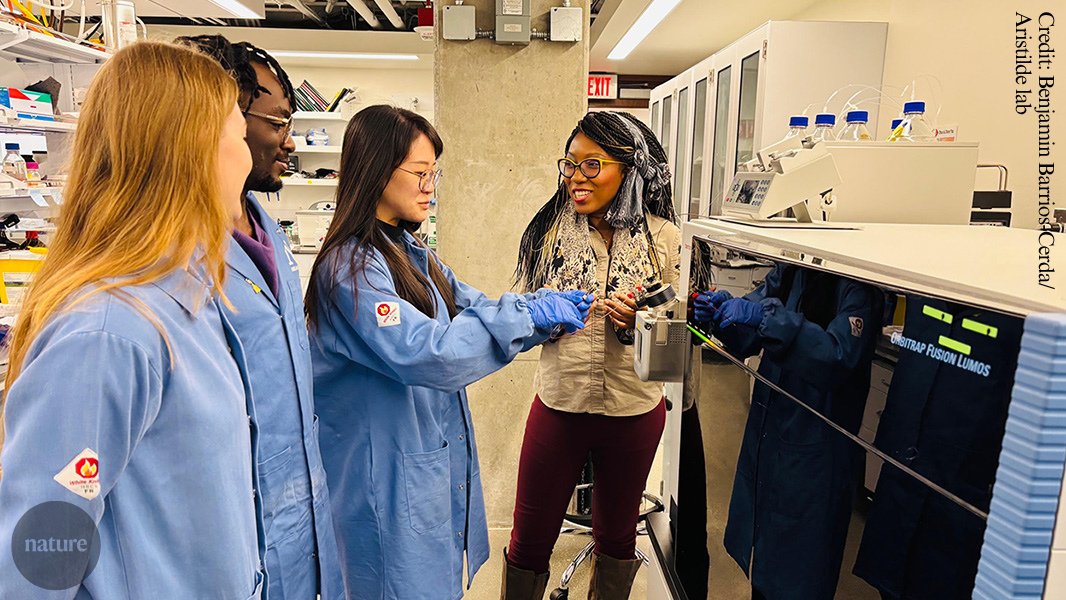
🌱
Are microbes the future of pollution clean-up?
Zijn microben de toekomst van het opruimen van vervuiling?
Les microbes sont-ils l'avenir du nettoyage de la pollution?
Ludmilla Aristilde, an environmental engineer, is exploring how engineered microbes can help clean up pollution. Growing up in Haiti, she experienced firsthand the link between environmental health and human well-being. Now, with advancements in synthetic biology, these tiny organisms could play a crucial role in tackling pollution from microplastics to heavy metals. However, challenges like public concerns and funding issues still need to be addressed for this promising technology to reach its full potential.
Ludmilla Aristilde, een milieutechnoloog, onderzoekt hoe gemodificeerde microben kunnen helpen bij het opruimen van vervuiling. Opgegroeid in Haïti, heeft ze uit eerste hand de link ervaren tussen milieugezondheid en menselijk welzijn. Nu, met de vooruitgang in synthetische biologie, zouden deze kleine organismen een cruciale rol kunnen spelen bij het aanpakken van vervuiling van microplastics tot zware metalen. Er zijn echter nog uitdagingen zoals publieke bezorgdheid en financieringsproblemen die moeten worden aangepakt om deze veelbelovende technologie volledig te benutten.
Ludmilla Aristilde, ingénieure environnementale, explore comment les microbes modifiés peuvent aider à nettoyer la pollution. Ayant grandi en Haïti, elle a vécu de première main le lien entre la santé environnementale et le bien-être humain. Aujourd'hui, avec les avancées en biologie synthétique, ces minuscules organismes pourraient jouer un rôle crucial dans la lutte contre la pollution, des microplastiques aux métaux lourds. Cependant, des défis comme les préoccupations publiques et les problèmes de financement doivent encore être résolus pour que cette technologie prometteuse atteigne son plein potentiel.

🌱
Engineering resilient food systems in a warming world
Het ontwikkelen van veerkrachtige voedselsystemen in een opwarmende wereld
Ingénierie de systèmes alimentaires résilients dans un monde en réchauffement
Climate change is really shaking up food security, with rising temperatures leading to significant drops in global food production. Scientists are exploring synthetic biology as a way to create crops that can thrive in harsher conditions, which is super exciting! Traditional breeding methods just can't keep up with the rapid changes we're seeing. The future of food might just rely on innovative gene-editing techniques to ensure we can feed a growing population sustainably.
Klimaatverandering heeft grote invloed op de voedselzekerheid, met stijgende temperaturen die leiden tot aanzienlijke dalingen in de wereldwijde voedselproductie. Wetenschappers verkennen synthetische biologie als een manier om gewassen te creëren die kunnen gedijen onder moeilijkere omstandigheden, wat ontzettend spannend is! Traditionele fokmethoden kunnen gewoon niet meer gelijke tred houden met de snelle veranderingen die we zien. De toekomst van voedsel kan wel eens afhangen van innovatieve genbewerkingstechnieken om een groeiende bevolking duurzaam te voeden.
Le changement climatique perturbe vraiment la sécurité alimentaire, avec des températures en hausse entraînant des baisses significatives de la production alimentaire mondiale. Les scientifiques explorent la biologie synthétique comme moyen de créer des cultures capables de prospérer dans des conditions plus difficiles, ce qui est super excitant ! Les méthodes de sélection traditionnelles ne peuvent tout simplement pas suivre le rythme des changements rapides que nous observons. L'avenir de l'alimentation pourrait bien dépendre de techniques novatrices d'édition génétique pour garantir que nous puissions nourrir une population croissante de manière durable.
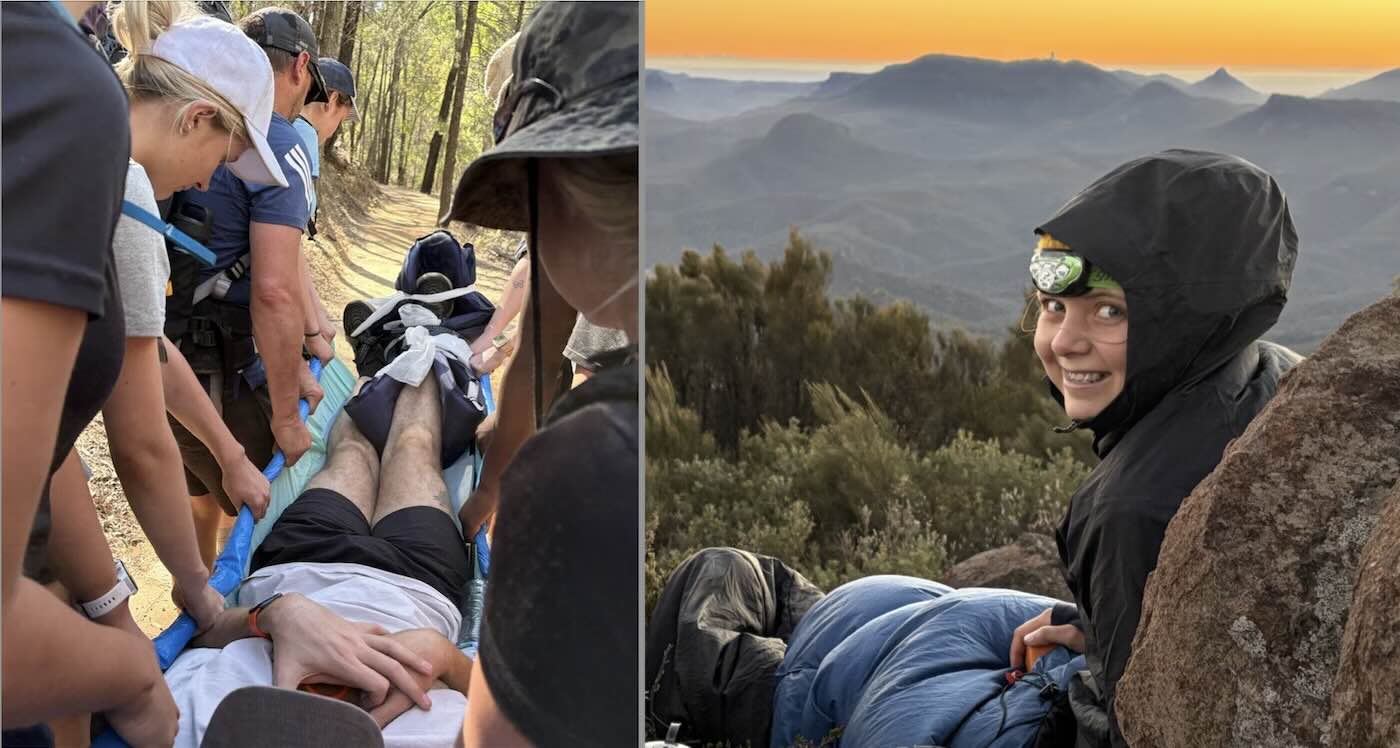
🌟
Students use makeshift stretcher to rescue injured hiker
Studenten gebruiken geïmproviseerde brancard om gewonde wandelaar te redden
Des étudiants utilisent une civière improvisée pour secourir un randonneur blessé
A group of high school girls from Presbyterian Ladies’ College in Armidale showcased their training when they rescued a hiker with a broken leg during a hike. They had specifically practiced for this scenario as part of their Duke of Edinburgh Award project. Using tarp poles and a hammock, they created a makeshift gurney to carry the injured hiker for 2 hours until help arrived. It was a challenging but rewarding experience that highlighted the importance of preparation and teamwork.
Een groep meisjes van de Presbyterian Ladies' College in Armidale toonde hun training toen ze een wandelaar met een gebroken been redde tijdens een hike. Ze hadden specifiek voor dit scenario geoefend als onderdeel van hun Duke of Edinburgh Award-project. Met behulp van tarp-palen en een hangmat maakten ze een geïmproviseerde brancard om de gewonde wandelaar 2 uur lang te dragen totdat hulp arriveerde. Het was een uitdagende maar belonende ervaring die het belang van voorbereiding en teamwork benadrukte.
Un groupe de filles du Presbyterian Ladies' College d'Armidale a démontré sa formation en secourant un randonneur avec une jambe cassée lors d'une randonnée. Elles avaient spécifiquement pratiqué ce scénario dans le cadre de leur projet Duke of Edinburgh Award. En utilisant des poteaux de tarp et un hamac, elles ont créé une civière improvisée pour transporter le randonneur blessé pendant 2 heures jusqu'à l'arrivée de l'aide. Ce fut une expérience difficile mais gratifiante qui a souligné l'importance de la préparation et du travail d'équipe.

🔋
Energizer’s new coin batteries won’t cause ingestion burns if swallowed
Energizer’s nieuwe muntbatterijen veroorzaken geen brandwonden bij inslikken
Les nouvelles piles bouton d'Energizer ne causeront pas de brûlures en cas d'ingestion
Energizer has just unveiled its Ultimate Child Shield line of lithium coin batteries, designed to eliminate the risk of ingestion burns if swallowed. These batteries come in three common sizes and are perfect for devices like remotes and wearables. While most swallowed batteries pass through the body safely, the risk arises when they get stuck, generating harmful chemical reactions. Energizer has added safety features like child-resistant packaging and a dye that turns the mouth blue to indicate ingestion, making this a fantastic step forward in battery safety!
Energizer heeft zojuist zijn Ultimate Child Shield-lijn van lithium muntbatterijen onthuld, ontworpen om het risico op brandwonden bij inslikken te elimineren. Deze batterijen zijn verkrijgbaar in drie gangbare maten en zijn perfect voor apparaten zoals afstandsbedieningen en wearables. Terwijl de meeste ingeslikte batterijen veilig door het lichaam gaan, ontstaat het risico wanneer ze vast komen te zitten en schadelijke chemische reacties veroorzaken. Energizer heeft veiligheidskenmerken toegevoegd, zoals kindveilige verpakking en een kleurstof die de mond blauw maakt om inslikken aan te geven, wat een geweldige stap voorwaarts is in de veiligheid van batterijen!
Energizer vient de dévoiler sa ligne Ultimate Child Shield de piles bouton au lithium, conçues pour éliminer le risque de brûlures en cas d'ingestion. Ces piles sont disponibles en trois tailles courantes et sont parfaites pour des appareils comme les télécommandes et les wearables. Bien que la plupart des piles ingérées passent sans problème dans le corps, le risque survient lorsqu'elles se coincent, générant des réactions chimiques nocives. Energizer a ajouté des caractéristiques de sécurité telles qu'un emballage résistant aux enfants et un colorant qui rend la bouche bleue pour indiquer une ingestion, ce qui constitue une avancée fantastique en matière de sécurité des piles !
🦘
New extinct koala species discovered in Western Australia: “Could locate food from greater distances”
Nieuwe uitgestorven koalasoort ontdekt in West-Australië: “Kon voedsel van grotere afstanden opsporen”
Nouvelle espèce de koala éteinte découverte en Australie-Occidentale : “Pouvait localiser la nourriture à plus grande distance”
I just read about an exciting discovery in Western Australia! Scientists have identified a new extinct species of koala that had the remarkable ability to locate food from greater distances. This finding sheds light on how these animals adapted to their environment and the challenges they faced. It's fascinating to think about how much we can learn from the past and how it can inform our understanding of current wildlife.
Ik las net over een spannende ontdekking in West-Australië! Wetenschappers hebben een nieuwe uitgestorven koalasoort geïdentificeerd die het opmerkelijke vermogen had om voedsel van grotere afstanden op te sporen. Deze ontdekking werpt licht op hoe deze dieren zich aanpasten aan hun omgeving en de uitdagingen waarmee ze werden geconfronteerd. Het is fascinerend om te bedenken hoeveel we van het verleden kunnen leren en hoe dit ons begrip van de huidige fauna kan beïnvloeden.
Je viens de lire une découverte passionnante en Australie-Occidentale ! Les scientifiques ont identifié une nouvelle espèce de koala éteinte qui avait la capacité remarquable de localiser la nourriture à plus grande distance. Cette découverte éclaire la façon dont ces animaux se sont adaptés à leur environnement et les défis auxquels ils ont été confrontés. C'est fascinant de penser à combien nous pouvons apprendre du passé et comment cela peut informer notre compréhension de la faune actuelle.
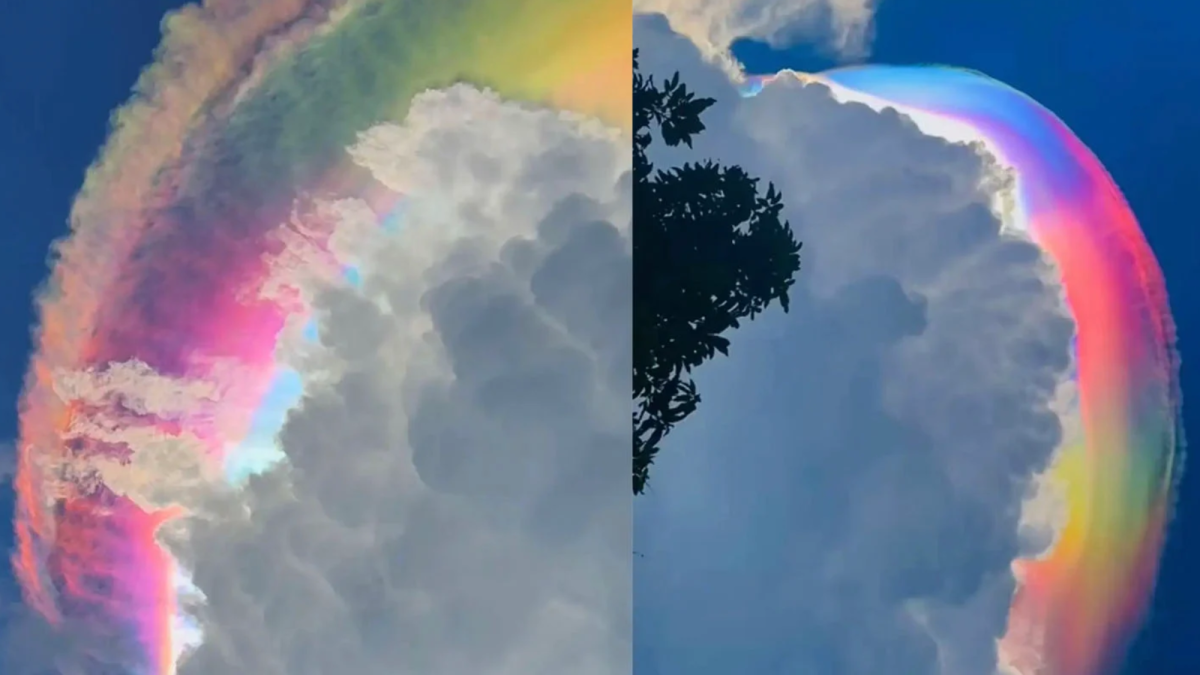
🌈
No, these rainbow clouds over Indonesia are not AI
Nee, deze regenboogwolken boven Indonesië zijn geen AI
Non, ces nuages arc-en-ciel au-dessus de l'Indonésie ne sont pas de l'IA
So, there's this stunning sight over Indonesia that's lighting up the skies! These aren't magical portals or AI creations, but rather iridescent clouds formed when sunlight interacts with tiny water droplets. They create a beautiful spectrum of colors, especially when the sun is partially blocked. It's a fleeting moment of beauty that has everyone stopping in their tracks to capture the magic.
Dus, er is dit verbluffende gezicht boven Indonesië dat de lucht verlicht! Dit zijn geen magische poorten of AI-creaties, maar eerder iriserende wolken die ontstaan wanneer zonlicht interactie heeft met kleine waterdruppels. Ze creëren een prachtig spectrum van kleuren, vooral wanneer de zon gedeeltelijk wordt geblokkeerd. Het is een vluchtig moment van schoonheid dat iedereen doet stoppen om de magie vast te leggen.
Alors, il y a cette vue époustouflante au-dessus de l'Indonésie qui illumine le ciel ! Ce ne sont pas des portails magiques ou des créations d'IA, mais plutôt des nuages irisés formés lorsque la lumière du soleil interagit avec de minuscules gouttes d'eau. Ils créent un magnifique spectre de couleurs, surtout lorsque le soleil est partiellement bloqué. C'est un moment fugace de beauté qui fait que tout le monde s'arrête pour capturer la magie.
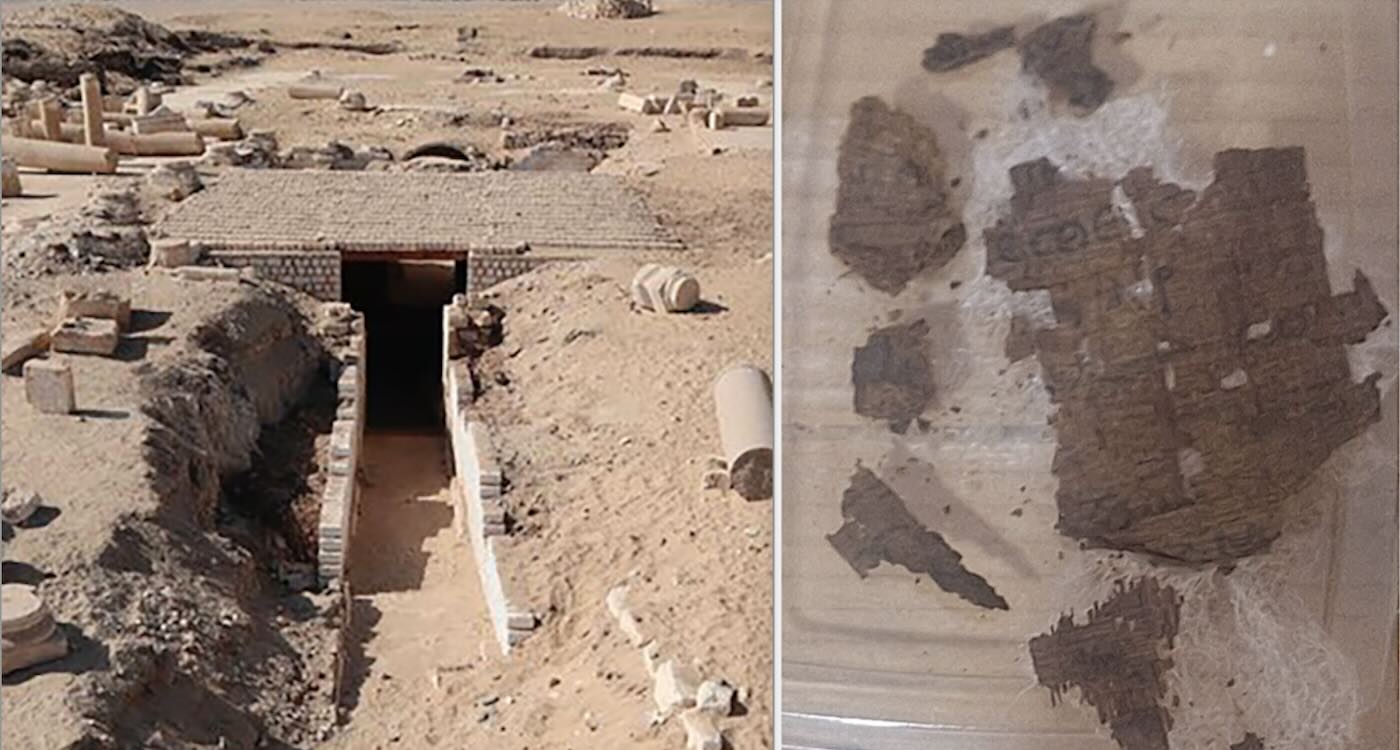
📜
Papyrus fragment of Homer’s Iliad found in 1600–year-old mummy is first time literature is discovered in a burial
Papyrusfragment van de Ilias van Homerus gevonden in 1600 jaar oude mummie is de eerste keer dat literatuur in een begrafenis wordt ontdekt
Fragment de papyrus de l'Iliade d'Homère trouvé dans une momie vieille de 1600 ans est la première fois que la littérature est découverte dans une sépulture
So, can you believe it? A 1,600-year-old mummy was found with a fragment of Homer’s Iliad, marking a groundbreaking moment in archaeology! This is the first time literature has been discovered in a burial, rather than just magical texts. The papyrus was placed on the mummy's abdomen, suggesting a fascinating blend of Greek literature and ancient funerary practices. It really opens up new perspectives on how Greek culture spread and was integrated into different traditions.
Dus, kun je het geloven? Een 1600 jaar oude mummie werd gevonden met een fragment van de Ilias van Homerus, wat een baanbrekend moment in de archeologie markeert! Dit is de eerste keer dat literatuur in een begrafenis is ontdekt, in plaats van alleen maar magische teksten. De papyrus was op de buik van de mummie geplaatst, wat een fascinerende mix van Griekse literatuur en oude begrafenispraktijken suggereert. Het opent echt nieuwe perspectieven op hoe de Griekse cultuur zich verspreidde en in verschillende tradities werd geïntegreerd.
Alors, pouvez-vous le croire ? Une momie vieille de 1600 ans a été trouvée avec un fragment de l'Iliade d'Homère, marquant un moment révolutionnaire en archéologie ! C'est la première fois que de la littérature est découverte dans une sépulture, plutôt que de simples textes magiques. Le papyrus était placé sur l'abdomen de la momie, suggérant un mélange fascinant de littérature grecque et de pratiques funéraires anciennes. Cela ouvre vraiment de nouvelles perspectives sur la façon dont la culture grecque s'est répandue et a été intégrée dans différentes traditions.
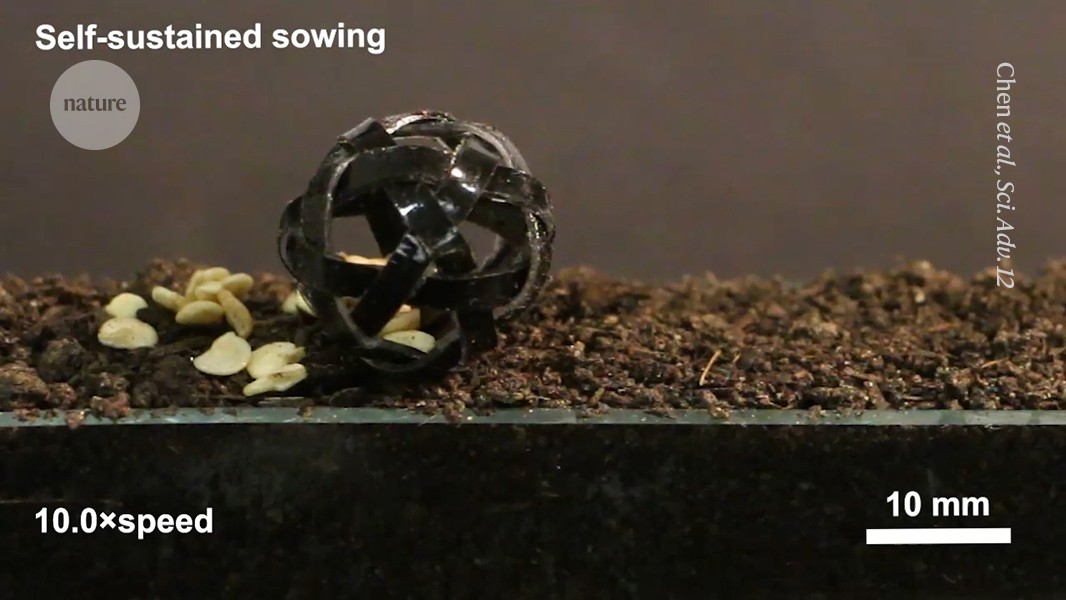
🤖
Tumbleweed-style robot can roll across the prairie — no wind needed
Tumbleweed-stijl robot kan over de prairie rollen — geen wind nodig
Robot de style tumbleweed peut rouler à travers la prairie — sans vent nécessaire
So, imagine a tiny robot the size of a marble that can roll around just like a tumbleweed! This little marvel, powered by light, can move across different surfaces and even sow seeds as it goes. It's fascinating how its path can be controlled with light, making it a unique blend of nature and technology. I can't help but think about the possibilities this opens up for agriculture and environmental projects!
Dus, stel je een kleine robot voor ter grootte van een marmer die kan rollen als een tumbleweed! Dit kleine wonder, aangedreven door licht, kan over verschillende oppervlakken bewegen en zelfs zaden zaaien terwijl het voortbeweegt. Het is fascinerend hoe zijn pad met licht kan worden gecontroleerd, wat het een unieke combinatie van natuur en technologie maakt. Ik kan niet anders dan denken aan de mogelijkheden die dit biedt voor landbouw- en milieuprojecten!
Alors, imaginez un petit robot de la taille d'un marbre qui peut rouler comme un tumbleweed ! Cette petite merveille, alimentée par la lumière, peut se déplacer sur différentes surfaces et même semer des graines en chemin. C'est fascinant de voir comment son parcours peut être contrôlé par la lumière, ce qui en fait un mélange unique de nature et de technologie. Je ne peux m'empêcher de penser aux possibilités que cela ouvre pour l'agriculture et les projets environnementaux !

🍽️
France launches one-euro university meals for all students
Frankrijk lanceert één-euro universitaire maaltijden voor alle studenten
La France lance des repas universitaires à un euro pour tous les étudiants
So, France is making a fantastic move by offering one-euro meals in university canteens for all students, no matter their income! This initiative, which started on Monday, aims to tackle financial struggles faced by many students. Previously, this deal was only for those with low incomes, but now everyone can enjoy a three-course meal for just one euro. It's a significant step towards ensuring that no student has to go hungry, especially since many have reported skipping meals due to financial issues.
Frankrijk maakt een geweldige stap door één-euro maaltijden in universitaire kantines aan te bieden voor alle studenten, ongeacht hun inkomen! Deze initiatief, dat maandag van start ging, is bedoeld om financiële problemen van veel studenten aan te pakken. Voorheen was deze deal alleen voor mensen met een laag inkomen, maar nu kan iedereen genieten van een driegangenmaaltijd voor slechts één euro. Het is een belangrijke stap om ervoor te zorgen dat geen enkele student honger hoeft te lijden, vooral omdat velen hebben gerapporteerd maaltijden over te slaan vanwege financiële problemen.
La France fait un pas fantastique en offrant des repas à un euro dans les cantines universitaires pour tous les étudiants, quel que soit leur revenu ! Cette initiative, qui a débuté lundi, vise à lutter contre les difficultés financières rencontrées par de nombreux étudiants. Auparavant, cette offre n'était réservée qu'aux personnes à faible revenu, mais maintenant, tout le monde peut profiter d'un repas trois services pour seulement un euro. C'est un pas significatif vers l'assurance que aucun étudiant ne doit souffrir de la faim, surtout puisque beaucoup ont signalé sauter des repas pour des raisons financières.
🌬️
As oil prices stay high, China doubles down on wind power
Terwijl de olieprijzen hoog blijven, zet China in op windenergie
Alors que les prix du pétrole restent élevés, la Chine mise sur l'énergie éolienne
China is making a bold move by investing heavily in wind power as oil prices continue to soar. This shift not only aims to reduce dependence on fossil fuels but also positions China as a leader in renewable energy. It's exciting to see how this strategy could reshape the global energy landscape. With ambitious goals in sight, the future looks bright for wind energy in China.
China maakt een gedurfde stap door zwaar te investeren in windenergie nu de olieprijzen blijven stijgen. Deze verschuiving heeft niet alleen als doel de afhankelijkheid van fossiele brandstoffen te verminderen, maar plaatst China ook als een leider in hernieuwbare energie. Het is spannend om te zien hoe deze strategie het wereldwijde energielandschap kan hervormen. Met ambitieuze doelen in het vooruitzicht, ziet de toekomst van windenergie in China er veelbelovend uit.
La Chine fait un pas audacieux en investissant massivement dans l'énergie éolienne alors que les prix du pétrole continuent de grimper. Ce changement vise non seulement à réduire la dépendance aux combustibles fossiles, mais positionne également la Chine comme un leader dans le domaine des énergies renouvelables. Il est passionnant de voir comment cette stratégie pourrait remodeler le paysage énergétique mondial. Avec des objectifs ambitieux en vue, l'avenir de l'énergie éolienne en Chine semble prometteur.
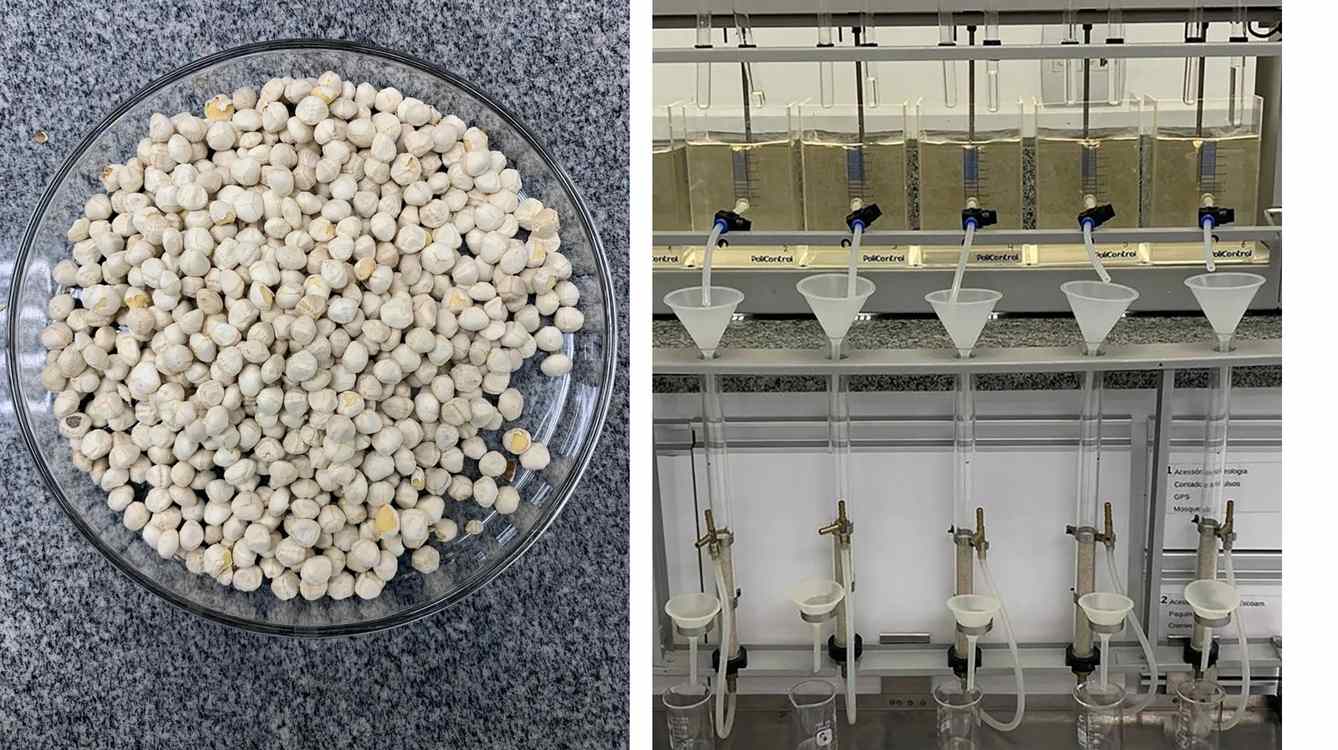
🌱
Seeds from ‘Miracle Tree’ Can Filter More Than 98% of Microplastics from Tap Water
Zaden van de ‘Wonderboom’ kunnen meer dan 98% van microplastics uit kraanwater filteren
Les graines de l'« arbre miracle » peuvent filtrer plus de 98 % des microplastiques de l'eau du robinet
Isn't it amazing that the Moringa tree, known for its medicinal benefits, can also help tackle microplastic pollution? A recent study found that its seeds can filter out 98.5% of microplastics from water, making them a fantastic alternative to harmful heavy metals like aluminum. This could be a game-changer, especially for smaller communities that struggle with access to conventional filtration methods. Plus, using Moringa seeds not only helps clean our water but also leverages a crop already cultivated for food and medicine.
Is het niet geweldig dat de Moringa-boom, bekend om zijn medicinale voordelen, ook kan helpen bij het bestrijden van microplasticvervuiling? Een recente studie heeft aangetoond dat de zaden 98,5% van microplastics uit water kunnen filteren, wat ze een fantastisch alternatief maakt voor schadelijke zware metalen zoals aluminium. Dit zou een doorbraak kunnen zijn, vooral voor kleinere gemeenschappen die moeite hebben met toegang tot conventionele filtratiemethoden. Bovendien helpt het gebruik van Moringa-zaden niet alleen ons water te reinigen, maar benut het ook een gewas dat al wordt verbouwd voor voedsel en medicijnen.
N'est-ce pas incroyable que l'arbre Moringa, connu pour ses bienfaits médicinaux, puisse également aider à lutter contre la pollution par les microplastiques ? Une étude récente a révélé que ses graines peuvent filtrer 98,5 % des microplastiques de l'eau, ce qui en fait une alternative fantastique aux métaux lourds nocifs comme l'aluminium. Cela pourrait changer la donne, surtout pour les petites communautés qui ont du mal à accéder aux méthodes de filtration conventionnelles. De plus, utiliser des graines de Moringa non seulement aide à purifier notre eau, mais tire également parti d'une culture déjà cultivée pour la nourriture et la médecine.
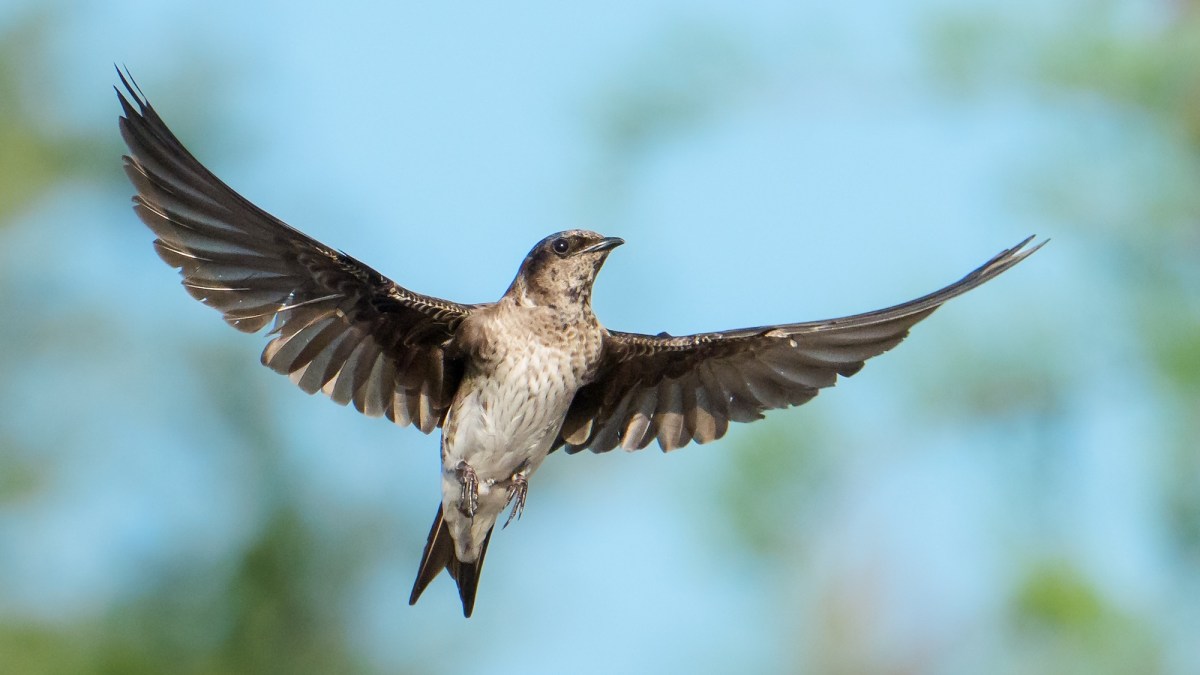
🕊️
370 million birds will migrate tonight
370 miljoen vogels zullen vanavond migreren
370 millions d'oiseaux migreront ce soir
Tonight is going to be a spectacular night for birdwatchers! An estimated 373 million birds will take to the skies, making their way northward in search of food and nesting grounds. Most of this incredible migration will be visible along the South and East Coast. But here's the thing: we need to be mindful of light pollution, as it can confuse and disorient these amazing creatures. So, let’s dim those lights and enjoy the show!
Vanavond wordt een spectaculaire nacht voor vogelliefhebbers! Naar schatting zullen 373 miljoen vogels de lucht in gaan, op weg naar het noorden op zoek naar voedsel en nestplaatsen. Het grootste deel van deze ongelooflijke migratie zal zichtbaar zijn langs de Zuid- en Oostkust. Maar hier is het ding: we moeten ons bewust zijn van lichtvervuiling, want dat kan deze geweldige wezens verwarren en desoriënteren. Laten we dus die lichten dimmen en genieten van de show!
Ce soir sera une nuit spectaculaire pour les ornithologues! Environ 373 millions d'oiseaux s'envoleront vers le nord à la recherche de nourriture et de lieux de nidification. La majeure partie de cette incroyable migration sera visible le long de côte sud et est. Mais voici le truc: nous devons être conscients de la pollution lumineuse, car elle peut désorienter et troubler ces créatures étonnantes. Alors, diminuons ces lumières et profitons du spectacle!
🧬
Powerful tools are revealing the ‘control knobs’ of the genome
Krachtige tools onthullen de 'controleknoppen' van het genoom
Des outils puissants révèlent les 'boutons de contrôle' du génome
So, scientists are diving deep into the complexities of the genome, and it's not just about decoding DNA anymore. They’re uncovering a whole new language that governs gene expression, which is super exciting! With tools like massively parallel reporter assays, researchers can pinpoint how different genetic elements influence when genes are activated. This could lead to breakthroughs in understanding diseases and even designing targeted therapies, which is just mind-blowing!
Wetenschappers duiken diep in de complexiteit van het genoom en het gaat niet langer alleen om het decoderen van DNA. Ze ontdekken een hele nieuwe taal die de genexpressie regelt, wat super spannend is! Met tools zoals massaal parallelle reporter-assays kunnen onderzoekers precies vaststellen hoe verschillende genetische elementen invloed hebben op wanneer genen worden geactiveerd. Dit kan leiden tot doorbraken in het begrijpen van ziekten en zelfs het ontwerpen van gerichte therapieën, wat gewoon verbazingwekkend is!
Les scientifiques plongent dans les complexités du génome, et il ne s'agit plus seulement de décoder l'ADN. Ils découvrent tout un nouveau langage qui régule l'expression des gènes, ce qui est super excitant ! Avec des outils comme les essais de rapporteurs parallèles massifs, les chercheurs peuvent identifier comment différents éléments génétiques influencent l'activation des gènes. Cela pourrait mener à des percées dans la compréhension des maladies et même à la conception de thérapies ciblées, ce qui est tout simplement incroyable !

☕
Science has found even more ways coffee is good for you
Wetenschap heeft nog meer manieren gevonden waarop koffie goed voor je is
La science a trouvé encore plus de façons dont le café est bon pour vous
So, if you're a coffee lover, you'll be thrilled to know that recent research shows coffee is even better for you than we thought! This study dives into how coffee affects the gut-brain axis, revealing fascinating interactions that go beyond just caffeine. It turns out, coffee can influence our gut microbiome and even our emotional well-being in unique ways. Plus, both caffeinated and decaffeinated coffee have their own health benefits, making this beloved beverage a true powerhouse for our health.
Dus, als je een koffieliefhebber bent, zul je blij zijn te weten dat recent onderzoek aantoont dat koffie nog beter voor je is dan we dachten! Deze studie onderzoekt hoe koffie de darm-hersen-as beïnvloedt en onthult fascinerende interacties die verder gaan dan alleen cafeïne. Het blijkt dat koffie onze darmmicrobiota en zelfs ons emotioneel welzijn op unieke manieren kan beïnvloeden. Bovendien hebben zowel cafeïnehoudende als cafeïnevrije koffie hun eigen gezondheidsvoordelen, waardoor deze geliefde drank een echte krachtpatser voor onze gezondheid is.
Alors, si vous êtes un amateur de café, vous serez ravi d'apprendre que des recherches récentes montrent que le café est encore meilleur pour vous que nous le pensions ! Cette étude explore comment le café affecte l'axe intestin-cerveau, révélant des interactions fascinantes qui vont au-delà de la caféine. Il s'avère que le café peut influencer notre microbiome intestinal et même notre bien-être émotionnel de manière unique. De plus, le café contenant de la caféine et le café décaféiné ont chacun leurs propres bienfaits pour la santé, faisant de cette boisson bien-aimée une véritable puissance pour notre santé.
🏡
It’s a world heritage site, but it’s my home: the last resident of Casa Milà on life in Gaudí’s masterwork
Het is een werelderfgoed, maar het is mijn huis: de laatste bewoner van Casa Milà over het leven in Gaudí's meesterwerk
C'est un site du patrimoine mondial, mais c'est ma maison : la dernière résidente de Casa Milà sur la vie dans le chef-d'œuvre de Gaudí
Imagine living in a stunning apartment designed by Gaudí, right on the prestigious Passeig de Gràcia in Barcelona! Ana Viladomiu, the last tenant of Casa Milà, has called this place home for nearly 40 years, and she embraces the unique experience of sharing her living space with a million annual visitors. While she enjoys the privilege of her fixed-rent contract, she humorously notes that her life is a bit like being a character in a story. It's fascinating to hear how she cherishes the light-filled apartment and its history, all while maintaining a sense of normalcy amidst the tourist buzz.
Stel je voor dat je in een prachtig appartement woont, ontworpen door Gaudí, aan de prestigieuze Passeig de Gràcia in Barcelona! Ana Viladomiu, de laatste huurder van Casa Milà, noemt deze plek al bijna 40 jaar haar thuis en ze omarmt de unieke ervaring om haar woonruimte te delen met een miljoen bezoekers per jaar. Terwijl ze het voorrecht van haar huurcontract met vaste prijs geniet, merkt ze met humor op dat haar leven een beetje lijkt op dat van een personage in een verhaal. Het is fascinerend om te horen hoe ze het lichte appartement en de geschiedenis ervan koestert, terwijl ze een gevoel van normaliteit behoudt temidden van de toeristische drukte.
Imaginez vivre dans un magnifique appartement conçu par Gaudí, sur le prestigieux Passeig de Gràcia à Barcelone ! Ana Viladomiu, la dernière locataire de Casa Milà, appelle cet endroit chez elle depuis près de 40 ans et elle embrasse l'expérience unique de partager son espace de vie avec un million de visiteurs par an. Bien qu'elle apprécie le privilège de son contrat de loyer fixe, elle note avec humour que sa vie ressemble un peu à celle d'un personnage de conte. C'est fascinant d'entendre comment elle chérit cet appartement baigné de lumière et son histoire, tout en maintenant un sentiment de normalité au milieu de l'agitation touristique.

🌟
Scientists discover 27 potential new planets that orbit two stars in solar systems far, far away
Wetenschappers ontdekken 27 potentiële nieuwe planeten die twee sterren in verre zonnestelsels omcirkelen
Des scientifiques découvrent 27 nouvelles planètes potentielles qui orbitent autour de deux étoiles dans des systèmes solaires lointains
How exciting is this? Astronomers have found 27 potential new planets orbiting two stars, reminiscent of Tatooine from Star Wars! Until now, only 18 such circumbinary planets were known, so this discovery is a big leap forward. The researchers used innovative methods to identify these candidates, and while more work is needed to confirm them, the possibilities are thrilling. Just imagine the extreme environments these planets could have—it's like science fiction becoming reality!
Hoe spannend is dit? Astronomen hebben 27 potentiële nieuwe planeten ontdekt die twee sterren omcirkelen, vergelijkbaar met Tatooine uit Star Wars! Tot nu toe waren er slechts 18 van dergelijke circumbinaire planeten bekend, dus deze ontdekking is een grote stap vooruit. De onderzoekers gebruikten innovatieve methoden om deze kandidaten te identificeren, en hoewel er meer werk nodig is om ze te bevestigen, zijn de mogelijkheden opwindend. Stel je voor hoe extreem de omgevingen van deze planeten kunnen zijn - het is alsof sciencefiction werkelijkheid wordt!
À quel point c'est excitant ? Des astronomes ont découvert 27 nouvelles planètes potentielles orbitant autour de deux étoiles, rappelant Tatooine de Star Wars ! Jusqu'à présent, seules 18 de ces planètes circumbinaires étaient connues, donc cette découverte représente un grand pas en avant. Les chercheurs ont utilisé des méthodes innovantes pour identifier ces candidats, et bien que d'autres travaux soient nécessaires pour les confirmer, les possibilités sont passionnantes. Imaginez juste les environnements extrêmes que ces planètes pourraient avoir - c'est comme si la science-fiction devenait réalité !
🌳
Oak trees will delay sprouting leaves to avoid hungry caterpillars that devoured the trees in previous year: study
Eikenbomen zullen het uitlopen van bladeren vertragen om hongerige rupsjes te vermijden die de bomen het vorige jaar verwoestten: studie
Les chênes retarderont l'apparition des feuilles pour éviter les chenilles affamées qui ont dévoré les arbres l'année précédente : étude
Isn't it fascinating how oak trees can outsmart hungry caterpillars? New research shows that these clever trees delay sprouting their leaves by three days after being heavily infested the previous year. This tactic means that when the caterpillars hatch, there's nothing for them to munch on, which drastically reduces their survival rate. It's a brilliant example of how trees respond flexibly to biological threats, changing our understanding of spring in the forest.
Het is fascinerend hoe eikenbomen hongerige rupsen te slim af kunnen zijn! Uit nieuw onderzoek blijkt dat deze slimme bomen hun bladeren drie dagen later laten uitkomen na een zware besmetting het vorige jaar. Deze tactiek betekent dat wanneer de rupsen uitkomen, er niets is om op te knabbelen, wat hun overlevingskans drastisch vermindert. Het is een briljant voorbeeld van hoe bomen flexibel reageren op biologische bedreigingen, wat ons begrip van de lente in het bos verandert.
C'est fascinant de voir comment les chênes peuvent déjouer les chenilles affamées ! De nouvelles recherches montrent que ces arbres astucieux retardent l'apparition de leurs feuilles de trois jours après avoir été fortement infestés l'année précédente. Cette tactique signifie que lorsque les chenilles éclosent, il n'y a rien à manger, ce qui réduit considérablement leur taux de survie. C'est un exemple brillant de la façon dont les arbres réagissent de manière flexible aux menaces biologiques, changeant notre compréhension du printemps dans la forêt.
🌟
A Bolivian tribe has nearly zero dementia. Scientists say our specific lifestyle is why we don’t.
Een Boliviaanse stam heeft bijna geen dementie. Wetenschappers zeggen dat onze specifieke levensstijl de reden is.
Une tribu bolivienne a presque zéro démence. Les scientifiques disent que notre mode de vie spécifique est la raison.
So, it turns out the Tsimané people in Bolivia have an astonishingly low dementia rate of just 1 percent! This is largely due to their active lifestyle and diet, which is rich in whole foods and low in processed ingredients. Researchers are highlighting how our modern habits might actually be increasing our risk of chronic diseases. It's fascinating to think that by reevaluating our choices around food and activity, we might improve our health outcomes significantly.
Dus, het blijkt dat de Tsimané in Bolivia een verbazingwekkend lage dementiepercentage van slechts 1 procent hebben! Dit komt grotendeels door hun actieve levensstijl en dieet, dat rijk is aan onbewerkte voedingsmiddelen en arm aan bewerkte ingrediënten. Onderzoekers benadrukken hoe onze moderne gewoonten ons risico op chronische ziekten kunnen verhogen. Het is fascinerend om te bedenken dat we door onze keuzes rondom voeding en activiteit opnieuw te evalueren, onze gezondheidsresultaten aanzienlijk kunnen verbeteren.
Alors, il s'avère que le peuple Tsimané en Bolivie a un taux de démence étonnamment bas de seulement 1 pour cent ! Cela est largement dû à leur mode de vie actif et à leur alimentation, riche en aliments complets et pauvre en ingrédients transformés. Les chercheurs soulignent comment nos habitudes modernes pourraient en fait augmenter notre risque de maladies chroniques. Il est fascinant de penser qu'en réévaluant nos choix alimentaires et d'activité, nous pourrions améliorer considérablement nos résultats de santé.

👗
She got tired of the throwaway mentality – started Airbnb for clothes
Ze was het zat om te verspillen – startte Airbnb voor kleding
Elle en avait assez de la mentalité du jetable – a lancé Airbnb pour les vêtements
Freja Settergren, a Swedish influencer living in Paris, has created a sustainable clothing rental app called Rent Club Paris. Frustrated by the throwaway culture in fashion, she wanted to offer an alternative to buying expensive outfits. The app functions like Airbnb but for clothes, allowing users to rent beautiful dresses and formal wear. With a showroom in Paris and plans for a new app, Freja is excited about the future of clothing rental as a more sustainable option.
Freja Settergren, een Zweedse influencer die in Parijs woont, heeft een duurzame kledingverhuur-app genaamd Rent Club Paris opgericht. Gefrustreerd door de wegwerpmentaliteit in de mode, wilde ze een alternatief bieden voor het kopen van dure outfits. De app functioneert als Airbnb, maar dan voor kleding, waardoor gebruikers prachtige jurken en formele kleding kunnen huren. Met een showroom in Parijs en plannen voor een nieuwe app, is Freja enthousiast over de toekomst van kledingverhuur als een duurzamer alternatief.
Freja Settergren, une influenceuse suédoise vivant à Paris, a créé une application de location de vêtements durable appelée Rent Club Paris. Frustrée par la culture du jetable dans la mode, elle voulait offrir une alternative à l'achat de tenues coûteuses. L'application fonctionne comme Airbnb mais pour les vêtements, permettant aux utilisateurs de louer de belles robes et des vêtements de cérémonie. Avec un showroom à Paris et des projets pour une nouvelle application, Freja est enthousiaste quant à l'avenir de la location de vêtements comme option plus durable.
🌟
The pandemic may have changed young people for the better: a positive take on the ‘COVID generation
De pandemie heeft jonge mensen misschien ten goede veranderd: een positieve kijk op de ‘COVID-generatie
La pandémie a peut-être changé les jeunes pour le mieux : un regard positif sur la ‘génération COVID
It's fascinating to see how the pandemic has sparked a wave of resilience among young people. In the face of adversity, teens stepped up—becoming ambulance drivers and creating care packages for those in need. Sociologist Lori Peek highlights that this generation, often seen as victims, has shown incredible strength and creativity during crises. They’ve become more disaster literate, ready to help and innovate when it matters most.
Het is fascinerend om te zien hoe de pandemie een golf van veerkracht onder jonge mensen heeft aangewakkerd. In het aangezicht van tegenspoed hebben tieners de handen uit de mouwen gestoken - ze werden ambulancechauffeurs en maakten zorgpakketten voor degenen die het nodig hadden. Socioloog Lori Peek benadrukt dat deze generatie, vaak gezien als slachtoffers, ongelooflijke kracht en creativiteit heeft getoond tijdens crises. Ze zijn meer rampbewust geworden, klaar om te helpen en te innoveren wanneer het het meest nodig is.
Il est fascinant de voir comment la pandémie a suscité une vague de résilience chez les jeunes. Face à l'adversité, les adolescents se sont mobilisés - devenant conducteurs d'ambulance et créant des colis de soins pour ceux dans le besoin. La sociologue Lori Peek souligne que cette génération, souvent perçue comme des victimes, a montré une force et une créativité incroyables en période de crise. Ils sont devenus plus conscients des catastrophes, prêts à aider et à innover quand cela compte le plus.
🌍
‘Water‑sowing’: When science and ancestral knowledge join forces to fight drought in the Venezuelan Andes
‘Water-sowing’: Wanneer wetenschap en ancestrale kennis de krachten bundelen om droogte in de Venezolaanse Andes te bestrijden
‘Water-sowing’: Quand la science et les connaissances ancestrales unissent leurs forces pour lutter contre la sécheresse dans les Andes vénézuéliennes
This fascinating article dives into the innovative practice of water-sowing, where modern science meets ancient wisdom to combat drought in the Venezuelan Andes. It's amazing to see how local communities are harnessing traditional techniques alongside contemporary methods to restore water sources. The collaboration not only helps the environment but also strengthens community ties and resilience. It's a beautiful example of how blending knowledge can lead to sustainable solutions.
Dit fascinerende artikel duikt in de innovatieve praktijk van water-sowing, waar moderne wetenschap en oude wijsheid samenkomen om droogte in de Venezolaanse Andes te bestrijden. Het is geweldig om te zien hoe lokale gemeenschappen traditionele technieken combineren met hedendaagse methoden om waterbronnen te herstellen. De samenwerking helpt niet alleen het milieu, maar versterkt ook de gemeenschapsbanden en veerkracht. Het is een prachtig voorbeeld van hoe het combineren van kennis kan leiden tot duurzame oplossingen.
Cet article fascinant explore la pratique innovante du water-sowing, où la science moderne rencontre la sagesse ancestrale pour lutter contre la sécheresse dans les Andes vénézuéliennes. Il est incroyable de voir comment les communautés locales allient techniques traditionnelles et méthodes contemporaines pour restaurer les sources d'eau. Cette collaboration aide non seulement l'environnement, mais renforce également les liens communautaires et la résilience. C'est un bel exemple de la manière dont la combinaison des connaissances peut conduire à des solutions durables.
🌿
Rare rainfall brings 'Garden of Eden' in Iraq back to life
Zeldzame regenval doet ‘Hof van Eden’ in Irak weer opbloeien
Des pluies rares font revivre le 'Jardin d'Éden' en Irak
It's amazing to see how rare rainfall has revitalized the 'Garden of Eden' in Iraq! This region, known for its rich history and biodiversity, is experiencing a remarkable transformation. The lush greenery and vibrant ecosystems are returning, which is a fantastic sign for both nature and the local communities. It’s a beautiful reminder of how nature can bounce back when given the chance.
Het is verbazingwekkend om te zien hoe zeldzame regenval het ‘Hof van Eden’ in Irak nieuw leven heeft ingeblazen! Deze regio, bekend om zijn rijke geschiedenis en biodiversiteit, ondergaat een opmerkelijke transformatie. Het weelderige groen en de levendige ecosystemen keren terug, wat een fantastisch teken is voor zowel de natuur als de lokale gemeenschappen. Het is een prachtige herinnering aan hoe de natuur kan herstellen wanneer ze de kans krijgt.
C'est incroyable de voir comment des pluies rares ont revitalisé le 'Jardin d'Éden' en Irak ! Cette région, connue pour sa riche histoire et sa biodiversité, connaît une transformation remarquable. La verdure luxuriante et les écosystèmes vibrants sont de retour, ce qui est un signe fantastique pour la nature et les communautés locales. C'est un beau rappel de la façon dont la nature peut rebondir lorsqu'on lui en donne l'occasion.
🌱
Scientists unveil hemp alternative to plastic that can withstand boiling water and stretch to 1,600% its size
Wetenschappers onthullen hennep alternatief voor plastic dat kan weerstaan aan kokend water en tot 1.600% zijn grootte kan uitrekken
Des scientifiques dévoilent une alternative au plastique à base de chanvre qui peut résister à l'eau bouillante et s'étirer jusqu'à 1 600 % de sa taille
I’m really excited about this new development in sustainable materials! Scientists have created a hemp-based alternative to plastic that can stretch up to 1,600% and withstand boiling water. This non-toxic material could replace harmful plastics like PET, which is fantastic for our environment. It’s amazing to see how hemp, a plant that’s been around for ages, is stepping up to tackle modern challenges.
Ik ben echt enthousiast over deze nieuwe ontwikkeling in duurzame materialen! Wetenschappers hebben een hennep-gebaseerd alternatief voor plastic gecreëerd dat tot 1.600% kan uitrekken en kokend water kan weerstaan. Dit niet-toxische materiaal kan schadelijke plastics zoals PET vervangen, wat fantastisch is voor ons milieu. Het is geweldig om te zien hoe hennep, een plant die al eeuwen bestaat, opkomt om moderne uitdagingen aan te pakken.
Je suis vraiment enthousiaste à propos de ce nouveau développement dans les matériaux durables ! Des scientifiques ont créé une alternative au plastique à base de chanvre qui peut s'étirer jusqu'à 1 600 % et résister à l'eau bouillante. Ce matériau non toxique pourrait remplacer des plastiques nocifs comme le PET, ce qui est fantastique pour notre environnement. C'est incroyable de voir comment le chanvre, une plante qui existe depuis des siècles, se lève pour relever les défis modernes.
🌟
The news is not all bad: five inspiring science stories to lift your mood
Het nieuws is niet allemaal slecht: vijf inspirerende wetenschapsverhalen om je humeur te verbeteren
Les nouvelles ne sont pas toutes mauvaises : cinq histoires scientifiques inspirantes pour remonter le moral
It's so refreshing to see positive news in science! This article highlights five uplifting stories, including the discovery of a new species of glass frog and a groundbreaking malaria treatment for infants. Plus, there's exciting news about repurposing Viagra to help children with Leigh syndrome. And let's not forget the innovative use of bacteria to generate hydrogen for cleaner energy. These stories remind us that there's still so much hope and progress in the world of science.
Het is zo verfrissend om positieve nieuwsberichten in de wetenschap te zien! Dit artikel benadrukt vijf opbeurende verhalen, waaronder de ontdekking van een nieuwe soort glazen kikker en een baanbrekende malaria-behandeling voor zuigelingen. Bovendien is er spannend nieuws over het hergebruiken van Viagra om kinderen met het syndroom van Leigh te helpen. En laten we de innovatieve inzet van bacteriën om waterstof voor schonere energie te genereren niet vergeten. Deze verhalen herinneren ons eraan dat er nog steeds zoveel hoop en vooruitgang is in de wereld van de wetenschap.
C'est si rafraîchissant de voir des nouvelles positives en science ! Cet article met en avant cinq histoires encourageantes, y compris la découverte d'une nouvelle espèce de grenouille de verre et un traitement révolutionnaire contre le paludisme pour les nourrissons. De plus, il y a des nouvelles passionnantes sur la réutilisation du Viagra pour aider les enfants atteints du syndrome de Leigh. Et n'oublions pas l'utilisation innovante de bactéries pour générer de l'hydrogène pour une énergie plus propre. Ces histoires nous rappellent qu'il y a encore tant d'espoir et de progrès dans le monde de la science.
🌟
Do not open until July 4, 2276: U.S. buries a ‘zombie-proof’ time capsule
Niet openen tot 4 juli 2276: VS begraaft een 'zombie-proof' tijdcapsule
Ne pas ouvrir avant le 4 juillet 2276 : les États-Unis enterrent une capsule temporelle 'zombie-proof'
How exciting is this? The U.S. is burying a 2,000-pound time capsule in Philadelphia to celebrate 250 years of independence! Designed to last another 250 years, this capsule is built to withstand floods and even the zombie apocalypse—how cool is that? Engineers and preservation experts are working together to ensure it stays dry and safe for future generations. I can't wait to see what treasures will be unearthed in 2276!
Hoe spannend is dit? De VS begraven een tijdcapsule van 2.000 pond in Philadelphia ter viering van 250 jaar onafhankelijkheid! Ontworpen om nog eens 250 jaar mee te gaan, is deze capsule gebouwd om overstromingen en zelfs de zombie-apocalyps te weerstaan—hoe gaaf is dat? Ingenieurs en conserveringsdeskundigen werken samen om ervoor te zorgen dat het droog en veilig blijft voor toekomstige generaties. Ik kan niet wachten om te zien welke schatten in 2276 worden opgegraven!
Quelle excitation ! Les États-Unis enterrent une capsule temporelle de 2 000 livres à Philadelphie pour célébrer 250 ans d'indépendance ! Conçue pour durer encore 250 ans, cette capsule est construite pour résister aux inondations et même à l'apocalypse zombie—c'est génial, non ? Des ingénieurs et des experts en conservation travaillent ensemble pour s'assurer qu'elle reste sèche et en sécurité pour les générations futures. J'ai hâte de voir quels trésors seront découverts en 2276 !

🌟
This treatment could reverse osteoarthritis joint damage with a single injection
Deze behandeling kan gewrichtsschade door artrose omkeren met een enkele injectie
Ce traitement pourrait inverser les dommages articulaires de l'arthrose avec une seule injection
Imagine a world where osteoarthritis, which affects so many people, could be treated with just one injection! Researchers at the University of Colorado Boulder are developing a groundbreaking therapy that harnesses the body's natural healing abilities. With a significant grant from ARPA-H, they aim to regenerate damaged joints rather than just manage pain. Early animal studies show promising results, with joints returning to health in just weeks, which is incredibly exciting for the future of joint health!
Stel je een wereld voor waarin artrose, dat zoveel mensen treft, met slechts één injectie kan worden behandeld! Onderzoekers aan de Universiteit van Colorado Boulder ontwikkelen een baanbrekende therapie die de natuurlijke genezingscapaciteiten van het lichaam benut. Met een aanzienlijke subsidie van ARPA-H willen ze beschadigde gewrichten regenereren in plaats van alleen pijn te bestrijden. Vroege dierstudies tonen veelbelovende resultaten, waarbij gewrichten binnen enkele weken weer gezond zijn, wat ongelooflijk spannend is voor de toekomst van gewrichtsgezondheid!
Imaginez un monde où l'arthrose, qui touche tant de personnes, pourrait être traitée par une seule injection ! Des chercheurs de l'Université du Colorado Boulder développent une thérapie révolutionnaire qui exploite les capacités naturelles de guérison du corps. Avec une subvention importante de l'ARPA-H, ils visent à régénérer les articulations endommagées plutôt que de simplement gérer la douleur. Les premières études sur des animaux montrent des résultats prometteurs, les articulations retrouvant la santé en quelques semaines, ce qui est incroyablement excitant pour l'avenir de la santé articulaire !
🌍
Vaccinations have saved over 150 million lives
Vaccinaties hebben ruim 150 miljoen levens gered
Les vaccinations ont sauvé plus de 150 millions de vies
It's incredible to think that vaccinations have played such a vital role in saving over 150 million lives worldwide. This achievement highlights the importance of immunization in preventing diseases and protecting public health. Now, we can really appreciate how far we've come in medical science, right? And here's the thing: continuing to promote vaccinations is crucial for future generations.
Het is ongelooflijk om te bedenken dat vaccinaties zo'n belangrijke rol hebben gespeeld in het redden van meer dan 150 miljoen levens wereldwijd. Deze prestatie benadrukt het belang van immunisatie bij het voorkomen van ziekten en het beschermen van de volksgezondheid. Nu kunnen we echt waarderen hoe ver we zijn gekomen in de medische wetenschap, nietwaar? En dat is het punt: het blijven bevorderen van vaccinaties is cruciaal voor toekomstige generaties.
C'est incroyable de penser que les vaccinations ont joué un rôle si vital dans la sauvegarde de plus de 150 millions de vies dans le monde. Cette réalisation souligne l'importance de l'immunisation dans la prévention des maladies et la protection de la santé publique. Maintenant, nous pouvons vraiment apprécier le chemin parcouru en science médicale, n'est-ce pas ? Et voici le truc : continuer à promouvoir les vaccinations est crucial pour les générations futures.
🌟
New study finds that ‘good enough’ parenting seems to be making a comeback and why that’s absolutely okay
Nieuwe studie toont aan dat 'goed genoeg' ouderschap weer in opkomst is en waarom dat absoluut oké is
Une nouvelle étude révèle que le 'parenting suffisant' semble faire son retour et pourquoi c'est tout à fait acceptable
So, it turns out that the concept of ‘good enough’ parenting is making a comeback, and honestly, that’s fantastic news! This idea, introduced by D.W. Winnicott, suggests that parents don’t have to be perfect; they just need to be present and supportive. Kids actually learn valuable lessons from their parents' mistakes, which helps them grow more independent. It’s all about finding that balance and giving ourselves the grace to be human in this parenting journey.
Het blijkt dat het concept van 'goed genoeg' ouderschap weer in opkomst is, en dat is echt geweldig nieuws! Dit idee, geïntroduceerd door D.W. Winnicott, suggereert dat ouders niet perfect hoeven te zijn; ze moeten gewoon aanwezig en ondersteunend zijn. Kinderen leren waardevolle lessen van de fouten van hun ouders, wat hen helpt om zelfstandiger te worden. Het draait allemaal om het vinden van die balans en onszelf de ruimte te geven om menselijk te zijn in deze ouderschapsreis.
Il s'avère que le concept de 'parenting suffisant' est de nouveau à la mode, et c'est vraiment une excellente nouvelle ! Cette idée, introduite par D.W. Winnicott, suggère que les parents n'ont pas besoin d'être parfaits ; ils doivent simplement être présents et soutenants. Les enfants apprennent en fait des leçons précieuses des erreurs de leurs parents, ce qui les aide à devenir plus indépendants. Il s'agit de trouver cet équilibre et de nous accorder la grâce d'être humain dans ce parcours parental.
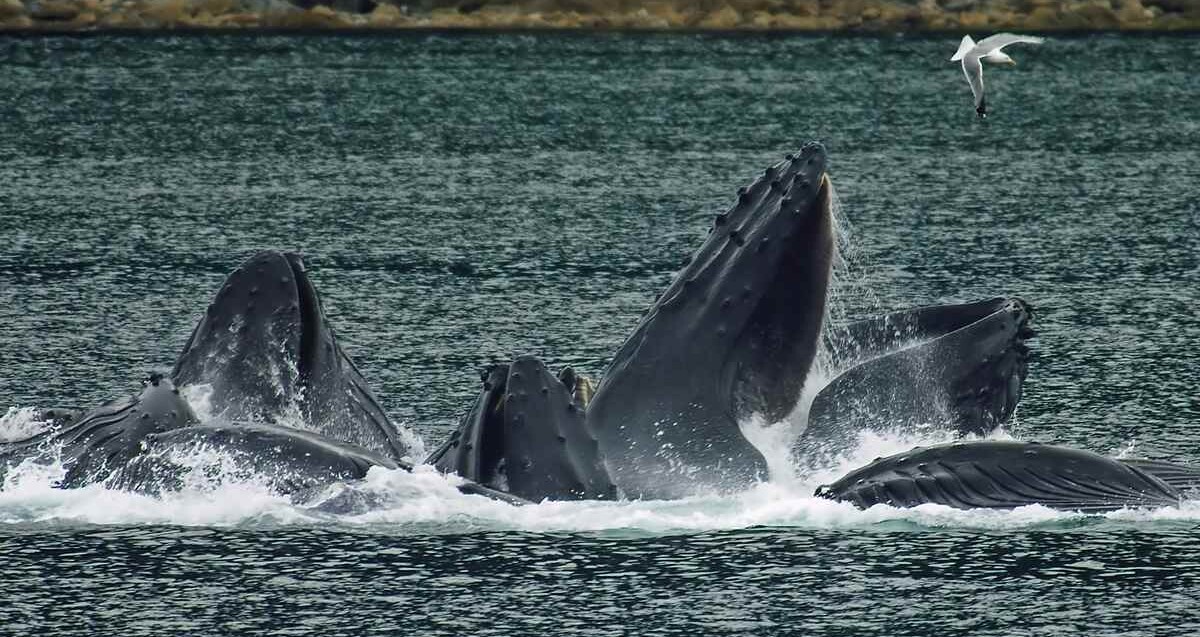
🐋
Record number of humpbacks observed feeding in ‘supergroup’ near South Africa
Record aantal bultruggen waargenomen die zich voeden in 'supergroep' nabij Zuid-Afrika
Nombre record de baleines à bosse observées en train de se nourrir dans un 'supergroupe' près de l'Afrique du Sud
Wow, can you believe it? Two photographers just set a world record by spotting 304 individual humpback whales in a single supergroup off the coast of South Africa! These magnificent creatures gather in massive numbers to feast on krill, creating a spectacular scene in the ocean. It's fascinating to think about why they form these supergroups, but whatever the reason, it’s a thrilling reminder of how well humpbacks are recovering from their whaling days. This is truly a remarkable moment for marine life and conservation!
Wauw, kun je het geloven? Twee fotografen hebben net een wereldrecord gevestigd door 304 individuele bultruggen in één supergroep te spotten voor de kust van Zuid-Afrika! Deze prachtige wezens verzamelen zich in enorme aantallen om zich te voeden met krill, wat een spectaculair schouwspel in de oceaan creëert. Het is fascinerend om na te denken over waarom ze deze supergroepen vormen, maar wat de reden ook is, het is een opwindende herinnering aan hoe goed bultruggen zich herstellen van hun walvisjacht dagen. Dit is echt een opmerkelijk moment voor het zeeleven en de natuurbehoud!
Wow, pouvez-vous le croire ? Deux photographes viennent de battre un record mondial en apercevant 304 baleines à bosse individuelles dans un seul supergroupe au large de la côte sud-africaine ! Ces créatures magnifiques se rassemblent en grand nombre pour se régaler de krill, créant une scène spectaculaire dans l'océan. C'est fascinant de penser à pourquoi elles forment ces supergroupes, mais quelle que soit la raison, c'est un rappel passionnant de la façon dont les baleines à bosse se rétablissent bien après les jours de chasse. C'est vraiment un moment remarquable pour la vie marine et la conservation !
📵
Phone-free social events grew by 567% led by the generations who didn’t have them until adulthood
Telefoonvrije sociale evenementen groeiden met 567% onder de generaties die ze pas als volwassene hadden
Les événements sociaux sans téléphone ont augmenté de 567 % sous l'impulsion des générations qui ne les ont pas connus avant l'âge adulte
So, it turns out that Gen Z and Millennials are really embracing phone-free experiences, with a whopping 567% increase globally! This shift shows how these generations, who grew up with limited smartphone use, are now leading the charge back to more meaningful gatherings. Events like the Offline Club in Europe and Kanso in the US are making waves, as people seek to connect without screens. It's exciting to see this trend grow, especially with the UK leading the way in phone-free socializing!
Het blijkt dat Gen Z en Millennials echt telefoonvrije ervaringen omarmen, met een enorme stijging van 567% wereldwijd! Deze verschuiving laat zien hoe deze generaties, die zijn opgegroeid met beperkte smartphonegebruik, nu de leiding nemen in het terugbrengen van betekenisvolle bijeenkomsten. Evenementen zoals de Offline Club in Europa en Kanso in de VS maken indruk, terwijl mensen zoeken naar verbinding zonder schermen. Het is spannend om deze trend te zien groeien, vooral met het VK dat de weg leidt in telefoonvrije sociale activiteiten!
Il s'avère que la génération Z et les Millennials adoptent vraiment des expériences sans téléphone, avec une augmentation impressionnante de 567 % dans le monde entier ! Ce changement montre comment ces générations, qui ont grandi avec un usage limité des smartphones, prennent maintenant les devants pour revenir à des rassemblements plus significatifs. Des événements comme l'Offline Club en Europe et Kanso aux États-Unis font sensation, alors que les gens cherchent à se connecter sans écrans. C'est excitant de voir cette tendance se développer, surtout avec le Royaume-Uni en tête des activités sociales sans téléphone !
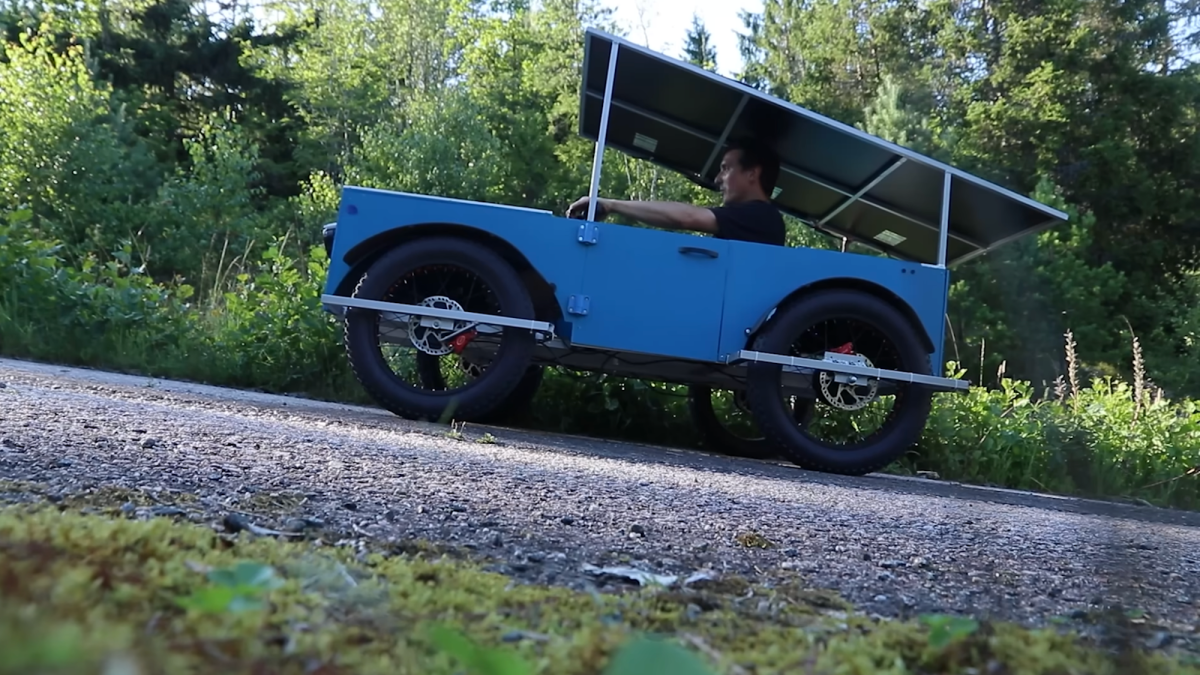
🌞
Man builds 30 mph solar car from a pair of e-bikes
Man bouwt een 30 mph zonneauto van een paar e-bikes
Un homme construit une voiture solaire de 30 mph à partir de deux e-bikes
So, here's a fascinating story about Simon Sörensen, who ingeniously created a solar-powered car using parts from two e-bikes. This isn't just any car; it can hit speeds of nearly 30 mph and even features four-wheel drive! With lightweight solar panels generating power, he can travel up to 62 miles on a sunny day—how cool is that? It's a brilliant example of how creativity and sustainability can come together in the most unexpected ways.
Dus, hier is een fascinerend verhaal over Simon Sörensen, die op ingenieuze wijze een zonneauto heeft gemaakt met onderdelen van twee e-bikes. Dit is niet zomaar een auto; hij kan snelheden van bijna 30 mph bereiken en heeft zelfs vierwielaandrijving! Met lichte zonnepanelen die energie opwekken, kan hij tot 100 kilometer rijden op een zonnige dag—hoe gaaf is dat? Het is een briljant voorbeeld van hoe creativiteit en duurzaamheid op de meest onverwachte manieren samenkomen.
Alors, voici une histoire fascinante sur Simon Sörensen, qui a ingénieusement créé une voiture solaire à partir de pièces de deux e-bikes. Ce n'est pas n'importe quelle voiture ; elle peut atteindre des vitesses de près de 30 mph et dispose même de la traction intégrale ! Avec des panneaux solaires légers générant de l'énergie, il peut parcourir jusqu'à 100 kilomètres par une journée ensoleillée—c'est génial, non ? C'est un exemple brillant de la façon dont la créativité et la durabilité peuvent se réunir de manière inattendue.
🚀
NASA plans 'Big Bang' intervention for Voyager 1 over 25 billion kilometers away
Op ruim 25 miljard kilometer afstand plant NASA ‘Big Bang’-ingreep voor ruimtesonde Voyager 1
À plus de 25 milliards de kilomètres, la NASA prévoit une intervention 'Big Bang' pour la sonde Voyager 1
NASA is gearing up for an exciting intervention on Voyager 1, which is currently over 25 billion kilometers from Earth. This 'Big Bang' operation aims to enhance the spacecraft's capabilities and extend its mission even further into the cosmos. It's incredible to think about the distances involved and the technology that makes this possible. I can't help but feel a sense of wonder about what Voyager 1 will discover next!
NASA bereidt zich voor op een spannende ingreep bij Voyager 1, dat momenteel meer dan 25 miljard kilometer van de aarde verwijderd is. Deze 'Big Bang'-operatie is bedoeld om de mogelijkheden van het ruimtevaartuig te verbeteren en zijn missie nog verder in de kosmos uit te breiden. Het is ongelooflijk om na te denken over de afstanden die hierbij komen kijken en de technologie die dit mogelijk maakt. Ik kan niet anders dan een gevoel van verwondering hebben over wat Voyager 1 als volgende zal ontdekken!
La NASA se prépare à une intervention passionnante sur Voyager 1, qui se trouve actuellement à plus de 25 milliards de kilomètres de la Terre. Cette opération 'Big Bang' vise à améliorer les capacités de la sonde et à prolonger sa mission encore plus loin dans le cosmos. C'est incroyable de penser aux distances impliquées et à la technologie qui rend cela possible. Je ne peux m'empêcher de ressentir un sentiment d'émerveillement quant à ce que Voyager 1 va découvrir ensuite !

⚖️
Purdue Pharma found guilty for role in opioid crisis
Purdue Pharma veroordeeld voor rol in opioïdencrisis
Purdue Pharma reconnu coupable de son rôle dans la crise des opioïdes
A federal judge in New Jersey has ruled against Purdue Pharma for its involvement in the opioid crisis, particularly due to the addictive painkiller OxyContin. This decision comes after hearing emotional testimonies from victims and their families, highlighting the devastating impact of the drug. The company is set to dissolve by May 1, and the judge has also called for an apology from its board chair. It's a significant step in addressing the consequences of corporate greed in the healthcare sector.
Een federale rechter in New Jersey heeft Purdue Pharma veroordeeld voor zijn betrokkenheid bij de opioïdencrisis, vooral door de verslavende pijnstiller OxyContin. Deze beslissing volgde na emotionele getuigenissen van slachtoffers en hun families, die de verwoestende impact van het medicijn benadrukten. Het bedrijf moet tegen 1 mei worden ontbonden, en de rechter heeft ook om een excuses van de voorzitter van de raad van bestuur gevraagd. Dit is een belangrijke stap in het aanpakken van de gevolgen van hebzucht in de gezondheidszorg.
Un juge fédéral du New Jersey a condamné Purdue Pharma pour son rôle dans la crise des opioïdes, notamment en raison de l'analgésique addictif OxyContin. Cette décision fait suite à des témoignages émouvants de victimes et de leurs familles, soulignant l'impact dévastateur du médicament. L'entreprise doit être dissoute d'ici le 1er mai, et le juge a également demandé des excuses de la part du président du conseil d'administration. C'est une étape significative pour aborder les conséquences de la cupidité des entreprises dans le secteur de la santé.
/s3/static.nrc.nl/wp-content/uploads/2026/04/29100613/290426BIN_2026333571_arts.jpg)
🌟
From stateless to doctor: Omid Daqiq's inspiring journey
Van staatloos naar arts: de inspirerende reis van Omid Daqiq
De l'apatridie au doctorat : le parcours inspirant d'Omid Daqiq
Omid Daqiq's journey from being stateless to earning his doctorate in medicine is nothing short of remarkable. Arriving in Amsterdam alone at just 14, he faced immense challenges, including a lack of identity and recognition. Despite these hurdles, he persevered, eventually graduating as a doctor and now training as a general practitioner. His story highlights the power of education and resilience in overcoming adversity.
De reis van Omid Daqiq van staatloosheid naar het behalen van zijn doctoraat in de geneeskunde is niets minder dan opmerkelijk. Op zijn veertiende arriveerde hij alleen in Amsterdam en stond hij voor immense uitdagingen, waaronder een gebrek aan identiteit en erkenning. Ondanks deze obstakels heeft hij volgehouden en uiteindelijk zijn diploma als arts behaald, en hij is nu in opleiding tot huisarts. Zijn verhaal benadrukt de kracht van onderwijs en veerkracht bij het overwinnen van tegenspoed.
Le parcours d'Omid Daqiq, passant de l'apatridie à l'obtention de son doctorat en médecine, est tout simplement remarquable. Arrivé à Amsterdam seul à seulement 14 ans, il a dû faire face à d'énormes défis, notamment l'absence d'identité et de reconnaissance. Malgré ces obstacles, il a persévéré, obtenant finalement son diplôme de médecin et se formant maintenant en tant que médecin généraliste. Son histoire met en lumière le pouvoir de l'éducation et de la résilience pour surmonter l'adversité.
🔊
Scientists strip cancer cells of their disguise using sound waves
Wetenschappers ontdoen kankercellen van hun vermomming met behulp van geluidsgolven
Des scientifiques dépouillent les cellules cancéreuses de leur déguisement à l'aide d'ondes sonores
So, researchers have made a groundbreaking discovery by using sound waves to reveal cancer cells' true nature. This innovative approach could significantly enhance the effectiveness of cancer treatments. Imagine being able to target these cells more accurately and efficiently! It’s exciting to think about how this could change the landscape of cancer therapy for the better.
Dus, onderzoekers hebben een baanbrekende ontdekking gedaan door geluidsgolven te gebruiken om de ware aard van kankercellen te onthullen. Deze innovatieve benadering kan de effectiviteit van kankertreatments aanzienlijk verbeteren. Stel je voor dat je deze cellen nauwkeuriger en efficiënter kunt targeten! Het is opwindend om te bedenken hoe dit het landschap van kankertherapie ten goede kan veranderen.
Alors, des chercheurs ont fait une découverte révolutionnaire en utilisant des ondes sonores pour révéler la véritable nature des cellules cancéreuses. Cette approche innovante pourrait considérablement améliorer l'efficacité des traitements contre le cancer. Imaginez pouvoir cibler ces cellules de manière plus précise et efficace ! C'est excitant de penser à la façon dont cela pourrait changer le paysage de la thérapie contre le cancer pour le mieux.

🐱
A chunky digital cat is here to help you stop doomscrolling
Een dikke digitale kat is hier om je te helpen met doomscrolling te stoppen
Un gros chat numérique est là pour vous aider à arrêter de faire défiler sans fin
So, if you find yourself endlessly scrolling through social media, there's a quirky solution called Cat Gatekeeper. This free Chrome extension brings a hefty tabby cat right into your browser to interrupt your scrolling after a set time. It’s a playful way to remind you to take a break and enjoy life away from the screen. Plus, it’s ad-free and doesn’t collect your data, making it a trustworthy companion in your quest to limit screen time.
Dus, als je eindeloos door sociale media scrollt, is er een grappige oplossing genaamd Cat Gatekeeper. Deze gratis Chrome-extensie brengt een dikke tabby-kat in je browser om je scrolling na een bepaalde tijd te onderbreken. Het is een speelse manier om je eraan te herinneren een pauze te nemen en van het leven buiten het scherm te genieten. Bovendien is het advertentievrij en verzamelt het geen gegevens, waardoor het een betrouwbare metgezel is in je zoektocht naar minder schermtijd.
Donc, si vous vous retrouvez à faire défiler sans fin les réseaux sociaux, il existe une solution originale appelée Cat Gatekeeper. Cette extension Chrome gratuite fait apparaître un gros chat tabby dans votre navigateur pour interrompre votre défilement après un certain temps. C'est une manière ludique de vous rappeler de faire une pause et de profiter de la vie loin de l'écran. De plus, elle est sans publicité et ne collecte pas vos données, ce qui en fait un compagnon de confiance dans votre quête pour limiter votre temps d'écran.
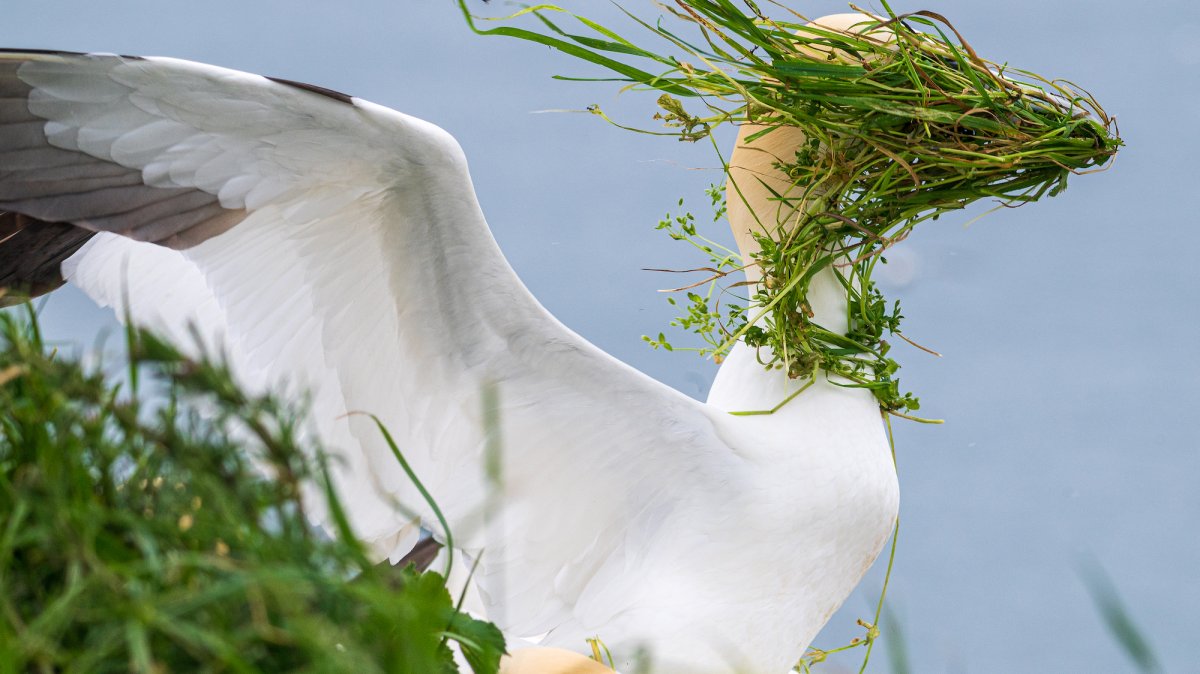
😂
18 silly finalists from the comedy wildlife people’s choice awards
18 grappige finalisten van de comedy wildlife people's choice awards
18 finalistes amusants des comedy wildlife people's choice awards
The Nikon Comedy Wildlife Awards have brought some laughter to our day with their latest finalists! Alison Tuck's winning photo of a gannet struggling against the wind perfectly captures the relatable chaos of nature. With forty finalists, we see everything from cheeky bears to annoyed lionesses, each telling their own funny story. Plus, the contest is open for entries until June 30, so photographers worldwide can join in on the fun!
De Nikon Comedy Wildlife Awards hebben wat lachen in onze dag gebracht met hun nieuwste finalisten! De winnende foto van Alison Tuck van een jan-van-gent die tegen de wind vecht, vangt perfect de herkenbare chaos van de natuur. Met veertig finalisten zien we alles van ondeugende beren tot geïrriteerde leeuwinnen, elk met hun eigen grappige verhaal. Bovendien is de wedstrijd open voor inzendingen tot 30 juni, zodat fotografen van over de hele wereld mee kunnen doen aan het plezier!
Les Nikon Comedy Wildlife Awards ont apporté un peu de rire à notre journée avec leurs derniers finalistes ! La photo gagnante d'Alison Tuck d'un fou de Bassan luttant contre le vent capture parfaitement le chaos relatable de la nature. Avec quarante finalistes, nous voyons tout, des ours espiègles aux lionnes agacées, chacun racontant sa propre histoire drôle. De plus, le concours est ouvert aux inscriptions jusqu'au 30 juin, alors les photographes du monde entier peuvent participer à l'amusement !
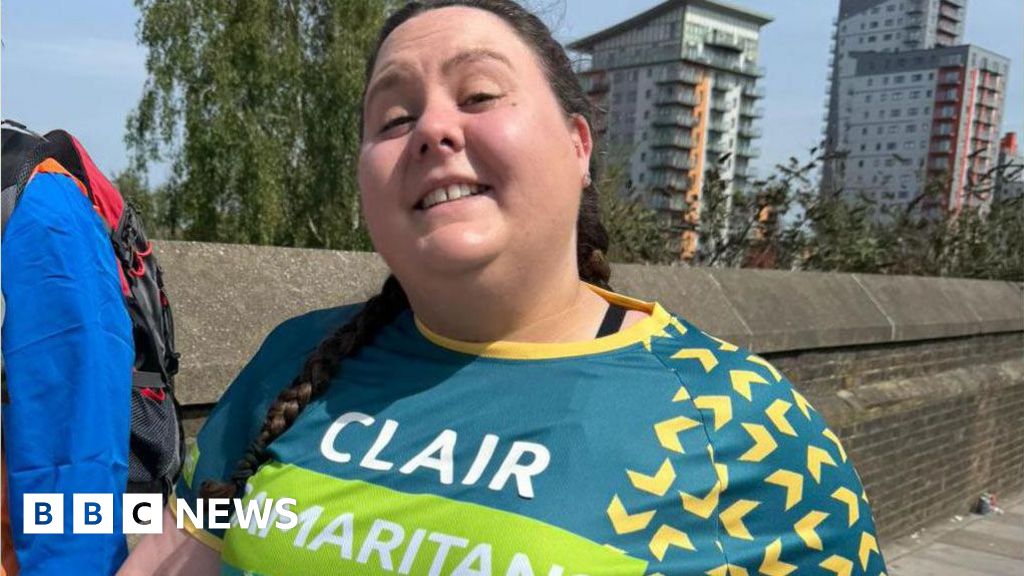
🌟
I'm proud to have come last at the London Marathon
Ik ben trots dat ik als laatste ben geëindigd bij de London Marathon
Je suis fier d'avoir terminé dernier au marathon de Londres
Clair Roberts, who finished last at the London Marathon, considers it a huge privilege to raise money for a charity that helped her during a dark time. Completing the marathon in 12 hours and 16 minutes, she felt proud to cross the alternative finish line. Despite battling a virus and injuries, Clair's determination shone through as she aimed to inspire others with her story of hope. The support from tailwalkers and the community made her journey even more special.
Clair Roberts, die als laatste eindigde bij de London Marathon, beschouwt het als een enorme eer om geld in te zamelen voor een liefdadigheid die haar hielp tijdens een donkere periode. Ze voltooide de marathon in 12 uur en 16 minuten en voelde zich trots toen ze de alternatieve finishlijn passeerde. Ondanks dat ze vocht tegen een virus en blessures, straalde Clair's vastberadenheid door terwijl ze anderen wilde inspireren met haar verhaal van hoop. De steun van de tailwalkers en de gemeenschap maakte haar reis nog specialer.
Clair Roberts, qui a terminé dernière au marathon de Londres, considère que c'est un énorme privilège de collecter des fonds pour une œuvre caritative qui l'a aidée pendant une période sombre. En terminant le marathon en 12 heures et 16 minutes, elle était fière de franchir la ligne d'arrivée alternative. Malgré un virus et des blessures, la détermination de Clair a brillé alors qu'elle visait à inspirer les autres avec son histoire d'espoir. Le soutien des tailwalkers et de la communauté a rendu son parcours encore plus spécial.
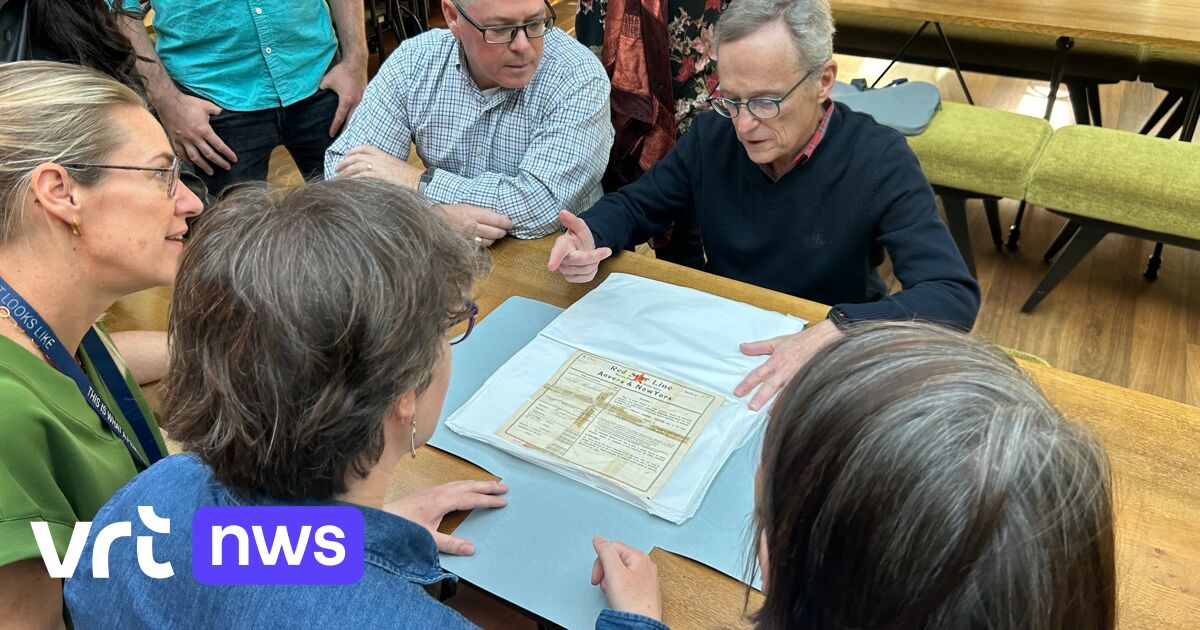
🌍
Grandson Steve from the US donates grandfather Jakob's 1911 ship ticket to Red Star Line Museum: 'Owe our lives to it'
Kleinzoon Steve uit de VS doneert scheepsticket van opa Jakob uit 1911 aan Red Star Line Museum: 'Danken ons leven eraan'
Le petit-fils Steve des États-Unis fait don du billet de bateau de son grand-père Jakob de 1911 au Musée Red Star Line : 'Nous devons notre vie à cela'
What a heartwarming story! Steve Rosen, the grandson of Jakob Sternbuch, has donated his grandfather's 1911 ship ticket to the Red Star Line Museum in Antwerp. This ticket represents a journey that countless families took from Europe to America, and Steve's family was clearly moved by the moment. It's fascinating to think about the history behind that ticket, including details like the onboard menu and baggage allowance, which will now be preserved for future generations.
Wat een hartverwarmend verhaal! Steve Rosen, de kleinzoon van Jakob Sternbuch, heeft het scheepsticket van zijn grootvader uit 1911 geschonken aan het Red Star Line Museum in Antwerpen. Dit ticket vertegenwoordigt een reis die talloze families van Europa naar Amerika maakten, en de familie van Steve was duidelijk ontroerd door het moment. Het is fascinerend om na te denken over de geschiedenis achter dat ticket, inclusief details zoals het menu aan boord en de bagagevergoeding, die nu bewaard zal blijven voor toekomstige generaties.
Quelle histoire réconfortante ! Steve Rosen, le petit-fils de Jakob Sternbuch, a fait don du billet de bateau de son grand-père de 1911 au Musée Red Star Line à Anvers. Ce billet représente un voyage que d'innombrables familles ont effectué d'Europe vers l'Amérique, et la famille de Steve était clairement émue par ce moment. Il est fascinant de penser à l'histoire derrière ce billet, y compris des détails comme le menu à bord et la franchise de bagages, qui seront désormais préservés pour les générations futures.
🤖
How South Korea Uses A.I. to Check on Its Elderly
Hoe Zuid-Korea A.I. gebruikt om op zijn ouderen te letten
Comment la Corée du Sud utilise l'A.I. pour surveiller ses personnes âgées
In South Korea, there's a fascinating approach to caring for the elderly using artificial intelligence. This innovative technology helps monitor seniors, ensuring their well-being and safety in a rapidly aging society. It's amazing to see how A.I. can assist caregivers and provide companionship, making life a bit easier for everyone involved. This initiative highlights the potential of technology to enhance quality of life for our loved ones.
In Zuid-Korea is er een fascinerende benadering van de zorg voor ouderen met behulp van kunstmatige intelligentie. Deze innovatieve technologie helpt bij het monitoren van senioren, waardoor hun welzijn en veiligheid in een snel vergrijzende samenleving worden gewaarborgd. Het is geweldig om te zien hoe A.I. verzorgers kan ondersteunen en gezelschap kan bieden, waardoor het leven voor iedereen iets gemakkelijker wordt. Dit initiatief benadrukt het potentieel van technologie om de levenskwaliteit van onze dierbaren te verbeteren.
En Corée du Sud, il existe une approche fascinante pour prendre soin des personnes âgées en utilisant l'intelligence artificielle. Cette technologie innovante aide à surveiller les seniors, garantissant leur bien-être et leur sécurité dans une société qui vieillit rapidement. C'est incroyable de voir comment l'A.I. peut assister les soignants et offrir de la compagnie, rendant la vie un peu plus facile pour tous. Cette initiative met en lumière le potentiel de la technologie pour améliorer la qualité de vie de nos proches.
🌟
Cellular rejuvenation has the potential to reverse aging
Cellulaire verjonging heeft het potentieel om veroudering om te keren
La régénération cellulaire a le potentiel de renverser le vieillissement
I find it absolutely fascinating that cellular rejuvenation might actually reverse aging! Researchers are diving deep into the science behind this, exploring how we can potentially reset our cells to a younger state. This could lead to groundbreaking advancements in health and longevity, which is just thrilling to think about. Imagine a future where aging is not just a part of life, but something we can actively manage!
Ik vind het absoluut fascinerend dat cellulaire verjonging veroudering mogelijk kan omkeren! Onderzoekers duiken diep in de wetenschap erachter en verkennen hoe we onze cellen mogelijk naar een jongere staat kunnen resetten. Dit kan leiden tot baanbrekende vooruitgangen in gezondheid en levensduur, wat gewoon opwindend is om over na te denken. Stel je een toekomst voor waarin veroudering niet alleen een onderdeel van het leven is, maar iets dat we actief kunnen beheersen!
Je trouve absolument fascinant que la régénération cellulaire puisse en fait inverser le vieillissement ! Les chercheurs plongent profondément dans la science derrière cela, explorant comment nous pouvons potentiellement réinitialiser nos cellules à un état plus jeune. Cela pourrait conduire à des avancées révolutionnaires en matière de santé et de longévité, ce qui est tout simplement passionnant à imaginer. Imaginez un avenir où le vieillissement n'est pas seulement une partie de la vie, mais quelque chose que nous pouvons gérer activement !
📝
Subtle but powerful form of self-validation: how to start journaling
Subtiele maar krachtige vorm van zelfvalidatie: hoe te beginnen met journaling
Forme subtile mais puissante de validation de soi : comment commencer à tenir un journal
Journaling is such a fascinating practice that has been around for thousands of years! It’s all about putting your thoughts on paper, which can be a powerful way to validate yourself. Many people feel embarrassed about journaling, but it’s really just for you, not an audience. Plus, it can help clarify your emotions and change your perspective on experiences. So, why not give it a try and see how it works for you?
Journaling is zo'n fascinerende praktijk die al duizenden jaren bestaat! Het gaat erom je gedachten op papier te zetten, wat een krachtige manier kan zijn om jezelf te valideren. Veel mensen voelen zich beschaamd over journaling, maar het is echt alleen voor jou, niet voor een publiek. Bovendien kan het helpen om je emoties te verduidelijken en je perspectief op ervaringen te veranderen. Dus, waarom zou je het niet proberen en kijken hoe het voor jou werkt?
Le journaling est une pratique fascinante qui existe depuis des milliers d'années ! Il s'agit de mettre vos pensées sur papier, ce qui peut être un moyen puissant de vous valider. Beaucoup de gens se sentent gênés par le journaling, mais c'est vraiment pour vous, pas pour un public. De plus, cela peut aider à clarifier vos émotions et à changer votre perspective sur les expériences. Alors, pourquoi ne pas essayer et voir comment cela fonctionne pour vous ?
🐶
Beasts of no party: the curious history of America’s animal mayors
Beesten zonder partij: de curieuze geschiedenis van Amerika's dierenburgemeesters
Bêtes sans parti : l'histoire curieuse des maires animaux d'Amérique
So, can you believe it? In Divide, Colorado, a dog named Ringo has just been elected mayor, continuing a quirky tradition of animal mayors in the area. This election was quite the spectacle, with Ringo triumphing over a cat and a sugar glider, while a donkey snagged the vice-mayor position. It’s fascinating how these lighthearted elections not only bring joy but also raise funds for local causes, like the animal shelter that benefited from this year's vote. Ringo will officially take office on May 8, and I can't wait to see how he leads!
Dus, kun je het geloven? In Divide, Colorado, is een hond genaamd Ringo net verkozen tot burgemeester, wat een curieuze traditie van dierenburgemeesters in de regio voortzet. Deze verkiezingen waren een waar spektakel, waarbij Ringo triomfeerde boven een kat en een suikervlieg, terwijl een ezel de functie van vice-burgemeester veroverde. Het is fascinerend hoe deze luchtige verkiezingen niet alleen vreugde brengen, maar ook geld inzamelen voor lokale doelen, zoals het dierenasiel dat van deze stemronde profiteerde. Ringo zal officieel op 8 mei aan de slag gaan, en ik kan niet wachten om te zien hoe hij zal leiden!
Alors, pouvez-vous le croire ? À Divide, Colorado, un chien nommé Ringo vient d'être élu maire, poursuivant une tradition curieuse de maires animaux dans la région. Cette élection était un véritable spectacle, avec Ringo triomphant d'un chat et d'un écureuil volant, tandis qu'un âne a décroché le poste de vice-maire. C'est fascinant de voir comment ces élections légères apportent non seulement de la joie, mais collectent également des fonds pour des causes locales, comme le refuge pour animaux qui a bénéficié de ce vote. Ringo prendra officiellement ses fonctions le 8 mai, et j'ai hâte de voir comment il va diriger !
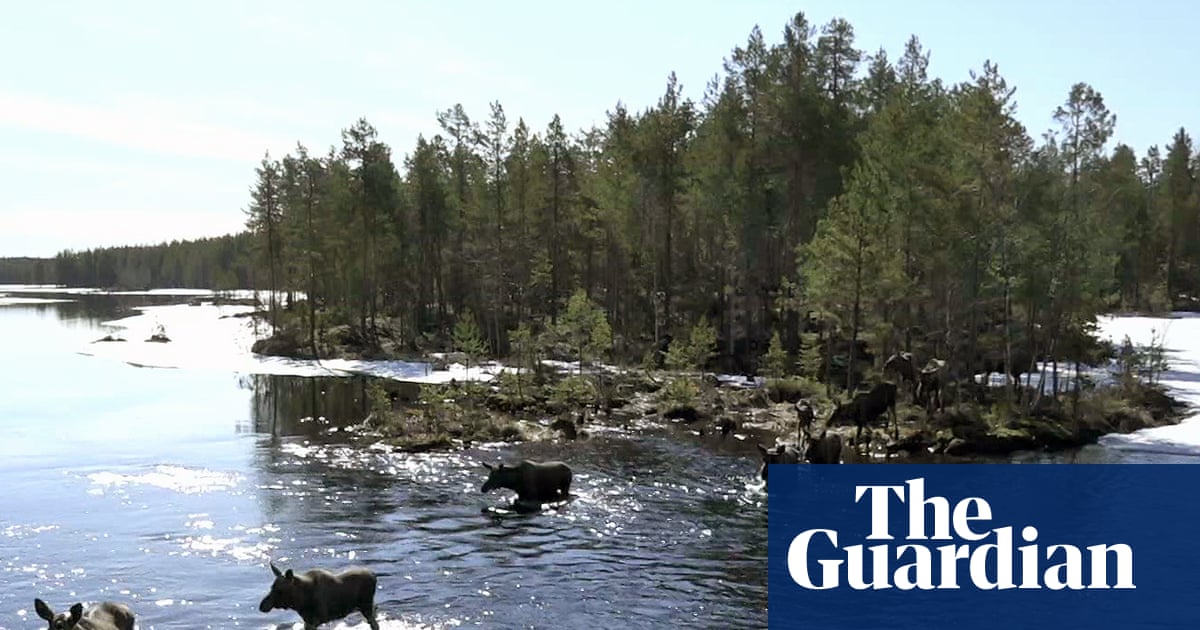
🦌
‘When we saw one there were high-fives and hugging’: the Swedish TV show (hopefully) bringing moose to your sofa
‘Toen we er een zagen, waren er high-fives en knuffels’: de Zweedse tv-show die hopelijk elanden naar je bank brengt
‘Quand nous en avons vu un, il y a eu des high-fives et des câlins’: l'émission de télévision suédoise qui espère apporter des élans à votre canapé
I just love the idea of The Great Moose Migration bringing the beauty of nature right into our living rooms! This unique Swedish show offers a three-week-long livestream where viewers can catch glimpses of moose as they make their annual crossing. It's fascinating how the production team has set up 30 cameras and 42 microphones to capture every moment, even if it means waiting for hours. The excitement builds as fans chat online, and who knows, maybe this year they'll break the record for the most moose spotted swimming!
Ik vind het geweldig dat De Grote Elanden Migratie de schoonheid van de natuur rechtstreeks in onze huiskamers brengt! Deze unieke Zweedse show biedt een livestream van drie weken waarin kijkers glimpsen van elanden kunnen opvangen terwijl ze hun jaarlijkse oversteek maken. Het is fascinerend hoe het productieteam 30 camera's en 42 microfoons heeft opgezet om elk moment vast te leggen, zelfs als dat betekent dat ze uren moeten wachten. De spanning stijgt terwijl fans online chatten, en wie weet, misschien breken ze dit jaar het record voor het meeste aantal zwemmende elanden!
J'adore l'idée que La Grande Migration des Élan apporte la beauté de la nature directement dans nos salons ! Cette émission suédoise unique propose un livestream de trois semaines où les téléspectateurs peuvent apercevoir des élans lors de leur traversée annuelle. C'est fascinant de voir comment l'équipe de production a installé 30 caméras et 42 microphones pour capturer chaque moment, même si cela signifie attendre des heures. L'excitation monte alors que les fans discutent en ligne, et qui sait, peut-être qu'ils établiront cette année un nouveau record du plus grand nombre d'élans aperçus en train de nager !

🏃♂️
Sabastian Sawe smashes two-hour barrier to make history at London Marathon
Sabastian Sawe doorbreekt de twee-uurgrens en maakt geschiedenis tijdens de London Marathon
Sabastian Sawe brise la barrière des deux heures et fait l'histoire au marathon de Londres
Wow, what an incredible moment in sports history! Sabastian Sawe has just become the first athlete to run a sub-two-hour marathon in a competitive race, finishing in an astonishing one hour, 59 minutes, and 30 seconds. This is more than a minute faster than the previous record, and he really pushed himself in the final stretch. It's amazing to see such talent and determination on display, and he’s definitely made this day unforgettable!
Wauw, wat een ongelooflijk moment in de sportgeschiedenis! Sabastian Sawe is zojuist de eerste atleet geworden die een marathon in minder dan twee uur heeft gelopen in een competitieve race, met een verbluffende tijd van één uur, 59 minuten en 30 seconden. Dit is meer dan een minuut sneller dan het vorige record, en hij heeft zichzelf echt uitgedaagd in de laatste kilometers. Het is geweldig om zoveel talent en vastberadenheid te zien, en hij heeft deze dag zeker onvergetelijk gemaakt!
Wow, quel moment incroyable dans l'histoire du sport ! Sabastian Sawe vient de devenir le premier athlète à courir un marathon en moins de deux heures lors d'une course compétitive, terminant en une heure, 59 minutes et 30 secondes. C'est plus d'une minute plus rapide que le précédent record, et il s'est vraiment surpassé dans la dernière ligne droite. C'est incroyable de voir un tel talent et une telle détermination, et il a définitivement rendu cette journée inoubliable !
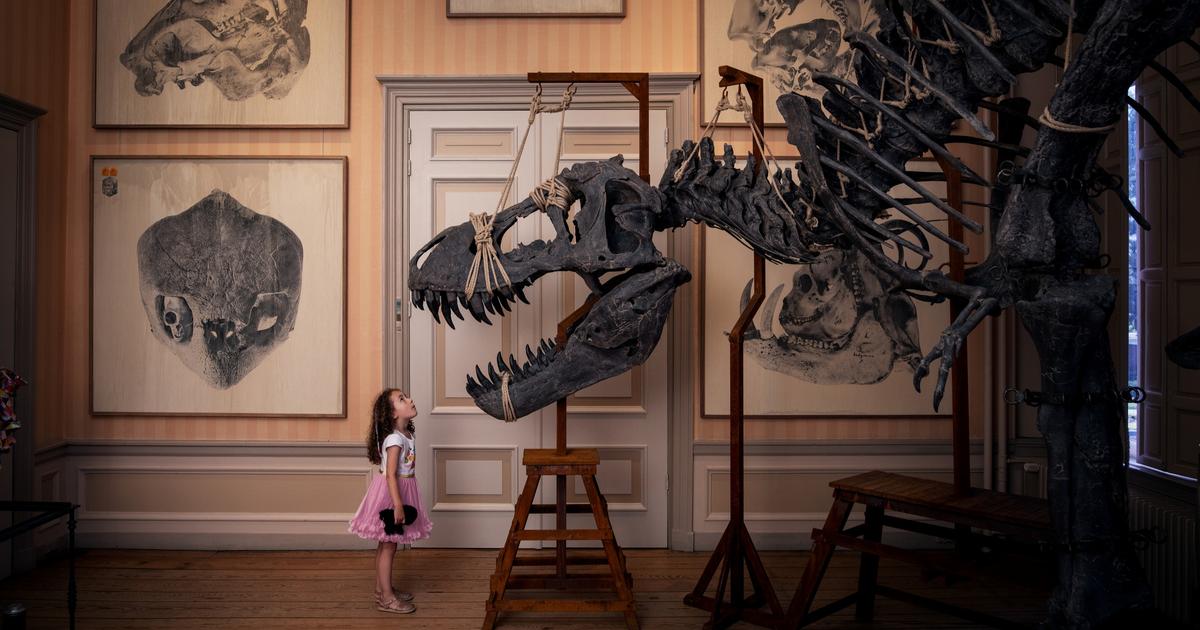
🦖
In Amsterdam, the Art Zoo museum showcases dinosaur fossils transformed into works of art
In Amsterdam toont het Art Zoo museum dinosaurusskeletten die zijn omgevormd tot kunstwerken
À Amsterdam, le musée Art Zoo expose des fossiles de dinosaures transformés en œuvres d'art
So, there's this fascinating exhibition called Relics at the Art Zoo museum in Amsterdam, featuring nine stunning sculptures made from prehistoric fossils. These artworks, crafted by artists Jaap Sinke and Ferry van Tongeren, aim to highlight the beauty of fossils that usually sit in educational galleries. One standout piece is a triceratops skull, suspended above a hyper-realistic coral sculpture, which really brings a new life to these ancient remains. It's all about merging art and science to create something truly captivating for everyone to enjoy.
Er is een fascinerende tentoonstelling genaamd Relics in het Art Zoo museum in Amsterdam, met negen prachtige sculpturen gemaakt van prehistorische fossielen. Deze kunstwerken, vervaardigd door de kunstenaars Jaap Sinke en Ferry van Tongeren, zijn bedoeld om de schoonheid van fossielen te benadrukken die meestal in educatieve galerijen zitten. Een opvallend stuk is een triceratops-schedel, die boven een hyperrealistisch koraalsculptuur hangt, wat echt nieuw leven in deze oude resten brengt. Het draait allemaal om het samenbrengen van kunst en wetenschap om iets werkelijk boeiends voor iedereen te creëren.
Il y a une exposition fascinante appelée Relics au musée Art Zoo d'Amsterdam, présentant neuf sculptures magnifiques réalisées à partir de fossiles préhistoriques. Ces œuvres d'art, créées par les artistes Jaap Sinke et Ferry van Tongeren, visent à mettre en valeur la beauté des fossiles qui se trouvent généralement dans des galeries éducatives. Une pièce maîtresse est un crâne de tricératops, suspendu au-dessus d'une sculpture de coraux hyperréalistes, qui donne vraiment une nouvelle vie à ces restes anciens. Tout cela vise à fusionner l'art et la science pour créer quelque chose de véritablement captivant pour tous.
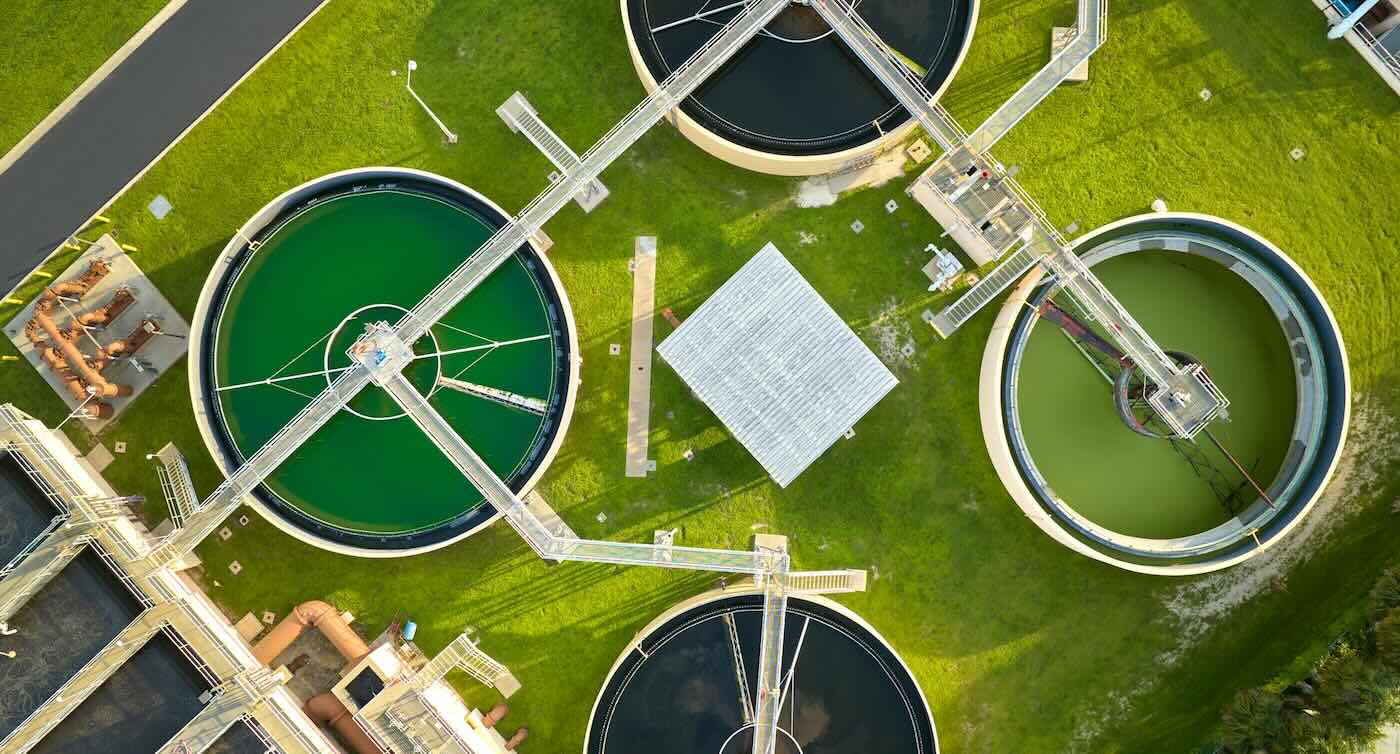
🌱
Researchers develop way to get natural gas that’s renewable directly from sewage
Onderzoekers ontwikkelen manier om hernieuwbaar aardgas direct uit rioolwater te halen
Des chercheurs développent un moyen d'obtenir du gaz naturel renouvelable directement à partir des eaux usées
I’m really excited about this new research from Washington State University! They’ve found a way to turn sewage sludge into renewable natural gas, cutting treatment costs by nearly half. By using a special pretreatment method, they produced 200% more gas compared to traditional methods. This could help communities tackle waste sustainably while providing clean energy—how fantastic is that?
Ik ben echt enthousiast over dit nieuwe onderzoek van de Washington State University! Ze hebben een manier gevonden om rioolslib om te zetten in hernieuwbaar aardgas, waarbij de behandelingskosten met bijna de helft zijn verlaagd. Door een speciale voorbehandelingsmethode te gebruiken, produceerden ze 200% meer gas in vergelijking met traditionele methoden. Dit kan gemeenschappen helpen om afval duurzaam aan te pakken en tegelijkertijd schone energie te bieden - hoe fantastisch is dat?
Je suis vraiment enthousiaste à propos de cette nouvelle recherche de l'Université de l'État de Washington ! Ils ont trouvé un moyen de transformer les boues d'égout en gaz naturel renouvelable, réduisant les coûts de traitement de près de la moitié. En utilisant une méthode de prétraitement spéciale, ils ont produit 200 % de gaz en plus par rapport aux méthodes traditionnelles. Cela pourrait aider les communautés à gérer les déchets de manière durable tout en fournissant de l'énergie propre - c'est fantastique, non ?
🌟
Mississippi school kids stop school bus on highway after driver passes out
Mississippi schoolkinderen stoppen schoolbus op snelweg nadat chauffeur flauwvalt
Des élèves du Mississippi arrêtent un bus scolaire sur l'autoroute après que le conducteur s'est évanoui
Wow, what an incredible story! Middle school students in Mississippi really stepped up when their bus driver passed out while driving. They took quick action, with one student grabbing the wheel and others helping to slow down the bus. Thanks to their bravery, they managed to park the bus safely and call for help, ultimately saving their driver's life. It's heartwarming to see such courage and teamwork in action!
Wauw, wat een ongelooflijk verhaal! Middelbare scholieren in Mississippi hebben echt hun best gedaan toen hun buschauffeur flauwviel tijdens het rijden. Ze hebben snel gehandeld, waarbij één student het stuur greep en anderen hielpen om de bus tot stilstand te brengen. Dankzij hun moed konden ze de bus veilig parkeren en hulp inroepen, waardoor ze het leven van hun chauffeur hebben gered. Het is hartverwarmend om zo'n moed en teamwork in actie te zien!
Wow, quelle histoire incroyable ! Des élèves du collège du Mississippi ont vraiment pris les choses en main lorsque leur conducteur de bus s'est évanoui en conduisant. Ils ont agi rapidement, avec un élève qui a saisi le volant et d'autres qui ont aidé à ralentir le bus. Grâce à leur bravoure, ils ont réussi à garer le bus en toute sécurité et à appeler à l'aide, sauvant ainsi la vie de leur conducteur. C'est réconfortant de voir un tel courage et un tel travail d'équipe en action !
🌳
Cries of delight as Sumatran orangutan filmed using canopy bridge to cross road for first time
Kreten van vreugde als Sumatraanse orang-oetan voor het eerst gefilmd wordt terwijl hij een canopybrug oversteekt
Des cris de joie alors qu'un orang-outan de Sumatra filmé utilisant un pont de canopée pour traverser la route pour la première fois
I can't believe it – the critically endangered Sumatran orangutan has been filmed crossing a canopy bridge for the very first time! This amazing moment happened in North Sumatra, where conservationists built the bridge to help these magnificent creatures navigate a busy road. After two long years of waiting, the team erupted in joy as they finally captured this footage. It’s a huge step forward for the survival of the species, showing that we can create solutions that benefit both wildlife and local communities.
Ik kan het niet geloven - de kritiek bedreigde Sumatraanse orang-oetan is voor het eerst gefilmd terwijl hij een canopybrug oversteekt! Dit geweldige moment vond plaats in Noord-Sumatra, waar natuurbeschermers de brug bouwden om deze prachtige wezens te helpen een drukke weg te oversteken. Na twee lange jaren van wachten barstte het team in vreugde uit toen ze eindelijk deze beelden vastlegden. Het is een enorme stap vooruit voor het voortbestaan van de soort, die laat zien dat we oplossingen kunnen creëren die zowel de dieren als de lokale gemeenschappen ten goede komen.
Je n'arrive pas à y croire - l'orang-outan de Sumatra, en danger critique, a été filmé en train de traverser un pont de canopée pour la toute première fois ! Ce moment incroyable s'est produit à Sumatra du Nord, où les conservationnistes ont construit le pont pour aider ces magnifiques créatures à naviguer sur une route très fréquentée. Après deux longues années d'attente, l'équipe a éclaté de joie en capturant enfin ces images. C'est un grand pas en avant pour la survie de l'espèce, montrant que nous pouvons créer des solutions qui bénéficient à la fois à la faune et aux communautés locales.
💧
Watch the Artemis II astronauts have fun with bubbles
Kijk hoe de Artemis II-astronauten plezier hebben met bellen
Regardez les astronautes d'Artemis II s'amuser avec des bulles
It's amazing to see how even in the serious world of space exploration, there's room for a bit of fun! The Artemis II crew recently played with a floating ball of water in zero gravity, and it was quite the spectacle. The way the water shapes itself and distorts light is a fascinating physics lesson. Plus, it reminds us that perspective is everything, just like retired astronaut Karen Nyberg pointed out.
Het is geweldig om te zien hoe er zelfs in de serieuze wereld van de ruimteverkenning ruimte is voor een beetje plezier! De Artemis II-crew speelde onlangs met een drijvende waterbol in de gewichtloosheid, en het was een spektakel. De manier waarop het water zich vormt en licht vervormt, is een fascinerende natuurkundeles. Bovendien herinnert het ons eraan dat perspectief alles is, zoals de gepensioneerde astronaut Karen Nyberg opmerkte.
C'est incroyable de voir qu'il y a même de la place pour un peu de plaisir dans le monde sérieux de l'exploration spatiale ! L'équipage d'Artemis II a récemment joué avec une boule d'eau flottante en apesanteur, et c'était tout un spectacle. La façon dont l'eau se forme et déforme la lumière est une leçon de physique fascinante. De plus, cela nous rappelle que la perspective est tout, comme l'a souligné l'astronaute à la retraite Karen Nyberg.
🥊
Young women in Uganda box their way out of poverty: “My family hopes I come home with some sponsorship money”
Jonge vrouwen in Oeganda boksen zich een weg uit de armoede: “Mijn familie hoopt dat ik met wat sponsorgeld thuiskom”
Des jeunes femmes en Ouganda se battent pour sortir de la pauvreté : « Ma famille espère que je rentre avec de l'argent de parrainage »
It's truly inspiring to see young women in Uganda using boxing as a way to fight against poverty. They train hard, not just for themselves but for their families who are counting on them. The hope is that with some sponsorship money, they can improve their lives and support their loved ones. This story highlights the power of determination and the impact of sports in transforming lives.
Het is echt inspirerend om te zien hoe jonge vrouwen in Oeganda boksen als een manier om de armoede te bestrijden. Ze trainen hard, niet alleen voor zichzelf, maar ook voor hun families die op hen rekenen. De hoop is dat ze met wat sponsorgeld hun leven kunnen verbeteren en hun dierbaren kunnen ondersteunen. Dit verhaal benadrukt de kracht van vastberadenheid en de impact van sport op het veranderen van levens.
C'est vraiment inspirant de voir de jeunes femmes en Ouganda utiliser la boxe comme moyen de lutter contre la pauvreté. Elles s'entraînent dur, non seulement pour elles-mêmes, mais aussi pour leurs familles qui comptent sur elles. L'espoir est qu'avec un peu d'argent de parrainage, elles puissent améliorer leur vie et soutenir leurs proches. Cette histoire met en lumière le pouvoir de la détermination et l'impact du sport dans la transformation des vies.

🌟
AI-designed drugs by a DeepMind spinoff are headed to human trials
AI-ontworpen medicijnen van een DeepMind-spin-off gaan naar menselijke proeven
Des médicaments conçus par IA d'un spin-off de DeepMind sont prêts pour des essais humains
Isomorphic Labs, a spinoff from Google DeepMind, is gearing up to begin human trials for drugs designed using their groundbreaking AI technology. This follows the success of AlphaFold, which has transformed our understanding of proteins and their structures. Max Jaderberg, the president of Isomorphic, expressed excitement about the potential efficacy of these AI-designed molecules. With partnerships in place and a hefty funding boost, the company is on a mission to revolutionize drug discovery and tackle diseases head-on.
Isomorphic Labs, een spin-off van Google DeepMind, bereidt zich voor om menselijke proeven te beginnen voor medicijnen die zijn ontworpen met behulp van hun baanbrekende AI-technologie. Dit volgt op het succes van AlphaFold, dat ons begrip van eiwitten en hun structuren heeft getransformeerd. Max Jaderberg, de president van Isomorphic, sprak zijn enthousiasme uit over de potentiële effectiviteit van deze AI-ontworpen moleculen. Met partnerschappen en een flinke financieringsboost is het bedrijf vastbesloten om de geneesmiddelenontwikkeling te revolutioneren en ziektes aan te pakken.
Isomorphic Labs, un spin-off de Google DeepMind, se prépare à commencer des essais humains pour des médicaments conçus grâce à leur technologie d'IA révolutionnaire. Cela fait suite au succès d'AlphaFold, qui a transformé notre compréhension des protéines et de leurs structures. Max Jaderberg, le président d'Isomorphic, a exprimé son enthousiasme quant à l'efficacité potentielle de ces molécules conçues par IA. Avec des partenariats en place et un financement conséquent, l'entreprise est déterminée à révolutionner la découverte de médicaments et à s'attaquer aux maladies.
/s3/static.nrc.nl/wp-content/uploads/2026/04/23115731/240426WET_2033112099_1.jpg)
🧠
Clusters in the brain but no alzheimer's, how can that be?
Wel klontjes in het brein maar geen alzheimer, hoe kan dat?
Des amas dans le cerveau mais pas d'alzheimer, comment est-ce possible ?
Researchers from the Dutch Brain Institute have made an exciting discovery about immature brain cells in the hippocampus that may protect against Alzheimer's disease. They found that some older individuals had protein clusters in their brains but did not experience memory loss. This suggests that something in their brains helps them resist cognitive decline. The study opens up new avenues for understanding how the brain can potentially repair itself in the face of neurodegenerative diseases.
Onderzoekers van het Nederlands Herseninstituut hebben een opwindende ontdekking gedaan over onrijpe hersencellen in de hippocampus die mogelijk beschermen tegen de ziekte van Alzheimer. Ze ontdekten dat sommige oudere mensen eiwitklontjes in hun hersenen hadden, maar geen geheugenverlies ervoeren. Dit suggereert dat iets in hun hersenen hen helpt om cognitieve achteruitgang te weerstaan. De studie opent nieuwe wegen voor het begrijpen van hoe de hersenen zichzelf mogelijk kunnen herstellen bij neurodegeneratieve ziekten.
Des chercheurs de l'Institut néerlandais du cerveau ont fait une découverte passionnante concernant les cellules cérébrales immatures dans l'hippocampe qui pourraient protéger contre la maladie d'Alzheimer. Ils ont constaté que certaines personnes âgées avaient des amas de protéines dans leur cerveau mais ne souffraient pas de perte de mémoire. Cela suggère que quelque chose dans leur cerveau les aide à résister au déclin cognitif. L'étude ouvre de nouvelles perspectives pour comprendre comment le cerveau peut potentiellement se réparer face aux maladies neurodégénératives.

🌟
Gen Z to the rescue! Zoomers are ditching doomscrolling and saving cinema
Gen Z redt de dag! Zoomers stoppen met doomscrollen en redden de bioscoop
Gen Z à la rescousse ! Les Zoomers abandonnent le doomscrolling et sauvent le cinéma
It seems the rumors about cinema's demise were a bit exaggerated, as 2026 is shaping up to be a fantastic year for the box office. Generation Z is leading the charge, with a whopping 87% of them having visited a cinema in the past year. They're craving real-life experiences away from their screens, and the cinema is the perfect escape for socializing with friends. Plus, with affordable ticket prices and unlimited passes, going to the movies is becoming a popular choice for young people looking to enjoy culture without breaking the bank.
Het lijkt erop dat de geruchten over de ondergang van de bioscoop een beetje overdreven waren, want 2026 wordt een fantastisch jaar voor de box office. Generatie Z leidt de charge, met maar liefst 87% van hen die het afgelopen jaar een bioscoop heeft bezocht. Ze verlangen naar echte ervaringen weg van hun schermen, en de bioscoop is de perfecte ontsnapping om met vrienden te socializen. Bovendien, met betaalbare ticketprijzen en onbeperkte passen, wordt naar de bioscoop gaan een populaire keuze voor jongeren die cultuur willen genieten zonder de bank te breken.
Il semble que les rumeurs sur la fin du cinéma aient été un peu exagérées, car 2026 s'annonce comme une année fantastique pour le box-office. La génération Z est à la tête de ce mouvement, avec 87 % d'entre eux ayant visité un cinéma au cours de l'année écoulée. Ils recherchent des expériences réelles loin de leurs écrans, et le cinéma est l'échappatoire parfaite pour socialiser avec des amis. De plus, avec des prix de billets abordables et des passes illimitées, aller au cinéma devient un choix populaire pour les jeunes qui souhaitent profiter de la culture sans se ruiner.
🌍
WHO, Unicef and Gavi vaccinate 18.3 million children worldwide during mass campaign
WHO, Unicef en Gavi vaccineren 18,3 miljoen kinderen wereldwijd tijdens massacampagne
OMS, Unicef et Gavi vaccinent 18,3 millions d'enfants dans le monde lors d'une campagne de masse
It's absolutely inspiring to hear that WHO, Unicef, and Gavi have teamed up to vaccinate 18.3 million children around the globe! This massive campaign is a testament to the power of collaboration in tackling health challenges. Each vaccinated child represents a step towards a healthier future, which is just fantastic. I can't help but feel hopeful about the positive impact this will have on communities everywhere.
Het is absoluut inspirerend om te horen dat de WHO, Unicef en Gavi samenwerken om 18,3 miljoen kinderen over de hele wereld te vaccineren! Deze enorme campagne is een bewijs van de kracht van samenwerking bij het aanpakken van gezondheidsuitdagingen. Elk gevaccineerd kind vertegenwoordigt een stap naar een gezondere toekomst, wat gewoon fantastisch is. Ik kan niet anders dan hoopvol zijn over de positieve impact die dit zal hebben op gemeenschappen overal.
C'est absolument inspirant d'apprendre que l'OMS, Unicef et Gavi se sont associés pour vacciner 18,3 millions d'enfants dans le monde ! Cette campagne massive témoigne du pouvoir de la collaboration pour relever les défis de la santé. Chaque enfant vacciné représente un pas vers un avenir plus sain, ce qui est tout simplement fantastique. Je ne peux m'empêcher de me sentir plein d'espoir quant à l'impact positif que cela aura sur les communautés partout.
🌱
Seeds can ‘hear’ the rain–and the sound waves make them grow faster shows MIT study
Zaden kunnen 'de regen horen' - en de geluidsgolven laten ze sneller groeien, toont MIT-studie aan
Les graines peuvent 'entendre' la pluie - et les ondes sonores les font pousser plus vite, montre une étude du MIT
Isn't it fascinating that seeds can actually sense the sound of rain? A new study from MIT shows that rice seeds sprout faster when they hear rainfall, even while still submerged. The sound waves shake them out of dormancy, prompting quicker germination compared to those that don’t get the same audio treatment. This discovery opens up exciting possibilities for understanding how plants interact with their environment.
Is het niet fascinerend dat zaden daadwerkelijk het geluid van regen kunnen waarnemen? Een nieuwe studie van het MIT toont aan dat rijstzaden sneller ontkiemen wanneer ze de regen horen, zelfs terwijl ze nog ondergedompeld zijn. De geluidsgolven schudden ze uit hun sluimerstand, wat een snellere ontkieming stimuleert in vergelijking met zaden die niet dezelfde audio-behandeling krijgen. Deze ontdekking opent opwindende mogelijkheden om te begrijpen hoe planten met hun omgeving omgaan.
N'est-ce pas fascinant que les graines puissent en fait percevoir le son de la pluie ? Une nouvelle étude du MIT montre que les graines de riz germent plus rapidement lorsqu'elles entendent la pluie, même lorsqu'elles sont encore immergées. Les ondes sonores les secouent de leur état de dormance, ce qui entraîne une germination plus rapide par rapport à celles qui ne reçoivent pas le même traitement audio. Cette découverte ouvre des possibilités passionnantes pour comprendre comment les plantes interagissent avec leur environnement.
/s3/static.nrc.nl/wp-content/uploads/2026/04/23135317/230426VER_2033238851_musa2.jpg)
🌟
Shirin Musa, founder of femmes for freedom, receives american global leadership award
Shirin Musa, oprichter van femmes for freedom, ontvangt Amerikaanse global leadership award
Shirin Musa, fondatrice de femmes for freedom, reçoit le prix américain de leadership mondial
Shirin Musa's journey from feeling trapped in her marriage to becoming a leading advocate for women's rights is truly inspiring. After successfully dissolving her Islamic marriage through the Dutch courts, she founded Femmes for Freedom to help other women in similar situations. Now, she's being recognized with the Global Leadership Award in New York, a testament to her impactful work. It's amazing to see how one person's determination can lead to significant change for many others.
Shirin Musa's reis van het gevoel vast te zitten in haar huwelijk naar een vooraanstaande pleitbezorger voor vrouwenrechten is echt inspirerend. Nadat ze erin slaagde haar islamitische huwelijk via de Nederlandse rechtbank te ontbinden, richtte ze Femmes for Freedom op om andere vrouwen in soortgelijke situaties te helpen. Nu wordt ze in New York erkend met de Global Leadership Award, een bewijs van haar impactvolle werk. Het is geweldig om te zien hoe de vastberadenheid van één persoon kan leiden tot aanzienlijke verandering voor velen.
Le parcours de Shirin Musa, passant de la sensation d'être piégée dans son mariage à celle de leader dans la défense des droits des femmes, est vraiment inspirant. Après avoir réussi à dissoudre son mariage islamique par les tribunaux néerlandais, elle a fondé Femmes for Freedom pour aider d'autres femmes dans des situations similaires. Aujourd'hui, elle est reconnue à New York avec le Global Leadership Award, un témoignage de son travail impactant. C'est incroyable de voir comment la détermination d'une seule personne peut entraîner des changements significatifs pour beaucoup d'autres.
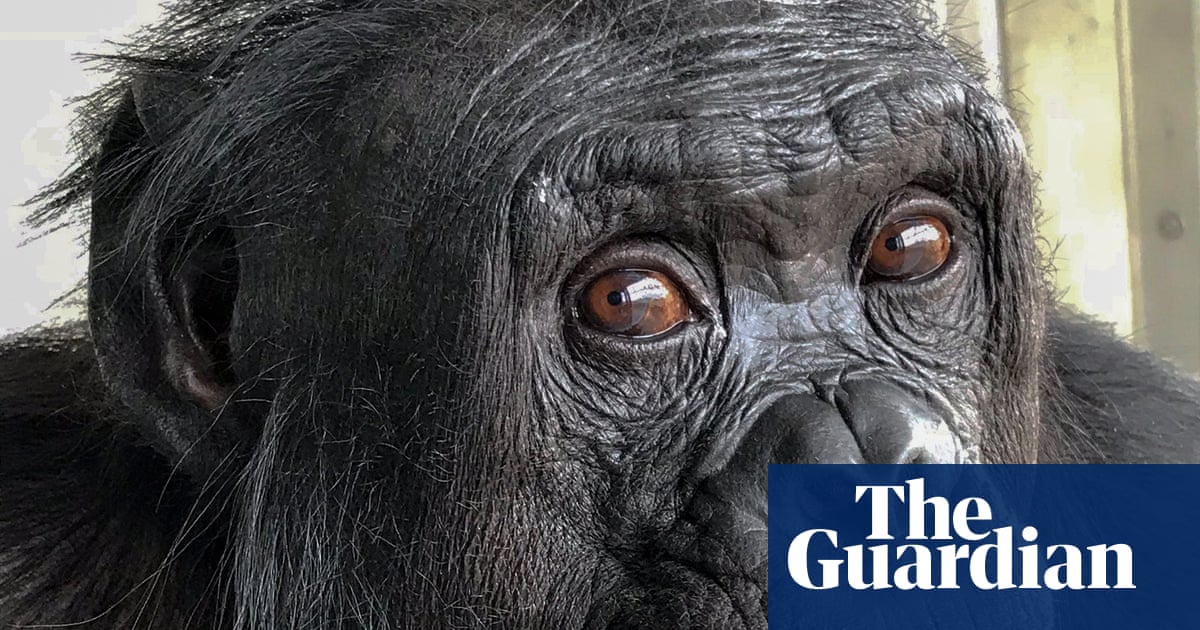
🦧
Bonobos enjoy pretend tea parties and chimps think rationally: why apes are more like us than we ever thought
Bonobo's genieten van nep-theepartijtjes en chimpansees denken rationeel: waarom apen meer op ons lijken dan we ooit dachten
Les bonobos aiment les fausses fêtes de thé et les chimpanzés pensent rationnellement : pourquoi les singes nous ressemblent plus que jamais
I find it absolutely fascinating that bonobos like Kanzi can engage in pretend play, just like kids do at tea parties! This groundbreaking research shows that apes are not just intelligent but also capable of imagination, which challenges our long-held beliefs about human uniqueness. The study reveals that chimpanzees can rationally revise their beliefs when presented with new evidence, showcasing their complex cognitive abilities. It’s a reminder that we share more with our primate relatives than we ever thought possible!
Ik vind het absoluut fascinerend dat bonobo's zoals Kanzi kunnen deelnemen aan nep-spelletjes, net als kinderen op theepartijtjes! Dit baanbrekende onderzoek toont aan dat apen niet alleen intelligent zijn, maar ook in staat zijn tot verbeelding, wat onze lang gekoesterde overtuigingen over de uniciteit van de mens uitdaagt. De studie onthult dat chimpansees hun overtuigingen rationeel kunnen herzien wanneer ze met nieuw bewijs worden geconfronteerd, wat hun complexe cognitieve vermogens laat zien. Het herinnert ons eraan dat we meer gemeen hebben met onze primatenverwanten dan we ooit voor mogelijk hielden!
Je trouve absolument fascinant que des bonobos comme Kanzi puissent participer à des jeux de simulation, tout comme les enfants lors de fêtes de thé ! Cette recherche révolutionnaire montre que les singes ne sont pas seulement intelligents, mais aussi capables d'imagination, ce qui remet en question nos croyances bien ancrées sur l'unicité humaine. L'étude révèle que les chimpanzés peuvent réviser rationnellement leurs croyances lorsqu'ils sont confrontés à de nouvelles preuves, mettant en lumière leurs capacités cognitives complexes. Cela nous rappelle que nous partageons plus avec nos proches parents primates que nous ne l'avions jamais pensé !
🐑
Kempen sheep army takes on Japanese knotweed
Kempisch schapenleger neemt het op tegen Japanse duizendknoop
Une armée de moutons campinois affronte la renouée du Japon
In the Kempen region near Schoten, a flock of sheep is being deployed as a natural weapon against the invasive Japanese knotweed, one of the most stubborn plants threatening local biodiversity. And here's the thing - these woolly grazers are proving that nature can fight back against nature in the most charming way possible. The sheep munch away at the knotweed repeatedly, weakening the plant's root system over time without the need for chemicals. So: it's a win for the environment, a win for local farmers, and honestly, just a wonderful story about working with nature instead of against it.
In de Kempen, vlakbij Schoten, wordt een kudde schapen ingezet als natuurlijk wapen tegen de invasieve Japanse duizendknoop, een van de hardnekkigste planten die de lokale biodiversiteit bedreigt. En het mooie is - deze wollige grazers bewijzen dat natuur zichzelf op de meest charmante manier kan bestrijden. De schapen knabbelen keer op keer aan de duizendknoop, waardoor het wortelstelsel van de plant geleidelijk verzwakt zonder dat er chemicaliën aan te pas komen. Zo is het een overwinning voor het milieu, voor de lokale boeren en eigenlijk gewoon een prachtig verhaal over samenwerken met de natuur.
Dans la région des Campines, près de Schoten, un troupeau de moutons est déployé comme arme naturelle contre la renouée du Japon invasive, l'une des plantes les plus tenaces qui menacent la biodiversité locale. Et voilà ce qui est formidable - ces brouteurs laineux prouvent que la nature peut combattre la nature de la façon la plus charmante qui soit. Les moutons grignotent la renouée à plusieurs reprises, affaiblissant progressivement le système racinaire de la plante sans recourir à des produits chimiques. C'est donc une victoire pour l'environnement, pour les agriculteurs locaux, et franchement, une belle histoire sur la façon de travailler avec la nature plutôt que contre elle.
🛝
From bouncy castles to soapbox races: thousands of kids across Flanders enjoy a sunny outdoor play day
Van springkastelen tot zeepkistenraces: duizenden kinderen in Vlaanderen genieten van zonnige Buitenspeeldag
Des châteaux gonflables aux courses de caissons à savon : des milliers d'enfants en Flandre profitent d'une journée de jeux en plein air ensoleillée
So: Flanders went all out for Buitenspeeldag, and thousands of children across the region had an absolute blast playing outside in the sunshine. From bouncy castles to soapbox races, the variety of activities on offer was genuinely impressive - and you could feel the energy just reading about it. Which brings me to the heart of it: this annual event is such a wonderful reminder of how much kids thrive when they get to run around and just be kids. And here's the thing - with weather like this on their side, it's hard to imagine a better day for it.
Vlaanderen zette zich volledig in voor de Buitenspeeldag, en duizenden kinderen genoten volop van een zonnige dag vol buitenplezier. Van springkastelen tot zeepkistenraces - het aanbod was indrukwekkend gevarieerd en de sfeer zat er duidelijk goed in. Dit jaarlijkse evenement is zo'n fijne herinnering aan hoe belangrijk buitenspelen is voor kinderen, en hoe geweldig het is als een hele gemeenschap daar samen achter staat. Met zo'n stralend weer was het eigenlijk de perfecte dag om buiten te zijn.
La Flandre a mis les petits plats dans les grands pour la Buitenspeeldag, et des milliers d'enfants ont profité d'une journée ensoleillée pleine d'activités en plein air. Des châteaux gonflables aux courses de caissons à savon, la diversité des animations proposées était vraiment impressionnante - de quoi ravir petits et grands. Ce qui est génial avec cet événement annuel, c'est qu'il rappelle à quel point les enfants s'épanouissent quand ils peuvent courir, jouer et être simplement eux-mêmes dehors. Et avec un soleil aussi généreux, difficile d'imaginer une meilleure journée pour ça.
🦔
Ditch the power tools and build a hedgehog highway for a nature-friendly garden
Gooi het elektrische gereedschap weg en bouw een egeltunnel voor een natuurvriendelijke tuin
Rangez les outils électriques et construisez une autoroute pour hérissons dans votre jardin
Spring is here and the urge to tidy up the garden is real - but hold that thought, because all those hollow stems, dead leaves and rotting bits are absolutely teeming with life. So: before you grab the hedge trimmer, check for nesting birds first, and consider doing the pruning by hand so you can really get to know what's living in there. And here's the thing - even a small container of water with some pebbles can make a massive difference for bees, butterflies, birds and hedgehogs. Which brings me to the bigger point: gardening with wildlife in mind isn't about letting everything go wild, it's about pausing, looking closer, and realising that the magic is already happening right under your nose.
De lente is er en de drang om de tuin op te ruimen is begrijpelijk - maar wacht even, want al die holle stengels, dode bladeren en rottende stukjes zitten boordevol leven. Dus: controleer eerst of er broedvogels zitten voor je de heggen knipt, en doe het snoeien bij voorkeur met de hand zodat je echt leert kennen wat er allemaal woont. En dan dit: zelfs een kleine bak water met wat kiezeltjes maakt een enorm verschil voor bijen, vlinders, vogels en egels. Tuinieren met de natuur in gedachten is niet chaotisch laten worden, het is pauzeren, beter kijken, en beseffen dat de magie al volop gaande is.
Le printemps est là et l'envie de tout ranger au jardin est bien réelle - mais attendez un instant, car toutes ces tiges creuses, ces feuilles mortes et ces morceaux en décomposition regorgent de vie. Alors : avant de sortir la cisaille, vérifiez d'abord si des oiseaux sont en train de nicher, et envisagez de tailler à la main pour vraiment découvrir qui habite dans votre haie. Et voilà l'essentiel : même un simple récipient d'eau avec quelques galets peut faire une énorme différence pour les abeilles, les papillons, les oiseaux et les hérissons. Jardiner en pensant à la faune, ce n'est pas laisser tout aller à l'abandon, c'est s'arrêter, observer de plus près, et réaliser que la magie est déjà là.
🐦
Record puffin count on Welsh island for second year in a row
Recordaantal papegaaiduikers op Welsh eiland voor tweede jaar op rij
Un nombre record de macareux sur une île galloise pour la deuxième année consécutive
So: great news from Skomer Island off the Pembrokeshire coast, where a whopping 52,019 puffins were counted this year - that's 8,000 more than the previous record set just last year. The Wildlife Trust of South and West Wales called it a 'very pleasant surprise', especially given how many seabirds have been washing up on beaches across southern Europe recently. Which brings me to the bigger picture - puffins are actually declining fast at many UK sites, so Skomer is genuinely bucking a worrying trend. And here's the thing: it's 40-plus years of careful, consistent monitoring that makes this kind of good news story possible in the first place.
Geweldig nieuws uit Skomer Island voor de kust van Pembrokeshire, waar dit jaar maar liefst 52.019 papegaaiduikers werden geteld - dat zijn er 8.000 meer dan het record dat vorig jaar werd gevestigd. De Wildlife Trust of South and West Wales noemde het een 'heel aangename verrassing', zeker gezien het grote aantal zeevogels dat de afgelopen tijd op stranden in Zuid-Europa aanspoelde. Nu, papegaaiduikers gaan op veel plekken in het Verenigd Koninkrijk achteruit, dus Skomer laat echt een positieve uitzondering zien. En hier is het mooie: het zijn meer dan 40 jaar nauwgezette metingen die dit soort hoopvol nieuws überhaupt mogelijk maken.
Excellente nouvelle en provenance de l'île de Skomer, au large de la côte de Pembrokeshire, où pas moins de 52 019 macareux ont été comptabilisés cette année - soit 8 000 de plus que le record établi l'année dernière. Le Wildlife Trust of South and West Wales a qualifié ce résultat de 'très agréable surprise', surtout compte tenu du nombre d'oiseaux marins qui se sont échoués sur les plages d'Europe du Sud ces derniers temps. So: les macareux sont en déclin rapide dans de nombreux endroits au Royaume-Uni, et Skomer va vraiment à contre-courant de cette tendance inquiétante. Et voilà ce qui est remarquable - ce sont plus de 40 ans de suivi rigoureux et méthodique qui rendent ce genre de bonne nouvelle possible.
/s3/static.nrc.nl/wp-content/uploads/2026/04/21133400/220426CUL_2032985656_puls.jpg)
🎨
Netherlands returns looted art to Jewish community in landmark move
Nederland geeft roofkunst terug aan de Joodse gemeenschap in historische stap
Les Pays-Bas restituent des œuvres pillées à la communauté juive dans un geste historique
So: the Netherlands is taking a really meaningful step by transferring the so-called NK-collection - thousands of artworks, instruments and household objects looted by the Nazis - to the Jewish community on moral grounds. A commission led by former deputy prime minister Lodewijk Asscher presented fourteen recommendations, including setting up an independent foundation preferably housed at the Jewish Museum in Amsterdam. Which brings me to one of the most touching details - objects on loan to museums will get a label clearly stating they were looted or sold under duress between 1933 and 1945. And here's the thing: with an annual budget of 400,000 euros and a focus on schools and exhibitions, this is about keeping memory alive and making sure restitution remains possible for as long as it needs to be.
Nederland zet een historisch belangrijke stap door de zogenoemde NK-collectie - duizenden kunstwerken, instrumenten en gebruiksvoorwerpen die door de nazi's werden geroofd - op morele gronden over te dragen aan de Joodse gemeenschap. Een commissie onder leiding van oud-vicepremier Lodewijk Asscher presenteerde veertien aanbevelingen, waaronder het oprichten van een onafhankelijke stichting bij het Joods Museum in Amsterdam. En wat ik zo mooi vind: objecten die in bruikleen zijn bij musea krijgen een bordje waarop staat dat ze tussen 1933 en 1945 geroofd of onder dwang verkocht zijn. Met een jaarlijks budget van 400.000 euro en aandacht voor scholen en tentoonstellingen wordt dit een levend monument voor de herinnering én een open deur voor toekomstige restitutieverzoeken.
Voilà une étape vraiment significative : les Pays-Bas transfèrent la collection NK - des milliers d'œuvres d'art, d'instruments et d'objets du quotidien pillés par les nazis - à la communauté juive pour des raisons morales. Une commission présidée par l'ancien vice-Premier ministre Lodewijk Asscher a présenté quatorze recommandations, notamment la création d'une fondation indépendante hébergée de préférence au Musée juif d'Amsterdam. Ce qui me touche particulièrement, c'est que les objets prêtés aux musées devront porter une étiquette indiquant clairement qu'ils ont été volés ou vendus sous la contrainte entre 1933 et 1945. Avec un budget annuel de 400 000 euros et un accent mis sur les écoles et les expositions, cette initiative garantit que la mémoire reste vivante et que la restitution reste possible pour ceux qui en ont besoin.
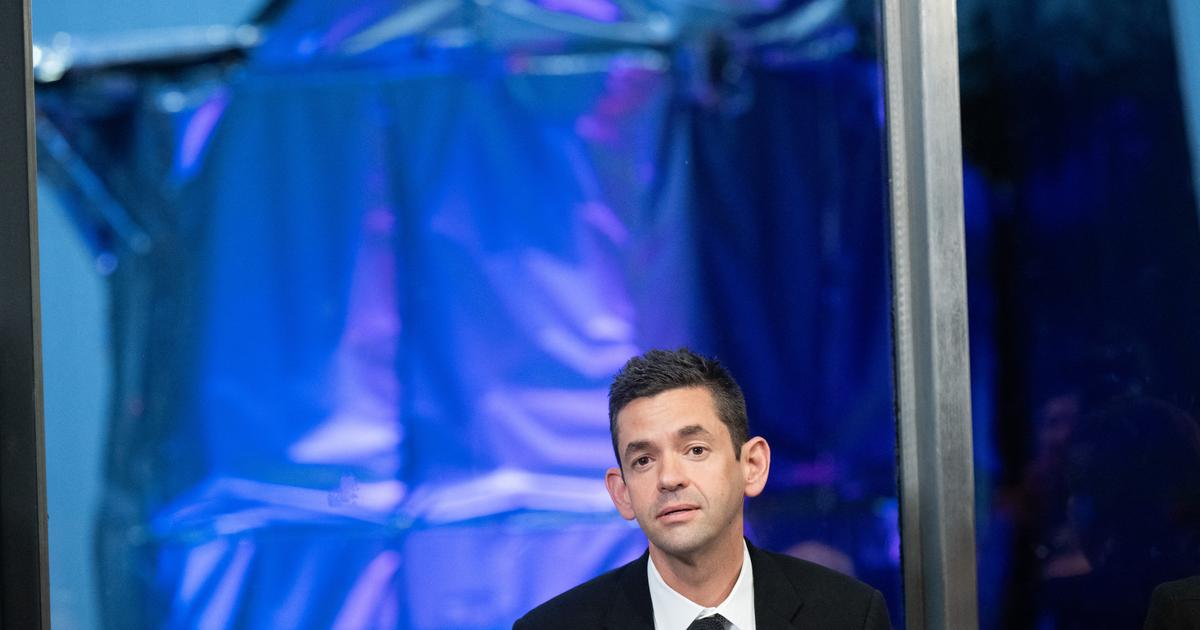
🔭
NASA unveils Roman, its new space telescope to map the universe
NASA onthult Roman, zijn nieuwe ruimtetelescoop om het heelal in kaart te brengen
La NASA dévoile Roman, son nouveau télescope spatial pour cartographier l'univers
So: NASA has just unveiled the Roman Space Telescope, a next-generation instrument named after pioneering astronomer Nancy Grace Roman - nicknamed the 'mother of Hubble' - and it's genuinely exciting stuff. Standing over 12 metres tall and fitted with enormous solar panels, this silver marvel will be shipped to Florida for a launch no earlier than September aboard a SpaceX rocket. Now, here's the thing - Roman's field of view is more than 100 times wider than Hubble's, and it will beam back a staggering 11 terabytes of data every single day. Which brings me to the really big ambition: mapping exoplanets, discovering thousands of supernovae, and diving deep into the mysteries of dark matter and dark energy, which together are thought to make up 95% of our universe.
Zo: NASA heeft zojuist de Roman Space Telescope onthuld, een gloednieuw ruimtetelescoop vernoemd naar de baanbrekende astronome Nancy Grace Roman - bijgenaamd de 'moeder van Hubble' - en dat is ronduit fantastisch nieuws. Het toestel is meer dan 12 meter hoog, heeft enorme zonnepanelen en wordt binnenkort naar Florida verscheept voor een lancering met een SpaceX-raket, ten vroegste in september. En hier is het mooie: Roman heeft een gezichtsveld dat meer dan 100 keer groter is dan dat van Hubble en stuurt elke dag maar liefst 11 terabyte aan gegevens naar de aarde. De grote ambitie is het in kaart brengen van exoplaneten, het ontdekken van duizenden supernova's én het doorgronden van donkere materie en donkere energie, die samen naar schatting 95% van ons heelal uitmaken.
Voilà : la NASA vient de dévoiler le télescope spatial Roman, un instrument de nouvelle génération baptisé en l'honneur de l'astronome pionnière Nancy Grace Roman - surnommée la 'mère de Hubble' - et c'est vraiment enthousiasmant. Haut de plus de 12 mètres et équipé d'immenses panneaux solaires, cet appareil argenté sera acheminé en Floride pour un lancement au plus tôt en septembre à bord d'une fusée SpaceX. Et voici ce qui est vraiment impressionnant : le champ de vision de Roman est plus de 100 fois supérieur à celui de Hubble, et il enverra 11 téraoctets de données par jour vers la Terre. L'ambition est immense - cartographier des exoplanètes, découvrir des milliers de supernovas et percer les mystères de la matière et de l'énergie noires, qui représenteraient ensemble 95% de notre univers.
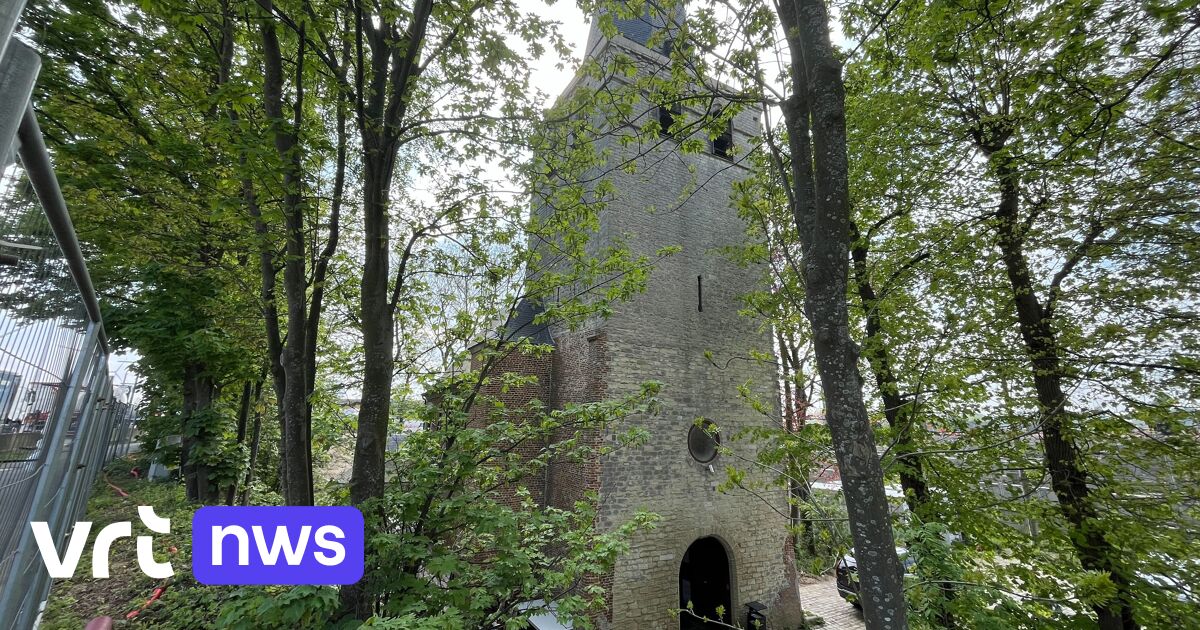
🏛️
Abandoned Oosterweel church reopens as info point for guided construction visits
Verlaten Oosterweelkerk heropent als infopunt voor begeleide werfbezoeken
L'église abandonnée d'Oosterweel rouvre comme point d'information pour les visites guidées de chantier
I'm really excited to share that the Oosterweel church in Antwerp has been restored and is now serving as a starting point for guided visits to the Oosterweel works. This church, the last remnant of the Oosterweel village, has a fascinating history and is surrounded by a major construction site. Officials believe there's a strong interest in these works, as many people want to see the progress for themselves. Plus, during the restoration, some intriguing historical finds were uncovered, including human skeletons, which adds even more depth to the story!
Ik ben echt enthousiast om te delen dat de Oosterweelkerk in Antwerpen is gerestaureerd en nu dient als vertrekpunt voor begeleide bezoeken aan de Oosterweelwerken. Deze kerk, het laatste overblijfsel van het dorp Oosterweel, heeft een fascinerende geschiedenis en is omringd door een grote bouwwerf. Ambtenaren geloven dat er veel interesse is in deze werken, omdat veel mensen de vooruitgang met eigen ogen willen zien. Bovendien zijn er tijdens de restauratie enkele intrigerende historische vondsten gedaan, waaronder menselijke skeletten, wat het verhaal nog interessanter maakt!
Je suis vraiment ravi de partager que l'église d'Oosterweel à Anvers a été restaurée et sert maintenant de point de départ pour des visites guidées des travaux d'Oosterweel. Cette église, le dernier vestige du village d'Oosterweel, a une histoire fascinante et est entourée d'un grand chantier de construction. Les responsables pensent qu'il y a un grand intérêt pour ces travaux, car de nombreuses personnes souhaitent voir les progrès par elles-mêmes. De plus, lors de la restauration, des découvertes historiques intrigantes ont été faites, y compris des squelettes humains, ce qui ajoute encore plus de profondeur à l'histoire !

🌞
Triple-decker solar cells reach efficiency milestone
Drie-laagse zonnecellen bereiken efficiëntiemijlpaal
Des cellules solaires à triple couche atteignent un jalon d'efficacité
So, there's some exciting news in the world of solar energy! Researchers have developed a 'triple junction' solar cell that stacks two layers of perovskite semiconductors on silicon, achieving over 30% efficiency. This is a significant leap from the traditional single junction cells, which are nearing their efficiency limits. It really feels like we're on the brink of a solar revolution that could harness even more energy from the sun.
Dus, er is spannend nieuws in de wereld van zonne-energie! Onderzoekers hebben een 'drie-laagse' zonnecel ontwikkeld die twee lagen perovskiet-halbleiders op silicium stapelt en meer dan 30% efficiëntie bereikt. Dit is een aanzienlijke sprong ten opzichte van de traditionele enkele laags cellen, die hun efficiëntiegrenzen naderen. Het voelt echt alsof we aan de vooravond staan van een zonne-revolutie die nog meer energie van de zon kan benutten.
Alors, il y a des nouvelles passionnantes dans le monde de l'énergie solaire ! Des chercheurs ont développé une cellule solaire à 'triple couche' qui empile deux couches de semi-conducteurs pérovskites sur du silicium, atteignant plus de 30 % d'efficacité. C'est un bond significatif par rapport aux cellules à jonction unique traditionnelles, qui approchent de leurs limites d'efficacité. On a vraiment l'impression que nous sommes au bord d'une révolution solaire qui pourrait exploiter encore plus d'énergie du soleil.
/s3/static.nrc.nl/wp-content/uploads/2026/04/16145922/210426CUL_2033036880_1.jpg)
🌳
Silent friend sees the world through the eyes of a tree: some small plants became very good friends
Stille vriend bekijkt de wereld door de ogen van een boom: sommige kleine planten werden heel goede vrienden
Ami silencieux voit le monde à travers les yeux d'un arbre : certaines petites plantes sont devenues de très bons amis
Ildikó Enyedi's film 'Silent Friend' offers a unique perspective on nature, focusing on the life of an ancient ginkgo tree. It's a sensory experience that intertwines the stories of three characters across different eras, showcasing their connection with the plant world. Enyedi emphasizes the importance of viewing ourselves as part of nature rather than the center of it. The film is rich in emotion and curiosity, reflecting her lifelong fascination with the secret lives of plants.
Ildikó Enyedi's film 'Silent Friend' biedt een unieke kijk op de natuur, met de focus op het leven van een oude ginkgo-boom. Het is een zintuiglijke ervaring die de verhalen van drie personages uit verschillende tijdperken verweeft, en hun verbinding met de plantenwereld laat zien. Enyedi benadrukt het belang van het zien van onszelf als onderdeel van de natuur in plaats van het middelpunt ervan. De film is rijk aan emotie en nieuwsgierigheid, en weerspiegelt haar levenslange fascinatie voor het geheime leven van planten.
Le film 'Silent Friend' d'Ildikó Enyedi offre une perspective unique sur la nature, en se concentrant sur la vie d'un ancien arbre ginkgo. C'est une expérience sensorielle qui entrelace les histoires de trois personnages à travers différentes époques, montrant leur connexion avec le monde végétal. Enyedi souligne l'importance de se voir comme faisant partie de la nature plutôt que comme son centre. Le film est riche en émotion et en curiosité, reflétant sa fascination de longue date pour la vie secrète des plantes.
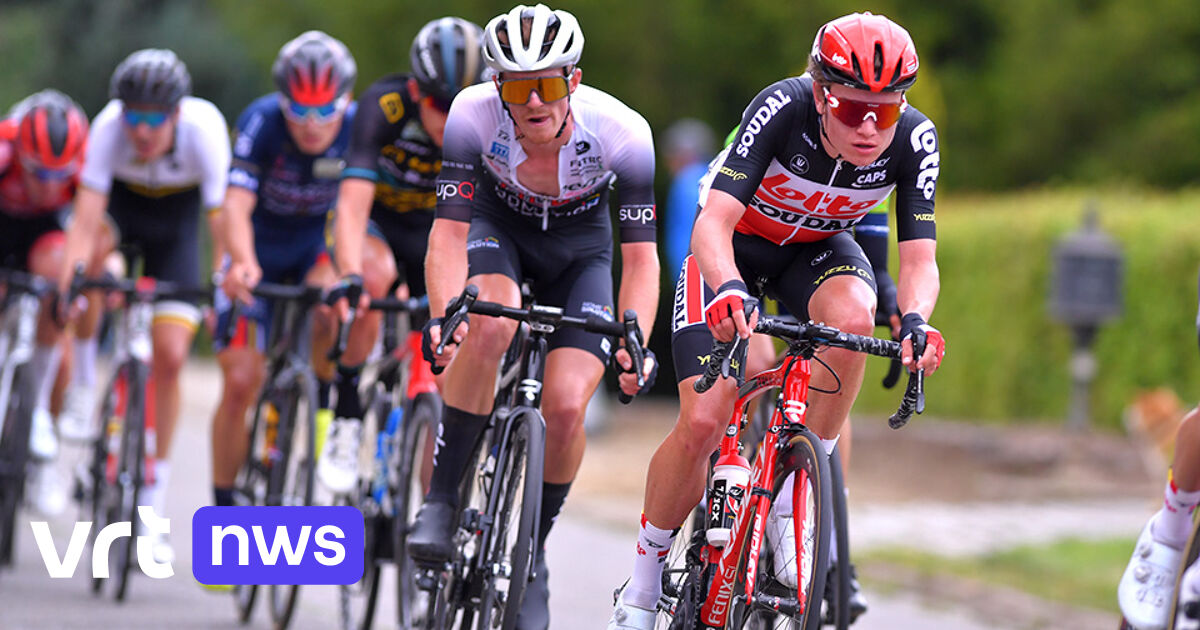
🚴♂️
GP Vermarc in Wezemaal hopes to be recognized as intangible heritage
GP Vermarc in Wezemaal hoopt erkend te worden als immaterieel erfgoed
GP Vermarc à Wezemaal espère être reconnu comme patrimoine immatériel
So, here's the scoop: 19 organizers of local cycling races in Flanders, including the GP Vermarc in Wezemaal, are pushing for recognition as intangible cultural heritage. This is super important because these races provide a platform for emerging cyclists and elite riders without contracts. Organizer Marc Verbeeck emphasizes that these events are at risk of disappearing, which would be a real loss for the cycling community. They want to keep the tradition alive, especially since these races are often the first for many young cyclists.
Dus, hier is het nieuws: 19 organisatoren van lokale kermiskoersen in Vlaanderen, waaronder de GP Vermarc in Wezemaal, vragen om erkenning als immaterieel cultureel erfgoed. Dit is super belangrijk omdat deze koersen een platform bieden voor opkomende renners en eliterenners zonder contract. Organisator Marc Verbeeck benadrukt dat deze evenementen met uitsterven bedreigd zijn, wat een groot verlies zou zijn voor de wielergemeenschap. Ze willen de traditie in stand houden, vooral omdat deze koersen vaak de eerste zijn voor veel jonge renners.
Alors, voici le scoop : 19 organisateurs de courses cyclistes locales en Flandre, y compris le GP Vermarc à Wezemaal, demandent une reconnaissance en tant que patrimoine culturel immatériel. C'est super important car ces courses offrent une plateforme aux cyclistes émergents et aux coureurs d'élite sans contrat. L'organisateur Marc Verbeeck souligne que ces événements sont menacés de disparition, ce qui serait une véritable perte pour la communauté cycliste. Ils veulent préserver cette tradition, surtout que ces courses sont souvent les premières pour de nombreux jeunes cyclistes.

🌠
The Lyrid meteor shower 2026: how to watch
De Lyrid meteorenregen 2026: hoe te kijken
La pluie de météores Lyrides 2026 : comment observer
So, the Lyrid meteor shower is set to peak on the night of April 21 to 22, 2026, and it's going to be quite a show! With up to 15 meteors per hour expected, and possibly even 100 under perfect conditions, this is an event you won't want to miss. The waxing crescent Moon will be friendly, allowing for great visibility of these shooting stars. Mostly visible in the Northern Hemisphere, some lucky folks in the Southern Hemisphere might catch a glimpse too!
De Lyrid meteorenregen bereikt zijn piek in de nacht van 21 op 22 april 2026, en het belooft een spektakel te worden! Met tot 15 meteoren per uur, en mogelijk zelfs 100 onder ideale omstandigheden, wil je dit evenement niet missen. De wassende maansikkel zal vriendelijk zijn, waardoor de zichtbaarheid van deze vallende sterren geweldig zal zijn. Voornamelijk zichtbaar op het noordelijk halfrond, kunnen sommige gelukkige mensen op het zuidelijk halfrond ook een glimp opvangen!
La pluie de météores Lyrides atteindra son pic dans la nuit du 21 au 22 avril 2026, et cela promet d'être un spectacle incroyable ! Avec jusqu'à 15 météores par heure, et peut-être même 100 dans des conditions idéales, c'est un événement à ne pas manquer. La lune croissante ne gênera pas la visibilité, permettant d'observer ces étoiles filantes. Principalement visible dans l'hémisphère nord, quelques chanceux dans l'hémisphère sud pourraient également avoir un aperçu !
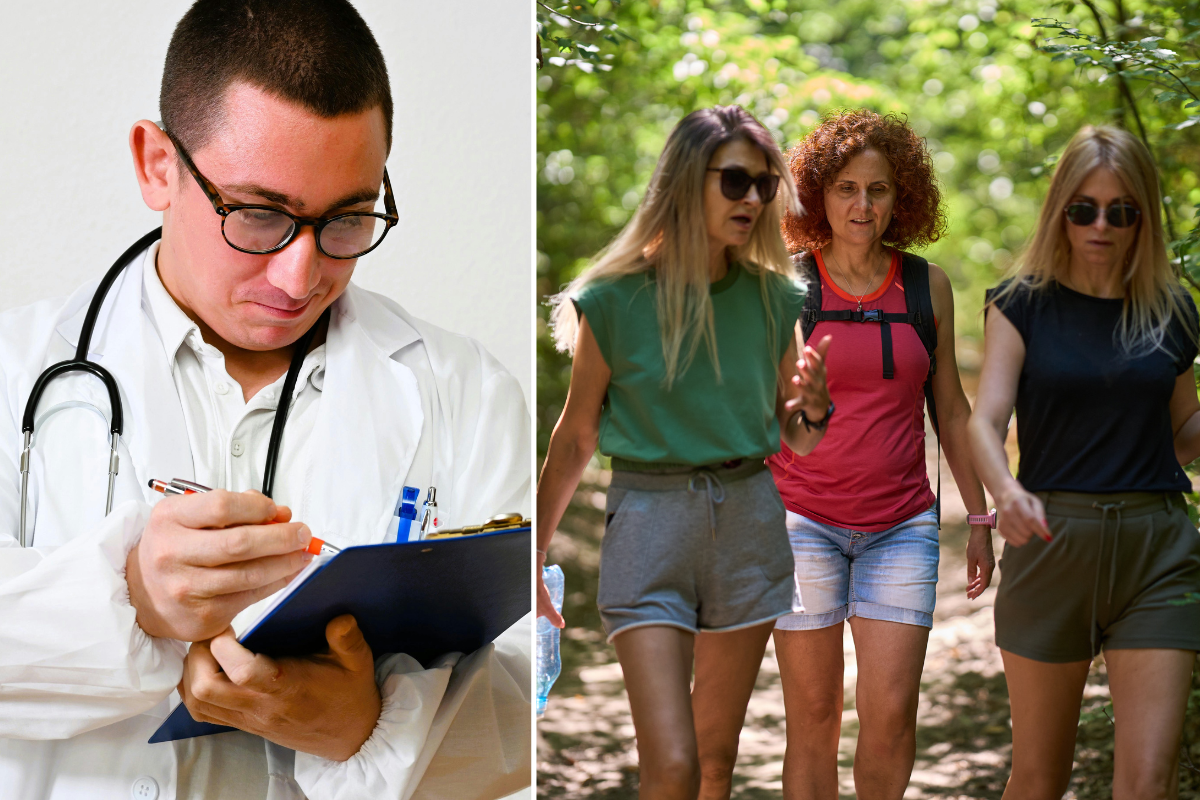
🌳
‘Social prescribing’ has doctors writing scripts for nature walks and art classes. It’s working.
‘Sociale voorschriften’ hebben artsen die recepten schrijven voor natuurwandelingen en kunstlessen. Het werkt.
La ‘prescription sociale’ pousse les médecins à prescrire des promenades dans la nature et des cours d'art. Ça fonctionne.
So, there's this fascinating trend where doctors are moving beyond just prescribing medications for loneliness and are actually writing prescriptions for activities like nature walks and art classes. This approach, known as social prescribing, aims to treat the whole person rather than just their symptoms. Research shows that engaging in these community activities can significantly boost mental health and reduce feelings of isolation. It's heartwarming to see how something as simple as a walk in nature can make such a positive impact on people's lives.
Er is een fascinerende trend waarbij artsen verder gaan dan alleen het voorschrijven van medicijnen voor eenzaamheid en daadwerkelijk recepten schrijven voor activiteiten zoals natuurwandelingen en kunstlessen. Deze aanpak, bekend als sociale voorschriften, is bedoeld om de hele persoon te behandelen in plaats van alleen hun symptomen. Onderzoek toont aan dat deelname aan deze gemeenschapsactiviteiten de mentale gezondheid aanzienlijk kan verbeteren en gevoelens van isolatie kan verminderen. Het is hartverwarmend om te zien hoe iets zo eenvoudigs als een wandeling in de natuur zo'n positieve impact op het leven van mensen kan hebben.
Il y a une tendance fascinante où les médecins vont au-delà de la simple prescription de médicaments pour la solitude et écrivent réellement des prescriptions pour des activités comme des promenades dans la nature et des cours d'art. Cette approche, connue sous le nom de prescription sociale, vise à traiter la personne dans son ensemble plutôt que seulement ses symptômes. Des recherches montrent que participer à ces activités communautaires peut considérablement améliorer la santé mentale et réduire les sentiments d'isolement. C'est réconfortant de voir comment quelque chose d'aussi simple qu'une promenade dans la nature peut avoir un impact si positif sur la vie des gens.
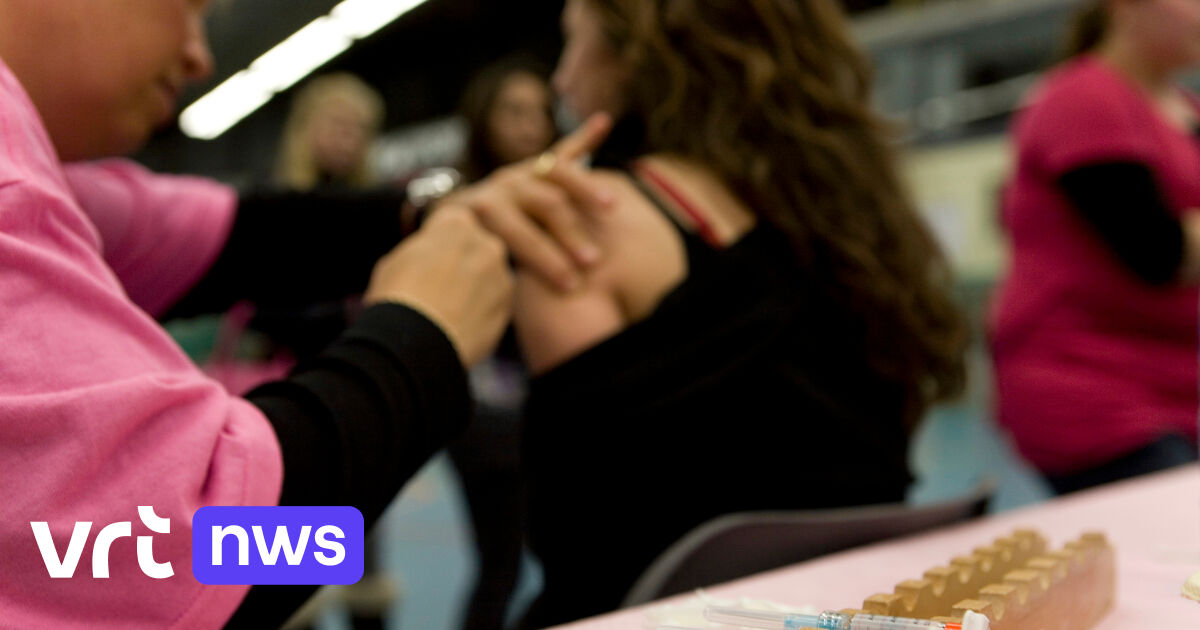
💉
HPV vaccine will be reimbursed for young adults up to 30 starting June
HPV-vaccin wordt vanaf juni terugbetaald voor jongvolwassenen tot 30 jaar
Le vaccin contre le VPH sera remboursé pour les jeunes adultes jusqu'à 30 ans à partir de juin
Starting June 1, the federal government will reimburse the HPV vaccine for all young adults up to 30 years old. Patients will only pay a maximum of 38.40 euros for a complete course of three shots, a significant drop from around 323 euros previously. For vulnerable groups like people with HIV, the reimbursement extends up to 45 years. Health Minister Frank Vandenbroucke emphasizes that this vaccine works and prevents a lot of suffering.
Vanaf 1 juni betaalt de federale overheid het HPV-vaccin terug voor alle jongvolwassenen tot 30 jaar. Patiënten betalen dan nog maximaal 38,40 euro voor een volledige kuur van drie prikken, tegenover zo'n 323 euro voordien. Voor kwetsbare groepen zoals mensen met hiv geldt de terugbetaling zelfs tot 45 jaar. Minister van Volksgezondheid Frank Vandenbroucke benadrukt dat dit vaccin werkt en veel leed voorkomt.
À partir du 1er juin, le gouvernement fédéral remboursera le vaccin contre le VPH pour tous les jeunes adultes jusqu'à 30 ans. Les patients ne paieront plus qu'un maximum de 38,40 euros pour un traitement complet de trois injections, contre environ 323 euros auparavant. Pour les groupes vulnérables comme les personnes vivant avec le VIH, le remboursement s'étend jusqu'à 45 ans. Le ministre de la Santé, Frank Vandenbroucke, souligne que ce vaccin fonctionne et évite beaucoup de souffrances.
🌟
Hostage negotiator shares her 5 keys to resolving conflict in our everyday lives
Gevangenennotificator deelt haar 5 sleutels voor het oplossen van conflicten in ons dagelijks leven
Négociatrice de prises d'otages partage ses 5 clés pour résoudre les conflits dans notre vie quotidienne
Isn't it fascinating how conflict resolution can transform our relationships? Karleen Savage, a hostage negotiator and mother of seven, shares her five essential skills for navigating everyday conflicts. Her approach emphasizes curiosity, attitude, master listening, connection, and reframing, which can help us move from rigid to resolved. By applying these skills, we can create healthier interactions and truly understand each other, even in the heat of the moment.
Is het niet fascinerend hoe conflictoplossing onze relaties kan transformeren? Karleen Savage, een onderhandelaar voor gijzelingen en moeder van zeven, deelt haar vijf essentiële vaardigheden voor het navigeren door dagelijkse conflicten. Haar aanpak benadrukt nieuwsgierigheid, houding, meesterlijk luisteren, verbinding en herformulering, die ons kunnen helpen van star naar opgelost te gaan. Door deze vaardigheden toe te passen, kunnen we gezondere interacties creëren en elkaar echt begrijpen, zelfs in het heetst van de strijd.
N'est-ce pas fascinant de voir comment la résolution de conflits peut transformer nos relations ? Karleen Savage, négociatrice de prises d'otages et mère de sept enfants, partage ses cinq compétences essentielles pour naviguer dans les conflits quotidiens. Son approche met l'accent sur la curiosité, l'attitude, l'écoute active, la connexion et le recadrage, qui peuvent nous aider à passer de la rigidité à la résolution. En appliquant ces compétences, nous pouvons créer des interactions plus saines et vraiment nous comprendre, même dans le feu de l'action.
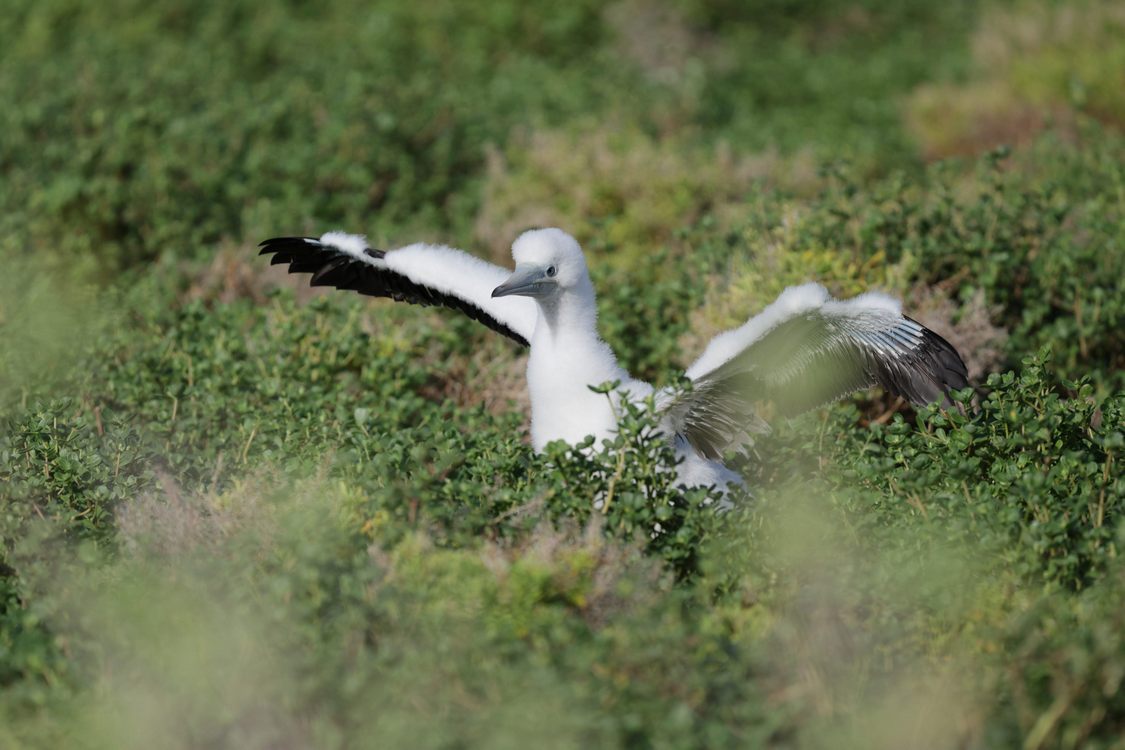
🌊
US again wins battle on Wake Atoll against invasive rats depleting the seabird populations
VS wint opnieuw de strijd op Wake Atoll tegen invasieve ratten die de zeevogelpopulaties uitputten
Les États-Unis remportent à nouveau la bataille de Wake Atoll contre les rats envahissants qui épuisent les populations d'oiseaux de mer
What an exciting victory for Wake Atoll! After years of struggle, invasive rats have been eradicated, allowing native seabirds to thrive once again. This collaborative effort has not only restored the island's ecosystem but also improved the health and safety of its inhabitants. With new bird colonies and a resurgence of native vegetation, it’s a fantastic example of successful conservation in action.
Wat een spannende overwinning voor Wake Atoll! Na jaren van strijd zijn invasieve ratten uitgeroeid, waardoor inheemse zeevogels weer kunnen gedijen. Deze samenwerking heeft niet alleen het ecosysteem van het eiland hersteld, maar ook de gezondheid en veiligheid van de inwoners verbeterd. Met nieuwe vogelkolonies en een heropleving van inheemse vegetatie is dit een fantastisch voorbeeld van succesvolle natuurbescherming in actie.
Quelle victoire passionnante pour Wake Atoll ! Après des années de lutte, les rats envahissants ont été éradiqués, permettant aux oiseaux de mer natifs de prospérer à nouveau. Cet effort collaboratif a non seulement restauré l'écosystème de l'île, mais a également amélioré la santé et la sécurité de ses habitants. Avec de nouvelles colonies d'oiseaux et une résurgence de la végétation indigène, c'est un exemple fantastique de conservation réussie en action.
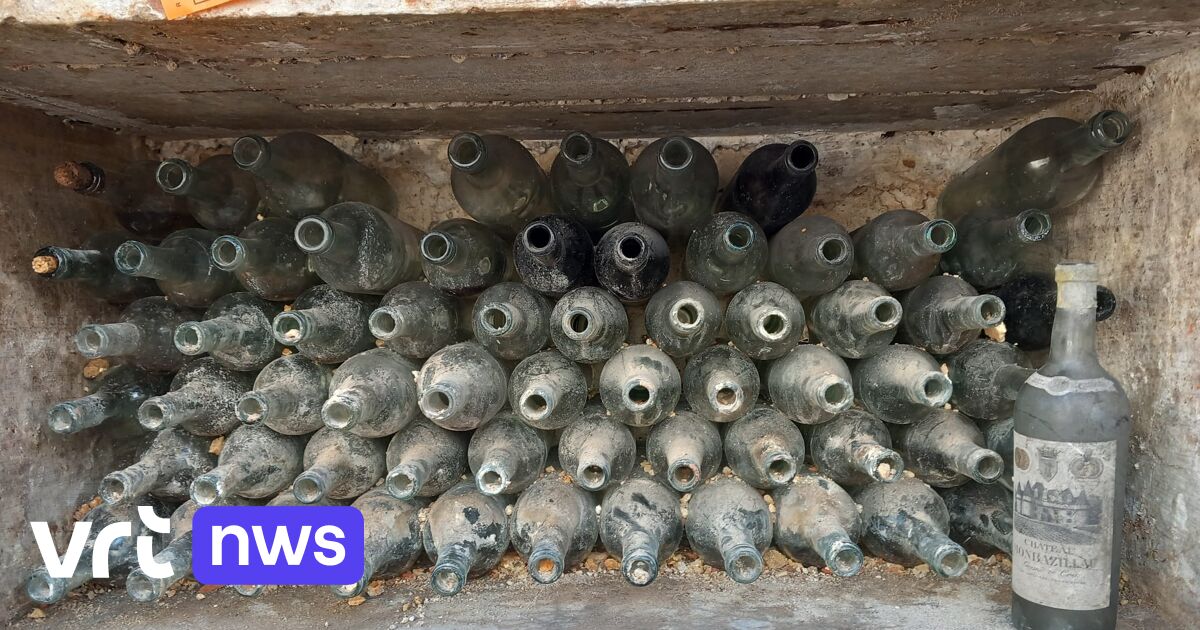
🍷
Over 100 'highly sought after' wine bottles found during work at Wapper in Antwerp
Zo'n 100 'heel gegeerde' wijnflessen gevonden tijdens werken aan Wapper in Antwerpen
Plus de 100 'très recherchées' bouteilles de vin trouvées lors des travaux à Wapper à Anvers
So, during some renovations at Wapper in Antwerp, archaeologists stumbled upon around 100 wine bottles that are over a century old! Unfortunately, most of them were nearly empty, but it's still such a fascinating find. Nele Vanholme from the RAAP mentioned that these bottles were beautifully arranged and intact, which raises questions about why someone kept empty bottles for so long. Now, they’ll be studied further to uncover details about the owner and the history of the area, which is just so exciting!
Tijdens de werkzaamheden aan de Wapper in Antwerpen zijn archeologen ongeveer 100 wijnflessen van meer dan een eeuw oud tegengekomen! Helaas waren de meeste flessen bijna leeg, maar het blijft een fascinerende ontdekking. Nele Vanholme van RAAP vertelde dat de flessen mooi gerangschikt en intact waren, wat vragen oproept over waarom iemand lege flessen zo lang heeft bewaard. Nu zullen ze verder bestudeerd worden om meer te ontdekken over de eigenaar en de geschiedenis van het gebied, wat gewoon zo spannend is!
Lors des travaux à Wapper à Anvers, des archéologues ont découvert environ 100 bouteilles de vin de plus d'un siècle! Malheureusement, la plupart d'entre elles étaient presque vides, mais c'est tout de même une découverte fascinante. Nele Vanholme de RAAP a mentionné que ces bouteilles étaient joliment disposées et intactes, ce qui soulève des questions sur les raisons pour lesquelles quelqu'un a gardé des bouteilles vides si longtemps. Elles seront maintenant étudiées plus en détail pour en apprendre davantage sur le propriétaire et l'histoire de la région, ce qui est vraiment excitant!
🚽
Relief in traffic: Chinese car brand introduces toilet under your seat, voice-controlled and all
Verlossing in de file: Chinees automerk komt met toilet voor onder je stoel, spraakgestuurd en al
Soulagement dans les embouteillages : une marque de voiture chinoise introduit des toilettes sous votre siège, contrôlées par la voix
Imagine this: you're stuck in traffic and suddenly, relief is just a voice command away! A Chinese car brand has come up with a brilliant solution by integrating a toilet right under your seat. It’s not just any toilet, but a voice-controlled one that promises convenience like never before. This innovation could change the way we think about long drives and traffic jams, making them a lot more bearable.
Stel je voor: je zit vast in het verkeer en plotseling is verlichting slechts een spraakopdracht verwijderd! Een Chinees automerk heeft een briljante oplossing bedacht door een toilet onder je stoel te integreren. Het is niet zomaar een toilet, maar een spraakgestuurd toilet dat ongekende gemak belooft. Deze innovatie zou de manier waarop we denken over lange ritten en files kunnen veranderen, waardoor ze veel draaglijker worden.
Imaginez ceci : vous êtes coincé dans les embouteillages et soudain, le soulagement est à portée de voix ! Une marque de voiture chinoise a trouvé une solution brillante en intégrant des toilettes juste sous votre siège. Ce n'est pas n'importe quelle toilette, mais une toilette contrôlée par la voix qui promet un confort sans précédent. Cette innovation pourrait changer notre façon de penser aux longs trajets et aux embouteillages, les rendant beaucoup plus supportables.
💖
Emmy (93) and Jeaninne (81), the oldest duo at the 10 Miles: “A whole day being pushed by handsome guys!”
Emmy (93) en Jeaninne (81), het oudste duo op de 10 Miles: “Een hele dag geduwd worden door knappe venten!”
Emmy (93) et Jeaninne (81), le plus vieux duo des 10 Miles : “Une journée entière poussée par des beaux gosses !”
What a heartwarming story! Emmy and Jeaninne, at 93 and 81 years old, are breaking records as the oldest duo participating in the 10 Miles. They had an amazing experience being pushed along the route by some charming young men, which added a delightful twist to their adventure. It’s inspiring to see such enthusiasm and joy in their participation, proving that age is just a number when it comes to having fun and making memories.
Wat een hartverwarmend verhaal! Emmy en Jeaninne, op 93 en 81 jaar oud, breken records als het oudste duo dat deelneemt aan de 10 Miles. Ze hadden een geweldige ervaring door langs de route te worden geduwd door een paar charmante jonge mannen, wat een leuke wending aan hun avontuur gaf. Het is inspirerend om zoveel enthousiasme en vreugde in hun deelname te zien, wat bewijst dat leeftijd slechts een getal is als het gaat om plezier hebben en herinneringen maken.
Quelle histoire réconfortante ! Emmy et Jeaninne, à 93 et 81 ans, battent des records en tant que plus vieux duo participant aux 10 Miles. Elles ont vécu une expérience incroyable en étant poussées le long du parcours par de charmants jeunes hommes, ce qui a ajouté une touche délicieuse à leur aventure. C'est inspirant de voir un tel enthousiasme et une telle joie dans leur participation, prouvant que l'âge n'est qu'un chiffre quand il s'agit de s'amuser et de créer des souvenirs.
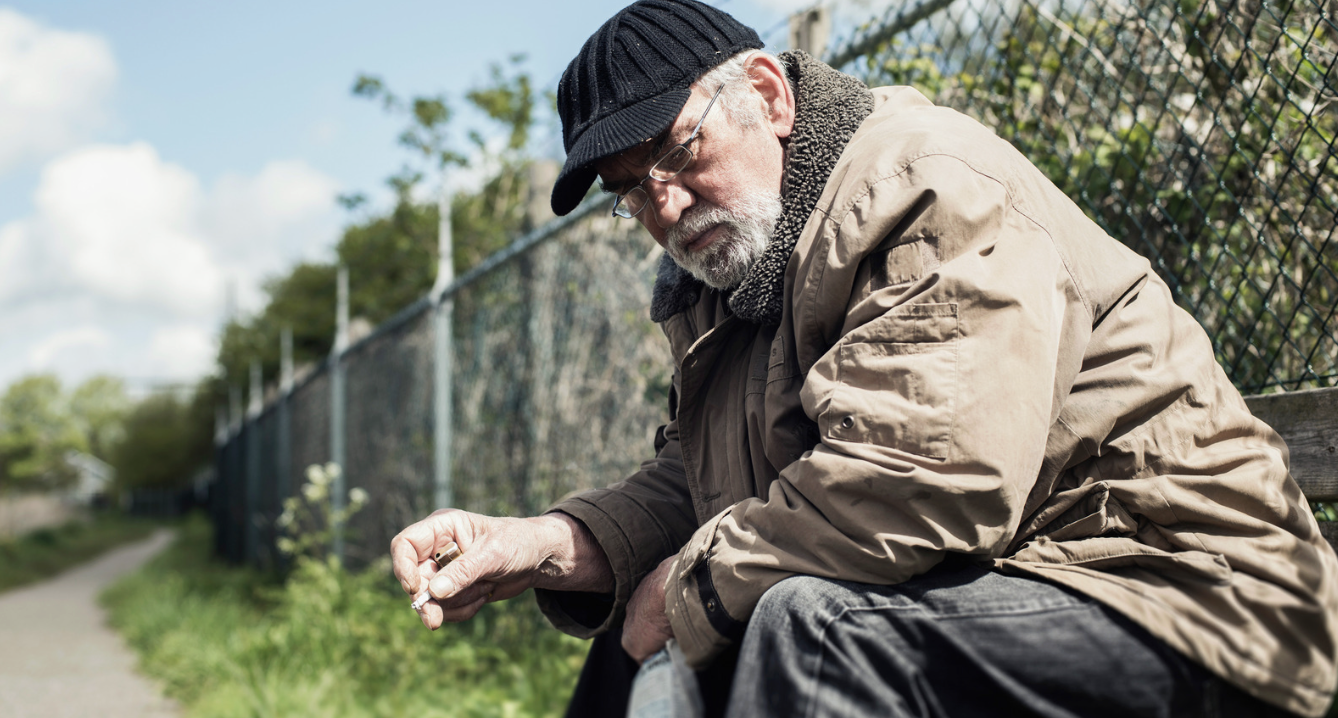
🌟
A Vietnam veteran stood on street corners handing out resumes for six years. One woman saw him and changed his life within 24 hours.
Een Vietnam-veteraan stond zes jaar op straat hoeken cv's uit te delen. Eén vrouw zag hem en veranderde zijn leven binnen 24 uur.
Un vétéran du Vietnam se tenait aux coins des rues à distribuer des CV pendant six ans. Une femme l'a vu et a changé sa vie en 24 heures.
So, here's a heartwarming story about a Vietnam veteran named George Silvey who spent six years on street corners handing out his resume. One day, a woman noticed him and decided to share his story on Facebook, leading to a job offer within just 24 hours! It's amazing how a simple act of kindness can change someone's life so dramatically. Silvey's determination and the woman's willingness to help show us the power of community and hope.
Dus, hier is een hartverwarmend verhaal over een Vietnam-veteraan genaamd George Silvey die zes jaar op straat hoeken zijn cv uitdeelde. Op een dag merkte een vrouw hem op en besloot zijn verhaal op Facebook te delen, wat binnen 24 uur leidde tot een jobaanbieding! Het is geweldig hoe een simpele daad van vriendelijkheid iemands leven zo dramatisch kan veranderen. Silvey's vastberadenheid en de bereidheid van de vrouw om te helpen tonen ons de kracht van gemeenschap en hoop.
Alors, voici une histoire réconfortante sur un vétéran du Vietnam nommé George Silvey qui a passé six ans aux coins des rues à distribuer son CV. Un jour, une femme l'a remarqué et a décidé de partager son histoire sur Facebook, ce qui a conduit à une offre d'emploi en seulement 24 heures ! C'est incroyable de voir comment un simple acte de bonté peut changer la vie de quelqu'un de manière si spectaculaire. La détermination de Silvey et la volonté de cette femme d'aider montrent le pouvoir de la communauté et de l'espoir.
🌟
A new start after 60: my father died when I was a child – and I followed him to Antarctica
Een nieuwe start na 60: mijn vader stierf toen ik een kind was - en ik volgde hem naar Antarctica
Un nouveau départ après 60 ans : mon père est mort quand j'étais enfant - et je l'ai suivi en Antarctique
Amanda Barry's journey to Antarctica is a heartfelt tribute to her late father, who passed away when she was just nine. After discovering his belongings, she felt compelled to follow in his footsteps to Port Lockroy, where he once led a base. Despite the challenges of reaching such a remote place, Barry's determination led her to volunteer there, fulfilling a lifelong dream. Her experience not only connected her to her father's legacy but also empowered her with newfound confidence and resilience.
Amanda Barry's reis naar Antarctica is een eerbetoon aan haar overleden vader, die stierf toen ze pas negen was. Na het ontdekken van zijn bezittingen voelde ze de drang om in zijn voetsporen naar Port Lockroy te volgen, waar hij ooit een basis leidde. Ondanks de uitdagingen om zo'n afgelegen plek te bereiken, leidde Barry's vastberadenheid haar naar vrijwilligerswerk daar, waarmee ze een levenslange droom vervulde. Haar ervaring verbond haar niet alleen met de erfenis van haar vader, maar gaf haar ook nieuwe zelfvertrouwen en veerkracht.
Le voyage d'Amanda Barry en Antarctique est un hommage émouvant à son père décédé, qui est mort alors qu'elle n'avait que neuf ans. Après avoir découvert ses affaires, elle s'est sentie poussée à suivre ses traces jusqu'à Port Lockroy, où il avait autrefois dirigé une base. Malgré les défis d'atteindre un endroit aussi isolé, la détermination de Barry l'a amenée à y faire du bénévolat, réalisant ainsi un rêve de longue date. Son expérience l'a non seulement connectée à l'héritage de son père, mais lui a également donné une nouvelle confiance en elle et une résilience.
😂
A teacher came back from vacation to find “concerned” emails from parents. She couldn’t stop laughing.
Een lerares kwam terug van vakantie en vond 'bezorgde' e-mails van ouders. Ze kon niet stoppen met lachen.
Une enseignante est revenue de vacances pour trouver des e-mails 'inquiétants' de parents. Elle n'a pas pu s'empêcher de rire.
Ms. B, a teacher from Minnesota, returned from a trip to Mexico to find a series of amusing emails from parents. One parent even offered to send her real vanilla, while another was concerned about sunburns and offered a homemade remedy. After a minor travel mishap, a parent generously invited her to stay at a relative's place. These heartwarming gestures highlight the strong community support that teachers can rely on.
Mevrouw B, een lerares uit Minnesota, kwam terug van een reis naar Mexico en vond een reeks grappige e-mails van ouders. Een ouder bood zelfs aan om haar echte vanille te sturen, terwijl een ander zich zorgen maakte over zonnebrand en een zelfgemaakt middel aanbood. Na een klein reisprobleem nodigde een ouder haar genereus uit om bij een familielid te blijven. Deze hartverwarmende gebaren benadrukken de sterke gemeenschapssteun waar leraren op kunnen rekenen.
Mme B, une enseignante du Minnesota, est revenue d'un voyage au Mexique pour trouver une série d'e-mails amusants de parents. Un parent a même proposé de lui envoyer de la vraie vanille, tandis qu'un autre s'inquiétait des coups de soleil et offrait un remède fait maison. Après un petit problème de voyage, un parent l'a généreusement invitée à rester chez un parent. Ces gestes réconfortants soulignent le fort soutien communautaire dont les enseignants peuvent bénéficier.
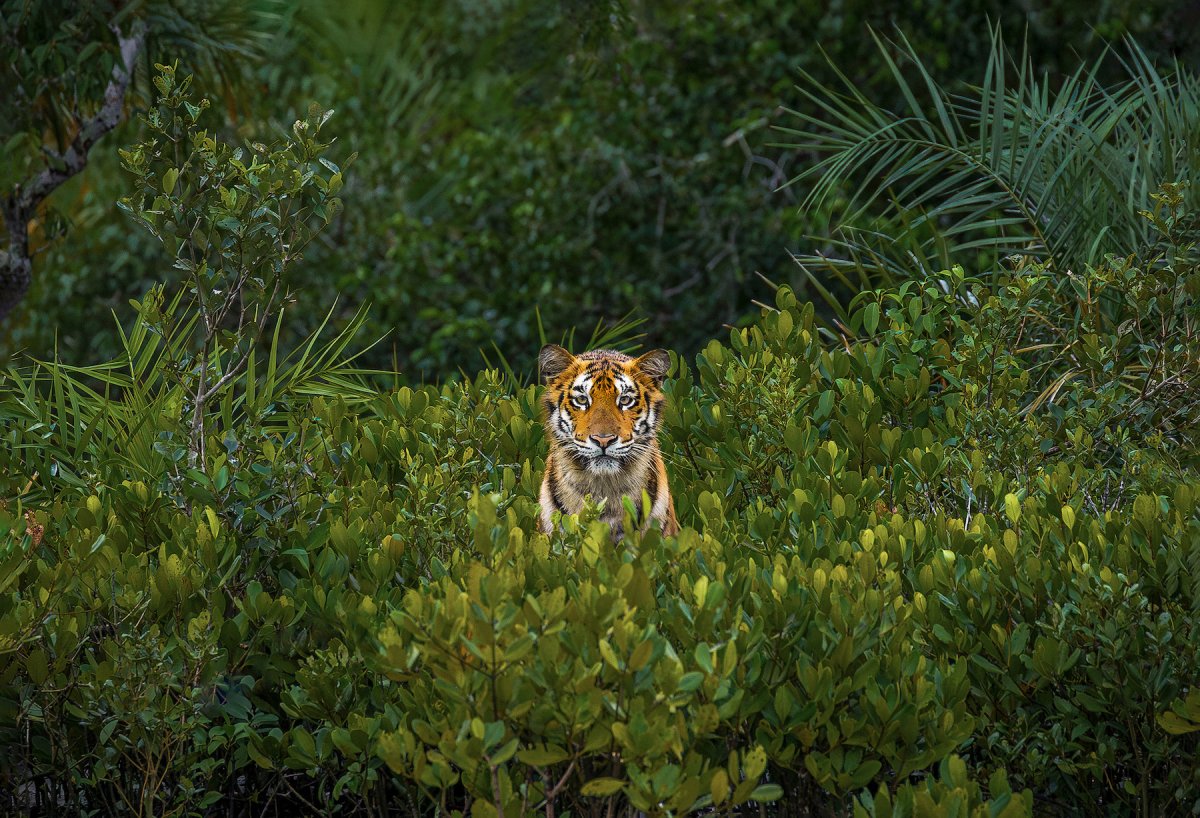
🌿
8 cool images from the mangrove photography awards
8 coole afbeeldingen van de Mangrove Fotografie Awards
8 images cool des Mangrove Photography Awards
Mangroves are truly amazing, acting as nature's buffer against storms and providing homes for countless species. The Mangrove Photography Awards highlight this ecological wonder by showcasing breathtaking photos that raise awareness for conservation. Last year, over 3,300 entries poured in from around the globe, and now the 2026 competition is open for submissions! Photographers can send in their stunning images until June 1, 2026, with winners to be announced later this year.
Mangroves zijn echt geweldig, ze fungeren als een natuurlijke buffer tegen stormen en bieden onderdak aan talloze soorten. De Mangrove Fotografie Awards benadrukken dit ecologische wonder door adembenemende foto's te tonen die bewustzijn creëren voor behoud. Vorig jaar kwamen er meer dan 3.300 inzendingen van over de hele wereld binnen, en nu is de competitie voor 2026 geopend voor inzendingen! Fotografen kunnen hun prachtige beelden tot 1 juni 2026 insturen, met de winnaars die later dit jaar worden bekendgemaakt.
Les mangroves sont vraiment incroyables, agissant comme un tampon naturel contre les tempêtes et offrant des abris à d'innombrables espèces. Les Mangrove Photography Awards mettent en lumière cette merveille écologique en présentant des photos époustouflantes qui sensibilisent à la conservation. L'année dernière, plus de 3 300 candidatures ont afflué du monde entier, et maintenant la compétition de 2026 est ouverte aux soumissions ! Les photographes peuvent envoyer leurs images éblouissantes jusqu'au 1er juin 2026, avec les gagnants qui seront annoncés plus tard cette année.

🎶
Obama and Mamdani sing with children in New York
Obama en Mamdani zingen met kinderen in New York
Obama et Mamdani chantent avec des enfants à New York
So, former President Obama and New York City Mayor Mamdani had a delightful meeting at a Bronx child care center where they sang with preschoolers. They kicked things off with 'Wheels on the Bus' and even learned a K-pop song from the kids! Obama joked about how the kids made the mayor feel old, which brought lots of laughter. It's heartwarming to see leaders engaging with the youngest members of our community, discussing a vision for a bright future.
Dus, voormalig president Obama en burgemeester Mamdani van New York hadden een heerlijke ontmoeting in een kinderdagverblijf in de Bronx waar ze met peuters zongen. Ze begonnen met 'Wheels on the Bus' en leerden zelfs een K-popnummer van de kinderen! Obama maakte een grapje over hoe de kinderen de burgemeester oud deden voelen, wat veel gelach opleverde. Het is hartverwarmend om te zien hoe leiders zich bezighouden met de jongste leden van onze gemeenschap en praten over een visie voor een stralende toekomst.
Alors, l'ancien président Obama et le maire de New York Mamdani ont eu une rencontre délicieuse dans un centre de garde d'enfants dans le Bronx où ils ont chanté avec des préscolaires. Ils ont commencé par 'Wheels on the Bus' et ont même appris une chanson K-pop des enfants ! Obama a plaisanté sur le fait que les enfants ont fait sentir le maire vieux, ce qui a suscité beaucoup de rires. C'est réconfortant de voir des dirigeants s'engager avec les plus jeunes membres de notre communauté, discutant d'une vision pour un avenir radieux.
🐑
More than 100 hikers accompany 800 sheep on trek through Voerstreek to summer pastures
Meer dan 100 wandelaars vergezellen 800-tal schapen op trektocht door Voerstreek naar zomerweiden
Plus de 100 randonneurs accompagnent 800 moutons lors de leur trek à travers Voerstreek vers les pâturages d'été
This weekend, the Transhumance event took place in Voeren, organized by Natuurpunt, where around 800 sheep were walked from their winter to summer pastures. It attracted a record 110 hikers, the highest number ever! Participants enjoyed a scenic 12-kilometer trek over two days, celebrating a tradition that brings the community together. The joy was palpable, with both young and old sharing in the experience, making it a delightful event for everyone involved.
Dit weekend vond de Transhumance plaats in Voeren, georganiseerd door Natuurpunt, waarbij ongeveer 800 schapen van hun winter- naar zomerweiden werden gebracht. Dit trok een record van 110 wandelaars, het hoogste aantal ooit! De deelnemers genoten van een schilderachtige wandeling van 12 kilometer over twee dagen, waarbij ze een traditie vierden die de gemeenschap samenbrengt. De vreugde was voelbaar, met zowel jong als oud die samen van de ervaring genoten, wat het een geweldig evenement maakte voor iedereen.
Ce week-end, l'événement de Transhumance a eu lieu à Voeren, organisé par Natuurpunt, où environ 800 moutons ont été conduits de leurs pâturages d'hiver à ceux d'été. Cela a attiré un nombre record de 110 randonneurs, le plus élevé jamais enregistré ! Les participants ont apprécié une randonnée pittoresque de 12 kilomètres sur deux jours, célébrant une tradition qui unit la communauté. La joie était palpable, avec des jeunes et des moins jeunes partageant cette expérience, rendant l'événement agréable pour tous.
👨👩👧👦
Embracing families: businesses that welcome kids with open arms
Gezinnen verwelkomen: bedrijven die kinderen met open armen ontvangen
Accueillir les familles : des entreprises qui ouvrent leurs bras aux enfants
So, there's a growing trend where businesses are flipping the script on the 'no kids' policy. Instead, they're creating spaces that are truly family-friendly, which is fantastic! This approach not only attracts families but also provides a much-needed respite for parents. It's all about making environments where both kids and adults can enjoy themselves, and it seems to be paying off for these businesses.
Er is een groeiende trend waarbij bedrijven het script omdraaien op het 'geen kinderen'-beleid. In plaats daarvan creëren ze ruimtes die echt gezinsvriendelijk zijn, wat fantastisch is! Deze aanpak trekt niet alleen gezinnen aan, maar biedt ook een broodnodige adempauze voor ouders. Het draait allemaal om het creëren van omgevingen waar zowel kinderen als volwassenen van kunnen genieten, en het lijkt de bedrijven goed te doen.
Il y a une tendance croissante où les entreprises retournent le script sur la politique du 'pas d'enfants'. Au lieu de cela, elles créent des espaces vraiment adaptés aux familles, ce qui est fantastique ! Cette approche attire non seulement les familles, mais offre également un répit bien nécessaire aux parents. Il s'agit de créer des environnements où les enfants et les adultes peuvent profiter ensemble, et cela semble porter ses fruits pour ces entreprises.
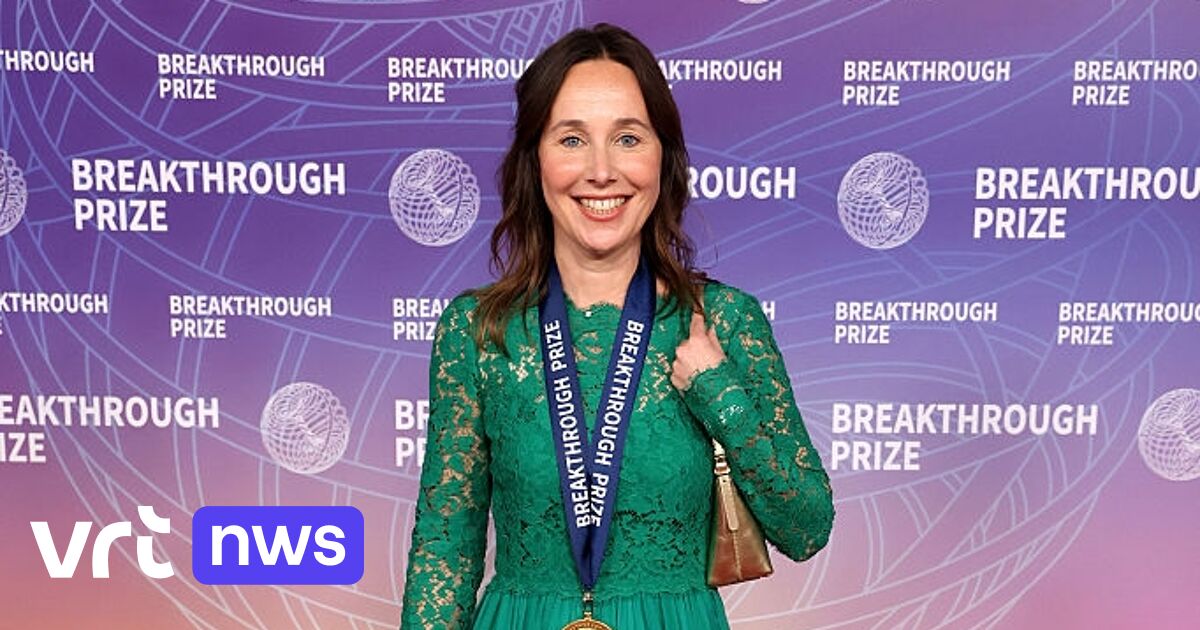
🌟
Antwerp researcher Rosa Rademakers wins prestigious 'Oscar of science' for groundbreaking discovery about dementia and ALS
Antwerpse onderzoekster Rosa Rademakers wint prestigieuze 'Oscar van de wetenschap' voor baanbrekende ontdekking over dementie en ALS
La chercheuse anversoise Rosa Rademakers remporte le prestigieux 'Oscar de la science' pour sa découverte révolutionnaire sur la démence et la SLA
Rosa Rademakers, a researcher from Antwerp, has just won the prestigious Breakthrough Prize in Los Angeles. This award recognizes her incredible discovery that the same genetic mutation can cause both frontotemporal dementia and the deadly ALS. While both diseases remain incurable, Rademakers is hopeful that her findings will lead to new treatments in the near future. It's such a fantastic acknowledgment not just for her work, but for all her colleagues who tirelessly contribute to this vital research.
Rosa Rademakers, een onderzoekster uit Antwerpen, heeft zojuist de prestigieuze Breakthrough Prize in Los Angeles gewonnen. Deze prijs erkent haar ongelooflijke ontdekking dat dezelfde genetische mutatie zowel frontotemporale dementie als de dodelijke ALS kan veroorzaken. Hoewel beide ziekten ongeneeslijk blijven, hoopt Rademakers dat haar bevindingen in de nabije toekomst zullen leiden tot nieuwe behandelingen. Het is zo'n fantastische erkenning, niet alleen voor haar werk, maar ook voor al haar collega's die onvermoeibaar bijdragen aan dit belangrijke onderzoek.
Rosa Rademakers, une chercheuse d'Anvers, vient de remporter le prestigieux Breakthrough Prize à Los Angeles. Ce prix reconnaît sa découverte incroyable selon laquelle la même mutation génétique peut provoquer à la fois la démence frontotemporale et la SLA mortelle. Bien que ces deux maladies restent incurables, Rademakers espère que ses résultats mèneront à de nouveaux traitements dans un avenir proche. C'est une reconnaissance fantastique, non seulement pour son travail, mais aussi pour tous ses collègues qui contribuent sans relâche à cette recherche vitale.
😂
What life is like when you have an unfortunate surname
Hoe het leven is met een ongelukkige achternaam
À quoi ressemble la vie avec un nom de famille malheureux
So, Andy Mycock shares his journey of living with an unfortunate surname that has shaped his life in unexpected ways. Growing up in Derbyshire, he didn't realize the humor behind his name until he moved to Salford for university, where laughter became a daily occurrence. Despite the challenges, he's learning to embrace his name and even turning his experiences into a comedy show. It's a heartwarming tale about identity, humor, and the power of acceptance.
Andy Mycock deelt zijn reis van het leven met een ongelukkige achternaam die zijn leven op onverwachte manieren heeft gevormd. Opgegroeid in Derbyshire, besefte hij de humor achter zijn naam pas toen hij naar Salford verhuisde voor de universiteit, waar lachen een dagelijkse gebeurtenis werd. Ondanks de uitdagingen leert hij zijn naam te omarmen en maakt hij zelfs een comedyshow van zijn ervaringen. Het is een hartverwarmend verhaal over identiteit, humor en de kracht van acceptatie.
Andy Mycock partage son parcours de vie avec un nom de famille malheureux qui a façonné sa vie de manière inattendue. Ayant grandi dans le Derbyshire, il n'a pas réalisé l'humour derrière son nom avant de déménager à Salford pour l'université, où les rires sont devenus une occurrence quotidienne. Malgré les défis, il apprend à accepter son nom et transforme même ses expériences en un spectacle de comédie. C'est une histoire réconfortante sur l'identité, l'humour et le pouvoir de l'acceptation.
🎶
Noémie Wolfs reunites with Hooverphonic for anniversary: “Thirtieth birthday wouldn't be complete without her”
Noémie Wolfs weer even bij Hooverphonic voor jubileum: “Dertigste verjaardag zou niet compleet zijn zonder haar”
Noémie Wolfs de nouveau avec Hooverphonic pour l'anniversaire : “Le trentième anniversaire ne serait pas complet sans elle”
It's such exciting news that Noémie Wolfs is back with Hooverphonic for their thirtieth anniversary! This reunion is a heartfelt reminder of her significant role in the band's journey. I mean, can you imagine celebrating such a milestone without her? It’s going to be a fantastic event filled with nostalgia and great music, and I can't wait to see how they honor this special occasion.
Het is zo spannend nieuws dat Noémie Wolfs terug is bij Hooverphonic voor hun dertigste verjaardag! Deze reünie is een hartverwarmende herinnering aan haar belangrijke rol in de reis van de band. Ik bedoel, kun je je voorstellen zo'n mijlpaal te vieren zonder haar? Het wordt een fantastisch evenement vol nostalgie en geweldige muziek, en ik kan niet wachten om te zien hoe ze deze speciale gelegenheid eren.
C'est une nouvelle si excitante que Noémie Wolfs revient avec Hooverphonic pour leur trentième anniversaire ! Cette réunion est un rappel touchant de son rôle significatif dans le parcours du groupe. Je veux dire, pouvez-vous imaginer célébrer un tel jalon sans elle ? Ce sera un événement fantastique rempli de nostalgie et de bonne musique, et j'ai hâte de voir comment ils vont honorer cette occasion spéciale.
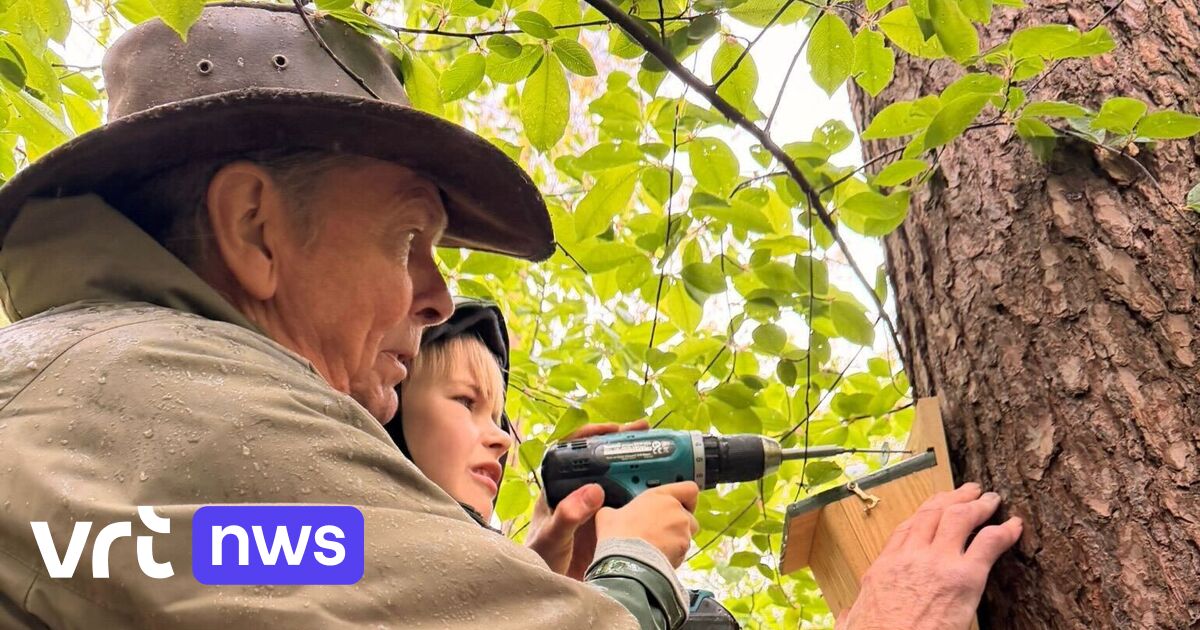
🌳
Neighbors raise money for 50 birdhouses in forest in Schilde: "It's a way to connect the community"
Buren zamelen geld in voor 50 nestkastjes in bos in Schilde: "Het is een manier om de buurt te verbinden"
Les voisins collectent des fonds pour 50 nichoirs dans la forêt de Schilde : "C'est une façon de connecter la communauté"
In Schilde, neighbors have come together to hang 50 new birdhouses in the Picardiebos, funded by their annual Picardiebosfeesten. This event not only helps clean up their beloved forest but also fosters a sense of community among the residents. Filip Helssen, a local resident and initiator, emphasizes the importance of both nature and social connection in their efforts. Despite the rain, all the birdhouses were installed, marking a wonderful step towards enriching their local environment.
In Schilde hebben buren samengewerkt om 50 nieuwe nestkastjes op te hangen in het Picardiebos, gefinancierd door hun jaarlijkse Picardiebosfeesten. Dit evenement helpt niet alleen om hun geliefde bos op te ruimen, maar bevordert ook het gemeenschapsgevoel onder de bewoners. Filip Helssen, een lokale bewoner en initiatiefnemer, benadrukt het belang van zowel de natuur als de sociale verbinding in hun inspanningen. Ondanks de regen zijn alle nestkastjes geïnstalleerd, wat een geweldige stap markeert naar het verrijken van hun lokale omgeving.
À Schilde, des voisins se sont réunis pour accrocher 50 nouveaux nichoirs dans le Picardiebos, financés par leurs Picardiebosfeesten annuels. Cet événement aide non seulement à nettoyer leur forêt bien-aimée, mais favorise également le sentiment de communauté parmi les résidents. Filip Helssen, un résident local et initiateur, souligne l'importance de la nature et de la connexion sociale dans leurs efforts. Malgré la pluie, tous les nichoirs ont été installés, marquant une merveilleuse étape vers l'enrichissement de leur environnement local.
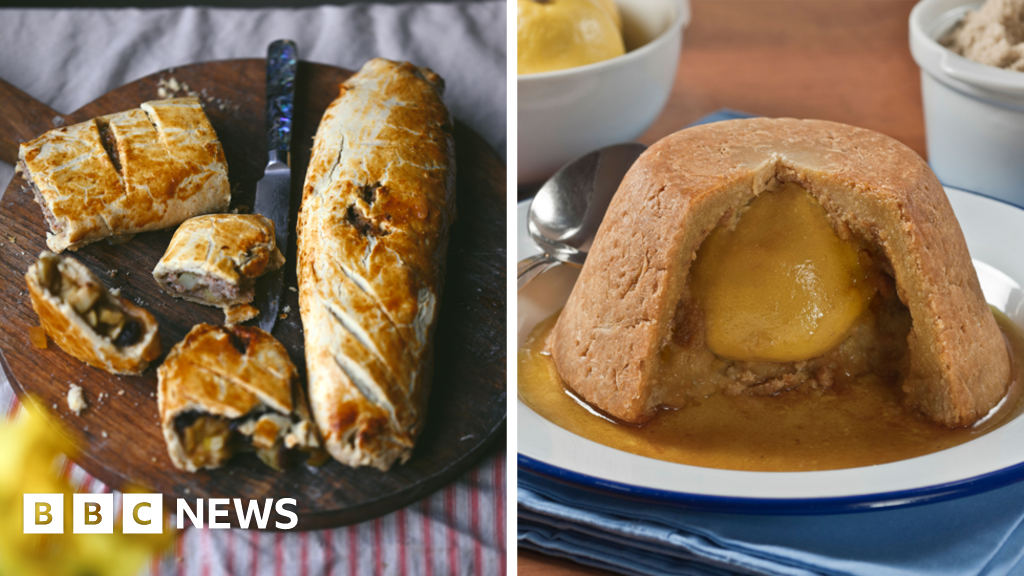
🍽️
Endangered British dishes - and the home cooks reviving them
Bedreigde Britse gerechten - en de thuiskoks die ze nieuw leven inblazen
Plats britanniques menacés - et les cuisiniers amateurs qui les ravivent
Have you ever heard of carrageenan pudding? It's one of those quirky British dishes that food creator Annie Mae Herring is bringing back to life. Her social media series is not just about cooking; it's a nostalgic journey for many who remember these dishes from their childhood. With recipes like Brown Windsor soup and Staffordshire clanger, she's tapping into a rich culinary history that might soon be forgotten. It's heartwarming to see how these old recipes evoke such strong emotions and memories among her followers.
Heb je ooit van carrageenan pudding gehoord? Het is een van die eigenaardige Britse gerechten die voedselmaker Annie Mae Herring nieuw leven inblaast. Haar sociale media-serie gaat niet alleen over koken; het is een nostalgische reis voor velen die deze gerechten uit hun kindertijd herinneren. Met recepten zoals Brown Windsor-soep en Staffordshire clanger raakt ze een rijke culinaire geschiedenis die misschien snel vergeten zal worden. Het is hartverwarmend om te zien hoe deze oude recepten zulke sterke emoties en herinneringen oproepen bij haar volgers.
Avez-vous déjà entendu parler du pudding de carraghénane? C'est l'un de ces plats britanniques originaux que la créatrice culinaire Annie Mae Herring remet au goût du jour. Sa série sur les réseaux sociaux n'est pas seulement une question de cuisine ; c'est un voyage nostalgique pour beaucoup qui se souviennent de ces plats de leur enfance. Avec des recettes comme la soupe Brown Windsor et le clanger de Staffordshire, elle explore une riche histoire culinaire qui pourrait bientôt être oubliée. C'est réconfortant de voir comment ces anciennes recettes évoquent des émotions et des souvenirs si forts chez ses abonnés.
/s3/static.nrc.nl/wp-content/uploads/2026/04/08095709/110426BOE_2032669931_6.jpg)
🐹
Writer Tijl Nuyts: 'The naked mole rat made me realize that the world is malleable'
Schrijver Tijl Nuyts: ‘De naakte molrat deed me inzien dat de wereld kneedbaar is’
L'écrivain Tijl Nuyts : 'Le rat taupe nu est un exemple de la malléabilité du monde'
Tijl Nuyts has a unique perspective on the naked mole rat, which he believes reflects deeper societal themes like activism and climate change. His debut novel, told from the perspective of this peculiar creature, won the prestigious Boon Literature Prize, highlighting its surprising take on alternative living. Initially met with disgust, Nuyts found fascination in the mole rat's eusocial behavior and resilience, turning his initial aversion into admiration. This quirky animal has become a symbol for him, sparking conversations that go beyond the surface.
Tijl Nuyts heeft een unieke kijk op de naakte molrat, die volgens hem diepere maatschappelijke thema's zoals activisme en klimaatverandering weerspiegelt. Zijn debuutroman, verteld vanuit het perspectief van dit bijzondere wezen, won de prestigieuze Boon Literatuurprijs en benadrukt de verrassende kijk op alternatieve samenlevingsvormen. Aanvankelijk met afschuw ontvangen, vond Nuyts fascinatie in het eusociale gedrag en de veerkracht van de molrat, waardoor zijn aanvankelijke afkeer veranderde in bewondering. Dit eigenaardige dier is voor hem een symbool geworden, dat gesprekken oproept die verder gaan dan de oppervlakte.
Tijl Nuyts a une perspective unique sur le rat taupe nu, qu'il considère comme un reflet de thèmes sociétaux plus profonds tels que l'activisme et le changement climatique. Son premier roman, raconté du point de vue de cette créature étrange, a remporté le prestigieux Prix Boon de littérature, mettant en avant sa vision surprenante de la vie alternative. D'abord reçu avec dégoût, Nuyts a trouvé de la fascination dans le comportement eusocial et la résilience du rat taupe, transformant son aversion initiale en admiration. Cet animal excentrique est devenu pour lui un symbole, suscitant des conversations qui vont au-delà de la surface.
🐱
Meet the Oxford Library Cat Who’s Purr-fectly Content Being the Unofficial College Mascot
Maak kennis met de Oxford Bibliotheekkat die perfect tevreden is als de onofficiële mascotte van de universiteit
Rencontrez le chat de la bibliothèque d'Oxford qui est parfaitement content d'être la mascotte universitaire non officielle
Isambard Kitten Brunel, affectionately known as Issy, is the charming library cat at Oxford University who has captured the hearts of students. He commutes by bus with his owner, Jamie, and spends his days lounging in the library, soaking up attention and affection. Issy has become an unofficial mascot, bringing comfort to students, especially those missing their pets. His friendly demeanor even helps those in distress, making him a beloved figure on campus.
Isambard Kitten Brunel, liefkozend bekend als Issy, is de charmante bibliotheekkat aan de Universiteit van Oxford die de harten van studenten heeft veroveren. Hij reist met de bus samen met zijn eigenaar, Jamie, en brengt zijn dagen door met ontspannen in de bibliotheek, terwijl hij aandacht en genegenheid opzuigt. Issy is een onofficiële mascotte geworden en biedt troost aan studenten, vooral aan degenen die hun huisdieren missen. Zijn vriendelijke karakter helpt zelfs degenen in nood, waardoor hij een geliefd figuur op de campus is.
Isambard Kitten Brunel, affectueusement connu sous le nom d'Issy, est le charmant chat de la bibliothèque de l'Université d'Oxford qui a conquis le cœur des étudiants. Il prend le bus avec son propriétaire, Jamie, et passe ses journées à se prélasser dans la bibliothèque, profitant de l'attention et de l'affection. Issy est devenu une mascotte non officielle, apportant du réconfort aux étudiants, en particulier à ceux qui manquent leurs animaux de compagnie. Son caractère amical aide même ceux qui sont en détresse, faisant de lui une figure bien-aimée sur le campus.
/s3/static.nrc.nl/wp-content/uploads/2026/04/03145006/180426WET_2032258145_1.jpg)
💧
Harvesting drinking water from desert air, this Nobel laureate believes it can be done
Drinkwater winnen uit woestijnlucht, deze Nobelprijswinnaar gelooft dat het kan
Produire de l'eau potable à partir de l'air du désert, ce lauréat du prix Nobel croit que c'est possible
Imagine pulling clean drinking water straight from the air, even in a dry desert! Omar Yaghi, a Nobel Prize winner, is making this a reality with his innovative technology. His company Atoco is set to deliver systems that can extract about a thousand liters of water daily from the atmosphere. This breakthrough not only addresses water scarcity but does so with the cleanest water possible, free from any contaminants.
Stel je voor dat je schoon drinkwater rechtstreeks uit de lucht kunt halen, zelfs in een droge woestijn! Omar Yaghi, een Nobelprijswinnaar, maakt dit mogelijk met zijn innovatieve technologie. Zijn bedrijf Atoco staat op het punt systemen te leveren die dagelijks ongeveer duizend liter water uit de atmosfeer kunnen extraheren. Deze doorbraak pakt niet alleen waterschaarste aan, maar doet dit ook met het schoonste water dat er is, vrij van verontreinigingen.
Imaginez extraire de l'eau potable directement de l'air, même dans un désert aride ! Omar Yaghi, lauréat du prix Nobel, rend cela possible grâce à sa technologie innovante. Son entreprise Atoco est sur le point de livrer des systèmes capables d'extraire environ mille litres d'eau de l'atmosphère chaque jour. Cette avancée ne fait pas seulement face à la pénurie d'eau, mais le fait avec l'eau la plus pure possible, sans contaminants.

🐶
Robots can’t replace guide dogs
Robot honden kunnen blindengeleidehonden niet vervangen
Les robots ne peuvent pas remplacer les chiens guides
Guide dogs are incredible companions for those with vision loss, providing not just navigation but also emotional support. While robots seem like a futuristic alternative, they lack the deep bond and intuition that guide dogs offer. A recent study highlights the unique relationship between service dogs and their owners, emphasizing mutual trust and understanding. Ultimately, the emotional intelligence of a dog far surpasses any robotic capabilities, making them irreplaceable.
Blindengeleidehonden zijn ongelooflijke metgezellen voor mensen met een visuele beperking, die niet alleen navigatie bieden, maar ook emotionele steun. Hoewel robots als een futuristisch alternatief lijken, missen ze de diepe band en intuïtie die blindengeleidehonden bieden. Een recente studie benadrukt de unieke relatie tussen hulphonden en hun eigenaren, met de nadruk op wederzijds vertrouwen en begrip. Uiteindelijk overtreft de emotionele intelligentie van een hond ver de mogelijkheden van een robot, waardoor ze onvervangbaar zijn.
Les chiens guides sont des compagnons incroyables pour les personnes malvoyantes, offrant non seulement une navigation mais aussi un soutien émotionnel. Bien que les robots semblent être une alternative futuriste, ils manquent du lien profond et de l'intuition que les chiens guides offrent. Une étude récente met en lumière la relation unique entre les chiens d'assistance et leurs propriétaires, soulignant la confiance et la compréhension mutuelles. En fin de compte, l'intelligence émotionnelle d'un chien dépasse de loin les capacités robotiques, les rendant irremplaçables.

🏆
Belgian architects win largest European architecture award for conference center in Charleroi
Belgische architecten winnen grootste Europese architectuurprijs voor congrescentrum in Charleroi
Des architectes belges remportent le plus grand prix européen d'architecture pour un centre de congrès à Charleroi
It's a fantastic moment for Belgian architecture! For the first time ever, the EUmies Award has been awarded to Belgian architects, specifically the Brussels firm AgwA and the Ghent duo Jan De Vylder and Inge Vinck. They received this prestigious recognition for their renovation of the Palais des Expositions in Charleroi, now known as the Grand Palais. The project cleverly preserved the building's original structure while making it more accessible, blending history with modern functionality.
Het is een fantastisch moment voor de Belgische architectuur! Voor het eerst ooit is de EUmies Award toegekend aan Belgische architecten, namelijk het Brusselse bureau AgwA en het Gentse duo Jan De Vylder en Inge Vinck. Ze ontvingen deze prestigieuze erkenning voor hun renovatie van het Palais des Expositions in Charleroi, nu bekend als het Grand Palais. Het project heeft de oorspronkelijke structuur van het gebouw slim behouden en tegelijkertijd toegankelijker gemaakt, waarbij geschiedenis en moderne functionaliteit worden gecombineerd.
C'est un moment fantastique pour l'architecture belge ! Pour la première fois, le prix EUmies a été décerné à des architectes belges, en particulier le bureau bruxellois AgwA et le duo gantois Jan De Vylder et Inge Vinck. Ils ont reçu cette reconnaissance prestigieuse pour leur rénovation du Palais des Expositions à Charleroi, désormais connu sous le nom de Grand Palais. Le projet a habilement préservé la structure d'origine du bâtiment tout en le rendant plus accessible, alliant histoire et fonctionnalité moderne.
🌟
She defies a storm of sexism, but Kompany stands up for her: who is Marie-Louise Eta, the first female coach in the Bundesliga?
Ze trotseert een storm aan seksisme, maar Kompany springt voor haar in de bres: wie is Marie-Louise Eta, de eerste vrouwelijke trainer in de Bundesliga?
Elle défie une tempête de sexisme, mais Kompany la défend : qui est Marie-Louise Eta, la première femme entraîneur en Bundesliga ?
Marie-Louise Eta is making waves as the first female coach in the Bundesliga, and it’s about time! Despite facing a barrage of sexism, she remains undeterred and focused on her passion for the game. Vincent Kompany has stepped in to support her, showing that solidarity can make a real difference. This is a groundbreaking moment in sports, and I can't wait to see how her journey unfolds!
Marie-Louise Eta maakt furore als de eerste vrouwelijke trainer in de Bundesliga, en dat is meer dan terecht! Ondanks een stortvloed aan seksisme blijft ze onverstoorbaar en gefocust op haar passie voor het spel. Vincent Kompany heeft haar bijgestaan, wat laat zien dat solidariteit echt een verschil kan maken. Dit is een baanbrekend moment in de sport, en ik kan niet wachten om te zien hoe haar reis zich ontvouwt!
Marie-Louise Eta fait sensation en tant que première femme entraîneur en Bundesliga, et c'est plus que mérité ! Malgré une tempête de sexisme, elle reste imperturbable et concentrée sur sa passion pour le jeu. Vincent Kompany est intervenu pour la soutenir, montrant que la solidarité peut vraiment faire la différence. C'est un moment révolutionnaire dans le sport, et j'ai hâte de voir comment son parcours va évoluer !
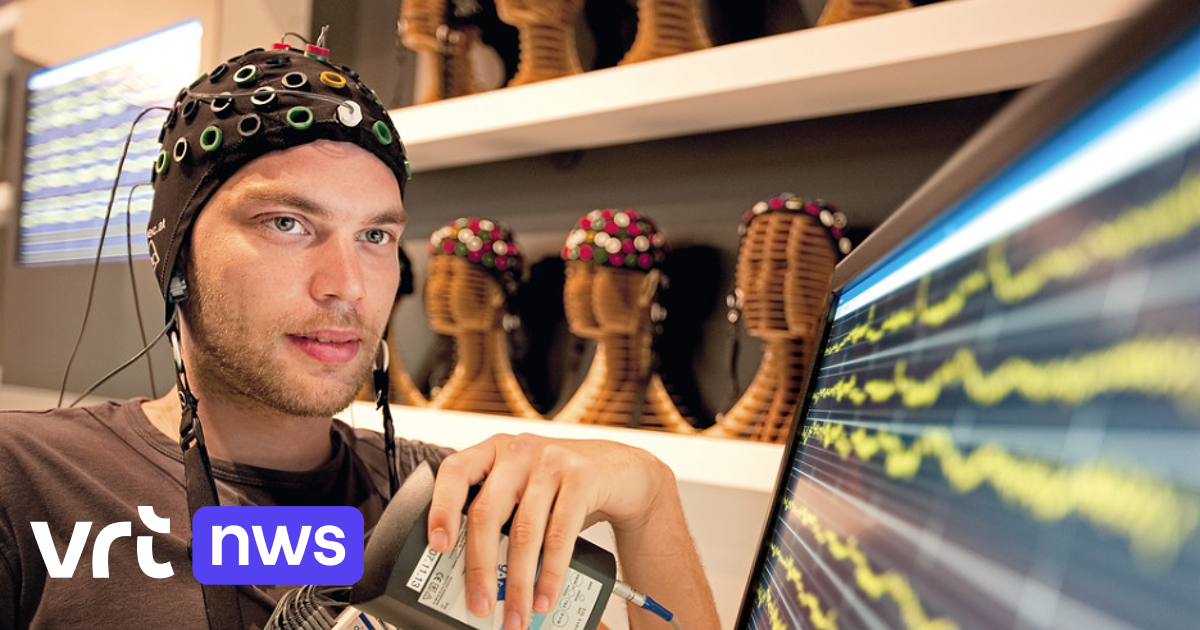
🌟
Hope for patients with paralysis: major breakthrough in Leuven's research on brain-computer interaction
Hoop voor patiënten met verlamming: grote stap vooruit in Leuvens onderzoek naar interactie tussen brein en computer
Espoir pour les patients paralysés : avancée majeure dans la recherche de Louvain sur l'interaction cerveau-ordinateur
Researchers at KU Leuven have made significant progress in developing brain-computer interfaces (BCIs) that could help patients with neurological conditions regain control over movement and speech. This exciting study demonstrates that brain activity can be used to navigate a virtual character in real-time, allowing for intuitive control without physical movement. The findings suggest that BCIs could soon be used in everyday life, making a real difference for patients. With plans for clinical testing in the next two years, the future looks bright for those affected by paralysis.
Onderzoekers van de KU Leuven hebben belangrijke vooruitgang geboekt in de ontwikkeling van brein-computerinterfaces (BCI's) die patiënten met neurologische aandoeningen kunnen helpen om controle over beweging en spraak terug te krijgen. Deze spannende studie toont aan dat hersenactiviteit kan worden gebruikt om een virtueel personage in realtime te navigeren, wat intuïtieve controle zonder fysieke beweging mogelijk maakt. De bevindingen suggereren dat BCI's binnenkort in het dagelijks leven kunnen worden gebruikt, wat een groot verschil kan maken voor patiënten. Met plannen voor klinische testen in de komende twee jaar ziet de toekomst er veelbelovend uit voor mensen die door verlamming zijn getroffen.
Les chercheurs de l'Université de Louvain ont réalisé des progrès significatifs dans le développement des interfaces cerveau-ordinateur (ICO) qui pourraient aider les patients atteints de troubles neurologiques à retrouver le contrôle de leurs mouvements et de leur parole. Cette étude passionnante démontre que l'activité cérébrale peut être utilisée pour naviguer un personnage virtuel en temps réel, permettant un contrôle intuitif sans mouvement physique. Les résultats suggèrent que les ICO pourraient bientôt être utilisées dans la vie quotidienne, apportant un réel changement pour les patients. Avec des plans pour des essais cliniques dans les deux prochaines années, l'avenir s'annonce radieux pour ceux touchés par la paralysie.
🌞
Football club Lierse installs hundreds of solar panels on stadium roof: supporters can become co-owners
Voetbalclub Lierse legt honderden zonnepanelen op dak van stadion: supporters kunnen mede-eigenaar worden
Le club de football Lierse installe des centaines de panneaux solaires sur le toit du stade : les supporters peuvent devenir copropriétaires
I’m really excited about this! Lierse football club is set to install over 500 solar panels on the roof of their stadium by summer, aiming for a more sustainable future. Supporters and locals can invest in this green initiative, with shares starting at just 250 euros and potential returns of up to 6 percent. It’s not just about saving money, but also about making a positive impact on the environment. Plus, investors can snag some fun perks like signed shirts or even a chance to take a penalty during halftime!
Ik ben echt enthousiast hierover! Voetbalclub Lierse gaat tegen de zomer meer dan 500 zonnepanelen op het dak van hun stadion installeren, met als doel een duurzamere toekomst. Supporters en buurtbewoners kunnen investeren in dit groene initiatief, met aandelen vanaf 250 euro en een potentieel rendement tot 6 procent. Het gaat niet alleen om geld besparen, maar ook om een positieve impact op het milieu te maken. Bovendien kunnen investeerders leuke extraatjes krijgen, zoals gesigneerde shirts of zelfs de kans om een penalty te nemen tijdens de rust!
Je suis vraiment enthousiaste à ce sujet ! Le club de football Lierse va installer plus de 500 panneaux solaires sur le toit de son stade d'ici l'été, visant un avenir plus durable. Les supporters et les habitants peuvent investir dans cette initiative verte, avec des parts à partir de 250 euros et un rendement potentiel allant jusqu'à 6 %. Il ne s'agit pas seulement d'économiser de l'argent, mais aussi de faire un impact positif sur l'environnement. De plus, les investisseurs peuvent obtenir des avantages amusants, comme des maillots signés ou même la chance de tirer un penalty pendant la mi-temps !

🌞
How South Korea plans to use the Iran crisis to spur a renewables revolution
Hoe Zuid-Korea de Iran-crisis wil gebruiken om een revolutie in hernieuwbare energie te stimuleren
Comment la Corée du Sud prévoit d'utiliser la crise iranienne pour stimuler une révolution des énergies renouvelables
In the village of Guyang-ri, solar power is transforming lives and fostering community spirit. The profits from a solar installation fund communal meals and activities, strengthening bonds among residents. This initiative is part of South Korea's ambitious plan to expand its 'solar income village' program to 2,500 villages by 2030. With the Iran crisis as a catalyst, the government is accelerating its clean energy transition, aiming for a significant increase in renewable energy funding and infrastructure improvements.
In het dorp Guyang-ri transformeert zonne-energie levens en bevordert het de gemeenschapszin. De winsten van een zonne-installatie financieren gezamenlijke maaltijden en activiteiten, wat de banden tussen bewoners versterkt. Dit initiatief maakt deel uit van Zuid-Korea's ambitieuze plan om het 'zonne-inkomsten dorp'-programma uit te breiden naar 2.500 dorpen tegen 2030. Met de Iran-crisis als katalysator versnelt de regering de overgang naar schone energie, met als doel een aanzienlijke verhoging van de financiering voor hernieuwbare energie en verbeteringen aan de infrastructuur.
Dans le village de Guyang-ri, l'énergie solaire transforme les vies et renforce l'esprit communautaire. Les bénéfices d'une installation solaire financent des repas et des activités communes, renforçant les liens entre les habitants. Cette initiative fait partie du plan ambitieux de la Corée du Sud pour étendre son programme de 'village de revenus solaires' à 2 500 villages d'ici 2030. Avec la crise iranienne comme catalyseur, le gouvernement accélère sa transition énergétique propre, visant une augmentation significative du financement des énergies renouvelables et des améliorations des infrastructures.
/s3/static.nrc.nl/wp-content/uploads/2026/04/09160037/130426BIN_2032835980_vlinder.jpg)
🦋
Butterfly Tinder? Friesland and Overijssel want a 'dating highway' for the large fire butterfly
Vlinder-Tinder? Friesland en Overijssel willen een ‘datingsnelweg’ voor de grote vuurvlinder
Papillon Tinder? La Frise et l'Overijssel veulent une 'autoroute de rencontres' pour le grand papillon de feu
Isn't it fascinating? The large fire butterfly, a stunning species unique to the Netherlands, is facing extinction in its habitat in Friesland. Conservationists are now proposing a 'butterfly Tinder' to connect populations in Friesland and Overijssel, which is crucial for genetic diversity. They’re working hard to restore the butterfly's habitat by planting essential plants like water sorrel. With dedicated efforts, they hope to see this beautiful butterfly thrive once again.
Is het niet fascinerend? De grote vuurvlinder, een prachtige soort die uniek is voor Nederland, staat op het punt van uitsterven in zijn leefgebied in Friesland. Natuurbeschermers stellen nu een 'vlinder-Tinder' voor om populaties in Friesland en Overijssel met elkaar te verbinden, wat cruciaal is voor genetische diversiteit. Ze werken hard aan het herstellen van de habitat van de vlinder door essentiële planten zoals waterzuring te planten. Met toegewijde inspanningen hopen ze deze mooie vlinder weer te zien gedijen.
N'est-ce pas fascinant? Le grand papillon de feu, une espèce magnifique unique aux Pays-Bas, est en danger d'extinction dans son habitat en Frise. Les conservateurs proposent maintenant un 'Tinder pour papillons' pour connecter les populations en Frise et en Overijssel, ce qui est crucial pour la diversité génétique. Ils travaillent dur pour restaurer l'habitat du papillon en plantant des plantes essentielles comme l'oseille d'eau. Avec des efforts dévoués, ils espèrent voir ce magnifique papillon prospérer à nouveau.